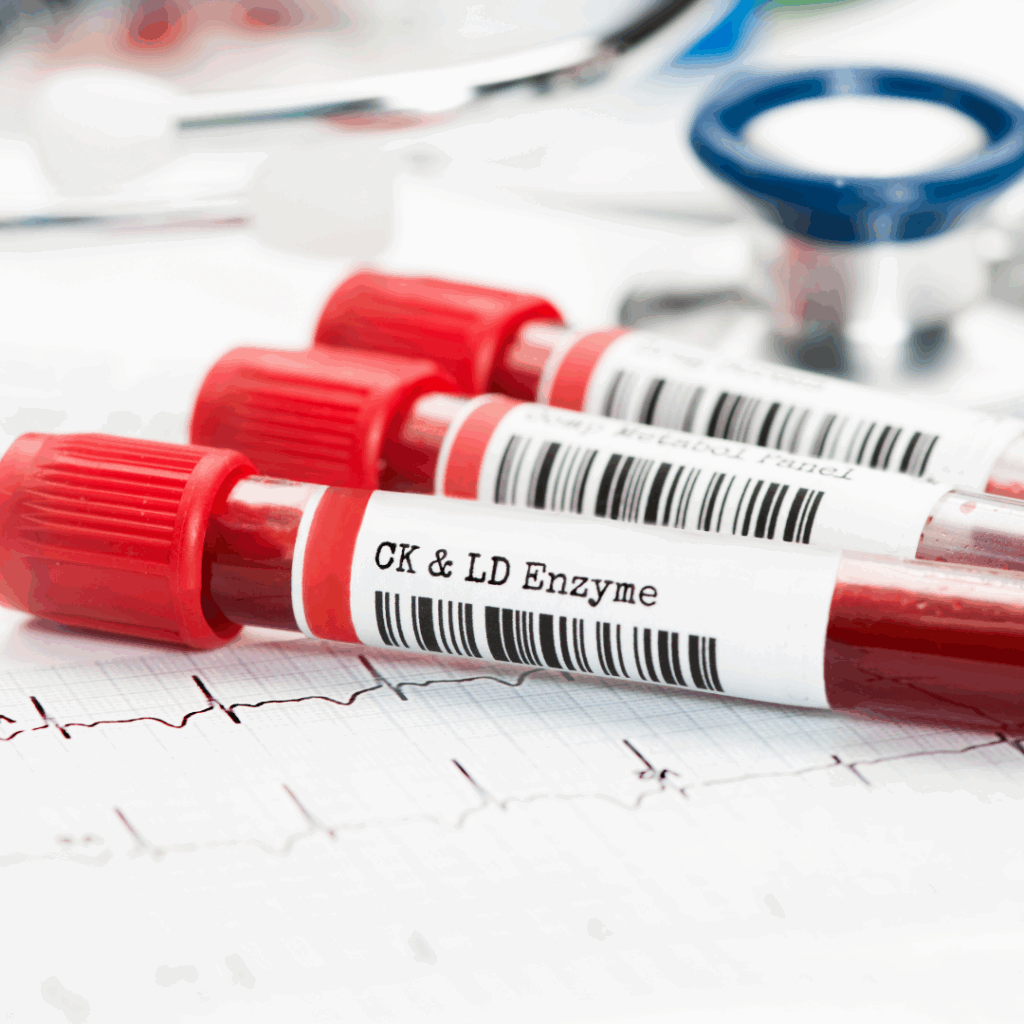
Hair loss is often attributed to genetics or hormones, but nutrition and lifestyle may also play a role in hair health. Research suggests that chronic stress, inadequate sleep, restrictive eating, insufficient energy intake, and nutrient deficiencies can affect the hair growth cycle and contribute to increased shedding.
One mechanism explored in research is oxidative stress, which occurs when reactive molecules called free radicals overwhelm the body’s antioxidant defenses. Oxidative stress may contribute to cellular damage, inflammation, and changes in hair follicle function. Antioxidants and adequate nutrient intake support normal cellular processes, although more research is needed to determine how effectively specific nutritional interventions prevent or reverse hair loss.
Nutrients That Support Healthy Hair
Hair follicles require sufficient energy, protein, vitamins, and minerals to support growth and normal cellular activity. Although deficiencies in certain nutrients may contribute to hair loss, research linking individual nutrient levels to specific types of hair loss remains mixed.
Protein and amino acids: Provide the building blocks for keratin, the primary structural protein in hair. Inadequate protein or overall energy intake may disrupt normal hair growth.
Iron: Supports essential cellular processes and may influence the hair growth cycle. Some studies associate low iron stores with hair loss, while others find no significant relationship. Evaluating iron status may be appropriate when deficiency is suspected.
Zinc: Supports immune function, enzymatic activity, and tissue maintenance. Significant zinc deficiency can cause hair loss, and correcting the deficiency may support regrowth. However, routine supplementation is not consistently supported in people without a deficiency.
Selenium and copper: Contribute to antioxidant defense and normal cellular function. Severe selenium deficiency may cause hair changes, but excessive selenium intake can also trigger hair loss. Copper supports normal tissue maintenance, although evidence linking copper supplementation to improved hair growth is limited.
Vitamin A: Supports normal cell growth and hair follicle function. However, excessive intake, particularly from supplements containing preformed vitamin A, can cause toxicity and contribute to hair shedding.
B vitamins: Biotin, riboflavin, folate, and vitamin B12 support cellular metabolism, DNA synthesis, and other processes involved in normal hair follicle function. Deficiencies may contribute to hair changes, but evidence that supplementation improves hair growth in people with adequate levels is limited.
Vitamin C: Acts as an antioxidant, supports collagen synthesis, and enhances iron absorption. Adequate intake is particularly relevant when iron deficiency is a concern, although direct evidence linking vitamin C levels to hair loss is limited.
Vitamin D: Supports immune regulation and normal hair follicle activity. Lower vitamin D levels have been reported in people with alopecia areata, an autoimmune condition that causes hair loss. However, an association does not establish causation, and evidence that supplementation improves hair growth remains limited.
Vitamin E: Helps protect cell membranes from oxidative damage. Some studies have found lower vitamin E levels in people with alopecia areata, while others have found no significant differences. More research is needed to determine whether supplementation benefits hair health.
Essential fatty acids: Support cell membrane structure and participate in inflammatory signaling pathways. However, evidence that supplementation directly improves hair growth is limited.
Overall, these nutrients work together to support normal physiological function. Adequate intake matters more than focusing on a single vitamin or mineral, and correcting a genuine deficiency is different from supplementing beyond what the body needs.
Lifestyle Matters, Too
Nutrition is only one piece of the puzzle. Chronic stress, poor sleep, restrictive diets, and inadequate energy intake may disrupt normal physiological processes. Significant physical or psychological stress can also trigger telogen effluvium, a type of hair shedding that may occur weeks to months after a stressful event.
Supporting hair health starts with consistent, balanced nutrition, adequate energy and protein intake, restorative sleep, and sustainable stress-management habits. Avoiding overly restrictive diets is particularly important because insufficient calorie intake can make it difficult to meet the body’s nutritional needs.
Are Hair Supplements the Answer?
Not necessarily. Although nutrient deficiencies can contribute to hair loss, taking additional supplements when you already meet your nutritional needs does not automatically improve hair growth. Excessive intake of certain nutrients, including vitamin A and selenium, can actually contribute to hair loss. High-dose biotin can also interfere with certain laboratory tests, including thyroid and cardiac marker testing.
Rather than immediately reaching for a hair-growth supplement, consider your overall eating patterns and whether you are consistently meeting your nutritional needs. If hair shedding is persistent or significant, a healthcare professional can help evaluate potential causes, including nutritional deficiencies, hormonal changes, thyroid conditions, medications, and other medical factors. Laboratory testing may be appropriate depending on your symptoms and individual risk factors.
At TucsonWellness MD, we’re here to support you on your hair health journey.
Healthy hair begins with supporting the body as a whole. A nutrient-rich diet, adequate energy and protein intake, and healthy lifestyle habits help provide the foundation for normal hair growth. While identifying and correcting a nutrient deficiency may be beneficial, research does not support supplements as a universal solution for hair loss.
The goal isn’t to take more supplements; it’s to understand what your body needs. Hair loss can have many causes, and nutrition is one part of a comprehensive approach rather than a guaranteed solution.
If you’re experiencing hair loss or increased shedding, our team can help you explore potential contributing factors, assess your nutritional needs, and identify personalized strategies to support your overall wellness and hair health. You don’t have to navigate it alone; we’re here to help you get to the root of the issue.
Hormonal health and metabolic health are more connected than many people realize. For individuals with polycystic ovary syndrome (PCOS), nutrition can play an important role in supporting insulin sensitivity, hormone regulation, reproductive health, and long-term wellness.
Emerging discussions around renaming PCOS to polyendocrine metabolic ovarian syndrome (PMOS) reflect a growing recognition that this condition involves more than the ovaries alone. It can affect multiple hormonal and metabolic processes, making individualized nutrition and lifestyle support an important part of comprehensive care.
At the center of this conversation is insulin resistance, a metabolic concern that can influence both blood sugar regulation and hormonal function.
Understanding the Connection Between Insulin Resistance and Hormonal Health
Insulin is a hormone that helps move glucose from the bloodstream into cells for energy. When the body becomes less responsive to insulin, it may compensate by producing more of it. This is known as insulin resistance.
In individuals with PCOS, elevated insulin levels can contribute to increased androgen production, hormonal imbalances, and disruptions in ovulation and menstrual regularity. Insulin resistance is also associated with a greater risk of developing type 2 diabetes and cardiovascular disease.
Importantly, insulin resistance can occur in individuals of all body sizes. Hormonal and metabolic health cannot be determined by weight alone, which is why a personalized approach to assessment and care matters.
How Nutrition Can Support Insulin Sensitivity
The foods we eat influence blood sugar regulation, energy levels, and overall metabolic health. Rather than focusing on a single nutrient or following a highly restrictive diet, research suggests that the overall dietary pattern is an important consideration.
A balanced, nutrient-dense eating pattern can help support more stable blood glucose levels, adequate nutrient intake, and long-term health.
1. Prioritize a Balanced, Whole-Food Eating Pattern
Mediterranean-style and DASH eating patterns have been associated with improvements in several cardiometabolic health markers. These approaches emphasize a variety of minimally processed foods, including:
Vegetables and fruits
Whole grains and other fiber-rich carbohydrates
Beans, lentils, and other legumes
Nuts and seeds
Olive oil and other sources of unsaturated fats
Fish, poultry, eggs, and other sources of protein
These foods provide fiber, vitamins, minerals, antioxidants, and healthy fats that support overall health. Fiber-rich carbohydrates can also help slow digestion and support a more gradual rise in blood glucose.
There is no single diet that works best for everyone with PCOS or insulin resistance. Individual needs, food preferences, culture, medical history, and lifestyle should all help guide nutrition recommendations.
2. Balance Carbohydrates With Protein, Fiber, and Healthy Fats
Carbohydrates are an important source of energy, but the type of carbohydrate and what you eat alongside it can influence your blood sugar response.
Pairing carbohydrates with protein, fiber, and healthy fats can help create balanced meals that support satiety and more gradual digestion.
For example, instead of eating fruit on its own, you might pair an apple with nuts or nut butter. A balanced lunch could include grilled chicken, quinoa, vegetables, and an olive oil-based dressing.
The goal is not to eliminate carbohydrates. It is about choosing nourishing sources and building meals that meet your individual energy and nutrient needs.
3. Be Mindful of Added Sugars and Highly Processed Foods
Frequent consumption of sugar-sweetened beverages and foods high in added sugars may make it more difficult to meet overall nutritional needs and support metabolic health, particularly when these foods displace more nutrient-dense options.
However, a healthy approach does not require eliminating every food that contains sugar. Instead, focus on everyday habits, such as choosing water more often, incorporating whole fruits, and building meals around a variety of nourishing foods.
Consistency matters more than perfection.
4. Include Adequate Protein and Healthy Fats
Protein supports muscle maintenance, recovery, and satiety. Preserving muscle mass is also important for metabolic health because muscle tissue plays a significant role in glucose utilization.
Include protein sources throughout the day, such as eggs, fish, poultry, dairy products, tofu, beans, or lentils, based on your preferences and needs.
Unsaturated fats from foods such as olive oil, avocados, nuts, seeds, and fatty fish can support cardiometabolic health and help make meals satisfying.
Rather than dramatically increasing or restricting one macronutrient, aim for a balanced intake that supports your energy requirements, activity level, and overall health.
Beyond Food: Lifestyle Habits Matter, Too
Nutrition is an important part of metabolic health, but it is only one piece of the picture.
Regular physical activity, including resistance training and aerobic exercise, can help support insulin sensitivity, cardiovascular health, and muscle maintenance. Adequate sleep and stress management are also important considerations because sleep disruption and chronic stress can influence appetite, energy regulation, and blood glucose control.
Small, consistent changes are often more sustainable than trying to overhaul every habit at once. For one person, that may mean adding a protein source to breakfast. For another, it may mean establishing a regular walking routine or creating a more consistent sleep schedule.
The best starting point is the habit that fits your current needs and feels realistic to maintain.
Essential Nutrients for Hormonal and Reproductive Health
Individuals with PCOS may benefit from reviewing their overall nutrient intake, particularly when dietary restrictions, irregular eating patterns, or other health concerns are present.
Several nutrients are especially relevant to reproductive and metabolic health:
Folate and vitamin B12: Support normal cell division and red blood cell formation and are important before and during pregnancy.
Vitamin D: Plays roles in bone health and immune function. Low vitamin D levels are common in some populations, and supplementation may be appropriate when deficiency is identified.
Iron: Supports oxygen transport and may be especially relevant for individuals with heavy menstrual bleeding or low iron stores.
Iodine: Is essential for thyroid hormone production, which helps regulate metabolism.
Omega-3 fatty acids: Support normal cell function and cardiovascular health.
Nutrient needs vary from person to person. When appropriate, a healthcare professional can help determine whether dietary changes, laboratory testing, or supplementation may be useful. More supplementation is not necessarily better, and high doses of certain nutrients can be harmful.
What About Medication for Insulin Resistance or Weight Management?
For some individuals, nutrition and lifestyle changes may be combined with medication to help manage insulin resistance, blood glucose, or body weight.
Depending on a person’s health history and treatment goals, a prescribing clinician may consider options such as metformin or certain GLP-1-based medications. These treatments are not appropriate for everyone, and their benefits, risks, contraindications, and potential side effects should be discussed with a qualified healthcare professional.
Nutrition support can remain valuable during medication treatment. It can help individuals maintain adequate nutrient intake, manage gastrointestinal side effects, meet protein needs, and develop sustainable eating habits. For those experiencing significant appetite changes, particular attention may be needed to ensure adequate nourishment and preserve muscle mass.
Medication is not a replacement for individualized care; treatment should reflect the person’s overall health, preferences, and needs.
Why Personalized Nutrition Matters
Although PCOS is often discussed in the context of weight management, body weight is only one part of a much broader health picture. Individuals may experience different combinations of symptoms, metabolic changes, nutrient needs, and reproductive concerns.
A personalized nutrition approach considers more than a number on the scale. It may include reviewing eating habits, lifestyle factors, medical history, symptoms, laboratory findings when appropriate, and individual goals.
It is also important to recognize the emotional side of hormonal and metabolic health. People with PCOS may experience body-image concerns, disordered eating, or frustration after trying multiple diets. Nutrition care should support health without unnecessary restriction, shame, or weight stigma.
Rather than prescribing the same plan to everyone, the goal is to identify practical strategies that support metabolic health while respecting each person’s circumstances.
Start With One Meaningful Change
Supporting insulin sensitivity and hormonal health does not require changing everything overnight.
You might begin by:
Building a more balanced breakfast.
Adding vegetables or another source of fiber to one meal each day.
Including protein at meals and snacks when appropriate.
Replacing a sugar-sweetened beverage with water more often.
Incorporating regular strength training or enjoyable movement.
Establishing a consistent bedtime routine.
These small steps can build a foundation for more sustainable habits over time.
The Takeaway
PCOS, and the proposed terminology of PMOS, highlights the close relationship between hormonal function and metabolic health. Insulin resistance can influence reproductive and cardiometabolic outcomes, but nutrition is not about following a perfect diet or eliminating entire food groups.
A balanced eating pattern, adequate protein and fiber, healthy fats, regular movement, restorative sleep, and individualized medical care can all contribute to a comprehensive approach to wellness.
At Tucson Wellness MD, we believe that proactive, personalized care can help you take meaningful steps toward better health. Understanding your unique needs is an important first step toward creating a nutrition and lifestyle approach that supports your hormonal, metabolic, and overall well-being.
You don’t have to navigate your health journey alone. We’re here to help you build a strong foundation for your health, now and in the future.
When it comes to fertility, nutrition is about more than what you eat during pregnancy. The foods you eat, your metabolic health, and your nutrient status before conception can all play a role in supporting reproductive health.
Preconception nutrition is an opportunity to build healthy habits, address potential nutrient deficiencies, and support both partners as they prepare for pregnancy.
1. Build a Foundation with a Balanced Diet
There is no single fertility diet that works for everyone, but an overall balanced eating pattern can help support reproductive and metabolic health.
A Mediterranean dietary lifestyle is one approach to consider. It emphasizes fruits, vegetables, legumes, whole grains, nuts, seeds, olive oil, healthy fats, and quality protein sources.
Limiting excess added sugars, refined carbohydrates, and highly processed foods can also help support metabolic health. The goal is not to follow a restrictive diet, but to create sustainable eating habits that provide the nutrients your body needs.
2. Support Healthy Blood Sugar and Insulin Sensitivity
Blood sugar regulation plays an important role in overall health, including reproductive function.
Insulin resistance occurs when the body’s cells do not respond effectively to insulin. It can contribute to metabolic dysfunction and may affect reproductive hormones and ovulation, particularly in individuals with conditions such as polycystic ovary syndrome (PCOS) (now officially renamed polyendocrine metabolic ovarian syndrome, PMOS).
Building balanced meals, eating adequate fiber and protein, staying physically active, and getting consistent sleep can help support metabolic health. These habits may be especially beneficial for individuals managing insulin resistance or other metabolic concerns.
3. Prioritize Essential Nutrients
Adequate nutrient intake helps support the body’s functions before and during pregnancy. Several nutrients deserve particular attention when planning for conception:
Folate: Essential for early fetal development. Folic acid supplementation before conception helps reduce the risk of neural tube defects.
Vitamin B12: Supports nerve function, red blood cell production, and DNA synthesis.
Vitamin D: Plays a role in bone health and immune function.
Iron: Supports oxygen transport and helps meet increased demands during pregnancy.
Iodine: Supports thyroid function and fetal brain development.
Omega-3 fatty acids: Support general health and fetal brain and eye development during pregnancy.
Nutrient needs vary from person to person. Dietary intake, medical history, medications, and laboratory findings can help guide decisions about supplementation. More supplements do not necessarily mean better outcomes, so personalized guidance is important.
4. Remember That Both Partners Matter
Fertility is not solely a woman’s health concern. Nutrition and lifestyle factors can influence reproductive health in both men and women.
Diet quality, alcohol intake, body composition, physical activity, sleep, and certain medical conditions may affect reproductive function. For men, these factors can also influence sperm health.
Whenever possible, preconception care should involve both partners. Establishing healthy habits together can help create a stronger foundation for pregnancy and long-term family health.
5. Start Before Pregnancy
Preconception care provides an opportunity to identify potential concerns before pregnancy begins. This may include reviewing dietary habits, assessing nutrient status when appropriate, managing existing health conditions, and discussing medications and supplements with a healthcare professional.
Taking these steps early can help address modifiable risk factors and support overall health. You do not need to make every change at once. Small, consistent improvements can be a practical starting point.
6. Make Nutrition Personal
There is no single diet, supplement, or lifestyle change that guarantees fertility. Reproductive health is influenced by many factors, including age, genetics, medical history, hormonal health, and lifestyle.
Working with qualified healthcare professionals can help identify individual needs and determine which nutrition strategies are appropriate. For some people, this may involve reviewing dietary patterns and nutrient intake; for others, it may involve evaluating metabolic health and genetics, or addressing an identified deficiency.
The goal is to focus on evidence-informed, individualized recommendations rather than relying on restrictive diets or unproven fertility supplements.
We’re Here to Help at Tucson Wellness MD
Nutrition is one piece of the reproductive health picture, but it is an important place to start. A balanced diet, healthy blood sugar regulation, adequate nutrient intake, and sustainable lifestyle habits can help support overall health before conception.
At Tucson Wellness MD, we believe that proactive, personalized care can help you take meaningful steps toward better health. Whether you’re preparing for pregnancy, looking to improve your nutrition, or working to support your metabolic health, our team is here to help guide you.
We can work with you to better understand your individual needs, identify opportunities for improvement, and develop a plan that supports your health goals.
You don’t have to navigate your health journey alone. We’re here to help you build a strong foundation for your health, now and in the future.
Frequently Asked Questions
What foods are best for fertility?
A balanced diet that includes vegetables, fruits, whole grains, legumes, nuts, seeds, healthy fats, and quality protein sources can help support reproductive and metabolic health. No single food can guarantee improved fertility, so the overall dietary pattern matters most.
Can diet improve fertility?
Diet can support reproductive health by helping maintain healthy nutrient levels, blood sugar regulation, hormone function, and overall metabolic health. However, fertility is influenced by many factors, including age, genetics, medical conditions, and reproductive health.
What nutrients are important when trying to conceive?
Folate, vitamin B12, vitamin D, iron, iodine, and omega-3 fatty acids are among the nutrients commonly considered important before and during pregnancy. Individual needs vary, so supplementation should be discussed with a qualified healthcare professional.
How early should I improve my diet before trying to get pregnant?
It can be helpful to focus on nutrition and overall health several months before trying to conceive. Preconception care provides time to address potential nutrient deficiencies, review medications and supplements, and improve metabolic health.
Can blood sugar affect fertility?
Poor blood sugar regulation and insulin resistance may affect reproductive hormones and ovulation in some people, particularly those with metabolic conditions such as PCOS. Balanced meals, adequate protein and fiber, exercise, and consistent sleep may help support insulin sensitivity.
Does male nutrition affect fertility?
Yes. Nutrition and lifestyle habits can affect male reproductive health, including sperm quality. Diet quality, alcohol intake, sleep, physical activity, body composition, and underlying medical conditions may all play a role.
Should I take fertility supplements?
Not everyone needs additional fertility supplements. Supplement needs depend on diet, medical history, laboratory results, medications, and individual nutrient status. Taking unnecessary or excessive supplements may not improve fertility and can sometimes create health risks.
Is a Mediterranean diet good for fertility?
A Mediterranean-style eating pattern is often considered a nutritious option because it emphasizes vegetables, fruits, whole grains, legumes, healthy fats, nuts, seeds, and quality protein sources. It may support overall metabolic and reproductive health as part of a balanced lifestyle.
Can losing weight improve fertility?
For some people with overweight, obesity, or insulin resistance, reaching a healthier body composition may support metabolic and reproductive function. However, aggressive dieting or rapid weight loss can also affect nutrient intake and hormone balance, so weight management should be individualized.
When should I speak with a healthcare provider about fertility and nutrition?
Consider speaking with a healthcare professional if you are preparing for pregnancy, have irregular menstrual cycles, known nutrient deficiencies, insulin resistance, PCOS, thyroid concerns, chronic health conditions, or questions about supplements and medications.
If you’re dealing with stubborn weight, constant cravings, or energy crashes that no amount of “clean eating” seems to fix, your metabolism may need deeper support.
Berberine is a powerful plant compound that’s gaining attention for its ability to support blood sugar balance, fat metabolism, and gut health, all at the root level.
Often compared to medications like metformin, berberine works at the cellular level to help your body function more efficiently, not just mask symptoms.
Quick Answer
What are the benefits of berberine?
Berberine may help support blood sugar balance, fat metabolism, cholesterol regulation, gut health, and energy production by influencing multiple metabolic pathways in the body. Researchers often study berberine for its role in improving insulin sensitivity, reducing inflammation, and supporting overall metabolic wellness. It is commonly discussed as a natural compound for people dealing with cravings, energy crashes, or metabolic imbalance.
What Is Berberine?
Berberine is a natural plant compound classified as an alkaloid, found in the roots, bark, and stems of plants like barberry, goldenseal, and Coptis chinensis, a staple in traditional Chinese medicine1.
Natural compounds like berberine have gained significant attention in modern healthcare for their wide-ranging therapeutic potential. What makes berberine unique is that it doesn’t just target one system, it works across multiple pathways involved in metabolism, inflammation, and overall health.
Berberine is a metabolic powerhouse.
Unlike many supplements that target just one pathway, berberine works across multiple systems, helping regulate blood sugar, support gut health, and improve energy production.
Why Metabolism Problems Often Start With Blood Sugar Imbalance
Blood sugar imbalance is one of the most common (and overlooked) root causes of:
Fatigue
Cravings
Hormone imbalances
Weight gain
Brain fog
Berberine stands out because it doesn’t just “support metabolism”…it helps reset it.
Backed by both traditional use and modern research, berberine has been studied for its role in supporting metabolic, cardiovascular, digestive, and even neurological health, making it one of the most versatile compounds in functional nutrition1.
How Berberine Supports Metabolism at the Cellular Level
I. How Berberine Activates Your Metabolic Master Switch
One of the most powerful ways berberine works is by activating something called AMPK, often referred to as your body’s metabolic master switch.
This pathway plays a central role in how your body manages energy, blood sugar, and fat metabolism. When AMPK is activated, your body shifts into a more efficient, fat-burning, blood sugar-balancing state2.
How Berberine Supports Blood Sugar and Insulin Sensitivity
Here’s what that looks like in action:
Improves glucose uptake → Helps pull sugar out of the bloodstream and into your cells
Reduces glucose production → Lowers excess sugar made by the liver
Enhances insulin sensitivity → Helps your body respond to insulin more effectively
Beyond metabolism, AMPK activation also helps calm some of the deeper drivers of chronic disease:
Reduces inflammation and oxidative stress
Protects against metabolic damage linked to insulin resistance
Supports long-term metabolic health and stability
The result? Better blood sugar control, improved energy balance, and a more resilient metabolism overall.
II. How Berberine Supports Gut Health and Inflammation Balance
Berberine isn’t just a blood sugar booster…it’s also a gut health powerhouse. Your gut microbiome (the trillions of bacteria, viruses, and fungi living in your digestive tract) plays a key role in digestion, immunity, and overall health. When this delicate ecosystem is out of balance, it can contribute to obesity, diabetes, inflammation, and even cardiovascular issues.
Berberine helps reshape the gut microbiome, promoting beneficial bacteria while keeping harmful microbes in check. It enriches short-chain fatty acid (SCFA)-producing bacteria, which are essential for feeding your gut cells, supporting the gut lining, and calming inflammation. SCFAs like butyrate help regulate immune responses and protect your digestive system from damage3.
Beyond balancing microbes, berberine supports intestinal immune function. It reduces inflammatory signals like IL-1β, IL-4, IL-10, and TNF-α, helping your gut stay healthy and your immune system balanced. Berberine also influences bile acid metabolism through the FXR pathway, which helps regulate glucose and lipid levels3.
The result? A stronger gut, reduced inflammation, better metabolism, and improved overall digestive and immune health, making berberine a true multitasker from the inside out.
III. How Berberine Supports Cholesterol and Fat Metabolism
Berberine doesn’t just support healthy blood sugar…it also plays a powerful role in managing cholesterol, fat metabolism, and overall metabolic health. It can reprogram the gut microbiome to help the body process fat more efficiently and prevent obesity-related complications.
For example, berberine encourages the growth of short-chain fatty acid (SCFA)-producing bacteria, such as Allobaculum, Bacteroides, Blautia, and Butyricicoccus. SCFAs, particularly butyrate, improve fat metabolism, support healthy insulin signaling, and help regulate appetite by boosting gut hormones like GLP-1 and PYY3.
Berberine also increases Akkermansia muciniphila, a beneficial gut bacterium linked to improved fat metabolism and reduced inflammation. Higher levels of A. muciniphila are associated with better liver function, enhanced clearance of triglyceride-rich lipoproteins, and improved cholesterol profiles3.
Through these gut-related effects, berberine helps:
Promote fat breakdown and energy use
Support cholesterol clearance and liver health
Reduce inflammation in adipose tissue
Improve insulin sensitivity
Hyperlipidemia, characterized by high triglycerides, total cholesterol, and LDL cholesterol, alongside low HDL cholesterol, is a major component of metabolic syndrome. Berberine has been shown to improve blood lipid profiles, showing reductions in total cholesterol, triglycerides, and LDL, while boosting HDL levels3.
Berberine works on two fronts: directly in the bloodstream to lower lipid levels and indirectly by reshaping the gut microbiome. Supporting SCFA production and beneficial bacteria (like A. muciniphila) enhances fat metabolism, promotes cholesterol clearance, and improves overall metabolic health.
In short, berberine helps your body manage fat and cholesterol more effectively, keeping metabolism balanced while supporting weight management and cardiovascular health.
IV. How Berberine Helps Reduce Inflammation
Berberine supports anti-inflammatory and immune balance through several key mechanisms4:
Reduces inflammatory cytokines (such as IL-1β, IL-6, and TNF-α), helping lower overall inflammation
Decreases leukocyte activity, including adhesion and movement, which helps control inflammatory responses
Acts as an antioxidant by reducing oxidative stress and limiting cellular damage from free radicals
Supports immune regulation by helping modulate immune function, which may be relevant in autoimmune and certain disease processes
In short, berberine promotes a balanced immune response, protects tissues, and may help prevent chronic inflammatory conditions.
Top Benefits of Berberine for Metabolic Health
When used consistently and strategically, berberine may help:
Stabilize energy levels throughout the day
Reduce cravings and improve appetite control
Support fat loss (especially stubborn weight)
Improve insulin sensitivity
Enhance gut health and digestion
Support heart health and cholesterol balance
Who May Benefit From Berberine Support
Berberine can be especially helpful (to adults) if you’re experiencing:
Blood sugar imbalances, insulin resistance or prediabetes
High cholesterol or dyslipidemia
Chronic cravings or energy crashes
Gut inflammation, imbalances or bloating
Berberine vs Metformin: What’s the Difference?
Berberine is often compared to metformin because both activate AMPK and support blood sugar regulation. However, berberine works more broadly by also supporting gut health, inflammation, and lipid metabolism. It’s not about replacing medication…but about supporting the body at the root level.
Personalized Metabolic Support at Tucson Wellness MD
Berberine isn’t just another supplement, it’s a metabolic regulator. By targeting blood sugar, gut health, inflammation, and energy production all at once, it helps your body shift into a more balanced, efficient state… And when your metabolism is working with you instead of against you, everything from energy to weight to overall health becomes easier. Contact Tucson Wellness MD today to discover the best natural remedies for you and optimize your health.
References
Asghari, P., Babaei, A., Zamanian, N., & Eshtivani, E. N. (2025). Berberine’s impact on health: Comprehensive biological, pharmacological, and nutritional perspectives. Metabolism Open, 28, 100399. https://doi.org/10.1016/j.metop.2025.100399
Mbara, K. C., Kheoane, P. S., & Tarirai, C. (2025). Targeting AMPK signaling: The therapeutic potential of berberine in diabetes and its complications. Pharmacological Research – Modern Chinese Medicine, 17, 100689. https://doi.org/10.1016/j.prmcm.2025.100689
Zhang, L., Wu, X., Yang, R., Chen, F., Liao, Y., Zhu, Z., Wu, Z., Sun, X., & Wang, L. (2021). Effects of Berberine on the Gastrointestinal Microbiota. Frontiers in cellular and infection microbiology, 10, 588517. https://doi.org/10.3389/fcimb.2020.588517
Wang, K., Yin, J., Chen, J., Ma, J., Si, H., & Xia, D. (2024). Inhibition of inflammation by berberine: Molecular mechanism and network pharmacology analysis. Phytomedicine: International Journal of Phytotherapy and Phytopharmacology, 128, 155258. https://doi.org/10.1016/j.phymed.2023.155258
Frequently Asked Questions About Berberine
What is berberine? Berberine is a natural plant compound classified as an alkaloid found in plants such as barberry, goldenseal, and Coptis chinensis. It has been used in traditional practices for centuries and is now widely discussed for metabolic and digestive health support. Researchers study berberine for its effects on blood sugar balance, fat metabolism, gut health, and inflammation. It works across multiple biological pathways rather than targeting only one system.
How does berberine support metabolism? Berberine activates AMPK, often referred to as the body’s metabolic master switch. AMPK helps regulate how the body uses energy, manages blood sugar, and processes fat. This pathway supports improved glucose handling, fat metabolism, and insulin sensitivity. Many people explore berberine for metabolic wellness and energy balance support.
Can berberine help with blood sugar balance? Yes, berberine is commonly discussed for its role in supporting healthy blood sugar regulation. It may help improve glucose uptake into cells and reduce excess glucose production in the liver. Improved insulin sensitivity is another reason it is often compared to medications like metformin. Blood sugar support remains one of berberine’s most researched benefits.
Why is berberine often compared to metformin? Both berberine and metformin influence AMPK pathways involved in blood sugar regulation and metabolism. However, berberine is also studied for its effects on gut health, inflammation, and cholesterol metabolism. The comparison comes from their shared influence on glucose regulation. Berberine should not be viewed as a direct replacement for prescription medication without medical guidance.
Resveratrol is a plant compound found in grapes, berries, peanuts and some supplements. Laboratory and early clinical research has examined its possible effects on oxidative stress, inflammation-related pathways, blood-vessel function and blood-sugar regulation. However, human evidence is mixed, and resveratrol has not been proven to reverse aging, guarantee weight loss or treat fatigue. Supplement use should be reviewed with a provider, especially for people taking blood thinners, managing a medical condition, preparing for surgery, or who are pregnant or breastfeeding.
Resveratrol is a naturally occurring plant compound found in grapes, berries, peanuts and several other foods. It has attracted attention because laboratory studies suggest that it may influence pathways related to oxidative stress, inflammation, blood-vessel function and cellular energy regulation.
These biological mechanisms are scientifically interesting, but they do not automatically establish meaningful health benefits in humans. The effects seen in cells or animals may require doses, conditions or treatment durations that do not translate directly to routine supplement use.
Resveratrol should therefore be evaluated as a dietary compound with emerging and mixed evidence, not as a proven anti-aging treatment or substitute for nutrition, exercise, sleep and appropriate medical care.
This guide explains seven areas of research, along with the limitations, side effects, interactions and questions patients should consider before using a resveratrol supplement. For a broader approach to healthy aging, explore personalized longevity care at Tucson Wellness MD.
Why Fatigue and Brain Fog Should Not Automatically Be Blamed on Cellular Dysfunction
Fatigue, brain fog, slower recovery and difficulty managing weight are common concerns, but they do not identify one specific cellular problem.
Possible contributors may include:
Inadequate or disrupted sleep
Low calorie or protein intake
Iron or vitamin deficiencies
Thyroid dysfunction
Hormone changes
Medication effects
Blood-sugar concerns
High training volume
Chronic stress
An underlying medical condition
Resveratrol should not be used to self-diagnose or treat unexplained symptoms. Persistent or worsening concerns should be evaluated before adding another supplement.
Cellular Pathways Researchers Study in Relation to Resveratrol
Researchers study resveratrol because it interacts with several biological pathways in laboratory models.
Areas of investigation include:
Oxidative stress
Inflammation-related signaling
Mitochondrial function
AMPK activity
Sirtuin signaling
Blood-vessel function
Glucose metabolism
These mechanisms help scientists form hypotheses, but they do not prove that taking a resveratrol supplement will correct fatigue, increase energy, produce fat loss or slow aging in a particular patient.
Clinical outcomes should be separated from laboratory mechanisms throughout the article.
What Is Resveratrol?
Resveratrol is a polyphenol produced by certain plants, partly in response to stress or injury.
Food sources include:
Red and purple grapes
Blueberries and other berries
Peanuts
Pistachios
Some grape products
Japanese knotweed, which is commonly used in supplements
The amount found naturally in food is generally much lower than the amount supplied by concentrated supplements.
Resveratrol occurs in different forms, including trans-resveratrol and cis-resveratrol. Product formulation, dose, purity and absorption may influence how much reaches the bloodstream.
Resveratrol is not an essential nutrient, and there is no established requirement that everyone take it as a supplement at the level of cellular communication. What makes resveratrol unique is that it doesn’t act through just one pathway. Resveratrol is a multi-pathway compound that influences the core biological processes driving aging, metabolism, and disease.
Seven Potential Resveratrol Benefits Being Studied
The following areas are based largely on laboratory, animal and limited human research. A biological mechanism should not be interpreted as proof that supplementation will produce the same outcome in every patient.
1. Sirtuin and Healthy-Aging Research
Resveratrol has been studied for its interaction with sirtuins, including SIRT1. Sirtuins are proteins involved in cellular stress responses, metabolism and other regulatory processes.
Laboratory research has explored whether resveratrol-related sirtuin activity may influence:
Cellular stress responses
Blood-vessel function
Energy regulation
Oxidative-stress pathways
Inflammation-related signaling
However, activating a pathway in laboratory research does not establish that resveratrol extends human lifespan or reverses age-related changes.
Resveratrol should not be described as activating proven “longevity genes” in a way that guarantees healthier aging.atrol isn’t just an antioxidant, it’s like a coach for your cells, helping them stay strong, resilient, and healthy over time.
2. Metabolic and Blood-Sugar Research
Resveratrol has been investigated for possible effects on AMPK and other pathways involved in glucose and energy regulation.
Some studies have examined:
Insulin sensitivity
Fasting glucose
Oxidative stress
Metabolic markers
Cellular energy regulation
The clinical findings are not consistent enough to treat resveratrol as a diabetes medication or reliable weight-loss supplement. NCCIH characterizes the evidence for glycemic control in people with diabetes as low certainty and says more research is needed.
Patients should not adjust diabetes medication or replace established treatment with resveratrol. Patients with ongoing metabolic concerns can also review practical strategies for supporting metabolic health.
3. Mitochondrial and Cellular-Energy Research
Mitochondria help cells produce usable energy. Laboratory studies have examined whether resveratrol affects pathways involved in mitochondrial development, maintenance and cellular stress responses.
This does not establish that supplementation:
Creates “high-performing energy factories”
Produces an immediate energy boost
Corrects unexplained fatigue
Reverses mitochondrial decline
Improves exercise performance in every patient
Persistent fatigue should be evaluated according to symptoms, sleep, nutrition, medications and relevant medical factors rather than assumed to reflect mitochondrial dysfunction. For provider-guided cellular wellness support, learn more about NAD+ therapy and evaluation at Tucson Wellness MD.
4. Oxidative-Stress and Antioxidant Research
Oxidative stress occurs when reactive compounds exceed the body’s ability to manage them.
Resveratrol has shown antioxidant-related activity in laboratory research and may interact with endogenous defense pathways. Researchers have studied its possible influence on:
Reactive oxygen species
Antioxidant enzymes
Cellular stress responses
DNA and tissue protection pathways
These findings do not prove that taking a supplement prevents disease, slows biological aging or improves recovery.
A diet rich in fruits, vegetables, whole grains, legumes, nuts and seeds provides a wider range of beneficial compounds than one isolated supplement.d aging.
5. Inflammation-Related Research
Laboratory studies suggest that resveratrol may interact with signaling pathways involved in inflammation, including NF-κB and selected cytokines.
This research does not establish that resveratrol treats chronic inflammatory disease or guarantees lower inflammation in a patient.
Inflammation may be influenced by infection, autoimmune disease, injury, metabolic conditions, medications, smoking, sleep and many other factors. The cause should be evaluated rather than assuming that a supplement will correct the process.stem, less chronic inflammation, and stronger support for your metabolism and cardiovascular health.
6. Cellular Stress-Response Research
Resveratrol does more than just fight oxidation and inflammation—it helps your cells stay resilient and function optimally:
Boosts your internal defenses → Increases antioxidant genes like SOD, glutathione, and catalase.
Prevents tissue damage → Regulates pathways that limit fibrosis and cardiac remodeling.
Balances growth and energy signals → Supports AMPK while keeping mTOR in check.
Shields cells from stress → Reduces cell death triggered by oxidative stress and inflammation.
The result? Stronger, healthier cells that recover better and resist long-term damage.r recovery from stress, and long-term support for cardiovascular and metabolic health.
7. Blood-Vessel and Cardiovascular Research
Resveratrol has been studied for possible effects on endothelial function, nitric-oxide signaling, vascular tone and oxidative stress.
Some research suggests that it may influence blood-vessel-related markers, but these effects do not establish that resveratrol prevents heart disease, controls blood pressure or replaces cardiovascular treatment.
Patients with cardiovascular disease or those taking anticoagulant, antiplatelet or blood-pressure medications should discuss supplements with a provider. NCCIH notes that resveratrol may interact with anticoagulant and antiplatelet drugs and supplements.
What Does Human Research Show About Resveratrol?
Resveratrol research includes laboratory experiments, animal studies and human clinical trials. These types of evidence should not be treated as equivalent.
Laboratory studies can help identify biological mechanisms. Animal studies can support additional investigation. Human trials are needed to determine whether a supplement produces meaningful benefits and acceptable risks in patients.
Human results vary according to:
Dose
Product formulation
Treatment duration
Participant health
Medications
Outcome measured
Study size and quality
Research has not established resveratrol as a proven treatment for aging, fatigue, obesity, cardiovascular disease or metabolic dysfunction.
Who May Discuss Resveratrol With a Healthcare Provider?
Some patients may wish to discuss resveratrol because they are interested in plant compounds, cardiovascular wellness, metabolic health or healthy-aging research.
Before recommending a supplement, a provider should review:
The patient’s main health goal
Current medications and supplements
Bleeding or clotting concerns
Upcoming surgery
Pregnancy or breastfeeding
Hormone-sensitive medical history
Liver and kidney health
Blood-sugar medications
Product quality and dose
Whether the expected benefit is supported by human evidence
Resveratrol should not be presented as especially beneficial for PCOS, menopause, insulin resistance, fatigue or athletic recovery without condition-specific evaluation.
Food and Lifestyle Foundations Matter More Than One Supplement
A supplement cannot replace the habits that have stronger and broader evidence for long-term health.
Resveratrol occurs naturally in several plant foods, including:
Red and purple grapes
Blueberries
Cranberries
Mulberries
Peanuts
Pistachios
Food amounts vary according to plant variety, growing conditions and preparation.
Patients do not need to drink red wine to obtain resveratrol-containing foods. Grapes and berries provide polyphenols without alcohol. For additional nutrition guidance, read the basics of micronutrients and balanced nutrition.
How Much Resveratrol Should You Take?
There is no universally established resveratrol dose for longevity, fatigue, weight loss or general wellness.
Studies have used different doses and formulations, making it difficult to convert research findings into one routine recommendation.
The appropriate decision may depend on:
Treatment goal
Product concentration
Other ingredients
Medication use
Bleeding risk
Digestive tolerance
Medical history
Provider guidance
Patients should avoid assuming that higher doses produce stronger benefits. A concentrated supplement may expose the body to amounts far above those normally consumed through food.
Possible Resveratrol Side Effects and Medication Interactions
Possible side effects may include:
Nausea
Diarrhea
Abdominal discomfort
Headache
Changes in appetite
Allergic or sensitivity reactions
Resveratrol may also interact with medications or supplements that affect bleeding. NCCIH specifically notes potential interactions with anticoagulant and antiplatelet products.
Discuss supplementation with a provider when you:
Take warfarin or another anticoagulant
Take aspirin or antiplatelet medication
Use multiple supplements that may affect bleeding
Take diabetes medication
Are preparing for surgery
Have a bleeding disorder
Are pregnant or breastfeeding
Have a significant medical condition
Patients should not stop or alter prescription medication in order to take resveratrol.
How to Choose a Resveratrol Supplement
Supplement quality can vary between products.
Review:
Amount of resveratrol per serving
Form of resveratrol
Complete ingredient list
Added stimulants or proprietary blends
Allergen information
Storage requirements
Expiration date
Independent quality testing
Manufacturer transparency
Avoid products that promise rapid fat loss, disease prevention, age reversal or guaranteed cellular repair.
Combining resveratrol with blood-thinning products without review
Ignoring possible surgery-related bleeding concerns
Choosing products without independent quality testing
Assuming “natural” means risk-free
Using several overlapping antioxidant supplements
Continuing the supplement despite side effects
Drinking more red wine specifically to obtain resveratrol
Red wine is not an appropriate substitute for a supplement, and alcohol carries health risks of its own.
Resveratrol and Personalized Longevity Care
Resveratrol is an interesting research compound, but laboratory mechanisms should not be confused with guaranteed patient outcomes.
A useful wellness plan begins with medical history, symptoms, medications, nutrition, sleep, activity and relevant laboratory findings. Supplements should be selected only when the expected benefit, evidence, product quality and possible risks have been reviewed.
Tucson Wellness MD can help patients evaluate whether resveratrol or another wellness strategy fits into a broader longevity and metabolic-health plan.
Review Your Supplements With a Wellness Provider
Tucson Wellness MD can review your health goals, medications, laboratory findings, nutrition and current supplements before recommending a personalized longevity plan. This can help identify unnecessary products, medication interactions and more appropriate strategies for supporting long-term health.
Resveratrol is a naturally occurring polyphenol found in grapes, berries, peanuts and several other plants. It is also sold as a concentrated dietary supplement.
What are the possible benefits of resveratrol?
Researchers have studied resveratrol for possible effects on oxidative stress, inflammation-related signaling, blood-vessel function and glucose metabolism. Human evidence remains mixed.
Does resveratrol slow aging?
Resveratrol affects pathways associated with cellular stress and aging research, but it has not been proven to slow human aging or extend lifespan.
Does resveratrol help with weight loss?
Resveratrol should not be considered a proven weight-loss supplement. Weight management still depends on nutrition, activity, sleep, medical factors and an appropriate treatment plan.
What foods contain resveratrol?
Food sources include red and purple grapes, blueberries, cranberries, mulberries, peanuts and pistachios.
How much resveratrol should I take?
There is no universally established dose for longevity or general wellness. Dosage decisions should consider the product, treatment goal, medical history and medication interactions.
What are the side effects of resveratrol?
Possible side effects may include nausea, diarrhea, abdominal discomfort, headache or sensitivity reactions. Risk may increase with larger supplement doses.
Does resveratrol interact with medications?
Resveratrol may interact with anticoagulant, antiplatelet and other products that affect bleeding. Other medication interactions should also be reviewed with a provider.
Who should avoid resveratrol supplements?
People who are pregnant or breastfeeding, preparing for surgery, managing a bleeding disorder or taking interacting medications should obtain medical guidance before use.
Is resveratrol from red wine better than a supplement?
No. Drinking alcohol is not necessary to obtain resveratrol. Grapes, berries and other foods provide polyphenols without alcohol-related risks.
References
Gal, R., Deres, L., Toth, K., Halmosi, R., & Habon, T. (2021). The Effect of Resveratrol on the Cardiovascular System from Molecular Mechanisms to Clinical Results. International journal of molecular sciences, 22(18), 10152. https://doi.org/10.3390/ijms221810152
Mohar, D. S., & Malik, S. (2012). The Sirtuin System: The Holy Grail of Resveratrol?. Journal of clinical & experimental cardiology, 3(11), 216. https://doi.org/10.4172/2155-9880.1000216
Garcia, D., & Shaw, R. J. (2017). AMPK: Mechanisms of Cellular Energy Sensing and Restoration of Metabolic Balance. Molecular cell, 66(6), 789–800. https://doi.org/10.1016/j.molcel.2017.05.032
Low testosterone, also called testosterone deficiency or male hypogonadism, occurs when testosterone levels are consistently low and a man has compatible symptoms. Common signs may involve sexual health, energy, muscle strength, body composition, mood, and concentration.
Testosterone levels can change with age, health conditions, obesity, sleep disorders, medications, and other factors. Because many symptoms of Low T overlap with other medical conditions, diagnosis should not be based on symptoms or a single blood test alone.
A total testosterone level below about 300 ng/dL is commonly used as a clinical reference point, but proper evaluation generally includes symptoms plus at least two separate early-morning testosterone measurements.
Quick Answer: What Are the Symptoms of Low Testosterone?
Common symptoms of low testosterone in men can include reduced sex drive, fewer spontaneous erections, erectile changes, fatigue, loss of muscle mass or strength, increased body fat, mood changes, and difficulty concentrating. Symptoms alone cannot diagnose Low T. Diagnosis generally requires compatible symptoms plus consistently low testosterone levels confirmed with repeat early-morning blood testing.
Low testosterone is a condition in which the body does not produce enough of the hormone testosterone. In men, testosterone is produced in the testicles by specialized cells called Leydig cells.
Testosterone levels naturally decline with age. Many men begin to see gradual decreases starting in their late 30s, often at a rate of about 1 percent per year.
Healthcare providers generally consider testosterone levels below 300 nanograms per deciliter (ng/dL) to be low when symptoms are present.
Low testosterone is also known as:
Male hypogonadism
Testosterone deficiency
Low T
Primary hypogonadism
Secondary hypogonadism
Symptoms vary widely depending on age, severity, and underlying causes.
Why Testosterone Matters
Testosterone is the primary male sex hormone and supports several important functions in the body.
Testosterone helps:
Develop and maintain male reproductive organs
Build and maintain muscle mass
Produce red blood cells
Maintain bone strength
Support energy levels and mood
Regulate sex drive and fertility
When testosterone levels drop too low, a range of physical and emotional symptoms may develop.
Sexual Symptoms of Low Testosterone
Sexual symptoms are among the most common and most specific indicators of low testosterone.
These symptoms may include:
Reduced sex drive (low libido)
Loss of morning or spontaneous erections
Difficulty achieving or maintaining an erection
Reduced semen volume
Fertility problems
Physical Symptoms of Low Testosterone
Low testosterone can affect body composition and physical performance.
Possible physical symptoms include:
Increased body fat
Decreased muscle mass
Reduced muscle strength
Lower endurance
Loss of body hair, including armpit or pubic hair
Shrinking testicles
Enlarged breast tissue (gynecomastia)
Hot flashes
Cognitive and Emotional Symptoms
Hormones also influence brain function and emotional health.
These symptoms are not specific to Low T and may have other medical causes. Blood testing and clinical evaluation are needed for diagnosis.
Symptoms in Children and Adolescents
Low testosterone before or during puberty can affect normal development.
Signs may include:
Delayed puberty
Slower growth in height
Reduced development of pubic hair
Smaller penis or testicles
Delayed voice deepening
Lower strength and endurance
Common Causes of Low Testosterone
Low testosterone occurs when problems affect the testicles or the hormone signals from the brain.
Two main types exist.
Primary Hypogonadism
Primary hypogonadism occurs when the testicles cannot produce normal testosterone levels.
Possible causes include:
Undescended testicles
Genetic conditions such as Klinefelter syndrome
Testicular injury or removal
Infection of the testicles (orchitis)
Chemotherapy or radiation therapy
Certain tumors
Iron overload disorders
Alcohol use disorder
Secondary Hypogonadism
Secondary hypogonadism occurs when the pituitary gland or hypothalamus does not send proper signals to the testicles.
Possible causes include:
Pituitary gland disorders
High prolactin levels
Brain injury
Cushing syndrome
Liver disease
Kidney failure
HIV infection
Obstructive sleep apnea
Long-term opioid use
Certain medications
Many men with low testosterone have contributing factors such as obesity, diabetes, or chronic illness rather than structural problems with the testicles.
Risk Factors
Low testosterone becomes more common with age but can occur earlier in life. Sleep problems can also overlap with symptoms commonly attributed to Low T. Learn more about the relationship between low testosterone and sleep quality, including why sleep apnea should be considered during a testosterone evaluation.
Risk factors include:
Age over 45
Obesity
Poorly controlled Type 2 diabetes
Obstructive sleep apnea
Chronic liver or kidney disease
HIV infection
How Low Testosterone Is Diagnosed
Diagnosis begins with a medical evaluation and blood testing. Clinical guidelines recommend diagnosing testosterone deficiency only when compatible symptoms occur alongside consistently low testosterone measurements. For evidence-based diagnostic and treatment guidance, review the Endocrine Society guideline on testosterone therapy in men.
Testosterone Blood Test
Diagnosis typically begins with an early-morning total testosterone blood test, when testosterone levels are generally highest. A low result should usually be confirmed with a second early-morning measurement on a separate day before testosterone deficiency is diagnosed.
Test results should be interpreted together with symptoms, medical history, medications, and possible underlying causes rather than using a testosterone number alone.
Additional Hormone Tests
Additional tests may help determine the underlying cause.
These may include:
Luteinizing hormone (LH) test
Prolactin blood test
How Is Low Testosterone Treated? Your Options Explained
Treatment depends on the severity of symptoms and the underlying cause.
Lifestyle improvements are often the first step.
Helpful strategies include:
Maintaining a healthy weight
Regular physical activity and strength training
Eating balanced, nutrient-rich foods
Getting adequate sleep
Limiting alcohol and substance use
Testosterone Replacement Therapy
If symptoms persist and testosterone levels remain low, medical treatment may be recommended. If symptoms and laboratory testing confirm testosterone deficiency, a provider may discuss treatment options based on health history, fertility goals, symptoms, and potential risks. Learn more about testosterone replacement therapy for men in Tucson and how provider-guided TRT is evaluated and monitored.
TRT Option
How It Is Used
Key Consideration
Testosterone gel
Applied to the skin regularly
Requires consistent application and precautions against transfer
Testosterone injections
Injected on a provider-directed schedule
Dose and frequency depend on formulation and response
Testosterone pellets
Inserted under the skin
Designed to release testosterone gradually
Nasal testosterone
Applied inside the nostrils
May require multiple daily applications depending on the product
Oral testosterone
Taken orally when appropriate
Suitability depends on the individual treatment plan
Inserted under the skin and release testosterone gradually for several months.
Nasal Testosterone
A gel applied inside the nostrils several times per day.
Oral Testosterone
Used in certain medical conditions affecting hormone production.
Who Should Not Receive Testosterone Therapy
Testosterone therapy may not be recommended for people with:
Prostate cancer
Breast cancer
Severe untreated sleep apnea
Recent heart attack or stroke
Uncontrolled high blood pressure
Severe heart failure
Significant prostate enlargement
A healthcare provider evaluates risks before starting treatment.
Fertility Considerations
Men who want to maintain or restore fertility should discuss this with their provider before starting testosterone replacement therapy. Exogenous testosterone can suppress sperm production, so TRT may not be appropriate for men actively planning fertility.
Alternative approaches may be considered depending on the underlying cause of low testosterone, fertility goals, laboratory findings, and specialist evaluation.
When to See a Healthcare Provider
Consider speaking with a healthcare provider if you experience symptoms such as:
Persistent fatigue
Low sex drive
Erectile dysfunction
Loss of muscle strength
Mood changes
Hormone testing and medical guidance can help determine whether low testosterone is contributing to these symptoms and what treatment options may be appropriate.
Experiencing Symptoms of Low Testosterone?
Persistent low libido, erectile changes, fatigue, reduced strength, or other Low T symptoms deserve proper evaluation rather than guesswork. Tucson Wellness MD can review your symptoms, health history, medications, fertility goals, and hormone testing to determine whether testosterone deficiency or another condition may be contributing.
Low testosterone symptoms can affect many aspects of health, including energy levels, mood, body composition, and sexual function. While testosterone naturally declines with age, persistent symptoms should not be ignored.
Proper diagnosis involves evaluating symptoms, reviewing medical history, and confirming hormone levels through blood testing. Treatment may include lifestyle improvements, medical therapies, or testosterone replacement depending on the underlying cause.
Tucson Wellness MD provides provider-guided Low T evaluations for men in Tucson experiencing persistent symptoms such as low libido, erectile changes, fatigue, reduced strength, or changes in body composition. Evaluation can include symptom review, medical history, appropriate morning testosterone testing, fertility considerations, and discussion of treatment options when testosterone deficiency is confirmed.
Frequently Asked Questions About Low Testosterone Symptoms
What are the most common symptoms of low testosterone?
Common Low T symptoms can include reduced sex drive, fewer spontaneous erections, erectile changes, fatigue, loss of muscle mass or strength, increased body fat, mood changes, and difficulty concentrating. These symptoms can also have other causes, so testing is needed for diagnosis.
Is fatigue enough to diagnose low testosterone?
No. Fatigue can result from sleep problems, thyroid conditions, anemia, medications, depression, metabolic conditions, and many other causes. Testosterone deficiency should be diagnosed using compatible symptoms together with consistently low testosterone measurements.
How is low testosterone diagnosed?
Evaluation generally includes symptoms, medical history, and early-morning testosterone testing. A low testosterone result is usually confirmed with a second early-morning measurement before a diagnosis is made.
Can low testosterone cause erectile dysfunction?
Low testosterone may contribute to reduced libido and erectile changes, but erectile dysfunction can also result from cardiovascular disease, diabetes, medications, stress, and other health conditions.
Can testosterone therapy affect fertility?
Yes. Testosterone replacement therapy can suppress sperm production. Men who want to maintain fertility should discuss their goals with a healthcare provider before starting TRT.
When should I get tested for low testosterone?
Testing may be appropriate when persistent symptoms such as low libido, fewer spontaneous erections, erectile changes, reduced strength, or fatigue occur together. A healthcare provider can determine whether testosterone testing and additional evaluation are appropriate.
Ipamorelin stimulates short, controlled growth hormone pulses through ghrelin receptor activation. CJC-1295 stimulates the growth hormone-releasing hormone pathway for more sustained release. Ipamorelin is often discussed for recovery, sleep quality, and fat reduction. CJC-1295 is often discussed for lean muscle support, anti-aging, and longer hormone activity. Many patients use both together. The right plan depends on your labs, symptoms, health history, and provider evaluation — not online protocols.
Ipamorelin vs CJC-1295: Full Comparison Table
Factor
Ipamorelin
CJC-1295
Mechanism
Activates ghrelin receptors to trigger GH release
Stimulates the GHRH pathway for sustained GH production
Lean muscle, anti-aging, tissue repair, longer GH support
Cortisol / prolactin impact
Typically minimal — selective mechanism
Less selective — provider monitoring important
Used in combination
Yes — commonly paired with CJC-1295
Yes — commonly paired with Ipamorelin
FDA approval status
Not approved
Not approved
Provider monitoring required
Yes
Yes
Can Ipamorelin and CJC-1295 Be Used Together?
Yes, Ipamorelin and CJC-1295 are often discussed together because they work through different growth hormone pathways. Ipamorelin helps trigger shorter pulses, while CJC-1295 supports longer signaling. This combination may support recovery, sleep quality, body composition, and long-term metabolic goals when used under medical supervision.
That does not mean everyone should use both. A provider should review your symptoms, hormone markers, blood sugar status, body composition goals, medications, and medical history before recommending a peptide plan.
Patients comparing these options should also review Ipamorelin therapy and side effects and CJC-1295 peptide therapy before starting treatment.
Peptide therapy continues to grow in popularity among patients who want to improve body composition, energy levels, recovery, and healthy aging.
Two of the most widely used growth hormone support peptides are Ipamorelin and CJC-1295.
Both stimulate natural growth hormone production, but they work through different pathways and produce different patterns of release. Some patients benefit from one. Others respond best to a combination.
Here is a clear comparison to help you understand how each works and when one may be more appropriate.
Ipamorelin vs CJC-1295: A Side-by-Side Patient Guide
If you are researching peptide therapy and trying to understand how these two options compare, here is a straightforward breakdown of what sets them apart and when each one makes sense.
How They Work Differently
Ipamorelin and CJC-1295 both stimulate growth hormone production, but they do it through entirely different mechanisms.
Ipamorelin works by activating ghrelin receptors, triggering short, controlled bursts of growth hormone that closely mimic the body’s natural rhythm. It is precise, selective, and does not significantly affect cortisol or prolactin levels, which keeps unwanted hormonal side effects low.
CJC-1295 works by stimulating the growth hormone releasing hormone pathway, which signals the pituitary gland to produce growth hormone on a more sustained, continuous basis. The version with DAC extends this effect further, requiring fewer injections while maintaining elevated hormone levels over time.
Which Goals Each One Supports
Choose Ipamorelin if your primary goals are fat loss, faster recovery, better sleep, or restoring a more natural hormone pulse pattern
Choose CJC-1295 if your primary goals are lean muscle development, long-term anti-aging support, tissue repair, or minimizing injection frequency
Consider both together if you want comprehensive support across body composition, recovery, metabolism, and hormonal balance
The Case for Combination Therapy
Many patients and providers find that using both together produces better results than either alone. Ipamorelin provides the natural pulse stimulus while CJC-1295 maintains the elevated hormonal signal between those pulses. The two mechanisms complement rather than duplicate each other.
What This Means for Your Decision
Neither peptide is universally better. The right choice depends on your specific health goals, lab results, and how your body responds to treatment. A clinical evaluation is the only reliable way to determine which approach fits your profile.
Do Not Choose a Peptide Based on Online Advice
Ipamorelin and CJC-1295 affect growth hormone signaling in different ways. That means the right choice should not come from gym advice, Reddit protocols, or product marketing.
A provider should review your health history, labs, symptoms, sleep, recovery, body composition goals, medications, and risk factors before recommending any peptide plan.
This matters because growth hormone-related peptides may affect fluid balance, appetite, blood sugar, IGF-1 levels, and other metabolic markers.
What Is Ipamorelin?
Ipamorelin is a growth hormone secretagogue. It stimulates the pituitary gland to release growth hormone by activating ghrelin receptors.
This produces short, controlled pulses that mimic the body’s natural hormone rhythm.
Common effects patients report include:
• Reduction in body fat while preserving lean muscle • Faster recovery from exercise or injury • Improved sleep quality • Increased daily energy
Because Ipamorelin has a short active duration, growth hormone release occurs in brief cycles rather than sustained elevation.
Another key feature is selectivity. Ipamorelin typically does not significantly increase cortisol or prolactin levels, which helps reduce unwanted hormonal effects.
Learn more about provider-guided peptide therapy at Tucson Wellness MD. For a deeper look at benefits, safety, and treatment fit, read our guide to Ipamorelin therapy and side effects.
What Is CJC-1295?
CJC-1295 is a growth hormone–releasing hormone analog. It stimulates the natural signaling pathway that tells the pituitary gland to produce growth hormone.
Unlike Ipamorelin, which triggers pulses, CJC-1295 promotes sustained hormone release over time.
There are two main forms.
CJC-1295 with DAC • Long duration of activity • Fewer injections • Continuous growth hormone stimulation
CJC-1295 without DAC • Shorter duration • More dosing flexibility • Greater control of timing
Patients often use CJC-1295 to support:
• Lean muscle development • Tissue repair and recovery • Skin quality and collagen support • Long-term metabolic and anti-aging goals
CJC-1295 raises IGF-1 levels, which plays a key role in cellular repair and body composition. If you are researching safety and alternatives, review our guide to CJC-1295 peptide therapy.
Ipamorelin vs CJC-1295: Core Differences
The main difference lies in how each peptide stimulates growth hormone release.
Feature
Ipamorelin
CJC-1295
Primary action
Mimics ghrelin pathway
Stimulates GHRH pathway
Hormone pattern
Short pulses
Sustained release
Duration
Short acting
Long acting with DAC
Dosing frequency
More frequent
Less frequent with DAC
Typical focus
Fat loss, recovery, sleep
Muscle growth, anti-aging, long-term support
Think of Ipamorelin as a controlled pulse trigger. Think of CJC-1295 as a sustained signal amplifier.
Which Peptide Fits Which Goals: A Patient-Centered Guide
Most patients researching Ipamorelin vs CJC-1295 are trying to answer one question: which one is right for what I am dealing with? Here is how these peptides are typically discussed in the context of common health and performance goals.
Fat Loss and Body Composition
Ipamorelin is more commonly discussed for fat reduction support due to its short pulse mechanism and its association with lipolytic (fat-releasing) activity in preclinical research. CJC-1295 also plays a role in body composition, particularly for patients focused on lean muscle preservation while reducing fat. Many providers discuss both together when body composition is the primary goal, as the two mechanisms complement each other.
For patients pursuing medical weight loss alongside peptide therapy, Tucson Wellness MD’s weight loss program provides a supervised framework for combining these approaches.
Recovery and Injury Support
Both peptides are discussed for recovery support. Ipamorelin’s pulse-based release may align well with training recovery cycles, while CJC-1295’s sustained signaling supports longer-term tissue repair processes. Patients with ongoing injury history or who are returning to training after a setback may benefit from evaluation for combination therapy.
Ipamorelin is frequently associated with improved sleep quality in clinical discussions, likely because its pulse mechanism aligns with the natural growth hormone release that occurs during deep sleep. Patients reporting fatigue, poor sleep, or low morning energy are among those most commonly evaluated for Ipamorelin-based protocols.
Lean Muscle Development and Anti-Aging
CJC-1295 is more prominently discussed for lean muscle support and long-term anti-aging goals. Its sustained growth hormone elevation supports IGF-1 production, which plays a role in cellular repair, collagen synthesis, and muscle protein production over time. Patients focused on healthy aging and long-term metabolic optimization are frequently evaluated for CJC-1295, often in combination with Ipamorelin.
Why You Should Not Choose Between Ipamorelin and CJC-1295 Without a Provider
Both peptides affect growth hormone signaling — and growth hormone touches multiple systems in the body. That includes metabolic function, fluid balance, blood sugar regulation, IGF-1 levels, sleep architecture, and inflammatory response. Choosing the wrong peptide, the wrong dose, or the wrong combination based on internet protocols exposes you to risk that a lab panel and clinical history review would have flagged immediately.
Here is what a competent provider evaluation includes before recommending either peptide:
Baseline hormone panel including IGF-1, testosterone, thyroid, and cortisol
Fasting blood glucose and metabolic markers (GH peptides can affect insulin sensitivity)
Review of current medications and supplements for interactions
Assessment of sleep quality, energy, recovery rate, and body composition trends
Discussion of treatment goals and realistic expectations
A protocol with defined monitoring checkpoints — not a static dose-and-forget plan
BPC-157, Ipamorelin, and CJC-1295 are sometimes self-sourced from unregulated online suppliers. Product purity, concentration accuracy, and sterility cannot be verified without pharmaceutical-grade testing. Contaminated peptides introduce risks that have nothing to do with the compound itself.
If you are researching these options, the single most valuable next step is a clinical consultation — not more forum posts. Schedule a peptide therapy evaluation at Tucson Wellness MD to review your labs, goals, and treatment options with a licensed provider.
Before your appointment, reviewing our guides on Ipamorelin side effects, CJC-1295 peptide therapy, and the full Peptide Therapy overview will help you arrive with better questions.
Why Many Patients Use Both Together
Combining Ipamorelin and CJC-1295 produces complementary effects.
Many providers recommend combination therapy when patients want broad improvements across body composition, performance, and aging support.
Safety and Medical Monitoring
Both peptides are generally well tolerated when used under medical supervision.
Possible temporary effects include:
• Injection site irritation • Mild fluid retention • Headache • Fatigue during adjustment period
Because these therapies influence hormonal balance, professional monitoring is essential. Treatment plans must align with lab results, medical history, and response to therapy.
Ready to Find Out Which Peptide Fits Your Goals?
Tucson Wellness MD provides physician-guided peptide therapy evaluations. We review your labs, symptoms, health history, and recovery goals before recommending Ipamorelin, CJC-1295, combination therapy, or an alternative — so you are not guessing from a forum post.
• Sustained growth hormone elevation • Lean muscle development • Long-term anti-aging support • Fewer injections with DAC formulation
Combination therapy may be appropriate if you want:
• Comprehensive metabolic support • Body composition improvement • Enhanced recovery and performance • Balanced growth hormone rhythm
A clinical evaluation determines the safest and most effective plan. Patients focused on performance, recovery, and body composition may also review strength and performance support.
Peptide Therapy at Tucson Wellness MD
Tucson Wellness MD provides physician-guided peptide therapy tailored to individual metabolic and hormonal profiles.
Treatment includes:
• Medical consultation and health assessment • Hormone and metabolic testing • Personalized dosing protocol • Ongoing monitoring and adjustments • Long-term health optimization planning
Each therapy plan targets measurable health outcomes and sustainable results.
Schedule a Peptide Therapy Consultation
Choosing between Ipamorelin, CJC-1295, or a combination requires expert evaluation. A personalized approach ensures safe dosing and better results.
Schedule a consultation with Tucson Wellness MD to determine which peptide therapy aligns with your goals.
Ready to Find Out Which Peptide Fits Your Goals?
Tucson Wellness MD provides physician-guided peptide therapy evaluations. We review your labs, symptoms, health history, and recovery goals before recommending Ipamorelin, CJC-1295, combination therapy, or an alternative — so you are not guessing from a forum post.
What is the core difference between Ipamorelin and CJC-1295?
The core difference is how each peptide affects growth hormone signaling. Ipamorelin is discussed for shorter growth hormone pulses, while CJC-1295 is discussed for longer growth hormone-releasing hormone pathway support. The right option depends on symptoms, labs, health history, recovery goals, body composition goals, and provider recommendation.
How do I know which one matches my goals?
The best option depends on what you want to prioritize and what your lab results show. Ipamorelin is often discussed for recovery, sleep, and fat reduction support. CJC-1295 is often discussed for longer growth hormone signaling, lean mass support, and body composition. Neither option is universally better.
Are there side effects I should know about?
Possible side effects may include injection-site irritation, mild fluid retention, headache, fatigue, appetite changes, or joint discomfort. Side effects vary by patient, dose, product quality, health history, and treatment plan. These peptides should not be self-administered without provider guidance.
Can Ipamorelin and CJC-1295 be used together?
Some protocols discuss combining Ipamorelin and CJC-1295 because they affect growth hormone signaling differently. Combination therapy should only be reviewed by a licensed provider because dosing, monitoring, and safety risks become more complex.
Which peptide is better for fat loss?
Ipamorelin is often discussed for fat reduction support, sleep, and recovery, while CJC-1295 is often discussed for longer growth hormone signaling and body composition. Fat loss results vary and depend on nutrition, activity, sleep, hormones, labs, and medical guidance.
Which peptide is better for recovery?
Both peptides are discussed for recovery support, but they work differently. A provider should review injury history, training load, sleep quality, inflammation, lab results, and goals before recommending one option.
Is CJC-1295 FDA approved?
CJC-1295 is not FDA approved for general medical use. Patients should avoid self-sourcing peptides online and should speak with a qualified provider about safer, medically supervised options.
Is Ipamorelin FDA approved?
Ipamorelin is not FDA approved for general wellness use. Patients should avoid self-sourcing and should use peptide-related care only with provider guidance.
What Is the Difference Between Turmeric and Curcumin?
Turmeric is the whole Curcuma longa root commonly used as a spice, while curcumin is one of its major active compounds. Curcumin is concentrated in many supplements and has been studied for inflammatory and antioxidant pathways, but evidence for specific health conditions is still developing. Food-based turmeric is generally different from higher-dose curcumin supplements, which may interact with medications and have been linked to rare liver injury in some people.
Turmeric and curcumin are closely related, but they are not the same thing.
Turmeric is the whole root of the Curcuma longa plant, while curcumin is one of the plant compounds that has received the most research attention.
Turmeric may be used regularly in food, while curcumin supplements contain more concentrated amounts of active compounds. Because supplement strength, absorption and formulation vary, concentrated curcumin should not automatically be treated as more effective or more appropriate.
This guide explains the difference between turmeric and curcumin, what research currently suggests, how absorption affects supplements and when medical guidance may be appropriate.
Turmeric vs. Curcumin at a Glance
Factor
Turmeric
Curcumin
What it is
Whole root from the Curcuma longa plant
Active compound found inside turmeric
Common use
Cooking, food-based wellness, daily dietary support
Concentrated supplement or targeted protocol
Strength
Gentler and broader because it contains multiple plant compounds
More concentrated and commonly studied for inflammation support
Absorption
Better when paired with fat and black pepper
Often needs enhanced forms such as piperine, phytosome, or liposomal formulas
Best fit
People who want daily food-based support
People needing targeted support with provider guidance
Safety note
Generally food-based when used in cooking
Higher-dose supplements may interact with medications or health conditions
Who Should Be Careful With Curcumin Supplements?
Curcumin supplements are more concentrated than turmeric used in food, so they should be approached more carefully. A supplement may not be appropriate for everyone, especially when there are medication interactions, digestive concerns, or upcoming procedures.
Speak with a provider before using curcumin supplements if you:
Take blood thinners or anti-platelet medication
Have a bleeding disorder
Have gallbladder disease or bile duct concerns
Have liver disease or take medications that affect the liver
Are pregnant or breastfeeding
Have reflux, ulcers, or sensitive digestion
Are preparing for surgery
Take diabetes medication or blood pressure medication
Already use multiple supplements for inflammation
Want to use high-dose curcumin for a specific condition
Food-based turmeric is different from concentrated supplementation. Medical review helps confirm whether curcumin fits your health history, medications, and wellness goals.
Highly bioavailable curcumin products deserve particular caution. Some formulations designed to increase absorption have been associated with rare cases of clinically significant liver injury. Stop the supplement and seek medical advice if symptoms such as dark urine, jaundice, unusual fatigue, persistent nausea or loss of appetite develop.
What Is Turmeric?
Turmeric, or Curcuma longa, is a yellow-orange root in the ginger family that is commonly used as a spice.
The root contains curcuminoids and many other plant compounds. Curcumin is the most widely studied curcuminoid.
Turmeric can be incorporated into foods such as curries, soups, vegetables, rice dishes and beverages.
Potential Benefits of Food-Based Turmeric
Food-based turmeric may:
Add flavor without excess sodium
Provide plant compounds with antioxidant activity
Complement a nutrient-rich eating pattern
Offer a convenient way to include herbs and spices in meals
Research is ongoing, and turmeric should not be presented as a proven treatment for asthma, heart disease, liver disease, allergies or other medical conditions.
Potential Benefits of Turmeric:
Supports a healthy inflammatory response through evidence-based natural healing solutions
Provides antioxidant protection
May aid joint comfort and mobility
Contributes to overall metabolic health
Using turmeric as a whole food allows you to benefit from its synergistic compounds—not just curcumin alone. For more food-first wellness strategies, explore Natural Healing at Tucson Wellness MD.
What Is Curcumin?
Curcumin is one of the primary curcuminoids found in turmeric and is responsible for much of the root’s yellow color.
Curcumin has been studied for effects involving inflammatory signaling and oxidative stress. Some research has also examined its use in areas such as joint symptoms and metabolic health.
However, study results vary according to the condition, dose and formulation.
Areas Being Studied
Research has explored curcumin in relation to:
Joint pain and stiffness
Inflammatory pathways
Oxidative stress
Metabolic markers
Exercise recovery
These areas should be described as research interests rather than guaranteed benefits.
Curcumin supplements also vary widely in concentration and absorption, making direct comparison between studies difficult. Patients interested in recovery and joint support can also review PRP Therapy at Tucson Wellness MD.
The Absorption Challenge (and How to Fix It)
Curcumin has relatively low oral bioavailability, meaning only a portion of what is consumed reaches the bloodstream.
Supplement manufacturers may attempt to increase absorption through:
Piperine from black pepper
Phytosome formulations
Liposomal formulations
Other enhanced-delivery technologies
Taking turmeric or curcumin with food containing fat may also affect absorption.
Higher absorption is not automatically safer or better. Enhanced-bioavailability formulations may increase exposure to curcumin, which may also influence medication interactions and adverse effects.
Patients taking medications or considering high-dose supplements should review the formulation with a healthcare provider. supports.
What to Look for in a Curcumin Supplement
Supplement quality, dose and formulation vary significantly.
If a provider recommends curcumin, review the product label for:
Amount of turmeric or curcumin per serving
Whether piperine is included
Enhanced-bioavailability ingredients
Third-party testing when available
Clear dosage instructions
Other herbs or supplements in the formula
Unnecessary proprietary blends
Patients should also review medications, liver history, gallbladder concerns, pregnancy status and upcoming surgery before beginning a concentrated curcumin supplement. may increase absorption but may also affect medication metabolism. This is why supplement decisions should be personalized.
Need Help With Inflammation, Recovery, or Supplement Choices?
Tucson Wellness MD can help you review nutrition, supplements, inflammation support, recovery goals, and provider-guided options for long-term wellness.
The right choice depends on why you want to use it.
Consider Food-Based Turmeric If You:
Want to add turmeric regularly to meals
Prefer a food-first approach
Want to increase the variety of herbs and spices in your diet
Do not need a concentrated supplement
Discuss Curcumin With a Provider If You:
Are considering a concentrated supplement
Want to review research related to joint or inflammatory concerns
Take prescription medications
Have liver or gallbladder concerns
Want to use an enhanced-bioavailability formulation
Are considering higher doses or long-term use
Using turmeric in food does not mean that a concentrated curcumin supplement is also necessary.
Natural Healing at Tucson Wellness MD
Persistent joint pain, fatigue or other health concerns may require more than a supplement.
Tucson Wellness MD can review:
Nutrition
Current supplements
Medications
Physical activity
Recovery concerns
Relevant laboratory findings
Other possible causes of persistent symptoms
Depending on the patient’s needs, additional medical, nutritional or regenerative options may be discussed separately.
Patients can learn more about Natural Healing at Tucson Wellness MD.
Functional Nutrition Tips for Using Turmeric Daily
Food-based turmeric can be incorporated into meals in several ways:
Add turmeric to roasted vegetables
Mix it into soups or stews
Add it to scrambled eggs
Use it in curry dishes
Mix a small amount into rice
Add turmeric and ginger to warm beverages
Combine it with olive oil or other healthy fats in meals
Using turmeric in food is different from taking a concentrated curcumin supplement.
More is not always better, especially when supplements contain enhanced-absorption ingredients. For broader nutrition guidance, read how micronutrients support overall wellness.
Your Wellness Journey at Tucson Wellness MD
Turmeric can be a useful culinary ingredient within a balanced eating pattern, while curcumin supplements require more careful consideration because dose, absorption and safety vary by product.
Supplements should not replace evaluation for persistent pain, digestive symptoms, fatigue or other health concerns.
Tucson Wellness MD can help review diet, supplements, medications and health goals to determine whether food-based strategies, supplementation or another form of care may be appropriate.
Looking to personalize anti-inflammatory nutrition strategies? At Tucson Wellness MD, we examine the entire picture—diet, digestion, lifestyle, and biochemistry—to achieve sustainable results.
References
El-Saadony, M. T., Yang, T., Korma, S. A., Sitohy, M., Abd El-Mageed, T. A., Selim, S., Al Jaouni, S. K., Salem, H. M., Mahmmod, Y., Soliman, S. M., Mo’men, S. A. A., Mosa, W. F. A., El-Wafai, N. A., Abou-Aly, H. E., Sitohy, B., Abd El-Hack, M. E., El-Tarabily, K. A., & Saad, A. M. (2023). Impacts of turmeric and its principal bioactive curcumin on human health: Pharmaceutical, medicinal, and food applications: A comprehensive review. Frontiers in Nutrition, 9. https://doi.org/10.3389/fnut.2022.1040259
Peng, Y., Ao, M., Dong, B., Jiang, Y., Yu, L., Chen, Z., Hu, C., & Xu, R. (2021). Anti-Inflammatory Effects of Curcumin in the Inflammatory Diseases: Status, Limitations and Countermeasures. Drug Design, Development and Therapy, 15, 4503–4525. https://doi.org/10.2147/DDDT.S327378
Hewlings, S. J., & Kalman, D. S. (2017). Curcumin: A Review of Its Effects on Human Health. Foods (Basel, Switzerland), 6(10), 92. https://doi.org/10.3390/foods6100092
Stohs, S. J., Chen, O., Ray, S. D., Ji, J., Bucci, L. R., & Preuss, H. G. (2020). Highly Bioavailable Forms of Curcumin and Promising Avenues for Curcumin-Based Research and Application: A Review. Molecules, 25(6). https://doi.org/10.3390/molecules25061397
Frequently Asked Questions About Turmeric and Curcumin
What is the difference between turmeric and curcumin?
Turmeric is the whole root of the Curcuma longa plant. Curcumin is one of the primary curcuminoids found inside turmeric and is commonly concentrated in supplements.
Is turmeric the same as curcumin?
No. Turmeric contains curcumin along with many other plant compounds. Curcumin supplements generally contain a much higher concentration of curcuminoids than culinary turmeric.
What health benefits of curcumin are supported by research?
Research has examined curcumin for areas such as joint symptoms, inflammatory pathways and metabolic markers, but evidence varies and is not strong enough to guarantee benefits for most medical conditions.
Who should be careful with curcumin supplements?
People taking blood thinners, antiplatelet medications or multiple medications, as well as those with gallbladder disease, liver concerns, bleeding disorders or upcoming surgery, should speak with a provider before using concentrated curcumin.
Can curcumin interact with medications?
Yes. Curcumin products, particularly those containing piperine or other enhanced-absorption ingredients, may affect medication absorption or metabolism.
Can turmeric or curcumin affect the liver?
Rare cases of liver injury have been reported with turmeric and curcumin supplements, particularly some highly bioavailable formulations. Stop use and seek medical advice if jaundice, dark urine, unusual fatigue or persistent nausea develops.
Does black pepper improve curcumin absorption?
Piperine from black pepper can increase curcumin absorption. However, greater absorption may also increase exposure and affect how certain medications are metabolized.
Should curcumin be taken with food?
Some formulations may be taken with food, and curcumin is often paired with dietary fat. Follow the specific product directions and provider recommendations.
Is turmeric better as food or as a supplement?
Food-based turmeric is appropriate for many people who simply want to include it in their diet. Concentrated supplements may be considered for specific goals but require greater attention to dose, formulation and safety.
How do I choose a curcumin supplement?
Look for clear ingredient and dosage information, third-party testing when available and disclosure of enhanced-absorption ingredients such as piperine. Review the product with a provider if you take medications or have health concerns.
There is no FDA-approved or clinically established safe BPC-157 dosage for humans.
BPC-157 is an investigational peptide studied primarily in laboratory and animal research for tissue repair and recovery. While online sources often provide dosage charts, injection schedules, and treatment cycles, these have not been validated through adequate human clinical trials. BPC-157’s long-term safety, effectiveness, and optimal administration methods remain uncertain. Patients should avoid self-directed dosing and discuss evidence-based recovery options with a qualified healthcare professional.
BPC-157 has attracted attention in regenerative medicine research for its potential effects on tissue repair and recovery. People frequently search for information about BPC-157 for tendon injuries, ligament recovery, joint discomfort, muscle healing, and digestive health. Common questions include how much BPC-157 to take, whether oral and injectable formulations differ, and how long a treatment cycle should last.
However, most available evidence comes from laboratory and animal studies, and meaningful clinical benefits in humans have not been established.
This guide explains BPC-157 dosage considerations, administration methods, treatment-cycle questions, current research limitations, and important safety concerns. It also outlines what patients should discuss with a qualified healthcare professional before considering investigational peptide products.
Patients seeking professional guidance can explore Tucson Wellness MD’s Primary Care Concierge Services for individualized medical evaluations, review of recovery concerns, and discussion of appropriate evidence-based treatment options.
What Is BPC-157 and What Does Research Suggest?
BPC-157, also known as Body Protection Compound-157, is an investigational synthetic peptide studied primarily in laboratory and animal research for its potential effects on tissue repair, inflammation, and gastrointestinal protection.
Although early findings have generated interest in BPC-157 for recovery and regenerative medicine, there is not enough high-quality human clinical evidence to establish its effectiveness for treating injuries or digestive conditions.
Potential Effects on Tissue Repair
Preclinical studies suggest BPC-157 may influence blood vessel formation, fibroblast activity, and biological pathways involved in tissue repair. However, these findings have not established that it accelerates tendon, ligament, or muscle recovery in humans.
Potential Effects on Digestive Health
Animal studies have investigated BPC-157 for gastrointestinal protection and tissue healing. Its effectiveness in treating human digestive disorders, including ulcers and inflammatory bowel diseases, remains unproven.
What About Nerve Recovery and Inflammation?
Some experimental studies have explored BPC-157’s effects on neurological and inflammatory pathways. However, human evidence remains insufficient to support its use for nerve repair, chronic pain, or neurological conditions.
Patients should distinguish promising preclinical findings from treatments that have demonstrated safety and effectiveness in human clinical trials.
What Factors Affect BPC-157 Dosage?
There is no clinically established human BPC-157 dosage. However, patients researching dosing information should understand that different formulations, administration routes, product concentrations, and individual health factors can affect risk. These considerations do not establish a safe or effective treatment protocol.
Research goals: BPC-157 is studied for different conditions, but no validated human dosage exists for these uses.
Delivery method: Oral capsules and injections are used differently and may not produce the same localized effects.
Treatment duration: No clinically established BPC-157 cycle length is available.
Health history: Chronic conditions, immune concerns, cancer history, pregnancy, breastfeeding, and current medications all matter.
Product quality: Peptide sourcing, sterility, purity, and compounding quality can affect safety.
Because these factors vary from person to person, BPC-157 should be reviewed as part of a medically supervised peptide therapy plan rather than copied from a generic online protocol.
2026 BPC-157 Safety Update: FDA Status and Important Risks
BPC-157 is not an FDA-approved medication, and its long-term safety and effectiveness in humans have not been established.
The U.S. Food and Drug Administration has identified significant safety concerns related to compounded BPC-157, including possible immunogenicity, peptide-related impurities, and insufficient safety data for proposed routes of administration.
Why Medical and Regulatory Review Matters
Patients researching BPC-157 should understand several important limitations:
Limited human evidence: There is insufficient clinical research to establish reliable benefits and long-term safety.
Product quality concerns: Unregulated online products may contain incorrect concentrations, impurities, or contaminants.
Unknown risks: Potential adverse reactions and interactions have not been adequately characterized.
Compounding restrictions: Products marketed as compounded BPC-157 require careful regulatory review; medical supervision does not by itself establish legal availability.
Evidence-based alternatives: Established treatments may be available for specific injuries, gastrointestinal conditions, or recovery-related concerns.
Patients should avoid purchasing research peptides from unverified sellers and consult a qualified healthcare professional about appropriate treatment options.
BPC-157 Dosage by Goal: What Patients Commonly Research
The table below summarizes common reasons people research BPC-157, the current state of scientific evidence, and important safety considerations. Because no clinically validated human dosage has been established, the table does not recommend specific doses or treatment protocols.
Goal or concern
Evidence status
Key consideration
Tendon and ligament recovery
Primarily preclinical
No validated human dose
Muscle recovery
Limited human evidence
Effectiveness not established
Gut health
Primarily preclinical
Oral dosing not clinically validated
Nerve recovery
Experimental evidence
No established human protocol
Post-surgical healing
Insufficient clinical evidence
Should not replace standard care
Important Limitations of BPC-157 Dosage Charts
No standardized human dosing regimen has been established for BPC-157. Dosage tables circulating online may be based on animal studies, anecdotal reports, or unverified protocols rather than validated human treatment guidelines.
Research findings should not be interpreted as evidence that a particular injection site, administration route, dose, or treatment duration is safe and effective.
Patients should avoid self-experimentation and seek appropriate medical evaluation for the condition they are trying to address.
BPC-157 Dosage in Micrograms, Milligrams, Milliliters and Syringe Units
BPC-157 dosages are usually discussed in micrograms, but patients may also encounter milligrams, milliliters and insulin-syringe units. These measurements are not interchangeable without knowing the exact product concentration and preparation instructions.
1 milligram equals 1,000 micrograms.
Milliliters measure liquid volume, not the amount of BPC-157 itself.
Syringe units depend on the concentration of the prepared solution.
For example, the number of syringe units representing 250 mcg changes depending on how many milligrams are in the vial and how much liquid was used during preparation. Patients should follow the instructions supplied by a licensed pharmacy and prescribing provider rather than copying a generic online conversion chart.
Oral vs Injectable BPC-157: Key Differences
Feature
Oral BPC-157
Injectable BPC-157
Administration
Taken by mouth
Administered by injection
Human effectiveness
Not established
Not established
Absorption
Insufficient validated human pharmacokinetic data
Human pharmacokinetic evidence remains limited
Clinical indications
No FDA-approved indications
No FDA-approved indications
Safety concerns
Limited safety data and product-quality uncertainty
Limited safety data, sterility and injection-related risks
There is no FDA-approved or clinically validated BPC-157 treatment-cycle length. Online protocols describing multiweek cycles have not been established as safe or effective through adequate human studies. Patients should seek appropriate medical evaluation rather than follow experimental dosing schedules.
How Long Does BPC-157 Take to Work?
One of the most common questions about BPC-157 is how long it takes to notice improvements in tendon recovery, joint discomfort, muscle repair, or digestive symptoms.
Although animal studies have reported effects on several tissue-repair pathways, high-quality human clinical research has not established a reliable timeline for BPC-157 treatment results.
BPC-157 Results Timeline: What Is Actually Known?
Recovery Goal
Current Evidence
Tendon and ligament recovery
Preclinical findings exist, but a reliable human recovery timeline has not been established
Muscle recovery
Insufficient controlled human evidence
Joint discomfort
No validated timeline for meaningful symptom improvement
Digestive health
Experimental evidence exists, but clinical benefits remain unproven
Post-surgical healing
Insufficient evidence to establish safety, effectiveness, or treatment duration
Why Recovery Timelines Vary
Recovery depends on several factors, including injury severity, overall health, physical rehabilitation, nutrition, sleep, and underlying medical conditions.
Patients should not interpret changes reported in animal studies or online testimonials as guaranteed results.
For persistent pain, slow recovery, or digestive symptoms, an appropriate medical evaluation can help identify the underlying problem and determine whether established treatments are needed.
How to Inject BPC-157 Safely Under Medical Guidance
BPC-157 injections should only be prepared and administered according to instructions from a licensed prescribing provider and qualified pharmacy. The appropriate injection site, syringe, concentration, storage method and administration schedule depend on the prescribed product and individual treatment plan.
Patients should not use instructions from online forums or attempt to calculate injection volume without verifying the product concentration. Contact your provider if the solution appears discolored, damaged, improperly stored or different from the pharmacy instructions.
Stacking BPC-157 With Other Peptides: What Patients Should Know
BPC-157 is sometimes discussed alongside experimental peptides such as TB-500, CJC-1295, and Ipamorelin. However, combining investigational compounds introduces additional uncertainty about safety, effectiveness, and potential interactions.
BPC-157 and TB-500
BPC-157 and TB-500 are frequently mentioned together in online recovery communities. Both have been investigated in preclinical research related to biological processes involved in tissue repair.
However, high-quality human studies have not established that combining them improves tendon healing, muscle recovery, or injury rehabilitation.
BPC-157 With Growth Hormone-Related Peptides
Some individuals also research BPC-157 alongside growth hormone-related peptides such as CJC-1295 and Ipamorelin.
These compounds act through different biological pathways, but there is insufficient human evidence demonstrating that combining them provides superior recovery outcomes or an acceptable long-term safety profile.
Patients should avoid following online peptide stacking protocols and seek evaluation for the underlying condition they want to address.
Nutrients That Support Healing and Recovery
Nutrition plays an important role in supporting normal tissue repair and recovery, regardless of whether patients are researching experimental treatments.
Key nutritional considerations include:
Protein: Supports muscle maintenance and tissue repair.
Vitamin C: Contributes to normal collagen synthesis.
Zinc: Supports immune function and wound healing.
Omega-3 fatty acids: Support normal physiological functions involved in inflammatory regulation.
Adequate calories and hydration: Help support overall recovery.
Nutritional needs vary based on injury type, health conditions, and dietary intake. Supplements should address specific needs or deficiencies rather than replace a balanced diet or medical treatment.
Common Mistakes That Slow Results
Self-dosing from online charts. Buying unverified research peptides. Extending cycles without a check-in. Skipping follow-up when side effects show up. Each of these raises your risk and makes it harder for your provider to judge whether treatment is helping.
Avoid Self-Experimentation With BPC-157
Purchasing BPC-157 from unverified online sellers or following research peptide dosing charts can expose patients to significant uncertainty about product quality, safety, and effectiveness.
Products marketed for research purposes may not meet the quality standards required for approved human medications. Inaccurate labeling, contamination, and improper storage may introduce additional risks.
A qualified healthcare provider can evaluate persistent pain, recovery concerns, or digestive symptoms and discuss appropriate diagnostic testing and evidence-based treatment alternatives.
Medical supervision does not establish that BPC-157 is FDA approved, safe for human use, or legally available for compounding.
Who May Look Into BPC-157 Therapy?
BPC-157 is often researched by people dealing with soft tissue discomfort, slow recovery, tendon concerns, ligament issues, or digestive health questions. Some patients also compare BPC-157 with other peptides when looking for a medically supervised recovery plan. The right option depends on your symptoms, health history, treatment goals, and provider guidance.
Patients with ongoing tendon, ligament or joint concerns may also review regenerative medicine options and PRP therapy with a qualified provider.
Patients who want additional recovery options may also ask their provider about regenerative medicine treatments such as PRP therapy, especially when the goal is to support natural healing in select cases.
Why Medical Guidance Matters Before Using BPC-157
BPC-157 should not be treated as a standard supplement or an established medical treatment. A qualified healthcare provider can review symptoms, medical history, medications, injury-related concerns, and potential risks while discussing appropriate diagnostic tests and evidence-based alternatives.
A healthcare provider can help patients:
Investigate persistent pain, injuries, or digestive symptoms.
Review medical history, medications, and relevant risk factors.
Understand the limitations of current BPC-157 research.
Identify risks associated with unregulated peptide products.
Explore established treatments and rehabilitation options.
Determine whether additional diagnostic testing or specialist evaluation is appropriate.
The goal of medical evaluation is to identify underlying health concerns and support informed decisions based on available scientific evidence.
Safety Disclaimer
BPC-157 is not FDA approved for general medical use. Human safety data remains limited, and patients should avoid ordering research peptides online or guessing dosage without medical supervision. This article is for educational purposes only and does not replace medical advice, diagnosis, or treatment.
Before considering BPC-157, speak with a qualified provider who can review your medical history, symptoms, medications, treatment goals, and whether peptide therapy is appropriate for you.
Who Should Get Medical Guidance Before BPC-157?
You should speak with a provider before considering BPC-157 if you:
Have a chronic medical condition
Take prescription medications
Have immune system concerns
Have a history of cancer
Are pregnant or breastfeeding
Are recovering from surgery
Have ongoing pain or unexplained inflammation
Are using other peptides, hormones, or performance compounds
BPC-157 should not replace proper diagnosis, imaging, rehab, or medical treatment for injuries.
Explore Recovery and Peptide Therapy Options in Tucson
Experiencing persistent tendon discomfort, slow muscle recovery, joint symptoms, or digestive concerns? Tucson Wellness MD provides personalized medical evaluations to help identify underlying health factors and explore appropriate treatment options.
Because BPC-157 remains investigational, our team can help you understand available research, safety considerations, and evidence-based alternatives to support your recovery and wellness goals.
There is no FDA-approved or clinically validated typical BPC-157 dosage for humans. Dosage recommendations found online often come from unverified protocols or experimental research and should not be considered established medical guidance.
What is the safest BPC-157 dosage?
There is no universal safest dosage for BPC-157. A licensed provider should review the patient’s symptoms, medications, medical history, treatment goals, and response before recommending or adjusting a protocol.
How Long Should a BPC-157 Cycle Last?
There is no FDA-approved or clinically validated BPC-157 treatment-cycle length. Online protocols describing multiweek cycles have not been established as safe or effective through adequate human studies.
Although online protocols frequently discuss treatment periods lasting several weeks, these durations have not been established as safe or effective through adequate human clinical trials.
Patients should not use experimental research schedules as personal treatment recommendations. Persistent pain, injuries, or digestive symptoms should be evaluated through established diagnostic and treatment approaches.
Is BPC-157 better as a capsule or injection?
There is insufficient high-quality human evidence to establish whether oral or injectable BPC-157 is more effective or safer. Neither route has an FDA-approved BPC-157 treatment protocol, and both have important safety and product-quality uncertainties.
Can BPC-157 be used for tendon or ligament injuries?
Some people research BPC-157 for tendon, ligament, joint, and muscle recovery. However, it should not replace a proper diagnosis, imaging, physical therapy, rehabilitation, or other medically recommended treatment.
How much BPC-157 should I take for tendon recovery?
There is no universally accepted BPC-157 dosage for tendon recovery. The appropriate plan may depend on the type and severity of the injury, route of use, product concentration, medical history, and provider guidance. Patients should not self-dose based on online protocols.
How much BPC-157 should I take for gut health?
There is no established standard BPC-157 dosage for gut health. The appropriate approach depends on the patient’s symptoms, diagnosis, medical history, product quality, delivery method, and provider guidance.
Should BPC-157 be used without medical supervision?
No. BPC-157 should not be used without medical supervision. Treatment may involve dosage calculations, cycle length, delivery method, medication interactions, product quality concerns, and ongoing monitoring.
Is BPC-157 FDA approved?
No. BPC-157 is not FDA approved as a medication for treating injuries, digestive conditions, or other medical concerns. Patients should avoid unverified online products and speak with a qualified medical provider before considering use.
Can women use BPC-157?
Suitability should be reviewed individually. A provider should consider medical history, medications, pregnancy status, breastfeeding, symptoms, and treatment goals before recommending any peptide-related treatment.
Can BPC-157 and TB-500 be used together?
Some people research combining BPC-157 and TB-500 for recovery. However, combining peptides increases treatment complexity and uncertainty. Patients should not follow online stacking protocols without qualified medical supervision.
Is BPC-157 safe for long-term use?
The long-term safety of BPC-157 has not been clearly established through high-quality human studies. Patients should avoid extended or repeated cycles unless continued treatment has been reviewed by a qualified provider.
How is BPC-157 dosage converted into syringe units?
BPC-157 dosage cannot be converted into syringe units without knowing the vial strength and final liquid concentration. The same microgram dose can require a different number of syringe units depending on how the product was prepared. Patients should follow only the pharmacy and provider instructions supplied with their prescription.
Is BPC-157 dosage measured in milligrams or micrograms?
BPC-157 dosage is commonly discussed in micrograms. One milligram equals 1,000 micrograms. Patients should carefully confirm the prescribed unit because confusing milligrams with micrograms can cause a significant dosing error.
Is there a standard BPC-157 dosing protocol?
No universally accepted or FDA-approved BPC-157 dosing protocol exists for general medical use. Protocols discussed online may vary based on delivery method, treatment goal, cycle length, product concentration, and provider preference.
How Long Does BPC-157 Take to Work for Tendon Recovery?
There is no scientifically established timeline for BPC-157 to improve tendon recovery in humans. Although preclinical studies have examined tissue-repair processes, patients with tendon injuries should rely on appropriate diagnosis, rehabilitation, and evidence-based medical care.
Is Nasal BPC-157 Better Than Oral or Injectable BPC-157?
There is insufficient human clinical evidence to determine whether nasal, oral, or injectable BPC-157 offers superior safety or effectiveness. These routes should not be treated as interchangeable, and no FDA-approved BPC-157 administration regimen has been established.
Metabolic syndrome is a group of health risk factors that may raise your risk for type 2 diabetes, heart disease, stroke, fatty liver disease, and long-term metabolic dysfunction. It often involves insulin resistance, elevated blood sugar, high triglycerides, low HDL cholesterol, increased waist size, and elevated blood pressure.
At Tucson Wellness MD, metabolic health starts with understanding your labs, symptoms, lifestyle, and risk factors. With personalized wellness care, nutrition support, movement, sleep, stress management, and provider-guided testing, patients can take practical steps toward improving metabolic function.
Quick Answer: What Is Metabolic Syndrome?
Metabolic syndrome is a combination of health risk factors, including increased waist size, elevated blood sugar, high triglycerides, low HDL cholesterol, and high blood pressure. Identifying these risks through lab testing and lifestyle evaluation can help guide personalized strategies for improving metabolic health.
What is Metabolic Syndrome?
Metabolic syndrome is diagnosed when you have 3 or more of the following risk factors2:
Abdominal obesity (waist circumference >40 inches in men, and >35 inches in women)
Elevated fasting glucose (100 mg/dL or higher, or use of medication for blood sugar control)
High triglycerides (150 mg/dL or higher, or use of medication for triglycerides)
Low HDL cholesterol (considered the healthful cholesterol, <40 mg/dL for men, and <50 mg/dL for women)
High blood pressure (130/86 mmHg or higher, or taking blood pressure medication)
These risk factors tend to occur together because they share common underlying mechanisms like insulin resistance and chronic inflammation.
Metabolic Syndrome Risk Factors at a Glance
Metabolic syndrome is usually identified when several risk factors appear together. This table makes the main warning signs easier to review.
Metabolic Syndrome Risk Factors at a Glance
Metabolic syndrome is usually identified when several risk factors appear together. This table makes the main warning signs easier to review.
Risk Factor
What It Means
Why It Matters
Increased Waist Size
More abdominal fat around the midsection.
May reflect insulin resistance and higher cardiometabolic risk.
Elevated Blood Sugar
Fasting glucose is higher than ideal.
May signal insulin resistance or prediabetes risk.
High Triglycerides
Blood fat levels are elevated.
Can raise cardiovascular and metabolic risk.
Low HDL Cholesterol
Protective cholesterol is lower than ideal.
May reduce cardiovascular protection.
Elevated Blood Pressure
Blood pressure remains higher than healthy ranges.
May increase risk for heart disease, stroke, and kidney stress.
What Happens Inside the Body
Metabolic syndrome develops when the body becomes less sensitive to insulin, the hormone that helps move glucose from the bloodstream into your cells for energy. When insulin signaling does not work well, blood sugar stays elevated, then is stored around the waistline, and the body shifts into a state of low-grade inflammation3.
Other key players include:
Oxidative stress, which damages cells and blood vessels
Hormone imbalances, such as high cortisol from chronic stress or low adiponectin (the hormone that improves insulin sensitivity4)
Disrupted lipid metabolism, leading to high triglycerides and low HDL cholesterol
Over time, these processes raise the risk of serious chronic disease.
Key Risk Factors for Metabolic Syndrome
While genetics and age play a role, lifestyle is the biggest driver. Risk factors include:
Diet high in refined carbs, added sugars, and processed foods
Sedentary lifestyle or being inactive
Chronic stress and poor sleep
Smoking and excessive alcohol use
Health Consequences
If left unaddressed, metabolic syndrome can lead to5,6,7:
Patients looking for a broader approach to improving energy, weight management, and long-term wellness may also explore personalized wellness plans designed around individual health goals and lifestyle factors.
The cornerstone of prevention and treatment is lifestyle. Even modest changes can make a profound impact:
For individuals managing weight-related metabolic concerns, personalized medical weight loss support may help address nutrition, lifestyle, and metabolic goals.
Nutrition
Focus on whole, minimally processed foods
Choose high-quality protein (fish, poultry, legumes) to support blood sugar balance
Prioritize fiber-rich foods (vegetables, whole grains, beans) to improve gut health and insulin sensitivity
Add anti-inflammatory foods like berries, turmeric, green tea, and omega-3s
Limit refined carbs, sugary beverages, and processed snacks
Lifestyle
Move daily: walking, resistance training, and reducing sitting time all improve insulin sensitivity
Stress management: meditation, yoga, or breathwork to reduce cortisol’s impact on blood sugar
Sleep: aim for 7–9 hours per night, as poor sleep raises the risk of insulin resistance
Avoid smoking and limit alcohol
If you recognize any of the risk factors in yourself, now is the time to act.
Functional Nutrition & Personalized Care
No two people experience metabolic syndrome in the exact same way. Functional nutrition takes into account your genetics, environment, and lifestyle to create a personalized plan. Learn more about personalized nutrition support and strategies designed around your health goals. Some individuals may respond better to a Mediterranean-style eating pattern, while others thrive with a balanced approach.
Key supportive supplements (to be considered under practitioner guidance):
Omega-3 fatty acids – lower inflammation and triglycerides
Magnesium – supports insulin sensitivity and blood pressure
Vitamin D – important for metabolic and immune health
Berberine or chromium – can help improve glucose metabolism
Prevention and Long-Term Outlook
The earlier metabolic syndrome is addressed, the easier it is to reverse. Preventive strategies like eating balanced meals, moving daily, and prioritizing sleep can dramatically lower risk. Improving metabolic health may also support healthier weight management, energy levels, and long-term wellness goals. Patients who need additional guidance may benefit from personalized evaluation and provider-supported weight management strategies.
Metabolic syndrome may sound intimidating, but it’s largely preventable and reversible. By understanding the risk factors and root causes, and by taking small, consistent steps with nutrition and lifestyle, you can dramatically reduce your risk of chronic disease.
At Tucson Wellness MD, we use comprehensive lab testing to better understand your metabolic markers, symptoms, and health risks. A personalized review can help identify areas that may need attention and create a wellness strategy based on your individual goals.
Why Metabolic Testing Matters
Metabolic health is influenced by multiple factors, including blood sugar, cholesterol, hormones, nutrition, sleep, and lifestyle habits. Reviewing these markers with a provider can help identify areas for personalized improvement.
When Should You Check Your Metabolic Labs?
Lab testing may be helpful if you have risk factors, symptoms, or a family history of metabolic disease.
Increasing waist size or unexplained weight gain
High blood pressure readings
Elevated fasting glucose or A1C
High triglycerides or low HDL cholesterol
Fatigue after meals or strong sugar cravings
Family history of diabetes or heart disease
Fatty liver concerns or abnormal liver markers
Improve Your Metabolic Health With Personalized Care
Your metabolic health depends on your unique labs, lifestyle, and health goals. Tucson Wellness MD can help review your metabolic markers and discuss personalized strategies to support long-term wellness.
National Heart, Lung, and Blood Institute. (2022). Metabolic Syndrome – What Is Metabolic Syndrome? Www.nhlbi.nih.gov. https://www.nhlbi.nih.gov/health/metabolic-syndrome
Moore, J. X., Chaudhary, N., & Akinyemiju, T. (2017). Metabolic Syndrome Prevalence by Race/Ethnicity and Sex in the United States, National Health and Nutrition Examination Survey, 1988–2012. Preventing Chronic Disease, 14(14). https://doi.org/10.5888/pcd14.160287
Dhondge, R. H., Agrawal, S., Patil, R., Kadu, A., & Kothari, M. (2024). A Comprehensive Review of Metabolic Syndrome and Its Role in Cardiovascular Disease and Type 2 Diabetes Mellitus: Mechanisms, Risk Factors, and Management. Cureus, 16(8). https://doi.org/10.7759/cureus.67428
Ramakrishnan, N., Auger, K., & Jialal, I. (2022). Biochemistry, Adiponectin. PubMed; StatPearls Publishing. https://www.ncbi.nlm.nih.gov/books/NBK537041/
Chen, W., & Pang, Y. (2021). Metabolic Syndrome and PCOS: Pathogenesis and the Role of Metabolites. Metabolites, 11(12), 869. https://doi.org/10.3390/metabo11120869
Ezkurdia, A., Ramirez, M. J., & Solas, M. (2023). Metabolic Syndrome as a Risk Factor for Alzheimer’s Disease: A Focus on Insulin Resistance. ProQuest, 24(5), 4354. https://doi.org/10.3390/ijms24054354
Why Understanding Your Metabolic Health Early Matters
Metabolic changes can develop gradually and may not always cause noticeable symptoms. Reviewing important health markers such as blood sugar, cholesterol, inflammation, and other metabolic factors can help identify areas where lifestyle changes or personalized support may be beneficial.
Understand Your Metabolic Health
Metabolic health depends on multiple factors, including nutrition, activity, sleep, stress, hormones, and laboratory markers. Tucson Wellness MD can help review your health information and discuss personalized options based on your goals.
The primary driver is insulin resistance. Other contributing factors include poor diet, physical inactivity, chronic stress, lack of sleep, smoking, and excess alcohol intake.
Can metabolic syndrome be reversed?
Yes. Early intervention with targeted nutrition, regular movement, stress reduction, and sleep improvement can significantly improve or reverse metabolic dysfunction.
What are early warning signs of metabolic syndrome?
Many people have no obvious symptoms. Subtle signs may include increasing waist size, fatigue after meals, sugar cravings, elevated blood pressure, or abnormal lab results.
What is metabolic syndrome?
Metabolic syndrome is a cluster of risk factors including abdominal obesity, high blood sugar, high triglycerides, low HDL cholesterol, and elevated blood pressure. Having three or more of these increases your risk of heart disease, stroke, and type 2 diabetes.
How do I know if I have metabolic syndrome?
Metabolic syndrome is usually identified through lab work, blood pressure readings, waist measurement, and a review of risk factors. A provider may look at fasting glucose, triglycerides, HDL cholesterol, blood pressure, and abdominal weight.
What labs help check metabolic health?
Common labs may include fasting glucose, A1C, fasting insulin, lipid panel, liver markers, inflammatory markers, thyroid labs, and nutrient levels. Your provider may recommend testing based on symptoms, history, and goals.
Can weight loss improve metabolic syndrome?
Weight loss may help improve blood sugar, insulin sensitivity, blood pressure, triglycerides, and waist circumference. Even modest progress can support better metabolic function when combined with nutrition, movement, sleep, and stress management.
Is metabolic syndrome the same as diabetes?
No. Metabolic syndrome is not the same as diabetes. It is a cluster of risk factors that may increase the chance of developing type 2 diabetes, heart disease, stroke, and other chronic conditions.
What tests check for metabolic syndrome?
Metabolic health evaluation may include fasting glucose, A1C, lipid panel, blood pressure measurement, waist circumference, fasting insulin, liver markers, inflammatory markers, thyroid labs, and other tests based on individual health needs.
Can insulin resistance cause weight gain?
Insulin resistance may make weight management more challenging by affecting blood sugar regulation, hunger signals, and fat storage. Nutrition, exercise, sleep, and personalized medical guidance may help improve metabolic function.
When should I talk to a provider about metabolic health?
Consider discussing metabolic health if you experience unexplained weight changes, fatigue after meals, sugar cravings, abnormal lab results, elevated blood pressure, or have a family history of diabetes or heart disease.
What are the first signs of metabolic syndrome?
Early signs may include increasing waist size, fatigue after meals, sugar cravings, elevated blood pressure, and abnormal blood test results.
What labs should I check for metabolic health?
Common metabolic health testing may include fasting glucose, A1C, lipid panel, fasting insulin, liver markers, and other labs based on individual needs.
Can improving metabolic health help with weight management?
Improving nutrition, activity, sleep, stress management, and metabolic markers may support healthier weight management.