Many patients leave a doctor’s office feeling frustrated. Their blood work is marked “normal,” yet they still feel exhausted, foggy, or unwell in daily life. This disconnect often leads people to feel dismissed, even though their symptoms are real.
At Tucson Wellness MD, we incorporate a broader clinical review that considers laboratory results alongside symptoms, medical history, and lifestyle factors.
Why You Can Feel Unwell Even When Lab Results Are Normal
Most lab reference ranges are based on a bell curve derived from the general population. Reference ranges are based on population data and are primarily used to identify disease. Individual symptoms may still warrant further evaluation even when values fall within these ranges. On a lab sheet, results are often compared with values from people with early dysfunction, chronic fatigue, or undiagnosed conditions.
In conventional medicine, labs are often used to detect disease, not to optimize health. As a result, Values may fall within a reference range but still require clinical context when symptoms are present.
What Normal Lab Reference Ranges Actually Mean
It is possible to feel normal on paper but not feel normal in real life. This happens when early warning signs are missed or when multiple markers are borderline rather than clearly abnormal.
For example, thyroid-stimulating hormone may be within the reference range, yet Thyroid-related symptoms may warrant additional evaluation even if standard markers fall within reference ranges leading to symptoms such as fatigue, cold intolerance, or afternoon crashes. The same applies to vitamin D, iron stores, and inflammatory markers.
Some clinicians evaluate patterns across multiple laboratory markers and correlate them with patient symptoms over time.
Common Symptoms Standard Labs Often Miss
Patients with labs marked “normal” often report symptoms such as fatigue, sugar cravings, low daily energy, poor focus, or chronic stress. Some describe feeling exhausted by midday, even when their blood test shows fasting glucose levels considered normal.
Common overlooked symptoms include:
Chronic fatigue or afternoon crashes
Cold intolerance
Sugar cravings or low insulin sensitivity
Difficulty managing stress
Poor sleep or adrenal dysfunction
These symptoms may indicate the need for further clinical assessment.
How Early Metabolic Dysfunction Gets Missed
One of the most common issues missed in standard blood work is early insulin resistance. Fasting glucose may look fine, but elevated fasting insulin can reveal insulin sensitivity problems long before diabetes develops.
This early insulin resistance can contribute to fatigue, weight gain, inflammation, and increased risk for cardiovascular disease.Additional testing may help identify metabolic patterns that warrant monitoring or lifestyle adjustments.
Reactive Care vs Functional Medicine
Conventional medicine often waits until labs clearly fall outside normal ranges. This approach emphasizes reviewing trends, symptoms, and lifestyle factors in addition to laboratory values.
At Tucson Wellness MD, we review:
Health history and family history
Genetic variants that affect metabolism
Thyroid function and adrenal function
Iron status and vitamin D levels
Inflammatory markers and insulin patterns
Looking at many tests together allows us to identify patterns that a single lab value cannot.
Why Tracking Patterns Over Time Is Critical
Health does not change overnight. Small shifts in metabolic markers, insulin sensitivity, or hormone balance often occur gradually. Tracking trends over time may provide additional context for ongoing health management.
For example, a patient may feel exhausted for years while labs remain technically normal. When trends are reviewed, subtle but consistent changes often explain why symptoms persist.
How Tucson Wellness MD Evaluates Root Causes
At Tucson Wellness MD, we combine functional medicine principles with comprehensive testing to help patients understand why they feel the way they do. Our goal is to evaluate symptoms in the context of laboratory findings and provide individualized care recommendations.
Care may include:
Advanced blood testing beyond standard panels
Evaluation of optimal levels rather than average population ranges
Stress management and lifestyle support
Nutrient optimization for iron stores and vitamin D
Support for insulin sensitivity and metabolic balance
This approach may provide additional insight for patients who continue to experience symptoms despite normal laboratory reports.
A Better Question to Ask About Your Health
Instead of asking, “Are my labs normal?” a more helpful question is, “Are my labs optimal for how I want to feel?”
Feeling normal on a lab report does not always mean feeling good in real life.
When to Seek a Deeper Health Evaluation
If you feel exhausted, struggle with fatigue, or sense that something is off despite normal test results, you are not alone. Tucson Wellness MD offers comprehensive evaluations for patients seeking further assessment when symptoms persist despite standard laboratory findings.
Visit our website to schedule a consultation and learn how a functional medicine approach can help you move from feeling dismissed to feeling truly supported.
August brings a return to routine but also an increase in stress, exposure to germs, and immune challenges for both parents and teachers. Whether you’re navigating busy drop-offs, lesson plans, or just trying to stay healthy through it all, the back-to-school season can take a toll on your body’s defenses.
At Tucson Wellness MD, we take a comprehensive, functional approach to immunity. This includes advanced therapies like IV drips and peptides, but also the foundational role of nutrition, lifestyle, and targeted supplementation.
Here’s your complete guide to building a resilient immune system this August naturally and proactively.
1. Build Your Immune Base With Nutrition
Food is information for your immune cells. What you eat daily can either strengthen your defenses or silently suppress them. It is always best to consume balanced meals throughout your day.
Key strategies
Eat the rainbow: Colorful fruits and vegetables are rich in antioxidants like quercetin, vitamin C, and beta-carotene.
Prioritize protein: Your immune system relies on amino acids for repair and defense. Aim for 20–30g per meal from clean whole food sources.
Don’t fear healthy fats: Omega-3s from salmon, flax, or chia help modulate inflammation and keep immune signaling in balance.
Limit sugar & ultra-processed foods: Refined carbs can impair white blood cell function for hours after eating.
Hydrate wisely: Ditch sugary drinks and aim for filtered water with electrolytes or trace minerals especially in Arizona heat.
Lets not forget, gut health is your immune health. A thriving microbiome supports antibody production, regulates inflammation, and helps protect against pathogens. This is where prebiotics and probiotics come in:
Prebiotics (like garlic, onions, asparagus, and green bananas) feed the good bacteria in your gut.
Probiotics (found in yogurt, kefir, sauerkraut, and targeted supplements) help restore microbial balance after stress, illness, or antibiotics.
We offer gut health support protocols that include functional probiotic blends and digestive enzymes to keep your digestion and immunity strong.
2. Use IV Therapy for Fast Immune Support
When your system is run down or in need of a boost, our IV drips are designed to deliver targeted nutrients directly into your bloodstream for fast, effective results—whether you’re recovering, optimizing, or preventing.
Popular IVs at Tucson Wellness MD:
Hangover Recovery IV
A high-dose blend of Vitamin C and Glutathione, with B-Complex, B12, and Zinc ideal for rapid recovery, rehydration, and liver support after a night out or travel fatigue.
VIP Detox IV
A powerful detox formula featuring amino acids, Glutathione, and Vitamin B-Complex to support liver detox, cellular repair, and oxidative stress reduction.
TW Fighter IV
A comprehensive immune + recovery blend of Vitamin C, Glutathione, Zinc, and Vitamin B-Complex to help with migraines, detoxification, circulation, and immune resilience. Ideal during times of high stress, illness, or inflammation.
Custom IV Therapy
Tailored to your individual needs based on symptoms, lab work, travel plans, or recovery goals. Our providers will help design a formula that supports your unique system.
Ask our front desk receptionist for a list of our current IV menu!
3. Use Peptide Therapy for Cellular Immune Support
Peptides are short chains of amino acids that act as signaling molecules in the body. They can regulate immune responses, support healing, reduce inflammation, and improve resilience especially during times of stress or exposure.
Two of the most powerful peptides we use for immune and cellular support:
LL-37
A naturally occurring antimicrobial peptide that’s part of your innate immune system. LL-37 defends the body against bacterial, viral, and fungal threats and is especially useful in high-risk or high-exposure environments like schools, classrooms, day cares.
It also helps:
Modulate inflammation
Support respiratory immunity
Promote tissue regeneration and wound healing
Enhance the gut barrier (where immunity begins)
BPC-157
Known as the “body protection compound,” BPC-157 supports:
Gut lining repair (key for immune function)
Anti-inflammatory signaling
Tissue regeneration and injury recovery
Overall immune modulation, especially when stress, illness, or poor digestion disrupts the system
These peptides work synergistically with your body’s natural defenses, offering deeper immune resilience from the inside out.
These are just a couple of our peptides, our team can guide you through a personalized peptide protocol based on your goals, labs, and/or current health needs.
4. Strengthen Your Foundation with Core Nutrients
Even the best diet may fall short under stress, travel, or exposure. That’s where targeted supplementation helps fill the gaps.
Zinc + Vitamin C: Help activate immune cells and speed up recovery. We carry medical-grade blends to ensure proper dosing and absorption.
Vitamin D3: Low levels are common and linked to higher infection risk. We offer oral and injectable options based on your labs.
Glutathione: Your body’s master antioxidant, crucial for detoxification and immune signaling. Available in IV and injectable forms.
Lifestyle Habits That Support Immunity
Sleep: Prioritize 7–9 hours to allow the immune system to regenerate
Stress management: Chronic stress depletes immune reserves, consider adaptogens or peptide support
Movement: Moderate daily exercise helps circulate immune cells and lymph
Community + mindset: A regulated nervous system is an immune-strengthening tool
Stay Ahead of the Fall Season
Whether you’re managing the classroom or the carpool, don’t wait until cold and flu season hits to take action. Schedule your IV drip, or a peptide consult today to optimize your immunity this season!
When people hear “testosterone,” they often think of it as a “male” hormone. But the truth is women produce and need testosterone, too. While we make less of it than men, it plays a critical role in energy, mood, strength, libido, and even bone health. Let’s explore why testosterone is important for women, common questions about it, and how you can support healthy hormone levels with nutrition.
Why Do Women Need Testosterone?
Testosterone is produced in the ovaries, adrenal glands, and peripheral tissues. In women, it supports:
Muscle tone & strength
Bone density
Cognitive function & mood stability
Sex drive & arousal
Energy & motivation
Low testosterone in women can contribute to fatigue, depression, low libido, difficulty building muscle, weight gain, and bone loss, especially during perimenopause and menopause when hormones naturally shift.
What Causes Low Testosterone in Women
Several factors can lower testosterone in women:
Age (levels decline naturally with age)
Chronic stress (impacts adrenal production)
Eating disorders or low body fat
Certain medications (like steroids or birth control)
Ovarian removal or menopause
How to Know if Your Testosterone Is Low
Symptoms of low testosterone can include:
Low libido
Fatigue or lack of motivation
Difficulty building or maintaining muscle
Thinning hair
Decreased bone density
Mood changes, like irritability or depression
When Should Women Consider Hormone Testing or Medical Support
Not every symptom means testosterone is low, and not every woman needs hormone therapy. Clinical evaluation helps determine whether lifestyle changes alone are enough or if medical treatment is appropriate.
Hormone testing is commonly recommended if you experience:
persistent fatigue that does not improve with rest
low libido affecting quality of life
unexplained muscle loss or increased body fat
mood changes or reduced motivation
symptoms of perimenopause or menopause
stalled progress despite proper nutrition and exercise
A provider evaluates symptoms, medical history, and lab results before recommending treatment. Some women need only lifestyle support, while others benefit from monitored hormone therapy.
Testing provides clarity before making treatment decisions.
Why Hormone Testing Matters
Testing your hormones is one of the most powerful steps you can take to improve your health, vitality, and weight management because hormones don’t work in isolation. Testosterone, estrogen, progesterone, DHEA, and even vitamin D all interact, and even subtle imbalances can affect how you feel, how you look, and how your body responds to diet and exercise.
At Tucson Wellness MD, we offer a comprehensive hormone panel that goes beyond the basics to give you a complete picture of your hormonal health. Below is how each key hormone contributes to both weight loss and vitality and why balancing them is so important:
Key Hormones and Their Roles
Testosterone
Drives muscle tone, energy, libido, and fat metabolism.
For Fat Burning: Builds muscle, increases metabolism, reduces abdominal fat, and improves insulin sensitivity.
For Vitality: Strengthens bones, improves cognitive function, boosts libido, supports heart health, immunity, and long-term physical strength.
Estrogen
Essential for bone health, mood, metabolism, and fat distribution.
For Fat Burning: Regulates fat storage, boosts metabolism, reduces visceral fat, and improves insulin sensitivity especially after menopause.
For Vitality: Protects bones and the heart, enhances mood, cognition, and skin health, and helps protect the brain from Alzheimer’s and Parkinson’s disease.
Progesterone
Balances estrogen, promotes restful sleep, and helps manage stress.
For Fat Burning: Supports thyroid function, regulates blood sugar, reduces fat storage and water retention, and improves body composition.
For Vitality: Reduces inflammation, supports bone health, enhances sleep quality, mood, and cognitive function, and may lower breast cancer risk.
DHEA
A precursor to other hormones that supports energy, mood, and body composition.
For Fat Burning: Boosts thermogenesis, targets abdominal fat, improves insulin sensitivity, and helps build lean muscle.
For Vitality: Offers anti-inflammatory and antioxidant benefits to support immunity, brain health, bones, and heart function.
Vitamin D3
Technically a hormone, it plays a vital role in mood, immunity, energy, and weight regulation.
For Fat Burning: Helps regulate fat cell growth, enhances fat metabolism, improves insulin sensitivity, and supports muscle function.
For Vitality: Strengthens bones, reduces inflammation, supports heart and immune health, and may help lower cancer risk.
By testing these hormones together, rather than just checking one or two, we can help uncover the root cause of symptoms and design a personalized plan to help you feel vibrant, strong, and in control of your health again.
Can Women Take Testosterone Therapy
Yes, under medical supervision, women with clinically low testosterone may benefit from therapy. This can come in the form of creams, gels, pellets, or injections. Always work with a knowledgeable provider to monitor levels and avoid excessive dosing. At Tucson Wellness MD, we offer testosterone therapy in the forms of pellets or injections, ask us about pricing!
How to Support Healthy Hormones Through Nutrition
While medical treatment may sometimes be necessary, nutrition and lifestyle are foundational for healthy hormones including testosterone. A holistic lifestyle, rooted in whole foods and rich micronutrients, is a powerful way to nurture your hormones and overall health. For personalized advice, consult a qualified dietitian/nutritionist. Here’s how to support your body naturally:
Eat Enough Protein & Healthy Fats
Adequate protein (like chicken, fish, lean beef, and eggs) supports muscle and hormone production.
Healthy fats (from avocado, olive oil, coconut, and fatty fish) are crucial because cholesterol is a building block for hormones.
Balance Blood Sugar
Excessive sugar and insulin spikes can disrupt hormone balance. Focus on complex carbs (like sweet potatoes, quinoa, and veggies) paired with protein and healthful fat.
Include Micronutrient-Rich Foods
Zinc: oysters, beef, pumpkin, spinach
Magnesium: leafy greens, avocado, squash
Vitamin D: salmon, egg yolks, or get sunlight exposure
B-vitamins (B6, B12, folate): meats and poultry, fish, and starchy vegetables like potatoes, and leafy green vegetables
Vitamin C: citrus fruits, berries, and bell peppers
Iodine: fish, dairy products, iodized salt
Selenium: Brazil nuts, tuna, and fish
Prioritize Sleep & Stress Reduction
Chronic stress raises cortisol, which can lower testosterone. Sleep, relaxation, and stress management are just as important as food.
Take the Next Step Toward Balanced Hormones
Testosterone is a vital hormone for women, supporting your energy, strength, mood, and overall health at every stage of life. If you’re experiencing symptoms of low testosterone or want to better understand your hormone health, we’re here to help.
Reach out to Tucson Wellness MD today to schedule your consultation. Ask us about our comprehensive lab panels to assess your hormone levels and learn more about our hormone replacement therapy (HRT) options and pricing. Your journey to balanced hormones and feeling your best starts here. Let us guide you!
At Tucson Wellness MD, we’re always looking for ways to help you feel your best: inside and out. NAD+ therapy is offered as part of our wellness services and may be considered following medical evaluation available as IV infusions, injections, or convenient patches.
But what exactly is NAD+, and how can it benefit you? Let’s break it down:
What is NAD+?
NAD+, or nicotinamide adenine dinucleotide, is a vital molecule found in every cell of your body. It acts as a crucial coenzyme that fuels the essential functions of your mitochondria, the energy powerhouses of your cells.
NAD+ also plays a key role in communication between your cell’s nucleus and mitochondria, ensuring that the energy production and repair processes that keep you healthy run smoothly.
It’s crucial for:
Converting food into energy (ATP)
Repairing DNA damage
Supporting healthy brain function & mood
NAD+ plays a role in cellular processes related to metabolism and repair.
As we age, our NAD+ levels naturally decline, which can leave you feeling fatigued, foggy, and less resilient. NAD+ levels naturally decline with age. Therapy may be discussed with a healthcare provider to determine if it is appropriate.
What are the benefits of NAD+ therapy?
Clients use NAD+ therapy for a variety of reasons, including:
Some individuals report changes in energy levels following treatment. Individual experiences vary.
Some individuals report subjective improvements in focus. Results vary.
Improved mood & stress resilience
NAD+ therapy is not approved as a treatment for addiction or substance use disorders. Individuals seeking treatment for addiction should consult a qualified medical professional.
NAD+ is being studied for its role in cellular metabolism. Clinical outcomes vary.
Some patients choose NAD+ therapy as part of a broader wellness plan. Individual results vary.
Some people notice immediate benefits, while others feel more subtle improvements over time as their body restores balance.
How do you offer NAD+ therapy?
At Tucson Wellness MD, we offer three convenient ways to boost your NAD+:
IV NAD+ Therapy: – IV administration delivers NAD+ directly into the bloodstream. Your provider can help determine whether this route is appropriate for you. – Typically can take up to 3 hours in a comfortable, supervised setting – Ask us about our available IV dosages to find the right fit for you!
NAD+ Injections: – Quick and easy, administered in just minutes – Ideal for those who want the benefits of NAD+ but don’t have time for a full IV – Can be used as a standalone boost or in addition to other therapies
NAD+ Patches: – A great alternative if you prefer a more gradual, hands-free option – Wear it on your skin. NAD+ is absorbed transdermally over several hours – Convenient for busy lifestyles and for maintaining levels between IV sessions
Is NAD+ therapy safe?
NAD+ is naturally occurring in the body. Therapy should only be administered under medical supervision after evaluation. Safety and suitability vary by individual.
Some people may feel mild side effects during an IV (like warmth, flushing, lightheadedness, or nausea), which we monitor closely and adjust as needed.
Common Questions About NAD+
Q: How often should I do NAD+ therapy? A: It really depends on your goals! Many people begin with a series of sessions. For example, once a week for 4–8 weeks, and then transition to monthly or as-needed maintenance. The best approach is to discuss your goals with our medical team so we can create a plan tailored to you.
Q: Does it hurt? A: The IV is just like a standard infusion. The injections are quick and minimally uncomfortable. The patches are completely painless.
Q: When will I feel results? A: Individual responses vary. Some patients report changes shortly after treatment, while others notice gradual differences, while others notice gradual improvements over days or weeks.
Q: Can anyone use NAD+ therapy? A: Most healthy adults can benefit, but it’s always best to consult with our team before starting especially if you have underlying medical conditions.
Ready to Feel Like Yourself Again?
Whether you’re looking to boost your energy, support recovery, or simply Explore whether NAD+ therapy is appropriate for your individual health goals through consultation. NAD+ therapy may be discussed with a healthcare provider to determine whether it aligns with your wellness goals.
Book your NAD+ IV session or pick up a convenient injections or a patch today. Have questions? Contact us, we’re happy to guide you toward the best option for your goals.
Lean body fat refers to the amount of fat your body carries relative to lean body mass, which includes muscle, bone, organs, and water. Lower body fat and higher lean mass are commonly associated with differences in physical appearance and metabolic function.
When it comes to tracking your health and fitness progress, the number on the scale only tells part of the story. That’s why body composition is so important, it helps you understand what your body is actually made of, beyond just weight.
But terms like lean body mass and muscle mass often get mixed up. Let’s break down what they really mean, with some real-world examples of how they show up in everyday life.
What is body composition?
Body composition refers to the proportions of fat, muscle, bone, water, and other tissues in your body.
Think of it this way: Two women both weigh 160 lbs and are the same height, but one has a much higher percentage of muscle and lower body fat. Even though the scale shows the same number, their bodies look and feel very different.
Body composition provides additional context about physical changes beyond scale weight.
What is Lean Muscle Mass?
Lean body mass (LBM) is everything in your body that isn’t fat.
Lean Body Mass (LBM) = Total Weight – Fat Mass
This includes:
Muscles
Bones
Organs
Body water
Connective tissue/Skin
The two biggest factors that influence lean body mass are body water and muscle mass. A sudden increase in lean body mass doesn’t always mean you’ve gained muscle, it could simply be fluctuations in body water.
Imagine a man who starts a weight-loss program and drops 15 pounds. When he checks his body composition, he finds he lost 10 pounds of fat and 5 pounds of lean body mass. Some of that lean mass could be water, but some could also be muscle which isn’t ideal.
Muscle gains definitely contribute to LBM gains, but so does water, which can fluctuate throughout the day depending on hydration status, diet, and physical activity.
That’s why simply focusing on “weight loss” without paying attention to what kind of weight you’re losing can backfire.
What is Muscle Mass?
Muscle mass refers specifically to the weight of all the muscle tissue in your body, primarily your skeletal muscles, which help you move, lift, and support your metabolism. This is the type of muscle you can actively build through proper exercise and nutrition.
When people talk about “building muscle” with strength training and protein, they’re really referring to skeletal muscle mass or muscle mass.
Overall, muscle mass includes three types of muscle:
Skeletal Muscle: the voluntary muscle you can grow and strengthen through training and nutrition
Cardiac Muscle: the involuntary muscle of the heart
Smooth Muscle: the involuntary muscle found in organs and blood vessels
A woman starts strength training three times a week and eating more protein. Over 3 months, her scale weight stays the same but her body composition shows she gained 6 pounds of muscle and lost 6 pounds of fat. Changes in muscle and fat distribution may influence physical appearance and perceived strength, even when scale weight remains stable.
Lean Body Mass vs Muscle Mass: Quick Comparison
Feature
Lean Body Mass (LBM)
Muscle Mass
Definition
Total body weight minus fat mass
Total weight of all muscle tissue
Includes
Muscle, bone, organs, water, connective tissue
Skeletal, cardiac, and smooth muscle
Influenced by
Hydration, muscle size, bone density
Primarily resistance training and protein intake
Can fluctuate daily?
Yes, due to water retention
Not significantly day to day
Directly trainable?
Partially
Yes, skeletal muscle can be grown through exercise
Why the Difference Matters?
Knowing the difference between LBM and muscle mass helps you track progress more accurately and adjust your plan as needed.
If your lean body mass goes up slightly, it could just be from extra water (maybe from inflammation or a salty meal), not necessarily more muscle.
Increases in skeletal muscle mass may be associated with changes in strength and metabolic activity.
Rapid weight loss that includes muscle reduction may affect strength and overall body composition.
Eat enough protein (some trainers and nutritionists use different methods, its best to consume 0.7–1 gram per pound of lean muscle mass)
For a 168-lb person with LBM of 96-lbs would mean to eat 67-96 grams of protein/day
Include lean meats, eggs, dairy, and legumes
Avoid extreme calorie restriction, which can lead to muscle loss.
Caloric intake should be individualized based on activity level and goals, ideally under professional guidance.
Stay hydrated. Hydration status can influence muscle function and performance.
Sleep 7–9 hours per night to allow muscle repair and growth.
Step On, Learn More: Quick & Insightful Body Composition Testing
Understanding your body composition and the difference between lean body mass and muscle mass helps you focus on the quality of your weight changes, not just the number on the scale.
Body composition analysis can provide insights beyond scale weight, helping guide informed health decisions.
At Tucson Wellness MD, we offer advanced body composition analysis with our InBody machine to help you truly understand what your weight is made of. The next time you visit, take just a few minutes to step on the machine and Gain additional information about body fat and muscle measurements to support your health discussions with a provider.
Peptides are increasingly being discussed in functional and regenerative wellness as potential therapeutic tools. Whether you’re focused on longevity, metabolism, recovery, or hormone balance, understanding peptides may help you make more informed decisions about your health.
Let’s break it down.
What Are Peptides?
Over time, our natural peptide production declines (just like collagen or hormones), and this decline contributes to aging, slower recovery, reduced metabolism, and other unwanted symptoms.
Peptides are short chains of amino acids, the building blocks of proteins, naturally found in the body. Think of them as messengers: they send specific signals to cells to turn on or off key biological processes.
Peptide therapy introduces targeted signaling molecules designed to support specific biological functions under medical supervision. Peptides aren’t a magic pill but they are a powerful signal. They are designed to support natural cellular communication involved in healing and repair processes. When used as part of a personalized protocol, they may support healthy aging, performance, and overall wellness.
Many peptides are considered well tolerated when prescribed and monitored by a qualified healthcare professional. Some peptides are structurally similar to naturally occurring compounds, and side effects vary depending on the specific peptide and individual health factors.
Who Are Peptides For?
Peptide therapy is not just for athletes or biohackers, it’s for anyone looking to:
Support healthy aging processes and overall vitality.
From busy professionals to high-performing moms to those navigating hormone shifts, peptides offer personalized tools for deep health support.
How Peptides Work in the Body
Different peptides work in different systems. A few examples:
BPC-157
Supports tissue repair in the gut, joints, and muscles
Tesamorelin and Ipamorelin are being used in medical settings to support body composition, recovery, and growth hormone–related pathways under supervision.
Semaglutide (GLP-1 peptide)
Regulates appetite and blood sugar for metabolic balance
TB-500 is being studied for its potential role in tissue support and recovery processes.
Peptides are typically delivered via subcutaneous injections, oral capsules, or topical creams depending on the goal and formula.
Why Peptides Matter
In functional medicine, we’re always asking why symptoms are showing up and how to activate the body’s innate healing.
Peptides fit this model beautifully. They:
Designed to interact with natural biological pathways.
Provide targeted biological signaling under appropriate medical supervision.
May support biological pathways related to inflammation, metabolism, tissue repair, and immune function.
Allow for individualized treatment planning based on patient goals and lab findings.
Peptides are used as part of broader treatment strategies focused on functional support.
Ready To Strengthen Your Wellness Plan
If you’ve hit a plateau with your energy, weight, or recovery… or you’re just ready to take your health optimization to the next level, you may consider discussing peptide therapy with a qualified provider.
Working with a trained practitioner (like at Tucson Wellness MD) ensures you’re choosing the right peptides, dosed properly, with lab monitoring and lifestyle support to get the most from your protocol. Don’t forget, here at Tucson Wellness MD, we provide peptide therapy options based on individual evaluation and clinical appropriateness. Which one are you most interested in exploring?
Did you know your body is basically a walking water bottle? Okay, not literally but since you’re made up mostly of water, staying hydrated is a big deal. Water and electrolytes work together to keep everything running smoothly, from your skin and cells to your digestion and circulation. Proper hydration plays an important role in maintaining normal digestion, circulation, and nutrient transport within the body. Electrolytes like sodium, potassium, and magnesium are essential for this balance, and Without adequate electrolytes, hydration may not fully support normal cellular balance. As your day gets busy, it’s easy to forget to drink up but dehydration can sneak up on you, bringing brain fog, fatigue, and sluggish digestion.
Why Hydration Matters for the Whole Body
Hydration supports nearly every system in the body. Proper fluid and electrolyte balance helps regulate digestion, circulation, nutrient absorption, temperature control, and cellular function.
When hydration is off, symptoms often show up quickly in the form of fatigue, headaches, poor focus, and low energy.
Why Hydration Still Fails for Many People
Many people drink water all day and still feel tired, foggy, or run down because fluid intake alone does not replace lost electrolytes. Without proper mineral balance, hydration stays superficial and your cells never fully recover. So take a moment, grab that water bottle, and hydrate like you mean it, your body will thank you! In situations involving increased fluid loss, IV hydration therapy may be considered under medical supervision to support fluid and electrolyte balance.
Living in the Arizona desert places higher demands on hydration. Heat exposure, low humidity, and increased fluid loss through sweat mean residents in Tucson often require more water and electrolytes than standard recommendations suggest.
At Tucson Wellness MD, hydration is evaluated as part of a broader medical and metabolic assessment. Supporting fluid balance helps improve energy, digestion, circulation, and recovery, especially in warm climates where dehydration happens faster than people realize.
About Electrolytes
Electrolytes are essential minerals that keep your body running behind the scenes, every single day. They help with everything from nerve signals and muscle function to hydration and pH balance. The key players in this squad? sodium, potassium, chloride, magnesium, calcium, and phosphorus. These minerals work together to support energy, movement, and even your heartbeat, yep, they’re that important. Without them, your body would seriously struggle to do the basics. So next time you’re reaching for a hydrating drink, remember: it’s not just about water, it’s about replenishing these mighty minerals too.
Sodium
Sodium often gets labeled as the “bad guy,” but the truth is, your body actually needs it, just in the right amount. It’s one of the key electrolytes that helps your body stay hydrated, supports muscle movement, and keeps your nerves firing properly. Sodium plays a big role in balancing fluids inside and outside of your cells, making it essential for overall function. You’ll mostly find it in salt, which is added to foods for flavor and preservation. While too much sodium can raise your risk for things like high blood pressure, stroke, or heart disease, a small amount is necessary for good health. It can also increase calcium loss through urine, which over time may negatively affect bone health. The general recommendation is to stay under 2,300 mg per day, or 1,500 mg if you have high blood pressure. So it’s not about cutting it out entirely, it’s about being mindful and making balanced choices.
Potassium
Potassium, sodium’s essential counterpart, is another key electrolyte that plays a major role in keeping your body in balance. It helps regulate fluid levels outside of cells, supports muscle contractions, and contributes to healthy nerve function and normal blood pressure. While sodium and potassium are closely connected, they often have opposite effects in the body. Think of them as BFFs with very different personalities, sodium tends to raise blood pressure, while potassium helps bring it back down. In fact, a high intake of potassium can actually help the body excrete excess sodium, which in turn can lower blood pressure. This balance is crucial for overall cardiovascular health and fluid regulation, making potassium just as important to pay attention to in your diet. The best part? Potassium is widely available in many foods, especially fruits and vegetables. Leafy greens, beans, nuts, dairy products, and starchy vegetables like winter squash are all rich sources, making it easier to get the potassium your body needs for optimal health.
Chloride
Chloride might not get as much attention as sodium or potassium, but it’s just as important for keeping your body in balance. It helps regulate fluid levels and controls the flow of nutrients in and out of your cells. Chloride also plays a key role in maintaining your body’s pH balance, kick-starting stomach acid production for digestion, and supporting nerve and muscle function. Plus, it helps oxygen and carbon dioxide move within cells, making sure your body stays energized and efficient. It goes without saying, but chloride is found in the same foods as salt, yes, the ones you love but should watch out for! Think highly processed foods, along with high-sodium condiments like soy sauce, Worcestershire sauce, and ketchup. You’ll also get a small amount from animal meats. So, while chloride is essential, be mindful of how much you’re getting, especially from processed sources.
Magnesium
Magnesium is a powerhouse mineral that works mostly inside your cells, where it plays a big role in keeping things running smoothly. It’s essential for producing energy (hello, ATP!), supporting proper muscle and nerve function, aiding in neurological and bone health, and helping with the release of neurotransmitters: the chemical messengers that keep your brain and body in sync. You’ll find magnesium in plenty of plant-based foods like legumes, dark leafy greens, nuts, seeds, whole grains, and fortified cereals. It’s also present in animal sources like fish, poultry, and beef. Basically, magnesium is a multi-tasker your body can’t live without, so load up on those nutrient-dense foods to keep your cells fueled and functioning!
Calcium
Calcium is another superstar electrolyte your body absolutely needs, not just for strong bones, but also for muscle function, nerve signaling, blood pressure regulation, hormone secretion, and even blood clotting. It’s doing a lot more than just building bones! You’ll find calcium in dairy products, leafy green veggies, and fortified foods like cereals and plant-based milks. Getting enough calcium is key to reducing the risk of osteoporosis later in life. But here’s a fun fact: calcium doesn’t work alone. It teams up with vitamin D to keep your bones strong and your body functioning smoothly. Vitamin D helps your body absorb and actually use the calcium you consume, so making sure your vitamin D levels are up to par is just as important as getting enough calcium itself. Dynamic duo for the win!
Phosphorus
Phosphorus is another essential mineral, mostly found outside the cell, with the majority of it stored right in your bones and teeth. And it’s not just hanging out there for fun! Phosphorus is key for bone health, keeping your cell membranes strong, activating enzymes needed for metabolic reactions, and helping maintain a healthy pH balance. It also plays a supporting role in muscle contractions, nerve signaling, and even DNA synthesis, yes, it’s that important! You can find phosphorus in a variety of everyday foods like milk, cereal grains, fish, poultry, eggs, meat, and peanuts. Basically, it’s a quiet overachiever making sure your body runs smoothly from the inside out.
Every mineral plays a unique and essential role in your daily health, from energy production and circulation to maintaining your body’s acid-base balance and supporting a strong immune system. Since everyone’s body processes fluids and nutrients a little differently, a well-balanced diet is key. One great strategy? Get your electrolytes not just from drinks, but from whole foods too. Food-based sources are digested more slowly, helping your body stay hydrated longer. Some great options include melons like watermelon, honeydew, and cantaloupe (though cantaloupe is best eaten alone due to its quick digestion!), coconut water, oranges, and hydrating veggies like spinach and tomatoes. And don’t forget, fruit-infused water or herbal teas are fun, flavorful ways to stay refreshed and boost your hydration game!
How Much Water Should I be Drinking?
Hydration rule of thumb: Take your weight in pounds, divide it by 2, and that’s the number of ounces of water you should aim to drink each day.
Example: 150 lbs ÷ 2 = 75 oz, that’s about half a gallon of water!
Keep in mind, this is just a baseline. If you’re sweating more (hello, desert life!), working out, or even just breathing more heavily (yes, that counts!), your water and electrolyte needs go up. We also lose fluids daily through simple things like using the restroom and just existing. That’s why it’s so important to listen to your body and know the signs of dehydration, think fatigue, dry mouth, dizziness, dark urine, or muscle cramps. Stay ahead of it and keep that water bottle handy!
Dehydration Symptoms
Mild signs of dehydration to watch out for:
Dry lips, tongue, or skin
Headaches that sneak up on you
Feeling dizzy or lightheaded
Low energy or sudden fatigue
Brain fog or trouble focusing
If you’re noticing any of these, it might be your body’s way of asking for a hydration boost!
Keep in mind, your body is as unique as you are! That means your water and electrolyte needs can vary depending on your weight, activity level, and lifestyle. You’re constantly losing fluids and electrolytes, even through effortless things like breathing and going to the bathroom. Add in sweating from physical activity, and those losses go up even more. A simple way to check your hydration status? Just peek at your pee (yep, really!). If your urine is clear or light yellow, you’re in good shape. But if it’s dark, amber-colored, and has a strong odor, that’s your body waving a little dehydration flag. So stay mindful and sip smart throughout the day!
Brighten Your Day with Tucson Wellness MD
At Tucson Wellness MD, we make it easy to level up your wellness with IV therapies designed to help you feel your best. Our Oasis Hydration IV contains essential minerals, vitamin C, and B-complex vitamins formulated to support hydration and overall wellness under medical supervision. This IV may be considered for individuals seeking hydration support or general wellness care as part of a personalized treatment plan.
And remember, when you lose fluids, you have to replenish! Explore our IV therapy options to learn more about available hydration services to explore more options tailored to your needs. Let’s get you feeling refreshed from the inside out! Schedule your IV today!
Why is drinking water alone sometimes not enough? Water needs electrolytes like sodium, potassium, and magnesium to properly hydrate cells. Without electrolytes, water does not absorb efficiently or support muscle, nerve, and circulation function.
What are electrolytes and why do they matter? Electrolytes are minerals that regulate fluid balance, muscle contractions, nerve signals, heart rhythm, and pH balance. Key electrolytes include sodium, potassium, chloride, magnesium, calcium, and phosphorus.
How much water should I drink each day? A simple guideline is to divide your body weight in pounds by two to estimate daily water intake in ounces. Activity level, heat exposure, and sweating increase this need.
What are common signs of dehydration? Signs include dry lips or skin, headaches, dizziness, fatigue, brain fog, dark urine, and muscle cramps.
Keeping your cells healthy is essential for a strong body, high energy levels, and disease prevention. Cell repair supports everything farom wound healing to metabolism and longevity. However, many people don’t realize that everyday choices affect how well their cells regenerate and function.
Why Do You Still Feel Tired and Inflamed Despite “Doing Everything Right”?
When NAD+ levels decline and metabolism slows, your cells struggle to repair daily damage, produce energy efficiently, and control inflammation. Over time, this cellular stress can show up as fatigue, stubborn fat gain, slower healing, and reduced immune resilience.
In this guide, we’ll explore the best ways to strengthen and repair cells, the role of metabolism and immunity, and how 5-Amino-1MQ enhances DNA repair, fat metabolism, and overall health.
The Power of 5-Amino-1MQ in Cell Repair
One of the most effective ways to promote cellular health is by supplementing with 5-Amino-1MQ. This small molecule drug inhibits nicotinamide N-methyltransferase (NNMT), an enzyme that influences fat storage, metabolism, and energy production. By blocking NNMT, 5-Amino-1MQ increases NAD+ levels, which enhances DNA repair, mitochondrial function, and overall cell regeneration.
Unlike stimulant-based fat burners, 5-Amino-1MQ works naturally with the body to oxidize fat, repair cells, and improve energy levels. When combined with a healthy diet and exercise, this supplement supports weight loss, cellular regeneration, and a healthy immune system.
The Role of Metabolism in Cell Health
Metabolism is how the body converts food and oxygen into energy. This energy fuels cell repair, tissue regeneration, and immune function. Factors like age, genetics, and lifestyle choices including diet, exercise, and sleep, affect metabolism.
A healthy metabolism supports the immune system naturally. When metabolism slows due to processed foods, lack of exercise, or poor sleep, cells struggle to repair themselves, leading to fat accumulation, inflammation, and increased disease risk.
Since metabolism and the immune system are closely linked, optimizing both is key to cell repair. 5-Amino-1MQ supports metabolism, cellular regeneration, and immune function, making it a powerful tool for longevity and wellness.
Wound Healing & Reducing Cancer Risk
Faster Wound Healing
Cell repair is crucial for wound healing and tissue regeneration. 5-Amino-1MQ increases stem cell growth, reduces inflammation, and supports new cell development, making it beneficial for injury recovery and anti-aging.
Wound healing relies on growth factors, hormones, and essential nutrients like vitamin C, healthy fats, and anti-inflammatory plant sterols. As we age, growth hormone levels decline, making it harder for the body to heal efficiently. 5-Amino-1MQ counteracts this decline by boosting NAD+ levels, a key factor in cell repair.
Cancer Prevention & Cellular Protection
Cancer often develops from uncontrolled cell growth and weakened immune defense. Many cancer cells have thicker membranes and replicate rapidly, making them harder for the body to eliminate. The immune system naturally works to detect and destroy these abnormal cells before they become problematic.
By promoting healthy cell function and immune defense, 5-Amino-1MQ may help the body reduce cancer risk and remove damaged cells more effectively.
Liver Health & Cell Regeneration
The liver is responsible for detoxification, hormone balance, and cell regeneration. Healthy liver cells play a critical role in metabolism, digestion, and immune function.
By blocking NNMT, 5-Amino-1MQ increases NAD+ levels, which activates the SIRT1 longevity gene. This supports liver regeneration, detoxification, and anti-aging benefits. With improved liver function, individuals may experience:
✔ Enhanced metabolism and fat oxidation ✔ Stronger immune cells and disease resistance ✔ Increased energy and vitality ✔ Reduced inflammation and improved digestion ✔ Better skin, hair, and hormonal balance
A healthy liver supports overall wellness, making it a key component of cellular health and anti-aging.
Strengthening and Creating Healthy Cells
Cells are the foundation of life, and their health determines how well the body functions. As we age, cell function declines, leading to fatigue, weight gain, and increased risk of chronic diseases.
To promote natural cell growth and repair damaged cells, focus on:
A nutrient-rich diet with stem cell friendly foods like leafy greens, nuts, and healthy fats
Regular exercise to support metabolism and immune cell production
Supplements like 5-Amino-1MQ to enhance NAD+ and DNA repair
Staying hydrated and getting quality sleep
Reducing exposure to toxins that harm cells
By prioritizing cell health, you can boost immunity, improve energy, and slow the aging process.
Naturally Increase Stem Cells & Support Longevity
Endogenous stem cells are the body’s natural repair system. They help regenerate tissues, repair damage, and slow aging. However, stem cell count declines with age, reducing the body’s ability to heal itself.
One of the biggest factors in cellular aging is declining NAD+ levels. By age 40, NAD+ drops by 50%, leading to slower metabolism, weaker immune function, and increased inflammation. Unhealthy habits like processed foods and chronic stress accelerate this decline.
5-Amino-1MQ helps naturally increase stem cells by restoring NAD+ levels. This enhances DNA repair, brain function, muscle regeneration, and overall cell health.
Benefits of 5-Amino-1MQ for Cell Repair:
✔ Boosts metabolism and burns fat ✔ Supports healthy stem cell growth ✔ Reduces inflammation and promotes tissue regeneration ✔ Enhances brain function and memory ✔ Strengthens immune cells and overall immunity ✔ Improves energy, focus, and physical performance
5-Amino-1MQ Treatment Near You
If you want to optimize metabolism, repair cells, and slow aging, 5-Amino-1MQ is a powerful solution. This advanced peptide penetrates deep into the mitochondria, repairing DNA and reversing cellular damage at its core.
At Tucson Wellness MD, we offer pharmaceutical-grade 5-Amino-1MQ to ensure maximum purity and effectiveness. Unlike store-bought supplements that may contain fillers, our products meet the highest pharmaceutical standards, giving you the best results for your health.
Start Your Journey to Cellular Repair Today
Support metabolism, boost immunity, and enhance cell regeneration with 5-Amino-1MQ.
✅ Improve fat metabolism and weight loss ✅ Enhance brain function and memory ✅ Increase energy and vitality ✅ Strengthen immune system and liver health ✅ Slow aging and improve overall wellness
Take control of your health today. Visit our website to learn more about 5-Amino-1MQ and start your journey to stronger, healthier cells!
Here’s the thing: most of the foods we buy today are packed with trans fats and processed ingredients, making them the “norm” for what we eat. As a result, whole foods or products made from them can taste “off” because we’re not used to the natural flavors and textures. Most people would choose what tastes and feels better.
To meet the recommended fat intake of 20-35% of total calories, most fats should come from polyunsaturated and monounsaturated sources, such as nuts, seeds, and their oils, along with omega-3s from fish and shellfish.
About Trans Fats
Trans fats are a type of dietary fat that we often consume more than other fats sometimes without even realizing it. They sneak into so many everyday foods like margarine, cookies, cakes, fried fast food, and packaged snacks. Honestly, they’re everywhere! These fats are created through hydrogenation, a process that turns liquid oils into solids at room temperature, most commonly used are vegetable oils. The chemical change happens because the double bonds in the fatty acids are rearranged into the trans position, which is where the name “trans fats” comes from, and makes the oil more stable and extends the shelf life of products. Ever wonder why some of these items seem to last way longer than if you were to make them fresh?
However, don’t confuse these with naturally occurring trans fats, which form when animals eat plants, and we then consume the animals like in beef and some dairy products such as milk and cheese. So, technically, these fats can’t be completely eliminated from the human diet. No worries though, the trans fats that come from animals naturally are negligible to our everyday health.
Health Risks Associated with Trans Fats
These food products may taste “so good” because they are chemically made too. Over the years more research has been conducted and supported the direct impact artificial trans fats have on proved the direct connection of trans fatty acids with cardiovascular diseases, disorders of the nervous system, diabetes, obesity, allergies, and pregnancy concerns to name a few areas.
Inflammation
It’s no surprise that trans fats contribute to inflammation, which is the root cause of several health issues like diabetes and heart disease. Elevated systemic inflammatory markers are often linked to conditions like metabolic syndrome. What we eat has a massive impact on how our bodies feel and function so it’s important to make those food choices count!
Cardiovascular health
Heart disease often starts with untreated chronic inflammation in the body. Eating trans fats can make things worse by raising levels of “unhealthy” cholesterol (LDL) and lowering “healtful” cholesterol (HDL). It also increases triglycerides in the blood, which fuels more inflammation. Over time, this all adds up, significantly raising the risk of coronary heart disease (CHD). It’s a powerful reminder of how the foods we eat can directly affect our heart health!
Nervous system
We know that fats are a key part of our cell membranes, meaning the fats you consume ultimately become a part of those membranes and other processes as well. So, the saying “you are what you eat” is absolutely true. Trans fats compete with essential fats like omega-3s, which are crucial for the development of the nervous system and eyesight. Changes in dietary habits, like a high intake of processed foods, especially fast food loaded with trans fatty acids can increase the risk of developing central nervous system diseases.
Trans fat intake has also been linked to a range of mental health issues, including cognitive dysfunction, changes in brain chemistry, addiction, mania, movement disorders, and even increased sensitivity to stress and anxiety. It’s a reminder that what we eat directly impacts not just our physical health, but our mental and sensory well-being too. A diet lacking these essential fatty acids can lead to increased mental health concerns.
How to Identify Trans Fats in Your Diet
To spot trans fats on a food label, look for “partially hydrogenated oils” in the ingredients, that’s your main clue. Then, check the “Nutrition Facts” where trans fats are listed under “Saturated Fat” as “Trans Fat” in grams. If the label says “0g trans fat” but lists “partially hydrogenated oils,” don’t be fooled, it still contains a tiny bit of trans fat. Keep in mind, if a serving contains less than 0.5 grams of trans fat, it must be labeled as “0g” even though there’s still a small amount present!
A lot of trans fats are hidden in everyday snacks and meals without us even realizing it. Here are some common foods that often contain trans fats:
Baked goods like crackers, cookies, cakes, frozen pies, and other frozen treats
Margarine and vegetable shortenings
Processed snacks like microwave popcorn, creamers, ready-to-eat frostings, frozen meals, and dough products
Fast food
Fried foods such as chips, french fries, donuts, fried chicken, and more
It’s easy to consume trans fats without even thinking about it, so being aware of these common foods can help you make healthier choices!
Reducing Trans Fats in Your Diet
Eating better doesn’t have to feel like a chore. These days, many food manufacturers are offering healthier alternatives with fewer ingredients and whole food sources. Consider swapping out those unhealthy snacks for better options. It’s always a good idea to cook at home or meal-prep, so you know exactly what you’re putting into your body!
Don’t forget: fiber is your best friend! If you’re keeping an eye on your lipid markers like cholesterol, triglycerides, HDL, and LDL, fiber can help lower circulating cholesterol. This amazing nutrient also plays a key role in flushing out toxins and other unwanted stuff from your body!
Live Longer, Stronger, Better with Tucson Wellness MD
Longevity starts with what you put in your body! Reminder that being healthy is not a destination or goal to be reached but a lifestyle that requires permanent healthful habits that will last. Need nutritional support or want to learn more of our services, please reach out to schedule your consult today!
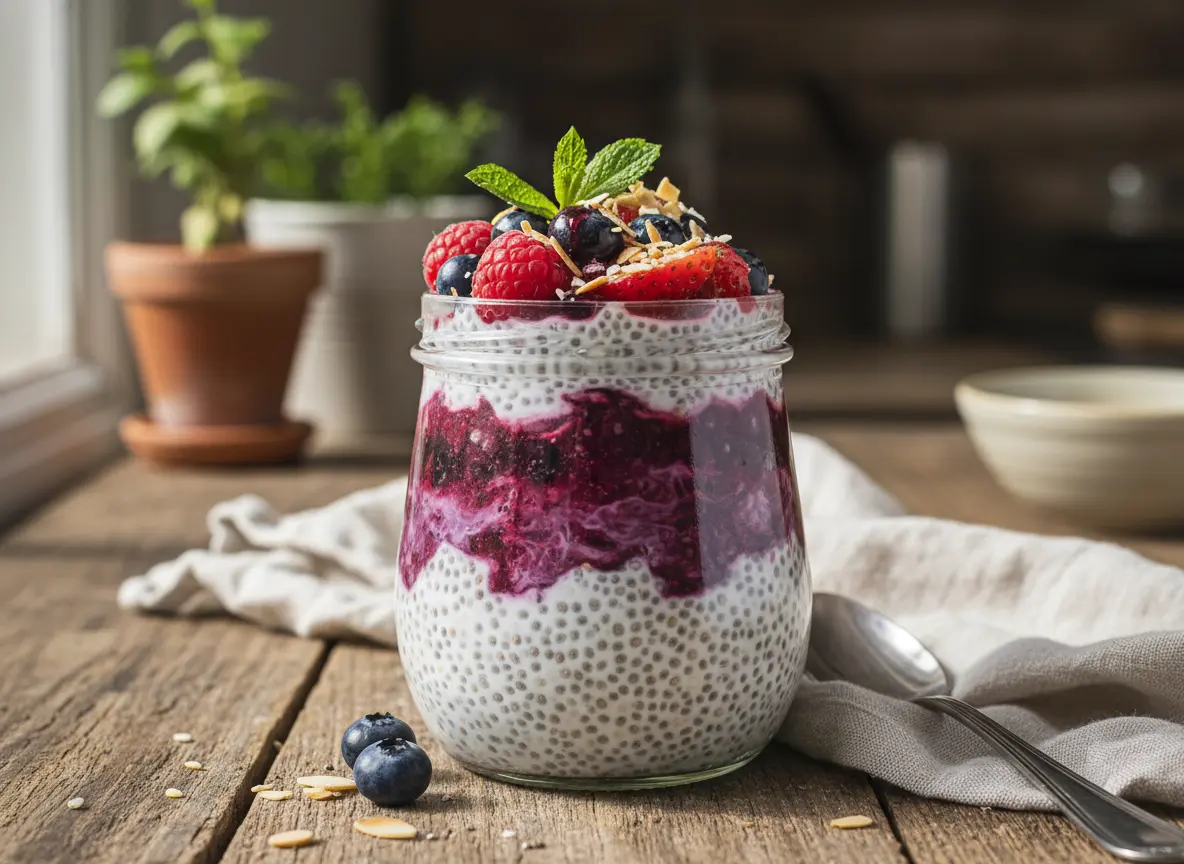
Looking for a quick and easy way to add a little love to your routine? You’ve got to try chia seed pudding! It’s the perfect breakfast treat to make your mornings feel extra special—kind of like a sweet, little love note to yourself. I’ve been having so much fun prepping four Mason jars in less than 10 minutes, and they last me all week long! It’s a simple, yet delicious way to show yourself some love this Valentine’s season (and beyond!). Trust me, your taste buds will be smitten!
Why Do Most Breakfasts Leave You Hungry by Mid-Morning?
Many quick breakfast options are high in refined carbs and low in fiber and protein, causing blood sugar spikes followed by crashes. Without enough healthy fats, protein, and fiber, your energy dips fast and cravings kick in before lunchtime.
5 reasons you’ll fall in love with chia seed pudding
#1: Fiber Content
This recipe uses The Simple Truth Organic Black Chia Seeds, which are loaded with 10 grams of fiber! Fiber supports healthy blood sugar balance and may play a role in overall metabolic health when combined with a balanced diet and lifestyle. Plus, when you toss in some fresh fruit like berries, you’re adding even more fiber and a delicious burst of flavor! It’s a win-win for both your taste buds and your health.
#2: Protein Content
The chia seeds, Greek yogurt, and milk in this recipe are all fantastic sources of protein! Depending on the dairy products you choose, you can even boost the protein content. I’ve made this recipe two weeks in a row, and each time I tried a different brand. The Simple Truth Organic (non-fat tub) brand gave me 14 grams of protein, while the OIKOS Triple Zero (vanilla flavored tub) bumped it up to 17 grams with fewer carbs. Not to mention, the Danzeisen 2% milk I use provides 8 grams of protein per serving, and the chia seeds bring an additional 6 grams to the table! It’s such a simple way to customize the recipe to fit your protein goals!
#3: Fat Content
This recipe contains omega-3 fatty acids from chia seeds, which are nutrients associated with overall heart health as part of a balanced diet. The Simple Truth Organic Black Chia Seeds pack nearly 6g of omega-3s, plus they have less than 2g of omega-6s, making them a great choice for keeping that perfect balance of healthy fats. It’s a small but powerful way to give your body the nutrients it craves!
#4: Quick and Easy
The simplest, most delicious, and filling snack or breakfast, this recipe won’t take up extra time in your meal prep and will definitely have you craving more! The only “tedious” part is the anticipation while the chia seeds soak up the mixture. Personally, I love letting mine sit overnight so it’s all set and ready to enjoy as a snack or breakfast the next morning—perfectly thick and waiting for me to dive in! It’s the best way to start the day with minimal effort!
#5: Customizable
This recipe is super versatile, so feel free to get creative and make it your own! You can add fresh fruit before enjoying or even mix in some cocoa powder for a chocolatey twist. I usually stick with fresh fruits, but flavored yogurt is another fun option to switch things up—just keep an eye on the added sugar in those. Want it thicker? Simply use less milk. Prefer a thinner consistency? Add a little more milk. The beauty of this recipe is that you really can’t go wrong, so have fun experimenting and making it your perfect breakfast!
More About Each Ingredient Used
Benefits of Greek Yogurt
Greek yogurt is a nutrient-dense food that provides protein and essential micronutrients. It’s full of protein, calcium, magnesium, vitamin B-12, and even some healthy fats like linoleic acid. It contains live active cultures, which are associated with digestive health in some individuals. The cool thing is, The fermentation process may improve digestibility for some individuals. For the healthiest option, go for plain or lightly flavored yogurt—it’s lower in sugar and still just as tasty. It’s a simple, everyday snack that’s pretty much a win for your body!
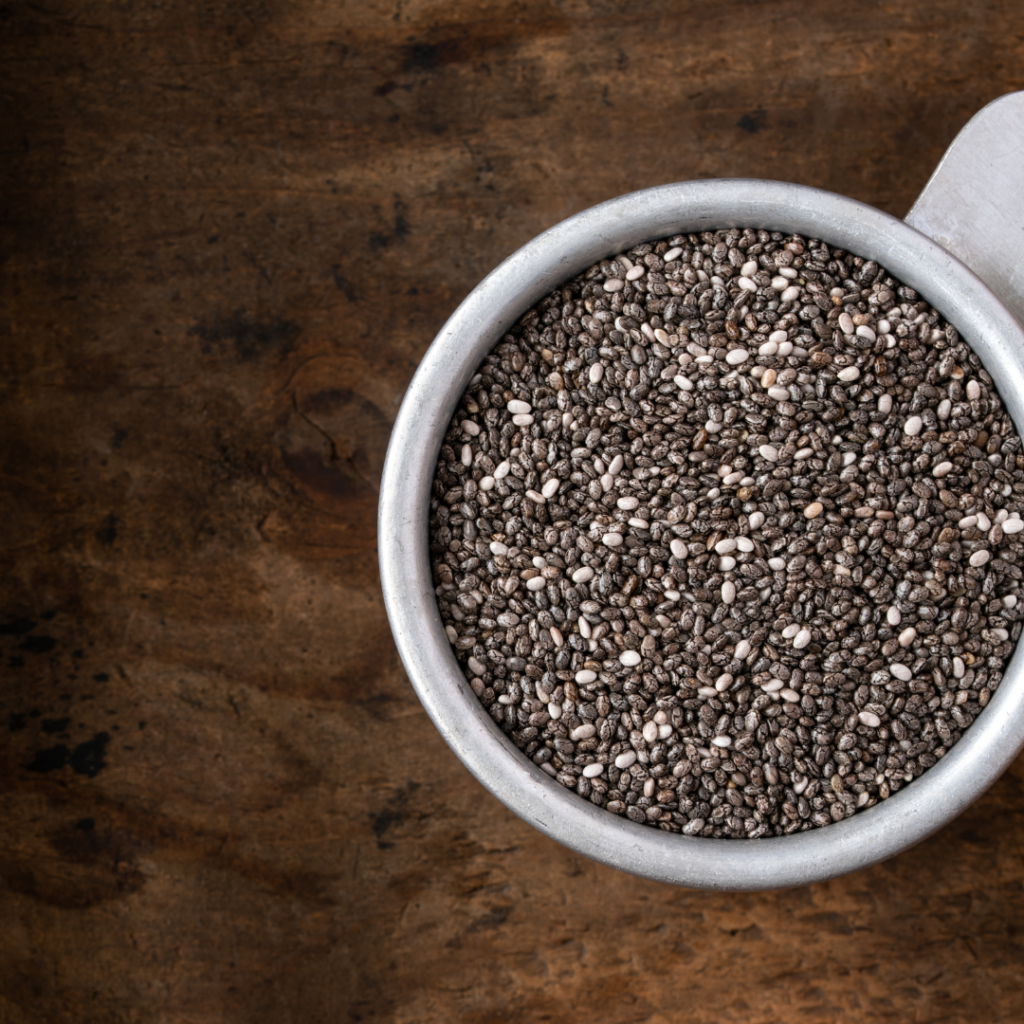
Benefits of Chia Seeds
Chia seeds provide fiber, protein, and omega-3 fatty acids, nutrients that are associated with digestive health and overall wellness as part of a balanced diet. On top of that, they’re packed with essential micronutrients like calcium, magnesium, iron, zinc, niacin, and vitamin E—contributing important micronutrients that support normal immune and skin function. These little seeds really do it all when it comes to supporting your overall wellness!
Benefits of Milk
Milk and all its alternatives are not only delicious but packed with nutrition! Cow’s milk, in particular, is a solid source of protein and healthy fats, plus a bunch of essential micronutrients. It’s loaded with vitamins A and E (thanks to carotenoids), along with key minerals like calcium, phosphorus, potassium, magnesium, iron, selenium, and zinc. Milk provides a combination of macronutrients and micronutrients that support general nutritional needs.
For your meal prep next week, be sure to give these chia seed pudding bowls a try! Not only are they absolutely delicious, but they provide fiber and protein, which can help support satiety as part of a balanced breakfast. Trust me, these bowls are about to become your new meal prep favorite!
Your Partner in Health – Personalized Nutritional Support at Tucson Wellness MD
At Tucson Wellness MD, we’re here to guide and support you on your path to health and wellness. With personalized care and expert advice, we empower you to take the necessary steps towards feeling your best. Whether you’re seeking nutritional guidance, wellness strategies, or a holistic approach to overall well-being, we’re committed to being by your side every step of the way. Our team is available to provide personalized nutritional guidance based on your individual health goals.
Don’t forget to check out the link below to download the recipe card!