Author: Monique Gutierrez

4 Gut-Boosting Foods That Improve Digestion and Support a Healthy Microbiome

Why Gut Health Needs Daily Nutritional Support

Your gut microbiome plays a central role in digestion, immunity, metabolism, and the gut-brain connection. This system responds directly to what you eat and how consistently you nourish your body.

Many people eat regularly but still experience bloating, fatigue, or poor digestion. The issue often comes from low fiber intake, inadequate hydration, or inconsistent eating habits. When beneficial bacteria lack proper nourishment, the microbiome loses balance. Nutrient absorption and immune resilience may become less efficient when the microbiome is out of balance.

Supporting gut health requires consistent intake of nutrients that help beneficial microbes grow and function effectively.

The 4 Nutrients That Strengthen Gut Health

Fiber

Fiber is a non-digestible carbohydrate found in plant foods such as fruits, vegetables, nuts, seeds, and legumes. Both soluble and insoluble fiber support digestive health.

Soluble fiber dissolves in water and helps regulate blood sugar and cholesterol. Sources include oats, beans, apples, and berries.

Insoluble fiber does not dissolve in water and supports digestive movement. Sources include whole grains, leafy greens, and fruits with edible skins.

Fiber supports gut health by:

  • Feeding beneficial bacteria
  • Supporting regular bowel movement
  • Helping remove waste and toxins
  • Supporting appetite regulation

Recommended daily intake:

  • Women: 25 to 30 grams
  • Men: 30 to 38 grams

 Adequate fiber intake supports cardiovascular health, metabolic balance, and overall digestive function as part of a balanced diet.

Prebiotics

Prebiotics are specialized fibers that feed beneficial gut bacteria and support microbial growth.

Food sources include:

  • Garlic
  • Onions
  • Asparagus
  • Bananas
  • Honey
  • Barley
  • Beans and peas
  • Whole grains

Prebiotics help:

  • Increase beneficial bacteria
  • Support immune function
  • Improve calcium absorption
  • Maintain microbial balance

Probiotics

Probiotics are live beneficial bacteria that help restore microbial balance.

Common food sources include:

  • Yogurt
  • Kefir
  • Sauerkraut
  • Fermented vegetables
  • Kombucha

Probiotics help:

  • Restore healthy gut bacteria
  • Improve digestion
  • Support digestive regularity and overall gut balance
  • Support immune function

Probiotics and prebiotics work best together.

Examples:

  • Yogurt with fruit or honey
  • Kefir with berries
  • Fermented foods with garlic or onions

Postbiotics

Postbiotics are compounds produced when beneficial bacteria digest prebiotics.

They include:

  • Short-chain fatty acids
  • Enzymes
  • Vitamins
  • Organic acids

Postbiotics help:

  • Support a balanced inflammatory response
  • Support immune response
  • Maintain metabolic balance
  • Support long-term digestive stability

Fermented foods and fiber-rich diets support postbiotic production.

The Role of Hydration in Digestive Health

Water supports digestion and allows fiber to function effectively. Proper hydration keeps the digestive system moving and helps prevent constipation.

A common guideline is to drink half your body weight in ounces daily, though needs vary by activity level and environment.

Hydration sources include:

  • Water
  • Herbal teas
  • Water-rich fruits and vegetables

Proper hydration supports nutrient absorption and overall digestive efficiency.

Gut Health Improves Through Consistent Habits

Digestive health develops through daily patterns rather than short-term detox plans. Regular intake of fiber, prebiotics, probiotics, and adequate hydration creates a stable environment where beneficial bacteria thrive.

Consistent nourishment supports:

  • Efficient digestion
  • Reduced inflammation
  • Support healthy immune function
  • Long-term health stability

Support Your Gut With Professional Guidance

Personalized nutrition and supplementation help address individual digestive needs. Professional guidance helps build sustainable habits that support long-term wellness.

Tucson Wellness MD provides personalized support to help you maintain digestive health and overall well-being.

Frequently Asked Questions About Gut Health and Nutrition

What foods are best for gut health and digestion? Foods that consistently support gut health include fermented options like yogurt, kefir, sauerkraut, and kombucha for probiotic content, and fiber-rich foods like oats, beans, garlic, onions, and leafy greens for prebiotic and digestive support. Combining both categories in daily meals produces the strongest microbiome benefit.

What is the difference between probiotics, prebiotics, and postbiotics? Probiotics are live beneficial bacteria found in fermented foods. Prebiotics are specialized fibers that feed those bacteria. Postbiotics are the compounds produced when beneficial bacteria digest prebiotics, including short-chain fatty acids and enzymes. All three work together to maintain a balanced microbiome.

How much fiber do I need daily for good gut health? General guidelines recommend 25 to 30 grams daily for women and 30 to 38 grams daily for men. Most people fall significantly short of these targets, which directly affects microbiome balance, digestive regularity, and nutrient absorption.

Can poor gut health affect energy and mental clarity? Yes. The gut-brain connection means microbiome imbalance can contribute to fatigue, brain fog, and mood changes. Beneficial gut bacteria support neurotransmitter production and systemic inflammation levels, both of which affect cognitive function and energy.

How does hydration affect digestion? Water allows dietary fiber to function properly, keeps the digestive tract moving, and supports nutrient absorption. Without adequate hydration, even a high-fiber diet can contribute to constipation and sluggish digestion. A common baseline is half your body weight in ounces daily, adjusted for activity level and climate.

How long does it take to improve gut health through diet? Microbiome changes in response to dietary shifts can begin within days, but stable, lasting improvement develops over weeks of consistent habits. Short-term detox plans are less effective than sustained daily intake of fiber, fermented foods, and adequate hydration.

STAY HEALTHY – STAY CONNECTED

Spring Into Gut Health: Improve Your Digestion

As we welcome the season of renewal, spring is the perfect time to refresh not only your home but also the home of your health, your gut health. Just like a seasonal clean-up, spring cleaning your gut involves adopting healthier habits that can help reset your digestive system, reduce bloating, and support better nutrient absorption. By making mindful choices in what you eat and how you care for your gut, you can give your body the fresh start it needs for the season ahead and with these positive changes, you’ll feel lucky and energized this season, ready to take on anything! If you are new to this topic, learning more about why gut health matters can make it easier to understand how closely digestion, immunity, metabolism, and mood work together.

Proper GI Health

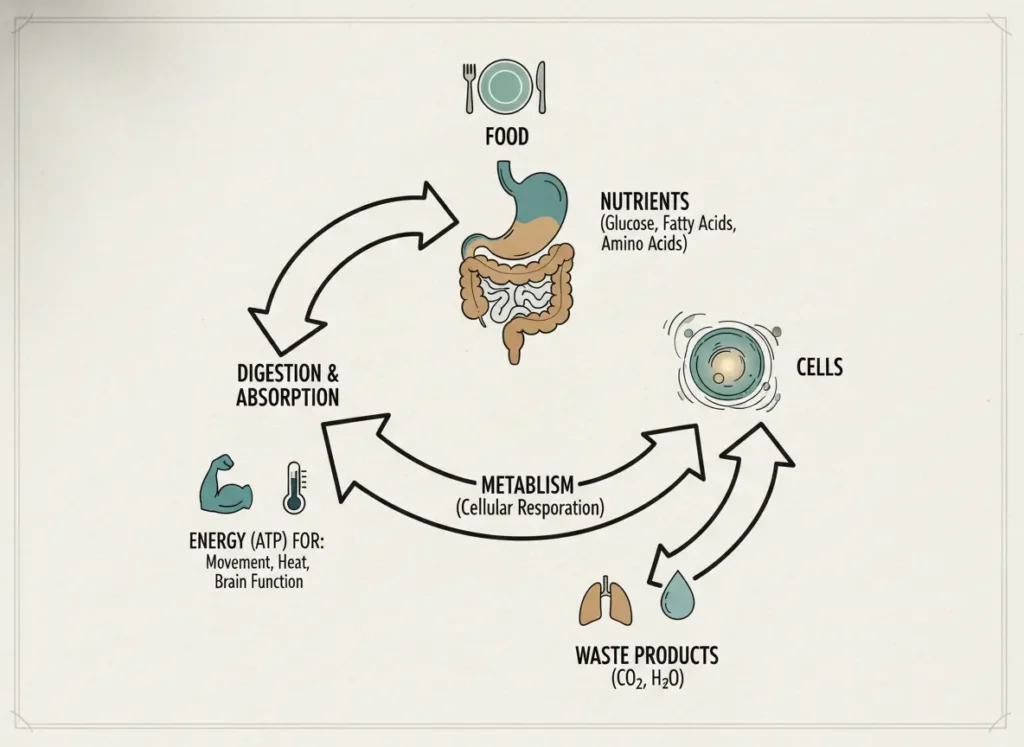
Your gut health is super important, it’s connected to your immune system, brain, and digestion (1). Your GI tract isn’t just your stomach and intestines; it also includes your mouth, esophagus, liver, pancreas, and even your teeth, tongue, and other accessory organs. It’s responsible for breaking down food, absorbing nutrients, secreting water and enzymes, and getting rid of waste. When your gut is healthy, it helps with things like giving you energy, regulating hormones, supporting blood flow, keeping your nerves working properly, and even detoxifying your body.

Gut Microbiome

Maintaining proper gut health starts with a balanced gut microbiome, trillions of tiny bacteria living in your digestive system. These microbes are essential for your health, helping you absorb nutrients, produce beneficial compounds, and defend against harmful bacteria. Think of them as the unsung heroes of your digestive and immune systems, working behind the scenes to keep you feeling your best.

Proper gut bacteria are essential for creating vitamins, making amino acids, and breaking down bile. They also help process foods that our bodies can’t fully digest, like certain fibers and sugars. This process not only provides us with energy and nutrients but also fuels the good bacteria in our gut. In fact, the breakdown of carbohydrates in the colon is one of the main ways our body gets energy (2). They can affect things like gut barrier function, immune response, digestion, gut sensitivity, and the activity of the enteric nervous system (the “second brain” in your gut). But it doesn’t stop there, research also suggests that the gut microbiome may influence behaviors and brain functions. This includes how we respond to stress, emotional behaviors, pain, eating habits, and even brain chemistry.

An imbalance in the gut bacteria, known as dysbiosis, can lead to a range of health issues. It’s been linked to digestive problems like inflammatory bowel disease (IBD) and irritable bowel syndrome (IBS), as well as broader conditions such as obesity, type 2 diabetes, and allergies, showing just how crucial maintaining a healthy gut microbiome is for optimal well-being.

What disrupts gut microbiome?

Many factors can disrupt a healthy gut microbiome, influenced by your diet, lifestyle, and medications. Diets high in processed foods, fats, and sugars don’t provide the nutrients needed to keep the gut healthy and functioning properly. A lifestyle that includes excessive alcohol or drug/toxin intake, chronic inflammation, oxidative stress, and the use of antibiotics or other medications can temporarily alter the gut microbiome. However, without proper care and attention, the microbiome may struggle to restore its balance and integrity.

How can I support my gut microbiota?

Key factors that alter the gut microbiome include environmental influences, particularly the foods we eat or more often, the foods we don’t eat. A diet rich in fiber, fermented foods, probiotics, and prebiotics is essential to maintaining a healthy gut. Postbiotics, the beneficial byproducts of probiotics, also play a key role in gut health by supporting inflammation reduction and the overall function of the gut barrier. Your digestive system plays a crucial role in overall wellness, influencing everything from energy levels to immunity.

The Gut-Brain Axis

The gut-brain axis is a powerful two-way communication system that links your gut and brain, affecting both physical and mental health. It involves the nervous system, HPA axis, and gut nerves. This link allows the brain to influence gut functions, including endocrine, humoral, metabolic, and immune activity, which means your gut can affect mood, cognition, and mental health (3,4).

When the gut microbiome is disrupted, it affects the gut-brain axis, which can influence many aspects of your health. Changes in the way the brain and gut communicate are believed to contribute to common gut issues like irritable bowel syndrome (IBS) and other digestive disorders. More recently, these changes have also been connected to brain-related conditions such as autism spectrum disorders (ASDs), Parkinson’s disease, mood disorders, and chronic pain. Essentially, what happens in your gut can affect how you feel, showing just how closely linked digestion and mental health really are.

You’re in Luck with Tucson Wellness MD

If you’re looking to restore gut harmony, check out our Longevity Program, where Phase 1 focuses on improving gut health. Not sure where to start? Our comprehensive Longevity Lab Panel measures a wide range of factors to give you a clear picture of your current health status, plus a one-hour lab review with a provider to discuss your results in depth. Tucson Wellness MD is here to support you in every aspect of your health, helping you achieve true longevity, schedule today to get started!

STAY HEALTHY – STAY CONNECTED

Resources

  1. Pham, V. T., a, Dold, S., a, Rehman, A., a, Bird, J. K., DSM Nutritional Products, Department of Surgery, Division of Visceral and Transplantation Surgery, University Hospital Zurich, & Bird Scientific Writing. (2021). Vitamins, the gut microbiome and gastrointestinal health in humans. In Nutrition Research (Vol. 95, pp. 35–53). https://doi.org/10.1016/j.nutres.2021.09.001
  2. Bull, M. J., & Plummer, N. T. (2014). Part 1: The Human Gut Microbiome in Health and Disease. Integrative medicine (Encinitas, Calif.)13(6), 17–22.
  3. Appleton, J., ND. (2018). The Gut-Brain Axis: Influence of microbiota on mood and mental health. In Integrative Medicine (Vols. 17–17, Issue 4, pp. 28–29).
  4. Carabotti, M., Scirocco, A., Maselli, M. A., & Severi, C. (2015). The gut-brain axis: interactions between enteric microbiota, central and enteric nervous systems. Annals of gastroenterology28(2), 203–209.

Navigating Trans Fats

Here’s the thing: most of the foods we buy today are packed with trans fats and processed ingredients, making them the “norm” for what we eat. As a result, whole foods or products made from them can taste “off” because we’re not used to the natural flavors and textures. Most people would choose what tastes and feels better.

To meet the recommended fat intake of 20-35% of total calories, most fats should come from polyunsaturated and monounsaturated sources, such as nuts, seeds, and their oils, along with omega-3s from fish and shellfish.

About Trans Fats

Trans fats are a type of dietary fat that we often consume more than other fats sometimes without even realizing it. They sneak into so many everyday foods like margarine, cookies, cakes, fried fast food, and packaged snacks. Honestly, they’re everywhere! These fats are created through hydrogenation, a process that turns liquid oils into solids at room temperature, most commonly used are vegetable oils. The chemical change happens because the double bonds in the fatty acids are rearranged into the trans position, which is where the name “trans fats” comes from, and makes the oil more stable and extends the shelf life of products. Ever wonder why some of these items seem to last way longer than if you were to make them fresh?

However, don’t confuse these with naturally occurring trans fats, which form when animals eat plants, and we then consume the animals like in beef and some dairy products such as milk and cheese. So, technically, these fats can’t be completely eliminated from the human diet. No worries though, the trans fats that come from animals naturally are negligible to our everyday health.

Health Risks Associated with Trans Fats

These food products may taste “so good” because they are chemically made too. Over the years more research has been conducted and supported the direct impact artificial trans fats have on proved the direct connection of trans fatty acids with cardiovascular diseases, disorders of the nervous system, diabetes, obesity, allergies, and pregnancy concerns to name a few areas.

Inflammation

It’s no surprise that trans fats contribute to inflammation, which is the root cause of several health issues like diabetes and heart disease. Elevated systemic inflammatory markers are often linked to conditions like metabolic syndrome. What we eat has a massive impact on how our bodies feel and function so it’s important to make those food choices count!

Cardiovascular health

Heart disease often starts with untreated chronic inflammation in the body. Eating trans fats can make things worse by raising levels of “unhealthy” cholesterol (LDL) and lowering “healtful” cholesterol (HDL). It also increases triglycerides in the blood, which fuels more inflammation. Over time, this all adds up, significantly raising the risk of coronary heart disease (CHD). It’s a powerful reminder of how the foods we eat can directly affect our heart health!

Nervous system

We know that fats are a key part of our cell membranes, meaning the fats you consume ultimately become a part of those membranes and other processes as well. So, the saying “you are what you eat” is absolutely true. Trans fats compete with essential fats like omega-3s, which are crucial for the development of the nervous system and eyesight. Changes in dietary habits, like a high intake of processed foods, especially fast food loaded with trans fatty acids can increase the risk of developing central nervous system diseases.

Trans fat intake has also been linked to a range of mental health issues, including cognitive dysfunction, changes in brain chemistry, addiction, mania, movement disorders, and even increased sensitivity to stress and anxiety. It’s a reminder that what we eat directly impacts not just our physical health, but our mental and sensory well-being too. A diet lacking these essential fatty acids can lead to increased mental health concerns.

How to Identify Trans Fats in Your Diet

To spot trans fats on a food label, look for “partially hydrogenated oils” in the ingredients, that’s your main clue. Then, check the “Nutrition Facts” where trans fats are listed under “Saturated Fat” as “Trans Fat” in grams. If the label says “0g trans fat” but lists “partially hydrogenated oils,” don’t be fooled, it still contains a tiny bit of trans fat. Keep in mind, if a serving contains less than 0.5 grams of trans fat, it must be labeled as “0g” even though there’s still a small amount present!

A lot of trans fats are hidden in everyday snacks and meals without us even realizing it. Here are some common foods that often contain trans fats:

  • Baked goods like crackers, cookies, cakes, frozen pies, and other frozen treats
  • Margarine and vegetable shortenings
  • Processed snacks like microwave popcorn, creamers, ready-to-eat frostings, frozen meals, and dough products
  • Fast food
  • Fried foods such as chips, french fries, donuts, fried chicken, and more

It’s easy to consume trans fats without even thinking about it, so being aware of these common foods can help you make healthier choices!

Reducing Trans Fats in Your Diet

Eating better doesn’t have to feel like a chore. These days, many food manufacturers are offering healthier alternatives with fewer ingredients and whole food sources. Consider swapping out those unhealthy snacks for better options. It’s always a good idea to cook at home or meal-prep, so you know exactly what you’re putting into your body!

Don’t forget: fiber is your best friend! If you’re keeping an eye on your lipid markers like cholesterol, triglycerides, HDL, and LDL, fiber can help lower circulating cholesterol. This amazing nutrient also plays a key role in flushing out toxins and other unwanted stuff from your body!

Live Longer, Stronger, Better with Tucson Wellness MD

Longevity starts with what you put in your body! Reminder that being healthy is not a destination or goal to be reached but a lifestyle that requires permanent healthful habits that will last. Need nutritional support or want to learn more of our services, please reach out to schedule your consult today!

STAY HEALTHY – STAY CONNECTED

Boost Your Libido Naturally: 3 Essential Nutrients You Need

With February being the month of love, it’s the perfect time to focus on nurturing your body for a healthy libido and a fulfilling sex life. By incorporating these into your diet, you’re not only boosting your health, but also setting the stage for a more vibrant and intimate connection. Love your body this February with these essential nutrients for a stronger, more passionate you!

Why Does Low Libido Happen Even When You Feel Healthy?

Libido is closely tied to hormone balance, circulation, and nutrient status, not just mood or attraction. When key nutrients like zinc, vitamin D, and omega-3s are low, your body may struggle to support optimal sexual function and desire.

I’m sharing three key nutrients that can naturally boost your libido and enhance your sex life:

Zinc

libido

Zinc plays a crucial role in many aspects of cellular metabolism. It’s essential for the activity of hundreds of enzymes and contributes to immune function, protein and DNA synthesis, wound healing, and cell signaling and division. Zinc also supports healthy growth and development throughout pregnancy, infancy, childhood, and adolescence, and as you may know is important for the sense of taste.

Zinc has been shown to help maintain healthy testosterone levels, which can support reducing inflammation and preserving penile endothelial function. As a result, it plays a role in promoting erectile function and overall male sexual health. Other studies have shown zinc supplementation significantly improves sexual desire, arousal, orgasm, satisfaction, vaginal moisture, and pain during intercourse, as well as the overall sexual function in postmenopausal women.

Food sources that contain zinc include:

  • Oysters (rich in zinc)
  • Seafood like shrimp, sardines, crab
  • Beef
  • Eggs and Dairy
  • Nuts and Seeds like pumpkin seeds and peanuts

Vitamin D

libido

Vitamin D is essential for promoting calcium absorption in the gut and maintaining healthy calcium and phosphate levels in the blood, which are necessary for proper bone mineralization and growth, and to prevent muscle cramps and spasms. Without enough vitamin D, bones can become weak, brittle, or misshapen. Adequate vitamin D prevents rickets in children and osteomalacia in adults. Along with calcium, it also helps protect older adults from osteoporosis.

Vitamin D is also a steroid vitamin that supports the production of steroid hormones, including sex hormones like testosterone. Since it plays a crucial role in sexual development, the body requires vitamin D for proper anatomical development, particularly during embryonic life. It is essential for the healthy growth and function of sexual organs, including the penis. Unfortunately, vitamin D deficiency is linked to higher cholesterol, diabetes, hypogonadism, and lower testosterone levels, factors that contribute to endothelial dysfunction and are major risk factors for erectile dysfunction.

Food sources that contain Vitamin D:

  • Not a food sources, but natural source: the sun! only 30 minutes a day without sun screen or protective wear!
  • Cod liver oil
  • Fish: Salmon, Rainbow trout, Tilapia
  • Egg
  • Milk

Omega-3s

Fat intake is essential for supporting metabolic processes, but it’s the type of fats you consume that really matter. Omega-3 fatty acids, in particular, are great for heart health but also fertility, they help balance hormones, improve egg and sperm health, support embryo implantation, and regulate your menstrual cycle. Plus, they reduce inflammation, which can interfere with reproductive function. Without enough omega-3s, you may face pregnancy complications, infertility, or an increased risk of miscarriage.

Omega-3s also support sexual health by boosting libido, sexual potency, and erection efficiency, while improving ejaculatory reflex stimulation, which is an important indicator of male sexual function. It’s all about balance for your body to function at its best!

Food sources that contain Omega-3 s:

  • Fatty Fish: salmon, herring, mackerel, sardines, tuna
  • Nuts and Seeds: almonds, walnuts, pistachios, chia seeds, and flax seeds
  • Others: avocado, krill oil, and cod liver oil

Reap the benefits of a great sex life with these top three nutrients: Zinc, Vitamin D, and Omega-3 fatty acids. Omega-3s help balance hormones and improve circulation, Vitamin D supports hormone production, and Zinc is essential for healthy testosterone levels. These nutrients are key to boosting libido and sexual function, ensuring your body performs at its best for a fulfilling experience.

Optimize your Health at Tucson Wellness MD

Tucson Wellness MD is dedicated to optimizing your hormone health and overall well-being. With our expertise in regenerative medicine, including P-Shots for male sexual health, we focus on restoring balance and vitality to help you feel your best at any age. Our personalized approach addresses all aspects of health, from hormone therapy to advanced treatments that support your body’s natural healing and regeneration. Whether you’re looking to boost energy, improve sexual health, or enhance overall wellness, we’re here to guide you every step of the way. Let Tucson Wellness MD be your partner in living a healthier, more vibrant life, schedule a consult today!

Chia Seed Pudding: 5 Reasons You Must Try

Looking for a quick and easy way to add a little love to your routine? You’ve got to try chia seed pudding! It’s the perfect breakfast treat to make your mornings feel extra special—kind of like a sweet, little love note to yourself. I’ve been having so much fun prepping four Mason jars in less than 10 minutes, and they last me all week long! It’s a simple, yet delicious way to show yourself some love this Valentine’s season (and beyond!). Trust me, your taste buds will be smitten!

Why Do Most Breakfasts Leave You Hungry by Mid-Morning?

Many quick breakfast options are high in refined carbs and low in fiber and protein, causing blood sugar spikes followed by crashes. Without enough healthy fats, protein, and fiber, your energy dips fast and cravings kick in before lunchtime.

5 reasons you’ll fall in love with chia seed pudding

#1: Fiber Content

This recipe uses The Simple Truth Organic Black Chia Seeds, which are loaded with 10 grams of fiber! Fiber supports healthy blood sugar balance and may play a role in overall metabolic health when combined with a balanced diet and lifestyle. Plus, when you toss in some fresh fruit like berries, you’re adding even more fiber and a delicious burst of flavor! It’s a win-win for both your taste buds and your health.

#2: Protein Content

The chia seeds, Greek yogurt, and milk in this recipe are all fantastic sources of protein! Depending on the dairy products you choose, you can even boost the protein content. I’ve made this recipe two weeks in a row, and each time I tried a different brand. The Simple Truth Organic (non-fat tub) brand gave me 14 grams of protein, while the OIKOS Triple Zero (vanilla flavored tub) bumped it up to 17 grams with fewer carbs. Not to mention, the Danzeisen 2% milk I use provides 8 grams of protein per serving, and the chia seeds bring an additional 6 grams to the table! It’s such a simple way to customize the recipe to fit your protein goals!

#3: Fat Content

This recipe contains omega-3 fatty acids from chia seeds, which are nutrients associated with overall heart health as part of a balanced diet. The Simple Truth Organic Black Chia Seeds pack nearly 6g of omega-3s, plus they have less than 2g of omega-6s, making them a great choice for keeping that perfect balance of healthy fats. It’s a small but powerful way to give your body the nutrients it craves!

#4: Quick and Easy

The simplest, most delicious, and filling snack or breakfast, this recipe won’t take up extra time in your meal prep and will definitely have you craving more! The only “tedious” part is the anticipation while the chia seeds soak up the mixture. Personally, I love letting mine sit overnight so it’s all set and ready to enjoy as a snack or breakfast the next morning—perfectly thick and waiting for me to dive in! It’s the best way to start the day with minimal effort!

#5: Customizable

This recipe is super versatile, so feel free to get creative and make it your own! You can add fresh fruit before enjoying or even mix in some cocoa powder for a chocolatey twist. I usually stick with fresh fruits, but flavored yogurt is another fun option to switch things up—just keep an eye on the added sugar in those. Want it thicker? Simply use less milk. Prefer a thinner consistency? Add a little more milk. The beauty of this recipe is that you really can’t go wrong, so have fun experimenting and making it your perfect breakfast!

More About Each Ingredient Used

Benefits of Greek Yogurt

Greek yogurt is a nutrient-dense food that provides protein and essential micronutrients. It’s full of protein, calcium, magnesium, vitamin B-12, and even some healthy fats like linoleic acid.  It contains live active cultures, which are associated with digestive health in some individuals. The cool thing is, The fermentation process may improve digestibility for some individuals. For the healthiest option, go for plain or lightly flavored yogurt—it’s lower in sugar and still just as tasty. It’s a simple, everyday snack that’s pretty much a win for your body!

Greek yogurt

Greek Yogurt and Probiotics: What You Should Know

Greek yogurt is often highlighted for its protein content, but its probiotic potential is another reason it earns a place in a health-focused diet.

What Makes Greek Yogurt a Probiotic Food

Greek yogurt is made through fermentation, a process where live bacterial cultures break down lactose in the milk. These live active cultures, most commonly Lactobacillus and Streptococcus strains, remain in the finished product and are what give yogurt its probiotic properties.

What Probiotics Actually Do

Probiotics are live microorganisms that, when consumed in adequate amounts, support the balance of bacteria in your gut. A healthy gut microbiome is associated with better digestion, more consistent immune function, and improved absorption of nutrients your metabolism depends on.

Why Greek Yogurt Specifically

Compared to regular yogurt, Greek yogurt goes through an extra straining process that removes excess liquid. This concentrates both the protein and the live cultures, making it a more nutrient-dense option per serving. The fermentation process may also improve digestibility for some individuals, particularly those who are sensitive to lactose.

What to Look for on the Label

Not all yogurts deliver the same probiotic benefit. Look for products that list “live and active cultures” on the label. Heavily processed or heat-treated yogurts may not contain viable cultures. For the most benefit, choose plain or lightly flavored varieties to avoid added sugars that can work against gut health goals.

Benefits of Chia Seeds

Chia seeds provide fiber, protein, and omega-3 fatty acids, nutrients that are associated with digestive health and overall wellness as part of a balanced diet. On top of that, they’re packed with essential micronutrients like calcium, magnesium, iron, zinc, niacin, and vitamin E—contributing important micronutrients that support normal immune and skin function. These little seeds really do it all when it comes to supporting your overall wellness!

chia seed

Benefits of Milk

Milk and all its alternatives are not only delicious but packed with nutrition! Cow’s milk, in particular, is a solid source of protein and healthy fats, plus a bunch of essential micronutrients. It’s loaded with vitamins A and E (thanks to carotenoids), along with key minerals like calcium, phosphorus, potassium, magnesium, iron, selenium, and zinc. Milk provides a combination of macronutrients and micronutrients that support general nutritional needs.

milk

For your meal prep next week, be sure to give these chia seed pudding bowls a try! Not only are they absolutely delicious, but they provide fiber and protein, which can help support satiety as part of a balanced breakfast. Trust me, these bowls are about to become your new meal prep favorite!

Your Partner in Health – Personalized Nutritional Support at Tucson Wellness MD

At Tucson Wellness MD, we’re here to guide and support you on your path to health and wellness. With personalized care and expert advice, we empower you to take the necessary steps towards feeling your best. Whether you’re seeking nutritional guidance, wellness strategies, or a holistic approach to overall well-being, we’re committed to being by your side every step of the way. Our team is available to provide personalized nutritional guidance based on your individual health goals.

Frequently Asked Questions

Is chia seed pudding healthy?
Yes. Chia seed pudding provides fiber, protein, and omega-3 fatty acids. These nutrients support digestion, satiety, and overall metabolic health when included in a balanced diet.

Why does chia seed pudding keep you full longer?
Chia seeds absorb liquid and expand, forming a gel-like texture. Combined with fiber, protein, and healthy fats, this slows digestion and helps maintain steady energy levels.

How much protein is in chia seed pudding?
Protein content varies based on ingredients. With Greek yogurt and milk, this recipe can provide around 14 to 17 grams of protein per serving, depending on the brand used.

Is chia seed pudding good for weight management?
Yes. High fiber and protein meals support satiety, which may help reduce overeating and unnecessary snacking throughout the day.

Don’t forget to check out the link below to download the recipe card!

STAY HEALTHY – STAY CONNECTED

Fat for the Heart: How Omega-3s Help Protect Your Heart

In honor of Heart Health Month, we’re diving into the incredible benefits of Omega-3 fatty acids, an polyunsaturated fatty acid (PUFA) that your heart absolutely loves! These essential fats are nutrients associated with cardiovascular health and normal inflammatory balance when consumed as part of a balanced diet. Omega-3s are nutrients that contribute to normal heart function and lipid balance as part of a healthy dietary pattern.

But their benefits don’t stop there. Omega-3s also contribute to other areas of well-being, such as hormone regulation, brain function, and immune system support. These fats are particularly important for maintaining a healthy balance of hormones, which in turn impacts mood, metabolism, and reproductive health.

What Are Omega-3 Fatty Acids?

Omega-3 fatty acids are essential fats that the body cannot produce on its own, meaning they must be obtained through diet or supplements. These fats play a crucial role in maintaining overall health, particularly heart health, brain function, and hormone regulation.

There are three main types of omega-3 fatty acids:

  • ALA (Alpha-linolenic acid): ALA is an essential omega-3 fatty acid that acts as a precursor for the production of EPA and DHA in the body. It is primarily found in plant-based sources such as flaxseeds, chia seeds, and walnuts.

  • EPA (Eicosapentaenoic acid): Found mainly in fatty fish like salmon, mackerel, and sardines, EPA supports heart health and reduces inflammation.

  • DHA (Docosahexaenoic acid): Also found in fatty fish, DHA is important protecting the immune, nervous, brain function, and cardiovascular systems

For the best health benefits, aim for at least 2-3 servings of fatty fish per week. Think salmon, mackerel, or sardines to ensure you’re getting a solid dose of EPA and DHA. If you prefer plant-based options, incorporate flaxseeds, chia seeds, or walnuts into your daily meals. These are rich in ALA, which your body can convert into the beneficial EPA and DHA through specific elongating and desaturating enzymes. If fish or plant-based foods aren’t your preference, no worries, omega-3 supplements are a convenient and effective way to fill the gap. For an extra boost, check out Tucson Wellness MD’s white-labeled Omega-3 supplements to take your health to the next level!

Omega-3s Influence on Heart Health

EPA and DHA are associated with supporting cardiovascular health as part of a balanced lifestyle contributing to optimal body function and well-being.

Anti-inflammatory Effects

EPA and DHA have been studied for their role in supporting normal inflammatory pathways and cardiovascular function. EPA and DHA are believed to possess strong anti-inflammatory properties, helping to reduce oxidative stress and enhance cellular function. Research suggests omega-3 fatty acids may support normal vascular function and healthy lipid metabolism. Chronic inflammation is recognized as a key contributor to the development of various chronic diseases, including cardiovascular disease and insulin resistance. Diets high in saturated and trans fats are linked to elevated levels of low-density lipoprotein (LDL), which contributes to plaque buildup in the arteries, increasing the risk of heart disease.

Reduction in Triglyceride Levels

Omega-3 fatty acids are sometimes included in clinician-directed care plans for individuals with elevated triglyceride levels., a condition characterized by elevated triglyceride levels, which contribute to the development of heart disease and fatty liver disease.Omega-3s have been studied for their potential role in supporting normal triglyceride metabolism. This, in turn, suppresses hepatic lipogenesis, the process by which the liver produces fatty acids, leading to a decrease in the production of very low-density lipoprotein (VLDL), a type of lipoprotein that carries triglycerides and cholesterol in the bloodstream. By lowering VLDL production, omega-3s help reduce triglyceride levels.

Cholesterol Regulation

DHA has been studied for its relationship with lipid markers, including HDL cholesterol. This increased lipoprotein lipase (LPL) activity reduces these harmful particles and promotes more HDL production. Additionally, fiber plays a key role in removing LDL (harmful) cholesterol from the body, as it helps eliminate toxins and harmful substances, further supporting heart health by stabilizing plaque build-up.

Optimize your Health with Tucson Wellness MD

We’re here for all your longevity care needs, focused on the latest research and most innovative approaches. Our longevity care program is designed to help you enhance your quality of life. By scheduling a longevity lab panel, you’ll gain a comprehensive understanding of your current health status, helping you make informed decisions. Even the smallest nutritional adjustments can make a huge impact. One powerful change? Incorporating omega-3s into your diet may support cardiovascular and cognitive health as part of an overall wellness plan. Our team can help you evaluate whether omega-3 intake fits your personal nutrition and wellness goals.

Frequently Asked Questions

What are omega-3 fatty acids?
Omega-3 fatty acids are essential fats your body cannot produce on its own. You must get them through food or supplements. They play a role in heart health, brain function, and hormone balance.

How do omega-3s support heart health?
Omega-3s are associated with supporting cardiovascular function. They may help regulate triglyceride levels, support normal inflammatory balance, and contribute to overall heart health when part of a balanced diet.

Do omega-3s reduce inflammation?
EPA and DHA have been studied for their role in supporting normal inflammatory pathways. Balanced inflammation supports overall cellular and cardiovascular function.

How often should I eat omega-3 rich foods?
Many recommendations suggest 2 to 3 servings of fatty fish per week to support adequate EPA and DHA intake.

STAY HEALTHY – STAY CONNECTED

6 Reasons You Should Never Trust Injectables Like Botox or Fillers to Just Anyone

At Tucson Wellness MD, we frequently get asked about injectable treatments like Botox, Dysport, Daxxify, and dermal fillers. Injectable treatments are generally considered safe when administered by licensed and properly trained medical professionals; however, all medical procedures carry potential risks.

Why Injectables Feel Risky to So Many People

Concerns about injectables often arise from reports of unfavorable outcomes, which are typically related to provider technique, product selection, or patient-specific factors. When injectables are done without proper training and anatomical knowledge, the risks become very real.

Here’s are 6 reasons why it’s crucial to trust only highly qualified, experienced professionals with your injectables:

1. Precision is Key: The Perfect Blend of Art and Science

dermal filler

 Injectable treatments require both technical precision and an understanding of facial anatomy to achieve balanced results. It’s all about knowing how to enhance someone’s features without compromising their natural beauty or expressions. The right injector has to understand the subtle nuances of the face to ensure things look balanced and natural.

Overdoing it or placing the injectables incorrectly can definitely cause issues like asymmetry or a “frozen” look, which can be very noticeable. That’s why it’s so important to trust an injector who has the experience to tailor the treatment to your unique anatomy and goals.

2. Unqualified Injectors Can Endanger Your Health

If you choose an injector who isn’t properly trained or experienced, it can result in serious complications like bruising, infection, lumps, or even something as dangerous as vascular occlusion where blood flow gets blocked, which can lead to skin damage.

A trained injector is educated in facial vascular anatomy and follows established safety protocols to reduce procedural risks. Qualified providers are trained in managing complications, including the appropriate use of reversal agents when indicated.

On the flip side, unqualified providers might cut corners by using diluted or even counterfeit products, which can be risky. Patients should confirm that products are sourced from reputable manufacturers and administered by licensed medical professionals. Always do your research to find a trusted professional.

3. Injectables Aren’t Right For Everyone

A skilled professional will take the time to carefully assess your skin type, medical history, and unique facial structure before suggesting any treatments. They’ll consider all the factors that are important to you: your goals, your skin’s needs, and how your face naturally moves, before recommending anything.

Whether it’s Dysport, Daxxify, Botox, or dermal fillers, they’ll help you choose the right treatment for your specific needs. Sometimes, though, other options like laser therapy or microneedling might actually be a better fit for achieving your desired results. It’s all about finding what works best for you, and a professional will guide you every step of the way.

4. Natural Results Require a Customized Approach

A skilled injector knows that everyone’s face is unique, so they take a personalized approach to help you reach your aesthetic goals. Rather than using a “one-size-fits-all” method, they’ll tailor the treatment specifically to your facial structure, making sure it enhances your natural beauty.

An experienced professional understands that sometimes, less really is more. Treatment plans are designed to align with patient goals while preserving natural facial movement. It’s all about achieving the perfect balance so you look like the best version of yourself.

5. Expertise, Experience, and Training Make All the Difference

Licensed medical professionals, like board-certified plastic surgeons, dermatologists, and experienced nurse practitioners, bring a wealth of knowledge and hands-on training to every treatment. They’re experts in injection techniques, understanding facial anatomy, and knowing how to handle any complications that may arise.

On the other hand, non-certified or unqualified injectors may not have the experience or skills needed to address issues or manage unexpected reactions properly. Choosing a licensed and experienced medical provider may help reduce risk and support appropriate treatment planning.

6. A Trusted Provider Stands Behind Their Work

Established providers typically offer follow-up evaluations to assess healing and patient satisfaction. They’ll check in with you to make sure everything is going smoothly and that you feel confident in your decision.

What really sets a trusted provider apart is their focus on long-term results. Instead of pushing for quick fixes or up-selling unnecessary treatments, they’re all about making sure your enhancements look natural and last, keeping your best interests at heart.

What Happens During a Professional Injectable Consultation

Before any Botox or dermal filler treatment, a qualified provider performs a structured medical and facial assessment. This ensures the treatment is safe, appropriate, and aligned with your goals.

A professional consultation typically includes:

  • medical history and medication review
  • facial anatomy and muscle movement analysis
  • skin condition and volume assessment
  • discussion of treatment goals and expectations
  • treatment planning and dosage mapping
  • risk explanation and safety planning

Some patients may be advised to delay treatment, choose a different product, or consider non-injectable options depending on their anatomy and medical profile.

A proper evaluation protects both safety and results.

Talk to an Expert

If you’re thinking about getting injectables, keep in mind that expertise is key. Choosing a skilled, experienced, and credentialed injector is the best way to ensure you get the safe, natural results you’re looking for. You don’t want to take any chances with complications or unnatural outcomes. For the best experience, trust only a qualified professional at a reputable MedSpa when it comes to Botox, Dysport, Daxxify, and dermal fillers. Patient safety and informed decision-making are primary considerations in aesthetic care.

Beauty Services at Tucson Wellness MD

Tucson Wellness MD offers beauty services with our Aesthetic Nurse, Naomi, RN. Book your appointment today!

Frequently Asked Questions

What is the difference between Botox, Dysport, Daxxify, and dermal fillers? Botox, Dysport, and Daxxify are all neuromodulators that temporarily relax targeted facial muscles to reduce dynamic wrinkles like forehead lines and crow’s feet. Dermal fillers are gel-based substances injected to restore lost volume, smooth static wrinkles, and contour facial features. A qualified provider will assess your anatomy and goals to determine which product or combination is appropriate for you.

How do I know if an injector is qualified? Look for licensed medical professionals — board-certified physicians, dermatologists, plastic surgeons, or experienced nurse practitioners — who practice in a regulated medical setting. Confirm that products are sourced from reputable manufacturers, that the provider has documented training in facial anatomy, and that a proper medical consultation is performed before any treatment.

What are the risks of getting injectables from an unqualified provider? Unqualified injectors risk serious complications including vascular occlusion, where blood flow is blocked and can cause skin damage or tissue loss, along with infection, asymmetry, lumps, and nerve injury. These risks increase significantly when providers lack formal anatomical training or use diluted and counterfeit products.

What happens during a Botox or filler consultation at Tucson Wellness MD? A professional consultation includes medical history and medication review, facial anatomy and muscle movement analysis, skin condition and volume assessment, treatment goal discussion, dosage mapping, and risk explanation. Some patients may be advised to delay treatment or consider non-injectable alternatives depending on their anatomy and medical profile.

How long do Botox and dermal filler results last? Neuromodulators like Botox and Dysport typically last three to four months, while Daxxify may last up to six months. Dermal filler longevity varies by product and treatment area, generally ranging from six months to two years. Results depend on the product used, the treatment area, individual metabolism, and provider technique.

Can injectables look natural? Yes, when performed by an experienced injector who takes a personalized approach. Natural results come from understanding each patient’s unique facial structure, using appropriate dosage, and prioritizing facial movement preservation. Overfilling or incorrect placement is the primary cause of unnatural outcomes, which is a provider skill issue, not an inherent product limitation.

Who should not get Botox or dermal fillers? Injectables are not appropriate for patients who are pregnant or breastfeeding, have certain neuromuscular disorders, active skin infections at the injection site, or known allergies to product ingredients. A thorough medical history review at Tucson Wellness MD identifies contraindications before any treatment is recommended.

Healthy Fats Explained. How to Choose the Right Fats for Better Health

Do you blame fats for those stubborn pounds you can’t seem to shed? Or maybe you’re guilty of using them to amp up the flavor and texture of your food—perhaps a little too often? Should I try low-fat? No fat? We have all been there.

Fats are a type of macronutrient, which means they’re essential for your health in larger amounts. In fact, fats are the most energy-dense nutrient, providing 9 kcal per gram, while other macronutrients like protein and carbohydrates offer only 4 kcal per gram each. They play a key role providing fatty acids that assist in many important functions, like providing energy, supporting cell structure, and helping your body absorb fat-soluble vitamins. Dietary fats play an important role in overall health when consumed in appropriate amounts and balanced forms. They also have complex effects on your metabolism, influenced by factors like the type of fat, timing, and your individual body. Fats contribute to cell structure, hormone production, and energy storage as part of normal physiological function.

What Are Healthy Fats and Which Ones Should You Eat?

Unsaturated fats, including monounsaturated and polyunsaturated fats, are generally recommended in place of saturated and trans fats in many dietary guidelines including monounsaturated fats (found in olive oil, avocados, and nuts) and polyunsaturated fats like omega-3s (found in salmon, flaxseeds, and walnuts). These fats have been associated with cardiovascular health, cognitive function, and inflammatory regulation when included in a balanced diet.

Fats to limit include trans fats and excessive saturated fats, which are linked to increased LDL cholesterol and cardiovascular risk.

For optimal health:

  • Choose olive oil, avocado oil, nuts, seeds, and fatty fish
  • Limit fried foods and processed snacks
  • Avoid products containing partially hydrogenated oils

The goal is not to eliminate fat entirely, but to select dietary fat sources that align with current nutritional guidelines and individual health needs.

Types of Fats

There’s no doubt that the types of fats you consume daily influence your body’s metabolism and affect your organs. You’ve probably been told that reducing saturated fats or sodium is essential if you’re at risk for heart disease. Let’s break down the different types of dietary fats so you can improve not only your heart health but your overall well-being. The Dietary Guidelines for Americans recommends that 20-35% of your daily calories come from fat, with a focus on limiting saturated and trans fats.

Saturated Fats

saturated fats

Solid at room temperature, think lard or butter, saturated fats are found in animal-based products like beef, pork, and high-fat dairy foods such as butter, margarine, cream, and cheese. They also sneak their way into many fast, processed, and baked foods, like cheesy pizza, decadent desserts, juicy hamburgers, and those irresistible cookies and pastries. While they can add rich flavor and texture to our meals, these fats have gained a bit of a bad reputation. When consumed in excess, they can affect your health, such as raising your LDL-cholesterol levels, which is a major contributor to heart disease.

Unsaturated Fats

unsaturated fats

This is considered to be the healthy kind, and there are two types: monounsaturated and polyunsaturated. Monounsaturated fats (MUFA) are found in a variety of foods, including avocados, peanut butter, and nuts like almonds, hazelnuts, cashews, and pecans. They’re also present in seeds such as pumpkin, sesame, and sunflower, as well as in plant oils like olive, peanut, safflower, sesame, and canola oils. Diets higher in monounsaturated fats have been associated with favorable lipid profile patterns in some populations.

Omega-9s are a specific type of MUFA, and are especially known for their heart-healthy benefits. One of the most common sources of omega-9s is olive oil, which is high in oleic acid. Although omega-9s are beneficial for your health, they are not considered essential because your body can produce them as needed.

Polyunsaturated fats (PUFAs) include essential fatty acids, such as omega-3 and omega-6 fatty acids. These healthy fats are found in plant-based oils like soybean, corn, and safflower oils, as well as in foods like walnuts, flaxseeds, sunflower seeds, and fatty fish such as salmon, mackerel, herring, tuna, and trout. Polyunsaturated fats, particularly omega-3 fatty acids, are associated with brain health, cardiovascular function, and inflammatory balance.

The three main omega-3 fatty acids—alpha-linolenic acid (ALA), eicosapentaenoic acid (EPA), and docosahexaenoic acid (DHA)—each play important anti-inflammatory roles. ALA is considered a precursory for DHA and EPA but the conversion rate is slow. This nutrient is primarily found in plant oils like flaxseed, soybean, and canola oils, while EPA and DHA are mainly found in fish and other seafood. Omega-6s provide essential benefits like energy, maintaining healthy cell membranes, supporting skin health, regulating metabolism, and contributing to brain function. One key omega-6 fatty acid is linoleic acid (LA), which is commonly found in seed oils, as well as nuts and seeds. Maintaining a balanced intake of omega-6 and omega-3 fatty acids is generally recommended in dietary guidelines.

Trans Fats

Categorized as an unsaturated fat, Trans fats are widely recognized as being associated with increased cardiovascular risk and are recommended to be minimized or avoided, similar to saturated fats, that should be avoided due to their negative impact on metabolic health. Trans fat consumption has been associated with increased risk of cardiovascular disease and metabolic disorders. Trans fats are created when vegetable oils—normally liquid at room temperature—undergo a process called partial hydrogenation. This chemical transformation turns the oils into a solid form at room temperature, which extends the shelf life of products for manufacturers. Unfortunately, this process comes at a cost to our health. Today, many packaged and processed foods contain trans fats, including fried foods, baked goods like cookies and pies, crackers, margarine, frozen desserts, and even candy bars.

Shop Smarter for Your Health

Often, low-fat products still contain filler carbs in the form of sugar to make up for the loss of flavor and texture. So, if a product is labeled ‘low-fat,’ be sure to check the ingredients for terms like ‘syrup,’ ‘sweetener,’ or anything ending in ‘-ose,’ as these are often signs of hidden sugars. When it comes to avoiding harmful fats, steer clear of foods that list ‘partially hydrogenated oils’ (PHOs) on the label, as these are a source of trans fats, which should be limited for optimal health.

Navigating ingredient labels can be tricky, but it’s important to make informed choices. Always try to avoid products with long, complicated ingredient lists that are hard to pronounce—these often indicate highly processed foods with additives and preservatives that may not be ideal for your body.Choosing minimally processed foods may help support balanced dietary patterns.

Experience Your Best Self with Tucson Wellness MD

We want you to love yourself, so focus on nourishing your body with healthy fats. Making informed dietary choices may contribute to overall health and wellness as part of a comprehensive lifestyle approach. If you’re looking to achieve your ideal weight and boost your energy, Our weight loss services are designed to provide structured guidance tailored to your health goals and medical profile. If you’re looking for nutritional support and guidance, don’t hesitate to reach out! Schedule a consultation today. At Tucson Wellness MD, we take pride in specializing in longevity and holistic wellness. Our approach is all about helping you live a vibrant, healthy life that lasts longer. Remember, today is the perfect day to start living better, for longer.

Frequently Asked Questions

What are healthy fats?
Healthy fats are unsaturated fats, including monounsaturated and polyunsaturated fats. These are commonly found in foods like olive oil, avocados, nuts, seeds, and fatty fish.

What fats should be avoided?
Trans fats should be minimized or avoided. These are often found in processed foods, baked goods, and products containing partially hydrogenated oils.

Do healthy fats support heart health?
Unsaturated fats, especially omega-3 fatty acids, are associated with cardiovascular health and balanced inflammatory response when part of a healthy diet.

What are omega-3 and omega-6 fatty acids?
These are types of polyunsaturated fats. Omega-3s support heart and brain health, while omega-6s support energy, skin health, and cellular function. Balance between the two is important.

STAY HEALTHY – STAY CONNECTED

2025: Living for Longevity

When we think about life, longevity is often a key goal. But true longevity isn’t just about living longer, it’s about living better.

Why Do Many Health Plans Focus on Symptoms Instead of Long-Term Vitality?

Many traditional approaches react to health problems after they appear instead of identifying the metabolic, hormonal, and lifestyle factors that drive aging over time. Without proactive testing and personalized care, small health imbalances can gradually affect energy, cognition, and long-term wellness.

At Tucson Wellness MD, we focus on both the length and quality of your life through our personalized Longevity Care Program. Designed specifically for you, our program ensures that your health is our top priority.

With a tailored 1-on-1 plan and VIP service that fits your schedule, we bring the latest scientific advancements directly to you. Our program is structured around evidence-informed protocols and ongoing outcome monitoring. our program is Designed to support healthy aging and long-term wellness through individualized care. Let’s make every moment count!

About the Longevity program

Our program is designed for success by a team of experts spanning five fields, including Western and Eastern medicinal approaches, nutritional support, biokinetics coaching, cardiac rehabilitation, and further!  Spanning 16 – 48 weeks across three phases, our program is focused on Addressing multiple aspects of health through coordinated evaluation and care planning. Each phase is structured to support measurable health improvements based on clinical assessment.

TThroughout each phase, you will receive a clear timeline to follow, outlining the steps and expectations along the way. Additionally, you will receive an e-packet that details your personalized plan, ensuring you have all the information you need to stay on track and informed throughout your journey. After each phase, we conduct post-phase lab work to assess your progress and make any necessary adjustments, ensuring you’re on track toward your ultimate health goals.

We remain available every step of the way to provide ongoing support, and you will be assigned your very own Health Advisor who will stick with you throughout the entire process. Your dedicated Health Advisor, along with our expert team, will be there for you from start to finish, no matter how far you progress through the phases. This personalized guidance is designed to provide structured support throughout your program.

This program offers a comprehensive range of services including:

  • Lab Work
  • Metabolic, Heart, and Brain Assessments
  • Biokinetics Evaluations
  • Personalized Nutrition Support
  • IV Therapy
  • Peptide Therapy
  • Supplementation
  • and more!

To start, we conduct a thorough review of your lab work and assess how your body is functioning, all while meeting with one of our doctors or chief science officer.

Phase 1 – We Test, Don’t Guess

longevity - remove

In the first 16 weeks, we dive deep into understanding your current health. Through comprehensive testing, including lab work, metabolic assessments, and more, we establish a clear picture of where you stand. During this phase, we provide Nutritional strategies are implemented to support metabolic balance and digestive health based on individual evaluation by removing plenty from the diet. You’ll also receive  IV therapies and supplementation are incorporated when clinically appropriate as part of your individualized care plan. This phase is critical for setting you up for success in the next stages.

Phase 2 – Science-Based Care

longevity - reset

Phase 2 focuses on fine-tuning your body’s systems. We evaluate hormone levels, cardiovascular markers, immune indicators, and nutritional status to guide clinical decisions, and addressing any nutritional deficiencies. Your personalized nutrition and supplement plan will be designed specifically to help you reach your health goals. By the end of this phase, progress is assessed using objective health markers to guide next steps laying the groundwork for the final stage of your transformation.

Phase 3 – Cognitive Function

longevity - restore

In the final 16 weeks, we turn our attention to your brain, your body’s most vital organ. This phase includes comprehensive assessments of brain function and overall cognitive health, alongside continued cardiovascular care, biokinetics coaching, and medical consultations. This approach is designed to support both physical and cognitive wellness based on clinical evaluation and supported on your journey toward optimal health and vitality.

Ok, After Each Phase Then, What’s Next?

Individual responses vary, and progress is monitored through clinical follow-up and lab assessment and understand the reasons you chose Tucson Wellness MD. We will be here to help you to continue to focus on maintaining your thriving lifestyle with customized IV treatments and supplements for ongoing support and maintenance. You should have all the tools and knowledge you need to continue toward further health goals or perhaps you are interested in continuing one of our other services.

Your journey toward true longevity begins today. With our cutting-edge, innovative approach, You may experience improvements in health markers associated with healthy aging, depending on individual factors. By committing to your well-being and partnering with our expert team, Our program focuses on supporting healthy aging and long-term wellness through personalized medical care. We don’t just focus on the years you add to your life, but on the life you add to your years. Our approach isn’t just about aging gracefully, it’s about living well at every stage of life. Because true health isn’t just about how old you are, it’s about how well you feel at every age. Let’s redefine what it means to live long and live well together!

As we enter a new year, make the decision to prioritize your health, Support measurable improvements in key health indicators through structured care. Let Tucson Wellness MD be the first step toward a new, healthier you. Start your journey today with a consultation, and embark on a path toward optimal health and longevity.

STAY HEALTHY – STAY CONNECTED

Balanced Nutrition 101: The Basics of Micronutrients (Pt 2)

We’ve already covered the importance of macronutrients, carbohydrates, proteins, and fats, as the essential building blocks that fuel our bodies, make up our structure, and support overall health. Getting the right balance of these macronutrients is key to staying energized and strong. But that’s just part of the equation. The quality of the macronutrients you consume also impacts your intake of micronutrients, the vitamins, minerals, and antioxidants necessary for boosting our immune system, supporting bone health, and regulating metabolism. Together, macronutrients and micronutrients work in harmony to keep our bodies functioning at their best.

Vitamins and minerals are needed in smaller quantities than macronutrients, but they are essential for supporting your metabolic processes such as hormone production, cell signaling, and DNA function. Without adequate levels of these micronutrients, your body won’t function at its best. Whether we realize it or not, we are truly a reflection of what we eat. Remember: if it’s not nourishing you, it’s draining you.

Why Do You Still Feel Run Down Even When You Eat “Healthy”?

Many people focus on calories and macros while unknowingly falling short on key vitamins and minerals that drive energy, immunity, and metabolism. Without adequate micronutrients, even a well-balanced diet can leave your body undernourished and underperforming.

The Small but Mighty Nutrients

The daily nutrient requirements can vary based on factors such as gender, age, and life stage. For instance, women who are pregnant or lactating have higher nutrient needs compared to those who are not, and these needs also differ from those of men. Nutrient intake is commonly measured in micrograms (µg), milligrams (mg), or International Units (IU) to ensure accurate recommendations based on individual needs.

Vitamins:

There are thirteen essential vitamins, and they fall into two categories: water-soluble and fat-soluble. Water-soluble vitamins, like all the B vitamins and vitamin C, are absorbed with water and are excreted daily through urine and sweat. This means you need to replenish them regularly to keep your body’s stores topped up. On the other hand, fat-soluble vitamins, including vitamins A, D, E, and K, are absorbed with fat and stored in your liver and fat tissue for future use. Because of this, you don’t need them as frequently, but they are still vital for maintaining your overall health and supporting important bodily functions. Vitamins, produced by plants and animals, are more delicate than minerals and can break down when exposed to heat, air, or acid.

micronutrients

There are thirteen essential vitamins, and they fall into two categories: water-soluble and fat-soluble. Water-soluble vitamins, like all the B vitamins and vitamin C, are absorbed with water and are excreted daily through urine and sweat. This means you need to replenish them regularly to keep your body’s stores topped up. On the other hand, fat-soluble vitamins, including vitamins A, D, E, and K, are absorbed with fat and stored in your liver and fat tissue for future use. Because of this, you don’t need them as frequently, but they are still vital for maintaining your overall health and supporting important bodily functions. Vitamins, produced by plants and animals, are more delicate than minerals and can break down when exposed to heat, air, or acid.

Minerals:

micronutrients

There are fourteen essential trace minerals that are vital for your body’s proper function. These minerals are divided into two categories: major minerals and trace minerals. Major minerals, like calcium, chloride, magnesium, phosphorus, potassium, and sodium, are needed in larger amounts, usually 100mg or more daily. You may also recognize these as electrolytes, which play key roles in fluid balance and muscle function. On the other hand, trace minerals, like chromium, copper, fluoride, iodine, iron, manganese, selenium, and zinc, are required in smaller amounts, usually less than 100mg a day. In contrast to vitamins, minerals come from soil and water and maintain their chemical structure even when exposed to air, heat, or acid. All minerals need to be replenished daily to ensure your body has optimal stores for peak performance.

To preserve nutrients, try eating fresh foods, using cooking methods that retain their vitamins and minerals, and storing your foods properly.

The Power of Food and Smart Supplementation

supplements

Eating a variety of colorful fruits and vegetables, whole grains, and animal-based foods is a fantastic way to get your essential micronutrients! These nutrients are found in a wide range of foods, making it easy to meet your daily requirements unless you’re eliminating entire food groups or macronutrients from your diet. In such cases, supplementation can help fill any gaps and ensure you’re getting the nutrients you need. Although supplementation isn’t recommended as your sole source of nutrients, it can be helpful in bringing you back to optimal levels when needed. It’s also crucial to be mindful of which supplements you choose, as not all products on the market are made with high-quality ingredients. Keep in mind that it’s easy to overconsume supplements, having too much or too little of a nutrient can be harmful. Finding the right balance that works for you is essential to stay on track with your health goals.

Well, How Much is Enough?

In case you weren’t aware, the National Academy of Medicine (formerly the Institute of Medicine) is responsible for setting the Daily Recommended Intake (DRIs) for vitamins and minerals. These guidelines are designed to help us maintain a balanced diet and are used to create food recommendations. The DRIs are specific to age, gender, and life stage, covering over 40 essential nutrients. They’re based on research into nutrient deficiencies and toxicity, ensuring that the guidelines are grounded in science to promote overall health and well-being. It can be challenging to remember all of the nutrients you need to take, so here is a cheat sheet for you!

Finding Your Perfect Balance of Micronutrients

By understanding how vitamins and minerals support your body, you can make informed choices that enhance your health and vitality every day. If you’re ready to dive deeper into your unique micronutrient needs and understand your daily requirements, schedule a consultation with the nutritionist at Tucson Wellness MD. Let’s work together to make nutrition easier, more accessible, and tailored to your needs!

STAY CONNECTED – STAY HEALTHY