Omega-3 fatty acids are essential fats that may support heart health, triglyceride balance, normal inflammatory pathways, brain function, and overall wellness when included as part of a balanced diet. EPA and DHA are found mainly in fatty fish, while ALA comes from plant foods like flaxseeds, chia seeds, and walnuts. Patients with heart health concerns, high triglycerides, medications, or supplement questions should review omega-3 use with a provider.
In honor of Heart Health Month, we’re diving into the incredible benefits of Omega-3 fatty acids, an polyunsaturated fatty acid (PUFA) that your heart absolutely loves! These essential fats are nutrients associated with cardiovascular health and normal inflammatory balance when consumed as part of a balanced diet. Omega-3s are nutrients that contribute to normal heart function and lipid balance as part of a healthy dietary pattern.
But their benefits don’t stop there. Omega-3s also contribute to other areas of well-being, such as hormone regulation, brain function, and immune system support. These fats are particularly important for maintaining a healthy balance of hormones, which in turn impacts mood, metabolism, and reproductive health.
Omega-3 Type
Common Sources
Why It Matters
ALA
Flaxseeds, chia seeds, walnuts, hemp seeds
Plant-based omega-3 that can convert into EPA and DHA in small amounts
EPA
Salmon, sardines, mackerel, fish oil
Often discussed for cardiovascular and inflammatory pathway support
DHA
Fatty fish, fish oil, algae oil
Supports brain, nervous system, eye, and cardiovascular wellness
Fish oil supplements
Capsules or liquid fish oil
May help patients who do not eat fatty fish regularly
Algae oil
Plant-based DHA and sometimes EPA
Vegan-friendly option for omega-3 support
Who Should Review Their Omega-3 Intake?
Omega-3 intake may be worth reviewing if you want support for heart health, lipid balance, inflammation, brain function, hormone health, or long-term wellness. Some people get enough omega-3s through food, while others may need help deciding whether a supplement is appropriate.
You may want to review omega-3 intake if you:
Rarely eat fatty fish
Have elevated triglycerides
Want heart-health nutrition support
Have inflammation-related wellness goals
Follow a plant-based diet
Take blood thinners or anti-platelet medication
Have upcoming surgery
Take multiple supplements
Want help choosing a quality fish oil or algae oil
Need a more personalized nutrition plan
Food-based omega-3s are often a good foundation, but supplement use should be personalized when medications, bleeding risk, or health conditions are involved.
What Are Omega-3 Fatty Acids?
Omega-3 fatty acids are essential fats that the body cannot produce on its own, meaning they must be obtained through diet or supplements. These fats play a crucial role in maintaining overall health, particularly heart health, brain function, and hormone regulation.
There are three main types of omega-3 fatty acids:
ALA (Alpha-linolenic acid): ALA is an essential omega-3 fatty acid that acts as a precursor for the production of EPA and DHA in the body. It is primarily found in plant-based sources such as flaxseeds, chia seeds, and walnuts.
EPA (Eicosapentaenoic acid): Found mainly in fatty fish like salmon, mackerel, and sardines, EPA supports heart health and reduces inflammation.
DHA (Docosahexaenoic acid): Also found in fatty fish, DHA is important protecting the immune, nervous, brain function, and cardiovascular systems
For the best health benefits, aim for at least 2-3 servings of fatty fish per week. Think salmon, mackerel, or sardines to ensure you’re getting a solid dose of EPA and DHA. If you prefer plant-based options, incorporate flaxseeds, chia seeds, or walnuts into your daily meals. These are rich in ALA, which your body can convert into the beneficial EPA and DHA through specific elongating and desaturating enzymes. If fish or plant-based foods aren’t your preference, no worries, omega-3 supplements are a convenient and effective way to fill the gap. For an extra boost, check out Tucson Wellness MD’s white-labeled Omega-3 supplements to take your health to the next level!
Omega-3s Influence on Heart Health
EPA and DHA are associated with supporting cardiovascular health as part of a balanced lifestyle contributing to optimal body function and well-being.
Omega-3 Supplement Safety and Quality
Omega-3 supplements are not all the same. Product quality, dosage, EPA and DHA content, freshness, and medication interactions matter. Some patients may benefit from food-based omega-3 intake, while others may need a supplement plan reviewed by a provider.
When choosing omega-3 supplements, consider:
EPA and DHA amount per serving
Third-party testing when available
Freshness and oxidation control
Clear dosage instructions
Whether the product is fish oil or algae oil
Medication interactions
Bleeding risk
Surgery timing
Digestive tolerance
Provider guidance for triglyceride support
More is not always better. A provider can help determine whether omega-3 supplementation fits your health history, labs, medications, and wellness goals.
Need Help With Heart Health, Nutrition, or Supplements?
Tucson Wellness MD can help you review nutrition habits, supplement choices, lipid markers, heart-health goals, and long-term wellness planning.
EPA and DHA have been studied for their role in supporting normal inflammatory pathways and cardiovascular function. EPA and DHA are believed to possess strong anti-inflammatory properties, helping to reduce oxidative stress and enhance cellular function. Research suggests omega-3 fatty acids may support normal vascular function and healthy lipid metabolism. Chronic inflammation is recognized as a key contributor to the development of various chronic diseases, including cardiovascular disease and insulin resistance. Diets high in saturated and trans fats are linked to elevated levels of low-density lipoprotein (LDL), which contributes to plaque buildup in the arteries, increasing the risk of heart disease.
Reduction in Triglyceride Levels
Omega-3 fatty acids are sometimes included in clinician-directed care plans for individuals with elevated triglyceride levels., a condition characterized by elevated triglyceride levels, which contribute to the development of heart disease and fatty liver disease.Omega-3s have been studied for their potential role in supporting normal triglyceride metabolism. This, in turn, suppresses hepatic lipogenesis, the process by which the liver produces fatty acids, leading to a decrease in the production of very low-density lipoprotein (VLDL), a type of lipoprotein that carries triglycerides and cholesterol in the bloodstream. By lowering VLDL production, omega-3s help reduce triglyceride levels.
Cholesterol Regulation
DHA has been studied for its relationship with lipid markers, including HDL cholesterol. This increased lipoprotein lipase (LPL) activity reduces these harmful particles and promotes more HDL production. Additionally, fiber plays a key role in removing LDL (harmful) cholesterol from the body, as it helps eliminate toxins and harmful substances, further supporting heart health by stabilizing plaque build-up.
Optimize your Health with Tucson Wellness MD
We’re here for all your longevity care needs, focused on the latest research and most innovative approaches. Our longevity care program is designed to help you enhance your quality of life. By scheduling a longevity lab panel, you’ll gain a comprehensive understanding of your current health status, helping you make informed decisions. Even the smallest nutritional adjustments can make a huge impact. One powerful change? Incorporating omega-3s into your diet may support cardiovascular and cognitive health as part of an overall wellness plan. Our team can help you evaluate whether omega-3 intake fits your personal nutrition and wellness goals.
Frequently Asked Questions
What are omega-3 fatty acids? Omega-3 fatty acids are essential fats your body cannot produce on its own. You must get them through food or supplements. They play a role in heart health, brain function, and hormone balance.
How do omega-3s support heart health? Omega-3s are associated with supporting cardiovascular function. They may help regulate triglyceride levels, support normal inflammatory balance, and contribute to overall heart health when part of a balanced diet.
Do omega-3s reduce inflammation? EPA and DHA have been studied for their role in supporting normal inflammatory pathways. Balanced inflammation supports overall cellular and cardiovascular function.
How often should I eat omega-3 rich foods? Many recommendations suggest 2 to 3 servings of fatty fish per week to support adequate EPA and DHA intake.
What is the best omega-3 for heart health? EPA and DHA are the omega-3s most often discussed for heart-health support. They are found in fatty fish, fish oil, and some algae oil supplements. The best option depends on diet, lab markers, medications, health history, and provider guidance.
Should I take omega-3 supplements or eat fish? Many people can support omega-3 intake by eating fatty fish two to three times per week. Supplements may be helpful for people who do not eat fish regularly, but dosage and safety should be reviewed with a provider, especially if you take blood thinners or have surgery planned.
At Tucson Wellness MD, we frequently get asked about injectable treatments like Botox, Dysport, Daxxify, and dermal fillers. Injectable treatments are generally considered safe when administered by licensed and properly trained medical professionals; however, all medical procedures carry potential risks.
Quick Answer: How Do You Choose a Safe Botox or Filler Provider?
Tucson Wellness MD provides personalized aesthetic consultations to review your facial anatomy, treatment goals, product options, safety considerations, and the most appropriate approach for Botox, Dysport, Daxxify, or dermal fillers.
Safety Factor
Why It Matters
What to Look For
Licensed provider
Injectables are medical procedures
Licensed medical professional or trained aesthetic provider
Facial anatomy knowledge
Poor placement can cause unnatural results or complications
Provider explains facial movement and treatment areas
Reputable products
Counterfeit or diluted products increase risk
Branded products from trusted sources
Medical consultation
Not everyone is a good candidate
Health history, medications, goals, and contraindications reviewed
Conservative planning
Over-treatment can look unnatural
Natural-looking plan based on your face
Complication readiness
Rare complications need fast action
Provider knows warning signs and response protocols
Follow-up care
Healing and results should be reviewed
Clear aftercare and follow-up instructions
Red Flags Before Getting Botox or Fillers
A low price or quick appointment should not be the only reason to choose an injector. Safe injectable care requires training, product quality, medical screening, and a clear treatment plan.
Be cautious if a provider:
Does not review your medical history
Cannot explain the product being used
Pushes more units or filler than you need
Promises identical results for every face
Uses vague product names
Cannot explain risks or aftercare
Has no plan for complications
Offers treatment in an unsafe or non-medical setting
Pressures you to decide immediately
Does not provide follow-up guidance
A qualified injector should make you feel informed, not rushed.
Why Botox and Fillers Feel Risky to Many Patients
Concerns about injectables often arise from reports of unfavorable outcomes, which are typically related to provider technique, product selection, or patient-specific factors. When injectables are done without proper training and anatomical knowledge, the risks become very real.
Here are 6 reasons why it’s crucial to trust only highly qualified, experienced professionals with your injectables:
1. Great Injectable Results Require Precision
Injectable treatments require both technical precision and an understanding of facial anatomy to achieve balanced results. It requires understanding how to enhance facial features without compromising their natural beauty or expressions. The right injector has to understand the subtle nuances of the face to ensure things look balanced and natural.
Overdoing it or placing the injectables incorrectly can definitely cause issues like asymmetry or a “frozen” look, which can be very noticeable. That’s why it’s so important to trust an injector who has the experience to tailor the treatment to your unique anatomy and goals.
2. Unqualified Injectors Put Your Health at Risk
If you choose an injector who isn’t properly trained or experienced, it can result in serious complications like bruising, infection, lumps, or even something as dangerous as vascular occlusion where blood flow gets blocked, which can lead to skin damage.
A trained injector is educated in facial vascular anatomy and follows established safety protocols to reduce procedural risks. Qualified providers are trained in managing complications, including the appropriate use of reversal agents when indicated.
On the flip side, unqualified providers might cut corners by using diluted or even counterfeit products, which can be risky. Patients should confirm that products are sourced from reputable manufacturers and administered by licensed medical professionals. Always do your research to find a trusted professional.
3. Injectables Are Not Right for Every Face
A skilled professional will take the time to carefully assess your skin type, medical history, and unique facial structure before suggesting any treatments. They’ll consider all the factors that are important to you: your goals, your skin’s needs, and how your face naturally moves, before recommending anything.
Whether it’s Dysport, Daxxify, Botox, or dermal fillers, they’ll help you choose the right treatment for your specific needs. Sometimes, though, other options like laser therapy or microneedling might actually be a better fit for achieving your desired results. Depending on your skin goals, non-injectable options such as professional facial treatments may also be considered during your consultation. It’s all about finding what works best for you, and a professional will guide you every step of the way.
4. Natural Results Require a Personalized Plan
A skilled injector knows that everyone’s face is unique, so they take a personalized approach to help you reach your aesthetic goals. Rather than using a “one-size-fits-all” method, they’ll tailor the treatment specifically to your facial structure, making sure it enhances your natural beauty.
An experienced professional understands that sometimes, less really is more. Treatment plans are designed to align with patient goals while preserving natural facial movement. It’s all about achieving the perfect balance so you look like the best version of yourself.
5. Training and Experience Shape the Outcome
Licensed medical professionals, like board-certified plastic surgeons, dermatologists, and experienced nurse practitioners, bring a wealth of knowledge and hands-on training to every treatment. They’re experts in injection techniques, understanding facial anatomy, and knowing how to handle any complications that may arise.
On the other hand, non-certified or unqualified injectors may not have the experience or skills needed to address issues or manage unexpected reactions properly. Choosing a licensed and experienced medical provider may help reduce risk and support appropriate treatment planning.
6. Trusted Providers Prioritize Safety and Follow-Up
Established providers typically offer follow-up evaluations to assess healing and patient satisfaction. They’ll check in with you to make sure everything is going smoothly and that you feel confident in your decision.
What really sets a trusted provider apart is their focus on long-term results. Instead of pushing for quick fixes or up-selling unnecessary treatments, they’re all about making sure your enhancements look natural and last, keeping your best interests at heart.
What a Proper Injectable Consultation Should Include
Before any Botox or dermal filler treatment, a qualified provider performs a structured medical and facial assessment. This ensures the treatment is safe, appropriate, and aligned with your goals.
A professional consultation typically includes:
medical history and medication review
facial anatomy and muscle movement analysis
skin condition and volume assessment
discussion of treatment goals and expectations
treatment planning and dosage mapping
risk explanation and safety planning
Some patients may be advised to delay treatment, choose a different product, or consider non-injectable options depending on their anatomy and medical profile.
A proper evaluation protects both safety and results. Patients exploring broader cosmetic treatments can also learn more about Tucson Wellness MD’s aesthetic services designed around individualized skin and wellness goals.
What Safe Injectable Aftercare Should Include
Aftercare is part of safe injectable treatment. Patients should leave their appointment knowing what is normal, what to avoid, and when to contact the provider.
Safe aftercare should include:
What to expect after treatment
How long redness, swelling, or tenderness may last
What activities to avoid temporarily
When results should appear
When touch-up review may be appropriate
Warning signs that need attention
How to contact the provider with concerns
Good aftercare helps protect results and gives patients a clearer plan if something does not feel right.
Choose Safe, Natural-Looking Injectable Results
Botox and dermal filler results depend on provider experience, facial anatomy knowledge, product selection, and treatment planning. Tucson Wellness MD helps patients make informed decisions through personalized consultations and medically guided aesthetic care.
If you’re thinking about getting injectables, keep in mind that expertise is key. Choosing a skilled, experienced, and credentialed injector is the best way to ensure you get the safe, natural results you’re looking for. You don’t want to take any chances with complications or unnatural outcomes. For the best experience, trust only a qualified professional at a reputable MedSpa when it comes to Botox, Dysport, Daxxify, and dermal fillers. Patient safety and informed decision-making are primary considerations in aesthetic care.
Frequently Asked Questions
What is the difference between Botox, Dysport, Daxxify, and dermal fillers?
Botox, Dysport, and Daxxify are all neuromodulators that temporarily relax targeted facial muscles to reduce dynamic wrinkles like forehead lines and crow’s feet. Dermal fillers are gel-based substances injected to restore lost volume, smooth static wrinkles, and contour facial features. A qualified provider will assess your anatomy and goals to determine which product or combination is appropriate for you.
How do I know if an injector is qualified?
Look for licensed medical professionals, board-certified physicians, dermatologists, plastic surgeons, or experienced nurse practitioners who practice in a regulated medical setting. Confirm that products are sourced from reputable manufacturers, that the provider has documented training in facial anatomy, and that a proper medical consultation is performed before any treatment.
What are the risks of getting injectables from an unqualified provider?
Unqualified injectors risk serious complications including vascular occlusion, where blood flow is blocked and can cause skin damage or tissue loss, along with infection, asymmetry, lumps, and nerve injury. These risks increase significantly when providers lack formal anatomical training or use diluted and counterfeit products.
What happens during a Botox or filler consultation at Tucson Wellness MD?
A professional consultation includes medical history and medication review, facial anatomy and muscle movement analysis, skin condition and volume assessment, treatment goal discussion, dosage mapping, and risk explanation. Some patients may be advised to delay treatment or consider non-injectable alternatives depending on their anatomy and medical profile.
How long do Botox and dermal filler results last?
Neuromodulators like Botox and Dysport typically last three to four months, while Daxxify may last up to six months. Dermal filler longevity varies by product and treatment area, generally ranging from six months to two years. Results depend on the product used, the treatment area, individual metabolism, and provider technique.
Can injectables look natural?
Yes, when performed by an experienced injector who takes a personalized approach. Natural results come from understanding each patient’s unique facial structure, using appropriate dosage, and prioritizing facial movement preservation. Overfilling or incorrect placement is the primary cause of unnatural outcomes, which is a provider skill issue, not an inherent product limitation.
Who should not get Botox or dermal fillers?
Injectables are not appropriate for patients who are pregnant or breastfeeding, have certain neuromuscular disorders, active skin infections at the injection site, or known allergies to product ingredients. A thorough medical history review at Tucson Wellness MD identifies contraindications before any treatment is recommended.
What should I ask before getting Botox or fillers?
Ask who will perform the treatment, what product will be used, how many units or syringes are recommended, what risks apply to your anatomy, what aftercare is needed, and what warning signs require follow-up. A qualified provider should answer clearly before treatment begins.
What are red flags when choosing an injector?
Red flags include unclear credentials, unusually cheap pricing, vague product names, no medical history review, pressure to over-treat, no aftercare instructions, unsafe treatment settings, and no clear plan for complications.
How much does Botox or filler treatment cost?
Botox and filler costs vary depending on the product used, treatment area, amount needed, and provider expertise. A consultation helps determine the appropriate treatment plan and expected investment.
Why is choosing a qualified injector important?
A qualified injector understands facial anatomy, product selection, dosing, placement, and complication management. Proper training helps support safer treatment planning and natural-looking results.
Can Botox and fillers be customized for natural results?
Yes. Natural results depend on personalized treatment planning, appropriate dosing, facial anatomy assessment, and preserving normal facial movement.
Do you blame fats for those stubborn pounds you can’t seem to shed? Or maybe you’re guilty of using them to amp up the flavor and texture of your food—perhaps a little too often? Should I try low-fat? No fat? We have all been there.
Fats are a type of macronutrient, which means they’re essential for your health in larger amounts. In fact, fats are the most energy-dense nutrient, providing 9 kcal per gram, while other macronutrients like protein and carbohydrates offer only 4 kcal per gram each. They play a key role providing fatty acids that assist in many important functions, like providing energy, supporting cell structure, and helping your body absorb fat-soluble vitamins. Dietary fats play an important role in overall health when consumed in appropriate amounts and balanced forms. They also have complex effects on your metabolism, influenced by factors like the type of fat, timing, and your individual body. Fats contribute to cell structure, hormone production, and energy storage as part of normal physiological function.
Quick Answer
What Are Healthy Fats?
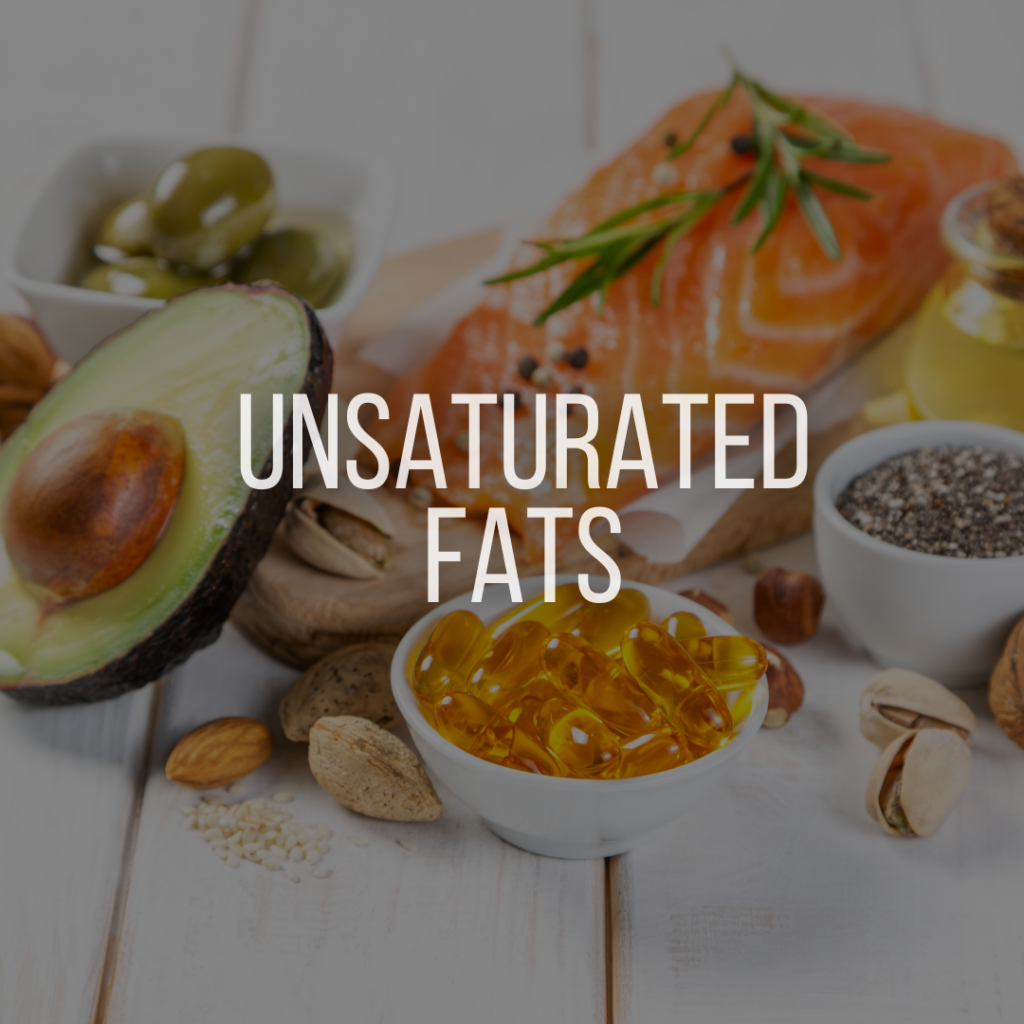
Healthy fats generally refer to unsaturated fats found in foods such as olive oil, avocados, nuts, seeds and fish. Current heart-health guidance recommends replacing foods high in saturated fat with sources of monounsaturated and polyunsaturated fats. Trans fat intake should be kept as low as possible, while the overall dietary pattern matters more than any single food.
Who Should Pay Attention to Their Fat Intake
Everyone needs some dietary fat, but the type and amount of fat may matter especially for people managing:
High LDL cholesterol
Cardiovascular risk
High saturated-fat intake
Weight-management goals
Diabetes or metabolic conditions
Overall diet quality
Dietary fat provides essential fatty acids, energy and helps the body absorb fat-soluble vitamins.
The goal is not to eliminate fat. It is to choose unsaturated fats more often while keeping saturated and trans fat intake within recommended limits. choose fats that support your body while limiting fats that may increase health risks when eaten too often.
Healthy Fats Comparison Table
Fat Type
Common Sources
Current Guidance
Monounsaturated fats
Olive oil, avocado, nuts, peanuts
Choose regularly in place of saturated fats
Polyunsaturated fats
Fish, walnuts, flaxseed, soybean and other plant oils
Provide essential omega-3 and omega-6 fats
Saturated fats
Butter, cheese, fatty meats, coconut and palm oils
Limit and replace with unsaturated fats when possible
Trans fats
Small natural amounts in meat/dairy; formerly common in PHOs
Keep intake as low as possible
How to Choose Better Fats at Meals
You do not need a fat-free diet.
Instead, focus on simple substitutions:
Cook with olive, canola or other nontropical liquid plant oils more often
Choose nuts or seeds instead of some processed snack foods
Include fish as a protein option
Use avocado in place of some foods high in saturated fat
Choose leaner meat when appropriate
Compare saturated fat on Nutrition Facts labels
Build meals around vegetables, whole grains, protein and unsaturated-fat sources
The benefit comes largely from what replaces saturated fat, not simply from adding more fat to the diet.
Healthy Fats to Eat More Often and Fats to Limit
Unsaturated fats are generally preferred over saturated fats for cardiovascular health.
Foods containing more unsaturated fat include:
Olive oil
Canola oil
Avocado
Nuts
Seeds
Fatty fish
Peanut butter
Soy foods
Foods higher in saturated fat include:
Butter
Cream
Full-fat cheese
Fatty meats
Coconut oil
Palm oil
These foods do not need to be described as universally “bad,” but saturated fat should generally be limited and replaced with unsaturated sources when possible.
Main Types of Dietary Fats and How They Affect Health
Dietary fats are usually grouped into:
Saturated fats
Monounsaturated fats
Polyunsaturated fats
Trans fats
Their health effects are not identical.
Current cardiovascular guidance places particular emphasis on the overall dietary pattern and replacing foods high in saturated fat with foods containing unsaturated fats.
Saturated Fats: Foods to Limit for Heart Health
Saturated fats occur naturally in many foods, including:
Butter
Cream
Cheese
Fatty cuts of beef and pork
Poultry skin
Coconut oil
Palm oil
Some baked and fried foods
Saturated fat can raise LDL cholesterol.
The American Heart Association recommends limiting saturated fat and replacing it with unsaturated fats as part of a heart-healthy dietary pattern.
Unsaturated Fats: The Healthier Fat Choice for Daily Meals
Unsaturated fats include monounsaturated and polyunsaturated fats.
Common sources of monounsaturated fats include:
Olive oil
Avocado
Almonds
Peanuts
Cashews
Sesame seeds
Some other liquid plant oils
Replacing some saturated-fat sources with unsaturated fats can help improve blood lipid patterns and reduce cardiovascular risk.
Avoid presenting omega-9 as uniquely protective. It is simply one type of monounsaturated fatty acid.
Omega-9s are a specific type of MUFA, and are especially known for their heart-healthy benefits. One of the most common sources of omega-9s is olive oil, which is high in oleic acid. Although omega-9s are beneficial for your health, they are not considered essential because your body can produce them as needed.
Polyunsaturated Fats: Omega-3 and Omega-6 Food Sources
Polyunsaturated fats include essential omega-3 and omega-6 fatty acids.
Sources of omega-3 fats include:
Salmon
Sardines
Trout
Walnuts
Chia seeds
Flaxseed
ALA is the main plant omega-3 fatty acid, while EPA and DHA are found primarily in fish and seafood.
Omega-6 fatty acids are found in:
Soybean oil
Corn oil
Sunflower oil
Nuts
Seeds
Both omega-3 and omega-6 fatty acids are essential nutrients.
The goal is not to fear omega-6 fats or chase a perfect omega-6-to-omega-3 ratio, but to follow an overall healthy dietary pattern.
Trans Fats: What Consumers Should Know Today
Trans fats can occur naturally in small amounts in meat and dairy products.
Historically, the major source of artificial trans fat in the U.S. food supply was partially hydrogenated oils, or PHOs.
The FDA determined that PHOs were no longer generally recognized as safe and removed their approved food uses. As a result, industrial trans fat from PHOs has been largely eliminated from the U.S. food supply.
Trans fat can still appear in small amounts, so checking the Nutrition Facts label remains useful.
Nutrition labels can help you compare similar foods.
When evaluating fat content, look at:
Serving size
Total fat
Saturated fat
Trans fat
Calories
Sodium
Added sugars
Fiber
Instead of judging a food by whether ingredient names are difficult to pronounce, focus on the nutrient profile and overall dietary pattern.
When comparing similar products, choosing one with less saturated fat, added sugar and sodium may be helpful depending on your health goals.
Common Myths About Dietary Fat
Myth
Better Explanation
Eating fat automatically causes body fat gain
Body weight is influenced by total energy balance and many other factors
All saturated fat foods must be eliminated
Saturated fat should generally be limited, not treated as poison
Seed oils are inherently toxic
Common liquid plant oils provide unsaturated fats and can fit within a healthy diet
Low-fat foods are always healthier
Nutritional quality depends on the entire product
Coconut oil is automatically heart healthy
Coconut oil is high in saturated fat
More omega-3 is always better
Needs vary, and supplements are not necessary for everyone
Are Seed Oils Unhealthy?
Seed oils such as soybean, corn, sunflower, safflower and canola oil are often criticized online.
However, these oils primarily provide unsaturated fats, including essential omega-6 fatty acids.
Current cardiovascular dietary guidance continues to recommend nontropical liquid plant oils as alternatives to fats higher in saturated fat.
That does not mean every food made with seed oil is automatically healthy. The overall food and dietary pattern still matter.
Nutrition and Weight Loss Support at Tucson Wellness MD
Dietary fat is one part of an overall nutrition plan.
For patients working on weight or metabolic health, Tucson Wellness MD can help review:
Total calorie intake
Protein intake
Fiber
Dietary fat quality
Meal patterns
Physical activity
Sleep
Medications
Metabolic health
Healthy fats can support a balanced diet, but simply adding more high-fat foods does not automatically produce weight loss. For individualized weight and nutrition support, explore Medical Weight Loss at Tucson Wellness MD.
Want Help Improving Your Nutrition?
Tucson Wellness MD can help you review your eating habits, weight goals and metabolic health and build a nutrition approach that includes appropriate amounts and types of dietary fat.
Healthy fats generally refer to monounsaturated and polyunsaturated fats found in foods such as olive oil, avocados, nuts, seeds and fish. These fats are generally recommended in place of foods higher in saturated fat.
Which fats should I limit?
Saturated fat should generally be limited, particularly when cardiovascular risk or high LDL cholesterol is a concern. Trans fat intake should be kept as low as possible.
Are saturated fats bad for you?
Saturated fats are not poisonous or foods that must always be avoided, but higher intake can raise LDL cholesterol. Current heart-health guidance recommends replacing some saturated-fat sources with unsaturated fats.
What are omega-3 fatty acids?
Omega-3 fatty acids are polyunsaturated fats that include ALA, EPA and DHA. ALA is found mainly in plant foods such as flaxseed and walnuts, while EPA and DHA are found primarily in fish and seafood.
Are seed oils unhealthy?
Common seed oils such as soybean, corn, sunflower, safflower and canola oil provide mostly unsaturated fats. They can be included within a healthy dietary pattern, especially when used instead of fats higher in saturated fat.
Is olive oil healthier than butter?
Olive oil contains more unsaturated fat and less saturated fat than butter. Replacing butter with liquid plant oils such as olive oil can improve the overall fat profile of the diet.
Does eating fat make you gain weight?
Dietary fat is calorie-dense, but eating fat does not automatically cause weight gain. Body weight is influenced by total energy intake, activity, metabolism, medications and other factors.
How can I choose healthier fats on food labels?
Check serving size, saturated fat and trans fat on the Nutrition Facts label. When comparing similar foods, choosing options with less saturated fat can help improve overall dietary fat quality.
When we think about life, longevity is often a key goal. But True longevity focuses on supporting both lifespan and healthspan by maintaining physical function, energy, and overall wellness as you age.
At Tucson Wellness MD, we focus on both the length and quality of your life through our personalized Longevity Care Program. Designed specifically for you, our program ensures that your health is our top priority.
With a tailored 1-on-1 plan and VIP service that fits your schedule, we bring the latest scientific advancements directly to you. Our program is structured around evidence-informed protocols and ongoing outcome monitoring. our program is Designed to support healthy aging and long-term wellness through individualized care.
Quick Answer
What Habits Support Healthy Aging and Longevity?
Healthy aging is supported by regular physical activity, balanced nutrition, adequate sleep, preventive healthcare, stress management and maintaining healthy cardiovascular and metabolic risk factors. Personalized longevity care can help identify individual health priorities and build a long-term plan based on medical history, assessments and personal goals.
About the Longevity Program
Tucson Wellness MD’s Longevity Program is structured around personalized evaluation, ongoing monitoring and individualized wellness planning.
The program may incorporate clinical assessments, nutrition support, physical-performance evaluation and other services based on individual needs.
The program spans three phases, with follow-up assessments used to evaluate progress and adjust recommendations when appropriate.
Patients also receive guidance throughout the program from the Tucson Wellness MD care team and Health Advisor. Learn more about our complete approach to personalized healthy aging through Longevity Care at Tucson Wellness MD.
Phase 1 – We Test, Don’t Guess
During the first phase, Tucson Wellness MD establishes a health baseline using appropriate laboratory testing, metabolic assessments and clinical evaluation.
Nutrition and lifestyle strategies can then be personalized according to individual findings, health history and goals.
IV therapy, supplementation or other services may also be considered when clinically appropriate as part of the individualized care plan.
Phase 2 – Science-Based Care
Phase 2 focuses on reviewing progress and adjusting the care plan based on relevant health markers and individual response.
Depending on the patient, this may include evaluation of metabolic, cardiovascular, nutritional and hormonal factors.
Nutrition, supplementation and other appropriate strategies can then be adjusted according to clinical findings and treatment goals.
Phase 3 – Cognitive Function
The final phase places additional focus on cognitive health while continuing to monitor other areas of wellness.
Depending on individual needs, this may include cognitive assessments, cardiovascular evaluation, physical-performance support and medical follow-up.
The goal is to support long-term physical and cognitive health through personalized monitoring and care.
What Happens After Each Phase of the Longevity Program?
After each phase, progress can be reviewed through clinical follow-up, relevant laboratory testing and other assessments.
The care plan may then be adjusted based on individual results, goals and ongoing health priorities.
Patients may also discuss continued wellness services or other Tucson Wellness MD programs when appropriate.
Start Your Personalized Longevity Journey With Tucson Wellness MD
Tucson Wellness MD takes an individualized approach to healthy aging based on medical evaluation, lifestyle strategies and ongoing monitoring.
Rather than focusing on a single treatment, longevity care considers multiple aspects of health that may influence how you feel and function as you age.
Your care plan can evolve as your health needs, clinical findings and goals change over time.
Build Your Personalized Longevity Plan
Tucson Wellness MD can review your health history, current concerns and long-term wellness goals to determine which assessments and strategies may be appropriate for your personalized longevity plan.
A longevity program combines health assessments, lifestyle strategies, and personalized care plans designed to support healthy aging and long-term wellness.
What habits can help support longevity?
Healthy habits that support longevity include balanced nutrition, regular exercise, quality sleep, stress management, preventive health screenings, and maintaining metabolic health.
How does testing help with longevity planning?
Health testing can provide information about metabolic markers, hormone levels, cardiovascular health, and other factors that may influence long-term wellness.
Can longevity care help with healthy aging?
Longevity care focuses on identifying health priorities and creating personalized strategies that support overall wellness as individuals age.
What does a longevity program include?
A longevity program may include medical evaluation, laboratory testing, metabolic or cardiovascular assessments, nutrition guidance and other personalized wellness strategies depending on individual needs.
How long is the Tucson Wellness MD Longevity Program?
The program is structured across three phases and may span approximately 16 to 48 weeks depending on the individual care plan and level of participation.
Is longevity care only for older adults?
No. Adults may explore longevity-focused care at different stages of life when they want to better understand health risks, improve lifestyle habits or create a personalized long-term wellness strategy.
How is progress measured during a longevity program?
Progress may be evaluated through clinical follow-up, relevant laboratory markers, health assessments and changes in individualized wellness goals.
“Individual experiences may vary. Testimonials reflect personal experiences and do not guarantee specific medical outcomes. The team is incredibly genuine and truly cares about my well-being. They’ve been so supportive and have helped clear up any confusion I had along the way. I’m absolutely loving the transformation I’m seeing and feeling – it’s been an amazing experience!” – M.Jones
We’ve already covered the importance of macronutrients, carbohydrates, proteins, and fats, as the essential building blocks that fuel our bodies, make up our structure, and support overall health. Getting the right balance of these macronutrients is key to staying energized and strong. But that’s just part of the equation. The quality of the macronutrients you consume also impacts your intake of micronutrients, the vitamins, minerals, and antioxidants necessary for boosting our immune system, supporting bone health, and regulating metabolism. Together, macronutrients and micronutrients work in harmony to keep our bodies functioning at their best.
Vitamins and minerals are needed in smaller quantities than macronutrients, but they are essential for supporting your metabolic processes such as hormone production, cell signaling, and DNA function. Without adequate levels of these micronutrients, your body won’t function at its best. Whether we realize it or not, we are truly a reflection of what we eat. Remember: if it’s not nourishing you, it’s draining you.
Quick Answer
What Are Micronutrients and Why Do They Matter?
Micronutrients are vitamins and minerals the body needs in relatively small amounts to support normal functions such as energy metabolism, immune function, bone health, cell signaling and tissue maintenance. Nutrient needs vary by age, sex and life stage. A varied diet can provide many essential micronutrients, while supplements may be appropriate when dietary intake is inadequate or a healthcare provider identifies a specific need.
Why Do You Still Feel Run Down Even When You Eat “Healthy”?
Many people focus on calories and macros while unknowingly falling short on key vitamins and minerals that drive energy, immunity, and metabolism. Without adequate micronutrients, even a well-balanced diet can leave your body. Fatigue and low energy can have many causes, so persistent symptoms should not automatically be assumed to result from a vitamin or mineral deficiency.
The Small but Mighty Nutrients
The daily nutrient requirements can vary based on factors such as gender, age, and life stage. For instance, women who are pregnant or lactating have higher nutrient needs compared to those who are not, and these needs also differ from those of men. Nutrient intake is commonly measured in micrograms (µg), milligrams (mg), or International Units (IU) to ensure accurate recommendations based on individual needs. For the first part of the nutrition series, explore Balanced Nutrition 101.
Vitamins
There are 13 essential vitamins, commonly grouped as water-soluble or fat-soluble.
Water-soluble vitamins include vitamin C and the B vitamins. Because the body does not store large amounts of most water-soluble vitamins, regular dietary intake is important.
Fat-soluble vitamins include vitamins A, D, E and K. These are absorbed along with dietary fat and can be stored in body tissues.
Different vitamins support different physiological functions, which is why adequacy should be considered nutrient by nutrient rather than assuming that more of every vitamin is better.Food sources, recommended intake and upper intake levels vary considerably between individual vitamins.
Minerals:
Minerals are inorganic nutrients the body needs for functions such as bone health, fluid balance, nerve signaling, oxygen transport and normal muscle function.
They are commonly grouped into major minerals and trace minerals.
Major minerals include nutrients such as:
Calcium
Magnesium
Phosphorus
Potassium
Sodium
Chloride
Trace minerals are required in smaller amounts and include nutrients such as:
Iron
Zinc
Copper
Iodine
Selenium
Manganese
The amount needed depends on the specific mineral, age, sex and life stage.
More is not necessarily better. Some minerals can cause adverse effects when consumed in excessive amounts, particularly through concentrated supplements.
To preserve nutrients, try eating fresh foods, using cooking methods that retain their vitamins and minerals, and storing your foods properly.
Common Micronutrients and Where to Find Them
Micronutrient
Common Food Sources
General Role
Vitamin A
Sweet potatoes, carrots, leafy greens, eggs
Vision and immune function
Vitamin C
Citrus fruits, peppers, strawberries, broccoli
Collagen formation and antioxidant activity
Vitamin D
Fortified foods, fatty fish, egg yolks
Bone and calcium metabolism
Vitamin B12
Meat, fish, dairy, eggs, fortified foods
Red blood cell and nervous system function
Folate
Leafy greens, beans, fortified grains
Cell division and blood formation
Calcium
Dairy foods, fortified alternatives, leafy greens
Bone health and muscle function
Iron
Meat, seafood, beans, lentils, fortified grains
Oxygen transport
Magnesium
Nuts, seeds, legumes, whole grains
Muscle, nerve and metabolic functions
Potassium
Potatoes, beans, fruits, vegetables
Fluid balance and normal cellular function
Zinc
Meat, seafood, dairy, beans, nuts
Immune function and cellular metabolism
Individual nutrient needs differ, and certain medical conditions, medications and life stages can alter requirements. NIH provides nutrient-specific guidance on food sources, recommended amounts and safety.
The Power of Food and Smart Supplementation
A varied eating pattern can provide many essential vitamins and minerals through foods such as vegetables, fruits, whole grains, legumes, nuts, seeds, dairy products, eggs, fish and meat.
Supplements may be appropriate when:
A nutrient deficiency has been identified
Dietary restrictions make certain nutrients difficult to obtain
Pregnancy or another life stage changes nutrient requirements
A medical condition affects nutrient absorption
A healthcare provider recommends supplementation
Supplements should not automatically replace nutrient-rich foods.
Some vitamins and minerals can also cause adverse effects when taken in excessive amounts, and certain supplements may interact with medications.
Before taking high-dose supplements or combining several products, review the ingredients and amounts with a qualified healthcare professional. For additional food-first wellness strategies, explore Natural Healing at Tucson Wellness MD.
Well, How Much is Enough?
Nutrient requirements are commonly evaluated using Dietary Reference Intakes, or DRIs. DRIs include several reference values, such as Recommended Dietary Allowances (RDAs), Adequate Intakes (AIs), Estimated Average Requirements (EARs), and Tolerable Upper Intake Levels (ULs). The appropriate value depends on the nutrient and factors such as age, sex and life stage. For evidence-based nutrient reference information, review the NIH Office of Dietary Supplements vitamin and mineral fact sheets.
Finding Your Perfect Balance of Micronutrients
Micronutrient needs vary according to diet, age, health history, medications and life stage. If you are concerned about nutrient intake or supplementation, Tucson Wellness MD can review your nutrition, current supplements and wellness goals and help determine whether additional evaluation may be appropriate. For broader long-term wellness support, learn more about Longevity Care at Tucson Wellness MD.
Build a More Personalized Nutrition Plan
Tucson Wellness MD can review your diet, current supplements, health history and wellness goals to help identify areas where your nutrition plan may need additional support.
Micronutrients are vitamins and minerals the body requires in relatively small amounts for normal physiological functions, including metabolism, immune function, bone health and cellular processes.
What is the difference between macronutrients and micronutrients?
Macronutrients include carbohydrates, protein and fat and are required in larger amounts. Micronutrients include vitamins and minerals that are needed in smaller quantities.
What are examples of important micronutrients?
Common micronutrients include vitamins A, C, D, E and K, B vitamins, calcium, iron, magnesium, potassium, zinc, iodine and selenium.
Can you get enough micronutrients from food?
Many people can obtain essential vitamins and minerals through a varied diet. Individual needs can differ because of age, pregnancy, dietary restrictions, medical conditions and other factors.
Do I need a multivitamin every day?
Not everyone needs a daily multivitamin. Whether supplementation is appropriate depends on dietary intake, medical history, life stage and specific nutrient needs.
Can taking too many vitamins be harmful?
Yes. Some vitamins and minerals can cause adverse effects when consumed in excessive amounts, particularly through high-dose supplements.
What are Dietary Reference Intakes?
Dietary Reference Intakes, or DRIs, are nutrient reference values used to assess and plan dietary intake. They include values such as RDAs, AIs, EARs and tolerable upper intake levels.
How do I know if I have a vitamin or mineral deficiency?
Symptoms alone are often not specific enough to diagnose a deficiency. Medical history, dietary assessment and laboratory testing may be appropriate depending on the nutrient and symptoms.
Are supplements better than food for micronutrients?
Supplements can help address specific nutrient needs, but they generally should not be viewed as a replacement for a varied, nutrient-rich diet.
Should I get tested before taking supplements?
Testing is useful for some nutrients and clinical situations but is not necessary before every supplement. A healthcare provider can determine whether testing is appropriate based on symptoms, diet and medical history.
Each person is unique, and so is their body! Balanced nutrition means listening to your body and eating a variety of nutrient-rich foods to improve health and well-being. It’s about giving your body the essential nutrients it needs for energy and proper function while focusing on moderation particularly with refined sugars, saturated fats, and salt, to reduce health risks like diabetes, obesity, and high cholesterol. Nutrition isn’t just about fueling your body; it’s about making choices that support your long-term well-being and longevity.
While everyone has an opinion on what the “perfect” diet looks like, there’s no one-size-fits-all approach. The secret is finding the right balance for you. Your body is unique, and the best nutrition plan is one that’s tailored to your needs, helping you thrive both now and in the future. Nutrition is made up of three essential components, macronutrients, micronutrients, and hydration, which all work together to keep your body running smoothly. These elements support everything from immune function to digestive health and organ performance.
Quick Answer
What Are the 3 Main Macronutrients?
The three main macronutrients are carbohydrates, fats and protein. Carbohydrates provide an important source of energy, fats support cell structure and nutrient absorption, and protein supplies amino acids needed for growth, maintenance and repair. A balanced diet can include all three in amounts that fit your age, activity level, health needs and overall eating pattern.
The Foundation of Daily Nutrition
Your daily calorie intake comes from macronutrients. Understanding how each one works helps you make better food choices and avoid extreme or restrictive diets.
Breaking Down the 3 Key Macronutrients
To start on the path to balanced nutrition, it’s crucial to understand your macronutrient needs, as these are required in larger amounts to fuel your body properly. Together, these macronutrients should make up 100% of your daily caloric intake. And while alcohol is often thought to be the “fourth macronutrient,” it’s important to note that it’s not a recommended source of energy and should be consumed in moderation, if at all.
Macronutrient
Main Roles
Common Food Sources
Carbohydrates
Energy, fiber and support for normal body functions
Whole grains, fruits, vegetables, beans
Fats
Energy storage, cell structure and absorption of fat-soluble vitamins
Nuts, seeds, avocado, olive oil, fish
Protein
Tissue maintenance, enzymes, hormones and immune functions
These should make up 45-65% of your daily calorie intake and serve as the primary energy source for your body. Carbohydrates are an important source of energy, particularly for the brain and during physical activity. Carbohydrate needs vary, and choosing fiber-rich sources such as fruits, vegetables, legumes and whole grains can provide energy along with important vitamins, minerals and fiber.
Simple Carbohydrates
Carbohydrates can be classified into two forms: simple and complex. Simple carbohydrates break down quickly in the body, causing a rapid spike in blood sugar leading to that quick sugar high followed by an inevitable sugar crash. Watch out for added sugars! Unlike naturally occurring sugars, which are found in whole foods, added sugars are introduced during processing to enhance flavor and extend shelf life. It’s recommended to limit added sugars to less than 10% of your daily calorie intake. Simple sugar sources such as donuts, candies, soda, and other sugary beverages, are prime examples of foods high in added sugars. Consuming too much added sugar can lead to diabetes, harm dental health, and contribute to heart health issues.
Refined Carbohydrates
Refined carbs, a type of simple carbohydrate, are heavily processed and stripped of most of their fiber and nutrients, making them digest quickly and offering little nutritional value. Examples of refined carbs include white bread, pastries, sugary cereals, and white rice. It’s recommended to consume whole grains when possible to reap the full nutritional benefits, as they retain their fiber and essential nutrients, providing more sustained energy and better overall health benefits.
Complex Carbohydrates
In contrast, complex carbohydrates digest more slowly, offering a steady release of energy and are typically considered healthier due to their higher fiber content. Fiber, a non-digestible type of complex carb, is a true powerhouse, it helps you feel full longer, supports gut health, and even improves cholesterol levels. To stay at your best, it’s important to include plenty of fiber in your daily diet! You can get fiber from plant-based foods like fruits, vegetables, whole grains, and legumes.
Lipids (Fats): Essential for Hormones and Cell Health
It is recommended to obtain 20-35% of your daily calories from fats, also known as lipids. Fats are energy-dense and serve as the body’s preferred source of fuel, playing crucial roles in producing sex hormones, maintaining cell structure, regulating body temperature, and aiding in the absorption of fat-soluble vitamins such as D, E, K, and A. They also enhance the taste and texture of foods.
Types of Dietary Lipids and Their Functions
Dietary lipids can be classified into triglycerides, phospholipids, sterols, glycolipids, and fatty acids, each serving distinct functions in the body. These include cholesterol production for sex hormone synthesis, maintaining cell membrane integrity, and supporting the protection of nerve sheaths, which are essential for proper nerve function and communication.
Saturated Fats and Cardiovascular Risk
The most common form of fat in our meals is triglycerides, which are broken down into glycerol and fatty acid components. In nutrition, fatty acids are the types of fats most frequently discussed, and they exist in two main forms: saturated and unsaturated. Saturated fats, commonly found in animal products and solid at room temperature (such as butter or lard), can raise LDL cholesterol levels. When LDL cholesterol builds up, it can contribute to serious health problems, including heart disease. It is recommended to limit saturated fats to less than 10% of your total daily calorie intake to help reduce the risk of negative health outcomes.
Unsaturated Fats and Essential Fatty Acids
On the other hand, unsaturated fats, commonly found from plant sources and liquid at room temperature, can help lower LDL cholesterol and raise HDL cholesterol, which is a more beneficial form of cholesterol. Essential fatty acids, such as omega-3 and omega-6, are types of unsaturated fatty acids that are crucial for our health and must be obtained through food. While both are necessary, omega-3’s are often prioritized due to concerns about the effects of omega-6s. The key difference between them lies in their impact on inflammation: omega-3s have anti-inflammatory properties, while omega-6s can promote inflammation when consumed in excess.
Trans Fats and Why to Avoid Them
Let’s not forget about trans fats, a type of unsaturated fat that is chemically altered to become solid or semi-solid at room temperature. This process, known as hydrogenation, adds hydrogen to the fat, changing its structure. In the food industry, trans fats are often used to extend shelf life, enhance flavors, and improve texture. Common foods that contain trans fats include baked goods, fried foods, frozen meals, and shortening. However, consuming trans fats is not ideal, as they raise LDL cholesterol, promote inflammation, and contribute to insulin resistance, which can lead to serious health issues. With the rise of chronic conditions such as heart disease, diabetes, and obesity, trans fats could be a contributing factor. It’s important to be mindful of the fats you consume and opt for healthier sources to support long-term health.
Protein: The Building Block of the Body
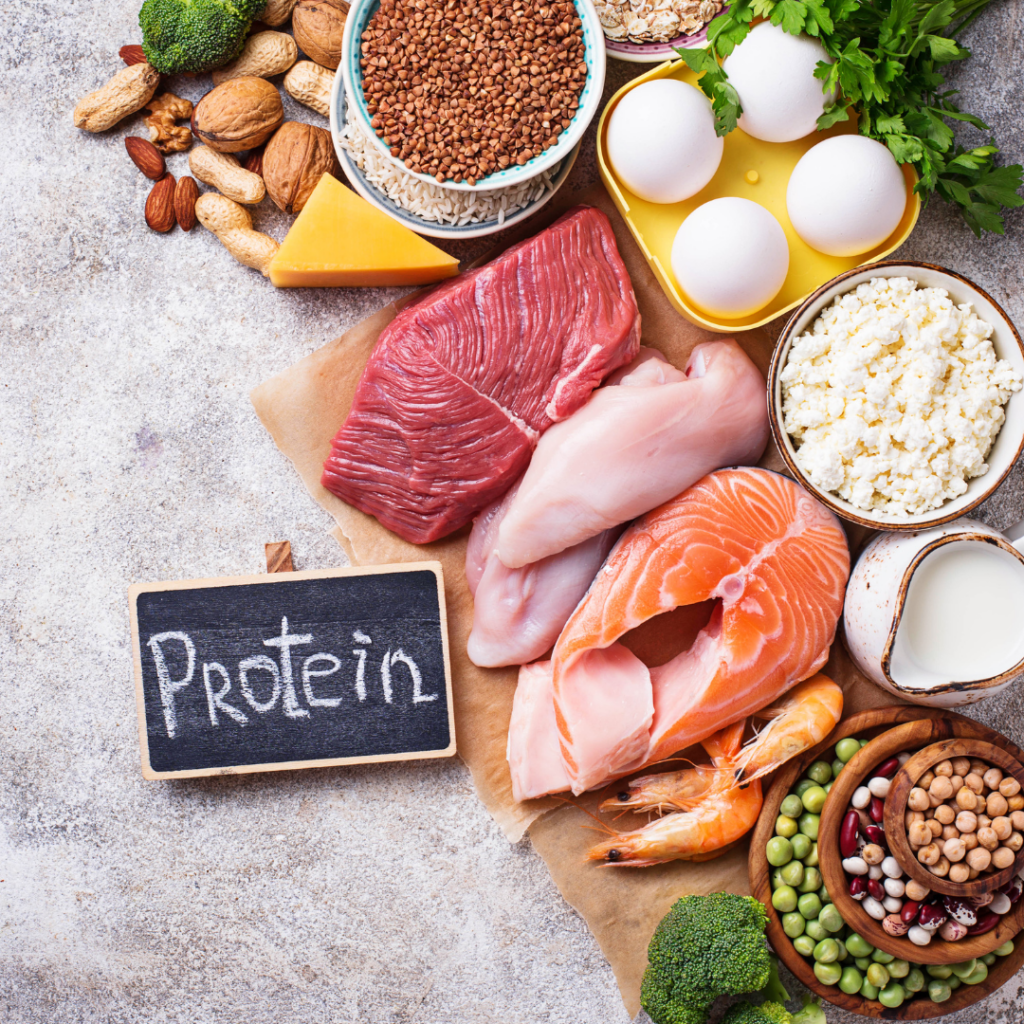
Proteins should make up about 10-35% of your daily caloric intake. Although they are less efficient for energy compared to carbs and fats, proteins play critical roles in the body’s structural and mechanical functions. These include DNA modulation, enzyme production, hormone regulation, and immune function, all crucial for normal growth and development, particularly during periods of growth. For more help choosing protein sources, read our guide to choosing the right protein for your nutrition goals.
Amino Acids and Protein Quality
Proteins are made up of amino acids, which are the building blocks that supply the body with essential elements like nitrogen, sulfur, hydrogen, and carbon. There are 11 nonessential amino acids that the body produces naturally, so we don’t need to get them from food. However, there are 9 essential amino acids that the body cannot produce, and we must obtain them through the foods we eat. Together, these amino acids support your body’s growth, repair, and overall health.
Factors That Influence Protein Needs
Protein requirements can be influenced by factors such as age, pregnancy, lactation, illness, injury, metabolic stress, low calorie intake, and increased physical activity. In chronic situations, a diet lacking in protein can lead to serious health issues like marasmus and kwashiorkor. Getting enough protein through a balanced diet is crucial for maintaining your health, energy, and long-term vitality.
Finding the Perfect Balance
Balanced nutrition is less about maximizing or eliminating one macronutrient and more about choosing an overall eating pattern that meets your energy and nutrient needs. Total calorie intake, food quality, activity level, health conditions and individual goals all influence the appropriate balance. Macronutrients are only part of balanced nutrition. Learn how vitamins and minerals fit into the bigger picture in our guide to essential micronutrients.
Personalizing Your Nutrition for Long-Term Health
Finding the right balance of macronutrients for your body is all about what works best for you. We all have different needs, so it’s not about cutting out a particular food group, it’s about finding a healthy mix of fats, carbs, and protein that keeps you feeling energized, satisfied, and strong. Whether you’re looking to fuel workouts, manage weight, or just feel your best day-to-day, it’s important to listen to your body and adjust as you go. Finding that balance is a journey, and with the right approach, you’ll be supporting your overall health and wellness in a way that works for your unique lifestyle.
Balanced Nutrition Is a Sustainable Lifestyle
By understanding how carbs, fats, and proteins fuel your body, you can make choices that support your health and energy every day. It’s not about being perfect, it’s about building sustainable habits that help you feel your best in the long run. If you’re ready to take the next step and figure out what your body truly needs, schedule a consultation with the nutritionist at Tucson Wellness MD. Let’s work together to make nutrition simpler, easier, and more enjoyable for you!
Frequently Asked Questions About Macronutrients
What are the three main macronutrients?
The three primary macronutrients are carbohydrates, fats and protein. They are needed in relatively large amounts and perform different roles in energy metabolism, body structure and normal physiological function.
What is the main function of carbohydrates?
Carbohydrates provide an important source of energy and can also supply fiber, vitamins and minerals when they come from nutrient-dense foods such as whole grains, fruits, vegetables and legumes.
Why does the body need dietary fat?
Dietary fat provides energy, supports cell membranes and helps the body absorb the fat-soluble vitamins A, D, E and K.
Why is protein important?
Protein provides amino acids used for building and maintaining tissues and for making enzymes, hormones and other important compounds.
Which macronutrient is most important?
All three macronutrients perform important functions. The appropriate balance depends on overall nutrition needs, health status, activity level and individual goals.
Are carbohydrates bad for you?
No. Carbohydrate quality matters. Fruits, vegetables, legumes and whole grains can provide valuable nutrients and fiber, while highly refined foods and foods high in added sugars are generally better limited.
Are fats bad for you?
No. Unsaturated fats from foods such as nuts, seeds, fish, avocado and plant oils can be part of a healthy eating pattern. The type and overall amount of fat matter.
How do I know what macronutrient balance is right for me?
Individual needs vary according to age, activity level, medical conditions, total energy needs and personal goals. A qualified healthcare or nutrition professional can help determine an appropriate eating pattern.
Build a Nutrition Plan That Fits Your Goals
Tucson Wellness MD can review your eating habits, health needs and wellness goals to help you build a personalized nutrition strategy that includes the right balance of carbohydrates, fats and protein.
Mindful eating is all about being present with your food and treating each meal as nourishment for your body and mind. It’s tuning into your body’s signals and being aware of how different foods affect your mood, energy, and hunger. It’s all about listening to your body and enjoying the moment! Remember, we’re eating for longevity in 2025, what we choose today impacts how we feel tomorrow. Take your time to savor each bite and appreciate the flavors, textures, and the experience of your meal.
Food is such a big part of our everyday lives that we often eat on autopilot, rushing through meals to get to the next thing or skipping meals because our days are packed. But being present while we eat isn’t something we always make time for. Start making mindful eating a regular habit and watch how it strengthens your connection with food and supports your long-term health. Remember, everyone’s journey is different, so what works for someone else might not work for you, and that’s totally okay!
Here are some tips that helped me develop a lasting, positive relationship with food and take control of my eating habits.
Quick Answer
What Is Mindful Eating?
Mindful eating means paying attention to hunger, fullness, taste, texture and eating habits without rigid food rules or distractions. It may help some people slow down, recognize eating cues and make more intentional food choices. However, mindful eating does not guarantee weight loss and works best as part of an overall balanced nutrition pattern.
Mindful Eating Benefits Table
Mindful Eating Area
Potential Benefit
What to Practice
Hunger awareness
Helps identify physical hunger before becoming overly hungry
Pause before eating and notice hunger level
Fullness awareness
May help recognize when you are comfortably satisfied
Pause during the meal
Eating pace
Gives more time to notice fullness
Slow down rather than rushing
Distractions
Helps keep attention on the meal
Limit TV, scrolling and work
Food enjoyment
Encourages attention to taste and texture
Notice flavors, aromas and satisfaction
Emotional eating
May help identify eating triggered by stress or boredom
Ask what is driving the urge to eat
Food relationship
Can reduce rigid or guilt-based thinking about food
Avoid labeling every food as good or bad
Who Can Benefit From Mindful Eating?
Mindful eating may be useful for people who want to become more aware of their eating habits.
It may be particularly helpful if you:
Eat very quickly
Frequently eat while distracted
Skip meals and become excessively hungry later
Eat in response to boredom or stress
Struggle to notice fullness
Want a less restrictive approach to food
Want to better understand appetite patterns
Want to build more sustainable nutrition habits
Mindful eating is not a substitute for medical nutrition therapy or treatment of an eating disorder.
How to Listen to Hunger and Fullness Cues
Hunger and fullness are influenced by many factors, including:
Time since the last meal
Meal composition
Sleep
Stress
Physical activity
Medications
Hormonal signals
Habits and environment
Before eating, ask:
Am I physically hungry?
When did I last eat?
Am I eating because of stress or boredom?
What type of meal would leave me comfortably satisfied?
During the meal, pause occasionally and notice whether hunger is decreasing.
The goal is not to stop at a perfect number on a hunger scale. It is to become more aware of how your body responds before, during and after eating.
Choose Nutrient-Dense Foods for Energy and Wellness
A balanced eating pattern can include:
Fruits
Vegetables
Whole grains
Beans and legumes
Lean or plant-based proteins
Nuts and seeds
Healthy fats
Dairy or appropriate alternatives
Highly processed foods can still fit into an overall balanced diet. Rather than judging a food by how long its ingredient list is, consider:
Practice Moderation Instead of Restrictive Dieting
Highly restrictive eating plans can be difficult for many people to maintain. Instead of automatically labeling foods as “good” or “bad,” focus on the overall pattern of eating.
A sustainable nutrition plan should generally provide adequate:
Protein
Essential fats
Vitamins and minerals
Fiber
Energy for daily needs
Some medically supervised dietary patterns may intentionally restrict certain foods or nutrients for specific reasons. The best approach depends on your medical needs, preferences and ability to maintain it safely.
Prepare Meals at Home to Support Better Food Choices
Cooking at home can make it easier to control:
Portions
Ingredients
Protein intake
Fiber
Added sugars
Sodium
Meal timing
Meal preparation does not need to involve preparing an entire week of food at once.
Start by preparing:
One protein source
One grain or starch
Washed or chopped vegetables
Easy snacks
One or two meals ahead
The goal is convenience and consistency, not perfection.
Eat Slowly and Reduce Distractions During Meals
Eating quickly or while distracted can make it harder to pay attention to hunger, fullness and satisfaction.
Try:
Sitting down for meals
Putting away your phone
Turning off the television
Taking smaller bites
Pausing occasionally
Noticing taste and texture
Checking your fullness before getting another serving
Mindful eating does not require a specific number of chews or an exact meal duration. The goal is simply to give yourself enough attention and time to notice how the meal feels. For additional practical guidance on mindful eating, review Harvard Health’s overview of mindful eating.
How Mindful Eating Supports Long-Term Wellness
Mindful eating is most useful as a behavioral tool rather than a treatment for a specific disease.
Over time, it may help some people:
Become more aware of hunger
Recognize fullness sooner
Reduce distracted eating
Become more aware of emotional eating
Enjoy meals more intentionally
Make more deliberate food choices
Follow a more consistent eating routine
Research on mindful eating and weight management is promising but mixed, so it should not be presented as a guaranteed weight-loss strategy. If weight management is one of your goals, learn more about Medical Weight Loss at Tucson Wellness MD.
Mindful Eating vs Intuitive Eating
Approach
Main Focus
Mindful eating
Paying attention to the present eating experience, hunger, fullness and distractions
Intuitive eating
A broader framework involving hunger, fullness, food rules, body respect and rejecting restrictive diet culture
Traditional diet plan
Usually follows specific calorie, food or macronutrient targets
Mindful eating techniques can be used within many different nutrition approaches.
When Hunger and Fullness Cues May Be Harder to Read
Hunger and fullness signals are not always easy to interpret.
They may be affected by:
GLP-1 medications
Sleep deprivation
Stress
Highly restrictive dieting
Certain medications
Gastrointestinal conditions
Hormonal changes
Eating disorders
Some metabolic conditions
If appetite changes are persistent, extreme or associated with significant weight change, medical evaluation may be appropriate.
Build Healthier Eating Habits That Last
Tucson Wellness MD can help you review your nutrition habits, appetite, weight goals and metabolic health and develop a more sustainable approach to eating and wellness.
Build Lasting Health Habits With Progress Over Perfection
Mindful eating does not require perfect meals or constant monitoring of every bite.
Start with one or two habits:
Eat one meal each day without your phone
Pause before eating to notice hunger
Slow down during meals
Include protein and fiber more consistently
Notice how satisfied you feel before getting seconds
Plan ahead for especially busy days
Small habits that are realistic enough to repeat are more useful than short-term rules that cannot be maintained.
Mindful Eating FAQs
What is mindful eating?
Mindful eating means paying attention to the experience of eating, including hunger, fullness, taste, texture, emotions and distractions. It focuses on awareness rather than strict food rules.
Can mindful eating help with weight loss?
Mindful eating may help some people become more aware of portions, hunger and distracted eating, but it does not guarantee weight loss. Weight change also depends on overall food intake, activity, sleep, medications, metabolic health and other factors.
How do I start mindful eating?
Start with one meal a day. Remove distractions, notice your hunger before eating, slow down, pay attention to taste and texture and pause during the meal to check whether you are comfortably satisfied.
Is mindful eating the same as dieting?
No. Mindful eating does not prescribe a specific calorie level or eliminate particular foods. It focuses on awareness of eating habits, hunger, fullness and the eating experience.
Does eating slowly prevent overeating?
Eating more slowly may make it easier to notice fullness and satisfaction, but it does not guarantee that someone will eat less. Appetite and food intake are influenced by many factors.
Can mindful eating reduce emotional eating?
Mindful eating may help some people recognize when stress, boredom or emotions are influencing the urge to eat. Persistent emotional eating may require additional behavioral or mental-health support.
Can mindful eating improve digestion?
Eating more slowly and paying attention during meals may improve the eating experience, but mindful eating should not be presented as a treatment for digestive disease. Persistent digestive symptoms should be medically evaluated.
Who should be cautious with mindful eating advice?
People with a current or previous eating disorder, major appetite changes or medically required dietary restrictions may need individualized guidance from an appropriate healthcare or nutrition professional.
Healthy eating is one part of supporting long-term health as we age.
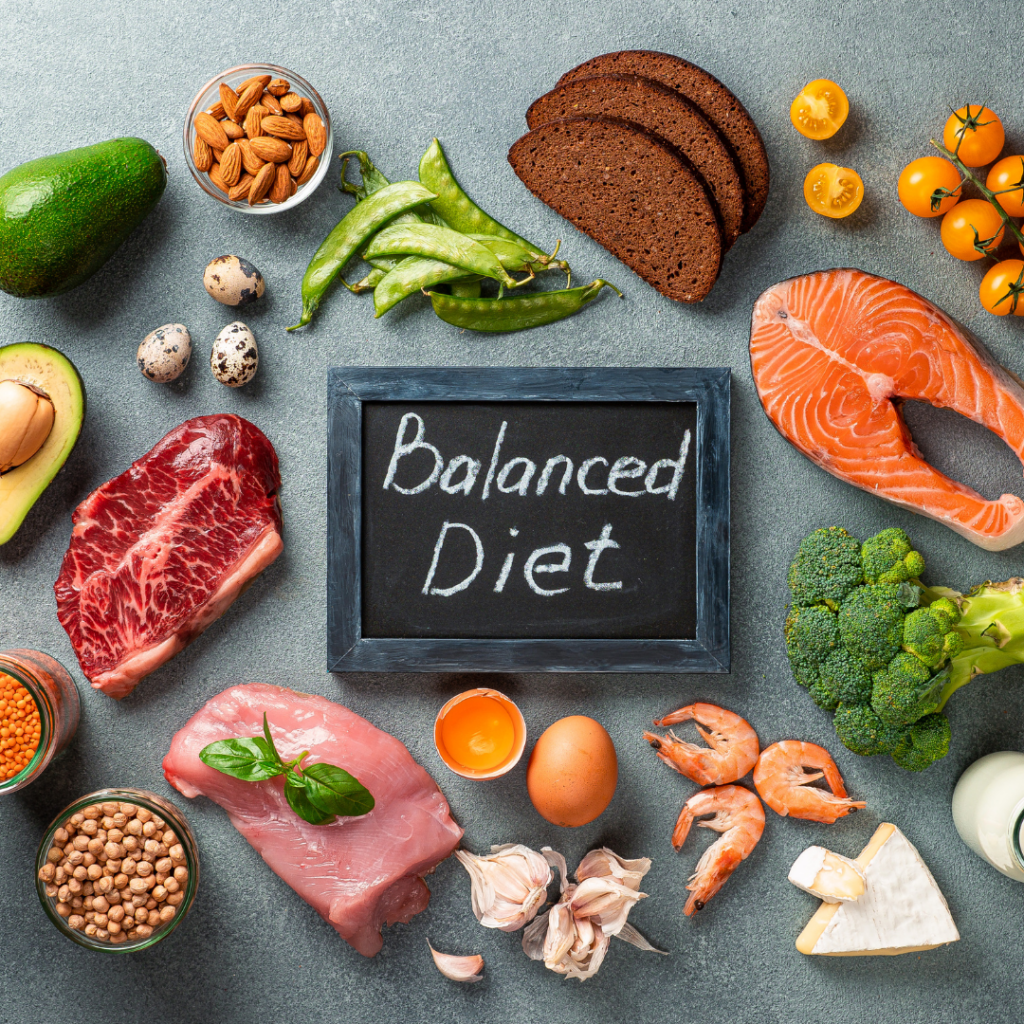
Rather than relying on individual “superfoods,” a healthy dietary pattern generally emphasizes a variety of:
Vegetables
Fruits
Whole grains
Beans and legumes
Healthy protein sources
Nuts and seeds
Unsaturated fats
Nutrition works alongside physical activity, sleep, preventive care and management of medical conditions to support healthy aging.
Current National Institute on Aging guidance similarly emphasizes choosing a variety of nutrient-dense foods across food groups rather than relying on individual foods or supplements.
Why Longevity Is Not One-Size-Fits-All
Nutrition needs vary from person to person.
Factors that may affect dietary needs include:
Age
Activity level
Medical conditions
Medications
Body composition
Food preferences
Hydration needs
Nutrient deficiencies
Cultural eating patterns
In Tucson’s hot climate, adequate hydration can also become particularly important during outdoor activity and periods of extreme heat.
A healthy eating plan should be sustainable and appropriate for the individual rather than based on a single longevity diet.
Lifestyle Habits vs Short-Term Diets
Short-term diets often focus on rapid changes that may be difficult to maintain.
Long-term health is better supported by habits that can be repeated consistently, such as:
Eating a varied diet
Getting adequate protein and fiber
Staying physically active
Maintaining adequate hydration
Getting enough sleep
Avoiding tobacco
Limiting alcohol
Receiving preventive medical care
No single eating plan guarantees longevity.
The goal is to build a sustainable dietary pattern that supports overall health over time.
Quick Answer
What Does Eating for Longevity Mean?
Eating for longevity means following a sustainable dietary pattern that provides adequate protein, fiber, healthy fats, vitamins and minerals while emphasizing fruits, vegetables, whole grains, legumes and other nutrient-dense foods. No single food can guarantee a longer life. Long-term health is influenced by the overall diet together with physical activity, sleep, medical care and other lifestyle factors.
How to Choose Nutrient-Dense Foods
Nutrient density describes how much useful nutrition a food provides relative to its energy content.
Instead of searching for foods marketed as “anti-aging” or “superfoods,” focus on building meals from a variety of foods that provide protein, fiber, vitamins, minerals and unsaturated fats.
Nutrient-dense foods provide useful nutrients such as:
Protein
Fiber
Vitamins
Minerals
Essential fatty acids
Plant foods can also provide phytochemicals, naturally occurring compounds that are being studied for their potential roles in health.
Examples of nutrient-dense foods include:
Vegetables
Fruits
Whole grains
Beans and lentils
Nuts
Seeds
Fish
Eggs
Lean proteins
Dairy or appropriate alternatives
The benefit comes from the overall dietary pattern rather than from any single compound or food.
Best Foods for Longevity at a Glance
Food
Potential Wellness Support
Salmon
Provides omega-3 fatty acids and protein.
Blueberries
Contains antioxidants and fiber.
Lentils
Supports fiber intake and plant-based protein needs.
Avocado
Provides healthy unsaturated fats and nutrients.
Foods to Limit Within a Healthy Dietary Pattern
A healthy diet does not require labeling individual foods as toxic or completely forbidden.
Instead, consider limiting foods that contribute large amounts of:
Added sugars
Sodium
Saturated fat
Refined carbohydrates
Alcohol
Examples can include sugary drinks, candy, processed meats, some baked goods, fried foods and highly processed snack foods.
These foods can still fit occasionally within an overall healthy pattern.
Current American Heart Association guidance focuses on the overall dietary pattern, emphasizing vegetables, fruits, whole grains, healthy protein sources and unsaturated fats while minimizing added sugars, excess sodium and highly processed foods.
Building a Balanced Nutrition Plan
A balanced eating pattern should provide adequate nutrition while also matching your individual energy needs.
Important components may include:
Protein
Fiber
Fruits and vegetables
Whole grains
Healthy fats
Adequate fluids
Appropriate total calorie intake
Food quality matters, but total energy intake can also affect body weight and metabolic health.
There is no single calorie or macronutrient target that is appropriate for everyone.
Nutrient-Dense Foods to Include More Often
Remove the Instagram/tagging language and “January superfood” framing.
The following foods can remain, but present them as examples rather than longevity superfoods.
Eggs: Protein and Choline
Eggs provide protein along with nutrients including choline, vitamin B12, selenium and other vitamins and minerals.
Choline contributes to normal cell membrane structure and neurotransmitter production.
Eggs can be one protein option within a varied dietary pattern rather than a special “longevity food.”
Avocado: Unsaturated Fat and Fiber
Avocados provide predominantly unsaturated fats along with fiber, potassium, folate and other nutrients.
They can be used in place of foods higher in saturated fat as part of a balanced dietary pattern.
Salmon: Protein and Omega-3 Fatty Acids
Salmon provides:
Protein
Omega-3 fatty acids
Vitamin D
Selenium
Several B vitamins
Fish can be one useful protein source within a healthy dietary pattern.
The American Heart Association includes regular fish and seafood consumption among its recommended healthy protein choices.
Lentils: Fiber and Plant-Based Protein
Lentils are legumes that provide:
Plant-based protein
Dietary fiber
Folate
Iron
Potassium
Magnesium
They can help increase both protein and fiber in meals and are an affordable alternative to some animal protein sources.
Blueberries: Fruit, Fiber and Phytochemicals
Blueberries provide carbohydrates, fiber, vitamin C and several naturally occurring plant compounds.
They can be included as one of many fruits in a healthy diet.
Rather than treating blueberries as a unique anti-aging food, aim for a variety of fruits and vegetables across the week.
Food Group
Examples
Why Include It
Vegetables
Leafy greens, broccoli, peppers
Fiber, vitamins, minerals
Fruits
Berries, oranges, apples
Fiber, vitamins, plant compounds
Whole grains
Oats, brown rice, quinoa
Fiber and carbohydrates
Legumes
Lentils, beans, chickpeas
Fiber and plant protein
Healthy proteins
Fish, eggs, poultry, tofu
Protein and other nutrients
Nuts and seeds
Walnuts, almonds, chia
Unsaturated fats and minerals
Healthy fats
Olive oil, avocado
Predominantly unsaturated fat
How Mindful Eating Supports Longevity
Mindful eating involves paying attention to hunger, fullness, taste and the experience of eating.
It may help some people:
Slow down during meals
Notice hunger and fullness
Reduce distracted eating
Become more aware of portion sizes
Build a more intentional relationship with food
Mindful eating should be viewed as a behavioral strategy rather than a proven way to extend lifespan. For more practical strategies, read our guide to mindful eating and sustainable nutrition habits.
Medical guidance may be useful when you are managing:
High blood pressure
High cholesterol
Diabetes or insulin resistance
Unexplained weight changes
Menopause-related concerns
Nutrient deficiencies
Gastrointestinal conditions
Significant changes in appetite
Medications that affect weight or nutrition
A personalized plan can consider nutrition alongside physical activity, sleep, metabolic health and preventive care. For a broader provider-guided approach to healthy aging, explore Longevity Care at Tucson Wellness MD.
Build a Nutrition Plan for Long-Term Health
Tucson Wellness MD can help you review nutrition, metabolic health, weight goals and other factors that may influence healthy aging and long-term wellness.
Frequently Asked Questions About Eating for Longevity
What does eating for longevity mean?
Eating for longevity means following a sustainable dietary pattern that provides adequate protein, fiber, healthy fats, vitamins and minerals while emphasizing nutrient-dense foods. No single food or diet can guarantee a longer life.
What foods are best for healthy aging?
A healthy aging diet can include vegetables, fruits, whole grains, beans, lentils, nuts, seeds, fish, eggs and other healthy protein sources. Variety and the overall dietary pattern matter more than any single “superfood.”
Do superfoods help you live longer?
There is no single superfood proven to extend lifespan. Foods such as berries, fish, legumes and vegetables can contribute useful nutrients, but they work as part of an overall healthy dietary pattern.
Is a plant-based diet necessary for longevity?
No single dietary pattern is required. Plant foods such as vegetables, fruits, legumes, whole grains, nuts and seeds provide important nutrients and fiber, but healthy diets can also include fish, dairy, eggs and lean meats depending on individual preferences and needs.
How much protein do older adults need?
Protein needs vary according to age, body size, activity level, medical conditions and overall nutrition. A healthcare or nutrition professional can help determine an appropriate intake when individualized guidance is needed.
Should I avoid all processed foods for healthy aging?
No. Processing exists on a spectrum, and many processed foods can fit into a healthy diet. Focus on the overall pattern and limit foods that contribute excessive added sugar, sodium or saturated fat.
Does mindful eating support longevity?
Mindful eating may help people become more aware of hunger, fullness, distractions and eating habits. It can support sustainable eating behaviors, but it has not been proven by itself to extend lifespan.
What other habits support healthy aging besides nutrition?
Physical activity, adequate sleep, avoiding tobacco, limiting alcohol, maintaining social connection, receiving preventive medical care and managing chronic conditions can all contribute to healthier aging.
You may be sleeping poorly, working long hours, juggling family responsibilities and relying on caffeine just to get through the day.
Over time, chronic stress can affect both physical and mental well-being. Some people experience fatigue, headaches, irritability, digestive symptoms, disrupted sleep or changes in appetite.
These symptoms are real, but they do not automatically mean your adrenal glands are “fatigued.”
Understanding how stress hormones actually work can help separate the effects of chronic stress from true adrenal disorders that require medical diagnosis and treatment.
Chronic stress may contribute to sleep problems, headaches, digestive issues and mood changes.
Quick Answer
Can Chronic Stress Cause Fatigue?
Yes. Chronic stress can contribute to fatigue, poor sleep, headaches, irritability, digestive symptoms and changes in mood or appetite. However, persistent exhaustion should not automatically be labeled “adrenal fatigue.” Adrenal fatigue is not a recognized medical diagnosis. True adrenal insufficiency is a separate endocrine disorder that requires appropriate medical testing.
Understanding the Adrenal Glands
The adrenal glands are small endocrine glands located above the kidneys.
They produce several important hormones involved in stress response, blood pressure, metabolism and other body functions.
The adrenal gland has two main regions.
Adrenal Cortex
The outer portion produces hormones including:
Cortisol, which helps regulate metabolism, immune activity and the body’s response to stress
Aldosterone, which helps regulate sodium, potassium and blood pressure
Adrenal androgens, including DHEA
Adrenal Medulla
The inner portion produces catecholamines including:
Epinephrine
Norepinephrine
These hormones help coordinate the body’s short-term response to stress.
The adrenal glands truly produce cortisol, aldosterone, adrenal androgens, epinephrine and norepinephrine.
Chronic Stress vs Adrenal Insufficiency
Chronic stress and adrenal insufficiency are not the same condition.
Chronic Stress
Long-term stress may contribute to symptoms such as:
Poor sleep
Headaches
Irritability
Anxiety
Digestive problems
Muscle tension
Fatigue
Changes in appetite
These symptoms can occur even when the adrenal glands are functioning normally.
Adrenal Insufficiency
Adrenal insufficiency is a recognized endocrine disorder in which the body does not produce enough cortisol.
Possible symptoms may include:
Persistent fatigue
Muscle weakness
Loss of appetite
Unexplained weight loss
Abdominal pain
Low blood pressure in some patients
Doctors diagnose adrenal insufficiency using medical history, symptoms and appropriate laboratory testing.
Persistent fatigue should not be self-diagnosed as adrenal fatigue because doing so may delay evaluation for another medical condition.
NIDDK lists fatigue, muscle weakness, appetite loss, weight loss and abdominal pain among common adrenal insufficiency symptoms and notes that diagnosis requires testing. For more information about the difference between adrenal insufficiency and the unsupported concept of adrenal fatigue, review the Endocrine Society’s guidance on adrenal fatigue.
How Nutrition Can Support You During Chronic Stress
Stress can make healthy eating more difficult. Busy schedules may lead to skipped meals, heavy caffeine use, alcohol, or frequent reliance on highly processed convenience foods.
Rather than trying to “heal the adrenal glands” with a special diet, focus on supporting overall nutrition and sleep.
Helpful habits may include:
Eating regular meals when possible
Including protein with meals and snacks
Choosing vegetables, fruits, whole grains, legumes, nuts and seeds
Staying adequately hydrated
Limiting excessive alcohol
Monitoring caffeine intake, particularly later in the day
Choosing less processed foods more often
Getting enough fiber and micronutrients
Nutrition cannot eliminate stress, but consistent eating habits can help support overall energy and health while other sources of stress are addressed.
Caffeine can interfere with sleep and can cause nervousness or jitteriness in some people, especially at higher intakes. For more nutrition guidance, explore our guide to micronutrients and balanced nutrition.
How Chronic Stress Affects Sleep and Energy
Stress activates physiological responses designed to help the body respond to challenges.
In the short term, this can increase alertness.
When stress continues for long periods, however, patients may experience:
Difficulty falling asleep
Frequent waking
Daytime fatigue
Muscle tension
Headaches
Irritability
Difficulty concentrating
Changes in appetite
Poor sleep can then make stress harder to manage, creating a cycle of fatigue and reduced resilience.
Managing chronic stress often requires addressing sleep, workload, mental health, physical activity and lifestyle habits rather than focusing on a single hormone.
MedlinePlus notes that long-term stress can contribute to sleep problems, digestive symptoms, headaches and emotional changes. For additional guidance on fatigue and hormone symptoms, read when fatigue may justify hormone evaluation.
When Fatigue Needs Medical Evaluation
Stress can make you tired, but persistent fatigue may also have other causes.
Consider discussing fatigue with a healthcare provider if it:
Persists for several weeks
Continues despite adequate sleep
Interferes with work or daily activities
Is accompanied by unexplained weight loss
Occurs with muscle weakness
Is associated with dizziness or fainting
Is accompanied by persistent nausea or abdominal pain
Begins after starting or stopping a medication
Depending on your symptoms, a provider may evaluate sleep, medications, anemia, thyroid function, blood sugar, mental health or other possible contributors.
If adrenal insufficiency is suspected, specific cortisol-related testing may be appropriate.
Stress and Fatigue Support at Tucson Wellness MD
Persistent stress and fatigue can have many possible contributors.
Tucson Wellness MD can review factors such as:
Sleep quality
Nutrition
Current medications
Stress levels
Relevant medical history
Hormone symptoms when appropriate
Metabolic health
Other potential causes of persistent fatigue
Testing should be selected according to symptoms and medical history rather than assuming that chronic fatigue results from an adrenal problem.
When a recognized hormone disorder is suspected, appropriate clinical testing and medical follow-up can help determine the next step. For a broader approach to long-term wellness, explore Longevity Care at Tucson Wellness MD.
Still Feeling Exhausted or Overwhelmed?
Tucson Wellness MD can review persistent fatigue, sleep concerns, stress, medications and other possible contributors to help determine whether additional medical evaluation or testing may be appropriate.
Frequently Asked Questions About Chronic Stress and Adrenal Health
Can chronic stress cause fatigue?
Yes. Long-term stress can contribute to poor sleep, headaches, irritability, difficulty concentrating and fatigue. Persistent exhaustion can also have other medical causes and may require evaluation.
Is adrenal fatigue a real medical condition?
Adrenal fatigue is not recognized as a scientifically established medical diagnosis by major endocrine organizations. Symptoms attributed to adrenal fatigue may have other causes that should be evaluated.
What is adrenal insufficiency?
Adrenal insufficiency is a recognized medical condition in which the body does not produce enough cortisol. It is different from the unsupported concept of adrenal fatigue.
What are symptoms of adrenal insufficiency?
Possible symptoms include persistent fatigue, muscle weakness, loss of appetite, unexplained weight loss and abdominal pain. Diagnosis requires medical evaluation and testing.
Can stress damage the adrenal glands?
Ordinary chronic psychological stress is not considered to cause the adrenal glands to become exhausted or stop producing cortisol. True adrenal disorders have recognized medical causes.
Can high cortisol make you tired?
Cortisol disorders can affect health and energy, but fatigue alone cannot determine whether cortisol is high or low. Appropriate testing is needed when a cortisol disorder is suspected.
Should I get a cortisol test if I am always tired?
Not necessarily. Cortisol testing is most useful when symptoms and clinical findings suggest a recognized adrenal or cortisol disorder. Fatigue has many possible causes.
Does caffeine make chronic stress worse?
Excessive caffeine can contribute to nervousness, jitteriness and sleep disruption in some people. Poor sleep may then make stress and fatigue more difficult to manage.
What foods help with chronic stress?
There is no specific “adrenal fatigue diet.” A balanced eating pattern with adequate protein, fruits, vegetables, whole grains, healthy fats and fluids can support overall health during stressful periods.
When should I see a provider about chronic fatigue?
Seek medical evaluation when fatigue persists for several weeks, interferes with daily life or occurs with symptoms such as unexplained weight loss, muscle weakness, fainting, persistent nausea or other concerning changes.
Peptides and anabolic steroids are frequently compared by people seeking greater muscle growth, faster workout recovery and improved body composition. However, these compounds work through different biological mechanisms and should not be treated as interchangeable performance products.
Anabolic steroids directly activate androgen receptors and can produce faster increases in muscle size and strength. They may also suppress natural testosterone production and affect fertility, cholesterol, blood pressure, liver health, cardiovascular risk and mood.
Peptides are a broad category. Depending on the specific compound, some peptides may influence recovery, growth hormone signaling, appetite, metabolism or tissue response. They generally do not produce the same direct muscle-building effects as anabolic steroids, and their safety varies considerably by peptide, dose, product quality and medical history.
This guide compares peptides and steroids based on muscle growth, hormone suppression, side effects, long-term risks, legality and the importance of medical supervision. Learn how provider-guided peptide therapy is evaluated based on treatment goals, lab findings, medical history and safety considerations.
Quick Answer
Are Peptides Safer Than Steroids for Muscle Growth?
Certain peptides may have a lower risk profile than anabolic steroids when prescribed and monitored by a qualified provider. Most peptides do not build muscle as directly as anabolic steroids, but some may support recovery, growth hormone signaling, sleep, metabolism or body composition. Anabolic steroids generally produce faster muscle and strength gains but carry greater risks involving testosterone suppression, fertility, cardiovascular health, liver function and mood. Peptides are not automatically safe, especially when purchased online or used without medical supervision.
Why Provider-Guided Therapy Matters
Peptides and steroids should not be chosen based on gym advice, online protocols, or social media claims. The safer option depends on the patient’s goals, symptoms, labs, medical history, medications, and risk factors.
Provider-guided therapy helps review:
Whether peptide therapy is appropriate
Whether hormone therapy or TRT evaluation is more relevant
Baseline labs and follow-up monitoring
Product quality and sourcing concerns
Dose, timing, and treatment length
Side effects and when to stop
Health conditions that may increase risk
Whether another treatment path is safer
Medical guidance helps patients avoid guessing and keeps performance support tied to long-term health, not just short-term muscle gain.
Risks of Unsupervised Peptide or Steroid Use
Unsupervised use increases the risk of side effects, poor results, and long-term health problems. Peptides purchased online may be mislabeled, contaminated, underdosed, overdosed, or inappropriate for the patient’s goals. Steroid use can create more serious concerns because anabolic steroids can suppress natural testosterone and affect cardiovascular, liver, fertility, and mood-related health.
Risks of unsupervised use may include:
Incorrect dosage or cycle length
Poor product quality
Contamination or sterility concerns
Hormone imbalance
Testosterone suppression
Blood pressure changes
Mood changes
Fertility concerns
Liver or cardiovascular strain
Delayed care for an underlying condition
Patients should speak with a qualified provider before using peptides, steroids, hormone therapy, or any performance-related compound.
Comparing Peptides and Steroids for Muscle Growth?
Tucson Wellness MD offers provider-guided peptide therapy consultations to review your goals, labs, recovery needs, safety concerns, and long-term performance plan.
What Makes Peptides Different From Anabolic Steroids
The main difference between peptides and anabolic steroids is how they affect the body. Peptides are short chains of amino acids that act as signaling molecules. Depending on the specific peptide, they may influence recovery, tissue response, appetite, metabolism, sleep, growth hormone activity or other biological pathways.
Anabolic steroids are synthetic testosterone-like compounds that directly activate androgen receptors. This can produce faster and more noticeable increases in muscle size and strength, but it can also suppress natural testosterone production and affect fertility, cholesterol, blood pressure, cardiovascular health, liver function, sexual health and mood.
Peptides should not be treated as one uniform category. Some peptides have approved medical uses, while many compounds promoted for bodybuilding, recovery or anti-aging have limited human research and are not approved for general muscle-building purposes. Their effects and risks depend on the exact compound, dose, product quality, treatment duration, medical history and clinical monitoring.
The practical distinction is that anabolic steroids generally create more direct anabolic effects, while most peptides play a more indirect or supportive role. Neither option should be selected through gym advice, social media protocols or unverified online vendors.
Peptides vs Steroids: Key Differences
Factor
Peptides
Anabolic Steroids
How they work
Influence specific signaling pathways depending on the peptide
Directly activate androgen receptors using testosterone-like compounds
Muscle growth
Usually indirect and dependent on the compound, training, nutrition and health status
Generally more direct and pronounced
Testosterone suppression
Varies, but many do not directly replace testosterone
Can substantially suppress natural testosterone production
Acne, hair loss, mood changes, fertility issues, sexual dysfunction and blood pressure changes
Long-term evidence
Limited for many performance-focused peptides
Serious risks from misuse are better documented
Athletic rules
Many peptide hormones and growth factors are prohibited
Anabolic agents are widely prohibited
Medical oversight
Needed to evaluate the compound, source, dose and monitoring plan
Needed because of endocrine, cardiovascular, reproductive and metabolic risks
2026 Safety Update: Peptides, Steroids, and Unregulated Performance Products
Interest in peptides for muscle growth, recovery, body composition, and anti-aging has increased, but patients should be careful with products promoted online as research chemicals, bodybuilding aids, or performance enhancers. Some peptides are FDA-approved for specific medical uses, while many popular wellness and bodybuilding peptides are not approved for general muscle-building use.
The FDA has raised concerns about certain bodybuilding and performance-enhancement products, including products linked to liver injury, heart attack, stroke, hormone disruption, sexual dysfunction, mood changes, and other serious reactions. Anabolic steroids and steroid-like substances are especially concerning when used without medical supervision.
Peptides also require caution. Many experimental peptides have limited human safety data, and regulatory attention around compounded peptides continues to evolve. Patients should avoid self-sourcing peptides or steroids online and should speak with a qualified provider before considering any therapy for body composition, recovery, or hormone-related goals.
Peptides vs Steroids: Key Differences at a Glance
Both are often discussed in fitness circles for muscle growth, but they work through completely different biological pathways and carry very different risk levels. Without understanding this distinction, people may assume similar results and safety profiles, leading to uninformed decisions.
How Peptides Support Muscle Growth and Recovery
Peptides are short chains of amino acids that play a critical role in the body’s biological functions, including protein synthesis, hormone regulation, and cell repair. When used for wellness or fitness, peptide supplements are designed to mimic natural peptides, and may support muscle recovery and body composition goals under medical supervision and supporting recovery.
The collagen peptides now found in powder form at many grocery stores may improve skin and digestive health, but are not the most powerful for muscle building. For individuals exploring performance optimization, certain growth hormone–related peptides are sometimes discussed in clinical settings. Some peptides are studied for their interaction with growth hormone and IGF-1 pathways, which are associated with tissue repair and metabolic activity.
Promoting muscle growth by supporting the body’s natural processes.
Enhancing recovery by repairing damaged muscle tissue.
Potentially supporting lean body composition goals when medically evaluated and monitored.
Reducing body fat while improving muscle definition.
Learn more about peptide therapy if you want provider-guided support instead of self-sourcing compounds.
How Anabolic Steroids Affect Muscle Growth and Hormones
Steroids, specifically anabolic-androgenic steroids (AAS), are synthetic hormones that mimic testosterone. They are commonly used to boost muscle growth and enhance performance. However, their effects on the body are often extreme and come with a high risk of adverse side effects. While anabolic steroids may deliver rapid increased muscle growth, the risks include:
Long-term health problems such as liver damage and cardiovascular issues.
Hormonal imbalances that disrupt natural testosterone production.
Aggressive mood swings and other mental health concerns.
Peptides vs Steroids for Muscle Growth: What Results Are Realistic?
Anabolic steroids generally have a more direct and powerful effect on muscle protein synthesis, strength and muscle size because they activate androgen receptors. This can produce faster results, but it also increases the likelihood of testosterone suppression and other systemic side effects.
Peptides vary widely. Some are studied for growth hormone signaling, recovery, sleep, metabolism or tissue response rather than direct anabolic muscle growth. Results are generally more gradual and depend on the specific peptide, training program, nutrition, hormone status, sleep and overall health.
Patients should be cautious of claims that peptides produce steroid-like muscle growth without meaningful risks. The realistic goal of medically supervised peptide therapy is often recovery or body-composition support, not rapid bodybuilding results.
Can Peptides Build Muscle Without Shutting Down Testosterone?
One of the biggest differences between peptides and anabolic steroids is how they affect your body’s hormone balance. Certain peptides are studied for their role in supporting growth hormone and recovery pathways without fully suppressing natural testosterone production, while steroids often override the endocrine system and trigger hormonal shutdown. For patients focused on lean muscle development, recovery, and long-term health, this difference matters because faster results are not always worth the biological tradeoff. When low testosterone symptoms are part of the concern, a provider may recommend a formal testosterone and hormone evaluation instead of choosing a performance compound without testing.
Which Option Better Supports Long-Term Health Goals?
Peptides and steroids are not interchangeable.
Steroids may create faster changes in muscle size and strength, but they place more pressure on the endocrine system. They may also affect testosterone production, fertility, cardiovascular health, liver markers, and mood.
Peptides are usually discussed for recovery, body composition, tissue repair, and hormone signaling support. They tend to work more gradually. That makes provider guidance important because the safest option depends on your labs, goals, health history, and the specific compound being considered.
For patients in Tucson who want performance support without unnecessary hormone disruption, the better first step is a medical consultation, not self-sourcing compounds online. Patients focused on energy, recovery and healthier aging can also explore Tucson Wellness MD’s approach to personalized longevity care.
Medical peptide consultation
Compare your options before choosing peptides or steroids
Tucson Wellness MD helps patients review lab-guided options for recovery, lean muscle support, body composition, and long-term performance goals. A peptide consultation helps you avoid guessing, self-sourcing, or choosing a protocol that does not fit your health history.
Potential Benefits of Peptide Therapy for Muscle Development
When medically supervised, certain peptides may support:
• Enhanced muscle repair through increased IGF-1 signaling • Improved recovery time between workouts • Gradual lean muscle development • Support for fat metabolism • Preservation of natural testosterone production
Which Is Better for Muscle Growth: Peptides or Steroids?
Anabolic steroids generally produce faster and more direct increases in muscle size and strength because they activate androgen receptors and increase anabolic activity. However, stronger and faster results also come with a greater risk of testosterone suppression, fertility problems, cardiovascular strain, liver concerns, mood changes and other systemic effects.
Most peptides do not build muscle as directly as anabolic steroids. Depending on the compound, some peptides may support recovery, sleep, growth hormone signaling, tissue response, metabolism or body composition. Results are usually more gradual and depend on the patient’s health status, training program, nutrition, sleep, hormone levels and the specific peptide being considered.
Peptides should not be marketed as a risk-free way to achieve steroid-like results. For many patients, their more realistic role is to support recovery or body-composition goals within a medically supervised plan rather than serve as direct bodybuilding drugs.
The better option therefore depends on the underlying goal. Someone experiencing poor recovery, fatigue, low testosterone symptoms or difficulty changing body composition may first need lab testing and a broader medical evaluation. Choosing the strongest compound without identifying the reason progress has stalled may expose the patient to unnecessary risks.
Patients researching body composition and recovery may also review Tesamorelin and lean muscle support.
How Medical Peptide Therapy Supports Long-Term Recovery and Performance
For anyone seeking to boost muscle growth or improve fitness. Certain medically supervised peptides may be considered for recovery or body-composition goals, but they should not be described as universally safer or more effective than steroids. Through our Primary Care Concierge Services, patients receive comprehensive medical oversight that integrates peptide therapy into a long-term, preventive health plan. By encouraging protein synthesis, supporting muscle repair, and supporting hormone signaling pathways that may assist recovery and performance goals when clinically appropriate without the dangers associated with steroids.
At Tucson Wellness MD, we specialize in peptide therapy designed to help you reach your health and performance goals safely. Our individualized plans focus on supporting recovery, performance, and overall metabolic health under physician oversight.
Long-Term Health Risks: Peptides vs Steroids
Long-term health risk is one of the most important differences between peptides and anabolic steroids. Misuse of anabolic steroids is associated with natural testosterone suppression, fertility concerns, unfavorable cholesterol changes, high blood pressure, cardiovascular strain, mood changes, liver injury and changes in sexual function. These risks become more concerning when steroids are taken without a prescription, at high doses or through cycles copied from bodybuilding forums.
Peptides may have a different risk profile, but they are not risk-free. Many performance-focused peptides have limited long-term human safety data. Risks may also come from incorrect dosing, poor-quality products, contamination, mislabeling, unsafe injection practices and combining multiple compounds without appropriate monitoring.
The safety of peptide therapy depends on the specific compound rather than the peptide label alone. A peptide used for one approved medical purpose cannot automatically establish the safety of a different experimental peptide marketed for muscle growth, recovery or anti-aging.
Provider-guided care may include reviewing symptoms, health history, medications, hormone levels, metabolic markers, cardiovascular risk, treatment goals and follow-up laboratory testing. This helps determine whether peptide therapy is appropriate or whether nutrition, sleep, training changes, hormone evaluation or another treatment would be more suitable.
Patients experiencing symptoms that may involve hormone imbalance can also review testosterone replacement therapy and hormone evaluation in Tucson.
Are Peptides or Steroids Allowed for Athletes?
Competitive athletes should be cautious with both peptides and steroids. Many anabolic agents, peptide hormones, growth factors, hormone modulators, and related substances are prohibited under anti-doping rules. Even if a product is marketed as a wellness peptide or recovery aid, it may still create eligibility, testing, or health risks.
Athletes should verify any medication, supplement, peptide, or hormone-related treatment with their sport organization, medical provider, and anti-doping resources before use.
Who Should Avoid Self-Sourcing Peptides or Steroids?
Patients should avoid self-sourcing peptides, anabolic steroids, SARMs, or bodybuilding injections online. This is especially important for people with existing medical risks or limited lab monitoring.
Patients with heart disease, high blood pressure, or cardiovascular risk factors
Patients with liver disease or abnormal liver enzymes
Patients with hormone-sensitive conditions
Patients with fertility concerns or active family-planning goals
Patients with a history of mood disorders, aggression, anxiety, or depression
Patients taking medications that may interact with hormone or metabolic pathways
Competitive athletes subject to drug testing rules
Anyone considering products labeled “research use only” or sold without medical oversight
A medical consultation can help determine whether peptide therapy, hormone testing, lifestyle changes, recovery support, or another treatment is the safer fit.
Compare Your Performance and Recovery Options Safely
Tucson Wellness MD can review your symptoms, lab results, hormone health, recovery needs and body-composition goals before recommending an appropriate treatment path. Medical guidance helps you avoid unverified products, generic cycles and unnecessary long-term risks.
Frequently Asked Questions About Peptides vs Steroids
Are peptides the same as anabolic steroids?
No. Peptides are short chains of amino acids that act as signaling molecules in the body. Anabolic steroids are synthetic testosterone-like compounds that directly activate androgen receptors. They work through different biological pathways and have different effects and risks.
Do peptides increase testosterone like steroids?
Most peptides do not directly force or replace testosterone production. Depending on the compound, they may influence pathways related to growth hormone signaling, recovery, metabolism, or tissue repair. Their effects vary, so medical evaluation and lab testing are important.
Do peptides suppress testosterone?
Many peptides are less likely to suppress natural testosterone production than anabolic steroids because they do not directly replace testosterone. However, effects vary by peptide, dose, treatment duration, and patient health.
Are peptides safer than anabolic steroids?
Peptides may have a lower risk profile than anabolic steroids in some medically supervised situations, but they are not automatically safe. Safety depends on the specific compound, dosage, product quality, medical history, and provider monitoring.
Do peptides build muscle like steroids?
Most peptides do not build muscle as directly or rapidly as anabolic steroids. Some may support recovery, sleep, growth hormone signaling, metabolism, or body composition, but results vary and should not be expected to match steroid-like effects.
Are steroids more effective than peptides for muscle growth?
Anabolic steroids generally produce faster and more direct muscle and strength gains. However, they may also carry greater risks, including hormone suppression, fertility problems, cardiovascular strain, mood changes, and liver concerns depending on the compound and how it is used.
Are peptides legal for muscle growth?
Legality depends on the specific peptide, source, prescription status, intended use, and local regulations. Some peptides are approved for particular medical conditions, while many performance-focused peptides are not approved for general muscle-building use.
Can athletes use peptides or steroids?
Competitive athletes should use caution because many anabolic agents, peptide hormones, growth factors, and hormone modulators are prohibited under anti-doping rules. Athletes should confirm any treatment with their medical provider and sport organization before use.
What are the main side effects of peptides versus steroids?
Peptide side effects vary by compound and may include injection-site reactions, fluid retention, appetite changes, fatigue, glucose changes, or other hormone-related effects. Anabolic steroids may cause testosterone suppression, acne, hair loss, fertility problems, mood changes, sexual dysfunction, blood pressure changes, cardiovascular strain, and liver concerns.
Who should avoid self-sourcing peptides or steroids?
People with heart disease, hormone disorders, fertility goals, liver concerns, chronic illness, an active or previous cancer diagnosis, or unknown laboratory status should avoid self-sourcing these compounds. Products purchased from unverified sellers may also have purity, contamination, or labeling problems.
What is the safest option for muscle growth?
The safest foundation for muscle growth is consistent strength training, adequate protein intake, sufficient sleep, proper recovery, and medical evaluation when progress is limited. Hormones, peptides, or other performance-related therapies should only be considered with qualified medical guidance.