Back-to-School Immune Support: A Wellness Guide for Parents and Teachers
Table of Contents
Back-to-school season can mean busier schedules, more close contact with others, less sleep and greater exposure to common respiratory illnesses.
Supporting immune health starts with everyday habits that help the immune system function normally, including balanced nutrition, adequate sleep, physical activity, hydration and appropriate preventive care.
Supplements or medical treatments may be appropriate in specific situations, but they should not replace these foundations.
How Can Parents and Teachers Support Immune Health During Back-to-School Season?
The strongest everyday strategies are getting enough sleep, eating a varied diet, staying physically active, maintaining hydration, avoiding tobacco and keeping recommended vaccinations up to date. Vitamins, supplements, IV therapy and peptide treatments should not be presented as guaranteed ways to prevent infection or “boost” immunity in otherwise healthy people.
1. Build Your Immune Base With Nutrition
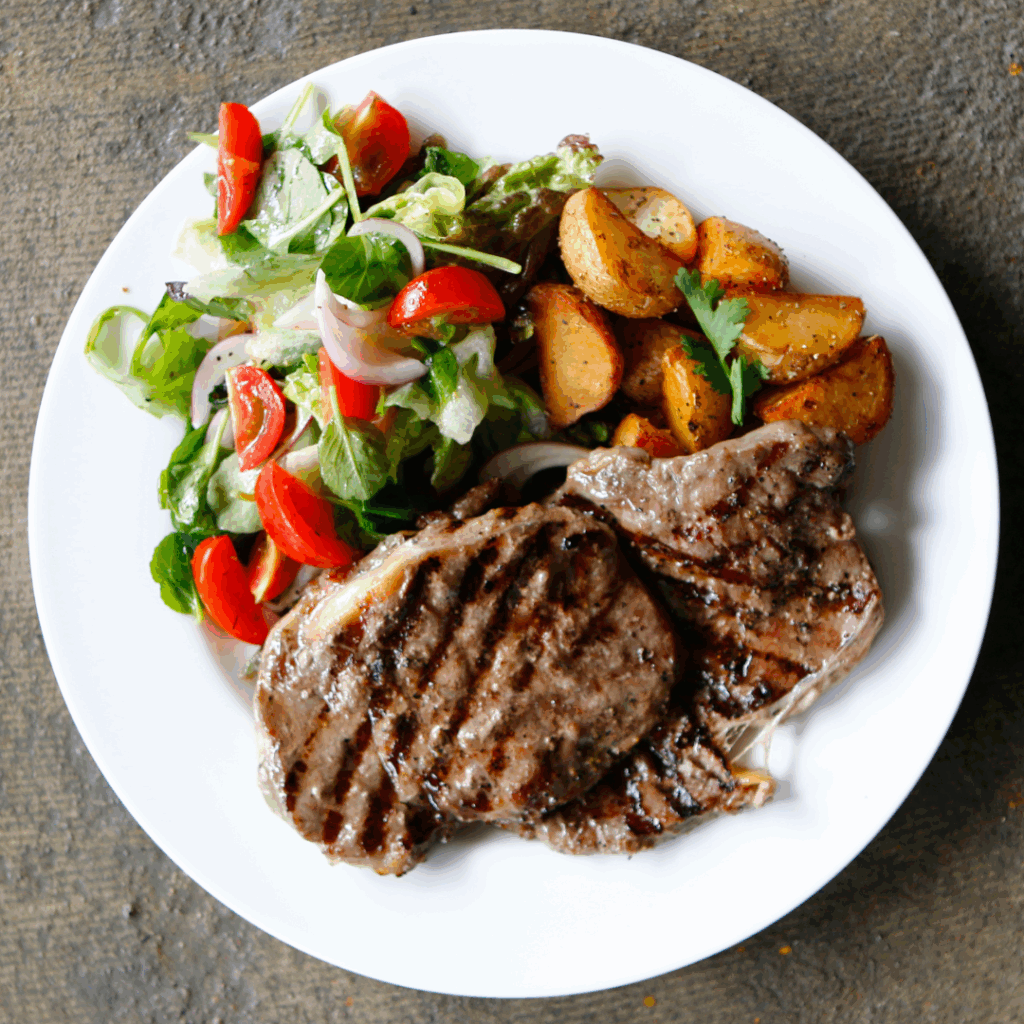
A balanced diet provides the protein, vitamins, minerals and energy needed for normal immune function.
Focus on a varied dietary pattern that includes:
- Fruits and vegetables
- Whole grains
- Beans and legumes
- Healthy protein sources
- Nuts and seeds
- Unsaturated fats
- Adequate fluids
No single food can prevent colds, flu or other infections.
The overall dietary pattern matters more than individual foods marketed as “immune boosting.”
Key strategies
- Eat a variety of fruits and vegetables: These provide vitamins, minerals, fiber and plant compounds.
- Include adequate protein: Protein provides amino acids needed for normal tissue maintenance and immune-cell function.
- Choose healthy fats: Fish, nuts, seeds, avocado and olive oil can fit into a balanced dietary pattern.
- Limit excessive added sugar and highly processed foods: Focus on the overall dietary pattern rather than claiming a single meal weakens immunity.
- Stay hydrated: Water is appropriate for most routine hydration needs. Electrolytes may be useful when meaningful fluid loss occurs.
How Gut Health Relates to Immune Function
The gastrointestinal tract interacts closely with the immune system, but gut health should not be reduced to the idea that better digestion automatically creates stronger immunity.
A varied diet that includes fiber-rich foods and fermented foods may support overall gut health.
Examples include:
- Yogurt
- Kefir
- Beans
- Whole grains
- Vegetables
- Fruit
- Fermented foods
Probiotic supplements may be useful in certain situations, but their effects depend on the strain, dose and reason they are being used.
Remove the promotional sentence about functional probiotic blends and digestive enzymes unless TWMD wants a separate clinically supported gut-health CTA.
2. When IV Therapy May Be Considered

IV therapy delivers fluids or selected ingredients directly into a vein.
It may be appropriate when:
- Oral hydration is difficult or insufficient
- Significant fluid loss has occurred
- A documented nutrient deficiency requires intravenous treatment
- A medication is intended for IV administration
- A healthcare provider identifies another specific clinical reason
IV therapy should not be presented as a routine method for preventing colds, flu or other infections in otherwise healthy adults.
IV Therapy Options at Tucson Wellness MD
TW Fighter IV
This IV formulation may contain nutrients such as vitamin C, zinc, glutathione and B vitamins.
These nutrients have normal physiological roles, but receiving them intravenously does not automatically prevent infection or improve immune function in someone who is not deficient.
A provider should determine whether IV treatment is appropriate based on individual need.
Custom IV Therapy
IV formulations should be selected according to:
- Medical history
- Symptoms
- Current medications
- Treatment goals
- Relevant laboratory findings
- Possible risks
- Whether oral treatment may be sufficient
Customization does not mean that higher doses of vitamins or minerals are automatically beneficial.
For more information about provider-guided infusion options, visit IV Nutrient Therapy at Tucson Wellness MD.
3. What to Know About Peptides and Immune Claims

Peptides are short chains of amino acids that can have many different biological effects.
However, evidence for one peptide cannot be generalized to every peptide therapy.
Some peptides marketed for immune support or recovery have limited human safety and effectiveness data.
Peptide therapy should not be presented as a proven way to prevent common respiratory infections in parents, teachers or school staff.
Peptides Sometimes Discussed for Immune or Recovery Goals
LL-37
LL-37 is a naturally occurring antimicrobial peptide involved in innate immune biology.
However, that does not mean compounded LL-37 has been proven to prevent infections in people exposed to school, classroom or daycare environments.
Human safety and effectiveness data for therapeutic LL-37 use remain limited, so it should not be presented as established infection prevention.
BPC-157
BPC-157 is an experimental peptide commonly marketed for recovery and gastrointestinal health.
Human clinical evidence remains limited.
It should not be presented as a proven treatment for:
- Immune support
- Gut repair
- Infection prevention
- Systemic inflammation
- Tissue regeneration
Treatment discussions should clearly distinguish experimental evidence from established clinical uses. For information about safety concerns involving certain compounded peptide ingredients, review the FDA guidance on compounded substances with potential safety risks.
4. Strengthen Your Foundation with Core Nutrients

Vitamins and minerals such as vitamin C, vitamin D and zinc are important for normal immune function.
However, more is not always better.
For most people without a deficiency, routine high-dose supplementation does not reliably prevent infections.
Supplements are most useful when they correct inadequate intake, increased needs or a documented deficiency.
Zinc + Vitamin C: Both nutrients contribute to normal immune function. Supplementation may be appropriate when dietary intake is inadequate or deficiency is present. Benefits for respiratory infections vary according to nutrient, dose, timing and baseline nutritional status.
Vitamin D: Vitamin D contributes to normal immune function. Testing or supplementation may be appropriate for people at risk of deficiency, but vitamin D should not be presented as guaranteed protection against respiratory infections.
Glutathione: Glutathione is an antioxidant produced naturally in the body and participates in normal cellular redox processes. It should not be presented as a universal detox treatment or immune booster.
Lifestyle Habits That Support Immunity

Simple habits remain the foundation of immune health:
- Sleep: Most adults should aim for at least 7 hours per night.
- Nutrition: Eat a varied diet with vegetables, fruits, whole grains, healthy protein sources and fats.
- Physical activity: Regular activity supports overall health and normal immune function.
- Hydration: Drink according to your individual needs, especially during hot weather.
- Avoid tobacco: Smoking can impair respiratory and immune health.
- Limit excessive alcohol: High alcohol intake can negatively affect immune function and general health.
- Manage stress: Stress management can support sleep, appetite and overall well-being.
- Preventive care: Follow appropriate recommendations for routine preventive healthcare.
For evidence-based information on supporting normal immune health, review the CDC guide to immune health.
When to Stay Home or Seek Medical Care
Immune-support habits are not a substitute for appropriate medical care when illness develops.
Consider staying home when you are acutely ill and follow relevant workplace or school guidance.
Seek medical attention when symptoms are severe, worsening or associated with:
- Difficulty breathing
- Persistent high fever
- Chest pain
- Confusion
- Significant weakness
- Severe dehydration
- Symptoms in someone at high risk for complications
Stay Ahead of the Fall Season
Back-to-school immune health does not depend on one supplement, IV drip or peptide.
Start with habits that consistently support overall health:
- Adequate sleep
- Balanced nutrition
- Regular physical activity
- Hydration
- Appropriate preventive care
- Staying home when sick when appropriate
- Seeking medical care when symptoms warrant it
If you have persistent fatigue, suspected nutrient deficiencies or other health concerns, Tucson Wellness MD can help determine whether additional evaluation or treatment is appropriate.
Want Personalized Wellness Support This School Year?
Tucson Wellness MD can review your nutrition, sleep, medications, health history and symptoms to help identify practical ways to support your overall wellness during the busy school season.
Schedule a Wellness ConsultationFrequently Asked Questions About Back-to-School Immune Health
What are the best ways to support immune health during back-to-school season?
Adequate sleep, balanced nutrition, regular physical activity, hydration, avoiding tobacco and appropriate preventive care are among the most important everyday strategies for supporting normal immune function.
Can vitamins prevent colds or flu?
Vitamins and minerals are necessary for normal immune function, but taking extra supplements does not reliably prevent respiratory infections in people who are not deficient.
Does vitamin C prevent colds?
Regular vitamin C supplementation may slightly shorten cold duration in some people, but it does not consistently prevent colds in the general population. Benefits vary by dose, timing and individual circumstances.
Does zinc help with colds?
Some evidence suggests certain zinc formulations may shorten cold duration when started early, but results vary according to formulation, dose and timing. Excessive zinc intake can cause side effects.
Do IV vitamin drips boost immunity?
IV vitamins deliver nutrients directly into the bloodstream, but this does not mean they automatically strengthen immunity or prevent infection in otherwise healthy people.
Can peptide therapy prevent infections?
Peptide therapies should not be presented as proven methods for preventing routine respiratory infections. Some peptides marketed for immune support have limited human safety and effectiveness data.
How much sleep do adults need for immune health?
Most adults should aim for at least 7 hours of sleep each night. Adequate sleep supports normal immune function and overall health.
When should I see a provider for frequent illness or fatigue?
Medical evaluation may be appropriate when infections are unusually frequent or severe, fatigue is persistent, symptoms interfere with daily life or there are concerns about an underlying medical or nutritional condition.