Snack Smarter: 6 Minimal Ingredient High-Protein Snacks
Let’s be honest, snacks can make or break your day. That 3PM slump, the cranky commute, or your kid’s after-school meltdown? Often, it’s blood sugar talking.
In functional nutrition, we don’t treat snacks as filler, we treat them as strategic nourishment. Every bite is an opportunity to support your metabolism, gut, mood, and energy. The key? Protein + real ingredients + zero junk.
But here’s the catch:
Most grab-and-go snacks are glorified dessert. They spike blood sugar, leave you hungrier an hour later, and do nothing to support long-term health.
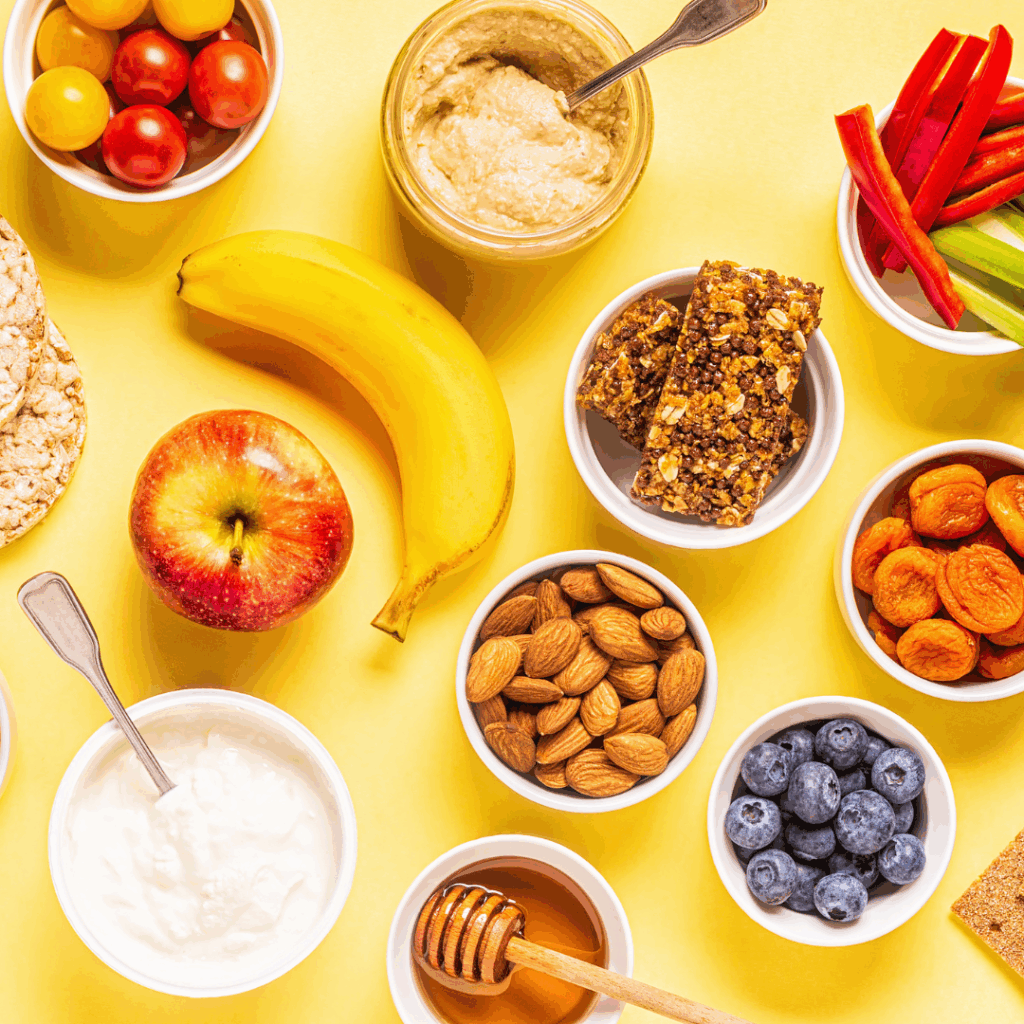
This guide is built for real life, for the parent rushing between pickups, the professional skipping lunch, or the teen needing stable energy between classes. Forget sugar crashes or mindless munching. These high-protein, minimal-ingredient snacks are designed to keep your blood sugar steady, your brain sharp, and your cravings in check.
From a functional nutrition perspective, snacks should:
- Support blood sugar balance
- Be made of real ingredients
- Include a solid source of protein
- Be portable and practical
What Are Some Easy High-Protein Snacks?
Easy high-protein snacks include hard-boiled eggs, plain Greek yogurt with berries, cheese with vegetables, jerky or turkey sticks, nut butter with fruit, and protein-rich broth or shakes when appropriate. Choose snacks based on total nutrition, portion size, sodium, added sugar, and your individual dietary needs.
Why Protein Matters
Protein is an essential nutrient involved in maintaining and repairing body tissues.
Including a protein source in a snack can also make it easier to build a more balanced eating pattern.
High-protein snack options can come from foods such as:
- Eggs
- Greek yogurt
- Cottage cheese
- Fish or lean poultry
- Beans and legumes
- Nuts and nut butters
- Soy foods
The best choice depends on your overall diet, health goals, food preferences, allergies, and individual nutrient needs.
Not all protein foods have the same nutritional profile, so it is also useful to consider sodium, saturated fat, added sugar, fiber, and degree of processing.
| Snack | Main Protein Source | Easy Pairing |
|---|---|---|
| Hard-boiled eggs | Eggs | Fruit or vegetables |
| Greek yogurt | Dairy | Berries or chia seeds |
| Cheese | Dairy | Vegetables or fruit |
| Jerky or turkey sticks | Meat or poultry | Fruit or vegetables |
| Almond butter and apples | Nuts | Apple slices |
| Bone broth protein | Protein supplement/broth | Use according to product directions |
For more guidance on choosing protein-rich foods, read how to choose the right protein for your health goals.
Six High Protein Snacks With Minimal Ingredients
1. Jerky or Turkey Sticks
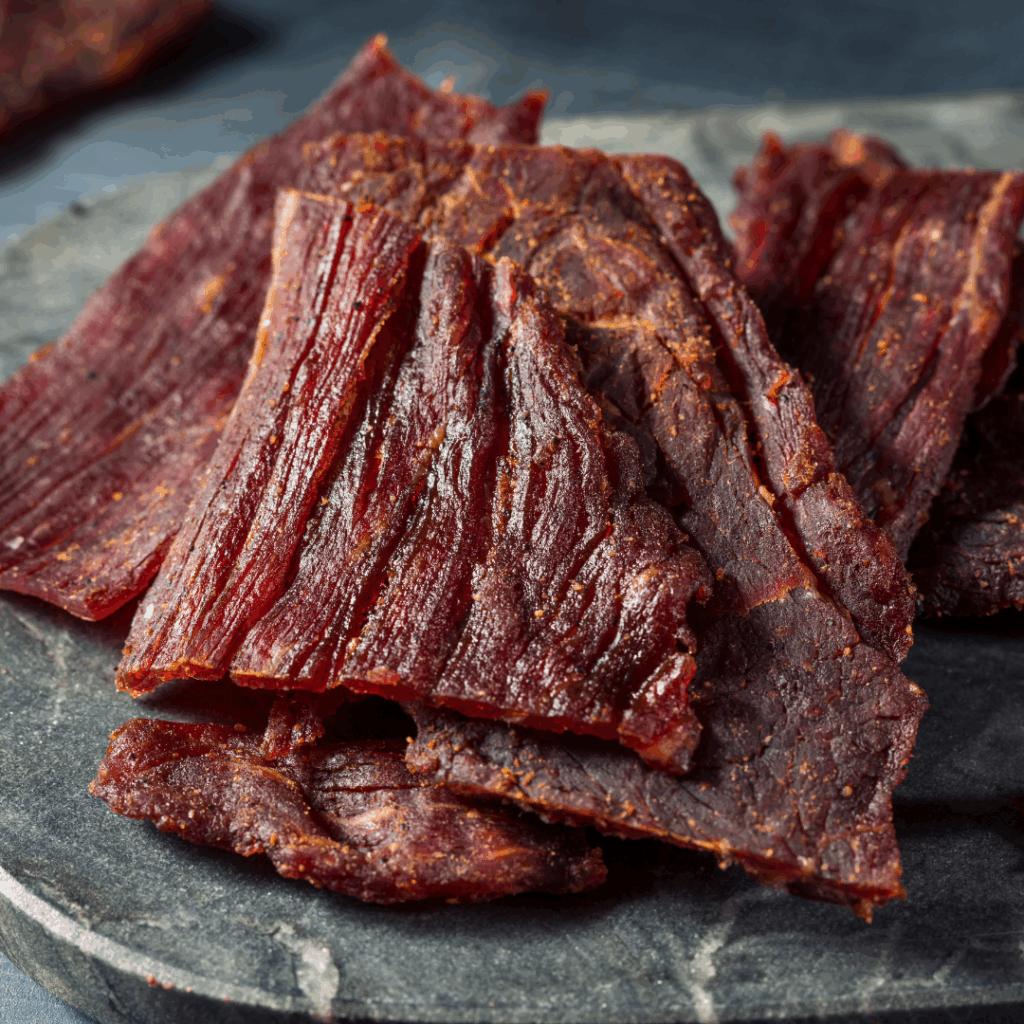
Jerky and turkey sticks can provide a convenient source of protein when refrigeration is not available.
When comparing products, check the Nutrition Facts label for:
- Protein per serving
- Sodium
- Added sugar
- Saturated fat
- Serving size
Processed meats can contain substantial sodium, so these snacks are best considered within the context of your overall diet.
2. Bone Broth Protein
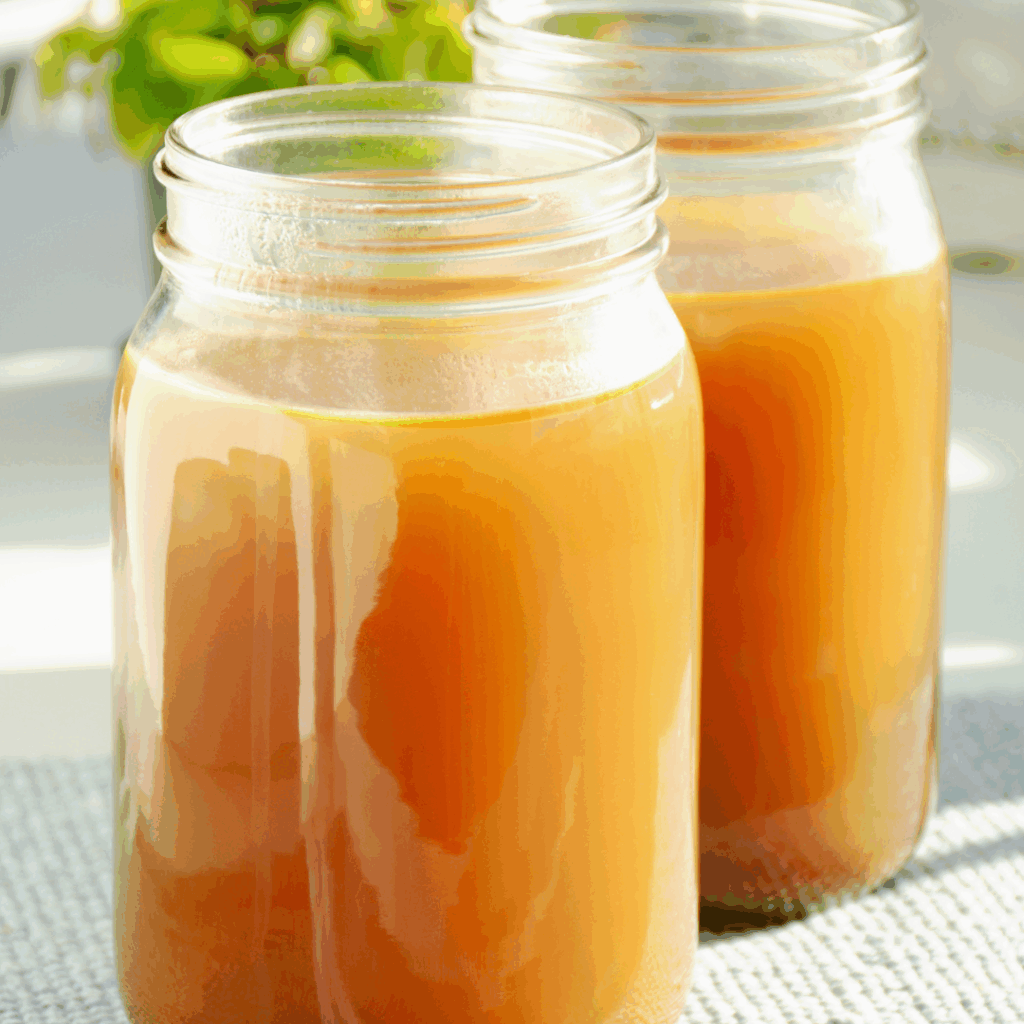
Bone broth protein powders can offer a convenient way to add protein to soups, warm drinks, or other foods.
Protein content varies by product, so check:
- Protein per serving
- Sodium
- Ingredients
- Added flavors or sweeteners
Protein supplements can be convenient, but they are not necessary for everyone who wants a higher-protein snack.
3. Hard Boiled Eggs
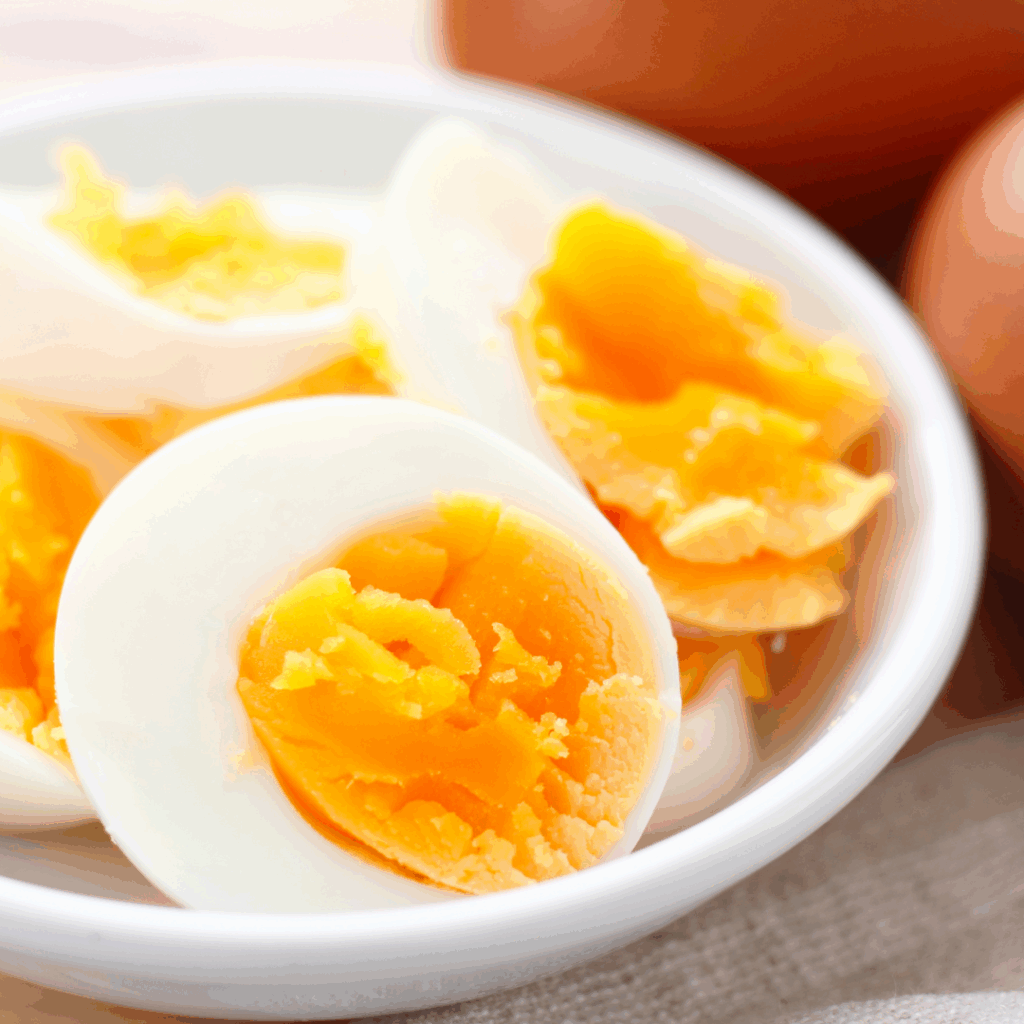
- 6g protein per egg
- One ingredient, packed with B vitamins and choline
- Prep a batch weekly for grab-and-go
Pair hard-boiled eggs with fruit, vegetables, or a whole-grain food for a more complete snack.
4. Plain Greek Yogurt With Berries
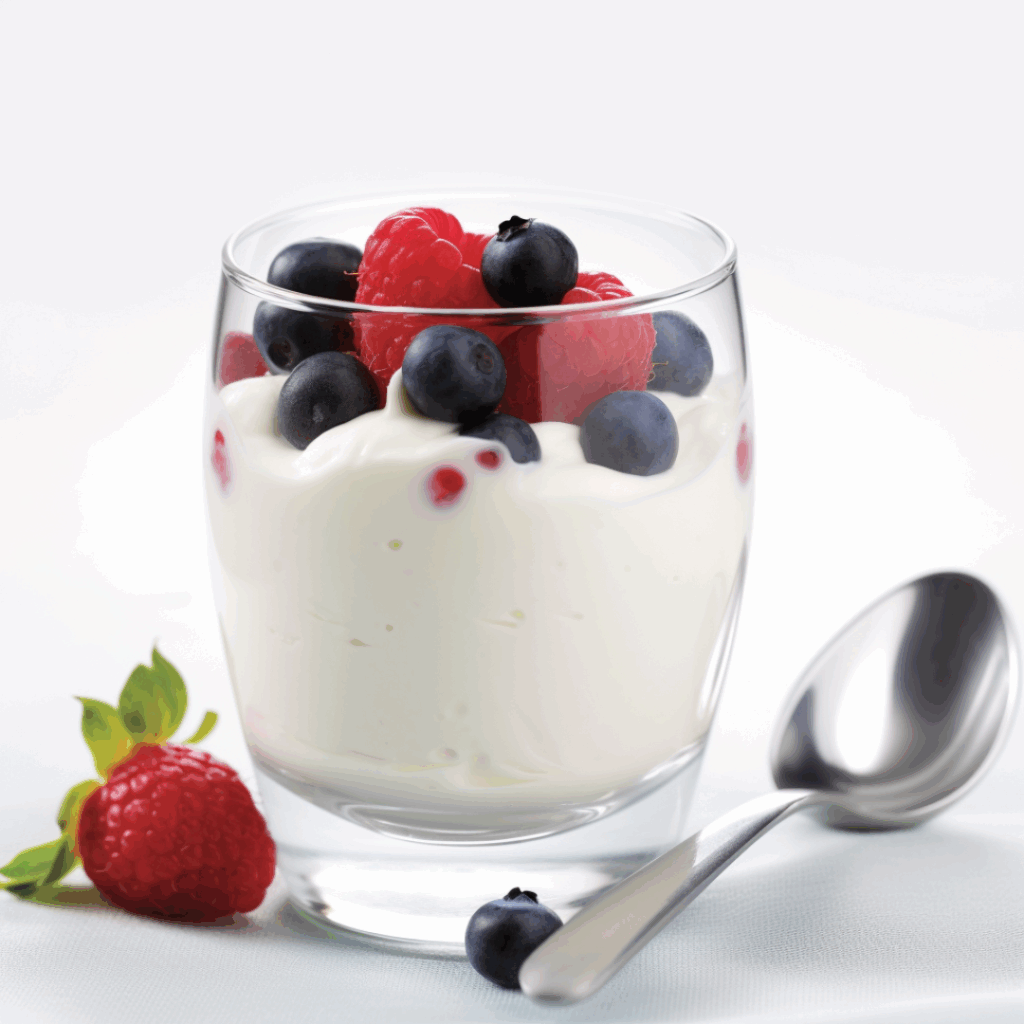
- 15g+ protein per cup
- Minimal sugar if you skip flavored versions
- Chia or flax seeds can add fiber and plant-based fats.
- Enjoy brands like: Siggi’s, Fage, Chobani, and OIKOS
5. Cheese Sticks or Mini Rounds
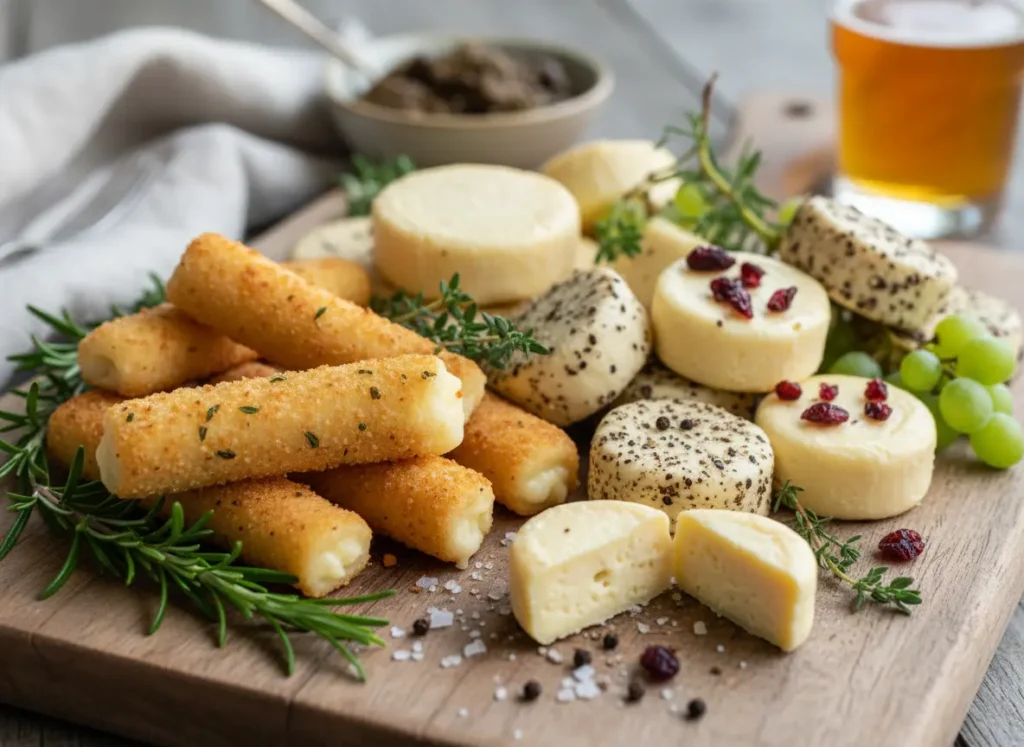
- Provides a convenient source of protein and calcium
- Pair with fruit or raw vegetables
- Compare sodium and saturated fat between products
- Cottage cheese can be another higher-protein dairy option
6. Almond Butter With Apple Slices
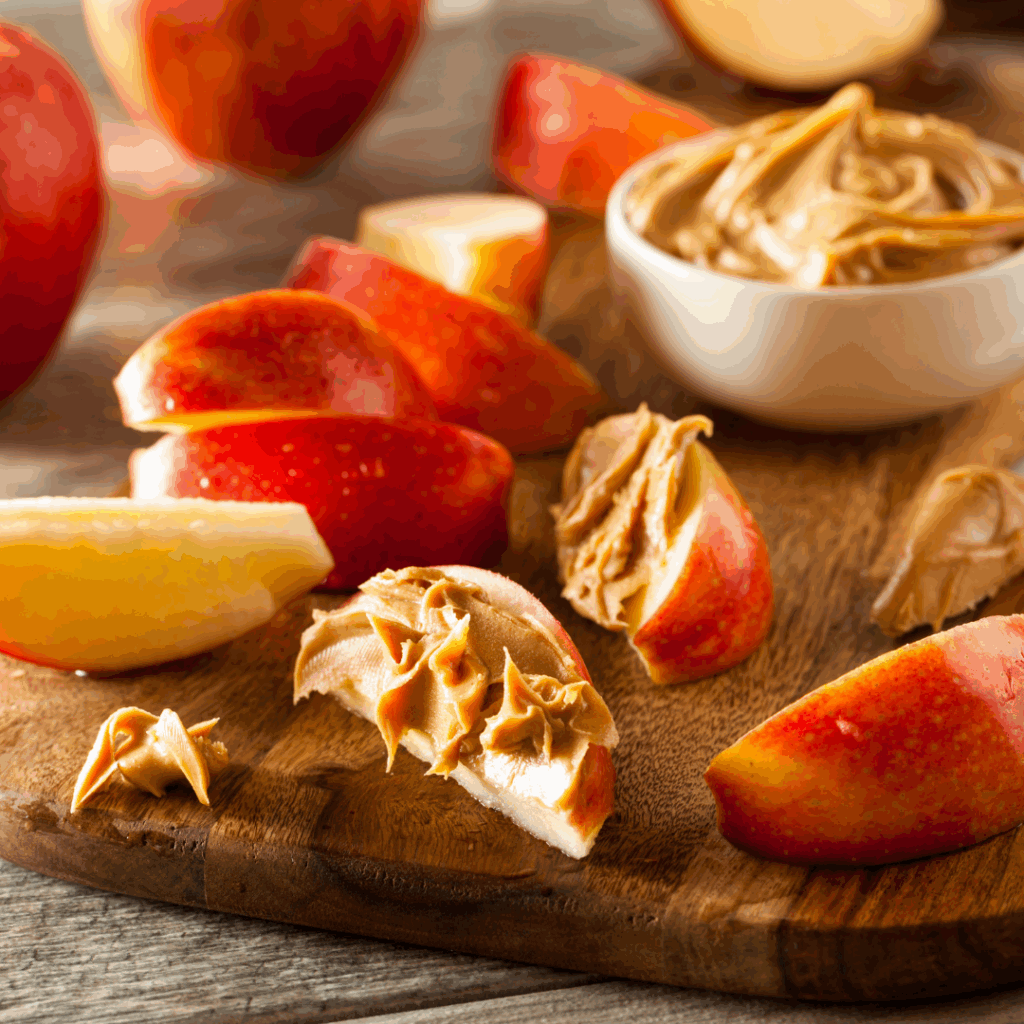
- Almond butter adds protein and unsaturated fat, while apples provide carbohydrate and fiber.
- 7g protein per nut butter serving
- Clean brands have just almonds + sea salt
- Nut butter options: Simple Truth, Barney Butter, and Good & Gather
Functional Snacking Tips
When choosing a snack:
- Include a useful source of protein
- Consider adding fruit, vegetables, or another fiber-rich food
- Check added sugar when comparing packaged snacks
- Compare sodium in jerky, cheese, and other packaged foods
- Pay attention to portion size
- Choose foods that fit your dietary preferences and medical needs
- Prepare snacks ahead when convenience is important
A healthy protein choice should be evaluated based on the overall food, not simply how short its ingredient list is. For more nutrition fundamentals, explore our guide to vitamins, minerals and micronutrients.
How Much Protein Should a Snack Have?
There is no single protein target that every snack needs to meet.
Protein needs vary based on factors such as:
- Age
- Body size
- Activity level
- Overall diet
- Health conditions
- Fitness goals
Rather than focusing only on the number of grams in one snack, consider how the snack contributes to your total daily protein and overall nutrient intake.
Snacking isn’t about curbing cravings, it’s about supporting your energy, metabolism, and focus between meals. When you choose real, high-protein options with minimal ingredients, you give your body the tools it needs to stay balanced, resilient, and fueled. Whether you’re navigating a packed school day, a busy work schedule, or just need a midday reset, these snacks deliver more than convenience, they deliver function.
Start small. Stock your pantry or bag with 2–3 of these high-impact options.
Listen to how your body feels and let functional foods do their job.
Snack smart. Snack intentionally. And always eat for impact.
Build a Nutrition Plan That Fits Your Goals
Tucson Wellness MD can help you review your eating habits, protein intake, weight-management goals, and overall wellness needs to create a more personalized nutrition strategy.
Schedule a ConsultationFrequently Asked Questions About High-Protein Snacks
What are some easy high-protein snacks?
Easy options include Greek yogurt, hard-boiled eggs, cottage cheese, cheese with vegetables, nut butter with fruit, jerky, beans, or other protein-rich foods that fit your dietary needs.
What is a good high-protein snack for work?
Portable options may include jerky, nuts or nut butter, cheese, Greek yogurt when refrigeration is available, or hard-boiled eggs stored safely.
What are high-protein snacks without protein powder?
Eggs, Greek yogurt, cottage cheese, cheese, beans, nuts, nut butter, poultry, fish, and soy foods can all provide protein without using protein powder.
Are eggs a good high-protein snack?
Eggs provide protein along with several vitamins and minerals and can be convenient when cooked ahead and refrigerated properly.
Is Greek yogurt a good protein snack?
Yes. Plain Greek yogurt can provide substantial protein. Compare products for added sugar and choose toppings according to your nutrition goals.
Are nuts considered a high-protein snack?
Nuts contain protein along with unsaturated fats and other nutrients, although the amount of protein varies by type and serving size.
Is jerky a healthy protein snack?
Jerky can provide convenient protein, but packaged products can be high in sodium. Check the Nutrition Facts label and consider your total sodium intake.
What can I pair with protein for a balanced snack?
Fruit, vegetables, whole grains, or other fiber-containing foods can complement protein-rich snack choices.
How much protein should a snack contain?
There is no universal amount required for every snack. Individual protein needs depend on overall diet, age, body size, activity, and health goals.
Are minimal-ingredient snacks always healthier?
No. A short ingredient list does not automatically make a food healthier. Consider the overall nutrient profile, including protein, fiber, sodium, added sugar, saturated fat, and serving size.