TRT and Semaglutide Together: Can Men Use Both at the Same Time?

Quick Answer

Yes, some men use TRT and semaglutide together under medical supervision. TRT addresses low testosterone symptoms, while semaglutide supports weight loss and metabolic health. Whether both should be used at the same time depends on lab results, symptoms, body composition goals, and provider oversight.

Two of the most talked-about therapies in men’s health right now are testosterone replacement therapy and semaglutide. One addresses hormonal decline. The other targets metabolic dysfunction and excess body weight. A growing number of men are asking whether they can use both at the same time, and whether doing so makes clinical sense.

The short answer is yes, in the right candidate and under proper medical supervision, combining TRT and semaglutide is not only safe but often more effective than either therapy alone. Here is why.

Why Men End Up Needing Both

Low testosterone and excess body fat are not separate problems. They feed each other in a cycle that gets harder to break with age.

Excess visceral fat, the deep abdominal fat that accumulates in the midsection, contains an enzyme called aromatase that converts testosterone into estrogen. The more visceral fat a man carries, the more testosterone gets converted, and the lower his free testosterone becomes. Lower testosterone then makes it harder to build and maintain muscle, slows metabolism, and promotes further fat storage. The cycle continues.

Semaglutide addresses the metabolic side by suppressing appetite, slowing gastric emptying, and improving insulin sensitivity, which leads to meaningful fat loss, particularly in visceral fat. TRT addresses the hormonal side by restoring testosterone to an optimal range, which improves body composition, energy, mood, sexual function, and the metabolic environment that fat loss depends on.

Used together, they attack the cycle from both ends simultaneously.

What TRT Does in This Context

Testosterone replacement therapy restores circulating testosterone to a physiologically normal range in men whose levels have dropped below the threshold needed for optimal health and function.

In the context of a combined protocol, TRT contributes in several specific ways.

It preserves lean muscle mass during caloric restriction. Semaglutide causes significant appetite reduction, and when caloric intake drops sharply, the body can break down muscle alongside fat for energy. Adequate testosterone signals the body to prioritize fat as fuel and protect muscle tissue, which is critical for long-term metabolic health.

It improves insulin sensitivity independently of weight loss. Testosterone plays a direct role in glucose metabolism. Low testosterone is associated with insulin resistance even in men who are not significantly overweight. Restoring it improves how the body processes and uses glucose.

It supports the energy and motivation needed to exercise. Fat loss is faster and more sustainable when paired with resistance training. Low testosterone makes sustained physical effort feel harder and recovery slower. Correcting it removes that barrier.

What Semaglutide Does in This Context

Semaglutide is a GLP-1 receptor agonist originally developed for type 2 diabetes and later approved for chronic weight management. It works by mimicking a gut hormone that regulates appetite, slows the rate at which the stomach empties, and signals satiety to the brain.

In men with low testosterone who are also carrying excess weight, semaglutide contributes several things that TRT alone cannot deliver.

It produces meaningful caloric reduction without relying entirely on willpower. The appetite suppression effect is physiological, not motivational. Men who have struggled for years to reduce caloric intake find that semaglutide removes the constant hunger signal that makes sustained deficit difficult.

It reduces visceral fat specifically. As visceral fat decreases, aromatase activity drops, which means less testosterone is being converted to estrogen. This can actually improve the hormonal environment and make TRT more effective, or in some cases, reduce the dose needed.

It improves cardiovascular risk markers including blood pressure, fasting glucose, and triglycerides, which are frequently elevated in men with low testosterone and metabolic syndrome.

Who Is a Good Candidate for Both?

Not every man needs both therapies. The decision should always be driven by labs and clinical presentation, not trends.

A man is typically a good candidate for combined TRT and semaglutide therapy if he presents with confirmed low testosterone on bloodwork, clinically significant excess body weight especially with central adiposity, signs of insulin resistance or metabolic syndrome, a history of difficulty losing weight despite lifestyle changes, and symptoms consistent with both hormonal and metabolic dysfunction such as low energy, poor body composition, reduced libido, and difficulty building or maintaining muscle.

A thorough intake process should include total and free testosterone, estradiol, SHBG, fasting glucose, HbA1c, a lipid panel, and a full metabolic workup. Starting either therapy without this data is guesswork.

What a Combined Protocol Looks Like

The specifics vary by patient, but a well-structured combined protocol generally follows a predictable pattern.

TRT is established first or simultaneously, typically via weekly intramuscular or subcutaneous injections, or through a topical preparation depending on patient preference and clinical factors. Baseline labs guide the starting dose, and levels are rechecked at six to eight weeks to confirm the patient is in range.

Semaglutide is introduced at a low starting dose and titrated upward gradually over several weeks to minimize gastrointestinal side effects, which are the most common complaint early in treatment. Most patients reach a therapeutic maintenance dose somewhere between weeks eight and sixteen.

Both therapies require ongoing lab monitoring. For TRT this means testosterone, estradiol, hematocrit, and PSA at regular intervals. For semaglutide this means tracking metabolic markers and body composition progress. A good provider adjusts both based on results, not on a fixed schedule.

Common Questions About Using TRT and Semaglutide Together

Does semaglutide lower testosterone?

There is no direct evidence that semaglutide suppresses testosterone production. In fact, because semaglutide reduces visceral fat and lowers aromatase activity, some men see modest improvements in testosterone levels as a secondary effect of fat loss. However, semaglutide does not replace TRT in men who have clinically confirmed low testosterone.

Will TRT make semaglutide less effective?

No. TRT and semaglutide work through entirely different mechanisms and do not interfere with each other. In practice, adequate testosterone improves the outcomes of semaglutide by preserving muscle mass during caloric restriction and supporting the exercise capacity that accelerates fat loss.

Can combining both cause any problems?

As with any combination of therapies, there are individual factors that require clinical evaluation. Men with certain cardiovascular conditions, prostate concerns, or other complicating health factors may require modified protocols or additional monitoring. This is why a thorough intake process is non-negotiable before starting either therapy.

How quickly do results show up with a combined protocol?

Most men notice energy and mood improvements from TRT within the first four to six weeks. Semaglutide-driven appetite reduction typically becomes apparent within the first two to four weeks after reaching a therapeutic dose. Body composition changes, meaning visible fat loss and improved muscle definition, generally become significant between months two and four.

The Case for Treating Both Problems at Once

Men who have low testosterone and excess body weight are fighting two connected battles. Addressing only one while ignoring the other produces slower results and makes long-term maintenance harder.

Treating the hormonal deficit without addressing the metabolic dysfunction leaves the underlying cycle partially intact. Addressing the weight without correcting the hormonal environment means losing muscle alongside fat, recovering more slowly, and struggling with the fatigue and low motivation that low testosterone produces.

A combined protocol, built on proper labs and managed by a provider who understands both systems, is often the most efficient and sustainable path forward.

Is This Approach Available in Tucson?

At Tucson Wellness MD, combined TRT and semaglutide protocols are built from the ground up around your labs. We do not apply a one-size-fits-all approach because your hormone levels, metabolic markers, and health history are specific to you. Every protocol starts with comprehensive bloodwork, a one-on-one consultation, and a clear plan that gets adjusted as your results come in.

If you are in the Tucson area and want to understand whether combined therapy is right for your situation, call us at 520-222-5425 or email Info@TucsonWellnessMD.com to schedule your consultation.

FDA Compliance Disclaimer

Testosterone replacement therapy and semaglutide are prescription medications that must be obtained through a licensed medical provider following appropriate clinical evaluation. Semaglutide is FDA-approved for chronic weight management and type 2 diabetes under specific indications. This content is for informational purposes only and does not constitute medical advice. Individual results vary. Consult a qualified healthcare provider to determine whether either or both therapies are appropriate for your specific health situation.

Testosterone Killing Foods: What to Cut If You Have Low T

Quick Answer

Foods and exposures most associated with lower testosterone include heavy alcohol intake, processed and fried foods, refined sugar, excess refined carbohydrates, frequent ultra-processed meals, licorice root, and hormone-disrupting chemicals from plastic food packaging. These factors may interfere with hormone production, raise estrogen activity, or worsen the metabolic conditions linked to low testosterone.

Most men dealing with low testosterone look at what they need to add: supplements, injections, therapy. Few stop to look at what they are already consuming that is working against them.

Diet has a direct impact on hormone production. Certain foods interfere with the body’s ability to synthesize testosterone, raise estrogen levels, or damage the testicular cells responsible for hormone output. If you are experiencing fatigue, reduced muscle mass, low libido, or mood changes, your daily diet could be contributing to the problem.

This guide covers the specific foods and dietary patterns that research links to lower testosterone, why they cause harm, and what to do about it. If dietary changes are not enough, Tucson Wellness MD offers medically supervised testosterone therapy for men with confirmed deficiency.

How Diet Affects Testosterone Production

Testosterone production is a hormonal process that requires proper raw materials and an environment free from disruption. When you consistently consume foods that interfere with hormone synthesis, raise estrogen, or drive weight gain, your body’s ability to maintain healthy testosterone levels declines over time.

No single meal will destroy your testosterone. The damage is cumulative. Men who eat diets high in processed foods, refined sugars, and unhealthy fats over months and years show measurably lower testosterone levels than men who eat whole food diets. This is not a matter of anecdote. Studies support it.

Understanding which specific foods drive these outcomes gives you a starting point for making changes that support your hormone health.

Foods That Lower Testosterone

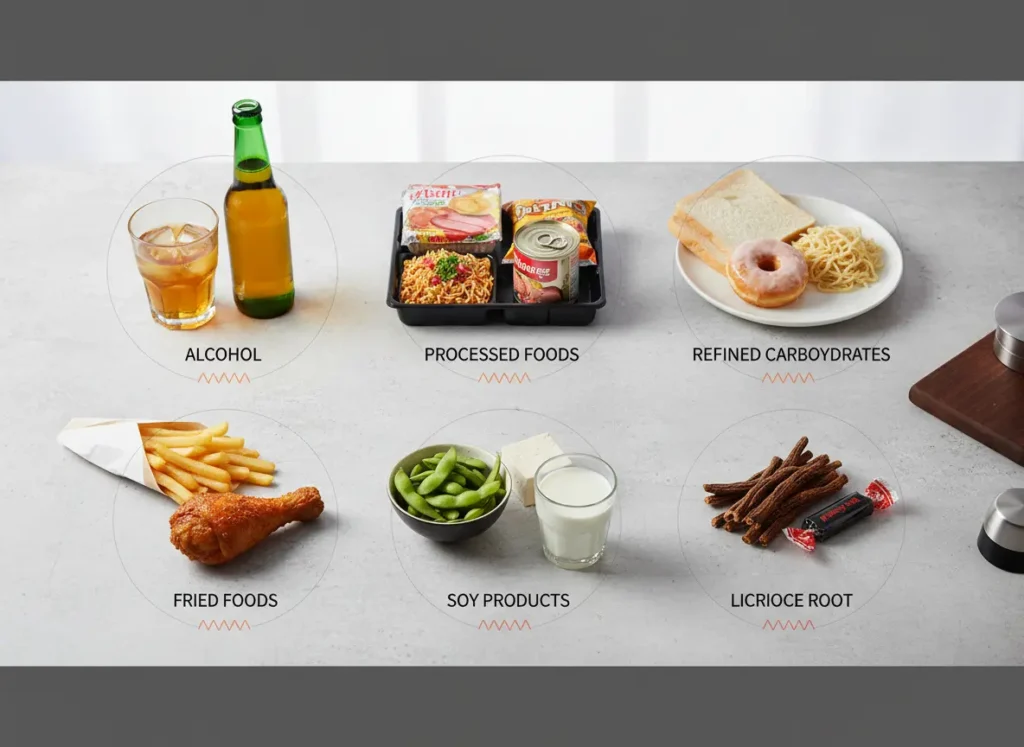
Alcohol

Alcohol is one of the most potent testosterone suppressors in the average man’s diet. Chronic alcohol consumption interferes with hormone synthesis in two ways. First, the liver prioritizes metabolizing alcohol over its role in hormone regulation. Second, alcohol increases estrogen production, which directly opposes testosterone. Heavy drinking, defined as eight or more drinks per week, has been associated with a significantly higher risk of testosterone deficiency. Even a single binge drinking episode has been shown to reduce testosterone levels for up to 24 hours. Moderate, occasional consumption is unlikely to cause lasting damage, but consistent or heavy intake is a serious hormone disruptor.

Processed and fried foods

Fast food, packaged snacks, frozen meals, and fried foods are loaded with trans fats and artificial additives. Trans fats have been directly linked to lower testosterone in research involving young, healthy men. Beyond the hormone impact, these foods drive weight gain, and excess body fat is one of the strongest predictors of low testosterone. Fat tissue converts testosterone into estrogen through aromatization, creating a cycle that compounds the deficiency over time.

Refined sugar and desserts

Consuming 75 grams of sugar produces a measurable drop in testosterone that persists for up to two hours. Men who eat diets high in refined sugar, bread, pastries, sodas, and desserts show higher rates of hypogonadism, the clinical term for low testosterone. A study published in the National Library of Medicine identified high consumption of bread, pastries, dairy products, and desserts as independent predictors of testosterone deficiency in men.

Soy products

Soy contains phytoestrogens, plant compounds that mimic estrogen in the body. Tofu, soy milk, edamame, and tempeh all fall into this category. The research on soy and testosterone is mixed at moderate consumption levels, but men who already show signs of hormonal imbalance or who consume soy as a daily dietary staple should be aware of the potential impact. Excessive soy intake has also been linked to reduced thyroid function, which indirectly lowers free testosterone levels.

Refined carbohydrates

White bread, white rice, pasta, and baked goods spike blood sugar rapidly and contribute to insulin resistance over time. Insulin resistance disrupts the signaling pathway that triggers testosterone production. Men who eat high-carbohydrate diets built around refined grains rather than whole foods show lower average testosterone compared to those eating balanced macronutrient profiles.

Licorice root

Licorice contains a compound called glycyrrhizin, which inhibits enzymes involved in testosterone synthesis. In one study, 25 men saw a 26% drop in testosterone after consuming 7 grams of licorice root daily. This applies to actual licorice root, not most commercially flavored candy, but men who consume licorice-containing teas, supplements, or herbal remedies should be aware of the effect.

Vegetable oils high in polyunsaturated fats

Oils like canola, soybean, sunflower, and safflower are high in omega-6 fatty acids and polyunsaturated fats (PUFAs). Research links high PUFA intake to reduced testicular tissue function and lower testosterone. These oils are common in processed and restaurant-prepared foods, making them easy to overconsume without realizing it. Replacing them with olive oil, coconut oil, or butter from quality sources reduces exposure.

Food packaging chemicals

This is one that men rarely think about, but the research is clear. Phthalates and bisphenol A (BPA), chemicals found in plastic food packaging and containers, act as androgen disruptors. They bind to hormone receptors and block testosterone activity at the cellular level. Heating food in plastic containers increases chemical leaching significantly. Men with high urinary phthalate concentrations show lower circulating testosterone levels. Switching to glass or stainless steel containers for food storage and reheating is a straightforward way to reduce exposure.

Dietary Patterns That Predict Low Testosterone

Individual foods matter, but the overall pattern of eating is what determines long-term hormone health. Research points to specific dietary patterns associated with testosterone deficiency in men:

Eating out frequently, which typically means higher intake of refined carbohydrates, trans fats, and processed ingredients, independently predicts lower testosterone. Men who rely on restaurant meals or fast food as a regular part of their diet have fewer dietary controls over the hormone-disrupting compounds they consume.

Low-fat, high-fiber diets, while often promoted for cardiovascular health, have been associated with lower testosterone in some studies. Fat is a precursor to steroid hormones including testosterone. Men who eliminate healthy dietary fats in pursuit of weight loss may inadvertently reduce the raw materials the body needs for hormone production.

Diets high in processed foods combined with low intake of vegetables, particularly dark leafy greens, consistently correlate with lower testosterone and higher rates of hypogonadism.

What to Eat Instead

Cutting testosterone-suppressing foods is only half the equation. Replacing them with foods that support hormone production accelerates the benefit.

Zinc-rich foods support testosterone synthesis directly. Oysters, red meat, pumpkin seeds, and legumes are high in zinc. Men deficient in zinc show measurably lower testosterone. Cruciferous vegetables like broccoli, cauliflower, and Brussels sprouts contain compounds that help the body metabolize excess estrogen. Healthy fats from eggs, avocado, olive oil, and fatty fish provide the cholesterol backbone that testosterone is built from. Adequate protein intake supports muscle mass, which in turn supports testosterone.

Sleep, stress management, and resistance training are the non-dietary factors that have the strongest documented impact on testosterone levels outside of clinical treatment.

When Diet Is Not Enough

Dietary changes support hormone health, but they have limits. If your testosterone is low due to age-related decline, a structural issue, or chronic deficiency, food choices alone will not restore it to optimal levels.

Testosterone replacement therapy is the most reliable intervention for men with clinically confirmed low testosterone. At Tucson Wellness MD, we begin every assessment with comprehensive lab work to measure your total testosterone, free testosterone, estradiol, and key metabolic markers. Treatment is based on your specific numbers, not a general protocol.

Men who address their diet alongside TRT consistently see better results than those who rely on therapy alone. The two approaches work together. TRT corrects the deficiency. A cleaner diet removes the ongoing inputs that suppress hormone function and drive the conditions that make deficiency worse.

Frequently Asked Questions

Can changing my diet alone fix low testosterone? For some men with mild deficiency driven primarily by lifestyle factors, yes. For men with moderate to severe low T, diet alone rarely restores levels to an optimal range. It is a necessary foundation but usually not sufficient on its own.

How quickly does diet affect testosterone levels? Some effects are rapid. A sugar binge can reduce testosterone within hours. Chronic dietary patterns take weeks to months to shift baseline hormone levels in either direction.

Is alcohol the worst food for testosterone? Chronic heavy alcohol use is among the most damaging dietary habits for testosterone. But processed foods and trans fats create compounding damage over time that rivals alcohol, particularly because men tend to underestimate how much of these they consume.

Does soy affect testosterone in all men? Not necessarily at moderate intake. Men who eat soy occasionally as part of a varied diet are unlikely to see significant effects. Men who consume soy products daily as a dietary staple, particularly those already showing low T symptoms, should consider reducing intake and testing their hormone levels.

How do I know if my diet is affecting my testosterone? Get tested. A blood panel measuring total testosterone, free testosterone, and estradiol gives you a baseline. Make dietary changes, retest in 8 to 12 weeks, and compare. That is the only way to know with certainty whether dietary changes are moving the needle for you.

TRT Side Effects: What’s Normal and What Needs Medical Attention

Most men researching testosterone replacement therapy ask the same question before they book a consultation: what are the side effects?

That question is smart. TRT is a hormone therapy. It changes how your body operates at a biological level. You deserve a straight answer, not a list buried in fine print or a vague “consult your doctor.”

This guide covers every side effect associated with TRT, what typically resolves on its own, what your provider needs to monitor, and what requires immediate attention. At Tucson Wellness MD, we supervise every patient with routine lab work throughout treatment so nothing gets missed.

Why TRT Causes Side Effects

Testosterone is not a neutral compound. It interacts with multiple systems: skin, blood, cardiovascular, reproductive, and neurological. When you introduce exogenous testosterone, your body has to adjust.

Most side effects happen for two reasons: the dose is too high, or your body is converting testosterone into estrogen faster than expected. Both are manageable under proper medical supervision. Neither should be a reason to avoid treatment if your testosterone is genuinely deficient.

The delivery method also matters. Injections create peaks and troughs in hormone levels. Topical gels absorb more gradually. Pellets release steadily over months. Each method has a different side effect profile, which is why treatment at Tucson Wellness MD starts with a full evaluation, not a one-size prescription.

Common TRT Side Effects: What Is Normal

These side effects are well-documented and typically mild. Most resolve within the first few weeks as your body adapts to treatment.

Acne and oily skin

Testosterone stimulates the sebaceous glands. Men with a history of acne in their teens are more likely to see this. It tends to appear on the upper back, shoulders, and face. Regular cleansing and, in some cases, a topical treatment from your provider is enough to manage it.

Injection site soreness

Specific to injectable testosterone. The oil-based solution requires a deep intramuscular injection, which causes temporary stiffness and soreness. This typically decreases with each injection as the muscle adapts.

Night sweats

Hormonal shifts during the early phase of TRT can disrupt your body’s temperature regulation. Night sweats are common in the first few weeks and generally settle as levels stabilize.

Mild fluid retention

Some men retain water when testosterone levels rise, particularly around the ankles and midsection. This is usually temporary and resolves with dose adjustment if it persists.

Increased body hair

Testosterone accelerates hair growth on the chest, back, and limbs for some men. This is a cosmetic change and not a health risk.

Side Effects That Require Lab Monitoring

These do not cause immediate symptoms in most cases. They are identified through blood work, which is why regular testing is non-negotiable during TRT.

Elevated hematocrit

Testosterone stimulates red blood cell production. When hematocrit rises above the normal range, blood thickens. This increases cardiovascular risk if left unaddressed. Your provider monitors this at every lab check. Dose reduction or a therapeutic blood donation resolves it in most cases.

Elevated estradiol

Your body converts a portion of testosterone into estrogen through a process called aromatization. When estrogen rises too high, men experience mood changes, fluid retention, and reduced libido, which is the opposite of what TRT is supposed to deliver. This is identified through labs and managed with an aromatase inhibitor when necessary.

Cholesterol changes

TRT can slightly reduce HDL (good cholesterol) in some men. This requires monitoring, particularly in men with pre-existing cardiovascular concerns. Diet, exercise, and dose management keep this in check.

PSA levels

Testosterone does not cause prostate cancer. However, it can stimulate growth in existing prostate tissue. Men over 40 should have their PSA tested before starting TRT and monitored throughout. This is standard protocol at Tucson Wellness MD.

Sleep apnea

TRT can worsen existing sleep apnea or, in some cases, contribute to its development. Men who already snore or feel unrefreshed after sleep should be screened before starting treatment.

Side Effects That Are Less Common

Hair thinning

Men genetically predisposed to male pattern baldness may notice accelerated thinning. TRT does not cause baldness in men who are not already prone to it. This is determined by genetics, not testosterone alone.

Testicular shrinkage

When the body receives testosterone from an external source, it reduces its own production. The signal to the testes decreases, which causes them to reduce in size over time. This is a predictable response to TRT. It does not affect sexual function. Men concerned about fertility should discuss HCG therapy with their provider before starting TRT.

Breast tissue sensitivity

Elevated estrogen can cause temporary tenderness or mild swelling around the nipples, a condition called gynecomastia. This is manageable with estrogen control and rarely progresses when monitored properly.

Mood changes during dose adjustment

Testosterone influences neurological function. Some men experience irritability or mood shifts during the initial weeks as levels adjust. This typically settles once levels stabilize. If it persists, your provider adjusts the protocol.

TRT Side Effects That Require Immediate Medical Attention

These are rare. They require you to contact your provider or seek emergency care without waiting for your next appointment.

  • Chest pain or shortness of breath
  • Severe swelling in the legs or ankles
  • Vision changes
  • Significantly elevated red blood cell count confirmed by labs
  • Persistent severe headaches

These symptoms indicate cardiovascular stress. They are not common outcomes of properly supervised TRT, but they are serious if they occur.

Factors That Affect Your Side Effect Risk

Not every man responds to TRT the same way. Several factors determine your individual risk.

TRT Dose and Delivery Method: How They Affect Side Effect Risk

Higher doses increase side effect likelihood. Injectable testosterone creates hormone peaks that can amplify side effects more than gels or pellets.

Age and baseline health. 

Men with underlying cardiovascular, metabolic, or prostate conditions require more careful monitoring and may need adjusted protocols.

Lifestyle Factors That Affect TRT Side Effects

Sleep deprivation, alcohol consumption, poor diet, and chronic stress all affect how your body processes testosterone. Men who address these factors alongside TRT tend to have fewer complications and better results.

Frequency of lab monitoring. 

This is the single biggest factor you control. Men who test regularly and communicate openly with their provider catch issues early, before they become problems.

How Tucson Wellness MD Manages TRT Side Effects

Every patient at Tucson Wellness MD starts with comprehensive baseline labs before a single dose of testosterone is prescribed. We measure total testosterone, free testosterone, estradiol, hematocrit, PSA, cholesterol, and metabolic markers.

From there, we run follow-up labs at regular intervals throughout your treatment. If something changes, we adjust. Dose modifications, delivery method changes, and supportive therapies are all tools we use to keep your treatment safe and effective.

You are not left to figure this out on your own. Our providers are available to answer questions between appointments. If a side effect concerns you, you contact us, not a call center.

TRT produces real, lasting results for men with low testosterone. Side effects are manageable when treatment is done correctly. The goal at Tucson Wellness MD is to get you to optimal levels and keep you there safely, for the long term.

Frequently Asked Questions

Are TRT side effects permanent? 

Most are not. Side effects like acne, fluid retention, and night sweats resolve as levels stabilize or with minor adjustments. Testicular size reduction may persist during treatment but is not permanent after stopping.

Do all men experience side effects on TRT? 

No. Many men tolerate TRT well with no significant side effects, particularly when dosing is conservative and labs are monitored. The men most likely to experience problems are those who use TRT without medical supervision or whose dosing is too aggressive.

Can I stop TRT if side effects are too severe? 

Yes. TRT is not permanent unless you choose it to be. Stopping treatment should be done gradually under physician guidance to avoid an abrupt drop in hormone levels.

How do I know if my side effects are from TRT or something else? 

Your labs tell you. That is why we test at baseline and throughout treatment. Changes in your blood work reveal whether a symptom is related to TRT or another underlying condition.

Is TRT safe long-term? 

For men with confirmed low testosterone who are properly monitored, yes. Long-term TRT has a strong safety record when delivered through a supervised medical program with regular lab testing.

a man looking at his medicines

TRT and Fertility: What Men Should Know Before Starting

One of the most common concerns men raise before starting testosterone replacement therapy is whether it will affect their ability to have children. It’s a legitimate question, and it deserves a straight answer before you commit to treatment.

Does TRT Affect Fertility?

Yes, testosterone replacement therapy can significantly reduce sperm production and fertility in men. TRT works by introducing external testosterone into the body, which signals the brain to reduce its own hormone output. This includes a reduction in the hormones that drive sperm production, often leading to lower sperm counts or, in some cases, temporary infertility.

This doesn’t mean TRT is off the table if you want children. It means the conversation needs to happen before you start.

Why TRT Reduces Sperm Count

Sperm production depends on two hormones produced by the pituitary gland: luteinizing hormone (LH) and follicle-stimulating hormone (FSH). When external testosterone enters the body, the brain detects elevated levels and dials back LH and FSH production. Lower LH and FSH levels mean the testes produce less testosterone naturally and, critically, less sperm.

This is called suppression of the hypothalamic-pituitary-gonadal (HPG) axis. It’s a predictable response, not a side effect unique to certain patients.

Is the Effect Permanent?

For most men, no. Sperm production typically resumes after stopping TRT, though recovery time varies. Some men see counts return to normal within a few months. For others, it can take a year or longer. In rare cases, prolonged TRT use has been associated with more persistent reductions in fertility.

The key variable is how long someone has been in therapy and what their baseline fertility looked like before starting.

Options for Men Who Want to Preserve Fertility

If fathering children is part of your plan, there are approaches worth discussing with your provider before starting TRT.

Sperm banking is the most straightforward option. Storing sperm before beginning therapy preserves your options regardless of how your body responds to treatment.

Alternative therapies such as clomiphene citrate or human chorionic gonadotropin (HCG) can support testosterone levels while maintaining sperm production. These aren’t right for every patient, but they’re worth exploring if fertility is a priority.

Cycling off TRT under medical supervision is another path some men take, though this requires careful management and monitoring.

The Right Conversation to Have First

None of this should deter you from pursuing TRT if you genuinely need it. Low testosterone affects quality of life in real, measurable ways. But fertility is something you can’t retroactively protect, so the time to address it is before your first dose, not after.

At Tucson Wellness MD, our TRT program includes a full consultation to review your health history, goals, and fertility considerations before any treatment begins. If you have questions, reach out to our team, and we’ll walk you through your options.

Is Your Fatigue Actually a Hormone Problem?

You slept eight hours last night. You skipped the late-night scrolling, laid off the alcohol, even cut back on caffeine. And yet, you woke up exhausted. If that sounds familiar, you’re not dealing with a sleep problem or a willpower problem. You may be dealing with a hormone problem.

Fatigue is one of the most common complaints among men over 30, and it’s also one of the most misunderstood. Doctors chalk it up to stress. Friends blame getting older. But when rest isn’t restoring you and nothing seems to help, it’s worth looking deeper at what’s actually happening inside your body.

Hormone imbalance is one of the leading and most frequently overlooked causes of chronic fatigue in men. Here’s what you need to know.

What Is Hormone Imbalance Fatigue?

Hormone imbalance fatigue isn’t just feeling tired after a long week. It’s a persistent, bone-deep exhaustion that doesn’t respond to normal recovery. Men describe it in different ways:

  • Waking up unrefreshed no matter how much sleep they get
  • Hitting a wall in the early afternoon with no energy to push through
  • Feeling mentally foggy, slow, or unmotivated throughout the day
  • Losing the drive to exercise, work, or engage socially
  • Needing more caffeine just to function at a baseline level

This kind of fatigue is qualitatively different from ordinary tiredness. It tends to be constant rather than situational, and it often comes bundled with other symptoms like low libido, mood changes, weight gain around the midsection, and difficulty building or maintaining muscle.

That cluster of symptoms is a major signal that your hormones may be out of balance.

The Hormones Most Responsible for Energy in Men

Several hormones play a direct role in how energized, sharp, and motivated you feel on a daily basis. When any of them fall out of optimal range, fatigue follows.

Testosterone

Testosterone is the most well-known male hormone, and its connection to energy is direct. Low testosterone (clinically called hypogonadism, but commonly referred to as “low T”) is strongly associated with fatigue, reduced motivation, poor concentration, and diminished physical stamina. Testosterone levels in men begin declining gradually after age 30, and for some men that decline becomes significant enough to affect quality of life well before they expect it.

What makes low T fatigue particularly frustrating is that it often doesn’t respond to lifestyle fixes. You can sleep more, eat better, and exercise regularly and still feel exhausted, because the underlying hormonal deficit isn’t being addressed.

Thyroid Hormones

The thyroid gland regulates your metabolism, and when it’s underactive (a condition called hypothyroidism), everything slows down. Fatigue, weight gain, brain fog, cold sensitivity, and sluggishness are all hallmarks of thyroid dysfunction. Thyroid issues are more commonly associated with women, but men are far from immune. An underactive thyroid is one of the most frequently missed causes of fatigue in men because symptoms develop slowly and can be easy to attribute to other causes.

Cortisol

Cortisol is your primary stress hormone, produced by the adrenal glands. In normal amounts, it helps regulate energy, immune function, and your sleep-wake cycle. But chronic stress, poor sleep, and ongoing inflammation can throw cortisol out of balance in either direction. Too much cortisol over time (from sustained stress) can lead to a burned-out feeling that resembles deep exhaustion. Too little, which can occur when the adrenal glands are overtaxed, can leave you feeling unable to get going in the morning or sustain energy through the day.

Estrogen

Men produce small amounts of estrogen, and balance matters. When testosterone converts to estrogen at too high a rate (a process called aromatization), men can develop elevated estrogen levels, which has been linked to fatigue, mood instability, and reduced motivation. This is one reason why simply boosting testosterone without proper medical oversight can sometimes feel incomplete: if estrogen isn’t managed alongside it, results are limited.

DHEA

Dehydroepiandrosterone (DHEA) is a hormone produced by the adrenal glands that serves as a precursor to both testosterone and estrogen. DHEA levels peak in early adulthood and decline steadily with age. Low DHEA is associated with fatigue, reduced resilience to stress, and a general sense of diminished vitality.

Why Hormone Imbalance Fatigue Often Goes Undiagnosed

Here’s the frustrating reality: most standard medical checkups don’t test for hormone imbalances comprehensively. A basic annual physical might include a general metabolic panel and maybe a TSH (thyroid) test, but it rarely includes a full testosterone panel, free vs. total testosterone measurements, estrogen levels, DHEA, or a detailed cortisol assessment.

That means men can go years feeling chronically tired, being told their labs are “normal,” without anyone actually looking at the hormones most responsible for their energy and vitality.

Additionally, the symptoms of hormone imbalance overlap significantly with other conditions: depression, sleep apnea, anemia, and chronic stress all cause fatigue too. Without targeted testing, it’s easy to chase the wrong diagnosis or simply be told to “manage stress better” and sent on your way.

Not all fatigue comes from hormones, but certain patterns suggest a hormonal root cause. Consider whether you recognize yourself in any of the following:

You’re tired despite adequate sleep, and you’ve been that way for months or longer. Your fatigue is accompanied by other symptoms: low libido, mood changes, brain fog, or unexplained weight gain. Your energy and motivation have declined noticeably compared to how you felt a few years ago. You’ve tried improving sleep, diet, and exercise without meaningful improvement. You’re over 30 and haven’t had a comprehensive hormone panel done.

If several of those apply to you, your fatigue deserves a closer look than a standard wellness visit typically provides.

How Hormone Imbalance Fatigue Is Treated

The good news is that hormone imbalance fatigue is highly treatable once it’s properly identified. Treatment depends entirely on which hormones are out of range and in which direction.

For men with low testosterone, Testosterone Replacement Therapy (TRT) is often the most effective intervention. TRT can dramatically improve energy levels, mental clarity, motivation, and overall sense of well-being when administered correctly and monitored properly. Results aren’t overnight, but most men begin noticing meaningful improvements within a few weeks to a couple of months.

Thyroid dysfunction is typically managed with medication that restores thyroid hormone levels to a healthy range. Cortisol and adrenal issues may involve lifestyle interventions, nutritional support, or targeted supplementation alongside medical care. Elevated estrogen may be addressed through aromatase inhibitors as part of a broader hormonal balancing protocol.

The key in all cases is accurate diagnosis first, followed by a treatment plan tailored to your specific lab results and symptoms. Generic approaches don’t work here because every man’s hormonal profile is different.

Getting Tested: The Essential First Step

If you suspect hormone imbalance is behind your fatigue, the most important thing you can do is get a comprehensive hormone panel done. This goes well beyond a basic blood test. A thorough workup should look at total and free testosterone, estradiol (estrogen), thyroid hormones (TSH, T3, T4), DHEA-S, cortisol, and other markers relevant to your symptoms and health history.

At Tucson Wellness MD, comprehensive lab work is the starting point for every patient. We don’t guess, and we don’t offer one-size-fits-all protocols. Your labs tell us exactly what’s happening, and your treatment plan is built around that data.

You Don’t Have to Feel This Way

Chronic fatigue has a way of becoming the new normal. Men adapt to feeling less than their best, scaling back their ambitions, their workouts, their social lives, quietly accepting that this is just what getting older feels like.

It doesn’t have to be that way.

Hormone imbalance is a medical issue with real, effective solutions. If your energy has been missing for months and nothing you’ve tried has helped, it’s time to find out if your hormones are the reason.

Learn more about how Tucson Wellness MD approaches hormone health and TRT by visiting our TRT for Men. Our team is here to help you get to the bottom of your fatigue and put together a treatment plan that actually addresses the cause.

Stop managing exhaustion. Start treating it.


This article is for informational purposes only and does not constitute medical advice. Please consult with a qualified healthcare provider before beginning any hormone therapy or treatment program.

How Much Does TRT Cost in Tucson? A Complete Pricing Guide

How much does TRT cost in Tucson?

TRT in Tucson typically costs between $150 to $500 per month depending on treatment type, lab testing, and level of medical supervision. Pricing varies based on your personalized treatment plan.

Testosterone Replacement Therapy (TRT) is one of the most impactful investments men can make in their health, but cost is often the first question on every patient’s mind. If you’ve been researching TRT in Tucson and wondering what to expect to pay, you’re not alone. Pricing can vary widely depending on the type of therapy, the provider, and what’s included in your care plan.

At Tucson Wellness MD, we believe in transparent, straightforward pricing with no hidden fees or surprises. Here’s a comprehensive breakdown of what TRT typically costs in Tucson and what you actually get for your money.

Why TRT Costs Vary So Much

Before diving into numbers, it helps to understand why TRT pricing differs from clinic to clinic and patient to patient. Several factors influence the total cost:

Type of delivery method

TRT comes in multiple forms (injections, pellets, oral troches, creams, and patches) and each has a different price point due to how it’s made, administered, and how long it lasts.

Lab work

Before starting TRT, you need comprehensive bloodwork to establish your baseline hormone levels and rule out other issues. Ongoing lab monitoring is also part of responsible care.

Frequency of refills or treatment

Some methods require monthly refills, others last several months. Your annualized cost depends heavily on which method fits your lifestyle.

Commitment level

Many clinics, including ours, offer lower per-treatment pricing when patients commit to a longer-term plan.

TRT Cost Breakdown at Tucson Wellness MD

Rather than burying costs in a consultation, we make our pricing available upfront. Here’s what you can generally expect when you work with us:

How Much Do TRT Lab Tests Cost in Tucson?

Before any TRT can begin, bloodwork is essential. At Tucson Wellness MD, comprehensive lab work starts at around $150, which typically includes a full hormone panel to assess your testosterone levels, along with other key markers that affect your treatment plan. This isn’t a box to check; it’s the foundation of safe, effective therapy. Skipping or skimping on labs is one of the biggest mistakes men make when going the discount-TRT route.

Injectable Testosterone Cost in Tucson: $150 to $219 Per Refill

Injectable testosterone remains the most common and time-tested form of TRT. At Tucson Wellness MD, refills for injectable TRT fall in the range of $150 to $219 per refill, depending on your treatment commitment:

  • Patients on a one-year commitment plan typically pay around $150 per refill, a meaningful discount that rewards consistency.
  • Without a long-term commitment, the standard rate is approximately $219 per refill.

For most patients, this comes out to a very competitive annual cost when compared to other providers in the Tucson area, many of whom bundle in extra fees that aren’t disclosed upfront.

Men’s Oral TRT Troches — Around $375 for a 3-Month Supply

Prefer a needle-free option? Oral TRT in the form of troches (dissolvable tablets taken sublingually) is a popular alternative. A 3-month supply runs approximately $375, which works out to about $125 per month. Troches are convenient, discreet, and easy to self-administer, making them a great fit for men who travel frequently or prefer a simpler routine.

Men’s Pellet TRT — Around $750 for a 5 to 6 Month Supply

For men who want a truly “set it and forget it” approach, testosterone pellet therapy is the gold standard in convenience. Tiny pellets are inserted just under the skin in a quick in-office procedure, and they slowly release testosterone over 5 to 6 months.

At Tucson Wellness MD, pellet therapy is priced at around $750 per treatment, which, spread across the duration of effectiveness, works out to roughly $125 to $150 per month. Many patients find this to be the most cost-effective option on a per-month basis when you account for the convenience of not needing monthly refills or at-home injections.

TRT Cost Comparison by Delivery Method

Delivery MethodTypical Cost Range (Tucson Market)Supply DurationDosing FrequencyBest For
Injectable TRT$150 to $250 per refillPer refill cycleWeekly or biweekly self-injectionMen who want the most affordable, well-studied option with flexible dosing
Oral TRT Troches$300 to $450 per supply3-month supply1 to 2 times daily, sublingual or buccalMen who prefer a needle-free option with no skin transfer risk
Pellet TRT$600 to $900 per insertion5 to 6 monthsNo daily or weekly dosing requiredMen who want a hands-off approach with consistent testosterone release
Topical Gels and Creams$200 to $400 per monthMonthly supplyDaily application to skinMen who prefer non-invasive daily application

These are general Tucson-area market ranges and not a quote for any specific clinic. Actual costs depend on your treatment plan, lab work frequency, provider fees, and whether your clinic bundles monitoring into the price or charges separately.

To get a personalized cost estimate from Tucson Wellness MD, call (520) 222-5425.

How Does This Compare to Other TRT Options in Tucson?

To put these numbers in perspective, TRT pricing in the broader market can range from as low as $100/month at bare-bones online providers (with minimal oversight) to $500 or more per month at concierge medical practices. The risks of going too cheap are real: inadequate monitoring, low-quality medications, and cookie-cutter dosing with no adjustments.

What sets a clinic like Tucson Wellness MD apart isn’t just the price point. It’s the combination of medically supervised care, proper lab monitoring, and treatment options tailored to your lifestyle and goals.

What Does TRT at Tucson Wellness MD Include?

When evaluating cost, it’s important to ask: what am I actually getting? At Tucson Wellness MD, your TRT plan is built around your specific lab results and health history, administered by experienced medical professionals who monitor your progress and adjust your treatment as needed.

This level of oversight matters more than most men realize. Testosterone therapy done poorly (wrong doses, no follow-up labs, no provider relationship) can create problems that cost far more to fix down the road.

Is TRT Worth the Cost?

For men experiencing the effects of low testosterone (fatigue, low libido, brain fog, muscle loss, mood changes) the answer is almost always yes. The question isn’t really whether TRT is worth it, but which type of TRT is the right fit and whether you’re getting it from a provider who will manage it responsibly.

The good news: with options ranging from injectable refills under $150 with a commitment plan, to convenient pellet therapy at around $750 every 5 to 6 months, there’s a price point and delivery method that works for most budgets and lifestyles.

Ready to Learn More?

If you’re ready to explore TRT and see whether it’s right for you, the best next step is to get your labs done and have a conversation with our team.

Visit TWMD TRT for Men for full details on our treatment options, pricing, and how to get started. You’ll find everything you need to make an informed decision: no pressure, no hidden costs, just straightforward answers.

Tucson Wellness MD is here to help you feel like yourself again. Reach out today to schedule your consultation and take the first step toward optimized health.

Frequently Asked Questions

How much does TRT cost per month in Tucson? TRT in Tucson typically costs between $125 and $219 per month depending on the delivery method and commitment level. Injectable TRT with a one-year commitment plan runs around $150 per refill. Oral troches cost approximately $125 per month. Pellet therapy works out to roughly $125 to $150 per month spread over the 5 to 6 month supply period.

What is included in TRT lab work costs? Comprehensive hormone lab work at Tucson Wellness MD starts around $150 and typically includes a full hormone panel covering total testosterone, free testosterone, estradiol, and other key metabolic markers. Lab work is required before starting TRT and at regular intervals throughout treatment for safe monitoring.

Is TRT covered by insurance in Tucson? Insurance coverage for TRT varies. Some plans cover testosterone therapy when hypogonadism is confirmed by lab results and documented symptoms. Coverage for lab work may also vary. The team at Tucson Wellness MD can help you understand your options and what to expect out of pocket.

Why is pellet TRT more expensive upfront but cost-effective overall? Pellet therapy costs around $750 per treatment, but each treatment lasts 5 to 6 months. That works out to approximately $125 to $150 per month, comparable to or less than monthly injectable refills without the need for at-home injections or monthly pharmacy visits. The convenience factor is what makes it worth the higher upfront cost for many patients.

What happens if I don’t get lab work before starting TRT? Skipping baseline labs is one of the most significant risks in TRT. Without knowing your starting hormone levels, a provider cannot establish the right dose, identify contraindications, or monitor whether treatment is producing safe and effective results. At Tucson Wellness MD, lab work is a non-negotiable part of every TRT protocol.


Pricing mentioned in this article reflects general ranges and is subject to change. Please visit tucsonwellnessmd.com/trt-for-men for the most current pricing and to speak with our team about your specific situation.

Low Testosterone Symptoms

Quick Answer: What Are the Symptoms of Low Testosterone?

Low testosterone symptoms in men include reduced sex drive, fatigue, erectile dysfunction, loss of muscle mass, increased body fat, mood changes, and difficulty concentrating. Levels below 300 ng/dL are generally considered low when symptoms are present. A blood test is required for diagnosis.

Low testosterone is a condition in which the body does not produce enough of the hormone testosterone. In men, testosterone is produced in the testicles by specialized cells called Leydig cells.

Testosterone levels naturally decline with age. Many men begin to see gradual decreases starting in their late 30s, often at a rate of about 1 percent per year.

Healthcare providers generally consider testosterone levels below 300 nanograms per deciliter (ng/dL) to be low when symptoms are present.

Low testosterone is also known as:

  • Male hypogonadism
  • Testosterone deficiency
  • Low T
  • Primary hypogonadism
  • Secondary hypogonadism

Symptoms vary widely depending on age, severity, and underlying causes.

Why Testosterone Matters

Testosterone is the primary male sex hormone and supports several important functions in the body.

Testosterone helps:

  • Develop and maintain male reproductive organs
  • Build and maintain muscle mass
  • Produce red blood cells
  • Maintain bone strength
  • Support energy levels and mood
  • Regulate sex drive and fertility

When testosterone levels drop too low, a range of physical and emotional symptoms may develop.

Sexual Symptoms of Low Testosterone

Sexual symptoms are among the most common and most specific indicators of low testosterone.

These symptoms may include:

  • Reduced sex drive (low libido)
  • Loss of morning or spontaneous erections
  • Difficulty achieving or maintaining an erection
  • Reduced semen volume
  • Fertility problems

Physical Symptoms of Low Testosterone

Low testosterone can affect body composition and physical performance.

Possible physical symptoms include:

  • Increased body fat
  • Decreased muscle mass
  • Reduced muscle strength
  • Lower endurance
  • Loss of body hair, including armpit or pubic hair
  • Shrinking testicles
  • Enlarged breast tissue (gynecomastia)
  • Hot flashes

Cognitive and Emotional Symptoms

Hormones also influence brain function and emotional health.

Low testosterone may contribute to:

  • Fatigue or low energy
  • Depressed mood
  • Irritability
  • Difficulty concentrating
  • Memory problems
  • Reduced motivation

Symptoms in Children and Adolescents

Low testosterone before or during puberty can affect normal development.

Signs may include:

  • Delayed puberty
  • Slower growth in height
  • Reduced development of pubic hair
  • Smaller penis or testicles
  • Delayed voice deepening
  • Lower strength and endurance

Common Causes of Low Testosterone

Low testosterone occurs when problems affect the testicles or the hormone signals from the brain.

Two main types exist.

Primary Hypogonadism

Primary hypogonadism occurs when the testicles cannot produce normal testosterone levels.

Possible causes include:

  • Undescended testicles
  • Genetic conditions such as Klinefelter syndrome
  • Testicular injury or removal
  • Infection of the testicles (orchitis)
  • Chemotherapy or radiation therapy
  • Certain tumors
  • Iron overload disorders
  • Alcohol use disorder

Secondary Hypogonadism

Secondary hypogonadism occurs when the pituitary gland or hypothalamus does not send proper signals to the testicles.

Possible causes include:

  • Pituitary gland disorders
  • High prolactin levels
  • Brain injury
  • Cushing syndrome
  • Liver disease
  • Kidney failure
  • HIV infection
  • Obstructive sleep apnea
  • Long-term opioid use
  • Certain medications

Many men with low testosterone have contributing factors such as obesity, diabetes, or chronic illness rather than structural problems with the testicles.

Risk Factors

Low testosterone becomes more common with age but can occur earlier in life.

Risk factors include:

  • Age over 45
  • Obesity
  • Poorly controlled Type 2 diabetes
  • Obstructive sleep apnea
  • Chronic liver or kidney disease
  • HIV infection

How Low Testosterone Is Diagnosed

Diagnosis begins with a medical evaluation and blood testing.

Testosterone Blood Test

A blood test measures total testosterone levels. Testing is typically performed in the morning when testosterone levels are highest.

Doctors often repeat the test to confirm results.

Additional Hormone Tests

Additional tests may help determine the underlying cause.

These may include:

  • Luteinizing hormone (LH) test
  • Prolactin blood test

How Is Low Testosterone Treated? Your Options Explained

Treatment depends on the severity of symptoms and the underlying cause.

Lifestyle improvements are often the first step.

Helpful strategies include:

  • Maintaining a healthy weight
  • Regular physical activity and strength training
  • Eating balanced, nutrient-rich foods
  • Getting adequate sleep
  • Limiting alcohol and substance use

Testosterone Replacement Therapy

If symptoms persist and testosterone levels remain low, medical treatment may be recommended.

Testosterone replacement therapy may include:

Testosterone Gel Treatment for Low T: Daily Application Option

Applied daily to clean skin.

Injectable Testosterone Therapy: Most Common TRT Method

Injected into muscle every one to two weeks or longer depending on the formulation.

Testosterone Pellet Therapy: Long-Lasting Subcutaneous Option

Inserted under the skin and release testosterone gradually for several months.

Nasal Testosterone

A gel applied inside the nostrils several times per day.

Oral Testosterone

Used in certain medical conditions affecting hormone production.

Who Should Not Receive Testosterone Therapy

Testosterone therapy may not be recommended for people with:

  • Prostate cancer
  • Breast cancer
  • Severe untreated sleep apnea
  • Recent heart attack or stroke
  • Uncontrolled high blood pressure
  • Severe heart failure
  • Significant prostate enlargement

A healthcare provider evaluates risks before starting treatment.

Fertility Considerations

Men who want to maintain fertility may need alternatives to testosterone replacement therapy.

Certain medications, such as clomiphene citrate, may stimulate the body’s own testosterone production without reducing sperm production.

When to See a Healthcare Provider

Consider speaking with a healthcare provider if you experience symptoms such as:

  • Persistent fatigue
  • Low sex drive
  • Erectile dysfunction
  • Loss of muscle strength
  • Mood changes

Hormone testing and medical guidance can help determine whether low testosterone is contributing to these symptoms and what treatment options may be appropriate.

Conclusion

Low testosterone symptoms can affect many aspects of health, including energy levels, mood, body composition, and sexual function. While testosterone naturally declines with age, persistent symptoms should not be ignored.

Proper diagnosis involves evaluating symptoms, reviewing medical history, and confirming hormone levels through blood testing. Treatment may include lifestyle improvements, medical therapies, or testosterone replacement depending on the underlying cause.

At Tucson Wellness MD (TWMD), our medical team evaluates hormone health through comprehensive assessments and personalized treatment plans. If you are experiencing symptoms of low testosterone, professional evaluation can help determine whether hormone therapy or other treatment options may be appropriate for your health goals.

How Long Does Testosterone Replacement Therapy Take to Work? A Realistic TRT Timeline

Starting testosterone replacement therapy comes with one immediate question: when will I actually feel different?

TRT does not work overnight. Different systems in your body respond to testosterone at different rates. Some changes appear within the first few weeks. Others take several months to fully develop. Knowing what to expect and when helps you stay consistent and interpret your progress accurately.

Here is a realistic, research-informed timeline of what most men experience during testosterone replacement therapy.

How Long Does TRT Take to Work?

Most men begin noticing early changes within 3 to 6 weeks of starting TRT. Full benefits — including improvements in muscle composition, sexual function, and mood stability — typically develop over 3 to 6 months of consistent treatment. Individual results vary based on starting testosterone levels, delivery method, dosage, and overall health.

TRT Timeline: Week by Week

trt process timeline

Weeks 1–3: The Early Shift

During the first few weeks, most men do not notice dramatic changes. However, early physiological shifts are already underway.

Some men report:

  • Improved sleep quality
  • Slight increase in morning energy
  • Reduced irritability or mood fluctuations

These early changes are often subtle. Do not expect a sudden surge in energy or libido this early in the process.

Weeks 3–6: First Noticeable Changes

Between weeks three and six, many men begin experiencing more tangible results. This is typically when testosterone levels begin stabilizing in the bloodstream.

Common reports during this phase include:

  • Improved libido and sexual interest
  • Increased motivation and mental clarity
  • Early reduction in fatigue
  • Better mood consistency throughout the day

This is also when some men experience minor side effects such as temporary water retention or skin changes as the body adjusts to new hormone levels. Monitoring with your provider during this phase is important.

Months 2–3: Energy and Performance Improvements

By the second and third month, most men notice measurable improvements in physical performance and daily energy.

What typically develops:

  • Noticeably better workout endurance and recovery
  • Reduction in brain fog
  • Improved erectile function
  • More stable energy levels without afternoon crashes

If you are combining TRT with an active lifestyle, this is often the phase when physical training starts to produce better results. Our Strength & Performance program can help you build on this momentum.

Months 3–6: Body Composition and Long-Term Benefits

The most significant physical changes often emerge between months three and six. Testosterone plays a direct role in muscle protein synthesis and fat metabolism, and these effects become more visible over time.

During this phase, most patients experience:

  • Visible improvements in lean muscle mass
  • Reduction in abdominal fat
  • Stronger bone density support
  • Sustained libido and sexual performance improvements
  • Emotional stability and improved confidence

By month six, most men on an optimized TRT protocol have reached a stable baseline that reflects the full benefit of treatment.

What Affects How Quickly TRT Works?

trt monitoring

Several factors influence your individual timeline:

Starting testosterone levels — Men with severely low testosterone may notice more pronounced early changes compared to those with borderline levels.

Delivery method — Injections tend to produce faster initial peaks. Gels and patches provide more gradual, consistent absorption.

Dosage optimization — Results depend heavily on dialing in the right dose through ongoing lab monitoring.

Lifestyle habits — Sleep, nutrition, resistance training, and stress management all amplify TRT outcomes.

When Should You Talk to Your Provider?

If you are approaching the 8 to 12-week mark and have not noticed any improvement, that is a signal to revisit your dosage or delivery method — not to stop therapy. TRT requires fine-tuning, and labs tell a clearer story than symptoms alone.

At Tucson Wellness MD, our TRT program for men includes regular lab monitoring and provider check-ins to ensure your protocol is working for your specific physiology — not just a generic template.

Ready to start? Schedule a consultation with our team today.

Frequently Asked Questions

How long does testosterone replacement therapy take to work?
Most men notice early changes within 3 to 6 weeks. Full benefits, including muscle growth, improved libido, and mood stability, often develop over 3 to 6 months of consistent treatment.

What happens during the first month of TRT?
In the first 3 to 4 weeks, some men report better sleep, slightly improved energy, and more stable mood. Libido and mental clarity often begin improving between weeks 3 and 6.

When does TRT improve libido and sexual performance?
Many men notice improved libido within 3 to 6 weeks. Erectile function and sustained performance improvements typically become more noticeable by months 2 to 3.

How long does TRT take to work? Most men begin noticing early changes within 3 to 6 weeks of starting TRT. Full benefits including improvements in muscle composition, sexual function, and mood stability typically develop over 3 to 6 months of consistent treatment. Individual results vary based on starting testosterone levels, delivery method, dosage, and overall health.

What are the first signs that TRT is working? The earliest indicators are often improved sleep quality, slightly better morning energy, and more stable mood. These typically appear in weeks one through three. More noticeable changes like improved libido, mental clarity, and reduced fatigue usually emerge between weeks three and six.

Does TRT delivery method affect how fast it works? Yes. Injections produce faster initial peaks in testosterone levels, which some men notice earlier. Gels and pellets absorb more gradually and provide steadier, more consistent levels over time. Neither is universally better, the right method depends on your lifestyle and how your body responds.

What if I don’t feel any different after 8 weeks on TRT? Reach out to your provider before stopping. At the 8 to 12-week mark with no improvement, the dose or delivery method may need adjustment. Labs at this stage are essential, they tell you whether testosterone levels have stabilized at an optimal range or if further titration is needed.

When does TRT start improving body composition? Visible changes in lean muscle mass and reduction in body fat are typically most noticeable between months three and six. Testosterone’s role in muscle protein synthesis and fat metabolism takes time to produce measurable physical changes, which is why consistency in both treatment and training matters during this window.

Testosterone Therapy for Women: Separating Myths From Facts

When most people hear the word testosterone, they think of men, muscles, and maybe even aggression. But here’s the truth: testosterone isn’t just a “male hormone.” Women naturally produce testosterone too, and it plays a huge role in energy, mood, focus, and overall well-being.

Unfortunately, myths about testosterone therapy for women have kept many from exploring a treatment that could make them feel like themselves again. Let’s clear the air.

Why Do So Many Women Feel “Off” but Get Told Their Labs Are Normal?

Hormone shifts can occur gradually, leaving women fatigued, unfocused, and disconnected from their usual drive even when standard lab ranges appear acceptable. Without evaluating optimal hormone balance instead of just “normal” levels, symptoms of low testosterone can go overlooked and untreated.

Myth 1: Testosterone Only Matters for Men

This is the biggest misconception of all. Women produce about one-tenth the amount of testosterone that men do, but it’s still essential for physical and mental health. As women age, testosterone levels decline, especially after menopause, leading to fatigue, low libido, weight gain, and loss of muscle tone.

Testosterone therapy is intended to address clinically low testosterone levels and may help support overall well-being when medically indicated. It’s about balance, not masculinity.

Myth #2: Testosterone Makes Women Bulky

No, not even close. Women do not have the testosterone levels required to develop large muscles like men. The goal of therapy isn’t to “bulk up”. The goal of therapy is to help maintain hormonal balance and support overall health when levels are clinically low.

Most women on properly dosed therapy report feeling leaner and stronger, not bigger.

Myth 3: Testosterone Therapy Leads to Mood Problems

When testosterone is prescribed in excess, anyone can experience mood changes, but that’s poor treatment, not the hormone’s fault. When prescribed and monitored appropriately, testosterone therapy may support mood, focus, and overall quality of life in patients with documented deficiency.

Low testosterone is more likely to cause irritability, anxiety, and emotional fatigue than balanced therapy ever would.

Myth #4: Testosterone Therapy Is Unsafe for Women

Testosterone therapy may be appropriate for certain patients when prescribed and monitored under licensed medical supervision. At Tucson Wellness MD, every patient’s hormone levels are tested and reviewed regularly. Treatments are individualized based on your needs, not a one-size-fits-all plan.

 When clinically appropriate and monitored, testosterone therapy may help support:

  • Energy and endurance
  • Libido and sexual wellness
  • Bone strength and lean muscle tone
  • Mental clarity and motivation

Myth #5: Testosterone Is Only for Older Women

Hormonal imbalance can happen at any age. Stress, birth control, pregnancy, or medical conditions can all cause testosterone levels to drop. Women in their 30s and 40s are often surprised to learn their symptoms such as fatigue, low sex drive, poor sleep, and brain fog are tied to low testosterone.

Testing your levels early helps prevent long-term effects on metabolism, mood, and body composition.

The Truth About Testosterone Therapy for Women

Testosterone therapy isn’t about becoming masculine. It’s about helping women feel healthy, focused, and in control again.  Balanced hormone levels play a role in many normal physiological processes, including energy regulation and overall health.

If you’ve been feeling off, low on energy, or disconnected from yourself, it might be time to check your hormone balance.

At Tucson Wellness MD,  we provide physician-guided hormone evaluation and treatment plans for women with documented hormonal imbalance. Our team customizes every plan to your unique goals, whether it’s restoring energy, improving mood, or supporting long-term wellness.

Getting Hormone Testing and Treatment Close to Home

Hormone therapy is most effective when care is consistent, monitored, and accessible. Working with a nearby clinic allows women to receive regular testing, personalized treatment adjustments, and ongoing medical support without long delays between visits.

Local clinical access helps patients:

  • complete hormone testing and follow-up labs on schedule
  • receive individualized dosing adjustments based on results
  • monitor symptoms and treatment response over time
  • access in-person guidance for lifestyle and wellness support
  • maintain long-term hormone balance with continuous care

Convenient access to medical supervision makes hormone therapy safer, more responsive, and easier to maintain over time.

Take the first step toward balance. Schedule your hormone consultation today and learn how testosterone therapy can help you feel your best again.

Frequently Asked Questions

Do women naturally produce testosterone?
Yes. Women produce testosterone in smaller amounts than men, but it plays an important role in energy, mood, focus, muscle tone, libido, and overall well-being.

Why do testosterone levels decline in women?
Testosterone levels decline with age, especially after menopause. Stress, birth control use, pregnancy, and certain medical conditions can also lower levels earlier in life.

Is testosterone really a “male-only” hormone?
No. Testosterone is essential for both men and women. In women, it supports balance and vitality, not masculinity.

What benefits can women experience from testosterone therapy?
When medically indicated, testosterone therapy may help address symptoms associated with clinically low testosterone levels.

Starting TRT: What to Expect from Testosterone Therapy

Do you feel like you’re constantly running on empty? Is brain fog, low motivation, and a declining libido becoming your new normal? These symptoms may be associated with low testosterone, though proper medical evaluation is required to determine the cause. For many men in Tucson, this decline can feel frustrating and isolating. At Tucson Wellness MD, we believe you deserve to feel strong, sharp, and full of life. Medically supervised Testosterone Replacement Therapy (TRT) may be considered for men with confirmed testosterone deficiency. This guide will walk you through what to expect when you begin your TRT journey, demystifying the process and highlighting the path back to your best self.

Why Testosterone Levels Impact Your Entire Body

Testosterone is a critical hormone that governs everything from your energy levels and muscle mass to your mood and mental focus. When levels drop, the impact is felt throughout your entire system. TRT is a medical treatment intended to restore testosterone levels to a range considered appropriate based on clinical guidelines and individual evaluation. It’s about alleviating the debilitating symptoms of low T. Under the guidance of our experienced physicians, we use comprehensive bloodwork to understand your unique hormonal profile. The goal is to address documented hormone deficiency and monitor symptom response under medical supervision.

Key Benefits of TRT

Embarking on a TRT program is a commitment to your health and well-being. Patients may report improvements in certain symptoms when therapy is clinically indicated and properly monitored. Individual responses vary. While results vary for each individual, some of the most common benefits you can look forward to include:

  • Increased Energy and Stamina: Say goodbye to that constant feeling of fatigue and exhaustion. Some patients report changes in energy levels following treatment. Outcomes depend on individual health factors.
  • Improved Mood and Mental Clarity: Some patients report mood-related changes during therapy. Monitoring and evaluation are important throughout treatment.
  • Enhanced Libido and Sexual Function: Low testosterone is a primary cause of decreased sex drive and performance issues. Testosterone therapy may be associated with changes in libido for men with confirmed deficiency. Individual outcomes vary.
  • Improved Body Composition: Testosterone levels can influence body composition. Any physical changes depend on multiple factors, including lifestyle and baseline health especially when combined with a healthy diet and regular exercise.

Your TRT Journey: What to Expect Step-by-Step

Starting TRT at Tucson Wellness MD is a clear and supportive process focused on your safety and results. We partner with you every step of the way to ensure your treatment is optimized for your specific needs.

Step 1: Comprehensive Evaluation and Hormone Testing

Your journey begins with a private consultation to discuss your symptoms, health history, and goals. We then order a comprehensive blood panel to get a complete picture of your hormonal health.

Step 2: Personalized Treatment Plan

Once we have your results, our physician will review them with you and design a customized TRT protocol. This plan is tailored to your unique physiology, there is no one-size-fits-all approach to hormone optimization.

Step 3: Early Phase of Treatment

In the initial weeks, you may notice subtle improvements in sleep, mood, and mental clarity. As you continue treatment over the first 1-3 months, Some patients notice gradual changes over the first few months. Timelines and responses vary.

Step 4: Ongoing Monitoring

Your health is our top priority. We conduct regular follow-ups and blood work to monitor your progress, Ensure hormone levels remain within an appropriate range based on clinical guidelines and lab results and make any necessary adjustments to your treatment plan.

Conclusion

Starting TRT is a medical decision that should be made after proper evaluation and discussion with a licensed provider. It’s not about becoming someone else; it’s about becoming the best version of yourself again. The journey involves more than just a prescription, it’s a partnership with a medical team dedicated to your long-term wellness. If you’re tired of living with the symptoms of low testosterone, the expert team at Tucson Wellness MD is here to Provide medically supervised and individualized care based on your evaluation. Contact us today to schedule your confidential consultation and take the first step undefined

Frequently Asked Questions

How do I know if I need TRT or if my symptoms have another cause?

You need a blood test to find out. Fatigue, brain fog, low libido, and mood changes overlap with many conditions. A comprehensive hormone panel is the only way to confirm whether testosterone deficiency is the actual cause before any treatment is considered.

What happens at the first appointment for TRT at Tucson Wellness MD?

You start with a private consultation covering your symptoms, health history, and goals. From there, a comprehensive blood panel is ordered to build a complete picture of your hormonal profile. Treatment is not prescribed until results are reviewed.

How long does it take to feel results from testosterone therapy?

Timelines vary by individual. Some patients notice subtle changes in sleep, mood, and mental clarity in the early weeks. More noticeable shifts in energy and body composition typically develop over the first one to three months. There is no universal timeline.

What forms of testosterone delivery does Tucson Wellness MD offer?

Options typically include injections, gels, patches, and pellets. Your provider selects the delivery method based on your lab results, symptoms, health history, and lifestyle. There is no single protocol applied to every patient.

Does TRT require ongoing monitoring or is it a one-time treatment?

Ongoing monitoring is required throughout treatment. Tucson Wellness MD conducts regular follow-ups and repeat blood work to verify hormone levels stay within an appropriate clinical range and to catch any side effects early. Skipping monitoring is not safe.

Will TRT affect my body composition or just my energy and mood?

Testosterone levels influence body composition, but physical changes depend on multiple factors including your diet, activity level, and baseline health. Any changes are gradual and vary by individual. TRT is not a replacement for lifestyle management.

Is TRT safe?

When properly evaluated, prescribed, and monitored by a licensed provider, TRT is considered appropriate for men with confirmed testosterone deficiency. Risks exist and must be discussed with your provider before starting. Unsupervised or self-administered therapy carries significant safety concerns.

How do I get started with TRT at Tucson Wellness MD?

Schedule a confidential consultation. Tucson Wellness MD has four locations across Tucson, Vail, Oro Valley, and Marana. Call 520-222-5425 or email Info@TucsonWellnessMD.com to book your evaluation.