Turmeric and Curcumin: What You Need to Know

Quick Answer

What Is the Difference Between Turmeric and Curcumin?

Turmeric is the whole Curcuma longa root commonly used as a spice, while curcumin is one of its major active compounds. Curcumin is concentrated in many supplements and has been studied for inflammatory and antioxidant pathways, but evidence for specific health conditions is still developing. Food-based turmeric is generally different from higher-dose curcumin supplements, which may interact with medications and have been linked to rare liver injury in some people.

Turmeric and curcumin are closely related, but they are not the same thing.

Turmeric is the whole root of the Curcuma longa plant, while curcumin is one of the plant compounds that has received the most research attention.

Turmeric may be used regularly in food, while curcumin supplements contain more concentrated amounts of active compounds. Because supplement strength, absorption and formulation vary, concentrated curcumin should not automatically be treated as more effective or more appropriate.

This guide explains the difference between turmeric and curcumin, what research currently suggests, how absorption affects supplements and when medical guidance may be appropriate.

Turmeric vs. Curcumin at a Glance

FactorTurmericCurcumin
What it isWhole root from the Curcuma longa plantActive compound found inside turmeric
Common useCooking, food-based wellness, daily dietary supportConcentrated supplement or targeted protocol
StrengthGentler and broader because it contains multiple plant compoundsMore concentrated and commonly studied for inflammation support
AbsorptionBetter when paired with fat and black pepperOften needs enhanced forms such as piperine, phytosome, or liposomal formulas
Best fitPeople who want daily food-based supportPeople needing targeted support with provider guidance
Safety noteGenerally food-based when used in cookingHigher-dose supplements may interact with medications or health conditions

Who Should Be Careful With Curcumin Supplements?

Curcumin supplements are more concentrated than turmeric used in food, so they should be approached more carefully. A supplement may not be appropriate for everyone, especially when there are medication interactions, digestive concerns, or upcoming procedures.

Speak with a provider before using curcumin supplements if you:

  • Take blood thinners or anti-platelet medication
  • Have a bleeding disorder
  • Have gallbladder disease or bile duct concerns
  • Have liver disease or take medications that affect the liver
  • Are pregnant or breastfeeding
  • Have reflux, ulcers, or sensitive digestion
  • Are preparing for surgery
  • Take diabetes medication or blood pressure medication
  • Already use multiple supplements for inflammation
  • Want to use high-dose curcumin for a specific condition

Food-based turmeric is different from concentrated supplementation. Medical review helps confirm whether curcumin fits your health history, medications, and wellness goals.

Highly bioavailable curcumin products deserve particular caution. Some formulations designed to increase absorption have been associated with rare cases of clinically significant liver injury. Stop the supplement and seek medical advice if symptoms such as dark urine, jaundice, unusual fatigue, persistent nausea or loss of appetite develop.

What Is Turmeric?

Turmeric, or Curcuma longa, is a yellow-orange root in the ginger family that is commonly used as a spice.

The root contains curcuminoids and many other plant compounds. Curcumin is the most widely studied curcuminoid.

Turmeric can be incorporated into foods such as curries, soups, vegetables, rice dishes and beverages.

Potential Benefits of Food-Based Turmeric

Food-based turmeric may:

  • Add flavor without excess sodium
  • Provide plant compounds with antioxidant activity
  • Complement a nutrient-rich eating pattern
  • Offer a convenient way to include herbs and spices in meals

Research is ongoing, and turmeric should not be presented as a proven treatment for asthma, heart disease, liver disease, allergies or other medical conditions.

Potential Benefits of Turmeric:

  • Supports a healthy inflammatory response through evidence-based natural healing solutions
  • Provides antioxidant protection
  • May aid joint comfort and mobility
  • Contributes to overall metabolic health

Using turmeric as a whole food allows you to benefit from its synergistic compounds—not just curcumin alone. For more food-first wellness strategies, explore Natural Healing at Tucson Wellness MD.

What Is Curcumin?

Curcumin is one of the primary curcuminoids found in turmeric and is responsible for much of the root’s yellow color.

Curcumin has been studied for effects involving inflammatory signaling and oxidative stress. Some research has also examined its use in areas such as joint symptoms and metabolic health.

However, study results vary according to the condition, dose and formulation.

Areas Being Studied

Research has explored curcumin in relation to:

  • Joint pain and stiffness
  • Inflammatory pathways
  • Oxidative stress
  • Metabolic markers
  • Exercise recovery

These areas should be described as research interests rather than guaranteed benefits.

Curcumin supplements also vary widely in concentration and absorption, making direct comparison between studies difficult. Patients interested in recovery and joint support can also review PRP Therapy at Tucson Wellness MD.

The Absorption Challenge (and How to Fix It)

Curcumin has relatively low oral bioavailability, meaning only a portion of what is consumed reaches the bloodstream.

Supplement manufacturers may attempt to increase absorption through:

  • Piperine from black pepper
  • Phytosome formulations
  • Liposomal formulations
  • Other enhanced-delivery technologies

Taking turmeric or curcumin with food containing fat may also affect absorption.

Higher absorption is not automatically safer or better. Enhanced-bioavailability formulations may increase exposure to curcumin, which may also influence medication interactions and adverse effects.

Patients taking medications or considering high-dose supplements should review the formulation with a healthcare provider. supports.

What to Look for in a Curcumin Supplement

Supplement quality, dose and formulation vary significantly.

If a provider recommends curcumin, review the product label for:

  • Amount of turmeric or curcumin per serving
  • Whether piperine is included
  • Enhanced-bioavailability ingredients
  • Third-party testing when available
  • Clear dosage instructions
  • Other herbs or supplements in the formula
  • Unnecessary proprietary blends

Patients should also review medications, liver history, gallbladder concerns, pregnancy status and upcoming surgery before beginning a concentrated curcumin supplement. may increase absorption but may also affect medication metabolism. This is why supplement decisions should be personalized.

Need Help With Inflammation, Recovery, or Supplement Choices?

Tucson Wellness MD can help you review nutrition, supplements, inflammation support, recovery goals, and provider-guided options for long-term wellness.

Schedule a Wellness Consultation

Turmeric vs. Curcumin: Which Should You Choose?

The right choice depends on why you want to use it.

Consider Food-Based Turmeric If You:

  • Want to add turmeric regularly to meals
  • Prefer a food-first approach
  • Want to increase the variety of herbs and spices in your diet
  • Do not need a concentrated supplement

Discuss Curcumin With a Provider If You:

  • Are considering a concentrated supplement
  • Want to review research related to joint or inflammatory concerns
  • Take prescription medications
  • Have liver or gallbladder concerns
  • Want to use an enhanced-bioavailability formulation
  • Are considering higher doses or long-term use

Using turmeric in food does not mean that a concentrated curcumin supplement is also necessary.

Natural Healing at Tucson Wellness MD

Persistent joint pain, fatigue or other health concerns may require more than a supplement.

Tucson Wellness MD can review:

  • Nutrition
  • Current supplements
  • Medications
  • Physical activity
  • Recovery concerns
  • Relevant laboratory findings
  • Other possible causes of persistent symptoms

Depending on the patient’s needs, additional medical, nutritional or regenerative options may be discussed separately.

Patients can learn more about Natural Healing at Tucson Wellness MD.

Functional Nutrition Tips for Using Turmeric Daily

Food-based turmeric can be incorporated into meals in several ways:

  • Add turmeric to roasted vegetables
  • Mix it into soups or stews
  • Add it to scrambled eggs
  • Use it in curry dishes
  • Mix a small amount into rice
  • Add turmeric and ginger to warm beverages
  • Combine it with olive oil or other healthy fats in meals

Using turmeric in food is different from taking a concentrated curcumin supplement.

More is not always better, especially when supplements contain enhanced-absorption ingredients. For broader nutrition guidance, read how micronutrients support overall wellness.

Your Wellness Journey at Tucson Wellness MD

Turmeric can be a useful culinary ingredient within a balanced eating pattern, while curcumin supplements require more careful consideration because dose, absorption and safety vary by product.

Supplements should not replace evaluation for persistent pain, digestive symptoms, fatigue or other health concerns.

Tucson Wellness MD can help review diet, supplements, medications and health goals to determine whether food-based strategies, supplementation or another form of care may be appropriate.

Looking to personalize anti-inflammatory nutrition strategies? At Tucson Wellness MD, we examine the entire picture—diet, digestion, lifestyle, and biochemistry—to achieve sustainable results.

References

  1. El-Saadony, M. T., Yang, T., Korma, S. A., Sitohy, M., Abd El-Mageed, T. A., Selim, S., Al Jaouni, S. K., Salem, H. M., Mahmmod, Y., Soliman, S. M., Mo’men, S. A. A., Mosa, W. F. A., El-Wafai, N. A., Abou-Aly, H. E., Sitohy, B., Abd El-Hack, M. E., El-Tarabily, K. A., & Saad, A. M. (2023). Impacts of turmeric and its principal bioactive curcumin on human health: Pharmaceutical, medicinal, and food applications: A comprehensive review. Frontiers in Nutrition, 9. https://doi.org/10.3389/fnut.2022.1040259
  2. Peng, Y., Ao, M., Dong, B., Jiang, Y., Yu, L., Chen, Z., Hu, C., & Xu, R. (2021). Anti-Inflammatory Effects of Curcumin in the Inflammatory Diseases: Status, Limitations and Countermeasures. Drug Design, Development and Therapy, 15, 4503–4525. https://doi.org/10.2147/DDDT.S327378
  3. Hewlings, S. J., & Kalman, D. S. (2017). Curcumin: A Review of Its Effects on Human Health. Foods (Basel, Switzerland)6(10), 92. https://doi.org/10.3390/foods6100092
  4. Stohs, S. J., Chen, O., Ray, S. D., Ji, J., Bucci, L. R., & Preuss, H. G. (2020). Highly Bioavailable Forms of Curcumin and Promising Avenues for Curcumin-Based Research and Application: A Review. Molecules, 25(6). https://doi.org/10.3390/molecules25061397

Frequently Asked Questions About Turmeric and Curcumin

What is the difference between turmeric and curcumin?

Turmeric is the whole root of the Curcuma longa plant. Curcumin is one of the primary curcuminoids found inside turmeric and is commonly concentrated in supplements.

Is turmeric the same as curcumin?

No. Turmeric contains curcumin along with many other plant compounds. Curcumin supplements generally contain a much higher concentration of curcuminoids than culinary turmeric.

What health benefits of curcumin are supported by research?

Research has examined curcumin for areas such as joint symptoms, inflammatory pathways and metabolic markers, but evidence varies and is not strong enough to guarantee benefits for most medical conditions.

Who should be careful with curcumin supplements?

People taking blood thinners, antiplatelet medications or multiple medications, as well as those with gallbladder disease, liver concerns, bleeding disorders or upcoming surgery, should speak with a provider before using concentrated curcumin.

Can curcumin interact with medications?

Yes. Curcumin products, particularly those containing piperine or other enhanced-absorption ingredients, may affect medication absorption or metabolism.

Can turmeric or curcumin affect the liver?

Rare cases of liver injury have been reported with turmeric and curcumin supplements, particularly some highly bioavailable formulations. Stop use and seek medical advice if jaundice, dark urine, unusual fatigue or persistent nausea develops.

Does black pepper improve curcumin absorption?

Piperine from black pepper can increase curcumin absorption. However, greater absorption may also increase exposure and affect how certain medications are metabolized.

Should curcumin be taken with food?

Some formulations may be taken with food, and curcumin is often paired with dietary fat. Follow the specific product directions and provider recommendations.

Is turmeric better as food or as a supplement?

Food-based turmeric is appropriate for many people who simply want to include it in their diet. Concentrated supplements may be considered for specific goals but require greater attention to dose, formulation and safety.

How do I choose a curcumin supplement?

Look for clear ingredient and dosage information, third-party testing when available and disclosure of enhanced-absorption ingredients such as piperine. Review the product with a provider if you take medications or have health concerns.

Slow Metabolism Symptoms: 7 Signs and What to Do

Quick Answer

What are common slow metabolism symptoms?

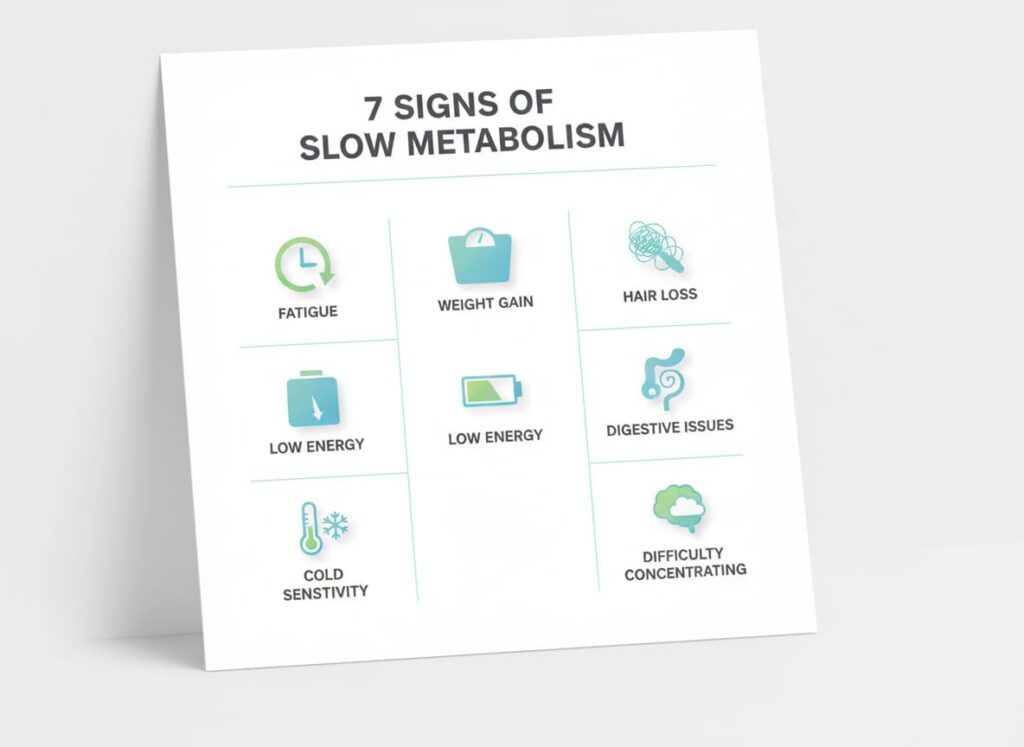
Common slow metabolism symptoms include low energy, unexplained weight gain, trouble losing fat, cold intolerance, constipation, brain fog, mood changes, hair thinning, brittle nails, and hormone-related changes. If these symptoms continue, a provider can help check thyroid, hormone, nutrient, and metabolic factors.

Let’s review common signs associated with metabolic changes and practical steps that may help support metabolic health.

Slow Metabolism Symptoms at a Glance

SymptomWhat It May Mean
Low energy or fatigueYour body may not be converting food into usable energy efficiently.
Unexplained weight gainA lower metabolic rate may reduce how many calories your body burns at rest.
Difficulty losing fatHormone changes, muscle loss, stress, or poor sleep may make fat loss harder.
Feeling cold oftenThyroid or metabolic changes may affect body temperature regulation.
Constipation or bloatingSlower energy production may affect digestion and gut movement.
Brain fog or mood changesBlood sugar, nutrient status, sleep, or hormone issues may affect mental clarity.
Hair thinning or brittle nailsNutrient, thyroid, stress, or hormone issues may affect hair and nail health.

Why a Slow Metabolism Often Goes Unnoticed

Many people assume feeling tired, foggy, or stuck with their weight is normal aging, not realizing these are early signs their metabolism is no longer working efficiently. When the body struggles to convert food into energy, every system feels the slowdown.

What a Slower Metabolism Means for Your Body

We know understand that a slowed metabolism means your body is less efficient at converting the food you eat (calories) into usable energy than usual. Your metabolic rate is influenced by many factors including age, gender, muscle-to-fat ratio, amount of physical activity and hormone function.

1. Why Low Energy and Fatigue Can Signal Metabolic Changes

You’re getting plenty of sleep, but you still feel drained. Sound familiar? When your metabolism slows, your cells aren’t producing energy efficiently. This can leave you feeling exhausted, unmotivated, and even foggy.  Changes in blood sugar regulation or thyroid function may contribute to these symptoms and should be evaluated by a healthcare provider when appropriate. As a result, you might experience increased cravings, particularly for sugary or starchy foods, as the body tries to get more energy. 

2. How Metabolism Affects Weight Gain and Fat Loss

If your weight has crept up without any major changes in your habits, it could be metabolic. A slower metabolism burns fewer calories at rest, meaning even the same meals and activities might now lead to weight gain especially around the midsection. Hormonal and metabolic factors may influence weight patterns and should be assessed individually through proper testing and clinical evaluation. Chronic stress and poor sleep don’t help either.

lose weight

3. Why Cold Intolerance Can Be Linked to Metabolism

Always reaching for a sweater, even in warm temps? Changes in thyroid hormone levels can influence temperature regulation and metabolic function, and evaluation may be appropriate if symptoms persist your internal temperature may drop. This is a common but often overlooked sign of a sluggish metabolism.

4. How Slower Metabolism Affects Digestion and Gut Function

Metabolism doesn’t just affect weight, it influences digestion too. A sluggish metabolism can result in slowed digestion, causing constipation, bloating, or other digestive issues. Reduced energy availability slows gut motility. If your gut is sluggish, it could be a sign that your entire system is slowing down. Supporting gut health with hydration, fiber, and fermented foods is key.

5. How Metabolic Health Influences Mood and Mental Clarity

managing stress

Poor memory, difficulty concentrating, or feeling down for no obvious reason? When your cells aren’t converting nutrients into usable energy efficiently, your brain suffers too.  These symptoms may be associated with fluctuations in blood sugar, cellular energy production, or nutrient status and warrant further clinical evaluation when ongoing.

6. Why Hair and Nail Changes Can Reflect Metabolic Health

Your hair and nails reflect your internal health. Thinning, shedding, or slow-growing hair could point to protein or micronutrient deficiencies, poor thyroid function, or stress. Your body prioritizes survival, not beauty, when resources are low.

7. How Hormone Imbalances Affect Metabolism

hormone weight gain

Irregular or missed periods, PMS, and low libido can all be signs of hormonal imbalance. Key hormones like estrogen, progesterone, and testosterone play a major role in your metabolic health, so when they’re off, your metabolism often is too. Thyroid hormones also regulate how your body uses glucose, burns fat, and stores energy so disruptions here can significantly impact your metabolic function.

If weight gain or fat loss resistance is your main concern, learn more about our medical weight loss options.

If low energy, low libido, or hormone changes are part of your symptoms, you may also want to explore TRT for men, TRT for women, or menopause therapy.

When to Speak With a Provider About Slow Metabolism Symptoms

You should speak with a provider if slow metabolism symptoms continue, get worse, or start affecting your weight, energy, mood, sleep, digestion, or daily routine.

A clinical evaluation may help identify whether your symptoms are linked to thyroid function, hormone changes, blood sugar regulation, nutrient deficiencies, stress, sleep quality, or other metabolic factors.

Provider-guided testing matters because symptoms like fatigue, weight gain, constipation, cold intolerance, and brain fog can overlap with several health concerns. Guessing often leads to wasted time. Testing gives you a clearer path forward.

Struggling With Weight, Energy, or Metabolism?

If you feel stuck despite eating better, exercising, or trying to lose weight on your own, Tucson Wellness MD can help you understand what may be affecting your metabolism.

Schedule a Weight Loss Consultation

Simple Ways to Support a Healthier Metabolism

The good news? You have more control than you think. Here are simple, foundational steps to support a healthier, more efficient metabolism:

  • Eat enough – especially protein and healthy fats
  • Balance blood sugar with regular meals and real food
  • Strength train to support lean muscle and metabolic function
  • Move daily beyond the gym (walking, stretching, mobility)
  • Prioritize sleep and manage stress (this includes saying no and resting!)
  • Support your gut with fiber, fermented foods, and hydration
  • Get tested if needed: thyroid panel, sex hormones, nutrient status

Your metabolism is your body’s internal engine and just like a car, it needs the right fuel and maintenance to run well. If you’re noticing any of these signs, don’t ignore them. They may be gentle nudges from your body asking for more support.

Start Supporting Your Metabolism Today

By making intentional shifts to how you eat, move, sleep, and manage stress,You may support metabolic health and energy levels by making sustainable lifestyle adjustments and working with a qualified provider when needed, focused, and in control. Small steps really do make a big impact. Now is the time to start tuning in and taking action.  If you are experiencing persistent symptoms, scheduling a consultation with a licensed healthcare provider may help determine whether additional evaluation or testing is appropriate.

Frequently Asked Questions

What does it mean when your metabolism slows down?

A slowed metabolism means your body is less efficient at turning food into usable energy. This can affect weight, energy levels, digestion, temperature regulation, mood, and hormone balance.

Can metabolism really slow down even if my habits haven’t changed?

Yes. Metabolism can slow due to age, chronic stress, hormonal changes, under-eating, muscle loss, poor sleep, or thyroid dysfunction, even if your diet and activity stay the same.

Is weight gain always a sign of a slow metabolism?

Not always, but unexplained weight gain or difficulty losing weight can be a common sign. When metabolism slows, your body burns fewer calories at rest, making fat storage easier.

When should I worry about slow metabolism symptoms?

You should speak with a provider if symptoms like fatigue, weight gain, cold intolerance, constipation, brain fog, or hair thinning continue despite healthy lifestyle changes.

Can hormone imbalance slow metabolism?

Yes. Thyroid hormones, estrogen, progesterone, testosterone, cortisol, and insulin all influence metabolism. When these hormones shift, energy, weight, mood, sleep, and fat loss may change.

How to Read Nutrition Labels Correctly: A Step-by-Step Guide

Food labels show what enters your body.
Marketing claims sit on the front. Facts sit on the back.

When you read labels carefully, you make more informed food choices aligned with your health goals.

Reading labels gives control over daily food decisions.

Quick Answer

How do you read nutrition labels correctly?

To read nutrition labels correctly, start with the ingredient list, check for added sugars, review the types of oils used, evaluate fiber and protein content, and watch for artificial additives or preservatives. Looking beyond front-package marketing claims helps you make more informed food choices that align with your health goals.

The 5-Step Method for Reading Any Food Label

Follow this order every time you pick up packaged food.

Step 1. Read the Ingredient List First

Ingredients reveal food quality.

Look for:

  • Short ingredient list
  • Whole, recognizable foods
  • Real food sources

Ingredients appear in order of weight. First items dominate product composition.

If ingredient names sound artificial or chemical, choose another option.

Step 2. Check Added Sugar

Natural sugars occur in whole foods such as fruit and dairy.
Added sugars enter during processing.

Common added sugar names:

  • Cane sugar
  • Corn syrup
  • Maltodextrin
  • Evaporated cane juice
  • Honey
  • Molasses

High added sugar intake is commonly associated with blood sugar fluctuations and increased cravings..

Example: one soda holds about 39 grams of added sugar.

Step 3. Identify the Oils Used

Many packaged foods contain refined seed oils.

Common processed oils:

  • Canola oil
  • Soybean oil
  • Corn oil
  • Sunflower oil
  • Safflower oil

These oils are typically refined during processing.

Better fat sources:

  • Olive oil
  • Avocado oil
  • Coconut oil
  • Grass-fed butter or ghee

Step 4. Evaluate Fiber and Protein

Fiber is commonly associated with digestive health and satiety.
Protein plays an important role in muscle maintenance and overall energy balance.

Strong protein sources:

  • Meat
  • Poultry
  • Fish
  • Eggs
  • Yogurt
  • Beans
  • Lentils
  • Nuts and seeds

Fiber sources:

  • Vegetables
  • Fruits
  • Whole grains

Higher fiber and protein improve meal satisfaction.

Step 5. Watch for Additives and Preservatives

Many processed foods contain artificial compounds.

Common additives:

  • BHT
  • BHA
  • Artificial dyes such as Red 40 or Yellow 5
  • Artificial sweeteners such as sucralose or aspartame

Many consumers prefer products with minimal artificial additives or preservatives.

Common Nutrition Label Tricks Food Companies Use

Front packaging sells an image.
Back label shows truth.

Understand these claims:

  • Low calorie = 40 calories or fewer per serving
  • Calorie-free = fewer than 5 calories per serving
  • Low sodium = 140 mg or less per serving
  • Reduced = 25 percent less than standard version
  • Good source = 10 to 19 percent daily value
  • High or excellent source = 20 percent or more daily value

These terms describe nutrient amounts, not overall food quality.

Always review ingredient list.

How to Identify Healthier Packaged Foods Quickly

Use this checklist.

Real ingredients
Low added sugar
High fiber
Adequate protein
Clean fat sources

If food meets all five standards, purchase with confidence.

Example: Evaluating a Snack Bar

Ingredient list begins with corn syrup and palm oil.
Contains artificial flavor and multiple preservatives.
Fiber low. Protein low.

Result: poor nutritional quality.

Second snack bar lists oats, almonds, dates, and chia seeds.
Protein moderate. Fiber high. No artificial additives.

Result: strong nutritional quality.

Nutrition Label Checklist Before You Buy

Before placing food in cart, ask:

  • Do first three ingredients come from whole foods?
  • Does product avoid added sugar?
  • Does protein or fiber support satiety?
  • Do fats come from clean sources?
  • Does ingredient list avoid artificial compounds?

If answer equals yes across most questions, proceed.

Benefits of Reading Nutrition Labels Consistently

Better label reading leads to better food selection.
Consistent food choices may contribute to:

  • More stable energy levels
  • Improved daily focus
  • Healthy metabolic function
  • Overall wellness
  • Long-term lifestyle balance

Small food decisions repeat daily. Repetition shapes results.

Work With a Nutrition Professional

Personal health goals differ.
Personal guidance provides individualized recommendations based on your goals and health history

Schedule a consultation for individualized nutrition planning.

Frequently Asked Questions

Why is it important to read nutrition labels?
Reading nutrition labels helps you understand what is actually in the foods you eat. While front packaging often highlights marketing claims, the ingredient list and nutrition facts provide a clearer picture of quality and nutritional value. Reviewing labels regularly can help you make choices that better align with your health goals. Small decisions made consistently can have a meaningful impact on long-term wellness.

What should you look at first on a food label?
The ingredient list should be the first thing you review. Ingredients are listed in order of weight, meaning the first few ingredients make up most of the product. Foods with shorter ingredient lists and recognizable whole-food ingredients are often easier to evaluate. The ingredient list often reveals more about food quality than marketing claims on the package.

How can you identify added sugars on a food label?
Added sugars can appear under many different names, including cane sugar, corn syrup, maltodextrin, evaporated cane juice, honey, and molasses. These ingredients are added during processing rather than occurring naturally in the food. High amounts of added sugar may contribute to blood sugar fluctuations and increased cravings. Checking the ingredient list helps identify hidden sources of sugar.

Why should you pay attention to the oils used in packaged foods?
The type of fat used in a product can influence its overall nutritional profile. Many processed foods contain refined oils such as soybean, canola, corn, sunflower, or safflower oil. Some consumers prefer products that use fats such as olive oil, avocado oil, coconut oil, or other minimally processed sources. Reviewing ingredients helps you understand where the fats in a product come from.

Snack Smarter: 6 Minimal Ingredient High-Protein Snacks

Let’s be honest, snacks can make or break your day. That 3PM slump, the cranky commute, or your kid’s after-school meltdown? Often, it’s blood sugar talking.

In functional nutrition, we don’t treat snacks as filler, we treat them as strategic nourishment. Every bite is an opportunity to support your metabolism, gut, mood, and energy. The key? Protein + real ingredients + zero junk.

But here’s the catch:
Most grab-and-go snacks are glorified dessert. They spike blood sugar, leave you hungrier an hour later, and do nothing to support long-term health.

snack time

This guide is built for real life, for the parent rushing between pickups, the professional skipping lunch, or the teen needing stable energy between classes. Forget sugar crashes or mindless munching. These high-protein, minimal-ingredient snacks are designed to keep your blood sugar steady, your brain sharp, and your cravings in check.

From a functional nutrition perspective, snacks should:

  • Support blood sugar balance
  • Be made of real ingredients
  • Include a solid source of protein
  • Be portable and practical
Quick Answer

What Are Some Easy High-Protein Snacks?

Easy high-protein snacks include hard-boiled eggs, plain Greek yogurt with berries, cheese with vegetables, jerky or turkey sticks, nut butter with fruit, and protein-rich broth or shakes when appropriate. Choose snacks based on total nutrition, portion size, sodium, added sugar, and your individual dietary needs.

Why Protein Matters

Protein is an essential nutrient involved in maintaining and repairing body tissues.

Including a protein source in a snack can also make it easier to build a more balanced eating pattern.

High-protein snack options can come from foods such as:

  • Eggs
  • Greek yogurt
  • Cottage cheese
  • Fish or lean poultry
  • Beans and legumes
  • Nuts and nut butters
  • Soy foods

The best choice depends on your overall diet, health goals, food preferences, allergies, and individual nutrient needs.

Not all protein foods have the same nutritional profile, so it is also useful to consider sodium, saturated fat, added sugar, fiber, and degree of processing.

SnackMain Protein SourceEasy Pairing
Hard-boiled eggsEggsFruit or vegetables
Greek yogurtDairyBerries or chia seeds
CheeseDairyVegetables or fruit
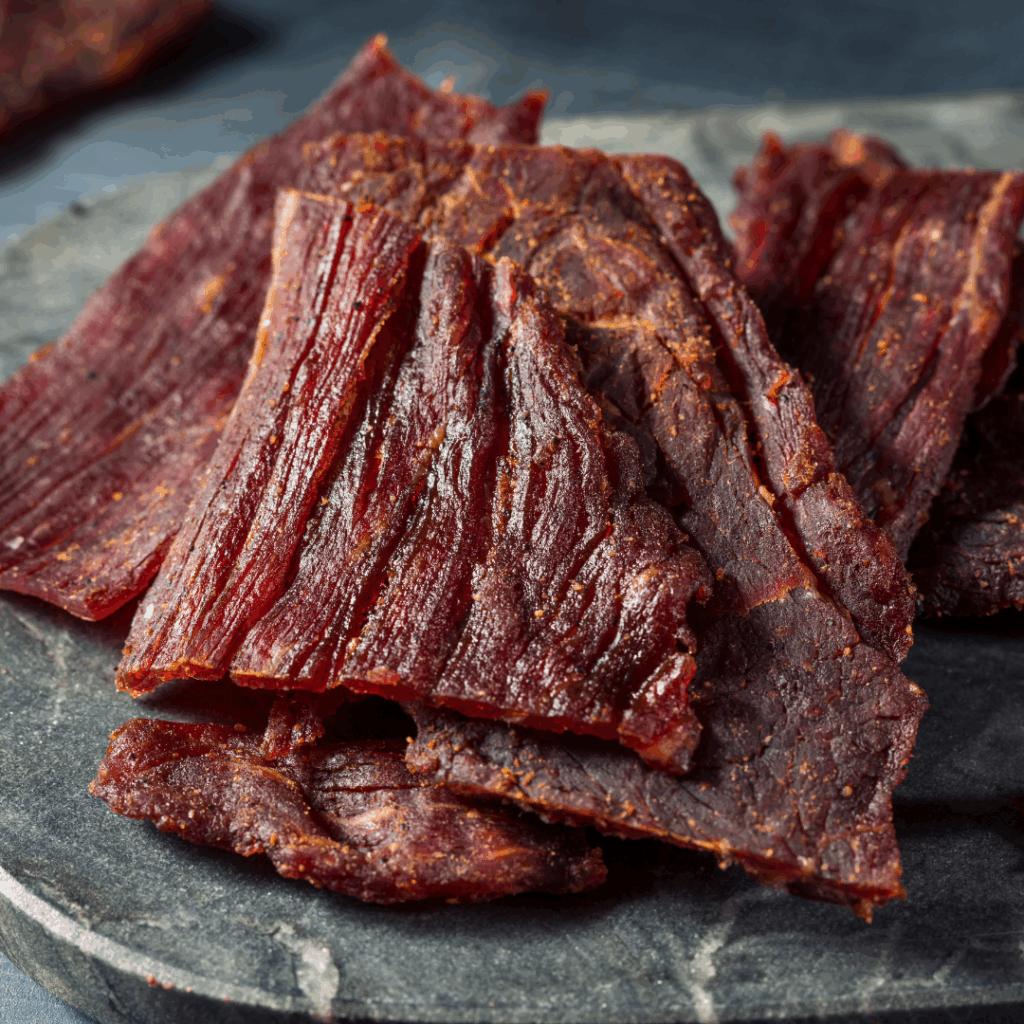
Jerky or turkey sticksMeat or poultryFruit or vegetables
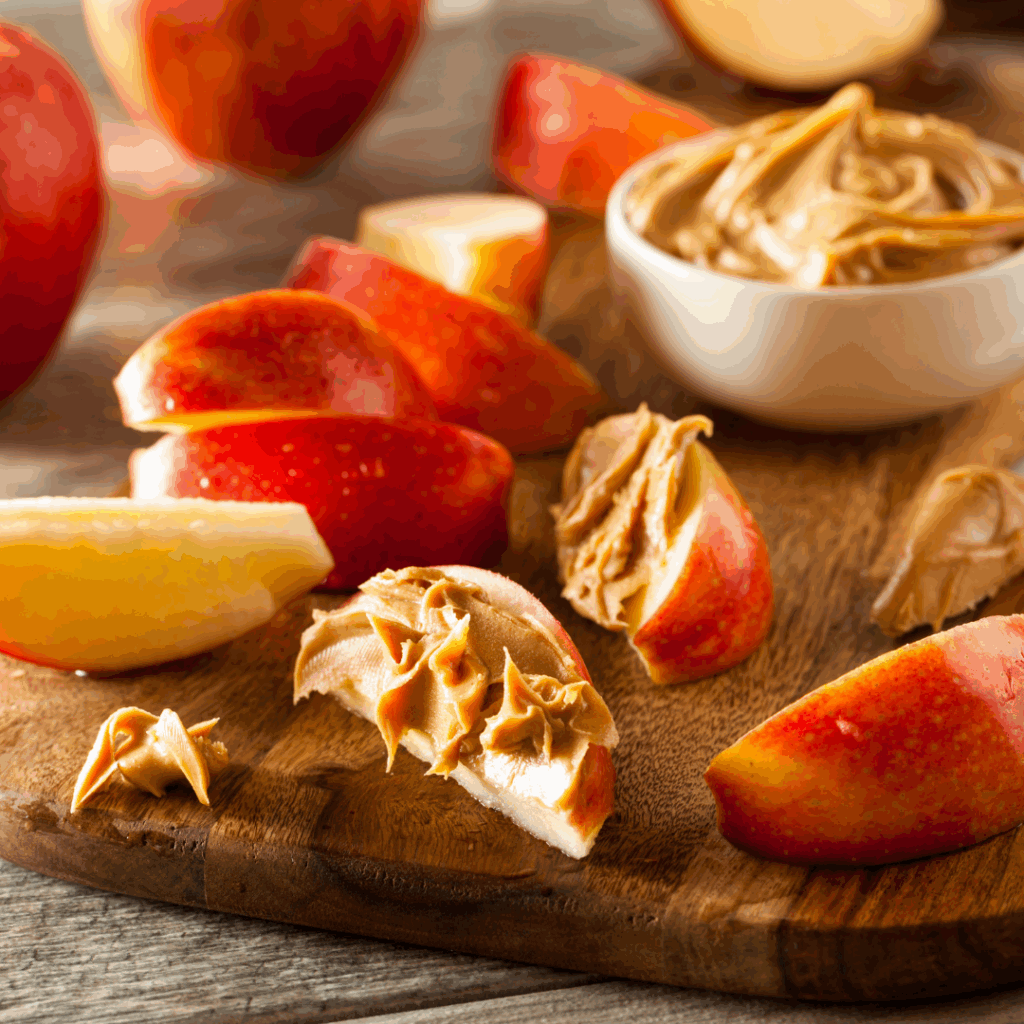
Almond butter and applesNutsApple slices
Bone broth proteinProtein supplement/brothUse according to product directions

For more guidance on choosing protein-rich foods, read how to choose the right protein for your health goals.

Six High Protein Snacks With Minimal Ingredients

1. Jerky or Turkey Sticks

Jerky and turkey sticks can provide a convenient source of protein when refrigeration is not available.

When comparing products, check the Nutrition Facts label for:

  • Protein per serving
  • Sodium
  • Added sugar
  • Saturated fat
  • Serving size

Processed meats can contain substantial sodium, so these snacks are best considered within the context of your overall diet.

2. Bone Broth Protein

Bone broth protein powders can offer a convenient way to add protein to soups, warm drinks, or other foods.

Protein content varies by product, so check:

  • Protein per serving
  • Sodium
  • Ingredients
  • Added flavors or sweeteners

Protein supplements can be convenient, but they are not necessary for everyone who wants a higher-protein snack.

3. Hard Boiled Eggs

  • 6g protein per egg
  • One ingredient, packed with B vitamins and choline
  • Prep a batch weekly for grab-and-go

Pair hard-boiled eggs with fruit, vegetables, or a whole-grain food for a more complete snack.

4. Plain Greek Yogurt With Berries

  • 15g+ protein per cup
  • Minimal sugar if you skip flavored versions
  • Chia or flax seeds can add fiber and plant-based fats.
  • Enjoy brands like: Siggi’s, Fage, Chobani, and OIKOS

5. Cheese Sticks or Mini Rounds

  • Provides a convenient source of protein and calcium
  • Pair with fruit or raw vegetables
  • Compare sodium and saturated fat between products
  • Cottage cheese can be another higher-protein dairy option

6. Almond Butter With Apple Slices

  • Almond butter adds protein and unsaturated fat, while apples provide carbohydrate and fiber.
  • 7g protein per nut butter serving
  • Clean brands have just almonds + sea salt
  • Nut butter options: Simple Truth, Barney Butter, and Good & Gather

Functional Snacking Tips

When choosing a snack:

  • Include a useful source of protein
  • Consider adding fruit, vegetables, or another fiber-rich food
  • Check added sugar when comparing packaged snacks
  • Compare sodium in jerky, cheese, and other packaged foods
  • Pay attention to portion size
  • Choose foods that fit your dietary preferences and medical needs
  • Prepare snacks ahead when convenience is important

A healthy protein choice should be evaluated based on the overall food, not simply how short its ingredient list is. For more nutrition fundamentals, explore our guide to vitamins, minerals and micronutrients.

How Much Protein Should a Snack Have?

There is no single protein target that every snack needs to meet.

Protein needs vary based on factors such as:

  • Age
  • Body size
  • Activity level
  • Overall diet
  • Health conditions
  • Fitness goals

Rather than focusing only on the number of grams in one snack, consider how the snack contributes to your total daily protein and overall nutrient intake.

Snacking isn’t about curbing cravings, it’s about supporting your energy, metabolism, and focus between meals. When you choose real, high-protein options with minimal ingredients, you give your body the tools it needs to stay balanced, resilient, and fueled. Whether you’re navigating a packed school day, a busy work schedule, or just need a midday reset, these snacks deliver more than convenience, they deliver function.

Start small. Stock your pantry or bag with 2–3 of these high-impact options.
Listen to how your body feels and let functional foods do their job.

Snack smart. Snack intentionally. And always eat for impact.

Build a Nutrition Plan That Fits Your Goals

Tucson Wellness MD can help you review your eating habits, protein intake, weight-management goals, and overall wellness needs to create a more personalized nutrition strategy.

Schedule a Consultation

Frequently Asked Questions About High-Protein Snacks

What are some easy high-protein snacks?

Easy options include Greek yogurt, hard-boiled eggs, cottage cheese, cheese with vegetables, nut butter with fruit, jerky, beans, or other protein-rich foods that fit your dietary needs.

What is a good high-protein snack for work?

Portable options may include jerky, nuts or nut butter, cheese, Greek yogurt when refrigeration is available, or hard-boiled eggs stored safely.

What are high-protein snacks without protein powder?

Eggs, Greek yogurt, cottage cheese, cheese, beans, nuts, nut butter, poultry, fish, and soy foods can all provide protein without using protein powder.

Are eggs a good high-protein snack?

Eggs provide protein along with several vitamins and minerals and can be convenient when cooked ahead and refrigerated properly.

Is Greek yogurt a good protein snack?

Yes. Plain Greek yogurt can provide substantial protein. Compare products for added sugar and choose toppings according to your nutrition goals.

Are nuts considered a high-protein snack?

Nuts contain protein along with unsaturated fats and other nutrients, although the amount of protein varies by type and serving size.

Is jerky a healthy protein snack?

Jerky can provide convenient protein, but packaged products can be high in sodium. Check the Nutrition Facts label and consider your total sodium intake.

What can I pair with protein for a balanced snack?

Fruit, vegetables, whole grains, or other fiber-containing foods can complement protein-rich snack choices.

How much protein should a snack contain?

There is no universal amount required for every snack. Individual protein needs depend on overall diet, age, body size, activity, and health goals.

Are minimal-ingredient snacks always healthier?

No. A short ingredient list does not automatically make a food healthier. Consider the overall nutrient profile, including protein, fiber, sodium, added sugar, saturated fat, and serving size.

How to Support Your Metabolism for Weight Loss

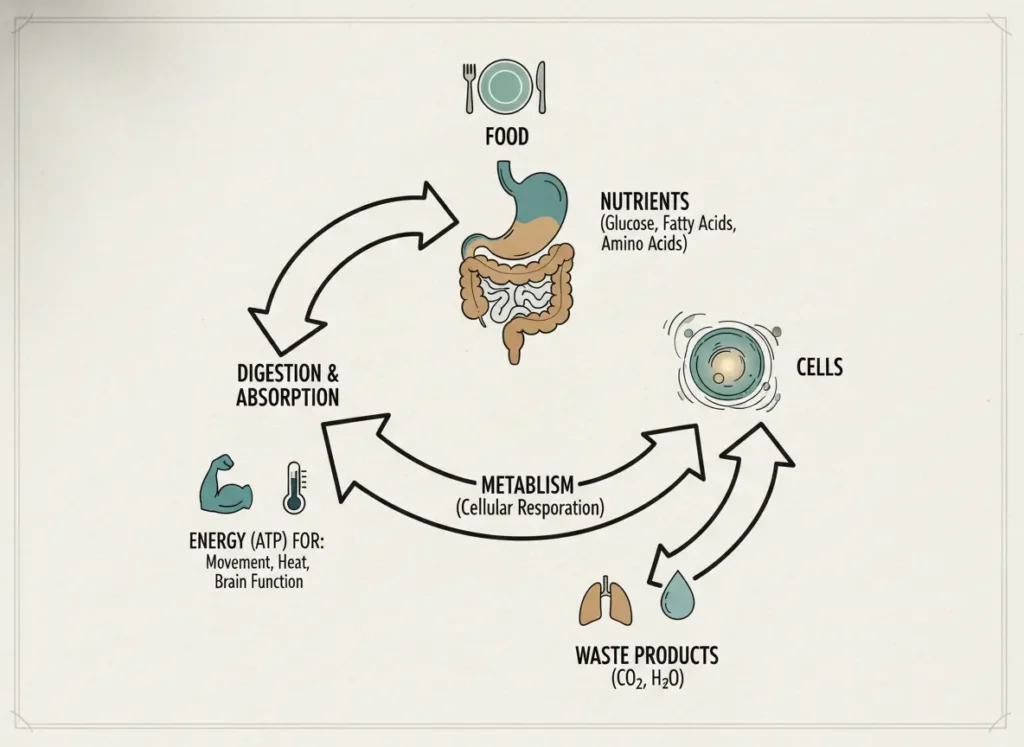
WMetabolism includes all the processes your body uses to convert food and stored nutrients into energy.

It affects more than calorie burning. Metabolism supports breathing, circulation, movement, digestion, tissue repair, temperature regulation and other essential functions.

Your metabolic rate is influenced by factors such as body size, muscle mass, age, activity, food intake, sleep, medications and certain health conditions.

This guide explains how metabolism works, why weight loss may feel difficult and which nutrition, exercise and lifestyle habits may support long-term metabolic health.

Quick Answer

How Can You Support a Healthy Metabolism?

You can support metabolism by preserving muscle through resistance training, eating enough protein, getting consistent sleep, managing stress and avoiding extreme calorie restriction. Metabolism is also influenced by age, body size, activity, medications, thyroid function and other health factors. Persistent fatigue, unexplained weight changes or stalled progress may require medical evaluation rather than another restrictive diet.

What Metabolism Really Is

Metabolism is the collection of chemical reactions that keeps the body functioning.

These reactions convert nutrients into energy, build and repair tissues, regulate body temperature and support normal organ function.

Your basal metabolic rate, or BMR, is the energy your body uses at rest to maintain functions such as breathing, circulation and brain activity.

Total daily energy use includes:

  • Basal metabolic rate
  • Physical activity
  • Exercise
  • Digestion
  • Routine movement and daily tasks

Muscle mass can influence resting energy use, but metabolic rate is also affected by age, body size, genetics, medications, hormone function and overall health.

The Two Core Processes of Metabolism

Metabolism includes two broad types of activity.

Catabolism

Catabolism breaks larger molecules into smaller components and releases energy.

Examples include:

  • Breaking down carbohydrates into glucose
  • Using stored glycogen for energy
  • Breaking down fats into fatty acids
  • Processing dietary protein into amino acids

Anabolism

Anabolism uses energy to build and repair structures in the body.

Examples include:

  • Building muscle protein
  • Repairing tissue
  • Producing hormones and enzymes
  • Storing glucose as glycogen

Both processes happen continuously and work together to maintain normal function.

What Determines Your Metabolic Rate

Metabolic rate varies from person to person.

Important factors include:

  • Body size
  • Lean muscle mass
  • Age
  • Biological sex
  • Genetics
  • Physical activity
  • Food intake
  • Sleep
  • Medications
  • Thyroid and other medical conditions

Hormones such as thyroid hormones, insulin, cortisol, estrogen and testosterone also participate in energy regulation, appetite and body composition.

However, weight changes or fatigue do not automatically prove that a hormone imbalance or damaged metabolism is present.

The pancreas and liver help regulate blood sugar, nutrient storage and energy availability. Concerns involving these organs or metabolic markers require appropriate clinical evaluation rather than assumptions based on symptoms alone.

Why Does My Metabolism Feel Slow?

People often describe their metabolism as slow when they experience weight gain, low energy, increased hunger or difficulty losing weight.

Possible contributors include:

  • Reduced daily movement
  • Loss of muscle mass
  • Poor sleep
  • Chronic stress
  • Repeated restrictive dieting
  • Inadequate protein intake
  • Medication effects
  • Menopause or age-related body-composition changes
  • Thyroid or metabolic conditions
  • Underestimating food or beverage intake

Weight loss may also slow as body weight decreases because a smaller body generally requires less energy.

A stalled scale does not necessarily mean that metabolism is damaged. Reviewing trends in food intake, movement, sleep, medications and health markers can provide more useful information. Patients struggling with persistent weight concerns can review provider-guided medical weight-loss options at Tucson Wellness MD.

How Hormones Affect Metabolism and Weight Loss

Hormones help regulate appetite, blood sugar, stress response, reproductive health, muscle mass and fat distribution.

Hormones commonly discussed in relation to weight include:

  • Thyroid hormones
  • Insulin
  • Cortisol
  • Estrogen
  • Progesterone
  • Testosterone
  • Leptin and ghrelin

Symptoms alone cannot confirm a hormone disorder.

Fatigue, weight changes, low libido and mood concerns may also involve sleep, nutrition, medications, stress or another health condition.

Hormone therapy should only be considered when symptoms, medical history and appropriate testing support a clinical need. For symptoms that may involve hormone changes, explore provider-guided hormone evaluation and treatment.

Signs That Metabolic Health Needs Evaluation

Metabolic health is often assessed through medical history, physical measurements and laboratory findings rather than symptoms alone.

Speak with a provider if you experience:

  • Persistent or unexplained fatigue
  • Unexplained weight gain or loss
  • Increased thirst or frequent urination
  • Significant changes in appetite
  • Persistent weakness
  • Menstrual or hormone-related changes
  • High blood pressure
  • Elevated glucose or cholesterol results
  • Symptoms that began after starting a medication
  • Weight concerns that continue despite consistent habits

These concerns may involve thyroid function, blood sugar, sleep, medications, nutrient status or another condition.

They should not automatically be treated with metabolism supplements, detox programs or hormone therapy.

How to Support a Healthy Metabolism With Nutrition and Lifestyle

metabolism

Healthy metabolism is supported by consistent habits rather than one food, supplement or short-term program.

Helpful priorities include:

  • Eating enough protein
  • Including fiber-rich carbohydrates
  • Choosing vegetables, fruits and healthy fats
  • Resistance training
  • Regular daily movement
  • Consistent sleep
  • Managing stress
  • Avoiding repeated crash diets
  • Reviewing medication and medical contributors when needed

The best approach depends on the patient’s health history, body-composition goals, activity level and nutritional needs.

How to Build a Faster Metabolism That Lasts

Most metabolism advice focuses on short-term fixes. Crash diets, extreme exercise programs, and detox plans may produce temporary results but they do not build a faster metabolism permanently. What does work is creating consistent conditions that signal your body to produce and use energy more efficiently over time.

Build and Protect Muscle Mass

Muscle tissue uses energy at rest and supports strength, mobility and long-term body composition.

Resistance training may help preserve or build muscle, particularly during weight loss and as adults age.

Options may include:

  • Free weights
  • Resistance machines
  • Resistance bands
  • Bodyweight exercises
  • Supervised strength programs

Training should reflect current ability, injuries and medical needs. Patients focused on strength and body composition can review Strength and Performance support.

Prioritize Protein at Every Meal

Protein supports muscle maintenance, recovery and fullness.

Examples include:

  • Fish
  • Poultry
  • Eggs
  • Greek yogurt
  • Cottage cheese
  • Beans
  • Lentils
  • Tofu
  • Tempeh

Protein requires more energy to digest than fat, but this effect is modest and should not be presented as a shortcut to rapid weight loss.

Protein needs vary according to age, body size, activity and medical history.

Support Blood Sugar With Balanced Meals

Balanced meals may help some people manage hunger, energy and glucose response.

A meal may include:

  • Quality protein
  • Fiber-rich carbohydrates
  • Vegetables or fruit
  • Healthy fats

People with diabetes, insulin resistance or glucose-lowering medications may need individualized guidance on carbohydrate intake and meal timing.

Protect Your Sleep

Poor sleep may affect hunger, appetite, insulin sensitivity, energy and willingness to exercise.

Helpful sleep habits may include:

  • Maintaining a consistent sleep schedule
  • Reducing late caffeine
  • Limiting screen exposure before bed
  • Creating a dark and quiet sleep environment
  • Discussing snoring or possible sleep apnea with a provider

Adults commonly need around seven to nine hours of sleep, although individual needs vary.

Manage Chronic Stress

Chronic stress may affect sleep, appetite, food choices, physical activity and overall consistency.

Helpful strategies may include:

  • Regular movement
  • Relaxation exercises
  • Time outdoors
  • Counseling or behavioral support
  • Setting realistic work and recovery boundaries
  • Maintaining social connection

Stress management supports overall health, but it is not a substitute for medical evaluation when symptoms persist.

Why Extreme Dieting May Work Against Long-Term Progress

Very restrictive diets may produce rapid weight loss, but they can also increase hunger, reduce training performance and make muscle preservation more difficult.

As calorie intake and body weight decrease, the body may use less energy. This is a normal adaptation rather than proof that metabolism has been permanently damaged.

A sustainable plan should provide enough protein, micronutrients and energy to support daily function while creating a realistic calorie deficit when weight loss is appropriate.

When to Get Medical Support for Metabolism

Medical evaluation may be appropriate when weight or energy concerns continue despite consistent nutrition, activity and sleep habits.

A provider may review:

  • Weight and symptom history
  • Current medications
  • Sleep quality
  • Nutrition and activity
  • Blood pressure
  • Blood sugar markers
  • Cholesterol
  • Thyroid function
  • Hormone symptoms
  • Nutrient status when indicated

Testing should be selected according to the patient’s symptoms and medical history rather than relying on one universal metabolism panel. For broader preventive evaluation and follow-up, explore Longevity Care at Tucson Wellness MD.

Personalized Metabolic and Weight-Loss Support in Tucson

Tucson Wellness MD can review weight concerns, fatigue, nutrition, activity, medications, sleep and relevant laboratory findings.

Depending on the patient’s needs, support may include:

  • Nutrition and lifestyle guidance
  • Medical weight-loss evaluation
  • Body-composition review
  • Hormone testing when indicated
  • Metabolic health monitoring
  • Strength and performance support
  • Ongoing primary or longevity care

Treatment recommendations should be based on clinical findings rather than assumptions that every weight concern is caused by a slow metabolism.

Find Out What May Be Affecting Your Metabolism

Tucson Wellness MD can review your weight history, energy, sleep, medications, nutrition, activity and relevant laboratory findings. Your provider can help determine whether lifestyle support, medical weight loss, hormone evaluation or another form of care may be appropriate.

Schedule a Metabolic Health Consultation

Frequently Asked Questions About Metabolism

What causes a slow metabolism?

A slow metabolism can be linked to low muscle mass, poor sleep, chronic stress, thyroid changes, insulin resistance, under-eating, low protein intake, or certain medications. Many people try to fix it with extreme dieting, but that can make energy, hunger, and consistency harder to manage. A better approach starts with identifying what is affecting metabolism before choosing a plan.

Can hormones affect metabolism?

Yes, hormones help regulate appetite, blood sugar, fat storage, muscle mass, and energy use. Thyroid hormones, insulin, cortisol, estrogen, progesterone, and testosterone can all affect how the body manages weight and energy. When these signals are out of balance, weight loss may feel harder even with consistent diet and exercise.

How do you support metabolism naturally?

You can support metabolism with strength training, enough protein, consistent sleep, stress management, hydration, and balanced meals. Crash dieting or skipping meals may make energy and hunger harder to manage over time. If symptoms continue, lab testing can help identify whether hormones, nutrient levels, or other health factors are involved.

When should I see a provider for metabolism concerns?

You should consider seeing a provider if weight loss has stalled despite consistent nutrition, exercise, and lifestyle changes. Medical support may also help if you have fatigue, sleep issues, low libido, mood changes, blood sugar concerns, or symptoms of hormone imbalance. A provider can review labs, medications, symptoms, and health history to create a safer plan.

STAY HEALTHY – STAY CONNECTED

Eating for Energy: Fatigue and Mitochondrial Support

Low energy may be influenced by eating patterns, hydration, sleep, stress, physical activity, medications, and underlying health concerns.

Food provides the carbohydrates, fats, proteins, vitamins and minerals involved in normal cellular energy production. However, one food or supplement cannot correct every cause of fatigue.

This guide explains how balanced meals may support steady energy, which nutrients participate in normal mitochondrial function and when persistent fatigue should be reviewed by a healthcare provider.

Quick Answer: What Foods Support Energy and Reduce Fatigue?

Foods that support energy include quality protein, vegetables, fruits, whole grains, beans, healthy fats, and adequate hydration. Balanced meals can support normal energy production, while persistent fatigue may require evaluation for sleep issues, nutrient deficiencies, hormones, medications, or other health conditions.

How Nutrition Supports Mitochondrial Energy

Mitochondria use nutrients from food as part of the process of producing adenosine triphosphate, commonly called ATP.

Carbohydrates and fats provide fuel, while protein supplies amino acids needed for muscle and tissue maintenance. Vitamins and minerals also participate in normal metabolic reactions.

A balanced eating pattern may support steady energy more effectively than relying on isolated energy drinks, stimulants or supplements.

Meal timing, portion size, hydration and blood-sugar response may also influence how energized a person feels throughout the day. For additional nutrition guidance, review how micronutrients support normal health and energy pathways.

What Mitochondria Do for Energy and Cellular Health

Mitochondria are structures inside most cells that help convert nutrients into ATP, the energy cells use to perform normal functions.

They are also involved in calcium regulation, cellular signaling and other metabolic processes.

Feeling tired does not confirm a mitochondrial disorder. Fatigue is a common symptom that may involve sleep, stress, nutrition, medications, hormones, anemia, infection or another medical condition.

Persistent or severe fatigue should therefore be evaluated according to the patient’s complete health history rather than attributed to mitochondrial dysfunction alone.

Signs That Persistent Fatigue Needs Evaluation

Low energy may improve after correcting inconsistent meals, inadequate hydration, poor sleep or excessive training. However, persistent symptoms may require a broader medical review.

Speak with a provider when you experience:

  • Fatigue that continues despite adequate sleep
  • Significant changes in exercise tolerance
  • Persistent brain fog or concentration problems
  • Unexplained weakness
  • Dizziness or fainting
  • Shortness of breath
  • Unexplained weight changes
  • Symptoms that interfere with work or daily activity
  • Fatigue that begins after starting a medication
  • New or worsening symptoms

These concerns should not automatically be treated with mitochondrial supplements or restrictive diets. For ongoing preventive and medical support, review Concierge Primary Care at Tucson Wellness MD.

How Food Choices Affect Energy and Metabolic Health

Food choices influence blood sugar, fullness, nutrient intake and the availability of fuel used during normal energy production.

A useful eating pattern generally includes:

  • Regular meals
  • Quality protein
  • Fiber-rich carbohydrates
  • Vegetables and fruits
  • Healthy fats
  • Adequate fluids

Highly processed meals, excessive added sugar and long periods without eating may contribute to energy fluctuations for some people.

The appropriate approach still depends on medical history, activity level, medications and individual nutritional needs.

Foods and Habits That Support Energy and Mitochondrial Health

Food or HabitHow It Supports Steady EnergyExamples
Quality proteinSupports muscle maintenance, fullness and meal balanceEggs, fish, poultry, yogurt, tofu, beans
Fiber-rich carbohydratesProvide fuel and may support steadier blood-sugar responsesOats, beans, fruit, quinoa, sweet potatoes
Colorful plant foodsSupply vitamins, minerals, fiber and plant compoundsBerries, peppers, spinach, broccoli, carrots
Healthy fatsProvide concentrated energy and support normal cell structureOlive oil, avocado, nuts, seeds, salmon
HydrationSupports circulation, digestion and temperature regulationWater and electrolyte replacement when appropriate
Resistance exerciseSupports strength, muscle mass and metabolic healthWeights, bands, machines and bodyweight exercise
Consistent sleepSupports recovery, alertness and daily functionRegular sleep schedule and reduced late caffeine

Energy-Supporting Food Table

Food GroupHow It Supports EnergyExamples
ProteinSupports muscle maintenance and recoveryEggs, fish, chicken, tofu
Fiber-rich carbsProvides steady fuelOats, beans, quinoa
Healthy fatsSupports normal cell functionAvocado, olive oil, nuts
Fruits and vegetablesProvides vitamins and mineralsBerries, spinach, peppers

Smart Carbs for Steady Energy

Carbohydrates are an important energy source, but foods differ in fiber, nutrient content, portion size and their effect on blood sugar.

The glycemic index estimates how quickly a carbohydrate-containing food may raise blood sugar. However, the glycemic index should not be the only factor used to judge a food.

Meal composition, portion size, protein, fat and fiber may all affect the overall blood-sugar response.

Complex Carbohydrates for Long-Lasting Energy

Fiber-rich carbohydrate foods may provide steadier energy and greater fullness than highly refined options.

Examples include:

  • Oats
  • Beans
  • Lentils
  • Quinoa
  • Whole grains
  • Fruit
  • Sweet potatoes
  • Other vegetables

Pairing carbohydrates with protein or healthy fat may also help create a more balanced meal.

Foods should not be labeled healthy or unhealthy based only on one glycemic-index number.

Why Glycemic Load Matters for Energy and Blood Sugar

Glycemic load considers both the glycemic index of a food and the amount of available carbohydrate in a typical serving.

This can offer more context than the glycemic index alone. However, individual responses still vary.

People managing diabetes, insulin resistance or frequent blood-sugar symptoms should follow guidance from their healthcare provider rather than relying only on online food charts.

Protein and Healthy Fats for Lasting Energy

How Healthy Fats Support Energy and Cellular Health

Unsaturated fats provide energy and are components of normal cell membranes.

Useful food sources include:

  • Olive oil
  • Avocado
  • Nuts
  • Seeds
  • Salmon
  • Sardines
  • Other fatty fish

Omega-3 fats are available from fatty fish, while plant foods such as walnuts, flaxseed and chia seeds provide alpha-linolenic acid.

Healthy fats still contain concentrated calories, so portions should reflect the patient’s energy needs and health goals. Learn more about choosing healthy fats as part of a balanced diet.

How Protein Supports Muscle and Daily Energy

Protein supplies amino acids needed for muscle maintenance, tissue repair and many normal metabolic functions.

Including protein throughout the day may also support fullness and make meals more balanced.

Useful sources include:

  • Fish
  • Chicken
  • Eggs
  • Greek yogurt
  • Tofu
  • Beans
  • Lentils
  • Nuts and seeds

Protein needs vary according to age, activity level, medical conditions and body-composition goals.

How to Build an Energy-Supporting Meal

A balanced meal may include:

  • A source of protein
  • A fiber-rich carbohydrate
  • Vegetables or fruit
  • A source of healthy fat
  • Water or another appropriate beverage

Examples include:

  • Eggs, whole-grain toast and fruit
  • Greek yogurt, berries, oats and nuts
  • Chicken, quinoa and vegetables
  • Salmon, sweet potato and broccoli
  • Beans, brown rice, vegetables and avocado

Regular meals may help some people avoid large swings in hunger and energy. The best meal pattern depends on personal needs, medications, health history and activity level.

Still Feeling Tired Even With Better Nutrition?

Fatigue may involve more than eating habits.

Possible contributors include:

  • Poor sleep
  • Sleep apnea
  • Stress
  • Anemia or nutrient deficiencies
  • Thyroid concerns
  • Hormone changes
  • Blood-sugar problems
  • Medication effects
  • Infection
  • Mental-health concerns
  • Another medical condition

Tucson Wellness MD can review symptoms, medications, lifestyle habits and relevant laboratory findings before recommending a personalized wellness plan. Patients interested in a broader evaluation can explore personalized wellness plans at Tucson Wellness MD.

Explore Additional Wellness Support

Fatigue can involve multiple factors, including nutrition, hormones, sleep, and metabolic health. Explore Tucson Wellness MD resources including Longevity Care and Concierge Primary Care.

Find the Factors Affecting Your Energy Levels

Tucson Wellness MD can review your symptoms, eating habits, sleep, medications, activity level and relevant laboratory findings. Your provider can help determine whether nutrition changes, lifestyle support or additional medical evaluation may be appropriate.

Schedule a Wellness Consultation

Frequently Asked Questions About Energy and Mitochondrial Support

How do mitochondria affect energy?

Mitochondria help cells convert nutrients into ATP, which cells use for normal functions. Fatigue alone does not confirm that a person has mitochondrial dysfunction.

What foods support mitochondrial health?

A balanced diet containing protein, vegetables, fruit, whole grains, beans, healthy fats and other nutrient-rich foods supports normal energy production.

Can poor nutrition make fatigue worse?

Yes. Inconsistent meals, inadequate calories, low nutrient intake, poor hydration and highly processed eating patterns may contribute to low energy.

Do carbohydrates cause energy crashes?

Some refined carbohydrate foods may lead to quicker changes in blood sugar, especially when eaten alone. Pairing carbohydrates with protein, fat or fiber may support steadier energy.

Is protein important for energy?

Protein supports muscle maintenance, tissue repair and meal balance. It is not a stimulant, but inadequate intake may contribute to poor recovery or reduced strength.

Do I need supplements for mitochondrial health?

Not necessarily. Supplements should be based on dietary needs, medical history, medications, laboratory findings and provider guidance.

Can dehydration cause fatigue?

Yes. Inadequate fluid intake may contribute to tiredness, dizziness, headache and reduced exercise tolerance.

Can poor sleep affect cellular energy?

Poor sleep may reduce alertness, recovery and daily performance. Persistent sleep problems should be evaluated rather than treated only through nutrition.

When should I speak with a provider about fatigue?

Speak with a provider when fatigue persists, worsens, affects daily life or occurs with weakness, shortness of breath, fainting, fever or unexplained weight changes.

Can hormone problems cause fatigue?

Hormone and thyroid concerns may contribute to fatigue in some patients, but symptoms and laboratory findings should be reviewed before treatment is recommended.

What vitamins help with energy?

Vitamins and minerals such as B vitamins, iron, vitamin D, and magnesium play roles in normal energy metabolism. Testing may help identify whether deficiencies are contributing to fatigue.

Why am I tired even when I eat healthy?

Fatigue can have many causes, including poor sleep, stress, hormone changes, medications, nutrient deficiencies, or underlying health conditions. Nutrition is one important factor but may not explain every case.

Can improving my diet increase energy?

A balanced diet can support normal energy production and help prevent energy fluctuations. Individual results depend on overall health, lifestyle habits, and medical factors.

STAY HEALTHY – STAY CONNECTED

Hydration and Electrolyte Balance for Better Health

Why Proper Hydration Matters More Than Most People Realize

Hydration affects more than thirst. Proper fluid and electrolyte balance helps support energy, digestion, circulation, temperature regulation, muscle function, nerve signals, and overall wellness.

When your body loses water and minerals through heat, sweating, exercise, illness, or daily activity, drinking water alone may not always be enough. Electrolytes like sodium, potassium, magnesium, calcium, chloride, and phosphorus help your body use fluids properly and maintain normal cellular function.

Quick Answer

Why do electrolytes matter for hydration?

Electrolytes matter for hydration because they help regulate fluid balance inside and outside your cells. Minerals like sodium, potassium, magnesium, chloride, calcium, and phosphorus support nerve signals, muscle function, circulation, pH balance, and energy. Without enough electrolytes, water alone may not fully support normal hydration and cellular function.

How Hydration and Electrolytes Support the Body

Body FunctionWhy Hydration MattersHow Electrolytes Help
EnergyLow fluid levels may contribute to fatigue and sluggishnessMagnesium and potassium help support normal cellular energy and muscle function
FocusDehydration may affect concentration and mental claritySodium, potassium, and magnesium help support nerve signaling
MusclesFluid loss may contribute to cramps, weakness, or poor recoveryCalcium, magnesium, sodium, and potassium support muscle contraction and relaxation
DigestionHydration helps support digestion and nutrient transportChloride supports stomach acid production and fluid balance
Temperature ControlWater helps the body cool itself through sweatingElectrolytes help replace minerals lost through sweat

Why Hydration Supports Every System in the Body

Hydration supports nearly every system in the body. Proper fluid and electrolyte balance helps regulate digestion, circulation, nutrient absorption, temperature control, and cellular function.

When hydration is off, symptoms often show up quickly in the form of fatigue, headaches, poor focus, and low energy.

Why Drinking Water Alone Is Not Always Enough

Many people drink water all day and still feel tired, foggy, or run down because fluid intake alone does not replace lost electrolytes. Without proper mineral balance, hydration may not fully support normal cellular balance. Consistent water and electrolyte intake can help support daily wellness.  In situations involving increased fluid loss, IV hydration therapy may be considered under medical supervision to support fluid and electrolyte balance.

Living in the Arizona desert places higher demands on hydration. Heat exposure, low humidity, and increased fluid loss through sweat mean residents in Tucson often require more water and electrolytes than standard recommendations suggest.

At Tucson Wellness MD, hydration is evaluated as part of a broader medical and metabolic assessment. Supporting fluid balance helps improve energy, digestion, circulation, and recovery, especially in warm climates where dehydration happens faster than people realize.

This is especially important in Tucson, where heat, low humidity, outdoor activity, and sweating can increase fluid and electrolyte needs. A provider-guided approach can help determine whether lifestyle changes, nutrition support, electrolyte replacement, or IV hydration therapy may be appropriate.

What Electrolytes Do Inside the Body

Electrolytes are essential minerals that keep your body running behind the scenes, every single day. They help with everything from nerve signals and muscle function to hydration and pH balance. The key electrolytes include: sodium, potassium, chloride, magnesium, calcium, and phosphorus. These minerals work together to support energy, movement, and even your heartbeat, yep, they’re that important. Without adequate electrolyte balance, normal body functions may be affected. So next time you’re reaching for a hydrating drink, remember: it’s not just about water, it’s about replenishing these mighty minerals too.

How Sodium Supports Fluid Balance and Hydration

hydration

Sodium is often viewed negatively, but the body needs an appropriate amount to support fluid balance, muscle movement, and nerve function. It’s one of the key electrolytes that helps your body stay hydrated, supports muscle movement, and keeps your nerves firing properly. Sodium plays a big role in balancing fluids inside and outside of your cells, making it essential for overall function. You’ll mostly find it in salt, which is added to foods for flavor and preservation. While too much sodium can raise your risk for things like high blood pressure, stroke, or heart disease, a small amount is necessary for good health. It can also increase calcium loss through urine, which over time may negatively affect bone health. The general recommendation is to stay under 2,300 mg per day, or 1,500 mg if you have high blood pressure. So it’s not about cutting it out entirely, it’s about being mindful and making balanced choices.

How Potassium Supports Hydration, Nerves, and Blood Pressure

hydration

Potassium, sodium’s essential counterpart, is another key electrolyte that plays a major role in keeping your body in balance. It helps regulate fluid levels outside of cells, supports muscle contractions, and contributes to healthy nerve function and normal blood pressure. While sodium and potassium are closely connected, they often have opposite effects in the body. Sodium and potassium work closely together but can have different effects on fluid balance and blood pressure, sodium tends to raise blood pressure, while potassium helps bring it back down. In fact, a high intake of potassium can actually help the body excrete excess sodium, which in turn can lower blood pressure. This balance is crucial for overall cardiovascular health and fluid regulation, making potassium just as important to pay attention to in your diet. The best part? Potassium is widely available in many foods, especially fruits and vegetables. Leafy greens, beans, nuts, dairy products, and starchy vegetables like winter squash are all rich sources, making it easier to get the potassium your body needs for optimal health.

How Chloride Supports Digestion and Cellular Function

Chloride might not get as much attention as sodium or potassium, but it’s just as important for keeping your body in balance. It helps regulate fluid levels and controls the flow of nutrients in and out of your cells. Chloride also plays a key role in maintaining your body’s pH balance, kick-starting stomach acid production for digestion, and supporting nerve and muscle function. Plus, it helps oxygen and carbon dioxide move within cells, making sure your body stays energized and efficient. It goes without saying, but chloride is found in the same foods as salt, yes, the ones you love but should watch out for! Think highly processed foods, along with high-sodium condiments like soy sauce, Worcestershire sauce, and ketchup. You’ll also get a small amount from animal meats. So, while chloride is essential, be mindful of how much you’re getting, especially from processed sources.

How Magnesium Supports Energy and Muscle Function

hydration

Magnesium is an important mineral that works mostly inside your cells, where it plays a big role in keeping things running smoothly. It’s essential for producing energy (hello, ATP!), supporting proper muscle and nerve function, aiding in neurological and bone health, and helping with the release of neurotransmitters: the chemical messengers that keep your brain and body in sync. You’ll find magnesium in plenty of plant-based foods like legumes, dark leafy greens, nuts, seeds, whole grains, and fortified cereals. It’s also present in animal sources like fish, poultry, and beef. Basically, magnesium is a multi-tasker your body can’t live without, so load up on those nutrient-dense foods to keep your cells fueled and functioning!

How Calcium Supports Bone, Muscle, and Nerve Health

hydration

Calcium is another important electrolyte your body absolutely needs, not just for strong bones, but also for muscle function, nerve signaling, blood pressure regulation, hormone secretion, and even blood clotting. It’s doing a lot more than just building bones! You’ll find calcium in dairy products, leafy green veggies, and fortified foods like cereals and plant-based milks. Getting enough calcium is key to reducing the risk of osteoporosis later in life. But here’s a fun fact: calcium doesn’t work alone. It teams up with vitamin D to keep your bones strong and your body functioning smoothly. Vitamin D helps your body absorb and actually use the calcium you consume, so making sure your vitamin D levels are up to par is just as important as getting enough calcium itself. Dynamic duo for the win!

How Phosphorus Supports Energy Production and Bone Health

hydration

Phosphorus is another essential mineral, mostly found outside the cell, with the majority of it stored right in your bones and teeth. And it’s not just hanging out there for fun! Phosphorus is key for bone health, keeping your cell membranes strong, activating enzymes needed for metabolic reactions, and helping maintain a healthy pH balance. It also plays a supporting role in muscle contractions, nerve signaling, and even DNA synthesis, yes, it’s that important! You can find phosphorus in a variety of everyday foods like milk, cereal grains, fish, poultry, eggs, meat, and peanuts. Basically, it supports several essential functions that help the body maintain normal daily performance.

Best Food Sources of Electrolytes for Daily Hydration

Since everyone’s body processes fluids and nutrients a little differently, a well-balanced diet is key. One great strategy? Get your electrolytes not just from drinks, but from whole foods too. Food-based sources are digested more slowly, helping your body stay hydrated longer. Some great options include melons like watermelon, honeydew, and cantaloupe (though cantaloupe is best eaten alone due to its quick digestion!), coconut water, oranges, and hydrating veggies like spinach and tomatoes. And don’t forget, fruit-infused water or herbal teas are fun, flavorful ways to stay refreshed and boost your hydration game!

How Much Water Should You Drink Each Day?

Hydration rule of thumb: Take your weight in pounds, divide it by 2, and that’s the number of ounces of water you should aim to drink each day.

Example: 150 lbs ÷ 2 = 75 oz, that’s about half a gallon of water!

Keep in mind, this is just a baseline. If you’re sweating more (especially in desert climates), working out, or even just breathing more heavily (which can also increase fluid needs), your water and electrolyte needs go up. We also lose fluids daily through simple things like using the restroom and just existing. That’s why it’s so important to listen to your body and know the signs of dehydration, think fatigue, dry mouth, dizziness, dark urine, or muscle cramps. Stay ahead of it and keep that water bottle handy!

Common Signs of Dehydration to Watch For

Mild signs of dehydration to watch out for:

  • Dry lips, tongue, or skin
  • Headaches that sneak up on you
  • Feeling dizzy or lightheaded
  • Low energy or sudden fatigue
  • Brain fog or trouble focusing

If you’re noticing any of these, it might be your body’s way of asking for a hydration boost!

Feeling Drained, Foggy, or Dehydrated?

If heat, sweating, travel, exercise, or low fluid intake is affecting how you feel, Tucson Wellness MD can help you explore provider-guided hydration and wellness support.

Explore IV Therapy

How to Monitor Your Hydration Status

That means your water and electrolyte needs can vary depending on your weight, activity level, and lifestyle. You’re constantly losing fluids and electrolytes, even through effortless things like breathing and going to the bathroom. Add in sweating from physical activity, and those losses go up even more. A simple way to check your hydration status? Checking urine color can be a simple way to monitor hydration status. If your urine is clear or light yellow, you’re in good shape. But if it’s dark, amber-colored, and has a strong odor, that may be a sign of dehydration. So stay mindful and sip smart throughout the day!

To learn more about hydration, IV therapy, and summer wellness support, explore these related resources from Tucson Wellness MD:

Hydration Support at Tucson Wellness MD

At Tucson Wellness MD, we offer provider-guided wellness support with IV therapies designed to support hydration and overall wellness when appropriate. Our Oasis Hydration IV contains essential minerals, vitamin C, and B-complex vitamins formulated to support hydration and overall wellness under medical supervision.  This IV may be considered for individuals seeking hydration support or general wellness care as part of a personalized treatment plan.

Support Hydration From the Inside Out

If you are feeling depleted, foggy, tired, or affected by Tucson heat, Tucson Wellness MD can help you explore hydration and electrolyte support as part of a personalized wellness plan.

Schedule a Consultation

Explore our IV therapy options to learn more about available hydration services to explore more options tailored to your needs. Let’s get you feeling refreshed from the inside out! Schedule your IV today!

STAY HEALTHY – STAY CONNECTED

Frequently Asked Questions About Hydration and Electrolytes

Why is drinking water alone sometimes not enough?
Water needs electrolytes like sodium, potassium, and magnesium to properly hydrate cells. Without electrolytes, water does not absorb efficiently or support muscle, nerve, and circulation function.

What are electrolytes and why do they matter?
Electrolytes are minerals that regulate fluid balance, muscle contractions, nerve signals, heart rhythm, and pH balance. Key electrolytes include sodium, potassium, chloride, magnesium, calcium, and phosphorus.

How much water should I drink each day?
A simple guideline is to divide your body weight in pounds by two to estimate daily water intake in ounces. Activity level, heat exposure, and sweating increase this need.

What are common signs of dehydration?
Signs include dry lips or skin, headaches, dizziness, fatigue, brain fog, dark urine, and muscle cramps.

What happens when electrolytes are low?

Low electrolytes may contribute to fatigue, muscle cramps, headaches, dizziness, weakness, poor focus, and changes in hydration status. Symptoms can vary based on the person and the cause of fluid or mineral loss.

Can drinking too much water lower electrolytes?

Yes. Drinking large amounts of water without replacing electrolytes may dilute sodium levels in some situations. This is why electrolyte balance matters, especially during heat exposure, endurance exercise, illness, or heavy sweating.

Who may need more electrolytes?

People who sweat heavily, exercise often, live in hot climates, travel frequently, have poor intake, or experience fluid loss from illness may need more attention to electrolyte replacement.

When should you consider IV hydration support?

IV hydration support may be considered when dehydration symptoms, heat exposure, poor intake, travel, illness, or heavy sweating make it harder to restore fluids and electrolytes through drinking alone. A provider can help determine whether it is appropriate.

Lucky Pasta: 3 Reasons You Must Try

This is one of our favorite high-protein, high-fiber pasta recipes to prepare at home. You’re the lucky winner of this lucky pasta! If you’re craving a high-protein, high-fiber meal, this one’s a total game changer. Perfect for lunch or dinner, and it’ll have you feeling extra lucky with every bite! Use my favorite prep containers from Pyrex to get your meal prepping started or just for normal food storage.

Why Do Most Pasta Meals Leave You Bloated and Hungry Again?

Traditional pasta made from refined grains digests quickly, causing blood sugar spikes followed by crashes that trigger cravings and low energy. Without enough fiber and protein, your meal may taste satisfying at first but fail to keep you full.

3 reasons you’ll feel lucky to have tried this pasta recipe:

#1: Fiber Content

Prepare yourself for a meal that’s not only delicious but packed with 13 grams of fiber! This bowl of goodness features Banza Chickpea Noodles, creamy avocado, and fresh spinach, your taste buds are in for a treat. Dietary fiber supports healthy digestion and may help maintain stable blood sugar levels as part of a balanced diet. And you can add in more veggies like mushrooms or zucchini? That’s extra fiber and a whole lot of flavor in every bite! This recipe combines balanced macronutrients and whole-food ingredients in one satisfying meal.

#2: Protein Content

This recipe combines Banza Chickpea Noodles and juicy chicken breast, both packed with protein to keep you fueled and satisfied! Depending on the brand you choose, you can even up the protein game even more. Depending on ingredient selection, this meal can provide approximately 38 grams of protein per serving. If you’re looking to power up, this one’s a must-try!

#3: Customizable

This recipe is so versatile, get creative and make it your own! Swap out the regular spaghetti sauce for something fun like a butternut squash or try other sauces from Sonoma Gourment! Toss in extra veggies like mushrooms, tomatoes, basil, or oregano for that burst of flavor. Don’t forget, you can also mix it up with other Banza pasta options for a whole new twist! The recipe can be adjusted to fit personal preferences and dietary needs.

More About Each Ingredient Used

Benefits of Chicken

Juicy and delicious, chicken breast packs up to 26g of lean protein per 4oz serving! This low-fat, low-calorie protein powerhouse is also an excellent source of niacin. Enjoy it grilled, baked, or broiled for a healthier option over fried, and don’t forget, it’s just as tasty cold in salads as it is warm for dinner!

pasta

Benefits of Spinach

Spinach is a powerhouse leafy green packed with vitamins A, C, and K, plus iron and folate! Whether you enjoy it fresh in salads, blended into smoothies, or sautéed into your favorite dishes, this versatile veggie is an easy way to add a nutrient boost to any meal.

pasta

Benefits of Avocado

Best known as the key ingredient in guacamole, avocados are incredibly versatile, they can be added to a variety of dishes or simply enjoyed on their own by the spoonful! Creamy and delicious, they make the perfect finishing touch to countless meals. Though not sweet, avocados are technically a fruit and are packed with fiber and heart-healthy fats. Plus, they provide ALA, a precursor to omega-3s, making them a powerhouse of nutrition!

pasta

Benefits of Chickpea

Chickpeas are a nutrient-rich legume that provide fiber, plant-based protein, and essential micronutrients. Packed with protein and fiber, they’re perfect for adding to everything from hummus and salads to curries and roasted snacks. Not only are they delicious, but they’re also a great alternative to refined grains or as a plant-based option. They are also a source of folate, iron, vitamin C, and zinc, copper, potassium, phosphorus.  Chickpea-based pasta offers a higher protein and fiber alternative to traditional refined pasta.

pasta

For your meal prep next week, you have to try these lucky pasta! These bowls provide a balanced combination of fiber and protein, which may support satiety and sustained energy. Trust me, these bowls are about to become your new go-to for meal prep!

Your Lucky Charm – Tucson Wellness MD

At Tucson Wellness MD, we’re dedicated to supporting you on your journey to health and wellness. We provide individualized wellness services designed to support your health goals. Whether you’re looking for nutritional advice, wellness strategies, or a holistic approach to better health, we’re here to walk with you every step of the way. Let’s work together to help you achieve lasting vitality and feel your best, your wellness journey starts here!

Frequently Asked Questions

Is chickpea pasta healthier than regular pasta?
Chickpea pasta contains more protein and fiber than traditional refined pasta. This helps support satiety and may reduce blood sugar spikes compared to standard pasta.

Why does regular pasta make you feel bloated or hungry?
Refined pasta digests quickly, which can lead to blood sugar spikes followed by crashes. This often results in hunger, low energy, and digestive discomfort.

How much protein is in this pasta recipe?
This recipe can provide around 35 to 40 grams of protein per serving, depending on ingredient choices such as chicken and chickpea pasta.

Does high-fiber pasta help with digestion?
Yes. Fiber supports digestive health and helps regulate bowel movements. It also slows digestion, which helps maintain more stable energy levels.

Don’t forget to check out the link below to download the recipe card!

STAY HEALTHY – STAY CONNECTED

Gut Health Tips for Better Digestion, Microbiome Balance, and Energy

Gut health affects digestion, bowel regularity, nutrient absorption and communication between the digestive system, immune system and nervous system. Daily habits involving food, hydration, stress, sleep, medications and physical activity may all influence how the digestive system functions.

Symptoms such as bloating, constipation, diarrhea, abdominal discomfort or irregular bowel movements are often described as signs of poor gut health. However, these symptoms may also involve food intolerance, medication effects, infection, irritable bowel syndrome, inflammatory bowel disease or another medical condition.

Improving gut health does not require an extreme cleanse or short-term detox. A more useful approach is to build repeatable habits, monitor symptoms and seek provider guidance when problems persist.

This guide explains practical ways to support digestion, microbiome diversity, bowel regularity and long-term wellness. Patients interested in a whole-body approach can learn more about personalized longevity care in Tucson.

Quick Answer

How Can You Improve Gut Health Naturally?

You can support gut health by gradually increasing fiber, eating a wider variety of plant foods, including prebiotic and fermented foods when tolerated, drinking enough water, limiting highly processed foods, sleeping consistently and managing stress. Improvements in bowel regularity or bloating may take several days or weeks depending on the cause. Persistent pain, bleeding, unexplained weight loss, vomiting or major bowel changes should be medically evaluated rather than treated with a gut reset alone.

Who Should Pay Attention to Gut Health?

Gut health deserves attention when digestive symptoms are persistent, recurring or beginning to affect daily life. However, symptoms outside the digestive system should not automatically be attributed to the microbiome.

You may benefit from reviewing your gut-health habits if you experience:

  • Frequent bloating or abdominal discomfort
  • Constipation, diarrhea or irregular bowel movements
  • Difficulty tolerating certain foods
  • Low fiber or limited plant-food intake
  • Frequent use of highly processed foods
  • Digestive changes after antibiotics
  • Symptoms that worsen during stress
  • Inconsistent hydration
  • Ongoing reflux or indigestion
  • A desire to improve long-term nutrition habits

Fatigue, brain fog and weight changes may occur alongside digestive concerns, but they can also involve sleep, thyroid function, medications, nutrient deficiencies or other health conditions.

Track how long symptoms last, what foods or medications may trigger them and whether warning signs are present before assuming that the issue is simply an unbalanced microbiome.

Gut Health Support Table

Gut Health AreaWhat May HelpImportant Considerations
Fiber intakeVegetables, fruit, beans, oats, seeds and whole grainsIncrease gradually because sudden changes may worsen gas or bloating
Prebiotic foodsGarlic, onions, oats, bananas, legumes and asparagusSome people with digestive conditions may not tolerate every high-prebiotic food
Fermented foodsYogurt, kefir, sauerkraut, kimchi and fermented vegetablesChoose tolerated foods and watch added sugar, sodium and dairy sensitivity
HydrationWater, herbal tea and water-rich foodsFluid needs vary with activity, climate, medications and medical conditions
Meal consistencyRegular meals, slower eating and adequate chewingLarge late meals may worsen reflux or digestive discomfort in some patients
Stress and sleepWalking, relaxation practices and a consistent sleep routineStress may affect symptoms, but it should not be assumed to be the only cause
Medical reviewSymptom history, medication review and appropriate testingNeeded for persistent symptoms or warning signs

How to Build a Gut-Friendly Routine

Improving gut health does not require changing everything at once. Large and sudden increases in fiber, fermented foods or supplements may worsen bloating, gas or bowel changes.

Start with one or two repeatable adjustments:

  • Add one fiber-rich food to a meal each day
  • Increase water intake as fiber increases
  • Eat a wider variety of fruits and vegetables across the week
  • Include fermented foods in small portions when tolerated
  • Reduce highly processed snacks and excess added sugar
  • Eat more slowly and chew food thoroughly
  • Keep meals and sleep times reasonably consistent
  • Walk or move regularly
  • Track foods, medications and symptoms
  • Review symptoms that continue despite healthy changes

A food or symptom log may help identify patterns, but it should not be used to create an unnecessarily restrictive diet without professional guidance.e despite healthy habits, provider-guided testing and wellness support may help identify what else is affecting digestion.

Why Gut Health Matters for Digestion and Nutrient Absorption

The gastrointestinal system breaks down food, absorbs nutrients and water, moves waste through the body and communicates with the immune and nervous systems.

When digestion is disrupted, patients may experience bloating, constipation, diarrhea, reflux, abdominal discomfort or difficulty tolerating certain foods. These symptoms can also affect food intake, hydration and daily energy.

The gastrointestinal tract includes more than the stomach and intestines. The mouth, esophagus, liver, gallbladder, pancreas and other structures all contribute to digestion.

Persistent digestive symptoms may involve a problem in any part of this system and should not automatically be attributed to the microbiome alone.

How the Gut Microbiome Supports Digestion and Immunity

The gut microbiome includes bacteria and other microorganisms living throughout the digestive tract. These organisms interact with food, the intestinal lining and the immune system.

Certain gut microbes help break down components of food that human digestive enzymes cannot fully process. Fermentation of some dietary fibers can produce compounds that support the cells lining the colon.

Microbiome composition differs widely between individuals. There is no single perfect microbiome profile, and consumer testing cannot always determine whether someone is healthy or unhealthy based on bacterial percentages alone.

Changes in the microbiome have been observed in many digestive and metabolic conditions, but this does not prove that microbiome changes are the sole cause of those conditions.

What Can Affect the Gut Microbiome?

The gut microbiome changes in response to many factors. Some changes are temporary and may not cause symptoms.

Factors that may affect microbiome composition include:

  • Dietary patterns
  • Low fiber intake
  • Antibiotic use
  • Other medications
  • Infection or illness
  • Age
  • Travel
  • Sleep disruption
  • Stress
  • Alcohol intake
  • Smoking
  • Physical activity
  • Chronic digestive conditions

Antibiotics can be medically necessary and should not be avoided when prescribed. Patients should take them exactly as directed and speak with their provider about severe or persistent digestive symptoms afterward.

A microbiome change does not automatically mean that someone needs supplements, a cleanse or an elimination diet.

How to Support a Diverse Gut Microbiome

A varied diet containing different plant foods may support microbiome diversity. Useful foods may include vegetables, fruit, beans, whole grains, nuts and seeds.

Prebiotic foods contain fibers or compounds used by certain gut microbes. Probiotic foods contain live microorganisms, while probiotic supplements contain selected strains. These terms are related but not interchangeable.

Not every probiotic product has evidence for every digestive symptom. Benefits depend on the strain, dose, condition and patient.

Patients with persistent bloating, severe food reactions, immune conditions or significant digestive disease should review supplements and dietary changes with a qualified provider.

When Should Digestive Symptoms Be Medically Evaluated?

Speak with a healthcare provider when bloating, constipation, diarrhea, reflux or abdominal discomfort continues, repeatedly returns or interferes with eating and daily activity.

Seek prompt medical care for:

  • Blood in the stool
  • Black or tar-like stool
  • Persistent vomiting
  • Severe or worsening abdominal pain
  • Unexplained weight loss
  • Difficulty swallowing
  • Fever with digestive symptoms
  • Signs of dehydration
  • New bowel changes that do not improve
  • Symptoms that begin after starting a medication

These symptoms should not be managed only through probiotics, cleanses or restrictive diets.

Gut Health and Longevity Support at Tucson Wellness MD

Persistent digestive symptoms may require more than general diet advice. Tucson Wellness MD can review eating patterns, medications, hydration, sleep, stress, energy concerns and relevant laboratory findings.

Provider-guided evaluation may help identify whether symptoms involve nutrition habits, nutrient concerns, metabolic factors or another condition that needs further assessment.

Testing should be selected according to the patient’s symptoms and medical history rather than using the same large panel for everyone.

Patients can learn more about Longevity Care at Tucson Wellness MD.

Get Personalized Support for Digestion and Gut Health

Tucson Wellness MD can review your digestive symptoms, eating habits, medications, hydration, sleep, stress and long-term wellness goals. Provider-guided evaluation can help determine whether lifestyle changes, testing or additional medical support may be appropriate.

Schedule a Wellness Consultation

STAY HEALTHY – STAY CONNECTED

Resources

  1. Pham, V. T., a, Dold, S., a, Rehman, A., a, Bird, J. K., DSM Nutritional Products, Department of Surgery, Division of Visceral and Transplantation Surgery, University Hospital Zurich, & Bird Scientific Writing. (2021). Vitamins, the gut microbiome and gastrointestinal health in humans. In Nutrition Research (Vol. 95, pp. 35–53). https://doi.org/10.1016/j.nutres.2021.09.001
  2. Bull, M. J., & Plummer, N. T. (2014). Part 1: The Human Gut Microbiome in Health and Disease. Integrative medicine (Encinitas, Calif.)13(6), 17–22.
  3. Appleton, J., ND. (2018). The Gut-Brain Axis: Influence of microbiota on mood and mental health. In Integrative Medicine (Vols. 17–17, Issue 4, pp. 28–29).
  4. Carabotti, M., Scirocco, A., Maselli, M. A., & Severi, C. (2015). The gut-brain axis: interactions between enteric microbiota, central and enteric nervous systems. Annals of gastroenterology28(2), 203–209.

Frequently Asked Questions About Gut Health

What foods help improve gut health?

Foods that may support gut health include vegetables, fruits, beans, oats, whole grains, nuts, seeds and fermented foods. Variety and consistency matter more than relying on one “superfood.”

How long does it take to improve gut health?

Some people notice changes in bowel regularity or bloating within days or weeks, but the timeline depends on the cause, dietary changes, medications and underlying digestive conditions.

What are signs of poor gut health?

Possible signs include persistent bloating, abdominal discomfort, constipation, diarrhea, reflux, irregular bowel movements or difficulty tolerating certain foods. These symptoms may have causes unrelated to the microbiome.

Are probiotics necessary for gut health?

No. Not everyone needs a probiotic supplement. Benefits depend on the specific strain, dose and health concern. Food, fiber and overall diet quality remain important.

What is the difference between probiotics and prebiotics?

Probiotics are live microorganisms found in certain foods or supplements. Prebiotics are fibers or compounds that feed selected gut microbes.

Can increasing fiber cause bloating?

Yes. Increasing fiber too quickly may cause gas, bloating or changes in bowel movements. Increase fiber gradually and drink enough water.

Can antibiotics affect gut health?

Antibiotics may temporarily change the gut microbiome and cause digestive symptoms. They should still be taken when medically necessary and exactly as prescribed.

Does stress affect digestion?

Yes. Stress may affect appetite, bowel movements, nausea, abdominal discomfort and gut sensitivity through the gut-brain connection.

Should I do a gut cleanse or detox?

Extreme cleanses are generally unnecessary and may lead to dehydration, nutrient problems or worsening digestive symptoms. A balanced diet and medical evaluation are safer approaches.

When should I get professional support for gut health?

Seek professional support when symptoms persist, worsen, affect daily life or include bleeding, unexplained weight loss, severe pain, vomiting or major bowel changes.

Navigating Trans Fats

Trans fats have received significant attention because industrially produced trans fats are associated with increased cardiovascular risk.

In the United States, partially hydrogenated oils, once the major source of artificial trans fat, have largely been removed from the food supply. However, learning how different dietary fats affect health can still help you make better food choices.

This guide explains what trans fats are, where they come from, how they affect cholesterol and heart health, and which fats to choose more often.

Quick Answer

Why Are Trans Fats Unhealthy?

Trans fats can raise LDL cholesterol and lower HDL cholesterol, increasing cardiovascular risk. Industrially produced trans fats have largely been removed from the U.S. food supply, but small amounts of naturally occurring trans fats remain in some meat and dairy foods. The healthiest approach is to minimize trans fat intake and choose foods rich in unsaturated fats instead.

About Trans Fats

Trans fatty acids are a type of unsaturated fat.

There are two main sources:

Industrial Trans Fats

Industrial trans fats were commonly produced through partial hydrogenation, a process that changes liquid vegetable oil into a more solid and shelf-stable fat.

Partially hydrogenated oils were once widely used in packaged foods and commercial baking, but they have largely been removed from the U.S. food supply.

Naturally Occurring Trans Fats

Small amounts of trans fats also occur naturally in foods from ruminant animals, including some beef and dairy products.

The World Health Organization recommends limiting total trans fat intake to less than 1% of daily energy intake. For current recommendations on trans fat intake, review the World Health Organization guidance on trans fat.

Trans Fats at a Glance

TopicKey Information
What are trans fats?A type of fat often created through hydrogenation to improve food stability and shelf life.
Common sourcesProcessed snacks, fried foods, baked goods, and products containing partially hydrogenated oils.
Health concernsAssociated with unfavorable cholesterol changes and increased cardiovascular risk.

Health Risks Associated with Trans Fats

The strongest evidence involving trans fats concerns cardiovascular health.

Higher trans fat intake is associated with increased LDL cholesterol and cardiovascular disease risk. This is why major public-health organizations recommend keeping trans fat intake as low as possible.

Inflammation

Dietary patterns can influence inflammatory processes, but inflammation should not be described as the single root cause of conditions such as diabetes or heart disease.

Trans fats are primarily important because of their adverse effects on blood lipids and their association with cardiovascular risk.

For patients with metabolic concerns, overall dietary quality, physical activity, body weight, blood pressure, blood sugar and cholesterol all matter.

Cardiovascular Health

Trans fats are particularly concerning because they can raise LDL cholesterol and lower HDL cholesterol.

Higher LDL cholesterol contributes to atherosclerotic cardiovascular disease risk over time.

Replacing foods high in trans and saturated fats with sources of unsaturated fats can support a more heart-healthy eating pattern. For more heart-health nutrition guidance, read how omega-3 fats support heart health.

Why the Type of Dietary Fat Matters

Dietary fat is essential for normal health and helps the body absorb fat-soluble vitamins.

The goal is not to eliminate fat from the diet. Instead, focus on the type of fat you eat.

Unsaturated fats are commonly found in:

  • Nuts
  • Seeds
  • Avocados
  • Fish
  • Olive oil
  • Other plant oils

Major heart-health organizations recommend choosing monounsaturated and polyunsaturated fats more often in place of saturated and trans fats. To learn more about foundational nutrition, read our guide to vitamins, minerals and micronutrients.

How to Identify Trans Fats in Your Diet

Start by checking the Nutrition Facts label.

Trans fat is listed in grams under the total fat section.

Because partially hydrogenated oils have largely been removed from the U.S. food supply, many foods now contain little or no industrial trans fat.

Still, food labels can help you evaluate the overall fat quality of packaged foods.

Look at:

  • Trans fat
  • Saturated fat
  • Serving size
  • Sodium
  • Added sugar

When choosing fats, prioritize foods that provide monounsaturated or polyunsaturated fats.

Where Trans Fats May Still Be Found

Industrial trans fats have been substantially reduced in the United States.

Small amounts of trans fat may still occur naturally in foods from ruminant animals, including:

  • Beef
  • Lamb
  • Milk
  • Cheese
  • Other dairy products

When buying packaged or prepared foods, checking the Nutrition Facts label remains the most reliable way to determine the amount of trans fat in a serving.

Reducing Trans Fats in Your Diet

A heart-healthy eating pattern focuses less on avoiding one individual ingredient and more on choosing healthier foods consistently.

Helpful strategies include:

  • Choose nuts, seeds, avocado and plant oils for unsaturated fats
  • Eat fish regularly when appropriate
  • Choose vegetables, fruits, legumes and whole grains
  • Compare saturated and trans fat on packaged-food labels
  • Limit heavily processed foods high in saturated fat, sodium and added sugar
  • Cook at home more often when practical

Fiber-rich foods such as oats, beans, fruits and vegetables can also support healthy cholesterol management as part of an overall balanced diet.

Type of FatCommon SourcesGeneral Guidance
Trans fatSmall amounts in ruminant meat/dairy; industrial sources largely removed in U.S.Keep intake as low as possible
Saturated fatFatty meats, full-fat dairy, butter, coconut and palm oilsLimit intake
Monounsaturated fatOlive oil, avocado, nutsChoose more often
Polyunsaturated fatSeeds, fish, walnuts and some plant oilsChoose more often

For a broader guide to dietary fats, explore how to choose healthier dietary fats.

Nutrition is an important part of long-term wellness. Explore additional Tucson Wellness MD resources including Longevity Care, IV Nutrient Therapy, and Metabolic Health Support.

Live Longer, Stronger, Better with Tucson Wellness MD

Longevity starts with what you put in your body! Reminder that being healthy is not a destination or goal to be reached but a lifestyle that requires permanent healthful habits that will last. Need nutritional support or want to learn more of our services, please reach out to schedule your consult today!

Build a Heart-Healthy Nutrition Plan

Tucson Wellness MD can review your nutrition habits, cholesterol and metabolic health goals to help create a more personalized approach to long-term wellness.

Schedule a Consultation

Frequently Asked Questions About Trans Fats

What are trans fats?

Trans fats are unsaturated fatty acids with a particular chemical structure. They may be industrially produced or occur naturally in small amounts in foods from ruminant animals.

Why are trans fats unhealthy?

Trans fats can raise LDL cholesterol and lower HDL cholesterol, which can increase cardiovascular disease risk.

Are trans fats banned in the United States?

Partially hydrogenated oils, formerly the main source of industrial trans fat, have largely been removed from the U.S. food supply.

Do foods still contain trans fat?

Yes. Small amounts occur naturally in some meat and dairy foods, and Nutrition Facts labels can show whether packaged foods contain measurable trans fat.

How much trans fat should I eat per day?

The World Health Organization recommends limiting trans fat to less than 1% of total daily energy intake.

Does trans fat raise cholesterol?

Yes. Trans fats can raise LDL cholesterol and may also lower HDL cholesterol.

What is healthier than trans fat?

Unsaturated fats from foods such as nuts, seeds, fish, avocados and plant oils are generally preferred.

Is saturated fat the same as trans fat?

No. They are different types of dietary fat, although both should generally be limited as part of a heart-healthy eating pattern.

How can I check for trans fat on a food label?

Look for the trans fat amount in the Nutrition Facts panel and review the overall saturated fat and serving size as well.

What foods contain healthy fats?

Common sources include olive oil, nuts, seeds, avocados, fish and other foods rich in monounsaturated or polyunsaturated fats.

STAY HEALTHY – STAY CONNECTED