How to Boost Libido Naturally: Nutrients and Treatments
Table of Contents
What Causes Low Libido?
Low libido can have many causes, including hormone changes, menopause, low testosterone, stress, poor sleep, medication side effects, relationship factors, pain, mental health concerns and certain medical conditions. Nutrient deficiencies may contribute in some cases, but supplements are not a universal treatment for low desire. Persistent or distressing changes in libido deserve a broader medical evaluation rather than assuming one nutrient or hormone is responsible.
Low libido can affect adults of any age and may involve physical, hormonal, emotional or relationship-related factors.
Nutrition plays an important role in overall health, circulation and hormone production, but no single nutrient guarantees an increase in sexual desire. Zinc, vitamin D and omega-3 fatty acids may be worth reviewing when intake is low or a deficiency is confirmed.
This guide explains how these nutrients support general sexual health, other common causes of low libido and when persistent symptoms should receive medical evaluation.
3 Nutrients That May Support Sexual Health
Zinc, vitamin D and omega-3 fatty acids participate in processes involving hormone health, circulation and general wellness. Their effects on libido vary, and supplementation is most appropriate when diet, symptoms, laboratory findings and medical history support a need.
Zinc and Sexual Health
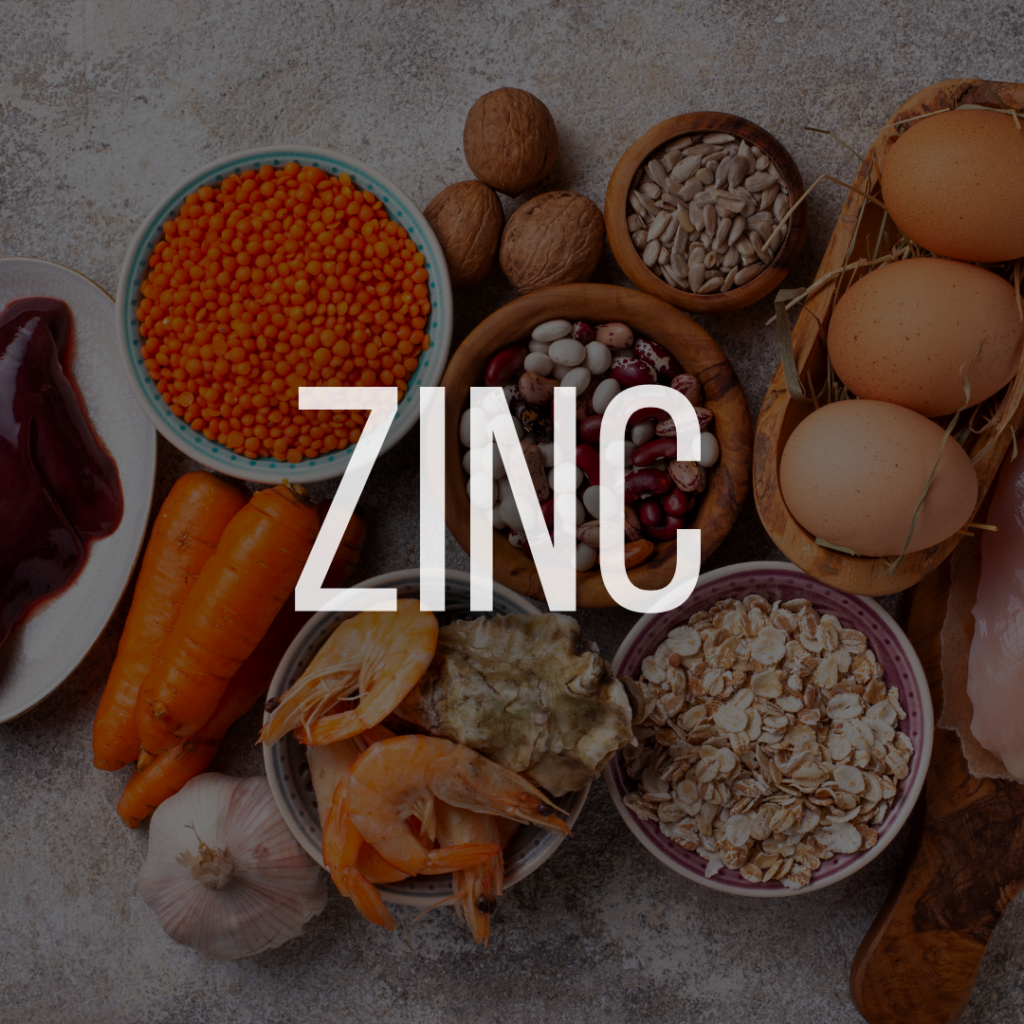
Zinc is an essential mineral involved in immune function, wound healing, DNA synthesis and normal reproductive health.
Low zinc intake or deficiency may affect general health and hormone-related processes. This does not mean that zinc supplements will increase libido in everyone.
Food sources include:
- Oysters
- Crab and other shellfish
- Beef
- Eggs
- Dairy products
- Pumpkin seeds
- Peanuts
- Beans
Zinc is an essential mineral involved in immune function, protein synthesis, wound healing, cell signaling and reproductive health.
Zinc deficiency can affect multiple body systems, including reproductive function. However, taking extra zinc does not automatically increase testosterone or libido when zinc status is already adequate.
Food-first sources include oysters, seafood, beef, eggs, dairy, nuts and seeds. For broader nutrition guidance, read how micronutrients support overall health.
Vitamin D and Sexual Health
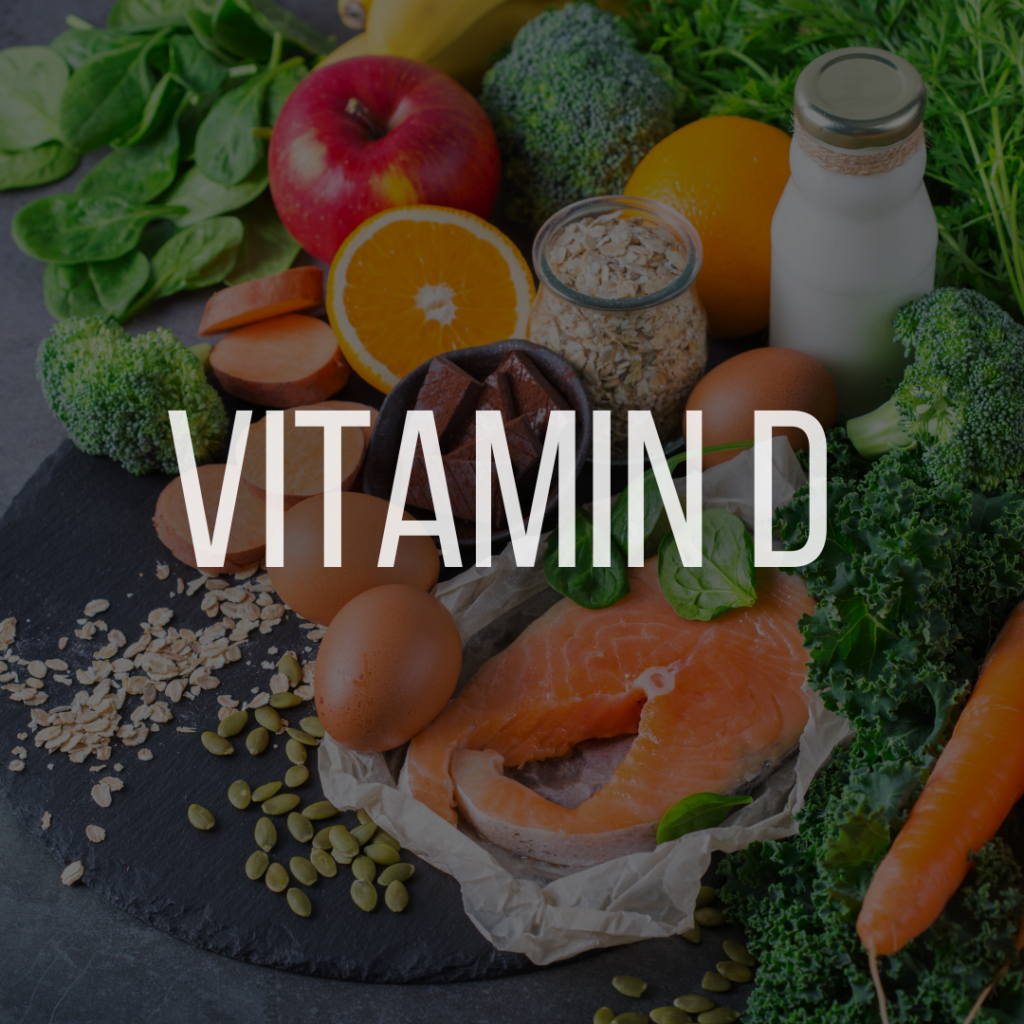
Vitamin D is important for calcium absorption, bone health and normal muscle function. Low vitamin D status may occur for many reasons, but vitamin D should not be presented as a direct libido or testosterone treatment.
Food sources include:
- Fatty fish
- Fortified milk or plant-based alternatives
- Egg yolks
- Fortified foods
If deficiency is suspected, a provider can determine whether testing or supplementation is appropriate.
For evidence-based information about vitamin D, food sources and supplementation, review the NIH Office of Dietary Supplements vitamin D guide.
Omega-3 Fatty Acids and Circulation
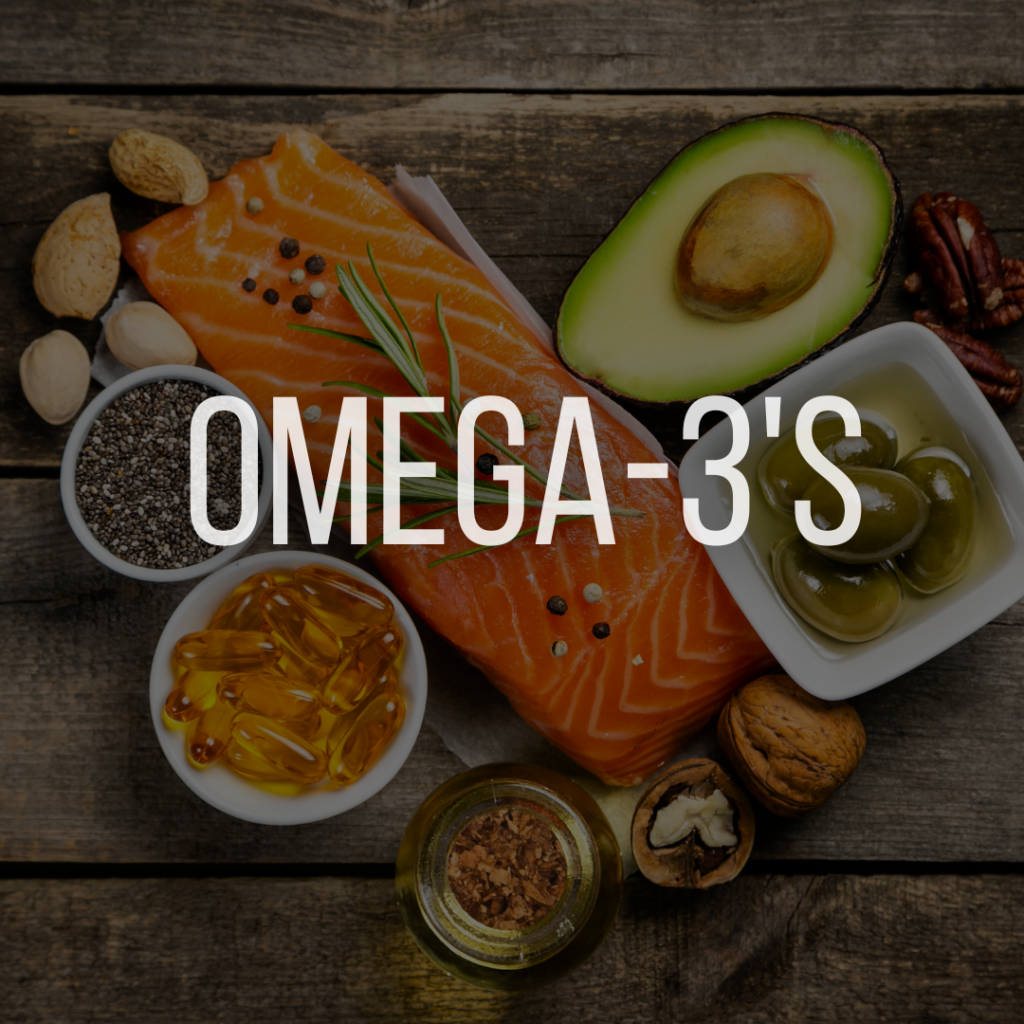
Omega-3 fatty acids are essential fats that play important roles in cardiovascular health and normal cell function.
Healthy blood vessels and cardiovascular health are relevant to sexual health, especially erectile function, but omega-3 intake should not be presented as a proven standalone treatment for low libido.
Food sources include:
- Flaxseed
- Salmon
- Sardines
- Mackerel
- Herring
- Walnuts
- Chia seeds
Common Causes of Low Libido
Low libido is not always about attraction or mood. Your sex drive depends on hormones, blood flow, nervous system health, sleep, stress, nutrition, and overall wellness.
| Possible Cause | How It May Affect Libido | What to Review |
|---|---|---|
| Stress and poor sleep | May reduce energy, interest, arousal and relationship connection | Sleep quality, stress level, workload and mental health |
| Medication side effects | Some antidepressants, blood-pressure medications and other prescriptions may affect desire or performance | Medication list with the prescribing provider before making changes |
| Low testosterone | May occur with reduced desire, energy, strength or sexual function | Symptoms and properly timed laboratory testing |
| Menopause or perimenopause | May affect desire, vaginal comfort, sleep, mood and energy | Symptom history, life stage and treatment options |
| Pain or sexual discomfort | Pain may reduce desire and make sexual activity difficult | Pelvic, urinary, vaginal or other medical causes |
| Mental health and relationship factors | Depression, anxiety, conflict or reduced emotional connection may affect desire | Mental-health and relationship support when appropriate |
| Circulation or chronic illness | Cardiovascular, metabolic or neurological conditions may affect arousal and sexual function | Blood pressure, blood sugar, cardiovascular health and medical history |
| Nutrient deficiency | May contribute to fatigue or broader health concerns | Dietary intake and laboratory testing when indicated |
When Low Libido May Be Hormone Related
Low libido may be related to hormone changes when it occurs alongside other compatible symptoms such as hot flashes, menstrual changes, vaginal dryness, erectile concerns or clinically suspected testosterone deficiency.
However, fatigue, mood changes, poor sleep, weight changes and low motivation are nonspecific and can have many non-hormonal causes.
Related concerns may include:
- Changes in sexual desire
- Erectile dysfunction
- Vaginal dryness or discomfort
- Hot flashes
- Menstrual changes
- Reduced morning erections
- Changes in energy or muscle mass
These symptoms do not prove that hormone therapy is needed.
A provider should review symptoms, medications, sleep, stress, thyroid health, mental health, relationship factors and relevant laboratory findings before recommending treatment. Men with symptoms and confirmed hormone concerns can review provider-guided TRT for men in Tucson. Women experiencing menopause-related changes can explore menopause therapy and symptom support.
When Supplements Are Unlikely to Fix Low Libido
Low libido is not always caused by a vitamin deficiency.
Supplements are unlikely to solve the underlying problem when reduced desire is primarily related to:
- Menopause-related symptoms
- Clinically significant testosterone deficiency
- Medication side effects
- Depression or anxiety
- Relationship stress
- Pain during sex
- Erectile dysfunction
- Sleep disorders
- Cardiovascular or metabolic disease
- Other underlying medical conditions
The most useful next step is identifying what is actually contributing to the change in sexual desire.
Lifestyle Habits That May Support Libido
Sexual health is influenced by more than one nutrient or hormone.
Helpful habits may include:
- Consistent sleep
- Regular physical activity
- Managing stress
- Limiting excess alcohol
- Avoiding tobacco
- Eating balanced meals
- Addressing relationship concerns
- Discussing pain or discomfort with a provider
- Reviewing medications that may affect sexual function
- Managing blood pressure, blood sugar and cardiovascular health
These habits may support general health, but persistent low libido should not be dismissed as a lifestyle problem alone.
Provider-Guided Support for Low Libido in Tucson
Tucson Wellness MD can review low libido alongside hormone symptoms, medications, sleep, stress, nutrition and medical history.
Depending on the patient’s symptoms and findings, evaluation may include discussion of:
- Testosterone testing
- Menopause or perimenopause care
- Thyroid or metabolic concerns
- Medication side effects
- Nutrient deficiencies
- Erectile or circulation concerns
- Vaginal dryness or discomfort
- Mental-health or relationship factors
Treatments such as TRT, menopause therapy or the P-Shot should only be considered when they fit the patient’s clinical needs and goals. Men with erectile or circulation concerns can also review P-Shot treatment information.
Find the Cause of Persistent Low Libido
Tucson Wellness MD can review your symptoms, health history, medications, hormone-related concerns and sexual wellness goals to help identify possible causes of low libido and discuss appropriate next steps.
Schedule a Hormone ConsultationFrequently Asked Questions About Low Libido
What are the most common causes of low libido?
Low libido can be related to hormone changes, menopause, low testosterone, medications, stress, poor sleep, depression, anxiety, relationship factors, pain, chronic medical conditions and other health concerns. The cause varies between individuals.
Can vitamin deficiencies cause low libido?
Nutritional deficiencies can affect overall health and may contribute indirectly to fatigue or other symptoms, but low libido should not automatically be attributed to a vitamin or mineral deficiency. Persistent changes in sexual desire deserve a broader evaluation.
Can low testosterone cause low libido?
Low testosterone may contribute to reduced sexual desire in appropriately evaluated patients. Diagnosis should consider symptoms together with appropriate laboratory testing rather than libido alone.
Can menopause cause low libido?
Yes. Hormonal changes during perimenopause and menopause may affect sexual desire, vaginal comfort, sleep, mood and arousal. Treatment depends on the specific symptoms and medical history.
Can stress and poor sleep lower sex drive?
Yes. Chronic stress and inadequate sleep can affect energy, mood, relationships and sexual desire. Improving sleep and stress management may help when these are contributing factors.
Can medications cause low libido?
Yes. Some prescription medications can affect sexual desire, arousal or performance. Do not stop medication on your own; review possible side effects and alternatives with the prescribing provider.
Do zinc, vitamin D or omega-3 supplements increase libido?
These nutrients support normal health, but supplementation does not reliably increase libido in everyone. Supplements are most appropriate when dietary intake is inadequate or a deficiency or specific clinical need has been identified.
When should I see a provider about low libido?
Consider medical evaluation when low libido is persistent, distressing, new or accompanied by symptoms such as erectile dysfunction, vaginal dryness, pain, menstrual changes, hot flashes, fatigue or other significant health changes.