When Hair Loss Is Autoimmune: Testing, Overlap With Thyroid, and Next Steps
Hair loss can happen for many reasons, including stress, low ferritin, thyroid imbalance, menopause, PCOS, medications, rapid weight loss, nutrient deficiencies, and genetics. But sometimes, hair loss is autoimmune.
Autoimmune hair loss happens when the immune system mistakenly targets the body’s own tissues. In alopecia areata, the immune system attacks hair follicles, leading to patchy or sometimes more widespread hair loss. This can appear as round bald patches, eyebrow or eyelash loss, beard patches, or diffuse shedding in less common cases.
Autoimmune hair loss can also overlap with thyroid disease. Some people with alopecia areata have a higher risk of autoimmune thyroid conditions such as Hashimoto’s disease or Graves’ disease. That does not mean every person with patchy hair loss has thyroid disease, but it does mean thyroid symptoms, family history, and blood testing may matter.
At Tucson Wellness MD, hair loss is evaluated through a whole-body lens that may include thyroid testing, autoimmune history, ferritin and nutrient review, hormone evaluation, peptide therapy discussion when appropriate, natural healing strategies, and longevity care.
Quick Answer
What testing helps when hair loss may be autoimmune?
When hair loss may be autoimmune, testing may include thyroid stimulating hormone TSH, Free T3, Free T4, thyroid peroxidase antibodies TPO, thyroglobulin antibodies TG, ferritin, iron studies, CBC, vitamin D, B12, zinc, and other labs based on symptoms. Alopecia areata is often diagnosed by scalp exam, but bloodwork may help check for thyroid disease, nutrient deficiencies, or related autoimmune issues. A dermatologist or medical provider can help confirm the type of hair loss and guide next steps.
Understanding the Overlap
Autoimmune hair loss and thyroid disease can overlap because both involve immune system activity. Alopecia areata is an autoimmune condition that targets hair follicles. Autoimmune thyroid disease targets thyroid tissue.
NIAMS explains that alopecia areata happens when the immune system attacks hair follicles, and people with some autoimmune diseases, including thyroid disease, are more likely to develop alopecia areata.
This does not mean one always causes the other. It means they can appear in the same person because of shared immune tendencies.
Shared Autoimmunity
Shared autoimmunity means one autoimmune condition may increase the likelihood of another. In alopecia areata, the immune system attacks hair follicles. In Hashimoto’s thyroiditis, the immune system attacks the thyroid gland. In Graves’ disease, immune activity overstimulates the thyroid.
MedlinePlus notes that people with alopecia areata have increased risk of other autoimmune disorders, including autoimmune thyroid diseases such as Hashimoto’s disease and Graves’ disease.
Possible autoimmune overlap may involve:
Alopecia areata
Hashimoto’s thyroiditis
Graves’ disease
Vitiligo
Atopic dermatitis
Psoriasis
Other autoimmune conditions
This is why a provider may ask about family history, thyroid symptoms, skin changes, fatigue, weight changes, and other immune-related symptoms.
The Hair Cycle
Autoimmune hair loss can interrupt the normal hair cycle. In alopecia areata, immune activity affects the follicle and causes hair to fall out, often in defined patches.
The hair cycle includes:
Anagen, the active growth phase
Catagen, the transition phase
Telogen, the resting phase
Exogen, the shedding phase
Autoimmune attack may disrupt the follicle’s ability to keep producing hair normally. The good news is that in alopecia areata, the follicle is often not permanently destroyed. This means regrowth may be possible, although the condition can be unpredictable.
Hair may regrow, shed again, or develop new patches. Super rude behavior from tiny follicles, honestly.
Pattern Differences
Pattern matters. Different types of hair loss look different, and that can guide testing and treatment.
Autoimmune alopecia areata often looks like:
Round or oval bald patches
Smooth skin where hair is missing
Eyebrow or eyelash loss
Beard patches
Exclamation point hairs
Nail pitting
Sudden patchy hair loss
Thyroid-related hair shedding often looks like:
Diffuse shedding
Dry or brittle hair
Texture changes
Thinning eyebrows in some cases
All-over thinning
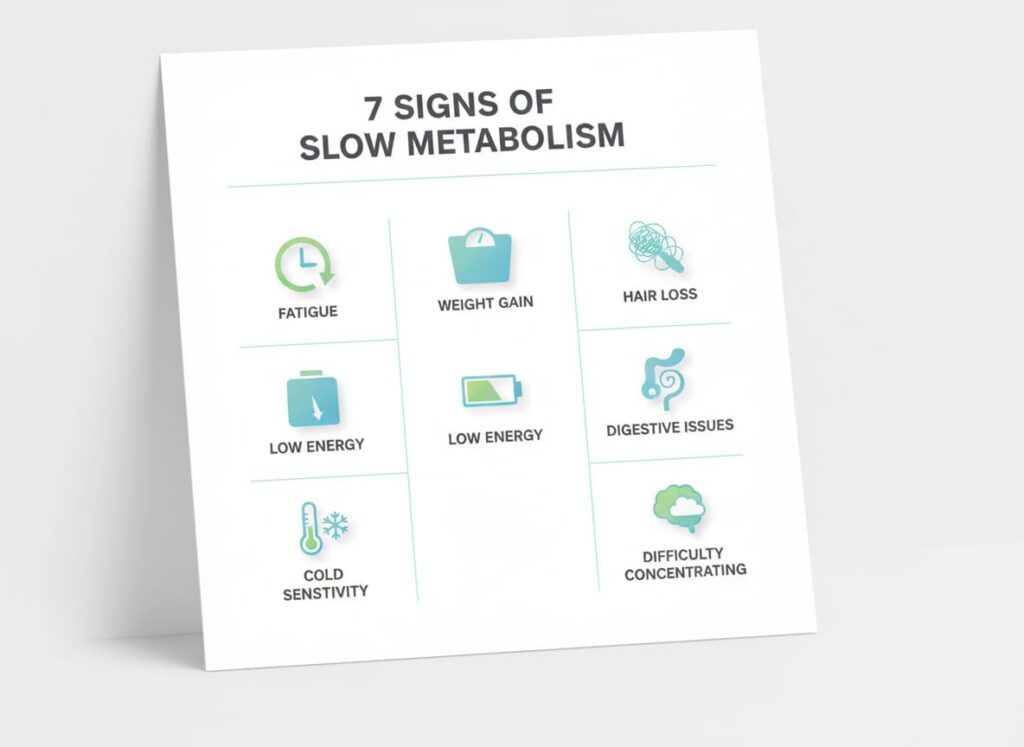
Hair shedding with fatigue, weight changes, cold intolerance, or heat intolerance
Female pattern hair loss often looks like:
Widening part line
Gradual crown thinning
More visible scalp on top
Thinner ponytail
Miniaturized finer strands
Stress-related telogen effluvium often looks like:
Sudden diffuse shedding
More hair in the shower
More hair in the brush
Trigger 2 to 4 months earlier
Temporary density loss
AAD notes that if the cause of hair loss could be disease, vitamin deficiency, hormone imbalance, or infection, blood testing or scalp biopsy may be needed.
Recommended Blood Testing
Blood testing should be personalized. Not every patient needs every lab, and alopecia areata can often be diagnosed by scalp exam. But if autoimmune overlap, thyroid disease, nutrient deficiency, or hormone imbalance is suspected, bloodwork may help.
Common labs to discuss may include:
TSH
Free T3
Free T4
TPO antibodies
TG antibodies
CBC
Ferritin
Serum iron
Total iron-binding capacity
Transferrin saturation
Vitamin D
B12
Folate
Zinc when appropriate
Inflammation markers when appropriate
Hormone testing when symptoms fit
Medication and supplement review
AAD notes that people with alopecia areata may need blood tests to look for thyroid disease and healthy iron or vitamin levels.
Thyroid Stimulating Hormone TSH
TSH stands for thyroid stimulating hormone. It is often used as the first screening test for thyroid function. TSH is made by the pituitary gland and tells the thyroid how hard to work.
TSH may help identify:
Hypothyroidism
Hyperthyroidism
Subclinical thyroid dysfunction
Need for further thyroid testing
Medication monitoring in thyroid patients
High TSH may suggest the thyroid is underactive. Low TSH may suggest the thyroid is overactive, although interpretation depends on Free T4, Free T3, symptoms, medication use, and medical history.
Free T3 and Free T4
Free T4 measures the unbound form of thyroxine, one of the main hormones made by the thyroid. Free T3 measures the unbound form of triiodothyronine, a more active thyroid hormone in body tissues.
The American Thyroid Association notes that Free T4, when checked with TSH, more accurately reflects thyroid gland function.
Free T3 and Free T4 may help provide context when:
TSH is abnormal
Symptoms do not match basic labs
Hyperthyroidism is suspected
Hypothyroidism is suspected
A patient is already on thyroid medication
Conversion concerns are being reviewed
Thyroid labs should be interpreted by a provider. One number alone rarely tells the whole story.
Thyroid Peroxidase Antibodies TPO and Thyroglobulin Antibodies TG
Thyroid antibodies help evaluate whether autoimmune thyroid disease may be present.
TPO antibodies and thyroglobulin antibodies are commonly associated with Hashimoto’s thyroiditis. The American Thyroid Association explains that Hashimoto’s involves antibodies, including TPO and/or thyroglobulin antibodies, that damage the thyroid gland.
Thyroid antibodies may be considered when:
There is family history of thyroid disease
TSH or Free T4 is abnormal
Symptoms suggest thyroid dysfunction
Autoimmune hair loss is present
Other autoimmune conditions are present
Hair shedding overlaps with fatigue, weight changes, or temperature intolerance
Important note: positive antibodies do not always mean thyroid medication is needed right away. ATA notes that if thyroid antibodies are high but thyroid function tests such as TSH and Free T4 are normal, thyroid hormone treatment is not required.
Important Note on Supplements
Supplements can interfere with blood tests. Biotin is the big one to mention because many hair, skin, and nails supplements contain high-dose biotin.
Biotin can interfere with some lab tests, including thyroid tests, and may create misleading results. If you take biotin, a multivitamin, prenatal vitamin, collagen blend, or hair supplement, tell your provider before testing.
Also avoid starting high-dose supplements before labs unless your provider recommends them. This includes:
Iron
Zinc
Vitamin D
Selenium
Vitamin A
Biotin
Thyroid support formulas
Too much of certain nutrients can cause side effects or even worsen hair issues. Hair supplement roulette is not the move. Cute label, chaotic consequences.
Practical Next Steps
If you suspect autoimmune hair loss, the next step is not guessing. The best approach is to identify the hair loss pattern, check for overlap conditions when appropriate, and treat the real driver.
Consult a Professional
A dermatologist or experienced medical provider can examine the scalp, hair pattern, and nails. Alopecia areata is often diagnosed through visual exam, but dermoscopy, blood tests, fungal testing, or biopsy may be used when the diagnosis is unclear.
See a professional if you notice:
Round bald patches
Sudden patchy hair loss
Eyebrow or eyelash loss
Beard patches
Nail pitting
Scalp burning or itching
Diffuse shedding lasting more than 2 to 3 months
Scalp redness, scaling, pain, or drainage
Hair loss with thyroid symptoms
Hair loss with fatigue, weight changes, or autoimmune history
NIAMS notes that doctors may order blood tests or a skin biopsy to determine whether another condition is causing hair loss.
Treat the Root Cause
Treatment depends on the diagnosis.
If alopecia areata is confirmed, treatment may include:
Watchful waiting for small stable patches
Corticosteroid injections or topical steroids
Topical immunotherapy
JAK inhibitors for severe cases under specialist care
Dermatology follow-up
If thyroid disease is contributing, treatment may include:
Thyroid medication when appropriate
Monitoring thyroid labs
Reviewing autoimmune antibodies
Endocrinology referral when needed
If stress-related shedding is contributing, treatment may include:
Sleep support
Stress reduction
Nutrition support
Treating the original trigger
Time for the hair cycle to recover
If multiple causes overlap, the plan may need to address more than one issue.
Check Nutrients
Nutrient issues can overlap with autoimmune or thyroid-related hair loss. Low ferritin, low vitamin D, low protein intake, low B12, and zinc deficiency may contribute to shedding or slow regrowth.
Labs to discuss may include:
Ferritin
Iron studies
CBC
Vitamin D
B12
Folate
Zinc when appropriate
Protein intake review
Diet history
Recent weight loss review
AAD notes that low iron and low protein can contribute to hair loss, and blood tests may help identify deficiencies.
Specific Symptoms to Track
Bring specific symptoms to your visit. The details help your provider decide what to test and what type of hair loss is most likely.
Track these:
When hair loss started
Whether it is patchy or diffuse
Whether patches are round or smooth
Whether brows, lashes, or beard are affected
Scalp itching, burning, pain, redness, or scaling
Nail pitting or nail texture changes
Fatigue
Weight gain or weight loss
Cold intolerance
Heat intolerance
Constipation or diarrhea
Heart palpitations
Anxiety or mood changes
Heavy periods
Irregular periods
Recent illness
Recent stress
Recent rapid weight loss
New medications or supplements
Family history of thyroid disease or autoimmune disease
Also bring recent blood test results if you have them. Do not just say “they were normal.” The actual numbers matter.
How Tucson Wellness MD Supports Autoimmune Hair Loss Concerns
Tucson Wellness MD helps patients evaluate hair loss through a whole-body approach. Autoimmune hair loss may require dermatology care, but thyroid function, nutrient status, hormones, stress, and general wellness can still influence the bigger picture.
Depending on your needs, care may include:
Hair loss pattern review
Autoimmune history review
Thyroid testing
TSH, Free T3, Free T4, TPO, and TG antibody review when appropriate
Ferritin and nutrient evaluation
Hormone evaluation
Stress and sleep support
Nutrition and protein guidance
Peptide therapy discussion when appropriate
Natural healing strategies
Longevity care planning
Dermatology referral guidance for autoimmune hair loss treatment
The goal is to avoid guessing and build a plan around the real cause.
Final Thoughts
Autoimmune hair loss can happen when the immune system mistakenly attacks hair follicles. Alopecia areata is one of the most common autoimmune hair loss conditions and may appear as round bald patches, eyebrow loss, beard patches, exclamation point hairs, or nail pitting.
Autoimmune hair loss can overlap with thyroid disease because both may involve immune system dysregulation. Testing may include TSH, Free T3, Free T4, TPO antibodies, TG antibodies, ferritin, iron studies, vitamin D, B12, zinc, and other labs depending on symptoms.
Supplements should be reviewed before testing because biotin and other products can affect lab interpretation. The smartest next step is to consult a professional, treat the root cause, check nutrients, and track specific symptoms.
At Tucson Wellness MD, patients receive support for autoimmune hair loss evaluation, thyroid testing, hormone health, peptide therapy when appropriate, natural healing, and longevity care so next steps are based on evidence, not guesswork.
Frequently Asked Questions About Autoimmune Hair Loss and Thyroid Testing
Can autoimmune thyroid disease cause hair loss?
Yes. Thyroid disease can contribute to hair shedding or texture changes, and autoimmune thyroid disease can overlap with autoimmune hair loss conditions such as alopecia areata.
What blood tests help with autoimmune hair loss?
Tests may include TSH, Free T3, Free T4, TPO antibodies, TG antibodies, CBC, ferritin, iron studies, vitamin D, B12, zinc, and other labs based on symptoms.
Is alopecia areata linked to thyroid problems?
Alopecia areata is associated with a higher risk of autoimmune thyroid disease in some people, but not everyone with alopecia areata has thyroid disease.
Should I stop supplements before thyroid blood tests?
Tell your provider about all supplements, especially biotin or hair, skin, and nails formulas. Biotin can interfere with some thyroid lab tests, and your provider may advise pausing it before bloodwork.
When should I see a doctor for possible autoimmune hair loss?
See a provider if you have round bald patches, sudden patchy hair loss, eyebrow or eyelash loss, nail pitting, scalp burning, or hair loss with thyroid symptoms, fatigue, weight changes, or autoimmune history.