Author: Monique Gutierrez

What is NAD+ and Why Does It Matter for Your Health?

At Tucson Wellness MD, we’re always looking for ways to help you feel your best: inside and out. NAD+ therapy is offered as part of our wellness services and may be considered following medical evaluation available as IV infusions, injections, or convenient patches.

But what exactly is NAD+, and how can it benefit you? Let’s break it down:

What is NAD+?

NAD+

NAD+, or nicotinamide adenine dinucleotide, is a vital molecule found in every cell of your body. It acts as a crucial coenzyme that fuels the essential functions of your mitochondria, the energy powerhouses of your cells.

NAD+ also plays a key role in communication between your cell’s nucleus and mitochondria, ensuring that the energy production and repair processes that keep you healthy run smoothly.

It’s crucial for:

  • Converting food into energy (ATP)
  • Repairing DNA damage
  • Supporting healthy brain function & mood
  • NAD+ plays a role in cellular processes related to metabolism and repair.
  • Improving metabolic health

As we age, our NAD+ levels naturally decline, which can leave you feeling fatigued, foggy, and less resilient. NAD+ levels naturally decline with age. Therapy may be discussed with a healthcare provider to determine if it is appropriate.

What are the benefits of NAD+ therapy?

Clients use NAD+ therapy for a variety of reasons, including:

  • Some individuals report changes in energy levels following treatment. Individual experiences vary.
  • Some individuals report subjective improvements in focus. Results vary.
  • Improved mood & stress resilience
  • NAD+ therapy is not approved as a treatment for addiction or substance use disorders. Individuals seeking treatment for addiction should consult a qualified medical professional.
  • NAD+ is being studied for its role in cellular metabolism. Clinical outcomes vary.
  • Some patients choose NAD+ therapy as part of a broader wellness plan. Individual results vary.

Some people notice immediate benefits, while others feel more subtle improvements over time as their body restores balance.

How do you offer NAD+ therapy?

At Tucson Wellness MD, we offer three convenient ways to boost your NAD+:

IV NAD+ Therapy:
–  IV administration delivers NAD+ directly into the bloodstream. Your provider can help determine whether this route is appropriate for you.
– Typically can take up to 3 hours in a comfortable, supervised setting
Ask us about our available IV dosages to find the right fit for you!

NAD+ Injections:
– Quick and easy, administered in just minutes
– Ideal for those who want the benefits of NAD+ but don’t have time for a full IV
– Can be used as a standalone boost or in addition to other therapies

NAD+ Patches:
– A great alternative if you prefer a more gradual, hands-free option
– Wear it on your skin. NAD+ is absorbed transdermally over several hours
– Convenient for busy lifestyles and for maintaining levels between IV sessions

Is NAD+ therapy safe?

NAD+

NAD+ is naturally occurring in the body. Therapy should only be administered under medical supervision after evaluation. Safety and suitability vary by individual.


Some people may feel mild side effects during an IV (like warmth, flushing, lightheadedness, or nausea), which we monitor closely and adjust as needed.

Common Questions About NAD+

Q: How often should I do NAD+ therapy?
A: It really depends on your goals! Many people begin with a series of sessions. For example, once a week for 4–8 weeks, and then transition to monthly or as-needed maintenance. The best approach is to discuss your goals with our medical team so we can create a plan tailored to you.

Q: Does it hurt?
A: The IV is just like a standard infusion. The injections are quick and minimally uncomfortable. The patches are completely painless.

Q: When will I feel results?
A: Individual responses vary. Some patients report changes shortly after treatment, while others notice gradual differences, while others notice gradual improvements over days or weeks.

Q: Can anyone use NAD+ therapy?
A: Most healthy adults can benefit, but it’s always best to consult with our team before starting especially if you have underlying medical conditions.

Ready to Feel Like Yourself Again?

Whether you’re looking to boost your energy, support recovery, or simply Explore whether NAD+ therapy is appropriate for your individual health goals through consultation. NAD+ therapy may be discussed with a healthcare provider to determine whether it aligns with your wellness goals.

Book your NAD+ IV session or pick up a convenient injections or a patch today.
Have questions? Contact us, we’re happy to guide you toward the best option for your goals.

Understanding Body Composition: Lean Body Mass vs Muscle Mass

What is Lean Body Fat?

Lean body fat refers to the amount of fat your body carries relative to lean body mass, which includes muscle, bone, organs, and water. Lower body fat and higher lean mass are commonly associated with differences in physical appearance and metabolic function.

When it comes to tracking your health and fitness progress, the number on the scale only tells part of the story. That’s why body composition is so important, it helps you understand what your body is actually made of, beyond just weight.

But terms like lean body mass and muscle mass often get mixed up. Let’s break down what they really mean, with some real-world examples of how they show up in everyday life.

What is body composition?

Body composition refers to the proportions of fat, muscle, bone, water, and other tissues in your body.

Think of it this way:
Two women both weigh 160 lbs and are the same height, but one has a much higher percentage of muscle and lower body fat. Even though the scale shows the same number, their bodies look and feel very different.

Body composition provides additional context about physical changes beyond scale weight.

What is Lean Muscle Mass?

Lean body mass (LBM) is everything in your body that isn’t fat.

Lean Body Mass (LBM) = Total Weight – Fat Mass

This includes:

  • Muscles
  • Bones
  • Organs
  • Body water
  • Connective tissue/Skin

The two biggest factors that influence lean body mass are body water and muscle mass. A sudden increase in lean body mass doesn’t always mean you’ve gained muscle, it could simply be fluctuations in body water.

Body composition

Imagine a man who starts a weight-loss program and drops 15 pounds. When he checks his body composition, he finds he lost 10 pounds of fat and 5 pounds of lean body mass. Some of that lean mass could be water, but some could also be muscle which isn’t ideal.

Muscle gains definitely contribute to LBM gains, but so does water, which can fluctuate throughout the day depending on hydration status, diet, and physical activity.

That’s why simply focusing on “weight loss” without paying attention to what kind of weight you’re losing can backfire.

What is Muscle Mass?

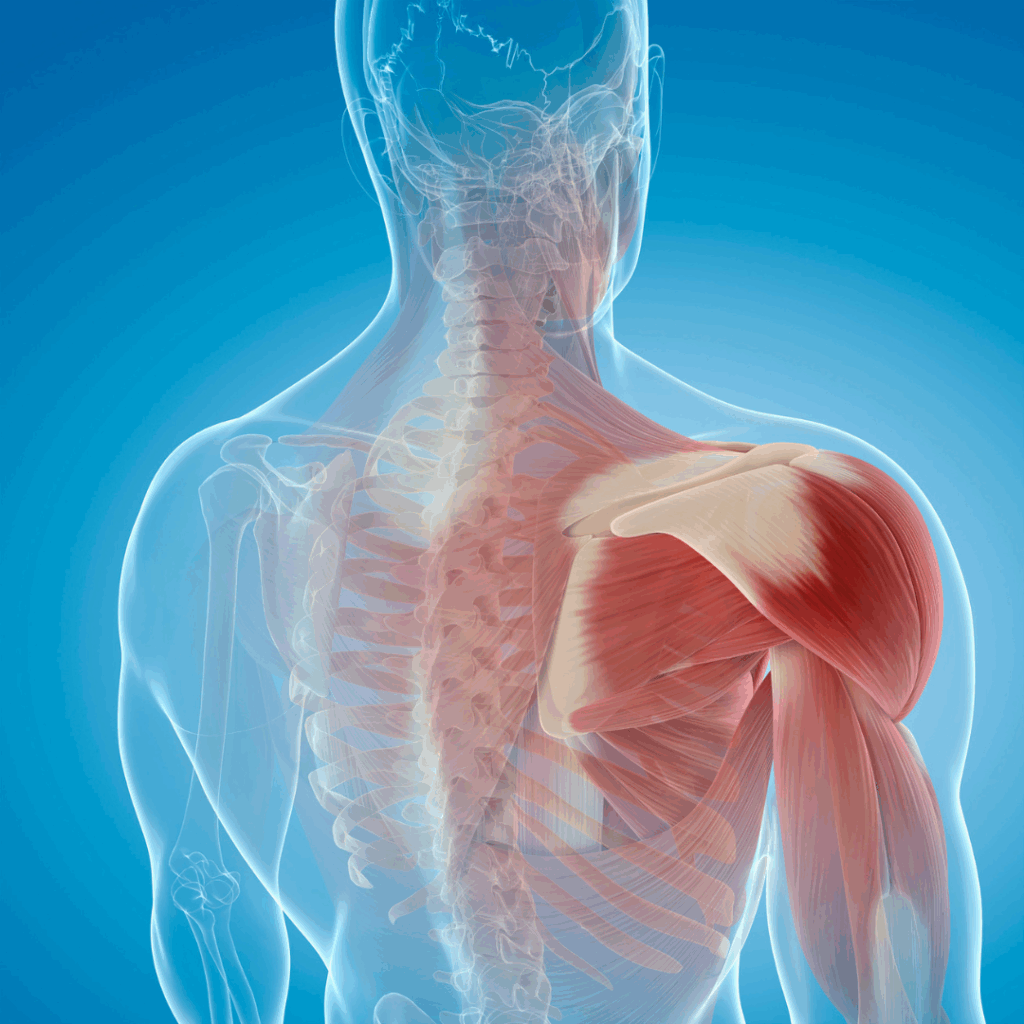
Muscle mass refers specifically to the weight of all the muscle tissue in your body, primarily your skeletal muscles, which help you move, lift, and support your metabolism. This is the type of muscle you can actively build through proper exercise and nutrition.

When people talk about “building muscle” with strength training and protein, they’re really referring to skeletal muscle mass or muscle mass.

Overall, muscle mass includes three types of muscle:

  • Skeletal Muscle: the voluntary muscle you can grow and strengthen through training and nutrition
  • Cardiac Muscle: the involuntary muscle of the heart
  • Smooth Muscle: the involuntary muscle found in organs and blood vessels
body composition

A woman starts strength training three times a week and eating more protein. Over 3 months, her scale weight stays the same but her body composition shows she gained 6 pounds of muscle and lost 6 pounds of fat.
Changes in muscle and fat distribution may influence physical appearance and perceived strength, even when scale weight remains stable.

Lean Body Mass vs Muscle Mass: Quick Comparison

FeatureLean Body Mass (LBM)Muscle Mass
DefinitionTotal body weight minus fat massTotal weight of all muscle tissue
IncludesMuscle, bone, organs, water, connective tissueSkeletal, cardiac, and smooth muscle
Influenced byHydration, muscle size, bone densityPrimarily resistance training and protein intake
Can fluctuate daily?Yes, due to water retentionNot significantly day to day
Directly trainable?PartiallyYes, skeletal muscle can be grown through exercise

Why the Difference Matters?

Knowing the difference between LBM and muscle mass helps you track progress more accurately and adjust your plan as needed.

  • If your lean body mass goes up slightly, it could just be from extra water (maybe from inflammation or a salty meal), not necessarily more muscle.
  • Increases in skeletal muscle mass may be associated with changes in strength and metabolic activity.
  • Rapid weight loss that includes muscle reduction may affect strength and overall body composition.

Increasing Muscle Mass

To support healthy body composition:

  • Focus on strength training at least 2–4 times a week
  • Eat enough protein (some trainers and nutritionists use different methods, its best to consume 0.7–1 gram per pound of lean muscle mass)
    • For a 168-lb person with LBM of 96-lbs would mean to eat 67-96 grams of protein/day
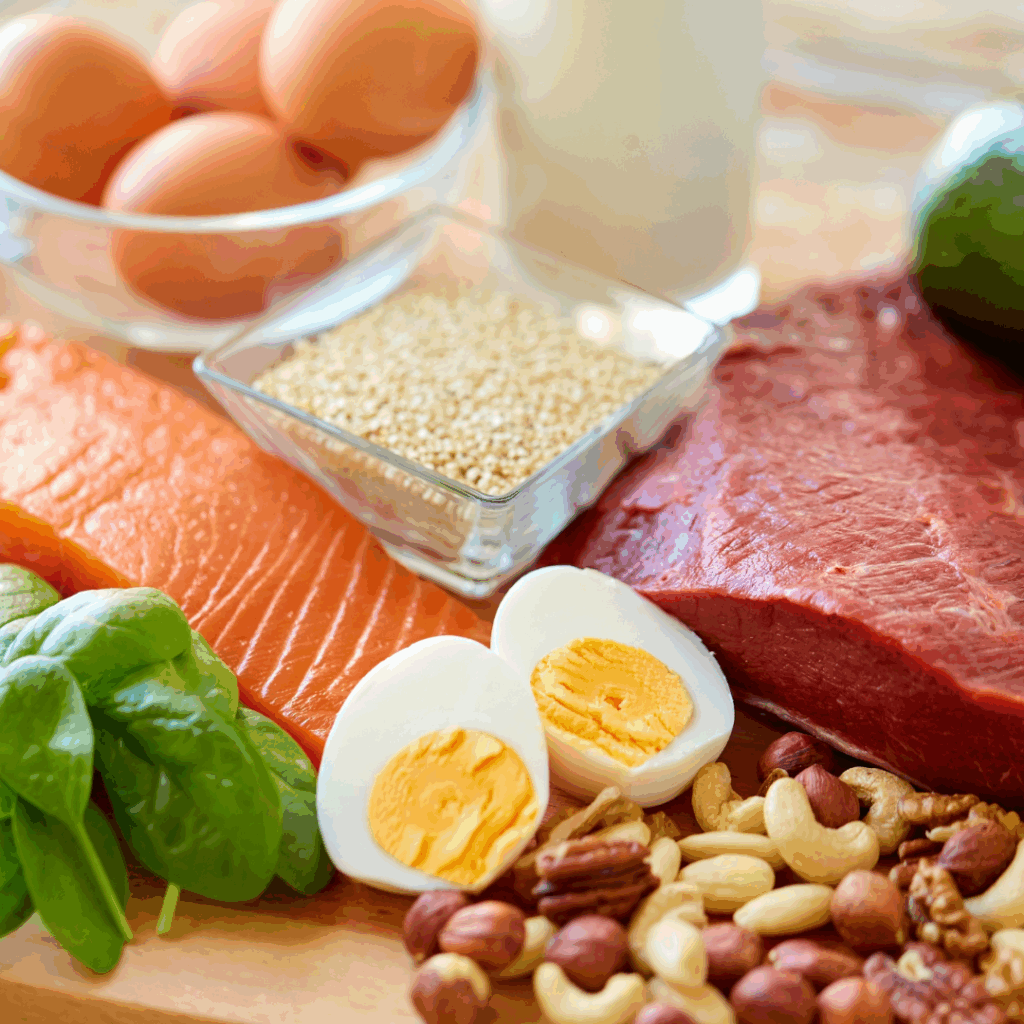
    • Include lean meats, eggs, dairy, and legumes
  • Avoid extreme calorie restriction, which can lead to muscle loss.
    •  Caloric intake should be individualized based on activity level and goals, ideally under professional guidance.
  • Stay hydrated. Hydration status can influence muscle function and performance.
  • Sleep 7–9 hours per night to allow muscle repair and growth.

Step On, Learn More: Quick & Insightful Body Composition Testing

body composition

Understanding your body composition and the difference between lean body mass and muscle mass helps you focus on the quality of your weight changes, not just the number on the scale.

Body composition analysis can provide insights beyond scale weight, helping guide informed health decisions.

At Tucson Wellness MD, we offer advanced body composition analysis with our InBody machine to help you truly understand what your weight is made of. The next time you visit, take just a few minutes to step on the machine and Gain additional information about body fat and muscle measurements to support your health discussions with a provider.

Frequently Asked Questions About Body Composition

What is body composition?
Body composition refers to the breakdown of your body into fat, muscle, bone, water, and other tissues. It gives a clearer picture of your health than weight alone.

What is lean body mass?
Lean body mass includes everything in your body except fat. This covers muscle, bones, organs, water, and connective tissue.

What is muscle mass?
Muscle mass refers specifically to the total weight of muscle tissue in your body. This includes skeletal muscle, which you build through training, along with cardiac and smooth muscle.

What is the difference between lean body mass and muscle mass?
Lean body mass includes all non-fat components, while muscle mass only refers to muscle tissue. Lean body mass can change due to water levels, but muscle mass does not fluctuate quickly.

The Ultimate Guide to Today’s Top Weight Loss Medications: Your Questions Answered

Over the past few years, prescription GLP-1–based medications have gained widespread attention for weight management. These medications work differently from traditional diet and exercise alone and may support weight management for individuals with obesity or weight-related conditions.

If you’re curious about how these medications compare, how they work, and whether one might be right for you, here are answers to the most common questions people ask.

How Semaglutide, Tirzepatide, and Retatrutide Work

All three belong to a class of medications that mimic hormones in your body to help regulate appetite, insulin, and blood sugar.

Semaglutide

Semaglutide is a GLP-1 receptor agonist. It mimics the hormone GLP-1, which helps you feel fuller longer, slows digestion, and improves insulin sensitivity.

Tirzepatide

Tirzepatide is a dual GIP and GLP-1 receptor agonist. This means it targets both GLP-1 and another hormone, GIP (glucose-dependent insulinotropic polypeptide), which may further enhance weight loss and blood sugar control compared to semaglutide.

Retatrutide

Retatrutide is currently in clinical trials and is being studied for potential metabolic effects. It’s a triple agonist targeting GLP-1, GIP, and glucagon receptors which is being evaluated for its potential impact on energy expenditure and weight management.

Why Protein and Strength Training Matter

While medications like semaglutide, tirzepatide, and retatrutide can help you lose significant weight by reducing your appetite and calorie intake, it’s important to understand that not all weight loss is equal.

Without the right nutrition and exercise, some of the weight you lose may come from muscle, not just fat and preserving your muscle is crucial for your health, strength, and metabolism.

Here’s why eating enough protein and including weight training in your routine matter:

Protect Muscle

These medications may influence appetite regulation and calorie intake, but when you’re in a calorie deficit, your body may break down muscle along with fat. Adequate protein intake and resistance training signal your body to hold onto muscle while burning fat.

Support Metabolism

Skeletal muscle tissue plays a role in overall metabolic activity. Losing too much muscle can slow your metabolism and make it harder to keep the weight off long term. Strength training helps maintain or even build muscle as you lose weight.

Improve Strength and Function

Keeping your muscles strong ensures you can continue to move well, stay active, and reduce your risk of injury all of which are especially important as you lose weight.

Increase Satiety

Protein-rich meals help you feel fuller longer and support recovery after workouts, which is important since these medications may already reduce your appetite and make it harder to get enough nutrients.

By combining weight loss medication with a solid nutrition and exercise plan, you’re not just losing weight, you’re building a stronger, healthier, and more resilient body.

Common Side Effects

Like any medication, these have side effects, most often gastrointestinal, such as:

  • Nausea
  • Vomiting
  • Diarrhea or constipation
  • Reduced appetite

Side effects tend to be dose-dependent, often lessen as your body adjusts, and vary by person.

How Long Do You Need To Take the Medication

Continued use is typically required to maintain results, and discontinuation may lead to weight regain in some individuals. That’s why they’re usually prescribed alongside lifestyle changes like improved nutrition, physical activity, and behavior therapy for long-term success.

Which Medication Is Right for You

There’s no one-size-fits-all answer. Factors to consider include:

  • Your medical history
  • Weight loss goals
  • How well you tolerate each medication

Discuss your options with your healthcare provider, they can guide you toward the best fit based on your unique situation. Remember, what works well for your friend may not be the right choice for you and that’s perfectly okay!

Our Commitment to Lab Grade Medications

At Tucson Wellness MD we prioritize your safety and effectiveness above all else. That’s why we use only lab-grade weight loss medications sourced directly from trusted manufacturers.

We do not use compounded medications or products from compounding pharmacies. Compounded medications are customized formulations prepared by licensed pharmacies. Availability and regulatory oversight may vary depending on product and jurisdiction.

We source medications through regulated manufacturers to support consistent dosing and established quality standards.

Your health and results matter to us. This commitment helps us provide you with the best care possible on your weight loss journey.

Begin Your Weight Loss Journey With Tucson Wellness MD

GLP-1–based medications are being used in the medical management of obesity and related metabolic conditions under physician supervision. While they’re not magic bullets, they can provide significant support alongside lifestyle changes.

If you’re interested in learning more about these options or finding out which is right for you, schedule a consultation with a qualified provider who can help you weigh the benefits, risks, and costs.

Peptides 101: Your New Wellness Secret Weapon

Peptides are increasingly being discussed in functional and regenerative wellness as potential therapeutic tools. Whether you’re focused on longevity, metabolism, recovery, or hormone balance, understanding peptides may help you make more informed decisions about your health.

Let’s break it down.

What Are Peptides?

Over time, our natural peptide production declines (just like collagen or hormones), and this decline contributes to aging, slower recovery, reduced metabolism, and other unwanted symptoms.

Peptides are short chains of amino acids, the building blocks of proteins, naturally found in the body. Think of them as messengers: they send specific signals to cells to turn on or off key biological processes.

Peptide therapy introduces targeted signaling molecules designed to support specific biological functions under medical supervision. Peptides aren’t a magic pill but they are a powerful signal. They are designed to support natural cellular communication involved in healing and repair processes. When used as part of a personalized protocol, they may support healthy aging, performance, and overall wellness.

peptides

Many peptides are considered well tolerated when prescribed and monitored by a qualified healthcare professional. Some peptides are structurally similar to naturally occurring compounds, and side effects vary depending on the specific peptide and individual health factors.

Who Are Peptides For?

Peptide therapy is not just for athletes or biohackers, it’s for anyone looking to:

  • Support healthy weight loss and body composition
  • Balance hormones naturally
  • Boost energy, focus, and cognition
  • Improve sleep quality
  • Enhance recovery, joint health, or injury healing
  • Strengthen immune response
  • Support healthy aging processes and overall vitality.

From busy professionals to high-performing moms to those navigating hormone shifts, peptides offer personalized tools for deep health support.

How Peptides Work in the Body

Different peptides work in different systems. A few examples:

BPC-157

Supports tissue repair in the gut, joints, and muscles

Tesamorelin and Ipamorelin are being used in medical settings to support body composition, recovery, and growth hormone–related pathways under supervision.

Semaglutide (GLP-1 peptide)

Regulates appetite and blood sugar for metabolic balance

TB-500 is being studied for its potential role in tissue support and recovery processes.

Peptides are typically delivered via subcutaneous injections, oral capsules, or topical creams depending on the goal and formula.

Why Peptides Matter

In functional medicine, we’re always asking why symptoms are showing up and how to activate the body’s innate healing.

Peptides fit this model beautifully. They:

  • Designed to interact with natural biological pathways.
  • Provide targeted biological signaling under appropriate medical supervision.
  • May support biological pathways related to inflammation, metabolism, tissue repair, and immune function.
  • Allow for individualized treatment planning based on patient goals and lab findings.

Peptides are used as part of broader treatment strategies focused on functional support.

Ready To Strengthen Your Wellness Plan

If you’ve hit a plateau with your energy, weight, or recovery… or you’re just ready to take your health optimization to the next level, you may consider discussing peptide therapy with a qualified provider.

Working with a trained practitioner (like at Tucson Wellness MD) ensures you’re choosing the right peptides, dosed properly, with lab monitoring and lifestyle support to get the most from your protocol. Don’t forget, here at Tucson Wellness MD, we provide peptide therapy options based on individual evaluation and clinical appropriateness. Which one are you most interested in exploring?

peptides

Why You’re Always Hungry or Tired: The Gut-Brain-Hormone Fix for Cravings and Energy Dips

Why You Feel Hungry Even After Eating

Ever wonder why you feel hungry even when you just ate or why certain foods seem to call your name? Or perhaps you are “Always tired, always hungry – but not sure why?”

It’s not just about willpower. Your gut and brain are in constant conversation, using hormones and nerves to regulate hunger, fullness, and digestion.

The Gut-Brain Connection and Appetite

The gut-brain axis is the communication highway between your gut and your brain. This system works in both directions, meaning your brain can affect how your gut functions and your gut can send signals back to your brain that influence things like mood, mental clarity, and even brain health as you age. This connection is made possible through several systems working together, including the nervous system, hormones, immune responses, and the gut microbiome, the community of bacteria and microbes living in your digestive tract.

When the gut microbiome is out of balance, it can contribute to a wide range of issues from mood disorders like anxiety and depression, to digestive problems such as bloating, IBS, and inflammation, as well as immune system dysfunction. One major way it affects mood is by influencing the production of serotonin, a neurotransmitter that helps regulate mood, sleep, and appetite. Gut bacteria help synthesize tryptophan, the amino acid that serves as a building block for serotonin, and can directly affect how much serotonin is available to the brain.

This same gut-brain (and hormone) network also plays a major role in regulating hunger and fullness. Feeling hungry or satisfied isn’t just about how much food is in your stomach it’s the result of a finely tuned conversation between your digestive system, your brain, and the hormones that help keep your appetite and energy in balance.

Two key major hormones play a big role in your appetite:

  • Ghrelin, known as the “hunger hormone,” is produced by the gut, and signals your brain when it’s time to eat.
  • Leptin, often called the “fullness hormone,” is produced by fat tissue and tells your brain when you’ve had enough.
    • Other hormones, like PYY and GLP-1, also help promote satiety by slowing digestion and signaling that you’re full.

These hormones send messages to a part of the brain called the hypothalamus, which helps regulate your appetite and energy levels. When everything is working well, this system keeps your hunger, fullness, and energy in balance.

Here’s how it works:

  • Ghrelin levels go up before meals, telling your brain you’re hungry.
  • After you eat, ghrelin drops and leptin rises, signaling fullness.
  • This back-and-forth helps your body maintain steady energy (what we call energy homeostasis).

What Happens When Hunger and Fullness Hormones Get Disrupted

When the balance between your hunger and fullness hormones ghrelin and leptin is disrupted, your body can start sending mixed signals about when to eat and when to stop. Factors like chronic stress, poor sleep, inflammation, gut imbalances (dysbiosis), and irregular eating patterns can all interfere with how these hormones communicate with your brain. As a result, you may experience constant cravings, overeating, or never feel truly satisfied after meals.

Over time, your body can also become less sensitive to these signals, a state known as hormone resistance. This makes it even harder to regulate appetite and energy, and can contribute to both excessive eating and, in some cases, loss of appetite, as seen in conditions like anorexia.

Bottom line:

  • The gut-brain axis involves the gut microbe, brain (nervous system), and hormones.
  • A lifestyle with stress, poor sleep irregular eating patterns, and gut microbiome imbalances (known as dysbiosis) affect these hormones which leads to appetite and mood fluctuations.

Cortisol, Stress & Energy Crashes

What is Cortisol

Cortisol, often referred to as the “stress hormone,” is produced in the adrenal cortex and regulated by the hypothalamic-pituitary-adrenal (HPA) axis, a system that links your brain and adrenal glands. It follows a natural circadian rhythm, peaking in the morning to help you wake up and gradually declining throughout the day to support rest and recovery.

Cortisol plays several essential roles in the body, including:

  • Helps your body respond to stress
  • Keeps your blood sugar levels stable
  • Supports your immune system and helps control inflammation

However, when cortisol levels stay elevated due to chronic stress whether it’s from poor sleep, overworking, blood sugar imbalances, or emotional strain it can disrupt your body’s natural rhythm.
Stress can come from many places: a toxic relationship, financial pressure, a demanding job, or the emotional toll of loss or trauma. No matter the source, your body responds the same way by raising cortisol levels and keeping you locked in a stress response.

This disruption affects blood sugar balance, the gut microbiome, and insulin sensitivity, often leading to stronger cravings for high-sugar or high-fat foods, while also draining your mood, energy, and metabolism over time and leading to fat accumulation.

The good news? You can help rebalance cortisol by building in daily stress-relief habits like consistent sleep, balanced meals, deep breathing, walking outdoors, and even just taking intentional breaks throughout your day.

How Cortisol Affects Appetite and Cravings

Cortisol doesn’t just make you feel stressed it also impacts your appetite and how your brain responds to food. When you’re stressed, cortisol triggers the breakdown of fats and carbohydrates to release energy. This surge in energy creates a craving for quick fuel, often leading to a desire for sugary or high-fat foods.

As we discussed earlier, the two main appetite hormones are ghrelin and leptin.

  • Ghrelin increases: When cortisol levels stay high, it can raise ghrelin levels too. This makes you feel hungrier and more likely to crave food especially sugary, salty, or high-fat options.
  • Leptin resistance: Chronic stress can make your brain less responsive to leptin, the hormone that signals fullness. This means you may keep eating even when your body has had enough.
  • Cravings and reward-seeking: High cortisol affects the parts of your brain that control reward and pleasure. When you’re stressed, these areas can become less active especially in people who turn to food for comfort (often as sugary or high-fat foods) to help the brain feel better. This is especially strong in people with long-term stress or insulin resistance, where cortisol and insulin together make weight gain more likely.

The stress-hunger-fatigue loop

You wake up already feeling tired, grab Starbucks coffee and something sweet just to get going, skip meals or eat on the go, then crash mid-afternoon and reach for more snacks or another Starbucks coffee. By evening, you’re wired but exhausted, overeat at dinner or snack late, and struggle to sleep starting the same cycle all over again the next day.

The stress–hunger–fatigue loop is a cycle where chronic stress (which we know can be caused from various reasons) throws off your hormones, messes with your appetite signals, and drains your energy. This leads to cravings, overeating, and constant fatigue which only adds more stress and keeps the cycle going.

We’ve seen how elevated cortisol can throw off key appetite hormones like ghrelin and leptin but it doesn’t stop there. Chronic cortisol exposure also interferes with insulin function, making it harder for your body to balance blood sugar. This can lead to more fat storage (especially around the belly) and frequent blood sugar swings that intensify hunger, cravings, and energy crashes.

Stress doesn’t just affect your appetite and mood it also drains your energy. Here’s how:

  • Metabolic Strain: Chronic stress raises cortisol, which increases your body’s energy demands and uses up important nutrients like B vitamins and magnesium both essential for steady energy.
  • Sleep Disruption: Stress leads to restless, poor-quality sleep, leaving you tired during the day. And since poor sleep raises cortisol, it becomes a vicious cycle of fatigue and stress.
  • Post-Meal Energy Crashes: Craving high-sugar or high-fat foods for quick energy? They spike your blood sugar fast but then cause a crash that leaves you even more tired and craving more food.

Signs Your Cortisol Rhythm Is Off

Cortisol follows a diurnal circadian rhythm, meaning its levels naturally rise and fall over a 24-hour period. It’s typically highest in the morning to help you wake up and get going, then slowly declines throughout the day, reaching its lowest point at night to support rest and recovery. Here are signs your cortisol rhythm may be off:

  • Fatigue and Low Energy
    Persistent tiredness, feeling unrefreshed even after sleep
  • Sleep Disturbances
    Trouble falling asleep, waking too early, or poor-quality sleep
  • Mood and Cognitive Changes
    Increased anxiety or depression, brain fog, poor memory, or feeling overwhelmed
  • Weight and Metabolic Shifts
    Unexplained weight gain (especially around the belly or face), muscle loss, and appetite changes
  • Disrupted Cortisol Pattern
    High cortisol at night, low in the morning, or an overall “flat” rhythm
  • Weakened Immunity & Inflammation
    More frequent illness, slow recovery, and signs of chronic inflammation

The Blood Sugar Roller Coaster

Remember, balanced blood sugar is key to avoiding energy crashes, constant cravings, and mood swings.

When we eat carbohydrates, our body breaks them down into glucose, a form of sugar that fuels energy production especially in the brain, which relies heavily on glucose. But in order for glucose to actually enter our cells and be used for energy (ATP), we need insulin, a hormone that helps transport glucose from the bloodstream into the cells.

The problem? Most people’s dietary lifestyles are loaded with refined carbs and added sugars like white bread, pasta, white rice, potatoes, pastries, and sugary drinks. These foods digest quickly, spike blood sugar, and have a high glycemic load.

Even more concerning is that many processed foods contain high fructose corn syrup (HFCS) a highly processed form of sugar. Unlike natural glucose, HFCS bypasses the need for insulin to enter cells, which means your body doesn’t send proper signals to appetite-regulating hormones like leptin. That makes it easier to overeat without feeling full.

And instead of being used for energy, excess fructose from HFCS is often converted into cholesterol and triglycerides, which can contribute to fatty liver, inflammation, and metabolic dysfunction.

Sugar wears many disguises and when eaten too often, it sets off a vicious cycle of cravings, energy crashes, binge eating, and fat storage. Over time, frequent sugar spikes push your body to produce more and more insulin. Eventually, your cells stop responding properly, leading to insulin resistance. Insulin resistance doesn’t just affect blood sugar, it also ramps up hunger, inflammation, oxidative stress, and even mitochondrial damage (which limits your ability to produce energy).

But it doesn’t stop there. A diet high in sugar and refined carbs can:

  • Promote weight gain, especially around the belly (visceral fat)
  • Raise cortisol, your stress hormone
  • Increase inflammation throughout the body
  • Lower growth hormone and thyroid hormone levels, both key for metabolism and repair
  • Disrupt sex hormone balance increasing estrogen in men and testosterone in women

This hormonal chaos doesn’t just affect your waistline it impacts your energy, mood, and long-term health.

Why Balanced Meals Matter for Appetite and Energy

When meals aren’t balanced, it can set off a cycle of blood sugar spikes, crashes, and cravings all of which disrupt your energy, mood, and hormones. Here’s how it works:

  • Spike: Eating meals high in refined carbs or sugar (like white bread, pastries, or soda) without enough protein, fiber, or healthy fats causes blood sugar to rise quickly. Your body responds by releasing a surge of insulin to bring sugar into your cells.
  • Crash: That big insulin spike can drop your blood sugar too low a state called reactive hypoglycemia. This can leave you feeling tired, cranky, shaky, or unable to focus.
  • Cravings: When your blood sugar crashes, your brain sees it as an energy emergency. You start craving quick sugar fixes (like more sweets or carbs) to bring levels back up starting the cycle all over again.
  • Hormonal Disruption: These ups and downs also mess with other hormones like cortisol, your stress hormone. Irregular cortisol patterns (like being high at night or low in the morning) are linked to more cravings, poor sleep, and worse blood sugar control especially when stress is ongoing.

To avoid this cycle, aim for foods with a low glycemic index/load these don’t cause sharp blood sugar spikes (like refined carbs and sugary drinks) and help you stay energized, satisfied, and focused throughout the day.

Functional Nutrition Fixes

As a functional nutritionist, I see this all the time with my clients low energy, mood swings, constant cravings, and never truly feeling full. The good news? You can start turning things around today. Here are simple, at-home steps to support your gut health and balance blood sugar, which play a key role in balancing cravings, lifting your mood, and boosting sustainable energy naturally.

  • Prioritize carbs with protein and healthy fats at breakfast to reduce spikes
  • Balance every meal (protein + fat + fiber + slow carbs) and don’t skip meals – it increases cortisol and makes crashes worse
  • Support your gut (fermented foods, prebiotic fiber, probiotics)
  • Hydrate + manage caffeine to avoid adrenal overdrive
  • Use lifestyle tools: stress reduction, circadian alignment (light, meal timing)
  • Eat more carbs around movement, when your body is primed to use them. Pro tip: eat the majority of your carbs during the day rather than at night (before bed).

When to Dig Deeper With Functional Testing

Many people feel anxious around food. They want to eat, but also fear weight gain. This creates a cycle of stress eating, shame, and cravings.

The truth is, your body needs to feel safe to digest and burn food well. That means eating in a calm environment, enjoying your meals, and listening to your body not fighting it.

Loving your food and eating without fear might be the most underrated “metabolism booster” out there. Nourishment works best when it’s not paired with guilt.

I challenge you: try just one functional tip for the next 3–5 days whether it’s a blood-sugar-friendly breakfast, a mindful meal, or a gut-supportive habit—and notice how your energy, cravings, and mood begin to shift.

But if you’ve already cleaned up your habits and you’re still feeling stuck with low energy, constant cravings, or stubborn fatigue, it might be time for functional testing.

At Tucson Wellness MD, we offer two comprehensive Longevity Lab Panels to give you a deep look at your current health and every panel comes with a 1-hour review with one of our providers. We can also guide you toward more targeted testing, like GI maps, stool analysis, or even early cancer screenings, based on your needs. Schedule your lab appointment today!

STAY HEALTHY – STAY CONNECTED

Blood Sugar 101: What to Eat for Energy, Cravings & Focus

When people talk about “balancing blood sugar,” it can sound like something only diabetics need to worry about. But here’s the truth: if you’re dealing with low energy, brain fog, afternoon crashes, mood swings, or intense cravings, your blood sugar is likely involved.

As a functional nutritionist, I see it all the time: clients eating “healthy” but still struggling to feel focused, energized, and emotionally balanced throughout the day. Why? Because their glucose and insulin balance is off and that impacts everything from your metabolism to your mental clarity.

What Is Blood Sugar Balance

Blood sugar balance means keeping your blood glucose levels steady, not too high or too low. This balance is key for sustained energy and overall health.

  • Healthy fasting levels: 70–99 mg/dL
  • Post-meal (2-hour) levels: under 140mg/dL

Why Blood Sugar Balance is Important

Keeping your blood sugar levels steady is one of the most important things you can do for your overall health. Here’s why it matters:

  • It fuels your body and brain. Glucose is your body’s main source of energy especially for your brain. When levels are stable, you feel more energized, focused, and clear-headed.
  • It helps prevent chronic disease. Frequent spikes and crashes in blood sugar can, over time, contribute to serious health issues like heart disease, kidney damage, and nerve problems. Let’s not forget about insulin resistance as well.
  • It supports your mood and mental health. Since the brain needs glucose, blood sugar swings can affect how you feel mentally and emotionally. Stable levels are linked to better mood, less anxiety, and improved concentration.

Maintaining balanced blood sugar isn’t just about avoiding sugar, it’s about eating the right foods, at the right times, to keep your body and mind functioning at their best.

What Happens After You Eat

After you eat, your blood sugar (glucose) levels naturally rise. In response, your pancreas releases insulin, a hormone that helps move glucose into your cells to be used for energy. Any extra glucose gets stored in your liver as glycogen.

As your blood sugar starts to dip in the hours after eating, your liver steps in and releases some of its stored glucose to keep levels steady. This natural balance happens between meals and helps maintain your energy and focus throughout the day.

But when you eat more glucose than your body needs and your liver and muscle glycogen stores are full, your body converts the excess into fat (including visceral fat) for long-term energy storage.

When you go without food for over 18 hours (fasting), your body uses up the stored glucose in your liver for energy. Once those stores run low, your body begins breaking down fat from fat cells. These fats travel to the liver, where they’re converted into ketones, an alternative fuel source your body can use when glucose isn’t available. This metabolic shift is known as ketosis, where fat becomes the preferred fuel source, due to lack of glucose.

Remember, that mastering metabolism requires ATP, the body’s energy currency, which is produced from glucose and powers many vital functions. This includes active transport across cell membranes, muscle contraction, hormone and cell membrane synthesis, nerve signal transmission, cell growth and division, and other essential physiological processes.

Organs Involved in Balancing Blood Sugar

After you eat, your GI tract breaks down and absorbs nutrients mostly in the small intestine. From there, several organs work together to maintain glucose homeostasis, or stable blood sugar levels.

Pancreas

The pancreas plays a key role in blood sugar regulation. After a meal, it releases insulin to help lower blood glucose by moving sugar into your cells. When blood sugar is low like between meals or during fasting such as sleeping, it releases glucagon, which signals the liver to release stored glucose.

In type 2 diabetes, either the pancreas doesn’t make enough insulin, or the body becomes insulin resistant, meaning it doesn’t respond properly to insulin.

The function of the pancreas is also influenced by the nervous system, which helps regulate hormonal responses based on your body’s energy needs.

Liver

The liver (and muscles) stores glucose for later use as glycogen and, when needed, helps produce and release glucose through processes called gluconeogenesis and glycogenolysis. These functions are also regulated by the nervous system. If the liver is damaged or not functioning properly, maintaining healthy blood sugar levels becomes much more difficult.

Kidneys

The kidneys act as the body’s filtration system, removing waste from the blood and returning clean blood to circulation. They also help regulate fluid balance, blood pressure, and bone health, and produce hormones needed to make red blood cells. An often-overlooked role: kidneys help clear insulin from the bloodstream, playing a key role in blood sugar regulation.

During stress or fasting, the kidneys can even produce glucose from non-carbohydrate sources (a process called gluconeogenesis) and use glucose for their own energy needs. When the kidneys aren’t functioning properly, both their filtration ability and glucose metabolism can be impaired, leading to insulin resistance.

The Brain and Nervous System

The hypothalamus and brainstem are key parts of the brain (and nervous system) that help regulate your blood sugar and energy levels. They constantly monitor how much glucose is in your blood and send signals to your body, like when you’re hungry or full.

Inside the hypothalamus, certain areas respond to metabolic peptides such as insulin, leptin, and ghrelin, which play a key role in peptide therapy. These hormones come from your gut and fat tissue and tell your brain whether you need more energy (food) or if you’re satisfied. This system helps control your appetite and how your body uses energy.

But when these hormones get out of balance or when your body stops responding to them properly, like with leptin or ghrelin, you may feel overly hungry or not hungry at all. This can lead to problems like overeating, low energy, poor blood sugar control, and even mental health issues like anxiety or mood swings.

This communication between your gut and brain is known as the gut-brain axis. It depends on hormones, like leptin and ghrelin, which bind to receptors in your brain and nervous system to help control hunger, metabolism, and overall energy balance.

Bottom Line

Too much glucose too quickly or frequently? Too much glucose, especially too quickly or too often, can cause a spike, then a crash, leaving you tired, jittery, or anxious. Once glycogen stores are full, your body stores the excess glucose as fat for long-term energy.
Too little? Your energy drops, your cravings spike, and your brain feels like it’s in a fog.

This rollercoaster is what leads to:

  • Energy crashes after meals
  • Mood swings or irritability (aka “hangry”)
  • Sugar or carb cravings
  • Trouble focusing
  • Poor workout recovery or performance

Blood Sugar and the Brain: Why Focus & Mood Depend on Glucose Stability

Your brain is a high-energy organ that runs primarily on glucose. It needs about 120 grams of glucose per day just to function properly! When your blood sugar spikes and crashes, it doesn’t just affect your body, it affects your mood, memory, motivation, and focus too.

Keeping your blood sugar stable means more calm, steady energy and clearer thinking throughout the day.

And remember, when glucose runs low, like during long fasting or starvation, your body switches gears and starts making ketones, a backup fuel source that helps keep your brain and vital organs running strong.

What to Eat and When to Balance Blood Sugar

Your body’s ability to handle glucose changes throughout the day, following your circadian rhythm (your internal body clock). In the morning, your body is best at processing glucose, this is when your metabolism and insulin response are strongest. By the afternoon and evening, your ability to manage blood sugar (called glucose tolerance) starts to dip.

That’s because the pancreas, which releases insulin, works most efficiently earlier in the day. Later in the day, your fat cells become more sensitive to insulin, and your body shifts toward storing rather than using energy. This natural rhythm is why when you eat can be just as important as what you eat.

Here are practical tips to begin balancing your blood sugar.

Every meal should include:

  • Protein (like eggs, fish, chicken, legumes): slows glucose absorption
  • Healthy fats (avocado, nuts, olive oil): supports hormone balance and satiety
  • Fiber-rich carbs (leafy greens, berries, sweet potato): stabilize energy
  • Whole, unprocessed foods: reduce inflammation and insulin spikes

Timing Tips:

  • Eat within 90 minutes of waking to anchor blood sugar early
  • Don’t skip meals, it increases cortisol and makes crashes worse
  • Pair carbs with protein/fat to reduce spikes
  • Eat more carbs around movement, when your body is primed to use them. Pro tip: eat the majority of your carbs during the day rather than at night (before bed).

Functional Nutrition’s Goal: Blood Sugar Flexibility, Not Fear

This isn’t about cutting carbs or fearing food, it’s about eating in a way that supports your body’s natural energy rhythms. When your blood sugar stays steady, everything gets better: mood, cravings, focus, sleep, and even hormone balance.

Your body is designed to switch between using glucose and fat for energy, this is called metabolic flexibility, and it’s key for avoiding those energy crashes and keeping blood sugar stable.

Ready to Support your Metabolism and Feel More like Yourself?

Curious about your current health status? Ask us about our Longevity Lab Panels. At Tucson Wellness MD, we test, we don’t guess. Schedule your visit today! Don’t forget to follow along on Instagram this week for a full day of blood-sugar-balanced meals, smart snack swaps, carb timing strategies, and real-life tips to help you feel your best without restriction.

STAY HEALTHY – STAY CONNECTED

Mastering Metabolism: What It Really Means and How to Support It with Nutrition

When most people think of metabolism, they think about how quickly their body uses (or burns) calories. But metabolism is much more than that, it’s the entire process your body uses to turn food into the energy you need to stay alive and healthy.

Metabolism plays a central role in energy balance, body composition, and overall physiological function over time.

Your body processes the food you eat in a series of intricate steps:

  • Digestion breaks food down into smaller parts.
  • Oxidation prepares those parts to be used for energy, by creating Acetyl-Coenzyme A (Acetyl-CoA).
  • The Krebs cycle is where your body produces usable energy (ATP) required for daily cellular function

Many people believe metabolism is just about fast or slow calorie burning. In reality, it’s about how your body creates, manages, and uses the energy produced to keep you alive and thriving.

What Metabolism Really Is

Metabolism is the sum of all the chemical reactions happening inside your cells to keep you alive. It’s how your body turns food and drink (calories) into energy, and that energy powers everything, from breathing and blood circulation to maintaining your body temperature, even when you’re at complete rest.

In fact, your body uses energy even when you’re not moving at all. This basic energy use is called your Basal Metabolic Rate (BMR):  The amount of energy your body requires at complete rest to maintain essential functions. Essentially, the number of calories your body burns at rest to keep your organs and systems functioning, which includes breathing, maintaining blood circulation, brain function, cellular growth and repair, basic hormonal and neurological changes.

Your BMR is directly linked to how much lean muscle mass you have. The more muscle you carry, the higher your BMR, because muscle tissue requires more energy to maintain than fat tissue.

It’s important to remember:

  • BMR accounts for the calories you burn at complete rest.
  • Metabolism as a whole includes your BMR plus all the extra energy you burn through movement, exercise, chores, digestion, other activities, and the food you eat.

Metabolism isn’t just about energy, either. It’s crucial for overall health and well-being, directly impacting your energy levels, the building and repairing of tissues, digesting food, eliminating waste, and your body’s ability to function properly. Many factors can influence metabolism, including age, sex, body composition, and even certain medications which is why it can feel so different from one person to another.

The Two Core Processes of Metabolism

At its core, metabolism includes two key processes:

  • Catabolism: breaking down complex molecules into simpler ones (like breaking down food into carbon dioxide, water, and waste) to release energy.
    • Examples include breaking down carbohydrates, fats, and proteins from food to release energy, in the form of ATP, for cellular work. It also includes processes like breaking down glycogen to release glucose for energy, like in a flight-or-fight state.
  • Anabolism: building new, complex molecules (like proteins, DNA, and healthy fats) that your body needs to grow, repair, and thrive.
    • Examples include using amino acids from protein to build new muscle tissue after an intense workout. It also involves storing energy, like converting excess glucose into glycogen for later use. 

The energy your body releases when breaking things down (catabolism) is what it uses to build and repair (anabolism). Your body needs a constant flow of energy for essential work: moving your muscles, transporting nutrients (like calcium, potassium, and magnesium) across cell membranes, and creating all the complex structures your body runs on.

Bottom line:
Metabolism is the entire process of converting what you eat and drink (calories) into energy, then using that energy to power every function in your body.

The Real Drivers of Metabolism

Metabolism is deeply influenced by your hormones, inflammation levels, and nutrient status. Key hormones like thyroid hormone, insulin, cortisol, and your sex hormones act as messengers that regulate how your body uses and stores energy.  Hormonal imbalances may influence how efficiently the body regulates energy. Chronic, low-grade inflammation is another hidden disruptor that can quietly slow down metabolic processes and make it harder for your body to function efficiently. And underneath it all, your nutrient status plays a critical role. Vitamins, minerals, and phytonutrients aren’t just “extras”, they directly fuel and regulate the metabolic pathways that keep you energized, resilient, and thriving. When you think about metabolism, think bigger than just food: think hormones, inflammation, and nourishment at the cellular level.

The pancreas is a key player in keeping your blood sugar balanced. When your blood sugar rises, it releases insulin to bring it down by having the sugar enter the cells. When it drops, it releases glucagon into the blood to raise it. This careful balance, part of what’s called the Randle cycle, helps your body decide whether to use carbs or fats for energy. If pancreatic regulation becomes impaired, blood sugar control may be affected and should be evaluated by a healthcare provider.

The liver is just as important. It processes carbs, amino acids, and fats from your food, handles waste through the urea cycle, and supports energy by making glucose and storing it as glycogen. When liver function is compromised, energy regulation and metabolic processes may be impacted.

Bottom line: When these two metabolic powerhouses aren’t supported, your body’s ability to stay in balance can start to fail, often long before symptoms show up.

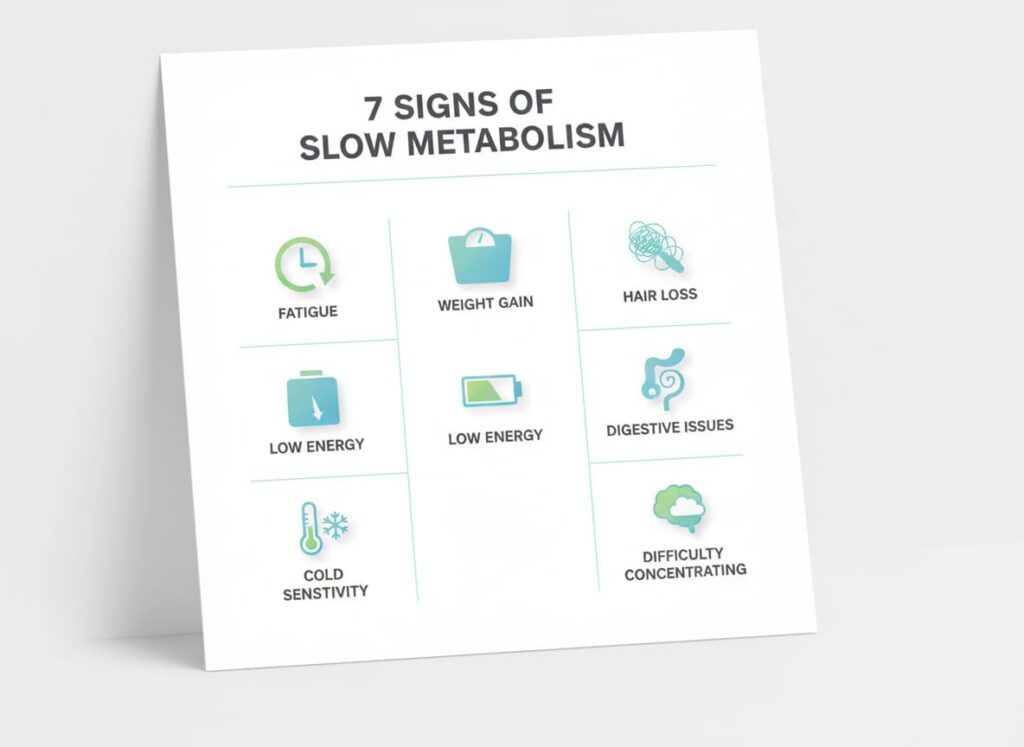
Signs Your Metabolism Needs Support

If your lifestyle includes too many calories, too little movement, and poor sleep, you’re setting the stage for metabolic trouble. It often starts with just one area falling out of balance and from there, it can trigger a cascade of bigger metabolic issues.

  • Abdominal Obesity: Carrying extra weight around your waist is a major red flag. Belly fat is strongly linked to metabolic problems and is one of the main signs of metabolic syndrome.
  • Insulin Resistance or Blood Sugar Issues: Trouble handling carbs, Elevated fasting glucose levels identified through laboratory testing may indicate the need for medical evaluation. Symptoms might include feeling thirsty all the time, needing to pee often, and constant fatigue.
  • Unhealthy Blood Fats (Dyslipidemia): High triglycerides, low “good” HDL cholesterol, and increased LDL particles are common in dyslipidemia. These usually don’t cause obvious symptoms but show up in blood work and signal deeper metabolic issues.
  • High Blood Pressure (Hypertension): Elevated blood pressure readings identified during routine medical visits may warrant further assessment.
  • Chronic Fatigue and Low Energy: If you’re always tired, even after a full night’s sleep, your body might be struggling to produce and use energy properly.
  • Weakness and Loss of Muscle: Losing strength or muscle mass, especially as you age, can slow your metabolism and make physical tasks feel harder.
  • Unexplained Weight Gain or Stubborn Weight: If you’re gaining weight without big changes in your eating or exercise habits, or if losing weight feels impossible, it could be a sign your metabolism isn’t working efficiently.
  •  Persistent inflammatory markers identified through lab testing may reflect underlying metabolic stress.
  • Other Possible Symptoms: Some people also notice they’re getting sick more often (weaker immune system), feeling cold frequently, or noticing shifts in where their body stores fat, especially as they get older.

How to Support a Healthy Metabolism With Nutrition and Lifestyle

metabolism

Supporting your metabolism starts with giving your body the right building blocks it needs to function at its best. In functional nutrition, the focus is on nourishing your cells, balancing your blood sugar, reducing inflammation, and optimizing digestion because a healthy metabolism depends on much more than just calories. Eating whole, nutrient-dense foods may contribute to stable energy levels and overall nutritional balance. Prioritizing enough protein helps maintain muscle mass, which keeps your metabolism strong, while getting enough sleep, managing stress, and staying active all work together to protect and enhance metabolic health. It’s not about short-term “hacks”, it’s about long-term, sustainable nourishment that helps your body thrive from the inside out.

How to Build a Faster Metabolism That Lasts

Most metabolism advice focuses on short-term fixes. Crash diets, extreme exercise programs, and detox plans may produce temporary results but they do not build a faster metabolism permanently. What does work is creating consistent conditions that signal your body to produce and use energy more efficiently over time.

Build and Protect Muscle Mass

Muscle tissue burns more energy at rest than fat tissue. The more lean muscle you carry, the higher your baseline calorie burn even when you are doing nothing. Resistance training is the most direct way to build and preserve muscle, and it becomes increasingly important as you age since muscle mass naturally declines over time.

Prioritize Protein at Every Meal

Protein has a higher thermic effect than carbohydrates or fat, meaning your body burns more calories simply digesting it. Beyond that, adequate protein intake supports muscle repair and growth, which reinforces the metabolic benefit of exercise.

Stabilize Your Blood Sugar

Blood sugar swings trigger hormonal responses that push your body toward fat storage and energy conservation. Eating balanced meals at regular intervals, combining quality proteins, healthy fats, fiber-rich carbohydrates, and colorful vegetables, helps keep glucose and insulin levels steady throughout the day.

Protect Your Sleep

Sleep is when your body repairs tissue, regulates hormones, and resets metabolic function. Chronic sleep deprivation disrupts cortisol, insulin, and hunger hormones in ways that directly slow metabolic efficiency. Consistently getting seven to eight hours is one of the highest-return habits for long-term metabolic health.

Manage Chronic Stress

Elevated cortisol over long periods promotes fat storage, particularly around the abdomen, and interferes with the hormonal signals that regulate energy use. Stress management is not optional when it comes to metabolism. It is a core part of the equation.

The Bottom Line

There is no shortcut to a permanently faster metabolism. But building muscle, eating enough protein, stabilizing blood sugar, sleeping well, and managing stress create the conditions where your metabolism functions at its best consistently, not just temporarily.

Habits to Start Supporting Your Metabolism Today

A balanced lifestyle comprising healthy eating habits, exercise, sleep cycle, and behavioral features is the utmost regulator of healthy body weight and robust metabolism.

Supporting your metabolism doesn’t require complicated diets or extreme routines. In fact, small, consistent habits can create powerful, lasting change. By starting simple today, you can give your metabolism the reset and support it’s been waiting for.

  • Aim for 8 hours of sleep each night – if you have trouble sleeping then If sleep challenges persist, consider discussing supportive strategies with a healthcare provider.
  • Aim for movement at least 30 mins a day to begin
  • Focus on creating balanced, nutrient-dense plates: think colorful veggies, quality proteins, healthy fats, and fiber-rich carbs at every meal.
  • Practice mindful eating by slowing down, savoring your food, and paying attention to your body’s hunger and fullness cues.
  • Meal timing also matters; eating regularly throughout the day can help stabilize blood sugar and energy levels.

Most importantly, choose habits you can sustain long-term, not quick fixes that leave you feeling depleted. A healthy metabolism is built through steady, supportive actions that fit into your real life, not through crash diets or overnight promises.

Metabolism Improves With Support, Not Restriction

A healthy metabolism does not respond well to extreme dieting or constant restriction. It improves when your body feels safe, nourished, and supported. Consistent meals, enough protein, quality sleep, stress control, and micronutrient balance signal your body to produce energy efficiently instead of conserving it. When you support metabolism instead of fighting it, Over time, supportive lifestyle habits may contribute to improved energy consistency and hormonal balance.

Metabolism Is the Foundation of Long Term Wellness

It’s time to reframe how we think about metabolism. Metabolism isn’t just a tool for weight loss or a number to “hack”, it’s a reflection of your whole-body wellness. It powers everything from your energy levels to your hormone balance, brain function, and even your immune health. Instead of seeing metabolism as something to manipulate, think of it as something to nurture and support. When you focus on building a strong, healthy metabolism, you’re investing in a healthier, more vibrant you, not just a smaller number on the scale.

And remember: Tucson Wellness MD is here to support you every step of the way on your wellness journey. Curious about your metabolic health? Ask us about our Longevity Lab panel, a comprehensive way to  Gain insight into key laboratory markers associated with metabolic health and discuss appropriate next steps with our clinical team. Schedule your appointment today!

STAY HEALTHY – STAY CONNECTED

Eating for Energy: How Nutrition Supports Mitochondrial Health

No matter your lifestyle, boosting your energy and supporting overall well-being comes down to a few simple essentials: staying well-hydrated (especially with electrolytes), nourishing your body with the right foods, and getting enough quality rest.

How Nutrition Supports Mitochondrial Energy

Mitochondria produce cellular energy in the form of ATP. Nutrition directly affects how efficiently this process works. Balanced intake of complex carbohydrates, healthy fats, and high-quality proteins provides nutrients involved in normal ATP production and cellular energy regulation helping sustain energy throughout the day.

What Mitochondria Are and Why They Matter for Energy

Mitochondria are like tiny power plants in your cells, they create the energy your body needs to function, as ATP, from the food you eat. But they do more than just make energy. They also help regulate calcium levels, support fat and iron processing, and play a role in cell cleanup and renewal. When mitochondria aren’t working properly, it can affect how your cells produce energy, stay balanced, and function overall. That’s why supporting mitochondrial function is considered important for overall cellular health.

Signs of Suboptimal Mitochondrial Function

When cellular energy production is less efficient, some individuals may experience changes in energy levels and physical performance.

Common signs include:

  • Persistent fatigue despite adequate sleep
  • Poor exercise tolerance or slow recovery
  • Brain fog or difficulty concentrating
  • Increased fat storage despite normal intake

Nutrition plays a role in supplying nutrients involved in normal cellular energy pathways.

How Nutrition Influences Mitochondrial Health

Mitochondrial health depends on your genes and your body’s metabolism, both of which can be heavily influenced by what you eat.  Balanced dietary patterns are associated with overall metabolic health and long-term wellness. Today, we’re learning how to pick the right foods to boost energy and stay energized throughout the day.

Smart Carbs for Steady Energy

You’ve probably heard of the glycemic index (GI), it’s a scale from 0 to 100 that measures how much a carbohydrate-containing food raises your blood sugar within about two hours after eating. Foods with a low GI (55 or less) cause a slower, smaller rise in blood sugar. Medium GI foods fall between 56–69, while high GI foods (70–100) cause a rapid spike in blood sugar.

Choosing Complex Carbohydrates for Long-Lasting Energy

Generally, complex carbohydrates like whole grains, fruits, vegetables, and legumes have a lower to medium glycemic index (excluding watermelon, pineapple, ripe bananas, and some dried fruits, which have a higher GI). These foods take longer to break down because they have longer molecular chains, which means they provide more steady, long-lasting energy. They’re also rich in fiber, vitamins, minerals, and antioxidants and because they digest more slowly, they cause a steadier rise in blood sugar and support optimal health.  These foods provide fiber and antioxidants that participate in normal cellular processes related to energy metabolism.

On the other hand, simple carbohydrates like processed foods, sugary snacks, baked goods, and refined cereals, are broken down quickly by the body, causing a rapid spike in blood sugar followed by a quick drop, which can leave you feeling drained.

Glycemic Load Explained and Why It Matters

In addition to the glycemic index, there’s the glycemic load (GL), which gives a fuller picture. It considers not just how fast a food raises blood sugar (GI), but also how many digestible carbs it contains (excluding fiber). A GL of 10 or less is low, 11–19 is medium, and 20 or more is high.

Foods with a high glycemic load include things like potatoes, corn, and other starchy vegetables, candy bars and baked goods, white pasta, and refined cereals. Low glycemic load foods include oranges, apples, beans, carrots, peanuts, cashews, and bran cereals.

So next time you’re craving a snack but want to avoid the energy crash, reach for something like apple slices with peanut butter, a handful of mixed nuts, or a refreshing orange.

Protein and Fats for Long-lasting Energy

Fueling with fats

We’ve already explored the differences between saturated and unsaturated fats and how they impact your health. When it comes to supporting your mitochondria, unsaturated fats especially omega-3s like EPA and DHA are the most beneficial. You can find these healthy fats in fatty fish like salmon, sardines, and mackerel, as well as in certain nuts and seeds. Don’t forget, ALA, found in plant sources, can also be converted into EPA and DHA in the body.

As fat cells develop, their mitochondria become much more active. Mitochondrial activity in fat cells influences how the body manages energy storage and utilization. This happens because cells need a healthy balance between making energy and managing stress from harmful byproducts like reactive oxygen species (ROS). Without that balance, things start to go off track.

Powerful Proteins

As we get older, our mitochondria naturally begin to slow down. This can lead to feeling more tired and noticing a drop in muscle strength. The good news is that with the right nutrition, especially high-quality protein, we can support mitochondrial function and help maintain our energy and muscle health. Protein-rich foods like chicken, fish, eggs, beans, and nuts provide the body with essential amino acids. These amino acids help produce L-carnitine, a compound that plays a key role in turning fat into fuel by transporting it into the mitochondria in the muscles, especially during aerobic exercise. By fueling your body with the right proteins, you’re not only supporting your muscles but also keeping your energy levels strong as you age.

Bringing It All Together: Nourish Your Energy

 Supporting mitochondrial function is one component of maintaining balanced energy and metabolic health. By focusing on smart carbs, healthy fats, and high-quality proteins, you’re giving your body the tools it needs to thrive, cell by cell. Remember, small, intentional choices add up. Choosing whole foods that support balanced blood sugar responses and provide essential nutrients is a foundational part of living a functional, holistic lifestyle.

if you’re ready to dive deeper into your health and want a personalized plan to support your energy, metabolism, and long-term wellness, Tucson Wellness MD is here to support you every step of the way. Reach out to us today to schedule a consultation and learn how functional nutrition can help you feel your best, naturally.

STAY HEALTHY – STAY CONNECTED

Why Proper Hydration and Electrolyte Balance Matter for Your Health

Did you know your body is basically a walking water bottle? Okay, not literally but since you’re made up mostly of water, staying hydrated is a big deal. Water and electrolytes work together to keep everything running smoothly, from your skin and cells to your digestion and circulation. Proper hydration plays an important role in maintaining normal digestion, circulation, and nutrient transport within the body. Electrolytes like sodium, potassium, and magnesium are essential for this balance, and  Without adequate electrolytes, hydration may not fully support normal cellular balance. As your day gets busy, it’s easy to forget to drink up but dehydration can sneak up on you, bringing brain fog, fatigue, and sluggish digestion.

Why Hydration Matters for the Whole Body

Hydration supports nearly every system in the body. Proper fluid and electrolyte balance helps regulate digestion, circulation, nutrient absorption, temperature control, and cellular function.

When hydration is off, symptoms often show up quickly in the form of fatigue, headaches, poor focus, and low energy.

Why Hydration Still Fails for Many People

Many people drink water all day and still feel tired, foggy, or run down because fluid intake alone does not replace lost electrolytes. Without proper mineral balance, hydration stays superficial and your cells never fully recover. So take a moment, grab that water bottle, and hydrate like you mean it, your body will thank you!  In situations involving increased fluid loss, IV hydration therapy may be considered under medical supervision to support fluid and electrolyte balance.

Living in the Arizona desert places higher demands on hydration. Heat exposure, low humidity, and increased fluid loss through sweat mean residents in Tucson often require more water and electrolytes than standard recommendations suggest.

At Tucson Wellness MD, hydration is evaluated as part of a broader medical and metabolic assessment. Supporting fluid balance helps improve energy, digestion, circulation, and recovery, especially in warm climates where dehydration happens faster than people realize.

About Electrolytes

Electrolytes are essential minerals that keep your body running behind the scenes, every single day. They help with everything from nerve signals and muscle function to hydration and pH balance. The key players in this squad? sodium, potassium, chloride, magnesium, calcium, and phosphorus. These minerals work together to support energy, movement, and even your heartbeat, yep, they’re that important. Without them, your body would seriously struggle to do the basics. So next time you’re reaching for a hydrating drink, remember: it’s not just about water, it’s about replenishing these mighty minerals too.

Sodium

hydration

Sodium often gets labeled as the “bad guy,” but the truth is, your body actually needs it, just in the right amount. It’s one of the key electrolytes that helps your body stay hydrated, supports muscle movement, and keeps your nerves firing properly. Sodium plays a big role in balancing fluids inside and outside of your cells, making it essential for overall function. You’ll mostly find it in salt, which is added to foods for flavor and preservation. While too much sodium can raise your risk for things like high blood pressure, stroke, or heart disease, a small amount is necessary for good health. It can also increase calcium loss through urine, which over time may negatively affect bone health. The general recommendation is to stay under 2,300 mg per day, or 1,500 mg if you have high blood pressure. So it’s not about cutting it out entirely, it’s about being mindful and making balanced choices.

Potassium

hydration

Potassium, sodium’s essential counterpart, is another key electrolyte that plays a major role in keeping your body in balance. It helps regulate fluid levels outside of cells, supports muscle contractions, and contributes to healthy nerve function and normal blood pressure. While sodium and potassium are closely connected, they often have opposite effects in the body. Think of them as BFFs with very different personalities, sodium tends to raise blood pressure, while potassium helps bring it back down. In fact, a high intake of potassium can actually help the body excrete excess sodium, which in turn can lower blood pressure. This balance is crucial for overall cardiovascular health and fluid regulation, making potassium just as important to pay attention to in your diet. The best part? Potassium is widely available in many foods, especially fruits and vegetables. Leafy greens, beans, nuts, dairy products, and starchy vegetables like winter squash are all rich sources, making it easier to get the potassium your body needs for optimal health.

Chloride

Chloride might not get as much attention as sodium or potassium, but it’s just as important for keeping your body in balance. It helps regulate fluid levels and controls the flow of nutrients in and out of your cells. Chloride also plays a key role in maintaining your body’s pH balance, kick-starting stomach acid production for digestion, and supporting nerve and muscle function. Plus, it helps oxygen and carbon dioxide move within cells, making sure your body stays energized and efficient. It goes without saying, but chloride is found in the same foods as salt, yes, the ones you love but should watch out for! Think highly processed foods, along with high-sodium condiments like soy sauce, Worcestershire sauce, and ketchup. You’ll also get a small amount from animal meats. So, while chloride is essential, be mindful of how much you’re getting, especially from processed sources.

Magnesium

hydration

Magnesium is a powerhouse mineral that works mostly inside your cells, where it plays a big role in keeping things running smoothly. It’s essential for producing energy (hello, ATP!), supporting proper muscle and nerve function, aiding in neurological and bone health, and helping with the release of neurotransmitters: the chemical messengers that keep your brain and body in sync. You’ll find magnesium in plenty of plant-based foods like legumes, dark leafy greens, nuts, seeds, whole grains, and fortified cereals. It’s also present in animal sources like fish, poultry, and beef. Basically, magnesium is a multi-tasker your body can’t live without, so load up on those nutrient-dense foods to keep your cells fueled and functioning!

Calcium

hydration

Calcium is another superstar electrolyte your body absolutely needs, not just for strong bones, but also for muscle function, nerve signaling, blood pressure regulation, hormone secretion, and even blood clotting. It’s doing a lot more than just building bones! You’ll find calcium in dairy products, leafy green veggies, and fortified foods like cereals and plant-based milks. Getting enough calcium is key to reducing the risk of osteoporosis later in life. But here’s a fun fact: calcium doesn’t work alone. It teams up with vitamin D to keep your bones strong and your body functioning smoothly. Vitamin D helps your body absorb and actually use the calcium you consume, so making sure your vitamin D levels are up to par is just as important as getting enough calcium itself. Dynamic duo for the win!

Phosphorus

hydration

Phosphorus is another essential mineral, mostly found outside the cell, with the majority of it stored right in your bones and teeth. And it’s not just hanging out there for fun! Phosphorus is key for bone health, keeping your cell membranes strong, activating enzymes needed for metabolic reactions, and helping maintain a healthy pH balance. It also plays a supporting role in muscle contractions, nerve signaling, and even DNA synthesis, yes, it’s that important! You can find phosphorus in a variety of everyday foods like milk, cereal grains, fish, poultry, eggs, meat, and peanuts. Basically, it’s a quiet overachiever making sure your body runs smoothly from the inside out.

Every mineral plays a unique and essential role in your daily health, from energy production and circulation to maintaining your body’s acid-base balance and supporting a strong immune system. Since everyone’s body processes fluids and nutrients a little differently, a well-balanced diet is key. One great strategy? Get your electrolytes not just from drinks, but from whole foods too. Food-based sources are digested more slowly, helping your body stay hydrated longer. Some great options include melons like watermelon, honeydew, and cantaloupe (though cantaloupe is best eaten alone due to its quick digestion!), coconut water, oranges, and hydrating veggies like spinach and tomatoes. And don’t forget, fruit-infused water or herbal teas are fun, flavorful ways to stay refreshed and boost your hydration game!

How Much Water Should I be Drinking?

Hydration rule of thumb: Take your weight in pounds, divide it by 2, and that’s the number of ounces of water you should aim to drink each day.

Example: 150 lbs ÷ 2 = 75 oz, that’s about half a gallon of water!

Keep in mind, this is just a baseline. If you’re sweating more (hello, desert life!), working out, or even just breathing more heavily (yes, that counts!), your water and electrolyte needs go up. We also lose fluids daily through simple things like using the restroom and just existing. That’s why it’s so important to listen to your body and know the signs of dehydration, think fatigue, dry mouth, dizziness, dark urine, or muscle cramps. Stay ahead of it and keep that water bottle handy!

Dehydration Symptoms

Mild signs of dehydration to watch out for:

  • Dry lips, tongue, or skin
  • Headaches that sneak up on you
  • Feeling dizzy or lightheaded
  • Low energy or sudden fatigue
  • Brain fog or trouble focusing

If you’re noticing any of these, it might be your body’s way of asking for a hydration boost!

Keep in mind, your body is as unique as you are! That means your water and electrolyte needs can vary depending on your weight, activity level, and lifestyle. You’re constantly losing fluids and electrolytes, even through effortless things like breathing and going to the bathroom. Add in sweating from physical activity, and those losses go up even more. A simple way to check your hydration status? Just peek at your pee (yep, really!). If your urine is clear or light yellow, you’re in good shape. But if it’s dark, amber-colored, and has a strong odor, that’s your body waving a little dehydration flag. So stay mindful and sip smart throughout the day!

Brighten Your Day with Tucson Wellness MD

At Tucson Wellness MD, we make it easy to level up your wellness with IV therapies designed to help you feel your best. Our Oasis Hydration IV contains essential minerals, vitamin C, and B-complex vitamins formulated to support hydration and overall wellness under medical supervision.  This IV may be considered for individuals seeking hydration support or general wellness care as part of a personalized treatment plan.

And remember, when you lose fluids, you have to replenish! Explore our IV therapy options to learn more about available hydration services to explore more options tailored to your needs. Let’s get you feeling refreshed from the inside out! Schedule your IV today!

STAY HEALTHY – STAY CONNECTED

Frequently Asked Questions

Why is drinking water alone sometimes not enough?
Water needs electrolytes like sodium, potassium, and magnesium to properly hydrate cells. Without electrolytes, water does not absorb efficiently or support muscle, nerve, and circulation function.

What are electrolytes and why do they matter?
Electrolytes are minerals that regulate fluid balance, muscle contractions, nerve signals, heart rhythm, and pH balance. Key electrolytes include sodium, potassium, chloride, magnesium, calcium, and phosphorus.

How much water should I drink each day?
A simple guideline is to divide your body weight in pounds by two to estimate daily water intake in ounces. Activity level, heat exposure, and sweating increase this need.

What are common signs of dehydration?
Signs include dry lips or skin, headaches, dizziness, fatigue, brain fog, dark urine, and muscle cramps.

Lucky Pasta: 3 Reasons You Must Try

This is one of our favorite high-protein, high-fiber pasta recipes to prepare at home. You’re the lucky winner of this lucky pasta! If you’re craving a high-protein, high-fiber meal, this one’s a total game changer. Perfect for lunch or dinner, and it’ll have you feeling extra lucky with every bite! Use my favorite prep containers from Pyrex to get your meal prepping started or just for normal food storage.

Why Do Most Pasta Meals Leave You Bloated and Hungry Again?

Traditional pasta made from refined grains digests quickly, causing blood sugar spikes followed by crashes that trigger cravings and low energy. Without enough fiber and protein, your meal may taste satisfying at first but fail to keep you full.

3 reasons you’ll feel lucky to have tried this pasta recipe:

#1: Fiber Content

Prepare yourself for a meal that’s not only delicious but packed with 13 grams of fiber! This bowl of goodness features Banza Chickpea Noodles, creamy avocado, and fresh spinach, your taste buds are in for a treat. Dietary fiber supports healthy digestion and may help maintain stable blood sugar levels as part of a balanced diet. And you can add in more veggies like mushrooms or zucchini? That’s extra fiber and a whole lot of flavor in every bite! This recipe combines balanced macronutrients and whole-food ingredients in one satisfying meal.

#2: Protein Content

This recipe combines Banza Chickpea Noodles and juicy chicken breast, both packed with protein to keep you fueled and satisfied! Depending on the brand you choose, you can even up the protein game even more. Depending on ingredient selection, this meal can provide approximately 38 grams of protein per serving. If you’re looking to power up, this one’s a must-try!

#3: Customizable

This recipe is so versatile, get creative and make it your own! Swap out the regular spaghetti sauce for something fun like a butternut squash or try other sauces from Sonoma Gourment! Toss in extra veggies like mushrooms, tomatoes, basil, or oregano for that burst of flavor. Don’t forget, you can also mix it up with other Banza pasta options for a whole new twist! The recipe can be adjusted to fit personal preferences and dietary needs.

More About Each Ingredient Used

Benefits of Chicken

Juicy and delicious, chicken breast packs up to 26g of lean protein per 4oz serving! This low-fat, low-calorie protein powerhouse is also an excellent source of niacin. Enjoy it grilled, baked, or broiled for a healthier option over fried, and don’t forget, it’s just as tasty cold in salads as it is warm for dinner!

pasta

Benefits of Spinach

Spinach is a powerhouse leafy green packed with vitamins A, C, and K, plus iron and folate! Whether you enjoy it fresh in salads, blended into smoothies, or sautéed into your favorite dishes, this versatile veggie is an easy way to add a nutrient boost to any meal.

pasta

Benefits of Avocado

Best known as the key ingredient in guacamole, avocados are incredibly versatile, they can be added to a variety of dishes or simply enjoyed on their own by the spoonful! Creamy and delicious, they make the perfect finishing touch to countless meals. Though not sweet, avocados are technically a fruit and are packed with fiber and heart-healthy fats. Plus, they provide ALA, a precursor to omega-3s, making them a powerhouse of nutrition!

pasta

Benefits of Chickpea

Chickpeas are a nutrient-rich legume that provide fiber, plant-based protein, and essential micronutrients. Packed with protein and fiber, they’re perfect for adding to everything from hummus and salads to curries and roasted snacks. Not only are they delicious, but they’re also a great alternative to refined grains or as a plant-based option. They are also a source of folate, iron, vitamin C, and zinc, copper, potassium, phosphorus.  Chickpea-based pasta offers a higher protein and fiber alternative to traditional refined pasta.

pasta

For your meal prep next week, you have to try these lucky pasta! These bowls provide a balanced combination of fiber and protein, which may support satiety and sustained energy. Trust me, these bowls are about to become your new go-to for meal prep!

Your Lucky Charm – Tucson Wellness MD

At Tucson Wellness MD, we’re dedicated to supporting you on your journey to health and wellness. We provide individualized wellness services designed to support your health goals. Whether you’re looking for nutritional advice, wellness strategies, or a holistic approach to better health, we’re here to walk with you every step of the way. Let’s work together to help you achieve lasting vitality and feel your best, your wellness journey starts here!

Frequently Asked Questions

Is chickpea pasta healthier than regular pasta?
Chickpea pasta contains more protein and fiber than traditional refined pasta. This helps support satiety and may reduce blood sugar spikes compared to standard pasta.

Why does regular pasta make you feel bloated or hungry?
Refined pasta digests quickly, which can lead to blood sugar spikes followed by crashes. This often results in hunger, low energy, and digestive discomfort.

How much protein is in this pasta recipe?
This recipe can provide around 35 to 40 grams of protein per serving, depending on ingredient choices such as chicken and chickpea pasta.

Does high-fiber pasta help with digestion?
Yes. Fiber supports digestive health and helps regulate bowel movements. It also slows digestion, which helps maintain more stable energy levels.

Don’t forget to check out the link below to download the recipe card!

STAY HEALTHY – STAY CONNECTED