Hormone Imbalance and Weight Gain: Why Diet and Exercise May Not Be Enough

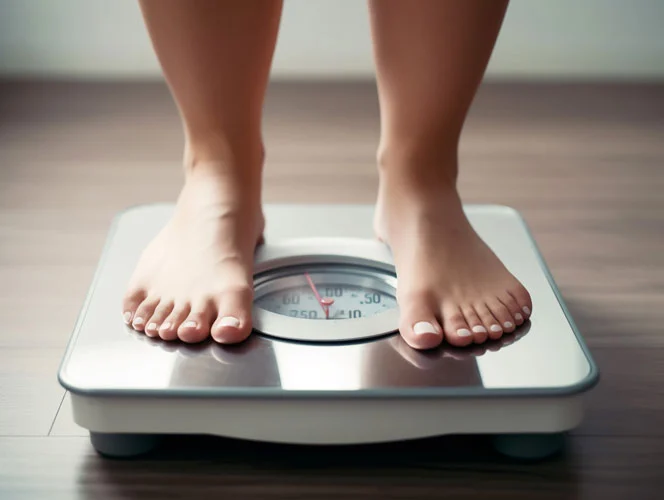
You are eating better. You are moving more. You are trying to stay consistent. But the scale barely moves, your cravings feel louder, your energy is low, and your body seems to be storing weight differently than before.

That can feel frustrating, especially when the advice you keep hearing is “just eat less and exercise more.”

For some people, diet and exercise are important but not enough on their own. Hormones help regulate appetite, fat storage, blood sugar, stress response, metabolism, sleep, and energy. When hormones are out of balance, weight loss can feel harder than it should.

Hormone imbalance and weight gain can involve insulin, cortisol, leptin, ghrelin, thyroid hormones, menopause-related hormone changes, and other metabolic factors. At Tucson Wellness MD, weight concerns are evaluated through a whole-body approach that may include hormone testing, medical weight loss support, peptide therapy when appropriate, natural healing strategies, and longevity care.

Quick Answer

Can Hormones Affect Weight Loss?

Yes. Hormones like insulin, cortisol, thyroid hormones, leptin, ghrelin, estrogen, and testosterone can influence metabolism, appetite, fat storage, and muscle maintenance. Diet and exercise alone may not overcome imbalances. Provider-guided evaluation helps identify contributing factors and treatment options.

Learn more about medical weight loss in Tucson to complement hormone evaluation.

Why Diet and Exercise May Not Be Enough

Diet and exercise are foundational, but they do not happen in a vacuum. Your hormones influence how hungry you feel, how efficiently you use energy, how your body responds to stress, how well you sleep, and how easily you maintain muscle.

If your body is dealing with insulin resistance, chronic stress, poor sleep, thyroid dysfunction, menopause changes, or appetite hormone disruption, basic calorie-cutting can feel like pushing a boulder uphill while wearing flip-flops.

This does not mean calories do not matter. It means the body’s biology can make consistency harder and results slower.

Possible signs that hormones may be affecting weight include:

  • Weight gain around the abdomen
  • Strong cravings
  • Low energy
  • Difficulty losing weight despite effort
  • Irregular periods
  • Hot flashes or night sweats
  • Poor sleep
  • Brain fog
  • Mood changes
  • Constant hunger
  • Fatigue after meals
  • Cold intolerance
  • Hair thinning
  • Reduced muscle tone

A medical evaluation can help identify what is happening beneath the surface. Even when following diet and exercise plans, hormonal imbalances can limit weight loss. Insulin resistance, thyroid issues, cortisol imbalance, and low testosterone may blunt results. Combining lifestyle strategies with provider-guided evaluation is key for sustainable results.

Insulin: The Fat Storage Hormone

Insulin is a hormone made by the pancreas. Its main job is to help move glucose, or sugar, from the bloodstream into cells for energy.

How Insulin Affects Blood Sugar and Fat Storage

After you eat, blood sugar rises. Insulin helps move that sugar into muscle, liver, and fat cells. When insulin is working well, blood sugar stays more stable.

But when the body becomes less responsive to insulin, called insulin resistance, the pancreas may produce more insulin to keep blood sugar under control. Over time, higher insulin levels can make fat loss harder and may contribute to weight gain, especially around the midsection.

NIDDK notes that insulin resistance can lead to higher blood glucose levels and weight gain.

Why Diet and Exercise May Fall Short With Insulin Resistance

If insulin resistance is present, simply eating less may not fully address the issue. Some people cut calories but still eat foods that spike blood sugar, skip protein, sleep poorly, or remain highly stressed. These factors can keep insulin and hunger signals unstable.

Exercise helps improve insulin sensitivity, but the type, timing, and consistency of movement matter. A short burst of exercise cannot always override high stress, poor sleep, ultra-processed food intake, or metabolic dysfunction.

Common signs of possible insulin issues include:

  • Belly weight gain
  • Sugar cravings
  • Fatigue after meals
  • Brain fog after high-carb meals
  • Frequent hunger
  • Difficulty losing weight
  • Darkened skin patches in some cases
  • Family history of diabetes

How to Improve Insulin Sensitivity and Support Weight Loss

Helpful insulin-supportive strategies may include:

  • Prioritize protein at each meal
  • Choose high-fiber carbohydrates
  • Reduce sugary drinks
  • Limit ultra-processed snacks
  • Walk 10 to 15 minutes after meals
  • Strength train regularly
  • Avoid skipping meals if it leads to overeating later
  • Improve sleep consistency

Ask your provider about fasting glucose, fasting insulin, A1C, and metabolic labs

For some patients, medical weight loss or peptide therapy may be discussed as part of a provider-guided plan.

FactorEffect on WeightActionable Adjustments
InsulinRegulates blood sugar and energy storage; high levels can promote fat storageBalance meals with protein and fiber, monitor carbs, consult provider for insulin resistance evaluation

Cortisol: The Stress Hormone

Cortisol is often called the stress hormone. It is produced by the adrenal glands and helps the body respond to stress, regulate blood pressure, manage inflammation, and maintain energy. For broader wellness strategies, see Longevity Care services.

How Cortisol Affects Stress, Cravings, and Belly Fat

Cortisol naturally rises and falls throughout the day. It is usually higher in the morning and lower at night. Short-term cortisol increases are normal and helpful.

The problem happens when stress stays high for too long. Chronic stress, poor sleep, overtraining, illness, under-eating, and emotional strain can keep the body in a more activated state.

High cortisol patterns may contribute to cravings, late-night eating, belly weight gain, poor sleep, and blood sugar instability. The Endocrine Society notes that Cushing’s syndrome, a condition involving high cortisol, can contribute to weight gain.

Why Aggressive Dieting Can Backfire When Cortisol Is High

If cortisol is a major factor, aggressive dieting and intense workouts can sometimes make things worse. When the body already feels stressed, extreme calorie restriction or punishing workouts may increase fatigue, cravings, water retention, and burnout.

You may be “doing everything right” on paper, but if your nervous system is running like 37 browser tabs are open, your body may resist progress.

Common cortisol-related patterns may include:

  • Belly weight gain
  • Cravings for salty or sweet foods
  • Waking up tired
  • Trouble falling asleep
  • Waking around 2 to 4 a.m.
  • Stress eating
  • Irritability
  • Low recovery after workouts
  • Energy crashes

How to Lower Stress and Support Healthy Cortisol Patterns

Helpful cortisol-supportive strategies may include:

  • Prioritize 7 to 9 hours of sleep
  • Avoid very low-calorie dieting
  • Balance workouts with recovery
  • Add walking or gentle movement
  • Practice breathwork or mindfulness
  • Reduce late caffeine
  • Get morning sunlight
  • Eat enough protein and minerals
  • Build consistent meal timing
  • Discuss persistent stress, anxiety, or sleep issues with a provider

Natural healing strategies can be especially useful here because stress recovery is not only physical. It is neurological, emotional, and metabolic.

FactorEffect on WeightActionable Adjustments
CortisolChronic stress may increase appetite, cravings, and abdominal fat accumulationPractice stress management, improve sleep, monitor weight, consult provider for cortisol assessment if needed

Leptin and Ghrelin: The Hunger Signals

Leptin and ghrelin are two hormones that help regulate appetite.

Leptin is often called the fullness hormone.

Ghrelin is often called the hunger hormone.

Together, they help communicate when you need food and when you have had enough.

How Leptin and Ghrelin Control Hunger and Fullness

Leptin is produced mainly by fat cells and signals fullness to the brain. In a healthy system, higher leptin tells the brain that energy stores are sufficient.

Ghrelin is produced mainly in the stomach and signals hunger. Ghrelin often rises before meals and drops after eating.

Sleep, weight changes, stress, dieting, and metabolic health can influence these hunger signals. The Endocrine Society notes that lack of sleep can disrupt ghrelin and leptin, increasing obesity risk.

Why Hunger Hormone Imbalance Makes Dieting Harder

When leptin and ghrelin are disrupted, hunger can feel intense and fullness can feel delayed. This makes weight loss harder because the body is not just asking for food. It is yelling.

Strict dieting can also increase hunger signals and reduce fullness, especially when protein, fiber, and sleep are lacking. This is why some people can follow a diet for a few weeks, then rebound with stronger cravings.

Common hunger hormone patterns may include:

  • Constant hunger
  • Nighttime snacking
  • Large appetite despite eating
  • Cravings after poor sleep
  • Difficulty feeling full
  • Overeating after restrictive dieting
  • Weight regain after weight loss

How to Support Healthy Hunger and Fullness Signals

Helpful hunger-signal strategies may include:

  • Eat protein at breakfast
  • Add fiber to meals
  • Choose whole foods over liquid calories
  • Sleep consistently
  • Avoid crash diets
  • Use structured meals
  • Stay hydrated
  • Strength train to support muscle and metabolism
  • Plan satisfying meals instead of tiny “diet” meals
  • Track hunger, cravings, and sleep patterns

For some patients, GLP-1 medical weight loss support may be considered because appetite biology is real, not just a willpower issue.

Thyroid Hormones

Thyroid hormones help regulate metabolism, body temperature, energy, digestion, heart rate, and many other body functions.

How Thyroid Hormones Control Metabolism and Energy

The thyroid gland produces hormones that influence how quickly the body uses energy. When thyroid function is low, called hypothyroidism, metabolism may slow down.

An underactive thyroid can be associated with some weight gain, often along with fatigue, cold intolerance, constipation, dry skin, hair changes, and brain fog. The American Thyroid Association notes that hypothyroidism is generally associated with some weight gain because basal metabolic rate may be decreased.

Why Low Thyroid Function Can Make Weight Loss Harder

If thyroid hormones are low, eating less and exercising harder may not fully solve the problem. Low thyroid function can reduce energy, lower exercise tolerance, slow digestion, and make recovery harder.

This can create a frustrating loop. You feel tired, so you move less. You move less, so weight increases. Weight increases, so fatigue and inflammation may worsen.

Common signs of possible thyroid imbalance include:

  • Fatigue
  • Weight gain
  • Cold intolerance
  • Constipation
  • Dry skin
  • Hair thinning
  • Brain fog
  • Low mood
  • Slower heart rate
  • Heavy or irregular periods
  • Muscle aches

How to Support Thyroid Health and Metabolism

Helpful thyroid-supportive strategies may include:

  • Ask for thyroid testing when symptoms fit
  • Review TSH, free T4, and other labs if appropriate
  • Eat enough protein
  • Avoid crash dieting
  • Support iron, selenium, zinc, iodine, and vitamin D when needed
  • Strength train gently and consistently
  • Prioritize sleep
  • Review medications with your provider
  • Treat diagnosed thyroid disease medically

Do not self-treat with thyroid supplements without medical guidance. Thyroid hormones need careful dosing and monitoring.

Other Hormones That May Affect Weight

Insulin, cortisol, leptin, ghrelin, and thyroid hormones are major players, but they are not the only ones.

Weight may also be affected by:

  • Estrogen changes
  • Progesterone changes
  • Testosterone changes
  • Menopause and perimenopause
  • PCOS
  • Growth hormone changes
  • Sleep hormones
  • Gut hormones
  • Medications
  • Chronic inflammation

For women, hormone shifts during perimenopause and menopause may contribute to changes in fat distribution, muscle tone, sleep, mood, cravings, and metabolism. That is why a whole-body evaluation matters.

When to Seek Medical Evaluation

You may want to schedule an evaluation if weight gain is unexplained, sudden, or resistant to consistent lifestyle changes.

Consider medical guidance if you have:

  • Weight gain despite nutrition and exercise efforts
  • Belly weight gain
  • Irregular periods
  • Menopause symptoms
  • Low libido
  • Fatigue
  • Hair thinning
  • Cold intolerance
  • Brain fog
  • Poor sleep
  • Strong cravings
  • History of PCOS
  • Family history of diabetes
  • Blood sugar concerns
  • Symptoms after medication changes

A provider can help determine whether hormone testing, metabolic labs, medical weight loss, peptide therapy, natural healing strategies, or longevity care may be appropriate.

How Tucson Wellness MD Supports Hormone-Related Weight Gain

Tucson Wellness MD helps patients look beyond generic advice and understand why weight gain may be happening. The goal is to identify the root contributors and create a personalized plan that supports long-term wellness.

Depending on your needs, care may include:

  • Hormone evaluation
  • Metabolic testing
  • Thyroid review
  • Insulin resistance screening
  • Menopause and perimenopause support
  • Medical weight loss guidance
  • Peptide therapy discussion when appropriate
  • Nutrition and protein planning
  • Strength training recommendations
  • Sleep and stress support
  • Natural healing strategies
  • Longevity care planning

Weight loss should not be a guessing game. With the right evaluation, your plan can become more targeted, sustainable, and realistic.

Final Thoughts on Hormone Imbalance and Weight Gain

Hormone imbalance and weight gain are closely connected for many people. Insulin can affect fat storage and blood sugar. Cortisol can influence cravings and stress-related weight gain. Leptin and ghrelin affect hunger and fullness. Thyroid hormones help regulate metabolism and energy.

Diet and exercise still matter, but they may not be enough when hormones, sleep, stress, appetite signals, and metabolism are working against you.

At Tucson Wellness MD, patients receive personalized support for hormone health, medical weight loss, peptide therapy when appropriate, natural healing, and longevity care. The goal is not quick fixes. The goal is understanding your body and building a plan that actually fits it.

Weight Loss & Hormone Support

Struggling to Lose Weight Despite Diet and Exercise?

Tucson Wellness MD can review your hormones, metabolism, lifestyle, and lab results to identify potential barriers and create a personalized plan for safe, sustainable weight management.

Schedule a Consultation

Frequently Asked Questions About Hormone Imbalance and Weight Gain

Can hormones really prevent weight loss?

Hormones like insulin, cortisol, thyroid, leptin, ghrelin, estrogen, and testosterone can influence metabolism and appetite, potentially slowing weight loss despite diet and exercise.

Which hormones most affect weight gain?

Insulin, cortisol, thyroid hormones, leptin, ghrelin, estrogen, and testosterone regulate fat storage, appetite, and metabolism.

Can addressing hormones help with weight loss?

Correcting imbalances may improve energy, metabolism, and body composition, but it should be combined with diet, exercise, and lifestyle adjustments under provider guidance.

Why am I gaining weight despite diet and exercise?

Weight changes may result from hormonal imbalances, sleep disruption, stress, medications, or loss of lean muscle mass.

Do menopause or low testosterone affect weight?

Estrogen changes during menopause and low testosterone in men or women can affect fat distribution, muscle mass, energy, and metabolism.


Gut Health and Mental Wellness: How Your Microbiome Affects Mood, Stress, and Brain Function

In recent years, scientific research has increasingly highlighted the significant connection between gut microbiome health and mental wellness. This relationship, often referred to as the gut-brain axis, emphasizes the complex communication network between the gastrointestinal tract and the brain. Understanding this link can provide valuable insights into improving both physical and mental health.

Read on to explore the fascinating interplay between gut bacteria and mental wellness and understand practical tips for nurturing both.

Quick Answer

How Are Gut Health and Mental Wellness Connected?

Gut health and mental wellness are connected through the gut-brain axis, a communication system involving the digestive tract and brain. Gut bacteria, the vagus nerve, immune activity, inflammation, stress-response pathways and neurotransmitter-related signaling may influence digestion, mood, stress and cognitive function. However, mental health is influenced by many biological, psychological and environmental factors, so gut health should be considered one part of overall wellness.

Who Should Pay Attention to the Gut-Brain Connection?

The gut-brain connection matters for anyone who wants better digestion, mood balance, stress resilience, energy, focus, and long-term wellness. Because gut health can influence inflammation, neurotransmitter activity, immune response, and stress regulation, it can affect more than digestion.

You may benefit from paying closer attention to gut health and mental wellness if you deal with:

  • Bloating or digestive discomfort
  • Irregular bowel movements
  • High stress
  • Mood changes or persistent stress
  • Brain fog or poor focus
  • Low energy
  • Poor sleep
  • Frequent processed food intake
  • Low fiber intake
  • Wellness goals that need more structure

A provider-guided wellness plan can help connect digestive symptoms, nutrition habits, stress, sleep, and overall health goals into one clearer strategy.

Gut-Brain Axis Support Table

Gut-Brain FactorWhy It MattersWhat May Help
Gut microbiomeGut bacteria can produce metabolites that influence brain and immune activityFiber-rich foods, fermented foods, prebiotics
Vagus nerveHelps the gut and brain communicateStress reduction, breathwork, mindfulness, movement
NeurotransmittersGut-related signaling may affect mood and emotional balanceBalanced nutrition, sleep, protein, gut-supportive foods
InflammationGut microbiome changes are being studied for their relationship with inflammatory pathways and overall health.Whole foods, hydration, reduced processed foods
Stress responseStress can disrupt digestion and gut balanceMeditation, yoga, sleep routine, exercise
SleepPoor sleep can affect digestion, mood, and stress regulationConsistent sleep schedule and evening routine
Provider-guided careOngoing symptoms may need deeper reviewLab review, nutrition support, personalized wellness plan

How to Support Gut Health and Mental Wellness Daily

Supporting the gut-brain connection usually starts with repeatable daily habits. Small improvements in food quality, hydration, sleep, movement, and stress management can help support digestion, mood balance, and overall wellness.

Helpful daily habits include:

  • Eat more fiber-rich foods like vegetables, berries, oats, beans, and whole grains
  • Include probiotic foods such as yogurt, kefir, sauerkraut, or fermented vegetables when tolerated
  • Add prebiotic foods such as garlic, onions, bananas, asparagus, and legumes
  • Drink enough water throughout the day
  • Limit highly processed foods and excess added sugar
  • Practice stress management before meals
  • Move your body regularly
  • Keep a consistent sleep schedule
  • Track recurring digestive or mood-related symptoms

If symptoms continue despite healthy habits, provider-guided wellness support can help identify whether nutrition, stress, sleep, hormones, inflammation, or other factors may be involved.

How the Gut-Brain Axis Connects Digestion, Mood, and Stress

gut health

The gut-brain connection is a bidirectional communication system involving the central nervous system (the brain and spinal cord) and the enteric nervous system (the nervous system of the gut). This connection is facilitated through several pathways, including:

How the Vagus Nerve Supports Gut-Brain Communication

This cranial nerve directly links the gut and the brain, allowing for constant communication.

How Gut Neurotransmitters Influence Mood and Stress

The digestive system is involved in producing and regulating several signaling molecules, including serotonin. However, serotonin produced in the gut does not directly function as brain serotonin. Researchers are studying how microbial metabolites, immune signaling, nerve pathways and tryptophan metabolism may influence communication between the gut and brain.

How Gut Immunity and Inflammation Affect Mental Wellness

The gut houses a significant portion of the body’s immune cells, which can influence inflammation and, consequently, mental health.

How Gut Bacteria Influence Brain Function and Mental Clarity

Gut microbes produce metabolites that may interact with immune, metabolic and nervous-system pathways involved in gut-brain communication. Research continues to investigate how these mechanisms relate to cognition, mood and behavior.

How Gut Health Affects Mood, Stress, and Mental Clarity

happy woman

Emerging research suggests that an imbalance in gut microbiota, known as dysbiosis, can contribute to various mental health issues, including anxiety, depression, and stress. Here’s how gut health can influence mental wellness:

How Gut Serotonin Production Supports Mood Regulation

A large portion of the body’s serotonin is associated with the digestive system. Gut health may influence serotonin-related signaling pathways involved in mood regulation, although mental health conditions involve many factors beyond gut function.

How Gut Inflammation Connects Digestion and Mental Wellness

Researchers are studying how changes in the gut microbiome may interact with inflammatory and immune pathways. Chronic inflammation is also associated with many gastrointestinal and other health conditions, so persistent symptoms require appropriate evaluation, which has been linked to irritable bowel syndrome, other digestive health issues, and several mental health disorders. Chronic inflammation can disrupt brain function and affect mood regulation.

How Gut Balance Supports a Healthier Stress Response

The gut-brain axis participates in pathways involved in the body’s stress response. Research is investigating how the microbiome, nervous system and immune signaling may interact with stress-related pathways, but gut health alone does not determine an individual’s response to stress.

How Gut Health Supports Brain Function and Focus

The blood-brain barrier helps regulate communication between the bloodstream and the brain. Research continues to explore how gut-related signals may influence brain function, cognition, and overall mental wellness.

Why the Gut-Brain Connection Matters for Daily Wellness

Some people experience digestive symptoms alongside changes in mood, stress, sleep or energy. These symptoms can have many causes, so ongoing concerns should not automatically be attributed to the gut microbiome.

How to Improve Gut Health for Better Mood and Mental Wellness

Facilitating a healthy gut microbiome can have a positive impact on mental wellness. Here are some practical tips to nurture both:

  1. Eat a Balanced Diet: A diet rich in fiber, fruits, vegetables, lean proteins, and fermented foods can promote a healthy gut microbiota. Fermented and fiber-rich foods can contribute to a varied diet and may support gut microbiome diversity. Effects can vary by food, individual and health condition.
  2. Manage Stress: Chronic stress can negatively affect gut health. Practices such as mindfulness, meditation, yoga, and regular exercise can help manage stress levels.
  3. Get Enough Sleep: Quality sleep is essential for both gut health and mental wellness. Aim for 7-9 hours of sleep per night and maintain a consistent sleep schedule.
  4. Stay Hydrated: Drinking enough water supports digestion and overall gut health. Aim for at least 8 glasses of water a day.
  5. Avoid Excessive Antibiotic Use: While antibiotics are necessary for treating bacterial infections, overuse can disrupt the balance of gut microbiota. Use antibiotics only when prescribed by a healthcare professional.
  6. Limit Processed Foods and Sugars: These can negatively impact gut health and contribute to inflammation. Opt for whole, unprocessed foods whenever possible.

For patients looking for a broader approach to long-term wellness, Tucson Wellness MD also provides longevity care focused on personalized health strategies, monitoring, and healthy aging support.

Why Gut Health Matters for Mental Wellness

gut health

The intricate relationship between gut health and mental wellness underscores the importance of taking a holistic approach to health. By nurturing your gut through a balanced diet, stress management, adequate sleep, hydration, and mindful lifestyle choices, you can support not only your physical well-being but also your mental health.

As research continues to unravel the complexities of the gut-brain axis, one thing remains clear: Gut health is one component of overall wellness, and research continues to clarify how digestive health and the microbiome may interact with mood, stress and cognitive function.

Clinical Testing and Provider-Guided Gut Health Support

Understanding the gut brain connection is only the first step. Many people experience ongoing digestive symptoms, mood changes, fatigue, or inflammation without knowing the underlying cause. Clinical evaluation can help investigate possible causes of persistent digestive symptoms, fatigue or other health concerns.

Medical gut health support may include:

  • microbiome and digestive health assessments
  • inflammation and metabolic testing
  • personalized nutrition and supplementation guidance
  • hormone and stress response evaluation
  • individualized treatment or lifestyle plans based on symptoms and clinical findings

Working with a local medical provider allows for consistent monitoring, treatment adjustments, and long-term support as gut health improves. Ongoing care helps ensure changes are measurable and sustainable over time.

Gut Health and Mental Wellness Support in Tucson

If you are in Tucson and want help supporting digestion, stress response, energy, mood balance, or long-term wellness, provider-guided care can help turn general gut-health advice into a more personalized plan.

At Tucson Wellness MD, patients can receive wellness support, nutrition guidance, lab review, and personalized planning focused on long-term health. This helps connect gut health, lifestyle habits, stress, sleep, and wellness goals into a clearer path forward.

Ready to Support Your Gut Health and Wellness?

Tucson Wellness MD can help evaluate your wellness goals, nutrition habits, stress factors, and overall health needs through personalized provider-guided support.

Schedule a Wellness Consultation

Frequently Asked Questions About Gut Health and Mental Wellness

What is the gut-brain axis?

The gut-brain axis is the communication network between your digestive system and your brain. It connects the central nervous system, the enteric nervous system in the gut, hormones, immune responses, and gut bacteria to influence mood, stress, and cognitive function.

How does gut health affect mental health?

Gut health affects mental wellness through neurotransmitter production, inflammation levels, and stress regulation. An imbalance in gut bacteria can influence mood disorders such as anxiety and depression and may worsen stress responses.

Can improving gut health support better mood and focus?

Yes, improving gut health may support mood stability, clearer thinking, and stress management. A balanced microbiome helps regulate neurotransmitters and inflammatory responses connected to brain function. Many people notice improvements in energy and mental clarity when digestive health improves. Results vary depending on overall health and lifestyle factors

Can poor gut health cause anxiety or depression?

Poor gut health does not directly cause mental illness, but gut dysbiosis has been linked to increased inflammation, reduced serotonin production, and altered stress responses, which can contribute to symptoms of anxiety and depression.

Can gut health affect mood and stress?

Yes. Gut health may influence mood and stress through the gut-brain axis, which involves gut bacteria, the vagus nerve, immune activity, inflammation, stress hormones, and neurotransmitters. Supporting digestion, nutrition, sleep, and stress management may help support overall mental wellness.

What foods support gut health and mental wellness?

Foods that may support gut health and mental wellness include fiber-rich vegetables, berries, oats, beans, fermented foods, yogurt, kefir, garlic, onions, bananas, and other prebiotic foods. These foods help support gut bacteria, digestion, and microbial balance.

How does the gut-brain axis influence stress response?

The gut-brain axis allows communication between the digestive system and brain through pathways involving gut bacteria, the nervous system, immune activity, and stress-related signals. Supporting gut health through nutrition, sleep, and stress management may help support overall wellness.

Can probiotics improve anxiety or depression?

Research is ongoing. Certain probiotic strains are being studied for their potential effects on mood and stress, but probiotics are not established replacements for evidence-based evaluation or treatment of anxiety or depression.

Healthy Habits for Long-Term Wellness: Simple Routines for Better Energy, Weight, and Balance

Quick Answer

What Are the Best Healthy Habits for Long-Term Wellness?

Healthy habits that support long-term wellness include balanced nutrition, regular physical activity, adequate sleep, stress management, hydration, avoiding tobacco, preventive healthcare and routines that are realistic enough to maintain consistently. Individual health needs vary, so medical or nutrition guidance may also be helpful when specific symptoms or goals are involved.

Healthy Habits That Support Long-Term Wellness

Welcome to a New Year filled with possibilities, and what better way to embark on the journey ahead than by cultivating healthy habits that contribute to long-term wellness?

lose weight

At Tucson Wellness MD, we understand that the key to vibrant and fulfilling mental and physical health lies in the integration of holistic practices. Whether your goals include weight management, improving activity levels, or supporting sleep habits, our team provides individualized guidance based on medical evaluation.

In this blog, we’ll guide you through a transformative exploration of healthy routines that encompass personalized weight loss program, hormone balance, beauty services, nutrient therapies, and more to set your New Year’s Resolutions off right.

1. Personalized Nutrition Habits for Better Energy and Weight Management

Embarking on losing weight doesn’t necessitate stringent diets or short-lived trends. Instead, let’s shift the focus to the impact of a personalized nutrition plan. At Tucson Wellness MD, our experts specialize in tailoring nutrient-rich meal plans designed to support healthy eating patterns and overall wellness.

Incorporate a variety of whole foods into your nutrition plan, emphasizing the importance of balance and diversity to not only lose weight, but support overall physical health and energy levels. Whether you’re aiming to shed pounds, support overall wellness goals based on individualized assessment, our nutrition experts are here to help make your New Year’s Resolution a reality by creating a plan that resonates with your unique needs and preferences.

Focus on sustainable eating patterns that include vegetables, fruits, quality protein sources, fiber-rich foods, healthy fats and appropriate portions. The best nutrition approach is one that supports individual needs and can be maintained consistently.

For more guidance on vitamins and minerals that support a balanced diet, read our guide to essential micronutrients.

2. How Hormone Balance Supports Long-Term Health

Hormones influence many aspects of health, but hormone therapy is not necessary for everyone. Symptoms such as persistent fatigue, menstrual changes, hot flashes, low libido or other concerns may justify medical evaluation.

When a hormone deficiency or clinically appropriate indication is identified, treatment can be individualized based on symptoms, laboratory findings, medical history and ongoing monitoring. If persistent symptoms raise questions about hormone health, learn more about Hormone Therapy at Tucson Wellness MD.

3. How Healthy Skin and Self-Care Support Wellness

True beauty radiates from within, and our beauty services are designed to enhance your natural glow. From aesthetic services designed to support skin maintenance and overall appearance

If you enjoy spending time outdoors in the beautiful Arizona winters, remember that the sun can still take its toll and it maybe time to embrace a skincare routine that nurtures and nourishes, revealing the best version of yourself.

4. Nutrient Therapy for Hydration, Recovery, and Vitality

Nutrient and hydration needs should generally be supported through a balanced diet and adequate fluid intake. In selected situations, provider-guided nutrient or IV therapy may be considered based on medical history, symptoms and individual needs.

5. Exercise, Sleep, and Stress Habits for Long-Term Wellness

Nutrition is only one part of a sustainable wellness routine. Regular movement, adequate sleep and healthy ways of managing stress also support long-term physical and mental health.

Stay Physically Active

Build regular movement into your week and include both aerobic activity and muscle-strengthening exercise when appropriate for your health and ability.

Prioritize Consistent Sleep

A regular sleep schedule and sufficient sleep can support energy, mood, recovery and overall well-being.

Build Healthy Stress-Management Habits

Simple routines such as outdoor activity, relaxation techniques, social connection and setting aside recovery time may make healthy habits easier to maintain.

Federal physical-activity guidance recommends regular aerobic activity plus muscle-strengthening activity for adults and emphasizes that even smaller amounts of movement provide health benefits.

For evidence-based recommendations on regular movement, review the Physical Activity Guidelines for Americans.

How Daily Habits Create Long-Term Health Improvements

The secret to lasting change lies in the integration of these healthy habits into your daily life. As you embark on this journey of self-discovery and transformation, remember that small, consistent habits may contribute to long-term lifestyle improvements. At Tucson Wellness MD, we’re here to support you every step of the way.

Long-term wellness usually comes from habits that can be repeated consistently rather than short periods of extreme dieting, exercise or supplementation. Start with realistic changes, track what is sustainable and adjust your routine as your health needs and goals change.

Start Building a Healthier Lifestyle With Tucson Wellness MD

Tucson Wellness MD provides personalized wellness support based on your health history, symptoms and goals. Depending on your needs, your plan may include nutrition guidance, weight-management support, hormone evaluation, strength and performance services or other medically appropriate options.

A consultation can help identify which services are relevant rather than taking a one-size-fits-all approach.

Frequently Asked Questions About Healthy Habits and Wellness

What are the best healthy habits for long-term wellness?

The best healthy habits for long-term wellness include balanced nutrition, regular exercise, quality sleep, hydration, stress management, and consistent self-care routines. Small daily habits practiced consistently often produce the most meaningful long-term improvements in health. Wellness is usually built through steady routines rather than short-term extreme changes. Sustainable habits support both physical and mental well-being.

Why are small daily habits important for health?

Small habits are easier to maintain consistently over long periods of time. Over months and years, these routines compound into meaningful improvements in energy, metabolism, mood, and overall wellness. Extreme routines are often difficult to sustain and may lead to burnout. Consistency usually matters more than intensity.

How does nutrition affect long-term wellness?

Balanced nutrition provides the body with nutrients needed for metabolism, recovery, immune health, and energy production. Whole foods rich in protein, fiber, vitamins, and healthy fats help support long-term physical function. Poor nutrition may contribute to fatigue, inflammation, and weight gain over time. Personalized nutrition plans often improve long-term adherence and results.

Why is exercise important for healthy aging?


Regular physical activity supports cardiovascular health, muscle maintenance, metabolism, and mental well-being. Exercise also helps improve energy levels, mobility, and stress management as people age. Strength training may help preserve lean muscle and support healthy body composition. Consistent movement is one of the strongest predictors of long-term wellness.

How long does it take to build a healthy habit?

There is no fixed timeline that applies to everyone. Consistency, simplicity and choosing behaviors that fit your daily routine are more important than expecting a habit to become automatic within a specific number of days.

What healthy habit should I start with first?

Start with one realistic behavior that addresses your biggest need, such as improving meals, walking regularly, establishing a consistent sleep schedule or reducing prolonged inactivity.

How much exercise do adults need?

Federal guidelines recommend 150 to 300 minutes of moderate-intensity aerobic activity per week for substantial health benefits, along with muscle-strengthening activities on at least two days per week. Individual needs and abilities vary.

Why is sleep important for long-term wellness?

Adequate sleep supports physical health, recovery, mood and daily function. Consistent sleep habits work alongside nutrition and physical activity as part of a sustainable wellness routine.

Build Healthy Habits Around Your Individual Goals

Tucson Wellness MD can review your health history, current habits and wellness goals and help identify practical strategies that fit your individual needs.

Schedule a Consultation
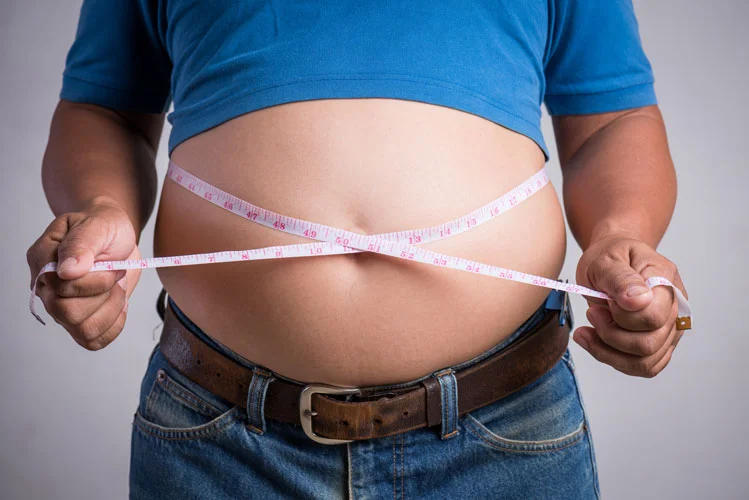
man measuring his fat belly

Hormone Weight Gain

man measuring his fat belly

Hormonal weight gain is weight gain associated with underlying hormonal imbalances. Can Hormonal Imbalance Make It Harder to Lose Weight?

Yes. Hormonal imbalances may affect metabolism, appetite regulation, fat storage, and energy balance, making weight management more challenging for some people. Changes involving insulin, thyroid hormones, cortisol, estrogen, testosterone, and leptin may contribute to weight-related concerns. Identifying possible hormone-related factors through proper evaluation can help create a more personalized approach to improving overall wellness and weight goals.

For men, hormonal weight gain can be caused by high stress or cortisol levels in the body. The heightened levels of cortisol may make the body go into survival mode and induce the production of fat cells which will cause a declining metabolism to store food for later use.

For women, estrogen levels (a specific estrogen hormone called estradiol) decrease at menopause. Estradiol helps to regulate metabolism and body weight, meaning a decrease could make it more difficult to achieve weight loss. Throughout a woman’s life, they may notice hormone-related weight gain around their hips and thighs.

Hormones That May Influence Weight Management

HormoneHow It May Affect Weight
InsulinHelps regulate blood sugar and influences fat storage
Thyroid HormonesAffect metabolism and energy use
CortisolStress-related hormone that may influence appetite and fat distribution
EstrogenChanges may affect metabolism and body composition
TestosteronePlays a role in muscle maintenance and metabolic health
LeptinHelps regulate hunger and fullness signals

Common Causes of Hormonal Imbalance

There are a variety of factors that can contribute to hormonal imbalance. The following issues are common contributors:

Thyroid Hormone Deficiency and Slow Metabolism

An underactive thyroid, commonly known as Hypothyroidism, is a condition in which the thyroid gland doesn’t produce enough thyroid hormone. Hypothyroidism’s deficiency of thyroid hormones can disrupt such things as heart rate, body temperature, and all aspects of metabolism. Hypothyroidism is most prevalent in older women.

Estrogen Dominance

High levels of estrogen can develop naturally, but too much estrogen can also result from taking certain medications. For example, estrogen replacement therapy, a popular treatment for symptoms of menopause, and estrogenic birth control pills, may cause estrogen to reach problematic levels. 

Your body may also develop low testosterone or low progesterone levels, which can upset your hormonal balance. menopause therapy If you have estrogen levels that are abnormally high relative to your progesterone levels, it’s known as estrogen dominance.

Androgen Imbalance

Androgens are a group of hormones that play a role in male traits and reproductive activity. Many women experience adult acne, mood swings, and conditions such as polycystic ovary syndrome with excess testosterone and not enough other hormones, as well as hormonal changes and increased risk for a variety of health conditions with not enough testosterone.

Testosterone over or underproduction can eventually lead to gained weight and a decrease in overall health for both men and women, so it is important to discover the underlying cause.

Insulin Resistance

The hormone insulin helps control blood sugar levels. With insulin resistance, the body’s cells don’t respond normally to insulin. Both leptin levels and ghrelin levels are affected by insulin resistance. Leptin levels tell the brain you’re full and it’s time to stop eating.

Ghrelin levels tell the brain you’re hungry (also known as the hunger hormone) and in need of more fuel. Insulin issues, eating too much of the wrong foods, and stress can affect these ghrelin and leptin signals.

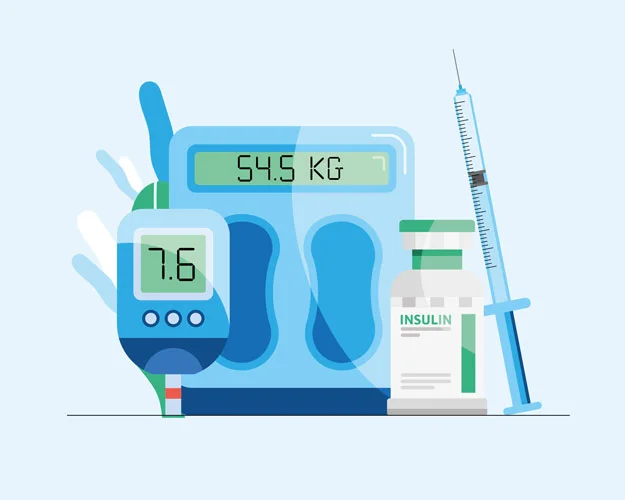
insulin hormone weight gain

Insulin is one of the most important hormones when it comes to weight loss and weight gain. Made by the pancreas, insulin is responsible for storing blood sugar, or utilizing it, depending upon your body’s needs of the moment.

After you eat a large meal, a substantial amount of insulin releases itself into the bloodstream. It also enters the bloodstream as needed throughout the day, ensuring that blood sugar levels remain stable.

Another key function of this essential hormone is fat storage. Insulin decides how much fat to store, and how much to convert for energy expenditure. Chronically high levels of insulin can lead to a condition known as insulin resistance, which is linked to an uptick in blood sugar as well as continued elevated insulin levels.

Preventing this insulin imbalance is crucial, as it leads to weight gain, and eventually, type 2 diabetes. When insulin levels remain high over an extended period of time, obesity and metabolic syndrome are often unfortunate outcomes.

Metabolic Syndrome

Metabolic syndrome is a cluster of conditions that occur together, increasing your risk of heart disease, stroke, and type 2 diabetes.

These conditions include increased blood pressure, high blood sugar, excess body fat around the waist, and abnormal cholesterol or triglyceride levels.

As we age our metabolism slows. It becomes more difficult to maintain a healthy weight, certain hormones decrease production as our endocrine system slows, and hormone disorders may begin to arise.

PCOS 

Poly Cystic Ovarian Syndrome (PCOS) is a hormonal disorder causing enlarged ovaries with small cysts on the outer edges.

PCOS is usually a sign of a hormonal imbalance and symptoms include weight gain, painful periods or menstrual cycle issues, hormonal acne, female infertility, and other women’s health issues. PCOS is diagnosed by blood test or ultrasound.

Growth Hormone Deficiency

Those suffering from the hormonal imbalance of too little adult growth hormone will have symptoms that include: A higher level of body fat, especially belly fat, and difficulty losing weight, anxiety, and depression, decreased sexual function and interest, fatigue, less muscle mass (lean body mass), and reduced bone mass especially as they get older.

Cortisol Excess 

As mentioned above, cortisol is the stress hormone. Cortisol, like stress, isn’t all bad in small doses, but many of us unwittingly increase our stress levels beyond replenishment, leading to low libido, hair loss, thyroid problems, chronic decreased energy levels, and more; as well as increased fat storage.

Leptin Resistance 

Leptin is a hormone produced by the fat cells in your body. Its main role is to regulate fat storage and how many calories you eat and burn. Leptin resistance therefore may cause weight gain, other hormonal imbalances, and a near inability to lose weight.

Leptin and Appetite

Leptin resistance is another hormonal imbalance that’s essential to understand in maintaining a healthy weight. You can think of leptin as the appetite suppressant hormone. Made within your fat cells, leptin is what makes you feel satiated. It communicates to your brain when you feel hungry or full.

When your leptin levels are balanced, you don’t overeat because you feel full after eating a well-rounded meal, and that fullness lasts for hours. Ever notice how sweets and processed foods leave you feeling empty and wanting for more even after a short period of time? Eating trans fats and processed foods over the long term may eventually lead to leptin resistance; a hormonal imbalance issue that causes many patients to gain weight and greatly affects their ability to lose weight.

Prolactin Excess 

Excess prolactin can cause the production of breast milk in men and in women who are not pregnant or breastfeeding. In women, too much prolactin can also cause irregular periods and infertility. In men, it can lead to lower sex drive and erectile dysfunction (ED).

Pituitary Insufficiency

Hypopituitarism (also called pituitary insufficiency) is a rare condition in which your pituitary gland doesn’t make enough of certain hormones. Hormones coming from the pituitary gland control the function of other glands in your body: thyroid gland, adrenal glands, ovaries, and testes.

Luteinizing hormone (LH) is a hormone produced in the pituitary gland. In females, an acute rise of LH triggers ovulation. In males, LH stimulates the production of testosterone. It acts alongside the follicle-stimulating hormone meaning that insufficient pituitary activity may cause hair loss.

Not all weight changes are caused by diet or activity levels alone. Hormonal changes may influence how the body stores fat, regulates appetite, and uses energy.

Possible signs that hormones may be affecting weight management include:

  • Difficulty losing weight despite consistent diet and exercise
  • Increased belly fat or changes in body composition
  • Persistent fatigue or low energy
  • Increased hunger or cravings
  • Changes in sleep quality
  • Mood changes or increased stress sensitivity
  • Irregular menstrual cycles or menopause-related changes

A medical evaluation can help determine whether hormones, metabolism, lifestyle factors, or other health conditions may be contributing to weight concerns.

How Doctors Diagnose Hormonal Imbalance

There’s no single test available for doctors to diagnose a hormonal imbalance. Begin by making an appointment with your doctor for a physical exam and bring a list of all medications, vitamins, and supplements you’re currently taking.

Blood Test

blood test

Depending on your symptoms, your doctor may suggest one or more diagnostic tests to check for hormone imbalances.

One way to check hormone levels is with a blood test. Your doctor will send a sample of your blood to a lab for testing. Most hormones can be detected in the blood. A doctor may also request a blood test to check your thyroid and your levels of estrogen, testosterone, and cortisol.

Pelvic Exam

If you’re female, your doctor may perform a pap smear to feel for any unusual lumps, cysts, or tumors.

If you’re male, your doctor may check your scrotum for any lumps or abnormalities.

Either of these issues may be a more serious sign of hormonal imbalance.

Ultrasound

An ultrasound machine uses sound waves to look inside your body. Doctors may request an ultrasound to get images of the uterus, ovaries, testicles, thyroid, or pituitary gland.

Treatments for Hormonal Imbalances

Weight gain due to a hormonal imbalance can feel overwhelming. However, there is hope for balanced hormones and greater ease of weight loss once the issue is diagnosed.

Treatment for a hormonal imbalance will depend on what’s causing abnormal hormone levels. Some common treatments for hormonal imbalance are described below.

Estrogen Therapy

If you’re experiencing hot flashes or other uncomfortable symptoms of menopause, including but not limited to weight gain, your doctor may recommend a low dose of estrogen.

Anti-Androgen Medications

Androgens are male sex hormones that are present in both women and men. Women with high androgen levels may choose to take medication that blocks the effects of androgens. 

Testosterone Therapy

Testosterone supplements can reduce the symptoms of low testosterone in men.testosterone therapy In adolescents with delayed puberty, it stimulates the start of puberty.

Thyroid Hormone Therapy

If you have hypothyroidism, the synthetic thyroid hormone levothyroxine can bring hormone levels back into balance.

Ready to Understand What May Be Affecting Your Weight?

If you are struggling with weight changes despite healthy habits, Tucson Wellness MD can help evaluate possible hormonal and metabolic factors. A personalized consultation can help identify appropriate next steps based on your health goals and individual needs.

Frequently Asked Questions

Can hormones cause belly fat?

Hormonal changes may influence where the body stores fat, including increased abdominal fat. Factors such as insulin resistance, cortisol changes, menopause-related hormone shifts, and metabolic changes may contribute to changes in body composition.

How do I know if my weight gain is hormonal?

Signs that hormones may be contributing include difficulty losing weight despite healthy habits, fatigue, appetite changes, sleep problems, or changes in body composition. A healthcare provider can evaluate symptoms and determine whether hormone testing may be appropriate.

What hormone imbalance causes weight gain?

Several hormones may influence weight management, including insulin, thyroid hormones, cortisol, estrogen, testosterone, and leptin. Weight changes are usually influenced by multiple factors rather than a single hormone.

Can fixing hormone imbalance help with weight loss?

Addressing underlying hormonal or metabolic factors may support healthier weight management. Treatment depends on the specific cause identified through medical evaluation.

weight loss

Hormonal Weight Loss & Gain

Hormonal Weight Loss & Gain

How Hormone Imbalances Cause Weight Gain

Hormones help regulate appetite, blood sugar, metabolism, stress response, reproductive function and body composition.

Certain hormonal or metabolic conditions may contribute to weight changes. Examples include thyroid disorders, insulin resistance, menopause-related hormonal changes and clinically significant testosterone deficiency.

However, weight gain usually has more than one contributor. Sleep, nutrition, activity, medications, medical conditions, genetics and aging may also influence body weight.

Hormone/SystemHow It May Relate to Weight
InsulinRegulates blood glucose and influences energy storage
CortisolParticipates in the stress response and may influence appetite and eating behavior
Thyroid hormonesHelp regulate metabolism and energy use
EstrogenChanges may affect fat distribution, particularly during menopause
TestosteroneSupports muscle mass and body composition
LeptinHelps signal energy stores and satiety
GhrelinHelps regulate hunger and food intake
Quick Answer

Can Hormonal Imbalance Affect Weight Loss?

Yes. Hormones involved in thyroid function, insulin regulation, stress response and reproductive health can influence appetite, energy use, body composition and fat distribution. However, difficulty losing weight is usually multifactorial and may also involve nutrition, physical activity, sleep, medications, medical conditions and genetics. A provider evaluation can help determine whether a hormonal or metabolic condition may be contributing.

Can Hormonal Imbalance Make Weight Loss More Difficult?

Yes. Hormones such as insulin, cortisol, thyroid hormones, estrogen, testosterone, leptin, and ghrelin influence metabolism, hunger, energy storage, and body composition. When these systems are disrupted, losing weight may become more challenging. A personalized evaluation can help identify factors affecting your weight goals.

How Insulin, Cortisol, and Thyroid Affect Your Weight

Insulin, cortisol and thyroid hormones influence different processes involved in metabolism and body weight.

Insulin regulates blood glucose and energy storage. Thyroid hormones help control metabolic activity. Cortisol is part of the body’s stress-response system and may influence appetite, sleep and eating behavior when stress is persistent.

These systems should be evaluated individually rather than assuming that unexplained weight gain automatically means a hormone imbalance.

Are you gaining weight despite the diets and workouts? Your hormones may be to blame for it. Generally, calories would be blamed for the weight gain. But when there is a hormone imbalance, more factors are in play, causing weight loss resistance.

Weight loss resistance is not always caused by a lack of effort. Factors such as sleep quality, stress, nutrition habits, activity levels, and metabolic health can influence how the body responds to weight loss efforts.

Weight-loss resistance can involve multiple overlapping factors, including metabolic health, sleep, stress, medications, nutrition patterns, activity levels and certain endocrine conditions.

Hormonal imbalance can have a significant impact on the weight loss journey. Besides that, it also affects our mood and happiness.

This article demystifies 7 specific hormones, both male and female, that prevent weight loss. Also, you will learn the common symptoms of hormonal weight gain and effective tips on how to shed the pounds brought on by hormonal imbalances.

How Hormones Influence Body Weight

Hormones influence hunger, blood sugar regulation, metabolism, reproductive function and body composition, but there is no single hormonal balance that automatically produces weight loss.

When a diagnosed endocrine disorder such as hypothyroidism is appropriately treated, some related symptoms and metabolic effects may improve. However, sustainable weight management still depends on the broader clinical and lifestyle picture.

Do Female Hormones Affect Weight Loss?

Estrogen and other reproductive hormones can influence body composition and fat distribution, particularly during perimenopause and menopause.

Midlife weight changes are also influenced by aging, reduced muscle mass, sleep changes, activity, diet and metabolic health. Estrogen changes should therefore not be treated as the sole explanation for weight gain.

7 Hormones and Metabolic Signals That Can Affect Weight

Hormones are chemical messengers that are responsible for a variety of functions, including:

  • Control of growth
  • Development of sex organs
  • Regulating blood sugar levels
  • Affecting body weight, muscle mass, and body fat

It is safe to say that hormones have a massive impact on weight loss. The reason being hormone levels vary due to age factors, stress, puberty, mensuration, and pregnancy, to name a few. The change in levels can have an adverse effect on your health.

Here are the hormones that may hinder your weight loss efforts.

Thyroid

The thyroid is a butterfly-shaped gland present in the front of your neck. It produces two hormones: triiodothyronine (T3) and thyroxine (T4). Thyroid hormones regulate everything from metabolism to growth and are also responsible for regulating your heartbeat. They also dictate how fast or slow you burn calories. The deficiency of the hormone can slow down every organ of your body.

As per the National Institute of Health (NIH) report, 5% of Americans aged 12 and older have hypothyroidism. The same study also reports that women are more prone to hypothyroidism than men. When your body cannot produce enough thyroid hormones, the metabolic rate slows down, causing weight gain. Hypothyroidism is also the reason for dry skin and hair, hair loss, brain fog, fatigue, and intolerance towards cold temperatures, to name a few.

Also, 1.2% of Americans have hyperthyroidism, where the thyroid gland secretes excess thyroid hormones. In this case, the metabolic rate increases, leading to dramatic weight loss.

Hypothyroidism can contribute to modest weight gain, fatigue and other symptoms. Treating diagnosed hypothyroidism restores thyroid hormone levels, but thyroid treatment is not itself a weight-loss therapy and does not guarantee substantial weight reduction. For evidence-based information about hypothyroidism, symptoms and treatment, review the National Institute of Diabetes and Digestive and Kidney Diseases guide to hypothyroidism.

Cortisol

Cortisol (Stress Hormone) - Woman Stressed Out

Otherwise known as the “stress hormone”, adrenal glands release cortisol in times of stress. During stress, your body goes into fight or flight mode, ramping up the production of adrenaline (epinephrine), noradrenaline (norepinephrine), and cortisol.

While cortisol is vital to your survival, an excess of the stress hormone can lead to overeating and weight gain. High cortisol levels are also linked to anxiety, depression, obesity, increased appetite, muscle loss, and belly fat. People with chronic stress levels tend to have high cortisol levels.

Having said that, cortisol is essential for survival. But elevated levels lead to muscle breakdown, increase in blood sugar, and reduced-fat burning. When this happens, your body goes into survival mode and starts to store fat. Furthermore, high cortisol levels also increase food intake leading to excessive weight gain.

Unlike the other hormones, cortisol imbalance requires a lifestyle change. It would be best to reduce your stress via yoga, meditation, sleep, or any other hobby you may enjoy. A healthy diet and proper sleep can also help to bring down cortisol levels.

Insulin

Produced by the beta cells of the pancreas, insulin regulates blood sugar. It is secreted as a response to the increase in blood sugar levels in the body. It signals the cells to absorb the nutrients (blood sugar/glucose) stored in muscle and fat cells. In muscle, the glucose is burned for energy or stored as glycogen. On the other hand, fat cells store the excess as fat.

People with obesity tend to have reduced insulin sensitivity. As the insulin imbalance progresses, the excess calories from sugar-laden food initiate insulin resistance. When this happens, your cells are unable to absorb the excess sugar. Your liver then converts them into fat resulting in weight gain. Insulin resistance is an important metabolic feature associated with prediabetes and type 2 diabetes, although diagnosis requires appropriate clinical testing.

According to a report by WHO, diabetes is responsible for the deaths of 1.5 million people worldwide in 2019. In addition, people with high insulin levels are also susceptible to stroke and cardiovascular disease. Apart from that, there is also the risk of foot ulcers, infection, diabetic retinopathy, and renal (kidney) failure.

Losing weight is the only way to improve insulin sensitivity. You can improve insulin sensitivity with a calorie-deficit diet that you can adapt for the long term.

Estrogen

Estrogen is one of the leading female sex hormones, along with progesterone. It is secreted in the ovaries, and the primary function is to manage the female reproductive system. Additionally, it also protects the bones and cardiovascular system, along with aiding in healing. However, too much estrogen causes moodiness, heavy periods, and above all, weight loss resistance.

Estrogen stays in a delicate balance with the other female sex hormone, progesterone. An imbalance in estrogen levels can cause weight gain, more pronounced in the hips and thighs. Overweight adults tend to have higher estrogen levels in the body.

The high estrogen levels induce insulin resistance which in turn causes the blood sugar levels to rise. As a result, you may experience weight gain. On the other hand, low estrogen can also cause you to gain weight. Moreover, estrogen levels tend to reduce with menopause, during which period women gain visceral fat.

However, in men, the male body converts testosterone to estradiol, a form of estrogen. Imbalance in estrogen levels can lead to increased belly fat, swollen breast tissue, and more.

Proper diet, exercise, and appropriate calorie intake can help control visceral fat.

Male & Female Weight Loss Hormones - Estrogen & Testosterone

Testosterone

Testosterone, otherwise called the male sex hormone, plays an integral part in the growth of male reproductive tissues. Furthermore, it also functions as an anabolic hormone helping to build muscle tone and body mass. The testicles secrete it in men while the ovaries perform the same function at a much smaller level in females.

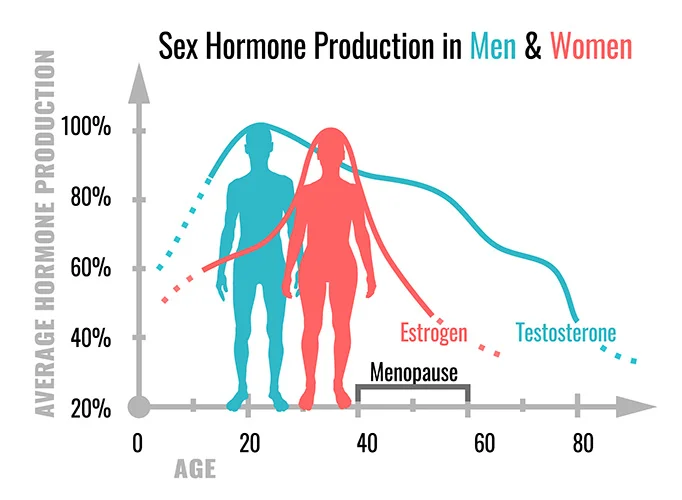
Testosterone production increases during puberty and decreases in your 30’s. After your 30’s you can see a 5-10% reduction per decade. These low testosterone levels can cause you to gain fat. Apart from that, they also result in low libido, anemia, osteoporosis, or depression. Men with low testosterone also present lower muscle mass and higher levels of visceral fat.

Carrying too much weight (especially belly fat) and not enough sleep is responsible for low testosterone levels. While testosterone treatment can bring a slight weight loss, especially around your belly, it is not enough to reverse obesity. Men with symptoms and confirmed low testosterone can learn more about TRT for Men at Tucson Wellness MD.

Leptin

Leptin is a hormone produced by your fat cells. Otherwise called the “satiety hormone,” leptin reduces appetite and makes you feel sated. Furthermore, leptin also helps to regulate blood pressure, blood sugar, and many more.

The increased leptin levels in your body signal the brain to suppress the appetite while increasing the metabolic rate. This action prevents you from overeating.

Obese and overweight people have elevated leptin levels in their bodies. This is due to leptin resistance, where their brain doesn’t respond to the high leptin. As a result, they are hungry even though they have adequate fat stores.

However, when you lose body fat, the leptin levels reduce, which signals appetite followed by a reduction in metabolism. This hinders weight loss since it tricks your brain into believing that you are starving. Hence, you are pushed into overeating.

Continued elevated insulin levels and inflammation in the brain are the most important reasons for leptin resistance. However, with a balanced diet and enough sleep, you can improve leptin sensitivity. Here are a few expert suggestions:

  • Stay away from inflammatory foods such as sugar and processed foods (containing trans fats).
  • Eat more anti-inflammatory foods such as fatty fish.
  • Improve your quality of sleep. An adult requires 7-8 hours of sleep per day.
  • Daily moderate levels of exercise.

Ghrelin

Otherwise called the “hunger hormone”, ghrelin is secreted in the stomach and small intestine, with just a small portion of the hormone released in the pancreas and brain. It is also central to stimulating appetite and the release of growth hormones. This hormone plays a vital role in the hypothalamus, the part of the brain that controls appetite, and may also stimulate other regions of the brain that control reward processing. Apart from that, it also helps in moving the food through the digestive tract. Furthermore, ghrelin also plays a significant role in cardiovascular health, mental health, and the immune system.

Generally, ghrelin levels are at their highest when you are hungry and lowest 30 minutes after eating. Interestingly, studies have shown that fasting and even dieting cause ghrelin levels to increase, which explains why research has shown roughly 80% of dieters fail to keep the weight off permanently. Even after eating, the levels do not show a significant decrease. As a result, the brain doesn’t receive the necessary signal to stop eating, thus driving eating disorders such as bingeing.

Sugar can hinder the ghrelin response to a greater extent. Therefore, avoiding sugar and including protein in your meals can help reduce ghrelin levels in your body.

Common Symptoms of Hormonal Weight Gain

There is no single symptom pattern that proves weight gain is hormonal. However, weight changes accompanied by certain symptoms may justify further medical evaluation.

Meanwhile, in men, weight gain is due to elevated cortisol levels, which is the stress hormone. In times of increased stress, the body goes into survival mode and causes cortisol levels to rise. Meanwhile, there is an increase in the production of fat cells and a decrease in metabolism.

You can see one or more of the following symptoms with hormonal weight gain:

Hormonal Weight Gain Symptoms

How to Support Weight Loss When Hormonal Factors Are Involved

Unless the root cause of the hormonal imbalances is treated, it is pretty challenging to maintain weight loss. The key to shedding excess body fat is resetting hormone levels and leading a healthy, stress-free life. Here are a few diet and lifestyle changes that can impact the hormone levels in your body.

Eat Protein with Every Meal

Generally speaking, you should consume protein every day to provide your body with the essential amino acids. In addition, protein also helps to reduce the ghrelin levels in your body.

As per the Dietary Reference Intake, the daily protein requirement for a sedentary female is 46 grams and 56 grams for men. However, this value is subject to change depending on your activity, muscle mass, health, and age.

A sustainable approach to hormone-related weight management focuses on improving daily habits while identifying possible medical contributors. Nutrition, movement, stress management, sleep, and professional guidance may all play a role in supporting healthier weight outcomes.

Regular Physical Activity

Daily exercises not only influence weight loss but also improves the quality of life. It also reduces the risk of diabetes, hypertension, depression, anxiety, and cardiovascular disease.

According to WHO, an adult requires 150–300 minutes of moderate physical activity per week. This is because regular exercise helps boost hormones that dwindle with age, such as growth hormone and testosterone.

Reduce Stress Levels

Stress can cause severe and extensive damage to the hormones, primarily cortisol. Chronic stress can cause a surge in cortisol levels leading to increased calorie intake and belly fat.

Practice some form of stress-reducing techniques such as meditation and yoga to help reduce the cortisol levels in your body. In addition, people suffering from chronic stress should limit their intake of alcohol and coffee. Alternatively, you can drink green tea and add dark chocolate (80% cocoa) to your routine.

Limit Added Sugars and Highly Refined Carbohydrates

Refined carbs and sugar are tied to a host of health issues, not to mention hormonal imbalance. Avoiding or at least reducing the use helps avoid diabetes and obesity, to name a few.

One study reported an increase in insulin levels and insulin resistance in people consuming 50 grams of sugar every day. Another study reported an increased glucose level, insulin level, and ghrelin among type 2 diabetics who consumed a breakfast high in refined carbs.

Add Healthy Fats to Your Diet

High-quality healthy and natural fats can help lessen insulin resistance and also appetite. For example, MCT or Medium-chain triglycerides present in coconut oil and palm oil help reduce insulin resistance in diabetic people.

Furthermore, the monounsaturated fat in nuts and olive oil also helps improve insulin sensitivity among diabetics and healthy adults. In short, ensure that you consume healthy fats with every meal.

Weight Loss by Improving Quality of Sleep

Improve the Quality of Sleep

Poor sleep can increase appetite and cravings resulting in more calorie intake. Furthermore, it is also linked to hormonal imbalances, including insulin, leptin, ghrelin, cortisol, and growth hormones.

Improving the quality of sleep can lower cortisol levels and also help in losing weight. A study on helicopter pilots with reduced sleep (6hrs or less) reported increased cortisol levels at 80%. The levels stayed elevated for two days post-duty.

Another study analyzed the effects sleep restriction had on men. The men slept 5 hrs per night for seven nights. They showed a 20% decrease in insulin sensitivity.

For a proper hormone balance, you need at least 7 hours of good quality sleep per night.

Are Supplements Necessary?

Supplements should not be used as a general treatment for “hormone imbalance” unless there is a specific nutritional or medical reason.

Some patients may benefit from supplementation when a deficiency or increased requirement is identified, but products marketed as hormone-balancing or metabolism-boosting supplements should be approached cautiously.

How Weight Loss Affects Hormone Levels

Changes in body weight can influence metabolic and reproductive hormone signaling, including insulin sensitivity, leptin and sex-hormone pathways.

The effects vary by the amount of weight lost, health conditions, age, sex and treatment method. Weight loss should not be pursued solely as a method of “resetting” hormones.

Find the Factors Affecting Your Weight Goals

If weight loss remains difficult despite consistent efforts, the next step is not necessarily more restriction.

A clinical evaluation can help review possible contributors such as:

  • Thyroid function
  • Blood sugar and insulin-related health
  • Menopause symptoms
  • Testosterone deficiency when appropriate
  • Medications
  • Sleep
  • Nutrition
  • Physical activity
  • Stress
  • Other medical conditions

Tucson Wellness MD can help determine whether hormonal, metabolic or lifestyle factors may be contributing and discuss appropriate treatment options. If you need a more comprehensive approach, learn about Medical Weight Loss at Tucson Wellness MD, including provider-guided evaluation, metabolic support and treatment options when clinically appropriate.

Stress Management - Young Woman Meditating Near Seashore

Frequently Asked Questions

Can a hormone imbalance cause weight gain?

Certain hormonal and metabolic conditions can contribute to weight changes, including hypothyroidism, insulin-related metabolic problems and reproductive hormone changes. Weight gain is usually multifactorial, so other medical and lifestyle factors should also be considered.

What hormones can affect body weight?

Hormones and metabolic signals involved in weight regulation include thyroid hormones, insulin, cortisol, estrogen, testosterone, leptin and ghrelin. Each affects different aspects of appetite, metabolism or body composition.

Can thyroid problems make it harder to lose weight?

Hypothyroidism can reduce metabolic activity and contribute to modest weight gain, fatigue and other symptoms. Appropriate testing is needed to determine whether thyroid disease is present.

Does cortisol cause belly fat?

Cortisol is involved in the stress response and metabolism. Chronic stress may influence appetite, sleep and eating behavior, but abdominal weight gain should not automatically be attributed to high cortisol.

Can menopause cause weight gain?

Menopause-related hormonal changes can affect fat distribution and body composition. Aging, sleep, activity, diet and loss of muscle mass also contribute to midlife weight changes.

Can low testosterone affect body composition?

Clinically significant testosterone deficiency in men may contribute to reduced muscle mass and changes in body composition. Diagnosis requires compatible symptoms and appropriate laboratory testing.

Do hormone-balancing supplements help with weight loss?

Supplements marketed for hormone balance or metabolism are not proven universal weight-loss treatments. Supplementation is most appropriate when there is a specific nutritional deficiency or clinical indication.

When should I see a provider about unexplained weight gain?

Consider an evaluation when weight changes are persistent, unexplained or accompanied by symptoms such as fatigue, menstrual changes, cold intolerance, increased thirst, significant sleep changes or other health concerns.

Struggling With Hormonal Weight Changes?

Tucson Wellness MD can review your symptoms, health history, metabolic health and hormone-related concerns to help identify factors that may be affecting your weight and discuss appropriate next steps.

Schedule a Consultation