Collagen Loss Explained: Causes, Signs, and Ways to Support Skin
Table of Contents
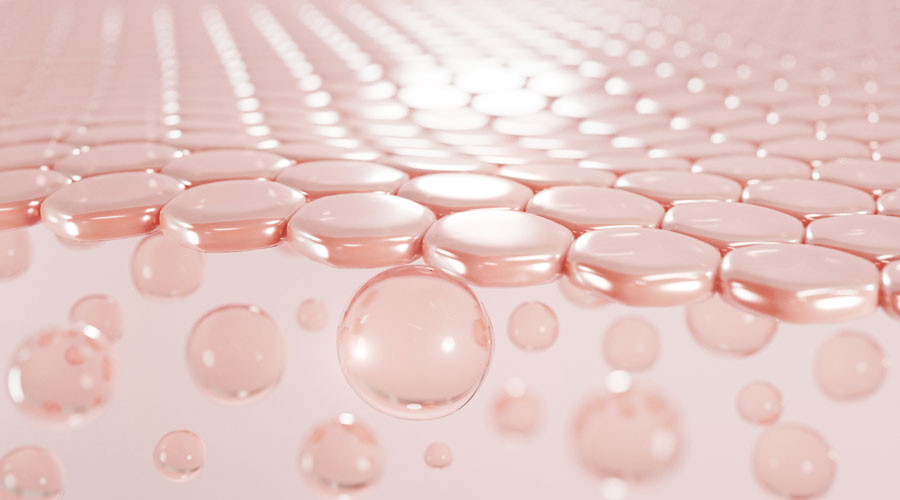
Collagen is the most abundant protein in the human body and plays an important role in skin firmness, elasticity, connective tissue, and joint health. As collagen production declines with age, common signs of collagen loss may include fine lines, sagging skin, reduced elasticity, changes in skin texture, and slower healing.
Although age-related collagen decline is natural, sun exposure, smoking, poor nutrition, stress, and lack of sleep may accelerate collagen breakdown. Understanding what causes collagen loss and how to support collagen production can help you protect skin health and explore options for improving skin elasticity over time.
What Collagen Does for Skin, Joints, and Healthy Aging
Collagen is a structural protein found throughout the body, including the skin, tendons, bones, cartilage, blood vessels, and other connective tissues. Different collagen types serve different structural roles. In the skin, collagen contributes to firmness and support, while in joints and connective tissues it helps provide strength and structure.
Quick Answer: What Causes Collagen Loss?
Collagen loss occurs naturally as the body ages and produces less collagen over time. Sun exposure, smoking, poor nutrition, stress, and inadequate sleep may accelerate collagen breakdown and contribute to fine lines, skin laxity, reduced elasticity, and texture changes. Daily sun protection, balanced nutrition, healthy lifestyle habits, and professional collagen-stimulating treatments may help support healthier-looking skin.
Why Collagen Production Declines With Age

Natural collagen production tends to decline gradually with age, with changes often beginning in early adulthood. Over time, reduced collagen synthesis can contribute to visible changes such as fine lines, reduced firmness, skin laxity, and changes in elasticity. The rate and appearance of these changes vary based on genetics, sun exposure, smoking, nutrition, sleep, and other lifestyle factors.
Collagen production and skin structure change gradually with age. Ultraviolet exposure is an important contributor to photoaging because it can damage collagen and other components of the skin’s extracellular matrix.
Smoking, nutrition, sleep, genetics, and other lifestyle factors may also influence skin appearance and the body’s normal tissue-maintenance processes.
Chronic stress and inadequate sleep may also affect skin health and normal repair processes. Elevated stress, poor sleep quality, and other lifestyle factors can influence inflammation, recovery, and the skin’s ability to maintain a healthy appearance over time.
Common Signs of Collagen Loss and Skin Aging
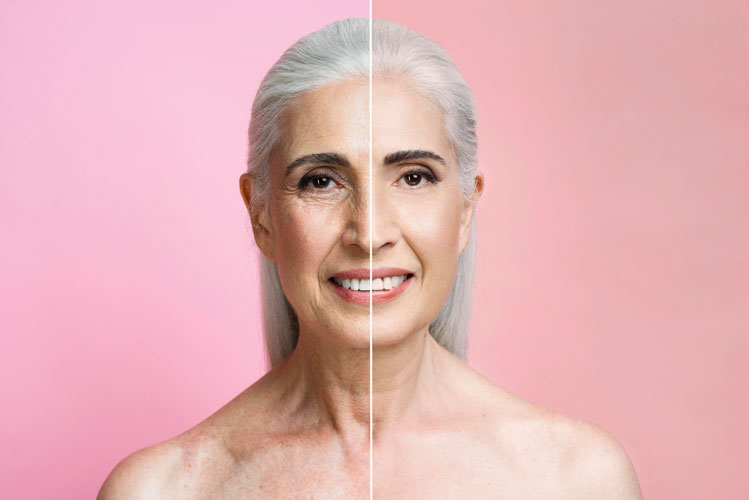
Common signs associated with age-related collagen decline may include thinner-looking skin, reduced elasticity, fine lines, deeper wrinkles, skin laxity, and changes in skin texture or firmness.
How to Support Collagen and Healthy-Looking Skin
Although aging skin is natural, you can support collagen production through targeted habits, nutrition, supplements, and treatments.
Nutrition That Supports Normal Collagen Synthesis
The body needs adequate protein, amino acids, vitamin C, zinc, copper, and other nutrients for normal tissue maintenance and collagen synthesis.
Foods such as lean protein sources, legumes, dairy products, fruits, vegetables, nuts, and seeds can contribute nutrients involved in these processes.
Vitamin C is required for normal collagen formation, but eating specific foods does not guarantee increased skin collagen or reversal of age-related changes.
What Does the Evidence Say About Collagen Supplements?
Hydrolyzed collagen supplements have been studied for skin hydration, elasticity, and wrinkles, but findings are mixed.
Some randomized trials and meta-analyses report improvements, while other analyses have found that benefits become less convincing when study quality and industry funding are considered.
Collagen supplements should therefore be viewed as an optional nutrition strategy rather than a proven way to rebuild lost collagen or reverse skin aging.
| Approach | Primary Role | Key Consideration |
|---|---|---|
| Sun protection | Helps reduce UV-related skin damage | Requires consistent daily use |
| Balanced nutrition | Provides nutrients needed for normal collagen synthesis | Food-first approach |
| Collagen supplements | May support skin hydration or elasticity | Evidence remains mixed and results vary |
| Microneedling | May stimulate remodeling processes involved in collagen production | Requires professional assessment |
| Dermal fillers | Restore volume and improve selected signs of aging | Do not directly replace natural collagen |
Professional Treatments That May Support Collagen Remodeling
Certain aesthetic procedures are designed to trigger controlled skin-remodeling responses that may influence collagen production and skin texture.
Microneedling creates controlled micro-injuries that initiate a healing response involving fibroblast activity and extracellular-matrix remodeling. Laser and radiofrequency treatments may also be considered for selected skin concerns depending on the device, treatment parameters, skin type, and clinical goals.
Dermal fillers primarily restore volume and should not be presented as replacing natural collagen.
Treatment selection should be based on individual skin concerns, medical history, and provider assessment.
How to Protect Existing Collagen From Premature Breakdown
Daily broad-spectrum sun protection is one of the most important strategies for reducing UV-related skin damage. Avoiding smoking, maintaining balanced nutrition, getting adequate sleep, and using a consistent skincare routine may also support healthier-looking skin over time.
These habits cannot completely prevent normal aging, but they may help reduce avoidable environmental damage.
Long-Term Strategies for Healthy Skin
Collagen is one of several structural components involved in skin firmness and elasticity. Normal aging also involves changes in elastin, hydration, fat distribution, bone structure, and other tissues.
Long-term skin care should focus on consistent sun protection, appropriate skincare, balanced nutrition, avoiding smoking, and professional treatments when indicated rather than attempting to completely reverse normal aging.
Professional Collagen Support at Tucson Wellness MD
Tucson Wellness MD helps patients address concerns such as fine lines, skin laxity, uneven texture, and reduced firmness.
A personalized aesthetic consultation can help determine whether microneedling or another skin-rejuvenation treatment may be appropriate based on skin type, medical history, concerns, and treatment goals.
Final Thoughts on Collagen Loss and Skin Aging
Collagen changes are a normal part of aging, and no food, supplement, or aesthetic procedure can completely restore skin to an earlier biological state.
Sun protection, balanced nutrition, healthy lifestyle habits, and selected professional treatments may help support skin health and improve the appearance of texture, firmness, or elasticity.
The best approach depends on the specific concern, skin type, medical history, and realistic treatment expectations.
Concerned About Collagen Loss or Skin Aging?
Tucson Wellness MD can evaluate concerns such as fine lines, skin laxity, uneven texture, or reduced firmness and discuss appropriate aesthetic options based on your skin type, medical history, and treatment goals.
Schedule an Aesthetic ConsultationFrequently Asked Questions About Collagen Loss
What causes collagen loss in the body?
Collagen loss happens naturally with age as the body slows down collagen production over time. Factors such as sun exposure, smoking, poor nutrition, stress, and lack of sleep can accelerate collagen breakdown. Nutrient deficiencies and chronic inflammation may also weaken the body’s ability to repair collagen fibers. These combined effects contribute to visible skin aging and reduced tissue strength.
At what age does collagen start to decline?
Collagen production typically begins declining in the mid-20s. The process happens gradually, so many people do not notice obvious signs immediately. By the 40s, collagen breakdown often exceeds new collagen production, leading to more visible changes in skin texture and elasticity. Lifestyle habits can influence how quickly these changes appear.
What are the first signs of collagen loss?
Early signs often include fine lines, dull skin, reduced elasticity, and rougher skin texture. Some people also notice slower healing, joint stiffness, or longer recovery after exercise. These changes develop gradually as collagen fibers weaken and thin over time. Skin may also begin losing firmness and hydration.
Does sun exposure cause collagen loss?
Ultraviolet exposure contributes to skin aging and can damage collagen and other structural components of the skin. Consistent sun protection can help reduce UV-related skin damage.
Do collagen supplements really work?
Evidence is mixed. Some studies report improvements in skin hydration or elasticity, while other higher-quality analyses have found less convincing benefit. Collagen supplements should not be considered a guaranteed method for rebuilding collagen or reversing skin aging.
Can microneedling stimulate collagen?
Microneedling creates controlled micro-injuries in the skin that trigger a healing response and can support collagen remodeling. Treatment suitability depends on skin type, concerns and medical history.
Can you completely reverse collagen loss?
Normal age-related collagen changes cannot be completely reversed. However, sun protection, healthy lifestyle habits and selected aesthetic treatments may help support skin health and improve the appearance of aging skin.
What treatments can help support collagen production?
Professional treatments such as microneedling, laser therapy, and other aesthetic procedures may help stimulate collagen remodeling. Treatment options depend on individual skin concerns and medical evaluation.
How can I protect collagen from breaking down?
Sun protection, avoiding smoking, maintaining balanced nutrition, managing stress, and getting adequate sleep may help protect existing collagen and support skin health.