Sermorelin Before and After: What Results to Expect Week by Week

Quick Answer

Sermorelin results usually happen gradually. Some patients notice better sleep and recovery within the first few weeks, while changes in body composition, energy, and performance often take longer. Most visible before-and-after progress depends on consistency, dosage, sleep, training, nutrition, and provider monitoring.

You’ve heard the promises: better sleep, more energy, less belly fat, sharper focus. But what does sermorelin therapy actually look like in practice? What changes first? What takes longer? And what should you be realistic about before you start?

This guide walks through what to expect week by week, based on how the therapy works physiologically, not how it gets marketed.

What Is Sermorelin and Why Does It Matter After 40?

Sermorelin is a growth hormone-releasing hormone (GHRH) analog. It does not inject synthetic growth hormone into your body. It signals your pituitary gland to produce and release more of your own.

That distinction is important. Because sermorelin works through your body’s existing systems, it produces more natural GH pulses, carries a lower risk profile than direct HGH therapy, and keeps your own pituitary functioning in the process.

Growth hormone drops significantly after your mid-twenties. By 40, most adults are producing roughly half the GH they were at their peak. That decline is directly tied to increased fat storage especially around the abdomen, loss of lean muscle mass, slower post-exercise recovery, disrupted sleep architecture, and reduced energy and mental sharpness.

Sermorelin addresses the root cause, not just the symptoms.

Before You Start: Baseline Testing

Any credible sermorelin protocol starts with labs, not a prescription pad.

Before your first dose, your provider should measure your IGF-1 levels, which is a stable proxy for average growth hormone output, along with a comprehensive hormone panel. This baseline tells your provider where you are starting, informs your starting dose, and gives you a real comparison point as therapy progresses.

If a clinic skips bloodwork and goes straight to dosing, that is a red flag.

Week-by-Week Sermorelin Results: What to Expect

Weeks 1 to 2: Adjustment Phase

Most patients do not notice dramatic changes in the first two weeks. This is normal. Your pituitary gland is responding to the signal and beginning to increase GH output, but it takes time for that output to accumulate into measurable physiological change.

Some patients report slightly deeper or more restful sleep even early on, vivid dreams which is a known early indicator that GH pulses are occurring during sleep, and mild injection site redness or irritation that typically resolves within days.

What you should not expect: visible fat loss, muscle changes, or a dramatic energy surge in week one or two. Anyone promising that is overselling.

Weeks 3 to 4: Sleep and Energy Shift

This is typically when patients first notice something real.

Sleep quality often improves noticeably. Patients report falling asleep faster, staying asleep longer, and waking up feeling more rested. This happens because GH is primarily released during deep sleep, and as your levels increase, that sleep architecture improves in return.

Energy often follows. Not a stimulant-like jolt, but a steadier, more sustained baseline. Less afternoon fatigue. Better tolerance for physical activity.

Months 2 to 3: Recovery, Mood, and Early Body Changes

By the second month, the compounding effect of improved sleep and rising GH levels starts to show up in other areas.

Patients commonly report faster recovery after workouts, reduced joint stiffness or discomfort, improved mood and reduced irritability, and early signs of improved body composition, particularly less bloating and a subtle shift in how clothes fit.

Visible fat loss at this stage is possible but not universal. It depends heavily on diet, exercise, and your starting IGF-1 levels.

Months 3 to 4: Body Composition Becomes Visible

This is the phase where most patients see the changes they were hoping for when they started.

GH has a well-documented role in lipolysis, which is the breakdown of stored fat for energy. With sustained elevated GH output, visceral fat, the deep abdominal fat that accumulates with age, begins to reduce. Simultaneously, lean muscle mass often improves, particularly in patients who are resistance training.

Results at this stage commonly include measurable reduction in waist circumference, increased muscle tone and definition, improved skin texture and thickness, and better capacity for sustained physical effort.

Months 5 to 6: Peak Optimization Window

The 6-month mark is where the full picture comes together. IGF-1 levels should be retested at or before this point. Your provider will compare your labs against your baseline to assess whether your dose needs adjustment or whether you have reached your optimal range.

Patients who stay consistent through six months typically report sustained body composition improvements, significantly improved sleep quality as a new normal, stronger immune function, improved cognitive clarity and focus, and libido improvements often tied to the downstream effects of optimized GH on other hormone systems.

What Affects Your Results

Sermorelin is not a substitute for a functional lifestyle. Its results amplify what you put in. They do not replace it.

Dosing accuracy. IGF-1 testing at baseline and follow-up is the only way to know if your dose is right. Under-dosing produces weak results. Over-dosing carries risk. Neither outcome is acceptable in a well-run program.

Injection timing. Sermorelin is most effective when injected before bed on an empty stomach, because it works in sync with the body’s natural overnight GH release cycle.

Sleep hygiene. GH is primarily secreted during deep sleep. If your sleep is disrupted by alcohol, blue light, or irregular sleep schedules, you are working against the therapy.

Diet and training. Growth hormone has the strongest body composition impact in people who are eating adequate protein and engaging in resistance training. If neither is present, results will be slower and less visible.

Age and starting hormone levels. Patients with more significant GH deficiency at baseline often see more dramatic results early. Patients who are only mildly deficient may see subtler changes over a longer timeline.

Common Questions About Sermorelin Before and After

How long does sermorelin take to work?

Most patients notice sleep and energy changes within two to four weeks. Body composition changes typically appear between months two and four. The full effect of a properly dosed protocol is best evaluated at the six-month mark.

Are sermorelin results permanent?

Results are sustained as long as therapy continues. Growth hormone declines are physiological and ongoing. Most patients on long-term hormone optimization protocols use sermorelin cyclically or continuously depending on their lab results and clinical goals.

Can sermorelin help with weight loss?

Sermorelin supports fat metabolism, particularly visceral fat reduction, through its effect on GH output. It is not a weight loss drug. Patients who are eating in a caloric surplus will not see meaningful fat reduction regardless of GH levels. It works best as part of a broader metabolic optimization plan.

Is sermorelin safe?

Sermorelin has been used clinically for decades and carries a well-established safety profile when properly prescribed and monitored. Side effects are generally mild, including injection site reactions or temporary water retention. Serious adverse events are rare in medically supervised protocols.

Is Sermorelin Right for You?

The only way to know if sermorelin is appropriate for you is to test your hormone levels and have a qualified provider interpret them in the context of your symptoms and health history. Sermorelin is not appropriate for everyone, and it should never be prescribed without labs.

At Tucson Wellness MD, sermorelin therapy begins with comprehensive hormone testing and a one-on-one consultation. No guessing. No generic protocols. Your starting dose is based on your actual IGF-1 levels, and your progress is tracked with follow-up labs at the intervals that matter.

If you are in the Tucson area and want to understand whether sermorelin is a fit for your goals, call us at 520-222-5425 or email Info@TucsonWellnessMD.com to schedule a consultation.

FDA Compliance Disclaimer

Sermorelin is a prescription medication and must be obtained through a licensed medical provider following appropriate clinical evaluation. This content is for informational purposes only and does not constitute medical advice. Individual results vary. Consult a qualified healthcare provider to determine whether sermorelin therapy is appropriate for your specific health situation.

The Ultimate Guide to Today’s Top Weight Loss Medications: Your Questions Answered

Over the past few years, prescription GLP-1–based medications have gained widespread attention for weight management. These medications work differently from traditional diet and exercise alone and may support weight management for individuals with obesity or weight-related conditions.

If you’re curious about how these medications compare, how they work, and whether one might be right for you, here are answers to the most common questions people ask.

How Semaglutide, Tirzepatide, and Retatrutide Work

All three belong to a class of medications that mimic hormones in your body to help regulate appetite, insulin, and blood sugar.

Semaglutide

Semaglutide is a GLP-1 receptor agonist. It mimics the hormone GLP-1, which helps you feel fuller longer, slows digestion, and improves insulin sensitivity.

Tirzepatide

Tirzepatide is a dual GIP and GLP-1 receptor agonist. This means it targets both GLP-1 and another hormone, GIP (glucose-dependent insulinotropic polypeptide), which may further enhance weight loss and blood sugar control compared to semaglutide.

Retatrutide

Retatrutide is currently in clinical trials and is being studied for potential metabolic effects. It’s a triple agonist targeting GLP-1, GIP, and glucagon receptors which is being evaluated for its potential impact on energy expenditure and weight management.

Why Protein and Strength Training Matter

While medications like semaglutide, tirzepatide, and retatrutide can help you lose significant weight by reducing your appetite and calorie intake, it’s important to understand that not all weight loss is equal.

Without the right nutrition and exercise, some of the weight you lose may come from muscle, not just fat and preserving your muscle is crucial for your health, strength, and metabolism.

Here’s why eating enough protein and including weight training in your routine matter:

Protect Muscle

These medications may influence appetite regulation and calorie intake, but when you’re in a calorie deficit, your body may break down muscle along with fat. Adequate protein intake and resistance training signal your body to hold onto muscle while burning fat.

Support Metabolism

Skeletal muscle tissue plays a role in overall metabolic activity. Losing too much muscle can slow your metabolism and make it harder to keep the weight off long term. Strength training helps maintain or even build muscle as you lose weight.

Improve Strength and Function

Keeping your muscles strong ensures you can continue to move well, stay active, and reduce your risk of injury all of which are especially important as you lose weight.

Increase Satiety

Protein-rich meals help you feel fuller longer and support recovery after workouts, which is important since these medications may already reduce your appetite and make it harder to get enough nutrients.

By combining weight loss medication with a solid nutrition and exercise plan, you’re not just losing weight, you’re building a stronger, healthier, and more resilient body.

Common Side Effects

Like any medication, these have side effects, most often gastrointestinal, such as:

  • Nausea
  • Vomiting
  • Diarrhea or constipation
  • Reduced appetite

Side effects tend to be dose-dependent, often lessen as your body adjusts, and vary by person.

How Long Do You Need To Take the Medication

Continued use is typically required to maintain results, and discontinuation may lead to weight regain in some individuals. That’s why they’re usually prescribed alongside lifestyle changes like improved nutrition, physical activity, and behavior therapy for long-term success.

Which Medication Is Right for You

There’s no one-size-fits-all answer. Factors to consider include:

  • Your medical history
  • Weight loss goals
  • How well you tolerate each medication

Discuss your options with your healthcare provider, they can guide you toward the best fit based on your unique situation. Remember, what works well for your friend may not be the right choice for you and that’s perfectly okay!

Our Commitment to Lab Grade Medications

At Tucson Wellness MD we prioritize your safety and effectiveness above all else. That’s why we use only lab-grade weight loss medications sourced directly from trusted manufacturers.

We do not use compounded medications or products from compounding pharmacies. Compounded medications are customized formulations prepared by licensed pharmacies. Availability and regulatory oversight may vary depending on product and jurisdiction.

We source medications through regulated manufacturers to support consistent dosing and established quality standards.

Your health and results matter to us. This commitment helps us provide you with the best care possible on your weight loss journey.

Begin Your Weight Loss Journey With Tucson Wellness MD

GLP-1–based medications are being used in the medical management of obesity and related metabolic conditions under physician supervision. While they’re not magic bullets, they can provide significant support alongside lifestyle changes.

If you’re interested in learning more about these options or finding out which is right for you, schedule a consultation with a qualified provider who can help you weigh the benefits, risks, and costs.

5 Benefits of Semaglutide for Weight Loss

If you’re having difficulty achieving your weight loss goals, have encountered a plateau, or just struggling to keep lost weight off, Tucson Wellness MD can help.  As the season changes, don’t just appreciate yourself, fall in love with yourself.

Semaglutide can be a real game-changer, offering more than just weight management. Many people taking semaglutide find that their blood pressure drops, which can be a game-changer for those dealing with hypertension or worried about heart health. This added benefit helps keep blood pressure in check and supports overall cardiovascular well-being.

As you tackle your weight and rev up your metabolic health, you might find another delightful surprise: your sleep quality improves. With reduced sleep apnea symptoms and a healthier body overall, you could start enjoying deeper, more restful nights. It’s like your health transformation is giving you sweet dreams as an added bonus!

Semaglutide doesn’t just help with insulin production; it also enhances your body’s insulin sensitivity. Imagine your cells becoming superstars at responding to insulin, making glucose management a breeze. It’s like upgrading your body’s internal system for effortless blood sugar control! This is especially beneficial for individuals with type 2 diabetes. 

Shedding pounds and stabilizing blood glucose levels can do wonders for your mood and mental well-being. Many people on semaglutide therapy find themselves bursting with energy, enjoying sharper mental clarity, and feeling more emotionally balanced. It’s not just about physical health; it’s a boost for your mind and spirit too!

Semaglutide acts like a pro at mimicking GLP-1, skillfully taming your appetite and cravings. This smart strategy leaves you feeling fuller and more satisfied, making it a breeze to stick to your health goals. Plus, our experts boost your results by focusing on muscle preservation with exercise and high protein, so you’ll see and feel amazing changes in your health and energy!

“While semaglutide is not recommended for use with rare cancers, clinical trials have demonstrated its potential in preventing and improving outcomes in certain cancers and Alzheimer’s disease.”

– Dr. Kellams

Weight Loss at Tucson Wellness MD

Our goal is to help you become a healthier version of yourself and live a fulfilling life, no matter your age. Our team of experts are committed to helping you reach your goals and maintain them through consistent lifestyle changes. Fall in love with yourself this season and let semaglutide support your weight loss journey and help you shed those extra pounds. Reach out to us by phone or online to learn more about semaglutide or our other weight loss services

Semaglutide Weight Loss Results

How much weight can you lose with semaglutide?

Many patients lose between 10% to 20% of their body weight with semaglutide when combined with proper nutrition and lifestyle changes. Results vary based on dosage, consistency, and individual metabolism.

How Hormone Imbalance Drives Weight Gain

Excess weight is not only a lifestyle issue. Obesity changes how the body regulates hunger, blood sugar, and energy use. Hormonal signaling becomes disrupted. Appetite stays elevated even after eating. The stomach empties faster. Blood sugar rises and falls unevenly. Metabolism adapts to defend stored fat. Over time, these biological changes make weight loss harder and weight regain more likely, even with strict diet and exercise.

Semaglutide works by correcting key metabolic signaling pathways involved in appetite and glucose regulation. It activates GLP-1 receptors that control hunger, slow stomach emptying, and regulate insulin release. These effects improve satiety, stabilize blood sugar, and reduce caloric intake at the physiological level. By restoring hormonal regulation of appetite and metabolism, semaglutide supports sustained weight reduction and long-term metabolic balance under medical supervision.

Semaglutide Weight Loss

When Diet and Exercise Alone Don’t Work

Sustained weight loss is associated with improvements in several health markers. The foundation for most weight loss programs involves strict lifestyle modification, including dietary change and exercise.

Unfortunately, many individuals struggle with weight loss and chronic weight management due to difficulty adhering to long-term lifestyle modification and the metabolic adaptations that promote weight regain. In some cases, prescription medications may be considered as part of a comprehensive weight management plan.

Historically, anti-obesity drugs have produced only modest weight loss and required at least once daily administration. Semaglutide or Glucagon-like peptide-1 (GLP-1), a hormone with significant effects on glycemic control, appetite, and weight regulation, is a new therapy being used for weight loss.

How Semaglutide Works for Weight Loss

Semaglutide, a GLP-1 receptor agonist (GLP-1RA), was recently approved by the Food and Drug Administration for chronic weight management in adults with obesity or who are overweight. The approval came after the publication of the Semaglutide Treatment Effect in People with Obesity (STEP) clinical trials. In these 68-week trials, semaglutide was associated with significantly greater weight loss compared to placebo. Semaglutide is a GLP-1 receptor agonist that is prescribed under medical supervision for specific indications.

Semaglutide Weight Loss Results by Timeline: What Clinical Trials Show

Clinical trial data from the STEP program provides the clearest picture of what to expect from semaglutide at a 2.4 mg weekly dose.

STEP 1 Trial (1,961 adults without diabetes, published in the New England Journal of Medicine, 2021):

Participants who received semaglutide 2.4 mg lost an average of 14.9% of their body weight over 68 weeks compared to 2.4% in the placebo group. For a 250-pound patient, that translates to roughly 37 pounds of total weight loss.

STEP 3 Trial (611 adults with intensive behavioral therapy, published in JAMA, 2021):

Participants who combined semaglutide 2.4 mg with a structured behavioral program lost an average of 16% of their body weight over 68 weeks compared to 5.7% in the placebo group.

What Patients Typically Experience by Phase:

TimelineWhat to Expect
Weeks 1 to 4Reduced appetite and fewer food cravings as the dose ramps up. Most patients notice they feel full faster during meals. Weight loss during this period is modest, usually 2 to 5 pounds, as the body adjusts to the medication.
Weeks 5 to 12Consistent weight loss begins as the dose reaches therapeutic levels. Most patients lose 5% to 7% of their starting body weight by week 12. Eating patterns shift noticeably. Portion sizes decrease without effort.
Weeks 13 to 28Steady weight reduction continues. Patients who combine semaglutide with protein-focused nutrition and regular movement tend to see the strongest results during this phase. Average cumulative loss reaches 10% to 12% of starting weight.
Weeks 29 to 68Weight loss continues at a slower rate as the body approaches a new metabolic set point. Long-term results depend on medication adherence, dietary consistency, and ongoing medical supervision. Average cumulative loss reaches 14% to 16% of starting weight.

Results vary by individual. Factors that influence outcomes include starting weight, metabolic health, adherence to the prescribed dose schedule, nutritional habits, physical activity, and sleep quality. All semaglutide prescriptions at Tucson Wellness MD include medical supervision and lab monitoring.

Medical Supervision During Semaglutide Treatment

 Weight Management

As a chronic and relapsing disease, obesity impairs metabolism and causes cardiovascular disease. Although behavioral modification is important for the treatment of obesity, it is difficult to achieve an ideal weight or sustain the process of long-term weight loss.

Therefore, the obesity control guidelines strongly recommend lifestyle interventions along with medical treatment for patients who are overweight and in need of clinically significant weight loss to reduce cardiometabolic risk factors. Clinical guidelines support combining lifestyle interventions with appropriate medical treatment for eligible patients.

Semaglutide and Diabetes Management

Semaglutide is used along with a diet and exercise program to control blood sugar levels in adults with type 2 diabetes (condition in which the body does not use insulin normally and therefore cannot control the amount of sugar in the blood) when other medications did not control the sugar levels well enough.

Semaglutide is not used to treat type 1 diabetes (condition in which the body does not produce insulin and therefore cannot control the amount of sugar in the blood) or diabetic ketoacidosis (a serious condition that may develop if high blood sugar is not treated).

Semaglutide is in a class of medications called incretin mimetics. It works by helping the pancreas to release the right amount of insulin when blood sugar levels are high. Insulin helps move sugar from the blood into other body tissues where it is used for energy. Semaglutide also works by slowing the movement of food through the stomach.

What BMI Range Qualifies You for Semaglutide Treatment?

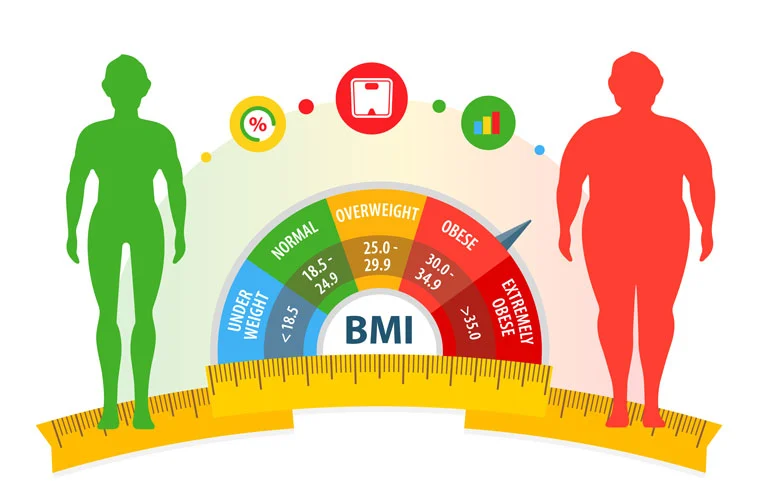
BMI index

You can find an estimated body fat percentage by utilizing your height, baseline body weight, and a current BMI (Body Mass Index) chart. Once you know your body fat percentage, you can more easily calculate your lean body mass relative to that percentage.

Body Mass Index (BMI) is a person’s weight in kilograms (or pounds) divided by the square of height in meters (or feet). A high BMI can indicate high body fatness. BMI screens for weight categories that may lead to health problems, but it does not diagnose the body fatness or health of an individual.

How to Read Your BMI and What It Means for Semaglutide Eligibility

A high or low BMI may be an indicator of poor diet, varying activity levels, or high stress. Just because someone has a ‘normal BMI’ does not mean that they are healthy.

BMI doesn’t take account of body composition, for example, muscle, fat, bone density. Sex and other factors which can impact your weight can also lead to an inaccurate reading. As such a BMI calculation is not a suitable measure for some people including children and young people under 18, pregnant women and athletes.

BMI Ranges Explained

Your BMI will fit into one of 5 bands:

  • under 18.5 – This is described as underweight. 
  • between 18.5 and 24.9 – This is described as the ‘healthy range’.
  • between 25 and 29.9 – This is described as overweight
  • between 30 and 39.9 – This is described as obesity
  • 40 or over – This is described as severe obesity

Medically Supervised Semaglutide in Tucson

For those who have suffered with weight gain and weight maintenance, possibilities as extreme as bariatric surgery may have been considered. In clinical trials, semaglutide was associated with greater average weight reduction compared to placebo when combined with lifestyle changes. Individual results vary and treatment must be prescribed and monitored by a licensed healthcare provider.

Clinical studies evaluated changes in weight and metabolic markers under medical supervision. Outcomes vary by individual.

Start Your Medically Supervised Weight Loss at Tucson Wellness MD

At Tucson Wellness we are dedicated to helping you be better in everything you do. Excess weight is associated with various health risks. A structured medical weight management plan may support improved health outcomes. We provide medically supervised weight management plans tailored to each patient’s individual health profile and goals.

Learn if you might be a good candidate with a consultation with our Master Medical Nutritionist. Learn more and contact us today by continuing to explore our website.