Lean Body Mass vs Muscle Mass: Why Body Composition Matters
Table of Contents
When it comes to tracking your health and fitness progress, the number on the scale only tells part of the story. That’s why body composition is so important, it helps you understand what your body is actually made of, beyond just weight.
But terms like lean body mass and muscle mass often get mixed up. Let’s break down what they really mean, with some real-world examples of how they show up in everyday life.
Quick Answer
What Is the Difference Between Lean Body Mass and Muscle Mass?
Lean body mass includes everything in your body that is not fat, including muscle, water, bone, organs, and connective tissue. Muscle mass refers only to muscle tissue. This difference matters because weight loss can come from fat, water, or muscle, not just the number on the scale. Body composition testing helps show whether your progress is coming from healthier fat loss, muscle gain, or fluid changes.
What Body Composition Really Means
Body composition refers to the proportions of fat, muscle, bone, water, and other tissues in your body.
Think of it this way:
Two women both weigh 160 lbs and are the same height, but one has a much higher percentage of muscle and lower body fat. Even though the scale shows the same number, their bodies look and feel very different.
Body composition provides additional context about physical changes beyond scale weight.
BMI vs Body Composition: Why the Scale Does Not Tell the Full Story
BMI and scale weight can be useful starting points, but they do not show what your weight is made of. BMI does not distinguish between fat, muscle, bone, and water, which means two people with the same BMI can have very different body composition profiles.
Body composition testing gives more useful context by separating fat mass, lean body mass, skeletal muscle mass, and body water. This can help patients better understand whether their plan is supporting fat loss, muscle preservation, or healthier long-term body changes.
Body Fat vs Muscle Mass vs Lean Mass
| Measurement | What It Means | Why It Matters |
|---|---|---|
| Body Fat | The amount of fat tissue your body carries. | Helps track fat loss, metabolic health, and weight management progress. |
| Muscle Mass | The total amount of muscle tissue in your body. | Supports strength, movement, metabolism, posture, and healthy aging. |
| Lean Mass | Your total weight minus fat mass, including muscle, water, bones, and organs. | Shows whether weight changes come from fat loss, muscle gain, or fluid changes. |
What Lean Body Mass Includes
Lean body mass (LBM) is everything in your body that isn’t fat.
Lean Body Mass (LBM) = Total Weight – Fat Mass
This includes:
- Muscles
- Bones
- Organs
- Body water
- Connective tissue/Skin
Why Lean Body Mass Can Change Without Muscle Gain
The two biggest factors that influence lean body mass are body water and muscle mass. A sudden increase in lean body mass doesn’t always mean you’ve gained muscle, it could simply be fluctuations in body water.
Imagine a man who starts a weight-loss program and drops 15 pounds. When he checks his body composition, he finds he lost 10 pounds of fat and 5 pounds of lean body mass. Some of that lean mass could be water, but some could also be muscle which isn’t ideal.
Muscle gains definitely contribute to LBM gains, but so does water, which can fluctuate throughout the day depending on hydration status, diet, and physical activity.
That’s why simply focusing on “weight loss” without paying attention to what kind of weight you’re losing can backfire.
What Muscle Mass Means
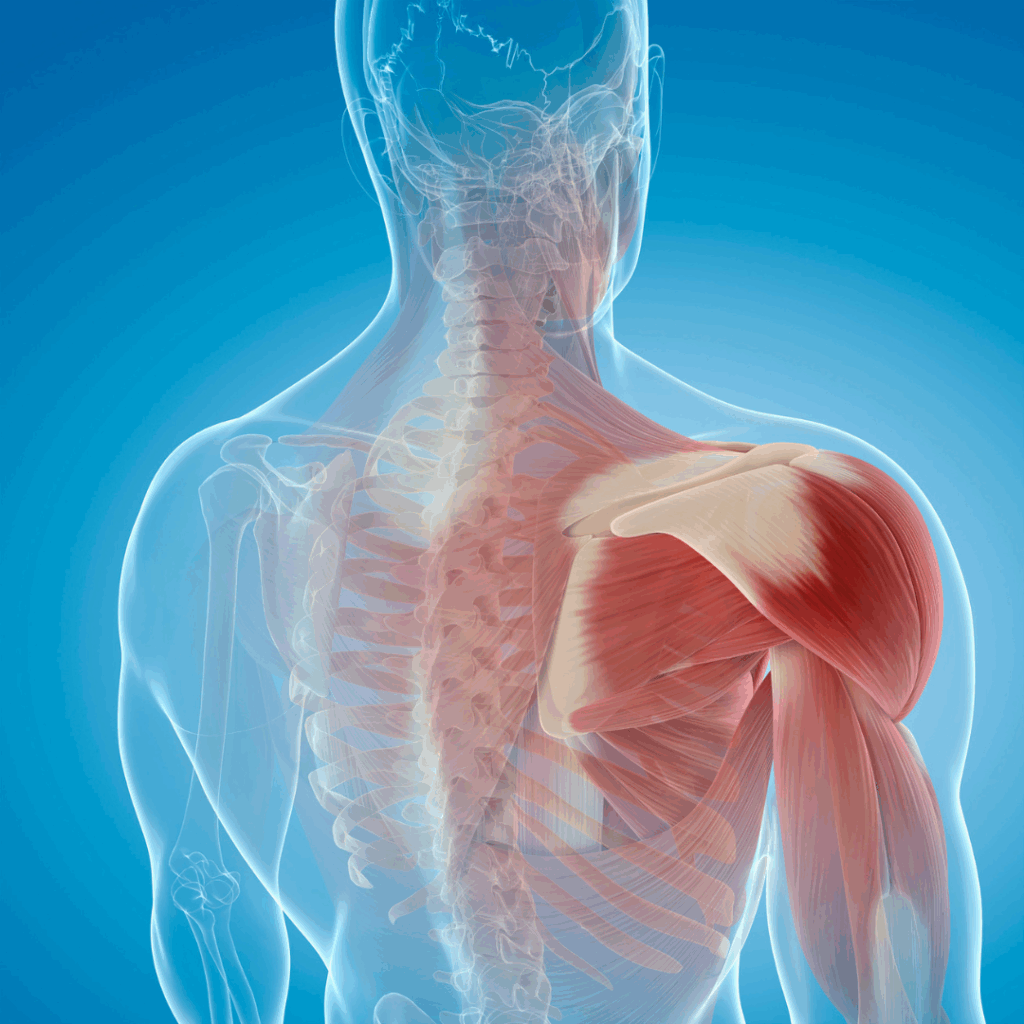
Muscle mass refers specifically to the weight of all the muscle tissue in your body, primarily your skeletal muscles, which help you move, lift, and support your metabolism. This is the type of muscle you can actively build through proper exercise and nutrition.
When people talk about “building muscle” with strength training and protein, they’re really referring to skeletal muscle mass or muscle mass.
Types of Muscle in the Body
- Skeletal Muscle: the voluntary muscle you can grow and strengthen through training and nutrition
- Cardiac Muscle: the involuntary muscle of the heart
- Smooth Muscle: the involuntary muscle found in organs and blood vessels

A woman starts strength training three times a week and eating more protein. Over 3 months, her scale weight stays the same but her body composition shows she gained 6 pounds of muscle and lost 6 pounds of fat.
Changes in muscle and fat distribution may influence physical appearance and perceived strength, even when scale weight remains stable.
Lean Body Mass vs Muscle Mass: Key Differences
| Feature | Lean Body Mass (LBM) | Muscle Mass |
|---|---|---|
| Definition | Total body weight minus fat mass | Total weight of all muscle tissue |
| Includes | Muscle, bone, organs, water, connective tissue | Skeletal, cardiac, and smooth muscle |
| Influenced by | Hydration, muscle size, bone density | Primarily resistance training and protein intake |
| Can fluctuate daily? | Yes, due to water retention | Not significantly day to day |
| Directly trainable? | Partially | Yes, skeletal muscle can be grown through exercise |
Why Body Composition Matters More Than Scale Weight
Knowing the difference between LBM and muscle mass helps you track progress more accurately and adjust your plan as needed.
- If your lean body mass goes up slightly, it could just be from extra water (maybe from inflammation or a salty meal), not necessarily more muscle.
- Increases in skeletal muscle mass may be associated with changes in strength and metabolic activity.
- Rapid weight loss that includes muscle reduction may affect strength and overall body composition.
Fat Loss vs Weight Loss: Why the Difference Matters
Weight loss simply means the number on the scale goes down. Fat loss means the body is reducing fat while preserving as much lean mass and muscle as possible. This distinction matters because rapid or poorly planned weight loss may include muscle loss, water loss, or changes that do not support long-term health.
A healthier goal is usually improving body composition, not just losing weight quickly. That means reducing excess fat, supporting skeletal muscle, eating enough protein, staying active, and monitoring progress beyond the scale.
How to Increase Muscle Mass and Support Better Body Composition
To support healthy body composition:
- Focus on strength training at least 2–4 times a week
- Eat enough protein (some trainers and nutritionists use different methods, its best to consume 0.7–1 gram per pound of lean muscle mass)
- For a 168-lb person with LBM of 96-lbs would mean to eat 67-96 grams of protein/day
- Include lean meats, eggs, dairy, and legumes
- Avoid extreme calorie restriction, which can lead to muscle loss.
- Caloric intake should be individualized based on activity level and goals, ideally under professional guidance.
- Stay hydrated. Hydration status can influence muscle function and performance.
- Sleep 7–9 hours per night to allow muscle repair and growth.
Patients working on fat loss or body composition may also benefit from reviewing medical weight loss in Tucson and fat loss injections.
Body Composition Testing at Tucson Wellness MD

Understanding your body composition and the difference between lean body mass and muscle mass helps you focus on the quality of your weight changes, not just the number on the scale.
Body composition analysis can provide insights beyond scale weight, helping guide informed health decisions.
At Tucson Wellness MD, we offer advanced body composition analysis with our InBody machine to help you truly understand what your weight is made of. The next time you visit, take just a few minutes to step on the machine and Gain additional information about body fat and muscle measurements to support your health discussions with a provider.
For a more complete wellness plan, Tucson Wellness MD may also review longevity care, strength and performance, and peptide therapy when appropriate.
What an InBody Body Composition Test Can Show
An InBody test uses bioelectrical impedance analysis to estimate body composition. It can help measure body fat mass, skeletal muscle mass, lean body mass, total body water, and segmental muscle distribution.
| Measurement | What It Helps You Understand |
|---|---|
| Body fat mass | How much of your weight comes from fat tissue |
| Skeletal muscle mass | How much muscle supports strength, movement, and metabolism |
| Lean body mass | Your non-fat weight, including muscle, water, bone, and organs |
| Total body water | How hydration and fluid changes may affect lean mass readings |
| Segmental analysis | How muscle and fat are distributed across different body areas |
Body Composition Testing
Get a Clearer Picture of Your Weight, Muscle, and Fat
Tucson Wellness MD can help you review body fat, lean mass, muscle trends, and wellness goals with advanced body composition testing and personalized guidance.
Schedule a Wellness ConsultationFrequently Asked Questions About Body Composition
Is lean body mass the same as muscle mass?
No. Lean body mass includes muscle, water, bone, organs, and connective tissue. Muscle mass refers only to muscle tissue. This is why lean body mass can change from hydration or fluid shifts even when muscle has not changed.
Can you lose weight but not lose fat?
Yes. Scale weight can drop from water loss, muscle loss, or reduced food volume, not just fat loss. Body composition testing helps show whether weight changes are coming from fat, lean mass, or fluid changes.
Why did my lean body mass go down during weight loss?
Lean body mass may decrease during weight loss because of water changes, low protein intake, reduced strength training, or muscle loss. A provider can review body composition trends and help adjust nutrition, activity, and weight-loss strategy.
How often should I check body composition?
Many patients check body composition every 4 to 8 weeks, depending on their goals. Testing too often may overemphasize normal water fluctuations instead of meaningful long-term trends.
Is InBody testing better than a regular scale?
A regular scale only shows total body weight. InBody testing gives more detail by estimating body fat mass, skeletal muscle mass, lean body mass, and body water, which can make weight-loss and wellness progress easier to understand.