Author: Tucson Wellness

Why Self-Care Matters for Long-Term Health, Stress Relief, and Whole-Body Wellness

Quick Answer

Why is self-care important for long-term health?

Self-care supports long-term health by helping manage stress, improve sleep, support mental wellness, regulate hormones, and maintain healthy lifestyle habits. Consistent self-care practices such as proper nutrition, exercise, stress management, hydration, and recovery may help improve overall physical and emotional well-being.

Chronic stress, poor sleep, and unmanaged health habits place constant strain on the body. Hormone regulation shifts. Inflammation rises. Energy production drops. Mental focus weakens. Over time, physical resilience declines and the risk of burnout, metabolic disease, and mood instability increases. Without structured self-care, daily demands gradually erode both physical and psychological stability.

In Tucson, Arizona, health and wellness providers offer structured medical and lifestyle support designed to restore balance and maintain long-term function. At Tucson Wellness MD in Tucson AZ, patients receive personalized wellness plans, hormone optimization support, aesthetic services, and restorative therapies that turn self-care into a sustainable routine. Professional guidance, targeted treatments, and medically supervised programs help regulate stress response, support metabolic health, and stabilize overall well-being in a way that fits the demands of daily life in Southern Arizona.

What Self-Care Really Means for Your Health

Self-care is the intentional practice of protecting your physical, mental, and emotional health through consistent daily habits. It includes sleep, movement, balanced nutrition, stress management, and professional support when needed.

Chronic stress, poor sleep, and metabolic imbalance can negatively affect both physical and mental well-being. Consistent self-care habits may support resilience, energy levels, and overall well-being over time.

In Tucson, health and wellness companies help simplify self-care by offering medical guidance, fitness coaching, stress reduction services, aesthetic treatments, and personalized wellness plans that fit into busy lifestyles.

The goal is not luxury. The goal is sustainability.

Why Self-Care Is Hard to Maintain in Real Life

Most people know self-care matters, but real life gets in the way. Long workdays, mental fatigue, stress, and inconsistent routines make it easy to put your health last. When self-care becomes complicated or time-consuming, it usually gets skipped altogether.

This is where structured support helps. Health and wellness companies provide guidance, accountability, and services that simplify self-care so it fits into your lifestyle instead of competing with it.

In this blog, we’ll explore the importance of self-care and how health and wellness companies can assist in achieving optimal health and wellness.

What is Self-Care?

Self-care is the practice of taking care of your physical, emotional, and mental health needs. It encompasses a range of activities that prioritize your well-being and helps you make healthier choices beyond bubble baths, including exercise, healthy eating, adequate sleep, and relaxation techniques like meditation and mindfulness.

Self-care also involves engaging in activities that bring you joy and fulfillment, like hobbies and socializing with loved ones.

Self-care is essential for maintaining overall health and well-being. When you prioritize your needs, you’re better equipped to manage stress, reduce anxiety, and improve your overall mood.

Healthy lifestyle habits may support cardiovascular, metabolic, and overall physical health. Taking care of your needs and engaging in self-care activities can increase your self-esteem and confidence, leading to a more positive outlook on life.

Proven Benefits of Consistent Self-Care

New York University conducted a study on the effects of self-care and found that individuals who regularly practice self-care are better equipped to manage stress, have improved mental health, and are more productive. The study also revealed that Some research suggests that consistent self-care habits are associated with improved well-being and life satisfaction.

The New York University research showed that engaging in self-care activities can lead to better physical health by reducing the risk of chronic diseases like heart disease and obesity. These findings help to highlight the importance of prioritizing self-care practices in daily life to achieve optimal well-being.

How Self-Care Improves Physical and Mental Health

Self-care is crucial for maintaining optimal health and wellness. When you prioritize your needs, you’re better able to manage stress, reduce anxiety, and improve your overall mood. Additionally, self-care can help you:

Improve physical health

Exercise, balanced nutrition, and adequate sleep are foundational habits that support overall physical health.

Support Mental Health

Taking care of your mental health is just as important as taking care of your physical health. Self-care practices may help support stress management and emotional well-being.

Improve Energy and Focus

When you care for your needs, you have more energy and focus on tackling the tasks on your to-do list. You’ll be better equipped to handle stress and meet the demands of work and other responsibilities.

Build Confidence and Self-Esteem

Prioritizing your needs and engaging in self-care activities can increase self-esteem and confidence, leading to a more positive outlook on life.

How Wellness Providers Support Long-Term Health

Health and wellness companies in Tucson offer a range of services and resources to help you prioritize self-care and achieve optimal health and wellness. Here are a few ways these companies can assist you:

salon therapy

1. Fitness and Nutrition Coaching

Many health and wellness companies in Tucson offer fitness and nutrition coaching services to help you achieve your physical health goals.

A personal trainer or nutritionist can work with you to develop a customized fitness and nutrition plan that meets your unique needs and goals. They can also provide guidance and support as you work to achieve your health and wellness goals.

2. Stress Management for Better Energy and Focus

Managing stress is an essential part of self-care. Many health and wellness companies in Tucson offer stress management techniques like meditation, yoga, and mindfulness training to help you reduce stress and improve your overall mood.

These practices can also improve focus, increase resilience, and improve sleep quality.

3. Aesthetic and Spa Services That Support Recovery

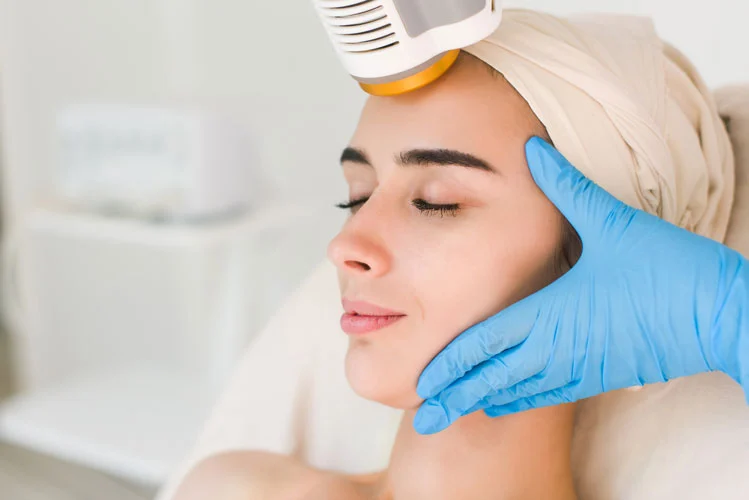
Tucson is home to many spas that offer services designed to promote relaxation and wellness. From massages to facials to hydrotherapy, these services can help you unwind and rejuvenate after a busy week.

By taking time for yourself and indulging in these services, you prioritize your needs and practice self-care.

4. Mental Health Support and Professional Guidance

Other forms of mental health support can help to address deeper issues like substance abuse, past trauma, and psychiatric needs.

Licensed therapy services can help you address issues like anxiety, depression, and stress and provide you with tools and techniques to manage these challenges. By prioritizing your mental health and seeking support when needed, you practice self-care and improve your overall well-being.

5. Community Support and Accountability

Engaging with others who share your health and wellness goals can be a powerful motivator for self-care. One strong marker of employee wellness is co-worker relationships, but not everyone can find the community they seek through their work.

Many health and wellness companies in Tucson offer community support through group fitness classes, support groups, and other events. By connecting with another person who shares your values and priorities, you’re building a support system to help you achieve your goals and maintain optimal wellness.

How Self-Care Supports Mental Health Stability

manicure treatment

The relationship between mental health and self-care is crucial. Practicing Self-care practices can complement professional mental health support and may assist with stress management. Taking care of oneself involves engaging in activities that promote relaxation and calmness, such as practicing mindfulness, meditating, or taking a warm bath. By prioritizing these activities, individuals can manage symptoms of mental illness and improve their overall well-being.

Healthy lifestyle habits may contribute to overall emotional resilience. By engaging in self-care practices such as regular exercise, healthy eating, and getting enough sleep, individuals can reduce the risk of developing mental health conditions such as depression and anxiety.

Self-care can also improve self-esteem and confidence, leading to a more positive outlook on life. By prioritizing self-care, individuals can take control of their mental health and work towards achieving optimal well-being.

Frequently Asked Questions

Why are health and wellness programs important?

Health and wellness programs are important because they encourage individuals to prioritize their physical, emotional, and mental health needs. By promoting healthy habits and self-care practices, These programs encourage healthy habits and support overall well-being.

What is the importance of self-care?

The importance of self-care lies in its ability to prioritize one’s well-being, leading to better physical, emotional, and mental health.

Why do companies offer health and wellness programs to their employees?

Companies offer health and wellness programs to their employees to promote a healthier workforce, reduce absenteeism, and increase productivity. Such programs can also help attract and retain talented employees who value a company culture that prioritizes their well-being.

Start Your Personalized Wellness Plan

At Tucson Wellness MD, our staff members are dedicated to empowering you to live the life you want by giving you the tools and the medical care needed to  support long-term health and overall wellness.

Whether you want to  support body composition goals under medical supervision take advantage of our beauty services, or discuss non-surgical options where clinically appropriate, Tucson Wellness MD is interested in your best self.

We believe in a scientific, evolutionary approach to health and modern pain relief. We source products from licensed manufacturers and pharmacies in accordance with regulatory standards.

Health should fit your lifestyle, and we will work with you to create a plan that meets your needs and improves your quality of life.

We invite you to learn more by continuing to explore our website.
When Should I Start Peptides? Signs to Discuss Therapy

Quick Answer

When should I start peptides?

You should start discussing peptide therapy when symptoms such as slow recovery, low energy, reduced muscle tone, poor sleep, stubborn body composition changes, or age-related performance decline begin affecting your daily life. The right time depends on your goals, health history, lab results, and medical evaluation.

Signs Peptide Therapy May Be Worth Discussing

Sign or GoalWhy It MattersWhat to Discuss With a Provider
Slower workout recoveryDelayed recovery may affect strength, performance, and consistency.Recovery goals, training routine, inflammation, sleep, and injury history.
Low energy or poor sleepSleep and energy changes may point to hormone, metabolic, or lifestyle factors.Lab testing, sleep quality, stress levels, and possible hormone imbalance.
Loss of lean muscle toneMuscle changes may become more noticeable with age, inactivity, or hormonal shifts.Body composition, protein intake, strength training, and peptide options.
Stubborn body composition changesWeight and fat-loss resistance may involve metabolism, hormones, or recovery issues.Weight history, nutrition, activity level, labs, and medical weight-loss options.
Age-related performance declineRecovery, sleep, strength, and resilience often change in the 30s, 40s, and beyond.Long-term wellness goals, hormone health, and safe treatment planning.

Ready to Find Out If Peptides Fit Your Goals?

Peptide therapy should start with a medical conversation, not guesswork. Tucson Wellness MD helps you review your symptoms, goals, health history, and lab results to determine whether peptide therapy is appropriate for you.

Explore Peptide Therapy

What are peptides supplements?

Peptides are short chains of amino acids that occur naturally in the body and are involved in many biological processes. Certain peptide-based products may be prescribed under medical supervision when clinically appropriate. Some individuals explore peptide therapy as part of a medically supervised wellness plan. Individual outcomes vary when taken as part of a consistent routine.

Depending on the specific peptide and medical evaluation, therapy may be discussed for select concerns under physician supervision. Results are individualized and not guaranteed. At what age should you start taking peptides to receive these benefits? Peptide therapy should only be considered after medical evaluation to determine clinical appropriateness, regardless of age.

when to take peptides

There are many peptides, including growth factors, cytokines, and hormones. These molecules play an essential role in supporting the body’s healthy functioning.

Some studies have evaluated certain peptides for cosmetic and dermatologic applications. Outcomes depend on the individual and formulation. For this reason, it is recommended that individuals start adding consumable peptides or peptide therapy to their routine in their 20s or 30s.

Keep in mind, it’s never too late to start taking peptides. No matter your age, Specific peptides may influence biological pathways when prescribed under medical supervision. Treatment decisions are based on individualized evaluation and medical necessity.

What are Peptides?: Amino Acids

Peptides are compounds of two or more amino acids joined by peptide bonds. These bonds form between the nitrogen atoms in each amino acid and the carbon atoms in the adjacent molecule.

peptide therapy

The peptide bond is a covalent linkage formed through a transamination reaction, which is a chemical reaction involving the transfer of a hydrogen atom from one molecule to another.

This type of reaction is often used to link amino acids to form protein molecules. The peptide bond strengthens proteins and other macromolecules and allows these molecules to hold specific shapes and functions.

Peptides are essential components of all living organisms, with many naturally occurring peptides found in foods such as fruits, vegetables, and meats. In addition, Certain peptide-based medications are approved for specific medical uses under regulatory oversight. Availability depends on FDA approval status and clinical indication.

Peptide Therapy and Human Growth Hormone

Peptides have an essential effect on the human growth hormone (HGH). HGH is a hormone the pituitary gland produces that is critical in growth and development. It is known to decline with age but can be stimulated by certain nutritional factors or physical activities.

growth hormone

Some peptides are studied for their interaction with hormonal pathways. Use is limited to specific clinical situations and requires careful monitoring.

Hormonal disorders should be evaluated by a qualified healthcare professional. Not all peptide therapies are approved for endocrine or metabolic conditions.

HGH vs IGF-1

IGF-1, or insulin-like growth factor, is another consideration for retaining muscle mass. HGH possesses some extra advantages to IGF-1 but takes longer to produce effects. IGF-1 works immediately but may not have as desirable effects. Hormone levels should only be addressed through medically indicated treatment and appropriate monitoring.

When to Take Peptides: Timing and Life Stage

Two separate questions often get conflated here. The first is when in life you should consider peptide therapy. The second is when during the day you should take it. Both matter, and neither has a one-size-fits-all answer.

When in life to start

Peptide production particularly growth hormone-related peptides begins declining in your late 20s to early 30s. This is typically when recovery slows, body composition becomes harder to manage, and energy levels start shifting. For this reason, many patients begin exploring peptide therapy in their 30s, not because it’s required, but because that’s when the biological case for support first becomes relevant.

That said, there’s no hard cutoff in either direction. Patients in their 40s, 50s, and beyond can still respond well to peptide protocols provided their labs support it. Age alone doesn’t determine candidacy. Your hormone panel does.

When during the day to take them

Timing depends on the specific peptide and your goal:

Peptide typeOptimal timingWhy
Growth hormone secretagogues (CJC-1295, Ipamorelin)Before bedGH naturally peaks during deep sleep — dosing beforehand amplifies this
BPC-157Morning or post-workoutSupports recovery when tissue repair demand is highest
PT-1411–2 hours before as neededTime-sensitive activation window
Collagen peptidesPost-workout or with mealsSupports structural repair when protein synthesis is elevated

The rule that applies to all of them

Consistency beats precision. Missing doses disrupts peptide levels and reduces cumulative effect. If the “optimal” timing doesn’t fit your schedule reliably, a slightly suboptimal time you can stick to every day will outperform perfect timing you follow inconsistently.

Timing adjustments should be made with your provider based on your specific protocol and labs, not based on general guidelines.

Common Peptides Patients Ask About

Patients often ask about peptides related to recovery, body composition, skin health, and hormone-related wellness. Examples may include growth hormone secretagogues, recovery-focused peptides, and cosmetic peptides, depending on the patient’s goals and medical eligibility. Each peptide works differently, so treatment should never be chosen from online lists alone. A provider should review symptoms, labs, medication history, and risk factors before recommending any protocol.

Peptide FAQs:

What do Peptides do for the body?

Peptides are involved in many biological processes within the body. Clinical use depends on the specific peptide and medical indication.

In addition to supporting overall health and well-being, peptides can help support various bodily functions, such as digestion and bone formation.

What do peptides do for your skin?

Certain topical peptides are used in cosmetic formulations and are intended to support overall skin appearance and enhance the appearance of skin tone and texture.

What foods are high in Peptides?

Peptides are naturally occurring in the proteins of both animal and plant foods, including eggs, milk, meat, fish and shellfish, beans and lentils, soy, oats, and flaxseeds.

Peptide Therapy in Tucson: Why Medical Evaluation Comes First

Patients in Tucson often look into peptide therapy because they want help with recovery, energy, weight management, or age-related changes. The safest first step is not choosing a peptide online, but scheduling a clinical evaluation. Bloodwork helps identify whether symptoms relate to hormones, metabolism, inflammation, nutrient levels, or another health issue. This gives your provider a better foundation for deciding whether peptide therapy fits your health goals.

Peptide Therapy with Tucson Wellness MD

At Tucson Wellness MD, we empower you to live the life you want by giving you the tools and the medical care needed to help you support long-term health and overall wellness.

Whether you want to support body composition goals under medical supervision, take advantage of our beauty services, or discuss non-surgical options where clinically appropriate, Tucson Wellness MD is interested in your best self.

We believe in a scientific, evolutionary approach to health and modern pain relief. As a result, we use only the most advanced, We source medications from licensed pharmacies in accordance with regulatory standards.

Health should fit your lifestyle, and we will work with you to create a plan that meets your needs and improves your quality of life.

We invite you to learn more by continuing to explore our website.
testosterone replacement therapy

Can You Stop TRT Safely? What Men Should Know

Testosterone replacement therapy, or TRT, is a treatment for both men and women whose bodies don’t produce enough testosterone. Low testosterone can cause various problems, such as low energy levels, sex drive, and erectile dysfunction.

Testosterone replacement therapy involves taking testosterone through injections, gels, or patches to help restore optimal testosterone levels.

Ideally, testosterone treatment is a long-term process. Stopping testosterone replacement therapy can cause several problems and must be approached carefully.

Quick Answer

Can you stop TRT once you start?

Yes, you can stop testosterone replacement therapy, but you should not stop TRT suddenly without medical guidance. Stopping abruptly may cause testosterone levels to drop and symptoms such as fatigue, low mood, low libido, brain fog, and reduced strength to return. A provider can help review your labs, symptoms, dosage, and tapering options.

Can You Stop TRT Cold Turkey?

Stopping TRT cold turkey is not recommended unless your provider tells you to stop immediately for a medical reason. When your body receives testosterone from treatment, natural testosterone production may slow down. If treatment stops suddenly, your hormone levels may drop before your body has time to adjust.

This may lead to a sudden return of symptoms such as:

  • Fatigue
  • Low libido
  • Mood changes
  • Brain fog
  • Poor workout recovery
  • Reduced strength
  • Sleep changes
  • Loss of motivation

A supervised plan helps reduce unnecessary discomfort and gives your provider a way to monitor your recovery.

How do Testosterone Levels Affect our Health?

Testosterone levels are related to health in several ways. For example, testosterone plays a role in developing male sex characteristics, such as facial and body hair, a deep voice, and increased muscle mass.

For women, testosterone production also plays a key role in fertility and the production of red blood cells. As we age, natural testosterone production declines, decreasing muscle mass, hair loss, fatigue, obesity, and more.

Low testosterone levels can even increase the risk of developing diseases like osteoporosis, metabolic syndrome, and type 2 diabetes.

Conversely, testosterone levels that are too high have been associated with prostate cancer risk, cardiovascular diseases, and high cholesterol.

As a result, striking the correct balance of testosterone by helping it to remain within the normal, healthy range is paramount. Testosterone replacement therapy can have life-changing results along with regular exercise and supplementation.

How does Testosterone Therapy Work?

Essentially, testosterone replacement therapy through the intake of exogenous testosterone works by restoring ideal testosterone levels in the body.

Testosterone replacement therapy can provide several benefits. For example, it can help to increase muscle mass, restore decreased energy, reduce fat mass, improve bone density, and increase red blood cell production. Additionally, it can improve mood and well-being and reduce the risk of osteoporosis.

TRT works by administering testosterone to the body to reduce low testosterone symptoms. TRT works to restore normal testosterone levels by aiding the gonadotropin-releasing hormone, which stimulates luteinizing hormone and affects how much testosterone the body makes.

One can start testosterone therapy in many ways, such as injections, supplements, gels, patches, or implants.

Depending on your doctor’s recommendations, TRT may be used with estrogen blockers, selective estrogen receptor modulators, or SERMs. SERMs increase downstream testosterone production and are just one tool that can be used to boost the effectiveness of testosterone replacement therapy.

Can You Stop Testosterone Replacement Therapy Once You Start?

This is one of the most common questions people have before beginning TRT. The short answer is yes, you can stop, but how you stop matters significantly.

Why Stopping Abruptly Is Not Recommended

When you are on TRT, your body adjusts to receiving testosterone from an external source. Over time, your natural production may slow down because the body no longer needs to produce it on its own. Stopping cold turkey removes that external supply before your body has had a chance to resume natural production, which can cause a sharp drop in testosterone levels.

The result is often a rapid return of the symptoms that led you to start TRT in the first place, including fatigue, low mood, reduced libido, and loss of muscle mass, sometimes more intensely than before treatment began.

What a Proper Taper Looks Like

Rather than stopping all at once, most physicians recommend gradually reducing the dose over time. This gives your body the opportunity to restart its own hormone production at a manageable pace. The exact tapering schedule depends on how long you have been on TRT, your current dosage, and how your body responds.

What to Expect During the Transition

Even with a careful taper, some symptoms may return temporarily during the adjustment period. Common experiences include:

  • Decreased energy and motivation
  • Mood changes or irritability
  • Reduced libido
  • Changes in body composition

These effects are typically temporary but should be monitored by your provider throughout the process.

The Most Important Step

Do not make the decision to stop TRT on your own. Talk to your doctor first. They can assess your current hormone levels, outline a safe tapering plan, and monitor your progress to minimize discomfort and risk during the transition.

What Happens If You Stop TRT?

Possible ChangeWhat It Means
Fatigue returnsEnergy may drop as testosterone levels decline
Low libido returnsSex drive may decrease again
Mood changesIrritability, low mood, or poor motivation may return
Brain fogFocus and mental clarity may feel worse
Muscle lossStrength and lean mass may decline over time
Weight gainBody composition may shift if hormones drop
Sleep changesSleep quality may become less stable
Fertility changesSperm production may recover in some men, but timing varies

Beat Low Testosterone with Tucson Wellness MD

At Tucson Wellness MD, we empower you to live the life you want by giving you the tools and the medical care needed to help you live longer, live stronger, and live better. Whether you want to burn fat to accelerate weight loss, please take advantage of our beauty services, or reduce the need for invasive surgery along your pain relief journey. Tucson Wellness MD is interested in your best self.

We believe in a scientific, evolutionary approach to health and modern pain relief. As a result we use only the most advanced, pharmaceutical-grade products to stimulate healing and help you reach your goals.

Health should fit your lifestyle, and we will work with you to create a plan that meets your needs and improves your quality of life.

We invite you to learn more by continuing to explore our website.

TRT Tapering vs Abruptly Stopping

ApproachWhat It MeansWhy It Matters
Abrupt stoppingTRT is stopped suddenlySymptoms may return quickly and feel more intense
Provider-guided taperingDosage is adjusted under medical supervisionHelps your body adjust while symptoms and labs are monitored
Lab-based reviewBlood work guides the next stepHelps avoid guessing and supports safer decisions
Treatment adjustmentTRT plan is changed instead of stoppedUseful if symptoms or side effects mean the current plan needs improvement

Why Medical Supervision Matters

Medical supervision matters because TRT affects hormone levels, symptoms, fertility, mood, and overall health markers. A provider can help determine whether you should stop TRT, adjust your dose, change your treatment method, or investigate another cause of your symptoms.

Before stopping TRT, your provider may review:

  • Total testosterone
  • Free testosterone
  • Estradiol
  • Blood count
  • Symptoms
  • Fertility goals
  • Medication history
  • Treatment dose and frequency
  • How long you have been using TRT

This helps create a safer plan instead of forcing your body through a sudden hormonal drop.

Thinking About Stopping TRT?

Do not guess your way through hormone changes. Tucson Wellness MD can help you review your symptoms, labs, and treatment history so you know whether stopping, tapering, or adjusting TRT makes sense.

Schedule a TRT consultation and get provider-guided support before making changes.

Schedule TRT Consultation

Questions to Ask Before Stopping TRT

Before stopping testosterone therapy, ask your provider:

  • Why do I want to stop TRT?
  • Are my symptoms caused by TRT or another issue?
  • Should my dosage be adjusted instead?
  • Do I need updated lab work?
  • What symptoms should I watch for?
  • Should I taper instead of stopping suddenly?
  • How will stopping TRT affect fertility?
  • How long should follow-up monitoring continue?
  • What should I do if symptoms return?

Signs Your TRT Plan May Need Adjustment

Sometimes the issue is not TRT itself. The issue may be dosage, timing, treatment method, or lack of monitoring.

Your TRT plan may need review if you notice:

  • Mood swings
  • Acne or oily skin
  • Poor sleep
  • Low energy despite treatment
  • Libido changes
  • Water retention
  • Irritability
  • Symptoms returning before your next dose
  • Lab levels outside the target range

A provider can help decide whether the plan should be changed instead of stopped.

Frequently Asked Questions About Stopping TRT

Q: What happens to your body when you stop TRT?

When you stop TRT, your body no longer receives external testosterone. Because your natural production may have slowed during treatment, testosterone levels often drop below where they were before you started. Common symptoms include fatigue, low mood, reduced sex drive, muscle loss, increased body fat, brain fog, and disrupted sleep. How severe these symptoms are depends on how long you were on TRT, your dosage, and whether you taper off gradually or stop abruptly.

Q: How long do withdrawal symptoms last after stopping TRT?

Most men experience the worst symptoms within the first 2 to 6 weeks after stopping TRT. For men who have been on therapy for less than a year, natural testosterone production may begin recovering within 4 to 12 weeks. For men who have been on TRT for several years, full recovery of natural production can take 6 to 12 months or longer, and some men may not fully recover without medical intervention such as clomiphene or hCG therapy.

Q: Can you restart TRT after stopping?

Yes. There is no medical restriction on restarting TRT after a break. Your provider will order new bloodwork to reassess your current hormone levels before resuming treatment. The restart protocol may differ from your original plan depending on how your body responded during the break and what your updated lab results show.

Q: Does stopping TRT cause permanent damage?

Stopping TRT does not cause permanent damage in most cases. The primary risk is a prolonged period of low testosterone symptoms while your body works to restore natural production. Men who were on high doses for extended periods may experience slower recovery. Working with a medical provider who uses a gradual tapering protocol reduces the risk of severe symptom rebound.

Q: Should you taper off TRT or stop cold turkey?

Tapering is the recommended approach. A gradual dose reduction over several weeks gives your hypothalamic-pituitary-gonadal (HPG) axis time to restart natural testosterone production. Stopping cold turkey removes all external testosterone at once and often causes a sharp crash in levels that leads to more intense symptoms. Your provider at Tucson Wellness MD will design a tapering schedule based on your current dose, duration of treatment, and lab results.

Targeted Tissue Repair in Tucson AZ: PRP Therapy for Joint Pain, Injuries, and Recovery

Quick Answer

What is targeted tissue repair?

Targeted tissue repair uses treatments like PRP therapy to support the body’s natural healing response in injured joints, tendons, ligaments, or inflamed tissues. PRP uses growth-factor-rich plasma from your own blood to help reduce inflammation, support tissue repair, and improve function.

How PRP Therapy Supports Tissue Repair and Recovery

If you are dealing with joint pain, tendon injuries, or chronic inflammation in Tucson, Arizona, targeted tissue repair treatments such as PRP therapy offer a non-surgical option designed to support the body’s natural healing response. At Tucson Wellness MD in Tucson AZ, we provide platelet-rich plasma (PRP) injections for patients seeking regenerative treatment for sports injuries, overuse conditions, and degenerative joint concerns.

PRP therapy in Tucson involves isolating growth-factor-rich plasma from your own blood and injecting it directly into the affected tissue. By concentrating the body’s natural healing components, PRP supports tissue repair, reduces inflammation, and improves function in both acute and chronic conditions. Treatments are performed in our Tucson medical office under clinical supervision to ensure safety and precision.

How PRP Therapy Works for Joint Pain and Injuries

prp services

Platelet Rich Plasma (PRP) treatment uses the platelets in your own blood to isolate growth factors. Studies have shown that by injecting your body’s own growth factor-rich plasma into your injured tissue, you can experience pain relief and improved function from acute issues, such as neck pain, as well as more chronic ligament, muscle, and tendon injuries.

While PRP can treat sports injuries and aid the body’s recovery from significant issues, PRP is generally more suited for minor injuries.

How Physical Therapy and PRP Work Together for Pain Relief

Physical therapy is an excellent option for pain relief for those looking for a less invasive option. This modality addresses pain without needing a doctor’s office or surgical table and is especially effective in conjunction with PRP-targeted tissue treatment.

Physical therapy services sometimes include a therapist administering laser therapy with a light force therapy machine. Whether it’s knee pain, shoulder pain, or other soft tissue injuries, a light-force laser system or cold laser therapy may effectively speed tissue healing.

However, according to a study by the National Library of Medicine, PRP therapy was shown to be more effective at lowering pain levels. Helping patients experience relief more quickly and more drastically than they did with laser therapy work.

PRP Therapy for Chronic Pain and Inflammation

PRP is commonly used for joint or tendon pain caused by an acute injury or by overuse but has also been found to aid in managing pain associated with more chronic conditions, such as osteoarthritis and chronic back pain caused by degenerative disc disease. 

chronic pain relief with tissue repair therapy

How PRP Therapy Helps Reduce Joint Pain

PRP therapy is an effective and minimally invasive way to address joint pain. PRP utilizes growth factors and proteins from your blood to relieve inflammation and improve joint performance in people of all ages, and the treatment is quick, mostly painless, and fast-acting.

PRP and Regenerative Therapy at Tucson Wellness MD

At Tucson Wellness MD, we empower you to live the life you want by giving you the tools and the medical care needed to help you live longer, stronger, and better. Whether you want to burn fat to accelerate weight loss, please take advantage of our beauty services, or reduce the need for invasive surgery along your pain relief journey. Tucson Wellness MD is interested in your best self.

We believe in a scientific, evolutionary approach to health and modern pain relief. As a result, we use only the most advanced, pharmaceutical-grade products to stimulate healing and help you reach your goals.

Health should fit your lifestyle, and we will work with you to create a plan that meets your needs and improves your quality of life.

We invite you to learn more by continuing to explore our website.

Frequently Asked Questions About PRP and Targeted Tissue Repair

What is targeted tissue repair?
Targeted tissue repair uses treatments like PRP therapy to support healing in injured joints, tendons, ligaments, and inflamed tissues. PRP uses platelet-rich plasma from your own blood, which contains growth factors involved in the repair process. The goal is to reduce inflammation, support tissue recovery, and improve function. It is often used as a non-surgical option for pain and mobility concerns.

How does PRP therapy support tissue repair?
PRP therapy starts by drawing a small amount of your blood and separating the platelet-rich plasma. This concentrated plasma is then injected into the injured or painful area. The growth factors in PRP help activate the body’s natural healing response. This may support recovery in soft tissue, joints, ligaments, and tendons.

What conditions can targeted tissue repair help with?
Targeted tissue repair may help with joint pain, tendon injuries, ligament strain, muscle injuries, and chronic inflammation. It is also used for sports injuries, overuse conditions, and some degenerative joint concerns. PRP is often considered for patients who want to avoid or delay more invasive procedures. A provider can determine whether it fits your condition.

Is PRP therapy good for joint pain?
Yes, PRP therapy is commonly used for joint pain related to inflammation, injury, or overuse. The treatment uses growth factors from your own blood to support tissue healing and reduce irritation in the joint area. Many patients explore PRP as a minimally invasive option before considering surgery. Results vary based on the severity of the joint condition.

IV Therapy for Cold and Flu Season: Immune Support, Hydration, and Symptom Relief

Quick Answer

Does IV therapy help during cold and flu season?

IV therapy may help support hydration, nutrient replenishment, and overall wellness during cold and flu season. Treatments commonly include fluids, vitamins, and nutrients administered under medical supervision to help support immune function, energy levels, and recovery support when clinically appropriate.

IV therapy tucson wellness

Cold and flu season in Tucson, Arizona brings unique stressors. Temperature shifts, dry desert air, travel, and seasonal gatherings increase exposure to viral illnesses while dehydration becomes more common in Southern Arizona’s climate. Even healthy individuals can experience fatigue, nutrient depletion, and immune dips during this time of year.

How IV Therapy Supports You During Cold and Flu Season

At Tucson Wellness MD in Tucson AZ, IV nutrient therapy is used to support hydration and deliver immune-supporting vitamins such as vitamin C, zinc, and B-complex nutrients directly into the bloodstream. While IV therapy does not cure viral infections, it may help support immune response, reduce symptom severity, and promote more efficient recovery during cold and flu season.

For many patients in Tucson, IV therapy provides structured medical support during that gray zone between “not feeling well” and needing urgent care. By restoring hydration and nutrient levels under clinical supervision, IV treatment helps the body respond more effectively to seasonal stress.

Does IV Therapy Help During Cold and Flu Season?

IV therapy supports hydration and delivers immune-supporting nutrients such as vitamin C, zinc, and B vitamins directly into the bloodstream. While it does not cure viral infections, it may help reduce symptom severity, shorten recovery time, and support immune function during cold and flu season.

The best way to avoid cold symptoms is to avoid a dip in your immune system, leaving you vulnerable to viruses. IV treatment is a great way to prevent illness and quickly relieve colds and flu.

Why You Feel Worse During Cold and Flu Season

You do everything right, then boom. Fatigue. Brain fog. Scratchy throat. You push through work, skip rest, grab over-the-counter meds, and hope your immune system catches up. Most of the time, it does not.

Cold and flu season drains your body fast. Dehydration sets in. Nutrient levels drop. Stress stays high. Sleep gets worse. Oral supplements move too slowly when your body is already under attack. By the time vitamins kick in, you are already sidelined.

What Happens to Your Body When You Get Sick

This is where most people get stuck. They are not sick enough for urgent care, but not well enough to function. That gray zone is where recovery drags on, productivity tanks, and symptoms linger longer than they should.

IV therapy targets this exact gap by restoring hydration and immune-supporting nutrients at the cellular level, when your body needs them most.

Why Cold and Flu Season Weakens Your Immune System

Many lifestyle factors can dampen our immune systems, such as smoking, alcohol, and poor nutrition, but even if you choose to live healthfully, one modern contributor is often unavoidable: stress.

IV fluids are a potent hit of immune-boosting vitamins by delivering all the vitamins and antioxidants you need directly to your cells. Intravenous (IV) treatments deliver vitamins, minerals, and antioxidants directly to your bloodstream, bypassing your digestive system and ensuring complete absorption of the nutrients.

How IV Therapy Delivers Nutrients More Efficiently

Oral supplements must pass through the digestive system before reaching circulation. During illness, digestion and absorption often slow.

IV therapy bypasses digestion by delivering fluids, vitamins, and minerals directly into the bloodstream. This allows for immediate availability and full absorption, supporting hydration status and nutrient delivery when the body needs it most.

This does not replace medical treatment for infection. It supports the body’s recovery process.

How IV Therapy Helps Prevent Cold and Flu Symptoms

IV therapy for cold and flu season

The common cold can come with many uncomfortable symptoms, such as body aches, fever, sore throat, and a stuffy nose. Medical professionals often suggest that not much can be done outside of taking over-the-counter pain or flu medications, but IV treatments offer a more natural alternative.

We’ve recommended IV therapy at Tucson Wellness MD and have seen its results for years. IV fluid delivers essential nutrients while helping your body prevent and fight respiratory illnesses, health complications, and more.

Potential Benefits of IV Therapy During Illness

  • Improve immune system health and Immune Function
  • Boost energy levels
  • Improve mental clarity and cognitive function
  • Enhance brain and nervous system
  • Reduce the symptoms of migraines
  • Improve Allergies and symptoms of asthma
  • Improve Nervous System Function
  • aid in energy production
  • Accelerate wound healing

And much more!

IV Therapy at Tucson Wellness MD

Tucson Wellness IV nutrients therapy

At Tucson Wellness MD, we empower you to live the life you want by giving you the tools and the medical care needed to help you live longer, live stronger, and live better. If you wish to burn fat to accelerate weight loss or take advantage of our beauty services, Tucson Wellness MD is interested in your best self.

We believe in a scientific, evolutionary approach to health and use only the most advanced, pharmaceutical-grade products to help you reach your goals.

Health should fit your lifestyle, and we will work with you to create a plan that meets your needs and improves your quality of life.

Frequently Asked Questions About IV Therapy During Cold and Flu Season

Does IV therapy help during cold and flu season?
IV therapy may help support hydration, nutrient replenishment, and overall wellness during cold and flu season. Treatments commonly include fluids, vitamin C, zinc, B vitamins, and antioxidants delivered directly into the bloodstream. While IV therapy does not cure viral infections, it may help support immune function and recovery when clinically appropriate. Many people explore IV therapy during periods of fatigue, dehydration, or immune stress.

How does IV therapy support the immune system?
IV therapy delivers immune-supporting nutrients directly into circulation, bypassing the digestive system. This allows nutrients such as vitamin C, zinc, and B vitamins to become immediately available to the body. Proper hydration and nutrient support may help the body respond more effectively to seasonal stress and illness. IV therapy is commonly used as part of broader wellness and recovery support strategies.

Why does cold and flu season weaken the immune system?
Stress, poor sleep, dehydration, travel, nutrient deficiencies, and increased viral exposure can all place added pressure on the immune system. During colder months, many people also experience fatigue and lifestyle disruptions that affect recovery. These combined factors may reduce the body’s ability to respond efficiently to illness. Maintaining hydration, nutrition, and rest becomes especially important during this time.

Can IV therapy help with dehydration during illness?
Yes, IV therapy is commonly used to support hydration when people feel depleted during illness. Fluids delivered directly into the bloodstream may help restore hydration more quickly than relying on oral intake alone. Dehydration may contribute to fatigue, headaches, dizziness, and slower recovery. Proper hydration supports circulation, energy levels, and normal body function.

Vitamin B12 Injections and IV Therapy in Tucson: Benefits for Energy, Wellness, and Recovery

aesthetic services

At Tucson Wellness MD, we are pleased to offer beauty and regenerative services at our wellness clinic for both men and women. Our Nurse Practitioner, Anna Shaffer, performs the procedures utilizing only the latest and innovative products and techniques.

Each treatment plan is individually customized to each client’s goals and desires. We strive only to provide the best for our clients. Read on for a few examples of our services and their benefits.

Overview

B12 Rejuvenation Injection: A highly bioavailable Methylcobalamin injection designed to bypass the digestive system for immediate energy and cognitive support.

IV Infusion Therapy: Intravenous nutrient delivery providing 100% absorption of vitamins like Vitamin C, Magnesium, and Zinc, compared to the ~20% absorption of oral supplements.

Aesthetic Integration: Medical-grade aesthetic treatments (Neuromodulators, Microneedling) available alongside wellness therapies for holistic rejuvenation.

Quick Answer

What is IV infusion therapy and how does it work?

IV infusion therapy delivers vitamins, minerals, and nutrients directly into the bloodstream through an intravenous line, allowing for near-complete absorption compared to oral supplements. IV therapy may support hydration, energy production, immune function, mental clarity, recovery, and overall wellness when administered under medical supervision.

What Makes IV Therapy Different From Oral Supplements?

IV infusion therapy is a medical treatment that delivers vitamins, minerals, and nutrients directly into your bloodstream through an intravenous line. Because nutrients bypass the digestive system, absorption reaches nearly 100 percent compared to oral supplements, which may absorb at much lower rates.

At Tucson Wellness MD in Tucson AZ, IV infusions are used to support energy levels, immune function, hydration, brain clarity, and recovery. Common ingredients include Vitamin C, B-complex vitamins, magnesium, zinc, amino acids, and antioxidants.

How IV Therapy Supports Energy, Hydration, and Recovery

  • Improve energy production
  • Strengthen immune defense
  • Reduce migraine symptoms
  • Support mental clarity
  • Enhance athletic recovery
  • Replenish dehydration

Most sessions take 30 to 60 minutes. Many patients report feeling improved energy and hydration the same day.

Why Medical Supervision Matters for IV Therapy

How Neuromodulators Help Reduce Wrinkles and Fine Lines

Neuromodulators are wrinkle-relaxing injections commercially known as Botox, Dysport, Xeomin or Juneau. Neuromodulators treat wrinkles, frown lines, crow’s feet, and more effectively.

How Microneedling Supports Skin Rejuvenation and Collagen Production

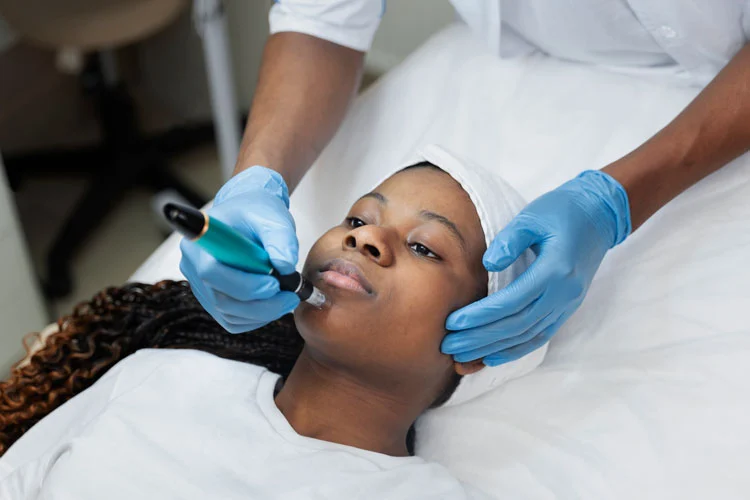
micro needling - aesthetic services in tucson

Medical micro needling is a procedure that stimulates the skin to repair itself naturally and safely. The procedure leaves patients with smoother, healthier, younger-looking skin. Micro-needling is non-surgical and can be used to improve a variety of skin conditions.

Microneedling is a process carried out with a roller that is covered with numerous tiny needles. These needles penetrate the upper layers of skin to a depth of up to 1.5mm.

How PRP Therapy Supports Natural Healing and Skin Renewal

Plasma is the liquid portion of whole blood. It is composed largely of water and proteins, providing a medium for red blood cells, white blood cells, and platelets to circulate through the body. Platelets, also called thrombocytes, are blood cells that cause blood clots and other necessary growth-healing functions.

Platelet-rich plasma has been found to enhance the healing process significantly. PRP improves overall skin texture, decreases the appearance of fine lines and wrinkles around the mouth and eyes, and plumps hollowing areas such as tear through grooves, cheeks, and temples. PRP can also help smooth both acne and surgical scars.

How Dermal Fillers Restore Volume and Facial Contours

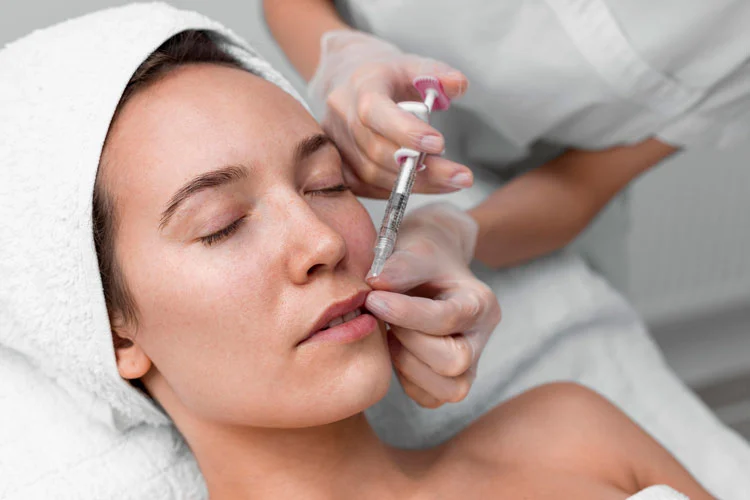
dermal fillers

Injectable dermal fillers can plump thin lips, enhance shallow contours, soften facial creases, remove wrinkles and improve the appearance of scars.

People get dermal fillers to enhance their facial features or gain a more youthful appearance. This elective treatment usually takes less than half an hour, and recovery time is minimal. Results are seen right away and last months to years, depending on the type of filler and the location.

How Micro Infusion Botox Facials Improve Skin Texture and Glow

A microinfusion botox facial is an infusion of micro-injections that produces immediate plumping and brightening of the skin.

Hyaluronic acid boosts hydration and blood flow of the skin from within, creating a dewy glow. Additionally, the Botox used in this process can decrease pore size, diminish acne scars, and soften fine wrinkles.

How the Unicorn Facial Supports Skin Brightening and Renewal

facials in tucson

As luminous as it sounds! The unicorn facial can remove stretch marks, acne scars, melasma, and overall skin pigmentation.

The unicorn facial works by penetrating the dermis and activating a regeneration process without attacking the epidermis, the outermost layer of skin. The unicorn facial stimulates fibroblasts and growth factors without causing inflammation or damaging the skin.

Free Birthday IV Therapy and Wellness Membership Benefits

IV therpay

As a beauty club member, you can enjoy one freebie per month! Select from the following monthly to get the most out of your membership.

  • Four B-12 Injections ($59 Value)
  • Two Rejuv Injections ($60 Value)
  • One TWMD Vitamin/Supplement
  • One Inbody Assessment ($10 Value)
  • Free Birthday IV Infusion ($99 Value)

IV drip therapy, also known as vitamin therapy, effectively delivers nutrients, vitamins, and medications to the body. IV therapy can deliver various effective nutrients, such as vitamins C, and B, amino acids, and more. The potent vitamin shots can be delivered directly into the bloodstream for faster, more effective results.

Potential Benefits of IV Therapy for Wellness Support

  • Improve immune system health and Immune Function
  • Boost energy levels
  • Improve mental clarity and cognitive function
  • Enhance brain and nervous system
  • Reduce the symptoms of migraines
  • Improve Allergies and symptoms of asthma
  • Improve Nervous System Function
  • aid in energy production

Accelerate wound healing

And much more!

Personalized Wellness and Aesthetic Care at Tucson Wellness MD

At Tucson Wellness MD, we empower you to live the life you want by giving you the tools and the medical care needed to help you live longer, live stronger and live better. Whether you want to burn fat to accelerate weight loss, or take advantage of our beauty services, Tucson Wellness MD is interested in your best self.

We believe in a scientific, evolutionary approach to health and use only the most advanced, pharmaceutical grade products to help you reach your goals.

Health should fit your lifestyle, and we will work with you to create a plan that meets your needs and improves your quality of life.

Frequently Asked Questions About IV Therapy and Vitamin Injections

What is IV infusion therapy?
IV infusion therapy delivers vitamins, minerals, and nutrients directly into the bloodstream through an intravenous line. This allows for faster and more complete absorption compared to oral supplements.

What is a B12 injection?
A B12 injection delivers methylcobalamin directly into the body to support energy production and cognitive function. It bypasses the digestive system for faster absorption.

Is IV therapy better than oral supplements?
IV therapy provides near 100 percent absorption since nutrients bypass digestion. Oral supplements may have lower absorption rates.

Who is a good candidate for IV therapy or aesthetic treatments?
Individuals looking to improve energy, hydration, skin appearance, or recovery may benefit. A consultation helps determine the best treatment plan.

Benefits of a Professional Facial: How Facials Improve Skin Health, Texture, and Appearance

Quick Answer

What are the benefits of a professional facial?

Professional facials help cleanse, exfoliate, and nourish the skin while supporting healthy skin renewal. They remove dead skin cells, improve circulation, restore hydration balance, and help improve skin texture, brightness, and overall appearance. Regular facial treatments may also enhance the effectiveness of your skincare routine and support healthier-looking skin over time.

benefits of a professional facial

Why Healthy Skin Requires More Than Daily Skincare

Skin changes over time due to environmental exposure, aging, and reduced cellular turnover. Dead skin cells accumulate on the surface. Oil and debris clog pores. Collagen production slows. Circulation declines. These changes disrupt the skin barrier, weaken hydration retention, and increase inflammation, leading to dull tone, congestion, sensitivity, and visible aging.

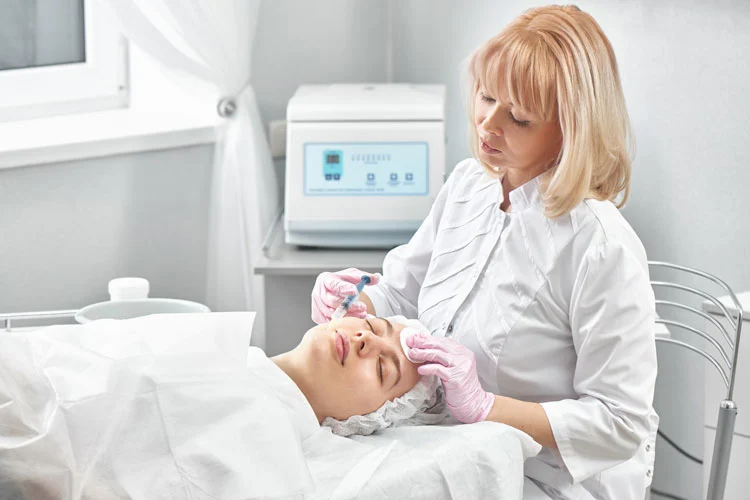
Professional facial treatments restore skin function through controlled cleansing, exfoliation, and targeted topical therapy. These procedures remove accumulated debris, stimulate circulation, support collagen activity, and improve product absorption at the cellular level. By restoring normal skin renewal and barrier balance, professional facials support healthier structure, clearer texture, and more stable skin physiology.

Professional facial treatments improve circulation to the face, neck, and scalp and even support skin clarity and comfort when incorporated into a consistent skincare routine. Professional facials can make a difference when your skincare routine isn’t cutting it anymore.

How Exfoliation Improves Skin Texture and Brightness

There are a variety of ways to exfoliate the skin through facial treatments gently. Exfoliation helps remove surface buildup, refine texture, and support a more even-looking complexion to keep skin firm, all of which improve the look and feel of the skin’s surface.

Exfoliating can also help increase the effectiveness of your other skincare products, as getting a facial helps to clean out and open up pores to may enhance the effectiveness of your at-home skincare routine.

Facial Treatments That Support Skin Renewal and Healthy Aging

At Tucson Wellness, we offer facial treatments specifically targeted at anti-aging with our anti-aging peel and mask.

How Anti-Aging Facials Help Improve Skin Texture and Tone

anti aging facial tucson

Utilizing one of the most advanced approaches to designed to improve the appearance of fine lines, uneven tone, and visible texture concerns. Our professional treatments contain high levels of Vitamins A, C. E, and growth factors to nourish and hydrate the skin and are finished off with an alginate or Hydrojelly mask and a neck massage.

Anti-aging facials contain several active ingredients and antioxidant-rich creams to support skin hydration and promote a firmer-looking appearance, improve hydration levels and refine the skin’s surface texture. These actions contribute to a brighter, more youthful complexion.

Facial Treatments for Sensitive, Oily, and Problem-Prone Skin

Getting a facial can feel like taking a risk if you have a problem or sensitive skin. Some active ingredients can irritate the skin further depending on skin type, and many procedures may prove too harsh for sensitive skin.

How Deep Cleansing Facials Help Reduce Congestion and Oil Buildup

At Tucson Wellness, our problematic skin facial is different. This treatment will help purify, soothe, and balance the look of oily and problematic skin.

Deep cleansing helps reduce the appearance of blackheads and congestion and dissolves plugs to reduce the appearance of congestion without harming the skin, leaving it feeling clean and calm. The procedure is finished with alginate or Hydrojelly mask and a neck massage for enhancing relaxation and promoting a refreshed appearance and healthy, moisturized skin.

Professional Facial Treatments Available at Tucson Wellness MD

  • REVITALIZING FACIAL PEEL
  • ANTIAGING PEEL WITH MASK
  • PROBLEMATIC SKIN PEEL WITH MASK
  • CONSULTATION FACIAL
  • SENSITIVE SKIN FACIAL
  • PROBLEMATIC SKIN FACIAL
  • HYDRATION FACIAL
  • BOTOX FACIAL

Please continue exploring our website to learn more about each of the treatments above and book your appointment today.

Why Patients Choose Tucson Wellness MD for Facial Treatments

facial massage in tucson

At Tucson Wellness MD, we empower you to live the life you want by giving you the tools and medical care needed to support your aesthetic and wellness goals with medically supervised care.

We believe in a scientific, evolutionary approach to health and use clinically selected products appropriate for professional aesthetic care.

Health should fit your lifestyle, and we will work with you to create a plan that meets your needs and improves your quality of life.

Frequently Asked Questions About Professional Facials

What are the benefits of a professional facial?
Professional facials help cleanse, exfoliate, and nourish the skin while supporting healthy skin renewal. They remove accumulated debris, improve circulation, and help restore hydration balance. Many people notice smoother texture, brighter skin tone, and improved product absorption after treatment. Regular facials may also help maintain healthier-looking skin over time.

Why does skin change as you age?
As the skin ages, cellular turnover slows and collagen production gradually declines. Environmental exposure, sun damage, and daily stress can also contribute to skin changes. Dead skin cells, excess oil, and debris may accumulate on the surface, leading to dullness and congestion. These factors can affect skin texture, hydration, and overall appearance.

How do professional facials improve skin health?
Professional facials combine cleansing, exfoliation, hydration, and targeted treatments to support skin function. These treatments help remove surface buildup while promoting circulation and skin renewal. Improved circulation may help deliver nutrients more effectively to skin tissues. The result is often healthier-looking, more balanced skin.

Can facials help improve skin texture and brightness?
Yes, facials commonly include exfoliation techniques that remove dead skin cells from the surface. This process helps reveal fresher skin underneath and can improve overall texture. Many patients notice smoother skin and a brighter complexion after treatment. Consistent skincare and professional treatments often work best together.

Benefits of NAD+

cellular energy

NAD+ levels decline with age, chronic stress, illness, and metabolic strain. This coenzyme drives cellular energy production, DNA repair, and mitochondrial function. When NAD+ drops, cells produce less energy, recovery slows, inflammation increases, and cognitive performance weakens. Many people experience fatigue, reduced mental clarity, slower healing, and decreased metabolic efficiency as cellular repair and energy pathways lose support.

NAD+ therapy restores available coenzyme levels inside cells and supports core metabolic reactions. Higher NAD+ availability strengthens mitochondrial energy production, activates repair enzymes such as sirtuins, and improves cellular stress response. Restored biochemical activity supports energy output, tissue maintenance, and neurological function under controlled medical supervision.

How NAD+ Supports Cellular Energy and DNA Repair

Nicotinamide adenine dinucleotide has two forms, one active and one inactive. In its active form, it is known as NAD+, and in its inactive form, it is known as NADH.

NAD+ is what’s called a “helper molecule” because it binds to other enzymes in the body and blood vessels to activate them and generate molecular reactions. For example, proteins called “sirtuins,” which are responsible for carrying out many biological processes within the human body, require the coenzyme to function properly.

How NAD+ IV Therapy Works at the Cellular Level

Building Brain Cells

benefits of NAD+

NAD IV therapy taps into your body’s metabolic processes, increasing metabolic energy available to the brain cells enabling better function, so you maintain focus over longer periods of time, supporting normal cellular processes involved in brain function.

The inflammatory response is one of the hallmarks of cellular aging. As we age, NAD+ levels fall, suggesting important implications in metabolic function and age-related diseases.

Cognitive Benefits of NAD+ Therapy

NAD+ has been shown to exert both protective and stimulatory effects on the brain, being studied for its role in cellular maintenance pathways. For this reason, IV NAD+ therapy may be administered to potentially support cognitive wellness as part of a comprehensive health plan

Studies are still ongoing regarding the precise means by which exogenous NAD+ supplementation exerts these effects.

Increase Cellular Energy

Several metabolic pathways in the human body result in the release of energy. Some examples of energy metabolic pathways are glycolysis, the Krebs cycle, oxidative phosphorylation, fatty acid oxidation, and ethanol metabolism.

cellular therapy

All metabolic pathways require the presence of NAD+ as a coenzyme to function properly. In the glycolytic pathway, NAD+ facilitates the catalytic reactions of Glyceraldehyde-3-phosphate dehydrogenase (GADPH) and lactate dehydrogenase (LDH).

In the Krebs cycle, NAD+ functions as a coenzyme for the rate-limiting enzymes alpha-ketoglutarate dehydrogenase, isocitrate dehydrogenase, and malate dehydrogenase.

Alcohol metabolism also requires NAD+ as a cofactor for the process’s successful execution, NAD+ is involved in metabolic pathways related to energy production and cellular function.

Top Benefits of NAD+ Therapy for Energy and Aging

Besides, it’s ability to boost energy levels, and brain function, NAD IV therapy hones in on key physiological processes to NAD+ therapy is being studied for its potential role in supporting cellular health and metabolic function. It is not intended to diagnose, treat, cure, or prevent any disease.

When to Start NAD+ Therapy

cellular recovery

You don’t have to wait until you start experiencing age-related issues or illnesses to use NAD+ therapy to your advantage.

Some individuals choose NAD+ therapy as part of a proactive wellness plan under medical supervision.

Additionally, IV nutrition can be beneficial for athletes who want to give their body an extra NAD+ boost.

 Athletes may incorporate NAD+ therapy into a medically supervised wellness strategy.

Experience NAD+ Therapy at Tucson Wellness MD

NAD+ therapy offers a wide range of benefits to the body that can help you be your absolute best self.

Our targeted therapy enables your body to do what it is meant to do, but better and faster. Treatment plans are individualized and designed to support overall wellness goals under physician supervision. Results vary by patient.

In short,  NAD+ therapy may be incorporated into a broader lifestyle and medical plan based on your individual needs.

Get started on your journey to a better life by continuing to explore our website.
Semaglutide Weight Loss Results

How much weight can you lose with semaglutide?

Many patients lose between 10% to 20% of their body weight with semaglutide when combined with proper nutrition and lifestyle changes. Results vary based on dosage, consistency, and individual metabolism.

How Hormone Imbalance Drives Weight Gain

Excess weight is not only a lifestyle issue. Obesity changes how the body regulates hunger, blood sugar, and energy use. Hormonal signaling becomes disrupted. Appetite stays elevated even after eating. The stomach empties faster. Blood sugar rises and falls unevenly. Metabolism adapts to defend stored fat. Over time, these biological changes make weight loss harder and weight regain more likely, even with strict diet and exercise.

Semaglutide works by correcting key metabolic signaling pathways involved in appetite and glucose regulation. It activates GLP-1 receptors that control hunger, slow stomach emptying, and regulate insulin release. These effects improve satiety, stabilize blood sugar, and reduce caloric intake at the physiological level. By restoring hormonal regulation of appetite and metabolism, semaglutide supports sustained weight reduction and long-term metabolic balance under medical supervision.

Semaglutide Weight Loss

When Diet and Exercise Alone Don’t Work

Sustained weight loss is associated with improvements in several health markers. The foundation for most weight loss programs involves strict lifestyle modification, including dietary change and exercise.

Unfortunately, many individuals struggle with weight loss and chronic weight management due to difficulty adhering to long-term lifestyle modification and the metabolic adaptations that promote weight regain. In some cases, prescription medications may be considered as part of a comprehensive weight management plan.

Historically, anti-obesity drugs have produced only modest weight loss and required at least once daily administration. Semaglutide or Glucagon-like peptide-1 (GLP-1), a hormone with significant effects on glycemic control, appetite, and weight regulation, is a new therapy being used for weight loss.

How Semaglutide Works for Weight Loss

Semaglutide, a GLP-1 receptor agonist (GLP-1RA), was recently approved by the Food and Drug Administration for chronic weight management in adults with obesity or who are overweight. The approval came after the publication of the Semaglutide Treatment Effect in People with Obesity (STEP) clinical trials. In these 68-week trials, semaglutide was associated with significantly greater weight loss compared to placebo. Semaglutide is a GLP-1 receptor agonist that is prescribed under medical supervision for specific indications.

Semaglutide Weight Loss Results by Timeline: What Clinical Trials Show

Clinical trial data from the STEP program provides the clearest picture of what to expect from semaglutide at a 2.4 mg weekly dose.

STEP 1 Trial (1,961 adults without diabetes, published in the New England Journal of Medicine, 2021):

Participants who received semaglutide 2.4 mg lost an average of 14.9% of their body weight over 68 weeks compared to 2.4% in the placebo group. For a 250-pound patient, that translates to roughly 37 pounds of total weight loss.

STEP 3 Trial (611 adults with intensive behavioral therapy, published in JAMA, 2021):

Participants who combined semaglutide 2.4 mg with a structured behavioral program lost an average of 16% of their body weight over 68 weeks compared to 5.7% in the placebo group.

What Patients Typically Experience by Phase:

TimelineWhat to Expect
Weeks 1 to 4Reduced appetite and fewer food cravings as the dose ramps up. Most patients notice they feel full faster during meals. Weight loss during this period is modest, usually 2 to 5 pounds, as the body adjusts to the medication.
Weeks 5 to 12Consistent weight loss begins as the dose reaches therapeutic levels. Most patients lose 5% to 7% of their starting body weight by week 12. Eating patterns shift noticeably. Portion sizes decrease without effort.
Weeks 13 to 28Steady weight reduction continues. Patients who combine semaglutide with protein-focused nutrition and regular movement tend to see the strongest results during this phase. Average cumulative loss reaches 10% to 12% of starting weight.
Weeks 29 to 68Weight loss continues at a slower rate as the body approaches a new metabolic set point. Long-term results depend on medication adherence, dietary consistency, and ongoing medical supervision. Average cumulative loss reaches 14% to 16% of starting weight.

Results vary by individual. Factors that influence outcomes include starting weight, metabolic health, adherence to the prescribed dose schedule, nutritional habits, physical activity, and sleep quality. All semaglutide prescriptions at Tucson Wellness MD include medical supervision and lab monitoring.

Medical Supervision During Semaglutide Treatment

 Weight Management

As a chronic and relapsing disease, obesity impairs metabolism and causes cardiovascular disease. Although behavioral modification is important for the treatment of obesity, it is difficult to achieve an ideal weight or sustain the process of long-term weight loss.

Therefore, the obesity control guidelines strongly recommend lifestyle interventions along with medical treatment for patients who are overweight and in need of clinically significant weight loss to reduce cardiometabolic risk factors. Clinical guidelines support combining lifestyle interventions with appropriate medical treatment for eligible patients.

Semaglutide and Diabetes Management

Semaglutide is used along with a diet and exercise program to control blood sugar levels in adults with type 2 diabetes (condition in which the body does not use insulin normally and therefore cannot control the amount of sugar in the blood) when other medications did not control the sugar levels well enough.

Semaglutide is not used to treat type 1 diabetes (condition in which the body does not produce insulin and therefore cannot control the amount of sugar in the blood) or diabetic ketoacidosis (a serious condition that may develop if high blood sugar is not treated).

Semaglutide is in a class of medications called incretin mimetics. It works by helping the pancreas to release the right amount of insulin when blood sugar levels are high. Insulin helps move sugar from the blood into other body tissues where it is used for energy. Semaglutide also works by slowing the movement of food through the stomach.

What BMI Range Qualifies You for Semaglutide Treatment?

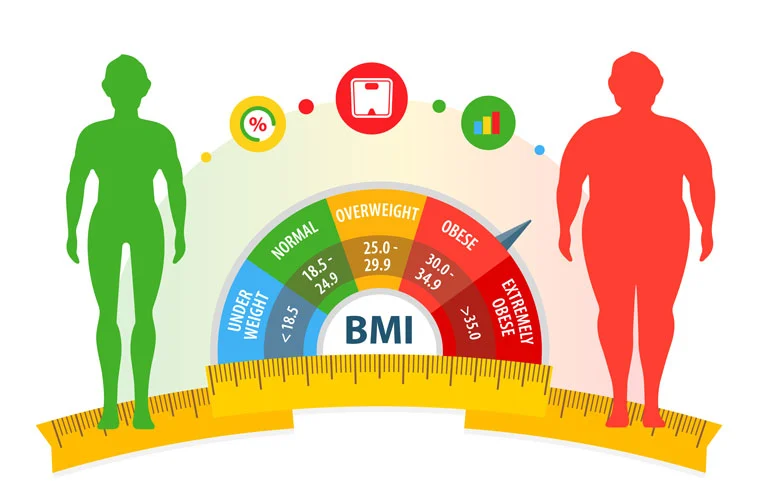
BMI index

You can find an estimated body fat percentage by utilizing your height, baseline body weight, and a current BMI (Body Mass Index) chart. Once you know your body fat percentage, you can more easily calculate your lean body mass relative to that percentage.

Body Mass Index (BMI) is a person’s weight in kilograms (or pounds) divided by the square of height in meters (or feet). A high BMI can indicate high body fatness. BMI screens for weight categories that may lead to health problems, but it does not diagnose the body fatness or health of an individual.

How to Read Your BMI and What It Means for Semaglutide Eligibility

A high or low BMI may be an indicator of poor diet, varying activity levels, or high stress. Just because someone has a ‘normal BMI’ does not mean that they are healthy.

BMI doesn’t take account of body composition, for example, muscle, fat, bone density. Sex and other factors which can impact your weight can also lead to an inaccurate reading. As such a BMI calculation is not a suitable measure for some people including children and young people under 18, pregnant women and athletes.

BMI Ranges Explained

Your BMI will fit into one of 5 bands:

  • under 18.5 – This is described as underweight. 
  • between 18.5 and 24.9 – This is described as the ‘healthy range’.
  • between 25 and 29.9 – This is described as overweight
  • between 30 and 39.9 – This is described as obesity
  • 40 or over – This is described as severe obesity

Medically Supervised Semaglutide in Tucson

For those who have suffered with weight gain and weight maintenance, possibilities as extreme as bariatric surgery may have been considered. In clinical trials, semaglutide was associated with greater average weight reduction compared to placebo when combined with lifestyle changes. Individual results vary and treatment must be prescribed and monitored by a licensed healthcare provider.

Clinical studies evaluated changes in weight and metabolic markers under medical supervision. Outcomes vary by individual.

Start Your Medically Supervised Weight Loss at Tucson Wellness MD

At Tucson Wellness we are dedicated to helping you be better in everything you do. Excess weight is associated with various health risks. A structured medical weight management plan may support improved health outcomes. We provide medically supervised weight management plans tailored to each patient’s individual health profile and goals.

Learn if you might be a good candidate with a consultation with our Master Medical Nutritionist. Learn more and contact us today by continuing to explore our website.

How Peptide Therapy Works Inside the Body

Peptide therapy is a medical treatment that uses short chains of amino acids to restore specific signaling pathways in the body. These peptides bind to cellular receptors and trigger targeted biological responses including growth hormone release, tissue repair, immune regulation, and fat metabolism. Treatment is prescribed by a licensed provider based on lab results and individual health goals.

Peptides are not hormones. They are signaling molecules that tell your body to produce or regulate its own hormones, proteins, and cellular processes more efficiently. Over 7,000 naturally occurring peptides exist in the human body, and therapeutic peptides are designed to mimic or enhance these natural functions.

Quick Answer

What do you need to know about peptide therapy?

Peptide therapy uses specific amino acid sequences to restore signaling pathways that decline with age, stress, and metabolic strain. These peptides bind to cellular receptors and trigger biological responses such as hormone release, tissue repair, immune support, and metabolic regulation. Treatment is prescribed and monitored by a licensed medical provider based on lab results and individual health goals.

The most commonly prescribed peptides in clinical practice and their primary functions include:

PeptidePrimary FunctionCommon Use
BPC-157Tissue repair and gut healingJoint injuries, tendon damage, post-surgical recovery, GI inflammation
SermorelinGrowth hormone releaseAnti-aging, improved sleep, body composition, recovery
CJC-1295Sustained growth hormone stimulationMuscle development, fat loss, deeper sleep cycles
IpamorelinTargeted growth hormone pulseRecovery, lean muscle support, minimal side effects compared to other GH secretagogues
SemaglutideGLP-1 receptor activationMedical weight loss, appetite regulation, blood sugar control
Thymosin Alpha-1Immune system modulationImmune support, chronic infection management, autoimmune conditions

Peptide therapy is not a one-size-fits-all treatment. Protocols are built around your specific lab work, health history, and treatment objectives. All peptides at Tucson Wellness MD are prescribed and monitored by a licensed medical provider.

Peptide therapy restores targeted signaling pathways by supplying specific amino acid sequences that activate defined biological responses. These peptides bind to cellular receptors and trigger processes such as hormone release, protein synthesis, tissue regeneration, and immune modulation. With restored signaling activity, the body resumes more efficient repair, regulation, and metabolic balance under medical supervision and controlled dosing.

What Peptide Therapy Does Inside the Body

 Peptide therapy involves the medical use of specific peptides that are prescribed based on an individual evaluation and clinical need.

peptide therapy

 Peptide therapy may be considered as part of a physician-guided wellness plan focused on age-related hormonal and metabolic changes.

 Peptides are being studied for their role in cell signaling and tissue function. Treatment plans are individualized and based on medical evaluation.

As you age, your body slows human growth hormone production. Growth hormone releasing hormone plays a part in many different aspects of health and well-being, including:

How Peptide Therapy Supports Recovery, Hormones, and Wellness Goals

peptide therapy

Beginning a treatment plan with peptide therapy provides the body with many different benefits.  Peptide therapy is prescribed when medically appropriate and monitored by a licensed healthcare provider. Individual responses vary.

The use of therapeutic peptides can boost libido, improve the quality of your skin, help you transform your physique, and increase your energy levels. Specifically, the different peptides that we offer can deliver some of the following benefits:

Potential areas of clinical focus may include metabolic support, hormonal balance, tissue health, and overall wellness. Treatment decisions are based on laboratory findings, medical history, and individual goals.

Why More Patients Are Choosing Peptide Therapy

 Peptide therapy is a developing area of medical research focused on cell signaling and biologic pathways of cell-signaling amino acid sequences (known as peptides). Peptides are the master controls of many functions in the body.

What Peptides Are and Why They Matter

Peptides are the building blocks of proteins and are composed of amino acids that work to regulate a variety of biological functions and processes.

These naturally occurring peptides act as signaling molecules within the body and instruct other cells and molecules on what functions to perform.

There are over 7,000 known peptides within the human body and though some may be similar each is responsible for facilitating a different response and action within the body.

Some common functions of peptides include providing pain relief, triggering immune system function, aiding in soft tissue repair, Some peptides are being studied for their role in metabolic, endocrine, and tissue-support pathways. Use is determined by clinical evaluation.

How Peptides Function as Biological Signaling Molecules

Short Chain Amino Acids

A peptide is a short chain of amino acids. The amino acids in a peptide are connected to one another in a sequence by bonds called peptide bonds.

Typically, peptides are distinguished from proteins by their shorter length, although the cut-off number of amino acids for de fining a peptide and protein can be arbitrary.

peptide therapy women

Peptides are generally considered to be short chains of two or more amino acids. Meanwhile, proteins are long molecules made up of multiple peptide subunits and are also known as polypeptides.

Proteins can be digested by enzymes (other proteins) into short peptide fragments. Among cells, peptides can perform biological functions. For example, some peptides act as hormones, which are molecules that when released from cells affect other areas of the body.

How Peptides Support Muscle Mass and Healthy Aging

Muscles are often described as the “engine” of your body’s fat and calorie-burning mechanism. Increased muscle mass can lead to less body fat, a stronger immune system, improved energy levels, and reduced stress.

After you turn 40 and continue to age, you lose approximately 1 percent of your bone mass each year. This makes your bones more prone to fractures and may lead to osteoporosis over time.

Hormonal and metabolic health play a role in musculoskeletal maintenance. Treatment is individualized and monitored.

Since muscle burns more calories than fat, gaining mass can increase your metabolism and help you maintain a healthy weight. You will feel more energized and find it easier to lose stubborn fat.

Why Growth Hormone Declines With Age

Throughout life, growth hormone regulates the fat, muscle, tissue, and bone in our bodies and other aspects of our metabolism such as insulin action and blood sugar levels.

Growth hormone levels naturally reduce from middle age onwards.

Our bones need enough growth hormone during our childhood and adolescence in order to lengthen to adult proportions.

Growth hormone prompts our liver to make a substance called insulin-like growth factor (IGF-1). This and other similar compounds are involved in bone growth.

Adults with growth hormone deficiency (which may result from problems with the pituitary gland or hypothalamus) may have symptoms including:

  • poor bone density (which can lead to osteoporosis if untreated)
  • reduced muscle mass
  • fatigue
  • depression
  • poor memory
  • increased body fat around the waist.

Growth hormone pathways are complex endocrine systems that require careful evaluation. Any therapy affecting hormone levels must be prescribed and monitored by a licensed medical provider.

peptide therapy

HGH helps to maintain, build, and repair healthy tissue in the brain and other organs.

This hormone can help to speed up healing after an injury and repair muscle tissue after exercise. Therefore it helps to build muscle mass, boost the metabolism, and makes it easier to lose weight.

HGH is also said to benefit the quality and appearance of the skin as if slowing the aging process.

Potential Side Effects and Safety Considerations of Peptide Therapy

Downsides of Peptide therapy

For healthy individuals, peptide supplements are unlikely to cause serious side effects because they are similar to the peptides present in everyday foods.

What to Know Before Taking Oral Peptide Supplements

Oral peptide supplements are not regulated by the United States Food and Drug Administration (FDA) and as a result, people should exercise caution when taking any supplements, or, better yet, ensure their peptide plan is observed by a doctor.

How Topical Peptide Products Affect the Skin

Topical creams and ointments containing peptides may cause skin symptoms, such as skin sensitivity, rash, and itching.

Individuals should always buy from a reputable company and discontinue use if adverse reactions occur.

Also, it is a good idea to speak to a doctor before taking peptide supplements or using topical products that contain peptides.

Why Medical Supervision Matters With Peptide Therapy

peptide therapy

Peptide Therapy offers a wide range of benefits to the body that can help you be your absolute best self.

Our targeted therapy enables your body to do what it is meant to do, but better and faster. Peptide therapy is offered as part of a medically supervised plan designed around individual laboratory findings and clinical goals. Outcomes vary by patient. In short, all your effort to be your best will produce better results. 

Get started on your journey to a better life by continuing to explore our website.

Frequently Asked Questions About Peptide Therapy

What is peptide therapy?
Peptide therapy is a medical treatment that uses short chains of amino acids to restore specific signaling pathways in the body. These peptides bind to cellular receptors and trigger targeted biological responses such as hormone release, tissue repair, and metabolic regulation. Unlike hormones, peptides signal your body to produce its own responses more efficiently. Treatment is prescribed and monitored based on lab results and individual goals.

How does peptide therapy work?
Peptides work by attaching to receptors on cells and activating specific biological processes. These processes may include growth hormone release, protein synthesis, immune response, and tissue regeneration. By restoring these signaling pathways, the body can function more efficiently. The result is improved regulation and recovery under medical supervision.

What are the benefits of peptide therapy?
Peptide therapy is used to support areas such as metabolism, recovery, hormonal balance, and overall wellness. Some individuals report improved energy, better skin quality, and changes in body composition. The benefits depend on the specific peptide used and the patient’s health profile. Results vary and are influenced by lifestyle and consistency.

Are peptides the same as hormones?
No, peptides are not hormones. They are signaling molecules that instruct the body to produce or regulate hormones and other biological processes. This makes them different from therapies that replace hormones directly. Their role is to support natural function rather than override it.

What conditions can peptide therapy support?
Peptide therapy may be considered for recovery support, metabolic function, immune health, and age-related changes. Specific peptides are used based on targeted goals such as tissue repair or hormone signaling. Treatment plans are personalized and based on medical evaluation. Not all conditions are suitable for peptide therapy.

Cardiac Screening Event