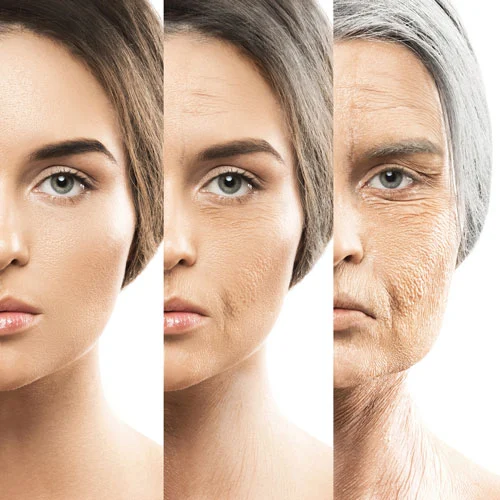
Author: Tucson Wellness

Aesthetic Treatments and Wellness in Tucson: How Skin, Confidence, and Whole-Body Health Work Together

Aesthetic treatments can address concerns such as facial lines, volume loss, skin texture and changes in appearance. Wellness services may focus on broader goals involving weight, nutrition, hormones, energy, recovery and healthy aging.

These services may complement one another, but they are not interchangeable. An aesthetic concern does not automatically require hormone therapy, peptide therapy, NAD+ therapy or medical weight-loss treatment.

A personalized plan begins by identifying whether the patient’s concern is primarily aesthetic, medical or a combination of both. The provider can then review treatment options, possible risks, expected results and whether a separate medical evaluation is appropriate.

Quick Answer: How Do Aesthetics and Wellness Work Together?

Aesthetic treatments primarily address concerns such as skin texture, facial lines, volume loss, and appearance. Wellness care may address separate concerns involving nutrition, weight, hormones, sleep, recovery, or preventive health. These services can complement one another, but one does not automatically indicate a need for the other. Treatment should be based on individual goals, health history, and clinical evaluation.

Aesthetics and Wellness Connection Table

AreaAesthetic RelevanceBroader Health Considerations
Skin appearanceTexture, tone, volume and visible aging may be aesthetic concernsSun exposure, hydration, nutrition, medications and health conditions may also influence skin
ConfidenceAddressing an appearance concern may improve confidence for some patientsEmotional benefits vary and should not be guaranteed
Hormone concernsHormonal changes may coincide with skin or hair changesHormone treatment requires a separate medical indication and evaluation
Weight changesWeight loss may affect facial volume or skin laxityMedical weight management should be based on health needs, not cosmetic goals alone
Recovery and energyFatigue may affect how someone feels overallPersistent fatigue should be medically evaluated rather than treated as an aesthetic issue
Healthy agingAppearance changes occur naturally with agePreventive care, sleep, activity, nutrition and sun protection support broader health

Who May Benefit From Aesthetic Wellness Support?

Aesthetic wellness support may be appropriate for patients who want to address appearance-related concerns while also reviewing health factors that may influence how they look and feel.

You may benefit from a consultation if you want help with:

  • Skin texture or appearance
  • Facial lines or volume changes
  • Confidence related to appearance
  • Body-composition goals
  • Skin changes associated with weight loss or aging
  • A personalized aesthetic treatment plan
  • Questions about how lifestyle or wellness factors may affect aesthetic goals

Concerns such as fatigue, hormone symptoms, low energy, mood changes or poor recovery should be evaluated separately rather than assumed to require an aesthetic treatment.

A provider can help determine whether aesthetic care, medical wellness support or a combination of services is appropriate.

A Holistic Approach to Aesthetic Wellness

Aesthetic care should begin with the patient’s specific concern rather than a generic package of treatments.

A provider may review:

  • Skin quality
  • Facial anatomy
  • Muscle movement
  • Volume loss
  • Previous aesthetic treatments
  • Medical history
  • Medications and supplements
  • Desired results
  • Available recovery time
  • Long-term maintenance needs

Broader wellness factors such as sleep, nutrition, hydration and weight changes may influence appearance, but they should not be used to justify unrelated medical treatments.

Patients can review Aesthetic Services at Tucson Wellness MD for available appearance-focused options.

How Aesthetic Care May Support Confidence

Some patients report greater confidence after an aesthetic treatment addresses a concern that has affected how they feel about their appearance.

Results vary, and emotional benefits should not be guaranteed. Aesthetic treatments are also not substitutes for mental-health care or support for severe body-image distress.

A responsible consultation should review:

  • Whether ongoing maintenance may be needed
  • The concern the patient wants to address
  • Whether the expected result is realistic
  • Treatment limitations
  • Possible side effects
  • Recovery requirements
  • How long results may last

Hormone Health and Aesthetic Wellness Support

woman doing self care

Hormone changes may coincide with changes in skin, hair, energy, sleep, mood or body composition. These symptoms do not confirm a hormone deficiency.

Hormone therapy may be considered only when medically indicated after an individualized evaluation. The provider may review symptoms, medical history, medications, life stage and relevant laboratory findings.

Hormone treatment should not be prescribed solely to improve appearance. Patients with persistent symptoms that may have a hormonal component can review Hormone Therapy information and discuss whether medical evaluation is appropriate.

Weight Loss, Body Composition, and Aesthetic Wellness

Weight changes may influence facial volume, skin laxity and body composition. Rapid or substantial weight loss may make certain aesthetic concerns more noticeable.

Medical weight-loss treatment should be based on health history, metabolic needs, medications and weight-related conditions rather than cosmetic goals alone.

Patients considering both weight management and aesthetic treatment may need to discuss:

  • Expected rate of weight loss
  • Protein intake
  • Strength training
  • Muscle preservation
  • Hydration
  • Skin changes
  • Treatment timing
  • Whether body weight has stabilized

Some aesthetic treatments may be better considered after weight has become relatively stable.

Patients can review Medical Weight-Loss Services for provider-guided support.

NAD+ Therapy and Wellness Considerations

NAD+ therapy is a separate wellness service and should not be presented as an aesthetic treatment or as a proven method for improving skin appearance or reversing aging.

Patients considering NAD+ therapy should receive separate evaluation of their health history, medications, treatment goals, potential risks, and the limitations of available evidence.

Injectable or compounded NAD+ products also require careful sourcing and clinical oversight.

Peptide Therapy and Aesthetic Wellness

Peptide therapy is not one uniform treatment and should not be presented as a general solution for appearance, recovery, stress, or healthy aging.

Different peptide-based compounds have different evidence, approved uses, regulatory status, and safety concerns. Some remain investigational or have limited human safety data.

If peptide therapy is being considered for a separate medical or wellness goal, the specific compound, evidence, risks, medications, health history, and monitoring requirements should be reviewed independently from any aesthetic treatment plan.

a happy woman

Why Whole-Body Health Matters for Aesthetic Goals

Skin quality and appearance may be influenced by nutrition, hydration, sleep, stress, age, sun exposure, smoking, medications, weight changes and hormone-related health concerns.

A broader plan may include:

  • Skin-focused aesthetic care
  • Balanced nutrition
  • Adequate hydration
  • Consistent sleep
  • Sun protection
  • Stress-management habits
  • Weight-management support when appropriate
  • Hormone evaluation when medically indicated

These factors may support overall health and treatment planning, but they do not guarantee better cosmetic results.

Aesthetic and Wellness Support at Tucson Wellness MD

Tucson Wellness MD offers provider-guided aesthetic and wellness services based on the patient’s goals, health history and clinical needs.

Aesthetic services may address skin appearance, facial lines, volume loss and other appearance-related concerns. Wellness services such as weight management, hormone evaluation, peptide therapy or NAD+ therapy require separate medical consideration.

Not every patient needs both aesthetic and wellness treatment. A consultation can help identify which services may be appropriate, which treatments should remain separate and what results can realistically be expected.

Patients can review Aesthetic Services at Tucson Wellness MD or contact the clinic for a personalized evaluation.

Final Thoughts on Aesthetics and Whole-Body Wellness

Aesthetic care and medical wellness services can sometimes complement one another, but they address different needs.

Skin texture, facial volume, lines, and other appearance concerns may be addressed through aesthetic treatment, while persistent fatigue, hormone symptoms, weight concerns, or other health issues require separate medical evaluation.

The best plan begins by identifying the actual concern, reviewing realistic treatment expectations, and recommending only the services that are appropriate for the individual patient.

Explore Aesthetic and Wellness Options in Tucson

Tucson Wellness MD can review your aesthetic concerns, health history, treatment goals, and broader wellness questions to help determine which services may be appropriate and which concerns require separate medical evaluation.

Schedule a Consultation

Aesthetic Wellness FAQs

Can hormone therapy support aesthetic and wellness goals?

Hormone therapy should only be considered when there is a medical indication after appropriate evaluation. It should not be prescribed solely to improve skin, appearance, energy, or body composition.

How does weight management fit into aesthetic wellness?

Weight changes may affect body composition, facial volume, and skin laxity. Medical weight management should be based on health needs and clinical evaluation rather than cosmetic goals alone.

What is aesthetic wellness?

Aesthetic wellness is a broad term describing an approach that considers appearance goals alongside general health factors such as nutrition, sleep, hydration, sun exposure, and weight changes. Medical treatments such as hormone or peptide therapy require separate clinical indications.

Who is a good candidate for aesthetic wellness support?

A consultation may be appropriate for someone with aesthetic concerns such as skin texture, facial lines, volume changes, or appearance-related goals who also wants to discuss relevant lifestyle or health factors. Medical symptoms such as fatigue or hormone concerns should be evaluated separately.

Healthy Habits for Long-Term Wellness: Simple Routines for Better Energy, Weight, and Balance

Quick Answer

What Are the Best Healthy Habits for Long-Term Wellness?

Healthy habits that support long-term wellness include balanced nutrition, regular physical activity, adequate sleep, stress management, hydration, avoiding tobacco, preventive healthcare and routines that are realistic enough to maintain consistently. Individual health needs vary, so medical or nutrition guidance may also be helpful when specific symptoms or goals are involved.

Healthy Habits That Support Long-Term Wellness

Welcome to a New Year filled with possibilities, and what better way to embark on the journey ahead than by cultivating healthy habits that contribute to long-term wellness?

lose weight

At Tucson Wellness MD, we understand that the key to vibrant and fulfilling mental and physical health lies in the integration of holistic practices. Whether your goals include weight management, improving activity levels, or supporting sleep habits, our team provides individualized guidance based on medical evaluation.

In this blog, we’ll guide you through a transformative exploration of healthy routines that encompass personalized weight loss program, hormone balance, beauty services, nutrient therapies, and more to set your New Year’s Resolutions off right.

1. Personalized Nutrition Habits for Better Energy and Weight Management

Embarking on losing weight doesn’t necessitate stringent diets or short-lived trends. Instead, let’s shift the focus to the impact of a personalized nutrition plan. At Tucson Wellness MD, our experts specialize in tailoring nutrient-rich meal plans designed to support healthy eating patterns and overall wellness.

Incorporate a variety of whole foods into your nutrition plan, emphasizing the importance of balance and diversity to not only lose weight, but support overall physical health and energy levels. Whether you’re aiming to shed pounds, support overall wellness goals based on individualized assessment, our nutrition experts are here to help make your New Year’s Resolution a reality by creating a plan that resonates with your unique needs and preferences.

Focus on sustainable eating patterns that include vegetables, fruits, quality protein sources, fiber-rich foods, healthy fats and appropriate portions. The best nutrition approach is one that supports individual needs and can be maintained consistently.

For more guidance on vitamins and minerals that support a balanced diet, read our guide to essential micronutrients.

2. How Hormone Balance Supports Long-Term Health

Hormones influence many aspects of health, but hormone therapy is not necessary for everyone. Symptoms such as persistent fatigue, menstrual changes, hot flashes, low libido or other concerns may justify medical evaluation.

When a hormone deficiency or clinically appropriate indication is identified, treatment can be individualized based on symptoms, laboratory findings, medical history and ongoing monitoring. If persistent symptoms raise questions about hormone health, learn more about Hormone Therapy at Tucson Wellness MD.

3. How Healthy Skin and Self-Care Support Wellness

True beauty radiates from within, and our beauty services are designed to enhance your natural glow. From aesthetic services designed to support skin maintenance and overall appearance

If you enjoy spending time outdoors in the beautiful Arizona winters, remember that the sun can still take its toll and it maybe time to embrace a skincare routine that nurtures and nourishes, revealing the best version of yourself.

4. Nutrient Therapy for Hydration, Recovery, and Vitality

Nutrient and hydration needs should generally be supported through a balanced diet and adequate fluid intake. In selected situations, provider-guided nutrient or IV therapy may be considered based on medical history, symptoms and individual needs.

5. Exercise, Sleep, and Stress Habits for Long-Term Wellness

Nutrition is only one part of a sustainable wellness routine. Regular movement, adequate sleep and healthy ways of managing stress also support long-term physical and mental health.

Stay Physically Active

Build regular movement into your week and include both aerobic activity and muscle-strengthening exercise when appropriate for your health and ability.

Prioritize Consistent Sleep

A regular sleep schedule and sufficient sleep can support energy, mood, recovery and overall well-being.

Build Healthy Stress-Management Habits

Simple routines such as outdoor activity, relaxation techniques, social connection and setting aside recovery time may make healthy habits easier to maintain.

Federal physical-activity guidance recommends regular aerobic activity plus muscle-strengthening activity for adults and emphasizes that even smaller amounts of movement provide health benefits.

For evidence-based recommendations on regular movement, review the Physical Activity Guidelines for Americans.

How Daily Habits Create Long-Term Health Improvements

The secret to lasting change lies in the integration of these healthy habits into your daily life. As you embark on this journey of self-discovery and transformation, remember that small, consistent habits may contribute to long-term lifestyle improvements. At Tucson Wellness MD, we’re here to support you every step of the way.

Long-term wellness usually comes from habits that can be repeated consistently rather than short periods of extreme dieting, exercise or supplementation. Start with realistic changes, track what is sustainable and adjust your routine as your health needs and goals change.

Start Building a Healthier Lifestyle With Tucson Wellness MD

Tucson Wellness MD provides personalized wellness support based on your health history, symptoms and goals. Depending on your needs, your plan may include nutrition guidance, weight-management support, hormone evaluation, strength and performance services or other medically appropriate options.

A consultation can help identify which services are relevant rather than taking a one-size-fits-all approach.

Frequently Asked Questions About Healthy Habits and Wellness

What are the best healthy habits for long-term wellness?

The best healthy habits for long-term wellness include balanced nutrition, regular exercise, quality sleep, hydration, stress management, and consistent self-care routines. Small daily habits practiced consistently often produce the most meaningful long-term improvements in health. Wellness is usually built through steady routines rather than short-term extreme changes. Sustainable habits support both physical and mental well-being.

Why are small daily habits important for health?

Small habits are easier to maintain consistently over long periods of time. Over months and years, these routines compound into meaningful improvements in energy, metabolism, mood, and overall wellness. Extreme routines are often difficult to sustain and may lead to burnout. Consistency usually matters more than intensity.

How does nutrition affect long-term wellness?

Balanced nutrition provides the body with nutrients needed for metabolism, recovery, immune health, and energy production. Whole foods rich in protein, fiber, vitamins, and healthy fats help support long-term physical function. Poor nutrition may contribute to fatigue, inflammation, and weight gain over time. Personalized nutrition plans often improve long-term adherence and results.

Why is exercise important for healthy aging?


Regular physical activity supports cardiovascular health, muscle maintenance, metabolism, and mental well-being. Exercise also helps improve energy levels, mobility, and stress management as people age. Strength training may help preserve lean muscle and support healthy body composition. Consistent movement is one of the strongest predictors of long-term wellness.

How long does it take to build a healthy habit?

There is no fixed timeline that applies to everyone. Consistency, simplicity and choosing behaviors that fit your daily routine are more important than expecting a habit to become automatic within a specific number of days.

What healthy habit should I start with first?

Start with one realistic behavior that addresses your biggest need, such as improving meals, walking regularly, establishing a consistent sleep schedule or reducing prolonged inactivity.

How much exercise do adults need?

Federal guidelines recommend 150 to 300 minutes of moderate-intensity aerobic activity per week for substantial health benefits, along with muscle-strengthening activities on at least two days per week. Individual needs and abilities vary.

Why is sleep important for long-term wellness?

Adequate sleep supports physical health, recovery, mood and daily function. Consistent sleep habits work alongside nutrition and physical activity as part of a sustainable wellness routine.

Build Healthy Habits Around Your Individual Goals

Tucson Wellness MD can review your health history, current habits and wellness goals and help identify practical strategies that fit your individual needs.

Schedule a Consultation

5-Amino-1MQ Benefits, Safety, and Anti-Aging Research

Quick Answer: What Is 5-Amino-1MQ Used For?

5-Amino-1MQ is an investigational small molecule studied mainly in laboratory and animal research for its effects on NNMT and metabolic pathways. It is not an FDA-approved anti-aging, fat-loss, diabetes, or longevity treatment, and human safety and effectiveness are not established. Claims about improved metabolism, muscle rejuvenation, DNA repair, or longevity should therefore be viewed as early research rather than proven clinical benefits.

aging woman

Researchers continue to study compounds that may influence metabolism, cellular aging, and age-related changes. One investigational molecule attracting interest is 5-Amino-1MQ, an inhibitor of nicotinamide N-methyltransferase, or NNMT.

Most published evidence involving 5-Amino-1MQ and related NNMT inhibitors is preclinical. This means findings from cells and animal models should not be interpreted as proof of anti-aging, fat-loss, metabolic, or longevity benefits in humans.

This guide reviews what researchers have explored, where the evidence remains limited, and why regulatory status and safety should be considered before 5-Amino-1MQ is discussed as a treatment option.

Understanding 5-Amino-1MQ

5-Amino-1MQ, also known as 5-amino-1-methylquinolinium, is a synthetic small molecule studied as an inhibitor of nicotinamide N-methyltransferase, or NNMT.

NNMT is involved in nicotinamide metabolism and related cellular pathways. Preclinical research has explored whether inhibiting NNMT may affect metabolism, adipose tissue, NAD-related signaling, and aging-related muscle biology.

These findings remain primarily preclinical and do not establish 5-Amino-1MQ as a proven anti-aging, weight-loss, or longevity treatment in humans.

Is 5-Amino-1MQ FDA Approved?

No. 5-Amino-1MQ is not FDA-approved as a treatment for anti-aging, obesity, fat loss, insulin resistance, cardiovascular disease, muscle recovery, or general wellness.

It remains an investigational compound. FDA has also documented 5-Amino-1MQ use in compounding circumstances where the bulk substance was not eligible for the exemptions applicable to a 503B outsourcing facility.

Patients should avoid self-sourcing research products because identity, purity, concentration, storage, and safety may not be reliably established.

How 5-Amino-1MQ May Affect NNMT and Metabolism

5-Amino-1MQ is commonly discussed because it may inhibit nicotinamide N-methyltransferase, also known as NNMT. NNMT is an enzyme involved in nicotinamide metabolism and energy-related pathways.

Preclinical research suggests NNMT inhibition may affect fat cell metabolic measures, adipose biology, and energy-related pathways in animal or cellular models in animal or cell models. However, these findings should not be treated as guaranteed human weight-loss or anti-aging results.

The safest interpretation is that 5-Amino-1MQ is an early-stage research compound with possible metabolic relevance, not a proven replacement for medical treatment, nutrition, exercise, sleep, or provider-guided weight-loss care.

NNMT, Muscle Stem Cells, and Aging Research

Researchers have explored the relationship between NNMT activity, NAD-related metabolism, sirtuin signaling, and aging-related muscle stem cell function.

In mouse studies, NNMT inhibition has been associated with improved muscle stem cell activity and regenerative capacity after injury. These findings are biologically interesting but do not establish that 5-Amino-1MQ rejuvenates human muscle, reverses aging, increases strength, or improves longevity.

Preclinical findings should be treated as a basis for further research rather than evidence of a clinical anti-aging effect.

anti aging process

Cellular aging research includes questions about DNA damage, epigenetic changes, metabolic stress, and stem cell function. NNMT-related pathways have been studied in connection with some of these processes.

However, current evidence does not establish that 5-Amino-1MQ clinically enhances DNA repair or protects humans from age-related cellular damage.

Metabolic and Body-Composition Research

Preclinical studies of NNMT inhibition have explored effects on adipose tissue, body weight, insulin-related pathways, and energy metabolism.

These findings have contributed to interest in 5-Amino-1MQ for metabolism and body composition, but they do not establish safe or effective human weight loss.

5-Amino-1MQ should not be presented as a proven fat-burning medication, anti-aging therapy, or replacement for evidence-based medical weight management.

Patients primarily concerned about body weight or metabolic health can review medical weight loss options at Tucson Wellness MD.

5-Amino-1MQ vs Medical Weight-Loss Options

5-Amino-1MQ should not be compared as though it has the same evidence or regulatory status as FDA-approved weight-management medications.

Approved treatments have human clinical-trial data, standardized prescribing information, known contraindications, established dosing guidance, and formal safety monitoring requirements.

Patients interested in fat loss, insulin resistance, or metabolic health should begin with a medical evaluation rather than assuming an experimental NNMT inhibitor is the appropriate treatment.

5-Amino-1MQ Benefits: What Research Suggests

Research AreaWhat Preclinical Research ExploresKey Limitation
NNMT / metabolismEffects on NNMT-related metabolic pathwaysMostly cell and animal evidence
Body compositionPossible effects on adipose tissue and energy metabolismHuman weight-loss benefit not established
Glucose-related pathwaysMetabolic effects in preclinical modelsNot an approved diabetes treatment
Aging biologyNAD-related and cellular-aging pathwaysNo evidence it reverses human aging
Muscle stem cellsAging-related muscle regeneration in animal researchNot proven to increase human muscle or recovery

Mitochondrial and Energy-Related Research

NNMT and NAD-related metabolism intersect with cellular pathways involved in energy regulation. This has led researchers to explore whether NNMT inhibition could influence broader metabolic and mitochondrial processes.

However, current evidence does not establish that 5-Amino-1MQ improves mitochondrial function, increases energy, or reverses age-related decline in humans.

Challenges and Future Research

5-Amino-1MQ remains an early-stage research compound. Important unanswered questions include human safety, pharmacokinetics, effective exposure, drug interactions, long-term effects, and whether preclinical metabolic findings translate into meaningful clinical outcomes.

Human clinical research would be needed before 5-Amino-1MQ could be considered an established treatment for obesity, metabolic disease, muscle aging, or longevity.

5-Amino -1MQ Safety and Unknowns

Because human safety data is limited, the side effect profile of 5-Amino-1MQ is not fully established. Patients should be cautious with any product marketed online for fat loss, anti-aging, metabolism, or longevity without medical oversight.

Important safety questions include product purity, dose accuracy, drug interactions, liver and kidney considerations, blood sugar changes, cardiovascular risk, pregnancy or breastfeeding status, and long-term exposure.

Anyone considering 5-Amino-1MQ should discuss safer, evidence-based options with a qualified provider instead of relying on online protocols or research-use products.

anti aging treatment

The Future of 5-Amino-1MQ Research

5-Amino-1MQ remains an interesting research tool for studying NNMT and related metabolic pathways. Preclinical studies have raised questions about adipose biology, aging-related muscle function, and cellular metabolism that may justify further investigation.

At the same time, there is a large gap between promising laboratory findings and a treatment that has been proven safe and effective in people. More human research is needed before 5-Amino-1MQ should be considered for anti-aging, weight loss, metabolic disease, or longevity care.

Metabolic and Longevity Evaluation in Tucson

Tucson Wellness MD can review concerns related to body composition, metabolic health, hormone symptoms, nutrition, and healthy aging and discuss evidence-based treatment options based on medical history, laboratory findings, and individual goals.

Patients asking about investigational compounds such as 5-Amino-1MQ should understand the difference between preclinical research and treatments with established human safety and effectiveness data.

Final Thoughts on 5-Amino-1MQ

5-Amino-1MQ is an investigational NNMT inhibitor with research interest in metabolism, adipose biology, and aging-related cellular pathways.

Most evidence remains preclinical, and human safety, effectiveness, dosing, and long-term outcomes have not been established. Claims that 5-Amino-1MQ burns fat, activates anti-aging pathways, repairs DNA, rejuvenates muscle, or extends longevity should therefore be interpreted cautiously.

Patients interested in metabolic health, body composition, or healthy aging should discuss evidence-based options with a qualified healthcare provider rather than relying on research-use products or online protocols.

Questions About 5-Amino-1MQ or Metabolic Health?

Tucson Wellness MD can review your metabolic health, body-composition concerns, medical history, laboratory findings, and treatment goals and discuss evidence-based options that may be more appropriate than investigational research compounds.

Schedule a Consultation

Frequently Asked Questions

Is 5-Amino-1MQ FDA approved?

No. 5-Amino-1MQ is not FDA-approved for anti-aging, weight loss, metabolic disease, muscle recovery, or general wellness. It remains an investigational compound.

Does 5-Amino-1MQ help with weight loss?

Preclinical research suggests NNMT inhibition may affect adipose tissue and metabolic pathways, but reliable human weight-loss benefits have not been established. 5-Amino-1MQ should not be treated as an approved or proven weight-loss medication.

What does 5-Amino-1MQ do?

5-Amino-1MQ inhibits NNMT in experimental models. Researchers are studying how NNMT inhibition may influence metabolic, adipose, NAD-related, and aging-related pathways, but most evidence remains preclinical.

Is 5-Amino-1MQ safe?

Human safety data are insufficient to establish a complete risk profile. Product quality, dose accuracy, interactions, organ effects, cardiovascular concerns, and long-term exposure remain important unanswered questions.

Is 5-Amino-1MQ the same as a peptide?

No. 5-Amino-1MQ is a small synthetic molecule, not a peptide.

Medical Weight Loss in Tucson: How to Choose the Right Wellness Provider for Lasting Results

Table of Contents

Quick Answer: What Is Medical Weight Loss in Tucson?

Medical weight loss uses a personalized approach that combines nutrition, lifestyle strategies, metabolism evaluation, hormone assessment, and provider-guided treatments when appropriate. Tucson Wellness MD creates plans based on individual goals, health history, and long-term wellness needs.

Losing weight in Tucson can feel frustrating when diet and exercise alone are not giving you lasting results. A personalized medical weight loss plan can help identify what is holding you back, including metabolism, hormones, sleep, nutrition habits, stress, and body composition.

At Tucson Wellness MD, weight loss support is designed to go beyond quick fixes. The goal is to help patients lose fat, protect muscle, improve energy, and build healthier habits with provider-guided support.

Reviewed for Medical Accuracy

Medical weight loss should be personalized based on health history, medications, lifestyle factors, and individual goals. Treatment options should always be discussed with a qualified healthcare provider.

Medical Weight Loss vs. Common Weight Loss Options

ApproachPossible BenefitLimitation
Dieting aloneMay create short-term weight lossWeight regain is common without long-term support
Personal trainer onlyCan improve fitness and activity levelsMay not address metabolism, hormones, or appetite
Medical weight loss programSupports sustainable fat loss with provider guidanceRequires monitoring and consistency
GLP-1 medicationsMay support appetite control when appropriateShould be used with medical supervision
Peptide therapyMay support metabolism, recovery, or body composition goalsNot one-size-fits-all and requires provider review
man measuring his fat belly

In a world where fitness and well-being have become paramount, many individuals find themselves on a quest to shed excess pounds and lead a healthy lifestyle. While the journey to weight loss is often perceived as a daunting challenge, it is rooted in science and can be made achievable with the right weight loss program guidance and support.

In this blog, we’ll delve into the science behind weight loss and how partnering with the right health and wellness company in Tucson AZ can be your ticket to success on this transformative journey.

Weight Loss Program for Men in Tucson: What Actually Works

A weight loss program for men in Tucson should do more than hand you a meal plan and tell you to exercise more. Many men struggle with weight because the real problem involves metabolism, hormones, sleep quality, muscle loss, stress, and daily habits working against them at the same time. The most effective programs look at the full picture, including body composition, lifestyle, energy levels, and possible hormone-related barriers to fat loss. Instead of chasing short-term results, a strong medical weight loss plan helps men lose fat, preserve muscle, improve energy, and build a system they can actually maintain.

The Science Behind Medical Weight Loss in Tucson

Weight loss programs, at their core, are designed to help individuals shed excess fat. This process is influenced by the fundamental principle of energy balance, which can be simplified as:

Energy In (calories consumed) < Energy Out (calories expended)

When you consume fewer calories than your body burns, it taps into stored fat for energy, resulting in weight loss. While this sounds straightforward, achieving a healthy weight often requires more than just behavior modification. A weight management program will address the several factors that can influence this equation and often make weight loss a complex science:

Why Weight Loss Becomes Difficult for Many People

Weight loss becomes difficult when multiple biological and lifestyle factors work against fat loss at the same time. Metabolism, hormone balance, sleep quality, stress levels, and daily habits all influence how the body stores and burns fat. When these factors are not addressed together, progress can slow or plateau even with diet and exercise efforts.

Even with dieting and exercise, weight loss can be difficult when metabolism slows, hormones are imbalanced, sleep is poor, or stress levels are high. These factors can cause plateaus and make fat loss harder without medical support.

How Metabolism Impacts Fat Loss and Energy Burn

Your metabolism is crucial in determining how many calories your body burns at rest. Factors like genetics, age, and muscle mass influence it.

How Nutrition Choices Affect Long-Term Weight Loss

The types of foods you consume and the number of calories they contain impact your energy intake. A balanced and nutritious diet is essential for effective weight loss.

Why Exercise and Strength Training Matter for Fat Loss

Increasing your physical activity levels can boost your calorie expenditure. Combining cardiovascular exercises with strength training can be incredibly effective.

Hormone Imbalance and Weight Gain: What Men Need to Know

hormone weight gain

Hormones like insulin, cortisol, and leptin can influence your appetite and fat storage. Managing these hormones through proper nutrition and stress management is vital.

Why Poor Sleep Makes Weight Loss Harder

Often neglected, quality sleep is vital for regulating hunger hormones and overall well-being. Poor sleep can disrupt your weight loss efforts.

Why Medical Weight Loss Clinics Improve Long-Term Results

Now that we’ve outlined the science behind weight loss, it’s evident that achieving sustainable results requires a multifaceted approach. This is where reputable health coaching, weight loss centers, and wellness companies can be a game-changer. Here’s how they can help:

What to Expect From a Personalized Tucson Weight Loss Program

A Tucson weight loss clinic should offer more than general advice about eating less and moving more. The right clinic looks at the full picture, including metabolism, hormone balance, sleep quality, body composition, and the daily habits that affect long-term fat loss. This kind of medical approach helps identify why progress has stalled and what changes are most likely to work for your body. For many people, the value of a clinic is not only the treatment plan but also the accountability, monitoring, and personalized adjustments that keep weight loss realistic and sustainable.

Start Your Personalized Weight Loss Plan

If diet and exercise have not produced the results you want, Tucson Wellness MD can help evaluate your metabolism, lifestyle habits, hormone health, and weight loss goals to create a personalized plan.

Schedule a Consultation

Personalized Weight Loss Plans Built Around Your Metabolism

A good wellness company understands that one size does not fit all. They assess your unique needs, goals, and health status to create a customized plan tailored to your requirements.

Nutritional Coaching for Sustainable Fat Loss

Nutrition is a cornerstone of weight loss. A good wellness company will provide expert guidance on making healthier food choices and portion control. This can help to reduce anxiety and confusion over what foods or meals will help an individual achieve their goals.

Nutrition plays an important role in sustainable weight management. Explore personalized nutrition support for guidance based on your health goals and lifestyle.

staying fit by doing physical activities

Exercise Programs Designed for Fat Loss and Muscle Support

They will design exercise programs that suit your fitness level and goals, ensuring you get the most effective workouts.

Why Accountability Improves Weight Loss Success

Weight loss can be a long journey, with sustainable weight loss often occurring over a year or more, but with the help of a wellness company, you’ll have a support system to keep you motivated and accountable.

How Weight Loss Education Helps You Maintain Results

A reputable company will educate you about the science behind weight loss, helping you make informed choices for sustainable results.

How Tucson Wellness MD Supports Long-Term Weight Loss

Weight loss is a science, and achieving success in this endeavor requires a comprehensive approach considering various factors influencing your body’s energy balance. Partnering with the right health and wellness company in Tucson can be the catalyst you need to unlock your weight loss potential.

With their expertise, personalized plans, and unwavering support, you can embark on a transformative journey toward a healthier and happier you. Remember, it’s not just about losing pounds; it’s about gaining a better quality of life.

Medical Weight Loss Programs in Tucson

Tucson Wellness MD offers medically guided weight loss programs designed to support metabolism, appetite control, hormone balance, and long-term fat loss.

  • Semaglutide weight loss program
  • Tirzepatide medical support
  • Peptide therapy for metabolism and recovery
  • Hormone optimization for weight resistance
  • Nutrition and lifestyle coaching

Each program is personalized based on labs, health history, and patient goals.

Learn more about how semaglutide may be incorporated into a provider-guided weight loss plan: semaglutide weight loss support .

Related Weight Loss and Wellness Resources

To learn more about provider-guided weight loss and metabolic support, explore these related resources from Tucson Wellness MD:

Medical Weight Loss Support at Tucson Wellness MD

At Tucson Wellness MD, our commitment is to empower you on your transformative journey toward the life of your dreams. We’re dedicated to providing you with the essential tools and medical expertise required not just to shed excess pounds but to supercharge your vitality, boost your strength, and elevate your overall well-being.

weight loss

Are you eager to explore a personalized plan designed to support steady, sustainable weight loss? Yearning to sculpt lean muscle? Ready to indulge in rejuvenating beauty services? Or perhaps you’re seeking non-invasive alternatives for pain relief, steering clear of surgical procedures? Tucson Wellness MD is your unwavering partner, dedicated to guiding you toward becoming the absolute best version of yourself.

Rooted in a scientific, evolutionary approach to health and modern pain management, we exclusively employ state-of-the-art, pharmaceutical-grade products. These are the tools that will not only ignite your body’s natural healing processes but also support your progress toward realistic health and wellness goals.

We believe that your health should seamlessly integrate with your lifestyle. That’s precisely why we collaborate closely with you to craft a personalized plan that aligns with your unique needs and serves as a catalyst for enhancing your overall quality of life.

Start Your Weight Loss Plan With Tucson Wellness MD

Ready to take the next step? Schedule a consultation with Tucson Wellness MD to explore a personalized medical weight loss plan designed around your metabolism, lifestyle, and long-term health goals.

Contact Tucson Wellness MD

Frequently Asked Questions

What is the most effective way to lose weight?

Sustainable weight loss happens when calorie intake is consistently lower than calorie expenditure, combined with hormone balance, proper nutrition, strength training, sleep optimization, and stress management.

Why do some people struggle to lose weight even when dieting?

Hormonal imbalances, insulin resistance, slow metabolism, poor sleep, high cortisol levels, and muscle loss can all interfere with fat loss even when calories are reduced.

How does metabolism affect weight loss?

Metabolism determines how many calories your body burns at rest. Muscle mass, age, genetics, thyroid function, and activity levels all influence metabolic rate.

How important is strength training for weight loss?

Strength training preserves and builds muscle, which increases metabolic rate and improves long-term fat loss results.

Is medical weight loss better than dieting alone?

Medical weight loss may be more helpful for people who need support beyond dieting alone. It can address metabolism, hormone balance, appetite, nutrition habits, sleep, stress, and body composition.

Who is a good candidate for medical weight loss in Tucson?

A good candidate may be someone who has struggled with weight loss, regained weight after dieting, has low energy, or suspects hormones, metabolism, or lifestyle factors are affecting their progress.

Can hormone imbalance make it harder to lose weight?

Yes. Hormone changes may affect appetite, energy, fat storage, sleep, and metabolism. A provider can help determine whether hormone-related factors are contributing to weight gain or stalled progress.

How long does medical weight loss take?

Results vary based on health history, starting weight, nutrition, activity level, sleep, hormones, and consistency. Sustainable weight loss usually works best with steady progress and ongoing support.

Are GLP-1 medications part of medical weight loss programs?

GLP-1 medications may be included in some medical weight loss plans when appropriate. A provider evaluates health history, goals, and individual needs before recommending treatment options.


What makes medical weight loss different from dieting?

Medical weight loss considers factors beyond calories, including metabolism, hormones, appetite regulation, sleep, lifestyle habits, and ongoing provider support.


Can medical weight loss help with weight regain?

A personalized program may help address factors contributing to weight regain, including nutrition habits, metabolism, hormones, and lifestyle changes.

Peptide Therapy for Fibromyalgia: Safety, Pain Support, and What to Know

chronic pain relief with peptide therapy

Fibromyalgia can cause widespread pain, fatigue, sleep problems, cognitive difficulties and sensitivity that affect daily life. Because symptoms may continue despite treatment, some patients begin researching peptides and other emerging therapies.

Peptide therapy is often promoted online for inflammation, tissue repair and recovery. However, fibromyalgia is a complex chronic pain condition, and the evidence supporting research peptides for its treatment remains limited.

Compounds such as BPC-157, TB-500 and LL-37 should not be presented as proven alternatives to approved medications, movement therapy, sleep support or behavioral care.

This guide explains why peptides are being researched, what evidence limitations patients should understand, possible safety concerns and how provider-guided fibromyalgia care may be approached.

Understanding Fibromyalgia and Chronic Pain

Fibromyalgia is a chronic condition associated with widespread pain, fatigue, sleep disturbance, cognitive symptoms, and increased sensitivity to pain.

It is not simply an inflammatory injury that can be repaired through tissue-healing treatment. The condition may involve changes in how the nervous system processes pain and other sensory signals.

Symptoms and severity vary significantly between patients.

A comprehensive evaluation may review:

  • Pain location and duration
  • Sleep quality
  • Fatigue
  • Cognitive symptoms
  • Mood and stress
  • Physical activity
  • Medications
  • Other medical conditions
  • Symptoms that may suggest another diagnosis

Fibromyalgia treatment often requires several approaches rather than one medication or supplement.

Why Fibromyalgia Pain Needs a Careful Treatment Plan

Fibromyalgia is not only an inflammation problem. It can involve widespread pain, fatigue, poor sleep, brain fog, mood changes, exercise intolerance, and increased nervous system sensitivity. Because symptoms vary from person to person, treatment should be individualized rather than based on a single therapy.

Investigational peptide therapy should not replace established fibromyalgia care. If a patient asks about a peptide, the discussion should focus on the exact compound, evidence limitations, safety concerns, product quality, and available alternatives.

Quick Answer: Can Peptide Therapy Help Fibromyalgia?

Peptide therapy is not an established or FDA-approved treatment for fibromyalgia. Compounds such as BPC-157, TB-500, and LL-37 have limited human evidence and have not been proven to reduce fibromyalgia pain, fatigue, or other symptoms. Patients should prioritize established fibromyalgia care and discuss any investigational peptide with a qualified healthcare provider before considering treatment.

peptide treatment

What Is Peptide Therapy?

Peptides are short chains of amino acids that may act as signaling molecules in the body.

Different peptide compounds interact with different biological pathways. One peptide cannot be assumed to have the same effects, evidence or safety profile as another.

Some peptide-based medications have established medical uses. Other compounds promoted for pain, tissue repair or recovery remain investigational or have limited human research.

For fibromyalgia specifically, peptide therapy should be described as an investigational area rather than a proven treatment. Because different peptides have different mechanisms, evidence, safety concerns, and regulatory status, each compound should be evaluated individually.

Patients exploring options for chronic pain support may benefit from reviewing different aspects of whole-body wellness. Depending on individual needs, care may include evaluation of recovery, nutrition, metabolic health, and long-term wellness goals.

Fibromyalgia care often requires a personalized approach. Patients interested in inflammation, recovery, and whole-body wellness may also explore peptide therapy, regenerative medicine, longevity care, NAD+ IV Therapy, and concierge primary care.

Peptides Commonly Researched for Pain and Recovery

Several peptide compounds are discussed online for inflammation, tissue repair and musculoskeletal recovery. Their proposed mechanisms and research status differ.

Evidence from laboratory or animal studies does not establish that these compounds safely or effectively treat fibromyalgia in humans.

Patients should review each compound separately and avoid broad claims that peptide therapy relieves chronic pain as one treatment category.

Peptides Commonly Discussed for Pain and Inflammation Support

Different peptides may support different wellness goals. A provider should determine which option fits your symptoms, health history, and treatment plan.

PeptideWhat Research Has ExploredImportant Limitation
BPC-157Mostly laboratory and animal research involving tissue-response and inflammatory pathwaysNo established clinical evidence showing that it treats fibromyalgia
TB-500Research interest related to tissue and wound-healing pathwaysFDA reports no identified human-exposure data for the Thymosin Beta-4 fragment known as TB-500
LL-37Laboratory research involving antimicrobial and immune pathwaysInsufficient human safety information and no established fibromyalgia indication

Some common peptides used in pain and inflammation management include:

BPC-157

BPC-157 is an experimental peptide frequently promoted online for tendon, ligament, digestive and tissue-recovery concerns.

Laboratory and animal research has explored possible effects involving tissue response and inflammatory pathways. However, there is limited reliable human evidence supporting BPC-157 for fibromyalgia or chronic pain.

The FDA has identified concerns involving immunogenicity, peptide-related impurities and limited safety information for proposed routes of administration.

Patients should avoid research-use products and unverified online vendors. Patients researching this compound can read the BPC-157, safety and evidence guide. BPC-157 safety and evidence guide

Thymosin Beta-4 and TB-500

Thymosin Beta-4 is a naturally occurring peptide involved in several biological processes. TB-500 commonly refers to a synthetic fragment associated with Thymosin Beta-4 research.

These compounds are promoted for tissue repair, recovery and inflammation-related support, but evidence for fibromyalgia treatment remains limited.

The FDA has noted a lack of identified human-exposure data for compounded products containing the Thymosin Beta-4 fragment known as TB-500, along with concerns involving immunogenicity and impurities.

LL-37

LL-37 is an antimicrobial peptide involved in immune-related biological processes.

It has been researched in laboratory settings for antimicrobial and inflammatory pathways. This does not establish it as a safe or effective treatment for fibromyalgia.

The FDA has identified insufficient safety information to determine whether compounded LL-37 products may cause harm when administered to humans.

Proposed Mechanisms and Evidence Limitations

Research interest in peptides is often based on proposed effects involving:

  • Tissue-response pathways
  • Inflammation-related signaling
  • Recovery
  • Immune activity
  • Cellular communication

These proposed mechanisms do not establish clinical effectiveness for fibromyalgia.

Important limitations include:

  • Limited human studies
  • Small or absent fibromyalgia-specific trials
  • Uncertain long-term safety
  • Variable product quality
  • Different formulations and administration routes
  • Lack of standardized dosing
  • Possible immune reactions or impurities
  • Difficulty separating treatment effects from other therapies

Patients should not interpret animal or laboratory findings as proof of pain relief in humans.

Peptide Therapy Safety for Fibromyalgia Patients

Peptide therapy should be reviewed carefully for fibromyalgia patients because chronic pain often overlaps with fatigue, sleep problems, medication use, autoimmune concerns, and nervous system sensitivity. Side effects depend on the peptide, dose, product quality, route, health history, and other medications.

Possible concerns may include injection-site irritation, headache, fatigue, digestive changes, immune response, allergic reaction, or symptom flares. Patients should not self-source peptides online or combine multiple compounds without provider guidance.

A medical provider can help decide whether peptide therapy, medication review, regenerative medicine, IV therapy, hormone evaluation, lifestyle support, or another option is the safer fit.

Why Patients Research Peptides for Fibromyalgia

Patients may begin researching peptides when pain, fatigue or sleep problems continue despite previous treatments.

Common reasons include:

  • Frustration with persistent symptoms
  • Concern about medication side effects
  • Interest in emerging treatment research
  • Online claims about recovery and inflammation
  • Recommendations from social media or wellness communities
  • A desire for a more personalized treatment plan

Interest does not establish safety or effectiveness.

Peptides should not automatically be considered more natural, safer or more effective than approved medications simply because some peptide sequences resemble compounds found in the body.

Peptide Therapy Risks and Safety Concerns

Safety depends on the exact peptide, formulation, route of administration, product quality, dose, health history, and other medications. Research peptides should not be treated as one uniform category.

Potential concerns may include:

  • Injection-site reactions
  • Allergic or immune reactions
  • Contamination or impurities
  • Incorrect labeling or concentration
  • Medication interactions
  • Unknown long-term effects
  • Delayed diagnosis or established treatment
  • Financial cost without proven benefit

FDA has specifically raised safety concerns about compounded BPC-157, TB-500, and LL-37. Patients should not inject or ingest products labeled only for research use.

Compounded drugs are not FDA-approved, which means FDA does not review them for safety, effectiveness, or quality before they are marketed.

Standard Fibromyalgia Treatment Options

Fibromyalgia treatment is usually personalized and may combine several approaches.

A treatment plan may include:

  • Gradual aerobic and strengthening exercise
  • Movement-based therapy
  • Sleep management
  • Cognitive behavioral therapy or other behavioral approaches
  • Medications selected for individual symptoms
  • Stress-management strategies
  • Management of anxiety, depression, or overlapping conditions
  • Patient education and self-management

Peptide therapy should not replace these established approaches.

Patients should also be evaluated for other conditions that may cause or worsen pain, fatigue or sleep problems. Patients who need ongoing medical coordination can explore Concierge Primary Care at Tucson Wellness MD.

knee inflammation treatment

What to Discuss With a Provider Before Considering Peptides

Before considering an investigational peptide, discuss:

  • Your fibromyalgia diagnosis
  • Other possible causes of pain
  • Current medications
  • Previous treatments
  • Allergies
  • Autoimmune or immune-related conditions
  • Pregnancy or breastfeeding
  • Liver and kidney health
  • Product source
  • Evidence and regulatory status
  • Possible side effects
  • Monitoring requirements
  • Conditions for stopping treatment

A provider should also explain whether established treatments have been adequately tried and whether the expected benefit justifies the uncertainty.

Peptide Therapy Should Not Replace Fibromyalgia Care

Peptide therapy should not replace diagnosis, medication management, sleep care, physical therapy, mental health support, or other provider-recommended fibromyalgia treatments. It may be considered only as part of a broader plan when medically appropriate.

If symptoms include worsening pain, weakness, numbness, fever, unexplained weight loss, chest pain, severe fatigue, or new neurologic symptoms, patients should seek medical evaluation instead of relying on wellness therapies alone. For ongoing symptom evaluation and coordinated medical support, patients may benefit from concierge primary care services.

Provider-Guided Fibromyalgia and Chronic Pain Support in Tucson

Tucson Wellness MD can review persistent pain, fatigue, sleep concerns, medications, previous treatments, and other health factors that may contribute to chronic symptoms.

Evaluation can help determine whether symptoms require established fibromyalgia treatment, additional testing, medication review, referral, or discussion of other medically appropriate options.

Investigational peptides should only be discussed after reviewing the specific compound, evidence limitations, safety concerns, and available alternatives.

Final Thoughts

Fibromyalgia is a complex chronic pain condition that often requires a combination of movement, sleep support, behavioral strategies, medication management, and treatment of overlapping health concerns.

Research peptides such as BPC-157, TB-500, and LL-37 have not been established as safe or effective treatments for fibromyalgia. Laboratory or animal findings should not be interpreted as proof that these compounds relieve fibromyalgia pain in humans.

Patients interested in emerging treatments should first review the specific evidence, regulatory status, safety concerns, and established treatment options with a qualified healthcare provider.

Need Help With Persistent Fibromyalgia Symptoms?

Tucson Wellness MD can review your pain, fatigue, sleep concerns, medications, previous treatments, and broader health history and discuss whether additional testing, established fibromyalgia care, referral, or another medically appropriate approach may be needed.

Schedule a Consultation

Frequently Asked Questions About Peptides and Fibromyalgia

Can peptide therapy cure fibromyalgia?

No. There is currently no established cure for fibromyalgia, and peptide therapy has not been proven to cure the condition.

Is peptide therapy an approved treatment for fibromyalgia?

No. Research peptides such as BPC-157, TB-500 and LL-37 are not established FDA-approved treatments for fibromyalgia.

Can BPC-157 help fibromyalgia pain?

BPC-157 is promoted online for tissue repair and inflammation, but reliable human evidence for fibromyalgia pain is limited.

Is TB-500 the same as Thymosin Beta-4?

TB-500 commonly refers to a synthetic fragment associated with Thymosin Beta-4. Products and terminology may vary, and safety and human evidence remain limited.

Is LL-37 used for fibromyalgia?

LL-37 has been studied for antimicrobial and immune-related pathways, but it is not an established fibromyalgia treatment.

Are peptides safer than pain medications?

Not necessarily. Safety depends on the exact peptide, formulation, product quality, dose and patient. Limited human evidence makes the risks of some research peptides difficult to determine.

What are standard treatments for fibromyalgia?

Treatment may include exercise, movement therapy, sleep support, behavioral approaches, medications and management of overlapping health concerns.

Can peptides be used with fibromyalgia medication?

Possible interactions depend on the peptide and medication. Patients should review all prescriptions and supplements with a provider before combining treatments.

Should I buy peptides online?

No. Products sold online or labeled for research use may be contaminated, mislabeled, incorrectly dosed or improperly stored.

When should I talk to a provider about chronic pain?

Speak with a provider when pain is persistent, worsening, affecting daily activity or accompanied by weakness, fever, unexplained weight loss, neurological symptoms or other new concerns.

Can peptide therapy replace traditional fibromyalgia treatments?

No. Peptide therapy should not replace established fibromyalgia care such as movement therapy, sleep support, behavioral strategies, medications, or provider-recommended treatments.

Healthy Aging in Tucson: Longevity Tips for Energy, Vitality, and Wellness

What Are the Best Habits for Healthy Aging?

Healthy aging focuses on maintaining energy, strength, mobility, mental clarity, and quality of life as you get older. The most important habits include eating nutrient-rich foods, staying physically active, getting quality sleep, managing stress, staying hydrated, and working with healthcare providers when additional support is needed.

happy aging woman

Aging is a natural and inevitable part of life’s journey. As the years go by, our bodies and minds undergo changes that present challenges and opportunities.

While we can’t stop the clock, we can certainly influence how we age and the quality of our lives as we do.

Thanks to advancements in science and a growing understanding of holistic wellness, we now have better insights into lifestyle habits and wellness strategies that may support healthy aging, vitality, and quality of life.

In this blog, we’ll explore science-backed tips that can pave the way for longevity and well-being.

Healthy Aging Foundations Table

HabitWhy It MattersExamples
NutritionSupports energy and cellular healthProtein, vegetables, healthy fats
ExerciseMaintains strength and mobilityWalking, resistance training
SleepSupports recovery and hormone balance7–9 hours nightly
Stress ManagementSupports mental and physical wellnessMeditation, breathing exercises
Cognitive HealthSupports brain functionLearning, reading, social connection
Preventive CareHelps identify health concerns earlyLabs, wellness consultations

When Lifestyle Changes May Not Be Enough

Nutrition, exercise, sleep, hydration, and stress management are the foundation of healthy aging. However, some people continue to feel tired, inflamed, foggy, or stuck even after improving daily habits.

It may be time to discuss provider-guided support if you experience:

  • Ongoing fatigue despite rest
  • Trouble maintaining muscle
  • Weight gain or stalled progress
  • Poor sleep that does not improve
  • Brain fog or low motivation
  • Hormone-related symptoms
  • Slow recovery from workouts
  • Low libido or mood changes
  • Nutrient deficiencies
  • Wellness goals that need more structure

A provider can review symptoms, medical history and appropriate testing to determine whether a medical condition, lifestyle factor or other health issue may be contributing.

Signs You May Benefit From a Personalized Longevity Plan

Healthy aging looks different for everyone. While nutrition, exercise, sleep, and stress management are the foundation of long-term wellness, some people may need additional guidance when they continue experiencing challenges despite making healthy lifestyle changes.

You may benefit from a personalized longevity plan if you experience:

  • Persistent fatigue that affects your daily energy and quality of life
  • Reduced muscle strength or slower recovery after physical activity
  • Difficulty maintaining weight despite consistent nutrition and exercise habits
  • Brain fog or changes in mental clarity
  • Poor sleep quality that impacts recovery and energy
  • Slow recovery from workouts, injuries, or physical stress
  • Hormonal changes that affect mood, metabolism, energy, or overall wellness

A personalized longevity approach may include reviewing lifestyle habits, health history, symptoms, and appropriate testing to identify areas where additional support may be helpful.

At Tucson Wellness MD, longevity care focuses on creating an individualized plan based on your wellness goals, helping you understand your health markers and explore appropriate strategies for supporting energy, vitality, and healthy aging.

1. Healthy Eating Habits for Longevity and Cellular Health

The saying “you are what you eat” holds a significant truth regarding keeping your body healthy as you age.

A diet rich in nutrients, antioxidants, and healthy fats can support your body’s cellular health, reduce inflammation, and enhance vitality. Incorporate a colorful variety of fruits, vegetables, whole grains, lean proteins, and sources of healthy fats like avocados, nuts, and fatty fish, and consider dietary supplements if whole food sources are not readily available.

A balanced eating pattern built around vegetables, fruits, whole grains, quality protein sources and healthy fats can support cardiovascular health, energy and overall nutrition. Supplements may be appropriate when dietary intake is insufficient or a specific need has been identified.

Who Should Focus on Healthy Aging and Longevity?

Healthy aging is not only for older adults. It is helpful for anyone who wants to protect energy, mobility, metabolism, cognitive health, skin health, and long-term quality of life. Small choices made consistently can support how you feel and function over time.

You may want to focus more intentionally on healthy aging if you want support with:

  • Low energy or fatigue
  • Muscle loss or reduced strength
  • Weight changes
  • Brain fog or memory concerns
  • Poor sleep
  • Chronic stress
  • Skin changes
  • Joint stiffness or slower recovery
  • Hormone changes
  • Healthy aging and longevity goals

A personalized wellness plan can help connect nutrition, movement, sleep, stress, labs, and treatment options into one clear approach.

2. Physical Activity for Longevity, Strength, and Mobility

Regular physical activity is a cornerstone of healthy aging. The National Institute on Aging recommends regular exercise for older adults thanks to both the physical and mental health benefits it produces.

staying fit by doing physical activities

Engaging in physical exercise helps to preserve muscle mass and bone density and to reduce blood pressure for cardiovascular health. Regular physical activity can also support mood, sleep and overall mental well-being. Aim for cardiovascular exercises, strength training, and flexibility activities to maintain overall fitness.

Consult with a healthcare professional before starting any new exercise routine, especially if you have underlying health risks.

3. Cognitive Engagement for Brain Health and Mental Clarity

Along with your physical health, keeping your brain active and engaged is key to promoting cognitive health as you age.

Challenge your mind through activities like reading, puzzles, learning a new skill, or engaging in creative endeavors.

These activities support brain health, mental engagement, and cognitive function as part of a healthy aging lifestyle. Additionally, social interactions and meaningful relationships contribute to mental well-being, so stay connected with friends, family, and your community.

4. Quality Sleep for Hormone Balance, Recovery, and Healthy Aging

Sleep is an important part of physical and mental health.

Quality sleep is essential for cellular repair, memory consolidation, and hormone regulation. Most adults generally need about 7 to 9 hours of sleep per night, although individual sleep needs vary.

Create a calming bedtime routine, maintain a comfortable sleep environment, and limit screen time before bed to improve sleep quality.

5. Stress Management for Long-Term Wellness and Healthy Aging

managing stress

Chronic stress can affect sleep, mood, cardiovascular health and other aspects of well-being. Strategies such as mindfulness, breathing exercises, yoga, physical activity and social support may help people manage stress more effectively.

Mindfulness practices, such as meditation, deep breathing, and yoga, can help manage stress and promote relaxation.

6. Hydration and Skin Care for Healthy Aging

Proper hydration is vital for skin health and overall well-being. Adequate fluid intake supports normal body function and helps prevent dehydration. For skin health, consistent sun protection and appropriate moisturizers are also important parts of a healthy skincare routine.

Along with hydration, adopting a consistent skincare routine with sunscreen and moisturizers can help protect your skin from environmental damage and maintain a youthful appearance.

7. Advanced Wellness Therapies for Longevity and Vitality

Some patients may also discuss provider-guided wellness therapies based on specific symptoms, medical needs and goals. For individuals looking for additional support beyond lifestyle changes, Tucson Wellness MD offers personalized wellness evaluations to determine whether advanced therapies may align with their goals. Treatment recommendations are based on health history, symptoms, and provider assessment. These treatments should complement rather than replace established healthy aging habits such as exercise, balanced nutrition, sleep and preventive care.

In addition to the science-backed tips mentioned earlier, consider exploring treatments like peptide therapy and IV nutrient therapy to optimize your health and vitality.

Peptide Therapy for Recovery, Hormone Support, and Longevity

Peptide therapy is an emerging area of wellness care that involves specific peptide compounds being studied for their potential role in recovery, cellular signaling, metabolism, and healthy aging. Different peptides have different functions, evidence levels, and considerations, so treatment decisions should always be based on individual health goals and medical evaluation.

Some patients explore peptide therapy as part of a broader wellness plan when they are looking for support with areas such as:

  • Recovery and exercise performance
  • Healthy aging goals
  • Body composition and metabolic wellness
  • Energy and overall vitality
  • Personalized wellness optimization

Before considering peptide therapy, a healthcare provider should review your health history, symptoms, goals, medications, and any relevant testing. This helps determine whether peptide-based approaches are appropriate and which options may align with your individual needs.

At Tucson Wellness MD, peptide therapy is approached through personalized evaluation and ongoing guidance. If you are considering peptide therapy for recovery, healthy aging, metabolism, or wellness optimization, a consultation can help determine whether this approach fits your individual goals and health profile. Treatment decisions are based on your specific wellness goals, available evidence, and safety considerations rather than a one-size-fits-all approach.

IV Nutrient Therapy for Energy, Hydration, and Cellular Health

IV nutrient therapy delivers fluids or nutrients intravenously. Whether it is appropriate depends on the specific ingredients, medical indication, health history and treatment goals.

Consulting with a healthcare professional experienced in these therapies can help determine if they suit your needs and goals. By combining these advanced approaches with holistic lifestyle practices, you can truly embrace the journey of aging with a comprehensive strategy that promotes longevity, vitality, and a profound sense of well-being.

Why Healthy Aging Requires a Long-Term Wellness Plan

Incorporating these science-backed healthy habits into your daily life can optimize your health, well-being, and longevity. Remember that small, consistent steps can lead to significant positive changes.

Healthy Aging and Longevity Support in Tucson

If you are in Tucson and want help supporting energy, mobility, healthy weight, cognitive function, skin health, hormone balance, or long-term vitality, provider-guided wellness care can help you build a more personalized plan.

At Tucson Wellness MD, patients receive support for longevity, nutrition, recovery, hormone health, weight goals, and advanced wellness therapies when appropriate. This helps turn healthy aging advice into a structured plan based on your symptoms, goals, and lifestyle.

Ready to Build Your Personalized Longevity Plan?

Healthy aging looks different for everyone. Tucson Wellness MD provides personalized wellness consultations to review your goals, symptoms, lifestyle, and available options for supporting long-term vitality.

Healthy Aging and Longevity FAQs

What does it mean to age gracefully?
Aging gracefully means maintaining physical health, mental clarity, and emotional balance through intentional lifestyle choices and proper care as you grow older.

How does nutrition affect aging?
A diet rich in antioxidants, healthy fats, and essential nutrients supports cellular health, reduces inflammation, and helps maintain energy and vitality.

Why is exercise important as you age?
Regular physical activity helps maintain muscle mass, bone density, cardiovascular health, and mental well-being. It also supports mobility and independence.

How much sleep do you need as you age?
Most adults benefit from 7 to 9 hours of quality sleep per night. Sleep supports hormone balance, memory, and cellular repair.

What are the best habits for healthy aging?

The best habits for healthy aging include eating nutrient-rich foods, staying physically active, sleeping well, managing stress, staying hydrated, maintaining social connection, and getting medical support when symptoms or health risks need attention.

When should I get professional support for healthy aging?

Consider professional support if you have ongoing fatigue, weight changes, poor sleep, brain fog, low libido, slower recovery, hormone symptoms, or wellness goals that need more structure. A provider can review labs, symptoms, and health history to help create a safer plan.

What is a personalized longevity plan?

A personalized longevity plan is a wellness approach designed around your health goals, lifestyle, symptoms, and medical history. It may include lifestyle guidance, health assessments, and provider-guided therapies when appropriate.

Can healthy aging plans help with low energy and fatigue?

Healthy aging plans may help identify lifestyle factors, health concerns, or wellness goals that could be affecting energy levels. A provider can review symptoms and recommend appropriate next steps.

Are peptide therapy and IV therapy part of longevity care?

Peptide therapy and IV nutrient therapy may be discussed as part of a broader wellness plan depending on individual goals, health history, and provider evaluation.

TRT for Women in Tucson: Symptoms, Benefits, Testing, and Safety

testosterone therapy for women

Testosterone is often associated with men but also plays a crucial role in women’s health. While women have much lower levels of testosterone than men. Testosterone plays a role in several physiological processes, including bone health, muscle maintenance, and overall hormonal balance.

Testosterone replacement therapy (TRT) for women has gained attention recently as a potential treatment option for certain conditions. However, it is important to understand the benefits and risks of this therapy. In this blog, we will explore the topic of testosterone replacement therapy for women and delve into its potential advantages and risks.

How Testosterone Replacement Therapy Works for Women With Low Testosterone

Testosterone replacement therapy involves supplementing testosterone levels when clinically appropriate following medical evaluation. Treatment decisions depend on hormone testing, symptoms, health history, and provider assessment.

In women, TRT may be considered for women with clinically confirmed low testosterone who are experiencing symptoms such as fatigue, low libido, or changes in body composition through hormone therapy. It is typically prescribed in the form of creams, gels, patches, injections, or pellets.

Quick Answer: Can Women Benefit From TRT?

Some women with clinically confirmed low testosterone may consider testosterone replacement therapy after medical evaluation. TRT decisions should be based on symptoms, lab testing, medical history, personalized dosing, and ongoing provider monitoring.

Who Should Consider Testosterone Testing?

Testosterone testing may be worth discussing if symptoms are affecting your energy, mood, libido, body composition, strength, or motivation. These symptoms can overlap with menopause, perimenopause, thyroid issues, stress, sleep problems, medication effects, or nutrient deficiencies, so testing helps clarify what may be involved.

You may want to ask about testosterone testing if you experience:

  • Ongoing fatigue or low energy
  • Low libido or reduced sexual satisfaction
  • Mood changes or irritability
  • Brain fog or poor focus
  • Difficulty building or maintaining muscle
  • Increased body fat or weight changes
  • Poor workout recovery
  • Low motivation
  • Perimenopause or menopause symptoms
  • Symptoms that continue despite healthy lifestyle habits

Testing helps determine whether testosterone, estrogen, progesterone, thyroid markers, vitamin D, or other health factors may be contributing to your symptoms.

Women experiencing menopause-related symptoms may also benefit from learning more about menopause therapy and other hormone support options available through Tucson Wellness MD.

Women’s Low Testosterone Symptoms

SymptomPossible Testosterone ConnectionOther Possible Causes
FatigueLow testosterone may affect energy and motivationPoor sleep, thyroid issues, stress, nutrient deficiencies
Low libidoTestosterone supports sexual desire and arousalMenopause, estrogen changes, stress, relationship factors
Mood changesHormone shifts may affect mood stability and motivationAnxiety, depression, cortisol imbalance, poor sleep
Muscle lossTestosterone supports lean muscle maintenanceAging, low protein intake, inactivity, menopause
Weight changesLower muscle mass may affect metabolismInsulin resistance, sleep, stress, thyroid issues
Brain fogHormone imbalance may affect focus and clarityPoor sleep, stress, nutrient deficiencies, menopause
Poor recoveryTestosterone may influence strength and repairOvertraining, low calories, low protein, inflammation

Why TRT for Women Requires Medical Monitoring

TRT for women should not be started based on symptoms alone. Testosterone is only one part of hormone health, and too much testosterone can increase the risk of unwanted side effects.

A provider may review:

  • Total testosterone
  • Free testosterone
  • Estradiol
  • Progesterone
  • DHEA
  • Thyroid markers
  • Vitamin D
  • CBC and metabolic markers
  • Symptoms and health history
  • Treatment response over time

Medical monitoring helps confirm whether TRT is appropriate, supports safer dosing, and allows the treatment plan to be adjusted if symptoms, labs, or side effects change.

Wondering If Low Testosterone Is Affecting How You Feel?

Tucson Wellness MD offers provider-guided hormone testing and personalized TRT consultations for women experiencing fatigue, low libido, mood changes, weight changes, or menopause-related symptoms.

Schedule a Women’s Hormone Consultation

Potential TRT Benefits for Women With Clinically Low Testosterone

Women considering TRT often want to understand what changes they may experience and what outcomes are realistic. Benefits vary depending on hormone levels, health history, dosage, and individual response. TRT is intended for women with appropriate clinical evaluation rather than general wellness use.

  1. How Testosterone May Support Libido and Sexual Wellness: Testosterone plays a role in sexual health and libido. Some women with clinically low testosterone may notice changes during monitored therapy, although individual responses vary. Some women may experience changes in libido or sexual function during monitored therapy. Individual responses vary caused by low testosterone levels.
  2. How Testosterone Influences Bone Health and Strength: Testosterone contributes to bone health in both men and women. Women with low testosterone levels may experience decreased bone density, making them more susceptible to osteoporosis.  Hormone levels may influence bone health. Monitoring bone density may be appropriate in certain patients under medical supervision.
  3. How Hormone Balance Affects Mood, Energy, and Mental Clarity: Testosterone influences mood, cognitive function, and overall well-being in women. Some studies have shown that  Some patients report changes in mood or energy levels during therapy. Mental health conditions should be evaluated separately by appropriate licensed professionals in women with low testosterone levels.
  4. How Testosterone Supports Muscle Maintenance and Body Composition: Testosterone plays a role in muscle development and maintenance. Women with low testosterone may experience decreased muscle mass and increased body fat.  Hormonal balance may influence body composition in some individuals. Outcomes vary and are monitored over time.

Can Testosterone Therapy Support Menopause-Related Symptoms?

testosterone therapy for women

The use of TRT in menopausal women is still an area of ongoing research and debate, as the effects and safety profile of testosterone supplementation in this population are not yet well-established.

Menopause is a natural process that marks the end of a woman’s reproductive years, typically occurring in her late 40s or early 50s. It is characterized by the cessation of menstrual periods and a decline in hormone production, particularly estrogen and progesterone. Menopausal women often report experiencing symptoms such as headaches, hot flashes, vaginal dryness, and mood changes.

It is essential for women considering testosterone therapy to consult with their healthcare provider, undergo thorough evaluation, and weigh the potential benefits and risks specific to their individual situation. Regular monitoring and medical supervision are important to evaluate safety and adjust treatment as needed in menopausal women.

TRT for Women Side Effects, Risks, and Safety Monitoring

Because testosterone affects multiple systems in the body, ongoing monitoring is an important part of safe treatment. Providers may adjust treatment based on symptoms, lab results, and individual response.

  1. Virilization Effects: Higher-than-appropriate testosterone levels may increase the risk of unwanted effects in women, including acne, increased facial hair, voice changes, or other androgen-related changes. These effects may include the development of facial hair, deepening of the voice, acne, and changes in body shape. Careful monitoring of dosage and regular follow-ups with a healthcare provider are crucial to avoid such effects.
  2. Cardiovascular Risks: The impact of testosterone replacement therapy on cardiovascular health in women is still a subject of debate and ongoing research. Some studies suggest a potential association between TRT and an increased risk of cardiovascular events, while others report no significant effects. It is essential for women considering TRT to discuss their cardiovascular health history with a healthcare professional.
  3. Hormonal Imbalance: Testosterone replacement therapy can disrupt the delicate balance of hormones in a woman’s body. It may affect the production and levels of other hormones, such as estrogen and progesterone. Regular monitoring and adjustment of hormone levels are necessary to maintain overall hormonal balance.
  4. Individual Variations: Each woman’s response to testosterone replacement therapy may vary. Some women may experience significant improvements in symptoms, while others may see little to no benefits. The effectiveness and suitability of TRT should be assessed individually, considering medical history, symptoms, and overall health.

What Women Should Know Before Starting TRT or Hormone Therapy

testosterone therapy for women

Testosterone therapy may be considered for women with documented deficiency after individualized evaluation of risks and potential outcomes. However, weighing the benefits against the risks and considering individual factors before starting TRT is essential.

Women considering testosterone replacement therapy should consult with a knowledgeable healthcare professional who can evaluate their specific needs, monitor hormone levels, and provide appropriate guidance. The decision to undergo TRT should always be made through informed discussions and shared decision-making between the patient and their healthcare provider.

Women who want a more detailed overview of treatment options can learn more about TRT for Women at Tucson Wellness MD.

Why Choose Tucson Wellness MD for Women’s Hormone Support

At Tucson Wellness MD, our staff members are dedicated to empowering you to live the life you want by giving you the tools and the medical care needed to support long-term health and overall wellness.

Whether you want to  support body composition goals under medical supervision, take advantage of our beauty services, or  discuss non-surgical options where clinically appropriate Tucson Wellness MD is interested in your best self.

We believe in a scientific, evolutionary approach to health and modern pain relief. As a result,  We source medications and supplements from licensed manufacturers and compounding pharmacies in accordance with regulatory standards.

Health should fit your lifestyle, and we will work with you to create a plan tailored to your health goals following medical evaluation.

TRT for Women and Hormone Testing in Tucson

If you are in Tucson and experiencing fatigue, low libido, mood changes, brain fog, weight changes, or menopause-related symptoms, hormone testing can help identify whether low testosterone or another hormone imbalance may be involved.

At Tucson Wellness MD, women receive provider-guided hormone evaluation, lab review, personalized treatment planning, and ongoing monitoring. A consultation can help determine whether symptoms such as fatigue, low libido, brain fog, mood changes, or body composition concerns may be related to testosterone levels or other hormone factors. This helps create a safer and more individualized approach for women who want answers about energy, sexual wellness, body composition, and long-term health.

Understand Your Hormone Levels With Personalized Evaluation

If symptoms such as fatigue, low libido, brain fog, or reduced strength are affecting your daily life, Tucson Wellness MD can help you explore whether hormone testing and TRT evaluation may be appropriate.

TRT for Women FAQs

What is testosterone replacement therapy for women?
Testosterone replacement therapy (TRT) involves supplementing testosterone levels in women with clinically confirmed deficiency to support hormonal balance and symptom management.

How long does it take to see results?
Some women may notice changes within weeks, while full effects can take several months depending on hormone levels and treatment response.

Can TRT affect other hormones?
Yes. Testosterone therapy may influence estrogen and progesterone levels. Regular monitoring helps maintain hormonal balance.

Who is a good candidate for TRT?
Women with clinically confirmed low testosterone and symptoms may be considered after a full medical evaluation and discussion of risks and benefits.

Do all women respond the same to TRT?
No. Individual responses vary based on health status, hormone levels, and treatment protocol. Ongoing assessment is necessary.

Is TRT safe for women?

TRT may be appropriate for some women when low testosterone is confirmed through lab testing and treatment is prescribed and monitored by a qualified provider. Safety depends on dosage, hormone levels, health history, symptoms, and follow-up monitoring.

What are signs of low testosterone in women?

Signs of low testosterone in women may include fatigue, low libido, reduced strength, difficulty maintaining muscle, mood changes, brain fog, weight changes, and poor workout recovery. These symptoms can overlap with menopause, thyroid issues, stress, and sleep problems, so testing is important.

How is low testosterone diagnosed in women?

Low testosterone is evaluated through symptoms, medical history, and hormone testing. Providers may review testosterone levels and other hormone markers to determine whether symptoms may be related to testosterone levels or other health factors.

Can low testosterone cause fatigue in women?

Low testosterone may be associated with symptoms such as fatigue, reduced motivation, decreased strength, and changes in overall wellness. However, these symptoms can have many causes, so evaluation and testing are important.

Does TRT help women after menopause?

Some women may consider TRT after menopause when clinically appropriate. Treatment decisions should be based on symptoms, hormone testing, health history, and provider evaluation.

How often should women on TRT have hormone testing?

Monitoring schedules vary depending on the individual treatment plan. Providers may recommend follow-up testing to evaluate hormone levels, symptoms, and treatment response.

We invite you to learn more by continuing to explore our website.

Low Testosterone Symptoms in Tucson: TRT Testing, Treatment, and Results

Low testosterone can affect energy, muscle strength, libido, mood, focus, recovery, and overall quality of life. However, symptoms alone cannot confirm testosterone deficiency because many health conditions can cause similar concerns.

The first step is proper evaluation. A provider can review symptoms, perform blood testing, and determine whether testosterone replacement therapy (TRT) or another treatment approach may be appropriate.

Quick Answer: What Are Common Low Testosterone Symptoms in Men?

Possible symptoms of low testosterone include reduced libido, erectile concerns, lower energy, reduced muscle mass or strength, mood changes, and difficulty concentrating. However, these symptoms can have many other causes. Testosterone deficiency is generally diagnosed when compatible symptoms occur together with consistently low testosterone levels confirmed by repeat early-morning blood testing and clinical evaluation.

Who Should Consider Low Testosterone Testing?

Low testosterone testing may be appropriate when a man has symptoms or signs consistent with testosterone deficiency, particularly reduced sexual desire, erectile concerns, loss of spontaneous erections, reduced muscle mass, unexplained anemia, or other compatible findings. Fatigue, poor sleep, mood changes, brain fog, and weight changes are less specific and may have many other causes.

You may want to ask about low testosterone testing if you experience:

  • Ongoing fatigue or low energy
  • Reduced libido or erectile concerns
  • Loss of muscle mass or strength
  • Increased body fat or difficulty losing weight
  • Brain fog or poor concentration
  • Mood changes, irritability, or low motivation
  • Slower workout recovery
  • Poor sleep
  • Symptoms that continue despite healthy habits

Testing helps determine whether your symptoms are related to testosterone deficiency or another health factor that needs attention.

Low T Symptoms and Possible Causes Table

Symptom or FindingPossible Relationship to Low TOther Causes to Consider
Low libidoA recognized symptom of testosterone deficiencyStress, medications, relationship factors, depression
Erectile concernsLow testosterone may contribute in some menVascular disease, diabetes, medications, anxiety
Reduced muscle mass or strengthTestosterone helps maintain muscle tissueAging, inactivity, inadequate nutrition, illness
FatigueMay occur with testosterone deficiency but is nonspecificSleep apnea, anemia, thyroid disease, stress, medications
Increased body fatMay accompany testosterone deficiencyNutrition, activity, sleep, metabolic conditions
Mood or concentration changesCan occur but are not specific to Low TDepression, anxiety, sleep problems, medications
Reduced spontaneous erectionsCan be associated with testosterone deficiencyAge, vascular disease, medications and other conditions

Why Blood Testing Comes Before TRT

Testosterone therapy should not be started based on symptoms alone. Fatigue, low libido, erectile concerns, weight changes, mood symptoms, and poor concentration can have multiple causes.

Current clinical guidance recommends diagnosing testosterone deficiency only when compatible symptoms or signs occur together with consistently low testosterone concentrations. A low result should generally be confirmed with a second early-morning testosterone measurement on a separate day.

Depending on the results and medical history, a provider may also consider additional testing to determine why testosterone is low and whether treatment is safe.

  • Total testosterone, repeated when low
  • Free testosterone when clinically indicated
  • LH and FSH to help distinguish primary from secondary hypogonadism
  • CBC or hematocrit before treatment
  • PSA and prostate-risk assessment when appropriate
  • Additional thyroid, metabolic, prolactin, estradiol, or other testing when clinically indicated

The goal is not simply to identify a low number. It is to determine whether true testosterone deficiency is present, evaluate the cause, and decide whether TRT is appropriate.

Men with symptoms that may be related to testosterone deficiency can learn more about TRT for Men at Tucson Wellness MD, including evaluation, treatment options, fertility considerations, and ongoing monitoring.

testosterene therapy

What Low Testosterone Means for Men’s Health

Testosterone plays important roles in male sexual function, reproductive health, muscle and bone maintenance, red blood cell production and several metabolic processes.

Testosterone levels generally decline gradually with age, but an age-related decrease alone does not automatically mean a man has testosterone deficiency. Diagnosis depends on symptoms together with appropriately measured low testosterone levels.

Low Testosterone Treatment in Tucson: Testing, Planning, and Monitoring

If you are experiencing symptoms of low testosterone in Tucson, getting evaluated and starting treatment is a straightforward process when you work with the right provider. Here is what the experience typically looks like from start to finish.

Men who want a more detailed overview of treatment options can learn more about TRT For Men at Tucson Wellness MD.

What Men Should Expect From Low T Treatment in Tucson

Low T treatment in Tucson should begin by confirming whether symptoms are actually related to testosterone deficiency. Fatigue, low libido, body composition changes and brain fog can overlap with poor sleep, thyroid disorders, medication effects, metabolic conditions and other health concerns.

When testosterone deficiency is confirmed, a provider can develop an individualized treatment plan based on lab findings, symptoms, health history, fertility goals, treatment preferences and ongoing monitoring.

Step One: Confirm Low Testosterone With Blood Work

A diagnosis should not be based on one abnormal testosterone result. Testosterone concentrations vary throughout the day and may also be affected by illness, sleep, nutrition, medications, and other factors.

Guidelines recommend confirming low testosterone with at least two appropriately measured early-morning testosterone tests on separate occasions, together with compatible symptoms or signs.

If low testosterone is confirmed, additional testing may help determine whether the cause involves the testes, pituitary or hypothalamus, medications, another medical condition, or another factor.

Step Two: Build a Personalized TRT Treatment Plan

There is no single TRT protocol that works for everyone. Tucson providers who specialize in hormone therapy will evaluate your lab results, symptoms, health history, and lifestyle before recommending a delivery method. Options typically include injections, gels, patches. Treatment options may include injectable or topical testosterone formulations and other medically appropriate options. The choice depends on clinical needs, availability, cost, preferences, response, and potential side effects.

The appropriate delivery method depends on clinical needs, treatment availability, dosing preferences, cost, response and potential side effects.

Step Three: Monitor TRT Results and Adjust Safely

TRT is not a set-and-forget treatment. Regular follow-up appointments and periodic blood work are essential to ensure your levels stay within a healthy range, symptoms are improving, and any side effects are caught early. A good provider in Tucson will build ongoing monitoring into your treatment plan from the beginning.

Monitoring is also important because testosterone therapy can increase red blood cell production and hematocrit. Men who may want future fertility should discuss this before treatment because exogenous testosterone can suppress sperm production.

What to Look for in a Tucson TRT Provider

Not all hormone clinics offer the same level of care. When evaluating providers, look for:

  • Thorough initial evaluation including blood work, not just a symptom questionnaire
  • Personalized dosing rather than a one-size-fits-all protocol
  • Regular monitoring throughout treatment
  • Clear communication about realistic outcomes and potential risks

What Testosterone Replacement Therapy Does

trt

Testosterone replacement therapy provides exogenous testosterone to men with clinically confirmed testosterone deficiency when treatment is medically appropriate.

The goal is to improve relevant symptoms while maintaining testosterone within an appropriate physiological range and monitoring treatment response and potential side effects.

TRT does not guarantee improvement in every symptom. Fatigue, erectile concerns, mood changes, body composition, and concentration can have multiple causes, so treatment response should be reassessed over time.

Potential TRT Effects in Men With Documented Low Testosterone

Treatment response varies between patients. Potential areas that may be monitored include:

AreaWhat May Be Considered
Sexual healthLibido and sexual function may improve in some men with confirmed deficiency
Muscle and body compositionLean mass may change, especially alongside appropriate nutrition and resistance training
Bone healthTestosterone plays a role in maintaining bone density
AnemiaTestosterone may improve unexplained anemia in some hypogonadal men
Energy and fatigueResponse varies; other causes of fatigue should also be evaluated
MoodMood may change in some patients, but depression and other mental-health concerns require separate evaluation

Who Should Use Extra Caution Before Starting TRT?

Testosterone therapy is not appropriate for every man. A provider should review medical history, fertility plans, blood counts, prostate health, sleep-related concerns, cardiovascular history, medications, and other risk factors before treatment.

Clinical guidelines recommend against starting testosterone in certain situations, including men planning fertility in the near term, men with elevated hematocrit, and some patients with untreated severe obstructive sleep apnea, recent cardiovascular events, or prostate-related concerns until those issues are appropriately evaluated.

Low Testosterone Testing and TRT Support in Tucson

tucson wellness - trt therapy in tucson

If you are experiencing symptoms that may be associated with testosterone deficiency, Tucson Wellness MD can evaluate whether low testosterone is actually involved.

Evaluation may include symptom review, medical history, appropriately timed testosterone testing, relevant additional laboratory testing, cardiovascular and metabolic considerations, fertility goals, and discussion of treatment options.

If testosterone deficiency is confirmed and TRT is appropriate, treatment and ongoing monitoring can be individualized based on your health history, laboratory results, response, and goals.

Final Thoughts on Low Testosterone and TRT

Symptoms such as low libido, fatigue, reduced strength, erectile concerns, mood changes, and brain fog can occur with testosterone deficiency, but they can also result from many other health conditions.

For that reason, TRT should begin with an accurate diagnosis rather than symptoms alone. Compatible symptoms together with repeat early-morning testosterone testing help determine whether true testosterone deficiency is present.

When TRT is appropriate, ongoing monitoring, realistic treatment expectations, and discussion of fertility and potential risks are important parts of long-term care.

Ready to Understand Your Testosterone Levels?

If low libido, fatigue, reduced strength, erectile concerns, or other possible Low T symptoms are affecting your health, Tucson Wellness MD can review your symptoms, health history, fertility goals, and laboratory results to determine whether testosterone deficiency may be involved and whether TRT is appropriate.

Schedule a Low T Consultation

Low Testosterone and TRT FAQs

What are the most common signs of low testosterone in men?

Common symptoms may include low libido, fatigue, reduced muscle mass or strength, increased body fat, erectile concerns, mood changes and difficulty concentrating. These symptoms can have other causes, so blood testing and clinical evaluation are needed before diagnosing testosterone deficiency.

How do doctors diagnose low testosterone?

Testosterone deficiency is generally diagnosed when compatible symptoms or signs occur together with consistently low testosterone levels. Guidelines recommend confirming a low result with at least two early-morning testosterone measurements on separate occasions. Additional testing may be used to identify the underlying cause.

Can low testosterone cause weight gain?

Low testosterone may contribute to changes in body composition, including reduced lean mass and increased body fat. Weight changes can also involve sleep, nutrition, stress, thyroid conditions, insulin resistance, medications and activity levels.

What does testosterone replacement therapy involve?

TRT provides testosterone through a prescribed treatment method such as injections, topical formulations or other appropriate options. Treatment should be individualized and monitored by a qualified healthcare provider.

How often should TRT be monitored?

Monitoring depends on the treatment method, health history, and stage of therapy. Providers may review testosterone concentrations, CBC or hematocrit, symptoms, blood pressure, adverse effects, and prostate-related testing when clinically appropriate. Stable patients still require ongoing follow-up.

How long does TRT take to show results?

Treatment response varies. Some changes may occur within weeks, while others can take longer. Results depend on the severity of deficiency, treatment method, health conditions, lifestyle and consistency with follow-up care.

Is testosterone replacement therapy safe?

TRT may be appropriate for men with confirmed testosterone deficiency, but it is not suitable for everyone. Treatment requires evaluation of fertility goals, hematocrit, prostate-related risks, sleep apnea, cardiovascular history, medications, and other health factors, followed by ongoing monitoring.

Can TRT affect fertility?

Yes. Exogenous testosterone can suppress the hormonal signals needed for sperm production and may substantially reduce fertility. Men who want to preserve current or future fertility should discuss this with their provider before starting TRT.

Can TRT be stopped?

TRT should not be stopped or changed without discussing it with the prescribing provider. Symptoms and natural testosterone production may change after treatment is discontinued.

How do I get started with TRT at Tucson Wellness MD?

The first step is a provider evaluation that reviews symptoms, health history and laboratory testing. If testosterone deficiency is confirmed and treatment is appropriate, Tucson Wellness MD can develop an individualized TRT and monitoring plan.

We invite you to learn more by continuing to explore our website.

IV Nutrient Therapy for Sports Performance and Recovery in Tucson

IV nutrient therapy for fitness freaks and athletes

For athletes and fitness enthusiasts in Tucson, achieving peak performance and optimizing recovery are important goals.

While traditional methods such as proper nutrition, hydration, and rest play crucial roles, IV nutrient therapy is sometimes used by athletes as part of a broader recovery and hydration strategy under medical supervision.

Why Intense Training Still Leads to Fatigue and Slow Recovery

You hydrate. You eat clean. You rest when you can. Yet fatigue lingers, recovery feels slow, and workouts do not hit the way they should. Tucson’s dry climate accelerates dehydration, while intense training rapidly depletes electrolytes, vitamins, and amino acids. Oral supplements often fail to keep up, especially during heavy training cycles.

This nutrient gap limits performance and delays recovery.  IV nutrient therapy delivers fluids and nutrients intravenously following clinical evaluation.

Read on to discover the benefits and applications of IV nutrient therapy in Tucson.

Quick Answer: What Is IV Nutrient Therapy for Athletes?

IV nutrient therapy provides fluids, electrolytes, vitamins, and other nutrients through intravenous delivery. Athletes may use IV therapy as part of a recovery and hydration plan. Results vary depending on individual health status, training demands, nutrition, and medical evaluation.

How IV Nutrient Therapy Works for Hydration and Recovery

Intravenous (IV) nutrient therapy involves the administration of a customized blend of vitamins, minerals, amino acids, and other nutrients directly into the bloodstream via an IV drip.

IV nutrient therapy delivers customized fluids and nutrients through intravenous administration. This allows nutrients to enter the bloodstream directly while treatment is tailored according to hydration needs, health history, and recovery goals.

How IV Therapy Improves Hydration and Nutrient Delivery

Proper hydration is vital for athletes, as dehydration can negatively impact performance and recovery. IV infusion therapy infuses fluids, electrolytes, essential amino acids, and nutrients, IV hydration may be considered when oral hydration is insufficient or not feasible.

This enhanced hydration supports optimal muscle function, cardiovascular health, and overall performance.

How IV Nutrient Therapy Supports Energy and Athletic Performance

IV therapy treatment

IV nutrient therapy can include a combination of vitamins, such as B complex vitamins, that play a key role in energy production.

By delivering these b vitamins and other nutrients directly into the bloodstream, IV therapy may be used to address dehydration or nutrient deficiencies identified through medical evaluation. Individual responses vary during training or competitions.

Potential IV Nutrient Therapy Benefits for Athletes

AreaHow IV Therapy May Support It
HydrationProvides fluids and electrolytes when hydration support is needed.
Energy supportProvides nutrients involved in normal energy metabolism.
Recovery supportSupports normal recovery processes when combined with proper training and nutrition.

How IV Therapy Supports Muscle Recovery and Repair

Intense workouts and physical activities can lead to muscle damage and inflammation. IV nutrient therapy can include amino acids such as glutamine, arginine, and branched-chain amino acids (BCAAs), which are essential for muscle repair and recovery.

These nutrients are involved in normal muscle function and recovery processes. Outcomes vary by individual.

How IV Nutrients Help Support Immune Function During Training

Intense training can temporarily weaken the immune system, making athletes more susceptible to illness and infections. IV nutrient therapy can include immune-boosting nutrients such as vitamin C, zinc, and antioxidants.

IV nutrient therapy may include vitamins and minerals that play roles in normal immune system function.

Can IV Therapy Help Speed Up Injury Recovery?

In the unfortunate event of an injury, IV nutrient therapy can play a valuable role in recovery. IV nutrient therapy may be discussed as part of a broader recovery plan following injury. It is not intended to replace standard medical care.

IV therapy may be discussed as part of a broader recovery plan after injury. It does not replace medical treatment, rehabilitation, physical therapy, or other recommended care.

Why Personalized IV Therapy Plans Improve Recovery Support

One of the advantages of IV hydration and nutrient therapy is its customization to meet individual needs. Sports performance and recovery protocols can be tailored to address specific deficiencies, training demands, or recovery goals.

Working with a qualified healthcare professional or sports medicine specialist in Tucson ensures that your IV nutrient therapy is designed to tailor hydration and nutrient strategies to your individual training needs.

Why Medical Supervision Matters for IV Therapy

It is crucial to seek IV nutrient therapy from licensed healthcare professionals or reputable clinics in Tucson. These professionals have the expertise to assess your unique needs, recommend appropriate nutrient formulations, and ensure your safety during the procedure.

At Tucson Wellness MD, our professionals will monitor your progress, adjust treatment plans as necessary, and provide guidance on integrating IV therapy into your overall sports performance and recovery regimen.

Why Athletes Use IV Therapy for Performance and Recovery

prp services

IV nutrient therapy may be used by athletes and active individuals as part of a personalized hydration and wellness strategy. Treatment decisions should be based on individual needs and guidance from qualified healthcare professionals.

As you explore the benefits of IV nutrient therapy, remember to consult with healthcare professionals specializing in sports medicine to ensure personalized treatment plans and safe administration.

With the right guidance, IV nutrient therapy can become an invaluable addition to your sports performance and recovery routine in Tucson.

How Tucson Wellness MD Supports Athletic Recovery and Wellness

At Tucson Wellness MD, our staff members are dedicated to empowering you to live the life you want by giving you the tools and the medical care needed to help you  support long-term health and overall wellness.

Whether you want to support body composition goals under medical supervision, take advantage of our beauty services, or reduce the need for invasive surgery along your pain relief journey, Tucson Wellness MD is interested in your best self.

We believe in a scientific, evolutionary approach to health and modern pain relief. As a result we use only the most advanced, We source products from licensed manufacturers and compounding pharmacies in accordance with regulatory standards.

Health should fit your lifestyle, and we will work with you to create a plan that meets your needs and improves your quality of life.

Explore additional Tucson Wellness MD services including NAD+ IV Therapy, Peptide Therapy, and Longevity Care.

Frequently Asked Questions

What is IV nutrient therapy for sports performance?
It is an intravenous treatment that delivers electrolytes, vitamins, amino acids, and antioxidants directly into your bloodstream. Intravenous delivery allows nutrients to enter the bloodstream directly. Performance outcomes vary.

How does sports performance IV therapy work?
Sports performance  IV therapy delivers fluids and nutrients intravenously. Individual metabolic responses vary like magnesium, B-complex vitamins, electrolytes, and glutathione. These support hydration, flush lactic acid, and speed up recovery, which is especially helpful in Tucson’s dry climate.

Is IV therapy better than oral supplements for athletes?

IV therapy and oral supplements work differently. IV therapy delivers fluids and nutrients directly into the bloodstream, while oral supplements rely on digestion. The best option depends on individual needs, health factors, and provider recommendations.

How long does sports IV therapy take?

Sports IV therapy sessions vary depending on the treatment plan, nutrients used, and individual needs. Many sessions are completed within a provider-guided appointment.

Is IV nutrient therapy safe for athletes?

IV nutrient therapy can be safe when performed by qualified healthcare professionals following proper evaluation and safety protocols.

How often should athletes receive IV therapy?

Frequency depends on individual goals, health status, training schedule, and provider recommendations.

We invite you to learn more by continuing to explore our website.

Top Five Benefits of Facials for Your Skin Health and Appearance in Tucson

What are the benefits of having a facial treatment?

Facial treatments are designed to cleanse the skin, support hydration, and enhance overall skin appearance. Individual results vary. Some facial treatments may support skin renewal processes. Outcomes depend on skin type and treatment plan and allow for personalized care based on your skin type and concerns.

benefits of facial

Professional facials can complement a daily skincare routine by providing deeper cleansing, exfoliation, hydration and treatment selected according to your skin type and concerns.

In Tucson, dry weather, sun exposure and heat may contribute to dryness, uneven texture or changes in how the skin feels. A professional facial can help address selected cosmetic concerns while also giving patients an opportunity to review their current skincare routine.

Facials are not treatments for every skin condition. Persistent acne, unusual pigmentation, infections or concerning skin changes should receive appropriate medical evaluation.

Quick Answer

What Are the Benefits of Having a Facial Treatment?

Professional facials may help cleanse the skin, remove surface buildup, support hydration, improve the appearance of uneven texture and provide skincare tailored to your individual concerns. The right facial depends on your skin type, sensitivity, acne history, sun exposure and treatment goals. Results vary, and concerns such as persistent acne, unusual skin changes or significant scarring may require evaluation by a qualified medical or dermatology provider.

Here are the top five benefits of facials for your skin health and appearance in Tucson.

1. Deep Cleansing

Professional facials may provide more thorough surface cleansing than a basic at-home routine.

Depending on the facial, treatment may include:

  • Cleansing
  • Gentle exfoliation
  • Steam or warm towels
  • Extraction of selected blackheads or whiteheads
  • Moisturizing products

Steam does not physically open pores, but warmth may soften surface debris and make some extractions easier.

Extractions should be performed carefully to reduce unnecessary irritation or skin injury, particularly for sensitive or acne-prone skin.

2. Increased Hydration

woman getting facial treatment

Dry air, heat, sun exposure and skincare products may contribute to temporary dryness or tightness.

Hydrating facials may use humectants, moisturizers or barrier-supporting ingredients to help the skin retain moisture and temporarily improve softness and texture.

Even oily skin can become dehydrated. However, oil production and hydration are not the same issue, so products should be selected according to the individual’s skin type and sensitivity.

3. Improved Circulation

Facial massage may temporarily increase local blood flow and can also provide a relaxing experience.

Massage may be included around the face, neck or shoulders depending on the treatment.

Any temporary increase in circulation should not be confused with treatment for a medical circulation problem or a guarantee of lasting changes in skin health.

4. Improve the Appearance of Skin Texture

Exfoliation may help remove surface dead skin cells and temporarily improve the appearance and feel of rough or dull skin.

Facials may be useful for concerns such as:

  • Surface dryness
  • Dull appearance
  • Mild congestion
  • Uneven-feeling texture

More significant acne scarring, pigmentation concerns or deeper texture changes may require treatments beyond a traditional facial.

Depending on the concern, options such as chemical peels, medical microneedling or other provider-guided aesthetic treatments may be discussed separately.

For concerns involving deeper texture or acne scars, learn more about Medical Microneedling at Tucson Wellness MD.

Patients interested in exfoliation may also review chemical peels and facial treatment options.

woman getting facial treatment

5. Personalized Treatment

One of the advantages of a professional facial is that products and techniques can be selected according to individual skin concerns.

A consultation may review:

  • Dry or oily skin
  • Skin sensitivity
  • Acne history
  • Current skincare products
  • Sun exposure
  • Uneven texture
  • Previous aesthetic treatments
  • Desired results

Tucson Wellness MD offers facial and aesthetic services that can be selected according to the patient’s goals and skin needs.

Some patients may benefit from a facial alone, while others may need a different aesthetic treatment. Explore additional aesthetic services available at Tucson Wellness MD for personalized skin and appearance goals.

Facial BenefitWhat It May Help With
Deep cleansingSurface buildup, excess oil and selected clogged pores
HydrationTemporary dryness, tightness and rough texture
Facial massageRelaxation and temporary local blood flow
ExfoliationDull appearance and surface texture
Personalized careTreatment selected according to skin type and concerns

Put Your Best Face Forward

Professional facials may complement a consistent skincare routine by providing cleansing, exfoliation, hydration and personalized product selection.

How often a person should have a facial depends on skin type, sensitivity, treatment goals and the type of facial being performed.

Daily sunscreen, gentle cleansing, appropriate moisturization and avoiding unnecessary irritation remain important between appointments. Patients interested in reducing facial lines can also learn about Botox treatment in Tucson.

Tucson Wellness MD

woman getting facial treatment

Tucson Wellness MD offers provider-guided aesthetic services for patients who want to address skin appearance, facial texture and other cosmetic concerns.

Available options may include facials, chemical peels, medical microneedling, Botox, Dysport, dermal fillers and other aesthetic treatments.

The appropriate treatment depends on skin type, medical history, previous procedures and individual goals.

Patients can review Aesthetic Services at Tucson Wellness MD to learn more about available options.

For another injectable treatment option, review Dysport at Tucson Wellness MD.

Find the Right Facial for Your Skin

Tucson Wellness MD can review your skin concerns, sensitivity, skincare routine and aesthetic goals to help determine whether a facial or another aesthetic treatment may be appropriate.

Schedule an Aesthetic Consultation

Frequently Asked Questions

What are the benefits of facial treatments?
Facial treatments help cleanse the skin, improve hydration, and enhance overall skin appearance. They are designed to remove impurities, support skin renewal, and maintain healthy skin function. Results vary depending on skin type and the specific treatment used. Regular sessions may help maintain a clearer and more balanced complexion.

How do facials improve skin health?
Facials support skin health through deep cleansing, exfoliation, and hydration. These steps help remove dead skin cells, unclog pores, and promote better product absorption. Improved circulation during treatment can also support skin vitality. Over time, this contributes to smoother and more refreshed skin.

Do facials help with acne and clogged pores?
Facials may help reduce clogged pores by removing excess oil, dirt, and buildup from the skin. Techniques such as steam, exfoliation, and extractions are often used to clear impurities. While not a cure for acne, they can support clearer skin as part of a routine. Results depend on skin condition and consistency of care.

Can facials improve hydration and dry skin?
Yes, facials often include treatments that help restore moisture and improve hydration levels. This is especially helpful in dry environments where the skin can lose moisture quickly. Hydration may improve skin texture and reduce the appearance of dryness. Effects are usually temporary and require ongoing care.

Do facials help with skin texture and scarring?
Facials may help improve skin texture by promoting exfoliation and cell turnover. This can reduce the appearance of uneven skin and mild scarring over time. Certain treatments target surface-level imperfections while remaining gentle on the skin. Results vary depending on the severity of the condition.