doctor taking care of an old paitent

Why Recovery Takes Longer With Age and How to Improve It

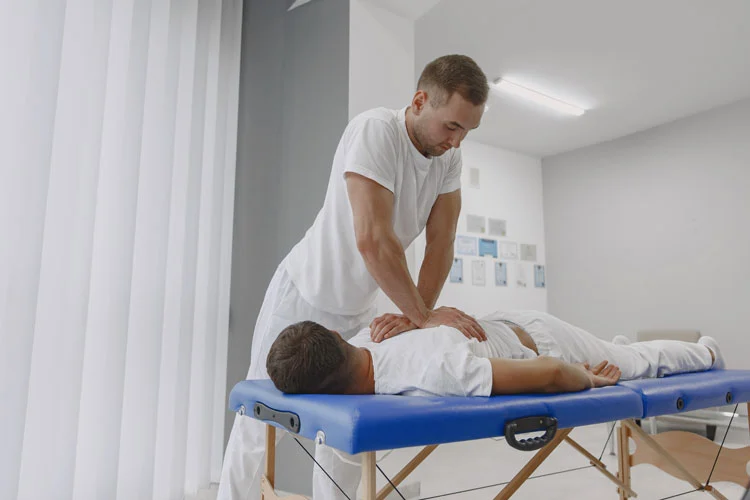
doctors looking after a patient

Many adults start asking the same question as the years pass: Why does recovery take longer than it used to? Workouts cause deeper muscle soreness, minor injuries linger, energy stays low longer, and even good sleep does not feel as restorative. These changes are frustrating, and they are not imagined. Research shows that recovery slows with age due to shifts in muscle repair, inflammation control, blood flow, hormone balance, and nervous system regulation.

Aging affects how efficiently the body heals after exercise, stress, illness, or injury. Muscle protein synthesis becomes less responsive, inflammation resolves more slowly, and cellular repair processes lose speed. The result is longer recovery time, increased stiffness, fatigue, and higher injury risk. The key point is this: slower recovery is common with age, but there are ways to support improvement.

At Tucson Wellness MD, our comprehensive longevity care program helps patients understand what is driving delayed recovery and how to support energy and resilience. With the right strategies,  many people may improve recovery with appropriate support, even when it feels like the body is no longer bouncing back on its own.

Quick Answer

Why Does Recovery Take Longer as You Age?

Recovery often takes longer with age because muscle repair, inflammation control, blood flow, sleep quality, hormone balance, and nervous system regulation can all change over time. This may lead to longer soreness, slower healing, fatigue, stiffness, and higher injury risk. Recovery can often improve with better protein intake, strength training, sleep, stress support, hydration, and medical evaluation when symptoms persist.

What Recovery Really Means for the Body

Recovery is the process your body uses to return to balance after exercise, stress, illness, or injury. It includes muscle repair, tissue repair, wound healing, nervous system regulation, and restoration of energy in the brain and body. Recovery also plays a critical role in injury prevention, muscle growth, and long-term health.

When recovery slows, people often experience prolonged recovery times, delayed onset muscle soreness, stiffness, pain, and fatigue that interfere with daily life. For broader age-related wellness support, learn more about longevity care in Tucson.

Why Recovery Slows With Age

The aging process affects multiple systems at once. These changes accumulate and can delay recovery if left unaddressed.

Slower Muscle and Tissue Repair

As we age, muscle mass naturally declines, especially after middle age. Older adults have fewer muscle fibers and experience anabolic resistance, meaning muscle protein synthesis does not respond as efficiently to exercise and nutrition. This slows muscle recovery and muscle growth after workouts or injury.

Damaged tissues also take longer to repair because growth factors and immune cells that drive the healing process become less active with age. The extracellular matrix, which supports muscle fibers and blood vessels, becomes less flexible, contributing to stiffness and slower healing.

Why Muscle Soreness Lasts Longer

Muscle soreness post-workout tends to last longer in older patients. Muscle soreness is linked to microtissue damage and inflammation that occurs during exercise. In younger individuals, the inflammatory phase resolves quickly. In older adults, inflammation can persist longer, leading to prolonged pain and delayed recovery.

This is why many patients notice that post-exercise recovery feels slow, even when workouts are not intense.

Reduced Blood Flow and Slower Healing

Healthy blood flow is essential for recovery. Blood vessels deliver oxygen, nutrients, and immune cells needed for muscle repair and wound healing. With age, blood flow may decline due to changes in blood vessels and cardiovascular health. Reduced blood flow means damaged tissues receive fewer nutrients and oxygen, which can delay recovery and increase the risk of injury.

Nervous System and Brain Recovery

Recovery is not just physical. The nervous system and brain also need time to reset after stress and exercise. Chronic stress, poor sleep, and mental overload can delay recovery by keeping the nervous system in a heightened state. This affects muscle repair, immune response, and overall energy.

Deep sleep is especially important. During deep sleep, the body releases growth factors and directs cells to repair tissue damage. When sleep quality declines with age, the healing process slows.

Common Reasons Recovery Gets Slower After 40

CauseHow It Affects RecoveryWhat May Help
Lower muscle protein responseMuscles may repair more slowly after workouts or injuryProtein intake, resistance training, recovery planning
Longer inflammation responseSoreness and stiffness may last longerSleep, nutrition, stress control, medical review
Reduced blood flowTissues may receive less oxygen and nutrientsMovement, cardiovascular health, hydration
Hormone changesEnergy, strength, sleep, and tissue repair may declineHormone evaluation and lab-guided care
Poor sleep qualityDeep repair and nervous system recovery may slowSleep routine, stress support, provider evaluation

How Aging Changes Recovery Speed

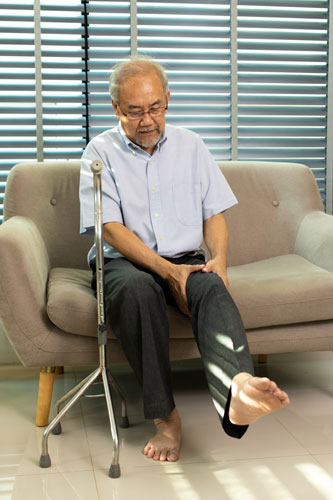
old man holding his thigh

Younger adults typically recover faster because their muscle fibers respond quickly, inflammation resolves sooner, and muscle protein synthesis is more efficient. As people enter middle age and old age, recovery becomes slower due to cumulative age-related changes, stress exposure, and reduced resilience.

Systematic reviews and meta-analyses data show that recovery time increases with age, even in healthy individuals who exercise regularly. This does not mean recovery cannot improve. It means recovery requires more intentional support.

Why Recovery May Feel Harder After 40

Many adults first notice slower recovery in their 40s. Workouts that once felt manageable may cause soreness for several days, minor injuries may take longer to settle, and energy may not rebound as quickly after stress or poor sleep.

This does not mean the body is broken. It often means the recovery plan needs to become more intentional. Protein intake, strength training, mobility, hydration, sleep quality, stress control, and lab testing may matter more than they did in earlier years.

If recovery keeps getting slower despite healthy habits, a medical evaluation can help identify whether inflammation, nutrient status, hormones, metabolic health, or sleep issues are contributing.

Signs Your Recovery System Needs Support

You may need additional recovery support if you experience:

  • Prolonged muscle soreness or stiffness
  • Pain that lingers after exercise or injury
  • Slow trauma recovery or wound healing
  • Fatigue that limits daily energy
  • Reduced muscle strength despite regular exercise
  • Brain fog or low focus after stress

Paying attention to these signals helps reduce risk and prevent further injury.

How to Improve Recovery at Any Age

Recovery improves when the body receives the right support for repair, energy, and regulation.

Support Muscle Repair and Growth

Proper nutrition is essential for muscle repair. Adequate protein, key nutrients, and anti-inflammatory foods support muscle protein synthesis and tissue repair. Nutrition becomes more important with age, not less. Patients focused on tissue repair may also review regenerative medicine and PRP therapy.

Improve Blood Flow and Inflammation Control

 Addressing inflammation through diet, stress reduction, and appropriate medical support may help support comfort and the healing process.  Healthy blood flow plays an important role in muscle recovery.

Sleep and Rest Drive Recovery

Sleep is not optional for recovery. Deep sleep drives tissue repair, nervous system regulation, and energy restoration. Rest days between exercise sessions are also essential to allow muscles and cells to recover. If low energy is part of the issue, learn more about NAD+ IV therapy and IV therapy.

Customize Exercise and Physical Therapy

Exercise should support recovery, not delay it. Strength training, mobility work, and physical therapy can improve muscle strength, reduce pain, and prevent injury when tailored to age and health status.

Recovery Checklist for Adults Over 40

  • Eat enough protein daily to support muscle repair.
  • Use strength training to preserve muscle and mobility.
  • Prioritize deep sleep and consistent rest days.
  • Stay hydrated and support electrolyte balance.
  • Manage inflammation through nutrition and stress control.
  • Adjust workouts instead of pushing through lingering pain.
  • Review hormones, nutrients, and metabolic markers if recovery is slow.

How Tucson Wellness MD Supports Recovery

At Tucson Wellness MD, we take a comprehensive approach to recovery. We work with patients of all ages, including older patients who want more energy, better healing, and improved quality of life.

doctor taking care of an old paitent

Our approach may include:

  • Lab testing to assess inflammation, nutrients, and metabolic health
  • Hormone evaluation to support muscle recovery and energy
  • IV therapy to support cellular repair and hydration
  • Nutrition and lifestyle guidance focused on recovery and resilience
  • Ongoing monitoring to adjust care as the body responds

 We focus on supporting the body’s natural repair processes and overall well-being.

When Slow Recovery Needs Medical Evaluation

Slow recovery should be evaluated when soreness, fatigue, stiffness, or pain keeps interfering with workouts, work, sleep, or daily life. It may also be worth checking if injuries take longer to heal, energy stays low despite rest, or strength declines despite consistent exercise.

A medical review can help identify hidden contributors such as inflammation, nutrient deficiencies, hormone changes, poor sleep quality, metabolic concerns, dehydration, or overtraining.

At Tucson Wellness MD, recovery support may include lab testing, hormone evaluation, IV therapy, nutrition guidance, longevity care, and personalized follow-up based on your goals and health profile.

Recovery Is a Health Priority at Any Age

Slowing recovery with age is common, but it is not something you have to accept without support. With the right focus on nutrition, sleep, exercise, stress, and medical care, recovery may improve at many stages of life with appropriate care and lifestyle support.

If recovery feels slow, painful, or frustrating, Tucson Wellness MD can help you understand why and create a plan to support recovery, resilience, and long-term health, repair, and long-term health.

Visit our website to schedule a consultation and  learn more about your recovery options today.

Frequently Asked Questions

Why does muscle soreness last longer as you age?

Muscle soreness may last longer with age because muscle repair, inflammation control, blood flow, and protein synthesis can become less efficient. Sleep, nutrition, hydration, training load, and hormone balance may also affect soreness duration.

Why is recovery harder after 40?

Recovery may feel harder after 40 because muscle mass, hormone balance, sleep quality, inflammation response, and metabolic health can shift over time. This may make workouts, stress, and minor injuries harder to bounce back from.

How can I recover faster as I get older?

Recovery may improve with enough protein, strength training, mobility work, hydration, deep sleep, stress management, and rest days. If recovery remains slow, lab testing and medical evaluation may help identify hidden causes.

Can hormones affect recovery time?

Yes. Hormone changes can affect muscle repair, energy, sleep, inflammation control, and body composition. A provider may review hormone levels if recovery is slow, fatigue is persistent, or strength declines despite regular exercise.

When should I see a provider for slow recovery?

Consider seeing a provider if soreness, fatigue, pain, stiffness, or slow healing keeps interfering with daily life, exercise, work, or sleep. A medical review can help identify inflammation, nutrient, hormone, metabolic, or sleep-related contributors.


What is Restorative Therapy?

Quick Answer: What Is Restorative Therapy?

Restorative therapy is a wellness-focused approach that helps support energy, recovery, hormone balance, cellular health, and overall function. At Tucson Wellness MD, restorative treatment may include options such as regenerative medicine, peptide therapy, IV nutrient therapy, hormone care, or wellness support based on your symptoms, health history, and provider evaluation.

Restorative therapy is a holistic approach focused on supporting physical function, mental well-being, and overall quality of life. It is designed to assist individuals in rebuilding strength, mobility, and daily independence through guided care. Restorative therapy aims to restore function through a combination of treatments, including physical therapists, occupational therapists, therapeutic exercises, and alternative pain relief methods.

Comprehensive Approach to Healing

A successful restorative therapy plan often includes multiple interventions, such as massage therapy, injections, and rehabilitation exercises. Restorative programs are structured to support functional progress for individuals experiencing mobility limitations or ongoing discomfort. Results vary based on individual health status and consistency of care.

Restorative Therapy Options

Restorative therapy is not one single treatment. It is a personalized care approach that may include different wellness and regenerative options based on your goals, symptoms, and provider recommendations.

Therapy OptionWhat It SupportsCommon Wellness Goal
PRP therapyUses platelet-rich plasma from your own blood to support tissue repair and natural healing activity.Joint support, soft tissue recovery, skin rejuvenation, and regenerative care.
Peptide therapySupports targeted wellness goals such as recovery, metabolism, energy, and healthy aging.Performance, recovery, fat metabolism, and longevity support.
IV nutrient therapyDelivers nutrients through IV treatment to support hydration, energy, and wellness.Low energy, nutrient support, recovery, and wellness maintenance.
Hormone therapyHelps address hormone-related symptoms after testing and provider review.Fatigue, low libido, mood changes, sleep problems, and body composition concerns.
Regenerative medicineSupports tissue response, inflammation balance, and repair-focused wellness goals.Mobility, recovery, joint comfort, and long-term wellness planning.

When Restorative Therapy May Help

Restorative therapy may help when you feel like your body is not recovering, healing, or performing the way it used to. This may include low energy, slow recovery, joint discomfort, hormone-related symptoms, reduced strength, poor sleep, brain fog, or changes in overall wellness.

The best starting point is a provider-guided evaluation. Tucson Wellness MD reviews your symptoms, health history, lifestyle, and goals before recommending a treatment path. This helps match the right therapy to the real cause of your concern instead of guessing.

Ready to Build a Restorative Wellness Plan?

Schedule a wellness consultation with Tucson Wellness MD to review your symptoms, goals, and treatment options.

Schedule a Wellness Consultation

New patients welcome. Provider consultation required before treatment.

Restorative Therapy Consultation in Tucson

If you are looking for restorative therapy in Tucson, Tucson Wellness MD offers provider-guided wellness care for patients who want support for energy, recovery, hormones, regenerative health, and long-term wellness goals. Depending on your symptoms, Tucson Wellness MD may recommend options such as PRP therapy, peptide therapy, IV nutrient therapy, regenerative medicine, or longevity care.

Key Benefits of Restorative Therapy

1. Physical Rehabilitation and Mobility Improvement

 Rehabilitation therapy focuses on exercises and movement strategies that support muscle, joint, and balance function. By working with physical therapists, patients can regain mobility, prevent future injuries, and maintain an active lifestyle.

2. Restorative Exercises for Strength and Flexibility

Movement-based therapies such as yoga, stretching, and aerobic exercises help improve circulation and endurance. These restorative programs support healing, enhance flexibility, and promote long-term physical health.

3. Mental Health and Emotional Well-Being

Pain and limited mobility can take a toll on mental health.  Restorative therapy may incorporate relaxation techniques and supportive practices that promote emotional well-being through mindfulness techniques, relaxation exercises, and recreational activities.

What a Restorative Therapy Program Can Do

Chronic Pain Relief Without Medication

Over 50 million Americans experience chronic pain, often relying on medication for relief. A structured restorative therapy plan may include non-pharmaceutical approaches that focus on physical function and overall wellness.

✔ Therapeutic Exercise – Restores flexibility and function while reducing pain-related anxiety.
✔ Massage Therapy – Supports circulation and muscle relaxation.
✔ Physical Therapy – Strengthens muscles and improves mobility to prevent long-term complications.

Restorative Services and Rehabilitation Therapy

Restorative services support long-term recovery by addressing mobility, cognitive function, and daily living skills. These services may include:

✔ Physical therapists guiding strength-building exercises.
✔ Occupational therapists helping patients regain independence in daily tasks.
✔ Speech therapy for cognitive and communication support.
✔ Holistic care approaches for improved overall well-being.

Life Restorative Therapy – A Personalized Healing Approach

Life restorative therapy focuses on personalized treatments that target individual needs. Whether recovering from surgery, injury, or a degenerative condition, this approach emphasizes gradual improvement and sustainable health.

PRP Therapy – Boosting Natural Healing

PRP Therapy is a regenerative procedure that uses concentrated platelets derived from your own blood to support the body’s natural repair processes. It is commonly used in rehabilitation therapy for joint pain, ligament damage, and post-surgical recovery.

✔ How It Works: A blood sample is processed to concentrate platelets, which are then injected into the injured area to promote tissue repair.
✔ Conditions Treated:  PRP therapy is commonly used in clinical settings to support joint, tendon, and soft tissue care under medical supervision.

Take Control of Your Recovery with Restorative Therapy

At Tucson Wellness, we specialize in restorative services that help your body heal naturally. Whether recovering from an injury, managing chronic pain, or looking for surgery alternatives, our restorative therapy programs are designed to restore your physical abilities and long-term health.

✔  Support physical comfort and joint function
✔  Encourage mobility and functional strength
✔  Explore non-surgical wellness options under medical guidance

Start Your Healing Journey Today

Discover how restorative therapy can help you regain control of your health. Contact Tucson Wellness today to schedule a consultation or continue exploring our website for more information on our innovative treatments.

Targeted Tissue Repair in Tucson AZ: PRP Therapy for Joint Pain, Injuries, and Recovery

Quick Answer

What is targeted tissue repair?

Targeted tissue repair uses treatments like PRP therapy to support the body’s natural healing response in injured joints, tendons, ligaments, or inflamed tissues. PRP uses growth-factor-rich plasma from your own blood to help reduce inflammation, support tissue repair, and improve function.

How PRP Therapy Supports Tissue Repair and Recovery

If you are dealing with joint pain, tendon injuries, or chronic inflammation in Tucson, Arizona, targeted tissue repair treatments such as PRP therapy offer a non-surgical option designed to support the body’s natural healing response. At Tucson Wellness MD in Tucson AZ, we provide platelet-rich plasma (PRP) injections for patients seeking regenerative treatment for sports injuries, overuse conditions, and degenerative joint concerns.

PRP therapy in Tucson involves isolating growth-factor-rich plasma from your own blood and injecting it directly into the affected tissue. By concentrating the body’s natural healing components, PRP supports tissue repair, reduces inflammation, and improves function in both acute and chronic conditions. Treatments are performed in our Tucson medical office under clinical supervision to ensure safety and precision.

How PRP Therapy Works for Joint Pain and Injuries

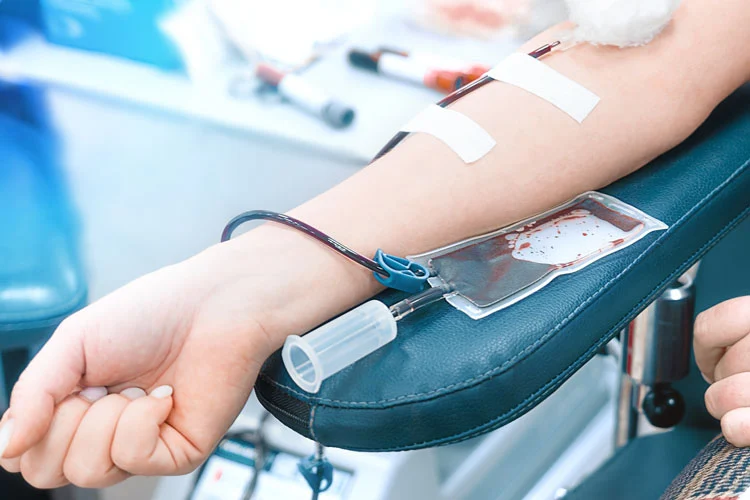
prp services

Platelet Rich Plasma (PRP) treatment uses the platelets in your own blood to isolate growth factors. Studies have shown that by injecting your body’s own growth factor-rich plasma into your injured tissue, you can experience pain relief and improved function from acute issues, such as neck pain, as well as more chronic ligament, muscle, and tendon injuries.

While PRP can treat sports injuries and aid the body’s recovery from significant issues, PRP is generally more suited for minor injuries.

How Physical Therapy and PRP Work Together for Pain Relief

Physical therapy is an excellent option for pain relief for those looking for a less invasive option. This modality addresses pain without needing a doctor’s office or surgical table and is especially effective in conjunction with PRP-targeted tissue treatment.

Physical therapy services sometimes include a therapist administering laser therapy with a light force therapy machine. Whether it’s knee pain, shoulder pain, or other soft tissue injuries, a light-force laser system or cold laser therapy may effectively speed tissue healing.

However, according to a study by the National Library of Medicine, PRP therapy was shown to be more effective at lowering pain levels. Helping patients experience relief more quickly and more drastically than they did with laser therapy work.

PRP Therapy for Chronic Pain and Inflammation

PRP is commonly used for joint or tendon pain caused by an acute injury or by overuse but has also been found to aid in managing pain associated with more chronic conditions, such as osteoarthritis and chronic back pain caused by degenerative disc disease. 

chronic pain relief with tissue repair therapy

How PRP Therapy Helps Reduce Joint Pain

PRP therapy is an effective and minimally invasive way to address joint pain. PRP utilizes growth factors and proteins from your blood to relieve inflammation and improve joint performance in people of all ages, and the treatment is quick, mostly painless, and fast-acting.

PRP and Regenerative Therapy at Tucson Wellness MD

At Tucson Wellness MD, we empower you to live the life you want by giving you the tools and the medical care needed to help you live longer, stronger, and better. Whether you want to burn fat to accelerate weight loss, please take advantage of our beauty services, or reduce the need for invasive surgery along your pain relief journey. Tucson Wellness MD is interested in your best self.

We believe in a scientific, evolutionary approach to health and modern pain relief. As a result, we use only the most advanced, pharmaceutical-grade products to stimulate healing and help you reach your goals.

Health should fit your lifestyle, and we will work with you to create a plan that meets your needs and improves your quality of life.

We invite you to learn more by continuing to explore our website.

Frequently Asked Questions About PRP and Targeted Tissue Repair

What is targeted tissue repair?
Targeted tissue repair uses treatments like PRP therapy to support healing in injured joints, tendons, ligaments, and inflamed tissues. PRP uses platelet-rich plasma from your own blood, which contains growth factors involved in the repair process. The goal is to reduce inflammation, support tissue recovery, and improve function. It is often used as a non-surgical option for pain and mobility concerns.

How does PRP therapy support tissue repair?
PRP therapy starts by drawing a small amount of your blood and separating the platelet-rich plasma. This concentrated plasma is then injected into the injured or painful area. The growth factors in PRP help activate the body’s natural healing response. This may support recovery in soft tissue, joints, ligaments, and tendons.

What conditions can targeted tissue repair help with?
Targeted tissue repair may help with joint pain, tendon injuries, ligament strain, muscle injuries, and chronic inflammation. It is also used for sports injuries, overuse conditions, and some degenerative joint concerns. PRP is often considered for patients who want to avoid or delay more invasive procedures. A provider can determine whether it fits your condition.

Is PRP therapy good for joint pain?
Yes, PRP therapy is commonly used for joint pain related to inflammation, injury, or overuse. The treatment uses growth factors from your own blood to support tissue healing and reduce irritation in the joint area. Many patients explore PRP as a minimally invasive option before considering surgery. Results vary based on the severity of the joint condition.