
PRP Therapy Explained: How Platelet-Rich Plasma Supports Healing, Hair Restoration, and Skin Rejuvenation

PRP therapy uses platelet-rich plasma from your own blood to support the body’s natural repair process. At Tucson Wellness MD, PRP may be used as part of a provider-guided plan for joint discomfort, soft tissue recovery, hair restoration, and skin rejuvenation.

This treatment is designed for patients who want a minimally invasive option that works with their own biology. PRP is not a one-size-fits-all solution, so results depend on your condition, treatment area, health history, and personalized care plan.

Quick Answer

What Is PRP Therapy?

Platelet-rich plasma, or PRP, is prepared from a patient’s own blood by concentrating platelets and then applying or injecting the preparation into a targeted area. PRP has been studied for certain musculoskeletal injuries, hair loss and aesthetic applications, but evidence and expected results vary significantly by condition. A medical evaluation can help determine whether PRP is appropriate for a specific concern.

For complementary regenerative wellness options, you may also explore Peptide Therapy in Tucson to support recovery and performance.

What Is PRP? Understanding the Science of Natural Healing

To have PRP therapy explained simply, you must first understand the components of your blood. While blood is largely liquid (plasma), it also contains solid components: red cells, white cells, and platelets. Platelets are best known for their importance in clotting blood, but they also contain hundreds of proteins called growth factors which are vital for healing injuries.

PRP is prepared by processing a patient’s blood to produce plasma containing a higher concentration of platelets than whole blood. The exact platelet concentration can vary depending on the preparation system and protocol.

Platelets contain signaling proteins involved in normal clotting and healing processes. Researchers are studying how concentrated platelet preparations may affect different tissues and medical conditions.

Because PRP is prepared from the patient’s own blood, the risk of an allergic reaction to the PRP itself is generally low, although injection and procedure-related risks still remain. For more information about provider-guided treatment, explore Platelet-Rich Plasma Therapy at Tucson Wellness MD.

PRP is one option within a broader personalized wellness plan. Patients interested in natural repair and recovery may also explore Platelet Rich Plasma PRP, regenerative medicine, stem cell therapy, exosome therapy, and medical microneedling.

Potential PRP Uses and What the Evidence Shows

Platelet-rich plasma treatment is incredibly versatile, bridging the gap between aesthetics and orthopedics. By stimulating the body’s repair mechanisms, PRP benefits a wide variety of patients. Here is why this therapy is a cornerstone of regenerative medicine:

Musculoskeletal Injuries

PRP has been studied for certain tendon, joint and soft-tissue conditions. Evidence differs considerably by diagnosis, and improvement is not guaranteed.

Hair Loss

PRP injections have been studied for androgenetic alopecia and may improve certain hair-density measures in some patients. Treatment response and protocols vary.

Skin and Aesthetic Applications

PRP is sometimes combined with procedures such as microneedling for aesthetic skin treatment. Research continues to evaluate its effects on skin texture, collagen remodeling and other cosmetic outcomes. Patients interested in aesthetic skin treatment can also learn about Medical Microneedling at Tucson Wellness MD.

Recovery

PRP is minimally invasive compared with surgery, but soreness, swelling, bruising and activity restrictions can still occur depending on the treatment site.

PRP ApplicationWhat to Know
Joint or tendon concernsEvidence varies by diagnosis
Hair restorationStudied mainly for certain types of hair loss
Skin rejuvenationOften combined with aesthetic procedures such as microneedling
SourcePrepared from the patient’s own blood
ResultsVary by condition and treatment protocol
RecoveryTemporary soreness, swelling or bruising may occur

Safety and Precautions for PRP Therapy

  • PRP should only be administered by trained medical professionals.
  • Minor side effects may include injection-site pain, redness, or swelling.
  • Patients with bleeding disorders or on anticoagulants should discuss risks with their provider.
  • Multiple sessions may be required to achieve desired outcomes.
  • Results may vary and are not guaranteed.

PRP Therapy Risks and Side Effects

Because PRP is prepared from the patient’s own blood, allergic reactions to the plasma itself are uncommon. However, PRP treatment still involves a medical procedure.

Possible effects and risks can include:

  • Temporary pain or soreness
  • Swelling
  • Bruising
  • Bleeding
  • Infection
  • Injury to surrounding structures depending on injection location
  • Lack of meaningful improvement

Risks and recovery expectations vary according to the treatment area and procedure being performed.

The TWMD Experience: What to Expect During Your PRP Session

If you are looking for a PRP guide to the patient experience, the process is straightforward and minimally invasive. At Tucson Wellness MD, we prioritize your comfort and safety throughout the entire appointment.

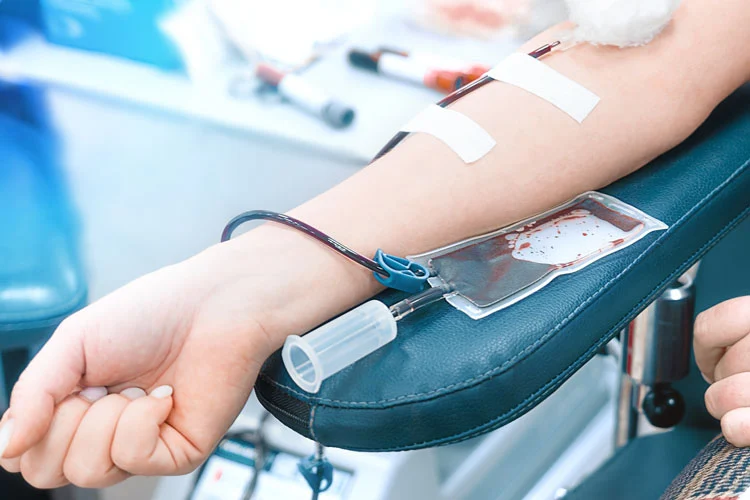
  1. The Collection: The process begins with a standard blood draw from your arm, similar to a routine lab test.
  2. The Concentration: We place your blood into a centrifuge, a machine that spins it rapidly to separate the fluids of different densities. This isolates the platelets from the other blood cells.
  3. The Treatment: The concentrated platelet-rich plasma is prepared for application. Depending on your goals, it is either injected directly into a joint or scalp, or applied topically during a microneedling session.

The entire appointment typically takes less than an hour. Because we use FDA-cleared technology and adhere to the highest medical standards, you can trust that you are receiving the highest quality care available.

Find Out Whether PRP Fits Your Goals

Tucson Wellness MD can review your injury, hair, skin or recovery concerns and discuss whether PRP therapy or another treatment approach may be appropriate.

Schedule a Consultation

Is PRP Therapy Right for You?

PRP is used across several areas of regenerative and aesthetic medicine, but results depend on the condition being treated, the preparation method and individual patient factors.

A provider can review your symptoms or treatment goals, previous treatments, health history and available evidence to determine whether PRP is an appropriate option.

Frequently Asked Questions

What is PRP therapy?

PRP therapy uses platelet-rich plasma prepared from a patient’s own blood. The concentrated preparation is injected or applied to a targeted area depending on the condition or procedure being treated.

What is PRP used for?

PRP has been studied for several applications, including certain tendon and joint conditions, some forms of hair loss and aesthetic skin procedures. Evidence and expected outcomes vary by use.

Does PRP regenerate damaged tissue?

PRP contains platelets and signaling proteins involved in normal healing, but it should not be described as reliably regenerating damaged cartilage, tendons or other tissues. Results vary considerably.

Does PRP work for hair loss?

PRP has been studied primarily for androgenetic alopecia, and some studies report improvements in hair-density measures. Individual response and treatment protocols vary.

Can PRP be used with microneedling?

PRP may be combined with microneedling in some aesthetic treatment protocols. The potential benefits, risks and appropriate treatment plan should be discussed with a qualified provider.

What are the side effects of PRP?

Possible effects include temporary soreness, swelling, bruising or bleeding. Infection and other procedure-related complications are possible but depend on the treatment area and technique.

How long does PRP take to work?

There is no universal timeline. Changes may occur gradually over weeks or months depending on the treatment area, condition and individual response.

How many PRP treatments do you need?

There is no single treatment schedule appropriate for every patient. The number and timing of treatments depend on the condition, treatment protocol and response.

PRP vs Stem Cell Therapy: Which Regenerative Treatment Is Right for You?

Medical Disclaimer: The information in this article is for general educational purposes only and does not constitute medical advice. Regenerative therapies must be evaluated and prescribed by a licensed medical provider based on your individual health history and clinical needs. Results vary by patient and condition. Please consult a qualified healthcare professional before pursuing any treatment.

When pain, injury, or chronic joint problems start limiting your life, surgery often gets presented as the only serious option. What many people do not realize is that regenerative medicine has matured significantly, and two therapies in particular are changing how providers approach tissue repair and pain relief: Platelet-Rich Plasma (PRP) and Stem Cell Therapy.

Both are non-surgical. Both use your body’s own biological material. And both are available at Tucson Wellness MD. But they work differently, they are suited for different conditions, and choosing between them is not a decision you should make based on a blog post alone. It is a decision you should make with a clinician who understands your case.

This article gives you the foundational knowledge to walk into that conversation informed.

Quick Answer

What Is the Difference Between PRP and Stem Cell Therapy?

PRP uses concentrated platelets from a patient’s own blood to support healing processes, while stem cell-based treatments involve different types of cells or cell-derived products. Their evidence, regulatory status, risks and potential uses differ significantly. For orthopedic conditions, stem cell products are not currently FDA-approved, so treatment decisions should include careful review of the specific product, evidence and regulatory status.

Who Should Compare PRP and Stem Cell Therapy?

PRP and stem cell therapy may both be considered by patients looking for non-surgical support for pain, injury recovery, joint health, or tissue repair. The right option depends on the severity of the condition, the type of tissue involved, prior treatments, imaging findings, and overall health goals.

You may want to compare PRP and stem cell therapy if you have:

  • Joint pain that has not improved with rest or physical therapy
  • Tendon or ligament irritation
  • Mild to moderate arthritis
  • More advanced joint degeneration
  • Slow-healing soft tissue injuries
  • Sports or overuse injuries
  • Chronic inflammation or recurring pain
  • Interest in non-surgical regenerative options
  • Questions about cost, recovery time, and treatment complexity
  • A need for provider-guided evaluation before choosing treatment

A consultation helps separate general online comparisons from what actually makes sense for your condition.

PRP vs Stem Cell Therapy: Key Differences

CategoryPRP TherapyStem Cell Therapy
SourceUses concentrated platelets from your own bloodUses biologic materials containing cells or cell-derived components
Main goalSupports natural healing processesBeing studied for tissue repair and regenerative effects
Common usesTendon issues, joint pain, soft tissue injuriesJoint, tissue, and regenerative medicine applications
Research statusHas clinical research for certain conditionsEvidence varies depending on cell type and condition
ProcedureBlood draw, processing, injectionDepends on the biologic material and treatment approach
Best candidatePatients with certain injuries or chronic pain conditionsPatients evaluated for specific regenerative treatment goals

When PRP May Be Enough and When Stem Cell Therapy May Be Considered

PRP may be considered for selected musculoskeletal conditions depending on diagnosis, severity and available evidence. Stem cell-based treatments should not automatically be considered the next step when PRP is unsuccessful or degeneration is more advanced.

The appropriate approach depends on the diagnosis, existing evidence, regulatory status, previous treatments and individual risks.

How PRP Therapy Supports Natural Healing and Injury Recovery

Platelet-Rich Plasma therapy begins with a simple blood draw. That blood sample is placed in a centrifuge and spun at high speed to concentrate the platelets, typically to five to seven times their normal levels in circulation. The resulting solution, rich in growth factors, is then injected precisely into the area of damage or dysfunction.

The mechanism is amplification. Platelets are your body’s first responders to injury. They rush to damaged tissue and release growth factors that trigger the repair process. PRP therapy takes that process and intensifies it by flooding the treatment site with a concentrated dose of the signals your body already uses to heal.

At Tucson Wellness MD, PRP is used to address soft tissue injuries, chronic tendon problems, joint pain in the shoulders, elbows, knees, and hips, as well as post-surgical recovery support. It is also used in aesthetic applications including PRP facials and hair restoration, where the same growth factor concentration promotes collagen production and cellular renewal in the skin and scalp.

What PRP Therapy May Help With

PRP is best suited for conditions where the tissue retains some healing capacity but the natural repair process has stalled or is insufficient. It is the right tool when the body can still do the work, it just needs a stronger signal to get moving. Common applications include:

Chronic tendinopathy such as tennis elbow, patellar tendinitis, and rotator cuff strains. Mild to moderate osteoarthritis where cartilage is damaged but not completely gone. Ligament sprains and partial tears. Muscle injuries. Post-surgical sites where healing has been slow. Hair thinning related to follicle miniaturization. Facial skin laxity, fine lines, and texture irregularities.

Learn more about PRP therapy in Tucson and how platelet-rich plasma is used in regenerative care.

What PRP Therapy May Not Be Able to Treat

PRP does not introduce new cells into the treatment area. It amplifies the healing signals sent to cells that are already there. In cases where tissue has degenerated significantly or the body’s cellular reserves in that area are depleted, PRP alone may not produce the structural regeneration needed. This is where stem cell therapy becomes relevant.

How Stem Cell Therapy Supports Regenerative Repair

Stem cell-based therapies are being studied for their potential effects on tissue repair, inflammation and regenerative processes. However, how these products behave after administration depends on the specific cell type, preparation and application.

It should not be assumed that injected cells will reliably transform into cartilage, tendon, ligament or other tissue or rebuild damaged structures in patients.

MSCs are self-replicating and multipotent, meaning they can differentiate into cartilage, bone, tendon, ligament, muscle, and other connective tissue types. By delivering a concentrated population of these cells directly to a damaged site, stem cell therapy gives the body a new supply of building material to work with rather than simply urging existing cells to work harder.

At Tucson Wellness MD, Stem Cell Therapy is delivered through three primary methods depending on the condition and goals of the patient: intra-articular injections into joints for cartilage regeneration and inflammation reduction, intravenous infusion for systemic immune support and overall health optimization, and soft tissue injections into tendons or ligaments where structural repair is the primary goal. Stem cell derivatives such as exosomes and growth factors are also used in combination with microneedling and laser therapy for skin rejuvenation.

Importantly, TWMD’s Stem Cell package includes PRP and Biokinetics as part of the treatment. This is not a standalone procedure. It is a comprehensive regenerative protocol.

What Stem Cell Therapy May Help With

Stem cell and other regenerative products are being investigated for several medical applications. Evidence and regulatory status vary substantially by product and condition.

Patients considering these therapies for orthopedic pain, arthritis, tendon injuries or other regenerative purposes should understand that FDA approval has not been established for these orthopedic applications.

Stem Cell Therapy Regulatory Context and Safety Considerations

Stem cell therapy in the United States operates under active FDA oversight. While the FDA has approved certain stem cell applications for blood-related diseases, most musculoskeletal and regenerative applications are still in clinical research stages and are not FDA-approved treatments.

Lack of FDA approval means the product has not undergone the FDA review required to establish safety and effectiveness for that specific use. Patients should ask exactly what product is being administered, whether FDA approval is required, whether it is FDA-approved for the proposed use, and what clinical evidence supports treatment.

At Tucson Wellness MD, all regenerative treatments are provided under physician supervision and based on individualized medical evaluation. Patients should ask their provider directly about the evidence base, expected outcomes, and regulatory status of any therapy they are considering.

Patients considering regenerative products can review the FDA Consumer Alert on stem cell and regenerative medicine products for current regulatory and safety information.

PRP vs Stem Cell Therapy Comparison

ComparisonPRPStem Cell-Based Therapy
SourceConcentrated platelets from bloodVaries by product and cell source
Proposed roleSupports biological healing signalsBeing studied for regenerative effects
EvidenceVaries by conditionVaries greatly by product and condition
FDA statusDepends on applicationNo FDA-approved stem cell products for orthopedic conditions
RecoveryDepends on injection site and conditionDepends on product and procedure
Best choiceRequires individual evaluationRequires individual evaluation and regulatory review

PRP or Stem Cell Therapy: Which May Be Considered?

ConditionPRP May Be Considered ForStem Cell Therapy May Be Discussed For
Joint painCertain tendon, ligament, and joint-related concernsSpecific regenerative medicine evaluations
Sports injuriesSoft tissue injuries and recovery supportSelected cases requiring regenerative evaluation
Arthritis-related discomfortMay support symptoms in some patientsMay be discussed depending on diagnosis and available evidence
Slow recoveryMay support healing responseRequires careful patient selection and evaluation

Who May Be a Good Candidate for PRP Therapy?

You may be a strong candidate for PRP if you are dealing with a musculoskeletal injury or joint condition that has not responded adequately to rest, physical therapy, or anti-inflammatory treatment. PRP is also appropriate as a first step before considering more advanced regenerative options, or as a maintenance therapy to sustain results over time.

Ideal PRP candidates generally have conditions that retain some healing potential, are not yet severe enough to require stem cell intervention, and prefer a lower-cost entry point into regenerative medicine. Athletes, active adults, and patients seeking aesthetic enhancement are also strong candidates.

Who May Benefit Most From Stem Cell Therapy?

Patients interested in stem cell-based regenerative treatment should first receive an appropriate diagnosis and review standard treatment options. The provider should also explain the specific product being proposed, evidence supporting its use, potential risks and its FDA regulatory status.

More severe degeneration does not automatically mean a stem cell-based treatment is appropriate or more effective than other options.

Why a Regenerative Medicine Consultation Matters

Every patient presents differently. The severity of your condition, the specific structures involved, your overall health, your goals, and your timeline all factor into which therapy is appropriate, at what dose, delivered through which method. A side-by-side chart can orient your thinking, but it cannot replace a clinical evaluation.

At Tucson Wellness MD, the clinical team under Dr. Jon Minor, a fellowship-trained sports medicine physician with advanced training at Harvard and Boston Children’s Hospital, evaluates each patient individually before recommending any regenerative protocol. The goal is never to push a higher-cost treatment. The goal is to identify the right treatment for your specific situation and give your body the best possible chance to heal.

Patients who want a broader overview of non-surgical repair and recovery options can learn more about Regenerative Medicine at Tucson Wellness MD.

PRP and Stem Cell Therapy Support in Tucson

If you are in Tucson and comparing PRP vs stem cell therapy for joint pain, soft tissue injury, arthritis, tendon concerns, or recovery support, provider-guided evaluation can help you choose the right next step.

At Tucson Wellness MD, regenerative medicine care is based on your symptoms, health history, injury type, treatment goals, and whether PRP, stem cell therapy, or another non-surgical option may fit your situation. This helps patients make a more informed decision instead of relying only on online comparisons.

What to Expect During a PRP or Stem Cell Consultation

Your first visit begins with a thorough intake and medical history review. If imaging is relevant, the team will evaluate existing scans or recommend new ones. Based on your clinical picture, Dr. Minor and the team will walk you through which therapy, or combination of therapies, makes the most sense for your condition and goals.

There is no pressure, no upsell, and no cookie-cutter protocol. Tucson Wellness MD operates on the premise that personalized care produces better outcomes than standardized programs.

Schedule a PRP or Stem Cell Therapy Consultation in Tucson

If you are living with pain, dealing with a slow-healing injury, or simply want to understand whether regenerative medicine belongs in your health plan, the next step is a conversation with the clinical team at Tucson Wellness MD.

Schedule your consultation today. Call 520-222-5425 or visit tucsonwellnessmd.com to book your appointment online.

Regenerative Medicine Consultation

Not Sure If PRP or Stem Cell Therapy Is Right for You?

Choosing a regenerative treatment depends on your injury, diagnosis, goals, health history, and recovery needs. Tucson Wellness MD can review your condition and discuss whether PRP therapy, stem cell therapy, or another approach may be appropriate.

Schedule a Consultation

Frequently Asked Questions About PRP vs Stem Cell Therapy

Is PRP better than stem cell therapy?

Neither treatment is automatically better. PRP and stem cell therapy have different approaches, research backgrounds, costs, and potential uses. The best option depends on the condition being treated and provider evaluation.

Does PRP contain stem cells?

PRP primarily contains concentrated platelets and growth factors from your own blood. It is different from stem cell therapy, which involves biologic materials containing cells or cell-derived components.

How long does PRP take to work?

Results vary depending on the condition, treatment area, severity, and individual healing response. Some patients notice gradual improvement over weeks to months.

Is stem cell therapy FDA approved for joint pain?

No stem cell products are currently FDA-approved for orthopedic conditions such as knee pain, osteoarthritis, tendonitis or other joint-related conditions. Patients should discuss the specific product, evidence, risks and regulatory status with a qualified healthcare provider.

Which is better for knee pain, PRP or stem cell therapy?

The appropriate option depends on the cause of knee pain, severity, imaging findings, previous treatments, and overall health. A proper evaluation helps determine which approach may be suitable.

Are stem cell treatments FDA approved for arthritis?

No stem cell products are currently FDA-approved for orthopedic conditions such as osteoarthritis. Patients should verify the regulatory status of the specific product and proposed use before treatment.

What should I ask before receiving stem cell therapy?

Ask what product is being used, where it comes from, whether FDA approval is required, whether it is approved for the proposed use, what evidence supports it, and what risks or alternatives should be considered.

Can PRP and stem cell therapy be used together?

Some clinics may offer PRP alongside other regenerative treatments, but combining treatments does not automatically mean better outcomes. The evidence, risks and purpose of each component should be reviewed individually.

Targeted Tissue Repair in Tucson AZ: PRP Therapy for Joint Pain, Injuries, and Recovery

Quick Answer

What Is Targeted Tissue Repair?

Targeted tissue repair refers to treatments aimed at a specific injured or painful area. PRP therapy uses platelet-rich plasma prepared from a patient’s own blood and injected into selected joints, tendons or other tissues. PRP is being studied for several musculoskeletal conditions, but results vary by diagnosis and it should not be presented as a guaranteed way to regenerate damaged tissue.

How PRP Therapy Supports Tissue Repair and Recovery

PRP therapy begins by drawing a small amount of the patient’s blood and concentrating the platelets into platelet-rich plasma. The PRP is then injected into the targeted area.

Platelets contain signaling proteins involved in normal healing processes. Researchers are studying whether concentrating these components may help selected musculoskeletal conditions, but outcomes vary depending on the injury, treatment protocol and patient.

For more information about the treatment itself, explore Platelet-Rich Plasma Therapy at Tucson Wellness MD.

How PRP Therapy Works for Joint Pain and Injuries

prp services

Evidence for PRP varies substantially by condition. Some studies suggest potential improvements in pain or function for selected musculoskeletal problems, while evidence remains limited or inconsistent for others.

Whether PRP is appropriate should depend on the diagnosis, severity, previous treatment and available evidence rather than whether an injury is simply considered “minor” or “major.”

PRP Treatment Comparison Table

PRP Therapy May Be Considered ForCommon Treatment Goals
Tendon injuriesSupport recovery and function
Joint discomfortHelp manage pain and mobility concerns
Sports-related injuriesSupport recovery plans
Soft tissue concernsPromote natural healing response

How Physical Therapy and PRP Work Together for Pain Relief

Physical therapy is an established part of care for many musculoskeletal injuries and can help improve strength, mobility and function.

PRP may sometimes be considered alongside rehabilitation, depending on the diagnosis and treatment plan. Using PRP with physical therapy does not automatically produce better outcomes, so each treatment should be recommended according to clinical findings and available evidence.

PRP Therapy for Chronic Pain and Inflammation

PRP has been studied for several musculoskeletal conditions, including certain tendon injuries and osteoarthritis. Evidence differs by condition, and PRP should not be described as a general treatment for chronic pain.

Chronic back pain, joint pain or persistent inflammation can have many causes and should be properly evaluated before deciding whether an injection-based treatment is appropriate.

For an evidence-based overview of PRP and orthopedic treatment, review the American Academy of Orthopaedic Surgeons information on platelet-rich plasma.

Explore Regenerative Medicine Options

PRP therapy is one option within regenerative medicine. Learn more about related treatments including Regenerative Medicine and Stem Cell Therapy.

chronic pain relief with tissue repair therapy

How PRP Therapy Helps Reduce Joint Pain

RP injections are being studied as a minimally invasive option for certain joint and soft-tissue conditions. Some patients may experience changes in pain or function, but response varies and improvement is not guaranteed.

Temporary soreness, swelling or bruising may occur after injection, and recovery expectations depend on the area treated and the underlying condition.

ConsiderationWhat to Know
SourcePRP is prepared from the patient’s own blood
EvidenceVaries significantly by condition
Uses studiedCertain tendon, joint and musculoskeletal conditions
ResultsNot guaranteed and vary between patients
RecoverySoreness or swelling may occur after injection
EvaluationDiagnosis and previous treatment should be reviewed first

PRP and Regenerative Therapy at Tucson Wellness MD

Tucson Wellness MD provides provider-guided PRP therapy for selected musculoskeletal and tissue-recovery concerns.

Before treatment, a provider can review the location and cause of pain, medical history, previous treatments and individual goals to determine whether PRP or another approach may be appropriate.

Treatment expectations should be based on the specific condition and available evidence rather than assuming PRP can regenerate every type of damaged tissue. For additional provider-guided options focused on recovery and musculoskeletal health, explore Regenerative Medicine at Tucson Wellness MD.

Find Out Whether PRP Fits Your Recovery Goals

Tucson Wellness MD can review your injury, joint or tendon concerns, previous treatments and recovery goals to determine whether PRP therapy or another approach may be appropriate.

Schedule a Consultation

Frequently Asked Questions About PRP and Targeted Tissue Repair

What is targeted tissue repair?
Targeted tissue repair uses treatments like PRP therapy to support healing in injured joints, tendons, ligaments, and inflamed tissues. PRP uses platelet-rich plasma from your own blood, which contains growth factors involved in the repair process. The goal is to reduce inflammation, support tissue recovery, and improve function. It is often used as a non-surgical option for pain and mobility concerns.

How does PRP therapy support tissue repair?
PRP therapy starts by drawing a small amount of your blood and separating the platelet-rich plasma. This concentrated plasma is then injected into the injured or painful area. The growth factors in PRP help activate the body’s natural healing response. This may support recovery in soft tissue, joints, ligaments, and tendons.

What conditions can targeted tissue repair help with?
Targeted tissue repair may help with joint pain, tendon injuries, ligament strain, muscle injuries, and chronic inflammation. It is also used for sports injuries, overuse conditions, and some degenerative joint concerns. PRP is often considered for patients who want to avoid or delay more invasive procedures. A provider can determine whether it fits your condition.

Is PRP therapy good for joint pain?
Yes, PRP therapy is commonly used for joint pain related to inflammation, injury, or overuse. The treatment uses growth factors from your own blood to support tissue healing and reduce irritation in the joint area. Many patients explore PRP as a minimally invasive option before considering surgery. Results vary based on the severity of the joint condition.

How long does PRP recovery take?

Recovery varies depending on the treatment area, condition being treated, and individual factors. Many patients experience temporary soreness after treatment while the body responds.

Is PRP better than surgery?

PRP is not a replacement for every surgical procedure. It may be considered as a minimally invasive option depending on the injury, symptoms, and provider evaluation.

How many PRP treatments are needed?

The number of treatments depends on the condition being addressed and the patient’s goals. A provider can recommend an appropriate treatment plan after evaluation.