6 Reasons You Should Never Trust Botox or Fillers to Just Anyone: What Safe Injectables Really Require
Table of Contents
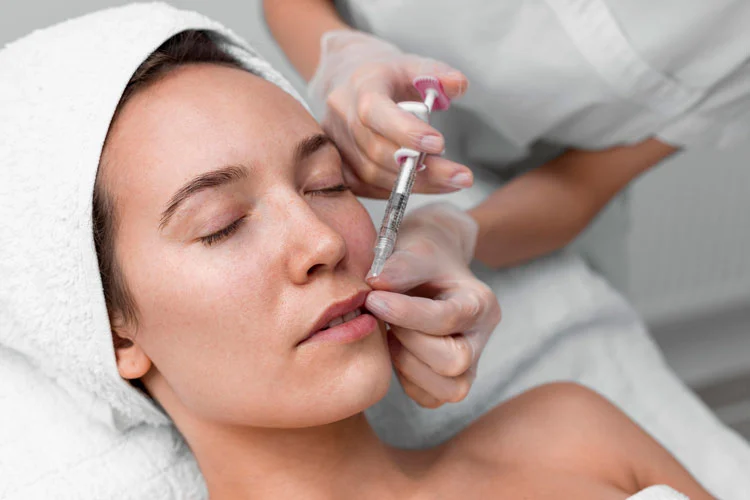
At Tucson Wellness MD, we frequently get asked about injectable treatments like Botox, Dysport, Daxxify, and dermal fillers. Injectable treatments are generally considered safe when administered by licensed and properly trained medical professionals; however, all medical procedures carry potential risks.
Quick Answer: How Do You Choose a Safe Botox or Filler Provider?
Choose a licensed, properly trained medical professional who understands facial anatomy, uses reputable products, reviews your medical history, explains risks and aftercare, and has a clear plan for complications and follow-up. A safe injector should recommend treatment based on your anatomy and goals rather than using a one-size-fits-all approach.
| Safety Factor | Why It Matters | What to Look For |
|---|---|---|
| Licensed provider | Injectables are medical procedures | A licensed medical professional with appropriate injectable training |
| Facial anatomy knowledge | Placement affects both safety and results | Provider can explain facial movement, anatomy, and treatment areas |
| Reputable products | Counterfeit or improperly sourced products may increase risk | Clearly identified branded products from reputable sources |
| Medical consultation | Not every patient is an appropriate candidate | Health history, medications, goals, and contraindications are reviewed |
| Conservative planning | Over-treatment may create unnatural results | A personalized plan based on facial anatomy and goals |
| Complication readiness | Complications require appropriate recognition and response | Provider explains warning signs and response protocols |
| Follow-up care | Healing and treatment response may need review | Clear aftercare and follow-up guidance |
Red Flags Before Getting Botox or Fillers
A low price or quick appointment should not be the only reason to choose an injector. Safe injectable care requires training, product quality, medical screening, and a clear treatment plan.
Be cautious if a provider:
- Does not review your medical history
- Cannot explain the product being used
- Pushes more units or filler than you need
- Promises identical results for every face
- Uses vague product names
- Cannot explain risks or aftercare
- Has no plan for complications
- Offers treatment in an unsafe or non-medical setting
- Pressures you to decide immediately
- Does not provide follow-up guidance
A qualified injector should make you feel informed, not rushed.
A safe injectable consultation should give you enough information to understand the product, treatment plan, expected results, possible risks, aftercare, and what to do if a complication occurs.
Why Botox and Fillers Feel Risky to Many Patients
Concerns about injectables often arise from reports of unfavorable outcomes, which are typically related to provider technique, product selection, or patient-specific factors. When injectables are done without proper training and anatomical knowledge, the risks become very real.
Here are 6 reasons why it’s crucial to trust only highly qualified, experienced professionals with your injectables:
1. Great Injectable Results Require Precision
Injectable treatments require both technical precision and an understanding of facial anatomy to achieve balanced results. It requires understanding how to enhance facial features without compromising their natural beauty or expressions. The right injector has to understand the subtle nuances of the face to ensure things look balanced and natural.
Overdoing it or placing the injectables incorrectly can definitely cause issues like asymmetry or a “frozen” look, which can be very noticeable. That’s why it’s so important to trust an injector who has the experience to tailor the treatment to your unique anatomy and goals.
2. Unqualified Injectors Put Your Health at Risk
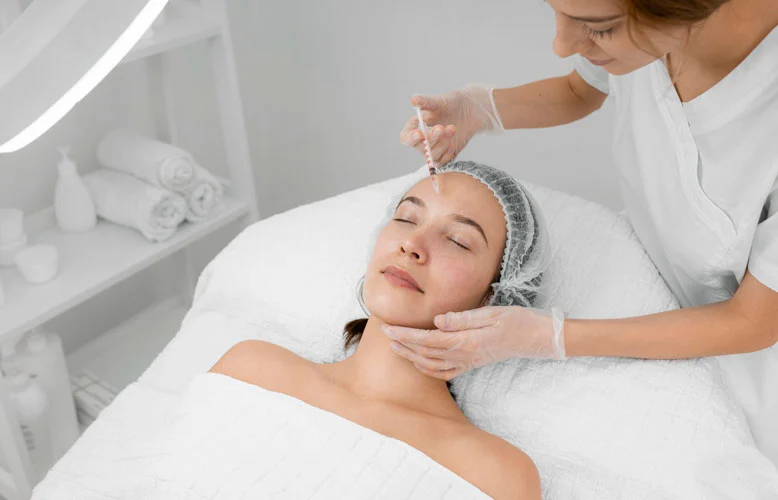
If you choose an injector who isn’t properly trained or experienced, it can result in serious complications like Improper technique, poor anatomical knowledge, unsafe product sourcing, or inadequate screening can increase the risk of complications such as bruising, asymmetry, infection, lumps, vascular occlusion, and other adverse outcomes.
Proper training, understanding of facial vascular anatomy, appropriate product selection, and established safety protocols can help reduce risk and support faster recognition and management if a complication occurs.
A trained injector is educated in facial vascular anatomy and follows established safety protocols to reduce procedural risks. Qualified providers are trained in managing complications, including the appropriate use of reversal agents when indicated.
On the flip side, unqualified providers might cut corners by using diluted or even counterfeit products, which can be risky. Patients should confirm that products are sourced from reputable manufacturers and administered by licensed medical professionals. Always do your research to find a trusted professional.
3. Injectables Are Not Right for Every Face
A skilled professional will take the time to carefully assess your skin type, medical history, and unique facial structure before suggesting any treatments. They’ll consider all the factors that are important to you: your goals, your skin’s needs, and how your face naturally moves, before recommending anything.
Botox, Dysport, Daxxify, and dermal fillers are not automatically the best option for every concern. Depending on your anatomy, skin condition, and goals, a provider may also discuss non-injectable treatments such as microneedling, laser-based treatments, or professional facial services.
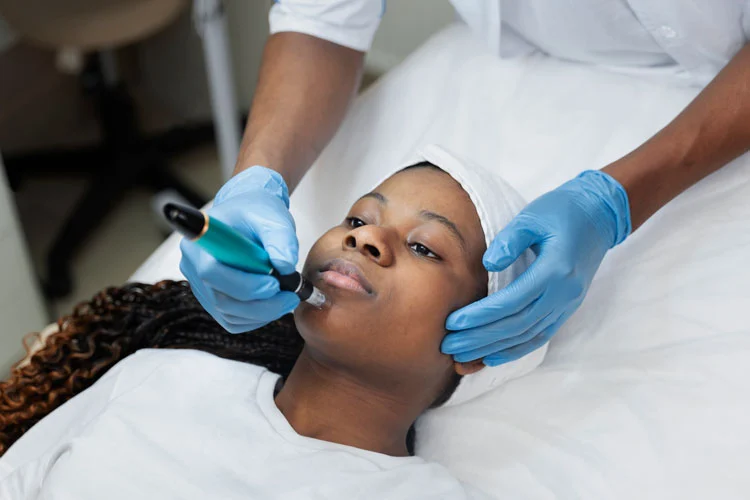
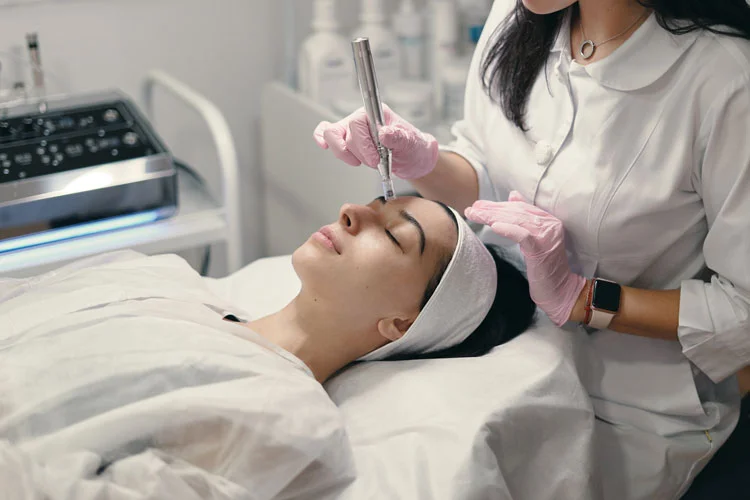
For patients focused more on skin texture, fine lines, or collagen remodeling than volume or muscle movement, medical microneedling in Tucson may also be considered depending on individual skin goals.
4. Natural Results Require a Personalized Plan
A skilled injector knows that everyone’s face is unique, so they take a personalized approach to help you reach your aesthetic goals. Rather than using a “one-size-fits-all” method, they’ll tailor the treatment specifically to your facial structure, making sure it enhances your natural beauty.
An experienced professional understands that sometimes, less really is more. Treatment plans are designed to align with patient goals while preserving natural facial movement. It’s all about achieving the perfect balance so you look like the best version of yourself.
5. Training and Experience Shape the Outcome
Licensed medical professionals, like board-certified plastic surgeons, dermatologists, and experienced nurse practitioners, bring a wealth of knowledge and hands-on training to every treatment. Training, licensure, experience, and familiarity with facial anatomy all matter when choosing an injector. Providers should understand injection technique, product selection, facial anatomy, contraindications, and complication management relevant to the treatments they perform.
Patients should feel comfortable asking about credentials, injectable-specific training, experience with the product being recommended, and how the provider handles complications or follow-up concerns.
On the other hand, non-certified or unqualified injectors may not have the experience or skills needed to address issues or manage unexpected reactions properly. Choosing a licensed and experienced medical provider may help reduce risk and support appropriate treatment planning.
6. Trusted Providers Prioritize Safety and Follow-Up
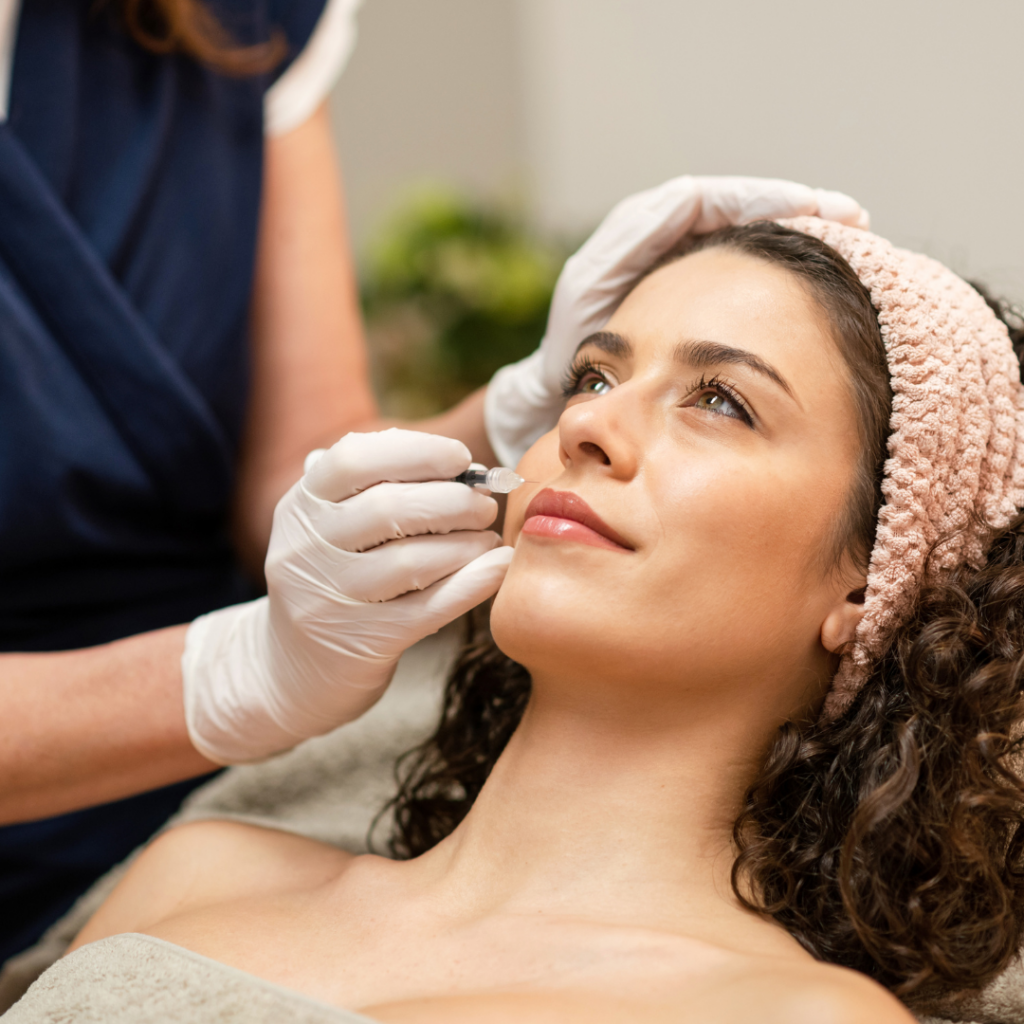
Established providers typically offer follow-up evaluations to assess healing and patient satisfaction. They’ll check in with you to make sure everything is going smoothly and that you feel confident in your decision.
What really sets a trusted provider apart is their focus on long-term results. Instead of pushing for quick fixes or up-selling unnecessary treatments, they’re all about making sure your enhancements look natural and last, keeping your best interests at heart.
What a Proper Injectable Consultation Should Include
Before any Botox or dermal filler treatment, a qualified provider performs a structured medical and facial assessment. This ensures the treatment is safe, appropriate, and aligned with your goals.
A professional consultation typically includes:
- medical history and medication review
- facial anatomy and muscle movement analysis
- skin condition and volume assessment
- discussion of treatment goals and expectations
- Product amount and treatment-area planning
- risk explanation and safety planning
Some patients may be advised to delay treatment, choose a different product, or consider non-injectable options depending on their anatomy and medical profile.
Patients comparing injectables with other cosmetic treatments can also explore Aesthetic Services at Tucson Wellness MD for options based on skin concerns, facial anatomy, and treatment goals.
What Safe Injectable Aftercare Should Include
Aftercare is part of safe injectable treatment. Patients should leave their appointment knowing what is normal, what to avoid, and when to contact the provider.
Safe aftercare should include:
- What to expect after treatment
- How long redness, swelling, or tenderness may last
- What activities to avoid temporarily
- When results should appear
- When touch-up review may be appropriate
- Warning signs that need attention
- How to contact the provider with concerns
Good aftercare helps protect results and gives patients a clearer plan if something does not feel right.
Patients should also receive clear instructions about which symptoms are expected after treatment and which symptoms require prompt medical attention.
Botox and Dermal Filler Consultations in Tucson
Tucson Wellness MD provides personalized aesthetic consultations in Tucson for patients considering Botox, Dysport, Daxxify, dermal fillers, and other facial treatments. Each consultation considers facial anatomy, medical history, treatment goals, product selection, safety, and appropriate follow-up.
Choose Safe, Natural-Looking Injectable Results
Tucson Wellness MD can review your facial anatomy, aesthetic goals, medical history, product options, treatment expectations, and safety considerations before Botox, Dysport, Daxxify, or dermal filler treatment.
Schedule an Aesthetic ConsultationFrequently Asked Questions
What is the difference between Botox, Dysport, Daxxify, and dermal fillers?
Botox, Dysport, and Daxxify are all neuromodulators that temporarily relax targeted facial muscles to reduce dynamic wrinkles like forehead lines and crow’s feet. Dermal fillers are gel-based substances injected to restore lost volume, smooth static wrinkles, and contour facial features. A qualified provider will assess your anatomy and goals to determine which product or combination is appropriate for you.
How do I know if an injector is qualified?
Look for licensed medical professionals, board-certified physicians, dermatologists, plastic surgeons, or experienced nurse practitioners who practice in a regulated medical setting. Confirm that products are sourced from reputable manufacturers, that the provider has documented training in facial anatomy, and that a proper medical consultation is performed before any treatment.
What are the risks of getting injectables from an unqualified provider?
Improper injection technique, poor anatomical knowledge, inadequate screening, or unsafe product sourcing may increase the risk of complications such as bruising, infection, asymmetry, lumps, vascular occlusion, and other adverse outcomes.
What happens during a Botox or filler consultation at Tucson Wellness MD?
A professional consultation includes medical history and medication review, facial anatomy and muscle movement analysis, skin condition and volume assessment, treatment goal discussion, dosage mapping, and risk explanation. Some patients may be advised to delay treatment or consider non-injectable alternatives depending on their anatomy and medical profile.
How long do Botox and dermal filler results last?
Neuromodulators like Botox and Dysport typically last three to four months, while Daxxify may last up to six months. Dermal filler longevity varies by product and treatment area, generally ranging from six months to two years. Results depend on the product used, the treatment area, individual metabolism, and provider technique.
Can injectables look natural?
Yes. Natural-looking results depend on individualized treatment planning, facial anatomy, appropriate product selection, conservative dosing, placement, and the patient’s goals. Results vary, and no provider can guarantee a specific cosmetic outcome.
Who should not get Botox or dermal fillers?
Injectables are not appropriate for patients who are pregnant or breastfeeding, have certain neuromuscular disorders, active skin infections at the injection site, or known allergies to product ingredients. A thorough medical history review at Tucson Wellness MD identifies contraindications before any treatment is recommended.
What should I ask before getting Botox or fillers?
Ask who will perform the treatment, what product will be used, how many units or syringes are recommended, what risks apply to your anatomy, what aftercare is needed, and what warning signs require follow-up. A qualified provider should answer clearly before treatment begins.
What are red flags when choosing an injector?
Red flags include unclear credentials, unusually cheap pricing, vague product names, no medical history review, pressure to over-treat, no aftercare instructions, unsafe treatment settings, and no clear plan for complications.
How much does Botox or filler treatment cost?
Botox and filler costs vary depending on the product used, treatment area, amount needed, and provider expertise. A consultation helps determine the appropriate treatment plan and expected investment.
Why is choosing a qualified injector important?
A qualified injector understands facial anatomy, product selection, dosing, placement, and complication management. Proper training helps support safer treatment planning and natural-looking results.
Can Botox and fillers be customized for natural results?
Yes. Natural results depend on personalized treatment planning, appropriate dosing, facial anatomy assessment, and preserving normal facial movement.