When Should I Start Peptides? Signs to Discuss Therapy
Table of Contents
Signs Peptides May Be Worth Discussing With a Provider
Peptide therapy is not the first step for everyone. A provider can help determine whether your symptoms point to peptide therapy, hormone evaluation, nutrient support, sleep improvement, weight-loss care, or another treatment path.
| Sign or Goal | Why It May Matter | What to Discuss With a Provider |
|---|---|---|
| Low energy | Ongoing fatigue may be linked to sleep, hormones, nutrition, stress, or metabolic health. | Ask whether labs, hormone review, NAD therapy, or peptides may be appropriate. |
| Slow recovery | Poor recovery may affect training, mobility, sleep, and quality of life. | Review recovery goals, inflammation, injury history, and peptide options. |
| Weight-loss resistance | Plateaus may involve appetite, hormones, metabolism, muscle mass, or medication factors. | Discuss medical weight-loss options, peptide therapy, and nutrition planning. |
| Reduced performance | Performance changes may reflect sleep, recovery, hormone changes, or training stress. | Ask whether peptide therapy, hormone support, or recovery planning fits your goals. |
| Healthy aging goals | Some patients ask about peptides for longevity, cellular signaling, and wellness support. | Review longevity care, labs, safety, and realistic expectations. |
Depending on your goals, Tucson Wellness MD may discuss peptide therapy, NAD therapy, medical weight loss support, longevity care, or hormone support.
When Peptides May Not Be the First Step
Peptide therapy may not be the best starting point if you have not yet addressed sleep, nutrition, protein intake, strength training, stress, hydration, hormone balance, or basic lab testing. Symptoms like fatigue, weight gain, poor recovery, or low libido can come from several causes, so guessing with peptides can delay the right care.
A provider-guided consultation helps determine whether peptides are appropriate or whether another treatment option should come first.
Find Out If Peptide Therapy Fits Your Goals
Schedule a peptide therapy consultation with Tucson Wellness MD to review your symptoms, health history, labs, and treatment options.
Explore Peptide TherapyProvider consultation required before treatment.
What are peptides supplements?
Peptides are short chains of amino acids that occur naturally in the body and are involved in many biological processes. Certain peptide-based products may be prescribed under medical supervision when clinically appropriate. Some individuals explore peptide therapy as part of a medically supervised wellness plan. Individual outcomes vary when taken as part of a consistent routine.
Depending on the specific peptide and medical evaluation, therapy may be discussed for select concerns under physician supervision. Results are individualized and not guaranteed. At what age should you start taking peptides to receive these benefits? Peptide therapy should only be considered after medical evaluation to determine clinical appropriateness, regardless of age.
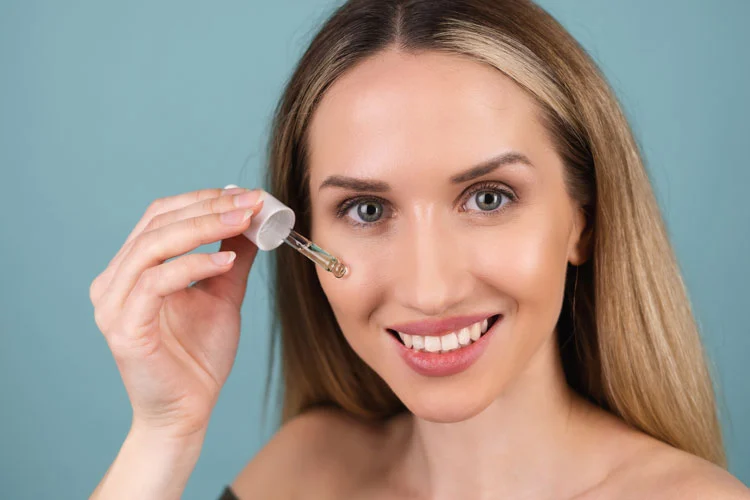
There are many peptides, including growth factors, cytokines, and hormones. These molecules play an essential role in supporting the body’s healthy functioning.
Some studies have evaluated certain peptides for cosmetic and dermatologic applications. Outcomes depend on the individual and formulation. For this reason, it is recommended that individuals start adding consumable peptides or peptide therapy to their routine in their 20s or 30s.
Keep in mind, it’s never too late to start taking peptides. No matter your age, Specific peptides may influence biological pathways when prescribed under medical supervision. Treatment decisions are based on individualized evaluation and medical necessity.
What are Peptides?: Amino Acids
Peptides are compounds of two or more amino acids joined by peptide bonds. These bonds form between the nitrogen atoms in each amino acid and the carbon atoms in the adjacent molecule.

The peptide bond is a covalent linkage formed through a transamination reaction, which is a chemical reaction involving the transfer of a hydrogen atom from one molecule to another.
This type of reaction is often used to link amino acids to form protein molecules. The peptide bond strengthens proteins and other macromolecules and allows these molecules to hold specific shapes and functions.
Peptides are essential components of all living organisms, with many naturally occurring peptides found in foods such as fruits, vegetables, and meats. In addition, Certain peptide-based medications are approved for specific medical uses under regulatory oversight. Availability depends on FDA approval status and clinical indication.
Peptide Therapy and Human Growth Hormone
Peptides have an essential effect on the human growth hormone (HGH). HGH is a hormone the pituitary gland produces that is critical in growth and development. It is known to decline with age but can be stimulated by certain nutritional factors or physical activities.

Some peptides are studied for their interaction with hormonal pathways. Use is limited to specific clinical situations and requires careful monitoring.
Hormonal disorders should be evaluated by a qualified healthcare professional. Not all peptide therapies are approved for endocrine or metabolic conditions.
HGH vs IGF-1
IGF-1, or insulin-like growth factor, is another consideration for retaining muscle mass. HGH possesses some extra advantages to IGF-1 but takes longer to produce effects. IGF-1 works immediately but may not have as desirable effects. Hormone levels should only be addressed through medically indicated treatment and appropriate monitoring.
When to Take Peptides: Timing and Life Stage
Two separate questions often get conflated here. The first is when in life you should consider peptide therapy. The second is when during the day you should take it. Both matter, and neither has a one-size-fits-all answer.
When in life to start
Peptide production particularly growth hormone-related peptides begins declining in your late 20s to early 30s. This is typically when recovery slows, body composition becomes harder to manage, and energy levels start shifting. For this reason, many patients begin exploring peptide therapy in their 30s, not because it’s required, but because that’s when the biological case for support first becomes relevant.
That said, there’s no hard cutoff in either direction. Patients in their 40s, 50s, and beyond can still respond well to peptide protocols provided their labs support it. Age alone doesn’t determine candidacy. Your hormone panel does.
When during the day to take them
Timing depends on the specific peptide and your goal:
| Peptide type | Optimal timing | Why |
|---|---|---|
| Growth hormone secretagogues (CJC-1295, Ipamorelin) | Before bed | GH naturally peaks during deep sleep — dosing beforehand amplifies this |
| BPC-157 | Morning or post-workout | Supports recovery when tissue repair demand is highest |
| PT-141 | 1–2 hours before as needed | Time-sensitive activation window |
| Collagen peptides | Post-workout or with meals | Supports structural repair when protein synthesis is elevated |
The rule that applies to all of them
Consistency beats precision. Missing doses disrupts peptide levels and reduces cumulative effect. If the “optimal” timing doesn’t fit your schedule reliably, a slightly suboptimal time you can stick to every day will outperform perfect timing you follow inconsistently.
Timing adjustments should be made with your provider based on your specific protocol and labs, not based on general guidelines.
Common Peptides Patients Ask About
Patients often ask about peptides related to recovery, body composition, skin health, and hormone-related wellness. Examples may include growth hormone secretagogues, recovery-focused peptides, and cosmetic peptides, depending on the patient’s goals and medical eligibility. Each peptide works differently, so treatment should never be chosen from online lists alone. A provider should review symptoms, labs, medication history, and risk factors before recommending any protocol.
Find Out If Peptide Therapy Fits Your Goals
Schedule a peptide therapy consultation with Tucson Wellness MD to review your symptoms, health history, labs, and treatment options.
Explore Peptide TherapyProvider consultation required before treatment.
Peptide FAQs:
What do Peptides do for the body?
Peptides are involved in many biological processes within the body. Clinical use depends on the specific peptide and medical indication.
In addition to supporting overall health and well-being, peptides can help support various bodily functions, such as digestion and bone formation.
What do peptides do for your skin?
Certain topical peptides are used in cosmetic formulations and are intended to support overall skin appearance and enhance the appearance of skin tone and texture.
What foods are high in Peptides?
Peptides are naturally occurring in the proteins of both animal and plant foods, including eggs, milk, meat, fish and shellfish, beans and lentils, soy, oats, and flaxseeds.
Peptide Therapy in Tucson: Why Medical Evaluation Comes First
Patients in Tucson often look into peptide therapy because they want help with recovery, energy, weight management, or age-related changes. The safest first step is not choosing a peptide online, but scheduling a clinical evaluation. Bloodwork helps identify whether symptoms relate to hormones, metabolism, inflammation, nutrient levels, or another health issue. This gives your provider a better foundation for deciding whether peptide therapy fits your health goals.
Peptide Therapy with Tucson Wellness MD
At Tucson Wellness MD, we empower you to live the life you want by giving you the tools and the medical care needed to help you support long-term health and overall wellness.
Whether you want to support body composition goals under medical supervision, take advantage of our beauty services, or discuss non-surgical options where clinically appropriate, Tucson Wellness MD is interested in your best self.
We believe in a scientific, evolutionary approach to health and modern pain relief. As a result, we use only the most advanced, We source medications from licensed pharmacies in accordance with regulatory standards.
Health should fit your lifestyle, and we will work with you to create a plan that meets your needs and improves your quality of life.
We invite you to learn more by continuing to explore our website.