Testosterone Therapy for Women: Benefits, Symptoms of Low Testosterone, and Treatment Options
Table of Contents
Testosterone plays an important role in female health, including energy, muscle maintenance, mood, sexual wellness, and overall hormone function. Women naturally produce testosterone through the ovaries and adrenal glands, but levels can change with aging, menopause, health conditions, and other factors.
For some women experiencing symptoms associated with low testosterone, provider-guided testosterone therapy may be considered after reviewing symptoms, hormone levels, medical history, and individual health goals.
This guide explains symptoms of low testosterone in women, potential benefits of testosterone therapy, testing considerations, treatment options, and what to expect during evaluation.
Quick Answer: What Is Testosterone Therapy for Women?
Testosterone therapy for women is a provider-guided hormone treatment that may be considered for women experiencing symptoms associated with low testosterone levels. Testosterone supports energy, muscle maintenance, sexual wellness, mood, and overall hormone function. Treatment decisions should be based on symptoms, lab testing, medical history, and individual health goals.
Benefits of Testosterone Therapy for Energy, Libido, and Wellness
Testosterone therapy may be discussed for selected women when symptoms and testing suggest that testosterone levels may be contributing to health concerns. Potential benefits depend on individual hormone levels, health history, treatment approach, and provider monitoring.
| Concern | How Testosterone Therapy May Help |
|---|---|
| Low Libido | May support sexual desire in women with hormone-related libido changes. |
| Fatigue | May support better energy when low testosterone contributes to tiredness. |
| Mood Changes | May help support mood, motivation, and emotional balance in selected patients. |
| Muscle and Strength | May support lean muscle maintenance when paired with exercise and proper nutrition. |
| Body Composition | May support healthier fat-to-muscle balance as part of a complete wellness plan. |
Who Should Consider Testosterone Therapy Evaluation?
Women may consider testosterone therapy evaluation if they have persistent symptoms that may be linked to hormone imbalance. These symptoms may include low libido, fatigue, reduced motivation, mood changes, poor recovery, loss of strength, or changes in body composition.
A proper evaluation should include symptom review, health history, lab testing, and a discussion about treatment goals. Testosterone therapy is not for every woman, and it should not be used without medical supervision.
What Happens Before Starting Testosterone Therapy?
Before starting treatment, your provider should review your symptoms, hormone levels, medical history, and wellness goals. Lab testing helps determine whether testosterone or another hormone imbalance may be contributing to your symptoms.
- Review of symptoms and health history
- Hormone and wellness lab testing
- Discussion of benefits, risks, and treatment options
- Personalized treatment planning if appropriate
- Ongoing monitoring to track progress and safety
What Testosterone Does in the Female Body
Testosterone therapy for women may be considered when laboratory testing and clinical evaluation indicate a deficiency. Treatment decisions are individualized and based on medical necessity. It’s not about becoming “masculine.” It’s about restoring balance so you feel like yourself steady, confident, and in control.
Most conversations surrounding testosterone replacement are usually about men seeking treatment for low testosterone levels, or “low T.” Many men and women may not realize that women also need testosterone in smaller amounts.
Testosterone, one of the main sex hormones of a woman’s body, helps many bodily functions run properly, including her sexual desire, energy, and mood. Because of its crucial role in a woman’s everyday life, women may want to know whether or not they have lower testosterone than normal, and if so, explore possible testosterone therapy options.
Related Women’s Hormone Services
Women experiencing hormone-related symptoms may benefit from a complete hormone evaluation. Explore Tucson Wellness MD services including menopause therapy , testosterone therapy for women , and longevity care .
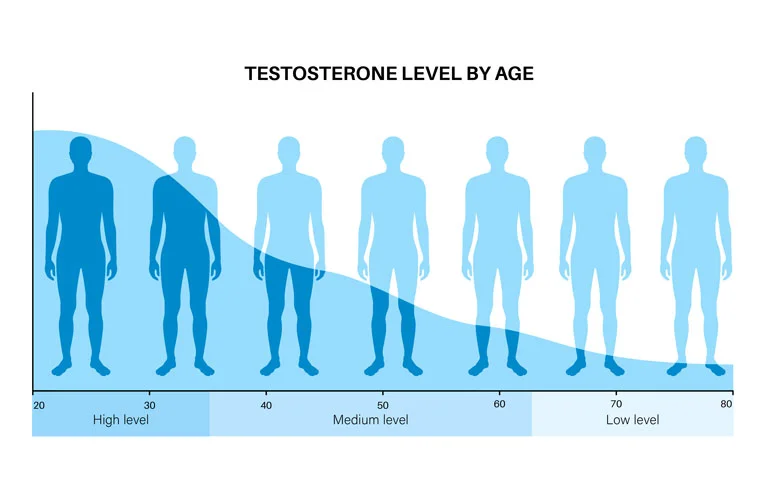
Why Testosterone Levels Decline in Women
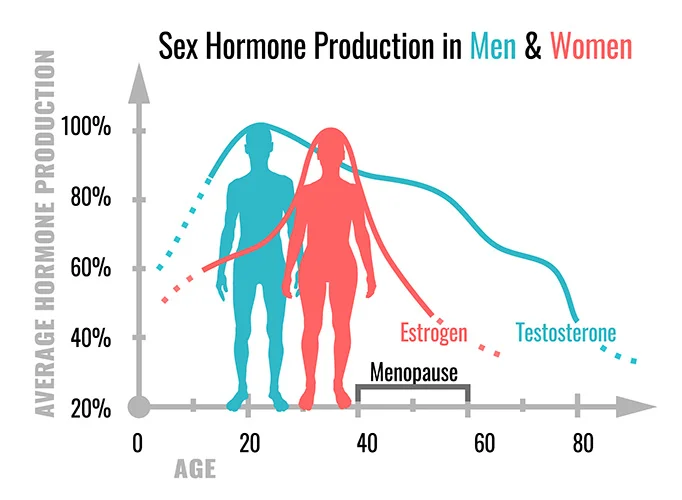
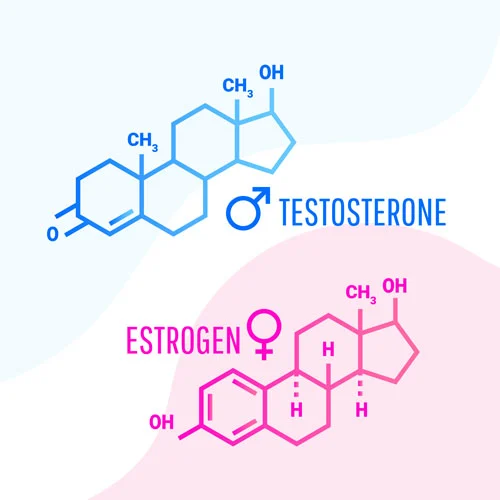
During menopause, your estrogen levels fall. Some women get uncomfortable symptoms like hot flashes and vaginal dryness. If your symptoms are connected to perimenopause or menopause, you may also want to learn more about menopause therapy.
Hormone therapy may be discussed as part of a comprehensive menopause care plan when clinically appropriate. Decisions are made after reviewing medical history, risks, and current guidelines.
How Low Testosterone Can Affect Sexual Health
Hypoactive sexual desire disorder (HSDD) is a type of mental and physical sexual dysfunction in which women lack motivation or lose the desire to have sex for an extended period of time (at least 6 months), causing significant levels of personal distress.
A testosterone deficiency may contribute to a loss in sexual function or desire, and Testosterone therapy may be evaluated in certain cases of diagnosed hormone deficiency affecting sexual health. Treatment is prescribed only after medical assessment.
Understanding Normal Testosterone Levels in Women
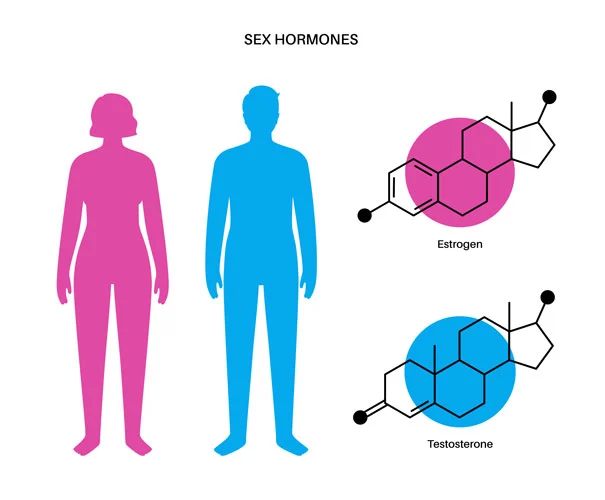
While it’s true that men produce far more testosterone than women do, Women naturally produce testosterone through the ovaries and adrenal glands. Testosterone levels vary based on age, health status, hormonal stage, medications, and individual factors. A provider evaluates testosterone levels together with symptoms and overall health history rather than relying on one number alone.
Some symptoms may be associated with hormonal changes. A licensed provider evaluates whether hormone levels are contributing factors.
Common Signs of Low Testosterone in Women
Low testosterone can cause one or more of the following symptoms in women:
- sluggishness
- loss of muscle mass
- fatigue
- sleep disturbances
- reduced sex drive
- decreased sexual satisfaction
- weight gain
- fertility issues
- irregular menstrual cycles
- vaginal dryness
- loss of bone density because the symptoms linked to low testosterone are so common, a doctor will look for signs of other issues or conditions before making a diagnosis, such as:
- depression
- anxiety
- chronic stress
- thyroid disease
- transition to menopause
If your symptoms include changes in weight, strength, or muscle tone, read our guide on body composition and wellness.
Potential Benefits of Testosterone Therapy for Women
Hormone therapy may be considered in certain women with documented hormone deficiency or menopause-related symptoms. Treatment plans are individualized, carefully monitored, and based on current clinical guidelines. Risks and benefits are discussed in detail before starting therapy.
Common Low Testosterone Symptoms in Women
| Symptom | Possible Factors |
|---|---|
| Fatigue | Hormone changes, sleep, stress, thyroid, and other health factors. |
| Low libido | Hormone changes, stress, medications, and relationship factors. |
| Reduced strength | Changes in muscle maintenance and body composition. |
Who May Be a Candidate for Testosterone Therapy?
Women may consider testosterone therapy evaluation if they have persistent symptoms that may be linked to hormone imbalance. These symptoms may include low libido, fatigue, reduced motivation, mood changes, poor recovery, loss of strength, or changes in body composition.
A proper evaluation should include symptom review, health history, lab testing, and a discussion about treatment goals. Testosterone therapy is not for every woman, and it should not be used without medical supervision.
How Hormone Testing Helps Identify Imbalances
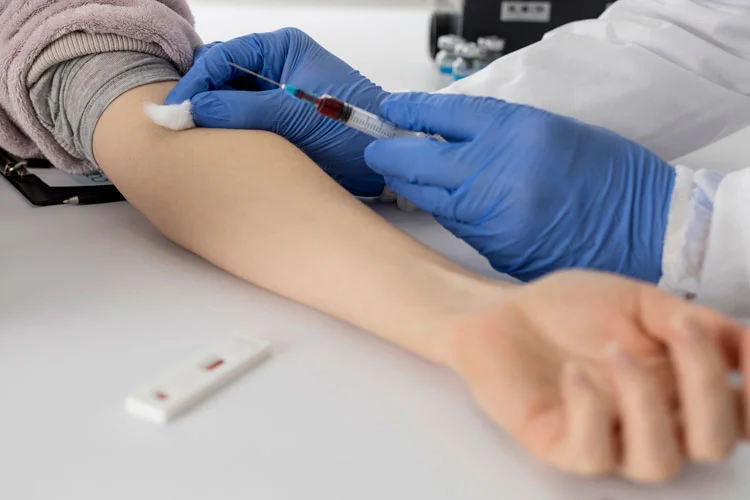
Hormone levels change as you age and some even change throughout the day. Hormone testing is used to detect and evaluate hormone imbalances that may be making you feel unwell. Hormone testing is often conducted using a blood sample, but some tests require urine or saliva samples.
Concerned About Low Energy, Libido, or Hormone Changes?
If you are experiencing fatigue, reduced libido, changes in strength, or other hormone-related symptoms, Tucson Wellness MD can help review your symptoms, lab needs, and personalized treatment options.
Schedule a ConsultationBioidentical Testosterone Therapy at Tucson Wellness MD
At Tucson Wellness, we use only bioidentical testosterone replacement therapy for women (TRT). Bioidentical hormones are chemically similar to those produced by the body. All hormone therapies are prescribed and monitored by a licensed medical provider.
If you think you might be suffering from low testosterone, Schedule a consultation to discuss symptoms and determine whether hormone testing is appropriate. Treatment is prescribed only when medically indicated. If you do have low testosterone, we use your numbers to dictate treatment so your body receives precisely what it needs to thrive. Learn more by continuing to explore our website.
Related Reading
- Low Testosterone in Women: Symptoms, Causes, and Treatment
- Perimenopause vs Menopause
- Aging and Hormones
Frequently Asked Questions About Testosterone Therapy for Women
What does testosterone do for women?
Testosterone supports several important functions in women, including energy production, muscle maintenance, bone strength, cognitive function, mood regulation, and sexual health. Women naturally produce smaller amounts of testosterone through the ovaries and adrenal glands. When levels decline, some women may experience fatigue, reduced muscle mass, or lower sexual desire. Hormonal balance plays a major role in overall wellness and daily function.
Can women have low testosterone?
Yes, women can experience low testosterone levels, especially during aging, menopause, or certain hormonal conditions. Low levels may contribute to symptoms such as sluggishness, sleep disturbances, reduced sex drive, and difficulty maintaining muscle mass. Because these symptoms overlap with many other conditions, proper medical evaluation is important. Lab testing helps determine whether hormone imbalance is a contributing factor.
What is testosterone therapy for women?
Testosterone therapy for women may be considered when testing and clinical evaluation confirm a deficiency. The goal is not to create masculine effects but to restore hormone levels to a stable physiological range. Treatment plans are individualized and carefully monitored by a licensed provider. Therapy is only prescribed when medically appropriate.
What are the symptoms of low testosterone in women?
Low testosterone may be associated with fatigue, low motivation, reduced muscle mass, sleep problems, and decreased sexual satisfaction. Some women also notice weight gain, vaginal dryness, or changes in mood and focus. These symptoms can also overlap with menopause, thyroid issues, stress, or anxiety. A provider evaluates hormone levels alongside overall health history.
Is testosterone therapy only for menopause?
No. Testosterone levels can change during different stages of life. A provider evaluates symptoms, hormone levels, and health history before recommending treatment.
How long does testosterone therapy take to work in women?
Results vary. Some women may notice changes within weeks, while other benefits may take longer depending on dosage, health factors, lifestyle habits, and monitoring.