Aging and Hormones: How to Stay Balanced Through Each Decade

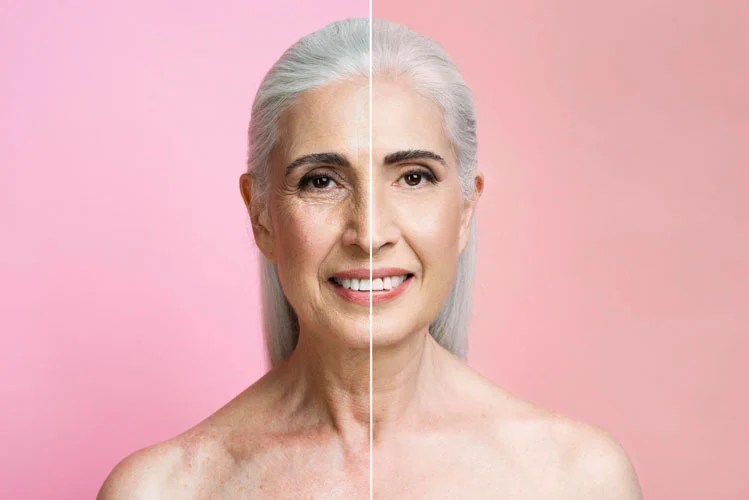
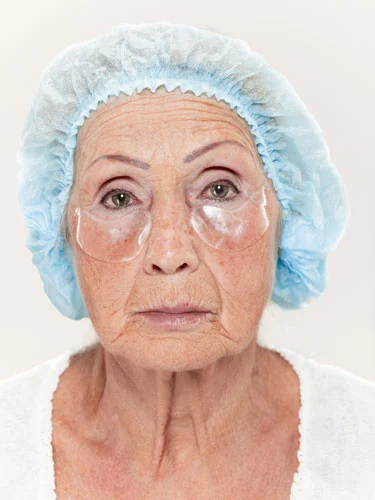
aged woman and dna background

Hormone changes can affect energy, metabolism, mood, sleep, libido, body composition, and long-term wellness as you age. While some shifts are expected, symptoms like fatigue, weight gain, low libido, brain fog, irregular cycles, hot flashes, and muscle loss should not automatically be dismissed as “just aging.”

At Tucson Wellness MD, hormone care starts with understanding your symptoms, lab markers, lifestyle, and health goals. With provider-guided testing and personalized support, patients can better understand how hormones change through each decade and what steps may help support balance.

Quick Answer

How Do Hormones Change as You Age?

Hormone patterns change throughout adulthood, but the timing and symptoms vary between individuals. Women may experience perimenopause and menopause, while testosterone may gradually decline in some men. Thyroid disorders and other endocrine conditions can occur at any age. Testing is most useful when symptoms and medical history suggest a specific hormone condition rather than simply because someone has reached a certain age.

Why Hormone Imbalance Often Goes Unnoticed

Many people blame fatigue, weight gain, low libido, or mood changes on aging itself, not realizing these are often signs of shifting hormone levels. When hormonal balance changes quietly over time, symptoms build gradually and affect multiple systems before the cause is ever identified.

Your 20s: Build Your Hormone Foundation

In your 20s, hormone production is typically at its peak. The pituitary gland, anterior pituitary, and adrenal cortex all work efficiently to regulate vital processes such as growth, metabolism, and reproductive health. Key hormones like growth hormone, luteinizing hormone, follicle stimulating hormone, and sex hormones such as estrogen and testosterone are well-regulated during this phase.

For young adults, this is the time to build healthy habits to ensure your body produces hormones optimally for long-term balance.

Focus on:

  • Consistent physical activity and aerobic exercise
  • Nutrient-dense eating for metabolism and immune system support
  • Stress management to protect adrenal function and cortisol balance
  • Seek evaluation when symptoms or medical history suggest a thyroid or other endocrine condition.

Maintaining healthy growth hormone levels and insulin-like growth factor production can help preserve muscle strength, cognitive function, and bone density as you age.

Your 30s: Early Shifts Begin
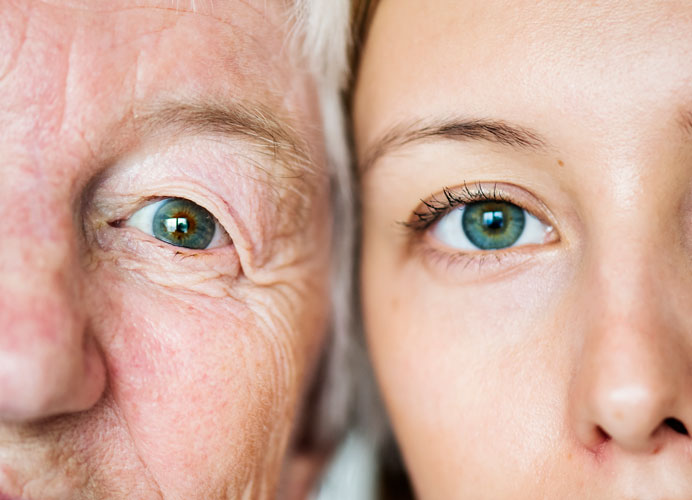
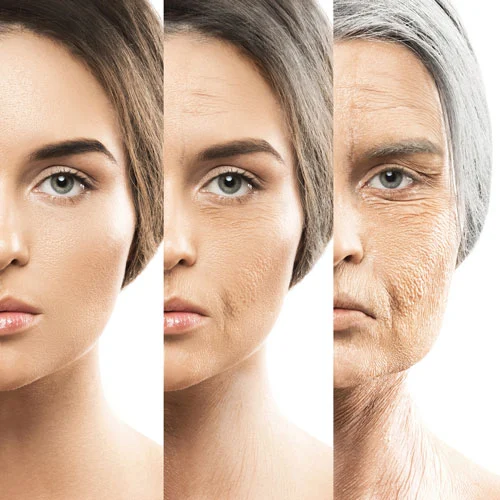
two woman of different ages

By your 30s, you may notice subtle signs that your endocrine system is starting to shift. Though many hormones are still functioning efficiently, metabolism slows slightly, and other factors like stress, sleep habits, and diet begin to affect hormone balance more noticeably.

Hormonal concerns in this decade may include:

  • Changes in thyroid hormones or thyroid stimulating hormone levels
  • Irregular menstrual cycles in women
  • Slightly decreased libido in both men and women
  • Early signs of decreased muscle strength or energy levels

This is also the stage where parathyroid hormone, which regulates calcium levels and supports bone strength, begins to play a larger role in long-term bone health. Bone mineral density starts to decline, especially without regular physical exercise or strength training.

Your 40s: More Noticeable Hormone Changes
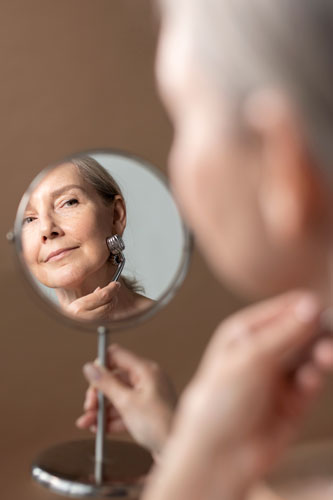
an elderly woman looking into a mirror

In your 40s, hormonal changes become more obvious. Women often enter perimenopause, while men may experience a gradual decline in testosterone. These age-related changes can affect everything from energy and mood to sleep and sexual function.

Common symptoms include:

  • Decreased libido and erectile dysfunction in men
  • Mood changes and hot flashes in women
  • Bone and joint pain due to changes in hormone-regulated bone density
  • Changes in blood flow and blood pressure regulation

During this stage, keeping an eye on cardiovascular health becomes essential. Evidence suggests that sex hormones like estrogen and testosterone play a role in protecting against heart disease. As hormone levels decline, the risk of cardiovascular disease and other chronic disease conditions begins to rise.

Supporting your hormones in your 40s includes:

  • Hormone testing when symptoms, medical history or clinical findings indicate it.
  • Discussions with your healthcare provider about hormone therapy or testosterone supplementation if appropriate
  • Continued aerobic exercise and resistance training
  • A focus on cognitive health and stress reduction

For evidence-based guidance on diagnosing low testosterone, review the Endocrine Society testosterone therapy guideline. Women experiencing cycle changes, hot flashes or other menopause symptoms can learn more about Menopause Therapy at Tucson Wellness MD.

Your 50s and Beyond: Support for Healthy Aging

elderly couple

By the time you reach your 50s and 60s, the ageing process often brings a significant decline in several hormones produced by the anterior pituitary, adrenal cortex, and thyroid gland. Older adults often experience a measurable drop in thyroid hormones, growth hormone levels, testosterone, estrogen, and other hormones that help regulate metabolism, mood, and bone strength.

Age-related hormonal decline in this stage can lead to:

  • Loss of muscle mass and weight gain
  • Reduced cognitive function and increased risk of Alzheimer’s disease
  • Bone fractures due to low bone mineral density
  • Increased joint pain and inflammation
  • Risk of prostate cancer in men and cardiovascular disease in both sexes

Men may experience more pronounced effects of low testosterone, such as erectile dysfunction, fatigue, and muscle loss. Women in postmenopause may notice changes in skin elasticity, sleep quality, and memory. For both, maintaining a healthy weight, muscle strength, and cardiovascular fitness becomes a top priority.

Key strategies for staying balanced include:

  • Hormone therapy when clinically appropriate, when guided by a qualified provider
  • Regular screening for thyroid disease, heart disease, and osteoporosis
  • Nutritional support for bone health and metabolic balance
  • Monitoring blood pressure, blood flow, and other vital health markers

Men experiencing low libido, reduced strength or other symptoms can explore TRT for Men at Tucson Wellness MD.

Hormone Changes by Decade: What to Watch For

Hormone shifts can look different depending on age, lifestyle, stress, sleep, and overall health. This table gives a simple overview of common changes and when testing may be helpful.

DecadeCommon Hormone-Related ChangesWhen to Consider Testing
20sHormones are often at stronger baseline levels, but stress, sleep, nutrition, and thyroid issues can still affect balance.Persistent fatigue, irregular cycles, unexplained weight changes, or low energy.
30sMetabolism, recovery, libido, thyroid function, and stress response may begin shifting more noticeably.Low libido, sleep changes, mood changes, weight gain, or reduced exercise recovery.
40sPerimenopause, testosterone decline, sleep disruption, hot flashes, mood changes, and body composition changes may appear.Hot flashes, erectile concerns, brain fog, muscle loss, low energy, or cycle changes.
50s and BeyondMenopause, lower testosterone, thyroid changes, reduced muscle mass, bone density changes, and metabolic shifts may become more significant.Ongoing fatigue, bone health concerns, poor sleep, low libido, weight gain, or reduced strength.

Hormonal Support Is About More Than Age

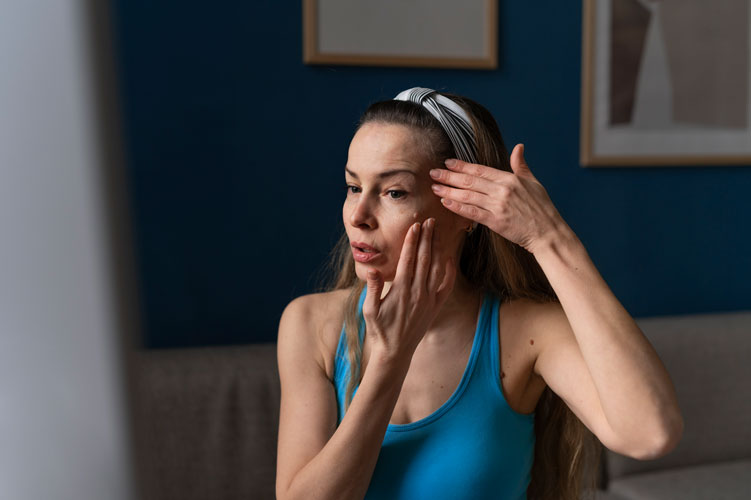
an elder woman looking into a mirror and getting ready

While hormones change with advancing age, the pattern and pace vary from person to person. Genetics, lifestyle, stress, underlying health conditions, and other factors influence how your body ages. Even younger people can experience hormone imbalances due to poor sleep, chronic stress, or gastrointestinal issues affecting nutrient absorption.

The good news is that with regular monitoring, professional guidance, and targeted interventions, you can support hormone balance at every stage of life.

Hormone changes can affect men and women differently, which is why personalized care matters. Patients looking for long-term wellness support may benefit from Longevity Care in Tucson. Men experiencing fatigue, low libido, or muscle loss may want to learn more about TRT for men, while women navigating hormone changes may benefit from menopause therapy or TRT for women. For broader wellness and recovery support, Tucson Wellness MD also offers peptide therapy as part of provider-guided care.

Why Work With Tucson Wellness MD

At Tucson Wellness MD, we specialize in helping patients navigate the complex relationship between aging and hormones. Whether you’re exploring preventive strategies in your 20s or 30s, or seeking support for hormone decline in your 50s or 60s, we provide personalized plans built on clinical experience and the latest evidence.

Our approach includes:

  • Targeted laboratory testing based on symptoms and medical history
  • Individualized hormone therapy when appropriate
  • Evaluation of thyroid, metabolic and other relevant health concerns
  • Lifestyle guidance for healthy aging and long-term wellness

Stay in Balance at Every Age

Hormonal health plays a central role in how you age, how you feel, and how long you stay active and independent. Whether you’re aiming to maintain a healthy sex life, support your cognitive function, or reduce the risk of chronic disease, paying attention to your hormones is essential.

At Tucson Wellness MD, we offer hormone replacement therapy based on your unique needs. Whether you’re concerned about declining testosterone levels, bone loss, mood swings, or broader effects on your body systems, our team is here to help. Taking action now could improve your life expectancy and support your long-term well-being.

Ready to Understand Your Hormones?

If fatigue, low libido, weight changes, mood shifts, sleep problems, or menopause symptoms are affecting your daily life, Tucson Wellness MD can help you explore whether hormone imbalance may be part of the picture. Our team uses lab testing, clinical evaluation, and personalized care plans to guide safe, provider-supervised support.

Schedule a Hormone Consultation

Frequently Asked Questions

How do hormones change as you age?
Hormone levels naturally shift throughout life as the endocrine system changes over time. Hormones involved in metabolism, energy, mood, sexual function, and bone health may gradually decline with age. These changes can affect both men and women differently depending on genetics, lifestyle, and overall health. Hormonal aging often develops slowly, which is why symptoms may go unnoticed at first.

Why do hormone imbalances often go unnoticed?
Many people assume symptoms like fatigue, weight gain, low libido, or mood changes are simply part of getting older. Because hormone shifts usually happen gradually, symptoms build slowly over time. Multiple systems in the body may be affected before the underlying imbalance is recognized. Comprehensive evaluation helps identify patterns that standard checkups may overlook.

What hormones are important in your 20s?
In your 20s, hormones related to growth, metabolism, reproductive health, and energy production are typically at their peak. Key hormones include testosterone, estrogen, growth hormone, thyroid hormones, and insulin-like growth factor. This decade is important for building healthy habits that support long-term hormonal balance. Nutrition, exercise, stress management, and sleep all play major roles.

What hormone changes happen in your 30s?
By your 30s, subtle hormonal shifts may begin affecting metabolism, energy levels, and recovery. Some people notice changes in libido, thyroid function, sleep quality, or muscle strength. Stress and lifestyle habits also start having a larger impact on hormonal balance during this stage. Early monitoring can help identify potential issues before symptoms worsen.

What hormone changes happen in your 40s?

In your 40s, hormone changes may become more noticeable. Women may begin perimenopause, while men may experience gradual testosterone decline. Symptoms can include lower energy, mood changes, sleep disruption, hot flashes, low libido, weight changes, and reduced muscle strength. Lab testing can help determine whether symptoms are related to hormone imbalance or another health factor.

When should you get hormone testing?

You may want to consider hormone testing if you have ongoing fatigue, unexplained weight gain, low libido, mood changes, brain fog, poor sleep, hot flashes, irregular cycles, or reduced strength. Testing is especially helpful when symptoms persist despite healthy lifestyle habits. A provider can review your labs, symptoms, and health history to determine the next step.

Can hormone therapy help with aging symptoms?

Hormone therapy may help some patients when symptoms are connected to clinically identified hormone imbalance. It is not a one-size-fits-all solution and should only be considered after proper lab testing and provider evaluation. Treatment decisions depend on your age, symptoms, health history, risk factors, and goals.

Is hormone decline normal with age?

Some hormone changes are normal with age, but symptoms should not be ignored when they affect daily life. Fatigue, low libido, poor sleep, mood changes, weight gain, and muscle loss may have multiple causes. A personalized evaluation can help determine whether hormones, thyroid function, stress, nutrition, or other health factors are involved.
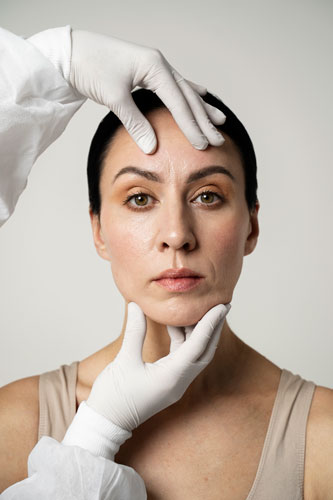
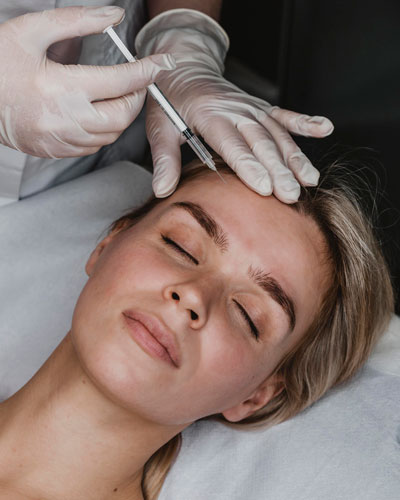
Dysport for Wrinkles in Tucson: How It Works, Results, and Recovery

Quick Answer: How Does Dysport Reduce Wrinkles?

Dysport reduces the appearance of dynamic wrinkles by temporarily relaxing specific facial muscles that create expression lines. It is commonly used for forehead lines, frown lines, crow’s feet, and glabellar lines. Results typically begin appearing within a few days, with full results developing around two weeks after treatment.

Who Should Consider Dysport?

Dysport may be a good option for adults who want to soften expression lines without surgery or extended downtime. It is often used by people who notice wrinkles caused by repeated facial movement, such as frowning, squinting, or raising the eyebrows.

You may want to consider Dysport if you want help with:

  • Frown lines between the eyebrows
  • Forehead lines
  • Crow’s feet
  • Early signs of facial aging
  • A smoother, more refreshed appearance
  • Wrinkle reduction without surgery
  • Minimal downtime
  • Maintenance care for expression lines

A consultation helps determine whether Dysport fits your facial anatomy, skin goals, health history, and treatment timeline.

Dysport is one of the most popular, non-invasive solutions for reducing wrinkles and fine lines. As a cosmetic procedure, it offers a quick, effective way to smooth wrinkles and achieve a smoother and refreshed appearance without surgery. For patients seeking natural-looking results and minimal downtime, Dysport injections can be a practical and safe choice when administered by a qualified healthcare provider.

Dysport may be considered for different types of expression wrinkles:

ConcernCommon AreaTreatment Goal
Frown linesBetween eyebrowsSoften repeated facial expressions
Forehead linesUpper foreheadReduce movement-related wrinkles
Crow’s feetAround eyesSmooth smile-related lines
Glabellar linesBetween browsCreate a more relaxed appearance

Dysport Treatment Area Comparison Table

Treatment AreaCommon ConcernHow Dysport Helps
Frown linesLines between the eyebrows from repeated frowningHelps relax the muscles that create vertical expression lines
Forehead linesHorizontal lines from raising the eyebrowsHelps soften movement-related forehead wrinkles
Crow’s feetFine lines around the outer corners of the eyesHelps reduce wrinkles caused by squinting and smiling
Glabellar linesDeeper lines between the browsHelps smooth the treated area for a more relaxed look
Preventive treatment areasEarly expression linesHelps reduce repeated muscle movement that can deepen wrinkles over time

How to Know If Dysport Is Right for You

Dysport is best suited for dynamic wrinkles, which are lines caused by repeated facial muscle movement. These are different from wrinkles caused mainly by skin laxity, volume loss, or sun damage.

A provider can help determine if Dysport is right for you by reviewing:

  • Your wrinkle type
  • Your facial movement patterns
  • Your treatment goals
  • Your medical history
  • Any medications or supplements you take
  • Your timeline for results
  • Whether Dysport, Botox, dermal fillers, or another aesthetic option is a better fit

This matters because the right treatment depends on the cause of the wrinkle. Some patients need muscle relaxation, while others may benefit from volume support, skin treatment, or a combined plan.

Ready to Smooth Frown Lines and Expression Wrinkles?

Tucson Wellness MD offers provider-guided Dysport treatments for patients who want smoother-looking skin, natural-looking results, and minimal downtime.

Schedule a Dysport Consultation

Why Expression Lines Become More Noticeable Over Time

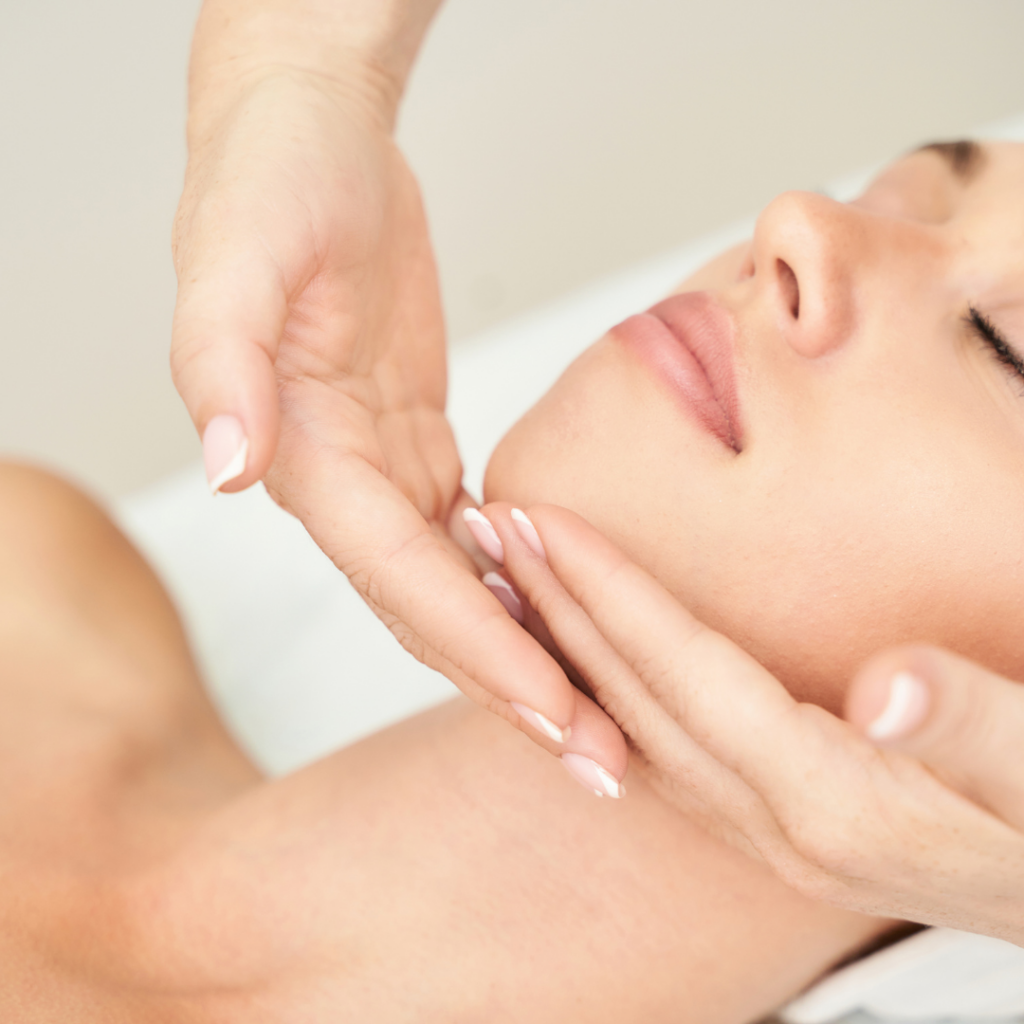
dysport checkup

Fine lines often show up gradually, then suddenly feel impossible to ignore. Repetitive facial movements, stress, and natural collagen loss cause muscles to stay overactive, making wrinkles look deeper and more permanent. Skincare products help the surface, but they cannot relax the muscles underneath.

Dysport targets the muscle activity that contributes to dynamic wrinkles by calming the muscles responsible for expression lines, allowing the skin to smooth out naturally without surgery or extended downtime.

How Dysport Smooths Wrinkles Without Surgery

Dysport is a botulinum toxin type A product, specifically abobotulinumtoxin A. It is used in cosmetic treatments to treat dynamic wrinkles caused by muscle contractions. These include frown lines, crow’s feet, forehead wrinkles, and glabellar lines. Over time, repeated facial expressions like frowning, squinting, or raising your eyebrows cause wrinkle formation in the upper face. These wrinkles become more visible as skin loses elasticity and firmness with age.

The Dysport procedure works by blocking nerve signals that tell specific muscles to contract. Once the signal is interrupted, the facial muscles relax, and the skin over that muscle can lie flat, resulting in fewer wrinkles. The treatment area appears smoother and more refreshed. Patients can typically expect to see results in a few days, with optimal results visible in about two weeks.

What to Expect During a Dysport Treatment Appointment

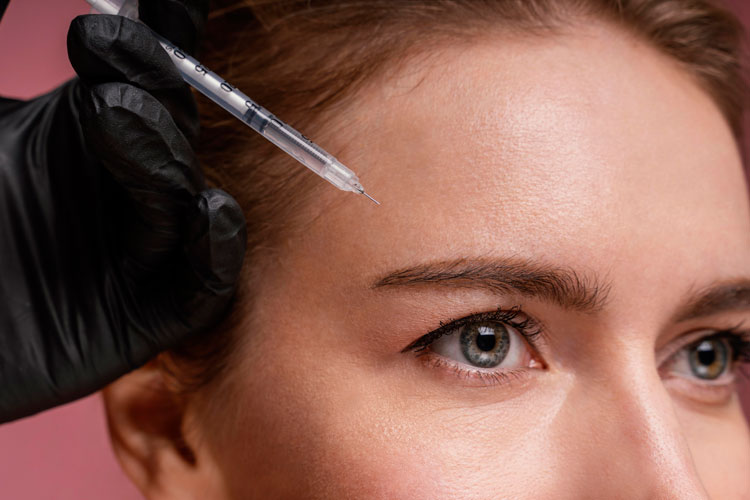
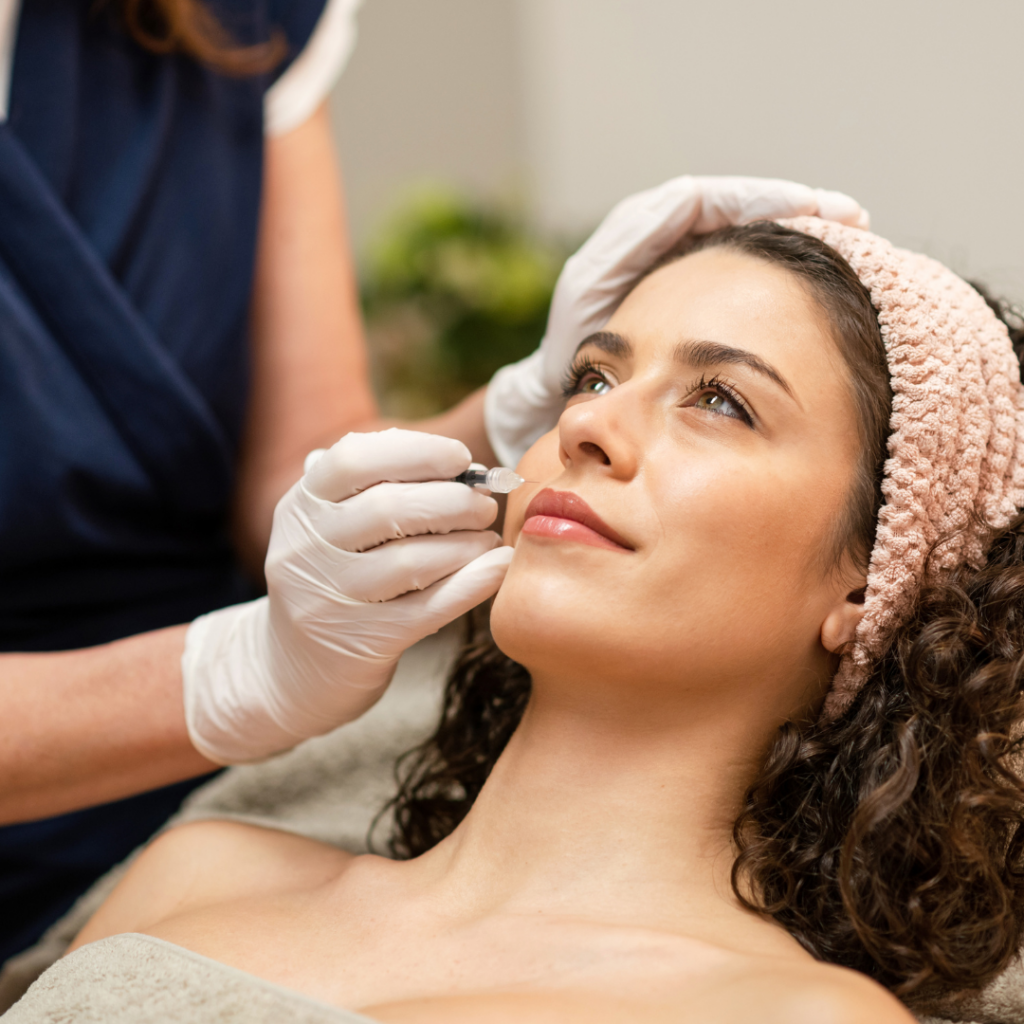
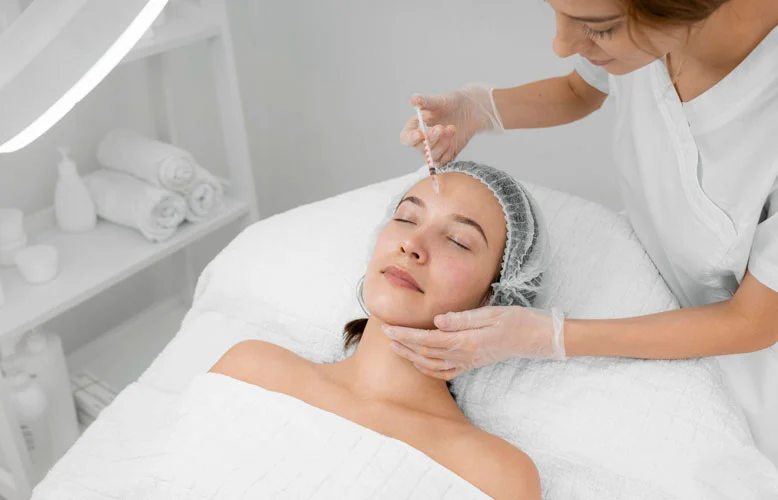
dysport injection

A typical Dysport appointment at Tucson Wellness MD begins with a consultation to review your medical history, skin health, and treatment goals. You’ll discuss the areas you want to treat and whether you’ve had any prior cosmetic treatments. Your healthcare provider will examine your facial anatomy to determine the appropriate dosage and identify the exact injection sites for best results.

Before the treatment, a numbing cream may be applied to reduce discomfort. The injections are administered using a very fine needle to ensure precision and the entire process takes just 10 to 20 minutes. Patients often describe the sensation as a small pinch. Because Dysport spreads slightly more than some other products, your provider will carefully control the placement to avoid affecting unintended areas.

Dysport Aftercare and Recovery Tips

After receiving Dysport injectable treatments, there is minimal downtime, but as with any medical treatment, it’s important to follow aftercare instructions closely to avoid complications. Patients are typically advised to stay upright for several hours, avoid rubbing the treated area, and postpone any strenuous activity until the following day. It’s also recommended to avoid blood thinning medications or alcohol in the week prior and post treatment unless approved by your provider, as these may increase bruising at the injection sites.

In some cases, patients may experience mild redness, swelling, or slight bruising at the treated area. These effects are usually temporary. Serious complications such as eyelid drooping or muscle weakness are rare but should be reported immediately if they occur. Always notify your provider if you experience any unusual symptoms.

Benefits of Dysport for Smoother, Natural-Looking Skin

wrinkle less skin

Dysport offers several benefits for patients looking to reduce existing fine lines and delay further wrinkle formation. It is especially effective for treating dynamic wrinkles that form from repetitive muscle movement. With a quick onset, noticeable results, and a natural, relaxed appearance, Dysport has become a go-to choice for younger patients who want to prevent early signs of aging, as well as older patients looking to improve their skin’s smoothness.

Key benefits include:

  • Noticeable wrinkle reduction in forehead wrinkles and glabellar lines
  • Fewer wrinkles without a frozen look
  • Fast treatment time with minimal disruption to your day
  • Results that last three to four months, depending on muscle activity and lifestyle
  • A smoother, more refreshed appearance without surgery

Explore More Aesthetic Treatments

Tucson Wellness MD offers additional aesthetic services designed around your skin goals, including Facial Aesthetics, PRP Therapy, and personalized wellness care.

Who Is a Good Candidate for Dysport Treatment?

Dysport is suitable for adults with moderate to severe facial lines who are seeking a cosmetic treatment that offers quick results and minimal recovery time. It is not recommended for individuals who are pregnant, breastfeeding, or have a known allergy to botulinum toxin type A.

Patients considering Dysport should have realistic expectations and understand that while the results are temporary, they can be maintained with regular follow up treatments. Discuss any health concerns, medications, or major events you have coming up with your provider to ensure timing and safety.

How to Prepare Before Dysport Injections

To get the best results and reduce potential side effects, avoid blood thinning medications, alcohol, and certain supplements like fish oil or vitamin E during the week prior to treatment. Stay well-hydrated and follow any specific guidelines provided by your healthcare provider.

Why Choose Tucson Wellness MD for Dysport in Tucson

At Tucson Wellness MD, our team has extensive experience delivering safe, precise Dysport treatments. We understand the nuances of facial anatomy and use that knowledge to deliver consistent, natural-looking results. Our goal is to provide every patient with a smooth, professional experience and results that align with your aesthetic goals and support your skin health.

We’ll walk you through every step, from initial consultation to follow up treatment planning. Whether it’s your first cosmetic procedure or part of an ongoing skin care routine, we’re here to help you look and feel your best.

Dysport Treatment in Tucson

If you are in Tucson and want a non-surgical option for expression lines, Dysport may help soften wrinkles caused by repeated facial movement. Treatment is often used for frown lines, forehead lines, crow’s feet, and glabellar lines.

At Tucson Wellness MD, patients receive provider-guided aesthetic care based on facial anatomy, treatment goals, and safety considerations. This helps create a smoother, refreshed look while keeping results natural.

Schedule a Dysport Consultation in Tucson

If you’re ready to explore the benefits of Dysport, get started with a visit to our website. We’ll help you determine if this treatment is right for your skin goals and develop a personalized plan for wrinkle reduction and long-term care. Book your appointment today and take the first step toward smoother, younger-looking skin.

Is Dysport Right for Your Wrinkle Concerns?

A Tucson Wellness MD consultation can help determine whether Dysport, Botox, fillers, or another aesthetic approach fits your facial anatomy and goals.

Schedule Your Consultation

Dysport FAQs

What is Dysport and how does it work?
Dysport is an injectable treatment that uses botulinum toxin type A to temporarily relax targeted facial muscles. It works by blocking nerve signals that tell specific muscles to contract. When those muscles relax, the skin above them appears smoother and wrinkles become less noticeable. Dysport is commonly used to treat dynamic wrinkles caused by repeated facial expressions.

What wrinkles can Dysport treat?
Dysport is commonly used to treat frown lines, forehead lines, crow’s feet, and glabellar lines between the eyebrows. These wrinkles develop from repetitive muscle movement over time. By relaxing the underlying muscles, Dysport helps soften the appearance of these expression lines. Treatment is most often focused on the upper face.

How quickly does Dysport start working?
Many patients begin noticing improvement within a few days after treatment. Full results are typically visible within about two weeks. The exact timeline varies based on the treatment area and individual response. Most patients appreciate the relatively quick onset compared to other cosmetic procedures.

How long do Dysport results last?
Dysport results generally last about three to four months, although this varies from person to person. Factors such as muscle activity, metabolism, and lifestyle habits can influence how long results remain visible. Regular maintenance treatments may help preserve smoother skin over time. Your provider can recommend an appropriate treatment schedule.

Is Dysport good for forehead lines?

Dysport may help soften forehead lines caused by repeated muscle movement, such as raising the eyebrows. A provider can assess your facial anatomy and movement patterns to determine the right placement and dosage.

What should I avoid after Dysport?

After Dysport, patients are usually advised to avoid rubbing the treated area, lying flat too soon, and doing strenuous activity for the rest of the day. Follow your provider’s aftercare instructions to help reduce the risk of bruising or product movement.

Is Dysport the same as Botox?

Dysport and Botox are both botulinum toxin type A treatments used to reduce dynamic wrinkles. They differ in formulation and dosing, so a provider can recommend which option fits your goals.

How long does a Dysport appointment take?

A Dysport appointment often takes around 10 to 20 minutes after consultation and treatment planning.

Does Dysport prevent wrinkles?

Dysport may help reduce repeated muscle movement that contributes to certain dynamic wrinkles. Results vary and depend on individual factors.

Collagen Loss Explained: Causes, Signs of Aging, and How to Restore Skin Elasticity

collagen

Collagen is the most abundant protein in the human body and plays an important role in skin firmness, elasticity, connective tissue, and joint health. As collagen production declines with age, common signs of collagen loss may include fine lines, sagging skin, reduced elasticity, changes in skin texture, and slower healing.

Although age-related collagen decline is natural, sun exposure, smoking, poor nutrition, stress, and lack of sleep may accelerate collagen breakdown. Understanding what causes collagen loss and how to support collagen production can help you protect skin health and explore options for improving skin elasticity over time.

What Collagen Does for Skin, Joints, and Healthy Aging

Collagen acts as the glue that holds your skin, muscles, tendons, and bones together. This essential protein creates a strong framework of collagen fibers for smooth skin texture and flexible joints. There are different types of collagen, but the most important for skin and tissue health are Type I, II, and III. These forms of collagen are found in bones, tendons, skin, cartilage, blood vessels, and muscle tissue. When collagen levels are high, your skin remains firm, your joints stay flexible, and your muscles recover more easily from stress.

Quick Answer: What Causes Collagen Loss?

Collagen loss occurs naturally as the body ages and produces less collagen over time. Sun exposure, smoking, poor nutrition, stress, and inadequate sleep may accelerate collagen breakdown and contribute to fine lines, skin laxity, reduced elasticity, and texture changes. Daily sun protection, balanced nutrition, healthy lifestyle habits, and professional collagen-stimulating treatments may help support healthier-looking skin.

Why Collagen Production Declines With Age

Natural collagen production tends to decline gradually with age, with changes often beginning in early adulthood. Over time, reduced collagen synthesis can contribute to visible changes such as fine lines, reduced firmness, skin laxity, and changes in elasticity. The rate and appearance of these changes vary based on genetics, sun exposure, smoking, nutrition, sleep, and other lifestyle factors.

Sun exposure is one of the fastest ways to trigger accelerated collagen breakdown. Ultraviolet rays damage the collagen layer under the skin, leading to uneven tone and loss of elasticity. Smoking introduces toxins into the body that interfere with oxygen delivery to skin cells and weaken the body’s ability to promote collagen synthesis. A poor or unbalanced diet lacking in nutrients like vitamin C, vitamin E, amino acids, zinc, and copper slows the production of new collagen and limits skin repair.

Chronic stress and inadequate sleep may also affect skin health and normal repair processes. Elevated stress, poor sleep quality, and other lifestyle factors can influence inflammation, recovery, and the skin’s ability to maintain a healthy appearance over time.

Common Signs of Collagen Loss and Skin Aging

Common signs associated with age-related collagen decline may include thinner-looking skin, reduced elasticity, fine lines, deeper wrinkles, skin laxity, and changes in skin texture or firmness.

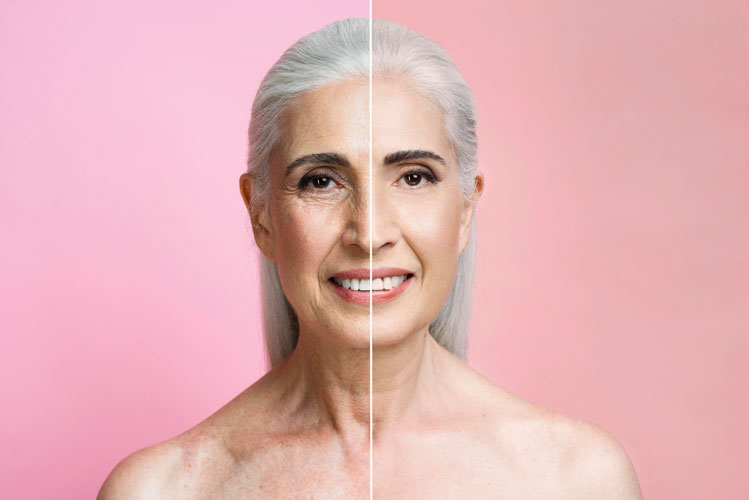
collagen loss potrait

How to Support and Restore Collagen Production

Although aging skin is natural, you can support collagen production through targeted habits, nutrition, supplements, and treatments.

Best Foods for Natural Collagen Production

A balanced diet is a powerful tool for collagen health. Vitamin C, found in citrus fruits, helps stimulate collagen synthesis. Zinc and copper support the stability of collagen structure, while amino acids such as glycine, proline, and lysine (found in bone broth) provide the building blocks needed for collagen formation.

Hyaluronic acid is another key nutrient for maintaining healthy skin. It helps keep skin hydrated, which supports both the skin barrier and the appearance of firm, hydrated skin.

For more information about vitamins and minerals involved in overall health, read our guide to micronutrients and balanced nutrition.

How Collagen Supplements Support Skin and Joint Health

woman sitting facing camera

Hydrolyzed collagen supplements have been studied for skin hydration, elasticity and wrinkles. Some clinical trials and reviews report improvements, but results are not completely consistent and study quality varies.

Collagen supplements should therefore be presented as an optional nutrition strategy rather than a guaranteed way to rebuild lost collagen.

Individual results may vary depending on nutrition, age, lifestyle factors, and overall skin health. Collagen supplements work best when combined with broader skin-supporting habits.

Some studies suggest hydrolyzed collagen peptides may support skin hydration, elasticity, or joint comfort in certain people, but findings vary. Supplements should be considered one part of an overall skin-health strategy rather than a guaranteed way to restore lost collagen.

Approach Primary Role Key Consideration
Sun protectionHelps reduce UV-related skin damageRequires consistent daily use
Balanced nutritionProvides nutrients needed for normal collagen synthesisFood-first approach
Collagen supplementsMay support skin hydration or elasticityEvidence remains mixed and results vary
MicroneedlingSupports the skin’s natural remodeling responseRequires professional assessment
Dermal fillersRestore volume and improve selected signs of agingDo not directly replace natural collagen

Professional Treatments That Stimulate Collagen Growth

In addition to diet and supplements, professional treatments can directly stimulate collagen growth. Microneedling creates small injuries on the skin’s surface, triggering new collagen formation as part of the healing process. Laser therapy reaches deeper skin layers and encourages the body to replace damaged collagen with fresh fibers. Radiofrequency treatments and dermal fillers can improve the appearance of aging skin by restoring lost volume and supporting collagen regeneration. For additional options focused on skin texture and appearance, explore Aesthetic Services at Tucson Wellness MD.

Patients interested in professional collagen stimulation can learn more about medical microneedling in Tucson, which uses controlled micro-injuries to support the skin’s natural remodeling response.

For additional options addressing fine lines, skin texture, volume loss, and other visible signs of aging, explore Aesthetic Services at Tucson Wellness MD.

How to Protect Existing Collagen From Premature Breakdown

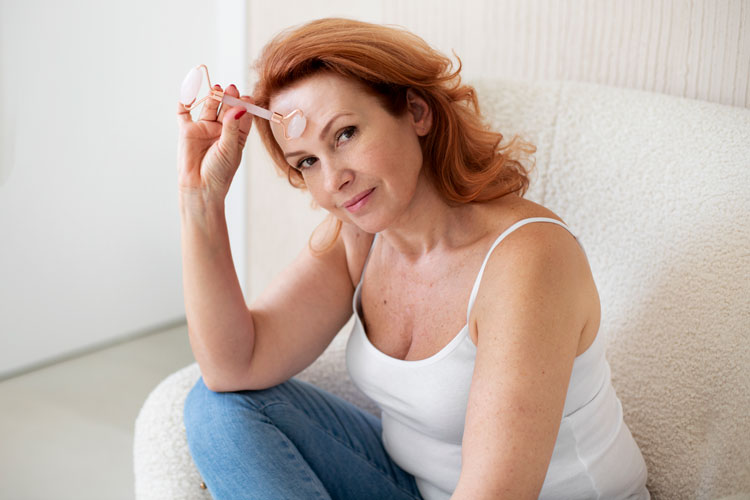
woman doing facial yoga

Preserving the collagen you have is just as important as generating more collagen. Wear sunscreen daily to protect against UV damage. Avoid smoking to prevent toxin-related collagen breakdown. Protecting existing collagen is an important part of long-term skin health. Use broad-spectrum sunscreen consistently to reduce UV-related damage, avoid smoking, maintain balanced nutrition, prioritize adequate sleep, and manage chronic stress. A consistent skincare routine that supports hydration and the skin barrier may also help maintain healthier-looking skin over time.

Long-Term Strategies for Healthy Skin and Collagen Support

Collagen is the foundation for smooth, strong, and youthful-looking skin. It supports skin texture, skin elasticity, connective tissues, and joint health. While age-related collagen loss is inevitable, making smart choices helps slow the process. A balanced diet, hydration, collagen supplementation, skin-friendly lifestyle habits, and professional collagen treatments can work together to enhance collagen production and protect your skin long-term.

Professional Collagen Support at Tucson Wellness MD

Tucson Wellness MD helps patients in Tucson address visible signs of collagen loss, including fine lines, skin laxity, texture changes, and reduced firmness. A personalized aesthetic evaluation can help determine whether microneedling or other skin-rejuvenation options may be appropriate based on your skin concerns, goals, and medical history.

Concerned About Collagen Loss or Skin Aging?

Tucson Wellness MD can evaluate concerns such as fine lines, skin laxity, uneven texture, or reduced firmness and discuss aesthetic treatment options that may support collagen remodeling and healthier-looking skin.

Schedule an Aesthetic Consultation

Frequently Asked Questions About Collagen Loss

What causes collagen loss in the body?

Collagen loss happens naturally with age as the body slows down collagen production over time. Factors such as sun exposure, smoking, poor nutrition, stress, and lack of sleep can accelerate collagen breakdown. Nutrient deficiencies and chronic inflammation may also weaken the body’s ability to repair collagen fibers. These combined effects contribute to visible skin aging and reduced tissue strength.

At what age does collagen start to decline?

Collagen production typically begins declining in the mid-20s. The process happens gradually, so many people do not notice obvious signs immediately. By the 40s, collagen breakdown often exceeds new collagen production, leading to more visible changes in skin texture and elasticity. Lifestyle habits can influence how quickly these changes appear.

What are the first signs of collagen loss?

Early signs often include fine lines, dull skin, reduced elasticity, and rougher skin texture. Some people also notice slower healing, joint stiffness, or longer recovery after exercise. These changes develop gradually as collagen fibers weaken and thin over time. Skin may also begin losing firmness and hydration.

Does sun exposure cause collagen loss?

Ultraviolet exposure contributes to skin aging and can damage collagen and other structural components of the skin. Consistent sun protection can help reduce UV-related skin damage.

Do collagen supplements really work?

Some studies report improvements in skin hydration or elasticity with hydrolyzed collagen, but results vary and study quality is inconsistent. Supplements should not be considered a guaranteed method for reversing collagen loss.

Can microneedling stimulate collagen?

Microneedling creates controlled micro-injuries in the skin that trigger a healing response and can support collagen remodeling. Treatment suitability depends on skin type, concerns and medical history.

Can you completely reverse collagen loss?

Normal age-related collagen changes cannot be completely reversed. However, sun protection, healthy lifestyle habits and selected aesthetic treatments may help support skin health and improve the appearance of aging skin.

What treatments can help support collagen production?

Professional treatments such as microneedling, laser therapy, and other aesthetic procedures may help stimulate collagen remodeling. Treatment options depend on individual skin concerns and medical evaluation.

How can I protect collagen from breaking down?

Sun protection, avoiding smoking, maintaining balanced nutrition, managing stress, and getting adequate sleep may help protect existing collagen and support skin health.

Is collagen loss the only cause of skin aging?

No. Skin aging is influenced by multiple factors including genetics, sun exposure, lifestyle habits, hydration, nutrition, and changes in collagen and elastin production.

Is microneedling better than collagen supplements for skin aging?

Collagen supplements and professional treatments support skin health in different ways. Supplements provide nutritional support, while treatments such as microneedling directly stimulate the skin’s natural remodeling response. A consultation can help determine which approach matches your goals.

How long does it take to see collagen improvement?

Collagen remodeling occurs gradually. Results depend on the treatment method, lifestyle habits, skin condition, and individual response.

6 Reasons You Should Never Trust Botox or Fillers to Just Anyone: What Safe Injectables Really Require

At Tucson Wellness MD, we frequently get asked about injectable treatments like Botox, Dysport, Daxxify, and dermal fillers. Injectable treatments are generally considered safe when administered by licensed and properly trained medical professionals; however, all medical procedures carry potential risks.

Quick Answer: How Do You Choose a Safe Botox or Filler Provider?

Choose a licensed, properly trained medical professional who understands facial anatomy, uses reputable products, reviews your medical history, explains risks and aftercare, and has a clear plan for complications and follow-up. A safe injector should recommend treatment based on your anatomy and goals rather than using a one-size-fits-all approach.

Safety Factor Why It Matters What to Look For
Licensed providerInjectables are medical proceduresA licensed medical professional with appropriate injectable training
Facial anatomy knowledgePlacement affects both safety and resultsProvider can explain facial movement, anatomy, and treatment areas
Reputable productsCounterfeit or improperly sourced products may increase riskClearly identified branded products from reputable sources
Medical consultationNot every patient is an appropriate candidateHealth history, medications, goals, and contraindications are reviewed
Conservative planningOver-treatment may create unnatural resultsA personalized plan based on facial anatomy and goals
Complication readinessComplications require appropriate recognition and responseProvider explains warning signs and response protocols
Follow-up careHealing and treatment response may need reviewClear aftercare and follow-up guidance

Red Flags Before Getting Botox or Fillers

A low price or quick appointment should not be the only reason to choose an injector. Safe injectable care requires training, product quality, medical screening, and a clear treatment plan.

Be cautious if a provider:

  • Does not review your medical history
  • Cannot explain the product being used
  • Pushes more units or filler than you need
  • Promises identical results for every face
  • Uses vague product names
  • Cannot explain risks or aftercare
  • Has no plan for complications
  • Offers treatment in an unsafe or non-medical setting
  • Pressures you to decide immediately
  • Does not provide follow-up guidance

A qualified injector should make you feel informed, not rushed.

A safe injectable consultation should give you enough information to understand the product, treatment plan, expected results, possible risks, aftercare, and what to do if a complication occurs.

Why Botox and Fillers Feel Risky to Many Patients

Concerns about injectables often arise from reports of unfavorable outcomes, which are typically related to provider technique, product selection, or patient-specific factors. When injectables are done without proper training and anatomical knowledge, the risks become very real.

Here are 6 reasons why it’s crucial to trust only highly qualified, experienced professionals with your injectables:

1. Great Injectable Results Require Precision

dermal filler

 Injectable treatments require both technical precision and an understanding of facial anatomy to achieve balanced results. It requires understanding how to enhance facial features without compromising their natural beauty or expressions. The right injector has to understand the subtle nuances of the face to ensure things look balanced and natural.

Overdoing it or placing the injectables incorrectly can definitely cause issues like asymmetry or a “frozen” look, which can be very noticeable. That’s why it’s so important to trust an injector who has the experience to tailor the treatment to your unique anatomy and goals.

2. Unqualified Injectors Put Your Health at Risk

If you choose an injector who isn’t properly trained or experienced, it can result in serious complications like Improper technique, poor anatomical knowledge, unsafe product sourcing, or inadequate screening can increase the risk of complications such as bruising, asymmetry, infection, lumps, vascular occlusion, and other adverse outcomes.

Proper training, understanding of facial vascular anatomy, appropriate product selection, and established safety protocols can help reduce risk and support faster recognition and management if a complication occurs.

A trained injector is educated in facial vascular anatomy and follows established safety protocols to reduce procedural risks. Qualified providers are trained in managing complications, including the appropriate use of reversal agents when indicated.

On the flip side, unqualified providers might cut corners by using diluted or even counterfeit products, which can be risky. Patients should confirm that products are sourced from reputable manufacturers and administered by licensed medical professionals. Always do your research to find a trusted professional.

3. Injectables Are Not Right for Every Face

A skilled professional will take the time to carefully assess your skin type, medical history, and unique facial structure before suggesting any treatments. They’ll consider all the factors that are important to you: your goals, your skin’s needs, and how your face naturally moves, before recommending anything.

Botox, Dysport, Daxxify, and dermal fillers are not automatically the best option for every concern. Depending on your anatomy, skin condition, and goals, a provider may also discuss non-injectable treatments such as microneedling, laser-based treatments, or professional facial services.

For patients focused more on skin texture, fine lines, or collagen remodeling than volume or muscle movement, medical microneedling in Tucson may also be considered depending on individual skin goals.

4. Natural Results Require a Personalized Plan

A skilled injector knows that everyone’s face is unique, so they take a personalized approach to help you reach your aesthetic goals. Rather than using a “one-size-fits-all” method, they’ll tailor the treatment specifically to your facial structure, making sure it enhances your natural beauty.

An experienced professional understands that sometimes, less really is more. Treatment plans are designed to align with patient goals while preserving natural facial movement. It’s all about achieving the perfect balance so you look like the best version of yourself.

5. Training and Experience Shape the Outcome

Licensed medical professionals, like board-certified plastic surgeons, dermatologists, and experienced nurse practitioners, bring a wealth of knowledge and hands-on training to every treatment. Training, licensure, experience, and familiarity with facial anatomy all matter when choosing an injector. Providers should understand injection technique, product selection, facial anatomy, contraindications, and complication management relevant to the treatments they perform.

Patients should feel comfortable asking about credentials, injectable-specific training, experience with the product being recommended, and how the provider handles complications or follow-up concerns.

On the other hand, non-certified or unqualified injectors may not have the experience or skills needed to address issues or manage unexpected reactions properly. Choosing a licensed and experienced medical provider may help reduce risk and support appropriate treatment planning.

6. Trusted Providers Prioritize Safety and Follow-Up

Established providers typically offer follow-up evaluations to assess healing and patient satisfaction. They’ll check in with you to make sure everything is going smoothly and that you feel confident in your decision.

What really sets a trusted provider apart is their focus on long-term results. Instead of pushing for quick fixes or up-selling unnecessary treatments, they’re all about making sure your enhancements look natural and last, keeping your best interests at heart.

What a Proper Injectable Consultation Should Include

Before any Botox or dermal filler treatment, a qualified provider performs a structured medical and facial assessment. This ensures the treatment is safe, appropriate, and aligned with your goals.

A professional consultation typically includes:

  • medical history and medication review
  • facial anatomy and muscle movement analysis
  • skin condition and volume assessment
  • discussion of treatment goals and expectations
  • Product amount and treatment-area planning
  • risk explanation and safety planning

Some patients may be advised to delay treatment, choose a different product, or consider non-injectable options depending on their anatomy and medical profile.

Patients comparing injectables with other cosmetic treatments can also explore Aesthetic Services at Tucson Wellness MD for options based on skin concerns, facial anatomy, and treatment goals.

What Safe Injectable Aftercare Should Include

Aftercare is part of safe injectable treatment. Patients should leave their appointment knowing what is normal, what to avoid, and when to contact the provider.

Safe aftercare should include:

  • What to expect after treatment
  • How long redness, swelling, or tenderness may last
  • What activities to avoid temporarily
  • When results should appear
  • When touch-up review may be appropriate
  • Warning signs that need attention
  • How to contact the provider with concerns

Good aftercare helps protect results and gives patients a clearer plan if something does not feel right.

Patients should also receive clear instructions about which symptoms are expected after treatment and which symptoms require prompt medical attention.

Botox and Dermal Filler Consultations in Tucson

Tucson Wellness MD provides personalized aesthetic consultations in Tucson for patients considering Botox, Dysport, Daxxify, dermal fillers, and other facial treatments. Each consultation considers facial anatomy, medical history, treatment goals, product selection, safety, and appropriate follow-up.

Choose Safe, Natural-Looking Injectable Results

Tucson Wellness MD can review your facial anatomy, aesthetic goals, medical history, product options, treatment expectations, and safety considerations before Botox, Dysport, Daxxify, or dermal filler treatment.

Schedule an Aesthetic Consultation

Frequently Asked Questions

What is the difference between Botox, Dysport, Daxxify, and dermal fillers?

Botox, Dysport, and Daxxify are all neuromodulators that temporarily relax targeted facial muscles to reduce dynamic wrinkles like forehead lines and crow’s feet. Dermal fillers are gel-based substances injected to restore lost volume, smooth static wrinkles, and contour facial features. A qualified provider will assess your anatomy and goals to determine which product or combination is appropriate for you.

How do I know if an injector is qualified?


Look for licensed medical professionals, board-certified physicians, dermatologists, plastic surgeons, or experienced nurse practitioners who practice in a regulated medical setting. Confirm that products are sourced from reputable manufacturers, that the provider has documented training in facial anatomy, and that a proper medical consultation is performed before any treatment.

What are the risks of getting injectables from an unqualified provider?


Improper injection technique, poor anatomical knowledge, inadequate screening, or unsafe product sourcing may increase the risk of complications such as bruising, infection, asymmetry, lumps, vascular occlusion, and other adverse outcomes.

What happens during a Botox or filler consultation at Tucson Wellness MD?


A professional consultation includes medical history and medication review, facial anatomy and muscle movement analysis, skin condition and volume assessment, treatment goal discussion, dosage mapping, and risk explanation. Some patients may be advised to delay treatment or consider non-injectable alternatives depending on their anatomy and medical profile.

How long do Botox and dermal filler results last?


Neuromodulators like Botox and Dysport typically last three to four months, while Daxxify may last up to six months. Dermal filler longevity varies by product and treatment area, generally ranging from six months to two years. Results depend on the product used, the treatment area, individual metabolism, and provider technique.

Can injectables look natural?


Yes. Natural-looking results depend on individualized treatment planning, facial anatomy, appropriate product selection, conservative dosing, placement, and the patient’s goals. Results vary, and no provider can guarantee a specific cosmetic outcome.

Who should not get Botox or dermal fillers?


Injectables are not appropriate for patients who are pregnant or breastfeeding, have certain neuromuscular disorders, active skin infections at the injection site, or known allergies to product ingredients. A thorough medical history review at Tucson Wellness MD identifies contraindications before any treatment is recommended.

What should I ask before getting Botox or fillers?


Ask who will perform the treatment, what product will be used, how many units or syringes are recommended, what risks apply to your anatomy, what aftercare is needed, and what warning signs require follow-up. A qualified provider should answer clearly before treatment begins.

What are red flags when choosing an injector?


Red flags include unclear credentials, unusually cheap pricing, vague product names, no medical history review, pressure to over-treat, no aftercare instructions, unsafe treatment settings, and no clear plan for complications.

How much does Botox or filler treatment cost?

Botox and filler costs vary depending on the product used, treatment area, amount needed, and provider expertise. A consultation helps determine the appropriate treatment plan and expected investment.

Why is choosing a qualified injector important?

A qualified injector understands facial anatomy, product selection, dosing, placement, and complication management. Proper training helps support safer treatment planning and natural-looking results.

Can Botox and fillers be customized for natural results?

Yes. Natural results depend on personalized treatment planning, appropriate dosing, facial anatomy assessment, and preserving normal facial movement.

5-Amino-1MQ Benefits, Safety, and Anti-Aging Research

Quick Answer: What Is 5-Amino-1MQ Used For?

5-Amino-1MQ is an investigational small molecule studied mainly in laboratory and animal research for its effects on NNMT and metabolic pathways. It is not an FDA-approved anti-aging, fat-loss, diabetes, or longevity treatment, and human safety and effectiveness are not established. Claims about improved metabolism, muscle rejuvenation, DNA repair, or longevity should therefore be viewed as early research rather than proven clinical benefits.

aging woman

Researchers continue to study compounds that may influence metabolism, cellular aging, and age-related changes. One investigational molecule attracting interest is 5-Amino-1MQ, an inhibitor of nicotinamide N-methyltransferase, or NNMT.

Most published evidence involving 5-Amino-1MQ and related NNMT inhibitors is preclinical. This means findings from cells and animal models should not be interpreted as proof of anti-aging, fat-loss, metabolic, or longevity benefits in humans.

This guide reviews what researchers have explored, where the evidence remains limited, and why regulatory status and safety should be considered before 5-Amino-1MQ is discussed as a treatment option.

Understanding 5-Amino-1MQ

5-Amino-1MQ, also known as 5-amino-1-methylquinolinium, is a synthetic small molecule studied as an inhibitor of nicotinamide N-methyltransferase, or NNMT.

NNMT is involved in nicotinamide metabolism and related cellular pathways. Preclinical research has explored whether inhibiting NNMT may affect metabolism, adipose tissue, NAD-related signaling, and aging-related muscle biology.

These findings remain primarily preclinical and do not establish 5-Amino-1MQ as a proven anti-aging, weight-loss, or longevity treatment in humans.

Is 5-Amino-1MQ FDA Approved?

No. 5-Amino-1MQ is not FDA-approved as a treatment for anti-aging, obesity, fat loss, insulin resistance, cardiovascular disease, muscle recovery, or general wellness.

It remains an investigational compound. FDA has also documented 5-Amino-1MQ use in compounding circumstances where the bulk substance was not eligible for the exemptions applicable to a 503B outsourcing facility.

Patients should avoid self-sourcing research products because identity, purity, concentration, storage, and safety may not be reliably established.

How 5-Amino-1MQ May Affect NNMT and Metabolism

5-Amino-1MQ is commonly discussed because it may inhibit nicotinamide N-methyltransferase, also known as NNMT. NNMT is an enzyme involved in nicotinamide metabolism and energy-related pathways.

Preclinical research suggests NNMT inhibition may affect fat cell metabolic measures, adipose biology, and energy-related pathways in animal or cellular models in animal or cell models. However, these findings should not be treated as guaranteed human weight-loss or anti-aging results.

The safest interpretation is that 5-Amino-1MQ is an early-stage research compound with possible metabolic relevance, not a proven replacement for medical treatment, nutrition, exercise, sleep, or provider-guided weight-loss care.

NNMT, Muscle Stem Cells, and Aging Research

Researchers have explored the relationship between NNMT activity, NAD-related metabolism, sirtuin signaling, and aging-related muscle stem cell function.

In mouse studies, NNMT inhibition has been associated with improved muscle stem cell activity and regenerative capacity after injury. These findings are biologically interesting but do not establish that 5-Amino-1MQ rejuvenates human muscle, reverses aging, increases strength, or improves longevity.

Preclinical findings should be treated as a basis for further research rather than evidence of a clinical anti-aging effect.

anti aging process

Cellular aging research includes questions about DNA damage, epigenetic changes, metabolic stress, and stem cell function. NNMT-related pathways have been studied in connection with some of these processes.

However, current evidence does not establish that 5-Amino-1MQ clinically enhances DNA repair or protects humans from age-related cellular damage.

Metabolic and Body-Composition Research

Preclinical studies of NNMT inhibition have explored effects on adipose tissue, body weight, insulin-related pathways, and energy metabolism.

These findings have contributed to interest in 5-Amino-1MQ for metabolism and body composition, but they do not establish safe or effective human weight loss.

5-Amino-1MQ should not be presented as a proven fat-burning medication, anti-aging therapy, or replacement for evidence-based medical weight management.

Patients primarily concerned about body weight or metabolic health can review medical weight loss options at Tucson Wellness MD.

5-Amino-1MQ vs Medical Weight-Loss Options

5-Amino-1MQ should not be compared as though it has the same evidence or regulatory status as FDA-approved weight-management medications.

Approved treatments have human clinical-trial data, standardized prescribing information, known contraindications, established dosing guidance, and formal safety monitoring requirements.

Patients interested in fat loss, insulin resistance, or metabolic health should begin with a medical evaluation rather than assuming an experimental NNMT inhibitor is the appropriate treatment.

5-Amino-1MQ Benefits: What Research Suggests

Research AreaWhat Preclinical Research ExploresKey Limitation
NNMT / metabolismEffects on NNMT-related metabolic pathwaysMostly cell and animal evidence
Body compositionPossible effects on adipose tissue and energy metabolismHuman weight-loss benefit not established
Glucose-related pathwaysMetabolic effects in preclinical modelsNot an approved diabetes treatment
Aging biologyNAD-related and cellular-aging pathwaysNo evidence it reverses human aging
Muscle stem cellsAging-related muscle regeneration in animal researchNot proven to increase human muscle or recovery

Mitochondrial and Energy-Related Research

NNMT and NAD-related metabolism intersect with cellular pathways involved in energy regulation. This has led researchers to explore whether NNMT inhibition could influence broader metabolic and mitochondrial processes.

However, current evidence does not establish that 5-Amino-1MQ improves mitochondrial function, increases energy, or reverses age-related decline in humans.

Challenges and Future Research

5-Amino-1MQ remains an early-stage research compound. Important unanswered questions include human safety, pharmacokinetics, effective exposure, drug interactions, long-term effects, and whether preclinical metabolic findings translate into meaningful clinical outcomes.

Human clinical research would be needed before 5-Amino-1MQ could be considered an established treatment for obesity, metabolic disease, muscle aging, or longevity.

5-Amino -1MQ Safety and Unknowns

Because human safety data is limited, the side effect profile of 5-Amino-1MQ is not fully established. Patients should be cautious with any product marketed online for fat loss, anti-aging, metabolism, or longevity without medical oversight.

Important safety questions include product purity, dose accuracy, drug interactions, liver and kidney considerations, blood sugar changes, cardiovascular risk, pregnancy or breastfeeding status, and long-term exposure.

Anyone considering 5-Amino-1MQ should discuss safer, evidence-based options with a qualified provider instead of relying on online protocols or research-use products.

anti aging treatment

The Future of 5-Amino-1MQ Research

5-Amino-1MQ remains an interesting research tool for studying NNMT and related metabolic pathways. Preclinical studies have raised questions about adipose biology, aging-related muscle function, and cellular metabolism that may justify further investigation.

At the same time, there is a large gap between promising laboratory findings and a treatment that has been proven safe and effective in people. More human research is needed before 5-Amino-1MQ should be considered for anti-aging, weight loss, metabolic disease, or longevity care.

Metabolic and Longevity Evaluation in Tucson

Tucson Wellness MD can review concerns related to body composition, metabolic health, hormone symptoms, nutrition, and healthy aging and discuss evidence-based treatment options based on medical history, laboratory findings, and individual goals.

Patients asking about investigational compounds such as 5-Amino-1MQ should understand the difference between preclinical research and treatments with established human safety and effectiveness data.

Final Thoughts on 5-Amino-1MQ

5-Amino-1MQ is an investigational NNMT inhibitor with research interest in metabolism, adipose biology, and aging-related cellular pathways.

Most evidence remains preclinical, and human safety, effectiveness, dosing, and long-term outcomes have not been established. Claims that 5-Amino-1MQ burns fat, activates anti-aging pathways, repairs DNA, rejuvenates muscle, or extends longevity should therefore be interpreted cautiously.

Patients interested in metabolic health, body composition, or healthy aging should discuss evidence-based options with a qualified healthcare provider rather than relying on research-use products or online protocols.

Questions About 5-Amino-1MQ or Metabolic Health?

Tucson Wellness MD can review your metabolic health, body-composition concerns, medical history, laboratory findings, and treatment goals and discuss evidence-based options that may be more appropriate than investigational research compounds.

Schedule a Consultation

Frequently Asked Questions

Is 5-Amino-1MQ FDA approved?

No. 5-Amino-1MQ is not FDA-approved for anti-aging, weight loss, metabolic disease, muscle recovery, or general wellness. It remains an investigational compound.

Does 5-Amino-1MQ help with weight loss?

Preclinical research suggests NNMT inhibition may affect adipose tissue and metabolic pathways, but reliable human weight-loss benefits have not been established. 5-Amino-1MQ should not be treated as an approved or proven weight-loss medication.

What does 5-Amino-1MQ do?

5-Amino-1MQ inhibits NNMT in experimental models. Researchers are studying how NNMT inhibition may influence metabolic, adipose, NAD-related, and aging-related pathways, but most evidence remains preclinical.

Is 5-Amino-1MQ safe?

Human safety data are insufficient to establish a complete risk profile. Product quality, dose accuracy, interactions, organ effects, cardiovascular concerns, and long-term exposure remain important unanswered questions.

Is 5-Amino-1MQ the same as a peptide?

No. 5-Amino-1MQ is a small synthetic molecule, not a peptide.

Healthy Aging in Tucson: Longevity Tips for Energy, Vitality, and Wellness

What Are the Best Habits for Healthy Aging?

Healthy aging focuses on maintaining energy, strength, mobility, mental clarity, and quality of life as you get older. The most important habits include eating nutrient-rich foods, staying physically active, getting quality sleep, managing stress, staying hydrated, and working with healthcare providers when additional support is needed.

happy aging woman

Aging is a natural and inevitable part of life’s journey. As the years go by, our bodies and minds undergo changes that present challenges and opportunities.

While we can’t stop the clock, we can certainly influence how we age and the quality of our lives as we do.

Thanks to advancements in science and a growing understanding of holistic wellness, we now have better insights into lifestyle habits and wellness strategies that may support healthy aging, vitality, and quality of life.

In this blog, we’ll explore science-backed tips that can pave the way for longevity and well-being.

Healthy Aging Foundations Table

HabitWhy It MattersExamples
NutritionSupports energy and cellular healthProtein, vegetables, healthy fats
ExerciseMaintains strength and mobilityWalking, resistance training
SleepSupports recovery and hormone balance7–9 hours nightly
Stress ManagementSupports mental and physical wellnessMeditation, breathing exercises
Cognitive HealthSupports brain functionLearning, reading, social connection
Preventive CareHelps identify health concerns earlyLabs, wellness consultations

When Lifestyle Changes May Not Be Enough

Nutrition, exercise, sleep, hydration, and stress management are the foundation of healthy aging. However, some people continue to feel tired, inflamed, foggy, or stuck even after improving daily habits.

It may be time to discuss provider-guided support if you experience:

  • Ongoing fatigue despite rest
  • Trouble maintaining muscle
  • Weight gain or stalled progress
  • Poor sleep that does not improve
  • Brain fog or low motivation
  • Hormone-related symptoms
  • Slow recovery from workouts
  • Low libido or mood changes
  • Nutrient deficiencies
  • Wellness goals that need more structure

A provider can review symptoms, medical history and appropriate testing to determine whether a medical condition, lifestyle factor or other health issue may be contributing.

Signs You May Benefit From a Personalized Longevity Plan

Healthy aging looks different for everyone. While nutrition, exercise, sleep, and stress management are the foundation of long-term wellness, some people may need additional guidance when they continue experiencing challenges despite making healthy lifestyle changes.

You may benefit from a personalized longevity plan if you experience:

  • Persistent fatigue that affects your daily energy and quality of life
  • Reduced muscle strength or slower recovery after physical activity
  • Difficulty maintaining weight despite consistent nutrition and exercise habits
  • Brain fog or changes in mental clarity
  • Poor sleep quality that impacts recovery and energy
  • Slow recovery from workouts, injuries, or physical stress
  • Hormonal changes that affect mood, metabolism, energy, or overall wellness

A personalized longevity approach may include reviewing lifestyle habits, health history, symptoms, and appropriate testing to identify areas where additional support may be helpful.

At Tucson Wellness MD, longevity care focuses on creating an individualized plan based on your wellness goals, helping you understand your health markers and explore appropriate strategies for supporting energy, vitality, and healthy aging.

1. Healthy Eating Habits for Longevity and Cellular Health

The saying “you are what you eat” holds a significant truth regarding keeping your body healthy as you age.

A diet rich in nutrients, antioxidants, and healthy fats can support your body’s cellular health, reduce inflammation, and enhance vitality. Incorporate a colorful variety of fruits, vegetables, whole grains, lean proteins, and sources of healthy fats like avocados, nuts, and fatty fish, and consider dietary supplements if whole food sources are not readily available.

A balanced eating pattern built around vegetables, fruits, whole grains, quality protein sources and healthy fats can support cardiovascular health, energy and overall nutrition. Supplements may be appropriate when dietary intake is insufficient or a specific need has been identified.

Who Should Focus on Healthy Aging and Longevity?

Healthy aging is not only for older adults. It is helpful for anyone who wants to protect energy, mobility, metabolism, cognitive health, skin health, and long-term quality of life. Small choices made consistently can support how you feel and function over time.

You may want to focus more intentionally on healthy aging if you want support with:

  • Low energy or fatigue
  • Muscle loss or reduced strength
  • Weight changes
  • Brain fog or memory concerns
  • Poor sleep
  • Chronic stress
  • Skin changes
  • Joint stiffness or slower recovery
  • Hormone changes
  • Healthy aging and longevity goals

A personalized wellness plan can help connect nutrition, movement, sleep, stress, labs, and treatment options into one clear approach.

2. Physical Activity for Longevity, Strength, and Mobility

Regular physical activity is a cornerstone of healthy aging. The National Institute on Aging recommends regular exercise for older adults thanks to both the physical and mental health benefits it produces.

staying fit by doing physical activities

Engaging in physical exercise helps to preserve muscle mass and bone density and to reduce blood pressure for cardiovascular health. Regular physical activity can also support mood, sleep and overall mental well-being. Aim for cardiovascular exercises, strength training, and flexibility activities to maintain overall fitness.

Consult with a healthcare professional before starting any new exercise routine, especially if you have underlying health risks.

3. Cognitive Engagement for Brain Health and Mental Clarity

Along with your physical health, keeping your brain active and engaged is key to promoting cognitive health as you age.

Challenge your mind through activities like reading, puzzles, learning a new skill, or engaging in creative endeavors.

These activities support brain health, mental engagement, and cognitive function as part of a healthy aging lifestyle. Additionally, social interactions and meaningful relationships contribute to mental well-being, so stay connected with friends, family, and your community.

4. Quality Sleep for Hormone Balance, Recovery, and Healthy Aging

Sleep is an important part of physical and mental health.

Quality sleep is essential for cellular repair, memory consolidation, and hormone regulation. Most adults generally need about 7 to 9 hours of sleep per night, although individual sleep needs vary.

Create a calming bedtime routine, maintain a comfortable sleep environment, and limit screen time before bed to improve sleep quality.

5. Stress Management for Long-Term Wellness and Healthy Aging

managing stress

Chronic stress can affect sleep, mood, cardiovascular health and other aspects of well-being. Strategies such as mindfulness, breathing exercises, yoga, physical activity and social support may help people manage stress more effectively.

Mindfulness practices, such as meditation, deep breathing, and yoga, can help manage stress and promote relaxation.

6. Hydration and Skin Care for Healthy Aging

Proper hydration is vital for skin health and overall well-being. Adequate fluid intake supports normal body function and helps prevent dehydration. For skin health, consistent sun protection and appropriate moisturizers are also important parts of a healthy skincare routine.

Along with hydration, adopting a consistent skincare routine with sunscreen and moisturizers can help protect your skin from environmental damage and maintain a youthful appearance.

7. Advanced Wellness Therapies for Longevity and Vitality

Some patients may also discuss provider-guided wellness therapies based on specific symptoms, medical needs and goals. For individuals looking for additional support beyond lifestyle changes, Tucson Wellness MD offers personalized wellness evaluations to determine whether advanced therapies may align with their goals. Treatment recommendations are based on health history, symptoms, and provider assessment. These treatments should complement rather than replace established healthy aging habits such as exercise, balanced nutrition, sleep and preventive care.

In addition to the science-backed tips mentioned earlier, consider exploring treatments like peptide therapy and IV nutrient therapy to optimize your health and vitality.

Peptide Therapy for Recovery, Hormone Support, and Longevity

Peptide therapy is an emerging area of wellness care that involves specific peptide compounds being studied for their potential role in recovery, cellular signaling, metabolism, and healthy aging. Different peptides have different functions, evidence levels, and considerations, so treatment decisions should always be based on individual health goals and medical evaluation.

Some patients explore peptide therapy as part of a broader wellness plan when they are looking for support with areas such as:

  • Recovery and exercise performance
  • Healthy aging goals
  • Body composition and metabolic wellness
  • Energy and overall vitality
  • Personalized wellness optimization

Before considering peptide therapy, a healthcare provider should review your health history, symptoms, goals, medications, and any relevant testing. This helps determine whether peptide-based approaches are appropriate and which options may align with your individual needs.

At Tucson Wellness MD, peptide therapy is approached through personalized evaluation and ongoing guidance. If you are considering peptide therapy for recovery, healthy aging, metabolism, or wellness optimization, a consultation can help determine whether this approach fits your individual goals and health profile. Treatment decisions are based on your specific wellness goals, available evidence, and safety considerations rather than a one-size-fits-all approach.

IV Nutrient Therapy for Energy, Hydration, and Cellular Health

IV nutrient therapy delivers fluids or nutrients intravenously. Whether it is appropriate depends on the specific ingredients, medical indication, health history and treatment goals.

Consulting with a healthcare professional experienced in these therapies can help determine if they suit your needs and goals. By combining these advanced approaches with holistic lifestyle practices, you can truly embrace the journey of aging with a comprehensive strategy that promotes longevity, vitality, and a profound sense of well-being.

Why Healthy Aging Requires a Long-Term Wellness Plan

Incorporating these science-backed healthy habits into your daily life can optimize your health, well-being, and longevity. Remember that small, consistent steps can lead to significant positive changes.

Healthy Aging and Longevity Support in Tucson

If you are in Tucson and want help supporting energy, mobility, healthy weight, cognitive function, skin health, hormone balance, or long-term vitality, provider-guided wellness care can help you build a more personalized plan.

At Tucson Wellness MD, patients receive support for longevity, nutrition, recovery, hormone health, weight goals, and advanced wellness therapies when appropriate. This helps turn healthy aging advice into a structured plan based on your symptoms, goals, and lifestyle.

Ready to Build Your Personalized Longevity Plan?

Healthy aging looks different for everyone. Tucson Wellness MD provides personalized wellness consultations to review your goals, symptoms, lifestyle, and available options for supporting long-term vitality.

Healthy Aging and Longevity FAQs

What does it mean to age gracefully?
Aging gracefully means maintaining physical health, mental clarity, and emotional balance through intentional lifestyle choices and proper care as you grow older.

How does nutrition affect aging?
A diet rich in antioxidants, healthy fats, and essential nutrients supports cellular health, reduces inflammation, and helps maintain energy and vitality.

Why is exercise important as you age?
Regular physical activity helps maintain muscle mass, bone density, cardiovascular health, and mental well-being. It also supports mobility and independence.

How much sleep do you need as you age?
Most adults benefit from 7 to 9 hours of quality sleep per night. Sleep supports hormone balance, memory, and cellular repair.

What are the best habits for healthy aging?

The best habits for healthy aging include eating nutrient-rich foods, staying physically active, sleeping well, managing stress, staying hydrated, maintaining social connection, and getting medical support when symptoms or health risks need attention.

When should I get professional support for healthy aging?

Consider professional support if you have ongoing fatigue, weight changes, poor sleep, brain fog, low libido, slower recovery, hormone symptoms, or wellness goals that need more structure. A provider can review labs, symptoms, and health history to help create a safer plan.

What is a personalized longevity plan?

A personalized longevity plan is a wellness approach designed around your health goals, lifestyle, symptoms, and medical history. It may include lifestyle guidance, health assessments, and provider-guided therapies when appropriate.

Can healthy aging plans help with low energy and fatigue?

Healthy aging plans may help identify lifestyle factors, health concerns, or wellness goals that could be affecting energy levels. A provider can review symptoms and recommend appropriate next steps.

Are peptide therapy and IV therapy part of longevity care?

Peptide therapy and IV nutrient therapy may be discussed as part of a broader wellness plan depending on individual goals, health history, and provider evaluation.

Top Five Benefits of Facials for Your Skin Health and Appearance in Tucson

What are the benefits of having a facial treatment?

Facial treatments are designed to cleanse the skin, support hydration, and enhance overall skin appearance. Individual results vary. Some facial treatments may support skin renewal processes. Outcomes depend on skin type and treatment plan and allow for personalized care based on your skin type and concerns.

benefits of facial

Professional facials can complement a daily skincare routine by providing deeper cleansing, exfoliation, hydration and treatment selected according to your skin type and concerns.

In Tucson, dry weather, sun exposure and heat may contribute to dryness, uneven texture or changes in how the skin feels. A professional facial can help address selected cosmetic concerns while also giving patients an opportunity to review their current skincare routine.

Facials are not treatments for every skin condition. Persistent acne, unusual pigmentation, infections or concerning skin changes should receive appropriate medical evaluation.

Quick Answer

What Are the Benefits of Having a Facial Treatment?

Professional facials may help cleanse the skin, remove surface buildup, support hydration, improve the appearance of uneven texture and provide skincare tailored to your individual concerns. The right facial depends on your skin type, sensitivity, acne history, sun exposure and treatment goals. Results vary, and concerns such as persistent acne, unusual skin changes or significant scarring may require evaluation by a qualified medical or dermatology provider.

Here are the top five benefits of facials for your skin health and appearance in Tucson.

1. Deep Cleansing

Professional facials may provide more thorough surface cleansing than a basic at-home routine.

Depending on the facial, treatment may include:

  • Cleansing
  • Gentle exfoliation
  • Steam or warm towels
  • Extraction of selected blackheads or whiteheads
  • Moisturizing products

Steam does not physically open pores, but warmth may soften surface debris and make some extractions easier.

Extractions should be performed carefully to reduce unnecessary irritation or skin injury, particularly for sensitive or acne-prone skin.

2. Increased Hydration

woman getting facial treatment

Dry air, heat, sun exposure and skincare products may contribute to temporary dryness or tightness.

Hydrating facials may use humectants, moisturizers or barrier-supporting ingredients to help the skin retain moisture and temporarily improve softness and texture.

Even oily skin can become dehydrated. However, oil production and hydration are not the same issue, so products should be selected according to the individual’s skin type and sensitivity.

3. Improved Circulation

Facial massage may temporarily increase local blood flow and can also provide a relaxing experience.

Massage may be included around the face, neck or shoulders depending on the treatment.

Any temporary increase in circulation should not be confused with treatment for a medical circulation problem or a guarantee of lasting changes in skin health.

4. Improve the Appearance of Skin Texture

Exfoliation may help remove surface dead skin cells and temporarily improve the appearance and feel of rough or dull skin.

Facials may be useful for concerns such as:

  • Surface dryness
  • Dull appearance
  • Mild congestion
  • Uneven-feeling texture

More significant acne scarring, pigmentation concerns or deeper texture changes may require treatments beyond a traditional facial.

Depending on the concern, options such as chemical peels, medical microneedling or other provider-guided aesthetic treatments may be discussed separately.

For concerns involving deeper texture or acne scars, learn more about Medical Microneedling at Tucson Wellness MD.

Patients interested in exfoliation may also review chemical peels and facial treatment options.

woman getting facial treatment

5. Personalized Treatment

One of the advantages of a professional facial is that products and techniques can be selected according to individual skin concerns.

A consultation may review:

  • Dry or oily skin
  • Skin sensitivity
  • Acne history
  • Current skincare products
  • Sun exposure
  • Uneven texture
  • Previous aesthetic treatments
  • Desired results

Tucson Wellness MD offers facial and aesthetic services that can be selected according to the patient’s goals and skin needs.

Some patients may benefit from a facial alone, while others may need a different aesthetic treatment. Explore additional aesthetic services available at Tucson Wellness MD for personalized skin and appearance goals.

Facial BenefitWhat It May Help With
Deep cleansingSurface buildup, excess oil and selected clogged pores
HydrationTemporary dryness, tightness and rough texture
Facial massageRelaxation and temporary local blood flow
ExfoliationDull appearance and surface texture
Personalized careTreatment selected according to skin type and concerns

Put Your Best Face Forward

Professional facials may complement a consistent skincare routine by providing cleansing, exfoliation, hydration and personalized product selection.

How often a person should have a facial depends on skin type, sensitivity, treatment goals and the type of facial being performed.

Daily sunscreen, gentle cleansing, appropriate moisturization and avoiding unnecessary irritation remain important between appointments. Patients interested in reducing facial lines can also learn about Botox treatment in Tucson.

Tucson Wellness MD

woman getting facial treatment

Tucson Wellness MD offers provider-guided aesthetic services for patients who want to address skin appearance, facial texture and other cosmetic concerns.

Available options may include facials, chemical peels, medical microneedling, Botox, Dysport, dermal fillers and other aesthetic treatments.

The appropriate treatment depends on skin type, medical history, previous procedures and individual goals.

Patients can review Aesthetic Services at Tucson Wellness MD to learn more about available options.

For another injectable treatment option, review Dysport at Tucson Wellness MD.

Find the Right Facial for Your Skin

Tucson Wellness MD can review your skin concerns, sensitivity, skincare routine and aesthetic goals to help determine whether a facial or another aesthetic treatment may be appropriate.

Schedule an Aesthetic Consultation

Frequently Asked Questions

What are the benefits of facial treatments?
Facial treatments help cleanse the skin, improve hydration, and enhance overall skin appearance. They are designed to remove impurities, support skin renewal, and maintain healthy skin function. Results vary depending on skin type and the specific treatment used. Regular sessions may help maintain a clearer and more balanced complexion.

How do facials improve skin health?
Facials support skin health through deep cleansing, exfoliation, and hydration. These steps help remove dead skin cells, unclog pores, and promote better product absorption. Improved circulation during treatment can also support skin vitality. Over time, this contributes to smoother and more refreshed skin.

Do facials help with acne and clogged pores?
Facials may help reduce clogged pores by removing excess oil, dirt, and buildup from the skin. Techniques such as steam, exfoliation, and extractions are often used to clear impurities. While not a cure for acne, they can support clearer skin as part of a routine. Results depend on skin condition and consistency of care.

Can facials improve hydration and dry skin?
Yes, facials often include treatments that help restore moisture and improve hydration levels. This is especially helpful in dry environments where the skin can lose moisture quickly. Hydration may improve skin texture and reduce the appearance of dryness. Effects are usually temporary and require ongoing care.

Do facials help with skin texture and scarring?
Facials may help improve skin texture by promoting exfoliation and cell turnover. This can reduce the appearance of uneven skin and mild scarring over time. Certain treatments target surface-level imperfections while remaining gentle on the skin. Results vary depending on the severity of the condition.

Why Self-Care Matters for Long-Term Health, Stress Relief, and Whole-Body Wellness

Self-care is more than taking an occasional break. It includes the everyday habits that support physical, mental, and emotional well-being, such as adequate sleep, balanced nutrition, regular movement, stress management, recovery, social connection, and preventive healthcare.

At Tucson Wellness MD, self-care can be part of a broader long-term wellness strategy. The goal is not perfection or luxury. It is building sustainable habits that support energy, resilience, recovery, and quality of life while seeking professional care when symptoms require more than lifestyle changes alone.

Quick Answer: Why Is Self-Care Important for Long-Term Health?

Self-care supports long-term health by helping people maintain consistent habits around sleep, nutrition, movement, stress management, recovery, and preventive care. These habits can support physical and emotional well-being, but self-care should complement rather than replace professional medical or mental health care when symptoms are persistent or significant.

What Self-Care Really Means for Your Health

Self-care is the intentional practice of protecting your physical, mental, and emotional health through consistent daily habits. It includes sleep, movement, balanced nutrition, stress management, and professional support when needed.

Chronic stress, poor sleep, and metabolic health concerns can negatively affect both physical and mental well-being. Consistent self-care habits may support resilience, energy levels, and overall well-being over time.

In Tucson, health and wellness companies help simplify self-care by offering medical guidance, fitness coaching, stress reduction services, aesthetic treatments, and personalized wellness plans that fit into busy lifestyles.

The goal is not luxury. The goal is sustainability.

Why Self-Care Is Hard to Maintain in Real Life

Most people understand that sleep, nutrition, movement, stress management, and recovery matter, but maintaining those habits consistently can be difficult.

Long workdays, caregiving responsibilities, mental fatigue, financial stress, changing schedules, illness, and competing priorities can make healthy routines harder to maintain.

A realistic self-care plan should therefore focus on habits that are sustainable rather than creating another demanding checklist. Professional guidance can also help when fatigue, sleep problems, weight changes, stress, or other symptoms make it difficult to know where to start.

Self-care can also include meaningful social connection, hobbies, relaxation, and activities that help support emotional well-being.

Self-Care HabitLong-Term Wellness Support
Quality sleepSupports recovery, energy, and daily function
Regular movementHelps maintain strength, mobility, and physical health
Balanced nutritionSupports metabolism and overall wellness
Stress managementHelps improve emotional balance and resilience
Professional Healthcare supportProvides personalized guidance based on individual needs

Potential Benefits of Consistent Self-Care

Self-care is not one specific treatment. Its benefits depend on the habits involved.

For example, adequate sleep, regular physical activity, balanced nutrition, social connection, and stress-management practices are each associated with different aspects of physical and emotional health.

Consistent routines may help support energy, resilience, mood, recovery, and quality of life. The goal is to build sustainable habits rather than rely on short-term wellness trends.

How Self-Care Supports Whole-Body Wellness

Self-care works best when it supports multiple areas of health. These habits can help create a stronger foundation for long-term wellness.

Self-Care AreaHow It HelpsExamples
Stress ManagementSupports emotional balance, focus, and resilience.Breathing, mindfulness, rest, and structured routines.
Sleep and RecoveryHelps the body recharge and maintain daily function.Consistent sleep schedule, recovery days, and reduced overstimulation.
Nutrition and HydrationSupports energy, metabolism, and overall wellness.Balanced meals, protein intake, water, and electrolyte support.
Professional Wellness SupportHelps personalize care based on symptoms and goals.Preventive care, appropriate testing, and individualized medical guidance and provider guidance.

Self-care is crucial for maintaining optimal health and wellness. When you prioritize your needs, you’re better able to manage stress, reduce anxiety, and improve your overall mood. Additionally, self-care can help you:

Support Physical Health

Regular movement, balanced nutrition, adequate sleep, preventive care, and avoiding harmful behaviors can support cardiovascular, metabolic, musculoskeletal, and overall physical health.

Support Emotional Well-Being

Self-care habits such as sleep, exercise, social connection, relaxation, and structured routines may help support emotional well-being and stress management. They should complement professional mental health treatment when anxiety, depression, trauma, substance use, or other conditions require clinical care.

Improve Energy and Focus

When you care for your needs, you have more energy and focus on tackling the tasks on your to-do list. You’ll be better equipped to handle stress and meet the demands of work and other responsibilities.

Support Confidence and Personal Well-Being

Making time for meaningful routines, movement, hobbies, appearance-related care, and social connection may support confidence and quality of life for some people.

When Professional Support Can Complement Self-Care

Self-care can address many everyday wellness habits, but some concerns benefit from professional guidance.

Healthcare providers, registered dietitians, licensed therapists, qualified fitness professionals, and other appropriate specialists can help when symptoms, medical conditions, mental health concerns, or specific health goals require individualized support.

Here are a few ways these companies can assist you:

salon therapy

1. Fitness and Nutrition Guidance

Qualified fitness and nutrition professionals can help people develop realistic plans for movement, strength, food choices, and long-term habits based on individual goals and health needs.

People with medical conditions, significant weight changes, eating concerns, or complex nutrition needs may require evaluation from an appropriate healthcare or nutrition professional.

A personal trainer or nutritionist can work with you to develop a customized fitness and nutrition plan that meets your unique needs and goals. They can also provide guidance and support as you work to achieve your health and wellness goals.

2. Stress-Management Support

Relaxation techniques, mindfulness, breathing exercises, physical activity, sleep routines, and counseling can all play different roles in stress management.

Persistent anxiety, depression, trauma symptoms, panic, substance use, or significant emotional distress should be evaluated by an appropriate mental health professional rather than managed through wellness services alone.

3. Aesthetic and Personal-Care Services

Aesthetic and personal-care services can be part of a broader self-care routine for people who value appearance, relaxation, or personal wellness.

These services may support confidence and enjoyment, but they should not be presented as substitutes for medical, mental health, nutrition, or fitness care.

4. Mental Health Support and Professional Guidance

Self-care can complement mental health care, but it is not a replacement for treatment when someone is experiencing significant anxiety, depression, trauma symptoms, substance-use concerns, or another mental health condition.

Licensed mental health professionals can provide assessment, evidence-based treatment, coping strategies, and additional support based on individual needs.

5. Community Support and Accountability

Supportive relationships can make healthy habits easier to maintain. Friends, family members, fitness groups, community activities, and support networks may provide encouragement, accountability, and social connection.

manicure treatment

How Self-Care Can Support Mental Well-Being

Sleep, physical activity, social connection, relaxation, hobbies, balanced nutrition, and structured routines can all contribute to emotional well-being.

Self-care may help people manage everyday stress and create space for recovery, but it should not be treated as a cure for anxiety, depression, trauma, or other mental health conditions.

When emotional symptoms are persistent, severe, or interfere with daily life, professional mental health evaluation is appropriate.

Final Thoughts on Self-Care and Long-Term Wellness

Self-care does not need to be complicated. Consistent sleep, balanced nutrition, regular movement, hydration, stress management, meaningful relationships, and preventive healthcare can form a practical foundation for long-term wellness.

Self-care is most useful when it supports daily health rather than replacing professional treatment. Persistent fatigue, mood changes, sleep problems, unexplained weight changes, pain, or other ongoing symptoms may require medical or mental health evaluation.

The most effective self-care plan is one that is realistic enough to maintain and flexible enough to change as your health needs evolve.

Build a Wellness Plan That Fits Your Life

If fatigue, poor sleep, weight changes, stress, or other wellness concerns are making healthy routines harder to maintain, Tucson Wellness MD can review your symptoms, health history, lifestyle, and goals and discuss appropriate next steps.

Schedule a Wellness Consultation

Frequently Asked Questions

Why are health and wellness programs important?

Health and wellness programs are important because they encourage individuals to prioritize their physical, emotional, and mental health needs. By promoting healthy habits and self-care practices, These programs encourage healthy habits and support overall well-being.

Why is self-care important?

Self-care supports physical, mental, and emotional well-being by encouraging habits such as adequate sleep, regular movement, balanced nutrition, hydration, stress management, social connection, and preventive healthcare..

How does self-care help with stress relief?

Self-care can support stress management by creating time for sleep, physical activity, relaxation, social connection, breathing exercises, and other healthy routines. Persistent or severe stress may require professional mental health or medical support.

What are simple self-care habits for long-term wellness?

Simple habits include maintaining a consistent sleep schedule, eating balanced meals, staying physically active, drinking adequate fluids, taking recovery breaks, managing stress, and keeping up with appropriate preventive healthcare.

Can self-care support hormone health?

Sleep, nutrition, physical activity, and stress management can influence overall health and several physiological systems. However, persistent symptoms should not automatically be attributed to a hormone imbalance. Appropriate medical evaluation may be needed.

When should I get professional help?

Professional support may be appropriate when fatigue, poor sleep, mood changes, persistent stress, unexplained weight changes, pain, or other symptoms continue despite reasonable lifestyle changes.

How does self-care improve overall wellness?

Self-care supports overall wellness by helping people maintain habits related to sleep, movement, nutrition, emotional health, recovery, and preventive care.

What are examples of self-care activities?

Examples include sleep, exercise, balanced meals, hydration, hobbies, social connection, relaxation, stress-management practices, preventive healthcare, and seeking professional support when needed.

Can self-care help with burnout?

Self-care may help support recovery from everyday stress and encourage healthier routines and boundaries. Persistent burnout symptoms, significant emotional distress, or inability to function normally may require additional professional support.

Benefits of a Professional Facial: How Facials Improve Skin Health, Texture, and Appearance

Quick Answer

Professional facials help cleanse, exfoliate, hydrate, and support healthier-looking skin. They may improve skin texture, brightness, hydration balance, and product absorption while addressing concerns such as congestion, uneven tone, and visible signs of aging through personalized treatment approaches.

benefits of a professional facial

Why Healthy Skin Requires More Than Daily Skincare

Skin changes over time due to environmental exposure, aging, and reduced cellular turnover. Dead skin cells accumulate on the surface. Oil and debris clog pores. Collagen production slows. Circulation declines. These changes disrupt the skin barrier, weaken hydration retention, and increase inflammation, leading to dull tone, congestion, sensitivity, and visible aging.

Professional facial treatments restore skin function through controlled cleansing, exfoliation, and targeted topical therapy. Patients interested in improving skin appearance and texture may also explore skin rejuvenation treatments as part of a personalized aesthetic plan.

These procedures remove accumulated debris, stimulate circulation, support collagen activity, and improve product absorption at the cellular level. By restoring normal skin renewal and barrier balance, professional facials support healthier structure, clearer texture, and more stable skin physiology.

Professional facial treatments improve circulation to the face, neck, and scalp and even support skin clarity and comfort when incorporated into a consistent skincare routine. Professional facials can make a difference when your skincare routine isn’t cutting it anymore.

How Exfoliation Improves Skin Texture and Brightness

There are a variety of ways to exfoliate the skin through facial treatments gently. Exfoliation helps remove surface buildup, refine texture, and support a more even-looking complexion to keep skin firm, all of which improve the look and feel of the skin’s surface.

Exfoliating can also help increase the effectiveness of your other skincare products, as getting a facial helps to clean out and open up pores to may enhance the effectiveness of your at-home skincare routine.

Facial Treatments That Support Skin Renewal and Healthy Aging

At Tucson Wellness, we offer facial treatments specifically targeted at anti-aging with our anti-aging peel and mask.

Patients looking for broader skin improvement options may also explore skin rejuvenation treatments designed to address texture, tone, and overall skin appearance.

How Anti-Aging Facials Help Improve Skin Texture and Tone

anti aging facial tucson

Utilizing one of the most advanced approaches to designed to improve the appearance of fine lines, uneven tone, and visible texture concerns. Our professional treatments contain high levels of Vitamins A, C. E, and growth factors to nourish and hydrate the skin and are finished off with an alginate or Hydrojelly mask and a neck massage.

Anti-aging facials contain several active ingredients and antioxidant-rich creams to support skin hydration and promote a firmer-looking appearance, improve hydration levels and refine the skin’s surface texture. These actions contribute to a brighter, more youthful complexion.

Professional anti-aging facials may be considered as part of a broader skincare routine focused on maintaining skin hydration, improving visible texture concerns, and supporting healthier-looking skin over time.

Facial Treatments for Sensitive, Oily, and Problem-Prone Skin

Getting a facial can feel like taking a risk if you have a problem or sensitive skin. Some active ingredients can irritate the skin further depending on skin type, and many procedures may prove too harsh for sensitive skin. A professional skin evaluation can help identify which facial approach is appropriate based on your skin condition, sensitivity, and skincare goals.

How Deep Cleansing Facials Help Reduce Congestion and Oil Buildup

At Tucson Wellness, our problematic skin facial is different. This treatment will help purify, soothe, and balance the look of oily and problematic skin.

Deep cleansing helps reduce the appearance of blackheads and congestion and dissolves plugs to reduce the appearance of congestion without harming the skin, leaving it feeling clean and calm. The procedure is finished with alginate or Hydrojelly mask and a neck massage for enhancing relaxation and promoting a refreshed appearance and healthy, moisturized skin.

Professional Facial Treatments Available at Tucson Wellness MD

Personalized Facial Treatments Based on Your Skin Goals

Every skin type has different needs. A professional skin evaluation can help determine which facial treatment, ingredients, and skincare approach best match your concerns and aesthetic goals.

Each facial treatment is designed for different skin goals, including hydration support, texture improvement, sensitive skin care, and problem-prone skin concerns. A consultation can help determine which facial option best matches your skin type and aesthetic goals.

  • REVITALIZING FACIAL PEEL
  • ANTIAGING PEEL WITH MASK
  • PROBLEMATIC SKIN PEEL WITH MASK
  • CONSULTATION FACIAL
  • SENSITIVE SKIN FACIAL
  • PROBLEMATIC SKIN FACIAL
  • HYDRATION FACIAL
  • BOTOX FACIAL

Please continue exploring our website to learn more about our aesthetic services and each of the facial treatments above, then book your appointment today.

Explore additional aesthetic services available at Tucson Wellness MD to support your skincare goals.

Why Patients Choose Tucson Wellness MD for Facial Treatments

facial massage in tucson

At Tucson Wellness MD, we empower you to live the life you want by giving you the tools and medical care needed to support your aesthetic and wellness goals with medically supervised care.

We believe in a scientific, evolutionary approach to health and use clinically selected products appropriate for professional aesthetic care.

Health should fit your lifestyle, and we will work with you to create a plan that meets your needs and improves your quality of life.

Frequently Asked Questions About Professional Facials

What are the benefits of a professional facial?


Professional facials help cleanse, exfoliate, and nourish the skin while supporting healthy skin renewal. They remove accumulated debris, improve circulation, and help restore hydration balance. Many people notice smoother texture, brighter skin tone, and improved product absorption after treatment. Regular facials may also help maintain healthier-looking skin over time.

Why does skin change as you age?


As the skin ages, cellular turnover slows and collagen production gradually declines. Environmental exposure, sun damage, and daily stress can also contribute to skin changes. Dead skin cells, excess oil, and debris may accumulate on the surface, leading to dullness and congestion. These factors can affect skin texture, hydration, and overall appearance.

How do professional facials improve skin health?


Professional facials combine cleansing, exfoliation, hydration, and targeted treatments to support skin function. These treatments help remove surface buildup while promoting circulation and skin renewal. Improved circulation may help deliver nutrients more effectively to skin tissues. The result is often healthier-looking, more balanced skin.

Can facials help improve skin texture and brightness?


Yes, facials commonly include exfoliation techniques that remove dead skin cells from the surface. This process helps reveal fresher skin underneath and can improve overall texture. Many patients notice smoother skin and a brighter complexion after treatment. Consistent skincare and professional treatments often work best together.

How often should you get a professional facial?

The ideal frequency depends on your skin type, skincare goals, and treatment plan. A skincare professional can recommend a schedule based on your individual needs.

Are professional facials suitable for sensitive skin?

Yes, professional facials can be customized for different skin types. A skin evaluation can help determine which treatments and products are appropriate for sensitive or problem-prone skin.

What facial treatment is best for improving skin texture?

Facial treatments that include cleansing, exfoliation, hydration, and targeted skincare ingredients may help improve the appearance of skin texture. The best option depends on individual skin concerns and goals.

Can professional facials help with aging skin?

Professional facials may support healthier-looking skin by improving hydration, texture, and the appearance of fine lines through targeted treatments.

What facial treatment is best for my skin type?

The best facial depends on your concerns, including sensitivity, dryness, oiliness, congestion, texture, and aesthetic goals.

How long do professional facial results last?

Results vary depending on skin type, treatment type, skincare routine, and individual goals. Maintaining a consistent skincare routine and following recommended treatment schedules can help support longer-lasting improvements.

Are professional facials better than at-home skincare?

Professional facials can complement an at-home skincare routine by providing deeper cleansing, exfoliation, and customized treatments based on individual skin concerns.

Choose the Right Facial Treatment for Your Skin

Your skin concerns are unique. A personalized facial treatment plan can help address concerns such as dryness, congestion, uneven texture, sensitivity, and visible signs of aging.

A professional skin consultation can help determine the facial approach that best matches your goals and skincare needs.

Schedule a Skin Consultation