What is Restorative Therapy?
Table of Contents
Quick Answer: What Is Restorative Therapy?
Restorative therapy is a wellness-focused approach that helps support energy, recovery, hormone balance, cellular health, and overall function. At Tucson Wellness MD, restorative treatment may include options such as regenerative medicine, peptide therapy, IV nutrient therapy, hormone care, or wellness support based on your symptoms, health history, and provider evaluation.

Restorative therapy is a holistic approach focused on supporting physical function, mental well-being, and overall quality of life. It is designed to assist individuals in rebuilding strength, mobility, and daily independence through guided care. Restorative therapy aims to restore function through a combination of treatments, including physical therapists, occupational therapists, therapeutic exercises, and alternative pain relief methods.
Comprehensive Approach to Healing
A successful restorative therapy plan often includes multiple interventions, such as massage therapy, injections, and rehabilitation exercises. Restorative programs are structured to support functional progress for individuals experiencing mobility limitations or ongoing discomfort. Results vary based on individual health status and consistency of care.
Restorative Therapy Options
Restorative therapy is not one single treatment. It is a personalized care approach that may include different wellness and regenerative options based on your goals, symptoms, and provider recommendations.
| Therapy Option | What It Supports | Common Wellness Goal |
|---|---|---|
| PRP therapy | Uses platelet-rich plasma from your own blood to support tissue repair and natural healing activity. | Joint support, soft tissue recovery, skin rejuvenation, and regenerative care. |
| Peptide therapy | Supports targeted wellness goals such as recovery, metabolism, energy, and healthy aging. | Performance, recovery, fat metabolism, and longevity support. |
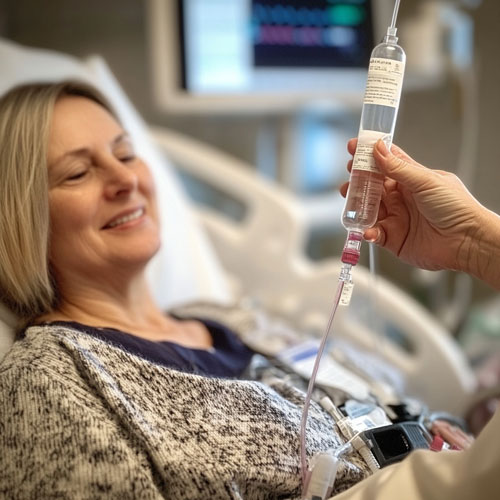
| IV nutrient therapy | Delivers nutrients through IV treatment to support hydration, energy, and wellness. | Low energy, nutrient support, recovery, and wellness maintenance. |
| Hormone therapy | Helps address hormone-related symptoms after testing and provider review. | Fatigue, low libido, mood changes, sleep problems, and body composition concerns. |
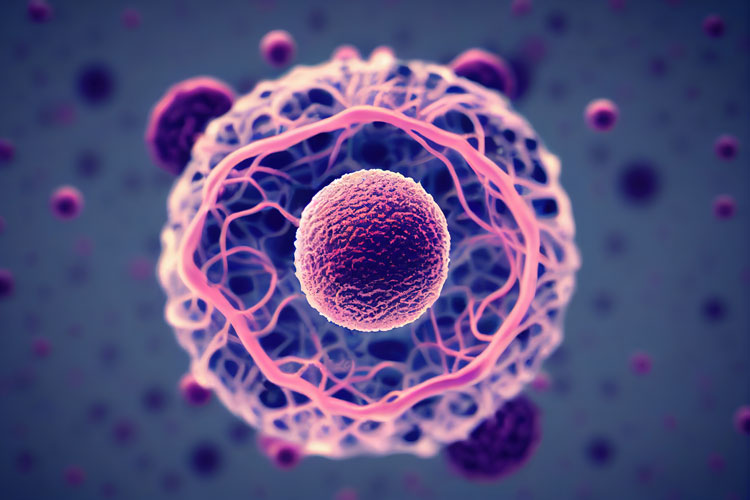
| Regenerative medicine | Supports tissue response, inflammation balance, and repair-focused wellness goals. | Mobility, recovery, joint comfort, and long-term wellness planning. |
When Restorative Therapy May Help
Restorative therapy may help when you feel like your body is not recovering, healing, or performing the way it used to. This may include low energy, slow recovery, joint discomfort, hormone-related symptoms, reduced strength, poor sleep, brain fog, or changes in overall wellness.
The best starting point is a provider-guided evaluation. Tucson Wellness MD reviews your symptoms, health history, lifestyle, and goals before recommending a treatment path. This helps match the right therapy to the real cause of your concern instead of guessing.
Ready to Build a Restorative Wellness Plan?
Schedule a wellness consultation with Tucson Wellness MD to review your symptoms, goals, and treatment options.
Schedule a Wellness ConsultationNew patients welcome. Provider consultation required before treatment.
Restorative Therapy Consultation in Tucson
If you are looking for restorative therapy in Tucson, Tucson Wellness MD offers provider-guided wellness care for patients who want support for energy, recovery, hormones, regenerative health, and long-term wellness goals. Depending on your symptoms, Tucson Wellness MD may recommend options such as PRP therapy, peptide therapy, IV nutrient therapy, regenerative medicine, or longevity care.
Key Benefits of Restorative Therapy
1. Physical Rehabilitation and Mobility Improvement
Rehabilitation therapy focuses on exercises and movement strategies that support muscle, joint, and balance function. By working with physical therapists, patients can regain mobility, prevent future injuries, and maintain an active lifestyle.
2. Restorative Exercises for Strength and Flexibility
Movement-based therapies such as yoga, stretching, and aerobic exercises help improve circulation and endurance. These restorative programs support healing, enhance flexibility, and promote long-term physical health.
3. Mental Health and Emotional Well-Being
Pain and limited mobility can take a toll on mental health. Restorative therapy may incorporate relaxation techniques and supportive practices that promote emotional well-being through mindfulness techniques, relaxation exercises, and recreational activities.
What a Restorative Therapy Program Can Do

Chronic Pain Relief Without Medication
Over 50 million Americans experience chronic pain, often relying on medication for relief. A structured restorative therapy plan may include non-pharmaceutical approaches that focus on physical function and overall wellness.
✔ Therapeutic Exercise – Restores flexibility and function while reducing pain-related anxiety.
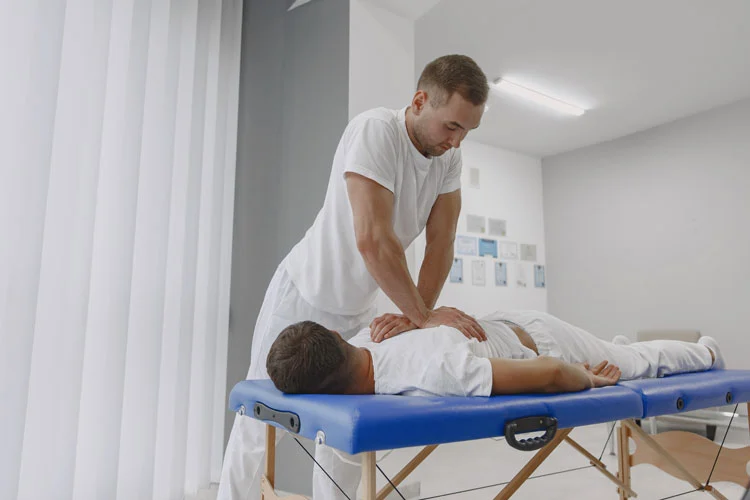
✔ Massage Therapy – Supports circulation and muscle relaxation.
✔ Physical Therapy – Strengthens muscles and improves mobility to prevent long-term complications.
Restorative Services and Rehabilitation Therapy
Restorative services support long-term recovery by addressing mobility, cognitive function, and daily living skills. These services may include:
✔ Physical therapists guiding strength-building exercises.
✔ Occupational therapists helping patients regain independence in daily tasks.
✔ Speech therapy for cognitive and communication support.
✔ Holistic care approaches for improved overall well-being.
Life Restorative Therapy – A Personalized Healing Approach
Life restorative therapy focuses on personalized treatments that target individual needs. Whether recovering from surgery, injury, or a degenerative condition, this approach emphasizes gradual improvement and sustainable health.
PRP Therapy – Boosting Natural Healing
PRP Therapy is a regenerative procedure that uses concentrated platelets derived from your own blood to support the body’s natural repair processes. It is commonly used in rehabilitation therapy for joint pain, ligament damage, and post-surgical recovery.
✔ How It Works: A blood sample is processed to concentrate platelets, which are then injected into the injured area to promote tissue repair.
✔ Conditions Treated: PRP therapy is commonly used in clinical settings to support joint, tendon, and soft tissue care under medical supervision.
Take Control of Your Recovery with Restorative Therapy
At Tucson Wellness, we specialize in restorative services that help your body heal naturally. Whether recovering from an injury, managing chronic pain, or looking for surgery alternatives, our restorative therapy programs are designed to restore your physical abilities and long-term health.
✔ Support physical comfort and joint function
✔ Encourage mobility and functional strength
✔ Explore non-surgical wellness options under medical guidance
Start Your Healing Journey Today
Discover how restorative therapy can help you regain control of your health. Contact Tucson Wellness today to schedule a consultation or continue exploring our website for more information on our innovative treatments.