Targeted Tissue Repair in Tucson AZ: PRP Therapy for Joint Pain, Injuries, and Recovery
Table of Contents
Platelet-rich plasma, or PRP therapy, is a regenerative treatment used for selected joint, tendon, and soft-tissue concerns. Patients researching PRP therapy in Tucson may be looking for options to address joint pain, tendon injuries, sports-related injuries, or recovery concerns.
PRP is not appropriate for every type of pain or injury. Diagnosis, medical history, previous treatments, symptom severity, and individual recovery goals should be reviewed before treatment is recommended.
Quick Answer: What Is PRP Therapy for Tissue Repair?
PRP therapy uses platelet-rich plasma prepared from a patient’s own blood and injected into a targeted joint, tendon, or soft-tissue area. PRP is being studied for selected musculoskeletal conditions and may support pain management, mobility, and recovery, but results vary by diagnosis, injury severity, treatment plan, and individual response.
How PRP Therapy Supports Tissue Repair and Recovery
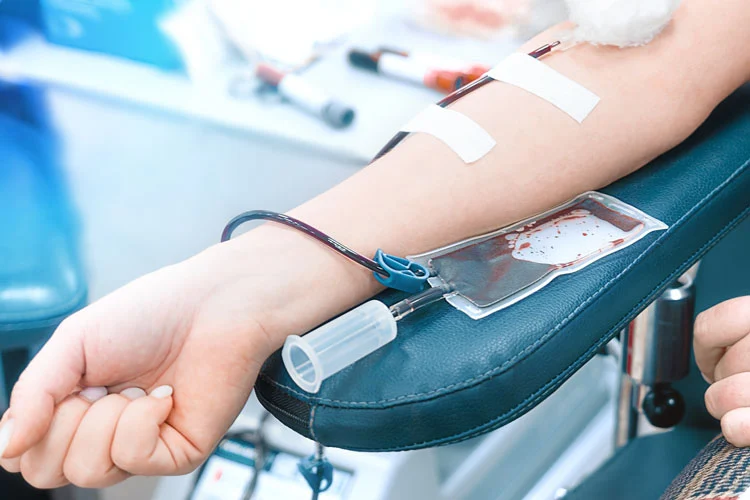
PRP therapy begins by drawing a small amount of the patient’s blood and concentrating the platelets into platelet-rich plasma. The PRP is then injected into the targeted area.
Platelets contain signaling proteins involved in normal healing processes. Researchers are studying whether concentrating these components may help selected musculoskeletal conditions, but outcomes vary depending on the injury, treatment protocol and patient.
To learn more about treatment evaluation, targeted injections, and provider-guided care, explore PRP therapy in Tucson at Tucson Wellness MD.
Why PRP Evaluation Matters
PRP is not appropriate for every injury or pain condition. A provider evaluation helps determine whether PRP fits your diagnosis, symptoms, previous treatments, and recovery goals before creating a treatment plan.
How PRP Therapy Works for Joint Pain and Injuries
Evidence for PRP varies substantially by condition. Some studies suggest potential improvements in pain or function for selected musculoskeletal problems, while evidence remains limited or inconsistent for others.
Whether PRP is appropriate should depend on the diagnosis, severity, previous treatment and available evidence rather than whether an injury is simply considered “minor” or “major.”
PRP Treatment Comparison Table
| PRP May Be Considered For | Potential Treatment Goal | Important Consideration |
|---|---|---|
| Tendon injuries | Support recovery and function | Evidence varies by tendon and diagnosis |
| Joint discomfort | Help manage pain and mobility concerns | Not appropriate for every cause of joint pain |
| Sports-related injuries | Support individualized recovery plans | Diagnosis and rehabilitation needs should be reviewed |
| Soft-tissue concerns | Support normal healing and recovery processes | Response varies between patients |
How Physical Therapy and PRP Work Together for Pain Relief
Physical therapy is an established part of care for many musculoskeletal injuries and can help improve strength, mobility and function.
PRP may sometimes be considered alongside rehabilitation, depending on the diagnosis and treatment plan. Using PRP with physical therapy does not automatically produce better outcomes, so each treatment should be recommended according to clinical findings and available evidence.
PRP Therapy for Chronic Pain and Inflammation
PRP has been studied for several musculoskeletal conditions, including certain tendon injuries and osteoarthritis. Evidence differs by condition, and PRP should not be described as a general treatment for chronic pain.
Chronic back pain, joint pain or persistent inflammation can have many causes and should be properly evaluated before deciding whether an injection-based treatment is appropriate.
For an evidence-based overview of platelet-rich plasma and orthopedic treatment, review the American Academy of Orthopaedic Surgeons guide to platelet-rich plasma.
Explore Regenerative Medicine Options
PRP is one option within a broader regenerative approach. Patients interested in additional recovery treatments can explore Regenerative Medicine at Tucson Wellness MD and review Stem Cell Therapy to better understand available treatment approaches.
How PRP Therapy Helps Reduce Joint Pain
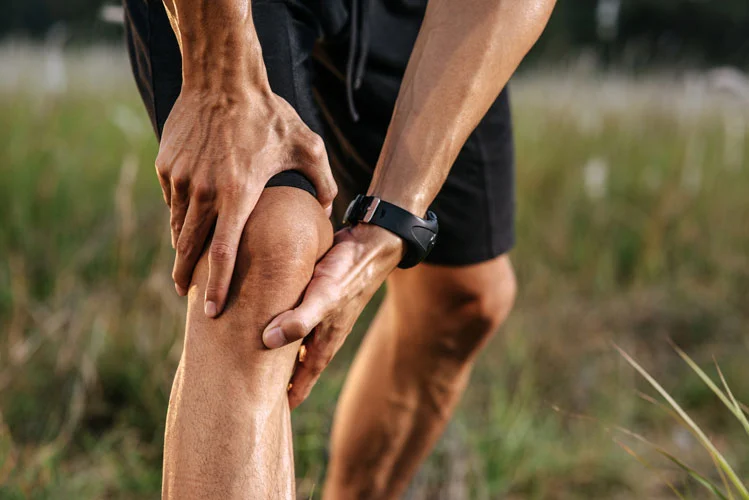
PRP injections are being studied as a minimally invasive option for certain joint and soft-tissue conditions. Some patients may experience changes in pain or function, but response varies and improvement is not guaranteed.
Temporary soreness, swelling or bruising may occur after injection, and recovery expectations depend on the area treated and the underlying condition.
| Consideration | What to Know |
|---|---|
| Source | PRP is prepared from the patient’s own blood |
| Evidence | Varies significantly by condition |
| Uses studied | Selected tendon, joint, and musculoskeletal conditions |
| Results | Not guaranteed and vary between patients |
| Recovery | Temporary soreness, swelling, or bruising may occur |
| Evaluation | Diagnosis, medical history, and previous treatment should be reviewed first |
Before treatment, it is important to understand possible reactions, limitations, and recovery expectations. Learn more about PRP side effects, risks, and recovery considerations.
PRP and Regenerative Therapy at Tucson Wellness MD
Tucson Wellness MD provides provider-guided PRP therapy in Tucson for selected joint, tendon, soft-tissue, and musculoskeletal concerns. Before treatment, a provider can review the location and cause of pain, medical history, previous treatments, symptoms, recovery goals, and available evidence to determine whether PRP or another treatment approach may be appropriate.
Treatment expectations should be based on the specific condition and available evidence rather than assuming PRP can regenerate every type of damaged tissue. For additional provider-guided options focused on recovery and musculoskeletal health, explore Regenerative Medicine at Tucson Wellness MD.
A personalized evaluation helps determine whether PRP therapy is appropriate based on your specific condition, symptoms, recovery goals, and available treatment options.
Explore PRP Therapy for Your Recovery Goals
Dealing with joint discomfort, tendon pain, a sports-related injury, or another soft-tissue concern? Tucson Wellness MD can review your diagnosis, medical history, previous treatments, symptoms, and recovery goals to help determine whether PRP therapy or another treatment approach may be appropriate.
Schedule a PRP ConsultationFrequently Asked Questions About PRP and Targeted Tissue Repair
What is targeted tissue repair?
Targeted tissue repair refers to provider-guided treatments aimed at specific joints, tendons, ligaments, or soft-tissue concerns. PRP is one option that uses platelet-rich plasma prepared from a patient’s own blood. Whether treatment is appropriate depends on the diagnosis, symptoms, medical history, and available evidence.
How does PRP therapy support tissue repair?
PRP therapy starts by drawing a small amount of your blood and separating the platelet-rich plasma. This concentrated plasma is then injected into the injured or painful area. The growth factors in PRP help activate the body’s natural healing response. This may support recovery in soft tissue, joints, ligaments, and tendons.
What conditions can targeted tissue repair help with?
PRP has been studied for selected tendon, joint, ligament, and other musculoskeletal conditions. Evidence varies substantially by diagnosis, so treatment should be based on clinical evaluation rather than assuming PRP is appropriate for every injury or pain condition.
Is PRP therapy good for joint pain?
PRP has been studied for certain joint conditions, including some forms of osteoarthritis and musculoskeletal pain. Some patients may experience improvements in pain or function, but results vary by diagnosis, severity, and individual response. A provider evaluation can help determine whether PRP may be appropriate for a specific joint condition.
How long does PRP recovery take?
Recovery varies depending on the treatment area, condition being treated, and individual factors. Many patients experience temporary soreness after treatment while the body responds.
Is PRP better than surgery?
PRP is not a replacement for every surgical procedure. It may be considered as a minimally invasive option depending on the injury, symptoms, and provider evaluation.
How many PRP treatments are needed?
The number of treatments depends on the condition being addressed and the patient’s goals. A provider can recommend an appropriate treatment plan after evaluation.
How long does PRP therapy take to show results?
Results vary depending on the condition being treated, treatment area, and individual healing response. Some patients may notice gradual improvements over weeks to months.
Who may be a candidate for PRP therapy?
Candidates depend on the specific injury, symptoms, medical history, previous treatments, and treatment goals. A provider evaluation can help determine whether PRP is appropriate.
Can PRP therapy help tendon injuries?
PRP has been studied for certain tendon conditions. Whether it may help depends on the specific diagnosis, severity, and overall treatment plan.
Is PRP therapy permanent?
PRP results vary and are not guaranteed. The duration of improvement depends on the condition, lifestyle factors, and individual response.
Can PRP prevent surgery?
PRP may be considered as a minimally invasive option for some conditions, but it is not a replacement for every surgical procedure. A provider can determine whether it is appropriate.