At Tucson Wellness MD in Tucson, Arizona, nutrition plays a central role in supporting metabolic health, weight management, and blood sugar balance. This butternut squash soup recipe reflects the same whole-food principles we recommend to patients seeking sustainable wellness in Southern Arizona.
This nutrient-dense soup uses simple, fiber-rich ingredients that support steady energy, appetite control, and digestive health. It works well as a light lunch, balanced dinner, or structured meal-prep option for individuals focused on long-term metabolic stability and weight control.
Unlike many commercial “healthy” soups that rely on hidden sugars, refined thickeners, or excess fats, this recipe emphasizes whole ingredients that promote fullness without unnecessary calorie load.
Quick Answer
How Do You Make Butternut Squash Soup?
Butternut squash soup is made by cooking butternut squash with flavorful ingredients such as garlic and seasonings, then blending the mixture until smooth. It can be prepared ahead of time for an easy lunch or dinner and customized with herbs, spices, or other ingredients based on your preferences.
Explore the Benefits
Butternut squash is a nutrient-rich vegetable that provides fiber, vitamin C, potassium, and beta-carotene, which the body can convert to vitamin A.
Garlic adds flavor while contributing naturally occurring plant compounds and small amounts of vitamins and minerals.
Together, these ingredients can help make butternut squash soup a flavorful way to include more vegetables in your diet. To learn more about vitamins and minerals found in foods, read our guide to micronutrients and balanced nutrition.
Why Do “Healthy” Soups Still Stall Weight and Blood Sugar Goals?
Many soups labeled as healthy rely on refined ingredients or hidden fats that digest quickly and cause blood sugar spikes followed by hunger and low energy. This makes it harder to feel satisfied, control portions, and maintain steady metabolic balance.
Why This Soup Supports Healthy Weight and Blood Sugar
This recipe focuses on whole, functional ingredients that support steady energy and appetite control.
High fiber content helps you feel full longer
Low calorie density supports weight goals
Fiber slows digestion and supports stable blood glucose
Nutrient-rich ingredients support immune and metabolic health
How This Soup Supports Blood Sugar Stability
Blood sugar spikes often occur when meals lack fiber or contain rapidly absorbed carbohydrates. This soup avoids those pitfalls.
Butternut squash contains complex carbohydrates paired with fiber, which slows digestion. This results in a gradual rise in blood glucose rather than a sharp spike followed by a crash.
Stable blood sugar supports:
More consistent energy levels
Reduced cravings between meals
Improved appetite control
Better long-term metabolic health
This makes the soup suitable for individuals managing insulin sensitivity or aiming to prevent energy fluctuations.
Health Benefits of Butternut Squash
Butternut squash provides powerful nutrition with minimal calories.
Rich in vitamins A and C to support immune health, vision, and skin
High fiber content supports digestion and appetite control
Beta-carotene acts as an antioxidant that supports overall health
Potassium supports heart health and fluid balance
This combination makes butternut squash a strong base for meals focused on weight control and blood sugar stability.
Why Garlic Matters in This Recipe
Garlic adds more than flavor. It supports whole-body health without adding extra calories.
Supports immune function through antimicrobial properties
Promotes heart health by supporting healthy blood pressure and circulation
Contains antioxidants that help reduce oxidative stress
Supports liver detox pathways
Garlic enhances both taste and nutritional value, making it an essential ingredient in this soup.
Tucson Wellness MD can help you review your nutrition, weight-management goals, and overall wellness needs to create a more personalized approach to healthy eating.
Frequently Asked Questions About Butternut Squash Soup
Is butternut squash soup healthy?
Butternut squash soup can be a nutrient-rich meal depending on the ingredients used. Butternut squash provides fiber, vitamin C, potassium, and beta-carotene.
How do you make butternut squash soup?
Butternut squash is cooked with the recipe ingredients until tender and then blended until smooth. Follow the exact Tucson Wellness MD recipe instructions for ingredient amounts and preparation.
Do you need to peel butternut squash for soup?
Preparation depends on the recipe. Follow the recipe instructions for whether the squash should be peeled before cooking.
Can you make butternut squash soup ahead of time?
Yes. Butternut squash soup can be prepared ahead and refrigerated according to proper food-storage guidance.
How do you make butternut squash soup thicker?
Soup thickness can usually be adjusted by changing the amount of liquid or blending consistency. Follow the recipe before making major adjustments.
What goes well with butternut squash soup?
Common pairings include whole-grain bread, salads, vegetables, beans, lentils, or another source of protein.
Can you add protein to butternut squash soup?
Yes. Protein-rich foods such as beans, lentils, chicken, or other options can be served with or added to the soup depending on the recipe.
Can butternut squash soup be used for meal prep?
Yes. Soup is convenient for meal preparation because it can be divided into portions and refrigerated according to food-storage guidelines.
What spices go well with butternut squash soup?
The best spices depend on the recipe, but herbs and warm spices can complement the naturally sweet flavor of butternut squash.
Is butternut squash high in fiber?
Butternut squash contains dietary fiber, although the amount in each serving of soup depends on the recipe and serving size.
October brings festive treats, spooky fun, and a major spike in sugar intake. While candy is part of the season, high sugar consumption can quietly work against your Vitamin C levels and immune health.
Excess sugar intake may contribute to oxidative stress and dietary patterns that are lower in Vitamin C-rich foods. Vitamin C is involved in several important biological processes, including immune function, collagen synthesis, and antioxidant activity.
Why Does Halloween Candy Undermine Your Vitamin C Levels?
High sugar intake has been associated with increased oxidative stress, which may influence Vitamin C utilization. At the same time, sugary foods often replace Vitamin C-rich options, weakening immune support when seasonal illness risk is rising.
Here are seven science-backed reasons Vitamin C deserves extra attention this October.
Collagen production
Essential for producing collagen, a protein that maintains healthy skin, tendons and blood vessels, and speeds up wound healing.
Antioxidant Protection
Acts as an antioxidant that helps neutralize free radicals and supports overall cellular health.
Vitamin C
Primarily recognized for enhancing immune function, supports normal immune cell function, including lymphocytes and phagocytes, including lymphocytes and phagocytes, which are crucial for protecting the body against infections. A well-supported immune system helps regulate chronic inflammation and promotes overall health.
Mineral Balance
Vitamin C enhances absorption of non-heme iron from plant-based foods and plays a role in normal red blood cell formation.
Energy Support
Vitamin C participates in biochemical pathways involved in energy metabolism and neurotransmitter synthesis.
Vitamin E Revival
Vitamin C interacts with other antioxidants, including Vitamin E, as part of the body’s normal antioxidant network.
Hormone Harmony
Vitamin C is involved in enzymatic reactions that contribute to hormone synthesis and immune system regulation.
Schedule routine lab work for vitamins and minerals so you can be ahead of any metabolic tricks!
To stay healthy, enjoy candy in moderation and balance it with Vitamin C-rich foods like citrus fruits and berries. Aim for 90 mg of Vitamin C per day for men and 75 mg for women, with higher amounts recommended for smokers or those not taking supplements. Be sure to check back weekly to receive exclusion tips, delicious recipes, and nutritious tips.
At Tucson Wellness MD, we know this sweet season can be a tricky time for your health. We offer personalized lab testing and wellness plans to evaluate and monitor your nutrient levels. Our team provides guidance designed to support immune function, energy levels, and overall wellness. Book your appointment today and give your body a treat it will thank you for.
Frequently Asked Questions
Why does eating too much candy affect Vitamin C levels? High sugar intake crowds out Vitamin C-rich foods and increases oxidative stress, which burns through Vitamin C faster. Translation: more candy, less immune defense.
How does Vitamin C support the immune system? Vitamin C supports normal white blood cell function. Diet patterns high in sugar may be associated with reduced intake of nutrient-dense foods.
Does Vitamin C really help with skin and healing? Yes. Vitamin C plays a key role in collagen production, which supports healthy skin, blood vessels, tendons, and faster wound healing. Vitamin C contributes to normal collagen formation, which supports skin and tissue health.
Hormones help regulate energy, metabolism, appetite, mood, sleep, sexual health, menstrual cycles, muscle maintenance and the body’s response to stress. When hormone levels or signaling patterns change, symptoms may appear across several areas of health rather than as one obvious problem.
Some people notice persistent fatigue, unexplained weight gain, lower libido or brain fog. Others experience irregular periods, hot flashes, night sweats, mood changes, reduced strength or difficulty recovering from exercise. These symptoms can develop gradually and may be mistaken for normal aging, stress or an overloaded schedule.
However, the same symptoms may also be caused by thyroid disorders, medication effects, nutrient deficiencies, sleep problems, depression, chronic stress or other medical conditions. A symptom checklist cannot diagnose a hormone imbalance.
This guide explains common hormone imbalance symptoms in women and men, possible hormonal connections, testing considerations and when medical evaluation may be appropriate. Patients experiencing age-related symptoms may also read how hormones may change through each decade.
Quick Answer
What Are Common Hormone Imbalance Symptoms?
Common hormone imbalance symptoms include persistent fatigue, unexplained weight changes, low libido, brain fog, mood changes, poor sleep, hot flashes, night sweats, irregular periods, reduced muscle strength and difficulty losing fat. These symptoms may involve thyroid hormones, estrogen, progesterone, testosterone, insulin, cortisol or other health factors. Symptoms alone cannot confirm a hormone imbalance, so ongoing or disruptive changes should be evaluated through medical history, appropriate lab testing and provider guidance.
Hormone Imbalance Symptoms at a Glance
Hormone imbalance symptoms can affect energy, weight, mood, sleep, libido, menstrual cycles, and body composition. This table makes the most common signs easier to review.
Symptom
Possible Hormonal or Health Connection
What Else May Cause It
Persistent fatigue
Thyroid hormones, testosterone, estrogen, cortisol, insulin or menopause-related changes
Poor sleep, anemia, nutrient deficiency, medication effects or chronic illness
Weight gain or fat-loss resistance
Insulin, thyroid hormones, cortisol, estrogen, progesterone or testosterone
Calorie intake, reduced activity, sleep loss, medications or fluid retention
Low libido
Testosterone, estrogen, progesterone, prolactin or thyroid changes
Stress, relationship concerns, medication effects, pain or poor sleep
Mood changes or irritability
Estrogen, progesterone, testosterone, thyroid hormones or cortisol
Anxiety, depression, stress, sleep problems or major life changes
Brain fog or poor concentration
Thyroid, estrogen, testosterone, insulin or cortisol changes
Sleep deprivation, nutrient gaps, medication effects or mental health concerns
Hot flashes or night sweats
Estrogen fluctuations during perimenopause or menopause
Medication effects, infection, thyroid changes or environmental heat
Irregular or changing periods
Estrogen, progesterone, thyroid changes, PCOS or perimenopause
Pregnancy, stress, weight changes, medications or other gynecologic conditions
Reduced muscle or strength
Testosterone, growth hormone, thyroid or menopause-related changes
Inactivity, inadequate protein, aging, injury or chronic illness
Hair or skin changes
Thyroid, androgen, estrogen or insulin-related changes
Genetics, nutrient deficiency, stress, medications or dermatologic conditions
Poor sleep
Estrogen, progesterone, testosterone, cortisol or thyroid changes
Sleep apnea, stress, caffeine, pain, alcohol or inconsistent sleep habits
These connections are possibilities, not diagnoses. Several symptoms can come from non-hormonal conditions, and laboratory results should be interpreted alongside medical history and symptoms.
Common Signs of Hormone Imbalance in Women and Men
Hormone symptoms may overlap, but reproductive stage, age, medications and medical history can change which conditions are more likely.
Hormone Imbalance Symptoms in Women
Women may experience irregular or changing periods, hot flashes, night sweats, vaginal dryness, low libido, mood changes, poor sleep, headaches, breast tenderness, weight changes or difficulty maintaining muscle.
Possible contributing factors include perimenopause, menopause, thyroid disorders, polycystic ovary syndrome, pregnancy-related changes, stress, medication effects and changes in estrogen, progesterone or testosterone.
Women should seek medical evaluation for persistent symptoms, unusually heavy bleeding, bleeding after menopause, severe pelvic pain or sudden changes in menstrual patterns.
Men may notice fatigue, reduced libido, erectile changes, lower motivation, mood changes, increased abdominal fat, reduced strength, loss of muscle mass, poor exercise recovery or changes in body hair.
These symptoms may involve testosterone, thyroid function, sleep apnea, metabolic health, medications or other medical factors. Low testosterone should not be diagnosed from symptoms alone. Appropriate testing and clinical evaluation are needed.
Fatigue, weight gain, poor sleep, brain fog, mood changes and low motivation can affect women and men. Because these symptoms have many potential causes, providers should assess the full pattern rather than attributing every problem to one hormone.
Common Causes of Hormone Imbalance Symptoms
Hormone imbalance symptoms can develop for many reasons. Some are related to normal life stages, while others may involve stress, sleep, medication, nutrition, thyroid function, or metabolic health.
Perimenopause or menopause changes
Low testosterone in men or women
Thyroid hormone changes
High stress or cortisol disruption
Poor sleep or sleep apnea
Insulin resistance or blood sugar changes
Nutrient deficiencies
Medication side effects
Overtraining, under-eating, or chronic fatigue
When Hormone Changes Affect Weight, Energy and Mood
Hormones interact with metabolism, sleep, appetite, stress response and muscle maintenance. This means a change in one system may create symptoms that appear unrelated.
Weight and Body Composition
Thyroid hormones, insulin, cortisol, estrogen and testosterone may influence appetite, energy use, fat distribution and muscle maintenance. However, weight gain does not automatically prove a hormone disorder. Nutrition, activity, medications, sleep and age also matter. For weight concerns involving metabolic or hormonal factors, review Tucson Wellness MD’s medical weight-loss services.
Energy and Motivation
Persistent fatigue may occur with thyroid problems, low testosterone, menopause-related sleep disruption, anemia, vitamin deficiencies, chronic stress or other conditions. Testing should be based on the patient’s symptoms and medical history rather than ordering every hormone panel by default.
Mood and Cognitive Changes
Estrogen, progesterone, testosterone, thyroid function and stress hormones may affect mood, sleep and concentration. Anxiety, depression and brain fog can also have non-hormonal causes, so mental health and lifestyle factors should not be overlooked.
Sexual and Reproductive Health
Hormonal shifts may affect libido, erectile function, vaginal comfort, menstrual cycles and fertility. These symptoms can also involve medication effects, relationship concerns, pain, vascular health or chronic medical conditions.
Thyroid hormones help regulate energy use, body temperature, heart rate and digestion. Thyroid dysfunction may contribute to fatigue, weight changes, sensitivity to heat or cold, bowel changes, hair changes or mood symptoms.
Estrogen and Progesterone
Estrogen and progesterone fluctuate throughout the menstrual cycle and change significantly during perimenopause and menopause. Shifts may contribute to irregular periods, hot flashes, night sweats, sleep problems, vaginal dryness and mood changes.
Testosterone
Women and men both produce testosterone. Clinically low testosterone may affect libido, energy, muscle mass, motivation and body composition. Symptoms and repeated laboratory testing are generally needed before treatment is considered.
Insulin
Insulin helps regulate blood sugar and energy storage. Insulin resistance may be associated with increased hunger, energy fluctuations, abdominal weight gain and difficulty managing weight. It is evaluated through metabolic history and appropriate testing, not symptoms alone.
Cortisol
Cortisol helps the body respond to stress. Sleep disruption, chronic stress and certain medical conditions may affect cortisol patterns. General fatigue or weight gain should not automatically be labeled as “adrenal fatigue,” which is not a standard medical diagnosis.
Hormone Imbalance Testing: What a Provider May Review
Symptoms may relate to menopause or other medical factors
Brain fog or mood changes
Thyroid, sex hormones, blood sugar, nutrient levels, sleep
Cognitive and mood symptoms often have overlapping causes
What Vitamin is Good for Low Testosterone?
Vitamin D plays a role in hormone regulation, and adequate levels are associated with normal testosterone production in some individuals. Zinc and vitamin B6 are involved in biochemical pathways that support normal hormone metabolism.
Discover which vitamins and minerals are vital for optimal hormone levels, immune function, and overall health. Learn how key nutrients contribute to immune and hormonal health.
How Sex Hormones Influence Immune Function
Hormone balance plays a role in regulating immune system activity. Androgens like testosterone can suppress the immune system, while estrogens boost its function, especially in fighting infections. Some research suggests that testosterone levels may influence aspects of immune response. In contrast, women benefit from higher estrogen levels, which enhance both innate and adaptive immune responses. Progesterone also plays a crucial role in fine-tuning immune responses, particularly during pregnancy, helping the mother’s immune system accept the fetus and aiding in autoimmune conditions. Together, these hormones help develop immune cells, regulate gene activity, and influence how cytokines function and communicate in the immune response.
Hormone and Weight Support Options at Tucson Wellness MD
Your symptoms may point to different types of support depending on your age, health history, lab results, and goals.
TRT for Men may help men who have symptoms linked to low testosterone and appropriate lab findings.
TRT for Women may support women with hormone-related symptoms when clinically appropriate.
Menopause Therapy may help women manage menopause-related symptoms such as hot flashes, night sweats, mood changes, and sleep issues.
Weight Loss support may help patients struggling with weight gain, fat loss resistance, and metabolic changes.
Hormone imbalance treatment depends on the cause of the symptoms, lab results, age, health history, and personal goals. A provider may review lifestyle changes, nutrition support, sleep quality, medical weight loss, thyroid concerns, testosterone therapy, menopause support, or other hormone-related options.
The goal is not to treat one symptom in isolation. The goal is to understand the pattern behind fatigue, weight changes, low libido, mood shifts, poor sleep, or brain fog and build a plan that supports long-term health.
Depending on symptoms and laboratory findings, patients may explore:
TRT for men when low testosterone is clinically confirmed
Treatment should be based on symptoms, health history and appropriate testing rather than one isolated lab value.
What Tests May Be Used to Evaluate Hormone Symptoms?
Hormone testing should be selected according to symptoms, age, sex, menstrual status, medications and medical history. Not every patient needs the same panel.
Testing may include:
Thyroid-stimulating hormone and additional thyroid markers when indicated
Total and free testosterone
Estradiol and progesterone when clinically appropriate
Luteinizing hormone and follicle-stimulating hormone
Prolactin
Fasting glucose, insulin or A1C
Complete blood count
Metabolic panel
Vitamin D, vitamin B12, iron or other nutrient markers
Additional testing based on reproductive or adrenal concerns
A single abnormal result does not always establish a diagnosis. Hormone levels may change by time of day, menstrual-cycle stage, medication use, illness and laboratory method. Results should be interpreted together with symptoms and clinical history.
Nutrient deficiencies involving iron, vitamin D, vitamin B12, zinc or other nutrients may sometimes produce symptoms that overlap with hormone concerns, so targeted testing may be appropriate.
Key Vitamins and Minerals That Support Immunity and Hormone Balance
These vitamins and minerals play important roles in supporting immune function and overall health.
How Vitamin C Supports Immune and Hormone Health
Vitamin C, also known as ascorbic acid, is a superstar when it comes to boosting your immune system! Vitamin C supports normal immune function and is involved in biochemical processes related to hormone regulation. Load up on Vitamin C through delicious fruits, berries, leafy greens, and vibrant bell peppers. Adequate vitamin C intake has been associated in some studies with markers of reproductive health. Just remember: low Vitamin C levels can lead to increased aromatase, the enzyme that converts testosterone into estrogen, potentially throwing your hormones out of balance.
How Vitamin D Supports Testosterone and Immune Function
Dubbed the “sunshine vitamin,” Vitamin D is essential for supporting normal immune cell function. Vitamin D functions as a hormone precursor and is involved in multiple endocrine pathways in the body. Soak up those rays and keep your immune system strong!
How Vitamin E Supports Antioxidant and Immune Defense
Vitamin E supports antioxidant defense. This powerful antioxidant fights infections and boosts T-cell function. You can find it in nutritious nuts, seeds, and vegetable oils. What’s more, Vitamin C helps regenerate Vitamin E, helping maintain antioxidant activity. Vitamin E acts as an antioxidant and may support normal reproductive and immune system function.
How Vitamin A Supports Immune Barriers and Reproductive Health
Vitamin A supports immune barrier function in maintaining strong barriers against infections. Found in sweet potatoes, carrots, spinach, and eggs, Vitamin A plays a role in immune regulation and reproductive health, as well as regulating the reproductive cycle in women.
How Vitamin B6 Supports Hormone Metabolism and Nervous System Health
Vitamin B6 is a crucial player in metabolizing steroid hormones, including sex hormones. This vitamin enhances biochemical reactions in your immune system, boosting the function of white blood cells and T-cells. You can find it in chicken, fish, potatoes, and non-citrus fruits. Vitamin B6 is involved in hormone metabolism and neurological function.
How Magnesium Supports Endocrine and Immune Function
Magnesium plays an important role. Magnesium participates in enzymatic reactions that support normal endocrine function. Low magnesium levels can hinder T-cell function, weakening your immune response and increasing inflammation.
When Should You See a Provider About Hormone Symptoms?
Consider speaking with a provider when symptoms:
Continue for several weeks
Become more severe
Affect sleep, work, relationships or daily activity
Include unexplained weight changes
Affect menstrual cycles or sexual function
Occur alongside significant muscle loss or weakness
Continue despite improvements in sleep, nutrition and stress management
Seek more urgent medical care for severe chest pain, fainting, sudden neurologic symptoms, very heavy bleeding, bleeding during pregnancy, bleeding after menopause or thoughts of self-harm. These symptoms should not be treated as routine hormone imbalance.
Tucson Wellness MD can review your fatigue, weight changes, sleep, mood, libido, menstrual symptoms, medications and health history. When appropriate, laboratory testing can help identify possible hormone, thyroid, nutrient or metabolic factors before treatment is recommended.
What are the most common hormone imbalance symptoms?
Common symptoms include persistent fatigue, unexplained weight changes, low libido, mood changes, brain fog, poor sleep, hot flashes, night sweats, irregular periods, reduced muscle strength and difficulty losing fat.
What are the first signs of hormone imbalance?
Early signs may include fatigue, sleep changes, mood changes, low libido, irregular periods, brain fog or changes in weight and motivation. These symptoms may also come from stress, thyroid problems, medication effects or nutrient deficiencies.
Can hormone imbalance cause weight gain?
Hormone changes may affect appetite, energy use, fat distribution, insulin sensitivity and muscle maintenance. However, weight gain can also involve nutrition, activity, sleep, medications and other medical conditions.
Can hormone imbalance cause anxiety or mood swings?
Hormonal changes may affect mood, sleep and stress response, but anxiety and mood swings have many possible causes. A provider should review mental health, medications, sleep, medical history and laboratory findings.
How do I know whether my symptoms are caused by hormones?
Symptoms alone cannot confirm a hormone imbalance. A provider may review the symptom pattern, medical history, menstrual or reproductive status, medications and appropriate laboratory tests.
What laboratory tests check for hormone imbalance?
Testing may include thyroid markers, testosterone, estradiol, progesterone, luteinizing hormone, follicle-stimulating hormone, prolactin, glucose, insulin, A1C and selected nutrient markers. The appropriate tests depend on the patient.
Can low testosterone affect women?
Yes. Women produce testosterone in smaller amounts. Clinically low levels may contribute to changes in libido, energy, motivation or muscle tone, but symptoms and laboratory findings should be evaluated together.
Can hormone imbalance make it harder to lose weight?
Hormones may influence metabolism, appetite, insulin sensitivity, fat storage and muscle mass. Testing may help identify contributing factors when weight management remains difficult despite consistent habits.
Can hormone imbalance affect sleep?
Yes. Menopause-related changes, thyroid dysfunction, testosterone changes and stress-hormone patterns may affect sleep. Sleep apnea, medications, pain, caffeine and mental health should also be considered.
When should I speak with a provider about hormone symptoms?
Speak with a provider when symptoms persist, worsen or interfere with sleep, mood, energy, weight, libido, menstrual cycles or daily quality of life.
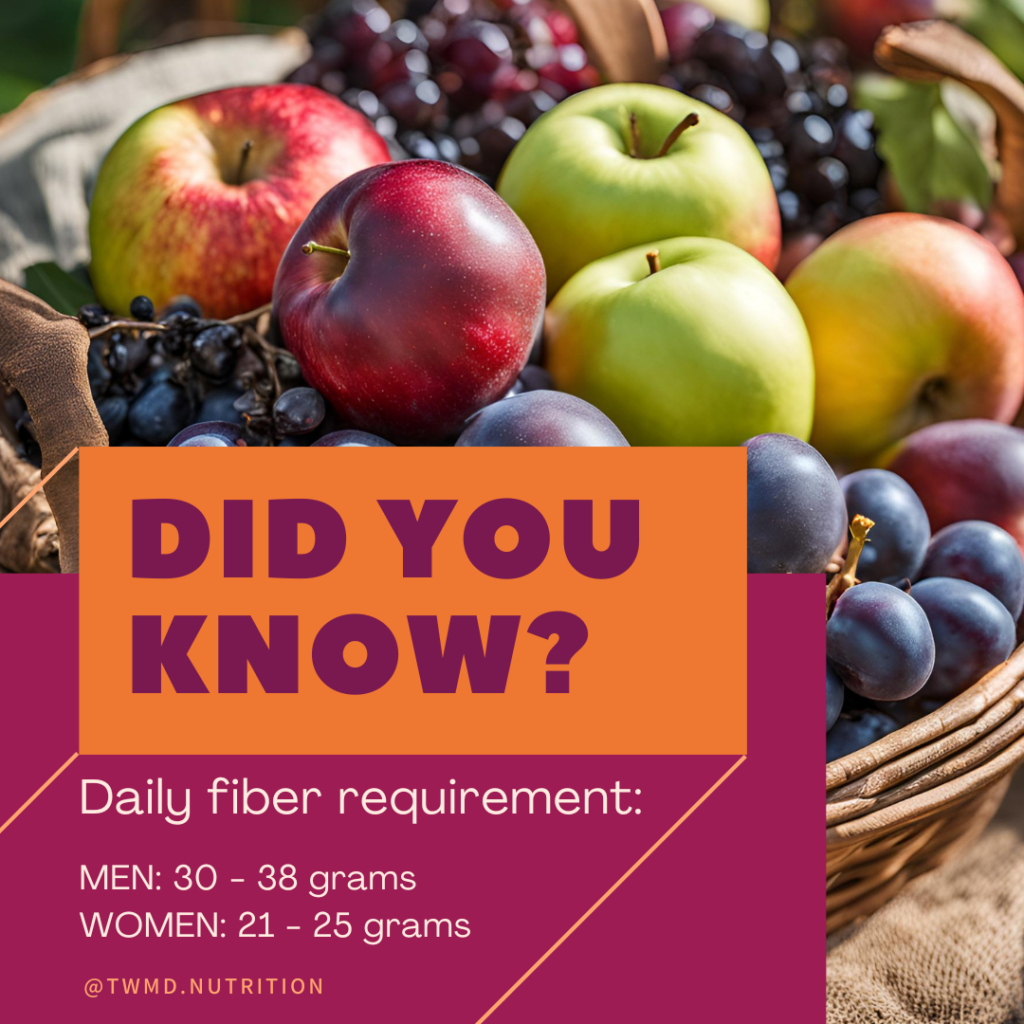
Both soluble and insoluble fiber play important roles in digestive health and are associated with overall metabolic wellness.
Why Do Low-Fiber Diets Make Weight Loss Harder Than It Should Be?
Low fiber intake can lead to poor satiety, frequent hunger, and unstable blood sugar patterns that drive overeating. Without enough fiber, meals may feel less filling, making it harder to maintain consistent eating habits that support weight goals.
Eating more fiber-rich foods like fruits, vegetables, whole grains, and legumes may support healthy eating patterns that align with weight management goals. Chronic inflammation and insulin resistance are associated with changes in glucose metabolism and lipid balance.
Maintaining a healthy weight is associated with improved metabolic markers and overall health. Both types of fiber play important roles in lowering these responses: Soluble fiber slows digestion and may contribute to feelings of fullness, which can support mindful eating habits. Insoluble fiber adds bulk to stool and supports digestive regularity. High-fiber foods often provide volume and satiety with relatively fewer calories compared to highly processed foods.
Fiber intake is associated with the release of satiety-related hormones such as PYY and GLP-1, which are involved in appetite regulation. Fiber-rich foods often require more chewing (like oatmeal), which slows down your eating and gives your body time to register that you’re full. Certain types of fiber interact with fats and carbohydrates during digestion and may influence nutrient absorption patterns.
Diets low in fruits and vegetables are often lower in fiber and associated micronutrients. Foods such as meat and processed items are high in sulfur and produce acids that increase body acidity.
Insufficient fiber intake may influence the production of short-chain fatty acids, which play a role in gut health. Metabolic acidosis is a medical condition that requires clinical evaluation and is distinct from normal dietary acid load. Chronic inflammation can lead to metabolic changes in the body that can alter your quality of life. Higher fiber intake is associated with favorable inflammatory marker patterns and overall cardiometabolic health in observational research.
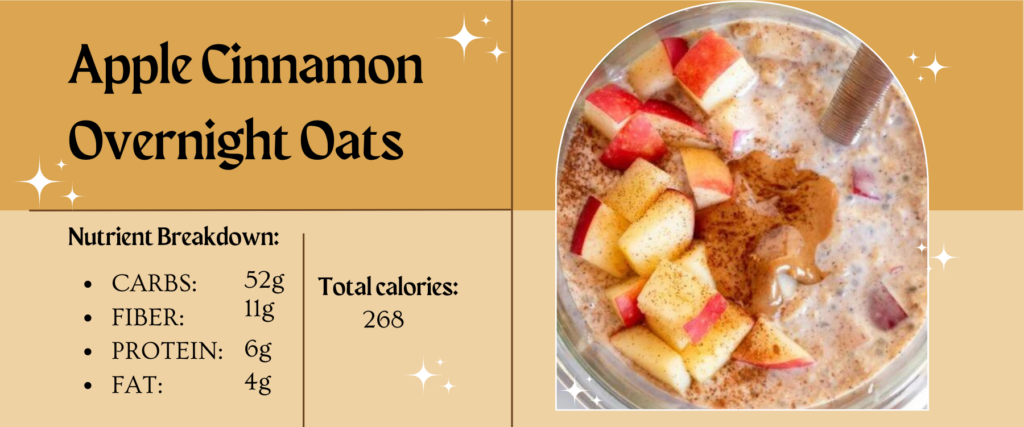
Check out my recipe for a great low calorie and high fiber breakfast or snack!
Schedule a consultation at Tucson Wellness MD to discuss your nutrition goals and overall wellness plan.
Fiber’s not just good for your digestion, it’s the life of the wellness party, keeping you feeling great! Routine lab work can provide insights into certain health markers and help guide individualized care decisions.
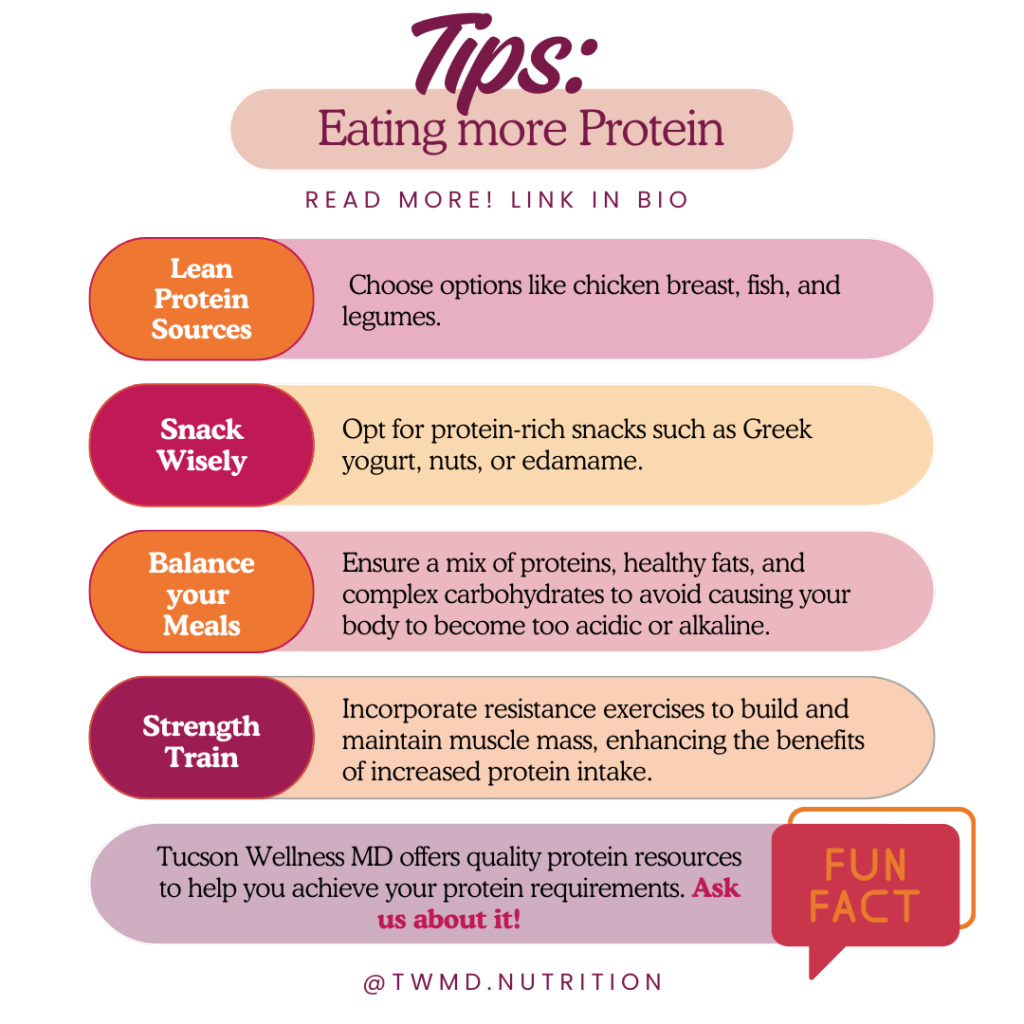
Protein matters while taking Semaglutide because weight loss can include both fat loss and lean mass loss if nutrition and strength activity are not planned carefully. Semaglutide may reduce appetite and calorie intake, so patients may unintentionally eat too little protein during treatment.
A provider-guided weight loss plan can help you protect muscle health by focusing on adequate protein, hydration, resistance training, meal timing, and ongoing monitoring while using Semaglutide.
Semaglutide can help reduce appetite and support weight loss, but eating less food also means patients need to be more intentional about protein, hydration, and strength activity. Without enough protein or resistance training, some weight loss may come from lean body mass instead of fat alone.
Protein supports fullness, muscle maintenance, recovery, and balanced nutrition during a medically supervised weight loss program. This matters because Semaglutide slows gastric emptying and can make meals smaller, which may make it harder to reach daily protein needs without planning.
At Tucson Wellness MD, Semaglutide and nutrition support are reviewed together. A provider-guided plan can help patients set realistic protein goals, reduce muscle-loss risk, monitor side effects, and adjust treatment based on symptoms, labs, and progress.
Semaglutide is a GLP-1 receptor agonist that reduces appetite, increases feelings of fullness, and slows gastric emptying. It is prescribed to assist with appetite regulation and may contribute to reduced calorie intake when combined with lifestyle changes.
Because appetite and meal size may decrease during treatment, patients may need to be more intentional about getting enough protein, fluids, fiber, and other essential nutrients.
How Semaglutide Influences Fat and Muscle Loss
Semaglutide does not directly increase fat burning. It works by:
Reducing hunger signals
Increasing fullness after meals
Slowing gastric emptying
As calorie intake drops, the body pulls energy from available sources. If dietary protein is inadequate and muscle activity is limited, lean body mass may decrease during calorie restriction.
Protein plays an important role during calorie restriction because it supports muscle maintenance, recovery, and fullness.
When appetite is reduced, patients may unintentionally eat less protein along with fewer total calories. Over time, this may make it more difficult to preserve lean mass, particularly when resistance training is also limited.
Protein also has a higher thermic effect than carbohydrate or fat, meaning digestion requires some energy. However, this effect is modest and should not be treated as a shortcut for fat loss.
The primary goal is to combine adequate nutrition with medically supervised weight loss rather than simply eating as little as possible.
Semaglutide and Protein: What to Focus On
Focus Area
Why It Matters on Semaglutide
Provider-Guided Tip
Protein intake
Smaller meals may make it harder to meet protein needs.
Prioritize protein at each meal and discuss your target with a provider.
Muscle maintenance
Weight loss can include lean mass loss without enough protein or resistance activity.
Combine nutrition support with strength training when appropriate.
Fullness and cravings
Protein can support satiety and help stabilize meal patterns.
Build meals around lean proteins, fiber-rich foods, and hydration.
Side effects
Nausea, fullness, constipation, or low appetite may reduce intake.
Use smaller, protein-forward meals and report persistent symptoms.
Progress monitoring
Weight alone does not show how much fat or lean mass is changing.
Track symptoms, energy, body composition, labs, and strength changes when possible.
There is no single protein target that is appropriate for every person taking Semaglutide.
Protein needs may vary based on:
Body size
Age
Activity level
Current muscle mass
Weight-loss goals
Kidney function
Medical history
Total calorie intake
Resistance-training routine
Instead of copying a generic protein target online, patients should discuss an individualized goal with their healthcare provider or nutrition professional.
It may also be easier to divide protein across several smaller meals rather than trying to eat a large amount at once, particularly when Semaglutide causes early fullness.
Best Protein Foods While Taking Semaglutide
Smaller portions of nutrient-dense protein foods may be easier to manage when appetite is reduced.
Options may include:
Eggs
Greek yogurt
Cottage cheese
Chicken
Turkey
Fish
Lean beef
Tofu
Tempeh
Beans
Lentils
Protein shakes when appropriate
Choose foods that fit your dietary needs and are comfortable to tolerate.
When nausea or fullness is present, softer foods or smaller portions may sometimes be easier than large, heavy meals.
How Resistance Training Helps Protect Muscle
Protein intake is only one part of preserving lean mass during weight loss.
Resistance training provides a stimulus that helps the body maintain strength and muscle tissue.
Depending on fitness level and medical history, resistance activity may include:
Free weights
Resistance machines
Resistance bands
Bodyweight exercises
Supervised strength training
Exercise should be adjusted for current ability, injuries, energy levels, and medical conditions.
Patients who are new to resistance training may benefit from gradually increasing activity rather than beginning an aggressive program while also adjusting to Semaglutide. Patients who want additional support with strength and body composition can explore Strength and Performance at Tucson Wellness MD.
What to Do When Semaglutide Makes Eating Difficult
Semaglutide may cause nausea, early fullness, constipation, or reduced appetite in some patients.
If these symptoms make it difficult to eat enough protein or maintain adequate nutrition, helpful strategies may include:
Eating smaller meals
Prioritizing protein early in the meal
Choosing softer or easier-to-tolerate foods
Drinking enough fluids
Avoiding very large meals
Monitoring constipation
Discussing persistent symptoms with your provider
Do not force yourself to follow an aggressive calorie target when side effects are preventing adequate nutrition.
Persistent vomiting, inability to maintain fluids, severe abdominal pain, or significant difficulty eating should be discussed promptly with your healthcare provider. For provider-guided nutrition, medication monitoring, and weight-management support, explore Medical Weight Loss at Tucson Wellness MD.
Build a Muscle-Safe Semaglutide Plan
Tucson Wellness MD can help you pair Semaglutide with protein goals, nutrition guidance, hydration support, body composition tracking, and provider-guided weight loss care.
Frequently Asked Questions About Semaglutide and Protein
Why is protein important while taking Semaglutide?
Protein is important while taking Semaglutide because appetite and calorie intake often decrease. Adequate protein can support fullness, muscle maintenance, recovery, and overall nutrition during medically supervised weight loss.
Can Semaglutide cause muscle loss?
Weight loss from any method can include some lean mass loss, especially when protein intake is low or resistance activity is limited. A provider-guided plan can help reduce this risk through nutrition support, strength activity, and monitoring.
How much protein should I eat on Semaglutide?
Protein needs vary based on body size, goals, health history, kidney function, activity level, and treatment plan. Patients should ask their provider for a personalized protein target instead of copying a generic number online.
What protein foods work well with Semaglutide?
Many patients do well with smaller portions of lean meat, fish, eggs, Greek yogurt, cottage cheese, tofu, beans, or protein shakes when appropriate. Choose options that are easy to tolerate and fit your provider-guided nutrition plan.
What if Semaglutide makes it hard to eat enough protein?
If nausea, fullness, or low appetite makes protein difficult, talk with your provider. Smaller meals, softer protein foods, hydration, meal timing, and treatment adjustments may help depending on your symptoms and treatment plan.
Should I eat protein first while taking Semaglutide?
Prioritizing protein earlier in a meal may help patients meet protein needs before becoming full. The best meal order still depends on tolerance, nutrition goals, and medical needs.
Do I need protein shakes while taking Semaglutide?
Not necessarily. Protein shakes may be useful when food intake is limited, but many patients can meet their needs through regular foods. Product choice should account for calories, sugar, ingredients, and individual health needs.
Does strength training prevent muscle loss on Semaglutide?
Resistance training may help preserve muscle and strength during weight loss, especially when combined with adequate protein. The appropriate exercise program depends on fitness level and medical history.
How can I tell if I am losing muscle instead of fat?
Scale weight alone cannot distinguish fat from lean mass. Strength changes, body-composition measurements, nutrition intake, and clinical monitoring may provide additional information.
What should I do if I can barely eat while taking Semaglutide?
Contact your provider if appetite suppression, nausea, vomiting, or fullness prevents adequate food or fluid intake. Your treatment plan may need to be reviewed rather than simply continuing to eat less.
This fiber-rich, lower-calorie breakfast option is simple to prepare and offers a balanced start to your day.
Quick Answer
What Are Apple Cinnamon Overnight Oats?
Apple cinnamon overnight oats are a make-ahead breakfast made by soaking oats with liquid and ingredients such as apples and cinnamon in the refrigerator. They require no morning cooking and can be customized with yogurt, chia seeds, nuts, seeds or other toppings depending on your nutrition goals.
Benefits of Apples
Apples add natural sweetness, texture and nutrients to overnight oats.
They provide:
Dietary fiber
Vitamin C
Potassium
Naturally occurring plant compounds
Their fiber and water content can also help make a breakfast more satisfying.
Whole apples provide more dietary fiber than apple juice, making chopped or grated apple a useful addition to oatmeal and other breakfast recipes. For another easy make-ahead breakfast, try our chia seed pudding recipe.
Benefits of Cinnamon
Cinnamon adds warmth and sweetness to overnight oats without requiring large amounts of added sugar.
It also contains naturally occurring plant compounds that have been studied for their antioxidant properties.
For this recipe, cinnamon is primarily a flavorful way to complement apples, oats and other breakfast ingredients. To learn more about nutrients found in everyday foods, read our guide to vitamins, minerals and micronutrients.
Apple Cinnamon Overnight Oats Recipe
Apple cinnamon overnight oats can be prepared ahead of time and refrigerated overnight for an easy breakfast the next morning.
Ingredients
Add the exact ingredients and quantities from the existing Tucson Wellness MD recipe card here.
Do not create new measurements if they differ from the existing recipe.
How to Make Apple Cinnamon Overnight Oats
Combine the oats and other recipe ingredients in a jar or sealed container.
Stir until evenly combined.
Cover and refrigerate overnight, or until the oats have softened.
Stir again before eating.
Add optional toppings according to your preferences and nutrition goals.
How Long Do Overnight Oats Need to Soak?
Overnight oats are designed to soften while refrigerated rather than being cooked.
Preparing them the night before gives the oats time to absorb the liquid and develop a softer texture by morning.
Follow the refrigeration and preparation instructions included with the original recipe.
Apple Cinnamon Overnight Oats Topping Ideas
You can customize overnight oats with toppings such as:
Chopped apples
Chia seeds
Walnuts or almonds
Pumpkin seeds
Greek yogurt
Unsweetened nut butter
Berries
A small amount of additional cinnamon
Keep portion size and added sugars in mind when adding sweetened toppings.
Frequently Asked Questions About Apple Cinnamon Overnight Oats
Are apple cinnamon overnight oats healthy?
Apple cinnamon overnight oats can be part of a balanced breakfast depending on the ingredients and serving size. Oats and apples provide fiber, while ingredients such as yogurt, chia seeds or nuts can add protein and healthy fats.
Do overnight oats need to be cooked?
No. Overnight oats soften by absorbing liquid while refrigerated, so they generally do not require cooking.
How long should overnight oats soak?
They are commonly prepared the night before and refrigerated until morning. Follow the recipe instructions for the best texture.
Can I make apple cinnamon overnight oats ahead of time?
Yes. Overnight oats are specifically suited to advance preparation and can make breakfast easier on busy mornings.
What type of oats should I use for overnight oats?
Use the type of oats specified in the original recipe. Different oat varieties absorb liquid differently and can change the finished texture.
Can I add protein to overnight oats?
Yes. Depending on your dietary needs, ingredients such as Greek yogurt, milk, nuts, seeds or other protein sources can increase the protein content.
Can I make overnight oats without added sugar?
Yes. Apples and cinnamon can contribute natural sweetness and flavor. Whether additional sweetener is needed depends on your preferences and the recipe.
What toppings go well with apple cinnamon overnight oats?
Possible toppings include chopped apples, nuts, chia seeds, pumpkin seeds, Greek yogurt, nut butter or additional cinnamon.
Should overnight oats be refrigerated?
Yes. Prepared overnight oats should be refrigerated, particularly when they contain milk, yogurt or other perishable ingredients.
Can overnight oats help with meal prep?
Yes. Because they can be assembled in advance and refrigerated, overnight oats can be a convenient option for breakfast meal preparation.
Exploring semaglutide for weight loss? Start by understanding which benefits are supported, which outcomes vary, and what medical screening involves. This guide separates realistic expectations from promotional claims and explains what to discuss during a Tucson weight-loss consultation.
Quick Answer
What are the main benefits of semaglutide for weight loss?
Semaglutide can support weight reduction in eligible patients. Benefits, risks, and treatment suitability depend on the prescribed product and individual health history. Sleep and mood improvements should not be promised.
Existing heading
Replacement heading
Replacement paragraph
Fine-tune Your Blood Pressure
Blood Pressure Changes During Weight Loss
Blood pressure may change during weight loss. Continue monitoring and discuss medication adjustments with your clinician.
Amazing Sleep Quality
Weight Loss and Sleep Apnea Symptoms
Weight loss may reduce obstructive sleep apnea severity. Continue prescribed sleep-apnea treatment unless your clinician recommends a change.
Advanced Insulin Sensitivity
Blood Sugar and Metabolic Health
Semaglutide affects glucose regulation. Diabetes treatment decisions require review of the specific product, other medications, and monitoring needs.
Lifted Mood and Mental Well-being
Well-being and Treatment Expectations
Do not present better mood, sharper thinking, or increased energy as guaranteed outcomes. Discuss persistent symptoms separately during follow-up.
Lighter Body Weight
Weight Reduction and Long-term Management
Weight management requires ongoing planning. Discuss nutrition, activity, treatment tolerance, and maintenance goals throughout care.
Safety Considerations Before Starting Semaglutide
Review contraindications, digestive side effects, other medications, and pregnancy plans with your prescriber. Wegovy is contraindicated with a personal or family history of medullary thyroid carcinoma or MEN 2.
“While semaglutide is not recommended for use with rare cancers, clinical trials have demonstrated its potential in preventing and improving outcomes in certain cancers and Alzheimer’s disease.”
– Dr. Kellams
Weight Loss at Tucson Wellness MD
Our goal is to help you become a healthier version of yourself and live a fulfilling life, no matter your age. Our team of experts are committed to helping you reach your goals and maintain them through consistent lifestyle changes. Fall in love with yourself this season and let semaglutide support your weight loss journey and help you shed those extra pounds. Reach out to us by phone or online to learn more about semaglutide or our other weight loss services!
Your next step is a consultation focused on your health history, previous weight-loss attempts, current medications, and long-term goals. Explore our medical weight loss program in Tucson to learn about the evaluation process and discuss suitable options with a provider.
Discuss Your Weight-loss Options in Tucson
Bring your questions, treatment history, and goals to a consultation. Discuss what a personalized plan could involve and how progress would be monitored.
What should I bring to a weight-loss consultation?
Bring your medication and supplement list, relevant medical records, previous weight-loss treatment history, and questions about your goals.
What questions should I ask about a semaglutide treatment plan?
Ask which product is being prescribed, why it suits your situation, what monitoring is planned, how costs are explained, and how to contact the team about concerns.