Aging and Hormones: How to Stay Balanced Through Each Decade
Table of Contents
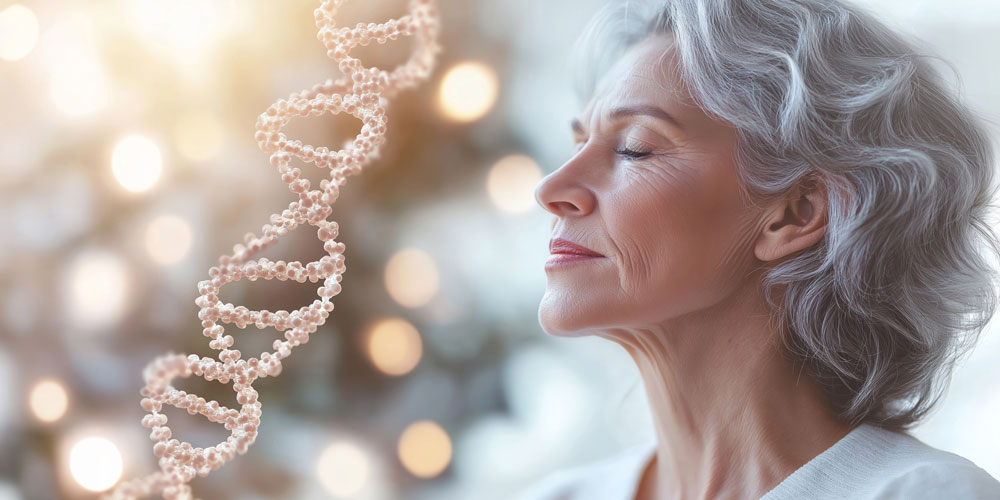
Hormone changes can affect energy, metabolism, mood, sleep, libido, body composition, and long-term wellness as you age. While some shifts are expected, symptoms like fatigue, weight gain, low libido, brain fog, irregular cycles, hot flashes, and muscle loss should not automatically be dismissed as “just aging.”
At Tucson Wellness MD, hormone care starts with understanding your symptoms, lab markers, lifestyle, and health goals. With provider-guided testing and personalized support, patients can better understand how hormones change through each decade and what steps may help support balance.
How Do Hormones Change as You Age?
Hormone patterns change throughout adulthood, but the timing and symptoms vary between individuals. Women may experience perimenopause and menopause, while testosterone may gradually decline in some men. Thyroid disorders and other endocrine conditions can occur at any age. Testing is most useful when symptoms and medical history suggest a specific hormone condition rather than simply because someone has reached a certain age.
Why Hormone Imbalance Often Goes Unnoticed
Many people blame fatigue, weight gain, low libido, or mood changes on aging itself, not realizing these are often signs of shifting hormone levels. When hormonal balance changes quietly over time, symptoms build gradually and affect multiple systems before the cause is ever identified.
Your 20s: Build Your Hormone Foundation
In your 20s, hormone production is typically at its peak. The pituitary gland, anterior pituitary, and adrenal cortex all work efficiently to regulate vital processes such as growth, metabolism, and reproductive health. Key hormones like growth hormone, luteinizing hormone, follicle stimulating hormone, and sex hormones such as estrogen and testosterone are well-regulated during this phase.
For young adults, this is the time to build healthy habits to ensure your body produces hormones optimally for long-term balance.
Focus on:
- Consistent physical activity and aerobic exercise
- Nutrient-dense eating for metabolism and immune system support
- Stress management to protect adrenal function and cortisol balance
- Seek evaluation when symptoms or medical history suggest a thyroid or other endocrine condition.
Maintaining healthy growth hormone levels and insulin-like growth factor production can help preserve muscle strength, cognitive function, and bone density as you age.
Your 30s: Early Shifts Begin
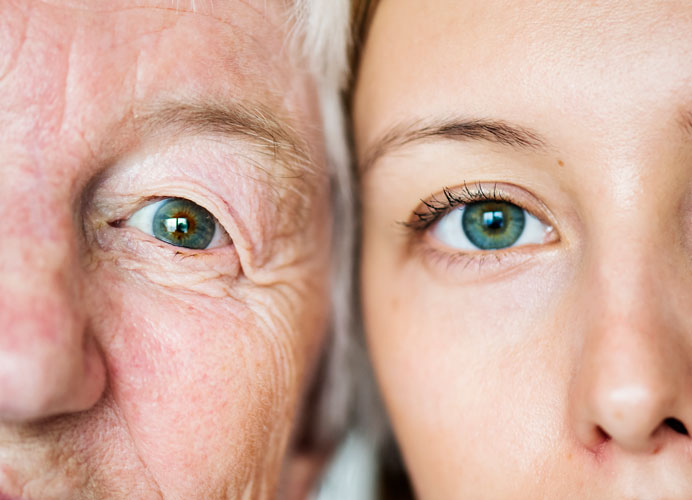
By your 30s, you may notice subtle signs that your endocrine system is starting to shift. Though many hormones are still functioning efficiently, metabolism slows slightly, and other factors like stress, sleep habits, and diet begin to affect hormone balance more noticeably.
Hormonal concerns in this decade may include:
- Changes in thyroid hormones or thyroid stimulating hormone levels
- Irregular menstrual cycles in women
- Slightly decreased libido in both men and women
- Early signs of decreased muscle strength or energy levels
This is also the stage where parathyroid hormone, which regulates calcium levels and supports bone strength, begins to play a larger role in long-term bone health. Bone mineral density starts to decline, especially without regular physical exercise or strength training.
Your 40s: More Noticeable Hormone Changes
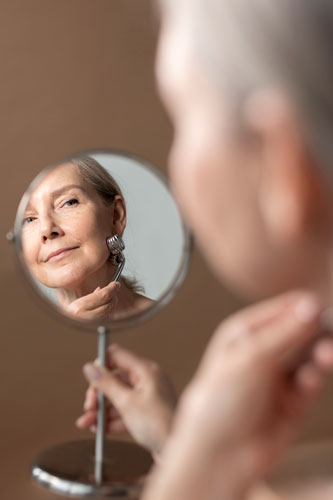
In your 40s, hormonal changes become more obvious. Women often enter perimenopause, while men may experience a gradual decline in testosterone. These age-related changes can affect everything from energy and mood to sleep and sexual function.
Common symptoms include:
- Decreased libido and erectile dysfunction in men
- Mood changes and hot flashes in women
- Bone and joint pain due to changes in hormone-regulated bone density
- Changes in blood flow and blood pressure regulation
During this stage, keeping an eye on cardiovascular health becomes essential. Evidence suggests that sex hormones like estrogen and testosterone play a role in protecting against heart disease. As hormone levels decline, the risk of cardiovascular disease and other chronic disease conditions begins to rise.
Supporting your hormones in your 40s includes:
- Hormone testing when symptoms, medical history or clinical findings indicate it.
- Discussions with your healthcare provider about hormone therapy or testosterone supplementation if appropriate
- Continued aerobic exercise and resistance training
- A focus on cognitive health and stress reduction
For evidence-based guidance on diagnosing low testosterone, review the Endocrine Society testosterone therapy guideline. Women experiencing cycle changes, hot flashes or other menopause symptoms can learn more about Menopause Therapy at Tucson Wellness MD.
Your 50s and Beyond: Support for Healthy Aging
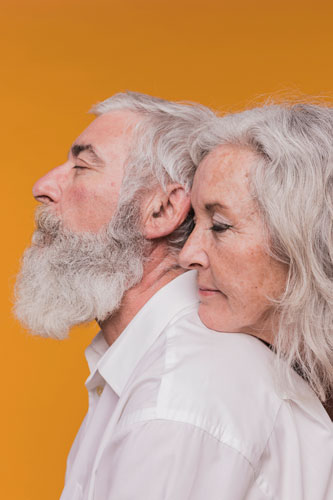
By the time you reach your 50s and 60s, the ageing process often brings a significant decline in several hormones produced by the anterior pituitary, adrenal cortex, and thyroid gland. Older adults often experience a measurable drop in thyroid hormones, growth hormone levels, testosterone, estrogen, and other hormones that help regulate metabolism, mood, and bone strength.
Age-related hormonal decline in this stage can lead to:
- Loss of muscle mass and weight gain
- Reduced cognitive function and increased risk of Alzheimer’s disease
- Bone fractures due to low bone mineral density
- Increased joint pain and inflammation
- Risk of prostate cancer in men and cardiovascular disease in both sexes
Men may experience more pronounced effects of low testosterone, such as erectile dysfunction, fatigue, and muscle loss. Women in postmenopause may notice changes in skin elasticity, sleep quality, and memory. For both, maintaining a healthy weight, muscle strength, and cardiovascular fitness becomes a top priority.
Key strategies for staying balanced include:
- Hormone therapy when clinically appropriate, when guided by a qualified provider
- Regular screening for thyroid disease, heart disease, and osteoporosis
- Nutritional support for bone health and metabolic balance
- Monitoring blood pressure, blood flow, and other vital health markers
Men experiencing low libido, reduced strength or other symptoms can explore TRT for Men at Tucson Wellness MD.
Hormone Changes by Decade: What to Watch For
Hormone shifts can look different depending on age, lifestyle, stress, sleep, and overall health. This table gives a simple overview of common changes and when testing may be helpful.
| Decade | Common Hormone-Related Changes | When to Consider Testing |
|---|---|---|
| 20s | Hormones are often at stronger baseline levels, but stress, sleep, nutrition, and thyroid issues can still affect balance. | Persistent fatigue, irregular cycles, unexplained weight changes, or low energy. |
| 30s | Metabolism, recovery, libido, thyroid function, and stress response may begin shifting more noticeably. | Low libido, sleep changes, mood changes, weight gain, or reduced exercise recovery. |
| 40s | Perimenopause, testosterone decline, sleep disruption, hot flashes, mood changes, and body composition changes may appear. | Hot flashes, erectile concerns, brain fog, muscle loss, low energy, or cycle changes. |
| 50s and Beyond | Menopause, lower testosterone, thyroid changes, reduced muscle mass, bone density changes, and metabolic shifts may become more significant. | Ongoing fatigue, bone health concerns, poor sleep, low libido, weight gain, or reduced strength. |
Hormonal Support Is About More Than Age

While hormones change with advancing age, the pattern and pace vary from person to person. Genetics, lifestyle, stress, underlying health conditions, and other factors influence how your body ages. Even younger people can experience hormone imbalances due to poor sleep, chronic stress, or gastrointestinal issues affecting nutrient absorption.
The good news is that with regular monitoring, professional guidance, and targeted interventions, you can support hormone balance at every stage of life.
Related Hormone and Longevity Services
Hormone changes can affect men and women differently, which is why personalized care matters. Patients looking for long-term wellness support may benefit from Longevity Care in Tucson. Men experiencing fatigue, low libido, or muscle loss may want to learn more about TRT for men, while women navigating hormone changes may benefit from menopause therapy or TRT for women. For broader wellness and recovery support, Tucson Wellness MD also offers peptide therapy as part of provider-guided care.
Why Work With Tucson Wellness MD
At Tucson Wellness MD, we specialize in helping patients navigate the complex relationship between aging and hormones. Whether you’re exploring preventive strategies in your 20s or 30s, or seeking support for hormone decline in your 50s or 60s, we provide personalized plans built on clinical experience and the latest evidence.
Our approach includes:
- Targeted laboratory testing based on symptoms and medical history
- Individualized hormone therapy when appropriate
- Evaluation of thyroid, metabolic and other relevant health concerns
- Lifestyle guidance for healthy aging and long-term wellness
Stay in Balance at Every Age
Hormonal health plays a central role in how you age, how you feel, and how long you stay active and independent. Whether you’re aiming to maintain a healthy sex life, support your cognitive function, or reduce the risk of chronic disease, paying attention to your hormones is essential.
At Tucson Wellness MD, we offer hormone replacement therapy based on your unique needs. Whether you’re concerned about declining testosterone levels, bone loss, mood swings, or broader effects on your body systems, our team is here to help. Taking action now could improve your life expectancy and support your long-term well-being.
Ready to Understand Your Hormones?
If fatigue, low libido, weight changes, mood shifts, sleep problems, or menopause symptoms are affecting your daily life, Tucson Wellness MD can help you explore whether hormone imbalance may be part of the picture. Our team uses lab testing, clinical evaluation, and personalized care plans to guide safe, provider-supervised support.
Schedule a Hormone ConsultationRelated Reading
Frequently Asked Questions
How do hormones change as you age?
Hormone levels naturally shift throughout life as the endocrine system changes over time. Hormones involved in metabolism, energy, mood, sexual function, and bone health may gradually decline with age. These changes can affect both men and women differently depending on genetics, lifestyle, and overall health. Hormonal aging often develops slowly, which is why symptoms may go unnoticed at first.
Why do hormone imbalances often go unnoticed?
Many people assume symptoms like fatigue, weight gain, low libido, or mood changes are simply part of getting older. Because hormone shifts usually happen gradually, symptoms build slowly over time. Multiple systems in the body may be affected before the underlying imbalance is recognized. Comprehensive evaluation helps identify patterns that standard checkups may overlook.
What hormones are important in your 20s?
In your 20s, hormones related to growth, metabolism, reproductive health, and energy production are typically at their peak. Key hormones include testosterone, estrogen, growth hormone, thyroid hormones, and insulin-like growth factor. This decade is important for building healthy habits that support long-term hormonal balance. Nutrition, exercise, stress management, and sleep all play major roles.
What hormone changes happen in your 30s?
By your 30s, subtle hormonal shifts may begin affecting metabolism, energy levels, and recovery. Some people notice changes in libido, thyroid function, sleep quality, or muscle strength. Stress and lifestyle habits also start having a larger impact on hormonal balance during this stage. Early monitoring can help identify potential issues before symptoms worsen.
What hormone changes happen in your 40s?
In your 40s, hormone changes may become more noticeable. Women may begin perimenopause, while men may experience gradual testosterone decline. Symptoms can include lower energy, mood changes, sleep disruption, hot flashes, low libido, weight changes, and reduced muscle strength. Lab testing can help determine whether symptoms are related to hormone imbalance or another health factor.
When should you get hormone testing?
You may want to consider hormone testing if you have ongoing fatigue, unexplained weight gain, low libido, mood changes, brain fog, poor sleep, hot flashes, irregular cycles, or reduced strength. Testing is especially helpful when symptoms persist despite healthy lifestyle habits. A provider can review your labs, symptoms, and health history to determine the next step.
Can hormone therapy help with aging symptoms?
Hormone therapy may help some patients when symptoms are connected to clinically identified hormone imbalance. It is not a one-size-fits-all solution and should only be considered after proper lab testing and provider evaluation. Treatment decisions depend on your age, symptoms, health history, risk factors, and goals.
Is hormone decline normal with age?
Some hormone changes are normal with age, but symptoms should not be ignored when they affect daily life. Fatigue, low libido, poor sleep, mood changes, weight gain, and muscle loss may have multiple causes. A personalized evaluation can help determine whether hormones, thyroid function, stress, nutrition, or other health factors are involved.