Author: csDevTeam

a man looking at his medicines

TRT and Fertility: How Testosterone Therapy Affects Sperm Count and Family Planning

One of the most common concerns men raise before starting testosterone replacement therapy is whether it will affect their ability to have children. It’s a legitimate question, and it deserves a straight answer before you commit to treatment.

TRT and Fertility: What Men Need to Know Before Starting Treatment

Quick Answer

Does TRT affect fertility in men?

Yes. Testosterone replacement therapy can reduce sperm production by suppressing the hormones LH and FSH, which help the testes produce natural testosterone and sperm. For many men, fertility may recover after stopping TRT, but recovery time varies, so fertility goals should be discussed before treatment starts.

How Testosterone Therapy Affects Sperm Production

Yes, testosterone replacement therapy can significantly reduce sperm production and fertility in men. TRT works by introducing external testosterone into the body, which signals the brain to reduce its own hormone output. This includes a reduction in the hormones that drive sperm production, often leading to lower sperm counts or, in some cases, temporary infertility.

This doesn’t mean TRT is off the table if you want children. It means the conversation needs to happen before you start.

Understanding the Hormones Behind Male Fertility

How TRT Suppresses the HPG Axis

Sperm production depends on two hormones produced by the pituitary gland: luteinizing hormone (LH) and follicle-stimulating hormone (FSH). When external testosterone enters the body, the brain detects elevated levels and dials back LH and FSH production. Lower LH and FSH levels mean the testes produce less testosterone naturally and, critically, less sperm.

This is called suppression of the hypothalamic-pituitary-gonadal (HPG) axis. It’s a predictable response, not a side effect unique to certain patients.

Can Fertility Return After Stopping TRT?

How Long Does Fertility Recovery Take After TRT?

For most men, no. Sperm production typically resumes after stopping TRT, though recovery time varies. Some men see counts return to normal within a few months. For others, it can take a year or longer. In rare cases, prolonged TRT use has been associated with more persistent reductions in fertility.

The key variable is how long someone has been in therapy and what their baseline fertility looked like before starting.

Fertility Preservation Options Before Starting TRT

If fathering children is part of your plan, there are approaches worth discussing with your provider before starting TRT.

Should You Consider Sperm Banking Before TRT? is the most straightforward option. Storing sperm before beginning therapy preserves your options regardless of how your body responds to treatment.

Alternatives to TRT for Men Concerned About Fertility such as clomiphene citrate or human chorionic gonadotropin (HCG) can support testosterone levels while maintaining sperm production. These aren’t right for every patient, but they’re worth exploring if fertility is a priority.

Can You Stop TRT to Restore Fertility? under medical supervision is another path some men take, though this requires careful management and monitoring.

Why Fertility Discussions Should Happen Before Treatment

None of this should deter you from pursuing TRT if you genuinely need it. Low testosterone affects quality of life in real, measurable ways. But fertility is something you can’t retroactively protect, so the time to address it is before your first dose, not after.

TRT and Family Planning at Tucson Wellness MD, If you have questions, reach out to our team, and we’ll walk you through your options.

Frequently Asked Questions About TRT and Fertility

Does TRT affect fertility in men?
Yes, testosterone replacement therapy can reduce sperm production and affect male fertility. TRT introduces external testosterone, which signals the brain to lower LH and FSH production. These two hormones are needed for natural testosterone and sperm production in the testes. This can lead to lower sperm counts or temporary infertility.

Why does TRT lower sperm count?
TRT suppresses the hypothalamic-pituitary-gonadal axis, also called the HPG axis. When the body detects external testosterone, it reduces signals from the brain that normally tell the testes to produce sperm. Lower LH and FSH levels can reduce natural testicular function. This process is predictable and should be discussed before starting treatment.

Is infertility from TRT permanent?
For many men, fertility may recover after stopping TRT, but the timeline varies. Some men regain sperm production within a few months, while others may take a year or longer. Longer TRT use and poor baseline fertility can make recovery slower. In rare cases, fertility issues may persist.

Can you take TRT if you still want children?
Yes, but fertility goals should be discussed before starting TRT. Men who want children may need sperm banking or alternative treatment options. A provider may also consider medications that support testosterone while preserving sperm production. Planning first protects your options later.

How Long Does TRT Take to Work? Timeline, Results, and What to Expect

Starting testosterone replacement therapy comes with one immediate question: when will I actually feel different?

TRT does not work overnight. Different systems in your body respond to testosterone at different rates. Some changes appear within the first few weeks. Others take several months to fully develop. Knowing what to expect and when helps you stay consistent and interpret your progress accurately.

Here is a realistic, research-informed timeline of what most men experience during testosterone replacement therapy.

Quick Answer

How Long Does TRT Take to Work?

Most men notice early TRT changes within 3 to 6 weeks, including better sleep, improved energy, steadier mood, and increased libido. Larger changes such as improved workout recovery, body composition, muscle mass, and long-term performance often develop over 3 to 6 months. Results vary based on testosterone levels, dosage, treatment method, lifestyle habits, and provider monitoring.

Who Should Track Their TRT Timeline?

Tracking your TRT timeline helps you understand whether your treatment is moving in the right direction. It also helps prevent unrealistic expectations, since energy, libido, mood, strength, and body composition may improve at different speeds.

You should pay close attention to your TRT progress if you want to monitor:

  • Energy changes
  • Libido and sexual performance
  • Mood stability
  • Sleep quality
  • Workout recovery
  • Muscle gain
  • Fat loss
  • Brain fog
  • Motivation
  • Side effects
  • Lab results and dosage adjustments

A clear timeline helps you know what is normal, what needs more time, and when to talk to your provider about changes.

TRT Results Timeline Table

TimelineCommon ChangesWhat to Know
Weeks 1 to 3Better sleep, mild energy changes, mood shiftsChanges are often subtle and may not feel dramatic yet.
Weeks 3 to 6Improved libido, motivation, mental clarity, reduced fatigueThis is when many men notice TRT starting to work.
Months 2 to 3Better workout recovery, energy, erectile function, less brain fogPerformance and daily energy often improve during this phase.
Months 3 to 6Lean muscle, fat loss, libido, mood, strength, body compositionLong-term benefits usually become more visible with consistency.
After 6 monthsMore stable baseline and treatment fine-tuningLabs and provider check-ins help maintain safe, effective results.

How to Know If Your TRT Plan Needs Adjustment

TRT requires monitoring because every patient responds differently. Some men feel early improvements within a few weeks, while others need dosage adjustments, lifestyle changes, or a different delivery method.

Talk to your provider if you notice:

  • No improvement after 8 to 12 weeks
  • Ongoing fatigue
  • Low libido despite treatment
  • Mood swings or irritability
  • Acne or skin changes
  • Water retention
  • Poor sleep
  • Changes in blood pressure
  • Concerns with lab results
  • Side effects that feel unusual

Do not stop TRT or change your dose on your own. Lab testing and provider review help determine whether your testosterone levels, dosage, delivery method, or supporting habits need adjustment.

Wondering If TRT Is Working for You?

Tucson Wellness MD offers provider-guided TRT care with lab monitoring, dosage review, and personalized support to help men understand their progress and treatment timeline.

Schedule a TRT Consultation

How Long Does TRT Take to Work for Energy, Libido, and Muscle?

Most men begin noticing early changes within 3 to 6 weeks of starting TRT. Full benefits — including improvements in muscle composition, sexual function, and mood stability — typically develop over 3 to 6 months of consistent treatment. Individual results vary based on starting testosterone levels, delivery method, dosage, and overall health.

TRT Timeline by Week and Month

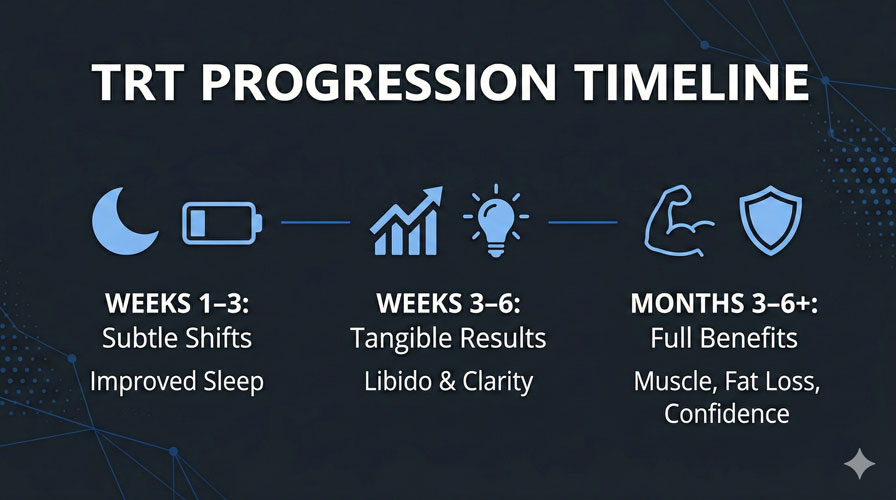
trt process timeline

Weeks 1 to 3: Early Sleep, Mood, and Energy Changes

During the first few weeks, most men do not notice dramatic changes. However, early physiological shifts are already underway.

Some men report:

  • Improved sleep quality
  • Slight increase in morning energy
  • Reduced irritability or mood fluctuations

These early changes are often subtle. Do not expect a sudden surge in energy or libido this early in the process.

Weeks 3 to 6: Libido, Energy, and Mental Clarity Improvements

Between weeks three and six, many men begin experiencing more tangible results. This is typically when testosterone levels begin stabilizing in the bloodstream.

Common reports during this phase include:

  • Improved libido and sexual interest
  • Increased motivation and mental clarity
  • Early reduction in fatigue
  • Better mood consistency throughout the day

This is also when some men experience minor side effects such as temporary water retention or skin changes as the body adjusts to new hormone levels. Monitoring with your provider during this phase is important.

Months 2–3: Energy and Performance Improvements

By the second and third month, most men notice measurable improvements in physical performance and daily energy.

What typically develops:

  • Noticeably better workout endurance and recovery
  • Reduction in brain fog
  • Improved erectile function
  • More stable energy levels without afternoon crashes

If you are combining TRT with an active lifestyle, this is often the phase when physical training starts to produce better results. Our Strength & Performance program can help you build on this momentum.

Months 2 to 3: Workout Recovery, Energy, and Performance Changes

The most significant physical changes often emerge between months three and six. Testosterone plays a direct role in muscle protein synthesis and fat metabolism, and these effects become more visible over time.

During this phase, most patients experience:

  • Visible improvements in lean muscle mass
  • Reduction in abdominal fat
  • Stronger bone density support
  • Sustained libido and sexual performance improvements
  • Emotional stability and improved confidence

By month six, most men on an optimized TRT protocol have reached a stable baseline that reflects the full benefit of treatment.

Factors That Affect How Quickly TRT Works

trt monitoring

Several factors influence your individual timeline:

Starting testosterone levels — Men with severely low testosterone may notice more pronounced early changes compared to those with borderline levels.

Delivery method — Injections tend to produce faster initial peaks. Gels and patches provide more gradual, consistent absorption.

Dosage optimization — Results depend heavily on dialing in the right dose through ongoing lab monitoring.

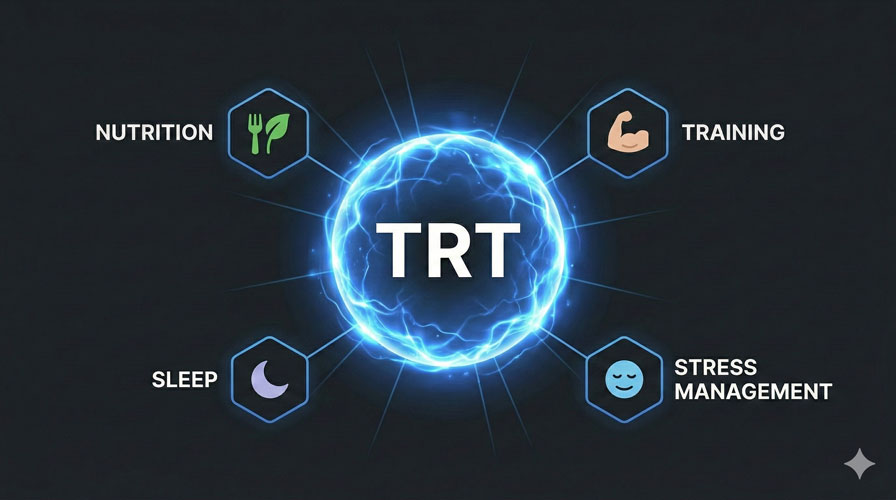
Lifestyle habits — Sleep, nutrition, resistance training, and stress management all amplify TRT outcomes.

TRT Timeline and Testosterone Support in Tucson

If you are in Tucson and wondering how long TRT takes to work, provider-guided care can help you track progress safely. Testosterone levels, dosage, delivery method, nutrition, sleep, training, and stress can all affect how quickly you notice results.

At Tucson Wellness MD, men receive TRT support with lab monitoring, provider check-ins, and personalized treatment adjustments. This helps you understand whether your timeline is on track and when your plan may need fine-tuning.

When to Talk to Your TRT Provider About Progress

If you are approaching the 8 to 12-week mark and have not noticed any improvement, that is a signal to revisit your dosage or delivery method — not to stop therapy. TRT requires fine-tuning, and labs tell a clearer story than symptoms alone.

At Tucson Wellness MD, our TRT program for men includes regular lab monitoring and provider check-ins to ensure your protocol is working for your specific physiology — not just a generic template.

Ready to start? Schedule a consultation with our team today.

Wondering If TRT Is Working for You?

Tucson Wellness MD offers provider-guided TRT care with lab monitoring, dosage review, and personalized support to help men understand their progress and treatment timeline.

Schedule a TRT Consultation

Frequently Asked Questions

How long does testosterone replacement therapy take to work?
Most men notice early changes within 3 to 6 weeks. Full benefits, including muscle growth, improved libido, and mood stability, often develop over 3 to 6 months of consistent treatment.

What happens during the first month of TRT?
In the first 3 to 4 weeks, some men report better sleep, slightly improved energy, and more stable mood. Libido and mental clarity often begin improving between weeks 3 and 6.

When does TRT improve libido and sexual performance?
Many men notice improved libido within 3 to 6 weeks. Erectile function and sustained performance improvements typically become more noticeable by months 2 to 3.

How long does TRT take to work? Most men begin noticing early changes within 3 to 6 weeks of starting TRT. Full benefits including improvements in muscle composition, sexual function, and mood stability typically develop over 3 to 6 months of consistent treatment. Individual results vary based on starting testosterone levels, delivery method, dosage, and overall health.

What are the first signs that TRT is working? The earliest indicators are often improved sleep quality, slightly better morning energy, and more stable mood. These typically appear in weeks one through three. More noticeable changes like improved libido, mental clarity, and reduced fatigue usually emerge between weeks three and six.

Does TRT delivery method affect how fast it works? Yes. Injections produce faster initial peaks in testosterone levels, which some men notice earlier. Gels and pellets absorb more gradually and provide steadier, more consistent levels over time. Neither is universally better, the right method depends on your lifestyle and how your body responds.

What if I don’t feel any different after 8 weeks on TRT? Reach out to your provider before stopping. At the 8 to 12-week mark with no improvement, the dose or delivery method may need adjustment. Labs at this stage are essential, they tell you whether testosterone levels have stabilized at an optimal range or if further titration is needed.

When does TRT start improving body composition? Visible changes in lean muscle mass and reduction in body fat are typically most noticeable between months three and six. Testosterone’s role in muscle protein synthesis and fat metabolism takes time to produce measurable physical changes, which is why consistency in both treatment and training matters during this window.

Why am I not feeling results from TRT yet?

Some men need more time before they notice TRT results, especially if treatment started recently. If you do not feel changes after 8 to 12 weeks, talk to your provider about labs, dosage, delivery method, lifestyle habits, and other health factors that may affect your response.

How do I know if my TRT dose is right?

The right TRT dose depends on symptoms, lab results, treatment response, and side effects. A provider reviews testosterone levels and related markers before adjusting the dose. Do not change your dose without medical guidance.

doctor taking care of an old paitent

Why Recovery Gets Harder as You Age and How to Fix It

doctors looking after a patient

Many adults start asking the same question as the years pass: Why does recovery take longer than it used to? Workouts cause deeper muscle soreness, minor injuries linger, energy stays low longer, and even good sleep does not feel as restorative. These changes are frustrating, and they are not imagined. Research shows that recovery slows with age due to shifts in muscle repair, inflammation control, blood flow, hormone balance, and nervous system regulation.

Aging affects how efficiently the body heals after exercise, stress, illness, or injury. Muscle protein synthesis becomes less responsive, inflammation resolves more slowly, and cellular repair processes lose speed. The result is longer recovery time, increased stiffness, fatigue, and higher injury risk. The key point is this: slower recovery is common with age, but there are ways to support improvement.

At Tucson Wellness MD, our comprehensive longevity care program helps patients understand what is driving delayed recovery and how to support energy and resilience. With the right strategies,  many people can see improvement in recovery at any age with appropriate support, even when it feels like the body is no longer bouncing back on its own.

What Recovery Really Means for the Body

Recovery is the process your body uses to return to balance after exercise, stress, illness, or injury. It includes muscle repair, tissue repair, wound healing, nervous system regulation, and restoration of energy in the brain and body. Recovery also plays a critical role in injury prevention, muscle growth, and long-term health.

When recovery slows, people often experience prolonged recovery times, delayed onset muscle soreness, stiffness, pain, and fatigue that interfere with daily life.

Why Recovery Slows With Age

The aging process affects multiple systems at once. These changes accumulate and can delay recovery if left unaddressed.

Slower Muscle and Tissue Repair

As we age, muscle mass naturally declines, especially after middle age. Older adults have fewer muscle fibers and experience anabolic resistance, meaning muscle protein synthesis does not respond as efficiently to exercise and nutrition. This slows muscle recovery and muscle growth after workouts or injury.

Damaged tissues also take longer to repair because growth factors and immune cells that drive the healing process become less active with age. The extracellular matrix, which supports muscle fibers and blood vessels, becomes less flexible, contributing to stiffness and slower healing.

Why Muscle Soreness Lasts Longer

Muscle soreness post-workout tends to last longer in older patients. Muscle soreness is linked to microtissue damage and inflammation that occurs during exercise. In younger individuals, the inflammatory phase resolves quickly. In older adults, inflammation can persist longer, leading to prolonged pain and delayed recovery.

This is why many patients notice that post-exercise recovery feels slow, even when workouts are not intense.

Reduced Blood Flow and Slower Healing

Healthy blood flow is essential for recovery. Blood vessels deliver oxygen, nutrients, and immune cells needed for muscle repair and wound healing. With age, blood flow may decline due to changes in blood vessels and cardiovascular health. Reduced blood flow means damaged tissues receive fewer nutrients and oxygen, which can delay recovery and increase the risk of injury.

Nervous System and Brain Recovery

Recovery is not just physical. The nervous system and brain also need time to reset after stress and exercise. Chronic stress, poor sleep, and mental overload can delay recovery by keeping the nervous system in a heightened state. This affects muscle repair, immune response, and overall energy.

Deep sleep is especially important. During deep sleep, the body releases growth factors and directs cells to repair tissue damage. When sleep quality declines with age, the healing process slows.

How Aging Changes Recovery Speed

old man holding his thigh

Younger adults typically recover faster because their muscle fibers respond quickly, inflammation resolves sooner, and muscle protein synthesis is more efficient. As people enter middle age and old age, recovery becomes slower due to cumulative age-related changes, stress exposure, and reduced resilience.

Systematic reviews and meta-analyses data show that recovery time increases with age, even in healthy individuals who exercise regularly. This does not mean recovery cannot improve. It means recovery requires more intentional support.

Signs Your Recovery System Needs Support

You may need additional recovery support if you experience:

  • Prolonged muscle soreness or stiffness
  • Pain that lingers after exercise or injury
  • Slow trauma recovery or wound healing
  • Fatigue that limits daily energy
  • Reduced muscle strength despite regular exercise
  • Brain fog or low focus after stress

Paying attention to these signals helps reduce risk and prevent further injury.

How to Improve Recovery at Any Age

Recovery improves when the body receives the right support for repair, energy, and regulation.

Support Muscle Repair and Growth

Proper nutrition is essential for muscle repair. Adequate protein, key nutrients, and anti-inflammatory foods support muscle protein synthesis and tissue repair. Nutrition becomes more important with age, not less.

Improve Blood Flow and Inflammation Control

 Addressing inflammation through diet, stress reduction, and appropriate medical support may help support comfort and the healing process.  Healthy blood flow plays an important role in muscle recovery.

Sleep and Rest Drive Recovery

Sleep is not optional for recovery. Deep sleep drives tissue repair, nervous system regulation, and energy restoration. Rest days between exercise sessions are also essential to allow muscles and cells to recover.

Customize Exercise and Physical Therapy

Exercise should support recovery, not delay it. Strength training, mobility work, and physical therapy can improve muscle strength, reduce pain, and prevent injury when tailored to age and health status.

How Tucson Wellness MD Supports Recovery

At Tucson Wellness MD, we take a comprehensive approach to recovery. We work with patients of all ages, including older patients who want more energy, better healing, and improved quality of life.

doctor taking care of an old paitent

Our approach may include:

  • Lab testing to assess inflammation, nutrients, and metabolic health
  • Hormone evaluation to support muscle recovery and energy
  • IV therapy to support cellular repair and hydration
  • Nutrition and lifestyle guidance focused on recovery and resilience
  • Ongoing monitoring to adjust care as the body responds

 We focus on supporting the body’s natural repair processes and overall well-being.

Recovery Is a Health Priority at Any Age

Slowing recovery with age is common, but it is not something you have to accept without support. With the right focus on nutrition, sleep, exercise, stress, and medical care, recovery may improve at many stages of life with appropriate care and lifestyle support.

If recovery feels slow, painful, or frustrating, Tucson Wellness MD can help you understand why and create a plan to support healing, repair, and long-term health.

Visit our website to schedule a consultation and  learn more about your recovery options today.

Frequently Asked Questions

Why Does Recovery Take Longer as You Get Older?

Recovery slows with age because multiple biological systems change simultaneously. Muscle protein synthesis becomes less responsive to exercise and nutrition, inflammation takes longer to resolve, blood flow declines, and the cellular repair processes that drive healing lose efficiency. These changes accumulate gradually, which is why recovery that once took a day or two may stretch into several days. The slowdown is not imagined, it is a measurable physiological shift that affects even healthy, active adults who exercise regularly.

What Is Happening in the Muscles During a Slow Recovery?

When you exercise, muscles sustain microscopic damage that triggers an inflammatory response and repair cycle. In younger adults, this cycle moves quickly. In older adults, the inflammatory phase persists longer, muscle fibers are fewer, and growth factors that drive repair become less active. The extracellular matrix — the structural framework supporting muscle tissue also becomes less flexible with age, contributing to prolonged stiffness and soreness after workouts. The result is delayed onset muscle soreness that lingers well beyond what it used to.

Does Poor Sleep Actually Affect Physical Recovery?

Yes, significantly. Deep sleep is when the body does its most critical repair work, releasing growth factors, directing cellular repair, and resetting the nervous system after stress and exertion. When sleep quality declines, as it commonly does with age, these processes slow down. The nervous system remains in a heightened state, immune response is compromised, and tissue repair loses momentum. Poor sleep does not just leave you feeling tired, it directly delays how quickly muscles, tissues, and the brain recover from physical and mental stress.

What Are the Signs That My Recovery Needs More Support?

The clearest signals include muscle soreness or stiffness that lingers for days after exercise, pain that persists following minor injuries, fatigue that limits your daily energy even after adequate rest, reduced strength despite consistent training, slow wound or trauma healing, and brain fog or difficulty focusing after periods of stress. These symptoms are not inevitable features of aging, they are signals that the body’s repair systems need more intentional support than they are currently receiving.

Can recovery actually improve with age or is the slowdown permanent? Recovery can improve at any age with the right support. The slowdown is real but not fixed. Targeted interventions including optimized protein intake, structured strength training, improved sleep quality, inflammation management, and hormone evaluation can meaningfully restore recovery speed and resilience. The key is identifying which systems are most affected for your specific health profile rather than applying a generic approach.

What role do hormones play in slow recovery after 40? Hormonal changes are a significant driver of slower recovery in both men and women after 40. Declining testosterone reduces muscle protein synthesis and repair efficiency. Lower growth hormone levels slow tissue regeneration and deep sleep quality. Estrogen decline in women affects inflammation regulation and connective tissue health. A hormone panel evaluation at Tucson Wellness MD can identify whether hormonal shifts are contributing to your recovery issues and whether optimization is appropriate.

What does Tucson Wellness MD offer specifically for recovery support? Tucson Wellness MD takes a comprehensive approach that begins with lab testing to assess inflammation markers, nutrient status, and metabolic health, followed by hormone evaluation, IV therapy for cellular repair and hydration support, and personalized nutrition and lifestyle guidance. Care is monitored and adjusted based on how your body responds over time. If recovery feels slow, painful, or inconsistent despite healthy habits, a consultation can identify what is driving it and build a plan around your specific needs.

Why “Normal” Lab Results Don’t Always Mean Optimal Health

Quick Answer

Can you feel unhealthy even if your lab results are normal?

Yes. Standard lab reference ranges are designed primarily to detect disease, not always to identify early dysfunction or optimal health. Some people experience fatigue, brain fog, poor sleep, metabolic issues, or hormone-related symptoms even when routine lab values fall within “normal” ranges.

Many patients leave a doctor’s office feeling frustrated. Their blood work is marked “normal,” yet they still feel exhausted, foggy, or unwell in daily life. This disconnect often leads people to feel dismissed, even though their symptoms are real.

lab test reports

At Tucson Wellness MD, we incorporate a broader clinical review that considers laboratory results alongside symptoms, medical history, and lifestyle factors.

Why You Can Feel Sick Even With “Normal” Lab Results

Most lab reference ranges are based on a bell curve derived from the general population. Reference ranges are based on population data and are primarily used to identify disease. Individual symptoms may still warrant further evaluation even when values fall within these ranges. On a lab sheet, results are often compared with values from people with early dysfunction, chronic fatigue, or undiagnosed conditions.

In conventional medicine, labs are often used to detect disease, not to optimize health. As a result, Values may fall within a reference range but still require clinical context when symptoms are present.

What Standard Lab Reference Ranges Really Measure

It is possible to feel normal on paper but not feel normal in real life. This happens when early warning signs are missed or when multiple markers are borderline rather than clearly abnormal.

For example, thyroid-stimulating hormone may be within the reference range, yet Thyroid-related symptoms may warrant additional evaluation even if standard markers fall within reference ranges leading to symptoms such as fatigue, cold intolerance, or afternoon crashes. The same applies to vitamin D, iron stores, and inflammatory markers.

Some clinicians evaluate patterns across multiple laboratory markers and correlate them with patient symptoms over time.

Symptoms That Often Get Missed in Standard Blood Work

a sick man

Patients with labs marked “normal” often report symptoms such as fatigue, sugar cravings, low daily energy, poor focus, or chronic stress. Some describe feeling exhausted by midday, even when their blood test shows fasting glucose levels considered normal.

Common overlooked symptoms include:

  • Chronic fatigue or afternoon crashes
  • Cold intolerance
  • Sugar cravings or low insulin sensitivity
  • Difficulty managing stress
  • Poor sleep or adrenal dysfunction

These symptoms may indicate the need for further clinical assessment.

How Early Insulin Resistance and Metabolic Issues Go Undetected

One of the most common issues missed in standard blood work is early insulin resistance. Fasting glucose may look fine, but elevated fasting insulin can reveal insulin sensitivity problems long before diabetes develops.

This early insulin resistance can contribute to fatigue, weight gain, inflammation, and increased risk for cardiovascular disease. Additional testing may help identify metabolic patterns that warrant monitoring or lifestyle adjustments.

Functional Medicine vs Reactive Healthcare Approaches

poor sleep

Conventional medicine often waits until labs clearly fall outside normal ranges. This approach emphasizes reviewing trends, symptoms, and lifestyle factors in addition to laboratory values.

At Tucson Wellness MD, we review:

  • Health history and family history
  • Genetic variants that affect metabolism
  • Thyroid function and adrenal function
  • Iron status and vitamin D levels
  • Inflammatory markers and insulin patterns

Looking at many tests together allows us to identify patterns that a single lab value cannot.

Why Long-Term Lab Trends Matter More Than One Test

Health does not change overnight. Small shifts in metabolic markers, insulin sensitivity, or hormone balance often occur gradually. Tracking trends over time may provide additional context for ongoing health management.

For example, a patient may feel exhausted for years while labs remain technically normal. When trends are reviewed, subtle but consistent changes often explain why symptoms persist.

How Tucson Wellness MD Looks Beyond Standard Lab Results

At Tucson Wellness MD, we combine functional medicine principles with comprehensive testing to help patients understand why they feel the way they do. Our goal is to evaluate symptoms in the context of laboratory findings and provide individualized care recommendations.

Care may include:

  • Advanced blood testing beyond standard panels
  • Evaluation of optimal levels rather than average population ranges
  • Stress management and lifestyle support
  • Nutrient optimization for iron stores and vitamin D
  • Support for insulin sensitivity and metabolic balance

This approach may provide additional insight for patients who continue to experience symptoms despite normal laboratory reports.

The Right Question to Ask About Your Health and Labs

Instead of asking, “Are my labs normal?” a more helpful question is, “Are my labs optimal for how I want to feel?”

Feeling normal on a lab report does not always mean feeling good in real life.

When Persistent Symptoms Deserve Deeper Testing

If you feel exhausted, struggle with fatigue, or sense that something is off despite normal test results, you are not alone. Tucson Wellness MD offers comprehensive evaluations for patients seeking further assessment when symptoms persist despite standard laboratory findings.

Visit our website to schedule a consultation and learn how a functional medicine approach can help you move from feeling dismissed to feeling truly supported.

Frequently Asked Questions

Can you feel unhealthy even if your lab results are normal?
Yes. Standard lab reference ranges are primarily designed to identify disease, not necessarily early dysfunction or optimal wellness. Some people continue to experience fatigue, brain fog, poor sleep, or metabolic symptoms even when routine labs fall within “normal” ranges. Symptoms should always be evaluated alongside laboratory findings and overall health history.

Why do doctors say labs are normal when symptoms still exist?
Reference ranges are based on population averages and are mainly used to detect obvious disease states. A result can technically fall within range while still not being optimal for how a person feels or functions. Early dysfunction may not appear clearly abnormal on standard panels. This is why symptoms and trends over time are important.

What do standard lab reference ranges actually measure?
Lab reference ranges compare your results against values gathered from the general population. These ranges help identify whether a marker falls statistically inside or outside expected limits. However, they do not always account for individual symptoms, lifestyle, or long-term health goals. Clinical context matters when interpreting lab work.

Can thyroid issues exist even with normal labs?
Yes, some individuals report thyroid-related symptoms despite having thyroid markers within standard ranges. Symptoms such as fatigue, cold intolerance, or sluggishness may still warrant deeper evaluation. Providers sometimes assess multiple thyroid markers together instead of relying on one value alone. Comprehensive review helps identify broader patterns.

Low Testosterone in Younger Men: Causes, Symptoms, and Why Cases Are Rising

Quick Answer

Is low testosterone becoming more common in younger men?

Some research suggests testosterone levels may be declining in younger men, though findings continue to be studied. Factors such as poor sleep, obesity, chronic stress, sedentary lifestyle habits, environmental exposures, and metabolic health may contribute to low testosterone symptoms appearing earlier in adulthood.

Testosterone is the primary male sex hormone, essential for muscle strength, sex drive, sperm production, and overall metabolic health. While testosterone deficiency has historically been associated with older males or middle aged men, Some studies have explored potential changes in testosterone levels over time, though findings vary and continue to be evaluated.

This shift raises an important question: Is low testosterone (low T) becoming more common in young adult men, and what does it mean for male reproductive health?

How Testosterone Supports Health in Younger Men

Testosterone supports:

  • Regulating sperm counts and testicular function
  • Supporting sex drive and preventing decreased libido
  • Building muscle and maintaining a healthy metabolism
  • Supporting the hypothalamic pituitary gonadal axis
  • Influencing mood, energy, and mental clarity

Changes in testosterone levels may be associated with certain symptoms, depending on the individual and overall health context especially in younger men who do not expect hormone-related issues.

Research on Declining Testosterone Levels in Young Men

Several studies, including national health and nutrition examination surveys, suggest a temporal trend of declining testosterone levels in younger men. A systematic review and meta regression analysis published in clinical endocrinology supports that low total testosterone levels are becoming increasingly common, even in those who are otherwise healthy.

Some research suggests that symptoms related to testosterone levels are being evaluated in a broader age range. Some younger men report symptoms that prompt evaluation of hormonal health. Clinical significance varies by case.

Why Low Testosterone Happens Earlier in Some Men

Low testosterone levels in young adults can result from numerous factors affecting the hypothalamic pituitary gonadal axis, testicular function, or hormone transport systems such as sex hormone binding globulin. Common causes include:

Primary Hypogonadism and Testicular Testosterone Problems
Occurs when the testes cannot produce enough testosterone. Causes may include:

  • Genetic conditions
  • Testicular cancer or injury
  • Damage from heavy metals or several environmental toxins

Secondary Hypogonadism and Hormone Signaling Issues
Occurs when the pituitary gland or hypothalamus fails to stimulate testosterone production. Causes may include:

  • Pituitary inhibition from anabolic steroids
  • Chronic illness or underlying conditions
  • Stress, obesity, or metabolic syndrome
  • Exposure to environmental toxins or endocrine disruptors

Lifestyle Factors That Can Lower Testosterone
Many younger men experience hormonal disruption due to:

  • Poor sleep patterns
  • Sedentary lifestyle
  • Weight gain
  • Poor diet and excess alcohol
  • High stress, which disrupts pituitary gonadotropin release

These factors may influence hormone levels and are sometimes associated with changes in energy, libido, or overall wellness even in otherwise healthy young males.

Why Low Testosterone Often Gets Missed in Younger Men

Low testosterone in young men often gets overlooked because people assume hormone issues only affect older men. In reality, younger men can also develop testosterone deficiency, and the signs often show up as low energy, reduced sex drive, poor recovery, mood changes, trouble building muscle, difficulty losing weight, or problems with focus. Because these symptoms overlap with stress, poor sleep, obesity, and other health issues, diagnosis should never rely on symptoms alone. Proper evaluation starts with lab testing and a closer look at lifestyle, metabolic health, fertility goals, and possible underlying causes.

Early Symptoms of Low Testosterone in Young Men

Testosterone deficiency can show up in many ways, common signs include:

  • Decreased libido or changes in sex drive
  • Erectile dysfunction
  • Low energy, mood changes, or irritability
  • Difficulty with weight loss despite effort
  • Lower muscle mass and reduced strength
  • Difficulty concentrating
  • Decline in sperm production or male infertility

These symptoms may warrant further medical evaluation to determine whether hormone testing is appropriate.

When Low Testosterone Symptoms Should Be Evaluated

Low testosterone in young men should not be brushed off as laziness, stress, or simply getting out of shape. When symptoms like low energy, reduced libido, weak recovery, loss of strength, poor focus, or fertility concerns continue over time, they may point to a real hormonal issue that needs testing. The key is not to self-diagnose based on symptoms alone, since sleep problems, obesity, chronic stress, and other medical conditions can look similar. A proper workup helps determine whether testosterone is actually low and what may be causing it in the first place.

How Doctors Diagnose Low Testosterone

Diagnosis requires a blood test to measure total testosterone, free testosterone, and sex hormone binding globulin levels. Labs are typically drawn in the morning when t levels are at their natural peak.

If levels fall outside the normal range, further testing may assess pituitary or testicular function to determine whether the issue is primary hypogonadism or secondary hypogonadism.

Treatment Options for Younger Men With Low Testosterone

At Tucson Wellness MD, we take a comprehensive approach to low testosterone in younger men.

Treatment options may include:

Lifestyle Changes That Support Testosterone Levels
Addressing weight loss, diet, sleep, and exercise, all essential for natural hormone production.

Testosterone Therapy Options for Eligible Patients
For men with confirmed testosterone deficiency, we offer medically supervised testosterone therapy. Options may include:

  • Topical gels
  • Injectable testosterone
  • Oral testosterone therapy (for eligible patients)

When clinically indicated, testosterone therapy is prescribed to address confirmed deficiency. Treatment goals and outcomes vary by individual.

Why Fertility Monitoring Matters Before TRT
Because testosterone therapy may reduce sperm counts, we evaluate male reproductive health before treatment. This ensures that young men planning future fertility receive the correct guidance and support.

Treating Underlying Causes of Hormone Imbalance
Treatment may also focus on managing metabolic syndrome, reducing exposure to environmental toxins, or addressing autoimmune issues that produce excess hormones or disrupt normal hormone function.

Why Professional Hormone Care Matters

The Endocrine Society recommends that any therapy for low testosterone be supervised by a qualified healthcare professional. Persistent symptoms should be evaluated by a healthcare professional to determine appropriate care.

Low Testosterone Support at Tucson Wellness MD

If you’re experiencing symptoms of low T, you’re not alone, and help is available. At Tucson Wellness MD, we provide personalized testing, diagnosis, and treatment to help you restore balance and reclaim vitality.

We evaluate:

  • Total and free testosterone
  • Sex hormone binding globulin
  • Pituitary function
  • Underlying metabolic and lifestyle factors

Our goal is to provide individualized evaluation and treatment when medically appropriate.

When to Take the First Step Toward Hormone Testing

If you suspect low testosterone, don’t wait for the symptoms to worsen. Early evaluation may help clarify whether symptoms are related to hormone levels and guide appropriate next steps.

Visit tucsonwellnessmd.com to schedule a consultation and learn how our team can help you understand your hormone levels and restore vitality at any age.

Frequently Asked Questions About Low Testosterone in Younger Men

Is low testosterone becoming more common in younger men?
Some research suggests a trend of declining testosterone levels in younger men, though findings vary and continue to be studied.

Why is low testosterone often missed in younger men?
Symptoms often overlap with stress, poor lifestyle habits, or other health issues. Many people assume testosterone problems only affect older men, which delays diagnosis.

How is low testosterone diagnosed?
Diagnosis requires blood testing, typically done in the morning. Providers measure total testosterone, free testosterone, and related hormone markers.

When should a young man get tested for low testosterone?
Testing is recommended if symptoms like low energy, reduced libido, or poor recovery persist despite lifestyle improvements.

Mega Burn Vitamin Injections for Weight Loss and Energy Support

Quick Answer: What Are Mega Burn Vitamin Injections?

Mega Burn vitamin injections are wellness injections used to support energy, metabolism, and weight management goals as part of a broader health plan. They are not a stand-alone fat loss solution. For best results, they should be paired with nutrition, movement, hydration, sleep, and provider-guided weight support.

woman showing her belly fat

Maintaining a healthy body weight can be challenging, especially when stress, lack of sleep, and a slow metabolism make it harder to burn body fat. When you consume more calories than you burn, the excess energy often leads to weight gain. Over time, blood sugar spikes, processed foods, and poor lifestyle habits can add up, making fat loss feel out of reach.

At Tucson Wellness MD, we offer Mega Burn vitamin injections as a powerful tool to help you lose weight, burn fat, and improve overall health. By supporting fat burning and energy production, these injections can keep your weight loss goals on track while boosting mental clarity and physical performance.

How Mega Burn Vitamin Injections Support Fat Burning and Energy

Your body burns calories by converting food into usable energy through mitochondria, the essential energy centers inside your cells. These organelles use amino acids and other nutrients to fuel muscles, tissues, and organs. When mitochondria are functioning efficiently, fat burning improves, and your body can use stored fat instead of holding onto it.

Mega Burn injections work by helping your body maximize fat loss and energy production. By targeting body fat directly, these injections enhance performance, improve stamina, and reduce fatigue so you feel stronger and more focused throughout the day.

Mega Burn Vitamin Injections: Benefits, Use Cases, and Safety

Mega Burn vitamin injections may support wellness goals by helping with energy, metabolism, and weight support. They work best when used as part of a personalized plan instead of a quick fix.

GoalHow It May HelpBest Use CaseSafety Note
Energy supportMay support energy pathways and daily wellness routines.Patients who feel low energy while working on health and weight goals.Low energy can also come from sleep, hormones, thyroid issues, anemia, or nutrient gaps.
Metabolism supportMay support nutrient pathways involved in energy and fat metabolism.Patients following a nutrition and activity plan.Vitamin injections should not replace healthy eating, movement, or medical weight-loss care.
Weight supportMay complement a provider-guided weight support plan.Patients who want extra support alongside lifestyle or medical weight-loss treatment.Results vary and no specific weight-loss outcome is guaranteed.
Wellness consistencyMay help patients stay engaged with their wellness routine.Patients building a structured plan with regular check-ins.A provider should review health history, medications, and goals before treatment.

Who Should Talk to a Provider Before Vitamin Injections?

You should talk to a provider before starting vitamin injections if you are pregnant, breastfeeding, managing a chronic condition, taking prescription medications, have kidney or liver concerns, or have a history of allergic reactions to injections or supplements.

You should also get provider guidance if your goal is weight loss, fatigue support, or metabolism support. These concerns can be connected to hormones, thyroid function, sleep quality, nutrition, stress, or other health factors that should be reviewed before treatment.

Why Nutrition and Lifestyle Still Matter for Weight Loss

fruits and veggies

Mega Burn works best when paired with a healthy diet and active lifestyle. Research suggests that simple dietary changes such as adding leafy greens, high fiber foods, whole grains, nuts, and healthy fats like olive oil can improve immune function, regulate hormones, and support appetite control.

Avoiding excessive alcohol, processed foods, and too much caffeine from coffee or other drinks also reduces stress on your body systems. Pairing these nutrition strategies with strength training, walking, and other forms of physical activity can help you stick to your weight loss goals, protecting valuable muscle mass while losing body fat.

Benefits of Mega Burn Beyond Weight Loss Support

Mega Burn vitamin injections offer more than just fat loss. Patients report benefits that include:

  • Improved stamina and endurance during exercise
  • More energy for long hours of work or activity
  • Reduced fatigue and better rest at night
  • Enhanced mood, focus, and mental clarity
  • Support for immune function and overall health

Because the injections work on the cellular level, they provide nutrients directly to the body in a way that supports energy production, appetite regulation, and heart rate balance. This helps you maintain a more consistent lifestyle with fewer dips in energy and greater long-term results.

Why Personalized Weight Loss Support Improves Long-Term Results

couple exercising outside for burning some fat

Every patient’s weight loss journey is unique. Some may struggle with obesity or medical conditions that affect metabolism. Others may face challenges with exercise recovery, stress, or hormone regulation. That’s why at Tucson Wellness MD, we customize Mega Burn injections to your individual needs.

Our team will review your health history, lifestyle, and weight loss goals to design a program that works with your body. By combining injections with realistic strategies like reducing calorie intake, balancing nutrients, and building physical activity into your routine, you can lead a healthier lifestyle with lasting results.

Vitamin Injection Consultation in Tucson

If you are looking for vitamin injections for weight support in Tucson, Tucson Wellness MD can help you review your energy, metabolism, and wellness goals with provider-guided care.

Start Your Personalized Weight Loss Plan Today

If you’re ready to eat smarter, burn more calories, and boost your energy while protecting your overall health, Mega Burn vitamin injections may be the right supplement to support your progress.

For a more complete wellness plan, Tucson Wellness MD may also recommend medical weight loss support, NAD therapy, or longevity care based on your symptoms, goals, and provider evaluation.

Schedule a consultation with Tucson Wellness MD today to learn how this non-invasive treatment can help you lose weight, increase fat burning, and stay energized on your path to long-term wellness. Get started with a visit to our website.

Ready to Support Your Energy and Weight Goals?

Schedule a wellness consultation with Tucson Wellness MD to review whether Mega Burn vitamin injections fit your weight support, energy, and wellness plan.

Schedule a Wellness Consultation

New patients welcome. Provider consultation required before treatment.

Frequently Asked Questions About Mega Burn Vitamin Injections

How do Mega Burn vitamin injections support weight loss?
Mega Burn vitamin injections support weight loss by helping improve energy production, fat metabolism, stamina, and overall metabolic function. When combined with healthy eating and exercise, they may help the body burn fat more efficiently while reducing fatigue. This can make it easier to stay consistent with long-term weight loss goals.

Do Mega Burn injections work without diet and exercise?
Mega Burn injections work best when paired with proper nutrition and regular physical activity. Healthy habits like strength training, walking, and balanced meals help improve fat burning and preserve muscle mass during weight loss. The injections are designed to support a healthy lifestyle, not replace it.

What are the benefits of Mega Burn vitamin injections besides weight loss?
Many patients report increased energy, better stamina, improved focus, reduced fatigue, and enhanced exercise performance. The injections may also support metabolism, immune function, and overall wellness. These added benefits can help people maintain healthier daily routines and stay active longer.

Are Mega Burn vitamin injections personalized for each patient?
Yes. Weight loss and metabolism differ from person to person, so treatment plans should be customized based on health history, lifestyle, and wellness goals. Personalized care helps improve long-term success while supporting safe and realistic progress.

Jet Lag, Hormones, and Recovery: How to Reset Energy After Travel

Quick Answer

How does jet lag affect hormones and recovery?

Jet lag disrupts your circadian rhythm, which helps control sleep, cortisol, melatonin, metabolism, digestion, and energy timing. This disruption may cause fatigue, brain fog, poor sleep, mood changes, and slower recovery after travel. Light exposure, hydration, sleep timing, movement, and provider-guided wellness support can help your body adjust faster.

Traveling across multiple time zones can temporarily disrupt sleep patterns and hormone timing, which may affect how you feel during and shortly after travel.

Understanding the effects of jet lag and how to manage them can help protect your body’s circadian rhythm, improve your energy levels, and support optimal performance during and after travel

What Is Jet Lag?

Jet lag is a temporary condition that results from a mismatch between your internal body clock and the local time at your destination. This mismatch is especially noticeable when traveling east or crossing several time zones. The more time zones crossed, the more likely you are to experience symptoms.

Symptoms of jet lag may include:

  • Difficulty sleeping at night
  • Daytime fatigue or sleepiness
  • Mood changes or irritability
  • General feeling of being unwell
  • Digestive disturbances
  • Impaired mental performance

Jet lag is considered a temporary circadian rhythm disruption that can interfere with normal sleep and wake patterns because it causes significant sleep disruption and impacts your ability to maintain normal wake patterns. It can last for a few days or even a few weeks, depending on how far you’ve traveled and how well you manage the recovery process.

Jet Lag Symptoms Checklist

Use this checklist to recognize when travel fatigue may be affecting your sleep, hormones, and recovery:

  • Trouble falling asleep at the local bedtime
  • Waking up too early or during the night
  • Daytime fatigue or sleepiness
  • Brain fog or reduced focus
  • Mood changes or irritability
  • Digestive changes
  • Low motivation
  • Poor workout recovery
  • Increased cravings
  • Feeling “off” for several days after travel

If symptoms last longer than expected or happen often after travel, it may help to review sleep, hydration, nutrition, stress, and hormone patterns with a wellness provider.

How Jet Lag Affects Hormones

Your body’s circadian system is controlled by the brain’s hypothalamus and regulates hormone release patterns over a 24-hour cycle. This includes:

  • Melatonin: helps regulate sleep and wake cycles
  • Cortisol: supports alertness and stress response
  • Insulin: affects metabolism and blood sugar control
  • Thyroid hormones: regulate metabolism and energy
  • Sex hormones: influence mood, sleep, and libido

When your internal clock becomes misaligned, hormone timing may shift, which can contribute to fatigue, sleep changes, mood fluctuations, and reduced focus.

Why Traveling East Feels Worse

person packing luggage with a lot of force

Traveling east makes it harder for your circadian system to adjust because you’re shortening the day, requiring your body to fall asleep earlier. This disrupts the natural sleep-wake cycle and often makes jet lag worse than traveling west, which allows for a longer day and a more gradual shift in wake and sleep patterns.

How to Reduce Jet Lag and Support Hormone Balance

There is no one-size-fits-all method to prevent jet lag completely, but several strategies can help you reduce jet lag symptoms and manage travel fatigue effectively:

1. Shift Your Sleep Schedule Before You Fly

If possible, adjust your bedtime by 30 to 60 minutes in the days leading up to your trip. This helps your circadian clock begin to align with your destination, especially if you’re traveling east or across multiple time zones.

2. Get Natural Light Exposure

Natural light exposure is one of the most powerful tools to reset your circadian system. Get outdoors during daylight hours, especially in the early afternoon, to help your body adjust to the new schedule. This exposure helps suppress melatonin during the day and reinforces wakefulness.

3. Use Bright Light Strategically

Bright light exposure at specific times may help support circadian adjustment. Timing and duration should be discussed with a healthcare professional when used therapeutically

4. Use Melatonin Correctly

Taking melatonin, particularly exogenous melatonin in small doses, can help support the body’s natural transition to nighttime hours at your destination. This hormone, often used as a sleep aid, should be taken at your intended bedtime in the new time zone. Avoid taking melatonin too early or too often, as it can delay adjustment or even cause difficulty falling asleep if misused.

5. Avoid Sleeping Pills

Sleeping pills may provide temporary relief but often lead to grogginess, reduced quality sleep, and delayed circadian adaptation. Use them sparingly and only with medical advice. Instead, try using a sleep mask, earplugs, or relaxation techniques to help you fall asleep naturally.

6. Wake Up at the Local Time

Wake up at your target local time, even if you didn’t sleep well. This consistency helps reset your circadian clock and reduces the risk of extended daytime sleepiness or poor nighttime sleep. Outdoor light and light activity upon waking can further support adjustment.

7. Support Your Hormones After Travel

Jet lag may temporarily influence hormones involved in sleep, stress response, and metabolic timing, particularly in frequent travelers, digestion, and blood pressure regulation. Hormonal imbalance can linger if you travel frequently or recover poorly. Consider post-travel support that includes:

  • Nutrient support for energy and hormone recovery
  • Hydration and light physical activity
  • A check-in with your provider if you experience prolonged fatigue or cognitive issues

Travel Recovery Checklist

Recovery StepWhat to DoWhy It Helps
Adjust sleep timingShift bedtime and wake time toward your destination scheduleHelps your body clock match the new time zone
Get morning lightSpend time outside after waking at your destinationSupports cortisol rhythm, alertness, and circadian reset
Hydrate consistentlyDrink fluids before, during, and after travelSupports energy, circulation, digestion, and recovery
Move lightlyWalk, stretch, or do light activity after arrivalImproves circulation and helps reduce travel stiffness
Limit late caffeineAvoid caffeine late in the day at your destinationProtects sleep quality and melatonin timing
Review lingering fatigueTalk with a provider if fatigue, sleep disruption, or brain fog continuesHelps identify hormone, hydration, nutrient, or recovery issues

What Research Shows

woman sleeping in airplane

A recent review and consensus statement from sleep medicine experts highlights the importance of synchronizing your sleep-wake schedule with natural light, minimizing artificial light at night, and using strategic melatonin supplementation. These strategies have shown effectiveness in reducing the symptoms of jet lag and promoting faster recovery across time zones.

When Jet Lag Feels Like More Than Travel Fatigue

Jet lag usually improves as your body adjusts to the local time zone. But frequent travel, poor sleep, dehydration, stress, and hormone changes may make recovery harder.

Consider a wellness evaluation if you notice:

  • Fatigue that lasts beyond a few days
  • Brain fog that affects work or travel performance
  • Sleep disruption after every trip
  • Low mood or irritability after travel
  • Poor workout recovery
  • Changes in appetite, cravings, or digestion
  • Ongoing low energy despite rest

These symptoms do not always mean you have a hormone problem. They do mean your recovery system may need support. A provider can review sleep, hydration, nutrition, hormones, and metabolic factors to help build a safer recovery plan.

Support for Frequent Travelers at Tucson Wellness MD

At Tucson Wellness MD, we understand the hormonal effects of jet lag and how they can impact your overall well-being. Whether you travel occasionally or cross numerous time zones for work, we offer personalized strategies for overcoming jet lag and supporting your hormone health.

Our team can assist with:

  • Evaluation of sleep patterns and lifestyle factors
  • Guidance on appropriate melatonin timing when indicated
  • Personalized wellness planning to support healthy sleep and energy patterns

Still Feeling Drained After Travel?

Schedule a wellness consultation at Tucson Wellness MD to review your sleep, hydration, energy, hormone patterns, and recovery needs. Our team can help you build a personalized plan for travel recovery and long-term wellness.

Schedule a Wellness Consultation

Travel Smarter with Hormone Support

Managing the effects of jet lag isn’t just about getting sleep, it’s about protecting your hormonal balance and supporting your body’s ability to function at its best. Whether you’re adjusting to a new time zone or trying to avoid jet lag on your next trip, a proactive approach can make all the difference.

Schedule a consultation to discuss strategies that may help support sleep, recovery, and overall well-being during travel.

Aging and Hormones: How to Stay Balanced Through Each Decade

aged woman and dna background

Hormones regulate nearly every system in the human body. From energy and metabolism to sexual function and cognitive health, these chemical messengers support overall wellness across your lifespan. As we age, however, the balance of hormones produced by the endocrine system shifts, leading to a wide range of age-related changes.

Understanding how hormonal changes occur across each decade can help you take practical steps to support healthy aging, extending life span and health span well into older adulthood.

Quick Answer

Why do hormone imbalances often go unnoticed?

Hormone imbalances often go unnoticed because symptoms like fatigue, weight gain, low libido, poor sleep, and mood changes develop gradually over time. Many people assume these changes are simply part of aging instead of recognizing them as signs of shifting hormone levels affecting multiple body systems.

Why Hormone Imbalance Often Goes Unnoticed

Many people blame fatigue, weight gain, low libido, or mood changes on aging itself, not realizing these are often signs of shifting hormone levels. When hormonal balance changes quietly over time, symptoms build gradually and affect multiple systems before the cause is ever identified.

Your 20s: Build Your Hormone Foundation

In your 20s, hormone production is typically at its peak. The pituitary gland, anterior pituitary, and adrenal cortex all work efficiently to regulate vital processes such as growth, metabolism, and reproductive health. Key hormones like growth hormone, luteinizing hormone, follicle stimulating hormone, and sex hormones such as estrogen and testosterone are well-regulated during this phase.

For young adults, this is the time to build healthy habits to ensure your body produces hormones optimally for long-term balance.

Focus on:

  • Consistent physical activity and aerobic exercise
  • Nutrient-dense eating for metabolism and immune system support
  • Stress management to protect adrenal function and cortisol balance
  • Early screening for thyroid disease or other hormonal conditions

Maintaining healthy growth hormone levels and insulin-like growth factor production can help preserve muscle strength, cognitive function, and bone density as you age.

Your 30s: Early Shifts Begin

two woman of different ages

By your 30s, you may notice subtle signs that your endocrine system is starting to shift. Though many hormones are still functioning efficiently, metabolism slows slightly, and other factors like stress, sleep habits, and diet begin to affect hormone balance more noticeably.

Hormonal concerns in this decade may include:

  • Changes in thyroid hormones or thyroid stimulating hormone levels
  • Irregular menstrual cycles in women
  • Slightly decreased libido in both men and women
  • Early signs of decreased muscle strength or energy levels

This is also the stage where parathyroid hormone, which regulates calcium levels and supports bone strength, begins to play a larger role in long-term bone health. Bone mineral density starts to decline, especially without regular physical exercise or strength training.

Your 40s: More Noticeable Hormone Changes

an elderly woman looking into a mirror

In your 40s, hormonal changes become more obvious. Women often enter perimenopause, while men may experience a gradual decline in testosterone. These age-related changes can affect everything from energy and mood to sleep and sexual function.

Common symptoms include:

  • Decreased libido and erectile dysfunction in men
  • Mood changes and hot flashes in women
  • Bone and joint pain due to changes in hormone-regulated bone density
  • Changes in blood flow and blood pressure regulation

During this stage, keeping an eye on cardiovascular health becomes essential. Evidence suggests that sex hormones like estrogen and testosterone play a role in protecting against heart disease. As hormone levels decline, the risk of cardiovascular disease and other chronic disease conditions begins to rise.

Supporting your hormones in your 40s includes:

  • Regular hormone testing
  • Discussions with your healthcare provider about hormone therapy or testosterone supplementation if appropriate
  • Continued aerobic exercise and resistance training
  • A focus on cognitive health and stress reduction

Your 50s and Beyond: Support for Healthy Aging

elderly couple

By the time you reach your 50s and 60s, the ageing process often brings a significant decline in several hormones produced by the anterior pituitary, adrenal cortex, and thyroid gland. Older adults often experience a measurable drop in thyroid hormones, growth hormone levels, testosterone, estrogen, and other hormones that help regulate metabolism, mood, and bone strength.

Age-related hormonal decline in this stage can lead to:

  • Loss of muscle mass and weight gain
  • Reduced cognitive function and increased risk of Alzheimer’s disease
  • Bone fractures due to low bone mineral density
  • Increased joint pain and inflammation
  • Risk of prostate cancer in men and cardiovascular disease in both sexes

Men may experience more pronounced effects of low testosterone, such as erectile dysfunction, fatigue, and muscle loss. Women in postmenopause may notice changes in skin elasticity, sleep quality, and memory. For both, maintaining a healthy weight, muscle strength, and cardiovascular fitness becomes a top priority.

Key strategies for staying balanced include:

  • Bioidentical hormone replacement therapy, when guided by a qualified provider
  • Regular screening for thyroid disease, heart disease, and osteoporosis
  • Nutritional support for bone health and metabolic balance
  • Monitoring blood pressure, blood flow, and other vital health markers

Hormonal Support Is About More Than Age

an elder woman looking into a mirror and getting ready

While hormones change with advancing age, the pattern and pace vary from person to person. Genetics, lifestyle, stress, underlying health conditions, and other factors influence how your body ages. Even younger people can experience hormone imbalances due to poor sleep, chronic stress, or gastrointestinal issues affecting nutrient absorption.

The good news is that with regular monitoring, professional guidance, and targeted interventions, you can support hormone balance at every stage of life.

Why Work With Tucson Wellness MD

At Tucson Wellness MD, we specialize in helping patients navigate the complex relationship between aging and hormones. Whether you’re exploring preventive strategies in your 20s or 30s, or seeking support for hormone decline in your 50s or 60s, we provide personalized plans built on clinical experience and the latest evidence.

Our approach includes:

  • Comprehensive lab testing to assess hormone levels
  • Individualized hormone therapy when appropriate
  • Support for thyroid function, adrenal health, and metabolism
  • Lifestyle guidance for healthy aging and long-term wellness

Stay in Balance at Every Age

Hormonal health plays a central role in how you age, how you feel, and how long you stay active and independent. Whether you’re aiming to maintain a healthy sex life, support your cognitive function, or reduce the risk of chronic disease, paying attention to your hormones is essential.

At Tucson Wellness MD, we offer hormone replacement therapy based on your unique needs. Whether you’re concerned about declining testosterone levels, bone loss, mood swings, or broader effects on your body systems, our team is here to help. Taking action now could improve your life expectancy and support your long-term well-being.

Schedule a consultation with Tucson Wellness MD today to start building your path to long-term hormonal health and wellness through every decade of life.

Frequently Asked Questions

How do hormones change as you age?
Hormone levels naturally shift throughout life as the endocrine system changes over time. Hormones involved in metabolism, energy, mood, sexual function, and bone health may gradually decline with age. These changes can affect both men and women differently depending on genetics, lifestyle, and overall health. Hormonal aging often develops slowly, which is why symptoms may go unnoticed at first.

Why do hormone imbalances often go unnoticed?
Many people assume symptoms like fatigue, weight gain, low libido, or mood changes are simply part of getting older. Because hormone shifts usually happen gradually, symptoms build slowly over time. Multiple systems in the body may be affected before the underlying imbalance is recognized. Comprehensive evaluation helps identify patterns that standard checkups may overlook.

What hormones are important in your 20s?
In your 20s, hormones related to growth, metabolism, reproductive health, and energy production are typically at their peak. Key hormones include testosterone, estrogen, growth hormone, thyroid hormones, and insulin-like growth factor. This decade is important for building healthy habits that support long-term hormonal balance. Nutrition, exercise, stress management, and sleep all play major roles.

What hormone changes happen in your 30s?
By your 30s, subtle hormonal shifts may begin affecting metabolism, energy levels, and recovery. Some people notice changes in libido, thyroid function, sleep quality, or muscle strength. Stress and lifestyle habits also start having a larger impact on hormonal balance during this stage. Early monitoring can help identify potential issues before symptoms worsen.

IV Hydration Therapy for Summer: Benefits for Dehydration, Energy, and Electrolyte Balance

Summer heat in Arizona places extra stress on the body’s hydration system. High temperatures, sun exposure, and increased sweating cause rapid fluid and electrolyte loss, which can affect energy levels, muscle function, and overall health.

Hydration plays a critical role in temperature regulation, circulation, digestion, and organ function. During extreme heat, In certain situations, oral hydration may be limited by absorption or tolerance. A healthcare provider can determine whether IV fluids are appropriate.

Quick Answer

What are the benefits of IV hydration therapy during the summer?

IV hydration therapy helps restore fluids, electrolytes, and nutrients lost through heat exposure and sweating. It may support hydration, energy levels, mental clarity, muscle function, and recovery while helping address dehydration symptoms such as fatigue, headaches, dizziness, and muscle cramps when medically appropriate.

What Is IV Hydration Therapy and Why Does It Matter in Summer?

IV hydration therapy is a treatment that delivers fluids, electrolytes, and vitamins directly into your bloodstream. This helps your body rehydrate quickly and efficiently.

During Arizona summers, your body loses more fluids through sweat and heat exposure. When you become dehydrated, you may notice:

• Fatigue
• Headaches
• Dizziness
• Muscle cramps
Brain fog

Drinking water helps, but it takes time to absorb. Because IV fluids are delivered directly into the bloodstream, absorption does not rely on the digestive system.

Why it matters in summer

• Rehydrates your body quickly
• Restores lost electrolytes like sodium and magnesium
• Supports energy and mental clarity
• Helps regulate body temperature
• Aids recovery after heat exposure

In Tucson’s extreme heat, dehydration can happen faster than you expect. IV hydration may help address fluid loss when medically indicated.

Why Summer Heat Increases Dehydration Risk

High temperatures cause the body to lose fluids faster through sweat and breathing. When fluid and electrolyte loss outpaces intake, dehydration can develop quickly, especially during outdoor activity or prolonged sun exposure.

This makes hydration more challenging during summer months compared to cooler seasons.

Why Hydration Matters During Arizona Summers

Proper hydration plays a key role in maintaining overall health. It regulates body temperature, supports muscle function, promotes digestive health, and ensures your organs function optimally. During hot summer months, the body loses more fluids due to excessive sweating, which can lead to dehydration symptoms such as fatigue, dizziness, dry skin, and muscle cramps.

Severe dehydration requires medical evaluation. Individuals with concerning symptoms should seek emergency care. That’s why it’s essential to prioritize hydration, especially when spending time in the summer sun or engaging in intense physical activity.

How IV Therapy Works for Hydration

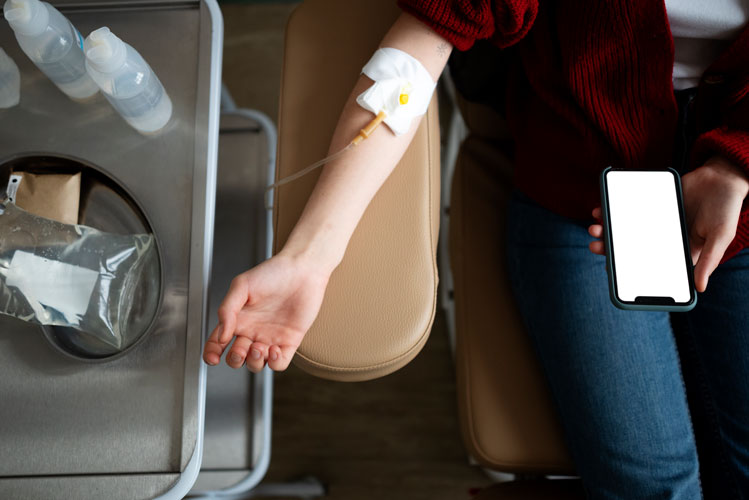
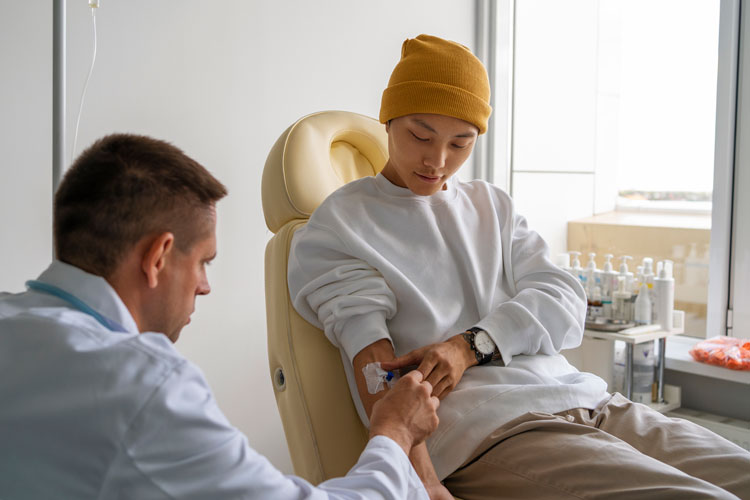
person getting iv treatment

IV hydration bypasses the digestive process by delivering fluids and essential nutrients directly into the bloodstream. This allows for rapid and efficient absorption compared to oral intake. IV drip therapy is specifically designed to restore optimal hydration levels through the infusion of essential fluids, vitamins, and electrolytes.

Unlike drinking water, which must pass through the digestive tract and may be absorbed slowly, IV infusion delivers fluids directly into circulation. Individual response times vary.

Benefits of IV Hydration Therapy for Summer Dehydration

IV hydration therapy comes with numerous benefits, especially for those exposed to extreme heat. Key benefits include:

  • Quick absorption and rapid rehydration for enhanced energy
  • Delivery of essential electrolytes and nutrients for optimal hydration
  • Relief from dehydration symptoms caused by heat or physical exertion
  • Support for electrolyte balance, blood flow, and muscle function
  • Some patients report feeling more refreshed after treatment. Individual experiences vary.

Whether you’re recovering from a summer adventure or preparing for one, IV hydration delivers fluids and electrolytes to support hydration status.

Who Should Consider IV Therapy in the Summer?

IV hydration is not just for athletes or patients with gastrointestinal disorders. It is also beneficial for:

  • People experiencing dehydration symptoms like headaches or fatigue
  • Those undergoing intense physical activity or training in the heat
  • Travelers adjusting to climate changes and jet lag
  • Individuals with poor oral intake or who have lost fluids due to illness
  • Anyone looking for a safe, effective way to maintain wellness during the hot summer months

For younger adults and older individuals alike, IV therapy provides a tailored, fast-acting approach to staying hydrated.

What to Expect from an IV Hydration Appointment

At Tucson Wellness MD, your IV hydration appointment begins with a brief health assessment to ensure safety and effectiveness. A healthcare provider will guide you through the process and help select the appropriate blend based on your hydration status and wellness goals.

happy woman after treatment

Using a sterile, very fine needle, fluids are delivered directly into the bloodstream over 30 to 45 minutes. Patient experiences vary. Some individuals report feeling improvement after treatment.

Common reasons patients book IV hydration include heat exposure, hangover relief, low energy levels, and support for medical recovery. IV hydration delivers fluids and nutrients intravenously as directed by a healthcare provider.

Post-Treatment Tips and Professional Guidance

After your session, it’s important to continue drinking water and follow any guidance provided by your healthcare provider. While IV therapy provides rapid hydration, maintaining hydration through healthy habits better supports long-term wellness.

Patients with ongoing medical conditions should always consult a medical professional before starting any new treatment. Your provider may also recommend follow-up sessions to support hydration over extended periods of heat or physical stress.

IV Hydration Support at Tucson Wellness MD

With the heat rising, it’s crucial to address hydration needs quickly and efficiently. IV hydration is administered under medical supervision when clinically appropriate. It delivers fluids and electrolytes intravenously to support hydration needs when the body is under heat-related stress.

At Tucson Wellness MD, we offer IV hydration therapy designed to help you feel better, faster. Whether you’re preparing for major summer events or recovering from them, our customized treatments provide the support your body needs to stay strong and healthy.

Book your IV hydration session today and experience the benefits of IV therapy for yourself. Let our team help you stay cool, energized, and well throughout the summer season. Get started with a visit to our website.

Frequently Asked Questions

What are the benefits of IV hydration therapy in summer?
Benefits include faster rehydration, improved energy, electrolyte balance, better muscle function, improved blood flow, and relief from heat-related dehydration symptoms.

What are common signs of dehydration in hot weather?
Common symptoms include low energy, headaches, dry skin, dizziness, muscle cramps, and poor concentration. Severe dehydration can cause electrolyte imbalance and heat-related illness.

How does IV hydration therapy work?
IV hydration delivers fluids, electrolytes, and vitamins directly into the bloodstream. This bypasses digestion and allows rapid absorption, restoring hydration faster than drinking water alone.

Why is IV therapy more effective than oral hydration?
Water taken orally must pass through the digestive system and absorbs slowly. IV therapy is administered under medical supervision. Severe dehydration requires prompt medical evaluation, overheated, or recovering from illness.

Dysport for Wrinkles in Tucson: How It Works, Results, and Recovery

Quick Answer

How Does Dysport Reduce Wrinkles?

Dysport reduces wrinkles by temporarily relaxing targeted facial muscles that create expression lines. When those muscles relax, the skin above them appears smoother. Dysport is commonly used for frown lines, forehead lines, crow’s feet, and glabellar lines. Results often begin within a few days, with full results usually visible in about two weeks.

Who Should Consider Dysport?

Dysport may be a good option for adults who want to soften expression lines without surgery or extended downtime. It is often used by people who notice wrinkles caused by repeated facial movement, such as frowning, squinting, or raising the eyebrows.

You may want to consider Dysport if you want help with:

  • Frown lines between the eyebrows
  • Forehead lines
  • Crow’s feet
  • Early signs of facial aging
  • A smoother, more refreshed appearance
  • Wrinkle reduction without surgery
  • Minimal downtime
  • Maintenance care for expression lines

A consultation helps determine whether Dysport fits your facial anatomy, skin goals, health history, and treatment timeline.

Dysport is one of the most popular, non-invasive solutions for reducing wrinkles and fine lines. As a cosmetic procedure, it offers a quick, effective way to smooth wrinkles and achieve a more youthful appearance without surgery. For patients seeking natural-looking results and minimal downtime, Dysport injections can be a practical and safe choice when administered by a qualified healthcare provider.

Dysport Treatment Area Comparison Table

Treatment AreaCommon ConcernHow Dysport Helps
Frown linesLines between the eyebrows from repeated frowningHelps relax the muscles that create vertical expression lines
Forehead linesHorizontal lines from raising the eyebrowsHelps soften movement-related forehead wrinkles
Crow’s feetFine lines around the outer corners of the eyesHelps reduce wrinkles caused by squinting and smiling
Glabellar linesDeeper lines between the browsHelps smooth the treated area for a more relaxed look
Preventive treatment areasEarly expression linesHelps reduce repeated muscle movement that can deepen wrinkles over time

How to Know If Dysport Is Right for You

Dysport is best suited for dynamic wrinkles, which are lines caused by repeated facial muscle movement. These are different from wrinkles caused mainly by skin laxity, volume loss, or sun damage.

A provider can help determine if Dysport is right for you by reviewing:

  • Your wrinkle type
  • Your facial movement patterns
  • Your treatment goals
  • Your medical history
  • Any medications or supplements you take
  • Your timeline for results
  • Whether Dysport, Botox, dermal fillers, or another aesthetic option is a better fit

This matters because the right treatment depends on the cause of the wrinkle. Some patients need muscle relaxation, while others may benefit from volume support, skin treatment, or a combined plan.

Ready to Smooth Frown Lines and Expression Wrinkles?

Tucson Wellness MD offers provider-guided Dysport treatments for patients who want smoother-looking skin, natural-looking results, and minimal downtime.

Schedule a Dysport Consultation

Why Expression Lines Become More Noticeable Over Time

dysport checkup

Fine lines often show up gradually, then suddenly feel impossible to ignore. Repetitive facial movements, stress, and natural collagen loss cause muscles to stay overactive, making wrinkles look deeper and more permanent. Skincare products help the surface, but they cannot relax the muscles underneath.

Dysport targets this root cause by calming the muscles responsible for expression lines, allowing the skin to smooth out naturally without surgery or extended downtime.

Quick Answer

How does Dysport reduce wrinkles?

Dysport reduces wrinkles by temporarily blocking nerve signals that tell specific facial muscles to contract. When those muscles relax, the skin above them smooths out, helping reduce the appearance of dynamic wrinkles such as frown lines, forehead lines, and crow’s feet.

How Dysport Smooths Wrinkles Without Surgery

Dysport is a botulinum toxin type A product, specifically abobotulinumtoxin A. It is used in cosmetic treatments to treat dynamic wrinkles caused by muscle contractions. These include frown lines, crow’s feet, forehead wrinkles, and glabellar lines. Over time, repeated facial expressions like frowning, squinting, or raising your eyebrows cause wrinkle formation in the upper face. These wrinkles become more visible as skin loses elasticity and firmness with age.

The Dysport procedure works by blocking nerve signals that tell specific muscles to contract. Once the signal is interrupted, the facial muscles relax, and the skin over that muscle can lie flat, resulting in fewer wrinkles. The treatment area appears smoother and more refreshed. Patients can typically expect to see results in a few days, with optimal results visible in about two weeks.

What to Expect During a Dysport Treatment Appointment

dysport injection

A typical Dysport appointment at Tucson Wellness MD begins with a consultation to review your medical history, skin health, and treatment goals. You’ll discuss the areas you want to treat and whether you’ve had any prior cosmetic treatments. Your healthcare provider will examine your facial anatomy to determine the appropriate dosage and identify the exact injection sites for best results.

Before the treatment, a numbing cream may be applied to reduce discomfort. The injections are administered using a very fine needle to ensure precision and the entire process takes just 10 to 20 minutes. Patients often describe the sensation as a small pinch. Because Dysport spreads slightly more than some other products, your provider will carefully control the placement to avoid affecting unintended areas.

Dysport Aftercare and Recovery Tips

After receiving Dysport injectable treatments, there is minimal downtime, but as with any medical treatment, it’s important to follow aftercare instructions closely to avoid complications. Patients are typically advised to stay upright for several hours, avoid rubbing the treated area, and postpone any strenuous activity until the following day. It’s also recommended to avoid blood thinning medications or alcohol in the week prior and post treatment unless approved by your provider, as these may increase bruising at the injection sites.

In some cases, patients may experience mild redness, swelling, or slight bruising at the treated area. These effects are usually temporary. Serious complications such as eyelid drooping or muscle weakness are rare but should be reported immediately if they occur. Always notify your provider if you experience any unusual symptoms.

Benefits of Dysport for Smoother, Natural-Looking Skin

wrinkle less skin

Dysport offers several benefits for patients looking to reduce existing fine lines and delay further wrinkle formation. It is especially effective for treating dynamic wrinkles that form from repetitive muscle movement. With a quick onset, noticeable results, and a natural, relaxed appearance, Dysport has become a go-to choice for younger patients who want to prevent early signs of aging, as well as older patients looking to improve their skin’s smoothness.

Key benefits include:

  • Noticeable wrinkle reduction in forehead wrinkles and glabellar lines
  • Fewer wrinkles without a frozen look
  • Fast treatment time with minimal disruption to your day
  • Results that last three to four months, depending on muscle activity and lifestyle
  • A smoother, more refreshed appearance without surgery

Who Is a Good Candidate for Dysport Treatment?

Dysport is suitable for adults with moderate to severe facial lines who are seeking a cosmetic treatment that offers quick results and minimal recovery time. It is not recommended for individuals who are pregnant, breastfeeding, or have a known allergy to botulinum toxin type A.

Patients considering Dysport should have realistic expectations and understand that while the results are temporary, they can be maintained with regular follow up treatments. Discuss any health concerns, medications, or major events you have coming up with your provider to ensure timing and safety.

How to Prepare Before Dysport Injections

To get the best results and reduce potential side effects, avoid blood thinning medications, alcohol, and certain supplements like fish oil or vitamin E during the week prior to treatment. Stay well-hydrated and follow any specific guidelines provided by your healthcare provider.

Why Choose Tucson Wellness MD for Dysport in Tucson

At Tucson Wellness MD, our team has extensive experience delivering safe, precise Dysport treatments. We understand the nuances of facial anatomy and use that knowledge to deliver consistent, natural-looking results. Our goal is to provide every patient with a smooth, professional experience and optimal results that enhance your confidence and support your skin health.

We’ll walk you through every step, from initial consultation to follow up treatment planning. Whether it’s your first cosmetic procedure or part of an ongoing skin care routine, we’re here to help you look and feel your best.

Dysport Treatment in Tucson

If you are in Tucson and want a non-surgical option for expression lines, Dysport may help soften wrinkles caused by repeated facial movement. Treatment is often used for frown lines, forehead lines, crow’s feet, and glabellar lines.

At Tucson Wellness MD, patients receive provider-guided aesthetic care based on facial anatomy, treatment goals, and safety considerations. This helps create a smoother, refreshed look while keeping results natural.

Schedule a Dysport Consultation in Tucson

If you’re ready to explore the benefits of Dysport, get started with a visit to our website. We’ll help you determine if this treatment is right for your skin goals and develop a personalized plan for wrinkle reduction and long-term care. Book your appointment today and take the first step toward smoother, younger-looking skin.

Want to Know If Dysport Is Right for You?

A consultation at Tucson Wellness MD can help determine whether Dysport, Botox, dermal fillers, or another aesthetic option fits your wrinkle concerns and treatment goals.

Book Your Aesthetic Consultation

Dysport FAQs

What is Dysport and how does it work?
Dysport is an injectable treatment that uses botulinum toxin type A to temporarily relax targeted facial muscles. It works by blocking nerve signals that tell specific muscles to contract. When those muscles relax, the skin above them appears smoother and wrinkles become less noticeable. Dysport is commonly used to treat dynamic wrinkles caused by repeated facial expressions.

What wrinkles can Dysport treat?
Dysport is commonly used to treat frown lines, forehead lines, crow’s feet, and glabellar lines between the eyebrows. These wrinkles develop from repetitive muscle movement over time. By relaxing the underlying muscles, Dysport helps soften the appearance of these expression lines. Treatment is most often focused on the upper face.

How quickly does Dysport start working?
Many patients begin noticing improvement within a few days after treatment. Full results are typically visible within about two weeks. The exact timeline varies based on the treatment area and individual response. Most patients appreciate the relatively quick onset compared to other cosmetic procedures.

How long do Dysport results last?
Dysport results generally last about three to four months, although this varies from person to person. Factors such as muscle activity, metabolism, and lifestyle habits can influence how long results remain visible. Regular maintenance treatments may help preserve smoother skin over time. Your provider can recommend an appropriate treatment schedule.

Is Dysport good for forehead lines?

Dysport may help soften forehead lines caused by repeated muscle movement, such as raising the eyebrows. A provider can assess your facial anatomy and movement patterns to determine the right placement and dosage.

What should I avoid after Dysport?

After Dysport, patients are usually advised to avoid rubbing the treated area, lying flat too soon, and doing strenuous activity for the rest of the day. Follow your provider’s aftercare instructions to help reduce the risk of bruising or product movement.

Cardiac Screening Event