When to See a Menopause Doctor: Early Signs of Perimenopause and Menopause You Shouldn’t Ignore

Quick Answer

The best time to see a menopause doctor is as soon as symptoms start affecting your sleep, mood, weight, energy, focus, libido, or daily quality of life. You do not need to wait until symptoms become severe. Early evaluation helps identify hormone-related changes sooner and gives you more treatment options.

Most women do not see a menopause specialist until they have already spent months or years managing symptoms on their own. They attribute the fatigue to stress. They explain away the weight gain. They normalize the sleep disruption, the mood shifts, the brain fog, and the changes in libido because nobody told them these things are hormonal, treatable, and worth addressing early.

By the time most women make an appointment, they are already significantly affected. That gap between symptom onset and clinical support is the problem this article is written to close.

Why Many Women Delay Menopause Care

There are a few reasons women delay seeking specialist care for menopause and perimenopause.

The first is normalization. Symptoms like fatigue, irritability, and poor sleep are so commonly attributed to busy lives, aging, or stress that many women never connect them to hormonal change. They manage. They cope. They assume this is just what getting older feels like.

The second is a lack of clear information from primary care. Many women raise these symptoms with their general practitioner and are told their labs are normal, or that what they are experiencing is a natural part of aging. What often goes unmeasured in those appointments is the full hormonal picture, including estrogen, progesterone, testosterone, thyroid function, and cortisol, the markers that actually explain what is happening.

The third is the assumption that menopause is a single event rather than a transition. Perimenopause, the hormonal shift that precedes the final menstrual period, can begin anywhere from eight to ten years before menopause is clinically confirmed. Symptoms during perimenopause are real, significant, and responsive to treatment. Waiting for a formal menopause diagnosis before seeking help means years of unnecessary suffering.

Early Signs of Perimenopause You Should Not Ignore

Perimenopause does not announce itself clearly. It tends to arrive gradually, with symptoms that are easy to dismiss individually but significant when viewed together.

Common signs that hormonal change is already underway include sleep disruption that is new or worsening, particularly waking in the early hours without the ability to fall back asleep, increased irritability or anxiety that feels disproportionate to circumstances, irregular periods including cycles that are shorter, longer, heavier, or lighter than your normal, hot flashes or night sweats even if mild or infrequent, unexplained weight gain particularly around the midsection despite no significant change in diet or activity, reduced libido or vaginal dryness, cognitive changes including difficulty concentrating or short-term memory lapses, and joint stiffness or new musculoskeletal discomfort.

None of these symptoms require you to have reached menopause to deserve evaluation and treatment. They are hormonal in origin, which means they have hormonal solutions.

How a Menopause Specialist Evaluates Hormone Symptoms

A menopause specialist approaches your symptoms differently than a standard primary care visit.

The evaluation begins with a comprehensive hormone panel, not just a basic estrogen check. This includes estradiol, progesterone, FSH, LH, testosterone, DHEA-S, thyroid function, and cortisol where relevant. These markers together provide a picture of what your hormonal environment actually looks like and where the imbalances are.

From there, treatment is built around your specific lab results, your symptom profile, your health history, and your goals. This is not a one-size approach. Women going through perimenopause and menopause have different needs depending on their age, their symptom severity, their cardiovascular and bone health history, and how far along the hormonal transition they are.

Hormone replacement therapy, when appropriate, is discussed in the context of current evidence, not outdated assumptions. The clinical understanding of HRT has shifted significantly in the past two decades. For most healthy women under 60 who are within ten years of menopause onset, the benefits of properly prescribed HRT outweigh the risks. A menopause specialist will walk you through what the evidence actually says and help you make an informed decision.

Why Early Menopause Treatment Matters

Delaying care during perimenopause and menopause is not a neutral choice. The longer hormonal imbalance goes unaddressed, the more downstream effects accumulate.

Bone density loss accelerates during the years surrounding menopause due to estrogen decline. This is one of the primary drivers of osteoporosis in women over 60, and it is largely preventable with early intervention.

Cardiovascular risk increases after menopause. Estrogen has a protective effect on blood vessel health, and its decline is associated with changes in cholesterol levels, blood pressure, and arterial stiffness. Women who address hormonal decline early and appropriately reduce this risk profile.

Metabolic changes including insulin resistance, increased visceral fat, and changes in how the body partitions energy all accelerate in the perimenopausal window. Left unaddressed, these changes become harder to reverse and increase long-term disease risk.

Cognitive health is also implicated. Research increasingly supports the idea that the perimenopausal period is a critical window for brain health, and that hormonal support during this time may have long-term protective effects on cognitive function.

Waiting does not preserve options. In many cases it closes them.

What to Expect at Your First Appointment

If you have never seen a menopause specialist before, knowing what a first appointment looks like removes some of the uncertainty.

You will be asked about your full symptom history, your menstrual pattern, your personal and family medical history, and your current medications and supplements. A comprehensive hormone panel will be ordered if you do not already have recent labs. Depending on your age and history, additional screening such as bone density testing or cardiovascular markers may be recommended.

Your provider will review your results with you in plain language, not medical shorthand. You will understand what your numbers mean, how they relate to your symptoms, and what your options are. No decisions are made without your understanding and input.

If hormone therapy is appropriate and something you want to explore, your provider will explain the different forms available, including oral, topical, patch, and pellet options, and help you determine which approach fits your situation best. If hormone therapy is not the right fit, there are non-hormonal interventions that can meaningfully address specific symptoms, and those will be part of the conversation too.

When Should You See a Menopause Doctor?

The answer is earlier than you think.

If you are in your late thirties or forties and recognizing any combination of the symptoms described above, that is enough reason to make an appointment. You do not need to have skipped a period. You do not need your symptoms to be severe. You do not need a referral or a formal diagnosis.

What you need is a provider who will take your symptoms seriously, run the right labs, and give you a clear picture of what is actually happening in your body.

At Tucson Wellness MD, we see women at every stage of the perimenopause and menopause transition. Whether you are just starting to notice changes or have been managing symptoms for years without real answers, we will start with comprehensive hormone testing and a one-on-one consultation that gives you the full picture.

You do not have to keep waiting. Call us at 520-222-5425 or email Info@TucsonWellnessMD.com to schedule your consultation.

FDA Compliance Disclaimer

Hormone replacement therapy and other treatments discussed in this article are prescription interventions that require evaluation by a licensed medical provider. This content is for informational purposes only and does not constitute medical advice. Individual results vary based on health history, hormone levels, and clinical presentation. Consult a qualified healthcare provider to determine whether any treatment is appropriate for your specific situation.

Frequently Asked Questions About Perimenopause and Menopause

When should you see a menopause doctor?
You should consider seeing a menopause doctor when symptoms begin affecting your sleep, mood, energy, focus, weight, libido, or overall quality of life. Many women wait until symptoms become severe, but early evaluation often provides more treatment options and a clearer understanding of what is happening hormonally. You do not need to wait until menopause is officially confirmed. Addressing symptoms early may help prevent years of unnecessary discomfort.

What are the first signs of perimenopause?
Perimenopause often begins gradually and may include sleep disruption, mood changes, irregular periods, hot flashes, night sweats, reduced libido, brain fog, and unexplained weight gain. Many women initially attribute these symptoms to stress, aging, or a busy lifestyle. Because symptoms develop slowly, they are often overlooked. Recognizing the pattern early can help you seek appropriate support.

How long does perimenopause last?
Perimenopause can begin eight to ten years before menopause is officially confirmed. During this transition, hormone levels fluctuate significantly, leading to a wide range of symptoms. The experience varies from woman to woman, with some noticing mild changes and others experiencing more disruptive symptoms. Seeking evaluation during this phase may help improve symptom management.

Why do so many women delay seeking menopause care?
Many women assume symptoms such as fatigue, irritability, poor sleep, and weight gain are simply part of aging. Others are told their basic lab work is normal, which may not fully evaluate hormone-related causes. Misunderstanding menopause as a single event rather than a long transition also contributes to delays. As a result, many women spend years managing symptoms without answers.

Slow Metabolism Symptoms: 7 Signs and What to Do

Quick Answer

What are common slow metabolism symptoms?

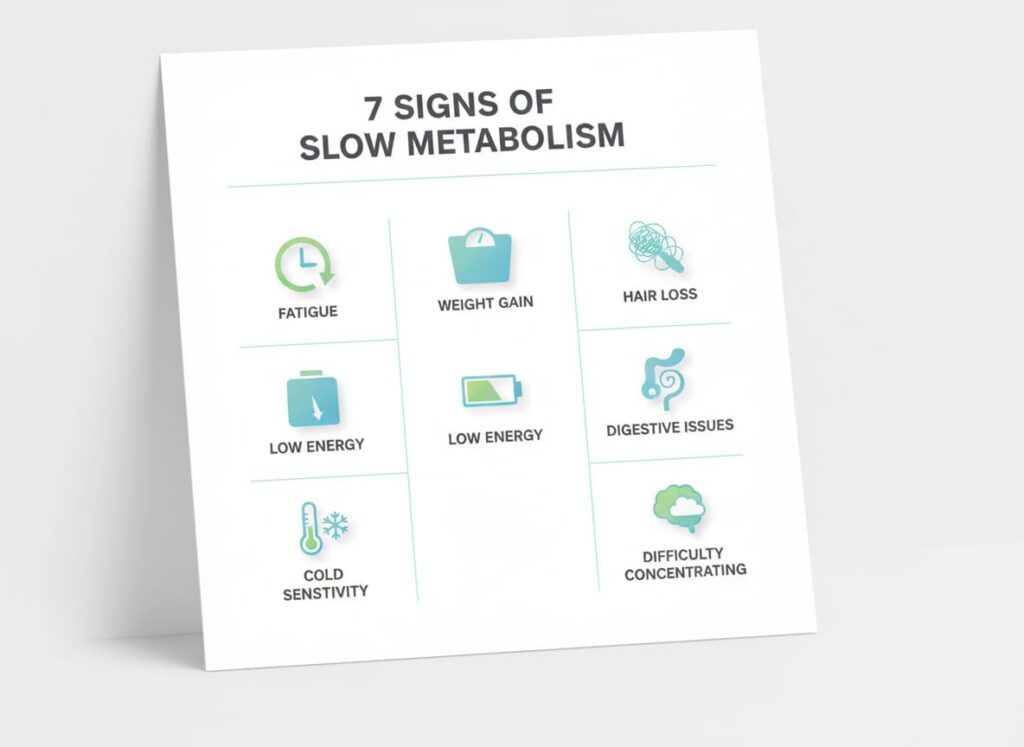
Common slow metabolism symptoms include low energy, unexplained weight gain, trouble losing fat, cold intolerance, constipation, brain fog, mood changes, hair thinning, brittle nails, and hormone-related changes. If these symptoms continue, a provider can help check thyroid, hormone, nutrient, and metabolic factors.

Let’s review common signs associated with metabolic changes and practical steps that may help support metabolic health.

Slow Metabolism Symptoms at a Glance

SymptomWhat It May Mean
Low energy or fatigueYour body may not be converting food into usable energy efficiently.
Unexplained weight gainA lower metabolic rate may reduce how many calories your body burns at rest.
Difficulty losing fatHormone changes, muscle loss, stress, or poor sleep may make fat loss harder.
Feeling cold oftenThyroid or metabolic changes may affect body temperature regulation.
Constipation or bloatingSlower energy production may affect digestion and gut movement.
Brain fog or mood changesBlood sugar, nutrient status, sleep, or hormone issues may affect mental clarity.
Hair thinning or brittle nailsNutrient, thyroid, stress, or hormone issues may affect hair and nail health.

Why a Slow Metabolism Often Goes Unnoticed

Many people assume feeling tired, foggy, or stuck with their weight is normal aging, not realizing these are early signs their metabolism is no longer working efficiently. When the body struggles to convert food into energy, every system feels the slowdown.

What a Slower Metabolism Means for Your Body

We know understand that a slowed metabolism means your body is less efficient at converting the food you eat (calories) into usable energy than usual. Your metabolic rate is influenced by many factors including age, gender, muscle-to-fat ratio, amount of physical activity and hormone function.

1. Why Low Energy and Fatigue Can Signal Metabolic Changes

You’re getting plenty of sleep, but you still feel drained. Sound familiar? When your metabolism slows, your cells aren’t producing energy efficiently. This can leave you feeling exhausted, unmotivated, and even foggy.  Changes in blood sugar regulation or thyroid function may contribute to these symptoms and should be evaluated by a healthcare provider when appropriate. As a result, you might experience increased cravings, particularly for sugary or starchy foods, as the body tries to get more energy. 

2. How Metabolism Affects Weight Gain and Fat Loss

If your weight has crept up without any major changes in your habits, it could be metabolic. A slower metabolism burns fewer calories at rest, meaning even the same meals and activities might now lead to weight gain especially around the midsection. Hormonal and metabolic factors may influence weight patterns and should be assessed individually through proper testing and clinical evaluation. Chronic stress and poor sleep don’t help either.

lose weight

3. Why Cold Intolerance Can Be Linked to Metabolism

Always reaching for a sweater, even in warm temps? Changes in thyroid hormone levels can influence temperature regulation and metabolic function, and evaluation may be appropriate if symptoms persist your internal temperature may drop. This is a common but often overlooked sign of a sluggish metabolism.

4. How Slower Metabolism Affects Digestion and Gut Function

Metabolism doesn’t just affect weight, it influences digestion too. A sluggish metabolism can result in slowed digestion, causing constipation, bloating, or other digestive issues. Reduced energy availability slows gut motility. If your gut is sluggish, it could be a sign that your entire system is slowing down. Supporting gut health with hydration, fiber, and fermented foods is key.

5. How Metabolic Health Influences Mood and Mental Clarity

managing stress

Poor memory, difficulty concentrating, or feeling down for no obvious reason? When your cells aren’t converting nutrients into usable energy efficiently, your brain suffers too.  These symptoms may be associated with fluctuations in blood sugar, cellular energy production, or nutrient status and warrant further clinical evaluation when ongoing.

6. Why Hair and Nail Changes Can Reflect Metabolic Health

Your hair and nails reflect your internal health. Thinning, shedding, or slow-growing hair could point to protein or micronutrient deficiencies, poor thyroid function, or stress. Your body prioritizes survival, not beauty, when resources are low.

7. How Hormone Imbalances Affect Metabolism

hormone weight gain

Irregular or missed periods, PMS, and low libido can all be signs of hormonal imbalance. Key hormones like estrogen, progesterone, and testosterone play a major role in your metabolic health, so when they’re off, your metabolism often is too. Thyroid hormones also regulate how your body uses glucose, burns fat, and stores energy so disruptions here can significantly impact your metabolic function.

If weight gain or fat loss resistance is your main concern, learn more about our medical weight loss options.

If low energy, low libido, or hormone changes are part of your symptoms, you may also want to explore TRT for men, TRT for women, or menopause therapy.

When to Speak With a Provider About Slow Metabolism Symptoms

You should speak with a provider if slow metabolism symptoms continue, get worse, or start affecting your weight, energy, mood, sleep, digestion, or daily routine.

A clinical evaluation may help identify whether your symptoms are linked to thyroid function, hormone changes, blood sugar regulation, nutrient deficiencies, stress, sleep quality, or other metabolic factors.

Provider-guided testing matters because symptoms like fatigue, weight gain, constipation, cold intolerance, and brain fog can overlap with several health concerns. Guessing often leads to wasted time. Testing gives you a clearer path forward.

Struggling With Weight, Energy, or Metabolism?

If you feel stuck despite eating better, exercising, or trying to lose weight on your own, Tucson Wellness MD can help you understand what may be affecting your metabolism.

Schedule a Weight Loss Consultation

Simple Ways to Support a Healthier Metabolism

The good news? You have more control than you think. Here are simple, foundational steps to support a healthier, more efficient metabolism:

  • Eat enough – especially protein and healthy fats
  • Balance blood sugar with regular meals and real food
  • Strength train to support lean muscle and metabolic function
  • Move daily beyond the gym (walking, stretching, mobility)
  • Prioritize sleep and manage stress (this includes saying no and resting!)
  • Support your gut with fiber, fermented foods, and hydration
  • Get tested if needed: thyroid panel, sex hormones, nutrient status

Your metabolism is your body’s internal engine and just like a car, it needs the right fuel and maintenance to run well. If you’re noticing any of these signs, don’t ignore them. They may be gentle nudges from your body asking for more support.

Start Supporting Your Metabolism Today

By making intentional shifts to how you eat, move, sleep, and manage stress,You may support metabolic health and energy levels by making sustainable lifestyle adjustments and working with a qualified provider when needed, focused, and in control. Small steps really do make a big impact. Now is the time to start tuning in and taking action.  If you are experiencing persistent symptoms, scheduling a consultation with a licensed healthcare provider may help determine whether additional evaluation or testing is appropriate.

Frequently Asked Questions

What does it mean when your metabolism slows down?

A slowed metabolism means your body is less efficient at turning food into usable energy. This can affect weight, energy levels, digestion, temperature regulation, mood, and hormone balance.

Can metabolism really slow down even if my habits haven’t changed?

Yes. Metabolism can slow due to age, chronic stress, hormonal changes, under-eating, muscle loss, poor sleep, or thyroid dysfunction, even if your diet and activity stay the same.

Is weight gain always a sign of a slow metabolism?

Not always, but unexplained weight gain or difficulty losing weight can be a common sign. When metabolism slows, your body burns fewer calories at rest, making fat storage easier.

When should I worry about slow metabolism symptoms?

You should speak with a provider if symptoms like fatigue, weight gain, cold intolerance, constipation, brain fog, or hair thinning continue despite healthy lifestyle changes.

Can hormone imbalance slow metabolism?

Yes. Thyroid hormones, estrogen, progesterone, testosterone, cortisol, and insulin all influence metabolism. When these hormones shift, energy, weight, mood, sleep, and fat loss may change.

Aging and Hormones: How to Stay Balanced Through Each Decade

aged woman and dna background

Hormones regulate nearly every system in the human body. From energy and metabolism to sexual function and cognitive health, these chemical messengers support overall wellness across your lifespan. As we age, however, the balance of hormones produced by the endocrine system shifts, leading to a wide range of age-related changes.

Understanding how hormonal changes occur across each decade can help you take practical steps to support healthy aging, extending life span and health span well into older adulthood.

Quick Answer

Why do hormone imbalances often go unnoticed?

Hormone imbalances often go unnoticed because symptoms like fatigue, weight gain, low libido, poor sleep, and mood changes develop gradually over time. Many people assume these changes are simply part of aging instead of recognizing them as signs of shifting hormone levels affecting multiple body systems.

Why Hormone Imbalance Often Goes Unnoticed

Many people blame fatigue, weight gain, low libido, or mood changes on aging itself, not realizing these are often signs of shifting hormone levels. When hormonal balance changes quietly over time, symptoms build gradually and affect multiple systems before the cause is ever identified.

Your 20s: Build Your Hormone Foundation

In your 20s, hormone production is typically at its peak. The pituitary gland, anterior pituitary, and adrenal cortex all work efficiently to regulate vital processes such as growth, metabolism, and reproductive health. Key hormones like growth hormone, luteinizing hormone, follicle stimulating hormone, and sex hormones such as estrogen and testosterone are well-regulated during this phase.

For young adults, this is the time to build healthy habits to ensure your body produces hormones optimally for long-term balance.

Focus on:

  • Consistent physical activity and aerobic exercise
  • Nutrient-dense eating for metabolism and immune system support
  • Stress management to protect adrenal function and cortisol balance
  • Early screening for thyroid disease or other hormonal conditions

Maintaining healthy growth hormone levels and insulin-like growth factor production can help preserve muscle strength, cognitive function, and bone density as you age.

Your 30s: Early Shifts Begin

two woman of different ages

By your 30s, you may notice subtle signs that your endocrine system is starting to shift. Though many hormones are still functioning efficiently, metabolism slows slightly, and other factors like stress, sleep habits, and diet begin to affect hormone balance more noticeably.

Hormonal concerns in this decade may include:

  • Changes in thyroid hormones or thyroid stimulating hormone levels
  • Irregular menstrual cycles in women
  • Slightly decreased libido in both men and women
  • Early signs of decreased muscle strength or energy levels

This is also the stage where parathyroid hormone, which regulates calcium levels and supports bone strength, begins to play a larger role in long-term bone health. Bone mineral density starts to decline, especially without regular physical exercise or strength training.

Your 40s: More Noticeable Hormone Changes

an elderly woman looking into a mirror

In your 40s, hormonal changes become more obvious. Women often enter perimenopause, while men may experience a gradual decline in testosterone. These age-related changes can affect everything from energy and mood to sleep and sexual function.

Common symptoms include:

  • Decreased libido and erectile dysfunction in men
  • Mood changes and hot flashes in women
  • Bone and joint pain due to changes in hormone-regulated bone density
  • Changes in blood flow and blood pressure regulation

During this stage, keeping an eye on cardiovascular health becomes essential. Evidence suggests that sex hormones like estrogen and testosterone play a role in protecting against heart disease. As hormone levels decline, the risk of cardiovascular disease and other chronic disease conditions begins to rise.

Supporting your hormones in your 40s includes:

  • Regular hormone testing
  • Discussions with your healthcare provider about hormone therapy or testosterone supplementation if appropriate
  • Continued aerobic exercise and resistance training
  • A focus on cognitive health and stress reduction

Your 50s and Beyond: Support for Healthy Aging

elderly couple

By the time you reach your 50s and 60s, the ageing process often brings a significant decline in several hormones produced by the anterior pituitary, adrenal cortex, and thyroid gland. Older adults often experience a measurable drop in thyroid hormones, growth hormone levels, testosterone, estrogen, and other hormones that help regulate metabolism, mood, and bone strength.

Age-related hormonal decline in this stage can lead to:

  • Loss of muscle mass and weight gain
  • Reduced cognitive function and increased risk of Alzheimer’s disease
  • Bone fractures due to low bone mineral density
  • Increased joint pain and inflammation
  • Risk of prostate cancer in men and cardiovascular disease in both sexes

Men may experience more pronounced effects of low testosterone, such as erectile dysfunction, fatigue, and muscle loss. Women in postmenopause may notice changes in skin elasticity, sleep quality, and memory. For both, maintaining a healthy weight, muscle strength, and cardiovascular fitness becomes a top priority.

Key strategies for staying balanced include:

  • Bioidentical hormone replacement therapy, when guided by a qualified provider
  • Regular screening for thyroid disease, heart disease, and osteoporosis
  • Nutritional support for bone health and metabolic balance
  • Monitoring blood pressure, blood flow, and other vital health markers

Hormonal Support Is About More Than Age

an elder woman looking into a mirror and getting ready

While hormones change with advancing age, the pattern and pace vary from person to person. Genetics, lifestyle, stress, underlying health conditions, and other factors influence how your body ages. Even younger people can experience hormone imbalances due to poor sleep, chronic stress, or gastrointestinal issues affecting nutrient absorption.

The good news is that with regular monitoring, professional guidance, and targeted interventions, you can support hormone balance at every stage of life.

Why Work With Tucson Wellness MD

At Tucson Wellness MD, we specialize in helping patients navigate the complex relationship between aging and hormones. Whether you’re exploring preventive strategies in your 20s or 30s, or seeking support for hormone decline in your 50s or 60s, we provide personalized plans built on clinical experience and the latest evidence.

Our approach includes:

  • Comprehensive lab testing to assess hormone levels
  • Individualized hormone therapy when appropriate
  • Support for thyroid function, adrenal health, and metabolism
  • Lifestyle guidance for healthy aging and long-term wellness

Stay in Balance at Every Age

Hormonal health plays a central role in how you age, how you feel, and how long you stay active and independent. Whether you’re aiming to maintain a healthy sex life, support your cognitive function, or reduce the risk of chronic disease, paying attention to your hormones is essential.

At Tucson Wellness MD, we offer hormone replacement therapy based on your unique needs. Whether you’re concerned about declining testosterone levels, bone loss, mood swings, or broader effects on your body systems, our team is here to help. Taking action now could improve your life expectancy and support your long-term well-being.

Schedule a consultation with Tucson Wellness MD today to start building your path to long-term hormonal health and wellness through every decade of life.

Frequently Asked Questions

How do hormones change as you age?
Hormone levels naturally shift throughout life as the endocrine system changes over time. Hormones involved in metabolism, energy, mood, sexual function, and bone health may gradually decline with age. These changes can affect both men and women differently depending on genetics, lifestyle, and overall health. Hormonal aging often develops slowly, which is why symptoms may go unnoticed at first.

Why do hormone imbalances often go unnoticed?
Many people assume symptoms like fatigue, weight gain, low libido, or mood changes are simply part of getting older. Because hormone shifts usually happen gradually, symptoms build slowly over time. Multiple systems in the body may be affected before the underlying imbalance is recognized. Comprehensive evaluation helps identify patterns that standard checkups may overlook.

What hormones are important in your 20s?
In your 20s, hormones related to growth, metabolism, reproductive health, and energy production are typically at their peak. Key hormones include testosterone, estrogen, growth hormone, thyroid hormones, and insulin-like growth factor. This decade is important for building healthy habits that support long-term hormonal balance. Nutrition, exercise, stress management, and sleep all play major roles.

What hormone changes happen in your 30s?
By your 30s, subtle hormonal shifts may begin affecting metabolism, energy levels, and recovery. Some people notice changes in libido, thyroid function, sleep quality, or muscle strength. Stress and lifestyle habits also start having a larger impact on hormonal balance during this stage. Early monitoring can help identify potential issues before symptoms worsen.

Low Testosterone in Women: Symptoms, Benefits, Testing, and Treatment Options

Quick Answer

Why do women need testosterone?

Women naturally produce testosterone, and it plays an important role in energy, muscle tone, bone density, mood stability, cognitive function, libido, and overall metabolic health. Low testosterone levels in women may contribute to fatigue, reduced strength, low libido, mood changes, and difficulty maintaining muscle mass.

When people hear “testosterone,” they often think of it as a “male” hormone. But the truth is women produce and need testosterone, too. While we make less of it than men, it plays a critical role in energy, mood, strength, libido, and even bone health. Let’s explore why testosterone is important for women, common questions about it, and how you can support healthy hormone levels with nutrition.

Why Testosterone Matters for Women’s Energy, Mood, and Strength

Testosterone is produced in the ovaries, adrenal glands, and peripheral tissues. In women, it supports:

  • Muscle tone & strength
  • Bone density
  • Cognitive function & mood stability
  • Sex drive & arousal
  • Energy & motivation

Low testosterone in women can contribute to fatigue, depression, low libido, difficulty building muscle, weight gain, and bone loss, especially during perimenopause and menopause when hormones naturally shift.

Common Causes of Low Testosterone in Women

Several factors can lower testosterone in women:

  • Age (levels decline naturally with age)
  • Chronic stress (impacts adrenal production)
  • Eating disorders or low body fat
  • Certain medications (like steroids or birth control)
  • Ovarian removal or menopause

Signs Your Testosterone Levels May Be Low

Symptoms of low testosterone can include:

  • Low libido
  • Fatigue or lack of motivation
  • Difficulty building or maintaining muscle
  • Thinning hair
  • Decreased bone density
  • Mood changes, like irritability or depression

Low Testosterone Symptoms vs Other Hormone Imbalance Symptoms

SymptomPossible Testosterone LinkOther Possible Hormone Links
Low libidoOften linked to low testosteroneEstrogen imbalance, stress, menopause
FatigueLow testosterone may reduce energy and motivationThyroid issues, vitamin D deficiency, cortisol imbalance
Difficulty building muscleTestosterone supports lean muscleLow protein intake, aging, thyroid imbalance
Weight gainMay relate to lower muscle mass and slower metabolismEstrogen changes, insulin resistance, menopause
Mood changesTestosterone may affect motivation and mood stabilityProgesterone, estrogen, cortisol
Thinning hairMay happen with hormone shiftsThyroid imbalance, nutrient deficiencies
Poor sleepLow testosterone may contribute indirectlyProgesterone, cortisol, menopause

When Should Women Get Hormone Testing?

Hormone testing may help if symptoms continue even after you improve your sleep, nutrition, exercise, and stress management. Low testosterone symptoms can overlap with other hormone or metabolic issues, including estrogen changes, progesterone imbalance, thyroid problems, vitamin D deficiency, or high stress. Testing gives your provider a clearer picture before recommending lifestyle support, hormone therapy, or another treatment approach.

You may want to consider hormone testing if you experience:

  • Ongoing fatigue
  • Low libido
  • Mood changes
  • Difficulty building or keeping muscle
  • Unexplained weight gain
  • Brain fog
  • Poor sleep
  • Perimenopause or menopause symptoms
  • Stalled progress despite healthy habits

If your symptoms started during perimenopause or menopause, menopause therapy may also help identify the right support plan.

Why Medical Evaluation Matters Before Hormone Therapy

Medical evaluation helps determine whether symptoms are linked to testosterone, another hormone imbalance, or a different health factor. A provider reviews your symptoms, health history, and lab results before recommending lifestyle support, hormone therapy, or another treatment option.

Some women need only lifestyle support, while others may benefit from monitored hormone therapy. Testing provides clarity before making treatment decisions and helps reduce the risk of unnecessary or excessive treatment.

Not Sure If Your Symptoms Are Hormone-Related?

Fatigue, low libido, mood changes, weight gain, and poor sleep can have several causes. Tucson Wellness MD offers hormone testing and provider-guided care to help you understand what your body needs.

Schedule a Hormone Consultation

Why Comprehensive Hormone Testing Matters for Women

Testing your hormones is one of the most powerful steps you can take to improve your health, vitality, and weight management because hormones don’t work in isolation. Testosterone, estrogen, progesterone, DHEA, and even vitamin D all interact, and even subtle imbalances can affect how you feel, how you look, and how your body responds to diet and exercise.

testosterone

At Tucson Wellness MD, we offer a comprehensive hormone panel that goes beyond the basics to give you a complete picture of your hormonal health. Below is how each key hormone contributes to both weight loss and vitality and why balancing them is so important:

Key Hormones That Affect Energy, Weight, and Vitality

Testosterone

Drives muscle tone, energy, libido, and fat metabolism.

  • For Fat Burning: Builds muscle, increases metabolism, reduces abdominal fat, and improves insulin sensitivity.
  • For Vitality: Strengthens bones, improves cognitive function, boosts libido, supports heart health, immunity, and long-term physical strength.

Estrogen

Essential for bone health, mood, metabolism, and fat distribution.

  • For Fat Burning: Regulates fat storage, boosts metabolism, reduces visceral fat, and improves insulin sensitivity especially after menopause.
  • For Vitality: Protects bones and the heart, enhances mood, cognition, and skin health, and helps protect the brain from Alzheimer’s and Parkinson’s disease.

Progesterone

Balances estrogen, promotes restful sleep, and helps manage stress.

  • For Fat Burning: Supports thyroid function, regulates blood sugar, reduces fat storage and water retention, and improves body composition.
  • For Vitality: Reduces inflammation, supports bone health, enhances sleep quality, mood, and cognitive function, and may lower breast cancer risk.

DHEA

A precursor to other hormones that supports energy, mood, and body composition.

  • For Fat Burning: Boosts thermogenesis, targets abdominal fat, improves insulin sensitivity, and helps build lean muscle.
  • For Vitality: Offers anti-inflammatory and antioxidant benefits to support immunity, brain health, bones, and heart function.

Vitamin D3

Technically a hormone, it plays a vital role in mood, immunity, energy, and weight regulation.

  • For Fat Burning: Helps regulate fat cell growth, enhances fat metabolism, improves insulin sensitivity, and supports muscle function.
  • For Vitality: Strengthens bones, reduces inflammation, supports heart and immune health, and may help lower cancer risk.

By testing these hormones together, rather than just checking one or two, we can help uncover the root cause of symptoms and design a personalized plan to help you feel vibrant, strong, and in control of your health again.

Can Women Use Testosterone Therapy Safely?

Yes, under medical supervision, women with clinically low testosterone may benefit from therapy. This can come in the form of creams, gels, pellets, or injections. Always work with a knowledgeable provider to monitor levels and avoid excessive dosing. At Tucson Wellness MD, we offer testosterone therapy in the forms of pellets or injections, ask us about pricing!

Lifestyle Support vs Medical Hormone Therapy

Treatment for low testosterone or hormone imbalance depends on your symptoms, lab results, health history, and personal goals. Some women may need lifestyle changes first, while others may qualify for provider-supervised hormone therapy. The table below shows how different support options may fit into a personalized care plan.

OptionWhat It SupportsBest For
Nutrition changesHormone production, blood sugar balance, and energyWomen with mild symptoms or lifestyle gaps
Strength trainingMuscle tone, metabolism, and bone supportWomen with muscle loss, low strength, or weight changes
Sleep improvementCortisol balance, recovery, and hormone rhythmWomen with fatigue, poor sleep, or stress-related symptoms
Stress managementAdrenal health and overall hormone balanceWomen with burnout, high stress, or low motivation
Hormone testingClearer diagnosis and treatment planningWomen with ongoing symptoms despite healthy habits
Testosterone pelletsLonger-lasting hormone support under provider supervisionWomen who qualify after evaluation and lab testing
Testosterone injectionsMonitored testosterone replacement supportWomen needing provider-directed treatment
Ongoing lab monitoringSafety, dosage review, and treatment adjustmentWomen using hormone therapy

The safest option is the one based on testing, medical review, and ongoing monitoring. This helps your provider choose the right approach and adjust treatment when needed.

How Nutrition and Lifestyle Support Healthy Hormone Balance

testosterone

While medical treatment may sometimes be necessary, nutrition and lifestyle are foundational for healthy hormones including testosterone. A holistic lifestyle, rooted in whole foods and rich micronutrients, is a powerful way to nurture your hormones and overall health. For personalized advice, consult a qualified dietitian/nutritionist. Here’s how to support your body naturally:

Eat Enough Protein & Healthy Fats

  • Adequate protein (like chicken, fish, lean beef, and eggs) supports muscle and hormone production.
  • Healthy fats (from avocado, olive oil, coconut, and fatty fish) are crucial because cholesterol is a building block for hormones.

Balance Blood Sugar

  • Excessive sugar and insulin spikes can disrupt hormone balance. Focus on complex carbs (like sweet potatoes, quinoa, and veggies) paired with protein and healthful fat.

Include Micronutrient-Rich Foods

  • Zinc: oysters, beef, pumpkin, spinach
  • Magnesium: leafy greens, avocado, squash
  • Vitamin D: salmon, egg yolks, or get sunlight exposure
  • B-vitamins (B6, B12, folate): meats and poultry, fish, and starchy vegetables like potatoes, and leafy green vegetables
  • Vitamin C: citrus fruits, berries, and bell peppers
  • Iodine: fish, dairy products, iodized salt
  • Selenium: Brazil nuts, tuna, and fish

Prioritize Sleep & Stress Reduction

  • Chronic stress raises cortisol, which can lower testosterone. Sleep, relaxation, and stress management are just as important as food.

Schedule Hormone Testing and Personalized Support in Tucson

Testosterone is a vital hormone for women, supporting your energy, strength, mood, and overall health at every stage of life. If you’re experiencing symptoms of low testosterone or want to better understand your hormone health, we’re here to help.

Reach out to Tucson Wellness MD today to schedule your consultation. Ask us about our comprehensive lab panels to assess your hormone levels and learn more about our hormone replacement therapy (HRT) options and pricing. Your journey to balanced hormones and feeling your best starts here. Let us guide you!

Ready to Understand Your Hormone Levels?

If fatigue, low libido, mood changes, weight concerns, or menopause symptoms are affecting your daily life, Tucson Wellness MD can help you take the next step with hormone testing and personalized care.

Schedule Your Consultation

Frequently Asked Questions

Do women naturally produce testosterone?
Yes, women naturally produce testosterone through the ovaries, adrenal glands, and peripheral tissues. Although women produce much lower amounts than men, testosterone still plays an important role in overall health. It supports energy, muscle tone, mood stability, libido, and bone strength. Hormonal balance depends on maintaining appropriate levels rather than eliminating the hormone completely.

Why is testosterone important for women?
Testosterone helps support muscle maintenance, cognitive function, energy levels, sexual wellness, and bone density. Healthy testosterone levels may also contribute to motivation and metabolic function. When levels decline, some women experience fatigue, reduced strength, or low libido. The hormone works alongside estrogen and progesterone to support overall wellness.

What causes low testosterone in women?
Several factors may contribute to lower testosterone levels in women, including aging, chronic stress, menopause, and certain medications. Low body fat, eating disorders, or ovarian changes may also affect hormone production. Hormone levels naturally shift during perimenopause and menopause. Lifestyle factors can also influence hormonal balance over time.

What are symptoms of low testosterone in women?
Symptoms may include fatigue, low libido, mood changes, difficulty building muscle, increased body fat, and reduced motivation. Some women also notice thinning hair or decreased bone density over time. These symptoms can overlap with other hormonal or metabolic conditions. Proper evaluation helps determine whether testosterone imbalance may be involved.

Can low testosterone cause weight gain in women?

Low testosterone may contribute to weight changes by reducing muscle mass, energy, and metabolic support. Weight gain can also involve estrogen changes, insulin resistance, thyroid issues, stress, sleep problems, or menopause.

Is testosterone therapy safe for women?

Testosterone therapy may be appropriate for some women when prescribed and monitored by a qualified provider. Lab testing, symptom review, dosage control, and follow-up care help reduce the risk of excessive dosing or unwanted side effects.

How to Support Your Metabolism for Weight Loss

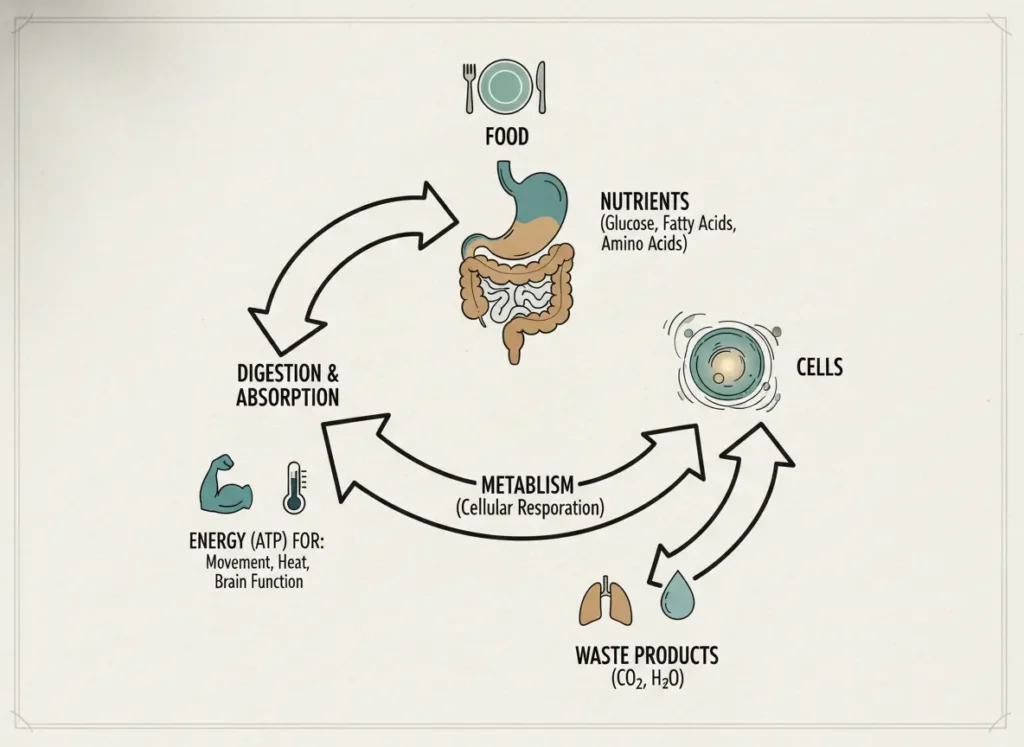
When most people think of metabolism, they think about how quickly their body uses (or burns) calories. But metabolism is much more than that, it’s the entire process your body uses to turn food into the energy you need to stay alive and healthy.

Metabolism plays a central role in energy balance, body composition, and overall physiological function over time.

Your body processes the food you eat in a series of intricate steps:

  • Digestion breaks food down into smaller parts.
  • Oxidation prepares those parts to be used for energy, by creating Acetyl-Coenzyme A (Acetyl-CoA).
  • The Krebs cycle is where your body produces usable energy (ATP) required for daily cellular function

Many people believe metabolism is just about fast or slow calorie burning. In reality, it’s about how your body creates, manages, and uses the energy produced to keep you alive and thriving.

What Metabolism Really Is

Metabolism is the sum of all the chemical reactions happening inside your cells to keep you alive. It’s how your body turns food and drink (calories) into energy, and that energy powers everything, from breathing and blood circulation to maintaining your body temperature, even when you’re at complete rest.

In fact, your body uses energy even when you’re not moving at all. This basic energy use is called your Basal Metabolic Rate (BMR):  The amount of energy your body requires at complete rest to maintain essential functions. Essentially, the number of calories your body burns at rest to keep your organs and systems functioning, which includes breathing, maintaining blood circulation, brain function, cellular growth and repair, basic hormonal and neurological changes.

Your BMR is directly linked to how much lean muscle mass you have. The more muscle you carry, the higher your BMR, because muscle tissue requires more energy to maintain than fat tissue.

It’s important to remember:

  • BMR accounts for the calories you burn at complete rest.
  • Metabolism as a whole includes your BMR plus all the extra energy you burn through movement, exercise, chores, digestion, other activities, and the food you eat.

Metabolism isn’t just about energy, either. It’s crucial for overall health and well-being, directly impacting your energy levels, the building and repairing of tissues, digesting food, eliminating waste, and your body’s ability to function properly. Many factors can influence metabolism, including age, sex, body composition, and even certain medications which is why it can feel so different from one person to another.

The Two Core Processes of Metabolism

At its core, metabolism includes two key processes:

  • Catabolism: breaking down complex molecules into simpler ones (like breaking down food into carbon dioxide, water, and waste) to release energy.
    • Examples include breaking down carbohydrates, fats, and proteins from food to release energy, in the form of ATP, for cellular work. It also includes processes like breaking down glycogen to release glucose for energy, like in a flight-or-fight state.
  • Anabolism: building new, complex molecules (like proteins, DNA, and healthy fats) that your body needs to grow, repair, and thrive.
    • Examples include using amino acids from protein to build new muscle tissue after an intense workout. It also involves storing energy, like converting excess glucose into glycogen for later use. 

The energy your body releases when breaking things down (catabolism) is what it uses to build and repair (anabolism). Your body needs a constant flow of energy for essential work: moving your muscles, transporting nutrients (like calcium, potassium, and magnesium) across cell membranes, and creating all the complex structures your body runs on.

Bottom line:
Metabolism is the entire process of converting what you eat and drink (calories) into energy, then using that energy to power every function in your body.

The Real Drivers of Metabolism

Metabolism is deeply influenced by your hormones, inflammation levels, and nutrient status. Key hormones like thyroid hormone, insulin, cortisol, and your sex hormones act as messengers that regulate how your body uses and stores energy.  Hormonal imbalances may influence how efficiently the body regulates energy. Chronic, low-grade inflammation is another hidden disruptor that can quietly slow down metabolic processes and make it harder for your body to function efficiently. And underneath it all, your nutrient status plays a critical role. Vitamins, minerals, and phytonutrients aren’t just “extras”, they directly fuel and regulate the metabolic pathways that keep you energized, resilient, and thriving. When you think about metabolism, think bigger than just food: think hormones, inflammation, and nourishment at the cellular level.

The pancreas is a key player in keeping your blood sugar balanced. When your blood sugar rises, it releases insulin to bring it down by having the sugar enter the cells. When it drops, it releases glucagon into the blood to raise it. This careful balance, part of what’s called the Randle cycle, helps your body decide whether to use carbs or fats for energy. If pancreatic regulation becomes impaired, blood sugar control may be affected and should be evaluated by a healthcare provider.

The liver is just as important. It processes carbs, amino acids, and fats from your food, handles waste through the urea cycle, and supports energy by making glucose and storing it as glycogen. When liver function is compromised, energy regulation and metabolic processes may be impacted.

Bottom line: When these two metabolic powerhouses aren’t supported, your body’s ability to stay in balance can start to fail, often long before symptoms show up.

Why Does My Metabolism Feel Slow?

A slower metabolism can be linked to low muscle mass, poor sleep, chronic stress, thyroid changes, insulin resistance, under-eating, low protein intake, or certain medications. Many people try to fix it with extreme dieting, but that can make energy, hunger, and consistency harder to manage. A better approach starts with identifying what is affecting your metabolism instead of guessing.

If weight loss feels harder than expected, a medical weight loss program can help review hormones, labs, lifestyle, and treatment options in one plan.

How Hormones Affect Metabolism and Weight Loss

Hormones help regulate appetite, blood sugar, fat storage, muscle mass, and energy use. Thyroid hormones, insulin, cortisol, estrogen, progesterone, and testosterone all play a role in how the body manages weight and energy. When these signals are out of balance, weight loss may feel harder even with consistent diet and exercise.

Patients with low energy, low libido, mood changes, or body composition changes may also benefit from reviewing hormone optimization therapy with a provider.

Signs Your Metabolism Needs Support

If your lifestyle includes too many calories, too little movement, and poor sleep, you’re setting the stage for metabolic trouble. It often starts with just one area falling out of balance and from there, it can trigger a cascade of bigger metabolic issues.

  • Abdominal Obesity: Carrying extra weight around your waist is a major red flag. Belly fat is strongly linked to metabolic problems and is one of the main signs of metabolic syndrome.
  • Insulin Resistance or Blood Sugar Issues: Trouble handling carbs, Elevated fasting glucose levels identified through laboratory testing may indicate the need for medical evaluation. Symptoms might include feeling thirsty all the time, needing to pee often, and constant fatigue.
  • Unhealthy Blood Fats (Dyslipidemia): High triglycerides, low “good” HDL cholesterol, and increased LDL particles are common in dyslipidemia. These usually don’t cause obvious symptoms but show up in blood work and signal deeper metabolic issues.
  • High Blood Pressure (Hypertension): Elevated blood pressure readings identified during routine medical visits may warrant further assessment.
  • Chronic Fatigue and Low Energy: If you’re always tired, even after a full night’s sleep, your body might be struggling to produce and use energy properly.
  • Weakness and Loss of Muscle: Losing strength or muscle mass, especially as you age, can slow your metabolism and make physical tasks feel harder.
  • Unexplained Weight Gain or Stubborn Weight: If you’re gaining weight without big changes in your eating or exercise habits, or if losing weight feels impossible, it could be a sign your metabolism isn’t working efficiently.
  •  Persistent inflammatory markers identified through lab testing may reflect underlying metabolic stress.
  • Other Possible Symptoms: Some people also notice they’re getting sick more often (weaker immune system), feeling cold frequently, or noticing shifts in where their body stores fat, especially as they get older.

How to Support a Healthy Metabolism With Nutrition and Lifestyle

metabolism

Supporting your metabolism starts with giving your body the right building blocks it needs to function at its best. In functional nutrition, the focus is on nourishing your cells, balancing your blood sugar, reducing inflammation, and optimizing digestion because a healthy metabolism depends on much more than just calories. Eating whole, nutrient-dense foods may contribute to stable energy levels and overall nutritional balance. Prioritizing enough protein helps maintain muscle mass, which keeps your metabolism strong, while getting enough sleep, managing stress, and staying active all work together to protect and enhance metabolic health. It’s not about short-term “hacks”, it’s about long-term, sustainable nourishment that helps your body thrive from the inside out.

How to Build a Faster Metabolism That Lasts

Most metabolism advice focuses on short-term fixes. Crash diets, extreme exercise programs, and detox plans may produce temporary results but they do not build a faster metabolism permanently. What does work is creating consistent conditions that signal your body to produce and use energy more efficiently over time.

Build and Protect Muscle Mass

Muscle tissue burns more energy at rest than fat tissue. The more lean muscle you carry, the higher your baseline calorie burn even when you are doing nothing. Resistance training is the most direct way to build and preserve muscle, and it becomes increasingly important as you age since muscle mass naturally declines over time.

Prioritize Protein at Every Meal

Protein has a higher thermic effect than carbohydrates or fat, meaning your body burns more calories simply digesting it. Beyond that, adequate protein intake supports muscle repair and growth, which reinforces the metabolic benefit of exercise.

Stabilize Your Blood Sugar

Blood sugar swings trigger hormonal responses that push your body toward fat storage and energy conservation. Eating balanced meals at regular intervals, combining quality proteins, healthy fats, fiber-rich carbohydrates, and colorful vegetables, helps keep glucose and insulin levels steady throughout the day.

Protect Your Sleep

Sleep is when your body repairs tissue, regulates hormones, and resets metabolic function. Chronic sleep deprivation disrupts cortisol, insulin, and hunger hormones in ways that directly slow metabolic efficiency. Consistently getting seven to eight hours is one of the highest-return habits for long-term metabolic health.

Manage Chronic Stress

Elevated cortisol over long periods promotes fat storage, particularly around the abdomen, and interferes with the hormonal signals that regulate energy use. Stress management is not optional when it comes to metabolism. It is a core part of the equation.

The Bottom Line

There is no shortcut to a permanently faster metabolism. But building muscle, eating enough protein, stabilizing blood sugar, sleeping well, and managing stress create the conditions where your metabolism functions at its best consistently, not just temporarily.

Habits to Start Supporting Your Metabolism Today

A balanced lifestyle comprising healthy eating habits, exercise, sleep cycle, and behavioral features is the utmost regulator of healthy body weight and robust metabolism.

Supporting your metabolism doesn’t require complicated diets or extreme routines. In fact, small, consistent habits can create powerful, lasting change. By starting simple today, you can give your metabolism the reset and support it’s been waiting for.

  • Aim for 8 hours of sleep each night – if you have trouble sleeping then If sleep challenges persist, consider discussing supportive strategies with a healthcare provider.
  • Aim for movement at least 30 mins a day to begin
  • Focus on creating balanced, nutrient-dense plates: think colorful veggies, quality proteins, healthy fats, and fiber-rich carbs at every meal.
  • Practice mindful eating by slowing down, savoring your food, and paying attention to your body’s hunger and fullness cues.
  • Meal timing also matters; eating regularly throughout the day can help stabilize blood sugar and energy levels.

Most importantly, choose habits you can sustain long-term, not quick fixes that leave you feeling depleted. A healthy metabolism is built through steady, supportive actions that fit into your real life, not through crash diets or overnight promises.

Metabolism Improves With Support, Not Restriction

A healthy metabolism does not respond well to extreme dieting or constant restriction. It improves when your body feels safe, nourished, and supported. Consistent meals, enough protein, quality sleep, stress control, and micronutrient balance signal your body to produce energy efficiently instead of conserving it. When you support metabolism instead of fighting it, Over time, supportive lifestyle habits may contribute to improved energy consistency and hormonal balance.

When to Get Medical Support for Metabolism

Medical support may help if you feel stuck despite consistent nutrition, exercise, sleep, and lifestyle changes. Lab testing can review markers related to thyroid function, insulin resistance, inflammation, hormones, and nutrient status. This gives your provider a clearer picture of what may be affecting your weight, energy, and metabolic health.

Metabolism Is the Foundation of Long Term Wellness

It’s time to reframe how we think about metabolism. Metabolism isn’t just a tool for weight loss or a number to “hack”, it’s a reflection of your whole-body wellness. It powers everything from your energy levels to your hormone balance, brain function, and even your immune health. Instead of seeing metabolism as something to manipulate, think of it as something to nurture and support. When you focus on building a strong, healthy metabolism, you’re investing in a healthier, more vibrant you, not just a smaller number on the scale.

And remember: Tucson Wellness MD is here to support you every step of the way on your wellness journey. Curious about your metabolic health? Ask us about our Longevity Lab panel, a comprehensive way to  Gain insight into key laboratory markers associated with metabolic health and discuss appropriate next steps with our clinical team. Schedule a metabolic health consultation!

Frequently Asked Questions About Metabolism

What causes a slow metabolism?

A slow metabolism can be linked to low muscle mass, poor sleep, chronic stress, thyroid changes, insulin resistance, under-eating, low protein intake, or certain medications. Many people try to fix it with extreme dieting, but that can make energy, hunger, and consistency harder to manage. A better approach starts with identifying what is affecting metabolism before choosing a plan.

Can hormones affect metabolism?

Yes, hormones help regulate appetite, blood sugar, fat storage, muscle mass, and energy use. Thyroid hormones, insulin, cortisol, estrogen, progesterone, and testosterone can all affect how the body manages weight and energy. When these signals are out of balance, weight loss may feel harder even with consistent diet and exercise.

How do you support metabolism naturally?

You can support metabolism with strength training, enough protein, consistent sleep, stress management, hydration, and balanced meals. Crash dieting or skipping meals may make energy and hunger harder to manage over time. If symptoms continue, lab testing can help identify whether hormones, nutrient levels, or other health factors are involved.

When should I see a provider for metabolism concerns?

You should consider seeing a provider if weight loss has stalled despite consistent nutrition, exercise, and lifestyle changes. Medical support may also help if you have fatigue, sleep issues, low libido, mood changes, blood sugar concerns, or symptoms of hormone imbalance. A provider can review labs, medications, symptoms, and health history to create a safer plan.

STAY HEALTHY – STAY CONNECTED

Hormone Imbalance Symptoms: Signs, Causes, and Support

Hormone imbalance symptoms can affect your energy, weight, mood, sleep, libido, menstrual cycle, muscle tone, and overall wellness. These changes are easy to dismiss as stress, aging, or a busy lifestyle, but ongoing symptoms may point to deeper hormone or metabolic changes.

At Tucson Wellness MD, hormone care starts with understanding your symptoms, reviewing your health history, and helping you identify whether testing or treatment support may be appropriate.

Quick Answer

What are common hormone imbalance symptoms?

Common hormone imbalance symptoms include fatigue, weight gain, mood changes, low libido, brain fog, poor sleep, hot flashes, night sweats, irregular periods, low motivation, reduced muscle mass, and trouble losing fat. Symptoms vary by age, sex, lifestyle, and hormone levels, so provider-guided evaluation is important.

Hormone Imbalance Symptoms at a Glance

SymptomPossible Hormone Connection
Fatigue or low motivationMay relate to thyroid, testosterone, estrogen, cortisol, sleep, or nutrient status.
Weight gain or fat loss resistanceMay involve insulin, thyroid hormones, cortisol, estrogen, progesterone, or testosterone.
Low libidoMay be linked to low testosterone, estrogen changes, stress, sleep problems, or medication factors.
Mood changesHormone shifts may affect mood, irritability, stress response, and emotional balance.
Brain fogMay relate to thyroid, estrogen, testosterone, sleep quality, blood sugar, or nutrient levels.
Hot flashes or night sweatsOften linked to estrogen changes during perimenopause or menopause.
Irregular periodsMay involve estrogen, progesterone, thyroid changes, stress, or metabolic factors.

Common Signs of Hormone Imbalance in Men and Women

Hormone imbalance does not look the same for everyone. Men may notice lower energy, reduced strength, low libido, increased belly fat, mood changes, or slower recovery. Women may notice irregular cycles, hot flashes, night sweats, mood swings, sleep problems, weight changes, or low libido.

Some symptoms overlap. Fatigue, brain fog, weight gain, poor sleep, and low motivation can affect both men and women. This is why testing and a full symptom review matter. A single symptom does not confirm a hormone issue, but a pattern of symptoms may show that your body needs closer evaluation.

When Hormone Imbalance Affects Weight, Energy, and Mood

Hormones help regulate how your body uses energy, stores fat, responds to stress, builds muscle, and maintains sleep quality. When hormone levels shift, you may feel like your body is working against you even when your habits have not changed.

For example, low testosterone may affect strength, libido, energy, and body composition. Estrogen and progesterone changes may affect sleep, mood, hot flashes, and menstrual changes. Thyroid changes may affect weight, temperature regulation, digestion, and energy levels.

If your symptoms are affecting your daily life, a provider can help determine whether hormone testing, lifestyle support, or treatment options make sense for your situation.

What Vitamin is Good for Low Testosterone?

Vitamin D plays a role in hormone regulation, and adequate levels are associated with normal testosterone production in some individuals. Zinc and vitamin B6 are involved in biochemical pathways that support normal hormone metabolism.

Discover which vitamins and minerals are vital for optimal hormone levels, immune function, and overall health. Learn how key nutrients contribute to immune and hormonal health.

Why Nutrient Gaps Can Affect Hormone and Immune Health

You may eat well but still miss key micronutrients needed for hormone signaling and immune defense. When these nutrients fall short, your body struggles to regulate hormones and maintain a strong immune response.

How Sex Hormones Influence Immune Function

Hormone balance plays a role in regulating immune system activity. Androgens like testosterone can suppress the immune system, while estrogens boost its function, especially in fighting infections. Some research suggests that testosterone levels may influence aspects of immune response. In contrast, women benefit from higher estrogen levels, which enhance both innate and adaptive immune responses. Progesterone also plays a crucial role in fine-tuning immune responses, particularly during pregnancy, helping the mother’s immune system accept the fetus and aiding in autoimmune conditions. Together, these hormones help develop immune cells, regulate gene activity, and influence how cytokines function and communicate in the immune response.

Hormone and Weight Support Options at Tucson Wellness MD

Your symptoms may point to different types of support depending on your age, health history, lab results, and goals.

  • TRT for Men may help men who have symptoms linked to low testosterone and appropriate lab findings.
  • TRT for Women may support women with hormone-related symptoms when clinically appropriate.
  • Menopause Therapy may help women manage menopause-related symptoms such as hot flashes, night sweats, mood changes, and sleep issues.
  • Weight Loss support may help patients struggling with weight gain, fat loss resistance, and metabolic changes.

Key Vitamins and Minerals That Support Immunity and Hormone Balance

These vitamins and minerals play important roles in supporting immune function and overall health.

How Vitamin C Supports Immune and Hormone Health

Vitamin C, also known as ascorbic acid, is a superstar when it comes to boosting your immune system!  Vitamin C supports normal immune function and is involved in biochemical processes related to hormone regulation. Load up on Vitamin C through delicious fruits, berries, leafy greens, and vibrant bell peppers. Adequate vitamin C intake has been associated in some studies with markers of reproductive health. Just remember: low Vitamin C levels can lead to increased aromatase, the enzyme that converts testosterone into estrogen, potentially throwing your hormones out of balance.

How Vitamin D Supports Testosterone and Immune Function

Dubbed the “sunshine vitamin,” Vitamin D is essential for keeping your immune cells firing on all cylinders. Vitamin D functions as a hormone precursor and is involved in multiple endocrine pathways in the body. Soak up those rays and keep your immune system strong!

How Vitamin E Supports Antioxidant and Immune Defense

Meet Vitamin E, your body’s defender! This powerful antioxidant fights infections and boosts T-cell function. You can find it in nutritious nuts, seeds, and vegetable oils. What’s more, Vitamin C helps regenerate Vitamin E, making them a dynamic duo. Vitamin E acts as an antioxidant and may support normal reproductive and immune system function.

How Vitamin A Supports Immune Barriers and Reproductive Health

Vitamin A is your ally in maintaining strong barriers against infections. Found in sweet potatoes, carrots, spinach, and eggs, Vitamin A plays a role in immune regulation and reproductive health, as well as regulating the reproductive cycle in women.

How Vitamin B6 Supports Hormone Metabolism and Nervous System Health

Vitamin B6 is a crucial player in metabolizing steroid hormones, including sex hormones. This vitamin enhances biochemical reactions in your immune system, boosting the function of white blood cells and T-cells. You can find it in chicken, fish, potatoes, and non-citrus fruits. Vitamin B6 is involved in hormone metabolism and neurological function.

How Magnesium Supports Endocrine and Immune Function

Don’t underestimate magnesium! Magnesium participates in enzymatic reactions that support normal endocrine function. Low magnesium levels can hinder T-cell function, weakening your immune response and increasing inflammation.

How Selenium Supports Antioxidant Defense and Reproductive Health

Selenium is a powerful immune booster! It activates immune responses, regulates inflammation, and supports antioxidant function. You’ll find it in tasty Brazil nuts, seafood, and poultry. Selenium contributes to antioxidant defense and supports normal reproductive health.

How Zinc Supports Thyroid, Testosterone, and Immune Health

Zinc is a powerhouse for your immune health! It’s essential for thyroid hormone production and the development of immune cells. With anti-inflammatory and antioxidant properties, zinc is found in oysters, beef, pumpkin seeds, and lentils. Zinc is involved in numerous biochemical processes, including those related to immune and reproductive health.

Need Help Understanding Your Hormone Symptoms?

If fatigue, weight gain, low libido, mood changes, hot flashes, poor sleep, or brain fog keep showing up, Tucson Wellness MD can help you review your symptoms and discuss next steps.

Schedule a Hormone Consultation

Hormone Imbalance FAQs

What are the most common hormone imbalance symptoms?

Common hormone imbalance symptoms include fatigue, weight gain, low libido, mood changes, brain fog, poor sleep, hot flashes, night sweats, irregular periods, and trouble losing fat.

Can hormone imbalance cause weight gain?

Yes. Hormone changes may affect metabolism, appetite, fat storage, muscle mass, stress response, and insulin sensitivity. These changes can make weight management harder.

How do I know if my symptoms are caused by hormones?

You cannot confirm a hormone imbalance from symptoms alone. A provider can review your symptoms, health history, and lab work to help identify possible hormone, thyroid, nutrient, or metabolic factors.

Can low testosterone affect women too?

Yes. Women also produce testosterone. Low testosterone may affect energy, libido, motivation, muscle tone, and overall wellness in some women.

When should I speak with a provider about hormone symptoms?

You should speak with a provider if symptoms continue, worsen, or affect your energy, sleep, mood, weight, libido, menstrual cycle, or quality of life.

Schedule an appointment today to discuss hormone replacement therapy with one of our supportive clinicians. 

Correcting nutrient deficiencies may support normal hormone function and immune health. At Tucson Wellness MD we are committed to quality long term care, providing exceptional service, and using USA-sourced products.

Learn more about testosterone replacement therapy for men and women.

Cardiac Screening Event