
How Testosterone Replacement Therapy Works for Men in Tucson
Table of Contents

Low testosterone affects far more than hormone levels. It can drain energy, reduce motivation, weaken physical strength, and interfere with focus, mood, and sexual health. Many men notice changes in body composition, declining muscle mass, increased body fat, poor sleep, and reduced endurance. Over time, untreated testosterone deficiency can affect bone health, metabolic function, and overall quality of life, making everyday tasks feel harder and recovery slower.
Testosterone replacement therapy works by restoring testosterone levels to a normal physiological range in men with confirmed testosterone deficiency. Treatment may help improve symptoms associated with low testosterone when prescribed and monitored by a qualified healthcare provider. By correcting the underlying deficiency, TRT supports energy production, muscle maintenance, mental clarity, and sexual health. When properly prescribed and monitored, treatment helps many men regain physical performance, emotional stability, and long-term health support.
How Does Testosterone Replacement Therapy Work for Men?
Testosterone replacement therapy (TRT) works by restoring testosterone levels in men with confirmed testosterone deficiency. Under medical supervision, TRT may help support symptoms associated with low testosterone, including changes in energy, muscle maintenance, sexual health, mood, and overall wellness. Treatment decisions are based on hormone testing, symptoms, medical history, and ongoing monitoring.
How TRT Corrects Low Testosterone in Men
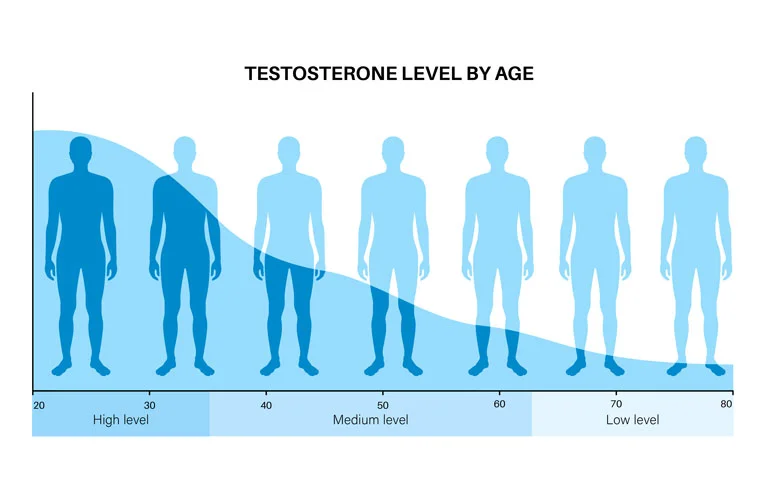
Low testosterone becomes more common as men age, although prevalence varies depending on age, health status, and the testosterone levels used for diagnosis. It is difficult to define normal testosterone levels, because levels vary throughout the day and are affected by body mass index (BMI), nutrition, alcohol consumption, certain medications, age, and illness.
Testosterone may play a role in red blood cell production. Men tend to have higher red blood cell counts than women. Additionally, those levels tend to increase significantly around the time of puberty, when the body produces a lot of testosterone.
As a man ages, the amount of testosterone in his body gradually drops. Testosterone levels may gradually decline with age. However, symptoms and clinically significant deficiency vary between individuals and require proper evaluation.
There are many other potential causes of low testosterone, including:
- Injury (trauma, interrupted blood supply to the testes) or infection of the testes (orchitis)
- Chemotherapy for cancer
- Metabolic disorders
- Dysfunction or tumors of the pituitary gland
- Medications, including opioids, hormones used to treat prostate cancer, and steroids (such as prednisone)
- Acute or chronic illness
- Alcohol abuse
- Kidney failure
- HIV/AIDS
- Inflammatory conditions such as sarcoidosis (a condition that causes inflammation of the lungs and other organs)
- High levels of the milk-producing hormone prolactin
- Obesity or extreme weight loss
- Uncontrolled type 2 diabetes
- Sleep apnea
- Estrogen excess
- Previous steroid abuse
- Hypothyroidism
- Trauma (head injury)
- Aging
And more.
Common Causes of Low Testosterone in Men Over 30

Low testosterone is diagnosed by measuring the amount of testosterone in the blood with a blood test. It may take several measurements to determine if a patient has low testosterone since levels tend to change throughout the day.
The highest levels of testosterone are generally in the morning, near 8 a.m. This is why doctors prefer to measure testosterone levels in the early morning.
If you are experiencing symptoms associated with low testosterone, a hormone evaluation can help determine whether testosterone levels may be contributing to your concerns. Proper testing allows providers to create a treatment approach based on your individual health needs.
Low Testosterone Symptoms: What Men Actually Experience
Symptoms of low testosterone can overlap with other health conditions. A healthcare provider may recommend hormone testing to determine whether testosterone deficiency is contributing to these concerns.
- Low sex drive
- Fewer spontaneous erections
- Erectile dysfunction
- Decreased sense of well-being
- Depressed mood
- Difficulties with concentration and memory
- Fatigue
- Moodiness and irritability
- Loss of muscular strength
- A decrease in body hair growth
- Thinning of the bones (osteoporosis)
- Increased body fat
- Breast development (gynecomastia)
- Infertility
Potential Benefits of TRT for Men’s Health and Wellness
Men considering TRT often want to understand what improvements they may realistically experience. Results vary depending on baseline testosterone levels, overall health, treatment plan, and lifestyle factors. TRT is designed for men with confirmed deficiency rather than general performance enhancement.
Potential areas of improvement reported by some patients may include:
- Changes in body composition
- Support for bone health
- Mood and overall well-being
- Sexual health
- Cognitive clarity
- Muscle strength
TRT Delivery Methods Compared
The table below compares the four main testosterone delivery methods prescribed for men with low T. Each method restores testosterone levels through a different route, and the right choice depends on your lifestyle, comfort level, and treatment goals.
| Delivery Method | How It Works | Frequency | Time to Feel Effects | Best For |
|---|---|---|---|---|
| Intramuscular Injections | Testosterone cypionate or enanthate injected into the muscle | Weekly or biweekly | Varies by individual | Men who prefer a commonly used treatment option |
| Subcutaneous Pellets | Testosterone pellets inserted under the skin during an in-office procedure | Every several months | Varies by individual | Men who prefer less frequent dosing |
| Topical Gels and Creams | Testosterone applied through the skin | Daily | Varies by individual | Men who prefer non-injection options |
| Oral Troches | Testosterone absorbed through oral tissues | Daily or as prescribed | Varies by individual | Men seeking a needle-free option |
Choosing the right TRT delivery method depends on your lifestyle, treatment goals, comfort level, and medical evaluation. A provider can help determine which option best fits your testosterone replacement plan.
All delivery methods require medical supervision, baseline lab work, and ongoing hormone monitoring to maintain safe and effective testosterone levels.
How TRT Supports Muscle Mass and Body Composition

Muscle mass is one of the largest factors in long-term healthspan. The greater amount of muscle individuals is able to maintain later into life, the better many health outcomes and resistance to wasting disease.
Your muscles help keep your metabolic system intact. Maintaining muscle mass plays an important role in metabolic health and overall physical function while keeping your metabolism and hormone levels functioning at higher profiles (including maintaining enough testosterone).
Testosterone plays a role in supporting muscle development and maintenance. In men with confirmed testosterone deficiency, TRT may influence body composition when combined with appropriate lifestyle habits. Leaner body mass helps control weight and increases energy. For men with low testosterone, Some clinical studies suggest testosterone therapy may influence body composition in men with documented deficiency.
What Results Men Commonly Experience on TRT
What can you expect from testosterone treatment? It’s impossible to predict because every man is different. Following therapy, some men report changes in energy, libido, and overall well-being. Clinical monitoring is required to evaluate how treatment affects hormone levels and related health markers.
All testosterone therapies should be prescribed and monitored by a licensed healthcare provider.
Available Testosterone Treatment Options
Skin patch (transdermal)
A skin patch worn on the arm or upper body. It is typically applied once a day.
Gels
Testosterone is absorbed directly through the skin when you apply a gel once a day. Some testosterone gels come in a pump that delivers the amount of testosterone prescribed by your doctor.
Mouth patch
A tablet that sticks to the upper gums above the incisor, the tooth just to the right or left of the two front teeth. Applied twice a day, it continuously releases testosterone into the blood through the oral tissues.
Injections and implants
Testosterone injections can be injected directly into the muscles, or implanted as pellets in the soft tissues. Your body slowly absorbs the testosterone into the bloodstream.
We, at Tucson Wellness, provide various testosterone replacement therapy for men and women as well.
Why Medical-Grade Testosterone Matters
Tucson Wellness MD only sells pharmaceutical-grade products to help you reach your goals. We prescribe testosterone formulations that are sourced from licensed pharmacies and manufactured in accordance with regulatory standards. Treatment is administered under physician supervision. Regular follow-up appointments and laboratory monitoring help providers evaluate testosterone levels, adjust treatment when needed, and support safer long-term management. Products purchased outside regulated medical channels may vary in quality, purity, and safety. Testosterone treatment should be obtained through appropriate medical evaluation and prescribing practices. We give your body the best, so your body will give its best.
Explore Testosterone Testing and TRT Options in Tucson
If symptoms such as fatigue, low libido, reduced strength, or changes in body composition are affecting your daily life, Tucson Wellness MD can help evaluate whether testosterone testing and TRT may be appropriate for your health goals.
Frequently Asked Questions About TRT
How long does testosterone replacement therapy take to work?
Response timelines vary by individual. Some patients notice symptom changes within weeks, while others require longer monitoring and dosage adjustments. Results vary based on health, dosage, and treatment method.
Who qualifies for testosterone replacement therapy?
Men qualify when blood tests confirm low testosterone and symptoms are present. A healthcare provider evaluates hormone levels, medical history, and overall health before recommending treatment.
How do doctors diagnose low testosterone?
Diagnosis requires blood testing, usually done in the early morning when testosterone levels are highest. Doctors often repeat testing to confirm consistently low levels.
Is testosterone replacement therapy safe?
TRT is considered safe when prescribed and monitored by a qualified healthcare provider. Regular follow-up visits and lab testing help ensure proper dosing and safety.
What symptoms improve with TRT?
Some men report changes in symptoms such as energy, libido, and mood. Outcomes differ based on baseline health and adherence to medical guidance. The degree of improvement differs for each person.
How Is TRT Different From Natural Testosterone Production?
Testosterone replacement therapy provides testosterone from an external source to help restore levels in men with diagnosed testosterone deficiency. Unlike natural testosterone production, TRT requires ongoing monitoring because treatment can affect hormone balance, fertility, and other health markers.
What happens during a TRT consultation?
A TRT consultation typically includes reviewing symptoms, medical history, and hormone testing results. Providers use this information to determine whether testosterone replacement therapy may be appropriate.
Can TRT help with muscle loss in men with low testosterone?
Men with confirmed testosterone deficiency may experience changes in muscle maintenance and body composition with TRT. Results vary and depend on health factors, treatment, and lifestyle habits.
Does TRT require ongoing monitoring?
Yes. Testosterone therapy requires regular follow-up and laboratory monitoring to evaluate hormone levels, treatment response, and safety.
Learn more about professional, medical-grade testosterone replacement therapy while continuing to explore our website.