
Hormonal Weight Loss & Gain
Table of Contents

How Hormone Imbalances Cause Weight Gain
Hormones help regulate appetite, blood sugar, metabolism, stress response, reproductive function and body composition.
Certain hormonal or metabolic conditions may contribute to weight changes. Examples include thyroid disorders, insulin resistance, menopause-related hormonal changes and clinically significant testosterone deficiency.
However, weight gain usually has more than one contributor. Sleep, nutrition, activity, medications, medical conditions, genetics and aging may also influence body weight.
| Hormone/System | How It May Relate to Weight |
|---|---|
| Insulin | Regulates blood glucose and influences energy storage |
| Cortisol | Participates in the stress response and may influence appetite and eating behavior |
| Thyroid hormones | Help regulate metabolism and energy use |
| Estrogen | Changes may affect fat distribution, particularly during menopause |
| Testosterone | Supports muscle mass and body composition |
| Leptin | Helps signal energy stores and satiety |
| Ghrelin | Helps regulate hunger and food intake |
Can Hormonal Imbalance Affect Weight Loss?
Yes. Hormones involved in thyroid function, insulin regulation, stress response and reproductive health can influence appetite, energy use, body composition and fat distribution. However, difficulty losing weight is usually multifactorial and may also involve nutrition, physical activity, sleep, medications, medical conditions and genetics. A provider evaluation can help determine whether a hormonal or metabolic condition may be contributing.
Can Hormonal Imbalance Make Weight Loss More Difficult?
Yes. Hormones such as insulin, cortisol, thyroid hormones, estrogen, testosterone, leptin, and ghrelin influence metabolism, hunger, energy storage, and body composition. When these systems are disrupted, losing weight may become more challenging. A personalized evaluation can help identify factors affecting your weight goals.
How Insulin, Cortisol, and Thyroid Affect Your Weight
Insulin, cortisol and thyroid hormones influence different processes involved in metabolism and body weight.
Insulin regulates blood glucose and energy storage. Thyroid hormones help control metabolic activity. Cortisol is part of the body’s stress-response system and may influence appetite, sleep and eating behavior when stress is persistent.
These systems should be evaluated individually rather than assuming that unexplained weight gain automatically means a hormone imbalance.
Are you gaining weight despite the diets and workouts? Your hormones may be to blame for it. Generally, calories would be blamed for the weight gain. But when there is a hormone imbalance, more factors are in play, causing weight loss resistance.
Weight loss resistance is not always caused by a lack of effort. Factors such as sleep quality, stress, nutrition habits, activity levels, and metabolic health can influence how the body responds to weight loss efforts.
Weight-loss resistance can involve multiple overlapping factors, including metabolic health, sleep, stress, medications, nutrition patterns, activity levels and certain endocrine conditions.
Hormonal imbalance can have a significant impact on the weight loss journey. Besides that, it also affects our mood and happiness.
This article demystifies 7 specific hormones, both male and female, that prevent weight loss. Also, you will learn the common symptoms of hormonal weight gain and effective tips on how to shed the pounds brought on by hormonal imbalances.
How Hormones Influence Body Weight
Hormones influence hunger, blood sugar regulation, metabolism, reproductive function and body composition, but there is no single hormonal balance that automatically produces weight loss.
When a diagnosed endocrine disorder such as hypothyroidism is appropriately treated, some related symptoms and metabolic effects may improve. However, sustainable weight management still depends on the broader clinical and lifestyle picture.
Do Female Hormones Affect Weight Loss?
Estrogen and other reproductive hormones can influence body composition and fat distribution, particularly during perimenopause and menopause.
Midlife weight changes are also influenced by aging, reduced muscle mass, sleep changes, activity, diet and metabolic health. Estrogen changes should therefore not be treated as the sole explanation for weight gain.
7 Hormones and Metabolic Signals That Can Affect Weight
Hormones are chemical messengers that are responsible for a variety of functions, including:
- Control of growth
- Development of sex organs
- Regulating blood sugar levels
- Affecting body weight, muscle mass, and body fat
It is safe to say that hormones have a massive impact on weight loss. The reason being hormone levels vary due to age factors, stress, puberty, mensuration, and pregnancy, to name a few. The change in levels can have an adverse effect on your health.
Here are the hormones that may hinder your weight loss efforts.
Thyroid
The thyroid is a butterfly-shaped gland present in the front of your neck. It produces two hormones: triiodothyronine (T3) and thyroxine (T4). Thyroid hormones regulate everything from metabolism to growth and are also responsible for regulating your heartbeat. They also dictate how fast or slow you burn calories. The deficiency of the hormone can slow down every organ of your body.
As per the National Institute of Health (NIH) report, 5% of Americans aged 12 and older have hypothyroidism. The same study also reports that women are more prone to hypothyroidism than men. When your body cannot produce enough thyroid hormones, the metabolic rate slows down, causing weight gain. Hypothyroidism is also the reason for dry skin and hair, hair loss, brain fog, fatigue, and intolerance towards cold temperatures, to name a few.
Also, 1.2% of Americans have hyperthyroidism, where the thyroid gland secretes excess thyroid hormones. In this case, the metabolic rate increases, leading to dramatic weight loss.
Hypothyroidism can contribute to modest weight gain, fatigue and other symptoms. Treating diagnosed hypothyroidism restores thyroid hormone levels, but thyroid treatment is not itself a weight-loss therapy and does not guarantee substantial weight reduction. For evidence-based information about hypothyroidism, symptoms and treatment, review the National Institute of Diabetes and Digestive and Kidney Diseases guide to hypothyroidism.
Cortisol

Otherwise known as the “stress hormone”, adrenal glands release cortisol in times of stress. During stress, your body goes into fight or flight mode, ramping up the production of adrenaline (epinephrine), noradrenaline (norepinephrine), and cortisol.
While cortisol is vital to your survival, an excess of the stress hormone can lead to overeating and weight gain. High cortisol levels are also linked to anxiety, depression, obesity, increased appetite, muscle loss, and belly fat. People with chronic stress levels tend to have high cortisol levels.
Having said that, cortisol is essential for survival. But elevated levels lead to muscle breakdown, increase in blood sugar, and reduced-fat burning. When this happens, your body goes into survival mode and starts to store fat. Furthermore, high cortisol levels also increase food intake leading to excessive weight gain.
Unlike the other hormones, cortisol imbalance requires a lifestyle change. It would be best to reduce your stress via yoga, meditation, sleep, or any other hobby you may enjoy. A healthy diet and proper sleep can also help to bring down cortisol levels.
Insulin
Produced by the beta cells of the pancreas, insulin regulates blood sugar. It is secreted as a response to the increase in blood sugar levels in the body. It signals the cells to absorb the nutrients (blood sugar/glucose) stored in muscle and fat cells. In muscle, the glucose is burned for energy or stored as glycogen. On the other hand, fat cells store the excess as fat.
People with obesity tend to have reduced insulin sensitivity. As the insulin imbalance progresses, the excess calories from sugar-laden food initiate insulin resistance. When this happens, your cells are unable to absorb the excess sugar. Your liver then converts them into fat resulting in weight gain. Insulin resistance is an important metabolic feature associated with prediabetes and type 2 diabetes, although diagnosis requires appropriate clinical testing.
According to a report by WHO, diabetes is responsible for the deaths of 1.5 million people worldwide in 2019. In addition, people with high insulin levels are also susceptible to stroke and cardiovascular disease. Apart from that, there is also the risk of foot ulcers, infection, diabetic retinopathy, and renal (kidney) failure.
Losing weight is the only way to improve insulin sensitivity. You can improve insulin sensitivity with a calorie-deficit diet that you can adapt for the long term.
Estrogen
Estrogen is one of the leading female sex hormones, along with progesterone. It is secreted in the ovaries, and the primary function is to manage the female reproductive system. Additionally, it also protects the bones and cardiovascular system, along with aiding in healing. However, too much estrogen causes moodiness, heavy periods, and above all, weight loss resistance.
Estrogen stays in a delicate balance with the other female sex hormone, progesterone. An imbalance in estrogen levels can cause weight gain, more pronounced in the hips and thighs. Overweight adults tend to have higher estrogen levels in the body.
The high estrogen levels induce insulin resistance which in turn causes the blood sugar levels to rise. As a result, you may experience weight gain. On the other hand, low estrogen can also cause you to gain weight. Moreover, estrogen levels tend to reduce with menopause, during which period women gain visceral fat.
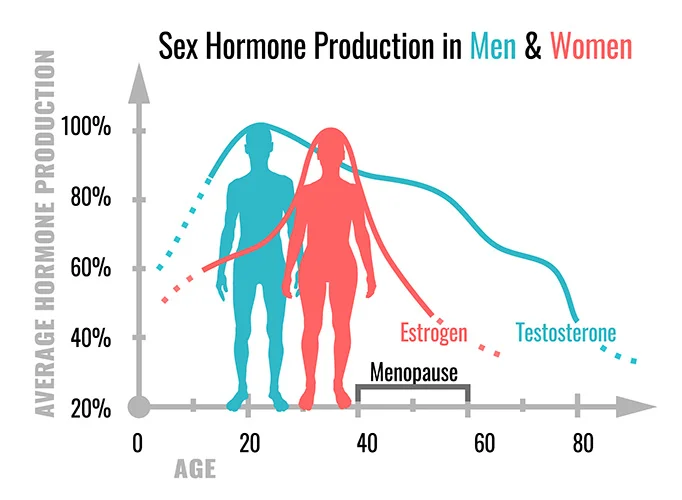
However, in men, the male body converts testosterone to estradiol, a form of estrogen. Imbalance in estrogen levels can lead to increased belly fat, swollen breast tissue, and more.
Proper diet, exercise, and appropriate calorie intake can help control visceral fat.
Testosterone
Testosterone, otherwise called the male sex hormone, plays an integral part in the growth of male reproductive tissues. Furthermore, it also functions as an anabolic hormone helping to build muscle tone and body mass. The testicles secrete it in men while the ovaries perform the same function at a much smaller level in females.
Testosterone production increases during puberty and decreases in your 30’s. After your 30’s you can see a 5-10% reduction per decade. These low testosterone levels can cause you to gain fat. Apart from that, they also result in low libido, anemia, osteoporosis, or depression. Men with low testosterone also present lower muscle mass and higher levels of visceral fat.
Carrying too much weight (especially belly fat) and not enough sleep is responsible for low testosterone levels. While testosterone treatment can bring a slight weight loss, especially around your belly, it is not enough to reverse obesity. Men with symptoms and confirmed low testosterone can learn more about TRT for Men at Tucson Wellness MD.
Leptin
Leptin is a hormone produced by your fat cells. Otherwise called the “satiety hormone,” leptin reduces appetite and makes you feel sated. Furthermore, leptin also helps to regulate blood pressure, blood sugar, and many more.
The increased leptin levels in your body signal the brain to suppress the appetite while increasing the metabolic rate. This action prevents you from overeating.
Obese and overweight people have elevated leptin levels in their bodies. This is due to leptin resistance, where their brain doesn’t respond to the high leptin. As a result, they are hungry even though they have adequate fat stores.
However, when you lose body fat, the leptin levels reduce, which signals appetite followed by a reduction in metabolism. This hinders weight loss since it tricks your brain into believing that you are starving. Hence, you are pushed into overeating.
Continued elevated insulin levels and inflammation in the brain are the most important reasons for leptin resistance. However, with a balanced diet and enough sleep, you can improve leptin sensitivity. Here are a few expert suggestions:
- Stay away from inflammatory foods such as sugar and processed foods (containing trans fats).
- Eat more anti-inflammatory foods such as fatty fish.
- Improve your quality of sleep. An adult requires 7-8 hours of sleep per day.
- Daily moderate levels of exercise.
Ghrelin
Otherwise called the “hunger hormone”, ghrelin is secreted in the stomach and small intestine, with just a small portion of the hormone released in the pancreas and brain. It is also central to stimulating appetite and the release of growth hormones. This hormone plays a vital role in the hypothalamus, the part of the brain that controls appetite, and may also stimulate other regions of the brain that control reward processing. Apart from that, it also helps in moving the food through the digestive tract. Furthermore, ghrelin also plays a significant role in cardiovascular health, mental health, and the immune system.
Generally, ghrelin levels are at their highest when you are hungry and lowest 30 minutes after eating. Interestingly, studies have shown that fasting and even dieting cause ghrelin levels to increase, which explains why research has shown roughly 80% of dieters fail to keep the weight off permanently. Even after eating, the levels do not show a significant decrease. As a result, the brain doesn’t receive the necessary signal to stop eating, thus driving eating disorders such as bingeing.
Sugar can hinder the ghrelin response to a greater extent. Therefore, avoiding sugar and including protein in your meals can help reduce ghrelin levels in your body.
Common Symptoms of Hormonal Weight Gain
There is no single symptom pattern that proves weight gain is hormonal. However, weight changes accompanied by certain symptoms may justify further medical evaluation.
Meanwhile, in men, weight gain is due to elevated cortisol levels, which is the stress hormone. In times of increased stress, the body goes into survival mode and causes cortisol levels to rise. Meanwhile, there is an increase in the production of fat cells and a decrease in metabolism.
You can see one or more of the following symptoms with hormonal weight gain:

- Fatigue
- Central Obesity (Increase in Visceral Fat)
- Moon Facies
- Headache
- Adrenal Disorders
- Thyroid Imbalance
- Thyroid Goiter
- Muscle Weakness
- Acne
- Purple Striae
- Excessive Hair Growth
- Erectile Dysfunction (ED)
- Galactorrhea
- Visual Disturbances
How to Support Weight Loss When Hormonal Factors Are Involved
Unless the root cause of the hormonal imbalances is treated, it is pretty challenging to maintain weight loss. The key to shedding excess body fat is resetting hormone levels and leading a healthy, stress-free life. Here are a few diet and lifestyle changes that can impact the hormone levels in your body.
Eat Protein with Every Meal
Generally speaking, you should consume protein every day to provide your body with the essential amino acids. In addition, protein also helps to reduce the ghrelin levels in your body.
As per the Dietary Reference Intake, the daily protein requirement for a sedentary female is 46 grams and 56 grams for men. However, this value is subject to change depending on your activity, muscle mass, health, and age.
A sustainable approach to hormone-related weight management focuses on improving daily habits while identifying possible medical contributors. Nutrition, movement, stress management, sleep, and professional guidance may all play a role in supporting healthier weight outcomes.
Regular Physical Activity
Daily exercises not only influence weight loss but also improves the quality of life. It also reduces the risk of diabetes, hypertension, depression, anxiety, and cardiovascular disease.
According to WHO, an adult requires 150–300 minutes of moderate physical activity per week. This is because regular exercise helps boost hormones that dwindle with age, such as growth hormone and testosterone.
Reduce Stress Levels
Stress can cause severe and extensive damage to the hormones, primarily cortisol. Chronic stress can cause a surge in cortisol levels leading to increased calorie intake and belly fat.
Practice some form of stress-reducing techniques such as meditation and yoga to help reduce the cortisol levels in your body. In addition, people suffering from chronic stress should limit their intake of alcohol and coffee. Alternatively, you can drink green tea and add dark chocolate (80% cocoa) to your routine.
Limit Added Sugars and Highly Refined Carbohydrates
Refined carbs and sugar are tied to a host of health issues, not to mention hormonal imbalance. Avoiding or at least reducing the use helps avoid diabetes and obesity, to name a few.
One study reported an increase in insulin levels and insulin resistance in people consuming 50 grams of sugar every day. Another study reported an increased glucose level, insulin level, and ghrelin among type 2 diabetics who consumed a breakfast high in refined carbs.
Add Healthy Fats to Your Diet
High-quality healthy and natural fats can help lessen insulin resistance and also appetite. For example, MCT or Medium-chain triglycerides present in coconut oil and palm oil help reduce insulin resistance in diabetic people.
Furthermore, the monounsaturated fat in nuts and olive oil also helps improve insulin sensitivity among diabetics and healthy adults. In short, ensure that you consume healthy fats with every meal.
Improve the Quality of Sleep
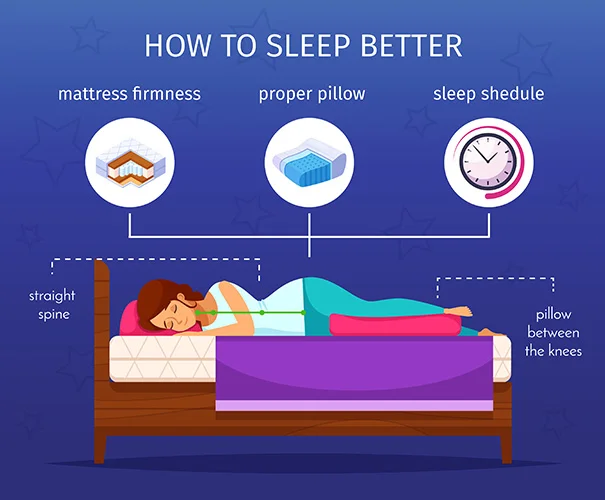
Poor sleep can increase appetite and cravings resulting in more calorie intake. Furthermore, it is also linked to hormonal imbalances, including insulin, leptin, ghrelin, cortisol, and growth hormones.
Improving the quality of sleep can lower cortisol levels and also help in losing weight. A study on helicopter pilots with reduced sleep (6hrs or less) reported increased cortisol levels at 80%. The levels stayed elevated for two days post-duty.
Another study analyzed the effects sleep restriction had on men. The men slept 5 hrs per night for seven nights. They showed a 20% decrease in insulin sensitivity.
For a proper hormone balance, you need at least 7 hours of good quality sleep per night.
Are Supplements Necessary?
Supplements should not be used as a general treatment for “hormone imbalance” unless there is a specific nutritional or medical reason.
Some patients may benefit from supplementation when a deficiency or increased requirement is identified, but products marketed as hormone-balancing or metabolism-boosting supplements should be approached cautiously.
How Weight Loss Affects Hormone Levels
Changes in body weight can influence metabolic and reproductive hormone signaling, including insulin sensitivity, leptin and sex-hormone pathways.
The effects vary by the amount of weight lost, health conditions, age, sex and treatment method. Weight loss should not be pursued solely as a method of “resetting” hormones.
Find the Factors Affecting Your Weight Goals
If weight loss remains difficult despite consistent efforts, the next step is not necessarily more restriction.
A clinical evaluation can help review possible contributors such as:
- Thyroid function
- Blood sugar and insulin-related health
- Menopause symptoms
- Testosterone deficiency when appropriate
- Medications
- Sleep
- Nutrition
- Physical activity
- Stress
- Other medical conditions
Tucson Wellness MD can help determine whether hormonal, metabolic or lifestyle factors may be contributing and discuss appropriate treatment options. If you need a more comprehensive approach, learn about Medical Weight Loss at Tucson Wellness MD, including provider-guided evaluation, metabolic support and treatment options when clinically appropriate.

Frequently Asked Questions
Can a hormone imbalance cause weight gain?
Certain hormonal and metabolic conditions can contribute to weight changes, including hypothyroidism, insulin-related metabolic problems and reproductive hormone changes. Weight gain is usually multifactorial, so other medical and lifestyle factors should also be considered.
What hormones can affect body weight?
Hormones and metabolic signals involved in weight regulation include thyroid hormones, insulin, cortisol, estrogen, testosterone, leptin and ghrelin. Each affects different aspects of appetite, metabolism or body composition.
Can thyroid problems make it harder to lose weight?
Hypothyroidism can reduce metabolic activity and contribute to modest weight gain, fatigue and other symptoms. Appropriate testing is needed to determine whether thyroid disease is present.
Does cortisol cause belly fat?
Cortisol is involved in the stress response and metabolism. Chronic stress may influence appetite, sleep and eating behavior, but abdominal weight gain should not automatically be attributed to high cortisol.
Can menopause cause weight gain?
Menopause-related hormonal changes can affect fat distribution and body composition. Aging, sleep, activity, diet and loss of muscle mass also contribute to midlife weight changes.
Can low testosterone affect body composition?
Clinically significant testosterone deficiency in men may contribute to reduced muscle mass and changes in body composition. Diagnosis requires compatible symptoms and appropriate laboratory testing.
Do hormone-balancing supplements help with weight loss?
Supplements marketed for hormone balance or metabolism are not proven universal weight-loss treatments. Supplementation is most appropriate when there is a specific nutritional deficiency or clinical indication.
When should I see a provider about unexplained weight gain?
Consider an evaluation when weight changes are persistent, unexplained or accompanied by symptoms such as fatigue, menstrual changes, cold intolerance, increased thirst, significant sleep changes or other health concerns.
Struggling With Hormonal Weight Changes?
Tucson Wellness MD can review your symptoms, health history, metabolic health and hormone-related concerns to help identify factors that may be affecting your weight and discuss appropriate next steps.
Schedule a Consultation