Navigating Trans Fats

Here’s the thing: most of the foods we buy today are packed with trans fats and processed ingredients, making them the “norm” for what we eat. As a result, whole foods or products made from them can taste “off” because we’re not used to the natural flavors and textures. Most people would choose what tastes and feels better.

To meet the recommended fat intake of 20-35% of total calories, most fats should come from polyunsaturated and monounsaturated sources, such as nuts, seeds, and their oils, along with omega-3s from fish and shellfish.

About Trans Fats

Trans fats are a type of dietary fat that we often consume more than other fats sometimes without even realizing it. They sneak into so many everyday foods like margarine, cookies, cakes, fried fast food, and packaged snacks. Honestly, they’re everywhere! These fats are created through hydrogenation, a process that turns liquid oils into solids at room temperature, most commonly used are vegetable oils. The chemical change happens because the double bonds in the fatty acids are rearranged into the trans position, which is where the name “trans fats” comes from, and makes the oil more stable and extends the shelf life of products. Ever wonder why some of these items seem to last way longer than if you were to make them fresh?

However, don’t confuse these with naturally occurring trans fats, which form when animals eat plants, and we then consume the animals like in beef and some dairy products such as milk and cheese. So, technically, these fats can’t be completely eliminated from the human diet. No worries though, the trans fats that come from animals naturally are negligible to our everyday health.

Health Risks Associated with Trans Fats

These food products may taste “so good” because they are chemically made too. Over the years more research has been conducted and supported the direct impact artificial trans fats have on proved the direct connection of trans fatty acids with cardiovascular diseases, disorders of the nervous system, diabetes, obesity, allergies, and pregnancy concerns to name a few areas.

Inflammation

It’s no surprise that trans fats contribute to inflammation, which is the root cause of several health issues like diabetes and heart disease. Elevated systemic inflammatory markers are often linked to conditions like metabolic syndrome. What we eat has a massive impact on how our bodies feel and function so it’s important to make those food choices count!

Cardiovascular health

Heart disease often starts with untreated chronic inflammation in the body. Eating trans fats can make things worse by raising levels of “unhealthy” cholesterol (LDL) and lowering “healtful” cholesterol (HDL). It also increases triglycerides in the blood, which fuels more inflammation. Over time, this all adds up, significantly raising the risk of coronary heart disease (CHD). It’s a powerful reminder of how the foods we eat can directly affect our heart health!

Nervous system

We know that fats are a key part of our cell membranes, meaning the fats you consume ultimately become a part of those membranes and other processes as well. So, the saying “you are what you eat” is absolutely true. Trans fats compete with essential fats like omega-3s, which are crucial for the development of the nervous system and eyesight. Changes in dietary habits, like a high intake of processed foods, especially fast food loaded with trans fatty acids can increase the risk of developing central nervous system diseases.

Trans fat intake has also been linked to a range of mental health issues, including cognitive dysfunction, changes in brain chemistry, addiction, mania, movement disorders, and even increased sensitivity to stress and anxiety. It’s a reminder that what we eat directly impacts not just our physical health, but our mental and sensory well-being too. A diet lacking these essential fatty acids can lead to increased mental health concerns.

How to Identify Trans Fats in Your Diet

To spot trans fats on a food label, look for “partially hydrogenated oils” in the ingredients, that’s your main clue. Then, check the “Nutrition Facts” where trans fats are listed under “Saturated Fat” as “Trans Fat” in grams. If the label says “0g trans fat” but lists “partially hydrogenated oils,” don’t be fooled, it still contains a tiny bit of trans fat. Keep in mind, if a serving contains less than 0.5 grams of trans fat, it must be labeled as “0g” even though there’s still a small amount present!

A lot of trans fats are hidden in everyday snacks and meals without us even realizing it. Here are some common foods that often contain trans fats:

  • Baked goods like crackers, cookies, cakes, frozen pies, and other frozen treats
  • Margarine and vegetable shortenings
  • Processed snacks like microwave popcorn, creamers, ready-to-eat frostings, frozen meals, and dough products
  • Fast food
  • Fried foods such as chips, french fries, donuts, fried chicken, and more

It’s easy to consume trans fats without even thinking about it, so being aware of these common foods can help you make healthier choices!

Reducing Trans Fats in Your Diet

Eating better doesn’t have to feel like a chore. These days, many food manufacturers are offering healthier alternatives with fewer ingredients and whole food sources. Consider swapping out those unhealthy snacks for better options. It’s always a good idea to cook at home or meal-prep, so you know exactly what you’re putting into your body!

Don’t forget: fiber is your best friend! If you’re keeping an eye on your lipid markers like cholesterol, triglycerides, HDL, and LDL, fiber can help lower circulating cholesterol. This amazing nutrient also plays a key role in flushing out toxins and other unwanted stuff from your body!

Live Longer, Stronger, Better with Tucson Wellness MD

Longevity starts with what you put in your body! Reminder that being healthy is not a destination or goal to be reached but a lifestyle that requires permanent healthful habits that will last. Need nutritional support or want to learn more of our services, please reach out to schedule your consult today!

STAY HEALTHY – STAY CONNECTED

Fat for the Heart: How Omega-3s Help Protect Your Heart

In honor of Heart Health Month, we’re diving into the incredible benefits of Omega-3 fatty acids, an polyunsaturated fatty acid (PUFA) that your heart absolutely loves! These essential fats are nutrients associated with cardiovascular health and normal inflammatory balance when consumed as part of a balanced diet. Omega-3s are nutrients that contribute to normal heart function and lipid balance as part of a healthy dietary pattern.

But their benefits don’t stop there. Omega-3s also contribute to other areas of well-being, such as hormone regulation, brain function, and immune system support. These fats are particularly important for maintaining a healthy balance of hormones, which in turn impacts mood, metabolism, and reproductive health.

What Are Omega-3 Fatty Acids?

Omega-3 fatty acids are essential fats that the body cannot produce on its own, meaning they must be obtained through diet or supplements. These fats play a crucial role in maintaining overall health, particularly heart health, brain function, and hormone regulation.

There are three main types of omega-3 fatty acids:

  • ALA (Alpha-linolenic acid): ALA is an essential omega-3 fatty acid that acts as a precursor for the production of EPA and DHA in the body. It is primarily found in plant-based sources such as flaxseeds, chia seeds, and walnuts.

  • EPA (Eicosapentaenoic acid): Found mainly in fatty fish like salmon, mackerel, and sardines, EPA supports heart health and reduces inflammation.

  • DHA (Docosahexaenoic acid): Also found in fatty fish, DHA is important protecting the immune, nervous, brain function, and cardiovascular systems

For the best health benefits, aim for at least 2-3 servings of fatty fish per week. Think salmon, mackerel, or sardines to ensure you’re getting a solid dose of EPA and DHA. If you prefer plant-based options, incorporate flaxseeds, chia seeds, or walnuts into your daily meals. These are rich in ALA, which your body can convert into the beneficial EPA and DHA through specific elongating and desaturating enzymes. If fish or plant-based foods aren’t your preference, no worries, omega-3 supplements are a convenient and effective way to fill the gap. For an extra boost, check out Tucson Wellness MD’s white-labeled Omega-3 supplements to take your health to the next level!

Omega-3s Influence on Heart Health

EPA and DHA are associated with supporting cardiovascular health as part of a balanced lifestyle contributing to optimal body function and well-being.

Anti-inflammatory Effects

EPA and DHA have been studied for their role in supporting normal inflammatory pathways and cardiovascular function. EPA and DHA are believed to possess strong anti-inflammatory properties, helping to reduce oxidative stress and enhance cellular function. Research suggests omega-3 fatty acids may support normal vascular function and healthy lipid metabolism. Chronic inflammation is recognized as a key contributor to the development of various chronic diseases, including cardiovascular disease and insulin resistance. Diets high in saturated and trans fats are linked to elevated levels of low-density lipoprotein (LDL), which contributes to plaque buildup in the arteries, increasing the risk of heart disease.

Reduction in Triglyceride Levels

Omega-3 fatty acids are sometimes included in clinician-directed care plans for individuals with elevated triglyceride levels., a condition characterized by elevated triglyceride levels, which contribute to the development of heart disease and fatty liver disease.Omega-3s have been studied for their potential role in supporting normal triglyceride metabolism. This, in turn, suppresses hepatic lipogenesis, the process by which the liver produces fatty acids, leading to a decrease in the production of very low-density lipoprotein (VLDL), a type of lipoprotein that carries triglycerides and cholesterol in the bloodstream. By lowering VLDL production, omega-3s help reduce triglyceride levels.

Cholesterol Regulation

DHA has been studied for its relationship with lipid markers, including HDL cholesterol. This increased lipoprotein lipase (LPL) activity reduces these harmful particles and promotes more HDL production. Additionally, fiber plays a key role in removing LDL (harmful) cholesterol from the body, as it helps eliminate toxins and harmful substances, further supporting heart health by stabilizing plaque build-up.

Optimize your Health with Tucson Wellness MD

We’re here for all your longevity care needs, focused on the latest research and most innovative approaches. Our longevity care program is designed to help you enhance your quality of life. By scheduling a longevity lab panel, you’ll gain a comprehensive understanding of your current health status, helping you make informed decisions. Even the smallest nutritional adjustments can make a huge impact. One powerful change? Incorporating omega-3s into your diet may support cardiovascular and cognitive health as part of an overall wellness plan. Our team can help you evaluate whether omega-3 intake fits your personal nutrition and wellness goals.

Frequently Asked Questions

What are omega-3 fatty acids?
Omega-3 fatty acids are essential fats your body cannot produce on its own. You must get them through food or supplements. They play a role in heart health, brain function, and hormone balance.

How do omega-3s support heart health?
Omega-3s are associated with supporting cardiovascular function. They may help regulate triglyceride levels, support normal inflammatory balance, and contribute to overall heart health when part of a balanced diet.

Do omega-3s reduce inflammation?
EPA and DHA have been studied for their role in supporting normal inflammatory pathways. Balanced inflammation supports overall cellular and cardiovascular function.

How often should I eat omega-3 rich foods?
Many recommendations suggest 2 to 3 servings of fatty fish per week to support adequate EPA and DHA intake.

STAY HEALTHY – STAY CONNECTED

2025: Living for Longevity

When we think about life, longevity is often a key goal. But true longevity isn’t just about living longer, it’s about living better.

Why Do Many Health Plans Focus on Symptoms Instead of Long-Term Vitality?

Many traditional approaches react to health problems after they appear instead of identifying the metabolic, hormonal, and lifestyle factors that drive aging over time. Without proactive testing and personalized care, small health imbalances can gradually affect energy, cognition, and long-term wellness.

At Tucson Wellness MD, we focus on both the length and quality of your life through our personalized Longevity Care Program. Designed specifically for you, our program ensures that your health is our top priority.

With a tailored 1-on-1 plan and VIP service that fits your schedule, we bring the latest scientific advancements directly to you. Our program is structured around evidence-informed protocols and ongoing outcome monitoring. our program is Designed to support healthy aging and long-term wellness through individualized care. Let’s make every moment count!

About the Longevity program

Our program is designed for success by a team of experts spanning five fields, including Western and Eastern medicinal approaches, nutritional support, biokinetics coaching, cardiac rehabilitation, and further!  Spanning 16 – 48 weeks across three phases, our program is focused on Addressing multiple aspects of health through coordinated evaluation and care planning. Each phase is structured to support measurable health improvements based on clinical assessment.

TThroughout each phase, you will receive a clear timeline to follow, outlining the steps and expectations along the way. Additionally, you will receive an e-packet that details your personalized plan, ensuring you have all the information you need to stay on track and informed throughout your journey. After each phase, we conduct post-phase lab work to assess your progress and make any necessary adjustments, ensuring you’re on track toward your ultimate health goals.

We remain available every step of the way to provide ongoing support, and you will be assigned your very own Health Advisor who will stick with you throughout the entire process. Your dedicated Health Advisor, along with our expert team, will be there for you from start to finish, no matter how far you progress through the phases. This personalized guidance is designed to provide structured support throughout your program.

This program offers a comprehensive range of services including:

  • Lab Work
  • Metabolic, Heart, and Brain Assessments
  • Biokinetics Evaluations
  • Personalized Nutrition Support
  • IV Therapy
  • Peptide Therapy
  • Supplementation
  • and more!

To start, we conduct a thorough review of your lab work and assess how your body is functioning, all while meeting with one of our doctors or chief science officer.

Phase 1 – We Test, Don’t Guess

longevity - remove

In the first 16 weeks, we dive deep into understanding your current health. Through comprehensive testing, including lab work, metabolic assessments, and more, we establish a clear picture of where you stand. During this phase, we provide Nutritional strategies are implemented to support metabolic balance and digestive health based on individual evaluation by removing plenty from the diet. You’ll also receive  IV therapies and supplementation are incorporated when clinically appropriate as part of your individualized care plan. This phase is critical for setting you up for success in the next stages.

Phase 2 – Science-Based Care

longevity - reset

Phase 2 focuses on fine-tuning your body’s systems. We evaluate hormone levels, cardiovascular markers, immune indicators, and nutritional status to guide clinical decisions, and addressing any nutritional deficiencies. Your personalized nutrition and supplement plan will be designed specifically to help you reach your health goals. By the end of this phase, progress is assessed using objective health markers to guide next steps laying the groundwork for the final stage of your transformation.

Phase 3 – Cognitive Function

longevity - restore

In the final 16 weeks, we turn our attention to your brain, your body’s most vital organ. This phase includes comprehensive assessments of brain function and overall cognitive health, alongside continued cardiovascular care, biokinetics coaching, and medical consultations. This approach is designed to support both physical and cognitive wellness based on clinical evaluation and supported on your journey toward optimal health and vitality.

Ok, After Each Phase Then, What’s Next?

Individual responses vary, and progress is monitored through clinical follow-up and lab assessment and understand the reasons you chose Tucson Wellness MD. We will be here to help you to continue to focus on maintaining your thriving lifestyle with customized IV treatments and supplements for ongoing support and maintenance. You should have all the tools and knowledge you need to continue toward further health goals or perhaps you are interested in continuing one of our other services.

Your journey toward true longevity begins today. With our cutting-edge, innovative approach, You may experience improvements in health markers associated with healthy aging, depending on individual factors. By committing to your well-being and partnering with our expert team, Our program focuses on supporting healthy aging and long-term wellness through personalized medical care. We don’t just focus on the years you add to your life, but on the life you add to your years. Our approach isn’t just about aging gracefully, it’s about living well at every stage of life. Because true health isn’t just about how old you are, it’s about how well you feel at every age. Let’s redefine what it means to live long and live well together!

As we enter a new year, make the decision to prioritize your health, Support measurable improvements in key health indicators through structured care. Let Tucson Wellness MD be the first step toward a new, healthier you. Start your journey today with a consultation, and embark on a path toward optimal health and longevity.

STAY HEALTHY – STAY CONNECTED

Eating for Longevity in 2025: Healthy Habits and Nutrient-Dense Foods for Long-Term Wellness

In 2025, we’re embracing a lifestyle focused on longevity. The emphasis will be on nutrient-dense foods that promote healthy aging, such as those rich in phytonutrients like antioxidants and polyphenols that support cellular health. Forget the fad diets, it’s about creating sustainable habits that prioritize plant-based foods and healthy fats for a vibrant, long-lasting life.

Longevity is not one-size-fits-all. Climate, lifestyle, stress levels, and metabolic health all influence how the body ages. In Tucson, Arizona, factors such as heat exposure, hydration needs, activity patterns, and hormone health play a major role in nutritional requirements.

At Tucson Wellness MD, longevity nutrition is approached as part of a broader medical strategy that supports cellular health, metabolic efficiency, and long-term resilience, not short-term dieting.

habits

While diets often promise quick, temporary results, embracing a lifestyle change offers slower yet enduring outcomes. The key distinction lies in the sustainability of these habits, which are meant to be maintained for long-term benefits like weight loss and improved health. Lifestyle changes go beyond just diet, they also include exercise, stress management, and sleep patterns, all playing a crucial role in lasting well-being. You’re at the first stop of many on your journey toward a healthier, more fulfilling lifestyle.

Quick Answer

What Does Eating for Longevity Mean?

Eating for longevity means choosing nutrient-dense foods and daily habits that support healthy aging, cellular health, metabolic balance, and long-term wellness. Instead of following short-term diets, the focus is on sustainable nutrition, hydration, stress management, sleep, and consistent lifestyle choices that help you feel better now and age better over time.

Choosing the Best Foods

Nutrient-densed foods

Choosing nutrient-dense foods means picking options that are rich in vitamins, minerals, and other essential nutrients while being relatively low in calories. These foods are packed with complex carbohydrates, like fruits, vegetables and fiber, along with lean proteins and healthy fats to fuel your body properly. After all, these foods help make up every part of our being, keeping our bodies functioning at their best, daily.

Most nutrient-dense foods come from plants, like fruits and vegetables, and a big reason for that is phytonutrients, also known as phytochemicals or antioxidants. With over thousands of different phytonutrients produced by plants, these natural compounds play a key role in keeping our bodies healthy. Plus, they’re what give plants their color, flavor, and smell. Carotenoids, ellagic acid, flavonoids, resveratrol, glucosinolates, and phytoestrogens are just a few examples of the essential phytonutrients our bodies need. These compounds support cellular function, immune health, and overall wellness as part of a balanced diet.

Caloric-dense foods

Some foods are high in calories but don’t offer much in the way of nutrients, they’re what we call calorie-dense. These foods are often loaded with added sugars, refined carbs, and unhealthy fats, even chemicals and toxins, and they don’t give your body the vitamins and minerals it needs. Think hot Cheetos, Sour Skittles, Lay’s chips, McDonald’s, and even alcohol, not exactly fueling your body in the best way. Other examples include baked goods, candy, chips, fast food, processed meats, soda, and white bread. These are the kinds of foods that may satisfy your cravings but won’t give you much nutritional bang for your buck.

Balanced nutrition involves consuming a variety of nutrient-dense foods to enhance overall health and well-being, ensuring your body gets the essential nutrients it needs for energy and proper function. It also focuses on moderating the intake of sugars, saturated fats, and salt to support metabolic health and overall cardiovascular wellness. Understanding your daily goals for macronutrients, micronutrients, and hydration is key to establishing healthy habits. Our goal is to nourish our bodies with foods that support our processes, not hinder them. Remember, it’s not about the quantity of calories, but the quality of what you eat.

Start with January Superfoods

Why not kick off your month by adding a January superfood to one of your meals? Don’t forget to tag me on Instagram with any recipes you create using these superfoods! Let’s build those new, healthy habits together!

Eggs

habits

Eggs have long been debated in the nutrition world, are they good or bad for you? The truth is, they’re packed with nutrients. A large egg contains about 5 grams of fat, including both saturated and unsaturated fats and 6 grams of protein. The yolk is rich in vitamins A, D, E, K, and B vitamins, while the white provides additional B vitamins. Eggs also provide key minerals like potassium, phosphorus, calcium, and zinc. One of their standout nutrients is choline, which plays a vital role in brain development, supporting neurotransmitter function, and maintaining healthy cell membranes. So, while eggs may have been controversial in the past, they’re definitely a superfood worth considering to include in your meals.

Avocado

Avocado toast is the 2024 fan favorite, and I totally get why, it’s delicious, quick, and easy! Who doesn’t love it? This tasty fruit is packed with nutrients like vitamin E, calcium, magnesium, folate, vitamin C, phosphorus, and potassium. Just half an avocado (about 68g) gives you roughly 9 grams of carbs, 7 grams of fiber, 15 grams of healthy unsaturated fats, and 2 grams of protein. No wonder it’s such a hit! Plus, did you know it’s loaded with lutein and zeaxanthin? These carotenoids, which give fruits and veggies their yellow and red colors, are powerful phytonutrients that play a key role in maintaining eye health.

Salmon

habits

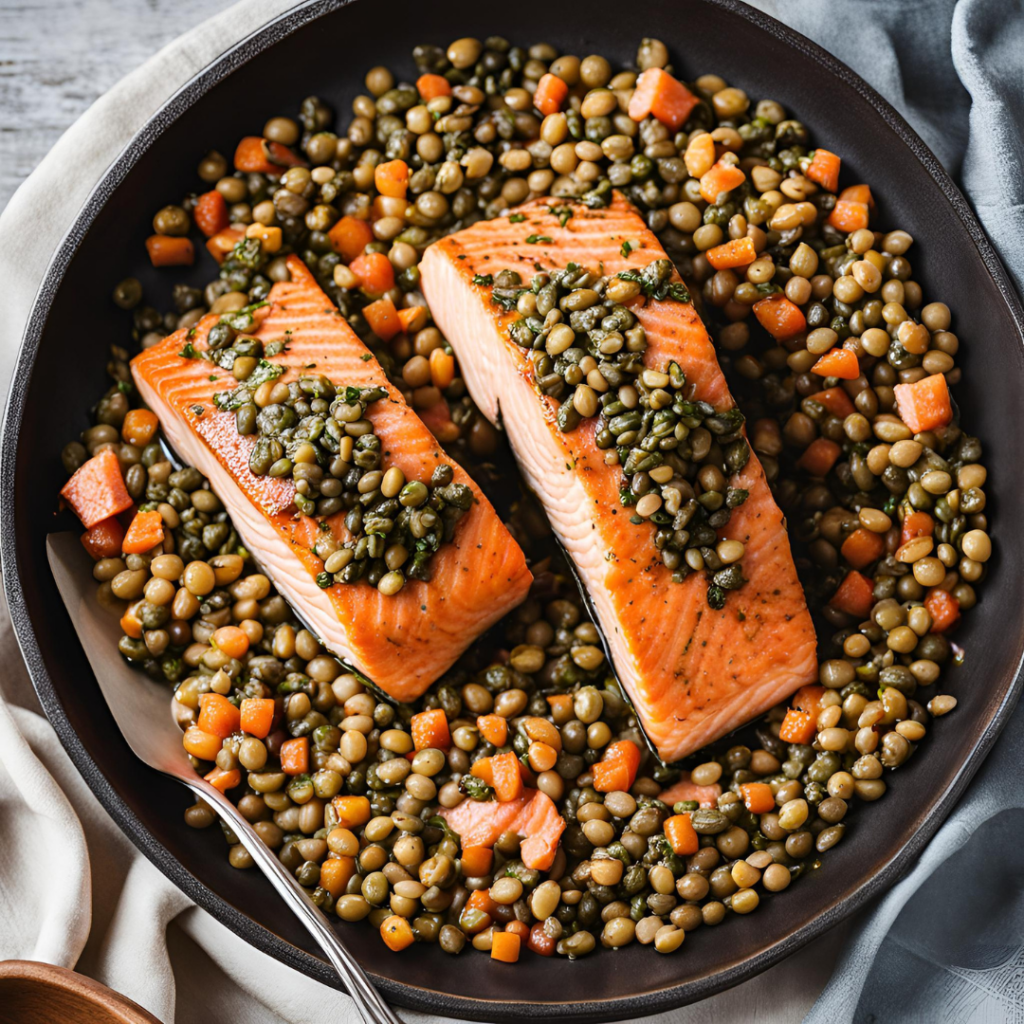
A 3oz serving of Atlantic salmon provides roughly 17 grams of protein, 11 grams of unsaturated fats, and no carbs or fiber. A great source for omega-3 fats and it’s also packed with vitamins and minerals, including vitamin D, magnesium, phosphorus, selenium, and B vitamins like B2, B5, and B12.

Lentils

Lentils – the ancient supergrain that’s often overlooked but totally deserves a spotlight! A cup of cooked lentils gives you about 40 grams of carbs, 16 grams of fiber, 18 grams of protein, and less than 1 gram of fat. Plus, they’re loaded with vitamins and minerals like calcium, iron, magnesium, potassium, phosphorus, zinc, selenium, and B vitamins like niacin and folate. Packed with goodness, and so easy to love!

Blueberries

One cup (about 148 grams) of fresh blueberries gives you less than 1 gram of fat, around 1 gram of protein, 21 grams of carbs, 4 grams of fiber, and 15 grams of natural sugars, including fructose and glucose. Not to mention, it’s packed with lutein and zeaxanthin, which boost its antioxidant powers, which support the body’s natural antioxidant defenses. It might be small, but it’s mighty! Enjoy mixed in Greek yogurt for your early mornings!

Practicing Mindful Eating

Mindful eating habits are all about paying full attention to what you’re eating, savoring each bite and tuning in to your hunger and fullness cues. It’s easier said than done at first, but with practice, it gets much easier. This approach supports portion awareness, digestive comfort, and a healthier relationship with food, and create a healthier relationship with food. By slowing down and focusing on the flavors, textures, and nutritional value of your meals, you’re not only nourishing your body but also enjoying a more balanced and satisfying eating experience. Here are some mindful eating tips that have truly helped me along the way and helped me build a positive relationship with food.

Invest in your health today with Tucson Wellness MD, and thrive tomorrow!

Consistency and self-discipline are the keys to maintaining a balanced lifestyle, building healthy habits, and achieving your goals. At Tucson Wellness MD, we believe that your progress is driven by your own efforts, you’re in control. We simply provide innovative holistic wellness solutions to support your journey! Remember why this journey is important for you, and let Tucson Wellness MD support you every step of the way. Explore our Longevity Program, designed to align with your individual health goals and lab findings. We are taking steps today to look out for our future selves, building a healthier, more vibrant life for tomorrow.

Frequently Asked Questions

What does eating for longevity mean?
Eating for longevity focuses on nutrient-dense foods that support cellular health, reduce inflammation, and promote healthy aging rather than short-term weight loss.

Why is longevity nutrition not one-size-fits-all?
Climate, stress, activity level, hydration needs, and metabolic health affect how the body ages. In Tucson, heat exposure and hydration demands play a major role in nutritional needs.

Why are plant-based foods emphasized for longevity?
Plant-based foods are rich in phytonutrients, antioxidants, and polyphenols that support immune function, reduce inflammation, and protect cells from oxidative stress.

How do lifestyle habits support longevity beyond diet?
Exercise, sleep quality, stress management, and hydration all influence cellular aging and metabolic health alongside nutrition.

STAY CONNECTED

Healthy Thanksgiving Tips to Enjoy Holiday Meals Without Feeling Sluggish

Thanksgiving is a favorite for many people. The food, the traditions, and the time with family and friends make it a day to enjoy. But one large holiday meal can leave you feeling sluggish if you are not mindful.

These five Thanksgiving health tips help you enjoy your favorite foods while supporting digestion, energy, and overall balance. With a few simple choices, you can feast without feeling uncomfortable afterward and get back to your routine feeling good.

Tip #1: Why You Should Not Skip Breakfast on Thanksgiving

thanksgiving breakfast

If your family is anything like mine, you might have grown up starving yourself all day to save room for that amazing home-cooked meal. I learned the hard way that this leads to overindulging and that dreaded food coma! Instead, start your day with a fiber-rich breakfast to support stable energy and digestion and keep your gut happy. A light smoothie packed with fiber is a great option that’s easy on digestion.

How Sugary Drinks and Alcohol Affect Holiday Health

With holiday drinks and the social atmosphere, especially with Thursday football on TV, it’s easy to lose track of how much sugar and alcohol you’re consuming. Choose wisely to avoid that post-feast sugar crash! If you’re eyeing a slice of pie later, consider limiting your alcohol intake. And if you enjoy sweet coffee drinks, remember that those can add extra sugar to your day, too! A great tip is to drink a glass of water for every alcoholic beverage you have. This keeps you hydrated and helps prevent overindulging! If you use supplements, speak with a healthcare provider about options that may support overall wellness during the holiday season.

Tip #3: How Portion Control Helps Prevent Holiday Overeating

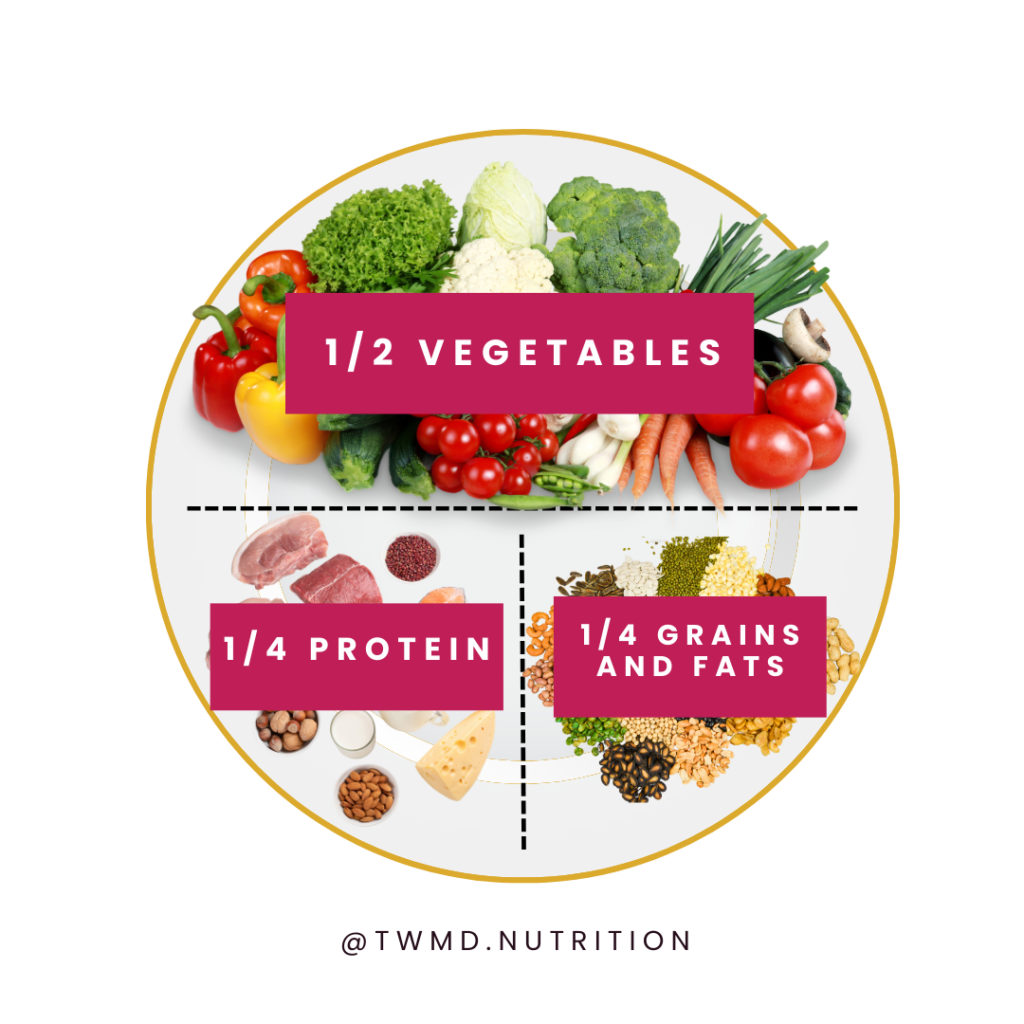
Thanksgiving can feel overwhelming when it comes to serving yourself. It’s completely fine to indulge, but moderation is essential! Consider starting with smaller portions and prioritizing healthier options, try enjoying the veggies first before diving into the proteins and starches. One great tip is to use a smaller plate! It might sound surprising, but it can really help you maintain balance in the long run.

thanksgiving

Tip #4: Why Bringing Food Containers Prevents Overindulgence

thanksgiving containers

I always bring my favorite containers to family gatherings, especially on Thanksgiving. They’re great for packing up a second plate to enjoy later or for meal prep the next day. This little trick not only helps me avoid overindulging but also keeps me on track with my routine. Plus, it means I have meals ready for the next few days, leaving more room for dessert!

Tip #5: How to Make Healthier Thanksgiving Recipes

Whether you’re hosting or contributing to a potluck, consider healthier alternatives for classic dishes. Use fat-free products or Greek yogurt in creamy recipes, reduce sugar in desserts, and swap out oil and butter for avocado or olive oil in main dishes.

Don’t let one day of feasting throw your entire routine off balance. Pay attention to your body’s signals and stop eating when you notice those cues.


Nutrition and GI Health Support at Tucson Wellness MD

It’s totally normal if this takes some time to sink in, so be kind to yourself as you work on making healthier choices. Just remember to stay committed to your journey! If you’re feeling a bit lost when it comes to reading nutrition labels, why not chat with our nutritionist? She is here to help you learn how to eat better in a fun and supportive way. If you are looking for personalized digestive support, our team offers consultations to help guide nutrition and supplement decisions.

Frequently Asked Questions

How do I avoid overeating on Thanksgiving without missing out on my favorite foods?

Start Thanksgiving with a fiber-rich breakfast to stabilize blood sugar and reduce hunger going into the main meal. Use a smaller plate, begin with vegetables before proteins and starches, and take smaller initial portions. You can always go back for more. Eating slowly and stopping when you feel satisfied rather than full makes the biggest difference.

Why do I feel so tired and sluggish after Thanksgiving dinner?

Post-meal fatigue is driven by a large carbohydrate and calorie load, blood sugar fluctuation from sugary drinks and desserts, and the natural digestive demand of a heavy meal. Alcohol compounds this by acting as a sedative. Managing portion sizes, limiting alcohol, and staying hydrated throughout the day significantly reduces the crash.

Is it bad to skip breakfast on Thanksgiving to save room for dinner?

Yes. Skipping meals before a large feast reliably leads to overeating because hunger overrides portion awareness. A light, fiber-rich breakfast stabilizes blood sugar, supports digestion, and gives you better appetite control by the time the main meal arrives.

How much water should I drink on Thanksgiving?

Hydration needs vary by body weight and activity level, but a practical guideline is to match every alcoholic beverage with a full glass of water and aim for consistent hydration throughout the day rather than catching up after the meal. Water supports digestion, reduces the likelihood of mistaking thirst for hunger, and helps manage the effects of sodium-heavy holiday dishes.

What are simple swaps to make Thanksgiving recipes healthier?

Replace butter and oil with avocado oil or olive oil in main dishes, substitute Greek yogurt for sour cream or mayo in creamy recipes, and reduce added sugar in desserts by 25 to 30 percent without significantly affecting taste. These swaps reduce caloric density without eliminating the dishes that make the meal worth eating.

Will one big Thanksgiving meal affect my health or weight loss progress?

One meal does not undo sustained healthy habits. The concern is the multi-day pattern of leftovers, extra desserts, and reduced activity that often follows. Getting back to your normal routine the next day including regular meals, hydration, and movement is more important than what happens on Thanksgiving itself.

What are 5 healthy eating habits?

  • Do not skip meals
  • Start with fiber-rich foods
  • Control portions
  • Limit sugary drinks and alcohol
  • Stop eating when you feel satisfied

Why Gut Health Matters for Your Whole-Body Wellness

What Is Gut Health

Gut health refers to the balance of microorganisms living in your digestive tract. These microbes support digestion, nutrient absorption, immune function, metabolism, and mental well-being.

Your gut regulates far more than digestion. The gut microbiome controls immune response, inflammation levels, hormone activity, and communication between the brain and body. When microbial balance shifts, these systems lose regulation. Energy drops. metabolism slows. immune defenses weaken. inflammation rises. Symptoms appear across multiple body systems, not only the digestive tract.

Gut health reflects how well your body maintains internal balance at the cellular and metabolic level. A stable microbiome supports nutrient absorption, immune protection, and neurological signaling. When imbalance develops, normal regulation breaks down and whole-body function declines. Restoring microbial stability supports systemic regulation, metabolic efficiency, and overall physiological function.

Why Gut Health Affects More Than Digestion

Many symptoms appear unrelated but often connect to gut imbalance. These include bloating, fatigue, weight gain, low immunity, and brain fog.

The gut influences inflammation, hormone regulation, and the gut-brain connection. When the microbiome becomes unstable, these systems lose balance.

Supporting gut health improves overall body function, not only digestion.

Key Factors That Influence Your Gut Microbiome

Diet and Processed Foods

Highly processed foods, artificial additives, and sugar substitutes disrupt microbial balance. Some emulsifiers and preservatives interfere with beneficial bacteria.

Medications and Environmental Exposure

Certain medications, pesticides, and excessive alcohol intake can alter gut bacteria and weaken digestive stability.

Stress and the Gut-Brain Axis

Chronic stress affects the gut-brain connection. Oxidative stress changes microbial composition and influences mood, metabolism, and immune response.

Short-chain fatty acids produced by gut bacteria play a role in brain function. When microbial balance shifts, mental and hormonal regulation may also change.

Nutrients That Support Gut Health

Probiotics

Probiotics are beneficial bacteria that help maintain microbial balance. Common food sources include yogurt and kefir containing live cultures.

Prebiotic Fiber

Prebiotics feed beneficial bacteria and help them multiply. Sources include oats, whole grains, garlic, and onions.

When gut bacteria ferment fiber, they produce short-chain fatty acids. These compounds support immune health, reduce inflammation, and assist metabolic regulation.

Dietary Fiber

Fiber supports digestive movement and microbial diversity. Adequate intake helps maintain pH balance and prevents metabolic stress linked to poor digestion and weight gain.

Omega-3 Fatty Acids

Omega-3s such as DHA and EPA help reduce systemic inflammation. Food sources include fatty fish, nuts, and plant-based oils.

Signs Your Gut May Be Out of Balance

Gut imbalance can occur in different body systems, but digestive symptoms often appear first.

Common signs include:

  • Gas and bloating
  • Diarrhea or constipation
  • Abdominal discomfort
  • Food sensitivities
  • Persistent bad breath

Recognizing these signals helps identify when your gut needs support.

How to Support Gut Health Daily

You can improve gut balance through consistent nutrition and lifestyle habits.

Focus on:

  • Fiber-rich foods
  • Probiotics and prebiotics
  • Omega-3 fatty acids
  • Stress management
  • Whole, minimally processed foods

These choices help beneficial bacteria thrive and strengthen immune function.

Support Your Gut for Whole-Body Health

The gut influences digestion, immunity, metabolism, and mental function. Daily habits that nourish beneficial microorganisms help restore balance across the body.

Consistent nutrition supports long-term wellness.

For personalized nutritional support, contact Tucson Wellness MD to schedule a consultation.

Frequently Asked Questions

Frequently Asked Questions About Gut Health

What is the gut microbiome and why does it matter for whole-body health? The gut microbiome is the community of trillions of microorganisms living in your digestive tract. It regulates digestion, nutrient absorption, immune response, inflammation levels, hormone activity, and communication between the gut and brain. When microbial balance is disrupted, these systems lose regulation simultaneously, producing symptoms across the entire body, not only the digestive tract.

What are the most common signs of poor gut health? The most common signs of gut imbalance include bloating, gas, constipation or diarrhea, persistent fatigue, brain fog, food sensitivities, unexplained weight gain, and frequent illness. Because the gut influences immunity and inflammation, symptoms often appear in systems that seem unrelated to digestion.

How does gut health affect mental health and brain function? The gut and brain communicate directly through the gut-brain axis. Gut bacteria produce neurotransmitters and short-chain fatty acids that influence mood, cognition, and stress response. When microbial balance shifts, mental clarity, emotional regulation, and energy levels are commonly affected.

What foods damage gut health the most? Highly processed foods, refined sugar, artificial additives, emulsifiers, and sugar substitutes consistently disrupt beneficial bacteria and reduce microbial diversity. Excessive alcohol and chronic use of certain medications, including antibiotics, also significantly alter gut composition.

What is the fastest way to improve gut health? The most effective approach combines daily fiber intake from whole plant foods, consistent consumption of probiotic-rich fermented foods, reduced processed food intake, stress management, and adequate hydration. Microbiome shifts can begin within days of dietary changes, but stable improvement requires weeks of consistent habits.

Can stress cause gut problems? Yes. Chronic stress directly alters gut microbial composition through the gut-brain axis. Elevated stress hormones reduce microbial diversity, increase intestinal permeability, and disrupt digestive motility. Managing stress is as important to gut health as diet.

When should I see a doctor about gut health? Persistent bloating, chronic digestive discomfort, unexplained fatigue, or recurring food sensitivities that do not resolve with dietary changes warrant professional evaluation. Tucson Wellness MD offers personalized nutritional support to identify underlying imbalances and build a sustainable gut health protocol.