Healthy Fats Explained: Best Fats to Eat and Fats to Avoid
Table of Contents
Do you blame fats for those stubborn pounds you can’t seem to shed? Or maybe you’re guilty of using them to amp up the flavor and texture of your food—perhaps a little too often? Should I try low-fat? No fat? We have all been there.
Fats are a type of macronutrient, which means they’re essential for your health in larger amounts. In fact, fats are the most energy-dense nutrient, providing 9 kcal per gram, while other macronutrients like protein and carbohydrates offer only 4 kcal per gram each. They play a key role providing fatty acids that assist in many important functions, like providing energy, supporting cell structure, and helping your body absorb fat-soluble vitamins. Dietary fats play an important role in overall health when consumed in appropriate amounts and balanced forms. They also have complex effects on your metabolism, influenced by factors like the type of fat, timing, and your individual body. Fats contribute to cell structure, hormone production, and energy storage as part of normal physiological function.
What Are Healthy Fats?
Healthy fats generally refer to unsaturated fats found in foods such as olive oil, avocados, nuts, seeds and fish. Current heart-health guidance recommends replacing foods high in saturated fat with sources of monounsaturated and polyunsaturated fats. Trans fat intake should be kept as low as possible, while the overall dietary pattern matters more than any single food.
Who Should Pay Attention to Their Fat Intake
Everyone needs some dietary fat, but the type and amount of fat may matter especially for people managing:
- High LDL cholesterol
- Cardiovascular risk
- High saturated-fat intake
- Weight-management goals
- Diabetes or metabolic conditions
- Overall diet quality
Dietary fat provides essential fatty acids, energy and helps the body absorb fat-soluble vitamins.
The goal is not to eliminate fat. It is to choose unsaturated fats more often while keeping saturated and trans fat intake within recommended limits. choose fats that support your body while limiting fats that may increase health risks when eaten too often.
Healthy Fats Comparison Table
| Fat Type | Common Sources | Current Guidance |
|---|---|---|
| Monounsaturated fats | Olive oil, avocado, nuts, peanuts | Choose regularly in place of saturated fats |
| Polyunsaturated fats | Fish, walnuts, flaxseed, soybean and other plant oils | Provide essential omega-3 and omega-6 fats |
| Saturated fats | Butter, cheese, fatty meats, coconut and palm oils | Limit and replace with unsaturated fats when possible |
| Trans fats | Small natural amounts in meat/dairy; formerly common in PHOs | Keep intake as low as possible |
How to Choose Better Fats at Meals
You do not need a fat-free diet.
Instead, focus on simple substitutions:
- Cook with olive, canola or other nontropical liquid plant oils more often
- Choose nuts or seeds instead of some processed snack foods
- Include fish as a protein option
- Use avocado in place of some foods high in saturated fat
- Choose leaner meat when appropriate
- Compare saturated fat on Nutrition Facts labels
- Build meals around vegetables, whole grains, protein and unsaturated-fat sources
The benefit comes largely from what replaces saturated fat, not simply from adding more fat to the diet.
Healthy Fats to Eat More Often and Fats to Limit
Unsaturated fats are generally preferred over saturated fats for cardiovascular health.
Foods containing more unsaturated fat include:
- Olive oil
- Canola oil
- Avocado
- Nuts
- Seeds
- Fatty fish
- Peanut butter
- Soy foods
Foods higher in saturated fat include:
- Butter
- Cream
- Full-fat cheese
- Fatty meats
- Coconut oil
- Palm oil
These foods do not need to be described as universally “bad,” but saturated fat should generally be limited and replaced with unsaturated sources when possible.
Main Types of Dietary Fats and How They Affect Health
Dietary fats are usually grouped into:
- Saturated fats
- Monounsaturated fats
- Polyunsaturated fats
- Trans fats
Their health effects are not identical.
Current cardiovascular guidance places particular emphasis on the overall dietary pattern and replacing foods high in saturated fat with foods containing unsaturated fats.
Saturated Fats: Foods to Limit for Heart Health
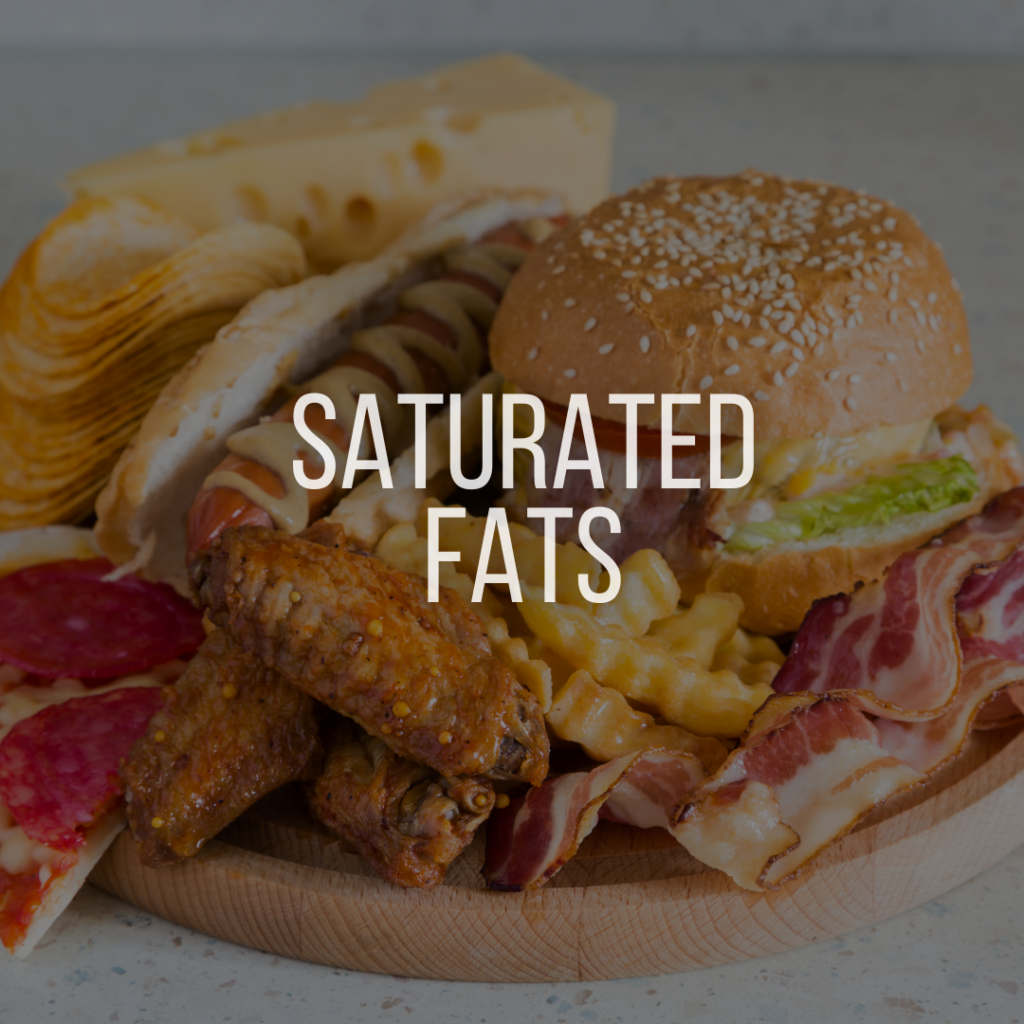
Saturated fats occur naturally in many foods, including:
- Butter
- Cream
- Cheese
- Fatty cuts of beef and pork
- Poultry skin
- Coconut oil
- Palm oil
- Some baked and fried foods
Saturated fat can raise LDL cholesterol.
The American Heart Association recommends limiting saturated fat and replacing it with unsaturated fats as part of a heart-healthy dietary pattern.
Unsaturated Fats: The Healthier Fat Choice for Daily Meals
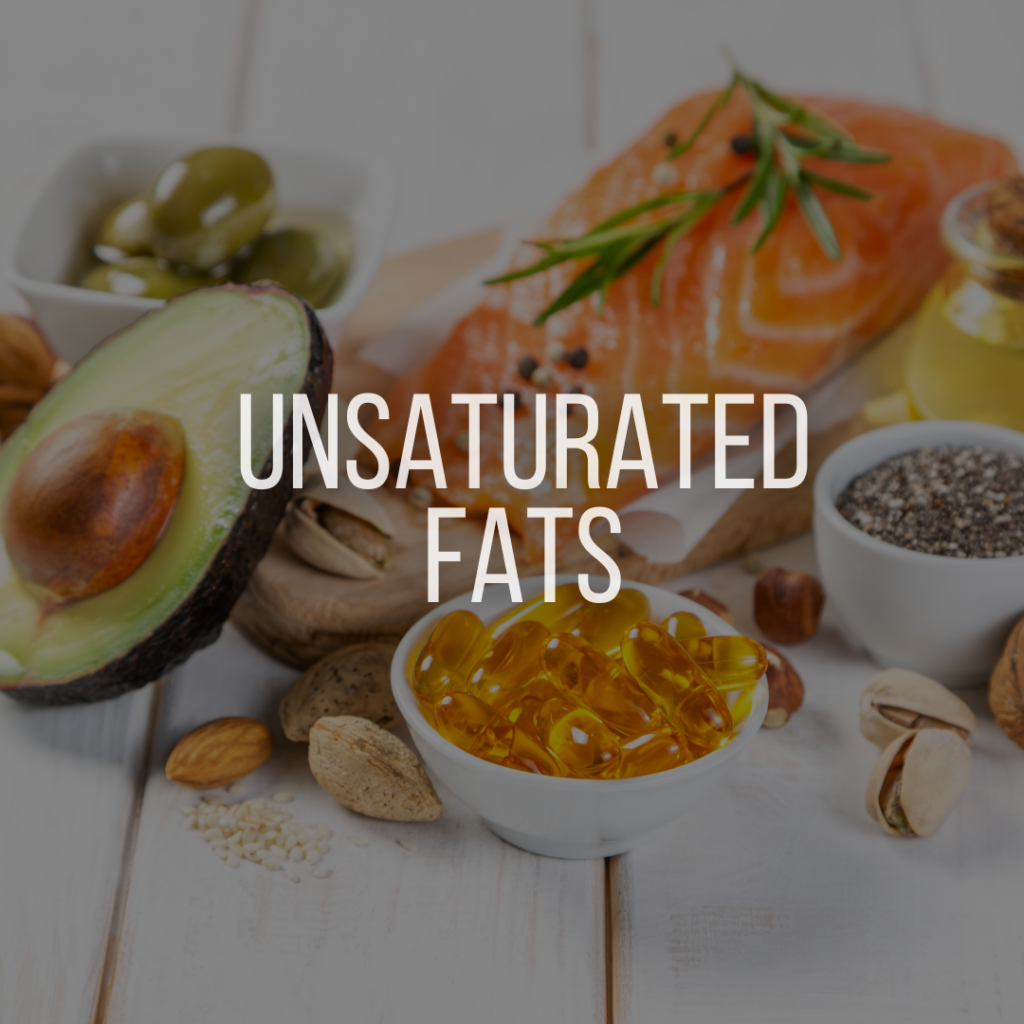
Unsaturated fats include monounsaturated and polyunsaturated fats.
Common sources of monounsaturated fats include:
- Olive oil
- Avocado
- Almonds
- Peanuts
- Cashews
- Sesame seeds
- Some other liquid plant oils
Replacing some saturated-fat sources with unsaturated fats can help improve blood lipid patterns and reduce cardiovascular risk.
Avoid presenting omega-9 as uniquely protective. It is simply one type of monounsaturated fatty acid.
Omega-9s are a specific type of MUFA, and are especially known for their heart-healthy benefits. One of the most common sources of omega-9s is olive oil, which is high in oleic acid. Although omega-9s are beneficial for your health, they are not considered essential because your body can produce them as needed.
Polyunsaturated Fats: Omega-3 and Omega-6 Food Sources
Polyunsaturated fats include essential omega-3 and omega-6 fatty acids.
Sources of omega-3 fats include:
- Salmon
- Sardines
- Trout
- Walnuts
- Chia seeds
- Flaxseed
ALA is the main plant omega-3 fatty acid, while EPA and DHA are found primarily in fish and seafood.
Omega-6 fatty acids are found in:
- Soybean oil
- Corn oil
- Sunflower oil
- Nuts
- Seeds
Both omega-3 and omega-6 fatty acids are essential nutrients.
The goal is not to fear omega-6 fats or chase a perfect omega-6-to-omega-3 ratio, but to follow an overall healthy dietary pattern.
Trans Fats: What Consumers Should Know Today

Trans fats can occur naturally in small amounts in meat and dairy products.
Historically, the major source of artificial trans fat in the U.S. food supply was partially hydrogenated oils, or PHOs.
The FDA determined that PHOs were no longer generally recognized as safe and removed their approved food uses. As a result, industrial trans fat from PHOs has been largely eliminated from the U.S. food supply.
Trans fat can still appear in small amounts, so checking the Nutrition Facts label remains useful.
For current guidance on dietary fats and heart health, review the American Heart Association’s guide to fats in foods.
How to Read Food Labels and Choose Better Fats
Nutrition labels can help you compare similar foods.
When evaluating fat content, look at:
- Serving size
- Total fat
- Saturated fat
- Trans fat
- Calories
- Sodium
- Added sugars
- Fiber
Instead of judging a food by whether ingredient names are difficult to pronounce, focus on the nutrient profile and overall dietary pattern.
When comparing similar products, choosing one with less saturated fat, added sugar and sodium may be helpful depending on your health goals.
Common Myths About Dietary Fat
| Myth | Better Explanation |
|---|---|
| Eating fat automatically causes body fat gain | Body weight is influenced by total energy balance and many other factors |
| All saturated fat foods must be eliminated | Saturated fat should generally be limited, not treated as poison |
| Seed oils are inherently toxic | Common liquid plant oils provide unsaturated fats and can fit within a healthy diet |
| Low-fat foods are always healthier | Nutritional quality depends on the entire product |
| Coconut oil is automatically heart healthy | Coconut oil is high in saturated fat |
| More omega-3 is always better | Needs vary, and supplements are not necessary for everyone |
Are Seed Oils Unhealthy?
Seed oils such as soybean, corn, sunflower, safflower and canola oil are often criticized online.
However, these oils primarily provide unsaturated fats, including essential omega-6 fatty acids.
Current cardiovascular dietary guidance continues to recommend nontropical liquid plant oils as alternatives to fats higher in saturated fat.
That does not mean every food made with seed oil is automatically healthy. The overall food and dietary pattern still matter.
Nutrition and Weight Loss Support at Tucson Wellness MD
Dietary fat is one part of an overall nutrition plan.
For patients working on weight or metabolic health, Tucson Wellness MD can help review:
- Total calorie intake
- Protein intake
- Fiber
- Dietary fat quality
- Meal patterns
- Physical activity
- Sleep
- Medications
- Metabolic health
Healthy fats can support a balanced diet, but simply adding more high-fat foods does not automatically produce weight loss. For individualized weight and nutrition support, explore Medical Weight Loss at Tucson Wellness MD.
Want Help Improving Your Nutrition?
Tucson Wellness MD can help you review your eating habits, weight goals and metabolic health and build a nutrition approach that includes appropriate amounts and types of dietary fat.
Schedule a Wellness ConsultationHealthy Fats FAQs
What are healthy fats?
Healthy fats generally refer to monounsaturated and polyunsaturated fats found in foods such as olive oil, avocados, nuts, seeds and fish. These fats are generally recommended in place of foods higher in saturated fat.
Which fats should I limit?
Saturated fat should generally be limited, particularly when cardiovascular risk or high LDL cholesterol is a concern. Trans fat intake should be kept as low as possible.
Are saturated fats bad for you?
Saturated fats are not poisonous or foods that must always be avoided, but higher intake can raise LDL cholesterol. Current heart-health guidance recommends replacing some saturated-fat sources with unsaturated fats.
What are omega-3 fatty acids?
Omega-3 fatty acids are polyunsaturated fats that include ALA, EPA and DHA. ALA is found mainly in plant foods such as flaxseed and walnuts, while EPA and DHA are found primarily in fish and seafood.
Are seed oils unhealthy?
Common seed oils such as soybean, corn, sunflower, safflower and canola oil provide mostly unsaturated fats. They can be included within a healthy dietary pattern, especially when used instead of fats higher in saturated fat.
Is olive oil healthier than butter?
Olive oil contains more unsaturated fat and less saturated fat than butter. Replacing butter with liquid plant oils such as olive oil can improve the overall fat profile of the diet.
Does eating fat make you gain weight?
Dietary fat is calorie-dense, but eating fat does not automatically cause weight gain. Body weight is influenced by total energy intake, activity, metabolism, medications and other factors.
How can I choose healthier fats on food labels?
Check serving size, saturated fat and trans fat on the Nutrition Facts label. When comparing similar foods, choosing options with less saturated fat can help improve overall dietary fat quality.
STAY HEALTHY – STAY CONNECTED