Jet Lag, Hormones, and Recovery: How to Reset Energy After Travel
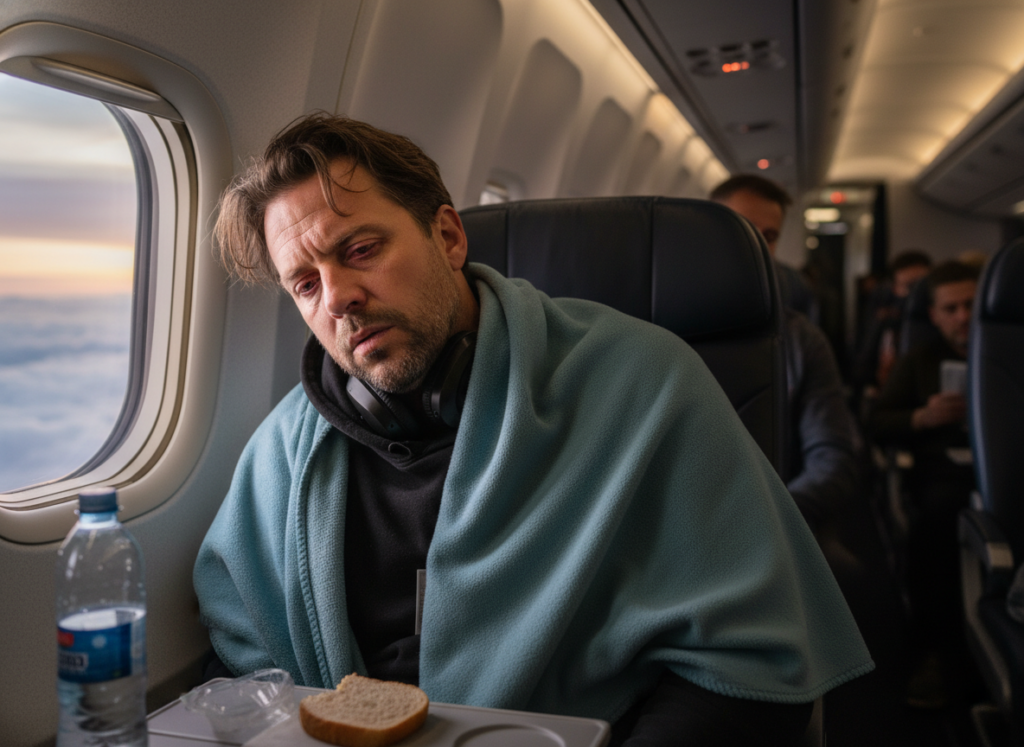
Table of Contents
How Long Does Jet Lag Last?
Jet lag commonly lasts several days while the body clock adjusts to the destination time zone. Recovery time depends on the number of time zones crossed, travel direction, sleep loss, light exposure, age and individual response. Jet lag can temporarily disrupt sleep, alertness, digestion, melatonin timing and cortisol patterns. Strategic light exposure, local sleep and wake times, hydration, movement and appropriately timed melatonin may help, but persistent fatigue or sleep problems should be medically evaluated.
Travel across multiple time zones can leave you tired, unfocused and awake at the wrong hours. These symptoms occur because your internal circadian clock is still synchronized with your departure location rather than the local schedule at your destination.
Jet lag can temporarily affect sleep, alertness, digestion, appetite, mood and physical recovery. It also shifts the timing of hormones involved in sleep and wakefulness, including melatonin and cortisol. This does not necessarily mean that travel has caused a permanent hormone disorder.
Recovery depends on the direction of travel, number of time zones crossed, light exposure, sleep timing and individual health. This guide explains how long jet lag may last, why eastward travel often feels harder and how to use light, sleep scheduling, hydration, movement and provider-guided care more effectively. Travelers experiencing persistent fatigue can also review how sleep, nutrition and mitochondrial health may affect daily energy.
What Is Jet Lag?
Jet lag is a temporary circadian rhythm disruption that occurs when rapid travel places your internal body clock out of sync with the local time.
The body normally uses light and darkness to coordinate sleep, alertness, digestion and hormone timing across a 24-hour cycle. After crossing several time zones, these processes may continue following the schedule from your departure location.
Common symptoms include difficulty sleeping at the local bedtime, waking too early, daytime sleepiness, reduced concentration, irritability, digestive changes and lower physical performance.
Symptoms usually improve as the circadian clock adjusts. Recovery varies according to travel direction, number of time zones crossed, sleep loss, light exposure and individual sensitivity.last for a few days or even a few weeks, depending on how far you’ve traveled and how well you manage the recovery process.
Jet Lag Symptoms Checklist
Use this checklist to recognize when travel fatigue may be affecting your sleep, hormones, and recovery:
- Trouble falling asleep at the local bedtime
- Waking up too early or during the night
- Daytime fatigue or sleepiness
- Brain fog or reduced focus
- Mood changes or irritability
- Digestive changes
- Low motivation
- Poor workout recovery
- Increased cravings
- Feeling “off” for several days after travel
If symptoms last longer than expected or happen often after travel, it may help to review sleep, hydration, nutrition, stress, and hormone patterns with a wellness provider.
How Long Does Jet Lag Last?
Jet lag commonly improves over several days, but there is no exact recovery period that applies to every traveler. Crossing more time zones generally creates a larger difference between the internal body clock and the destination schedule.
Eastward travel may take longer to adjust to because the body must shift sleep and wake times earlier. Westward travel usually requires delaying the body clock, which many people find easier.
Recovery may also be slower when travel involves significant sleep deprivation, overnight flights, irregular meals, alcohol, dehydration or repeated trips without enough time between them.
Symptoms that remain severe, continue well beyond the expected adjustment period or occur after every trip may involve another sleep, medical or metabolic issue rather than routine jet lag alone.
How Jet Lag Affects Hormone Timing
Jet lag primarily disrupts the timing of biological processes rather than automatically causing a permanent hormone imbalance.
Melatonin
Melatonin normally increases in the evening and helps signal that it is time to sleep. After crossing time zones, melatonin release may still follow the schedule from home, making it difficult to sleep or wake at the destination time.
Cortisol
Cortisol normally follows a daily rhythm that supports morning alertness and changes throughout the day. Circadian misalignment may temporarily shift this rhythm, contributing to feeling sleepy at the wrong time or unusually alert at night.
Appetite and Metabolic Timing
Sleep disruption and irregular meal timing may affect hunger, cravings, digestion and blood-sugar patterns during travel. These changes are usually temporary, but they may feel more noticeable in travelers with existing metabolic concerns.
Mood and Physical Recovery
Circadian disruption and sleep loss may reduce concentration, worsen irritability and make workouts or physical activity feel harder. These effects do not prove that testosterone, estrogen or thyroid levels have become clinically abnormal.mone timing may shift, which can contribute to fatigue, sleep changes, mood fluctuations, and reduced focus.
For symptoms that continue after the travel period, review common hormone imbalance symptoms and testing considerations.
Why Traveling East Feels Worse

Eastward travel requires the body to fall asleep and wake earlier than its internal clock expects. This is called a circadian phase advance.
Many people find advancing the body clock more difficult than delaying it. Westward travel usually extends the day and requires later sleep and wake times, which may be easier for the circadian system to follow.
The difference matters because light exposure and melatonin timing should be based on the direction of travel. The same strategy should not automatically be used for eastbound and westbound trips.
How to Reduce Jet Lag and Support Hormone Balance
There is no one-size-fits-all method to prevent jet lag completely, but several strategies can help you reduce jet lag symptoms and manage travel fatigue effectively:
1. Shift Your Sleep Schedule Before You Fly
If possible, adjust your bedtime by 30 to 60 minutes in the days leading up to your trip. This helps your circadian clock begin to align with your destination, especially if you’re traveling east or across multiple time zones.
2. Time Light Exposure According to Your Trip
Light is one of the strongest signals used by the body to reset its circadian clock. However, the best timing depends on whether you traveled east or west and how many time zones you crossed.
After arrival, spend time outdoors during the part of the local day recommended for shifting toward the destination schedule. Avoiding bright light at certain times may be just as important as seeking it.
Travelers crossing many time zones or managing a strict work schedule may benefit from using a personalized jet-lag calculator or discussing light timing with a qualified provider.
3. Use Melatonin Carefully and at the Right Time
Strategically timed melatonin may help some travelers adjust sleep timing after crossing multiple time zones. Timing matters because melatonin can affect the circadian clock differently depending on when it is taken.
Do not assume that more melatonin will work better. Product strength, medication interactions, pregnancy status, medical conditions and next-day drowsiness should be considered.
Travelers taking prescription medications or managing chronic health conditions should speak with a healthcare provider before using melatonin. Patients interested in broader energy and recovery support may also explore personalized longevity care at Tucson Wellness MD.
4. Use Sleep Medication Only With Medical Guidance
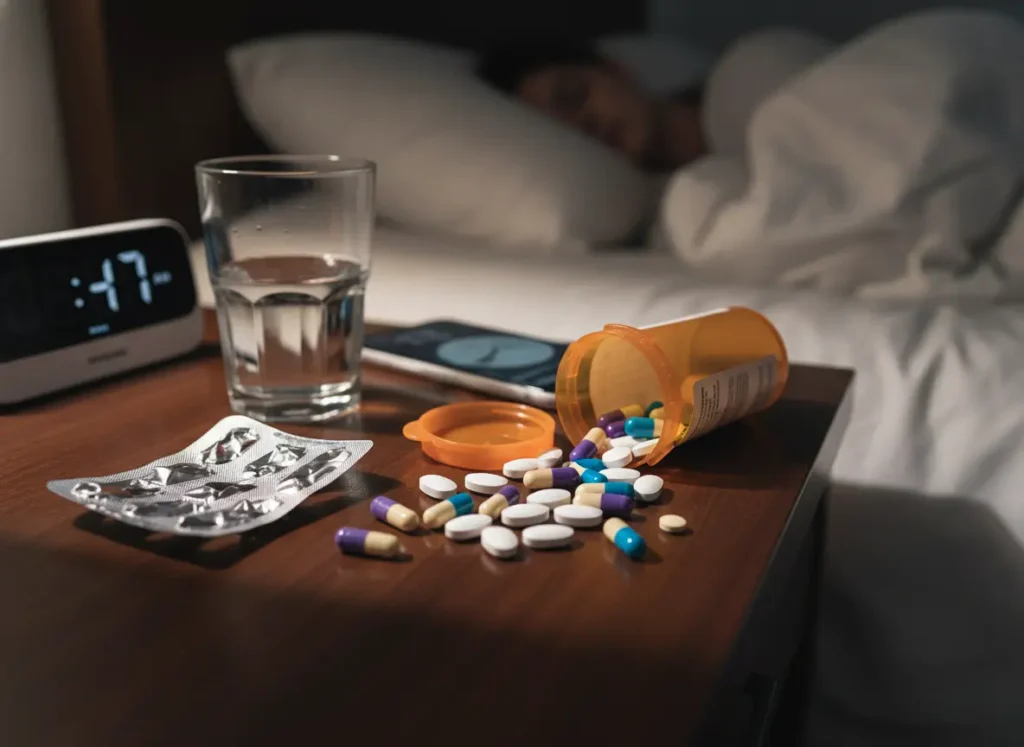
Prescription or over-the-counter sleep aids may cause next-day grogginess, impaired coordination or medication interactions. They also do not necessarily correct the underlying circadian mismatch.
Do not begin or combine sleep medications solely for travel without reviewing the risks with a healthcare provider. Non-medication tools such as an eye mask, earplugs, a quiet room and appropriate light timing may also support sleep.
5. Wake Up at the Local Time
Wake up at your target local time, even if you didn’t sleep well. This consistency helps reset your circadian clock and reduces the risk of extended daytime sleepiness or poor nighttime sleep. Outdoor light and light activity upon waking can further support adjustment.
6. Support Your Hormones After Travel
Jet lag may temporarily influence hormones involved in sleep, stress response, and metabolic timing, particularly in frequent travelers, digestion, and blood pressure regulation. Hormone timing may feel disrupted longer if you travel frequently or recover poorly. Consider post-travel support that includes:
- Nutrient support for energy and hormone recovery
- Hydration and light physical activity
- A check-in with your provider if you experience prolonged fatigue or cognitive issues
Travel Recovery Checklist
Use this checklist to support sleep, hydration, hormone rhythm, and recovery after crossing time zones.
| Recovery Step | What to Do | Why It May Help |
|---|---|---|
| Follow local time | Use the destination’s bedtime, wake time and meal schedule | Provides consistent timing signals for the body clock |
| Use light strategically | Plan light exposure and avoidance according to travel direction | Helps shift circadian timing toward the destination |
| Hydrate | Drink fluids before, during and after travel | May reduce fatigue related to inadequate fluid intake |
| Move lightly | Walk, stretch or perform light activity after arrival | Supports circulation, alertness and travel recovery |
| Limit late caffeine | Avoid caffeine close to the destination bedtime | Reduces additional sleep disruption |
| Review persistent symptoms | Contact a provider when fatigue or sleep disruption does not improve | Helps identify sleep, medication, metabolic or other health factors |
What Research and Travel-Medicine Guidance Show
Travel-medicine guidance focuses on correcting the mismatch between the internal circadian clock and the destination schedule.
The most commonly discussed strategies include adjusting sleep timing, planning light exposure and light avoidance, following local meal and wake schedules, and considering appropriately timed melatonin for suitable travelers.
The correct plan depends on travel direction, number of time zones crossed, departure and arrival times, medication use and individual health. Generic advice may be less effective than a schedule designed around the specific trip.
When Jet Lag Feels Like More Than Travel Fatigue
Jet lag usually improves as your body adjusts to the local time zone. But frequent travel, poor sleep, dehydration, stress, and hormone changes may make recovery harder.
Consider a wellness evaluation if you notice:
- Fatigue that lasts beyond a few days
- Brain fog that affects work or travel performance
- Sleep disruption after every trip
- Low mood or irritability after travel
- Poor workout recovery
- Changes in appetite, cravings, or digestion
- Ongoing low energy despite rest
These symptoms do not always mean you have a hormone problem. They do mean your recovery system may need support. A provider can review sleep, hydration, nutrition, hormones, and metabolic factors to help build a safer recovery plan. Persistent exhaustion may also involve sleep, nutrient, metabolic or medication-related factors. Learn more about concierge primary care and personalized health evaluation.
Related Reading
- How to Improve Sleep Quality Naturally for Recovery
- Why Proper Hydration and Electrolyte Balance Matter for Your Health
- Aging and Hormones: How to Stay Balanced Through Each Decade
Support for Frequent Travelers at Tucson Wellness MD
At Tucson Wellness MD, we understand the hormonal effects of jet lag and how they can impact your overall well-being. Whether you travel occasionally or cross numerous time zones for work, we offer personalized strategies for managing jet lag symptoms and supporting your hormone health.
Our team can assist with:
- Evaluation of sleep patterns and lifestyle factors
- Guidance on appropriate melatonin timing when indicated
- Personalized wellness planning to support healthy sleep and energy patterns
Related Travel Recovery and Wellness Services
Travel fatigue can involve sleep, hydration, stress, hormones, and recovery. Tucson Wellness MD offers longevity care, NAD+ IV Therapy, IV drip therapy, concierge primary care, and peptide therapy.
Still Feeling Exhausted After Travel?
Tucson Wellness MD can review persistent fatigue, sleep disruption, brain fog, hydration, medications and metabolic or hormone-related concerns. A personalized evaluation can help determine whether your symptoms are routine jet lag or something that needs further attention.
Schedule a Wellness ConsultationSupport for Frequent Travelers at Tucson Wellness MD
Most jet lag improves as the body adjusts to the destination schedule. However, frequent travel may expose underlying concerns involving sleep, medication use, hydration, metabolic health or recovery.
Tucson Wellness MD can review persistent fatigue, sleep disruption, brain fog, appetite changes and reduced physical recovery. Evaluation may include a review of travel patterns, sleep schedule, medications, nutrition and clinically appropriate laboratory testing.
The goal is to determine whether symptoms are routine travel fatigue or whether another health factor should be addressed.
Frequently Asked Questions About Jet Lag
How long does jet lag usually last?
Jet lag commonly improves over several days. Recovery depends on the number of time zones crossed, direction of travel, sleep loss, light exposure and individual response.
Why is jet lag worse when traveling east?
Eastward travel requires the body clock to move sleep and wake times earlier. Many people find this advance more difficult than delaying the body clock during westward travel.
How many time zones cause jet lag?
Jet lag can occur after crossing multiple time zones, although sensitivity varies. The likelihood and severity generally increase as more time zones are crossed rapidly.
Does jet lag affect hormones?
Jet lag temporarily changes the timing of circadian processes, including melatonin and cortisol rhythms. This does not automatically mean that travel has caused a permanent hormone imbalance.
What is the fastest way to recover from jet lag?
Use the destination’s sleep and wake schedule, plan light exposure according to travel direction, stay hydrated, move during the day and avoid long naps or late caffeine.
When should I take melatonin for jet lag?
Melatonin timing depends on travel direction and the desired shift in the body clock. Travelers should avoid guessing, particularly when taking medications or managing health conditions.
Should I nap when I have jet lag?
A brief nap may help severe sleepiness, but long or late naps can make it harder to sleep at the destination bedtime.
Can jet lag cause digestive problems?
Yes. Circadian disruption, irregular meals, unfamiliar food, dehydration and sleep loss may contribute to temporary appetite or digestive changes.
When should I see a provider for jet lag?
Speak with a provider when severe fatigue, insomnia, brain fog or mood changes continue well beyond the normal travel-adjustment period or repeatedly occur after travel.
Can frequent travel affect long-term health?
Repeated circadian disruption and insufficient recovery may contribute to ongoing sleep and performance problems. Frequent travelers should prioritize sleep scheduling and seek medical evaluation when symptoms persist.