Year 8 · Client Appointments 125,000 and counting
Skip to main content

Author: csDevTeam

Understanding Collagen Loss and How to Reverse It

collagen

Collagen is the most abundant protein in the human body. It plays a major role in skin firmness, the strength of connective tissues, and the health of skin cells. Over time, as collagen levels decline, visible markers of aging linked to longevity and healthy aging become more apparent, including fine lines, sagging skin, and slower healing. Understanding why you lose collagen and learning how to boost collagen production can help you maintain both optimal skin health and joint strength as you age.

Quick Answer

What Causes Collagen Loss and Can You Reverse It?

Collagen loss occurs naturally with age and is accelerated by sun exposure, smoking, poor nutrition, stress, and lack of sleep. While aging cannot be stopped, collagen production can be supported through proper nutrition, supplementation, lifestyle habits, and targeted treatments that stimulate new collagen growth.

What Is Collagen and What Does It Do in the Body

Collagen acts as the glue that holds your skin, muscles, tendons, and bones together. This essential protein creates a strong framework of collagen fibers for smooth skin texture and flexible joints. There are different types of collagen, but the most important for skin and tissue health are Type I, II, and III. These forms of collagen are found in bones, tendons, skin, cartilage, blood vessels, and muscle tissue. When collagen levels are high, your skin remains firm, your joints stay flexible, and your muscles recover more easily from stress.

Why Collagen Loss Happens as You Age

Natural collagen production slows as part of the aging process, often starting as early as your mid-20s. The body’s ability to stimulate collagen synthesis decreases steadily with age. By the time you reach your 40s, collagen breakdown outpaces collagen growth, causing visible and physical signs such as wrinkles, sagging skin, and joint stiffness.

Sun exposure is one of the fastest ways to trigger accelerated collagen breakdown. Ultraviolet rays damage the collagen layer under the skin, leading to uneven tone and loss of elasticity. Smoking introduces toxins into the body that interfere with oxygen delivery to skin cells and weaken the body’s ability to promote collagen synthesis. A poor or unbalanced diet lacking in nutrients like vitamin C, vitamin E, amino acids, zinc, and copper slows the production of new collagen and limits skin repair.

Stress can also block the pathways that stimulate collagen production, as high cortisol levels slow collagen regeneration and disrupt the skin’s natural repair cycle. Lack of sleep further reduces the body’s ability to maintain collagen health and promote proper cell turnover.

Signs and Symptoms of Collagen Loss

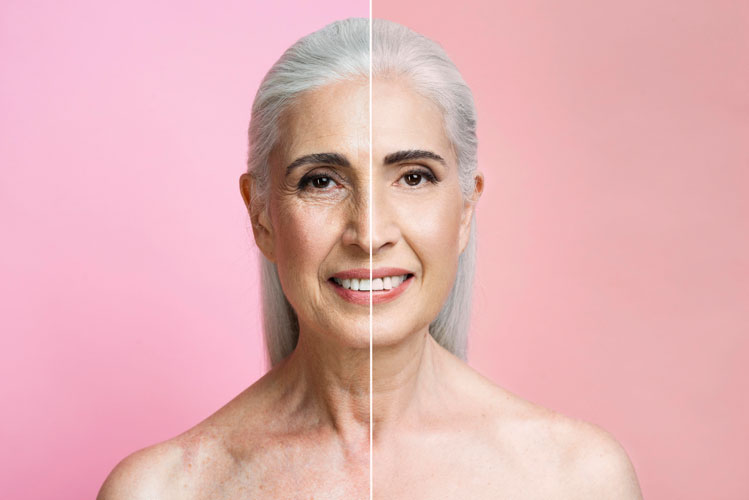
The effects of lower collagen levels can be seen and felt over time. Common signs of collagen loss include thinner skin, reduced skin elasticity, deeper wrinkles, sagging skin, rougher skin texture, joint stiffness, slower wound healing, and longer muscle recovery after physical activity.

collagen loss potrait

How to Reverse Collagen Loss

Although aging skin is natural, you can support collagen production through targeted habits, nutrition, supplements, and treatments.

Foods That Support Collagen Production

A balanced diet is a powerful tool for collagen health. Vitamin C, found in citrus fruits, helps stimulate collagen synthesis. Zinc and copper support the stability of collagen structure, while amino acids such as glycine, proline, and lysine (found in bone broth) provide the building blocks needed for collagen formation.

Hyaluronic acid is another key nutrient for maintaining healthy skin. It helps keep skin hydrated, which supports both the skin barrier and the appearance of firm, hydrated skin.

Collagen Supplementation for Skin and Joint Health

woman sitting facing camera

Collagen supplementation is a proven way to support natural collagen production. Collagen peptides and collagen hydrolysate are forms of hydrolyzed collagen, meaning they are broken down into smaller, easy-to-absorb units. These supplements allow your body to deliver the materials needed for collagen growth more efficiently.

Clinical studies suggest that collagen peptides can reduce wrinkles, improve skin hydration, restore skin firmness, and improve joint comfort. The most effective collagen supplements often include vitamin C, which is essential for helping your body synthesize new collagen.

Professional Treatments That Stimulate Collagen Growth

In addition to diet and supplements, professional treatments can directly stimulate collagen growth. Microneedling creates small injuries on the skin’s surface, triggering new collagen formation as part of the healing process. Laser therapy reaches deeper skin layers and encourages the body to replace damaged collagen with fresh fibers. Radiofrequency treatments and dermal fillers can improve the appearance of aging skin by restoring lost volume and supporting collagen regeneration.

How to Protect Existing Collagen From Breakdown

woman doing facial yoga

Preserving the collagen you have is just as important as generating more collagen. Wear sunscreen daily to protect against UV damage. Avoid smoking to prevent toxin-related collagen breakdown. Manage stress to keep cortisol levels stable, allowing your body to stimulate collagen synthesis naturally. Prioritize sleep, since nighttime is when the body focuses on collagen regeneration and promotes cell turnover. Use skin creams rich in hyaluronic acid, peptides, and antioxidants like vitamin E to maintain a healthy skin barrier and extend collagen lifespan.

Managing Collagen Decline Over Time

Collagen is the foundation for smooth, strong, and youthful-looking skin. It supports skin texture, skin elasticity, connective tissues, and joint health. While age-related collagen loss is inevitable, making smart choices helps slow the process and even reverse some of its effects. A balanced diet, hydration, collagen supplementation, skin-friendly lifestyle habits, and professional collagen treatments can work together to enhance collagen production and protect your skin long-term.

Professional Collagen Treatment with Tucson Wellness MD

At Tucson Wellness, we help people create personalized plans to stimulate collagen production, maintain healthy skin, and support joint and muscle recovery. If you want to improve your skin firmness, reduce signs of aging, or protect your overall collagen health, we are ready to guide you toward safe and proven solutions.

Visit our website to start your journey to healthier, more resilient skin today.

Frequently Asked Questions About Collagen Loss

What causes collagen loss in the body?
Collagen loss occurs naturally with age, usually starting in your mid-20s. Factors that speed it up include sun exposure, smoking, chronic stress, poor sleep, nutrient deficiencies, and inadequate protein intake.

At what age does collagen start to decline?
Collagen production begins to slow in your mid-20s and declines steadily over time. By your 40s, collagen breakdown typically outpaces new collagen formation.

What are the first signs of collagen loss?
Early signs include fine lines, reduced skin elasticity, dull or rough skin texture, slower healing, joint stiffness, and longer muscle recovery times.

How to Make New Year’s Resolutions Last: Practical Wellness Strategies for Better Health in 2025

happy woman on the beach

Each January, millions of people make resolutions to improve their lives, with health and wellness often topping the list. But why do so many resolutions fail? It’s often because they’re unrealistic or lack the strategies needed for lasting change. At Tucson Wellness MD, we specialize in helping people achieve their health goals through practical, personalized approaches.

How to Make New Year’s Resolutions Last

 Sustainable resolutions are more likely to succeed when small, consistent habit changes are supported by appropriate medical and nutritional guidance. Willpower alone fades. Structured systems, biological balance, and realistic goals create lasting results.

Some research indicates that biological factors such as metabolism and hormones can influence long-term behavior change in addition to willpower. Tucson Wellness MD recommends a 3-pillar medical approach:

  • Metabolic Optimization: In appropriate patients, GLP-1 receptor agonists may be considered under medical supervision to support appetite regulation as part of a broader treatment plan.
  • Hormonal Balance: In individuals with clinically confirmed hormone imbalance, hormone therapy may be considered under medical supervision to address related symptoms.
  • Nutrient Therapy: IV nutrient therapy or peptide therapy may be discussed with a provider when clinically appropriate as part of a monitored wellness plan.

For residents of Tucson and Southern Arizona, sustainable wellness requires more than generic advice. Climate, lifestyle, work stress, and metabolic health trends all play a role. At Tucson Wellness MD, care plans are designed around real-life challenges faced by people living in Arizona, including metabolic resistance, hormone imbalance, and chronic stress.

In this guide, we’ll explore practical strategies that may support mental wellness, weight management, and stress reduction as part of a balanced lifestyle.

Why Most Resolutions Fail and What Actually Works

Resolutions often fail because they rely on willpower alone. This approach is neither sustainable nor effective. The key to success is consistency and creating healthy habits that fit your lifestyle. By focusing on small, manageable changes, you can avoid burnout and see lasting results.

Set Clear and Achievable Health Goals

Big, vague goals like “I want to lose weight” can feel overwhelming. Instead, define clear, achievable goals that align with your lifestyle and priorities.

  • Example: “I will eat healthier by adding one serving of vegetables to each meal.”
  • Example: “I’ll start meal planning every Sunday to make nutritious foods more accessible.”

These small, specific changes help you build sustainable habits, creating a foundation for long-term success.

Focus on Sustainable Eating, Not Quick Fixes

make a diet plan

Quick fixes like fad diets often promise rapid weight loss but rarely lead to sustainable habits. Instead, focus on healthy eating by incorporating nutritious foods into your meals.

  • Prioritize Whole Foods: Include lean proteins, whole grains, and plenty of fruits and vegetables.
  • Plan Your Meals: Meal planning ensures you have balanced options ready and reduces the temptation to rely on fast food or processed snacks.

Eating healthier doesn’t mean restriction. It’s about creating variety and balance in your meals.

Make Physical Activity Part of Your Routine

Regular physical activity is widely recommended as part of weight management and overall wellness strategies. The goal is to find activities you enjoy so they become a consistent part of your routine.

  • Try walking, swimming, yoga, or cycling.
  • Break up activity into manageable chunks, such as three 10-minute sessions per day.

Consistent actions, even small ones, lead to big changes over time.

Reduce Stress to Stay Consistent

mental health

Stress management is a critical component of health and wellness. Chronic stress can lead to burnout, weight gain, and even mental health struggles. Integrate stress reduction techniques into your routine:

  • Practice mindfulness or meditation to calm your mind.
  • Try deep-breathing exercises during work breaks.
  •  In some cases, medical evaluation may help determine whether additional supportive therapies are appropriate for stress-related concerns.

Reducing stress improves both physical and mental health, making it easier to stick to your goals.

Build Habits That Stick Over Time

Big changes often feel unmanageable and lead to inconsistency. Sustainable habits, on the other hand, come from making gradual adjustments to your daily routine.

  • Start with one action, such as drinking an extra glass of water daily.
  • Use habit stacking: Add a new habit to an existing routine. For example, do squats while brushing your teeth.
  • Track your progress with a journal or app to stay motivated and identify what works best for you.

Use Meal Planning to Stay on Track

Meal planning is a game-changer for healthy eating and weight loss. It helps reduce decision fatigue and ensures you always have access to nutritious foods.

  • Plan meals for the week, including breakfast, lunch, dinner, and snacks.
  • Prepare ingredients in advance for quick, easy assembly on busy days.
  • Keep healthy staples like fresh fruits, nuts, and whole grains stocked in your pantry.

By simplifying your choices, you’re more likely to stick to healthy habits.

Create Accountability and Support

Staying accountable increases the likelihood of reaching your health goals. Share your intentions with family or friends, and consider partnering with Tucson Wellness MD for professional guidance. We provide personalized support, lab testing when appropriate, and individualized wellness strategies based on your medical profile.

Track Progress Instead of Chasing Perfection

yoga - physical activity

Acknowledging small victories along the way keeps you motivated. Weight loss, for example, is a gradual process, but every step forward deserves recognition.

  • Celebrate completing your first week of healthy eating or sticking to an exercise plan.
  • Focus on how you feel—more energy, reduced stress, and improved mental health are major wins.

Progress, not perfection, is what creates lasting change.

Get Professional Support for Better Results

At Tucson Wellness MD, we help you build sustainable habits tailored to your needs. From meal planning advice to stress reduction strategies, we provide the tools you need for health and wellness success. Whether your goal is eating healthier, reducing stress, or losing weight, Our team offers structured medical guidance tailored to your individual health goals.

Let’s make 2025 the year you turn your resolutions into lasting changes. Get started with a visit to our website.

Frequently Asked Questions About Wellness Goals

Why do most New Year’s health resolutions fail?
Most resolutions fail because they rely on willpower alone. Biological factors such as metabolism, hormones, and stress levels may influence behavior change in some individuals.

What makes a wellness resolution sustainable?
Sustainable resolutions focus on consistency, realistic goals, and biological support. Small changes that fit daily life work better than extreme plans.

How should health goals be set for better results?
Goals should be specific and actionable. Instead of vague goals, focus on small behaviors like adding vegetables to meals or planning food ahead.

What role does exercise play beyond weight loss?
Physical activity improves mental health, reduces stress, supports metabolism, and increases energy. Consistency matters more than intensity.

Are There Any Side Effects of PRP?

What are the Potential Side Effects or Risks Associated with PRP Injections?

PRP injections may cause temporary side effects such as swelling, redness, bruising, soreness, or mild headaches, especially at the injection site. Serious risks like infection or autoimmune reactions are rare and minimized when the treatment is performed by a qualified medical provider.

Exploring the Benefits and Potential Risks of Platelet-Rich Plasma Therapy

woman getting ready for prp therapy

Platelet-rich plasma (PRP) injections have revolutionized regenerative medicine, offering a natural, minimally invasive treatment option for issues ranging from joint pain to hair loss. PRP is renowned for its ability to enhance tissue repair, stimulate hair growth, and speed recovery from injuries. However, if you’re considering receiving PRP injections, understanding the potential side effects is essential to make an informed decision. At Tucson Wellness MD, we’re committed to helping you achieve optimal results with complete transparency.

Quick Answer

Are there any side effects of PRP injections?

PRP injections may cause mild and temporary side effects such as swelling, redness, bruising, soreness, or headaches at the injection site. Serious risks like infection are rare and are minimized when the procedure is performed by a qualified medical provider.

What Are Platelet-Rich Plasma (PRP) Injections?

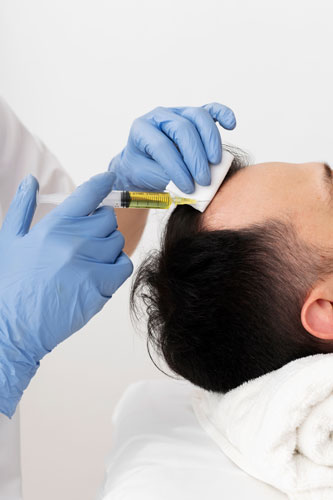
Platelet-rich plasma injections involve extracting a small amount of your blood, separating the platelets and growth factors through centrifugation, and injecting this concentrated plasma into the target area. These growth factors stimulate cell repair, improve blood vessel formation, and boost healing, making PRP an effective solution for conditions like hair loss, joint issues, and skin rejuvenation.

Because PRP is derived from your own blood, the risks of allergic reactions or rejection are very low. However, like any medical treatment, some side effects may occur.

Common Side Effects of PRP Injections

Injection Site Reactions

Swelling, redness, or bruising at the injection site is common but temporary. These effects result from your body’s natural inflammatory response and typically resolve within a few days.

Mild Pain or Discomfort

You may experience soreness or minor discomfort at the injection site, particularly in sensitive areas like the scalp during treatments for hair loss or hair growth. Pain is usually minimal and can be managed with ice packs or over-the-counter pain relievers.

Skin Sensitivity

In some cases, patients report sensitivity or warmth in the treated area due to the PRP’s activation of growth factors and tissue repair mechanisms. This typically subsides within 48 to 72 hours.

Headaches in Scalp Treatments

When PRP is used for hair growth, some patients experience temporary headaches as a side effect of injections in the scalp. These headaches are rare and often relieved with proper hydration and rest.

Rare and Serious Side Effects

While rare, some individuals may encounter less common complications, such as:

Infection

Although the risk is low, any procedure involving injections carries a slight chance of infection. Choosing an experienced healthcare provider who follows strict sterilization protocols greatly reduces this risk.

Autoimmune Reactions

For patients with autoimmune diseases, it’s essential to consult with a healthcare provider to assess whether PRP injections are a safe and suitable option.

Tips for Minimizing Risks

  • Choose an Experienced Healthcare Provider: Expertise in administering PRP injections ensures precision, reducing the risk of side effects.
  • Maintain a Healthy Diet: A nutrient-rich diet supports the overall healing process and maximizes the effectiveness of PRP therapy.
  • Follow Pre- and Post-Treatment Instructions: Avoid strenuous activity after receiving PRP injections, and follow your provider’s advice for optimal outcomes.
hair treatment with prp therapy

Who Should Approach PRP Therapy with Caution?

PRP may not be suitable for everyone. Individuals with blood disorders, active infections, or specific autoimmune diseases should discuss alternatives with their healthcare provider. Similarly, pregnant women or those with uncontrolled medical conditions should exercise caution before undergoing regenerative medicine procedures.

Why PRP is Worth Considering

Despite the potential for mild side effects, the benefits of platelet-rich plasma injections often outweigh the risks. From stimulating hair growth to promoting tissue repair for injuries, PRP offers a powerful, natural way to enhance healing. With proper guidance and care, most patients experience remarkable outcomes with minimal downtime.

Effective PRP Treatment with Tucson Wellness MD

prp therapy

Platelet-rich plasma injections are a cornerstone of regenerative medicine, offering solutions for hair loss, skin rejuvenation, and more. While the procedure is considered safe and effective, understanding potential side effects and choosing a qualified healthcare provider is crucial for success.

Ready to explore how PRP therapy can support your health and wellness goals? Schedule a consultation with Tucson Wellness MD today! Get started with a visit to our website.

Frequently Asked Questions

What are the common side effects of PRP injections?
PRP injections may cause mild and temporary side effects such as swelling, redness, bruising, and soreness at the injection site. These reactions are part of the body’s natural healing response. Most symptoms resolve within a few days without intervention. Discomfort is usually manageable and short-lived.

Is PRP therapy safe?
PRP therapy is generally considered safe because it uses your own blood, which reduces the risk of allergic reactions. When performed by a qualified provider, complications are rare. Proper technique and sterile conditions play a major role in safety. Most patients tolerate the procedure well with minimal downtime.

Can PRP injections cause pain?
Some patients experience mild pain or discomfort during and after the injection. This is more noticeable in sensitive areas such as the scalp or joints. The discomfort typically subsides within a few days and can be managed with simple measures like ice. Severe pain is uncommon.

Are there serious risks with PRP therapy?
Serious complications from PRP are rare but can include infection or complications related to injection procedures. These risks are minimized when treatment is performed under proper medical supervision. Patients with certain medical conditions may require additional evaluation before treatment. Choosing an experienced provider reduces these risks significantly.

Does PRP cause headaches?
Headaches can occur in some cases, particularly when PRP is used for scalp treatments. These are usually mild and temporary. Proper hydration and rest often help relieve symptoms. Most patients do not experience persistent headaches after treatment.

Peptides vs Steroids: Which Is Safer for Muscle Growth and Long-Term Health?

Quick Answer

Are peptides safer than steroids?

Peptides are often considered lower risk than anabolic steroids because they support signaling pathways rather than directly replacing or suppressing natural testosterone. Safety still depends on the peptide used, product quality, dosage, health history, and medical supervision.

For individuals exploring performance optimization in Tucson, Arizona, understanding the difference between peptides and anabolic steroids is critical before making any decision. At Tucson Wellness MD in Tucson AZ, patients often ask how peptide therapy compares to traditional steroid use for muscle growth, recovery, and body composition goals.

Peptides are short chains of amino acids that signal the body to repair tissue, regulate hormone pathways, and support recovery when medically supervised.
Anabolic steroids are synthetic testosterone derivatives that directly activate androgen receptors, often suppressing natural hormone production.

Peptides support natural signaling pathways.
Steroids override normal endocrine balance.

Different mechanism. Different biological impact. Different risk profile.

Understanding how these therapies function under physician oversight helps individuals in Southern Arizona pursue performance and wellness goals without unnecessary long-term health risks.

In the world of fitness and wellness, many seek effective ways to enhance their physique, improve performance, and promote muscle growth. Among the popular options are peptides and steroids, both of which are often associated with hypertrophy or visible muscle growth. While both can lead to results, their mechanisms, risks, and long-term effects differ significantly. For those looking to improve health and performance safely, understanding the differences is crucial.

What Is the Difference Between Peptides and Steroids?

The main difference between peptides and steroids is how they work in the body. Peptides are short chains of amino acids that support natural signaling pathways involved in recovery, tissue repair, and hormone activity. Steroids are synthetic testosterone derivatives that directly activate androgen receptors and often suppress the body’s natural hormone production. Peptides work with the body’s systems. Steroids override them. That difference affects muscle growth speed, side effects, and long-term risk.

Peptides vs Steroids: Key Differences at a Glance

Both are often discussed in fitness circles for muscle growth, but they work through completely different biological pathways and carry very different risk levels. Without understanding this distinction, people may assume similar results and safety profiles, leading to uninformed decisions.

What Are Peptides?

Peptides are short chains of amino acids that play a critical role in the body’s biological functions, including protein synthesis, hormone regulation, and cell repair. When used for wellness or fitness, peptide supplements are designed to mimic natural peptides, and may support muscle recovery and body composition goals under medical supervision and supporting recovery.

The collagen peptides now found in powder form at many grocery stores may improve skin and digestive health, but are not the most powerful for muscle building. For individuals exploring performance optimization, certain growth hormone–related peptides are sometimes discussed in clinical settings. Some peptides are studied for their interaction with growth hormone and IGF-1 pathways, which are associated with tissue repair and metabolic activity.

  • Promoting muscle growth by supporting the body’s natural processes.
  • Enhancing recovery by repairing damaged muscle tissue.
  • Potentially supporting lean body composition goals when medically evaluated and monitored.
  • Reducing body fat while improving muscle definition.

Learn more about peptide therapy if you want provider-guided support instead of self-sourcing compounds.

What Are Steroids?

Steroids, specifically anabolic-androgenic steroids (AAS), are synthetic hormones that mimic testosterone. They are commonly used to boost muscle growth and enhance performance. However, their effects on the body are often extreme and come with a high risk of adverse side effects. While anabolic steroids may deliver rapid increased muscle growth, the risks include:

  • Long-term health problems such as liver damage and cardiovascular issues.
  • Hormonal imbalances that disrupt natural testosterone production.
  • Aggressive mood swings and other mental health concerns.

Are Peptides Steroids?

No. Peptides are not steroids.

Peptides are short amino acid chains which signal repair, recovery, and hormone activity.
Steroids are synthetic testosterone derivatives which directly activate androgen receptors.

Peptides work through signaling.
Steroids replace or suppress natural hormones.

Different mechanism. Different risk profile.

Do Peptides Build Muscle Without Hormone Shutdown

One of the biggest differences between peptides and anabolic steroids is how they affect your body’s hormone balance. Certain peptides are studied for their role in supporting growth hormone and recovery pathways without fully suppressing natural testosterone production, while steroids often override the endocrine system and trigger hormonal shutdown. For patients focused on lean muscle development, recovery, and long-term health, this difference matters because faster results are not always worth the biological tradeoff.

Peptides vs Steroids: Biological Comparison

Peptides

  • Signal natural repair and growth pathways
  • Support growth hormone and IGF-1 activity
  • Preserve natural testosterone production
  • Improve recovery, tissue repair, and fat metabolism
  • Designed to work with the endocrine system

Steroids

  • Replace or suppress natural testosterone
  • Bypass hormonal feedback loops
  • Rapid muscle hypertrophy
  • High systemic strain on liver, heart, and endocrine system
  • Often require post-cycle therapy to restore function

Peptides vs Steroids: Side-by-Side Comparison

FeaturePeptidesSteroids
Primary MechanismStimulate natural hormone signaling and tissue repair pathwaysDirectly activate androgen receptors using synthetic testosterone derivatives
Effect on TestosteronePreserve natural testosterone productionSuppress natural testosterone through negative feedback
Muscle Growth SpeedGradual, steady increasesRapid hypertrophy and strength gains
Hormonal DisruptionMinimal when medically supervisedSignificant endocrine disruption (HPTA suppression)
Need for Post-Cycle Therapy (PCT)Not typically requiredOften required to restore natural hormone production
Organ StrainLower systemic strainIncreased strain on liver, heart, and endocrine system
Common Side EffectsInjection site irritation, mild fatigueLiver toxicity, cardiovascular risk, infertility, mood swings
Long-Term Risk ProfileLimited long-term human dataDocumented long-term health risks
Legal Status (U.S.)Often prescription-based or research compoundsSchedule III controlled substances
Use in Competitive SportsMany peptides are bannedWidely banned substances

Which Option Fits Long-Term Health Goals?

Peptides and steroids are not interchangeable.

Steroids may create faster changes in muscle size and strength, but they place more pressure on the endocrine system. They may also affect testosterone production, fertility, cardiovascular health, liver markers, and mood.

Peptides are usually discussed for recovery, body composition, tissue repair, and hormone signaling support. They tend to work more gradually. That makes provider guidance important because the safest option depends on your labs, goals, health history, and the specific compound being considered.

For patients in Tucson who want performance support without unnecessary hormone disruption, the better first step is a medical consultation, not self-sourcing compounds online.

Why Peptides Are Considered Safer

steroids

When comparing peptides for muscle growth and steroids, Peptides and anabolic steroids differ significantly in mechanism of action, regulatory status, and risk profile. Here’s why peptides are the preferred choice:

1. How They Work

  • Peptides: By mimicking natural processes in the body, peptides encourage protein synthesis and repair muscle tissue without introducing synthetic hormones. This allows the body to gradually adapt, leading to sustainable muscle growth and recovery.
  • Steroids: Steroids force the body to produce higher levels of testosterone, disrupting hormonal balance and leading to systemic side effects.

2. Side Effects

  • Peptides: Common side effects of peptide use are mild, such as temporary redness at injection sites or slight fatigue. These risks are significantly lower compared to steroids.
  • Steroids: Steroid use can result in severe health issues, including organ damage, hormonal suppression, and irreversible physical changes.

3. Muscle Growth: Fast Results vs Sustainable Progress

Certain peptides are studied for their potential role in body composition and metabolic support in appropriate medical contexts as they stimulate natural mechanisms for muscle repair and development. Steroids, although effective in boosting muscle growth, often come at the cost of long-term health.

Benefits of Peptides for Muscle Development

When medically supervised, certain peptides may support:

• Enhanced muscle repair through increased IGF-1 signaling
• Improved recovery time between workouts
• Gradual lean muscle development
• Support for fat metabolism
• Preservation of natural testosterone production

Patients focused on recovery and body composition may also benefit from strength and performance support.

Peptide Therapy vs Anavar: What’s the Difference

Patients researching peptide therapy often encounter oxandrolone (Anavar) in the same conversations. Both are used in medically supervised wellness programs. But they operate through fundamentally different mechanisms and understanding that distinction helps you ask better questions during your consultation.

How Each Approach Works

Peptide therapy works by signaling your body’s existing hormonal pathways. Growth hormone secretagogues, for example, prompt the pituitary gland to release more of its own growth hormone. Your endocrine system stays in control. The process is gradual because it respects your biology.

Oxandrolone works differently. As a synthetic anabolic steroid, it bypasses that signaling process entirely and directly activates androgen receptors. Results arrive faster but so does the systemic load on your liver, lipid profile, and natural testosterone production.

Direct Comparison: Peptides vs Anavar

Peptide therapyOxandrolone (Anavar)
MechanismStimulates natural hormone signalingDirect androgen receptor activation
Effect on testosteronePreserves natural productionSuppresses — requires monitoring
Results timelineGradual, steadyFaster, more pronounced
Liver considerationNot applicableYes — oral C-17aa compound
Post-cycle supportNot typically requiredOften required for men
Supervision requiredYesYes

Why This Decision Matters for Your Health

Peptide therapy isn’t a weaker alternative to steroids it’s a different tool for a different goal. Patients who want to support recovery, preserve hormonal balance, and build lean mass over time are often better suited to a peptide protocol. Those with specific clinical indications may be candidates for oxandrolone therapy instead or a sequenced combination of both.

Neither path should be self-directed. At Tucson Wellness MD, your labs determine the recommendation, not a generic protocol.

Medically supervised performance support

Build Strength Without Guessing With Your Hormones

Tucson Wellness MD helps patients review safer options for recovery, body composition, and long-term performance through lab-guided care.

Schedule a Consultation
peptide therapy

Why Many Choose Peptides Over Steroids

While steroids deliver fast results, the potential health risks far outweigh the benefits. Some individuals explore medically supervised peptide therapy as part of a broader wellness strategy for promoting muscle growth and improving recovery without compromising your long-term health. With peptide supplements, you can achieve steady, sustainable increased muscle growth while supporting your body’s natural functions.

Medical Peptide Therapy for Long-Term Results

For anyone seeking to boost muscle growth or improve fitness, peptides for muscle growth offer a safer and more effective solution compared to steroids. Through our Primary Care Concierge Services, patients receive comprehensive medical oversight that integrates peptide therapy into a long-term, preventive health plan. By encouraging protein synthesis, supporting muscle repair, and supporting hormone signaling pathways that may assist recovery and performance goals when clinically appropriate without the dangers associated with steroids.

At Tucson Wellness MD, we specialize in peptide therapy designed to help you reach your health and performance goals safely. Our individualized plans focus on supporting recovery, performance, and overall metabolic health under physician oversight.

Medically supervised peptide therapy

Build lean muscle
without the steroid risk.

Peptide therapy works with your body’s natural hormone signaling — no endocrine suppression, no post-cycle therapy, no organ strain. Our medical team designs your protocol from your labs, not a generic plan.

Schedule my consultation →

Tucson Wellness MD — personalized dosing, prescription-grade sourcing, ongoing clinical support.

Frequently Asked Questions

Are peptides the same as steroids?

No. Peptides are not steroids.
Peptides are short chains of amino acids that support the body’s natural repair and hormone signaling processes. Steroids are synthetic hormones that override normal testosterone production. Different tools. Very different risks.

Do peptides increase testosterone like steroids?

No.
Peptides do not force testosterone production. Instead, they stimulate natural pathways such as growth hormone release and IGF-1 production, which support muscle repair and recovery without disrupting hormone balance.

Many peptides prescribed through medical providers are legal when used under professional supervision.
Anabolic steroids are tightly regulated and often illegal without a prescription. Always consult a licensed provider before starting any therapy.

Are peptides safer than anabolic steroids?

Peptides may have a lower risk profile than anabolic steroids because many work through signaling pathways rather than directly replacing testosterone. Safety still depends on the peptide, source, dose, medical history, and provider oversight.

Do peptides suppress testosterone like steroids?

Many peptides do not suppress testosterone the same way anabolic steroids can. Steroids often affect the body’s natural testosterone feedback loop. Peptides vary by type, so lab testing and medical supervision matter.

Some peptides are available only through medical channels or clinical contexts. Others are not approved for general use. Patients should avoid online research chemicals and speak with a licensed provider before starting peptide therapy.

Are steroids more effective than peptides?

Steroids may create faster muscle growth, but they carry higher risks, including hormone suppression, fertility concerns, cardiovascular strain, mood changes, and liver concerns depending on the compound. Peptides tend to support slower, more gradual changes.

Who should avoid self-sourcing peptides or steroids?

Anyone with heart disease, hormone disorders, fertility goals, liver concerns, active cancer history, chronic illness, or unknown lab status should avoid self-sourcing. These compounds should not be used without provider guidance.

Peptide Therapy Weight Loss: Results, Timeline, and Safety

Quick Answer

How much weight can you lose with peptide therapy?

Weight loss with peptide therapy varies by treatment plan, starting weight, metabolism, nutrition, activity, sleep, and medical history. Some patients may lose about 1 to 2 pounds per week when treatment is paired with consistent lifestyle habits and provider monitoring.

Peptide therapy is one option some patients discuss for weight management, metabolism, appetite support, and body composition. Results vary based on the peptide used, starting weight, nutrition, activity, sleep, hormones, and medical history.

The better question is not only how much weight you can lose. It is whether peptide therapy fits your health profile, safety needs, and long-term weight-loss plan.

Quick Answer

How Much Weight Can You Lose With Peptide Therapy?

Weight loss results from peptide therapy vary based on the medication used, starting weight, metabolism, nutrition, exercise, sleep, and medical eligibility. Some patients may lose weight gradually when treatment is paired with a structured plan, but no specific amount is guaranteed. A medical provider should evaluate your labs, health history, and weight loss goals before recommending peptide therapy.

How Long Does Peptide Therapy Take to Show Weight Loss Results?

Some patients notice early changes in appetite, energy, or body composition within the first few weeks, while others need more time. Weight loss timelines depend on the type of peptide used, dosage plan, nutrition, activity level, sleep, and metabolic health. The best results usually come from consistent treatment paired with a structured lifestyle plan. Your provider should track progress and adjust the plan based on response and safety.

What is Peptide Therapy?

peptide therapy

Peptide therapy uses short chains of amino acids that are naturally found in the body to regulate various functions, including metabolism, growth, and tissue repair. When it comes to weight management, peptides for weight loss focus on influencing metabolism, fat gene expression, and the body’s ability to use stored fat for energy.

Certain weight loss peptides, such as CJC-1295 and Ipamorelin, stimulate the release of human growth hormone in the body, which plays a significant role in burning fat and maintaining lean muscle mass. This is key to effective weight loss because losing muscle along with fat can slow down metabolism, making it harder to keep weight off.

Learn more about provider-guided peptide therapy at Tucson Wellness MD.

How Peptide Therapy Helps You Lose Weight

Peptide therapy works by enhancing natural metabolic functions, leading to more efficient burning of body fat. Here’s how it can help you lose weight:

Fat Breakdown

Peptides like Tesamorelin stimulate fat cells to release stored fat, which the body then uses for energy. This process reduces the amount of stored fat, particularly in hard-to-target areas like the abdomen.

Metabolism Boost

By increasing growth hormone levels, peptide therapy speeds up metabolism, helping the body burn calories more efficiently.

Appetite Regulation

Some peptides help regulate hunger hormones, reducing food cravings and preventing overeating, a major factor in weight gain. Some patients may also review fat loss injections as part of a supervised weight-management plan.

Fat Gene Expression

Peptide therapy can influence fat gene expression, meaning it may alter the way your body stores and burns fat over time. This can lead to long-term changes in how your body manages fat storage and usage.

Patients looking for a broader treatment plan may also review weight loss services at Tucson Wellness MD.

How Much Weight Can You Lose with Peptide Therapy?

The amount of weight you can lose with peptide therapy depends on several factors, including your starting body weight, metabolism, and lifestyle choices. On average, most people lose weight at a rate of 1 to 2 pounds per week. However, some may experience more significant results, particularly during the initial stages of treatment.

Since peptide therapy helps target body fat while preserving muscle mass, the weight loss is often more sustainable compared to traditional methods that result in muscle loss. With consistent use of peptides and a healthy lifestyle, many people see noticeable reductions in body fat while maintaining lean muscle.

Find Out What Weight-Loss Plan Fits You

Tucson Wellness MD helps patients review metabolism, weight goals, lifestyle factors, and treatment options before starting a medically guided plan.

Start Your Weight-Loss Consultation

Why Medical Supervision Matters for Weight-Loss Peptides

Weight-loss peptide therapy should be supervised by a medical provider. The right plan depends on your health history, medications, body composition, metabolic markers, hormone status, and weight-loss goals.

Patients should avoid unverified online products or research chemicals. Product quality, dosing accuracy, and safety can vary when peptides or weight-loss compounds are purchased outside a medical setting.

A medically guided plan helps match the treatment to your health profile while tracking progress, side effects, and long-term results.

Factors That Influence Weight Loss with Peptide Therapy

Lifestyle Choices

The effectiveness of peptide therapy increases when combined with a balanced diet and regular exercise. Individuals who focus on clean eating and physical activity tend to lose weight more quickly and keep it off longer.

Consistency

Peptide therapy isn’t a quick fix. Consistency over several months is key to seeing long-term results, as the body gradually adapts to increased growth hormone levels and improved metabolism.

Metabolic Rate

Everyone’s metabolism is different. Factors like age, genetics, and muscle mass can influence how quickly you burn calories and shed fat. Peptide therapy works by boosting these metabolic processes, helping even those with slower metabolisms experience more efficient fat loss.

Who May Be a Good Candidate for Medically Guided Weight Loss?

A medically guided weight-loss plan may be helpful if you have struggled with weight loss despite nutrition changes, exercise, sleep improvements, or previous programs.

You may benefit from a provider review if you have:

  • Stubborn weight gain
  • High body fat percentage
  • Insulin resistance or blood sugar concerns
  • Low energy
  • Hormonal changes
  • Poor sleep
  • A history of losing weight and regaining it
  • Confusion about which treatment option is safe

A provider can review your labs, health history, medication use, and goals before recommending a plan.

Why Medical Supervision Matters for Peptide Weight Loss

weight loss safest option

Peptide therapy should be approached as a medically supervised treatment, not a quick weight loss shortcut. A provider should review your health history, lab results, medications, and risk factors before recommending any protocol. Monitoring also helps identify side effects, adjust treatment when needed, and make sure your weight loss plan supports long-term health. This is especially important for patients with hormone concerns, metabolic issues, or other medical conditions.

Combining Peptide Therapy with Other Weight Management Strategies

While peptide therapy can be highly effective on its own, it works best when paired with a healthy lifestyle. For optimal weight loss, combine peptide therapy with:

Balanced Nutrition

Focus on whole foods that support fat loss, such as lean proteins, healthy fats, and nutrient-dense vegetables.

Regular Exercise

Strength training and cardio workouts help maximize the fat-burning effects of peptide therapy while building lean muscle.

Adequate Sleep

Poor sleep can hinder weight loss, as it disrupts hormone levels related to hunger and metabolism.

Stress Management

High stress levels can contribute to weight gain. Managing stress through relaxation techniques can support your weight loss journey.

Is Peptide Therapy Right for Your Weight Loss Goals?

Peptide therapy offers a promising solution for individuals looking to lose weight and improve their overall health. By enhancing your body’s natural fat-burning abilities and supporting muscle retention, peptide therapy can lead to gradual, sustainable weight loss.

Choose Tucson Wellness MD

Whether you’re struggling to shed stubborn pounds or looking to improve your body’s metabolic function, peptide therapy may be the right choice for you. Through our Primary Care Concierge Services, patients receive comprehensive medical oversight that integrates weight management, hormone optimization, and preventive care into one coordinated plan. At Tucson Wellness MD, we offer personalized peptide therapy programs tailored to your unique needs.

If you’re ready to explore how peptide therapy can help you achieve your weight loss goals, contact us today to schedule a consultation. Get started with a visit to our website

Frequently Asked Questions

What is a peptide injection?

A peptide injection delivers specific amino acid chains into your body to support natural functions like metabolism, hormone signaling, fat loss, and tissue repair. These injections should be used under medical supervision as part of a provider-guided treatment plan.

How does peptide therapy help with weight loss?

Peptide therapy may support weight loss by helping with appetite regulation, metabolic function, fat metabolism, and lean muscle preservation. Results vary by patient and work best when treatment is paired with nutrition, activity, sleep, and medical monitoring.

How much weight can you lose with peptide therapy?

Weight loss varies by patient, treatment type, starting weight, nutrition, activity level, sleep, hormones, and medical history. Some patients may lose about 1 to 2 pounds per week with provider-guided treatment and consistent lifestyle habits.

Does peptide therapy work without diet and exercise?

Peptide therapy works best when paired with nutrition, activity, sleep, and long-term habit support. It should not be treated as a replacement for lifestyle changes.

Who is a good candidate for weight-loss peptide therapy?

A good candidate is someone who has been medically evaluated and wants provider-guided support for weight loss, metabolism, appetite, or body composition. Lab work and health history help determine whether treatment is appropriate.

Are weight-loss peptides safe?

Safety depends on the specific treatment, product quality, dosing, health history, medications, and monitoring. Patients should avoid unverified online products and use weight-loss peptides only under medical supervision.

How long does peptide therapy take to work for weight loss?

Some patients notice appetite or energy changes within weeks, while visible body composition changes may take longer. Progress depends on the treatment plan, consistency, and patient response.

Can peptide therapy help with stubborn belly fat?

Some peptides are discussed for body composition and fat metabolism, but results vary. A provider should review your metabolic health, hormone status, and treatment options before making a plan.

Medically guided weight-loss support

Start a Weight-Loss Plan Built Around Your Body

Tucson Wellness MD helps patients review weight goals, metabolic health, treatment options, and long-term support across our Tucson-area locations.

Schedule a Consultation

Or call 520-222-5425

Sweet Temptations: Balancing Sugar and Nutrients this Halloween

Sweets add to all the excitement of the Halloween season. It is important to keep in mind that excessive sugar can affect your micronutrient levels in several ways and lead to health concerns.

How Sugar Affects Your Body

Sugar affects more than energy levels. When consumed in excess, it can interfere with how your body absorbs and uses important vitamins and minerals. Over time, this imbalance can contribute to fatigue, weakened immunity, and increased inflammation.

Sugar comes in two main forms: natural and refined. You’ll find natural sugars in whole foods like fruits and vegetables. You might have heard Aunt Marie say she can’t eat a banana because of its high glycemic index. This simply means it can raise blood sugar levels quickly. While it’s important to enjoy these naturally sweet foods in moderation, they also provide valuable nutrients that our bodies need.

On the other hand, refined sugars, often derived from sugar cane or corn, are everywhere in processed foods, candy, and soft beverages to name a few and even hiding in every day condiments and dressings like ranch and ketchup. These sugars sweeten our snacks but don’t offer any nutritional benefits, just empty calories that make food taste good and help it last longer on the shelf. So, while it’s okay to indulge in a treat now and then, being mindful of your sugar choices can make a big difference for your health!

The real problem is too much sugar

Consuming too much sugar can lead to serious health issues, such as diabetes and heart disease. That’s why it’s crucial to know how to read nutrition labels. Understanding the total sugar and added sugar content in the foods you choose can help you make healthier decisions.

Added sugars are extra sweeteners included in products to enhance flavor and extend shelf life. When you’re grocery shopping, pay attention to sugar content: look at the total sugars, which includes added sugars, and consider the serving size. Check how many grams of sugar are in each serving and how many servings are in the package. Remember, while there isn’t a specific daily recommended allowance for sugar, being mindful of your intake is essential!

candies and carbs

Candy and sweets can be tempting, but if you choose to indulge, opt for higher-quality options rather than the cheapest. Your body will thank you! You can also replace your favorites with nutritious alternatives that are just as delicious. Be sure to check out which candy alternatives are my fan favorites!

High sugar intake often displaces more nutritious foods, resulting in a lower consumption of vital fruits and vegetables. Excessive sugar can hinder nutrient absorption in the gut and increase oxidative stress, which depletes essential vitamins like Vitamin C that help fight free radicals. An overconsumption in sugar is not only linked to metabolic syndrome, but also cognitive impairment and emotional disorders such as anxiety and depression. Additionally, frequent candy or sugar consumption can weaken the immune system, making Vitamin C and other nutrients less effective in supporting immunity.

Role of Vitamin C in the Body

vitamin C

Focusing on Vitamin C, or ascorbic acid, it’s essential for collagen synthesis, promoting healthy skin, tendons, and blood vessels, while also aiding wound healing. This powerful antioxidant neutralizes free radicals, reducing the risk of chronic diseases like cancer and heart disease. Additionally, Vitamin C enhances immune function, boosts iron absorption from plant sources, and supports energy production through neurotransmitter and L-carnitine synthesis. It also helps regulate iron and copper levels and regenerates Vitamin E. A deficiency can lead to scurvy, while excessive intake may cause kidney stones or diarrhea, similar to other vitamin and mineral deficiencies.

Micronutrients are vital for numerous bodily functions and play a key role in your overall well-being.

Check out my latest blog about the boosting benefits of vitamin C and learn which micronutrients are needed for hormone and immunity support! (Hint: Vitamin C is on that list!)

Stay healthy this spooky season and boost your Vitamin C levels!

To stay healthy, it’s important to enjoy candy and sweets in moderation, while also making room for nutrient-rich foods. Since our bodies can’t store Vitamin C and other water-soluble vitamins, we need to get them regularly from fruits and veggies. Think of it this way: every time you grab a sweet treat, balance it out with something colorful from the produce aisle!

While fat-soluble vitamins don’t need to be replenished daily, keeping all your micronutrients topped up is still key. Aim for 90 mg of Vitamin C each day for men and 75 mg for women, especially if you smoke or aren’t taking supplements, as you might need a bit more. And don’t forget to check in with your healthcare provider; regular lab tests can help you keep track of your nutrient levels, ensuring you feel your best all season long!

Frequently Asked Questions

Why is refined sugar considered more harmful?
Refined sugar offers no nutrients and contributes to blood sugar spikes, inflammation, and increased risk of diabetes and heart disease. It is often hidden in condiments, dressings, and packaged foods.

What is the difference between natural sugar and refined sugar?
Natural sugars come from whole foods like fruits and vegetables and include fiber, vitamins, and minerals. Refined sugars are added to processed foods and drinks and provide calories without nutritional value.

Do fruits raise blood sugar too much?
Fruits can raise blood sugar, but they also provide fiber, antioxidants, and essential vitamins. When eaten in moderation, they support health rather than harm it.

Can too much sugar weaken the immune system?
Yes. Excess sugar weakens immune response and reduces the effectiveness of nutrients like Vitamin C that help defend against infections.