Body Composition and Wellness: Fat, Muscle, and Lean Mass

What is Lean Body Fat?

Lean body fat refers to the amount of fat your body carries relative to lean body mass, which includes muscle, bone, organs, and water. Lower body fat and higher lean mass are commonly associated with differences in physical appearance and metabolic function.

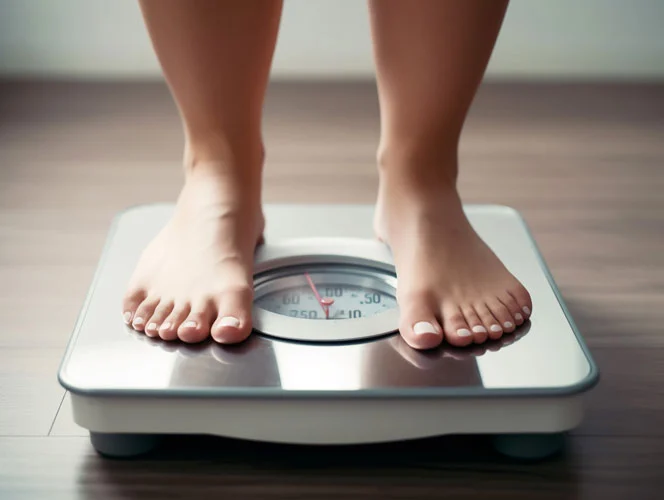
When it comes to tracking your health and fitness progress, the number on the scale only tells part of the story. That’s why body composition is so important, it helps you understand what your body is actually made of, beyond just weight.

But terms like lean body mass and muscle mass often get mixed up. Let’s break down what they really mean, with some real-world examples of how they show up in everyday life.

Quick Answer

Body composition shows what your weight is made of, including body fat, muscle mass, lean mass, water, and other tissues. It gives a clearer picture of wellness than scale weight alone, especially if your goals include fat loss, strength, metabolism support, or healthier aging.

What Body Composition Really Means

Body composition refers to the proportions of fat, muscle, bone, water, and other tissues in your body.

Think of it this way:
Two women both weigh 160 lbs and are the same height, but one has a much higher percentage of muscle and lower body fat. Even though the scale shows the same number, their bodies look and feel very different.

Body composition provides additional context about physical changes beyond scale weight.

Body Fat vs Muscle Mass vs Lean Mass

MeasurementWhat It MeansWhy It Matters
Body FatThe amount of fat tissue your body carries.Helps track fat loss, metabolic health, and weight management progress.
Muscle MassThe total amount of muscle tissue in your body.Supports strength, movement, metabolism, posture, and healthy aging.
Lean MassYour total weight minus fat mass, including muscle, water, bones, and organs.Shows whether weight changes come from fat loss, muscle gain, or fluid changes.

What Lean Body Mass Includes

Lean body mass (LBM) is everything in your body that isn’t fat.

Lean Body Mass (LBM) = Total Weight – Fat Mass

This includes:

  • Muscles
  • Bones
  • Organs
  • Body water
  • Connective tissue/Skin

Why Lean Body Mass Can Change Without Muscle Gain

The two biggest factors that influence lean body mass are body water and muscle mass. A sudden increase in lean body mass doesn’t always mean you’ve gained muscle, it could simply be fluctuations in body water.

Body composition

Imagine a man who starts a weight-loss program and drops 15 pounds. When he checks his body composition, he finds he lost 10 pounds of fat and 5 pounds of lean body mass. Some of that lean mass could be water, but some could also be muscle which isn’t ideal.

Muscle gains definitely contribute to LBM gains, but so does water, which can fluctuate throughout the day depending on hydration status, diet, and physical activity.

That’s why simply focusing on “weight loss” without paying attention to what kind of weight you’re losing can backfire.

What Muscle Mass Means

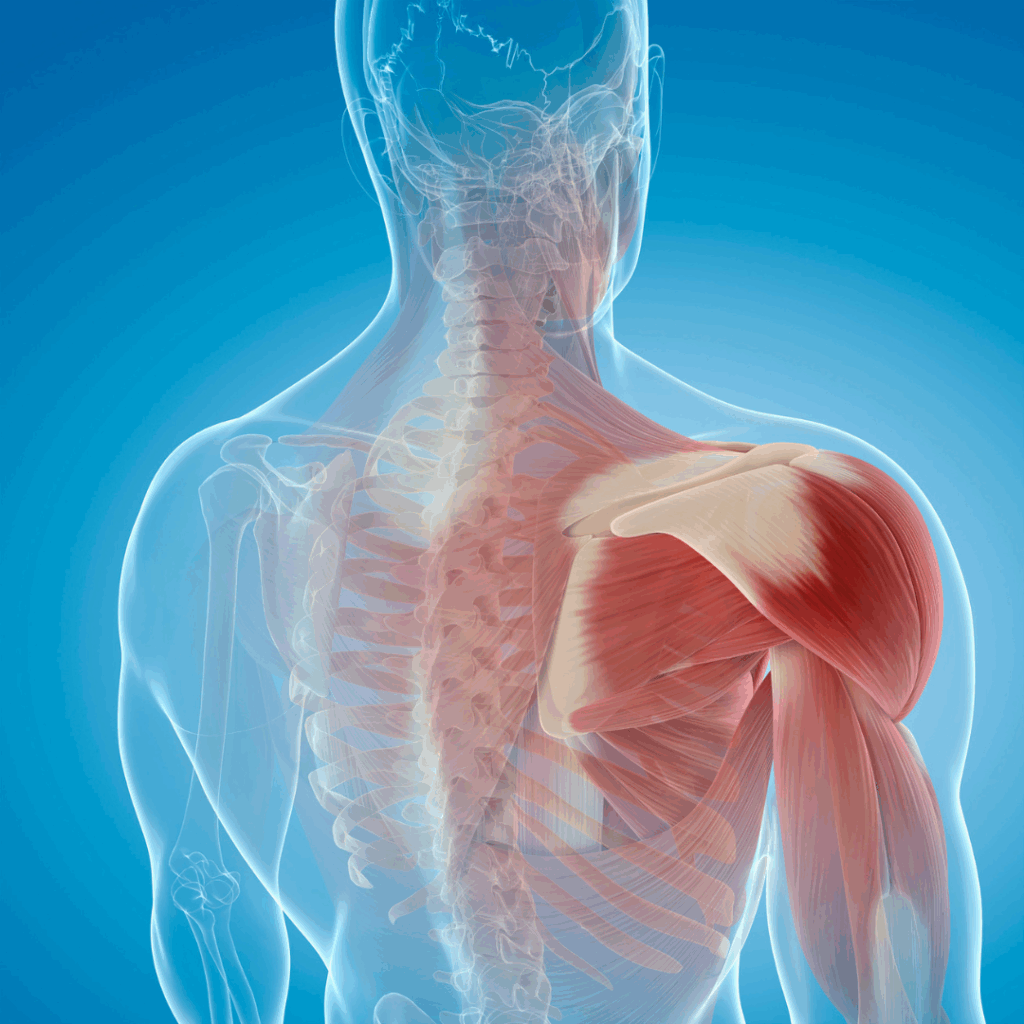
Muscle mass refers specifically to the weight of all the muscle tissue in your body, primarily your skeletal muscles, which help you move, lift, and support your metabolism. This is the type of muscle you can actively build through proper exercise and nutrition.

When people talk about “building muscle” with strength training and protein, they’re really referring to skeletal muscle mass or muscle mass.

Types of Muscle in the Body

  • Skeletal Muscle: the voluntary muscle you can grow and strengthen through training and nutrition
  • Cardiac Muscle: the involuntary muscle of the heart
  • Smooth Muscle: the involuntary muscle found in organs and blood vessels
body composition

A woman starts strength training three times a week and eating more protein. Over 3 months, her scale weight stays the same but her body composition shows she gained 6 pounds of muscle and lost 6 pounds of fat.
Changes in muscle and fat distribution may influence physical appearance and perceived strength, even when scale weight remains stable.

Lean Body Mass vs Muscle Mass: Key Differences

FeatureLean Body Mass (LBM)Muscle Mass
DefinitionTotal body weight minus fat massTotal weight of all muscle tissue
IncludesMuscle, bone, organs, water, connective tissueSkeletal, cardiac, and smooth muscle
Influenced byHydration, muscle size, bone densityPrimarily resistance training and protein intake
Can fluctuate daily?Yes, due to water retentionNot significantly day to day
Directly trainable?PartiallyYes, skeletal muscle can be grown through exercise

Why Body Composition Matters More Than Scale Weight

Knowing the difference between LBM and muscle mass helps you track progress more accurately and adjust your plan as needed.

  • If your lean body mass goes up slightly, it could just be from extra water (maybe from inflammation or a salty meal), not necessarily more muscle.
  • Increases in skeletal muscle mass may be associated with changes in strength and metabolic activity.
  • Rapid weight loss that includes muscle reduction may affect strength and overall body composition.

How to Increase Muscle Mass and Support Better Body Composition

To support healthy body composition:

  • Focus on strength training at least 2–4 times a week
  • Eat enough protein (some trainers and nutritionists use different methods, its best to consume 0.7–1 gram per pound of lean muscle mass)
    • For a 168-lb person with LBM of 96-lbs would mean to eat 67-96 grams of protein/day
    • Include lean meats, eggs, dairy, and legumes
  • Avoid extreme calorie restriction, which can lead to muscle loss.
    •  Caloric intake should be individualized based on activity level and goals, ideally under professional guidance.
  • Stay hydrated. Hydration status can influence muscle function and performance.
  • Sleep 7–9 hours per night to allow muscle repair and growth.

Body Composition Testing at Tucson Wellness MD

body composition

Understanding your body composition and the difference between lean body mass and muscle mass helps you focus on the quality of your weight changes, not just the number on the scale.

Body composition analysis can provide insights beyond scale weight, helping guide informed health decisions.

At Tucson Wellness MD, we offer advanced body composition analysis with our InBody machine to help you truly understand what your weight is made of. The next time you visit, take just a few minutes to step on the machine and Gain additional information about body fat and muscle measurements to support your health discussions with a provider.

Want a Clearer Picture of Your Health?

Body composition testing helps you understand more than the number on the scale. Tucson Wellness MD can help you review body fat, lean mass, muscle trends, and wellness goals through a personalized plan.

Schedule a Wellness Consultation

Frequently Asked Questions About Body Composition

What is the difference between lean body mass and muscle mass? Lean body mass includes everything in your body that is not fat, muscle, bone, organs, water, and connective tissue. Muscle mass refers specifically to muscle tissue alone. The key practical difference is that lean body mass can fluctuate daily due to hydration and water retention, while skeletal muscle mass changes slowly over weeks of consistent training and nutrition.

Why does the scale stay the same even when I am working out and eating better? Scale weight does not distinguish between fat, muscle, water, and bone. It is common to lose fat and gain muscle simultaneously, producing little to no change on the scale while your body composition improves significantly. Body composition testing, such as the InBody analysis available at Tucson Wellness MD, measures these changes accurately where the scale cannot.

How do I know if I am losing fat or muscle during weight loss? Rapid weight loss, extreme calorie restriction, and insufficient protein intake increase the likelihood of muscle loss alongside fat loss. Body composition testing tracks fat mass and lean mass separately so you can confirm you are losing fat rather than muscle. Strength training and adequate protein intake during a weight loss program are the primary strategies for preserving muscle.

How much protein do I need to maintain or build muscle mass? A commonly used guideline is 0.7 to 1 gram of protein per pound of lean body mass daily. For a person with 96 pounds of lean body mass, that translates to roughly 67 to 96 grams of protein per day. Individual needs vary based on activity level, age, and goals and are best determined with professional guidance.

What is the InBody test and what does it measure? The InBody machine is a body composition analyzer that uses bioelectrical impedance to measure body fat mass, skeletal muscle mass, lean body mass, total body water, and segmental muscle distribution. At Tucson Wellness MD, InBody testing takes just a few minutes and provides detailed data that supports more informed conversations about weight loss, muscle building, and overall health progress.

Why does body composition matter more than BMI or scale weight? BMI and scale weight treat all weight the same regardless of whether it is fat or muscle. Two people can share the same weight and BMI while having completely different metabolic profiles and health risks. Body composition data identifies what your weight is actually made of, which allows for more targeted and effective health and fitness planning.

Semaglutide, Tirzepatide, and Retatrutide Compared: How Today’s Top Weight Loss Medications Work

Over the past few years, prescription GLP-1–based medications have gained widespread attention for weight management. These medications work differently from traditional diet and exercise alone and may support weight management for individuals with obesity or weight-related conditions.

If you’re curious about how these medications compare, how they work, and whether one might be right for you, here are answers to the most common questions people ask.

Quick Answer

How Do Semaglutide, Tirzepatide, and Retatrutide Compare?

Semaglutide targets GLP-1 receptors, tirzepatide targets both GLP-1 and GIP receptors, and retatrutide is an investigational triple agonist being studied for GLP-1, GIP, and glucagon receptor activity. These medications may support appetite control, metabolic regulation, and medical weight loss, but the right option depends on health history, eligibility, side effects, lab review, nutrition, muscle preservation, and provider guidance.

How Semaglutide, Tirzepatide, and Retatrutide Affect Appetite, Metabolism, and Weight Loss

MedicationMain PathwayWhat It May SupportKey Safety Note
SemaglutideGLP-1 receptor activityAppetite control, fullness, blood sugar support, weight managementNeeds provider guidance for dosing, side effects, and eligibility
TirzepatideGLP-1 and GIP receptor activityAppetite control, metabolic support, blood sugar support, weight managementMay have stronger appetite effects for some patients and needs monitoring
RetatrutideGLP-1, GIP, and glucagon receptor activityBeing studied for weight management and metabolic effectsInvestigational and not currently FDA-approved
Lifestyle supportNutrition, protein, strength training, sleep, hydrationMuscle preservation, energy, long-term maintenanceNeeded to support safer and more sustainable results
Provider monitoringLab review, side effect tracking, dose reviewSafer treatment decisions and better long-term planningHelps reduce risk and avoid self-directed treatment

All three belong to a class of medications that mimic hormones in your body to help regulate appetite, insulin, and blood sugar.

Who May Be a Candidate for Medical Weight Loss Medications?

Medical weight loss medications may be discussed for patients who have struggled with weight management despite lifestyle efforts or who have weight-related metabolic concerns. These medications are not meant to replace nutrition, movement, sleep, and lifestyle support. They work best as part of a provider-guided plan.

A consultation may be helpful if you have:

  • Weight-loss resistance
  • Strong appetite or cravings
  • Difficulty feeling full
  • Insulin resistance or blood sugar concerns
  • Weight regain after previous attempts
  • Metabolic health concerns
  • Low energy related to weight or nutrition patterns
  • A need for structured accountability
  • Questions about semaglutide, tirzepatide, or newer medications
  • Concerns about side effects, eligibility, or long-term use

A provider can review your health history, labs, medication options, weight goals, and safety factors before recommending a treatment plan.

How Semaglutide Supports Appetite Control and Blood Sugar Balance

Semaglutide is a GLP-1 receptor agonist. It mimics the hormone GLP-1, which helps you feel fuller longer, slows digestion, and improves insulin sensitivity.

How Tirzepatide Uses GLP-1 and GIP for Weight Loss Support

Tirzepatide is a dual GIP and GLP-1 receptor agonist. This means it targets both GLP-1 and another hormone, GIP (glucose-dependent insulinotropic polypeptide), which may further enhance weight loss and blood sugar control compared to semaglutide.

Patients comparing these two medication options can also review Semaglutide vs Tirzepatide for a more detailed side-by-side guide.

What Retatrutide Is and Why It Is Being Studied

Retatrutide is currently in clinical trials and is being studied for potential metabolic effects. It’s a triple agonist targeting GLP-1, GIP, and glucagon receptors which is being evaluated for its potential impact on energy expenditure and weight management.

Patients researching triple-agonist medications can also review Retatrutide to better understand what is currently known and why medical guidance matters.

Why Protein Intake Matters With Weight Loss Medications

While medications like semaglutide, tirzepatide, and retatrutide can help you lose significant weight by reducing your appetite and calorie intake, it’s important to understand that not all weight loss is equal.

Without the right nutrition and exercise, some of the weight you lose may come from muscle, not just fat and preserving your muscle is crucial for your health, strength, and metabolism.

Here’s why eating enough protein and including weight training in your routine matter:

Why Preserving Muscle Matters During Medical Weight Loss

These medications may influence appetite regulation and calorie intake, but when you’re in a calorie deficit, your body may break down muscle along with fat. Adequate protein intake and resistance training signal your body to hold onto muscle while burning fat.

How Muscle Mass Supports Metabolism and Long-Term Results

Skeletal muscle tissue plays a role in overall metabolic activity. Losing too much muscle can slow your metabolism and make it harder to keep the weight off long term. Strength training helps maintain or even build muscle as you lose weight.

Why Strength Training Improves Long-Term Weight Loss Results

Keeping your muscles strong ensures you can continue to move well, stay active, and reduce your risk of injury all of which are especially important as you lose weight.

How Protein Helps Control Hunger While Using Weight Loss Medications

Protein-rich meals help you feel fuller longer and support recovery after workouts, which is important since these medications may already reduce your appetite and make it harder to get enough nutrients.

Patients who need help improving protein intake can also review Choosing the Right Protein for practical nutrition guidance.

By combining weight loss medication with a solid nutrition and exercise plan, you’re not just losing weight, you’re building a stronger, healthier, and more resilient body.

Common Side Effects of GLP-1 and GIP Weight Loss Medications

Like any medication, these have side effects, most often gastrointestinal, such as:

  • Nausea
  • Vomiting
  • Diarrhea or constipation
  • Reduced appetite

Side effects tend to be dose-dependent, often lessen as your body adjusts, and vary by person.

Safety, Side Effects, and Medical Monitoring

Semaglutide, tirzepatide, and other GLP-1-based medications should be used with provider guidance because they can affect appetite, digestion, hydration, blood sugar, nutrition intake, and weight-loss pace. Side effects are often digestive, but treatment still requires monitoring.

A provider may review:

  • Medical history
  • Current medications
  • Blood sugar and A1C
  • Digestive symptoms
  • Hydration status
  • Gallbladder risk factors
  • Pancreatitis history
  • Kidney concerns
  • Nutrition and protein intake
  • Muscle preservation
  • Weight-loss pace
  • Side effects after dose increases

Patients should speak with a provider before starting or changing weight loss medications, especially if they have diabetes, gastrointestinal disease, gallbladder concerns, pancreatitis history, kidney issues, pregnancy plans, or medications that affect blood sugar.

How Long Patients May Stay on GLP-1 Weight Loss Medications

Continued use is typically required to maintain results, and discontinuation may lead to weight regain in some individuals. That’s why they’re usually prescribed alongside lifestyle changes like improved nutrition, physical activity, and behavior therapy for long-term success.

How to Choose the Right Weight Loss Medication Safely

There is no single best weight loss medication for every patient. Semaglutide, tirzepatide, and newer investigational medications work through different hormone pathways, and each patient may respond differently.

A provider may consider:

  • Weight-loss goals
  • Current BMI and metabolic health
  • Blood sugar status
  • Appetite and cravings
  • Prior medication response
  • Side effect history
  • Medical conditions
  • Current medications
  • Cost and access
  • Nutrition intake
  • Muscle preservation goals
  • Long-term maintenance plan

The best medication is not only the one that produces weight loss. It is the one that fits the patient’s health needs, risk profile, and ability to maintain results safely.

Need Help Choosing a Weight Loss Medication?

Tucson Wellness MD can help you compare semaglutide, tirzepatide, and other weight loss options based on your health history, labs, goals, side effect concerns, and long-term wellness plan.

Schedule a Medical Weight Loss Consultation

Why Tucson Wellness MD Uses Lab-Grade Weight Loss Medications

At Tucson Wellness MD we prioritize your safety and effectiveness above all else. That’s why we use only lab-grade weight loss medications sourced directly from trusted manufacturers.

We do not use compounded medications or products from compounding pharmacies. Compounded medications are customized formulations prepared by licensed pharmacies. Availability and regulatory oversight may vary depending on product and jurisdiction.

We source medications through regulated manufacturers to support consistent dosing and established quality standards.

Your health and results matter to us. This commitment helps us provide you with the best care possible on your weight loss journey.

Start a Medical Weight Loss Consultation at Tucson Wellness MD

GLP-1–based medications are being used in the medical management of obesity and related metabolic conditions under physician supervision. While they’re not magic bullets, they can provide significant support alongside lifestyle changes.

If you’re interested in learning more about these options or finding out which is right for you, schedule a consultation with a qualified provider who can help you weigh the benefits, risks, and costs.

Semaglutide, Tirzepatide, and Retatrutide FAQs

How do semaglutide, tirzepatide, and retatrutide work?


These medications work by mimicking hormones involved in appetite regulation, blood sugar control, and metabolism. Semaglutide targets GLP-1 receptors, tirzepatide targets both GLP-1 and GIP receptors, and retatrutide is being studied as a triple agonist affecting GLP-1, GIP, and glucagon receptors. Their combined effects may help reduce hunger and improve metabolic regulation. Treatment should always be guided by a qualified healthcare provider.

What is the difference between semaglutide and tirzepatide?


Semaglutide is a GLP-1 receptor agonist, while tirzepatide activates both GLP-1 and GIP receptors. Because tirzepatide affects two pathways, it may produce different metabolic and appetite-related effects compared to semaglutide. Individual responses vary depending on health status and treatment goals. A provider helps determine which option may be more appropriate.

What is Retatrutide?


Retatrutide is an investigational medication currently being studied in clinical trials. It is classified as a triple agonist because it targets GLP-1, GIP, and glucagon receptors simultaneously. Researchers are evaluating its potential effects on energy expenditure and weight management. It is not currently FDA-approved.

Why are protein and strength training important during weight loss?


Weight loss can include loss of both fat and muscle tissue if nutrition and exercise are not properly managed. Adequate protein intake and resistance training help preserve muscle mass during a calorie deficit. Maintaining muscle supports metabolism, strength, and long-term weight maintenance. Combining medication with lifestyle changes leads to better overall outcomes.

Which weight loss medication works best?

There is no single best medication for every patient. Semaglutide, tirzepatide, and investigational medications like retatrutide work through different pathways. The right option depends on health history, eligibility, appetite patterns, blood sugar status, side effects, medication access, and provider guidance.

Is retatrutide available for weight loss?

Retatrutide is investigational and is being studied in clinical trials. It is not currently FDA-approved for weight loss. Patients should avoid unregulated products and speak with a qualified provider about approved and medically supervised options.

Why is protein important while using weight loss medications?

Protein is important because appetite-reducing medications can make it harder to eat enough nutrients. Adequate protein intake helps support fullness, muscle preservation, recovery, strength, metabolism, and long-term weight maintenance.

Do weight loss medications work without lifestyle changes?

Weight loss medications may reduce appetite and support metabolic regulation, but lifestyle habits still matter. Nutrition, protein intake, resistance training, hydration, sleep, and long-term behavior changes help improve results and reduce the risk of weight regain.