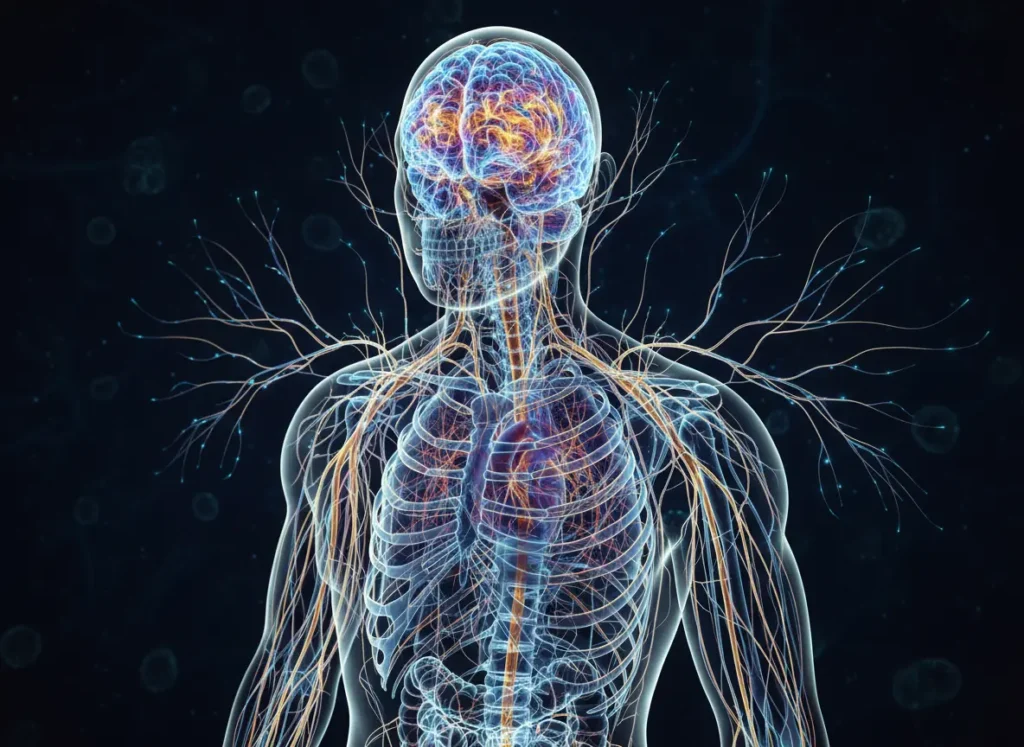
Understanding Metabolic Syndrome: Are You at Risk?

Metabolic syndrome, also referred to as insulin resistance syndrome, is one of the fasting-growing health concerns worldwide. It’s not a single condition but rather a cluster of risk factors that increase your chances of developing heart disease, stroke, and type 2 diabetes1. According to the National Heart, Lung, and Blood Institute more than one in three U.S. adults meet the criteria for metabolic syndrome, and many don’t even know it.

The good news? With the right nutrition, lifestyle, and functional medicine approach, metabolic syndrome can often be prevented, managed, or even reversed.

What is Metabolic Syndrome?

Metabolic syndrome is diagnosed when you have 3 or more of the following risk factors2:

  • Abdominal obesity (waist circumference >40 inches in men, and >35 inches in women)
  • Elevated fasting glucose (100 mg/dL or higher, or use of medication for blood sugar control)
  • High triglycerides (150 mg/dL or higher, or use of medication for triglycerides)
  • Low HDL cholesterol (considered the healthful cholesterol, <40 mg/dL for men, and <50 mg/dL for women)
  • High blood pressure (130/86 mmHg or higher, or taking blood pressure medication)

These risk factors tend to occur together because they share common underlying mechanisms like insulin resistance and chronic inflammation.

What Happens Inside the Body

metabolic syndrome

Metabolic syndrome develops when the body becomes less sensitive to insulin, the hormone that helps move glucose from the bloodstream into your cells for energy. When insulin signaling does not work well, blood sugar stays elevated, then is stored around the waistline, and the body shifts into a state of low-grade inflammation3.

Other key player include:

  • Oxidative stress, which damaged cells and blood vessels
  • Hormone imbalances, such as high cortisol from chronic stress or low adiponectin (the hormone that improves insulin sensitivity4)
  • Disrupted Lipid metabolism, leading to high triglycerides and low HDL cholesterol

Over time, these processors raise the risk of serious chronic disease.

Key Risk Factors for Metabolic Syndrome

While genetics and age play a role, lifestyle is the biggest-driver. Risk factors include:

  • Diet high in refined carbs, added sugars, and processed foods
  • Sedenatary lifestyle or being inactive
  • Chronic stress and poor sleep
  • Smoking and excessive alcohol use

Health Consequences

If left unaddressed, metabolic syndrome can lead to5,6,7:

  • Type 2 diabetes
  • Cardiovascular disease (heart attack, stroke, atherosclerosis)
  • Non-alcoholic fatty liver disease (NAFLD)
  • Polycystic ovary syndrome (PCOS)
  • Cognitive decline and dementia

This makes early recognition and action critical.

How to Improve Your Metabolic Health

The cornerstone of prevention and treatment is lifestyle. Even modest changes can make a profound impact:

Nutrition

  • Focus on whole, minimally processed foods
  • Choose high-quality protein (fish, poultry, legumes) to support blood sugar balance
  • Incorporate healthy fats (olive oil, avocado, nuts, fatty fish)
  • Prioritize fiber-rich foods (vegetables, whole grains, beans) to improve gut health and insulin sensitivity
  • Add anti-inflammatory foods like berries, turmeric, green tea, and omega-3s
  • Limit refined carbs, sugary beverages, and processed snacks

Lifestyle

  • Move daily: walking, resistance training, and reducing sitting time all improve insulin sensitivity
  • Stress management: meditation, yoga, or breathwork to reduce cortisol’s impact on blood sugar
  • Sleep: aim for 7–9 hours per night, as poor sleep raises the risk of insulin resistance
  • Avoid smoking and limit alcohol

If you recognize any of the risk factors in yourself, now is the time to act.

Functional Nutrition & Personalized Care

No two people experience metabolic syndrome in the exact same way. Functional nutrition takes into account your genetics, environment, and lifestyle to create a personalized plan. Some individuals may respond better to a Mediterranean-style eating pattern, while others thrive with a balanced approach.

Key supportive supplements (to be considered under practitioner guidance):

  • Omega-3 fatty acids – lower inflammation and triglycerides
  • Magnesium – supports insulin sensitivity and blood pressure
  • Vitamin D – important for metabolic and immune health
  • Berberine or chromium – can help improve glucose metabolism

Prevention and Long-Term Outlook

The earlier metabolic syndrome is addressed, the easier it is to reverse. Preventive strategies like eating balanced meals, moving daily, and prioritizing sleep can dramatically lower risk. Importantly, improving metabolic health has ripple effects, better energy, mood, focus, and long-term vitality.

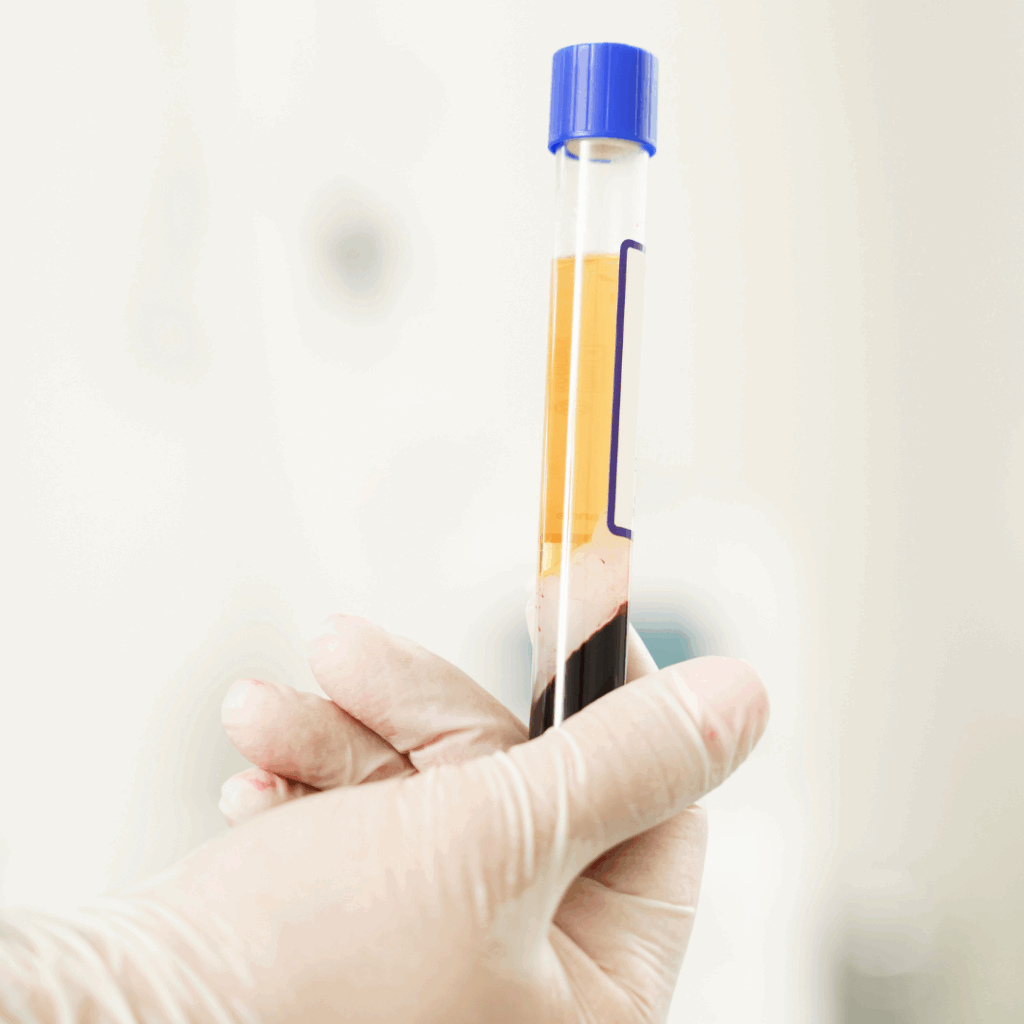
Start With Labs

Metabolic syndrome may sound intimidating, but it’s largely preventable and reversible. By understanding the risk factors and root causes, and by taking small, consistent steps with nutrition and lifestyle, you can dramatically reduce your risk of chronic disease.
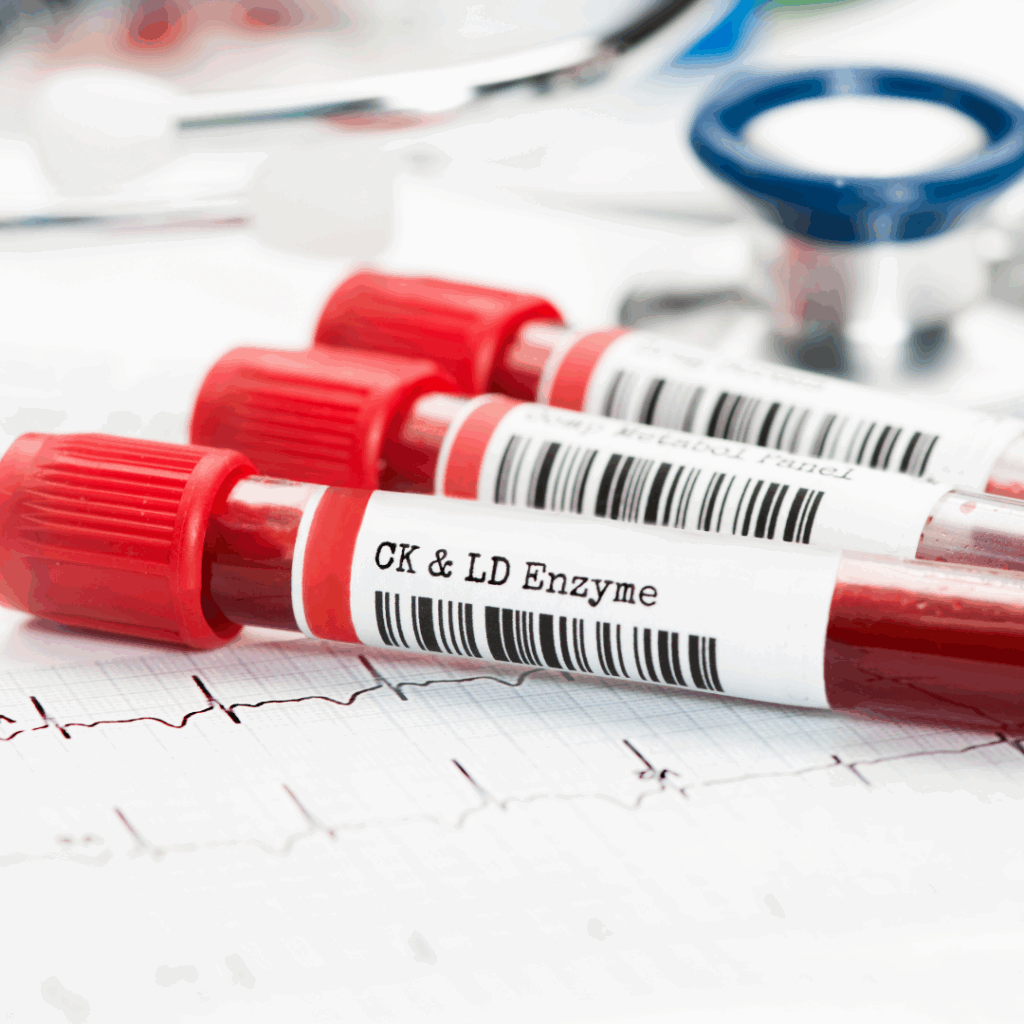
At Tucson Wellness MD – We Test, Don’t Guess! Schedule your Longevity Lab Panel today to receive a clear, comprehensive and thorough report of your current metabolic health. This advanced panel covers all aspects including inflammation, metabolic pathways, detoxification, digestion, immunity, nutrient deficiencies, and more, giving you (and the practitioner) the insights needed to take action early! Your future health depends on it.

References:

  1. National Heart, Lung, and Blood Institute. (2022). Metabolic Syndrome – What Is Metabolic Syndrome? Www.nhlbi.nih.gov. https://www.nhlbi.nih.gov/health/metabolic-syndrome
  2. Moore, J. X., Chaudhary, N., & Akinyemiju, T. (2017). Metabolic Syndrome Prevalence by Race/Ethnicity and Sex in the United States, National Health and Nutrition Examination Survey, 1988–2012. Preventing Chronic Disease14(14). https://doi.org/10.5888/pcd14.160287
  3. ‌Dhondge, R. H., Agrawal, S., Patil, R., Kadu, A., & Kothari, M. (2024). A Comprehensive Review of Metabolic Syndrome and Its Role in Cardiovascular Disease and Type 2 Diabetes Mellitus: Mechanisms, Risk Factors, and Management. Cureus16(8). https://doi.org/10.7759/cureus.67428
  4. ‌Ramakrishnan, N., Auger, K., & Jialal, I. (2022). Biochemistry, Adiponectin. PubMed; StatPearls Publishing. https://www.ncbi.nlm.nih.gov/books/NBK537041/
  5. ‌Swarup, S., & Zeltser, R. (2024). Metabolic Syndrome. Nih.gov; StatPearls Publishing. https://www.ncbi.nlm.nih.gov/books/NBK459248/
  6. ‌Chen, W., & Pang, Y. (2021). Metabolic Syndrome and PCOS: Pathogenesis and the Role of Metabolites. Metabolites11(12), 869. https://doi.org/10.3390/metabo11120869
  7. Ezkurdia, A., Ramirez, M. J., & Solas, M. (2023). Metabolic Syndrome as a Risk Factor for Alzheimer’s Disease: A Focus on Insulin Resistance. ProQuest24(5), 4354. https://doi.org/10.3390/ijms24054354

Frequently Asked Questions

What causes metabolic syndrome?
The primary driver is insulin resistance. Other contributing factors include poor diet, physical inactivity, chronic stress, lack of sleep, smoking, and excess alcohol intake.

Can metabolic syndrome be reversed?
Yes. Early intervention with targeted nutrition, regular movement, stress reduction, and sleep improvement can significantly improve or reverse metabolic dysfunction.

What are early warning signs of metabolic syndrome?
Many people have no obvious symptoms. Subtle signs may include increasing waist size, fatigue after meals, sugar cravings, elevated blood pressure, or abnormal lab results.

What is metabolic syndrome?
Metabolic syndrome is a cluster of risk factors including abdominal obesity, high blood sugar, high triglycerides, low HDL cholesterol, and elevated blood pressure. Having three or more of these increases your risk of heart disease, stroke, and type 2 diabetes.

HGH Therapy: What You Need to Know Before Considering Treatment

Human Growth Hormone (HGH) has been a subject of medical interest, athletic controversy, and patient curiosity for decades.  Today, HGH therapy is an FDA-approved treatment for specific medical conditions involving documented growth hormone deficiency. If you’re researching whether HGH therapy might be right for you, this guide will walk you through its role, forms, benefits, risks, and key considerations.

What Is HGH?

Human Growth Hormone (HGH) is a naturally occurring peptide hormone produced by the pituitary gland. Its primary role is to regulate growth, body composition, metabolism, and cell repair. HGH levels peak during adolescence and gradually decline with age. In adults with confirmed growth hormone deficiency, low levels may be associated with changes in body composition, energy levels, and overall health.

What Is HGH Therapy?

HGH therapy is the medical use of synthetic growth hormone to restore hormone balance in people with documented deficiencies. Unlike casual or unregulated use, legitimate HGH therapy is prescribed and supervised by licensed healthcare providers after comprehensive testing. It’s most often considered for:

  • Adults with growth hormone deficiency (GHD)
  • Children with delayed growth or medical conditions affecting growth
  •  Adults with medically confirmed growth hormone deficiency following appropriate diagnostic evaluation

Forms of HGH Therapy

HGH is not taken as a simple pill, its delicate structure would break down in the digestive tract. Instead, therapy comes in specialized forms:

  1. Injectable HGH
    • The most common and effective form. Administered subcutaneously (under the skin), usually daily.
    • Delivered through small pen-like devices for ease and accuracy.
  2. HGH Stimulators (Secretagogues or Peptides)
    • Compounds like sermorelin or ipamorelin that stimulate the pituitary gland to release more natural HGH.
    • Often considered a gentler alternative to direct HGH injections.
  3. Oral & Topical Supplements
    • Marketed widely but generally ineffective at delivering active HGH.
    • Sometimes contain amino acids or herbs that may modestly support natural HGH release.

Benefits of HGH Therapy

 For individuals with medically confirmed growth hormone deficiency, treatment may help support:

Improved Body Composition

  • May help support lean tissue maintenance in individuals with deficiency.

Support for Metabolic Balance

  •  May help regulate body composition in deficiency states.

 Bone Health Support

  •  May assist in maintaining bone density when levels are clinically low.

 Energy Regulation

  •  Some patients report improved energy when deficiency is corrected.

Enhanced Skin & Hair Health

  • Skin changes are not an approved indication for HGH therapy and should not be considered a primary treatment goal.

Cardiovascular & Metabolic Benefits

  •  Metabolic markers may be monitored during therapy as part of overall health assessment.

Risks and Considerations

Like all medical therapies, HGH treatment comes with potential risks if not monitored carefully:

  • Joint or muscle pain
  • Swelling in arms and legs (edema)
  • Carpal tunnel syndrome
  • Increased risk of diabetes if overused
  • Possible enlargement of heart or other organs with long-term misuse

That’s why proper dosing, lab testing, and physician supervision are essential. Unregulated or cosmetic “anti-aging” clinics often misuse HGH, leading to safety issues.

Is HGH Therapy Right for You?

Before starting HGH therapy, a doctor typically runs:

  • Blood tests to measure HGH and IGF-1 levels
  • A review of symptoms, medical history, and overall hormone balance
  • Sometimes stimulation tests to confirm true deficiency

You may be a candidate if you experience chronic fatigue, muscle loss, poor recovery, or other signs of deficiency but only confirmed testing can determine if HGH therapy is appropriate.

HGH therapy is often most effective when combined with other wellness and regenerative treatments. At Tucson Wellness MD, we provide a full range of services that complement HGH therapy and support your long-term health goals, including:

  • Longevity Care – comprehensive wellness evaluation programs.
  • TRT for Men & TRT for Women – hormone replacement options that balance testosterone and estrogen for improved energy, mood, and vitality.
  • Peptide Therapy – peptide-based treatments that stimulate natural HGH release and enhance recovery.
  • Regenerative Medicine & Stem Cell Therapy – advanced therapies that promote healing and cellular repair.
  • Strength & Performance Programs – structured medical and lifestyle support plans.
  • Weight Loss & Fat Loss Injections – solutions to support healthy body composition and metabolism.

These services work together to create a holistic, patient-centered approach to wellness, ensuring every individual receives the right combination of treatments for their unique needs.

Final Thoughts

HGH therapy is not a quick fix or fountain of youth, it’s a medically regulated treatment designed for those with real deficiencies.  When prescribed for appropriate medical indications, HGH therapy can help address symptoms associated with documented deficiency. But it requires careful monitoring and commitment to long-term health.

At Tucson Wellness MD, our experienced team specializes in hormone optimization and patient-focused care. We provide comprehensive testing, individualized treatment plans, and ongoing support to ensure your therapy is both safe and effective. If you’re curious about HGH therapy or want to explore whether it’s the right option for you, we’re here to guide you every step of the way.

PRP Therapy: The Natural Way to Heal and Rejuvenate

Regenerative medicine continues to expand treatment options that aim to support the body’s natural healing processes.  PRP therapy is a non-surgical treatment that is used in certain clinical settings to support tissue healing and recovery.

We have complied answers to some of the most common questions about PRP so you can make informed decisions about your care.

Why Do Many Injuries and Skin Concerns Keep Returning?

Some treatments focus only on managing symptoms instead of supporting the body’s natural repair process. Without encouraging tissue regeneration at the source, discomfort, joint issues, or skin concerns may continue to reappear over time.

About PRP

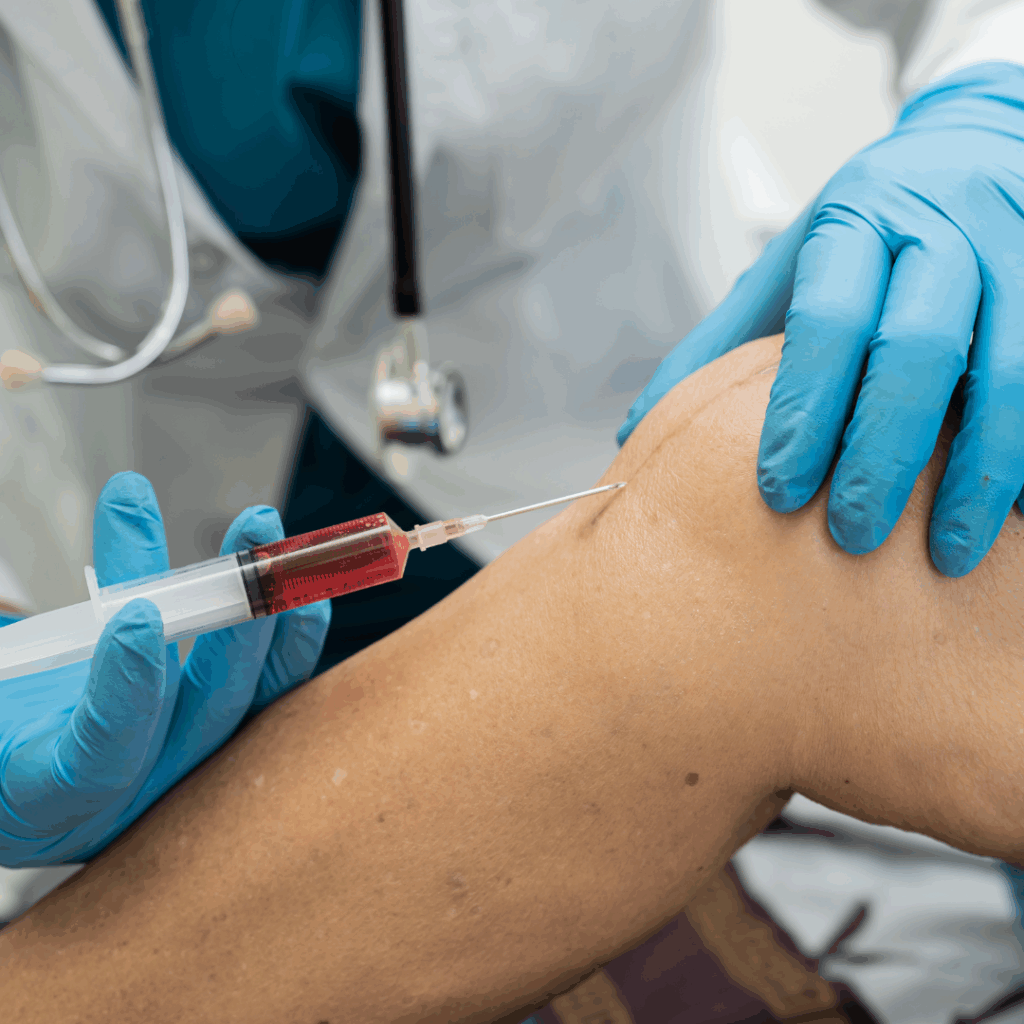
PRP is a concentration of platelets derived from your own blood. Platelets contain growth factors and proteins that play a role in the body’s normal healing processes. When injected into targeted areas, PRP can support you body’s natural repair processes.

PRP therapy may be considered in clinical settings for:

  • Joint and tendon conditions, including degenerative or overuse-related concerns
  • Hair thinning in select patients
  • Skin appearance concerns such as texture and tone

How is PRP administered?

First, a small amount of your blood is drawn and processed to isolate the platelet-rich plasma. Then, the PRP is injected into the area being treated such as a joint, tendon, scalp, or facial tissue, using precise techniques. Many of our injections are performed under ultrasound guidance, ensuring precision and maximum effectiveness.  Once administered, PRP introduces concentrated platelets to the treatment area as part of the body’s natural healing response.

How long does it take to see results?

Healing timelines vary depending on the area treated and the condition. Response timelines vary depending on the condition treated and individual health factors. Your provider will discuss realistic expectations during consultation.

Is PRP safe?

Because PRP uses your own blood, the risk of allergic reactions or complications is very low. Minor side effects can include temporary redness, swelling, or mild discomfort at the injection site.

How many treatments are needed?

Treatment plans vary based on your goals and the condition being treated. Some patients see results after one session, while others may require 2–4 treatments spaced several weeks apart.

Who is a good candidate for PRP?

Candidacy is determined through medical evaluation and depends on individual health status and treatment goals. Those with certain blood disorders, infections, or chronic illnesses may require evaluation before treatment.

Potential advantages of PRP therapy may include:

  • Use of the patient’s own biological material
  • Minimally invasive treatment approach
  • Individualized care planning
  • Non-surgical option in appropriate cases

About Dr. Minor

Dr. Minor has over 12 years of experience performing regenerative therapies such as PRP and prolotherapy, and 4 years specializing in stem cell therapy. He has received advanced training and over 12 years of experience in ultrasound-guided injections, ensuring precision and safety in every treatment.  His experience allows him to tailor each procedure to the patient’s clinical presentation and goals.

Schedule with Dr. Minor Today

Don’t wait to take control of your health and wellness! Scheduling a PRP consultation with Dr. Minor is easy and personalized. During your appointment, he will assess your unique needs, review your health history, and create a treatment plan tailored to your goals.  Whether you are exploring options for joint concerns, hair thinning, or skin appearance goals.

Frequently Asked Questions

What is PRP therapy?
PRP, or Platelet-Rich Plasma therapy, is a regenerative treatment that uses a concentration of platelets from your own blood. These platelets contain growth factors that support healing, tissue repair, and regeneration.

What are the benefits of PRP compared to traditional treatments?
PRP supports natural healing, avoids surgery, minimizes downtime, and focuses on treating the underlying issue rather than masking symptoms.

Who is a good candidate for PRP therapy?
Most healthy adults and athletes with joint pain, soft tissue injuries, hair thinning, or skin concerns are good candidates. Individuals with certain blood disorders, infections, or chronic conditions may need further evaluation.

How long does it take to see results from PRP therapy?
Results vary by condition and individual. Many patients notice gradual improvements within 4 to 12 weeks, with continued benefits developing over several months.

BPC 157 Capsules vs Shots: Key Differences

In the world of peptides, BPC 157 is a synthetic peptide that has been studied for its potential role in supporting certain biological processes related to tissue and digestive health. As more people explore peptide therapy, one common question arises: should you take BPC 157 orally in capsule form or by injection? Understanding the differences between these delivery methods can help you make an informed decision.

Many patients choose to make this decision with clinical guidance through our Primary Concierge program, which offers medically supervised peptide therapy and personalized recommendations.

BPC 157 Capsules vs Shots: Quick Answer

Capsules and injections deliver BPC 157 differently.

Capsules
• Taken by mouth
• Pass through digestion
• Lower absorption
• Easier to use

Injections
• Delivered under skin or into muscle
• Bypass digestion
• Higher absorption
• Often used for localized tissue goals

The best option depends on treatment goals, medical guidance, and comfort with administration.

What BPC 157 Is

BPC 157, also known as Body Protection Compound 157, is a synthetic peptide derived from a natural protein found in gastric juices.  Preclinical research has explored its interaction with cellular signaling pathways involved in vascular and inflammatory responses. However, clinical data in humans remains limited. Some individuals explore BPC 157 under medical supervision as part of a broader wellness or recovery plan. Individual response may vary.

Can BPC 157 Be Taken by Mouth

Yes. BPC 157 is available in capsule form.

Oral BPC 157 passes through digestion before entering circulation, which may reduce absorption compared to injections. Injectable delivery bypasses digestion and provides more direct systemic exposure.

Oral forms are sometimes discussed for digestive support, but human clinical evidence remains limited.

Because BPC 157 is not FDA approved, use should only occur under licensed medical supervision.

BPC 157 Capsules: Convenience and Daily Use

Oral BPC 157 is typically available in capsule form. This method is convenient and easy to use, making it appealing for those who prefer to avoid needles. However, the main concern with oral delivery is bioavailability, or how much of the peptide is absorbed into the bloodstream after digestion.

Benefits of BPC 157 Capsules

  • Easy to take with no injection required
  • Convenient for travel or daily use
  •  Oral formulations are sometimes discussed in relation to digestive applications, though research is ongoing and evidence in humans is limited.

What to Consider With Oral BPC 157

  • Reduced absorption compared to injections
  • Effectiveness may vary from person to person
  • Slower results when targeting muscle or tendon repair

BPC 157 Injections: Direct Delivery and Absorption

Injectable BPC 157 is delivered either subcutaneously (under the skin) or intramuscularly (into the muscle). This method bypasses the digestive system, which means more of the peptide reaches the bloodstream and target tissues.

Key Benefits of BPC 157 Injections

  • Injectable delivery bypasses digestion and may allow for greater systemic exposure compared to oral forms.
  • Some clinicians consider this route when targeting localized tissue concerns.
  • Clinical evidence remains limited and outcomes vary by patient.

What to Consider With BPC 157 Shots

  • Requires comfort with self-injection or professional administration
  • Mild side effects such as redness or irritation at the injection site
  • Less convenient for people who dislike needles

Which Form Works Better for Your Goals

When comparing oral capsules and injections, the right choice depends on your goals. If your main focus is gut health, oral BPC 157 may offer benefits directly in the digestive system. Choice of delivery method depends on individual goals, clinical judgment, and tolerance for administration methods. No form is universally superior, and clinical data is still evolving.

Possible Side Effects and Safety Considerations

BPC 157 is not FDA-approved for medical use. Safety data in humans is limited, and therapy should only be considered under licensed medical supervision though research is still ongoing. Some users report mild side effects, including:

  • Temporary redness at the injection site
  • Slight fatigue
  • Digestive discomfort with capsules

These effects are usually minimal compared to other performance-enhancing compounds.

How to Choose the Right Form of BPC 157

Both capsules and injections of BPC 157 can support healing and wellness, but each method has unique strengths. Capsules offer convenience and may help with digestive health, while injections provide higher absorption and faster results for injuries.

Explore Medically Guided Peptide Therapy

If you are considering peptide therapy, working with a trusted medical provider is the safest way to achieve results. At Tucson Wellness MD, we specialize in customized peptide treatments, including BPC 157, designed to support healing, recovery, and overall health.

Medically supervised peptide therapy

Not sure which form
is right for you?

Capsules or injections, the right choice depends on your goals, not a generic protocol. Our team matches your delivery method to your recovery needs based on your health profile and labs.

Schedule my consultation →

Tucson Wellness MD, personalized dosing, prescription-grade sourcing, ongoing clinical support.

How Jet Lag Impacts Hormones: Travel Tips and Recovery Strategies

Traveling across multiple time zones can temporarily disrupt sleep patterns and hormone timing, which may affect how you feel during and shortly after travel.

Understanding the effects of jet lag and how to manage them can help protect your body’s circadian rhythm, improve your energy levels, and support optimal performance during and after travel

Quick answer

Does jet lag affect your hormones?

Yes. Jet lag disrupts your body’s circadian rhythm, which controls the timing of key hormones including melatonin, cortisol, insulin, thyroid hormones, and sex hormones. When your internal clock falls out of sync with local time, hormone release patterns shift, which can cause fatigue, mood changes, poor sleep, and reduced mental performance. Symptoms typically resolve within a few days but may linger longer depending on how many time zones you crossed and how well you manage recovery.

What Is Jet Lag?

Jet lag is a temporary condition that results from a mismatch between your internal body clock and the local time at your destination. This mismatch is especially noticeable when traveling east or crossing several time zones. The more time zones crossed, the more likely you are to experience symptoms.

Symptoms of jet lag may include:

  • Difficulty sleeping at night
  • Daytime fatigue or sleepiness
  • Mood changes or irritability
  • General feeling of being unwell
  • Digestive disturbances
  • Impaired mental performance

Jet lag is considered a temporary circadian rhythm disruption that can interfere with normal sleep and wake patterns because it causes significant sleep disruption and impacts your ability to maintain normal wake patterns. It can last for a few days or even a few weeks, depending on how far you’ve traveled and how well you manage the recovery process.

How Jet Lag Affects Hormones

Your body’s circadian system is controlled by the brain’s hypothalamus and regulates hormone release patterns over a 24-hour cycle. This includes:

  • Melatonin: helps regulate sleep and wake cycles
  • Cortisol: supports alertness and stress response
  • Insulin: affects metabolism and blood sugar control
  • Thyroid hormones: regulate metabolism and energy
  • Sex hormones: influence mood, sleep, and libido

When your internal clock becomes misaligned, hormone timing may shift, which can contribute to fatigue, sleep changes, mood fluctuations, and reduced focus.

Why Traveling East Feels Worse

person packing luggage with a lot of force

Traveling east makes it harder for your circadian system to adjust because you’re shortening the day, requiring your body to fall asleep earlier. This disrupts the natural sleep-wake cycle and often makes jet lag worse than traveling west, which allows for a longer day and a more gradual shift in wake and sleep patterns.

How to Reduce Jet Lag and Support Hormone Balance

There is no one-size-fits-all method to prevent jet lag completely, but several strategies can help you reduce jet lag symptoms and manage travel fatigue effectively:

1. Shift Your Sleep Schedule Before You Fly

If possible, adjust your bedtime by 30 to 60 minutes in the days leading up to your trip. This helps your circadian clock begin to align with your destination, especially if you’re traveling east or across multiple time zones.

2. Get Natural Light Exposure

Natural light exposure is one of the most powerful tools to reset your circadian system. Get outdoors during daylight hours, especially in the early afternoon, to help your body adjust to the new schedule. This exposure helps suppress melatonin during the day and reinforces wakefulness.

3. Use Bright Light Strategically

Bright light exposure at specific times may help support circadian adjustment. Timing and duration should be discussed with a healthcare professional when used therapeutically

4. Use Melatonin Correctly

Taking melatonin, particularly exogenous melatonin in small doses, can help support the body’s natural transition to nighttime hours at your destination. This hormone, often used as a sleep aid, should be taken at your intended bedtime in the new time zone. Avoid taking melatonin too early or too often, as it can delay adjustment or even cause difficulty falling asleep if misused.

5. Avoid Sleeping Pills

Sleeping pills may provide temporary relief but often lead to grogginess, reduced quality sleep, and delayed circadian adaptation. Use them sparingly and only with medical advice. Instead, try using a sleep mask, earplugs, or relaxation techniques to help you fall asleep naturally.

6. Wake Up at the Local Time

Wake up at your target local time, even if you didn’t sleep well. This consistency helps reset your circadian clock and reduces the risk of extended daytime sleepiness or poor nighttime sleep. Outdoor light and light activity upon waking can further support adjustment.

7. Support Your Hormones After Travel

Jet lag may temporarily influence hormones involved in sleep, stress response, and metabolic timing, particularly in frequent travelers, digestion, and blood pressure regulation. Hormonal imbalance can linger if you travel frequently or recover poorly. Consider post-travel support that includes:

  • Nutrient support for energy and hormone recovery
  • Hydration and light physical activity
  • A check-in with your provider if you experience prolonged fatigue or cognitive issues

What Research Shows

woman sleeping in airplane

A recent review and consensus statement from sleep medicine experts highlights the importance of synchronizing your sleep-wake schedule with natural light, minimizing artificial light at night, and using strategic melatonin supplementation. These strategies have shown effectiveness in reducing the symptoms of jet lag and promoting faster recovery across time zones.

Support for Frequent Travelers at Tucson Wellness MD

At Tucson Wellness MD, we understand the hormonal effects of jet lag and how they can impact your overall well-being. Whether you travel occasionally or cross numerous time zones for work, we offer personalized strategies for overcoming jet lag and supporting your hormone health.

Our team can assist with:

  • Evaluation of sleep patterns and lifestyle factors
  • Guidance on appropriate melatonin timing when indicated
  • Personalized wellness planning to support healthy sleep and energy patterns

Travel Smarter with Hormone Support

Managing the effects of jet lag isn’t just about getting sleep, it’s about protecting your hormonal balance and supporting your body’s ability to function at its best. Whether you’re adjusting to a new time zone or trying to avoid jet lag on your next trip, a proactive approach can make all the difference.

Schedule a consultation to discuss strategies that may help support sleep, recovery, and overall well-being during travel.

Hydration and Health: Why IV Therapy Matters in the Summer Months

Summer heat in Arizona places extra stress on the body’s hydration system. High temperatures, sun exposure, and increased sweating cause rapid fluid and electrolyte loss, which can affect energy levels, muscle function, and overall health.

Hydration plays a critical role in temperature regulation, circulation, digestion, and organ function. During extreme heat, In certain situations, oral hydration may be limited by absorption or tolerance. A healthcare provider can determine whether IV fluids are appropriate.

What Is IV Hydration Therapy and Why Does It Matter in Summer?

IV hydration therapy is a treatment that delivers fluids, electrolytes, and vitamins directly into your bloodstream. This helps your body rehydrate quickly and efficiently.

During Arizona summers, your body loses more fluids through sweat and heat exposure. When you become dehydrated, you may notice:

• Fatigue
• Headaches
• Dizziness
• Muscle cramps
• Brain fog

Drinking water helps, but it takes time to absorb. Because IV fluids are delivered directly into the bloodstream, absorption does not rely on the digestive system.

Why it matters in summer

• Rehydrates your body quickly
• Restores lost electrolytes like sodium and magnesium
• Supports energy and mental clarity
• Helps regulate body temperature
• Aids recovery after heat exposure

In Tucson’s extreme heat, dehydration can happen faster than you expect. IV hydration may help address fluid loss when medically indicated.

Why Summer Heat Increases Dehydration Risk

High temperatures cause the body to lose fluids faster through sweat and breathing. When fluid and electrolyte loss outpaces intake, dehydration can develop quickly, especially during outdoor activity or prolonged sun exposure.

This makes hydration more challenging during summer months compared to cooler seasons.

Understanding the Importance of Hydration

Proper hydration plays a key role in maintaining overall health. It regulates body temperature, supports muscle function, promotes digestive health, and ensures your organs function optimally. During hot summer months, the body loses more fluids due to excessive sweating, which can lead to dehydration symptoms such as fatigue, dizziness, dry skin, and muscle cramps.

Severe dehydration requires medical evaluation. Individuals with concerning symptoms should seek emergency care. That’s why it’s essential to prioritize hydration, especially when spending time in the summer sun or engaging in intense physical activity.

How IV Therapy Works for Hydration

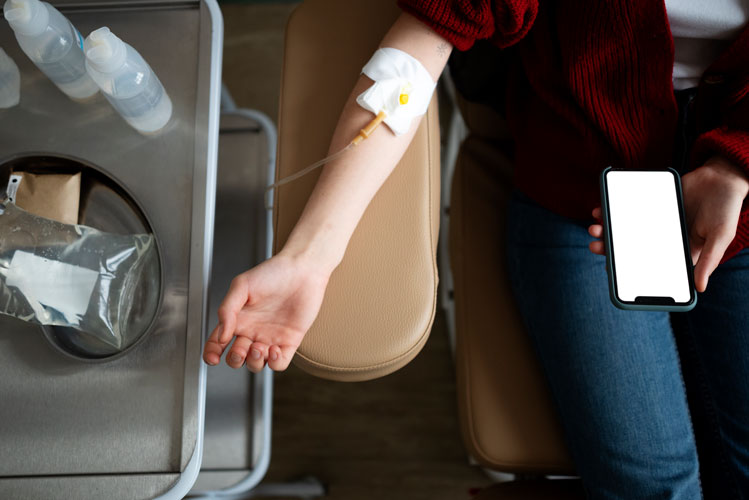
person getting iv treatment

IV hydration bypasses the digestive process by delivering fluids and essential nutrients directly into the bloodstream. This allows for rapid and efficient absorption compared to oral intake. IV drip therapy is specifically designed to restore optimal hydration levels through the infusion of essential fluids, vitamins, and electrolytes.

Unlike drinking water, which must pass through the digestive tract and may be absorbed slowly, IV infusion delivers fluids directly into circulation. Individual response times vary.

The Benefits of IV Hydration Therapy

IV hydration therapy comes with numerous benefits, especially for those exposed to extreme heat. Key benefits include:

  • Quick absorption and rapid rehydration for enhanced energy
  • Delivery of essential electrolytes and nutrients for optimal hydration
  • Relief from dehydration symptoms caused by heat or physical exertion
  • Support for electrolyte balance, blood flow, and muscle function
  • Some patients report feeling more refreshed after treatment. Individual experiences vary.

Whether you’re recovering from a summer adventure or preparing for one, IV hydration delivers fluids and electrolytes to support hydration status.

Who Should Consider IV Therapy in the Summer?

IV hydration is not just for athletes or patients with gastrointestinal disorders. It is also beneficial for:

  • People experiencing dehydration symptoms like headaches or fatigue
  • Those undergoing intense physical activity or training in the heat
  • Travelers adjusting to climate changes and jet lag
  • Individuals with poor oral intake or who have lost fluids due to illness
  • Anyone looking for a safe, effective way to maintain wellness during the hot summer months

For younger adults and older individuals alike, IV therapy provides a tailored, fast-acting approach to staying hydrated.

What to Expect from an IV Hydration Appointment

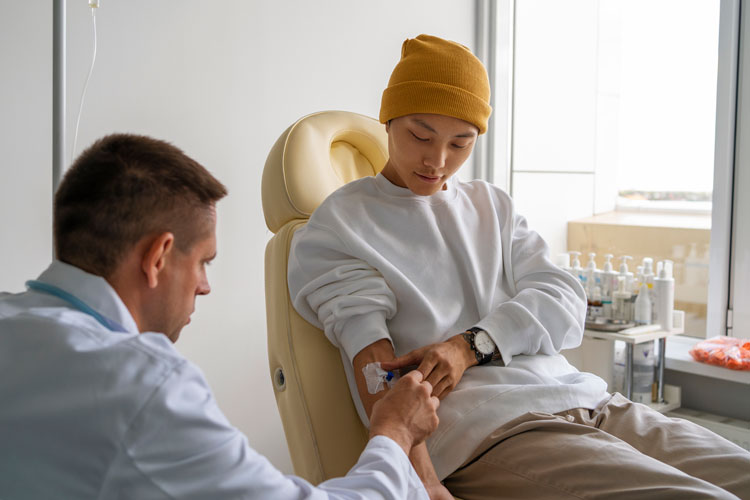
At Tucson Wellness MD, your IV hydration appointment begins with a brief health assessment to ensure safety and effectiveness. A healthcare provider will guide you through the process and help select the appropriate blend based on your hydration status and wellness goals.

happy woman after treatment

Using a sterile, very fine needle, fluids are delivered directly into the bloodstream over 30 to 45 minutes. Patient experiences vary. Some individuals report feeling improvement after treatment.

Common reasons patients book IV hydration include heat exposure, hangover relief, low energy levels, and support for medical recovery. IV hydration delivers fluids and nutrients intravenously as directed by a healthcare provider.

Post-Treatment Tips and Professional Guidance

After your session, it’s important to continue drinking water and follow any guidance provided by your healthcare provider. While IV therapy provides rapid hydration, maintaining hydration through healthy habits better supports long-term wellness.

Patients with ongoing medical conditions should always consult a medical professional before starting any new treatment. Your provider may also recommend follow-up sessions to support hydration over extended periods of heat or physical stress.

Stay Safe and Hydrated This Summer

With the heat rising, it’s crucial to address hydration needs quickly and efficiently. IV hydration is administered under medical supervision when clinically appropriate. It delivers fluids and electrolytes intravenously to address hydration needs under medical guidance when it’s under stress.

At Tucson Wellness MD, we offer IV hydration therapy designed to help you feel better, faster. Whether you’re preparing for major summer events or recovering from them, our customized treatments provide the support your body needs to stay strong and healthy.

Book your IV hydration session today and experience the benefits of IV therapy for yourself. Let our team help you stay cool, energized, and well throughout the summer season. Get started with a visit to our website.

Frequently Asked Questions

What are the benefits of IV hydration therapy in summer?
Benefits include faster rehydration, improved energy, electrolyte balance, better muscle function, improved blood flow, and relief from heat-related dehydration symptoms.

What are common signs of dehydration in hot weather?
Common symptoms include low energy, headaches, dry skin, dizziness, muscle cramps, and poor concentration. Severe dehydration can cause electrolyte imbalance and heat-related illness.

How does IV hydration therapy work?
IV hydration delivers fluids, electrolytes, and vitamins directly into the bloodstream. This bypasses digestion and allows rapid absorption, restoring hydration faster than drinking water alone.

Why is IV therapy more effective than oral hydration?
Water taken orally must pass through the digestive system and absorbs slowly. IV therapy is administered under medical supervision. Severe dehydration requires prompt medical evaluation, overheated, or recovering from illness.

Choosing the Right Protein: What to Eat & Common Questions Answered

What Protein is Best for me?

The best protein for you depends on your goals, digestion, and lifestyle, but high-quality complete proteins like lean meats, eggs, fish, dairy, or well-formulated protein powders work best for most people. If you prefer plant-based options, combining sources like legumes, grains, and seeds helps you meet your amino acid needs.

Protein plays a key role in muscle maintenance, tissue repair, hormone production, immune function, and satiety.

protein

But with so many choices out there (animal-based, plant-based, powders, bars…), it can feel confusing to know what kind of protein is best for you. Let’s break it down and answer some of the most common questions we get about protein.

Why is protein important?

  • Builds & repairs muscles
  • Supports metabolic function and may assist with appetite regulation as part of a balanced diet.
  • May help support stable energy levels when included as part of a balanced meal.
  • Essential for healthy skin, hair, nails, and hormones

 Inadequate protein intake may contribute to fatigue or reduced recovery. Ongoing symptoms should be evaluated by a healthcare professional.

What are the types of protein?

Animal-Based Proteins

These are considered “complete” proteins, meaning they contain all 9 essential amino acids.
Examples: chicken, turkey, beef, pork, eggs, dairy, fish, and seafood.

Pros:

  • High in quality, bioavailable protein
  • Naturally rich in iron, zinc, and B12
  • Supports muscle maintenance and recovery when combined with regular physical activity.

Cons:

  • Can be higher in saturated fat (choose lean cuts & quality sources)
  • Not suitable for vegetarians or vegans

Plant-Based Proteins

These come from plants and can also be excellent though some are “incomplete” and need to be combined for all essential amino acids.
Examples: beans, lentils, tofu, tempeh, quinoa, nuts, seeds, edamame.

Pros:

  • High in fiber & nutrients
  • Lower in saturated fat & cholesterol
  •  Provides nutrients associated with cardiovascular and digestive health when part of a balanced diet.

Cons:

  • Some plant proteins are lower in certain amino acids (combine grains & legumes for balance)
  • Larger portions are often needed to meet your needs

Protein Powders & Supplements

Sometimes convenient when you’re busy or need an extra boost.
Examples: whey, casein, pea, hemp, rice, or blended vegan powders.

Pros:

  • Quick & easy
  • Great post-workout or on-the-go
  • Can help supplement dietary protein intake when whole foods are insufficient.

Cons:

  • Not a replacement for whole foods
  • Some powders contain added sugars, fillers, or poor-quality ingredients, always read the label!

How much protein do I need?

It depends on your body composition, goals, and activity level but here’s a general guideline:

Active adults may aim for approximately 0.7–1 gram of protein per pound of lean body mass per day, depending on individual needs and goals.

For example:
If you weigh 150 lbs and your lean body mass is 96 lbs, you’d aim for roughly 67–96 grams of protein daily, spread throughout your meals and snacks.

protein

Keep in mind: this is just a starting point. Trainers, nutritionists, and healthcare professionals may calculate protein needs differently based on your individual goals and health status. For the best plan, talk to a professional who can tailor it to you!

If you would like individualized guidance on protein intake and meal planning, consult a qualified healthcare or nutrition professional.

There’s no one-size-fits-all approach, the best protein for you depends on your goals, preferences, and lifestyle.
Focus on whole, high-quality sources (both animal and plant-based), and don’t be afraid to mix it up!

If you’d like personalized guidance on how much protein you need and how to plan your meals, reach out, Contact us for individualized nutrition guidance tailored to your health goals.

Frequently Asked Questions

What type of protein is best for overall health?
High-quality complete proteins such as eggs, fish, lean meats, and dairy work well for most people. If you prefer plant-based options, combine legumes, grains, nuts, and seeds to meet essential amino acid needs.

What is a complete protein?
A complete protein contains all nine essential amino acids your body cannot produce on its own. Most animal proteins are complete. Some plant foods like quinoa and soy are also complete.

How do I know if I’m not eating enough protein?
Common signs include fatigue, hair thinning, brittle nails, poor workout recovery, increased hunger, and muscle loss.

Understanding How Dysport Works: A Simple Guide to Smoother Skin

dysport checkup

Dysport is one of the most popular, non-invasive solutions for reducing wrinkles and fine lines. As a cosmetic procedure, it offers a quick, effective way to smooth wrinkles and achieve a more youthful appearance without surgery. For patients seeking natural-looking results and minimal downtime, Dysport injections can be a practical and safe choice when administered by a qualified healthcare provider.

Why Wrinkles Start to Look More Noticeable Over Time

Fine lines often show up gradually, then suddenly feel impossible to ignore. Repetitive facial movements, stress, and natural collagen loss cause muscles to stay overactive, making wrinkles look deeper and more permanent. Skincare products help the surface, but they cannot relax the muscles underneath.

Dysport targets this root cause by calming the muscles responsible for expression lines, allowing the skin to smooth out naturally without surgery or extended downtime.

What Is Dysport and How It Works

Dysport is a botulinum toxin type A product, specifically abobotulinumtoxin A. It is used in cosmetic treatments to treat dynamic wrinkles caused by muscle contractions. These include frown lines, crow’s feet, forehead wrinkles, and glabellar lines. Over time, repeated facial expressions like frowning, squinting, or raising your eyebrows cause wrinkle formation in the upper face. These wrinkles become more visible as skin loses elasticity and firmness with age.

The Dysport procedure works by blocking nerve signals that tell specific muscles to contract. Once the signal is interrupted, the facial muscles relax, and the skin over that muscle can lie flat, resulting in fewer wrinkles. The treatment area appears smoother and more refreshed. Patients can typically expect to see results in a few days, with optimal results visible in about two weeks.

What to Expect During a Dysport Appointment

dysport injection

A typical Dysport appointment at Tucson Wellness MD begins with a consultation to review your medical history, skin health, and treatment goals. You’ll discuss the areas you want to treat and whether you’ve had any prior cosmetic treatments. Your healthcare provider will examine your facial anatomy to determine the appropriate dosage and identify the exact injection sites for best results.

Before the treatment, a numbing cream may be applied to reduce discomfort. The injections are administered using a very fine needle to ensure precision and the entire process takes just 10 to 20 minutes. Patients often describe the sensation as a small pinch. Because Dysport spreads slightly more than some other products, your provider will carefully control the placement to avoid affecting unintended areas.

Post Treatment Care

After receiving Dysport injectable treatments, there is minimal downtime, but as with any medical treatment, it’s important to follow aftercare instructions closely to avoid complications. Patients are typically advised to stay upright for several hours, avoid rubbing the treated area, and postpone any strenuous activity until the following day. It’s also recommended to avoid blood thinning medications or alcohol in the week prior and post treatment unless approved by your provider, as these may increase bruising at the injection sites.

In some cases, patients may experience mild redness, swelling, or slight bruising at the treated area. These effects are usually temporary. Serious complications such as eyelid drooping or muscle weakness are rare but should be reported immediately if they occur. Always notify your provider if you experience any unusual symptoms.

Benefits of Dysport for Wrinkle Reduction

wrinkle less skin

Dysport offers several benefits for patients looking to reduce existing fine lines and delay further wrinkle formation. It is especially effective for treating dynamic wrinkles that form from repetitive muscle movement. With a quick onset, noticeable results, and a natural, relaxed appearance, Dysport has become a go-to choice for younger patients who want to prevent early signs of aging, as well as older patients looking to improve their skin’s smoothness.

Key benefits include:

  • Noticeable wrinkle reduction in forehead wrinkles and glabellar lines
  • Fewer wrinkles without a frozen look
  • Fast treatment time with minimal disruption to your day
  • Results that last three to four months, depending on muscle activity and lifestyle
  • A smoother, more refreshed appearance without surgery

Is Dysport Right for You

Dysport is suitable for adults with moderate to severe facial lines who are seeking a cosmetic treatment that offers quick results and minimal recovery time. It is not recommended for individuals who are pregnant, breastfeeding, or have a known allergy to botulinum toxin type A.

Patients considering Dysport should have realistic expectations and understand that while the results are temporary, they can be maintained with regular follow up treatments. Discuss any health concerns, medications, or major events you have coming up with your provider to ensure timing and safety.

How to Prepare for Dysport

To get the best results and reduce potential side effects, avoid blood thinning medications, alcohol, and certain supplements like fish oil or vitamin E during the week prior to treatment. Stay well-hydrated and follow any specific guidelines provided by your healthcare provider.

Why Choose Tucson Wellness MD for Dysport

At Tucson Wellness MD, our team has extensive experience delivering safe, precise Dysport treatments. We understand the nuances of facial anatomy and use that knowledge to deliver consistent, natural-looking results. Our goal is to provide every patient with a smooth, professional experience and optimal results that enhance your confidence and support your skin health.

We’ll walk you through every step, from initial consultation to follow up treatment planning. Whether it’s your first cosmetic procedure or part of an ongoing skin care routine, we’re here to help you look and feel your best.

Schedule Your Dysport Appointment Today

If you’re ready to explore the benefits of Dysport, get started with a visit to our website. We’ll help you determine if this treatment is right for your skin goals and develop a personalized plan for wrinkle reduction and long-term care. Book your appointment today and take the first step toward smoother, younger-looking skin.

Frequently Asked Questions

What is Dysport?

Dysport is an injectable treatment made from botulinum toxin type A. It relaxes targeted facial muscles that cause dynamic wrinkles, helping smooth lines on the forehead, between the eyebrows, and around the eyes.

How does Dysport reduce wrinkles?

Dysport blocks nerve signals that tell certain facial muscles to contract. When those muscles relax, the skin above them smooths out, reducing the appearance of wrinkles caused by repetitive facial movement.

How soon will I see results from Dysport?

Most patients begin to notice results within a few days. Full results typically appear within one to two weeks after treatment.

Why You’re Always Hungry or Tired: The Gut-Brain-Hormone Fix for Cravings and Energy Dips

Why You Feel Hungry Even After Eating

Ever wonder why you feel hungry even when you just ate or why certain foods seem to call your name? Or perhaps you are “Always tired, always hungry – but not sure why?”

It’s not just about willpower. Your gut and brain are in constant conversation, using hormones and nerves to regulate hunger, fullness, and digestion.

The Gut-Brain Connection and Appetite

The gut-brain axis is the communication highway between your gut and your brain. This system works in both directions, meaning your brain can affect how your gut functions and your gut can send signals back to your brain that influence things like mood, mental clarity, and even brain health as you age. This connection is made possible through several systems working together, including the nervous system, hormones, immune responses, and the gut microbiome, the community of bacteria and microbes living in your digestive tract.

When the gut microbiome is out of balance, it can contribute to a wide range of issues from mood disorders like anxiety and depression, to digestive problems such as bloating, IBS, and inflammation, as well as immune system dysfunction. One major way it affects mood is by influencing the production of serotonin, a neurotransmitter that helps regulate mood, sleep, and appetite. Gut bacteria help synthesize tryptophan, the amino acid that serves as a building block for serotonin, and can directly affect how much serotonin is available to the brain.

This same gut-brain (and hormone) network also plays a major role in regulating hunger and fullness. Feeling hungry or satisfied isn’t just about how much food is in your stomach it’s the result of a finely tuned conversation between your digestive system, your brain, and the hormones that help keep your appetite and energy in balance.

Two key major hormones play a big role in your appetite:

  • Ghrelin, known as the “hunger hormone,” is produced by the gut, and signals your brain when it’s time to eat.
  • Leptin, often called the “fullness hormone,” is produced by fat tissue and tells your brain when you’ve had enough.
    • Other hormones, like PYY and GLP-1, also help promote satiety by slowing digestion and signaling that you’re full.

These hormones send messages to a part of the brain called the hypothalamus, which helps regulate your appetite and energy levels. When everything is working well, this system keeps your hunger, fullness, and energy in balance.

Here’s how it works:

  • Ghrelin levels go up before meals, telling your brain you’re hungry.
  • After you eat, ghrelin drops and leptin rises, signaling fullness.
  • This back-and-forth helps your body maintain steady energy (what we call energy homeostasis).

What Happens When Hunger and Fullness Hormones Get Disrupted

When the balance between your hunger and fullness hormones ghrelin and leptin is disrupted, your body can start sending mixed signals about when to eat and when to stop. Factors like chronic stress, poor sleep, inflammation, gut imbalances (dysbiosis), and irregular eating patterns can all interfere with how these hormones communicate with your brain. As a result, you may experience constant cravings, overeating, or never feel truly satisfied after meals.

Over time, your body can also become less sensitive to these signals, a state known as hormone resistance. This makes it even harder to regulate appetite and energy, and can contribute to both excessive eating and, in some cases, loss of appetite, as seen in conditions like anorexia.

Bottom line:

  • The gut-brain axis involves the gut microbe, brain (nervous system), and hormones.
  • A lifestyle with stress, poor sleep irregular eating patterns, and gut microbiome imbalances (known as dysbiosis) affect these hormones which leads to appetite and mood fluctuations.

Cortisol, Stress & Energy Crashes

What is Cortisol

Cortisol, often referred to as the “stress hormone,” is produced in the adrenal cortex and regulated by the hypothalamic-pituitary-adrenal (HPA) axis, a system that links your brain and adrenal glands. It follows a natural circadian rhythm, peaking in the morning to help you wake up and gradually declining throughout the day to support rest and recovery.

Cortisol plays several essential roles in the body, including:

  • Helps your body respond to stress
  • Keeps your blood sugar levels stable
  • Supports your immune system and helps control inflammation

However, when cortisol levels stay elevated due to chronic stress whether it’s from poor sleep, overworking, blood sugar imbalances, or emotional strain it can disrupt your body’s natural rhythm.
Stress can come from many places: a toxic relationship, financial pressure, a demanding job, or the emotional toll of loss or trauma. No matter the source, your body responds the same way by raising cortisol levels and keeping you locked in a stress response.

This disruption affects blood sugar balance, the gut microbiome, and insulin sensitivity, often leading to stronger cravings for high-sugar or high-fat foods, while also draining your mood, energy, and metabolism over time and leading to fat accumulation.

The good news? You can help rebalance cortisol by building in daily stress-relief habits like consistent sleep, balanced meals, deep breathing, walking outdoors, and even just taking intentional breaks throughout your day.

How Cortisol Affects Appetite and Cravings

Cortisol doesn’t just make you feel stressed it also impacts your appetite and how your brain responds to food. When you’re stressed, cortisol triggers the breakdown of fats and carbohydrates to release energy. This surge in energy creates a craving for quick fuel, often leading to a desire for sugary or high-fat foods.

As we discussed earlier, the two main appetite hormones are ghrelin and leptin.

  • Ghrelin increases: When cortisol levels stay high, it can raise ghrelin levels too. This makes you feel hungrier and more likely to crave food especially sugary, salty, or high-fat options.
  • Leptin resistance: Chronic stress can make your brain less responsive to leptin, the hormone that signals fullness. This means you may keep eating even when your body has had enough.
  • Cravings and reward-seeking: High cortisol affects the parts of your brain that control reward and pleasure. When you’re stressed, these areas can become less active especially in people who turn to food for comfort (often as sugary or high-fat foods) to help the brain feel better. This is especially strong in people with long-term stress or insulin resistance, where cortisol and insulin together make weight gain more likely.

The stress-hunger-fatigue loop

You wake up already feeling tired, grab Starbucks coffee and something sweet just to get going, skip meals or eat on the go, then crash mid-afternoon and reach for more snacks or another Starbucks coffee. By evening, you’re wired but exhausted, overeat at dinner or snack late, and struggle to sleep starting the same cycle all over again the next day.

The stress–hunger–fatigue loop is a cycle where chronic stress (which we know can be caused from various reasons) throws off your hormones, messes with your appetite signals, and drains your energy. This leads to cravings, overeating, and constant fatigue which only adds more stress and keeps the cycle going.

We’ve seen how elevated cortisol can throw off key appetite hormones like ghrelin and leptin but it doesn’t stop there. Chronic cortisol exposure also interferes with insulin function, making it harder for your body to balance blood sugar. This can lead to more fat storage (especially around the belly) and frequent blood sugar swings that intensify hunger, cravings, and energy crashes.

Stress doesn’t just affect your appetite and mood it also drains your energy. Here’s how:

  • Metabolic Strain: Chronic stress raises cortisol, which increases your body’s energy demands and uses up important nutrients like B vitamins and magnesium both essential for steady energy.
  • Sleep Disruption: Stress leads to restless, poor-quality sleep, leaving you tired during the day. And since poor sleep raises cortisol, it becomes a vicious cycle of fatigue and stress.
  • Post-Meal Energy Crashes: Craving high-sugar or high-fat foods for quick energy? They spike your blood sugar fast but then cause a crash that leaves you even more tired and craving more food.

Signs Your Cortisol Rhythm Is Off

Cortisol follows a diurnal circadian rhythm, meaning its levels naturally rise and fall over a 24-hour period. It’s typically highest in the morning to help you wake up and get going, then slowly declines throughout the day, reaching its lowest point at night to support rest and recovery. Here are signs your cortisol rhythm may be off:

  • Fatigue and Low Energy
    Persistent tiredness, feeling unrefreshed even after sleep
  • Sleep Disturbances
    Trouble falling asleep, waking too early, or poor-quality sleep
  • Mood and Cognitive Changes
    Increased anxiety or depression, brain fog, poor memory, or feeling overwhelmed
  • Weight and Metabolic Shifts
    Unexplained weight gain (especially around the belly or face), muscle loss, and appetite changes
  • Disrupted Cortisol Pattern
    High cortisol at night, low in the morning, or an overall “flat” rhythm
  • Weakened Immunity & Inflammation
    More frequent illness, slow recovery, and signs of chronic inflammation

The Blood Sugar Roller Coaster

Remember, balanced blood sugar is key to avoiding energy crashes, constant cravings, and mood swings.

When we eat carbohydrates, our body breaks them down into glucose, a form of sugar that fuels energy production especially in the brain, which relies heavily on glucose. But in order for glucose to actually enter our cells and be used for energy (ATP), we need insulin, a hormone that helps transport glucose from the bloodstream into the cells.

The problem? Most people’s dietary lifestyles are loaded with refined carbs and added sugars like white bread, pasta, white rice, potatoes, pastries, and sugary drinks. These foods digest quickly, spike blood sugar, and have a high glycemic load.

Even more concerning is that many processed foods contain high fructose corn syrup (HFCS) a highly processed form of sugar. Unlike natural glucose, HFCS bypasses the need for insulin to enter cells, which means your body doesn’t send proper signals to appetite-regulating hormones like leptin. That makes it easier to overeat without feeling full.

And instead of being used for energy, excess fructose from HFCS is often converted into cholesterol and triglycerides, which can contribute to fatty liver, inflammation, and metabolic dysfunction.

Sugar wears many disguises and when eaten too often, it sets off a vicious cycle of cravings, energy crashes, binge eating, and fat storage. Over time, frequent sugar spikes push your body to produce more and more insulin. Eventually, your cells stop responding properly, leading to insulin resistance. Insulin resistance doesn’t just affect blood sugar, it also ramps up hunger, inflammation, oxidative stress, and even mitochondrial damage (which limits your ability to produce energy).

But it doesn’t stop there. A diet high in sugar and refined carbs can:

  • Promote weight gain, especially around the belly (visceral fat)
  • Raise cortisol, your stress hormone
  • Increase inflammation throughout the body
  • Lower growth hormone and thyroid hormone levels, both key for metabolism and repair
  • Disrupt sex hormone balance increasing estrogen in men and testosterone in women

This hormonal chaos doesn’t just affect your waistline it impacts your energy, mood, and long-term health.

Why Balanced Meals Matter for Appetite and Energy

When meals aren’t balanced, it can set off a cycle of blood sugar spikes, crashes, and cravings all of which disrupt your energy, mood, and hormones. Here’s how it works:

  • Spike: Eating meals high in refined carbs or sugar (like white bread, pastries, or soda) without enough protein, fiber, or healthy fats causes blood sugar to rise quickly. Your body responds by releasing a surge of insulin to bring sugar into your cells.
  • Crash: That big insulin spike can drop your blood sugar too low a state called reactive hypoglycemia. This can leave you feeling tired, cranky, shaky, or unable to focus.
  • Cravings: When your blood sugar crashes, your brain sees it as an energy emergency. You start craving quick sugar fixes (like more sweets or carbs) to bring levels back up starting the cycle all over again.
  • Hormonal Disruption: These ups and downs also mess with other hormones like cortisol, your stress hormone. Irregular cortisol patterns (like being high at night or low in the morning) are linked to more cravings, poor sleep, and worse blood sugar control especially when stress is ongoing.

To avoid this cycle, aim for foods with a low glycemic index/load these don’t cause sharp blood sugar spikes (like refined carbs and sugary drinks) and help you stay energized, satisfied, and focused throughout the day.

Functional Nutrition Fixes

As a functional nutritionist, I see this all the time with my clients low energy, mood swings, constant cravings, and never truly feeling full. The good news? You can start turning things around today. Here are simple, at-home steps to support your gut health and balance blood sugar, which play a key role in balancing cravings, lifting your mood, and boosting sustainable energy naturally.

  • Prioritize carbs with protein and healthy fats at breakfast to reduce spikes
  • Balance every meal (protein + fat + fiber + slow carbs) and don’t skip meals – it increases cortisol and makes crashes worse
  • Support your gut (fermented foods, prebiotic fiber, probiotics)
  • Hydrate + manage caffeine to avoid adrenal overdrive
  • Use lifestyle tools: stress reduction, circadian alignment (light, meal timing)
  • Eat more carbs around movement, when your body is primed to use them. Pro tip: eat the majority of your carbs during the day rather than at night (before bed).

When to Dig Deeper With Functional Testing

Many people feel anxious around food. They want to eat, but also fear weight gain. This creates a cycle of stress eating, shame, and cravings.

The truth is, your body needs to feel safe to digest and burn food well. That means eating in a calm environment, enjoying your meals, and listening to your body not fighting it.

Loving your food and eating without fear might be the most underrated “metabolism booster” out there. Nourishment works best when it’s not paired with guilt.

I challenge you: try just one functional tip for the next 3–5 days whether it’s a blood-sugar-friendly breakfast, a mindful meal, or a gut-supportive habit—and notice how your energy, cravings, and mood begin to shift.

But if you’ve already cleaned up your habits and you’re still feeling stuck with low energy, constant cravings, or stubborn fatigue, it might be time for functional testing.

At Tucson Wellness MD, we offer two comprehensive Longevity Lab Panels to give you a deep look at your current health and every panel comes with a 1-hour review with one of our providers. We can also guide you toward more targeted testing, like GI maps, stool analysis, or even early cancer screenings, based on your needs. Schedule your lab appointment today!

STAY HEALTHY – STAY CONNECTED

Blood Sugar 101: What to Eat for Energy, Cravings & Focus

When people talk about “balancing blood sugar,” it can sound like something only diabetics need to worry about. But here’s the truth: if you’re dealing with low energy, brain fog, afternoon crashes, mood swings, or intense cravings, your blood sugar is likely involved.

As a functional nutritionist, I see it all the time: clients eating “healthy” but still struggling to feel focused, energized, and emotionally balanced throughout the day. Why? Because their glucose and insulin balance is off and that impacts everything from your metabolism to your mental clarity.

What Is Blood Sugar Balance

Blood sugar balance means keeping your blood glucose levels steady, not too high or too low. This balance is key for sustained energy and overall health.

  • Healthy fasting levels: 70–99 mg/dL
  • Post-meal (2-hour) levels: under 140mg/dL

Why Blood Sugar Balance is Important

Keeping your blood sugar levels steady is one of the most important things you can do for your overall health. Here’s why it matters:

  • It fuels your body and brain. Glucose is your body’s main source of energy especially for your brain. When levels are stable, you feel more energized, focused, and clear-headed.
  • It helps prevent chronic disease. Frequent spikes and crashes in blood sugar can, over time, contribute to serious health issues like heart disease, kidney damage, and nerve problems. Let’s not forget about insulin resistance as well.
  • It supports your mood and mental health. Since the brain needs glucose, blood sugar swings can affect how you feel mentally and emotionally. Stable levels are linked to better mood, less anxiety, and improved concentration.

Maintaining balanced blood sugar isn’t just about avoiding sugar, it’s about eating the right foods, at the right times, to keep your body and mind functioning at their best.

What Happens After You Eat

After you eat, your blood sugar (glucose) levels naturally rise. In response, your pancreas releases insulin, a hormone that helps move glucose into your cells to be used for energy. Any extra glucose gets stored in your liver as glycogen.

As your blood sugar starts to dip in the hours after eating, your liver steps in and releases some of its stored glucose to keep levels steady. This natural balance happens between meals and helps maintain your energy and focus throughout the day.

But when you eat more glucose than your body needs and your liver and muscle glycogen stores are full, your body converts the excess into fat (including visceral fat) for long-term energy storage.

When you go without food for over 18 hours (fasting), your body uses up the stored glucose in your liver for energy. Once those stores run low, your body begins breaking down fat from fat cells. These fats travel to the liver, where they’re converted into ketones, an alternative fuel source your body can use when glucose isn’t available. This metabolic shift is known as ketosis, where fat becomes the preferred fuel source, due to lack of glucose.

Remember, that mastering metabolism requires ATP, the body’s energy currency, which is produced from glucose and powers many vital functions. This includes active transport across cell membranes, muscle contraction, hormone and cell membrane synthesis, nerve signal transmission, cell growth and division, and other essential physiological processes.

Organs Involved in Balancing Blood Sugar

After you eat, your GI tract breaks down and absorbs nutrients mostly in the small intestine. From there, several organs work together to maintain glucose homeostasis, or stable blood sugar levels.

Pancreas

The pancreas plays a key role in blood sugar regulation. After a meal, it releases insulin to help lower blood glucose by moving sugar into your cells. When blood sugar is low like between meals or during fasting such as sleeping, it releases glucagon, which signals the liver to release stored glucose.

In type 2 diabetes, either the pancreas doesn’t make enough insulin, or the body becomes insulin resistant, meaning it doesn’t respond properly to insulin.

The function of the pancreas is also influenced by the nervous system, which helps regulate hormonal responses based on your body’s energy needs.

Liver

The liver (and muscles) stores glucose for later use as glycogen and, when needed, helps produce and release glucose through processes called gluconeogenesis and glycogenolysis. These functions are also regulated by the nervous system. If the liver is damaged or not functioning properly, maintaining healthy blood sugar levels becomes much more difficult.

Kidneys

The kidneys act as the body’s filtration system, removing waste from the blood and returning clean blood to circulation. They also help regulate fluid balance, blood pressure, and bone health, and produce hormones needed to make red blood cells. An often-overlooked role: kidneys help clear insulin from the bloodstream, playing a key role in blood sugar regulation.

During stress or fasting, the kidneys can even produce glucose from non-carbohydrate sources (a process called gluconeogenesis) and use glucose for their own energy needs. When the kidneys aren’t functioning properly, both their filtration ability and glucose metabolism can be impaired, leading to insulin resistance.

The Brain and Nervous System

The hypothalamus and brainstem are key parts of the brain (and nervous system) that help regulate your blood sugar and energy levels. They constantly monitor how much glucose is in your blood and send signals to your body, like when you’re hungry or full.

Inside the hypothalamus, certain areas respond to metabolic peptides such as insulin, leptin, and ghrelin, which play a key role in peptide therapy. These hormones come from your gut and fat tissue and tell your brain whether you need more energy (food) or if you’re satisfied. This system helps control your appetite and how your body uses energy.

But when these hormones get out of balance or when your body stops responding to them properly, like with leptin or ghrelin, you may feel overly hungry or not hungry at all. This can lead to problems like overeating, low energy, poor blood sugar control, and even mental health issues like anxiety or mood swings.

This communication between your gut and brain is known as the gut-brain axis. It depends on hormones, like leptin and ghrelin, which bind to receptors in your brain and nervous system to help control hunger, metabolism, and overall energy balance.

Bottom Line

Too much glucose too quickly or frequently? Too much glucose, especially too quickly or too often, can cause a spike, then a crash, leaving you tired, jittery, or anxious. Once glycogen stores are full, your body stores the excess glucose as fat for long-term energy.
Too little? Your energy drops, your cravings spike, and your brain feels like it’s in a fog.

This rollercoaster is what leads to:

  • Energy crashes after meals
  • Mood swings or irritability (aka “hangry”)
  • Sugar or carb cravings
  • Trouble focusing
  • Poor workout recovery or performance

Blood Sugar and the Brain: Why Focus & Mood Depend on Glucose Stability

Your brain is a high-energy organ that runs primarily on glucose. It needs about 120 grams of glucose per day just to function properly! When your blood sugar spikes and crashes, it doesn’t just affect your body, it affects your mood, memory, motivation, and focus too.

Keeping your blood sugar stable means more calm, steady energy and clearer thinking throughout the day.

And remember, when glucose runs low, like during long fasting or starvation, your body switches gears and starts making ketones, a backup fuel source that helps keep your brain and vital organs running strong.

What to Eat and When to Balance Blood Sugar

Your body’s ability to handle glucose changes throughout the day, following your circadian rhythm (your internal body clock). In the morning, your body is best at processing glucose, this is when your metabolism and insulin response are strongest. By the afternoon and evening, your ability to manage blood sugar (called glucose tolerance) starts to dip.

That’s because the pancreas, which releases insulin, works most efficiently earlier in the day. Later in the day, your fat cells become more sensitive to insulin, and your body shifts toward storing rather than using energy. This natural rhythm is why when you eat can be just as important as what you eat.

Here are practical tips to begin balancing your blood sugar.

Every meal should include:

  • Protein (like eggs, fish, chicken, legumes): slows glucose absorption
  • Healthy fats (avocado, nuts, olive oil): supports hormone balance and satiety
  • Fiber-rich carbs (leafy greens, berries, sweet potato): stabilize energy
  • Whole, unprocessed foods: reduce inflammation and insulin spikes

Timing Tips:

  • Eat within 90 minutes of waking to anchor blood sugar early
  • Don’t skip meals, it increases cortisol and makes crashes worse
  • Pair carbs with protein/fat to reduce spikes
  • Eat more carbs around movement, when your body is primed to use them. Pro tip: eat the majority of your carbs during the day rather than at night (before bed).

Functional Nutrition’s Goal: Blood Sugar Flexibility, Not Fear

This isn’t about cutting carbs or fearing food, it’s about eating in a way that supports your body’s natural energy rhythms. When your blood sugar stays steady, everything gets better: mood, cravings, focus, sleep, and even hormone balance.

Your body is designed to switch between using glucose and fat for energy, this is called metabolic flexibility, and it’s key for avoiding those energy crashes and keeping blood sugar stable.

Ready to Support your Metabolism and Feel More like Yourself?

Curious about your current health status? Ask us about our Longevity Lab Panels. At Tucson Wellness MD, we test, we don’t guess. Schedule your visit today! Don’t forget to follow along on Instagram this week for a full day of blood-sugar-balanced meals, smart snack swaps, carb timing strategies, and real-life tips to help you feel your best without restriction.

STAY HEALTHY – STAY CONNECTED