Eating for Energy: How Nutrition Supports Mitochondrial Health

No matter your lifestyle, boosting your energy and supporting overall well-being comes down to a few simple essentials: staying well-hydrated (especially with electrolytes), nourishing your body with the right foods, and getting enough quality rest.

How Nutrition Supports Mitochondrial Energy

Mitochondria produce cellular energy in the form of ATP. Nutrition directly affects how efficiently this process works. Balanced intake of complex carbohydrates, healthy fats, and high-quality proteins provides nutrients involved in normal ATP production and cellular energy regulation helping sustain energy throughout the day.

What Mitochondria Are and Why They Matter for Energy

Mitochondria are like tiny power plants in your cells, they create the energy your body needs to function, as ATP, from the food you eat. But they do more than just make energy. They also help regulate calcium levels, support fat and iron processing, and play a role in cell cleanup and renewal. When mitochondria aren’t working properly, it can affect how your cells produce energy, stay balanced, and function overall. That’s why supporting mitochondrial function is considered important for overall cellular health.

Signs of Suboptimal Mitochondrial Function

When cellular energy production is less efficient, some individuals may experience changes in energy levels and physical performance.

Common signs include:

  • Persistent fatigue despite adequate sleep
  • Poor exercise tolerance or slow recovery
  • Brain fog or difficulty concentrating
  • Increased fat storage despite normal intake

Nutrition plays a role in supplying nutrients involved in normal cellular energy pathways.

How Nutrition Influences Mitochondrial Health

Mitochondrial health depends on your genes and your body’s metabolism, both of which can be heavily influenced by what you eat.  Balanced dietary patterns are associated with overall metabolic health and long-term wellness. Today, we’re learning how to pick the right foods to boost energy and stay energized throughout the day.

Smart Carbs for Steady Energy

You’ve probably heard of the glycemic index (GI), it’s a scale from 0 to 100 that measures how much a carbohydrate-containing food raises your blood sugar within about two hours after eating. Foods with a low GI (55 or less) cause a slower, smaller rise in blood sugar. Medium GI foods fall between 56–69, while high GI foods (70–100) cause a rapid spike in blood sugar.

Choosing Complex Carbohydrates for Long-Lasting Energy

Generally, complex carbohydrates like whole grains, fruits, vegetables, and legumes have a lower to medium glycemic index (excluding watermelon, pineapple, ripe bananas, and some dried fruits, which have a higher GI). These foods take longer to break down because they have longer molecular chains, which means they provide more steady, long-lasting energy. They’re also rich in fiber, vitamins, minerals, and antioxidants and because they digest more slowly, they cause a steadier rise in blood sugar and support optimal health.  These foods provide fiber and antioxidants that participate in normal cellular processes related to energy metabolism.

On the other hand, simple carbohydrates like processed foods, sugary snacks, baked goods, and refined cereals, are broken down quickly by the body, causing a rapid spike in blood sugar followed by a quick drop, which can leave you feeling drained.

Glycemic Load Explained and Why It Matters

In addition to the glycemic index, there’s the glycemic load (GL), which gives a fuller picture. It considers not just how fast a food raises blood sugar (GI), but also how many digestible carbs it contains (excluding fiber). A GL of 10 or less is low, 11–19 is medium, and 20 or more is high.

Foods with a high glycemic load include things like potatoes, corn, and other starchy vegetables, candy bars and baked goods, white pasta, and refined cereals. Low glycemic load foods include oranges, apples, beans, carrots, peanuts, cashews, and bran cereals.

So next time you’re craving a snack but want to avoid the energy crash, reach for something like apple slices with peanut butter, a handful of mixed nuts, or a refreshing orange.

Protein and Fats for Long-lasting Energy

Fueling with fats

We’ve already explored the differences between saturated and unsaturated fats and how they impact your health. When it comes to supporting your mitochondria, unsaturated fats especially omega-3s like EPA and DHA are the most beneficial. You can find these healthy fats in fatty fish like salmon, sardines, and mackerel, as well as in certain nuts and seeds. Don’t forget, ALA, found in plant sources, can also be converted into EPA and DHA in the body.

As fat cells develop, their mitochondria become much more active. Mitochondrial activity in fat cells influences how the body manages energy storage and utilization. This happens because cells need a healthy balance between making energy and managing stress from harmful byproducts like reactive oxygen species (ROS). Without that balance, things start to go off track.

Powerful Proteins

As we get older, our mitochondria naturally begin to slow down. This can lead to feeling more tired and noticing a drop in muscle strength. The good news is that with the right nutrition, especially high-quality protein, we can support mitochondrial function and help maintain our energy and muscle health. Protein-rich foods like chicken, fish, eggs, beans, and nuts provide the body with essential amino acids. These amino acids help produce L-carnitine, a compound that plays a key role in turning fat into fuel by transporting it into the mitochondria in the muscles, especially during aerobic exercise. By fueling your body with the right proteins, you’re not only supporting your muscles but also keeping your energy levels strong as you age.

Bringing It All Together: Nourish Your Energy

 Supporting mitochondrial function is one component of maintaining balanced energy and metabolic health. By focusing on smart carbs, healthy fats, and high-quality proteins, you’re giving your body the tools it needs to thrive, cell by cell. Remember, small, intentional choices add up. Choosing whole foods that support balanced blood sugar responses and provide essential nutrients is a foundational part of living a functional, holistic lifestyle.

if you’re ready to dive deeper into your health and want a personalized plan to support your energy, metabolism, and long-term wellness, Tucson Wellness MD is here to support you every step of the way. Reach out to us today to schedule a consultation and learn how functional nutrition can help you feel your best, naturally.

STAY HEALTHY – STAY CONNECTED

Gut Health Foods Explained: 4 Nutrients That Improve Digestion and Support a Healthy Microbiome

Why Gut Health Needs Daily Nutritional Support

Your gut microbiome plays a central role in digestion, immunity, metabolism, and the gut-brain connection. This system responds directly to what you eat and how consistently you nourish your body.

Many people eat regularly but still experience bloating, fatigue, or poor digestion. The issue often comes from low fiber intake, inadequate hydration, or inconsistent eating habits. When beneficial bacteria lack proper nourishment, the microbiome loses balance. Nutrient absorption and immune resilience may become less efficient when the microbiome is out of balance.

Supporting gut health requires consistent intake of nutrients that help beneficial microbes grow and function effectively.

The 4 Nutrients That Strengthen Gut Health

Fiber

Fiber is a non-digestible carbohydrate found in plant foods such as fruits, vegetables, nuts, seeds, and legumes. Both soluble and insoluble fiber support digestive health.

Soluble fiber dissolves in water and helps regulate blood sugar and cholesterol. Sources include oats, beans, apples, and berries.

Insoluble fiber does not dissolve in water and supports digestive movement. Sources include whole grains, leafy greens, and fruits with edible skins.

Fiber supports gut health by:

  • Feeding beneficial bacteria
  • Supporting regular bowel movement
  • Helping remove waste and toxins
  • Supporting appetite regulation

Recommended daily intake:

  • Women: 25 to 30 grams
  • Men: 30 to 38 grams

 Adequate fiber intake supports cardiovascular health, metabolic balance, and overall digestive function as part of a balanced diet.

Prebiotics

Prebiotics are specialized fibers that feed beneficial gut bacteria and support microbial growth.

Food sources include:

  • Garlic
  • Onions
  • Asparagus
  • Bananas
  • Honey
  • Barley
  • Beans and peas
  • Whole grains

Prebiotics help:

  • Increase beneficial bacteria
  • Support immune function
  • Improve calcium absorption
  • Maintain microbial balance

Probiotics

Probiotics are live beneficial bacteria that help restore microbial balance.

Common food sources include:

  • Yogurt
  • Kefir
  • Sauerkraut
  • Fermented vegetables
  • Kombucha

Probiotics help:

  • Restore healthy gut bacteria
  • Improve digestion
  • Support digestive regularity and overall gut balance
  • Support immune function

Probiotics and prebiotics work best together.

Examples:

  • Yogurt with fruit or honey
  • Kefir with berries
  • Fermented foods with garlic or onions

Postbiotics

Postbiotics are compounds produced when beneficial bacteria digest prebiotics.

They include:

  • Short-chain fatty acids
  • Enzymes
  • Vitamins
  • Organic acids

Postbiotics help:

  • Support a balanced inflammatory response
  • Support immune response
  • Maintain metabolic balance
  • Support long-term digestive stability

Fermented foods and fiber-rich diets support postbiotic production.

The Role of Hydration in Digestive Health

Water supports digestion and allows fiber to function effectively. Proper hydration keeps the digestive system moving and helps prevent constipation.

A common guideline is to drink half your body weight in ounces daily, though needs vary by activity level and environment.

Hydration sources include:

  • Water
  • Herbal teas
  • Water-rich fruits and vegetables

Proper hydration supports nutrient absorption and overall digestive efficiency.

Gut Health Improves Through Consistent Habits

Digestive health develops through daily patterns rather than short-term detox plans. Regular intake of fiber, prebiotics, probiotics, and adequate hydration creates a stable environment where beneficial bacteria thrive.

Consistent nourishment supports:

  • Efficient digestion
  • Reduced inflammation
  • Support healthy immune function
  • Long-term health stability

Support Your Gut With Professional Guidance

Personalized nutrition and supplementation help address individual digestive needs. Professional guidance helps build sustainable habits that support long-term wellness.

Tucson Wellness MD provides personalized support to help you maintain digestive health and overall well-being.

Frequently Asked Questions About Gut Health and Nutrition

What foods are best for gut health and digestion? Foods that consistently support gut health include fermented options like yogurt, kefir, sauerkraut, and kombucha for probiotic content, and fiber-rich foods like oats, beans, garlic, onions, and leafy greens for prebiotic and digestive support. Combining both categories in daily meals produces the strongest microbiome benefit.

What is the difference between probiotics, prebiotics, and postbiotics? Probiotics are live beneficial bacteria found in fermented foods. Prebiotics are specialized fibers that feed those bacteria. Postbiotics are the compounds produced when beneficial bacteria digest prebiotics, including short-chain fatty acids and enzymes. All three work together to maintain a balanced microbiome.

How much fiber do I need daily for good gut health? General guidelines recommend 25 to 30 grams daily for women and 30 to 38 grams daily for men. Most people fall significantly short of these targets, which directly affects microbiome balance, digestive regularity, and nutrient absorption.

Can poor gut health affect energy and mental clarity? Yes. The gut-brain connection means microbiome imbalance can contribute to fatigue, brain fog, and mood changes. Beneficial gut bacteria support neurotransmitter production and systemic inflammation levels, both of which affect cognitive function and energy.

How does hydration affect digestion? Water allows dietary fiber to function properly, keeps the digestive tract moving, and supports nutrient absorption. Without adequate hydration, even a high-fiber diet can contribute to constipation and sluggish digestion. A common baseline is half your body weight in ounces daily, adjusted for activity level and climate.

How long does it take to improve gut health through diet? Microbiome changes in response to dietary shifts can begin within days, but stable, lasting improvement develops over weeks of consistent habits. Short-term detox plans are less effective than sustained daily intake of fiber, fermented foods, and adequate hydration.

STAY HEALTHY – STAY CONNECTED

Spring Into Gut Health: Improve Your Digestion

As we welcome the season of renewal, spring is the perfect time to refresh not only your home but also the home of your health, your gut health. Just like a seasonal clean-up, spring cleaning your gut involves adopting healthier habits that can help reset your digestive system, reduce bloating, and support better nutrient absorption. By making mindful choices in what you eat and how you care for your gut, you can give your body the fresh start it needs for the season ahead and with these positive changes, you’ll feel lucky and energized this season, ready to take on anything! If you are new to this topic, learning more about why gut health matters can make it easier to understand how closely digestion, immunity, metabolism, and mood work together.

Proper GI Health

Your gut health is super important, it’s connected to your immune system, brain, and digestion (1). Your GI tract isn’t just your stomach and intestines; it also includes your mouth, esophagus, liver, pancreas, and even your teeth, tongue, and other accessory organs. It’s responsible for breaking down food, absorbing nutrients, secreting water and enzymes, and getting rid of waste. When your gut is healthy, it helps with things like giving you energy, regulating hormones, supporting blood flow, keeping your nerves working properly, and even detoxifying your body.

Gut Microbiome

Maintaining proper gut health starts with a balanced gut microbiome, trillions of tiny bacteria living in your digestive system. These microbes are essential for your health, helping you absorb nutrients, produce beneficial compounds, and defend against harmful bacteria. Think of them as the unsung heroes of your digestive and immune systems, working behind the scenes to keep you feeling your best.

Proper gut bacteria are essential for creating vitamins, making amino acids, and breaking down bile. They also help process foods that our bodies can’t fully digest, like certain fibers and sugars. This process not only provides us with energy and nutrients but also fuels the good bacteria in our gut. In fact, the breakdown of carbohydrates in the colon is one of the main ways our body gets energy (2). They can affect things like gut barrier function, immune response, digestion, gut sensitivity, and the activity of the enteric nervous system (the “second brain” in your gut). But it doesn’t stop there, research also suggests that the gut microbiome may influence behaviors and brain functions. This includes how we respond to stress, emotional behaviors, pain, eating habits, and even brain chemistry.

An imbalance in the gut bacteria, known as dysbiosis, can lead to a range of health issues. It’s been linked to digestive problems like inflammatory bowel disease (IBD) and irritable bowel syndrome (IBS), as well as broader conditions such as obesity, type 2 diabetes, and allergies, showing just how crucial maintaining a healthy gut microbiome is for optimal well-being.

What disrupts gut microbiome?

Many factors can disrupt a healthy gut microbiome, influenced by your diet, lifestyle, and medications. Diets high in processed foods, fats, and sugars don’t provide the nutrients needed to keep the gut healthy and functioning properly. A lifestyle that includes excessive alcohol or drug/toxin intake, chronic inflammation, oxidative stress, and the use of antibiotics or other medications can temporarily alter the gut microbiome. However, without proper care and attention, the microbiome may struggle to restore its balance and integrity.

How can I support my gut microbiota?

Key factors that alter the gut microbiome include environmental influences, particularly the foods we eat or more often, the foods we don’t eat. A diet rich in fiber, fermented foods, probiotics, and prebiotics is essential to maintaining a healthy gut. Postbiotics, the beneficial byproducts of probiotics, also play a key role in gut health by supporting inflammation reduction and the overall function of the gut barrier. Your digestive system plays a crucial role in overall wellness, influencing everything from energy levels to immunity.

The Gut-Brain Axis

The gut-brain axis is a powerful two-way communication system that links your gut and brain, affecting both physical and mental health. It involves the nervous system, HPA axis, and gut nerves. This link allows the brain to influence gut functions, including endocrine, humoral, metabolic, and immune activity, which means your gut can affect mood, cognition, and mental health (3,4).

When the gut microbiome is disrupted, it affects the gut-brain axis, which can influence many aspects of your health. Changes in the way the brain and gut communicate are believed to contribute to common gut issues like irritable bowel syndrome (IBS) and other digestive disorders. More recently, these changes have also been connected to brain-related conditions such as autism spectrum disorders (ASDs), Parkinson’s disease, mood disorders, and chronic pain. Essentially, what happens in your gut can affect how you feel, showing just how closely linked digestion and mental health really are.

You’re in Luck with Tucson Wellness MD

If you’re looking to restore gut harmony, check out our Longevity Program, where Phase 1 focuses on improving gut health. Not sure where to start? Our comprehensive Longevity Lab Panel measures a wide range of factors to give you a clear picture of your current health status, plus a one-hour lab review with a provider to discuss your results in depth. Tucson Wellness MD is here to support you in every aspect of your health, helping you achieve true longevity, schedule today to get started!

STAY HEALTHY – STAY CONNECTED

Resources

  1. Pham, V. T., a, Dold, S., a, Rehman, A., a, Bird, J. K., DSM Nutritional Products, Department of Surgery, Division of Visceral and Transplantation Surgery, University Hospital Zurich, & Bird Scientific Writing. (2021). Vitamins, the gut microbiome and gastrointestinal health in humans. In Nutrition Research (Vol. 95, pp. 35–53). https://doi.org/10.1016/j.nutres.2021.09.001
  2. Bull, M. J., & Plummer, N. T. (2014). Part 1: The Human Gut Microbiome in Health and Disease. Integrative medicine (Encinitas, Calif.)13(6), 17–22.
  3. Appleton, J., ND. (2018). The Gut-Brain Axis: Influence of microbiota on mood and mental health. In Integrative Medicine (Vols. 17–17, Issue 4, pp. 28–29).
  4. Carabotti, M., Scirocco, A., Maselli, M. A., & Severi, C. (2015). The gut-brain axis: interactions between enteric microbiota, central and enteric nervous systems. Annals of gastroenterology28(2), 203–209.

Are There Any Side Effects of PRP?

What are the Potential Side Effects or Risks Associated with PRP Injections?

PRP injections may cause temporary side effects such as swelling, redness, bruising, soreness, or mild headaches, especially at the injection site. Serious risks like infection or autoimmune reactions are rare and minimized when the treatment is performed by a qualified medical provider.

Exploring the Benefits and Potential Risks of Platelet-Rich Plasma Therapy

woman getting ready for prp therapy

Platelet-rich plasma (PRP) injections have revolutionized regenerative medicine, offering a natural, minimally invasive treatment option for issues ranging from joint pain to hair loss. PRP is renowned for its ability to enhance tissue repair, stimulate hair growth, and speed recovery from injuries. However, if you’re considering receiving PRP injections, understanding the potential side effects is essential to make an informed decision. At Tucson Wellness MD, we’re committed to helping you achieve optimal results with complete transparency.

What Are Platelet-Rich Plasma (PRP) Injections?

Platelet-rich plasma injections involve extracting a small amount of your blood, separating the platelets and growth factors through centrifugation, and injecting this concentrated plasma into the target area. These growth factors stimulate cell repair, improve blood vessel formation, and boost healing, making PRP an effective solution for conditions like hair loss, joint issues, and skin rejuvenation.

Because PRP is derived from your own blood, the risks of allergic reactions or rejection are very low. However, like any medical treatment, some side effects may occur.

Common Side Effects of PRP Injections

Injection Site Reactions

Swelling, redness, or bruising at the injection site is common but temporary. These effects result from your body’s natural inflammatory response and typically resolve within a few days.

Mild Pain or Discomfort

You may experience soreness or minor discomfort at the injection site, particularly in sensitive areas like the scalp during treatments for hair loss or hair growth. Pain is usually minimal and can be managed with ice packs or over-the-counter pain relievers.

Skin Sensitivity

In some cases, patients report sensitivity or warmth in the treated area due to the PRP’s activation of growth factors and tissue repair mechanisms. This typically subsides within 48 to 72 hours.

Headaches in Scalp Treatments

When PRP is used for hair growth, some patients experience temporary headaches as a side effect of injections in the scalp. These headaches are rare and often relieved with proper hydration and rest.

Rare and Serious Side Effects

While rare, some individuals may encounter less common complications, such as:

Infection

Although the risk is low, any procedure involving injections carries a slight chance of infection. Choosing an experienced healthcare provider who follows strict sterilization protocols greatly reduces this risk.

Autoimmune Reactions

For patients with autoimmune diseases, it’s essential to consult with a healthcare provider to assess whether PRP injections are a safe and suitable option.

Tips for Minimizing Risks

  • Choose an Experienced Healthcare Provider: Expertise in administering PRP injections ensures precision, reducing the risk of side effects.
  • Maintain a Healthy Diet: A nutrient-rich diet supports the overall healing process and maximizes the effectiveness of PRP therapy.
  • Follow Pre- and Post-Treatment Instructions: Avoid strenuous activity after receiving PRP injections, and follow your provider’s advice for optimal outcomes.
hair treatment with prp therapy

Who Should Approach PRP Therapy with Caution?

PRP may not be suitable for everyone. Individuals with blood disorders, active infections, or specific autoimmune diseases should discuss alternatives with their healthcare provider. Similarly, pregnant women or those with uncontrolled medical conditions should exercise caution before undergoing regenerative medicine procedures.

Why PRP is Worth Considering

Despite the potential for mild side effects, the benefits of platelet-rich plasma injections often outweigh the risks. From stimulating hair growth to promoting tissue repair for injuries, PRP offers a powerful, natural way to enhance healing. With proper guidance and care, most patients experience remarkable outcomes with minimal downtime.

Effective PRP Treatment with Tucson Wellness MD

prp therapy

Platelet-rich plasma injections are a cornerstone of regenerative medicine, offering solutions for hair loss, skin rejuvenation, and more. While the procedure is considered safe and effective, understanding potential side effects and choosing a qualified healthcare provider is crucial for success.

Ready to explore how PRP therapy can support your health and wellness goals? Schedule a consultation with Tucson Wellness MD today! Get started with a visit to our website.

Struggling with Weight: 3 Key Factors at Play

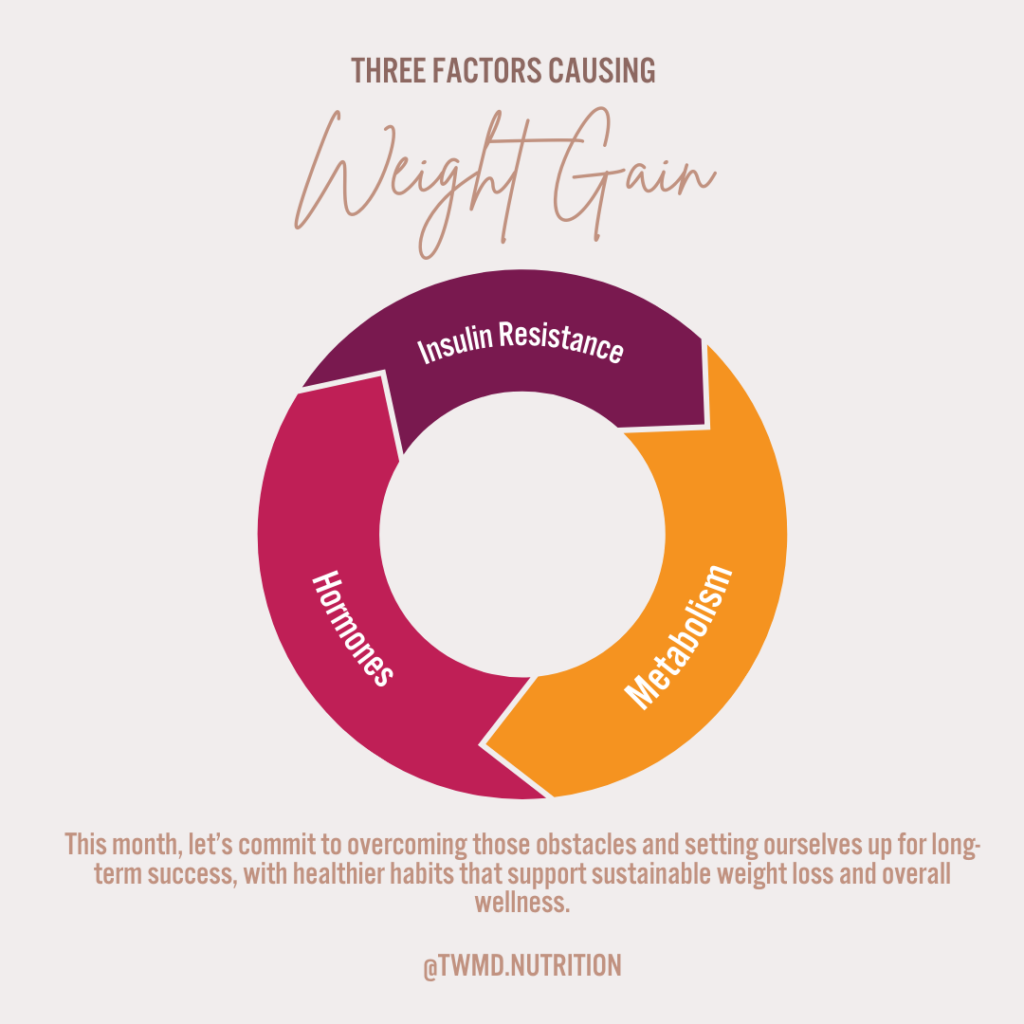
As we start a new month, it’s the perfect time to break free from the cycle of weight gain that can feel overwhelming and discouraging, especially if you want to avoid falling into the typical “New Year” pattern. Weight gain, insulin resistance, and hormonal imbalances often go hand-in-hand, creating a loop that slows metabolism and makes losing weight more difficult. But with the right approach, focusing on balanced nutrition, regular exercise, and targeted medical support, including hormone evaluation when appropriate, may help address underlying contributors to weight changes.

Why Does Weight Loss Feel Harder Than It Should Be?

When insulin resistance, metabolic changes, and hormone imbalances overlap, the body may become more prone to fat storage. Even consistent dieting and exercise can feel ineffective when these internal systems are working against you.

This month, let’s commit to overcoming those obstacles and setting ourselves up for long-term success, with healthier habits that support sustainable weight loss and overall wellness.

Understanding the Role of Insulin Sensitivity

weight cycle

Insulin is a hormone made by the pancreas that helps manage your blood sugar levels. After you eat, insulin allows your cells to take in glucose (sugar) from your blood, giving your body energy. It also helps store any extra glucose in the liver and muscles as glycogen, or converts it into fat for later use. In short, Insulin helps regulate blood sugar levels and works alongside other hormones that influence hunger and fullness.

However, when your body becomes less responsive to insulin, often due to factors like poor diet, lack of exercise, or stress, blood sugar levels rise. To compensate, the pancreas produces more insulin. This can lead to hyperinsulinemia, or excess insulin in the bloodstream, which can eventually result in insulin resistance or even type 2 diabetes. When there’s too much insulin in the body, it encourages the storage of glucose as fat, especially around the belly. And because insulin also plays a role in regulating hunger, high insulin levels can make you feel hungrier, leading to overeating, weight gain, and even more insulin resistance. It’s a tough cycle, but understanding how insulin works is the first step toward breaking it.

How Metabolism Slows and Affects Fat Burning

Metabolism is the process by which your body converts food into energy to perform essential functions like breathing, thinking, and moving. It involves two key parts: catabolism, which breaks down food into smaller molecules (like glucose or fatty acids) to release energy, and anabolism, which uses that energy to build and repair cells, tissues, and muscles, as well as store energy for later use. Insulin is considered an anabolic hormone due to its role in promoting the uptake of glucose from the bloodstream into cells, particularly muscle and fat cells, thereby lowering blood sugar levels; it also stimulates the storage of glucose as glycogen in the liver, and influences protein and fat synthesis by promoting their uptake and production within cells.

When metabolism changes, it can either speed up or slow down. A slower metabolism means your body burns calories less efficiently, both at rest and during activity, leading to increased fat storage. Insulin resistance often accompanies metabolic changes and may make weight management more challenging.

weight

The Role of Thyroid, Ghrelin, and Leptin in Appetite

Hormones are like chemical messengers that control many important processes in your body, including metabolism. While we’re familiar with how insulin impacts metabolism, there are other hormones that play a key role as well, including:

  • Thyroid hormones
  • Ghrelin & Leptin
  • Sex hormones
thyroid weight

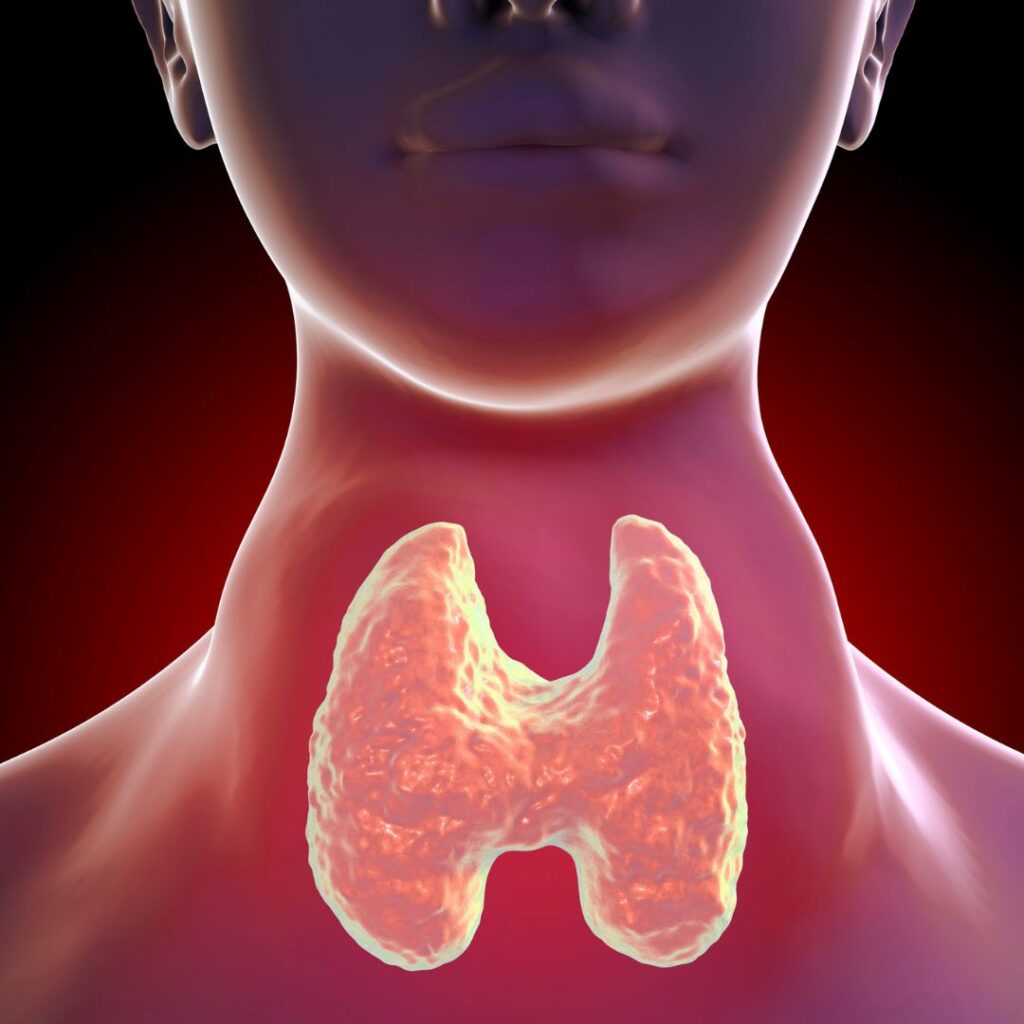
Thyroid hormones play a key role in how your body uses energy, stays warm, and keeps your brain, heart, muscles, and other organs functioning, this is your basal metabolic rate (BMR). They also help regulate metabolism: too much thyroid hormone (hyperthyroidism) can make your metabolism “run fast,” while too little (hypothyroidism) can slow it down.

Ghrelin, the “hunger hormone,” is produced in your stomach and tells your brain when it’s time to eat, making you feel hungry. Its levels rise before meals and drop afterward to control short-term appetite. Ghrelin also impacts digestion speed and can influence fat storage. Fun fact: cortisol, the stress hormone, can boost ghrelin levels, leading to a bigger appetite.

Leptin, the “fullness hormone,” is made by fat cells and tells your brain when you’re full and have enough energy. It plays a key role in long-term weight management by reducing hunger and increasing energy expenditure. However, in cases like obesity, the body can become resistant to leptin, leading to ongoing hunger and impaired metabolism, even with high leptin levels.Together, these hormones regulate appetite, digestion, and metabolism, all of which are crucial for managing weight.

Hormonal imbalances can make weight management more challenging by impacting metabolism, appetite, and fat storage. As weight increases, these imbalances often get worse, creating a cycle that’s hard to break. Balanced sex hormones play an important role in fat distribution, muscle maintenance, and metabolic regulation. As women age, estrogen levels naturally decline, especially after menopause, which can increase the risk of insulin resistance. It’s important to monitor your hormone levels because having too much of either estrogen or testosterone can also contribute to insulin resistance.

Remember that weight gain often leads to insulin resistance, which results in excess glucose being stored as fat. With a disrupted metabolism, your body struggles to burn this stored fat for energy, causing it to accumulate. This fat accumulation disrupts hormonal balance, creating a cycle of ongoing metabolic issues and altered hormone levels.

happy weight

Medical Weight Loss Support Available in Tucson

These three factors create a cycle where weight gain worsens insulin resistance and hormonal imbalances, further slowing metabolism and making weight management more challenging. Long-term weight management isn’t just about diet and exercise, it’s about taking a holistic approach to your health. This includes monitoring your hormone levels, eating nutritious foods, staying active, managing stress, getting enough sleep, and reducing exposure to toxins.

By addressing these factors, we aim to support sustainable weight management and overall metabolic health. Ready to lose those extra pounds? Ask our team about our weight loss services! Our clinic offers medically supervised weight management options. Ask our team about current programs and whether prescription-based treatments may be appropriate for you.

Frequently Asked Questions

Why does weight gain feel so hard to reverse?
Weight gain often creates a cycle involving insulin resistance, slowed metabolism, and hormonal imbalance. Each factor reinforces the others, making fat loss harder even with diet and exercise.

What role does insulin play in weight gain?
Insulin helps move glucose into cells for energy. When insulin levels stay high, excess glucose is stored as fat, especially around the abdomen. High insulin also increases hunger, which leads to overeating.

What is insulin resistance?
Insulin resistance occurs when cells stop responding properly to insulin. The body compensates by producing more insulin, which promotes fat storage and makes weight loss more difficult.