Regenerative medicine continues to expand treatment options that aim to support the body’s natural healing processes. PRP therapy is a non-surgical treatment that is used in certain clinical settings to support tissue healing and recovery.
We have complied answers to some of the most common questions about PRP so you can make informed decisions about your care.
Quick Answer: What Is PRP Therapy?
PRP therapy uses platelet-rich plasma created from a patient’s own blood to support the body’s natural healing response. The concentrated platelets contain growth factors and proteins involved in normal tissue repair processes. PRP may be considered for certain joint, tendon, hair, and skin-related concerns following medical evaluation.
What PRP Therapy Is
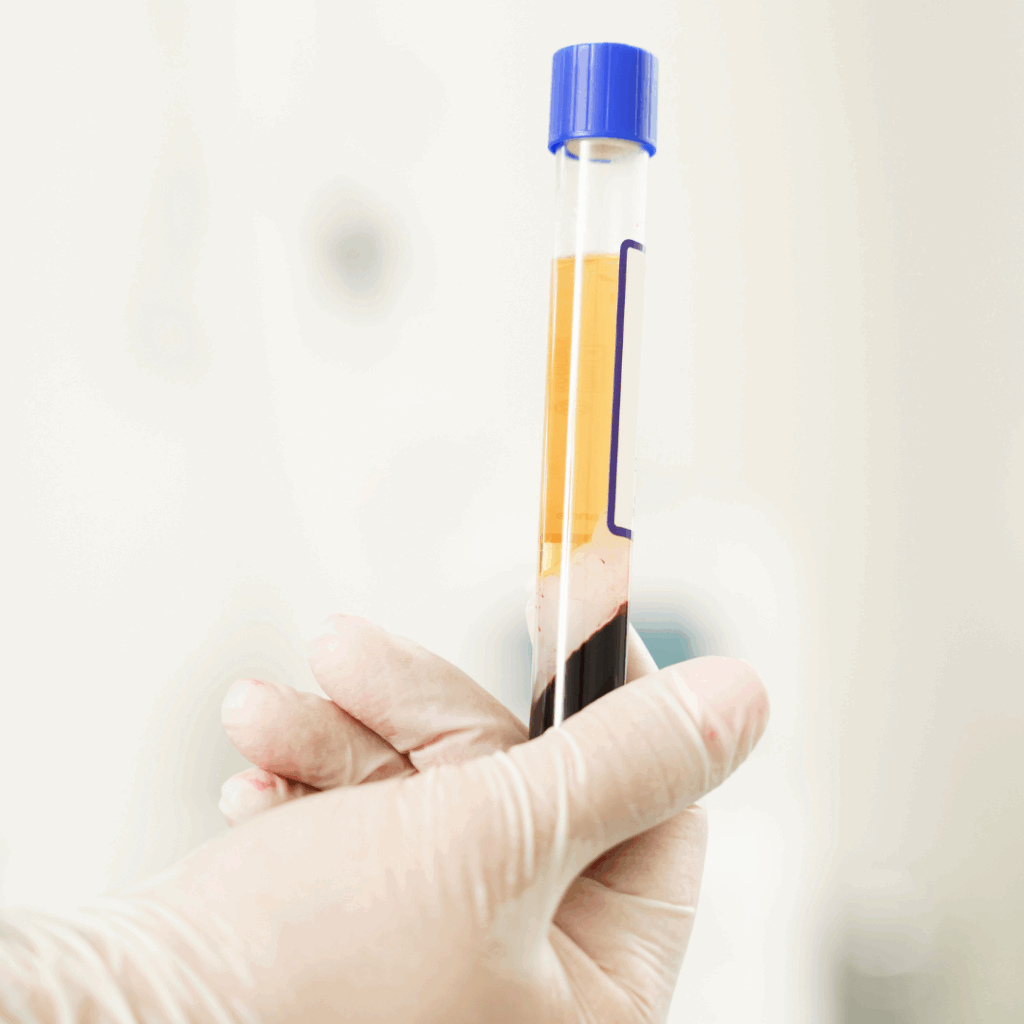
PRP is a concentration of platelets derived from your own blood. Platelets contain growth factors and proteins that play a role in the body’s normal healing processes. When injected into targeted areas, PRP may support the body’s natural repair processes by delivering concentrated platelets and growth factors involved in tissue response.
PRP therapy may be considered in clinical settings for:
Joint and tendonconditions, including degenerative or overuse-related concerns
Hair thinning in select patients
Skin appearance concerns such as texture and tone
PRP Application
What It May Support
Joint and tendon concerns
Tissue response and recovery support
Hair thinning
Scalp and hair-related regenerative applications
Skin concerns
Skin appearance and texture support
How PRP Therapy Is Performed
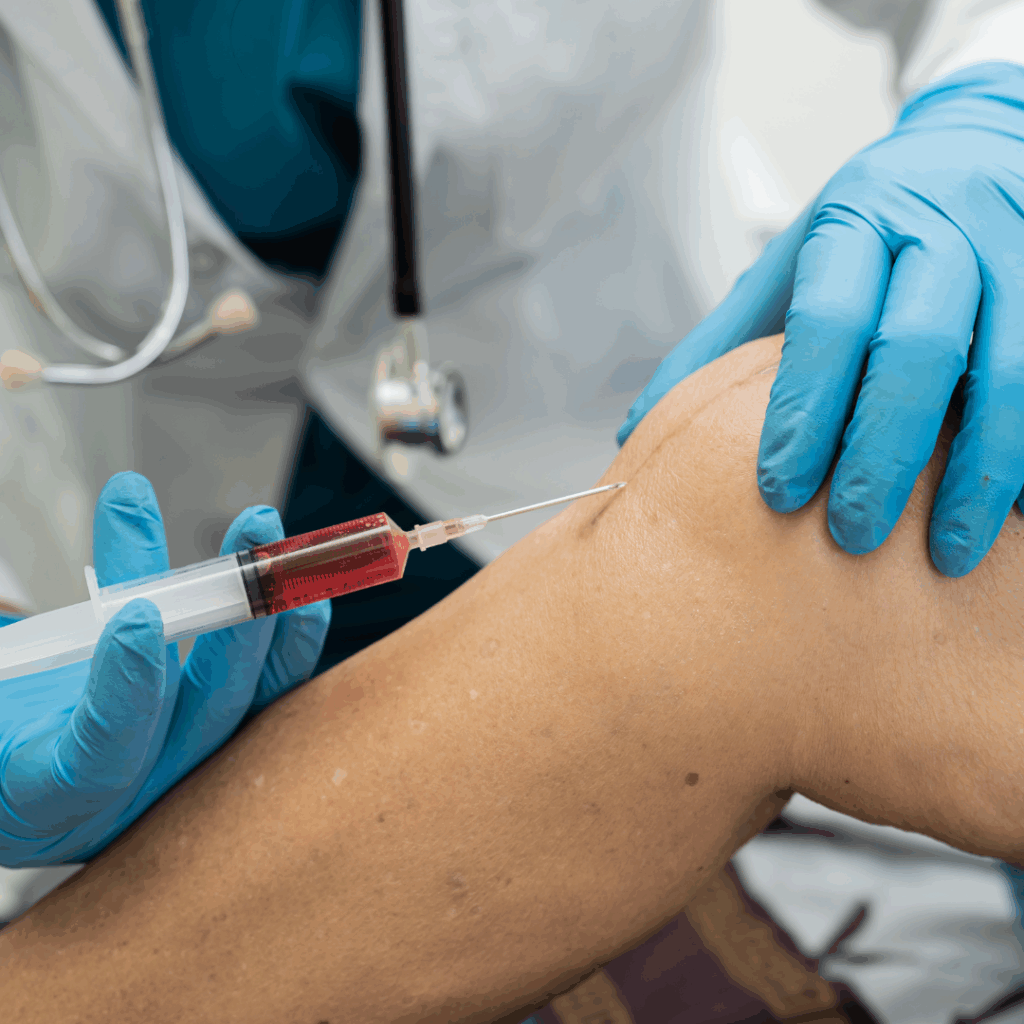
First, a small amount of your blood is drawn and processed to isolate the platelet-rich plasma. Then, the PRP is injected into the area being treated such as a joint, tendon, scalp, or facial tissue, using precise techniques. Many of our injections are performed under ultrasound guidance, ensuring precision and maximum effectiveness. Once administered, PRP introduces concentrated platelets to the treatment area as part of the body’s natural healing response.
How Long Does PRP Therapy Take to Work?
Healing timelines vary depending on the area treated and the condition. Response timelines vary depending on the condition treated and individual health factors. Your provider will discuss realistic expectations during consultation.
PRP Safety and Side Effects
Because PRP uses your own blood, the risk of allergic reactions or complications is very low. Minor side effects can include temporary redness, swelling, or mild discomfort at the injection site.
How Many PRP Treatments You May Need
Treatment plans vary based on your goals and the condition being treated. Some patients see results after one session, while others may require 2–4 treatments spaced several weeks apart.
Who Makes a Good Candidate for PRP
Candidacy is determined through medical evaluation and depends on individual health status and treatment goals. Those with certain blood disorders, infections, or chronic illnesses may require evaluation before treatment.
Dr. Minor has over 12 years of experience performing regenerative therapies such as PRP and prolotherapy, and 4 years specializing in stem cell therapy. He has received advanced training and over 12 years of experience in ultrasound-guided injections, ensuring precision and safety in every treatment. His experience allows him to tailor each procedure to the patient’s clinical presentation and goals.
Schedule Your PRP Consultation
Don’t wait to take control of your health and wellness! Scheduling a PRP consultation with Dr. Minor is easy and personalized. During your appointment, he will assess your unique needs, review your health history, and create a treatment plan tailored to your goals. Whether you are exploring options for joint concerns, hair thinning, or skin appearance goals.
Explore PRP Therapy Options at Tucson Wellness MD
PRP treatment plans are personalized based on your health history, goals, and the area being treated. Schedule a consultation to learn whether PRP may be appropriate for your needs.
What is PRP therapy? PRP, or Platelet-Rich Plasma therapy, is a regenerative treatment that uses a concentration of platelets from your own blood. These platelets contain growth factors that support healing, tissue repair, and regeneration.
What are the benefits of PRP compared to traditional treatments? PRP supports natural healing, avoids surgery, minimizes downtime, and focuses on treating the underlying issue rather than masking symptoms.
Who is a good candidate for PRP therapy? Most healthy adults and athletes with joint pain, soft tissue injuries, hair thinning, or skin concerns are good candidates. Individuals with certain blood disorders, infections, or chronic conditions may need further evaluation.
How long does it take to see results from PRP therapy? Results vary by condition and individual. Many patients notice gradual improvements within 4 to 12 weeks, with continued benefits developing over several months.
Is PRP therapy painful?
PRP injections may cause temporary discomfort, swelling, redness, or soreness at the treatment site. The level of discomfort varies depending on the area treated and individual sensitivity.
Jet lag commonly lasts several days while the body clock adjusts to the destination time zone. Recovery time depends on the number of time zones crossed, travel direction, sleep loss, light exposure, age and individual response. Jet lag can temporarily disrupt sleep, alertness, digestion, melatonin timing and cortisol patterns. Strategic light exposure, local sleep and wake times, hydration, movement and appropriately timed melatonin may help, but persistent fatigue or sleep problems should be medically evaluated.
Travel across multiple time zones can leave you tired, unfocused and awake at the wrong hours. These symptoms occur because your internal circadian clock is still synchronized with your departure location rather than the local schedule at your destination.
Jet lag can temporarily affect sleep, alertness, digestion, appetite, mood and physical recovery. It also shifts the timing of hormones involved in sleep and wakefulness, including melatonin and cortisol. This does not necessarily mean that travel has caused a permanent hormone disorder.
Recovery depends on the direction of travel, number of time zones crossed, light exposure, sleep timing and individual health. This guide explains how long jet lag may last, why eastward travel often feels harder and how to use light, sleep scheduling, hydration, movement and provider-guided care more effectively. Travelers experiencing persistent fatigue can also review how sleep, nutrition and mitochondrial health may affect daily energy.
What Is Jet Lag?
Jet lag is a temporary circadian rhythm disruption that occurs when rapid travel places your internal body clock out of sync with the local time.
The body normally uses light and darkness to coordinate sleep, alertness, digestion and hormone timing across a 24-hour cycle. After crossing several time zones, these processes may continue following the schedule from your departure location.
Common symptoms include difficulty sleeping at the local bedtime, waking too early, daytime sleepiness, reduced concentration, irritability, digestive changes and lower physical performance.
Symptoms usually improve as the circadian clock adjusts. Recovery varies according to travel direction, number of time zones crossed, sleep loss, light exposure and individual sensitivity.last for a few days or even a few weeks, depending on how far you’ve traveled and how well you manage the recovery process.
Jet Lag Symptoms Checklist
Use this checklist to recognize when travel fatigue may be affecting your sleep, hormones, and recovery:
Trouble falling asleep at the local bedtime
Waking up too early or during the night
Daytime fatigue or sleepiness
Brain fog or reduced focus
Mood changes or irritability
Digestive changes
Low motivation
Poor workout recovery
Increased cravings
Feeling “off” for several days after travel
If symptoms last longer than expected or happen often after travel, it may help to review sleep, hydration, nutrition, stress, and hormone patterns with a wellness provider.
How Long Does Jet Lag Last?
Jet lag commonly improves over several days, but there is no exact recovery period that applies to every traveler. Crossing more time zones generally creates a larger difference between the internal body clock and the destination schedule.
Eastward travel may take longer to adjust to because the body must shift sleep and wake times earlier. Westward travel usually requires delaying the body clock, which many people find easier.
Recovery may also be slower when travel involves significant sleep deprivation, overnight flights, irregular meals, alcohol, dehydration or repeated trips without enough time between them.
Symptoms that remain severe, continue well beyond the expected adjustment period or occur after every trip may involve another sleep, medical or metabolic issue rather than routine jet lag alone.
How Jet Lag Affects Hormone Timing
Jet lag primarily disrupts the timing of biological processes rather than automatically causing a permanent hormone imbalance.
Melatonin
Melatonin normally increases in the evening and helps signal that it is time to sleep. After crossing time zones, melatonin release may still follow the schedule from home, making it difficult to sleep or wake at the destination time.
Cortisol
Cortisol normally follows a daily rhythm that supports morning alertness and changes throughout the day. Circadian misalignment may temporarily shift this rhythm, contributing to feeling sleepy at the wrong time or unusually alert at night.
Appetite and Metabolic Timing
Sleep disruption and irregular meal timing may affect hunger, cravings, digestion and blood-sugar patterns during travel. These changes are usually temporary, but they may feel more noticeable in travelers with existing metabolic concerns.
Mood and Physical Recovery
Circadian disruption and sleep loss may reduce concentration, worsen irritability and make workouts or physical activity feel harder. These effects do not prove that testosterone, estrogen or thyroid levels have become clinically abnormal.mone timing may shift, which can contribute to fatigue, sleep changes, mood fluctuations, and reduced focus.
Eastward travel requires the body to fall asleep and wake earlier than its internal clock expects. This is called a circadian phase advance.
Many people find advancing the body clock more difficult than delaying it. Westward travel usually extends the day and requires later sleep and wake times, which may be easier for the circadian system to follow.
The difference matters because light exposure and melatonin timing should be based on the direction of travel. The same strategy should not automatically be used for eastbound and westbound trips.
How to Reduce Jet Lag and Support Hormone Balance
There is no one-size-fits-all method to prevent jet lag completely, but several strategies can help you reduce jet lag symptoms and manage travel fatigue effectively:
1. Shift Your Sleep Schedule Before You Fly
If possible, adjust your bedtime by 30 to 60 minutes in the days leading up to your trip. This helps your circadian clock begin to align with your destination, especially if you’re traveling east or across multiple time zones.
2. Time Light Exposure According to Your Trip
Light is one of the strongest signals used by the body to reset its circadian clock. However, the best timing depends on whether you traveled east or west and how many time zones you crossed.
After arrival, spend time outdoors during the part of the local day recommended for shifting toward the destination schedule. Avoiding bright light at certain times may be just as important as seeking it.
Travelers crossing many time zones or managing a strict work schedule may benefit from using a personalized jet-lag calculator or discussing light timing with a qualified provider.
3. Use Melatonin Carefully and at the Right Time
Strategically timed melatonin may help some travelers adjust sleep timing after crossing multiple time zones. Timing matters because melatonin can affect the circadian clock differently depending on when it is taken.
Do not assume that more melatonin will work better. Product strength, medication interactions, pregnancy status, medical conditions and next-day drowsiness should be considered.
Travelers taking prescription medications or managing chronic health conditions should speak with a healthcare provider before using melatonin. Patients interested in broader energy and recovery support may also explore personalized longevity care at Tucson Wellness MD.
4. Use Sleep Medication Only With Medical Guidance
Prescription or over-the-counter sleep aids may cause next-day grogginess, impaired coordination or medication interactions. They also do not necessarily correct the underlying circadian mismatch.
Do not begin or combine sleep medications solely for travel without reviewing the risks with a healthcare provider. Non-medication tools such as an eye mask, earplugs, a quiet room and appropriate light timing may also support sleep.
5. Wake Up at the Local Time
Wake up at your target local time, even if you didn’t sleep well. This consistency helps reset your circadian clock and reduces the risk of extended daytime sleepiness or poor nighttime sleep. Outdoor light and light activity upon waking can further support adjustment.
6. Support Your Hormones After Travel
Jet lag may temporarily influence hormones involved in sleep, stress response, and metabolic timing, particularly in frequent travelers, digestion, and blood pressure regulation. Hormone timing may feel disrupted longer if you travel frequently or recover poorly. Consider post-travel support that includes:
Nutrient support for energy and hormone recovery
Hydration and light physical activity
A check-in with your provider if you experience prolonged fatigue or cognitive issues
Travel Recovery Checklist
Use this checklist to support sleep, hydration, hormone rhythm, and recovery after crossing time zones.
Recovery Step
What to Do
Why It May Help
Follow local time
Use the destination’s bedtime, wake time and meal schedule
Provides consistent timing signals for the body clock
Use light strategically
Plan light exposure and avoidance according to travel direction
Helps shift circadian timing toward the destination
Hydrate
Drink fluids before, during and after travel
May reduce fatigue related to inadequate fluid intake
Move lightly
Walk, stretch or perform light activity after arrival
Supports circulation, alertness and travel recovery
Limit late caffeine
Avoid caffeine close to the destination bedtime
Reduces additional sleep disruption
Review persistent symptoms
Contact a provider when fatigue or sleep disruption does not improve
Helps identify sleep, medication, metabolic or other health factors
What Research and Travel-Medicine Guidance Show
Travel-medicine guidance focuses on correcting the mismatch between the internal circadian clock and the destination schedule.
The most commonly discussed strategies include adjusting sleep timing, planning light exposure and light avoidance, following local meal and wake schedules, and considering appropriately timed melatonin for suitable travelers.
The correct plan depends on travel direction, number of time zones crossed, departure and arrival times, medication use and individual health. Generic advice may be less effective than a schedule designed around the specific trip.
When Jet Lag Feels Like More Than Travel Fatigue
Jet lag usually improves as your body adjusts to the local time zone. But frequent travel, poor sleep, dehydration, stress, and hormone changes may make recovery harder.
Consider a wellness evaluation if you notice:
Fatigue that lasts beyond a few days
Brain fog that affects work or travel performance
Sleep disruption after every trip
Low mood or irritability after travel
Poor workout recovery
Changes in appetite, cravings, or digestion
Ongoing low energy despite rest
These symptoms do not always mean you have a hormone problem. They do mean your recovery system may need support. A provider can review sleep, hydration, nutrition, hormones, and metabolic factors to help build a safer recovery plan. Persistent exhaustion may also involve sleep, nutrient, metabolic or medication-related factors. Learn more about concierge primary care and personalized health evaluation.
Support for Frequent Travelers at Tucson Wellness MD
At Tucson Wellness MD, we understand the hormonal effects of jet lag and how they can impact your overall well-being. Whether you travel occasionally or cross numerous time zones for work, we offer personalized strategies for managing jet lag symptoms and supporting your hormone health.
Our team can assist with:
Evaluation of sleep patterns and lifestyle factors
Guidance on appropriate melatonin timing when indicated
Personalized wellness planning to support healthy sleep and energy patterns
Tucson Wellness MD can review persistent fatigue, sleep disruption, brain fog, hydration, medications and metabolic or hormone-related concerns. A personalized evaluation can help determine whether your symptoms are routine jet lag or something that needs further attention.
Support for Frequent Travelers at Tucson Wellness MD
Most jet lag improves as the body adjusts to the destination schedule. However, frequent travel may expose underlying concerns involving sleep, medication use, hydration, metabolic health or recovery.
Tucson Wellness MD can review persistent fatigue, sleep disruption, brain fog, appetite changes and reduced physical recovery. Evaluation may include a review of travel patterns, sleep schedule, medications, nutrition and clinically appropriate laboratory testing.
The goal is to determine whether symptoms are routine travel fatigue or whether another health factor should be addressed.
Frequently Asked Questions About Jet Lag
How long does jet lag usually last?
Jet lag commonly improves over several days. Recovery depends on the number of time zones crossed, direction of travel, sleep loss, light exposure and individual response.
Why is jet lag worse when traveling east?
Eastward travel requires the body clock to move sleep and wake times earlier. Many people find this advance more difficult than delaying the body clock during westward travel.
How many time zones cause jet lag?
Jet lag can occur after crossing multiple time zones, although sensitivity varies. The likelihood and severity generally increase as more time zones are crossed rapidly.
Does jet lag affect hormones?
Jet lag temporarily changes the timing of circadian processes, including melatonin and cortisol rhythms. This does not automatically mean that travel has caused a permanent hormone imbalance.
What is the fastest way to recover from jet lag?
Use the destination’s sleep and wake schedule, plan light exposure according to travel direction, stay hydrated, move during the day and avoid long naps or late caffeine.
When should I take melatonin for jet lag?
Melatonin timing depends on travel direction and the desired shift in the body clock. Travelers should avoid guessing, particularly when taking medications or managing health conditions.
Should I nap when I have jet lag?
A brief nap may help severe sleepiness, but long or late naps can make it harder to sleep at the destination bedtime.
Can jet lag cause digestive problems?
Yes. Circadian disruption, irregular meals, unfamiliar food, dehydration and sleep loss may contribute to temporary appetite or digestive changes.
When should I see a provider for jet lag?
Speak with a provider when severe fatigue, insomnia, brain fog or mood changes continue well beyond the normal travel-adjustment period or repeatedly occur after travel.
Can frequent travel affect long-term health?
Repeated circadian disruption and insufficient recovery may contribute to ongoing sleep and performance problems. Frequent travelers should prioritize sleep scheduling and seek medical evaluation when symptoms persist.
What Protein Is Best for Your Goals and Lifestyle?
The best protein for you depends on your goals, digestion, and lifestyle, but high-quality complete proteins like lean meats, eggs, fish, dairy, or well-formulated protein powders work best for most people. If you prefer plant-based options, combining sources like legumes, grains, and seeds helps you meet your amino acid needs.
Protein plays a key role in muscle maintenance, tissue repair, hormone production, immune function, and satiety.
But with so many choices out there (animal-based, plant-based, powders, bars…), it can feel confusing to know what kind of protein is best for you. Let’s break it down and answer some of the most common questions we get about protein.
Quick Answer
When Should You Eat Protein for the Best Results?
Protein can be spread across meals and snacks throughout the day to support muscle maintenance, recovery and overall nutrition. The amount and timing that work best depend on your body size, activity level, health status and goals. Including a protein source at several meals is generally more practical than consuming most of your daily protein at one time.
Protein Source Comparison Table
Protein Source
Best For
What to Know
Lean meats
High-protein meals, muscle support, satiety
Choose lean cuts and balance with vegetables and fiber
Fish and seafood
Protein plus omega-3 support
Helpful for heart, brain, and inflammation-related wellness goals
Eggs
Affordable complete protein
Useful for breakfast, snacks, and meal prep
Greek yogurt or cottage cheese
Protein-rich snacks and meals
Also provides calcium and may support fullness
Beans and lentils
Plant-based protein and fiber
Combine with grains or seeds for a stronger amino acid profile
Tofu, tempeh, and edamame
Complete plant-based protein
Good fit for vegetarian or plant-forward eating plans
Protein powders
Convenience and post-workout support
Choose low-sugar products with transparent ingredients
Nuts and seeds
Healthy fats plus some protein
Helpful as add-ons but usually not enough protein alone
How to Choose Protein Based on Your Goal
The right protein choice depends on what you want protein to help you do. Someone focused on muscle recovery may need a different approach than someone focused on digestion, weight management, or plant-based nutrition.
Use your goal as a guide:
For muscle maintenance, choose complete proteins such as eggs, fish, lean meats, dairy, soy, or blended plant proteins.
For weight goals, include protein at each meal to support fullness and reduce grazing.
For steady energy, combine protein with fiber-rich carbohydrates and healthy fats.
For digestive support, choose tolerated protein sources and avoid powders that cause bloating.
For plant-based eating, combine legumes, grains, nuts, seeds, soy, and quinoa.
For busy schedules, use simple options like Greek yogurt, eggs, tuna, tofu, cottage cheese, or a quality protein powder.
A personalized plan can help match your protein intake with your body composition, activity level, digestion, and wellness goals.
Patients working on appetite control, nutrition habits, or body composition can also review Weight Loss support at Tucson Wellness MD.
What Protein Does for Muscle, Energy, and Wellness
Builds & repairs muscles
Supports metabolic function and may assist with appetite regulation as part of a balanced diet.
May help support stable energy levels when included as part of a balanced meal.
Essential for healthy skin, hair, nails, and hormones
Inadequate protein intake may contribute to fatigue or reduced recovery. Ongoing symptoms should be evaluated by a healthcare professional.
Patients focused on muscle support, recovery, and performance can also explore Strength & Performance services.
The Different Types of Protein Sources Explained
Protein Type
Examples
Key Consideration
Animal protein
Eggs, fish, poultry, dairy, meat
Most provide all essential amino acids
Plant protein
Beans, lentils, tofu, tempeh, soy, nuts
Variety helps provide essential amino acids
Protein powder
Whey, casein, pea, soy, blended powders
Convenient but not required for everyone
Why Animal Protein Is a Complete Protein Source
These are considered “complete” proteins, meaning they contain all 9 essential amino acids. Examples: chicken, turkey, beef, pork, eggs, dairy, fish, and seafood.
Pros:
High in quality, bioavailable protein
Naturally rich in iron, zinc, and B12
Supports muscle maintenance and recovery when combined with regular physical activity.
Cons:
Can be higher in saturated fat (choose lean cuts & quality sources)
Not suitable for vegetarians or vegans
How Plant-Based Protein Supports Health, Fiber, and Recovery
Individual plant foods may contain different amounts of essential amino acids. Eating a varied diet containing legumes, grains, soy foods, nuts and seeds can help meet overall protein and amino acid needs. Examples: beans, lentils, tofu, tempeh, quinoa, nuts, seeds, edamame.
Pros:
High in fiber & nutrients
Lower in saturated fat & cholesterol
Provides nutrients associated with cardiovascular and digestive health when part of a balanced diet.
Cons:
Some plant proteins are lower in certain amino acids (combine grains & legumes for balance)
Larger portions are often needed to meet your needs
When Protein Powders and Supplements May Help
Sometimes convenient when you’re busy or need an extra boost. Examples: whey, casein, pea, hemp, rice, or blended vegan powders.
Pros:
Quick & easy
Great post-workout or on-the-go
Can help supplement dietary protein intake when whole foods are insufficient.
Cons:
Not a replacement for whole foods
Some powders contain added sugars, fillers, or poor-quality ingredients, always read the label!
How Much Protein Do You Need Each Day?
It depends on your body composition, goals, and activity level but here’s a general guideline:
Protein needs vary according to age, body size, activity level, health status and goals. General recommendations provide a starting point, while athletes, older adults or people pursuing specific body-composition goals may require individualized guidance.
For example: If you weigh 150 lbs and your lean body mass is 96 lbs, you’d aim for roughly 67–96 grams of protein daily, spread throughout your meals and snacks.
This calculation is only an example. Individual protein targets should account for total body size, activity, medical conditions and overall diet.
Why Protein Needs Depend on Your Body, Goals, and Activity Level
Keep in mind: this is just a starting point. Trainers, nutritionists, and healthcare professionals may calculate protein needs differently based on your individual goals and health status. For the best plan, talk to a professional who can tailor it to you!
Patients who want a broader long-term wellness plan can learn more about Longevity Care at Tucson Wellness MD.
When Protein Needs May Require Provider Guidance
Protein needs can vary based on muscle mass, activity level, age, weight goals, metabolic health, digestion, medications, and medical history. General protein rules can be helpful, but they do not always fit every patient.
Provider guidance may help if you:
Feel tired despite eating enough calories
Struggle with muscle loss or poor recovery
Have weight-loss resistance
Have digestive issues or food intolerance
Are vegetarian or vegan and unsure about protein balance
Have kidney disease or other medical restrictions
Are taking weight loss medications that reduce appetite
Are recovering from injury, surgery, or illness
Want a plan based on body composition goals
A provider can help review your nutrition habits, symptoms, labs, body composition goals, and overall wellness plan.
How to Choose the Best Protein Source for Your Lifestyle and Goals
There’s no one-size-fits-all approach, the best protein for you depends on your goals, preferences, and lifestyle. Focus on whole, high-quality sources (both animal and plant-based), and don’t be afraid to mix it up!
If you’d like personalized guidance on how much protein you need and how to plan your meals, reach out, Contact us for individualized nutrition guidance tailored to your health goals.
Tucson Wellness MD can help you review your protein intake, nutrition habits, body-composition goals and overall wellness needs to build a more personalized plan.
High-quality complete proteins such as eggs, fish, lean meats, and dairy work well for most people. If you prefer plant-based options, combine legumes, grains, nuts, and seeds to meet essential amino acid needs.
What is a complete protein?
A complete protein contains all nine essential amino acids your body cannot produce on its own. Most animal proteins are complete. Some plant foods like quinoa and soy are also complete.
How do I know if I’m not eating enough protein?
Common signs include fatigue, hair thinning, brittle nails, poor workout recovery, increased hunger, and muscle loss.
How much protein should I eat per day?
Protein needs depend on lean body mass, activity level, age, health goals, and medical history. Many active adults aim for about 0.7 to 1 gram of protein per pound of lean body mass per day, but individual needs may vary.
Is animal protein better than plant protein?
Animal proteins are usually complete proteins because they contain all nine essential amino acids. Plant proteins can also support health and recovery, especially when sources like beans, lentils, soy, quinoa, grains, nuts, and seeds are combined throughout the day.
When should I eat protein for the best results?
Most people benefit from spreading protein throughout the day instead of eating it all at one meal. Including protein with breakfast, lunch, dinner, snacks, and post-workout meals can support energy, recovery, fullness, and muscle maintenance.
How much protein do I need per day?
Protein needs vary based on age, body size, activity level, health status and goals. A healthcare or nutrition professional can help determine an appropriate individual target.
Is animal protein better than plant protein?
Neither is automatically better for everyone. Animal proteins often provide all essential amino acids, while plant proteins can also meet protein needs when a varied selection of foods is eaten.
Do I need protein powder?
Not necessarily. Protein powders can be convenient, but many people can meet their protein needs through regular foods.
What protein is best for muscle recovery?
High-quality protein foods containing essential amino acids can support muscle recovery when combined with adequate overall nutrition and resistance exercise.
Can eating too much protein be harmful?
Protein needs vary, and very high intakes may not be appropriate for everyone, particularly people with certain medical conditions. Individual guidance may be appropriate.
Dysport reduces the appearance of dynamic wrinkles by temporarily relaxing specific facial muscles that create expression lines. It is commonly used for forehead lines, frown lines, crow’s feet, and glabellar lines. Results typically begin appearing within a few days, with full results developing around two weeks after treatment.
Who Should Consider Dysport?
Dysport may be a good option for adults who want to soften expression lines without surgery or extended downtime. It is often used by people who notice wrinkles caused by repeated facial movement, such as frowning, squinting, or raising the eyebrows.
You may want to consider Dysport if you want help with:
Frown lines between the eyebrows
Forehead lines
Crow’s feet
Early signs of facial aging
A smoother, more refreshed appearance
Wrinkle reduction without surgery
Minimal downtime
Maintenance care for expression lines
A consultation helps determine whether Dysport fits your facial anatomy, skin goals, health history, and treatment timeline.
Dysport is one of the most popular, non-invasive solutions for reducing wrinkles and fine lines. As a cosmetic procedure, it offers a quick, effective way to smooth wrinkles and achieve a smoother and refreshed appearance without surgery. For patients seeking natural-looking results and minimal downtime, Dysport injections can be a practical and safe choice when administered by a qualified healthcare provider.
Dysport may be considered for different types of expression wrinkles:
Concern
Common Area
Treatment Goal
Frown lines
Between eyebrows
Soften repeated facial expressions
Forehead lines
Upper forehead
Reduce movement-related wrinkles
Crow’s feet
Around eyes
Smooth smile-related lines
Glabellar lines
Between brows
Create a more relaxed appearance
Dysport Treatment Area Comparison Table
Treatment Area
Common Concern
How Dysport Helps
Frown lines
Lines between the eyebrows from repeated frowning
Helps relax the muscles that create vertical expression lines
Forehead lines
Horizontal lines from raising the eyebrows
Helps soften movement-related forehead wrinkles
Crow’s feet
Fine lines around the outer corners of the eyes
Helps reduce wrinkles caused by squinting and smiling
Glabellar lines
Deeper lines between the brows
Helps smooth the treated area for a more relaxed look
Preventive treatment areas
Early expression lines
Helps reduce repeated muscle movement that can deepen wrinkles over time
How to Know If Dysport Is Right for You
Dysport is best suited for dynamic wrinkles, which are lines caused by repeated facial muscle movement. These are different from wrinkles caused mainly by skin laxity, volume loss, or sun damage.
A provider can help determine if Dysport is right for you by reviewing:
Your wrinkle type
Your facial movement patterns
Your treatment goals
Your medical history
Any medications or supplements you take
Your timeline for results
Whether Dysport, Botox, dermal fillers, or another aesthetic option is a better fit
This matters because the right treatment depends on the cause of the wrinkle. Some patients need muscle relaxation, while others may benefit from volume support, skin treatment, or a combined plan.
Ready to Smooth Frown Lines and Expression Wrinkles?
Tucson Wellness MD offers provider-guided Dysport treatments for patients who want smoother-looking skin, natural-looking results, and minimal downtime.
Why Expression Lines Become More Noticeable Over Time
Fine lines often show up gradually, then suddenly feel impossible to ignore. Repetitive facial movements, stress, and natural collagen loss cause muscles to stay overactive, making wrinkles look deeper and more permanent. Skincare products help the surface, but they cannot relax the muscles underneath.
Dysport targets the muscle activity that contributes to dynamic wrinkles by calming the muscles responsible for expression lines, allowing the skin to smooth out naturally without surgery or extended downtime.
How Dysport Smooths Wrinkles Without Surgery
Dysport is a botulinum toxin type A product, specifically abobotulinumtoxin A. It is used in cosmetic treatments to treat dynamic wrinkles caused by muscle contractions. These include frown lines, crow’s feet, forehead wrinkles, and glabellar lines. Over time, repeated facial expressions like frowning, squinting, or raising your eyebrows cause wrinkle formation in the upper face. These wrinkles become more visible as skin loses elasticity and firmness with age.
The Dysport procedure works by blocking nerve signals that tell specific muscles to contract. Once the signal is interrupted, the facial muscles relax, and the skin over that muscle can lie flat, resulting in fewer wrinkles. The treatment area appears smoother and more refreshed. Patients can typically expect to see results in a few days, with optimal results visible in about two weeks.
What to Expect During a Dysport Treatment Appointment
A typical Dysport appointment at Tucson Wellness MD begins with a consultation to review your medical history, skin health, and treatment goals. You’ll discuss the areas you want to treat and whether you’ve had any prior cosmetic treatments. Your healthcare provider will examine your facial anatomy to determine the appropriate dosage and identify the exact injection sites for best results.
Before the treatment, a numbing cream may be applied to reduce discomfort. The injections are administered using a very fine needle to ensure precision and the entire process takes just 10 to 20 minutes. Patients often describe the sensation as a small pinch. Because Dysport spreads slightly more than some other products, your provider will carefully control the placement to avoid affecting unintended areas.
Dysport Aftercare and Recovery Tips
After receiving Dysport injectable treatments, there is minimal downtime, but as with any medical treatment, it’s important to follow aftercare instructions closely to avoid complications. Patients are typically advised to stay upright for several hours, avoid rubbing the treated area, and postpone any strenuous activity until the following day. It’s also recommended to avoid blood thinning medications or alcohol in the week prior and post treatment unless approved by your provider, as these may increase bruising at the injection sites.
In some cases, patients may experience mild redness, swelling, or slight bruising at the treated area. These effects are usually temporary. Serious complications such as eyelid drooping or muscle weakness are rare but should be reported immediately if they occur. Always notify your provider if you experience any unusual symptoms.
Benefits of Dysport for Smoother, Natural-Looking Skin
Dysport offers several benefits for patients looking to reduce existing fine lines and delay further wrinkle formation. It is especially effective for treating dynamic wrinkles that form from repetitive muscle movement. With a quick onset, noticeable results, and a natural, relaxed appearance, Dysport has become a go-to choice for younger patients who want to prevent early signs of aging, as well as older patients looking to improve their skin’s smoothness.
Key benefits include:
Noticeable wrinkle reduction in forehead wrinkles and glabellar lines
Fewer wrinkles without a frozen look
Fast treatment time with minimal disruption to your day
Results that last three to four months, depending on muscle activity and lifestyle
A smoother, more refreshed appearance without surgery
Explore More Aesthetic Treatments
Tucson Wellness MD offers additional aesthetic services designed around your skin goals, including Facial Aesthetics, PRP Therapy, and personalized wellness care.
Who Is a Good Candidate for Dysport Treatment?
Dysport is suitable for adults with moderate to severe facial lines who are seeking a cosmetic treatment that offers quick results and minimal recovery time. It is not recommended for individuals who are pregnant, breastfeeding, or have a known allergy to botulinum toxin type A.
Patients considering Dysport should have realistic expectations and understand that while the results are temporary, they can be maintained with regular follow up treatments. Discuss any health concerns, medications, or major events you have coming up with your provider to ensure timing and safety.
How to Prepare Before Dysport Injections
To get the best results and reduce potential side effects, avoid blood thinning medications, alcohol, and certain supplements like fish oil or vitamin E during the week prior to treatment. Stay well-hydrated and follow any specific guidelines provided by your healthcare provider.
Why Choose Tucson Wellness MD for Dysport in Tucson
At Tucson Wellness MD, our team has extensive experience delivering safe, precise Dysport treatments. We understand the nuances of facial anatomy and use that knowledge to deliver consistent, natural-looking results. Our goal is to provide every patient with a smooth, professional experience and results that align with your aesthetic goals and support your skin health.
We’ll walk you through every step, from initial consultation to follow up treatment planning. Whether it’s your first cosmetic procedure or part of an ongoing skin care routine, we’re here to help you look and feel your best.
Dysport Treatment in Tucson
If you are in Tucson and want a non-surgical option for expression lines, Dysport may help soften wrinkles caused by repeated facial movement. Treatment is often used for frown lines, forehead lines, crow’s feet, and glabellar lines.
At Tucson Wellness MD, patients receive provider-guided aesthetic care based on facial anatomy, treatment goals, and safety considerations. This helps create a smoother, refreshed look while keeping results natural.
Schedule a Dysport Consultation in Tucson
If you’re ready to explore the benefits of Dysport, get started with a visit to our website. We’ll help you determine if this treatment is right for your skin goals and develop a personalized plan for wrinkle reduction and long-term care. Book your appointment today and take the first step toward smoother, younger-looking skin.
Is Dysport Right for Your Wrinkle Concerns?
A Tucson Wellness MD consultation can help determine whether Dysport, Botox, fillers, or another aesthetic approach fits your facial anatomy and goals.
What is Dysport and how does it work? Dysport is an injectable treatment that uses botulinum toxin type A to temporarily relax targeted facial muscles. It works by blocking nerve signals that tell specific muscles to contract. When those muscles relax, the skin above them appears smoother and wrinkles become less noticeable. Dysport is commonly used to treat dynamic wrinkles caused by repeated facial expressions.
What wrinkles can Dysport treat? Dysport is commonly used to treat frown lines, forehead lines, crow’s feet, and glabellar lines between the eyebrows. These wrinkles develop from repetitive muscle movement over time. By relaxing the underlying muscles, Dysport helps soften the appearance of these expression lines. Treatment is most often focused on the upper face.
How quickly does Dysport start working? Many patients begin noticing improvement within a few days after treatment. Full results are typically visible within about two weeks. The exact timeline varies based on the treatment area and individual response. Most patients appreciate the relatively quick onset compared to other cosmetic procedures.
How long do Dysport results last? Dysport results generally last about three to four months, although this varies from person to person. Factors such as muscle activity, metabolism, and lifestyle habits can influence how long results remain visible. Regular maintenance treatments may help preserve smoother skin over time. Your provider can recommend an appropriate treatment schedule.
Is Dysport good for forehead lines?
Dysport may help soften forehead lines caused by repeated muscle movement, such as raising the eyebrows. A provider can assess your facial anatomy and movement patterns to determine the right placement and dosage.
What should I avoid after Dysport?
After Dysport, patients are usually advised to avoid rubbing the treated area, lying flat too soon, and doing strenuous activity for the rest of the day. Follow your provider’s aftercare instructions to help reduce the risk of bruising or product movement.
Is Dysport the same as Botox?
Dysport and Botox are both botulinum toxin type A treatments used to reduce dynamic wrinkles. They differ in formulation and dosing, so a provider can recommend which option fits your goals.
How long does a Dysport appointment take?
A Dysport appointment often takes around 10 to 20 minutes after consultation and treatment planning.
Does Dysport prevent wrinkles?
Dysport may help reduce repeated muscle movement that contributes to certain dynamic wrinkles. Results vary and depend on individual factors.
When people talk about “balancing blood sugar,” it can sound like something only diabetics need to worry about. But here’s the truth: if you’re dealing with low energy, brain fog, afternoon crashes, mood swings, or intense cravings, your blood sugar is likely involved.
As a functional nutritionist, I see it all the time: clients eating “healthy” but still struggling to feel focused, energized, and emotionally balanced throughout the day. Why? Because their glucose and insulin balance is off and that impacts everything from your metabolism to your mental clarity.
What Blood Sugar Balance Means
Blood sugar balance means keeping your blood glucose levels steady, not too high or too low. This balance is key for sustained energy and overall health.
Healthy fasting levels: 70–99 mg/dL
Post-meal (2-hour) levels: under 140mg/dL
Why Stable Blood Sugar Matters for Energy, Cravings, and Focus
Keeping your blood sugar levels steady is one of the most important things you can do for your overall health. Here’s why it matters:
It fuels your body and brain. Glucose is your body’s main source of energy especially for your brain. When levels are stable, you feel more energized, focused, and clear-headed.
It helps prevent chronic disease. Frequent spikes and crashes in blood sugar can, over time, contribute to serious health issues like heart disease, kidney damage, and nerve problems. Let’s not forget about insulin resistance as well.
It supports your mood and mental health. Since the brain needs glucose, blood sugar swings can affect how you feel mentally and emotionally. Stable levels are linked to better mood, less anxiety, and improved concentration.
Maintaining balanced blood sugar isn’t just about avoiding sugar, it’s about eating the right foods, at the right times, to keep your body and mind functioning at their best.
What Happens to Blood Sugar After You Eat
After you eat, your blood sugar (glucose) levels naturally rise. In response, your pancreas releases insulin, a hormone that helps move glucose into your cells to be used for energy. Any extra glucose gets stored in your liver as glycogen.
As your blood sugar starts to dip in the hours after eating, your liver steps in and releases some of its stored glucose to keep levels steady. This natural balance happens between meals and helps maintain your energy and focus throughout the day.
But when you eat more glucose than your body needs and your liver and muscle glycogen stores are full, your body converts the excess into fat (including visceral fat) for long-term energy storage.
When you go without food for over 18 hours (fasting), your body uses up the stored glucose in your liver for energy. Once those stores run low, your body begins breaking down fat from fat cells. These fats travel to the liver, where they’re converted into ketones, an alternative fuel source your body can use when glucose isn’t available. This metabolic shift is known as ketosis, where fat becomes the preferred fuel source, due to lack of glucose.
Remember, that mastering metabolism requires ATP, the body’s energy currency, which is produced from glucose and powers many vital functions. This includes active transport across cell membranes, muscle contraction, hormone and cell membrane synthesis, nerve signal transmission, cell growth and division, and other essential physiological processes.
Organs That Regulate Blood Sugar
After you eat, your GI tract breaks down and absorbs nutrients mostly in the small intestine. From there, several organs work together to maintain glucose homeostasis, or stable blood sugar levels.
How the Pancreas Controls Insulin and Glucagon
The pancreas plays a key role in blood sugar regulation. After a meal, it releases insulin to help lower blood glucose by moving sugar into your cells. When blood sugar is low like between meals or during fasting such as sleeping, it releases glucagon, which signals the liver to release stored glucose.
In type 2 diabetes, either the pancreas doesn’t make enough insulin, or the body becomes insulin resistant, meaning it doesn’t respond properly to insulin.
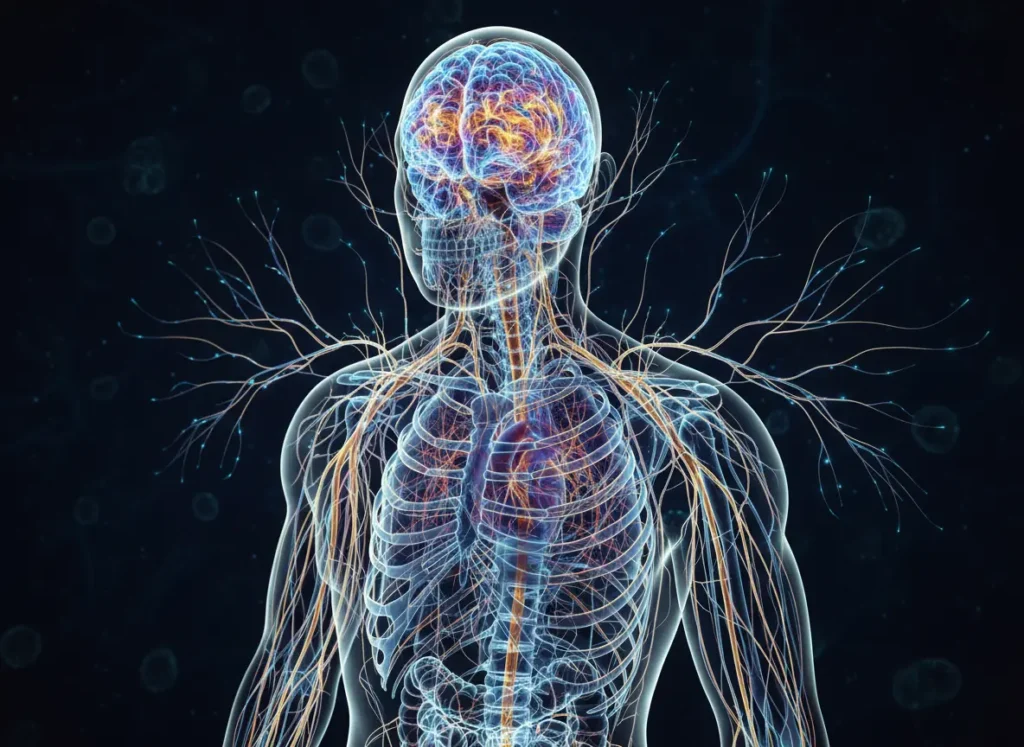
The function of the pancreas is also influenced by the nervous system, which helps regulate hormonal responses based on your body’s energy needs.
How the Liver Stores and Releases Glucose
The liver (and muscles) stores glucose for later use as glycogen and, when needed, helps produce and release glucose through processes called gluconeogenesis and glycogenolysis. These functions are also regulated by the nervous system. If the liver is damaged or not functioning properly, maintaining healthy blood sugar levels becomes much more difficult.
How the Kidneys Support Blood Sugar Regulation
The kidneys act as the body’s filtration system, removing waste from the blood and returning clean blood to circulation. They also help regulate fluid balance, blood pressure, and bone health, and produce hormones needed to make red blood cells. An often-overlooked role: kidneys help clear insulin from the bloodstream, playing a key role in blood sugar regulation.
During stress or fasting, the kidneys can even produce glucose from non-carbohydrate sources (a process called gluconeogenesis) and use glucose for their own energy needs. When the kidneys aren’t functioning properly, both their filtration ability and glucose metabolism can be impaired, leading to insulin resistance.
How the Brain and Nervous System Control Hunger and Energy
The hypothalamus and brainstem are key parts of the brain (and nervous system) that help regulate your blood sugar and energy levels. They constantly monitor how much glucose is in your blood and send signals to your body, like when you’re hungry or full.
Inside the hypothalamus, certain areas respond to metabolic peptides such as insulin, leptin, and ghrelin, which play a key role in peptide therapy. These hormones come from your gut and fat tissue and tell your brain whether you need more energy (food) or if you’re satisfied. This system helps control your appetite and how your body uses energy.
But when these hormones get out of balance or when your body stops responding to them properly, like with leptin or ghrelin, you may feel overly hungry or not hungry at all. This can lead to problems like overeating, low energy, poor blood sugar control, and even mental health issues like anxiety or mood swings.
This communication between your gut and brain is known as the gut-brain axis. It depends on hormones, like leptin and ghrelin, which bind to receptors in your brain and nervous system to help control hunger, metabolism, and overall energy balance.
Why Blood Sugar Spikes and Crashes Affect How You Feel
Too much glucose too quickly or frequently? Too much glucose, especially too quickly or too often, can cause a spike, then a crash, leaving you tired, jittery, or anxious. Once glycogen stores are full, your body stores the excess glucose as fat for long-term energy. Too little? Your energy drops, your cravings spike, and your brain feels like it’s in a fog.
This rollercoaster is what leads to:
Energy crashes after meals
Mood swings or irritability (aka “hangry”)
Sugar or carb cravings
Trouble focusing
Poor workout recovery or performance
How Blood Sugar Affects Focus, Mood, and Brain Energy
Your brain is a high-energy organ that runs primarily on glucose. It needs about 120 grams of glucose per day just to function properly! When your blood sugar spikes and crashes, it doesn’t just affect your body, it affects your mood, memory, motivation, and focus too.
Keeping your blood sugar stable means more calm, steady energy and clearer thinking throughout the day.
And remember, when glucose runs low, like during long fasting or starvation, your body switches gears and starts making ketones, a backup fuel source that helps keep your brain and vital organs running strong.
What to Eat and When for Better Blood Sugar Balance
Your body’s ability to handle glucose changes throughout the day, following your circadian rhythm (your internal body clock). In the morning, your body is best at processing glucose, this is when your metabolism and insulin response are strongest. By the afternoon and evening, your ability to manage blood sugar (called glucose tolerance) starts to dip.
That’s because the pancreas, which releases insulin, works most efficiently earlier in the day. Later in the day, your fat cells become more sensitive to insulin, and your body shifts toward storing rather than using energy. This natural rhythm is why when you eat can be just as important as what you eat.
Here are practical tips to begin balancing your blood sugar.
How to Build a Blood-Sugar-Balanced Meal
Protein (like eggs, fish, chicken, legumes): slows glucose absorption
Fiber-rich carbs (leafy greens, berries, sweet potato): stabilize energy
Whole, unprocessed foods: reduce inflammation and insulin spikes
Best Meal Timing Tips for Stable Energy
Eat within 90 minutes of waking to anchor blood sugar early
Don’t skip meals, it increases cortisol and makes crashes worse
Pair carbs with protein/fat to reduce spikes
Eat more carbs around movement, when your body is primed to use them. Pro tip: eat the majority of your carbs during the day rather than at night (before bed).
Metabolic Flexibility Over Food Fear
This isn’t about cutting carbs or fearing food, it’s about eating in a way that supports your body’s natural energy rhythms. When your blood sugar stays steady, everything gets better: mood, cravings, focus, sleep, and even hormone balance.
Your body is designed to switch between using glucose and fat for energy, this is called metabolic flexibility, and it’s key for avoiding those energy crashes and keeping blood sugar stable.
Support Your Metabolism With Lab-Based Guidance
Curious about your current health status? Ask us about our Longevity Lab Panels. At Tucson Wellness MD, we test, we don’t guess. Schedule your visit today! Don’t forget to follow along on Instagram this week for a full day of blood-sugar-balanced meals, smart snack swaps, carb timing strategies, and real-life tips to help you feel your best without restriction.
Foods that support digestive health include fiber-rich vegetables, fruits, whole grains, beans and legumes, along with fermented foods such as yogurt or kefir when tolerated. Prebiotic fibers can help feed beneficial gut microbes, while some probiotic foods and supplements may provide specific benefits depending on the microorganisms they contain. No single food can fix the microbiome, and persistent digestive symptoms should be medically evaluated.
Who Should Pay Attention to Gut Health?
Gut health matters for anyone who wants better digestion, steady energy, nutrient absorption, immune support, and long-term wellness. Your microbiome responds to your daily habits, including what you eat, how much fiber you get, how hydrated you are, and how consistent your meals are.
You may benefit from paying closer attention to gut health if you deal with:
Bloating
Irregular bowel movements
Low fiber intake
Fatigue or brain fog
Poor hydration
Inconsistent eating habits
Frequent processed food intake
Low intake of fruits and vegetables
Immune health concerns
Long-term wellness goals
Better gut health starts with daily patterns. Adding more fiber-rich foods, prebiotic foods, probiotic foods, and proper hydration gives beneficial bacteria the support they need to function well.
For individuals who need help creating sustainable eating habits, personalized nutrition support can help align food choices with health goals.
Fiber, Prebiotics, Probiotics, Postbiotics, and Hydration for Gut Health
Gut health depends on more than one nutrient. Fiber supports regular digestion, prebiotics feed beneficial bacteria, probiotics add helpful bacteria, postbiotics support gut stability, and hydration helps everything move properly. The table below shows how each part supports digestion and microbiome health.
Adds beneficial bacteria and supports digestion and gut balance
Postbiotic support
Fiber-rich foods and fermented foods
Helps the body produce short-chain fatty acids and other compounds that support gut stability
Hydration
Water, herbal tea, water-rich fruits and vegetables
Helps fiber work properly and supports digestive movement
A healthy gut usually comes from consistent food choices, not one single food or supplement. The goal is to include a mix of fiber, prebiotic foods, probiotic foods, and hydration throughout the week.
Gut Health Food Chart
Food
Gut Health Benefit
Oats
Provides fiber that supports beneficial bacteria
Garlic and onions
Provide prebiotic fibers
Yogurt and kefir
Provide probiotic bacteria
Beans and legumes
Support fiber intake and microbiome diversity
Berries
Provide fiber and plant compounds
Fermented vegetables
Provide beneficial microorganisms
How to Build a Gut-Friendly Meal
A gut-friendly meal does not need to be complicated. The goal is to combine fiber, prebiotics, probiotics, hydration, and whole foods in a way that fits your routine.
Try building meals with:
A fiber source, such as oats, beans, berries, vegetables, or whole grains
A prebiotic food, such as garlic, onions, asparagus, bananas, or barley
A probiotic food, such as yogurt, kefir, sauerkraut, or fermented vegetables
Enough water or water-rich foods to support digestion
Protein and healthy fats to support fullness and balanced energy
Small daily changes matter more than short-term detox plans. A consistent meal pattern gives your gut bacteria the nutrients they need to support digestion and long-term wellness.
Why Gut Health Depends on Daily Nutrition
The gut microbiome is the community of microorganisms that lives in the digestive tract.
Diet can influence the composition and activity of these microorganisms, particularly through fiber and other carbohydrates that reach the colon.
A healthy dietary pattern can also support regular bowel movements and overall digestive function.
Common nutrition-related contributors to digestive symptoms may include:
Low fiber intake
Inadequate fluid intake
Irregular eating patterns
Very restrictive diets
Individual food intolerances
Digestive symptoms such as persistent bloating, diarrhea, constipation or abdominal pain can have many causes and should not automatically be blamed on an “unbalanced microbiome.”
Four Dietary Components That Can Support Gut Health
Fiber: The Foundation of Digestive Health
Fiber is a carbohydrate found mainly in plant foods that is not fully digested in the small intestine.
Fiber can help:
Support regular bowel movements
Add bulk or softness to stool depending on fiber type
Feed certain gut microorganisms
Support satiety
Contribute to healthy blood cholesterol and glucose patterns
Good sources include:
Oats
Beans
Lentils
Berries
Apples
Pears
Vegetables
Nuts
Seeds
Whole grains
Adult fiber needs vary by age and sex. General recommendations commonly fall around 22 to 34 grams per day.
Prebiotics: Feeding Beneficial Gut Bacteria
Prebiotics are compounds that are selectively used by microorganisms in the gut and provide a health benefit.
Many prebiotics are types of fermentable carbohydrate or fiber.
Food sources can include:
Garlic
Onions
Leeks
Asparagus
Oats
Barley
Beans
Lentils
Some bananas
Other fiber-rich plant foods
Not every high-fiber food is technically a prebiotic, and not every food marketed as “prebiotic” has the same effect.
Probiotics: What They Are and When They May Help
Probiotics are live microorganisms that can provide a health benefit when consumed in adequate amounts.
However, effects are often strain-specific.
Certain probiotic strains have evidence for specific uses, while others have little or no clinical evidence.
Foods made through fermentation include:
Yogurt
Kefir
Kimchi
Sauerkraut
Some fermented vegetables
Kombucha
Importantly, not every fermented food contains probiotic microorganisms with proven health benefits.
Higher CFU counts also do not automatically mean a probiotic product is more effective.
Postbiotics: The Byproducts That Support Health
Postbiotics are not added bacteria themselves. They are compounds produced when beneficial microorganisms break down certain nutrients, especially fiber.
They include:
Short-chain fatty acids
Enzymes
Vitamins
Organic acids
Postbiotics help:
Support a balanced inflammatory response
Support immune response
Maintain metabolic balance
Support long-term digestive stability
Fermented foods and fiber-rich diets support postbiotic production.
Why Hydration Is Critical for Digestion
Water supports digestion and allows fiber to function effectively. Proper hydration keeps the digestive system moving and helps prevent constipation.
A common guideline is to drink half your body weight in ounces daily, though needs vary by activity level and environment.
Hydration sources include:
Water
Herbal teas
Water-rich fruits and vegetables
Proper hydration supports nutrient absorption and overall digestive efficiency.
How Daily Habits Shape Gut Health
Digestive health develops through daily patterns rather than short-term detox plans. Regular intake of fiber, prebiotics, probiotics, and adequate hydration creates a stable environment where beneficial bacteria thrive.
Consistent nourishment supports:
Efficient digestion
Reduced inflammation
Support healthy immune function
Long-term health stability
Gut health is also connected with long-term wellness goals. Learn more about longevity care and whole-body health strategies.
Gut Health and Nutrition Support in Tucson
If you are in Tucson and want help improving digestion, nutrition habits, energy, or long-term wellness, personalized nutrition support can help you build a plan that fits your lifestyle. Gut health is influenced by daily food choices, hydration, fiber intake, stress, sleep, and consistency.
At Tucson Wellness MD, patients receive personalized wellness support that considers nutrition habits, digestive concerns, weight goals, energy levels, and overall health factors. A personalized nutrition evaluation can help identify areas such as fiber intake, hydration, meal patterns, digestive concerns, and lifestyle factors that may influence your gut health goals.
Build a Gut Health Plan Around Your Lifestyle
Gut health depends on more than adding one supplement or food. Tucson Wellness MD provides personalized nutrition support to help evaluate digestion, nutrition habits, energy levels, weight goals, and overall wellness needs.
Personalized nutrition and supplementation help address individual digestive needs. Professional guidance helps build sustainable habits that support long-term wellness.
Tucson Wellness MD provides personalized support to help you maintain digestive health and overall well-being.
Explore Additional Wellness Support
Gut health connects with digestion, metabolism, weight management, and long-term wellness. Learn more about related support through Weight Loss Support and Longevity Care.
Need Help Improving Your Gut Health and Nutrition Habits?
Tucson Wellness MD provides personalized nutrition support to help you improve digestion, build healthier eating habits, manage weight goals, and create a wellness plan based on your individual needs.
Foods that consistently support gut health include fermented options like yogurt, kefir, sauerkraut, and kombucha for probiotic content, and fiber-rich foods like oats, beans, garlic, onions, and leafy greens for prebiotic and digestive support. Combining both categories in daily meals produces the strongest microbiome benefit.
What is the difference between probiotics, prebiotics, and postbiotics?
Probiotics are live beneficial bacteria found in fermented foods. Prebiotics are specialized fibers that feed those bacteria. Postbiotics are the compounds produced when beneficial bacteria digest prebiotics, including short-chain fatty acids and enzymes. All three work together to maintain a balanced microbiome.
How much fiber do I need daily for good gut health?
General guidelines recommend 25 to 30 grams daily for women and 30 to 38 grams daily for men. Most people fall significantly short of these targets, which directly affects microbiome balance, digestive regularity, and nutrient absorption.
Can poor gut health affect energy and mental clarity?
Yes. The gut-brain connection means microbiome imbalance can contribute to fatigue, brain fog, and mood changes. Beneficial gut bacteria support neurotransmitter production and systemic inflammation levels, both of which affect cognitive function and energy.
How does hydration affect digestion?
Water allows dietary fiber to function properly, keeps the digestive tract moving, and supports nutrient absorption. Without adequate hydration, even a high-fiber diet can contribute to constipation and sluggish digestion. A common baseline is half your body weight in ounces daily, adjusted for activity level and climate.
How long does it take to improve gut health through diet?
Microbiome changes in response to dietary shifts can begin within days, but stable, lasting improvement develops over weeks of consistent habits. Short-term detox plans are less effective than sustained daily intake of fiber, fermented foods, and adequate hydration.
What foods should I eat daily for better gut health?
Foods that support gut health include oats, beans, leafy greens, berries, garlic, onions, yogurt, kefir, sauerkraut, and other fermented foods. A mix of fiber, prebiotics, probiotics, and hydration supports digestion and microbial balance.
When should I get professional support for gut health?
Consider professional support if you have ongoing bloating, irregular digestion, fatigue, low fiber intake, poor nutrition habits, or trouble staying consistent. A provider-guided plan helps connect gut health, nutrition, energy, and long-term wellness goals.
What is the best breakfast for gut health?
A gut-friendly breakfast may include fiber-rich foods such as oats, berries, chia seeds, yogurt, or kefir. Combining fiber with probiotic foods can help support a balanced microbiome.
Are probiotics better than prebiotics?
Neither is necessarily better. Probiotics provide beneficial bacteria, while prebiotics provide the fibers those bacteria use. Both work together to support gut health.
Can gut health affect weight management?
Gut health may influence digestion, metabolism, appetite regulation, and nutrient processing. Supporting gut health can be one part of a broader approach to healthy weight management and overall wellness.
What are the best gut health foods for breakfast?
A gut-friendly breakfast may include foods such as oats, berries, chia seeds, yogurt, and kefir. Combining fiber-rich foods with probiotic foods may help support a balanced microbiome.
Are fermented foods good for gut health?
Yes. Fermented foods such as yogurt, kefir, sauerkraut, and fermented vegetables contain beneficial microorganisms that may support gut balance.
Can improving gut health help with weight goals?
Gut health may support digestion, appetite regulation, and nutrient processing. It is one part of a broader approach that includes nutrition habits, activity, and lifestyle factors.
What are the Potential Side Effects or Risks Associated with PRP Injections?
PRP injections may cause temporary side effects such as swelling, redness, bruising, soreness, or mild headaches, especially at the injection site. Serious risks like infection or autoimmune reactions are rare and minimized when the treatment is performed by a qualified medical provider.
Reviewed for Medical Accuracy
This article is educational and is not a substitute for diagnosis or medical advice. PRP therapy should be discussed with a qualified healthcare provider who can evaluate your health history, goals, and whether treatment is appropriate for your needs.
Quick Answer: Are There Any Side Effects of PRP?
PRP injections may cause temporary side effects such as swelling, redness, bruising, soreness, or mild discomfort at the treatment site. Serious complications are uncommon and risks can be reduced when PRP therapy is performed by a qualified healthcare provider using proper techniques and safety protocols.
Exploring the Benefits and Potential Risks of Platelet-Rich Plasma Therapy
Platelet-rich plasma (PRP) injections have revolutionized regenerative medicine, offering a natural, minimally invasive treatment option for issues ranging from joint pain to hair loss. PRP is renowned for its ability to enhance tissue repair, stimulate hair growth, and speed recovery from injuries. However, if you’re considering receiving PRP injections, understanding the potential side effects is essential to make an informed decision. At Tucson Wellness MD, we’re committed to helping you achieve optimal results with complete transparency.
Patients interested in skin rejuvenation and appearance-focused treatments may also explore aesthetic services available at Tucson Wellness MD.
What Are Platelet-Rich Plasma (PRP) Injections?
Platelet-rich plasma injections involve extracting a small amount of your blood, separating the platelets and growth factors through centrifugation, and injecting this concentrated plasma into the target area. These growth factors stimulate cell repair, improve blood vessel formation, and boost healing, making PRP an effective solution for conditions like hair loss, joint issues, and skin rejuvenation.
Because PRP is derived from your own blood, the risks of allergic reactions or rejection are very low. However, like any medical treatment, some side effects may occur.
Common Side Effects of PRP Injections
Injection Site Reactions
Swelling, redness, or bruising at the injection site is common but temporary. These effects result from your body’s natural inflammatory response and typically resolve within a few days.
Mild Pain or Discomfort
You may experience soreness or minor discomfort at the injection site, particularly in sensitive areas like the scalp during treatments for hair loss or hair growth. Pain is usually minimal and can be managed with ice packs or over-the-counter pain relievers.
Skin Sensitivity
In some cases, patients report sensitivity or warmth in the treated area due to the PRP’s activation of growth factors and tissue repair mechanisms. This typically subsides within 48 to 72 hours.
Headaches in Scalp Treatments
When PRP is used for hair growth, some patients experience temporary headaches as a side effect of injections in the scalp. These headaches are rare and often relieved with proper hydration and rest.
PRP is commonly discussed as part of hair restoration approaches. Learn more about hair restoration options and personalized treatment plans.
Rare and Serious Side Effects
While rare, some individuals may encounter less common complications, such as:
Infection
Although the risk is low, any procedure involving injections carries a slight chance of infection. Choosing an experienced healthcare provider who follows strict sterilization protocols greatly reduces this risk.
Autoimmune Reactions
For patients with autoimmune diseases, it’s essential to consult with a healthcare provider to assess whether PRP injections are a safe and suitable option.
Tips for Minimizing Risks
Choose an Experienced Healthcare Provider: Expertise in administering PRP injections ensures precision, reducing the risk of side effects.
Maintain a Healthy Diet: A nutrient-rich diet supports the overall healing process and maximizes the effectiveness of PRP therapy.
Follow Pre- and Post-Treatment Instructions: Avoid strenuous activity after receiving PRP injections, and follow your provider’s advice for optimal outcomes.
Who Should Approach PRP Therapy with Caution?
PRP may not be suitable for everyone. Individuals with blood disorders, active infections, or specific autoimmune diseases should discuss alternatives with their healthcare provider. Similarly, pregnant women or those with uncontrolled medical conditions should exercise caution before undergoing regenerative medicine procedures.
Why PRP is Worth Considering
Despite the potential for mild side effects, the benefits of platelet-rich plasma injections often outweigh the risks. From stimulating hair growth to promoting tissue repair for injuries, PRP offers a powerful, natural way to enhance healing. With proper guidance and care, most patients experience remarkable outcomes with minimal downtime.
Explore Your PRP Therapy Options
PRP therapy may support goals related to tissue repair, hair restoration, skin rejuvenation, and recovery. Tucson Wellness MD can evaluate your needs and discuss whether PRP is the right regenerative treatment option for you.
Platelet-rich plasma injections are a cornerstone of regenerative medicine, offering solutions for hair loss, skin rejuvenation, and more. While the procedure is considered safe and effective, understanding potential side effects and choosing a qualified healthcare provider is crucial for success.
Ready to explore how PRP therapy can support your health and wellness goals? Schedule a consultation with Tucson Wellness MD today! Get started with a visit to our website.
Frequently Asked Questions
What are the common side effects of PRP injections?
PRP injections may cause mild and temporary side effects such as swelling, redness, bruising, and soreness at the injection site. These reactions are part of the body’s natural healing response. Most symptoms resolve within a few days without intervention. Discomfort is usually manageable and short-lived.
Is PRP therapy safe?
PRP therapy is generally considered safe because it uses your own blood, which reduces the risk of allergic reactions. When performed by a qualified provider, complications are rare. Proper technique and sterile conditions play a major role in safety. Most patients tolerate the procedure well with minimal downtime.
Can PRP injections cause pain?
Some patients experience mild pain or discomfort during and after the injection. This is more noticeable in sensitive areas such as the scalp or joints. The discomfort typically subsides within a few days and can be managed with simple measures like ice. Severe pain is uncommon.
Are there serious risks with PRP therapy?
Serious complications from PRP are rare but can include infection or complications related to injection procedures. These risks are minimized when treatment is performed under proper medical supervision. Patients with certain medical conditions may require additional evaluation before treatment. Choosing an experienced provider reduces these risks significantly.
Does PRP cause headaches?
Headaches can occur in some cases, particularly when PRP is used for scalp treatments. These are usually mild and temporary. Proper hydration and rest often help relieve symptoms. Most patients do not experience persistent headaches after treatment.
How long do PRP side effects last?
Most PRP side effects are temporary and may resolve within a few days. Recovery time depends on the treatment area and individual response.
Is PRP safer than other regenerative treatments?
PRP uses components derived from the patient’s own blood, which may reduce certain risks associated with foreign substances. A provider evaluation is important to determine suitability.
What should I avoid after PRP treatment?
Patients are usually advised to follow provider-specific aftercare instructions, which may include avoiding strenuous activity and protecting the treated area during recovery.
As we start a new month, it’s the perfect time to break free from the cycle of weight gain that can feel overwhelming and discouraging, especially if you want to avoid falling into the typical “New Year” pattern. Weight gain, insulin resistance, and hormonal imbalances often go hand-in-hand, creating a loop that slows metabolism and makes losing weight more difficult. But with the right approach, focusing on balanced nutrition, regular exercise, and targeted medical support, including hormone evaluation when appropriate, may help address underlying contributors to weight changes.
Why Is Losing Weight Difficult Even With Diet and Exercise?
Weight loss can become challenging when factors like insulin resistance, metabolism changes, and hormone imbalance affect how the body stores and uses energy. Understanding these underlying factors can help create a more personalized approach to long-term weight management.
Weight Loss Starts With Metabolic Balance
When insulin resistance, metabolic changes, and hormone imbalances overlap, the body may become more prone to fat storage. Even consistent dieting and exercise can feel ineffective when these internal systems are working against you.
This month, let’s commit to overcoming those obstacles and setting ourselves up for long-term success, with healthier habits that support sustainable weight loss and overall wellness.
Factor
How It May Affect Weight Management
Insulin resistance
May affect blood sugar regulation and encourage increased fat storage
Metabolism changes
Can influence how efficiently the body uses energy
Hormone imbalance
May affect appetite, energy levels, fat distribution, and body composition
Insulin Sensitivity and Fat Storage
Insulin is a hormone made by the pancreas that helps manage your blood sugar levels. After you eat, insulin allows your cells to take in glucose (sugar) from your blood, giving your body energy. It also helps store any extra glucose in the liver and muscles as glycogen, or converts it into fat for later use. In short, Insulin helps regulate blood sugar levels and works alongside other hormones that influence hunger and fullness.
How Insulin Resistance Makes Weight Loss Harder
However, when your body becomes less responsive to insulin, often due to factors like poor diet, lack of exercise, or stress, blood sugar levels rise. To compensate, the pancreas produces more insulin. This can lead to hyperinsulinemia, or excess insulin in the bloodstream, which can eventually result in insulin resistance or even type 2 diabetes. When there’s too much insulin in the body, it encourages the storage of glucose as fat, especially around the belly. And because insulin also plays a role in regulating hunger, high insulin levels can make you feel hungrier, leading to overeating, weight gain, and even more insulin resistance. It’s a tough cycle, but understanding how insulin works is the first step toward breaking it.
Weight management is influenced by more than food intake alone. Sleep quality, stress levels, physical activity, nutrition patterns, and metabolic health can all affect how the body responds to insulin and manages energy.
How Metabolism Affects Fat Burning
Metabolism is the process by which your body converts food into energy to perform essential functions like breathing, thinking, and moving. It involves two key parts: catabolism, which breaks down food into smaller molecules (like glucose or fatty acids) to release energy, and anabolism, which uses that energy to build and repair cells, tissues, and muscles, as well as store energy for later use. Insulin is considered an anabolic hormone due to its role in promoting the uptake of glucose from the bloodstream into cells, particularly muscle and fat cells, thereby lowering blood sugar levels; it also stimulates the storage of glucose as glycogen in the liver, and influences protein and fat synthesis by promoting their uptake and production within cells.
When metabolism changes, it can either speed up or slow down. A slower metabolism means your body burns calories less efficiently, both at rest and during activity, leading to increased fat storage. Insulin resistance often accompanies metabolic changes and may make weight management more challenging.
Key Hormones That Control Hunger, Fullness, and Energy
Hormones are like chemical messengers that control many important processes in your body, including metabolism. While we’re familiar with how insulin impacts metabolism, there are other hormones that play a key role as well, including:
Thyroid hormones
Ghrelin & Leptin
Sex hormones
How Thyroid Hormones Affect Metabolism
Thyroid hormones play a key role in how your body uses energy, stays warm, and keeps your brain, heart, muscles, and other organs functioning, this is your basal metabolic rate (BMR). They also help regulate metabolism: too much thyroid hormone (hyperthyroidism) can make your metabolism “run fast,” while too little (hypothyroidism) can slow it down.
How Ghrelin and Leptin Affect Appetite
Ghrelin, the “hunger hormone,” is produced in your stomach and tells your brain when it’s time to eat, making you feel hungry. Its levels rise before meals and drop afterward to control short-term appetite. Ghrelin also impacts digestion speed and can influence fat storage. Fun fact: cortisol, the stress hormone, can boost ghrelin levels, leading to a bigger appetite.
Leptin, the “fullness hormone,” is made by fat cells and tells your brain when you’re full and have enough energy. It plays a key role in long-term weight management by reducing hunger and increasing energy expenditure. However, in cases like obesity, the body can become resistant to leptin, leading to ongoing hunger and impaired metabolism, even with high leptin levels.Together, these hormones regulate appetite, digestion, and metabolism, all of which are crucial for managing weight.
How Hormone Imbalance Affects Weight Management
Hormonal imbalances can make weight management more challenging by impacting metabolism, appetite, and fat storage. As weight increases, these imbalances often get worse, creating a cycle that’s hard to break. Balanced sex hormones play an important role in fat distribution, muscle maintenance, and metabolic regulation. As women age, estrogen levels naturally decline, especially after menopause, which can increase the risk of insulin resistance. It’s important to monitor your hormone levels because having too much of either estrogen or testosterone can also contribute to insulin resistance.
Hormone changes can affect energy, metabolism, appetite, and body composition. Learn more about Tucson Wellness MD hormone support and how personalized evaluation may help identify factors affecting overall wellness. Explore hormone therapy options.
Remember that weight gain often leads to insulin resistance, which results in excess glucose being stored as fat. With a disrupted metabolism, your body struggles to burn this stored fat for energy, causing it to accumulate. This fat accumulation disrupts hormonal balance, creating a cycle of ongoing metabolic issues and altered hormone levels.
Medical Weight Loss Support in Tucson
These three factors create a cycle where weight gain worsens insulin resistance and hormonal imbalances, further slowing metabolism and making weight management more challenging. Long-term weight management isn’t just about diet and exercise, it’s about taking a holistic approach to your health. This includes monitoring your hormone levels, eating nutritious foods, staying active, managing stress, getting enough sleep, and reducing exposure to toxins.
By addressing these factors, Tucson Wellness MD focuses on supporting sustainable weight management through a personalized approach. Medical weight loss support may include evaluation of metabolic health, lifestyle habits, nutrition patterns, and other contributors that influence weight changes.
Treatment recommendations depend on individual health history, goals, and medical evaluation.
By addressing these factors, Tucson Wellness MD focuses on supporting sustainable weight management through a personalized approach. Medical weight loss support may include evaluation of metabolic health, lifestyle habits, nutrition patterns, and other contributors that influence weight changes.
Treatment recommendations depend on individual health history, goals, and medical evaluation.
If losing weight has become difficult despite healthy habits, Tucson Wellness MD can help evaluate factors that may influence metabolism, hormones, and overall wellness.
Frequently Asked Questions About Weight Loss and Metabolism
Why does weight gain feel so hard to reverse? Weight gain often creates a cycle involving insulin resistance, slowed metabolism, and hormonal imbalance. Each factor reinforces the others, making fat loss harder even with diet and exercise.
What role does insulin play in weight gain? Insulin helps move glucose into cells for energy. When insulin levels stay high, excess glucose is stored as fat, especially around the abdomen. High insulin also increases hunger, which leads to overeating.
What is insulin resistance? Insulin resistance occurs when cells stop responding properly to insulin. The body compensates by producing more insulin, which promotes fat storage and makes weight loss more difficult.
How do hormones affect weight management?
Hormones influence appetite, metabolism, energy balance, and fat distribution. Changes in hormones such as insulin, thyroid hormones, and sex hormones may contribute to challenges with maintaining a healthy weight.
Can insulin resistance make losing weight harder?
Yes. Insulin resistance can affect how the body processes glucose and stores energy. Higher insulin levels may contribute to increased fat storage and make weight management more challenging.
Why is personalized weight management different from dieting?
Personalized weight management considers individual factors such as metabolism, lifestyle habits, health history, and wellness goals instead of relying on a general approach.