
Semaglutide and Protein: Muscle-Safe Weight Loss Support
Table of Contents
Quick Answer
Why Does Protein Matter While Taking Semaglutide?
Protein matters while taking Semaglutide because weight loss can include both fat loss and lean mass loss if nutrition and strength activity are not planned carefully. Semaglutide may reduce appetite and calorie intake, so patients may unintentionally eat too little protein during treatment.
A provider-guided weight loss plan can help you protect muscle health by focusing on adequate protein, hydration, resistance training, meal timing, and ongoing monitoring while using Semaglutide.
Semaglutide can help reduce appetite and support weight loss, but eating less food also means patients need to be more intentional about protein, hydration, and strength activity. Without enough protein or resistance training, some weight loss may come from lean body mass instead of fat alone.
Protein supports fullness, muscle maintenance, recovery, and balanced nutrition during a medically supervised weight loss program. This matters because Semaglutide slows gastric emptying and can make meals smaller, which may make it harder to reach daily protein needs without planning.
At Tucson Wellness MD, Semaglutide and nutrition support are reviewed together. A provider-guided plan can help patients set realistic protein goals, reduce muscle-loss risk, monitor side effects, and adjust treatment based on symptoms, labs, and progress.
Patients who want structured support can learn more about medical weight loss at Tucson Wellness MD.
What Is Semaglutide and How Does It Work?
Semaglutide is a GLP-1 receptor agonist that reduces appetite, increases feelings of fullness, and slows gastric emptying. It is prescribed to assist with appetite regulation and may contribute to reduced calorie intake when combined with lifestyle changes.
Because appetite and meal size may decrease during treatment, patients may need to be more intentional about getting enough protein, fluids, fiber, and other essential nutrients.
How Semaglutide Influences Fat and Muscle Loss
Semaglutide does not directly increase fat burning. It works by:
- Reducing hunger signals
- Increasing fullness after meals
- Slowing gastric emptying
As calorie intake drops, the body pulls energy from available sources. If dietary protein is inadequate and muscle activity is limited, lean body mass may decrease during calorie restriction.
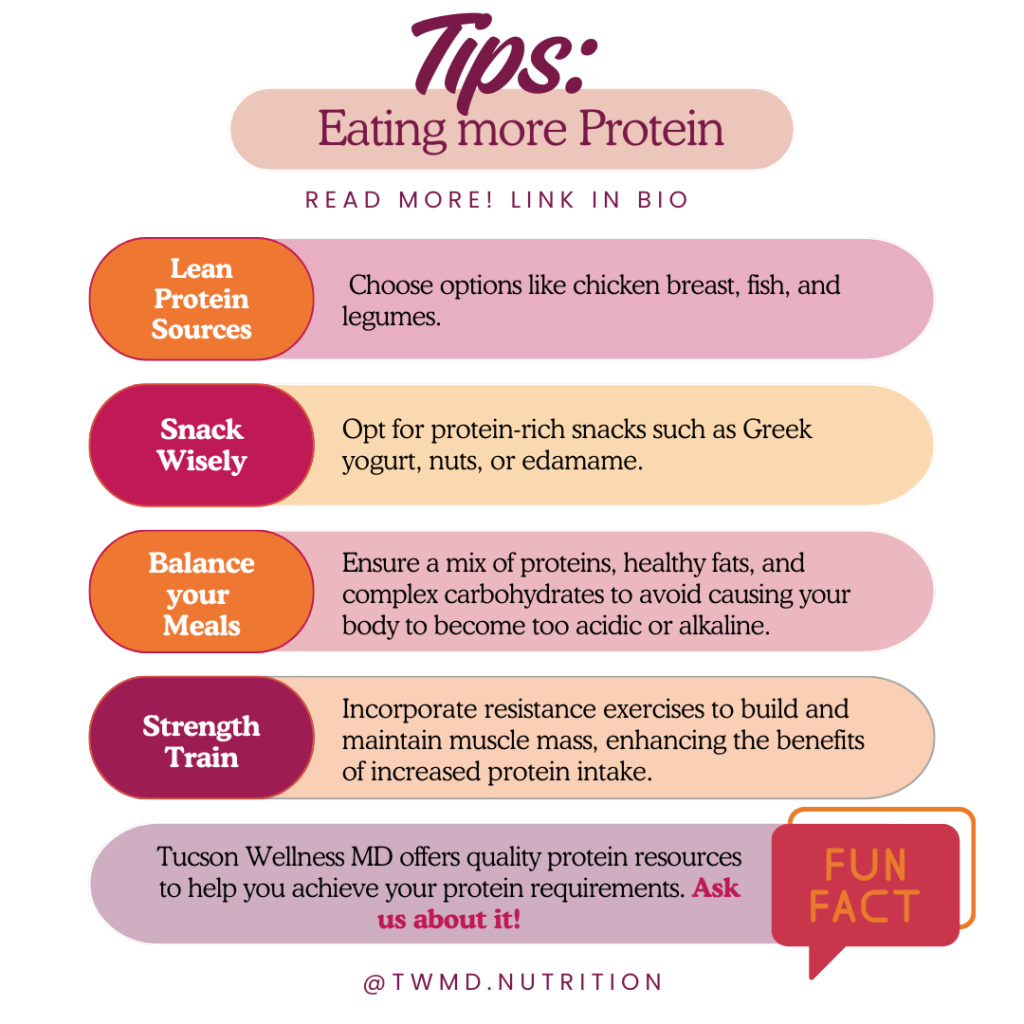
Protein plays an important role during calorie restriction because it supports muscle maintenance, recovery, and fullness.
When appetite is reduced, patients may unintentionally eat less protein along with fewer total calories. Over time, this may make it more difficult to preserve lean mass, particularly when resistance training is also limited.
Protein also has a higher thermic effect than carbohydrate or fat, meaning digestion requires some energy. However, this effect is modest and should not be treated as a shortcut for fat loss.
The primary goal is to combine adequate nutrition with medically supervised weight loss rather than simply eating as little as possible.
Semaglutide and Protein: What to Focus On
| Focus Area | Why It Matters on Semaglutide | Provider-Guided Tip |
|---|---|---|
| Protein intake | Smaller meals may make it harder to meet protein needs. | Prioritize protein at each meal and discuss your target with a provider. |
| Muscle maintenance | Weight loss can include lean mass loss without enough protein or resistance activity. | Combine nutrition support with strength training when appropriate. |
| Fullness and cravings | Protein can support satiety and help stabilize meal patterns. | Build meals around lean proteins, fiber-rich foods, and hydration. |
| Side effects | Nausea, fullness, constipation, or low appetite may reduce intake. | Use smaller, protein-forward meals and report persistent symptoms. |
| Progress monitoring | Weight alone does not show how much fat or lean mass is changing. | Track symptoms, energy, body composition, labs, and strength changes when possible. |
For a realistic timeline, read our guide on Semaglutide before and after 1 month.
How Much Protein Do You Need on Semaglutide?
There is no single protein target that is appropriate for every person taking Semaglutide.
Protein needs may vary based on:
- Body size
- Age
- Activity level
- Current muscle mass
- Weight-loss goals
- Kidney function
- Medical history
- Total calorie intake
- Resistance-training routine
Instead of copying a generic protein target online, patients should discuss an individualized goal with their healthcare provider or nutrition professional.
It may also be easier to divide protein across several smaller meals rather than trying to eat a large amount at once, particularly when Semaglutide causes early fullness.
Best Protein Foods While Taking Semaglutide
Smaller portions of nutrient-dense protein foods may be easier to manage when appetite is reduced.
Options may include:
- Eggs
- Greek yogurt
- Cottage cheese
- Chicken
- Turkey
- Fish
- Lean beef
- Tofu
- Tempeh
- Beans
- Lentils
- Protein shakes when appropriate
Choose foods that fit your dietary needs and are comfortable to tolerate.
When nausea or fullness is present, softer foods or smaller portions may sometimes be easier than large, heavy meals.
How Resistance Training Helps Protect Muscle
Protein intake is only one part of preserving lean mass during weight loss.
Resistance training provides a stimulus that helps the body maintain strength and muscle tissue.
Depending on fitness level and medical history, resistance activity may include:
- Free weights
- Resistance machines
- Resistance bands
- Bodyweight exercises
- Supervised strength training
Exercise should be adjusted for current ability, injuries, energy levels, and medical conditions.
Patients who are new to resistance training may benefit from gradually increasing activity rather than beginning an aggressive program while also adjusting to Semaglutide. Patients who want additional support with strength and body composition can explore Strength and Performance at Tucson Wellness MD.
What to Do When Semaglutide Makes Eating Difficult
Semaglutide may cause nausea, early fullness, constipation, or reduced appetite in some patients.
If these symptoms make it difficult to eat enough protein or maintain adequate nutrition, helpful strategies may include:
- Eating smaller meals
- Prioritizing protein early in the meal
- Choosing softer or easier-to-tolerate foods
- Drinking enough fluids
- Avoiding very large meals
- Monitoring constipation
- Discussing persistent symptoms with your provider
Do not force yourself to follow an aggressive calorie target when side effects are preventing adequate nutrition.
Persistent vomiting, inability to maintain fluids, severe abdominal pain, or significant difficulty eating should be discussed promptly with your healthcare provider. For provider-guided nutrition, medication monitoring, and weight-management support, explore Medical Weight Loss at Tucson Wellness MD.
Build a Muscle-Safe Semaglutide Plan
Tucson Wellness MD can help you pair Semaglutide with protein goals, nutrition guidance, hydration support, body composition tracking, and provider-guided weight loss care.
Schedule a Weight Loss ConsultationRelated Reading
- Semaglutide Before and After 1 Month: What Results to Expect
- Semaglutide vs Tirzepatide: What Is the Difference?
- Choosing the Right Protein for Your Health Goals
Frequently Asked Questions About Semaglutide and Protein
Why is protein important while taking Semaglutide?
Protein is important while taking Semaglutide because appetite and calorie intake often decrease. Adequate protein can support fullness, muscle maintenance, recovery, and overall nutrition during medically supervised weight loss.
Can Semaglutide cause muscle loss?
Weight loss from any method can include some lean mass loss, especially when protein intake is low or resistance activity is limited. A provider-guided plan can help reduce this risk through nutrition support, strength activity, and monitoring.
How much protein should I eat on Semaglutide?
Protein needs vary based on body size, goals, health history, kidney function, activity level, and treatment plan. Patients should ask their provider for a personalized protein target instead of copying a generic number online.
What protein foods work well with Semaglutide?
Many patients do well with smaller portions of lean meat, fish, eggs, Greek yogurt, cottage cheese, tofu, beans, or protein shakes when appropriate. Choose options that are easy to tolerate and fit your provider-guided nutrition plan.
What if Semaglutide makes it hard to eat enough protein?
If nausea, fullness, or low appetite makes protein difficult, talk with your provider. Smaller meals, softer protein foods, hydration, meal timing, and treatment adjustments may help depending on your symptoms and treatment plan.
Should I eat protein first while taking Semaglutide?
Prioritizing protein earlier in a meal may help patients meet protein needs before becoming full. The best meal order still depends on tolerance, nutrition goals, and medical needs.
Do I need protein shakes while taking Semaglutide?
Not necessarily. Protein shakes may be useful when food intake is limited, but many patients can meet their needs through regular foods. Product choice should account for calories, sugar, ingredients, and individual health needs.
Does strength training prevent muscle loss on Semaglutide?
Resistance training may help preserve muscle and strength during weight loss, especially when combined with adequate protein. The appropriate exercise program depends on fitness level and medical history.
How can I tell if I am losing muscle instead of fat?
Scale weight alone cannot distinguish fat from lean mass. Strength changes, body-composition measurements, nutrition intake, and clinical monitoring may provide additional information.
What should I do if I can barely eat while taking Semaglutide?
Contact your provider if appetite suppression, nausea, vomiting, or fullness prevents adequate food or fluid intake. Your treatment plan may need to be reviewed rather than simply continuing to eat less.