Healthy Fats Explained. How to Choose the Right Fats for Better Health

Do you blame fats for those stubborn pounds you can’t seem to shed? Or maybe you’re guilty of using them to amp up the flavor and texture of your food—perhaps a little too often? Should I try low-fat? No fat? We have all been there.

Fats are a type of macronutrient, which means they’re essential for your health in larger amounts. In fact, fats are the most energy-dense nutrient, providing 9 kcal per gram, while other macronutrients like protein and carbohydrates offer only 4 kcal per gram each. They play a key role providing fatty acids that assist in many important functions, like providing energy, supporting cell structure, and helping your body absorb fat-soluble vitamins. Dietary fats play an important role in overall health when consumed in appropriate amounts and balanced forms. They also have complex effects on your metabolism, influenced by factors like the type of fat, timing, and your individual body. Fats contribute to cell structure, hormone production, and energy storage as part of normal physiological function.

Quick Answer

What Are Healthy Fats and Why Do They Matter?

Healthy fats are unsaturated fats found in foods like olive oil, avocados, nuts, seeds, and fatty fish that support heart health, brain function, and overall metabolism. Choosing the right types of fats helps your body absorb nutrients, maintain hormone balance, and reduce the risk of chronic health issues when part of a balanced diet.

What Are Healthy Fats and Which Ones Should You Eat?

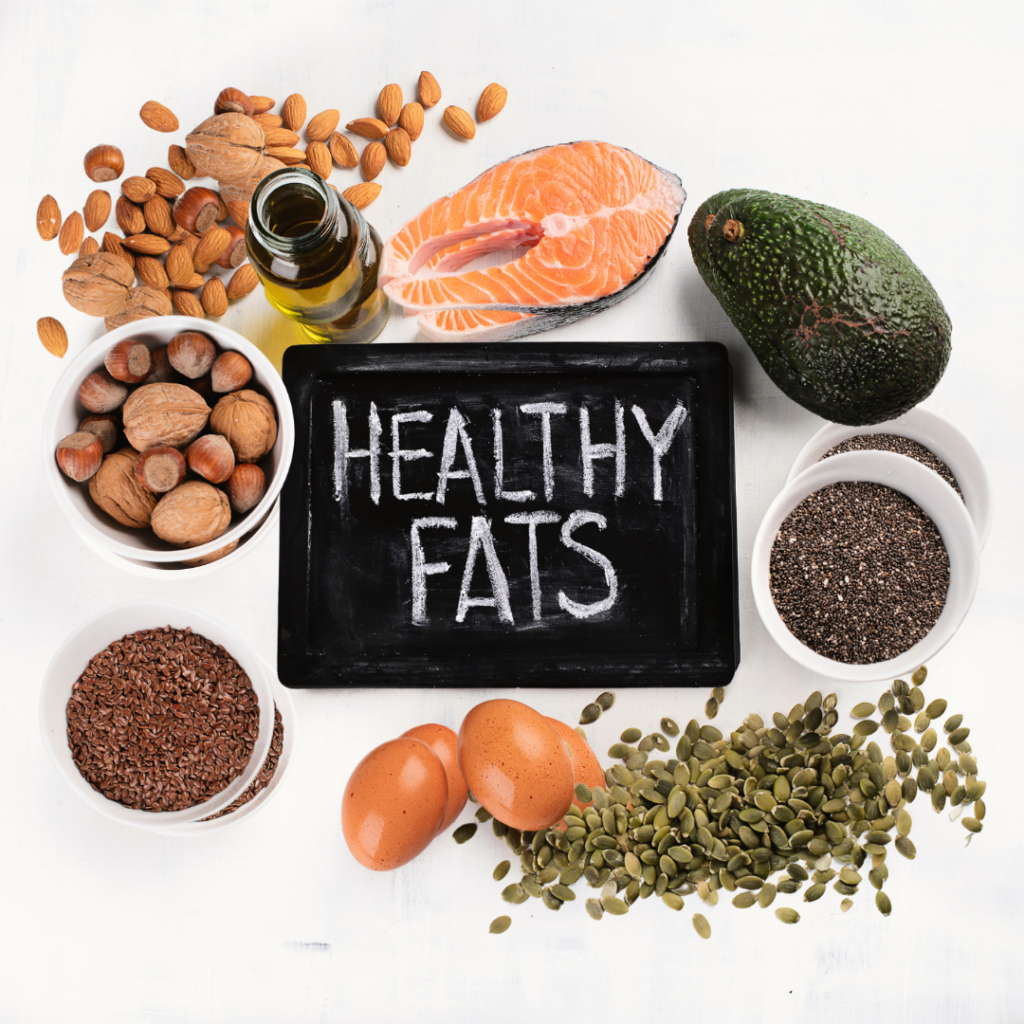
Unsaturated fats, including monounsaturated and polyunsaturated fats, are generally recommended in place of saturated and trans fats in many dietary guidelines including monounsaturated fats (found in olive oil, avocados, and nuts) and polyunsaturated fats like omega-3s (found in salmon, flaxseeds, and walnuts). These fats have been associated with cardiovascular health, cognitive function, and inflammatory regulation when included in a balanced diet.

Fats to limit include trans fats and excessive saturated fats, which are linked to increased LDL cholesterol and cardiovascular risk.

For optimal health:

  • Choose olive oil, avocado oil, nuts, seeds, and fatty fish
  • Limit fried foods and processed snacks
  • Avoid products containing partially hydrogenated oils

The goal is not to eliminate fat entirely, but to select dietary fat sources that align with current nutritional guidelines and individual health needs.

Types of Fats

There’s no doubt that the types of fats you consume daily influence your body’s metabolism and affect your organs. You’ve probably been told that reducing saturated fats or sodium is essential if you’re at risk for heart disease. Let’s break down the different types of dietary fats so you can improve not only your heart health but your overall well-being. The Dietary Guidelines for Americans recommends that 20-35% of your daily calories come from fat, with a focus on limiting saturated and trans fats.

Saturated Fats

saturated fats

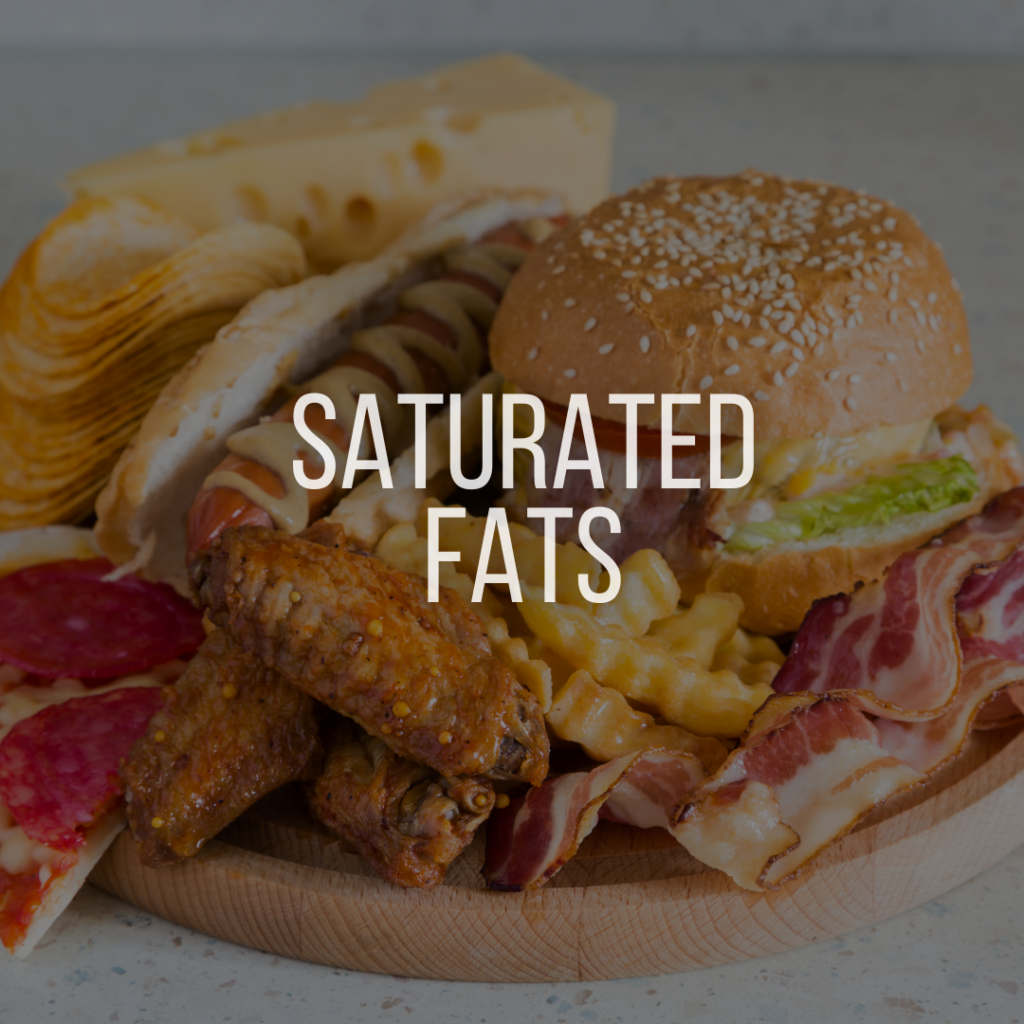
Solid at room temperature, think lard or butter, saturated fats are found in animal-based products like beef, pork, and high-fat dairy foods such as butter, margarine, cream, and cheese. They also sneak their way into many fast, processed, and baked foods, like cheesy pizza, decadent desserts, juicy hamburgers, and those irresistible cookies and pastries. While they can add rich flavor and texture to our meals, these fats have gained a bit of a bad reputation. When consumed in excess, they can affect your health, such as raising your LDL-cholesterol levels, which is a major contributor to heart disease.

Unsaturated Fats

unsaturated fats

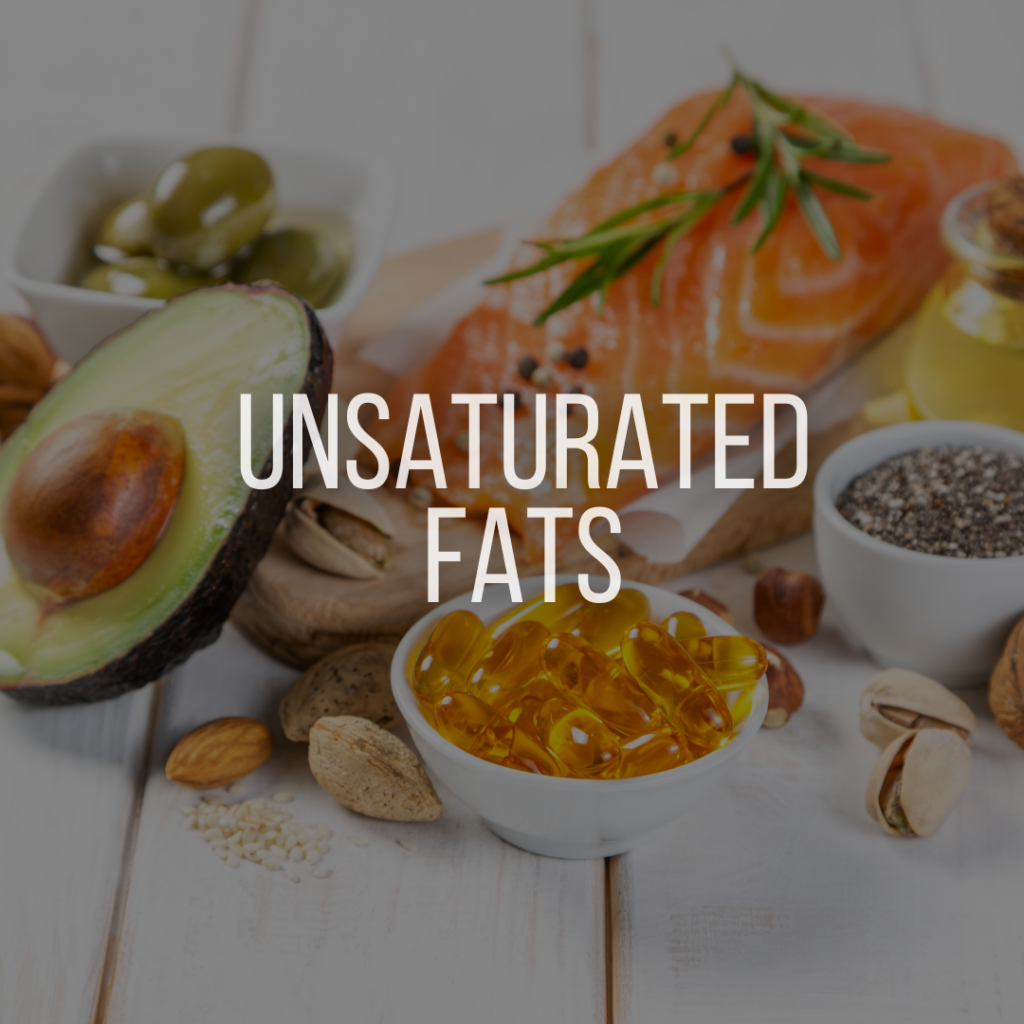
This is considered to be the healthy kind, and there are two types: monounsaturated and polyunsaturated. Monounsaturated fats (MUFA) are found in a variety of foods, including avocados, peanut butter, and nuts like almonds, hazelnuts, cashews, and pecans. They’re also present in seeds such as pumpkin, sesame, and sunflower, as well as in plant oils like olive, peanut, safflower, sesame, and canola oils. Diets higher in monounsaturated fats have been associated with favorable lipid profile patterns in some populations.

Omega-9s are a specific type of MUFA, and are especially known for their heart-healthy benefits. One of the most common sources of omega-9s is olive oil, which is high in oleic acid. Although omega-9s are beneficial for your health, they are not considered essential because your body can produce them as needed.

Polyunsaturated fats (PUFAs) include essential fatty acids, such as omega-3 and omega-6 fatty acids. These healthy fats are found in plant-based oils like soybean, corn, and safflower oils, as well as in foods like walnuts, flaxseeds, sunflower seeds, and fatty fish such as salmon, mackerel, herring, tuna, and trout. Polyunsaturated fats, particularly omega-3 fatty acids, are associated with brain health, cardiovascular function, and inflammatory balance.

The three main omega-3 fatty acids—alpha-linolenic acid (ALA), eicosapentaenoic acid (EPA), and docosahexaenoic acid (DHA)—each play important anti-inflammatory roles. ALA is considered a precursory for DHA and EPA but the conversion rate is slow. This nutrient is primarily found in plant oils like flaxseed, soybean, and canola oils, while EPA and DHA are mainly found in fish and other seafood. Omega-6s provide essential benefits like energy, maintaining healthy cell membranes, supporting skin health, regulating metabolism, and contributing to brain function. One key omega-6 fatty acid is linoleic acid (LA), which is commonly found in seed oils, as well as nuts and seeds. Maintaining a balanced intake of omega-6 and omega-3 fatty acids is generally recommended in dietary guidelines.

Trans Fats

Categorized as an unsaturated fat, Trans fats are widely recognized as being associated with increased cardiovascular risk and are recommended to be minimized or avoided, similar to saturated fats, that should be avoided due to their negative impact on metabolic health. Trans fat consumption has been associated with increased risk of cardiovascular disease and metabolic disorders. Trans fats are created when vegetable oils—normally liquid at room temperature—undergo a process called partial hydrogenation. This chemical transformation turns the oils into a solid form at room temperature, which extends the shelf life of products for manufacturers. Unfortunately, this process comes at a cost to our health. Today, many packaged and processed foods contain trans fats, including fried foods, baked goods like cookies and pies, crackers, margarine, frozen desserts, and even candy bars.

Shop Smarter for Your Health

Often, low-fat products still contain filler carbs in the form of sugar to make up for the loss of flavor and texture. So, if a product is labeled ‘low-fat,’ be sure to check the ingredients for terms like ‘syrup,’ ‘sweetener,’ or anything ending in ‘-ose,’ as these are often signs of hidden sugars. When it comes to avoiding harmful fats, steer clear of foods that list ‘partially hydrogenated oils’ (PHOs) on the label, as these are a source of trans fats, which should be limited for optimal health.

Navigating ingredient labels can be tricky, but it’s important to make informed choices. Always try to avoid products with long, complicated ingredient lists that are hard to pronounce—these often indicate highly processed foods with additives and preservatives that may not be ideal for your body.Choosing minimally processed foods may help support balanced dietary patterns.

Experience Your Best Self with Tucson Wellness MD

We want you to love yourself, so focus on nourishing your body with healthy fats. Making informed dietary choices may contribute to overall health and wellness as part of a comprehensive lifestyle approach. If you’re looking to achieve your ideal weight and boost your energy, Our weight loss services are designed to provide structured guidance tailored to your health goals and medical profile. If you’re looking for nutritional support and guidance, don’t hesitate to reach out! Schedule a consultation today. At Tucson Wellness MD, we take pride in specializing in longevity and holistic wellness. Our approach is all about helping you live a vibrant, healthy life that lasts longer. Remember, today is the perfect day to start living better, for longer.

Frequently Asked Questions

What are healthy fats?
Healthy fats are unsaturated fats, including monounsaturated and polyunsaturated fats. These are commonly found in foods like olive oil, avocados, nuts, seeds, and fatty fish.

What fats should be avoided?
Trans fats should be minimized or avoided. These are often found in processed foods, baked goods, and products containing partially hydrogenated oils.

Do healthy fats support heart health?
Unsaturated fats, especially omega-3 fatty acids, are associated with cardiovascular health and balanced inflammatory response when part of a healthy diet.

What are omega-3 and omega-6 fatty acids?
These are types of polyunsaturated fats. Omega-3s support heart and brain health, while omega-6s support energy, skin health, and cellular function. Balance between the two is important.

STAY HEALTHY – STAY CONNECTED

Balanced Nutrition 101: The Basics of Micronutrients (Pt 2)

We’ve already covered the importance of macronutrients, carbohydrates, proteins, and fats, as the essential building blocks that fuel our bodies, make up our structure, and support overall health. Getting the right balance of these macronutrients is key to staying energized and strong. But that’s just part of the equation. The quality of the macronutrients you consume also impacts your intake of micronutrients, the vitamins, minerals, and antioxidants necessary for boosting our immune system, supporting bone health, and regulating metabolism. Together, macronutrients and micronutrients work in harmony to keep our bodies functioning at their best.

Vitamins and minerals are needed in smaller quantities than macronutrients, but they are essential for supporting your metabolic processes such as hormone production, cell signaling, and DNA function. Without adequate levels of these micronutrients, your body won’t function at its best. Whether we realize it or not, we are truly a reflection of what we eat. Remember: if it’s not nourishing you, it’s draining you.

Why Do You Still Feel Run Down Even When You Eat “Healthy”?

Many people focus on calories and macros while unknowingly falling short on key vitamins and minerals that drive energy, immunity, and metabolism. Without adequate micronutrients, even a well-balanced diet can leave your body undernourished and underperforming.

The Small but Mighty Nutrients

The daily nutrient requirements can vary based on factors such as gender, age, and life stage. For instance, women who are pregnant or lactating have higher nutrient needs compared to those who are not, and these needs also differ from those of men. Nutrient intake is commonly measured in micrograms (µg), milligrams (mg), or International Units (IU) to ensure accurate recommendations based on individual needs.

Vitamins:

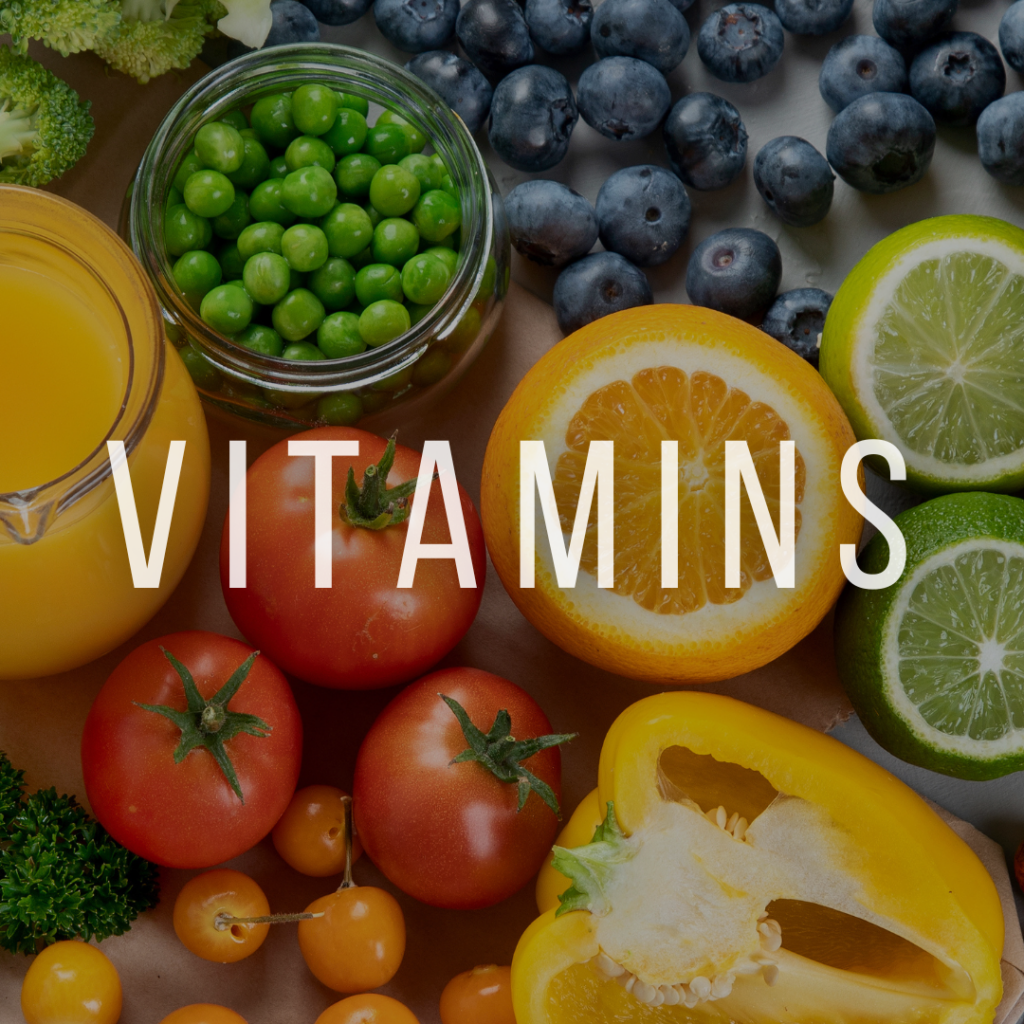
There are thirteen essential vitamins, and they fall into two categories: water-soluble and fat-soluble. Water-soluble vitamins, like all the B vitamins and vitamin C, are absorbed with water and are excreted daily through urine and sweat. This means you need to replenish them regularly to keep your body’s stores topped up. On the other hand, fat-soluble vitamins, including vitamins A, D, E, and K, are absorbed with fat and stored in your liver and fat tissue for future use. Because of this, you don’t need them as frequently, but they are still vital for maintaining your overall health and supporting important bodily functions. Vitamins, produced by plants and animals, are more delicate than minerals and can break down when exposed to heat, air, or acid.

micronutrients

There are thirteen essential vitamins, and they fall into two categories: water-soluble and fat-soluble. Water-soluble vitamins, like all the B vitamins and vitamin C, are absorbed with water and are excreted daily through urine and sweat. This means you need to replenish them regularly to keep your body’s stores topped up. On the other hand, fat-soluble vitamins, including vitamins A, D, E, and K, are absorbed with fat and stored in your liver and fat tissue for future use. Because of this, you don’t need them as frequently, but they are still vital for maintaining your overall health and supporting important bodily functions. Vitamins, produced by plants and animals, are more delicate than minerals and can break down when exposed to heat, air, or acid.

Minerals:

micronutrients

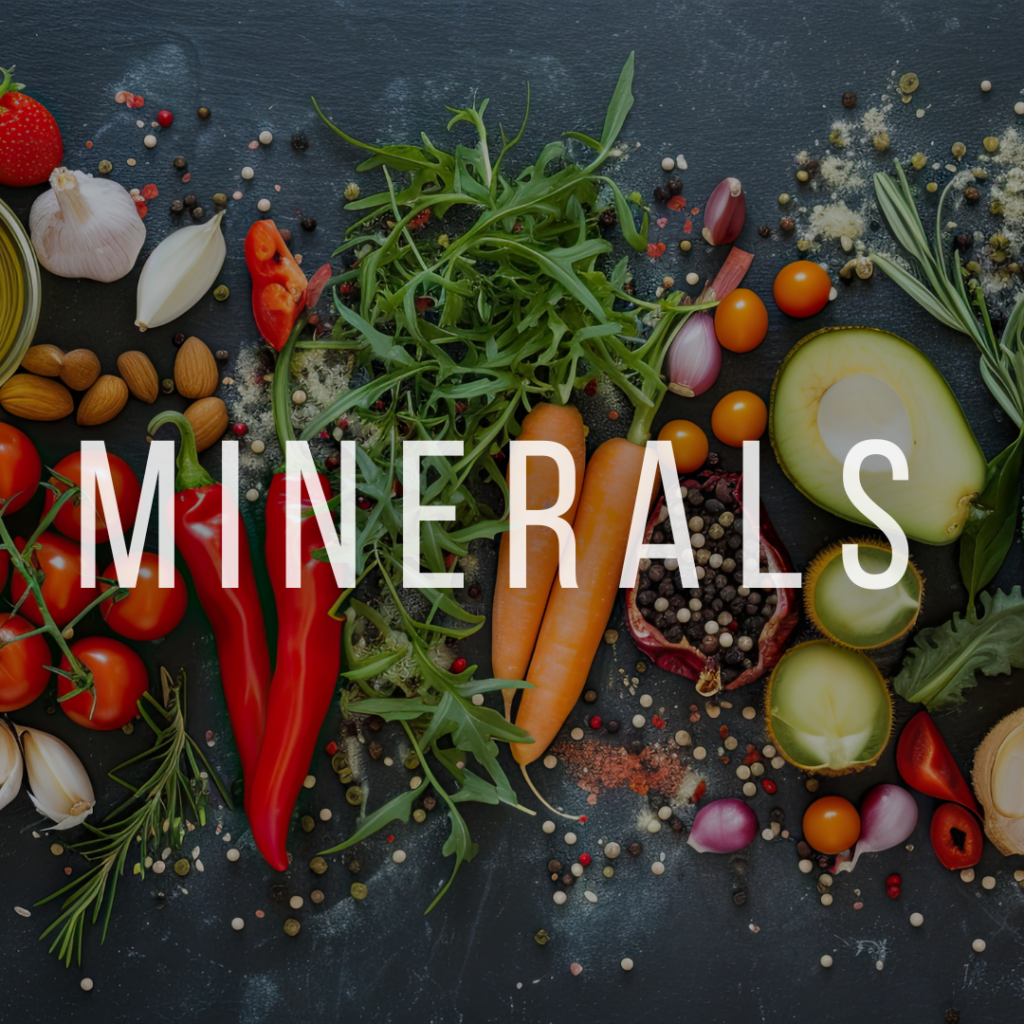
There are fourteen essential trace minerals that are vital for your body’s proper function. These minerals are divided into two categories: major minerals and trace minerals. Major minerals, like calcium, chloride, magnesium, phosphorus, potassium, and sodium, are needed in larger amounts, usually 100mg or more daily. You may also recognize these as electrolytes, which play key roles in fluid balance and muscle function. On the other hand, trace minerals, like chromium, copper, fluoride, iodine, iron, manganese, selenium, and zinc, are required in smaller amounts, usually less than 100mg a day. In contrast to vitamins, minerals come from soil and water and maintain their chemical structure even when exposed to air, heat, or acid. All minerals need to be replenished daily to ensure your body has optimal stores for peak performance.

To preserve nutrients, try eating fresh foods, using cooking methods that retain their vitamins and minerals, and storing your foods properly.

The Power of Food and Smart Supplementation

supplements

Eating a variety of colorful fruits and vegetables, whole grains, and animal-based foods is a fantastic way to get your essential micronutrients! These nutrients are found in a wide range of foods, making it easy to meet your daily requirements unless you’re eliminating entire food groups or macronutrients from your diet. In such cases, supplementation can help fill any gaps and ensure you’re getting the nutrients you need. Although supplementation isn’t recommended as your sole source of nutrients, it can be helpful in bringing you back to optimal levels when needed. It’s also crucial to be mindful of which supplements you choose, as not all products on the market are made with high-quality ingredients. Keep in mind that it’s easy to overconsume supplements, having too much or too little of a nutrient can be harmful. Finding the right balance that works for you is essential to stay on track with your health goals.

Well, How Much is Enough?

In case you weren’t aware, the National Academy of Medicine (formerly the Institute of Medicine) is responsible for setting the Daily Recommended Intake (DRIs) for vitamins and minerals. These guidelines are designed to help us maintain a balanced diet and are used to create food recommendations. The DRIs are specific to age, gender, and life stage, covering over 40 essential nutrients. They’re based on research into nutrient deficiencies and toxicity, ensuring that the guidelines are grounded in science to promote overall health and well-being. It can be challenging to remember all of the nutrients you need to take, so here is a cheat sheet for you!

Finding Your Perfect Balance of Micronutrients

By understanding how vitamins and minerals support your body, you can make informed choices that enhance your health and vitality every day. If you’re ready to dive deeper into your unique micronutrient needs and understand your daily requirements, schedule a consultation with the nutritionist at Tucson Wellness MD. Let’s work together to make nutrition easier, more accessible, and tailored to your needs!

STAY CONNECTED – STAY HEALTHY

Balanced Nutrition 101: The Basics of Macronutrients (Part 1)

What Balanced Nutrition Really Means

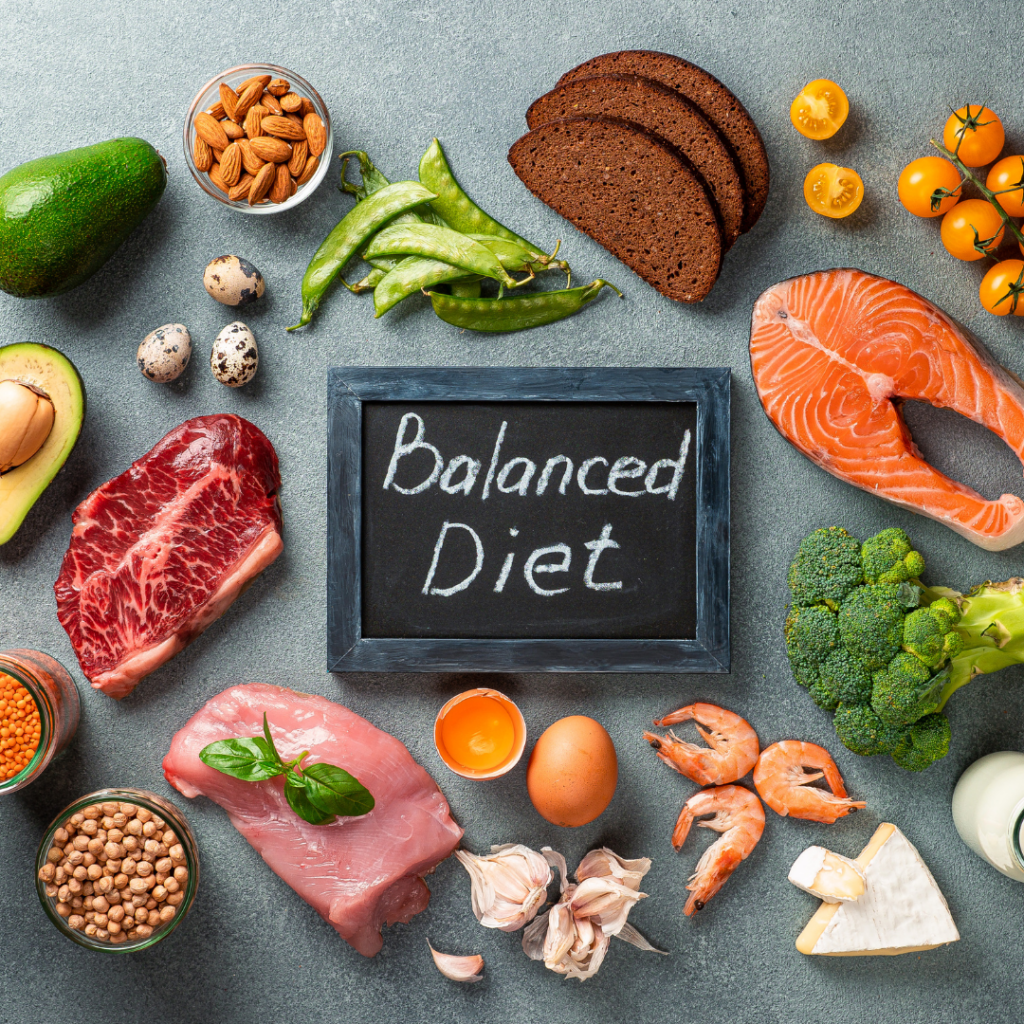
Each person is unique, and so is their body! Balanced nutrition means listening to your body and eating a variety of nutrient-rich foods to improve health and well-being. It’s about giving your body the essential nutrients it needs for energy and proper function while focusing on moderation particularly with refined sugars, saturated fats, and salt, to reduce health risks like diabetes, obesity, and high cholesterol. Nutrition isn’t just about fueling your body; it’s about making choices that support your long-term well-being and longevity.

While everyone has an opinion on what the “perfect” diet looks like, there’s no one-size-fits-all approach. The secret is finding the right balance for you. Your body is unique, and the best nutrition plan is one that’s tailored to your needs, helping you thrive both now and in the future. Nutrition is made up of three essential components, macronutrients, micronutrients, and hydration, which all work together to keep your body running smoothly. These elements support everything from immune function to digestive health and organ performance.

The Foundation of Daily Nutrition

Your daily calorie intake comes from macronutrients. Understanding how each one works helps you make better food choices and avoid extreme or restrictive diets.

Breaking Down the 3 Key Macronutrients

To start on the path to balanced nutrition, it’s crucial to understand your macronutrient needs, as these are required in larger amounts to fuel your body properly. Together, these macronutrients should make up 100% of your daily caloric intake. And while alcohol is often thought to be the “fourth macronutrient,” it’s important to note that it’s not a recommended source of energy and should be consumed in moderation, if at all.

Carbohydrates, or Carbs:

balanced nutrition

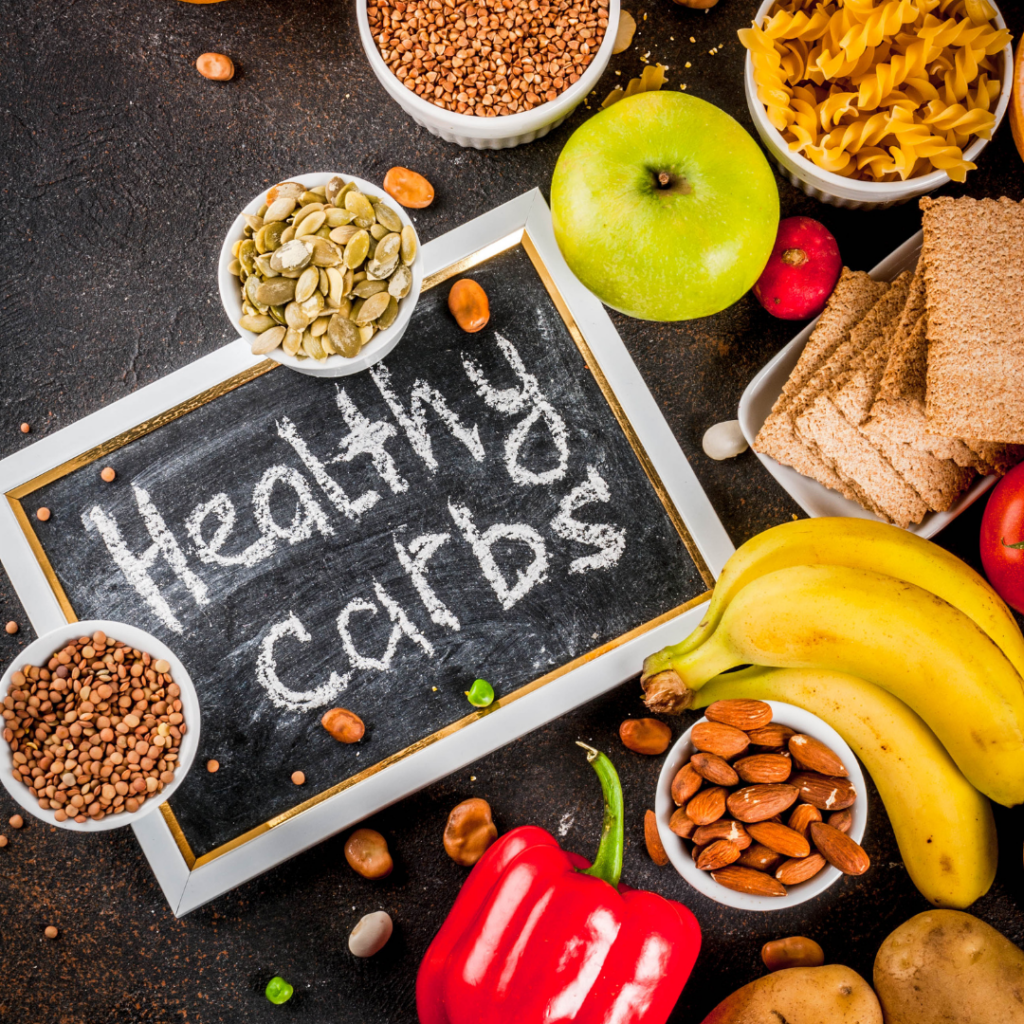
These should make up 45-65% of your daily calorie intake and serve as the primary energy source for your body. Without carbs, your muscles and tissues lack the energy necessary to function properly. This includes its role in gut health and immune function, insulin secretion, and the uptake of glucose in cells.

Simple Carbohydrates

Carbohydrates can be classified into two forms: simple and complex. Simple carbohydrates break down quickly in the body, causing a rapid spike in blood sugar leading to that quick sugar high followed by an inevitable sugar crash. Watch out for added sugars! Unlike naturally occurring sugars, which are found in whole foods, added sugars are introduced during processing to enhance flavor and extend shelf life. It’s recommended to limit added sugars to less than 10% of your daily calorie intake. Simple sugar sources such as donuts, candies, soda, and other sugary beverages, are prime examples of foods high in added sugars. Consuming too much added sugar can lead to diabetes, harm dental health, and contribute to heart health issues.

Refined Carbohydrates

Refined carbs, a type of simple carbohydrate, are heavily processed and stripped of most of their fiber and nutrients, making them digest quickly and offering little nutritional value. Examples of refined carbs include white bread, pastries, sugary cereals, and white rice. It’s recommended to consume whole grains when possible to reap the full nutritional benefits, as they retain their fiber and essential nutrients, providing more sustained energy and better overall health benefits.

Complex Carbohydrates

In contrast, complex carbohydrates digest more slowly, offering a steady release of energy and are typically considered healthier due to their higher fiber content. Fiber, a non-digestible type of complex carb, is a true powerhouse, it helps you feel full longer, supports gut health, and even improves cholesterol levels. To stay at your best, it’s important to include plenty of fiber in your daily diet! You can get fiber from plant-based foods like fruits, vegetables, whole grains, and legumes.

Lipids (Fats): Essential for Hormones and Cell Health

balanced nutrition

It is recommended to obtain 20-35% of your daily calories from fats, also known as lipids. Fats are energy-dense and serve as the body’s preferred source of fuel, playing crucial roles in producing sex hormones, maintaining cell structure, regulating body temperature, and aiding in the absorption of fat-soluble vitamins such as D, E, K, and A. They also enhance the taste and texture of foods.

Types of Dietary Lipids and Their Functions

Dietary lipids can be classified into triglycerides, phospholipids, sterols, glycolipids, and fatty acids, each serving distinct functions in the body. These include cholesterol production for sex hormone synthesis, maintaining cell membrane integrity, and supporting the protection of nerve sheaths, which are essential for proper nerve function and communication.

Saturated Fats and Cardiovascular Risk

The most common form of fat in our meals is triglycerides, which are broken down into glycerol and fatty acid components. In nutrition, fatty acids are the types of fats most frequently discussed, and they exist in two main forms: saturated and unsaturated. Saturated fats, commonly found in animal products and solid at room temperature (such as butter or lard), can raise LDL cholesterol levels. When LDL cholesterol builds up, it can contribute to serious health problems, including heart disease. It is recommended to limit saturated fats to less than 10% of your total daily calorie intake to help reduce the risk of negative health outcomes.

Unsaturated Fats and Essential Fatty Acids

On the other hand, unsaturated fats, commonly found from plant sources and liquid at room temperature, can help lower LDL cholesterol and raise HDL cholesterol, which is a more beneficial form of cholesterol. Essential fatty acids, such as omega-3 and omega-6, are types of unsaturated fatty acids that are crucial for our health and must be obtained through food. While both are necessary, omega-3’s are often prioritized due to concerns about the effects of omega-6s. The key difference between them lies in their impact on inflammation: omega-3s have anti-inflammatory properties, while omega-6s can promote inflammation when consumed in excess.

Trans Fats and Why to Avoid Them

Let’s not forget about trans fats, a type of unsaturated fat that is chemically altered to become solid or semi-solid at room temperature. This process, known as hydrogenation, adds hydrogen to the fat, changing its structure. In the food industry, trans fats are often used to extend shelf life, enhance flavors, and improve texture. Common foods that contain trans fats include baked goods, fried foods, frozen meals, and shortening. However, consuming trans fats is not ideal, as they raise LDL cholesterol, promote inflammation, and contribute to insulin resistance, which can lead to serious health issues. With the rise of chronic conditions such as heart disease, diabetes, and obesity, trans fats could be a contributing factor. It’s important to be mindful of the fats you consume and opt for healthier sources to support long-term health.

Protein: The Building Block of the Body

balanced nutrition

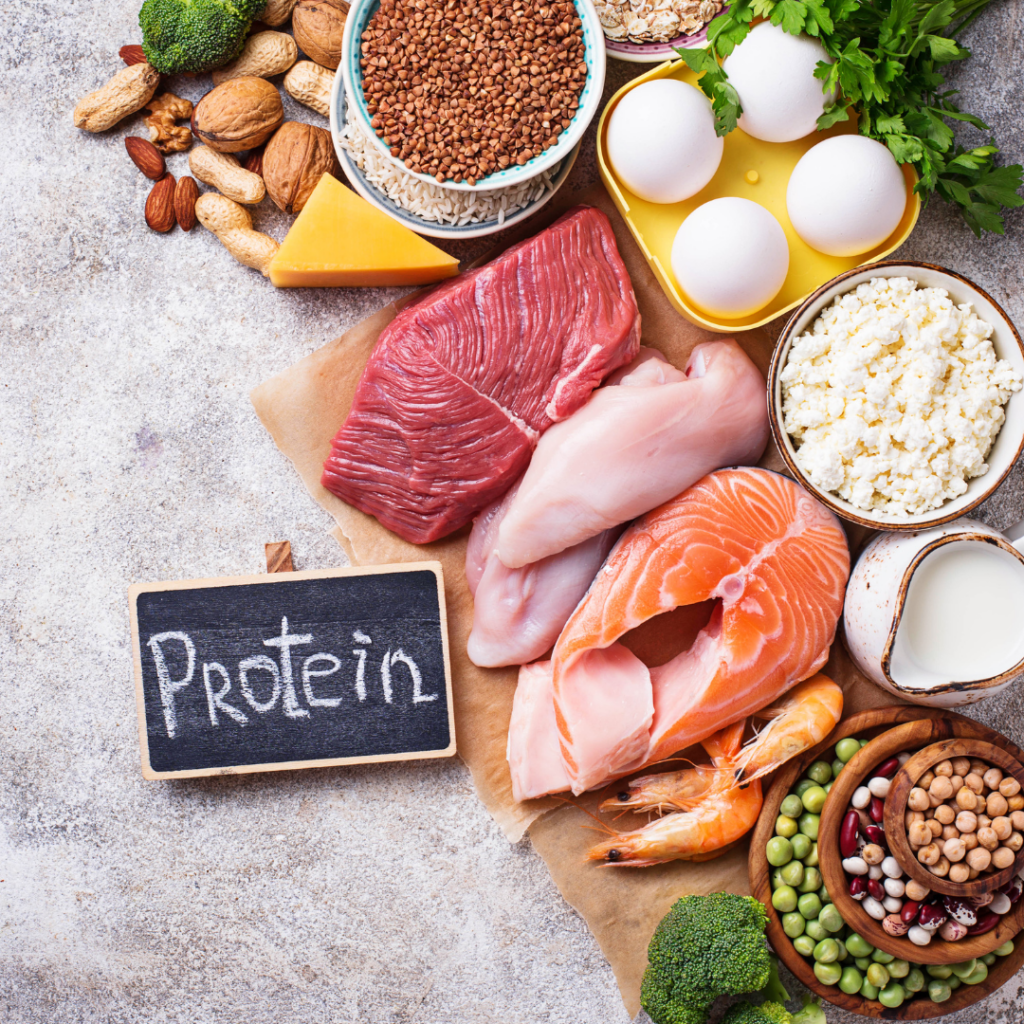
Proteins should make up about 10-35% of your daily caloric intake. Although they are less efficient for energy compared to carbs and fats, proteins play critical roles in the body’s structural and mechanical functions. These include DNA modulation, enzyme production, hormone regulation, and immune function, all crucial for normal growth and development, particularly during periods of growth.

Amino Acids and Protein Quality

Proteins are made up of amino acids, which are the building blocks that supply the body with essential elements like nitrogen, sulfur, hydrogen, and carbon. There are 11 nonessential amino acids that the body produces naturally, so we don’t need to get them from food. However, there are 9 essential amino acids that the body cannot produce, and we must obtain them through the foods we eat. Together, these amino acids support your body’s growth, repair, and overall health.

Factors That Influence Protein Needs

Protein requirements can be influenced by factors such as age, pregnancy, lactation, illness, injury, metabolic stress, low calorie intake, and increased physical activity. In chronic situations, a diet lacking in protein can lead to serious health issues like marasmus and kwashiorkor. Getting enough protein through a balanced diet is crucial for maintaining your health, energy, and long-term vitality.

Finding the Perfect Balance

balanced nutrition

We know that overeating fats and carbs, especially when they come from non-nutrient-dense sources, is linked to conditions like diabetes, heart disease, weight gain, and other negative health effects. However, while overconsumption of protein hasn’t been shown to directly cause weight gain, it can help improve body composition, particularly when combined with weight or resistance training, rather than a sedentary lifestyle. By focusing on balanced, nutrient-rich foods and practicing mindfulness when eating, you can support a healthier body and reduce the risk of these conditions.

Personalizing Your Nutrition for Long-Term Health

Finding the right balance of macronutrients for your body is all about what works best for you. We all have different needs, so it’s not about cutting out a particular food group, it’s about finding a healthy mix of fats, carbs, and protein that keeps you feeling energized, satisfied, and strong. Whether you’re looking to fuel workouts, manage weight, or just feel your best day-to-day, it’s important to listen to your body and adjust as you go. Finding that balance is a journey, and with the right approach, you’ll be supporting your overall health and wellness in a way that works for your unique lifestyle.

Balanced Nutrition Is a Sustainable Lifestyle

By understanding how carbs, fats, and proteins fuel your body, you can make choices that support your health and energy every day. It’s not about being perfect, it’s about building sustainable habits that help you feel your best in the long run. If you’re ready to take the next step and figure out what your body truly needs, schedule a consultation with the nutritionist at Tucson Wellness MD. Let’s work together to make nutrition simpler, easier, and more enjoyable for you!

STAY CONNECTED

How Mindful Eating Improves Health, Energy, and Long-Term Wellness

Mindful eating is all about being present with your food and treating each meal as nourishment for your body and mind. It’s tuning into your body’s signals and being aware of how different foods affect your mood, energy, and hunger. It’s all about listening to your body and enjoying the moment! Remember, we’re eating for longevity in 2025, what we choose today impacts how we feel tomorrow. Take your time to savor each bite and appreciate the flavors, textures, and the experience of your meal.

Food is such a big part of our everyday lives that we often eat on autopilot, rushing through meals to get to the next thing or skipping meals because our days are packed. But being present while we eat isn’t something we always make time for. Start making mindful eating a regular habit and watch how it strengthens your connection with food and supports your long-term health. Remember, everyone’s journey is different, so what works for someone else might not work for you, and that’s totally okay!

mindful eating

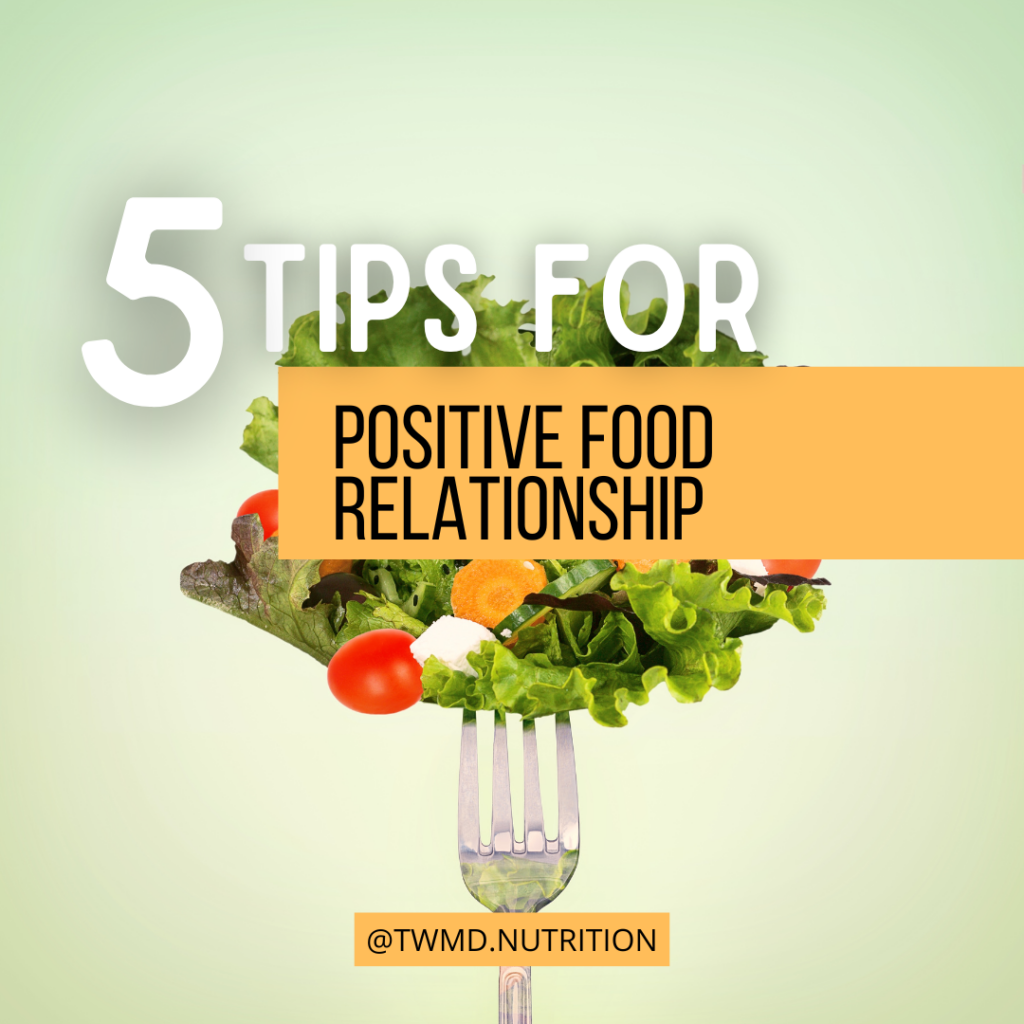
Here are some tips that helped me develop a lasting, positive relationship with food and take control of my eating habits.

#1: Get in Sync with Your Body’s Cues:

Paying attention to hunger and fullness cues can be challenging but beneficial. Eat when you feel hungry and stop when you’re comfortably satisfied or content. Notice, you did not read to overindulge or stuff yourself like it’s your last meal? It’s also important to listen to your body’s signals about foods that don’t agree with you. For instance, if eating In-N-Out burgers causes immediate breakouts, consider avoiding them as the oils used may not be compatible with your hormonal balance. BUT… make a similar version at home! 

#2: Pick Nutrient-dense Foods:

mindful eating

Emphasize whole foods like fruits, vegetables, lean proteins, whole grains, and healthy fats. These foods offer vital nutrients and support overall health. Consider minimizing or even eliminating consumption of processed foods, fatty meats, and added sugars. Processed foods often contain trans-fats, excessive salt, or added sugars for preservation and other chemicals and toxins. If a food’s ingredient list is long and the words are difficult to pronounce, reconsider your choice. Remember, you want calories that truly count for your health, not empty ones!

#3: Practice Moderation and Ditch Restrictive Diets: 

Embrace a balanced approach to eating, enjoying all foods in moderation, including treats and indulgences. Avoid categorizing foods as “good” or “bad,” as this mindset can lead to feeling tempted by foods labeled as “bad.” Steer clear of restrictive diets or FAD diets that vilify specific foods or food groups. Instead, prioritize balanced meals that incorporate a diverse range of foods. The term “diet” often implies short-term fixes, such as 3-day detoxes or 5-day cleanses. Popular fads like the keto diet or carnivore diet fall into this category. Since your body relies on macronutrients for cellular function, completely eliminating any macronutrient component from your diet isn’t beneficial in the long term. Instead, focus on aligning your food choices with your health goals to see positive results.  

#4: Cook and Prepare Meals:

mindful eating

We know some days can get hectic and you might crave something convenient, that’s where meal prep comes in! Invest time in cooking and preparing meals at home with fresh ingredients. Not only does this help you build a stronger connection with your food, but it also gives you control over what you eat. By prepping meals in advance, you save time and still enjoy healthy, homemade dishes. Start slow! Begin by prepping just one meal instead of all three, and gradually work your way up. Taking it one step at a time makes the process easier and less overwhelming, helping you build a sustainable routine. Check on my favorite containers for prepping!

#5: Eat Slowly and Limit Distractions:

mindful eating

Often, we find ourselves eating in front of the TV or while checking emails. When it comes to meals, try slowing down and limiting distractions like social media, emails, TV, or reading. Focus solely on your food. Multitasking while eating can cause you to rush, making it harder for your brain to catch up and signal when you’re full. This can lead to overeating without realizing it. By being present and mindful during meals, you’ll not only enjoy your food more, but you’ll also be more in tune with your body’s hunger cues, helping you avoid overindulgence.

Focus on progress over perfection as you build lasting health habits

Understand that developing a healthy relationship with food takes time and patience. It’s a journey, not a destination, so be kind to yourself as you make food choices. Stay disciplined in pursuing your health goals, but don’t be too hard on yourself if things don’t always go as planned. If you find yourself needing extra support or accountability along the way, consider seeking professional guidance to help you stay on track. Tucson Wellness MD offers personalized nutrition support to guide you in making lasting, positive changes. Book a consultation today and take the first step toward your health goals!

Frequently Asked Questions

What is mindful eating?
Mindful eating means being fully present during meals and paying attention to hunger, fullness, and how foods affect your body, mood, and energy.

How does mindful eating support longevity?
Mindful eating encourages better food choices, improved digestion, and balanced energy levels. Over time, these habits support metabolic health, reduce inflammation, and promote healthy aging.

Why do people struggle with mindful eating?
Busy schedules, distractions, and eating on autopilot make it easy to rush meals or skip them entirely. Mindful eating requires slowing down and reconnecting with your body’s signals.

STAY CONNECTED

Eating for Longevity in 2025: Healthy Habits and Nutrient-Dense Foods for Long-Term Wellness

In 2025, we’re embracing a lifestyle focused on longevity. The emphasis will be on nutrient-dense foods that promote healthy aging, such as those rich in phytonutrients like antioxidants and polyphenols that support cellular health. Forget the fad diets, it’s about creating sustainable habits that prioritize plant-based foods and healthy fats for a vibrant, long-lasting life.

Longevity is not one-size-fits-all. Climate, lifestyle, stress levels, and metabolic health all influence how the body ages. In Tucson, Arizona, factors such as heat exposure, hydration needs, activity patterns, and hormone health play a major role in nutritional requirements.

At Tucson Wellness MD, longevity nutrition is approached as part of a broader medical strategy that supports cellular health, metabolic efficiency, and long-term resilience, not short-term dieting.

habits

While diets often promise quick, temporary results, embracing a lifestyle change offers slower yet enduring outcomes. The key distinction lies in the sustainability of these habits, which are meant to be maintained for long-term benefits like weight loss and improved health. Lifestyle changes go beyond just diet, they also include exercise, stress management, and sleep patterns, all playing a crucial role in lasting well-being. You’re at the first stop of many on your journey toward a healthier, more fulfilling lifestyle.

Quick Answer

What Does Eating for Longevity Mean?

Eating for longevity means choosing nutrient-dense foods and daily habits that support healthy aging, cellular health, metabolic balance, and long-term wellness. Instead of following short-term diets, the focus is on sustainable nutrition, hydration, stress management, sleep, and consistent lifestyle choices that help you feel better now and age better over time.

Choosing the Best Foods

Nutrient-densed foods

Choosing nutrient-dense foods means picking options that are rich in vitamins, minerals, and other essential nutrients while being relatively low in calories. These foods are packed with complex carbohydrates, like fruits, vegetables and fiber, along with lean proteins and healthy fats to fuel your body properly. After all, these foods help make up every part of our being, keeping our bodies functioning at their best, daily.

Most nutrient-dense foods come from plants, like fruits and vegetables, and a big reason for that is phytonutrients, also known as phytochemicals or antioxidants. With over thousands of different phytonutrients produced by plants, these natural compounds play a key role in keeping our bodies healthy. Plus, they’re what give plants their color, flavor, and smell. Carotenoids, ellagic acid, flavonoids, resveratrol, glucosinolates, and phytoestrogens are just a few examples of the essential phytonutrients our bodies need. These compounds support cellular function, immune health, and overall wellness as part of a balanced diet.

Caloric-dense foods

Some foods are high in calories but don’t offer much in the way of nutrients, they’re what we call calorie-dense. These foods are often loaded with added sugars, refined carbs, and unhealthy fats, even chemicals and toxins, and they don’t give your body the vitamins and minerals it needs. Think hot Cheetos, Sour Skittles, Lay’s chips, McDonald’s, and even alcohol, not exactly fueling your body in the best way. Other examples include baked goods, candy, chips, fast food, processed meats, soda, and white bread. These are the kinds of foods that may satisfy your cravings but won’t give you much nutritional bang for your buck.

Balanced nutrition involves consuming a variety of nutrient-dense foods to enhance overall health and well-being, ensuring your body gets the essential nutrients it needs for energy and proper function. It also focuses on moderating the intake of sugars, saturated fats, and salt to support metabolic health and overall cardiovascular wellness. Understanding your daily goals for macronutrients, micronutrients, and hydration is key to establishing healthy habits. Our goal is to nourish our bodies with foods that support our processes, not hinder them. Remember, it’s not about the quantity of calories, but the quality of what you eat.

Start with January Superfoods

Why not kick off your month by adding a January superfood to one of your meals? Don’t forget to tag me on Instagram with any recipes you create using these superfoods! Let’s build those new, healthy habits together!

Eggs

habits

Eggs have long been debated in the nutrition world, are they good or bad for you? The truth is, they’re packed with nutrients. A large egg contains about 5 grams of fat, including both saturated and unsaturated fats and 6 grams of protein. The yolk is rich in vitamins A, D, E, K, and B vitamins, while the white provides additional B vitamins. Eggs also provide key minerals like potassium, phosphorus, calcium, and zinc. One of their standout nutrients is choline, which plays a vital role in brain development, supporting neurotransmitter function, and maintaining healthy cell membranes. So, while eggs may have been controversial in the past, they’re definitely a superfood worth considering to include in your meals.

Avocado

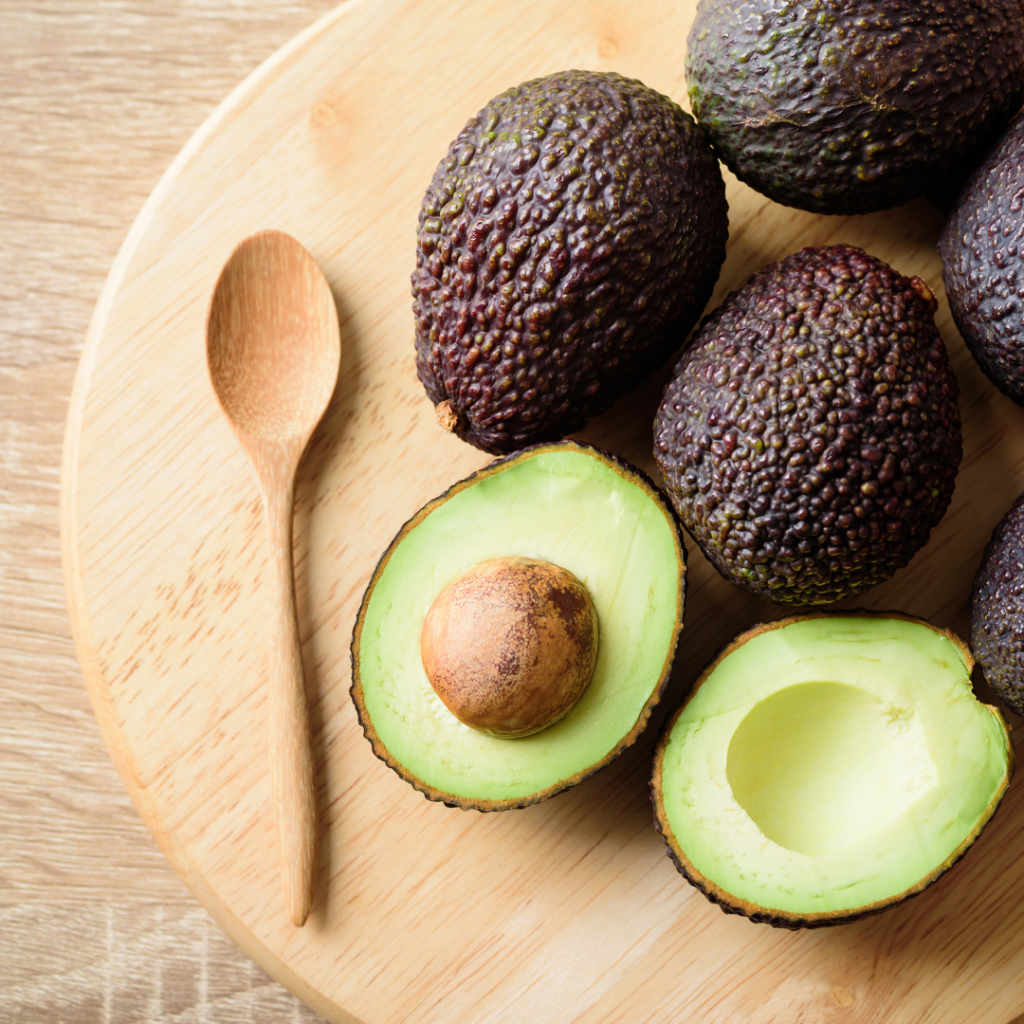
Avocado toast is the 2024 fan favorite, and I totally get why, it’s delicious, quick, and easy! Who doesn’t love it? This tasty fruit is packed with nutrients like vitamin E, calcium, magnesium, folate, vitamin C, phosphorus, and potassium. Just half an avocado (about 68g) gives you roughly 9 grams of carbs, 7 grams of fiber, 15 grams of healthy unsaturated fats, and 2 grams of protein. No wonder it’s such a hit! Plus, did you know it’s loaded with lutein and zeaxanthin? These carotenoids, which give fruits and veggies their yellow and red colors, are powerful phytonutrients that play a key role in maintaining eye health.

Salmon

habits

A 3oz serving of Atlantic salmon provides roughly 17 grams of protein, 11 grams of unsaturated fats, and no carbs or fiber. A great source for omega-3 fats and it’s also packed with vitamins and minerals, including vitamin D, magnesium, phosphorus, selenium, and B vitamins like B2, B5, and B12.

Lentils

Lentils – the ancient supergrain that’s often overlooked but totally deserves a spotlight! A cup of cooked lentils gives you about 40 grams of carbs, 16 grams of fiber, 18 grams of protein, and less than 1 gram of fat. Plus, they’re loaded with vitamins and minerals like calcium, iron, magnesium, potassium, phosphorus, zinc, selenium, and B vitamins like niacin and folate. Packed with goodness, and so easy to love!

Blueberries

One cup (about 148 grams) of fresh blueberries gives you less than 1 gram of fat, around 1 gram of protein, 21 grams of carbs, 4 grams of fiber, and 15 grams of natural sugars, including fructose and glucose. Not to mention, it’s packed with lutein and zeaxanthin, which boost its antioxidant powers, which support the body’s natural antioxidant defenses. It might be small, but it’s mighty! Enjoy mixed in Greek yogurt for your early mornings!

Practicing Mindful Eating

Mindful eating habits are all about paying full attention to what you’re eating, savoring each bite and tuning in to your hunger and fullness cues. It’s easier said than done at first, but with practice, it gets much easier. This approach supports portion awareness, digestive comfort, and a healthier relationship with food, and create a healthier relationship with food. By slowing down and focusing on the flavors, textures, and nutritional value of your meals, you’re not only nourishing your body but also enjoying a more balanced and satisfying eating experience. Here are some mindful eating tips that have truly helped me along the way and helped me build a positive relationship with food.

Invest in your health today with Tucson Wellness MD, and thrive tomorrow!

Consistency and self-discipline are the keys to maintaining a balanced lifestyle, building healthy habits, and achieving your goals. At Tucson Wellness MD, we believe that your progress is driven by your own efforts, you’re in control. We simply provide innovative holistic wellness solutions to support your journey! Remember why this journey is important for you, and let Tucson Wellness MD support you every step of the way. Explore our Longevity Program, designed to align with your individual health goals and lab findings. We are taking steps today to look out for our future selves, building a healthier, more vibrant life for tomorrow.

Frequently Asked Questions

What does eating for longevity mean?
Eating for longevity focuses on nutrient-dense foods that support cellular health, reduce inflammation, and promote healthy aging rather than short-term weight loss.

Why is longevity nutrition not one-size-fits-all?
Climate, stress, activity level, hydration needs, and metabolic health affect how the body ages. In Tucson, heat exposure and hydration demands play a major role in nutritional needs.

Why are plant-based foods emphasized for longevity?
Plant-based foods are rich in phytonutrients, antioxidants, and polyphenols that support immune function, reduce inflammation, and protect cells from oxidative stress.

How do lifestyle habits support longevity beyond diet?
Exercise, sleep quality, stress management, and hydration all influence cellular aging and metabolic health alongside nutrition.

STAY CONNECTED

Healthy Thanksgiving Tips to Enjoy Holiday Meals Without Feeling Sluggish

Thanksgiving is a favorite for many people. The food, the traditions, and the time with family and friends make it a day to enjoy. But one large holiday meal can leave you feeling sluggish if you are not mindful.

These five Thanksgiving health tips help you enjoy your favorite foods while supporting digestion, energy, and overall balance. With a few simple choices, you can feast without feeling uncomfortable afterward and get back to your routine feeling good.

Tip #1: Why You Should Not Skip Breakfast on Thanksgiving

thanksgiving breakfast

If your family is anything like mine, you might have grown up starving yourself all day to save room for that amazing home-cooked meal. I learned the hard way that this leads to overindulging and that dreaded food coma! Instead, start your day with a fiber-rich breakfast to support stable energy and digestion and keep your gut happy. A light smoothie packed with fiber is a great option that’s easy on digestion.

How Sugary Drinks and Alcohol Affect Holiday Health

With holiday drinks and the social atmosphere, especially with Thursday football on TV, it’s easy to lose track of how much sugar and alcohol you’re consuming. Choose wisely to avoid that post-feast sugar crash! If you’re eyeing a slice of pie later, consider limiting your alcohol intake. And if you enjoy sweet coffee drinks, remember that those can add extra sugar to your day, too! A great tip is to drink a glass of water for every alcoholic beverage you have. This keeps you hydrated and helps prevent overindulging! If you use supplements, speak with a healthcare provider about options that may support overall wellness during the holiday season.

Tip #3: How Portion Control Helps Prevent Holiday Overeating

Thanksgiving can feel overwhelming when it comes to serving yourself. It’s completely fine to indulge, but moderation is essential! Consider starting with smaller portions and prioritizing healthier options, try enjoying the veggies first before diving into the proteins and starches. One great tip is to use a smaller plate! It might sound surprising, but it can really help you maintain balance in the long run.

thanksgiving

Tip #4: Why Bringing Food Containers Prevents Overindulgence

thanksgiving containers

I always bring my favorite containers to family gatherings, especially on Thanksgiving. They’re great for packing up a second plate to enjoy later or for meal prep the next day. This little trick not only helps me avoid overindulging but also keeps me on track with my routine. Plus, it means I have meals ready for the next few days, leaving more room for dessert!

Tip #5: How to Make Healthier Thanksgiving Recipes

Whether you’re hosting or contributing to a potluck, consider healthier alternatives for classic dishes. Use fat-free products or Greek yogurt in creamy recipes, reduce sugar in desserts, and swap out oil and butter for avocado or olive oil in main dishes.

Don’t let one day of feasting throw your entire routine off balance. Pay attention to your body’s signals and stop eating when you notice those cues.


Nutrition and GI Health Support at Tucson Wellness MD

It’s totally normal if this takes some time to sink in, so be kind to yourself as you work on making healthier choices. Just remember to stay committed to your journey! If you’re feeling a bit lost when it comes to reading nutrition labels, why not chat with our nutritionist? She is here to help you learn how to eat better in a fun and supportive way. If you are looking for personalized digestive support, our team offers consultations to help guide nutrition and supplement decisions.

Frequently Asked Questions

How do I avoid overeating on Thanksgiving without missing out on my favorite foods?

Start Thanksgiving with a fiber-rich breakfast to stabilize blood sugar and reduce hunger going into the main meal. Use a smaller plate, begin with vegetables before proteins and starches, and take smaller initial portions. You can always go back for more. Eating slowly and stopping when you feel satisfied rather than full makes the biggest difference.

Why do I feel so tired and sluggish after Thanksgiving dinner?

Post-meal fatigue is driven by a large carbohydrate and calorie load, blood sugar fluctuation from sugary drinks and desserts, and the natural digestive demand of a heavy meal. Alcohol compounds this by acting as a sedative. Managing portion sizes, limiting alcohol, and staying hydrated throughout the day significantly reduces the crash.

Is it bad to skip breakfast on Thanksgiving to save room for dinner?

Yes. Skipping meals before a large feast reliably leads to overeating because hunger overrides portion awareness. A light, fiber-rich breakfast stabilizes blood sugar, supports digestion, and gives you better appetite control by the time the main meal arrives.

How much water should I drink on Thanksgiving?

Hydration needs vary by body weight and activity level, but a practical guideline is to match every alcoholic beverage with a full glass of water and aim for consistent hydration throughout the day rather than catching up after the meal. Water supports digestion, reduces the likelihood of mistaking thirst for hunger, and helps manage the effects of sodium-heavy holiday dishes.

What are simple swaps to make Thanksgiving recipes healthier?

Replace butter and oil with avocado oil or olive oil in main dishes, substitute Greek yogurt for sour cream or mayo in creamy recipes, and reduce added sugar in desserts by 25 to 30 percent without significantly affecting taste. These swaps reduce caloric density without eliminating the dishes that make the meal worth eating.

Will one big Thanksgiving meal affect my health or weight loss progress?

One meal does not undo sustained healthy habits. The concern is the multi-day pattern of leftovers, extra desserts, and reduced activity that often follows. Getting back to your normal routine the next day including regular meals, hydration, and movement is more important than what happens on Thanksgiving itself.

What are 5 healthy eating habits?

  • Do not skip meals
  • Start with fiber-rich foods
  • Control portions
  • Limit sugary drinks and alcohol
  • Stop eating when you feel satisfied