Retatrutide Dosage Guide: Safety, Timeline, and Weight-Loss Expectations
Table of Contents
Retatrutide is an investigational peptide therapy being studied for weight loss, appetite regulation, and metabolic health support. Because it affects multiple hormone pathways, dosing should be personalized and medically supervised.
This guide explains how retatrutide dosage may be approached, why treatment usually starts low, what may affect dose changes, what side effects to watch for, and why provider-guided monitoring matters. At Tucson Wellness MD, medical weight loss plans are based on your symptoms, health history, body composition goals, labs, medication tolerance, and long-term safety.
Quick Answer: What Is the Typical Retatrutide Starting Dose?
Retatrutide treatment usually starts with a low weekly dose so the body can adjust and side effects can be monitored. A starting point around 2.5 mg once weekly is often discussed in peptide-based weight management, but the right dose depends on health history, goals, side effects, medication tolerance, and provider evaluation. Do not adjust retatrutide dosage without medical guidance.
What Is the Right Retatrutide Dosage for Weight Loss?
The answer depends on your body, your health history, and your weight loss goals. A medical provider must guide dosing to keep treatment safer and better monitored.
This guide explains how retatrutide works, typical dosage progression, safety considerations, and how a personalized plan helps you support more personalized progress.
If you are exploring medical weight loss at Tucson Wellness MD, this will help you understand what to expect.
Retatrutide Dosage and Monitoring at a Glance
Retatrutide dosing should be personalized. Monitoring helps providers balance appetite control, weight loss progress, side effects, nutrition, hydration, and long-term safety.
| Treatment Stage | What Usually Happens | Why Monitoring Matters |
|---|---|---|
| Starting dose | Treatment begins with a low weekly dose. | Helps the body adjust and may reduce early side effects. |
| Dose increase | Dose may increase after several weeks if tolerated. | Provider checks appetite changes, weight loss response, and side effects. |
| Active weight loss phase | Patient continues treatment while progress is tracked. | Monitoring helps prevent unnecessary dose escalation. |
| Maintenance phase | Dose may be adjusted after steady progress or goal achievement. | Helps maintain results while limiting side effects. |
| Follow-up visits | Provider reviews symptoms, labs, progress, and tolerance. | Keeps the plan aligned with safety and long-term goals. |
When Retatrutide Dosage May Need Adjustment
Retatrutide dosage may need to be adjusted based on how your body responds over time. A higher dose is not always better, especially if side effects appear or weight loss is progressing steadily at a lower dose.
A provider may review your dose if you experience:
- Nausea or digestive discomfort
- Dizziness or low appetite that feels excessive
- Weight loss plateau
- Rapid weight loss
- Changes in blood sugar
- Changes in energy or hydration
- New medications or medical conditions
- Difficulty following your nutrition plan
- Maintenance planning after reaching a goal
Dose changes should always be based on medical review, not guesswork.
Need Help Finding the Right Weight Loss Plan?
Tucson Wellness MD offers provider-guided medical weight loss support with personalized evaluation, dosage planning, progress tracking, nutrition guidance, and safety monitoring.
Schedule a Medical Weight Loss ConsultationWhy Retatrutide Is Getting Attention for Medical Weight Loss
Retatrutide may be considered by people exploring medically supervised weight loss, appetite control, metabolic health support, or alternatives to other injectable weight loss treatments. Because dosing and side effects vary, it should always be reviewed with a qualified provider.
You may want to discuss retatrutide with a provider if you have:
- Weight loss resistance or repeated weight regain
- Strong hunger or cravings
- Difficulty feeling full after meals
- Insulin resistance or blood sugar concerns
- Slow progress despite nutrition and exercise efforts
- A history of side effects with other weight loss medications
- Questions about peptide-based weight management
- Medical conditions that may affect treatment safety
- A need for lab testing and ongoing monitoring
A provider can help determine whether retatrutide, another medical weight loss option, or lifestyle-based care is the safest fit. Patients comparing options may also review medical weight loss in Tucson and fat loss injections.
Is Retatrutide FDA Approved?
Retatrutide is not FDA approved for weight loss, diabetes, obesity treatment, or general medical use. It remains an investigational medication being studied in clinical trials.
This means there is no approved commercial retatrutide product available through standard pharmacies. Patients should avoid online products claiming to be retatrutide because quality, purity, dose accuracy, and safety cannot be verified.
If you are interested in advanced medical weight loss, a provider can help you review approved options, clinical-trial information, safety risks, and realistic next steps.
How Retatrutide Supports Appetite Control and Fat Loss
Retatrutide activates hormone receptors involved in appetite regulation and metabolic control.
This produces several effects:
• May reduce hunger signals
• May support longer feelings of fullness after eating
• May support blood sugar regulation
• May influence fat utilization for energy
These changes may make calorie control easier and help the body support sustained fat loss efforts.
Medical supervision ensures dosing is adjusted based on how your body responds. For related injectable weight-loss topics, read about peptide therapy for weight loss.
How Much Weight Loss Has Retatrutide Shown in Research?
Retatrutide has shown significant weight-loss results in clinical research, but those results come from controlled trial settings with structured dosing, screening, monitoring, and follow-up.
In a published phase 2 obesity trial, retatrutide led to substantial body-weight reductions over 48 weeks. More recent late-stage trial updates have reported even larger average weight-loss results over longer treatment periods, but retatrutide remains investigational and is not yet approved for routine use.
Patients should not expect trial results to automatically match real-world outcomes. Nutrition, activity, starting weight, medications, side effects, adherence, and medical history all affect results.
Why Retatrutide Dosage Should Be Personalized
There is no single dose that works for everyone.
Your provider considers several factors:
• Current weight and body composition
• Metabolic health
• Medication tolerance
• Weight loss goals
• Existing medical conditions
Most patients begin with a low dose and increase gradually. This approach may improve comfort and reduce side effects.
Retatrutide Dosage Timeline and Progression
Your provider determines the exact schedule. The structure below reflects common medical practice for peptide-based weight management therapies.
Why Retatrutide Usually Starts at a Low Dose
Treatment usually begins with a low weekly dose.
A common starting point is around 2.5 mg once weekly.
This allows your body to adjust and helps reduce early side effects such as nausea.
How Retatrutide Dose Increases Are Managed
After several weeks, your provider may increase the dose based on:
• Tolerance
• Weight loss response
• Side effects
Patients often progress to higher therapeutic levels such as 5 mg or more over time. Some individuals require additional adjustments depending on results.
Dose increases always occur under medical supervision.
Retatrutide Maintenance Dose and Long-Term Planning
Once you reach your target weight or stable progress, your provider sets a maintenance dose.
This helps:
• Preserve weight loss
• Maintain metabolic benefits
• Prevent unnecessary dose escalation
Maintenance dosing varies widely between patients.
Factors That Affect Retatrutide Dosage
Your treatment plan is individualized. Several variables affect dosing decisions.
How Body Weight and Composition Affect Retatrutide Treatment
Higher body mass may require different dosing adjustments.
How Metabolic Health Affects Retatrutide Results
Insulin resistance or slower metabolism may influence how quickly dosing increases.
Medical Conditions That May Affect Retatrutide Dosing
Diabetes, thyroid disorders, or cardiovascular factors may affect treatment planning.
Why Side Effects and Progress Determine Dose Adjustments
Side effects and weight loss progress guide every dosage change.
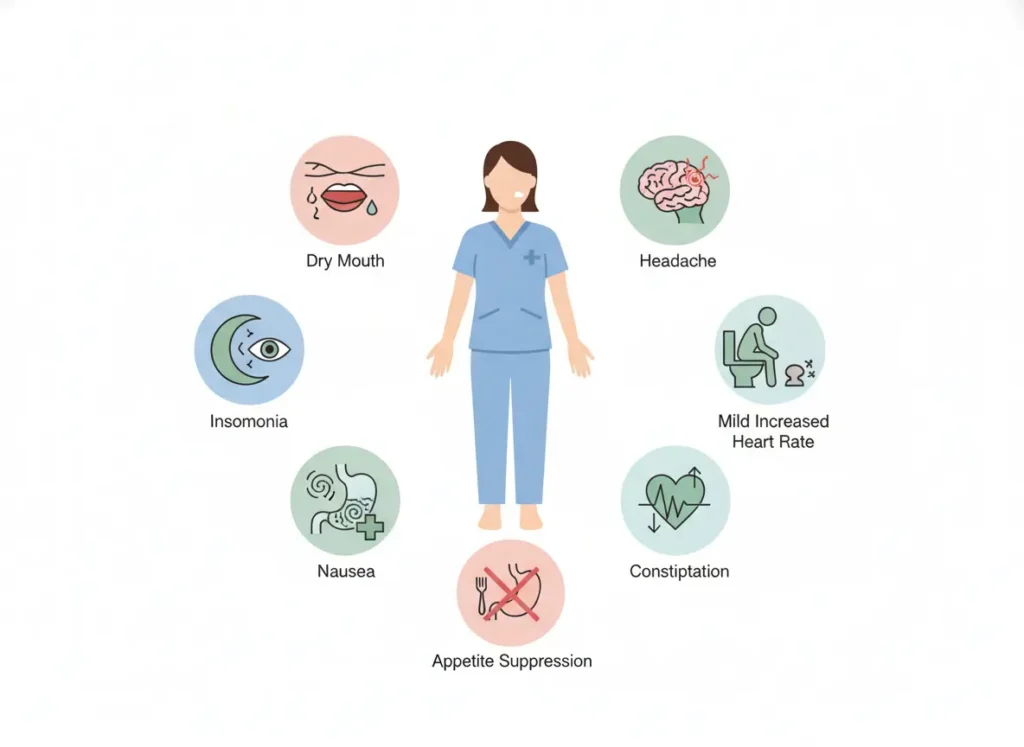
Retatrutide Side Effects and Monitoring
| Possible Concern | Why It Matters | What Providers Monitor |
|---|---|---|
| Nausea or vomiting | May affect hydration, nutrition, and treatment tolerance | Symptom severity, fluids, meals, dose timing |
| Diarrhea or constipation | Can affect comfort and adherence | Digestion, hydration, fiber intake |
| Low appetite | May increase risk of under-eating or muscle loss | Protein intake, body composition, strength changes |
| Blood sugar changes | May matter for patients with diabetes or metabolic risk | Glucose, A1C, medications, symptoms |
| Excessive weight loss | May affect muscle, nutrition, and long-term health | Weight trend, lean mass, nutrition quality |
What Research Shows About Retatrutide Dosage and Results
Clinical trials show meaningful weight reduction across multiple dosing levels when therapy is properly supervised.
Higher doses may be associated with greater weight loss in clinical trial settings. Lower doses may still provide measurable changes for some patients for many patients.
The most important factor is individualized treatment rather than fixed dosing.
Why Personalized Retatrutide Treatment Supports Better Results
Weight loss medications are usually safer and more personalized when tailored to the individual.
At Tucson Wellness MD, treatment includes:
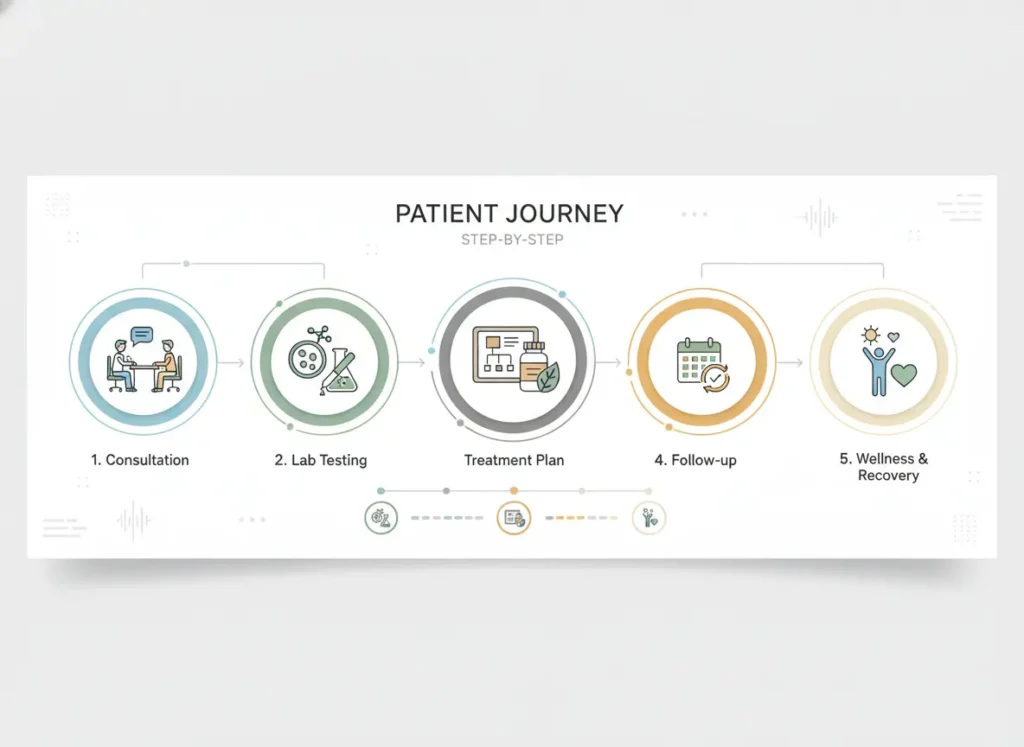
• Medical evaluation and screening
• Customized dosage planning
• Ongoing monitoring
• Progress tracking
• Adjustment based on response
This structured approach may improve safety and support long-term progress.
Related Weight Loss and Metabolic Health Services
Retatrutide dosage should be reviewed within a complete weight loss and metabolic health plan. Tucson Wellness MD offers medical weight loss, fat loss injections, peptide therapy, longevity care, and concierge primary care.
When Providers May Adjust Retatrutide Dosage
Your provider may modify your dosage if:
• Weight loss plateaus
• Side effects appear
• Goals change
• Health conditions shift
Regular check-ins ensure treatment stays aligned with your progress.
Medical Weight Loss and Retatrutide Support at Tucson Wellness MD
Tucson Wellness MD provides physician-guided medical weight loss programs designed for sprovider-guided, sustainable weight loss support.
Your care plan includes:
• Personalized dosing strategy
• Ongoing medical supervision
• Lifestyle and nutrition guidance
• Long-term weight maintenance support
Every treatment plan focuses on measurable health improvement and long-term progress.
Retatrutide and Medical Weight Loss Support in Tucson
If you are in Tucson and researching retatrutide dosage, provider-guided care can help you understand whether this treatment fits your health history, weight loss goals, appetite patterns, and metabolic needs.
At Tucson Wellness MD, patients receive medical weight loss support with evaluation, personalized planning, progress tracking, and monitoring for side effects. This helps make dosage decisions safer and more aligned with long-term results.
Related Reading
- Retatrutide vs Semaglutide: Weight Loss Comparison
- What Happens When You Stop Semaglutide or Tirzepatide?
- TRT and Semaglutide Together: Benefits, Safety, and What to Expect
Start a Personalized Retatrutide Weight Loss Plan in Tucson
Finding the right retatrutide dosage requires expert medical guidance. Starting low, adjusting carefully, and monitoring progress may support safer and more personalized outcomes.
If you want a personalized evaluation, Tucson Wellness MD can help you determine whether retatrutide fits your weight loss plan.
Ready for Provider-Guided Weight Loss Support?
If you are considering retatrutide or another medical weight loss option, Tucson Wellness MD can help you review your goals, symptoms, health history, medication tolerance, and treatment options safely.
Book a Weight Loss ConsultationRetatrutide Dosage FAQs
What is retatrutide used for?
Retatrutide is an investigational peptide therapy being studied for weight loss and metabolic health support. It targets hormone pathways involved in appetite regulation, blood sugar control, and energy use. Many patients explore it as part of medically supervised weight management programs. Treatment should always include monitoring and lifestyle support.
What is the typical starting dose of retatrutide?
Treatment commonly begins with a low weekly dose to help the body adjust gradually. Clinical trials use structured starting and escalation schedules, but patients should not copy trial doses without medical supervision in peptide-based weight management approaches. Starting low helps reduce early side effects such as nausea and digestive discomfort. Exact dosing should always be determined by a medical provider.
Why does retatrutide dosage increase gradually?
Gradual dose increases help improve tolerance and reduce side effects during treatment. Providers monitor appetite changes, weight loss progress, and digestive symptoms before making adjustments. This step-by-step approach supports safer long-term results. Rapid dose escalation may increase discomfort and reduce adherence.
How does retatrutide support weight loss?
Retatrutide activates hormone receptors involved in appetite control and metabolic regulation. Retatrutide is being studied for effects on hunger, fullness, and metabolic signaling. These combined effects make calorie control easier for many patients. Lifestyle habits still play a major role in overall results.
Can I increase my retatrutide dose faster for better results?
No. Retatrutide dosing should not be increased faster without provider guidance. Faster increases may raise the risk of nausea, digestive discomfort, low appetite, dizziness, or poor tolerance. Your provider should adjust dosing based on progress, side effects, and safety.
What should I do if retatrutide side effects happen?
Tell your provider if you experience nausea, digestive discomfort, dizziness, low appetite, dehydration symptoms, or side effects that interfere with eating or daily activity. Your provider may adjust the dose, slow the titration schedule, or review hydration, nutrition, and other health factors.
Is retatrutide FDA-approved for weight loss?
Retatrutide is still considered investigational and is being studied in clinical trials. Patients should discuss legal access, safety, medication sourcing, and appropriate alternatives with a qualified medical provider.
How long does retatrutide take to work?
Some people may notice appetite changes within the first several weeks, while weight and body composition changes usually take longer. Results depend on dosage, tolerance, nutrition, movement, sleep, metabolic health, and provider monitoring.
Can retatrutide be used with other weight loss medications?
Combining weight loss medications should only be considered with medical supervision. A provider should review side effects, contraindications, blood sugar risk, digestive symptoms, and medication interactions before combining therapies.
Who should avoid retatrutide?
Retatrutide may not be appropriate for people who are pregnant, breastfeeding, have certain endocrine concerns, severe gastrointestinal disease, complex medical histories, or medication conflicts. A provider should review risks before treatment.