When to See a Menopause Doctor in Tucson: Signs You Should Not Ignore
Table of Contents
Many women do not see a menopause specialist until they have already spent months or years managing symptoms on their own. Fatigue, weight gain, sleep disruption, mood changes, brain fog, and changes in libido are often blamed on stress, aging, or a busy lifestyle.
These symptoms may be hormone-related and worth evaluating early. This article explains when to see a menopause doctor in Tucson, what symptoms should not be ignored, what labs may help, and how provider-guided care can support women during perimenopause and menopause.
Quick Answer: When Should You See a Menopause Doctor?
You should consider seeing a menopause doctor when symptoms begin affecting your sleep, mood, weight, energy, focus, libido, periods, or daily quality of life. You do not need to wait until symptoms become severe or until menopause is officially confirmed. A provider can review your symptoms, menstrual history, labs, health background, and treatment options to help determine whether hormone support, non-hormonal care, lifestyle changes, or further evaluation is appropriate.
Who Should Schedule a Menopause Consultation?
A menopause consultation may be worth scheduling if symptoms are affecting how you sleep, think, feel, work, exercise, or connect with others. Many women wait because symptoms feel gradual or easy to blame on stress, aging, or a busy lifestyle.
You may want to schedule a menopause consultation if you experience:
- Irregular periods
- Hot flashes or night sweats
- Sleep disruption
- Mood changes or irritability
- Anxiety that feels new or worse
- Brain fog or poor focus
- Unexplained weight gain
- Reduced libido
- Vaginal dryness
- Joint stiffness
- Low energy or fatigue
- Symptoms that continue despite healthy habits
A provider-guided consultation helps connect your symptoms, hormone changes, health history, and treatment options into one clearer plan.
Perimenopause and Menopause Symptoms at a Glance
Perimenopause and menopause symptoms can affect sleep, mood, weight, libido, focus, cycle patterns, and daily comfort. This table helps summarize when symptoms may deserve evaluation.
| Symptom | Why It May Happen | When to Discuss It |
|---|---|---|
| Irregular periods | Estrogen and progesterone fluctuations can change cycle timing and flow. | When cycles become shorter, longer, heavier, lighter, or unpredictable. |
| Hot flashes or night sweats | Hormone changes can affect temperature regulation. | When symptoms disrupt sleep, work, or daily comfort. |
| Mood changes | Hormonal shifts may affect emotional regulation. | When irritability, sadness, or anxiety feels new or worse. |
| Brain fog | Sleep disruption and hormone changes can affect focus and memory. | When concentration or short-term memory affects daily function. |
| Weight gain | Hormone changes may influence metabolism, muscle, and fat distribution. | When weight changes occur despite stable habits. |
| Low libido or vaginal dryness | Estrogen, testosterone, stress, and sleep changes may affect sexual wellness. | When comfort, intimacy, or quality of life is affected. |
What Labs May Help During Perimenopause and Menopause?
Hormone symptoms should be evaluated with more than a basic lab panel. Perimenopause and menopause can involve changes in estrogen, progesterone, testosterone, thyroid function, metabolic health, stress hormones, and nutrient status.
A provider may review:
- Estradiol
- Progesterone
- FSH
- LH
- Testosterone
- DHEA-S
- Thyroid markers
- Cortisol when appropriate
- Vitamin D
- Metabolic markers
- Lipids
- Symptoms and health history
Lab testing helps clarify whether symptoms may be related to hormone changes, thyroid issues, metabolic changes, nutrient concerns, or another health factor.
Why Many Women Delay Menopause and Perimenopause Care
There are a few reasons women delay seeking specialist care for menopause and perimenopause.
The first is normalization. Symptoms like fatigue, irritability, and poor sleep are so commonly attributed to busy lives, aging, or stress that many women never connect them to hormonal change. They manage. They cope. They assume this is just what getting older feels like.
The second is a lack of clear information from primary care. Many women raise these symptoms with their general practitioner and are told their labs are normal, or that what they are experiencing is a natural part of aging. What often goes unmeasured in those appointments is the full hormonal picture, including estrogen, progesterone, testosterone, thyroid function, and cortisol, the markers that may help clarify what is happening.
The third is the assumption that menopause is a single event rather than a transition. Perimenopause, the hormonal shift that precedes the final menstrual period, can begin anywhere from eight to ten years before menopause is clinically confirmed. Symptoms during perimenopause are real, significant, and may respond to treatment. Waiting for a formal menopause diagnosis before seeking help means months or years of symptoms without clear answers. Women trying to understand their stage may also review perimenopause vs menopause.
Early Perimenopause Symptoms You Should Not Ignore
Perimenopause does not announce itself clearly. It tends to arrive gradually, with symptoms that are easy to dismiss individually but significant when viewed together.
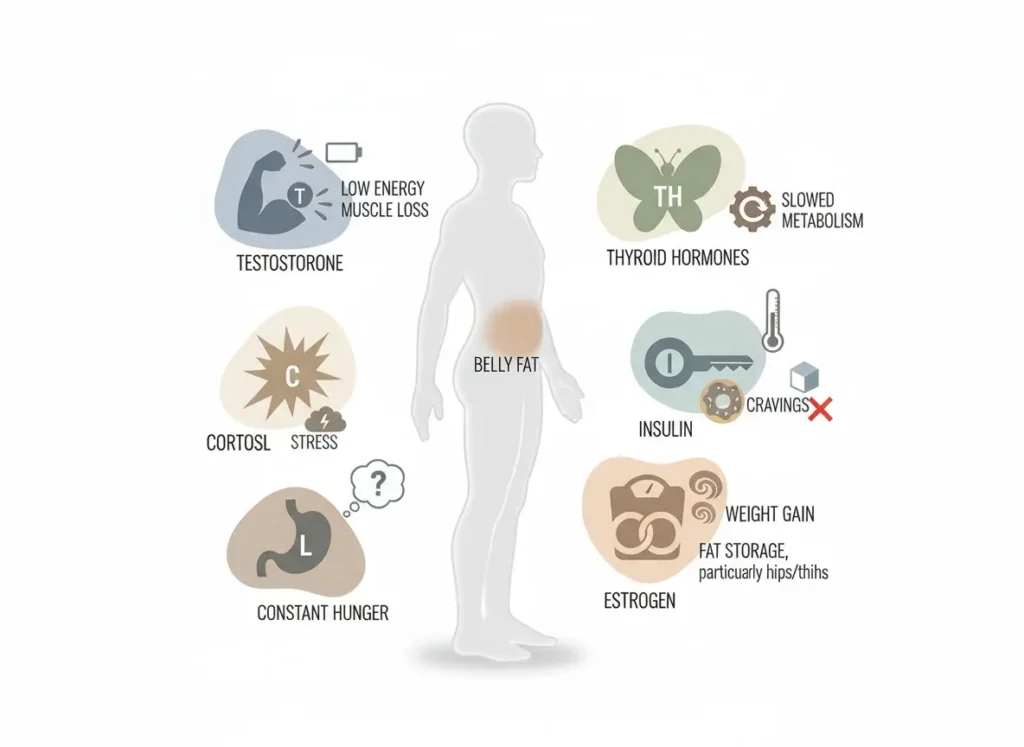
Common signs that hormonal change is already underway include sleep disruption that is new or worsening, particularly waking in the early hours without the ability to fall back asleep, increased irritability or anxiety that feels disproportionate to circumstances, irregular periods including cycles that are shorter, longer, heavier, or lighter than your normal, hot flashes or night sweats even if mild or infrequent, unexplained weight gain particularly around the midsection despite no significant change in diet or activity, reduced libido or vaginal dryness, cognitive changes including difficulty concentrating or short-term memory lapses, and joint stiffness or new musculoskeletal discomfort.
None of these symptoms require you to have reached menopause to deserve evaluation and treatment. They may be related to hormone changes, but evaluation is important because other causes can overlap
Signs It May Be Time to See a Menopause Doctor
| Symptom | Why It Matters | What a Provider May Review |
|---|---|---|
| Hot flashes or night sweats | May point to estrogen changes or other medical factors. | Cycle history, menopause stage, thyroid, and medications. |
| Poor sleep | Can worsen fatigue, mood, weight, and focus. | Hormones, stress, sleep apnea risk, and night sweats. |
| Irregular periods | Common in perimenopause but should be evaluated if unusual. | Bleeding pattern, pregnancy risk, thyroid, and pelvic history. |
| Weight gain or belly fat | May involve hormones, insulin resistance, sleep, or muscle loss. | A1C, insulin risk, thyroid, nutrition, and activity. |
| Brain fog or mood changes | Can overlap with sleep, stress, thyroid, and hormone changes. | Symptoms, labs, sleep, stress, and medication review. |
How a Menopause Doctor Evaluates Hormone Symptoms
A menopause specialist approaches your symptoms differently than a standard primary care visit.
The evaluation begins with a comprehensive hormone panel, not just a basic estrogen check. This includes estradiol, progesterone, FSH, LH, testosterone, DHEA-S, thyroid function, and cortisol where relevant. These markers together provide a picture of what your hormonal environment actually looks like and where the imbalances are.
From there, treatment is built around your specific lab results, your symptom profile, your health history, and your goals. This is not a one-size approach. Women going through perimenopause and menopause have different needs depending on their age, their symptom severity, their cardiovascular and bone health history, and how far along the hormonal transition they are.
Hormone replacement therapy, when appropriate, is discussed in the context of current evidence, not outdated assumptions. The clinical understanding of HRT has shifted significantly in the past two decades. For most healthy women under 60 who are within ten years of menopause onset, HRT may be appropriate for some healthy women, depending on age, time since menopause, symptoms, health history, and risk factors. A menopause specialist will walk you through what the evidence actually says and help you make an informed decision.
Women who want a more detailed overview of treatment options can learn more about Menopause Therapy at Tucson Wellness MD. For related hormone symptoms, read about hormone imbalance symptoms and low testosterone in women.
Hormone and Health Markers a Menopause Doctor May Review
| Review Area | Possible Markers or Questions | Why It Helps |
|---|---|---|
| Menopause stage | Cycle history, FSH, LH, estradiol, symptoms | Helps clarify perimenopause, menopause, or postmenopause status |
| Hormone balance | Estrogen, progesterone, testosterone, DHEA-S | May explain libido, mood, sleep, energy, and body composition changes |
| Thyroid health | TSH, free T4, free T3 when appropriate | Thyroid issues can mimic menopause symptoms |
| Metabolic health | A1C, fasting glucose, lipids, insulin risk | Weight gain and belly fat may involve blood sugar and metabolic changes |
| Long-term risk | Bone density, cardiovascular history, family history | Supports prevention planning during and after menopause |
Why Early Perimenopause and Menopause Treatment Matters
Delaying care during perimenopause and menopause is not a neutral choice. The longer hormone changes go unevaluated, the more downstream effects accumulate.
bone density loss may accelerate during the years surrounding menopause due to estrogen decline. This is one of the primary drivers of osteoporosis in women over 60, and it is may be reduced with early evaluation and appropriate care.
Cardiovascular risk increases after menopause. Estrogen has a protective effect on blood vessel health, and its decline is associated with changes in cholesterol levels, blood pressure, and arterial stiffness. Women who address hormonal decline early and appropriately may help improve this risk profile.
Metabolic changes including insulin resistance, increased visceral fat, and changes in how the body partitions energy all accelerate in the perimenopausal window. Left unaddressed, these changes may become harder to manage and increase long-term disease risk.
Cognitive health is also implicated. Research increasingly supports the idea that the perimenopausal period is a important period for brain health, and that hormonal support during this time may have potential long-term benefits on cognitive function.
Waiting may make symptoms harder to manage and can delay useful evaluation and support.
What to Expect at Your First Menopause Consultation
If you have never seen a menopause specialist before, knowing what a first appointment looks like removes some of the uncertainty.
You will be asked about your full symptom history, your menstrual pattern, your personal and family medical history, and your current medications and supplements. A comprehensive hormone panel will be ordered if you do not already have recent labs. Depending on your age and history, additional screening such as bone density testing or cardiovascular markers may be recommended.
Your provider will review your results with you in plain language, not medical shorthand. You will understand what your numbers mean, how they relate to your symptoms, and what your options are. No decisions are made without your understanding and input.
If hormone therapy is appropriate and something you want to explore, your provider will explain the different forms available, including oral, topical, patch, and pellet options, and help you determine which approach fits your situation best. If hormone therapy is not the right fit, there are non-hormonal interventions that can meaningfully address specific symptoms, and those will be part of the conversation too.
What Menopause Treatment Options May Include
Menopause treatment depends on symptoms, health history, labs, age, risk factors, and personal goals. Some women may discuss hormone therapy, while others may benefit from non-hormonal options, lifestyle support, sleep care, nutrition guidance, weight-loss support, vaginal health treatments, or follow-up monitoring.
The goal is not to force one treatment path. The goal is to understand what is driving your symptoms and choose options that are medically appropriate for your situation. For treatment-specific information, learn more about menopause therapy in Tucson and TRT for women.
Related Menopause and Hormone Services
Perimenopause and menopause symptoms often involve sleep, energy, weight, libido, mood, and hormone changes. Tucson Wellness MD offers menopause therapy, TRT for women, medical weight loss, longevity care, and concierge primary care.
Menopause Doctor and Hormone Support in Tucson
If you are in Tucson and experiencing hot flashes, night sweats, poor sleep, mood changes, brain fog, weight gain, low libido, or irregular periods, a menopause consultation can help identify whether hormone changes may be involved.
At Tucson Wellness MD, women receive provider-guided hormone evaluation, lab review, personalized treatment planning, and ongoing support through the perimenopause and menopause transition. This helps create a clearer plan for symptom relief, energy, mood, sleep, sexual wellness, and long-term health.
When to See a Menopause Doctor in Tucson
The best time is when symptoms begin affecting daily life.
If you are in your late thirties or forties and recognizing any combination of the symptoms described above, that is enough reason to make an appointment. You do not need to have skipped a period. You do not need your symptoms to be severe. You do not need a referral or a formal diagnosis.
A qualified provider can review your symptoms, labs, and treatment options, run the right labs, and give you a clear picture of what is actually happening in your body.
At Tucson Wellness MD, we see women at every stage of the perimenopause and menopause transition. Whether you are just starting to notice changes or have been managing symptoms for years without real answers, we will start with comprehensive hormone testing and a one-on-one consultation that gives you the full picture.
You do not have to keep waiting. Call us at 520-222-5425 or email Info@TucsonWellnessMD.com to schedule your consultation.
Related Reading
- Perimenopause vs Menopause: How to Know What Stage You Are In
- Low Testosterone in Women: Symptoms, Causes, and Treatment
- Aging and Hormones: How to Stay Balanced Through Each Decade
Symptoms That Should Be Checked Promptly
Some symptoms should not be dismissed as “just hormones.” A provider should evaluate symptoms that are severe, sudden, unusual, or changing quickly.
- Bleeding after 12 months without a period
- Very heavy bleeding or large clots
- Bleeding after sex
- Severe pelvic pain
- Chest pain, shortness of breath, or fainting
- Unexplained weight loss
- Severe depression, anxiety, or thoughts of self-harm
- New weakness, numbness, or neurologic symptoms
These symptoms may have causes beyond perimenopause or menopause and should be reviewed by a qualified healthcare provider.
Ready to Talk With a Menopause Doctor?
Hot flashes, poor sleep, mood changes, weight gain, low libido, irregular periods, and brain fog can affect your daily life. Tucson Wellness MD can review your symptoms, hormone health, lab needs, and treatment options so you can make informed next steps.
Schedule a ConsultationFDA Compliance Disclaimer
Hormone replacement therapy and other treatments discussed in this article are prescription interventions that require evaluation by a licensed medical provider. This content is for informational purposes only and does not constitute medical advice. Individual results vary based on health history, hormone levels, and clinical presentation. Consult a qualified healthcare provider to determine whether any treatment is appropriate for your specific situation.
Perimenopause and Menopause FAQs
When should you see a menopause doctor?
You should consider seeing a menopause doctor when symptoms begin affecting your sleep, mood, energy, focus, weight, libido, or overall quality of life. Many women wait until symptoms become severe, but early evaluation often provides more treatment options and a clearer understanding of what is happening hormonally. You do not need to wait until menopause is officially confirmed. Addressing symptoms early may help prevent years of unnecessary discomfort.
What are the first signs of perimenopause?
Perimenopause often begins gradually and may include sleep disruption, mood changes, irregular periods, hot flashes, night sweats, reduced libido, brain fog, and unexplained weight gain. Many women initially attribute these symptoms to stress, aging, or a busy lifestyle. Because symptoms develop slowly, they are often overlooked. Recognizing the pattern early can help you seek appropriate support.
How long does perimenopause last?
Perimenopause can begin eight to ten years before menopause is officially confirmed. During this transition, hormone levels fluctuate significantly, leading to a wide range of symptoms. The experience varies from woman to woman, with some noticing mild changes and others experiencing more disruptive symptoms. Seeking evaluation during this phase may help improve symptom management.
Why do so many women delay seeking menopause care?
Many women assume symptoms such as fatigue, irritability, poor sleep, and weight gain are simply part of aging. Others are told their basic lab work is normal, which may not fully evaluate hormone-related causes. Misunderstanding menopause as a single event rather than a long transition also contributes to delays. As a result, many women spend years managing symptoms without answers.
Do I need a menopause doctor if I still have periods?
Yes, you can see a menopause doctor during perimenopause while you are still having periods. Irregular cycles, sleep disruption, hot flashes, mood changes, brain fog, low libido, or weight changes may all be worth evaluating before menopause is confirmed.
What symptoms should not be ignored during menopause?
Symptoms that should be checked include bleeding after menopause, very heavy bleeding, severe pelvic pain, chest pain, fainting, unexplained weight loss, severe mood changes, or new neurologic symptoms. These may require medical evaluation beyond hormone support.
What labs does a menopause doctor check?
A menopause doctor may review estradiol, progesterone, FSH, LH, testosterone, DHEA-S, thyroid markers, A1C, glucose, lipids, vitamin levels, and other markers based on symptoms and health history.
Can a menopause doctor help with weight gain?
Yes. Menopause-related weight gain may involve hormones, sleep, insulin resistance, thyroid changes, stress, muscle loss, and lifestyle factors. A provider can review the full pattern and discuss appropriate treatment options.
When should I see a menopause doctor in Tucson?
Consider seeing a menopause doctor in Tucson when hot flashes, night sweats, sleep disruption, mood changes, weight gain, low libido, vaginal dryness, brain fog, or irregular periods affect your quality of life.
Can I see a menopause doctor before menopause is confirmed?
Yes. You can see a menopause doctor during perimenopause, even if you are still having periods. Symptoms such as poor sleep, mood changes, hot flashes, weight gain, low libido, and brain fog may begin years before menopause is confirmed.
What is the difference between a menopause doctor and a regular doctor?
A menopause doctor focuses more closely on hormone changes, symptom patterns, treatment options, and long-term health risks related to perimenopause and menopause. They may review a broader hormone and metabolic picture than a basic visit.
Can menopause symptoms affect work and daily life?
Yes. Poor sleep, mood changes, hot flashes, brain fog, fatigue, and low energy can affect work, relationships, exercise, and daily routines. If symptoms are interfering with quality of life, it is reasonable to seek evaluation.