Ipamorelin vs Sermorelin: Benefits, Results, Safety, and Key Differences
Table of Contents
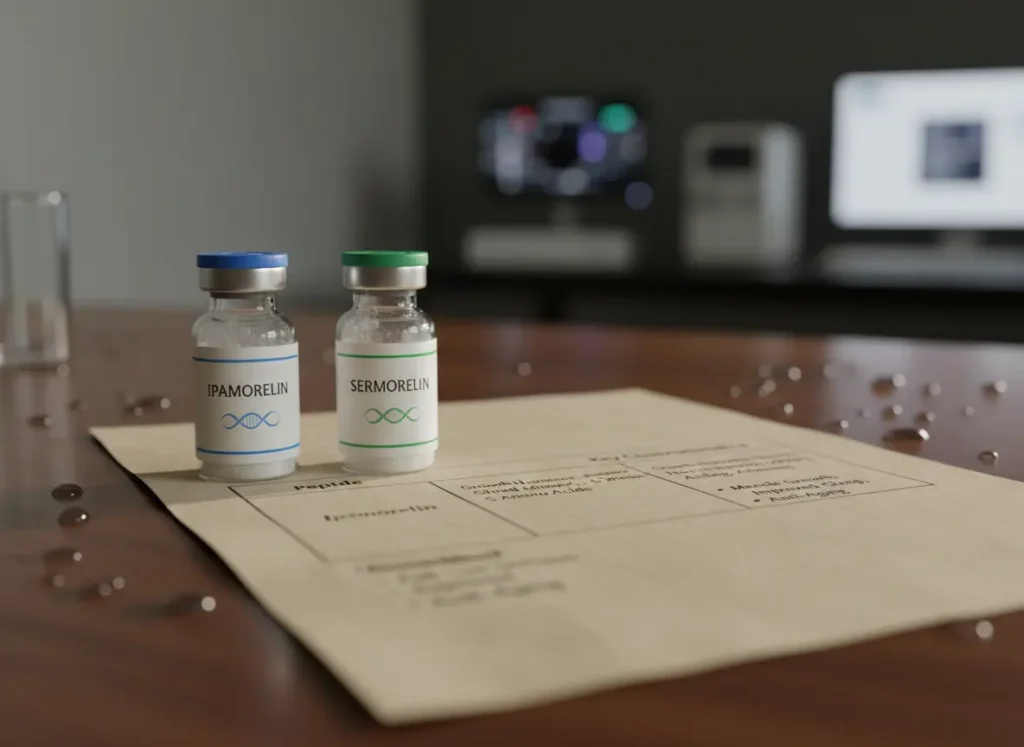
Ipamorelin and sermorelin are both peptide therapy options discussed for growth hormone support, but the main difference is how they signal the body. Sermorelin works through the growth hormone-releasing hormone pathway and is often used for slower, steady support. Ipamorelin works through ghrelin receptor signaling and is often discussed for recovery, body composition, fat loss support, and performance-related goals.
If you are comparing ipamorelin vs sermorelin, the right choice is not based on which peptide sounds stronger online. It depends on your symptoms, lab results, sleep quality, recovery needs, hormone markers, body composition goals, and medical history. Tucson Wellness MD uses provider-guided evaluation to determine whether peptide therapy is appropriate and which option may fit your goals safely.
Quick Answer
What Is the Difference Between Ipamorelin and Sermorelin?
Ipamorelin and sermorelin both support growth hormone release, but they work through different pathways. Sermorelin acts like growth hormone-releasing hormone and is often used for steady, long-term hormone support, sleep, and age-related wellness.
Ipamorelin works through ghrelin receptor signaling and is often considered for recovery, fat loss support, body composition, and performance goals. The better option depends on your symptoms, labs, health history, treatment goals, and provider evaluation.
Patients comparing ipamorelin and sermorelin often start with our peptide therapy service to understand how lab-based treatment plans are evaluated.
Not sure which treatment fits your goals? Tucson Wellness MD reviews your symptoms, health history, labs, and treatment goals before recommending peptide or hormone support. Call 520-222-5425 or schedule a consultation.
Ipamorelin vs Sermorelin: Quick Comparison
| Category | Ipamorelin | Sermorelin |
|---|---|---|
| Main pathway | Growth hormone-releasing peptide pathway | Growth hormone-releasing hormone pathway |
| Common goals | Recovery, body composition, fat loss support, and performance | Sleep, steady hormone support, and age-related wellness |
| Speed of results | Often discussed for earlier recovery and energy changes | Usually more gradual and long-term |
| Best fit | Active patients focused on recovery and body composition | Patients focused on steady hormone optimization and sleep support |
| Monitoring needed | Provider evaluation, lab review, dosing guidance, and follow-up | Provider evaluation, lab review, dosing guidance, and follow-up |
What Is Sermorelin?
Sermorelin is a synthetic form of growth hormone–releasing hormone (GHRH). It mimics a hormone your body already produces and signals the pituitary gland to release growth hormone.
Sermorelin may be prescribed in certain clinical settings following evaluation. Its use is based on individual health factors and provider judgment.
Sermorelin is typically administered as a nightly injection. Response timelines vary between individuals and depend on dosing, health status, and monitoring.
Side effects are generally mild and may include temporary injection-site irritation or occasional headaches.
What Is Ipamorelin?
Ipamorelin is a growth hormone–releasing peptide (GHRP). Instead of mimicking GHRH, it binds to ghrelin receptors, triggering short, controlled pulses of growth hormone release.
Ipamorelin interacts differently with hormone pathways than some other peptides. Individual tolerability varies.
Ipamorelin may be considered in certain clinical contexts based on provider evaluation and individual health goals.
It is usually taken once or twice daily and Onset and response vary depending on the individual and treatment plan. For a deeper look at dosing considerations, review our ipamorelin dosage guide.
How Ipamorelin and Sermorelin Work Differently
| Feature | Sermorelin | Ipamorelin |
| Peptide Type | GHRH analog | GHRP |
| Primary Action | Stimulates natural GH release via pituitary | Triggers GH pulses through ghrelin receptors |
| Clinical Considerations | Provider-directed hormonal evaluation | Metabolic and recovery-related considerations |
| Speed of Results | Gradual | Faster |
| Typical Dosing | Nightly injection | Once or twice daily |
| Side Effects | Mild, usually injection irritation | Mild, generally well tolerated |
| Treatment Style | Steady, long-term support | Shorter-acting, more immediate effects |
This comparison helps clarify why one peptide may be preferred over the other depending on goals.
Ipamorelin vs Sermorelin: Results Timeline
Most patients do not see results overnight. Ipamorelin is often discussed for faster recovery, energy, and body composition support, while sermorelin is usually more gradual because it supports natural growth hormone release over time.
A typical patient may notice early changes in sleep, recovery, or energy within the first few weeks. Body composition changes usually take longer and depend on nutrition, exercise, sleep, lab results, dosing, and consistency. Patients comparing realistic timelines can also read our guide on sermorelin before and after results.
Choosing the Right Peptide for Your Goal
Sermorelin may fit better if you want steady hormone support, sleep improvement, and long-term wellness.
Ipamorelin may fit better if you want recovery support, fat loss support, and a more performance-focused option.
A combination may be considered in select cases, but only with medical supervision and ongoing monitoring.
Find the Peptide Plan That Fits Your Goals
Ipamorelin and sermorelin can support different goals, but the right choice depends on your labs, symptoms, recovery needs, sleep quality, hormone markers, and medical history. Tucson Wellness MD can help you compare your options through a provider-guided peptide therapy consultation.
Schedule a Peptide Therapy ConsultationKey Benefits of Sermorelin Therapy
Sermorelin may be considered as part of long-term hormonal evaluation depending on individual clinical factors, particularly in age-related decline.
Ipamorelin may be evaluated in patients with specific metabolic or recovery-related considerations, based on provider assessment or more noticeable early changes often respond well to ipamorelin.
Who Benefits Most from Sermorelin?
Sermorelin may be a better fit if you:
- Experience poor sleep or age-related fatigue
- Prefer slower, steady hormone support
- Focus on longevity and anti-aging rather than performance
Who Benefits Most from Ipamorelin?
Ipamorelin may be appropriate if you:
- Are focused on fat loss and muscle preservation
- Maintain an active or athletic lifestyle
- Want faster recovery and earlier results
If your main goal is body composition, fat loss support, or better recovery, you may also want to review our weight loss and fat loss injection options.
Can Ipamorelin and Sermorelin Be Combined?
Yes. In some cases, providers prescribe both peptides together.
In certain cases, providers may consider combination protocols. Decisions are based on medical evaluation and require appropriate monitoring.
This approach requires medical oversight to ensure dosing, timing, and monitoring are appropriate.
Who Should Avoid Ipamorelin or Sermorelin?
Ipamorelin or sermorelin may not be appropriate for every patient. People with certain medical conditions, abnormal lab results, cancer history, uncontrolled diabetes, pregnancy, or active endocrine disorders should be evaluated carefully before treatment.
A provider should review your medical history, medications, symptoms, and lab work before recommending peptide therapy. This helps reduce risk and ensures the treatment fits your actual health profile.
Long-Term Safety and Treatment Outcomes
Both peptides are generally well tolerated when prescribed and monitored appropriately.
Treatment responses vary and depend on dosing, health profile, and monitoring.
Long-term success depends on individualized dosing, lifestyle factors, and ongoing provider guidance.
How to Choose the Right Peptide Therapy
There is no single best peptide for everyone.
If your goal is steady anti-aging support and sleep improvement, sermorelin may be the better option. If you are seeking faster fat loss, recovery, or performance support, ipamorelin may be more appropriate.
Some patients benefit most from a supervised combination based on their health profile.
Peptide Therapy at Tucson Wellness MD
At Tucson Wellness MD, peptide therapy is tailored to the individual.
We do not use one-size-fits-all protocols. Every plan is built around your health history, lab results, and goals, whether that involves sermorelin, ipamorelin, or a combination approach.
Our focus is safety, appropriate monitoring, and individualized medical care.
Find the Peptide Plan That Fits Your Goals
Ipamorelin and sermorelin can support different goals, but the right choice depends on your labs, symptoms, recovery needs, sleep quality, hormone markers, and medical history. Tucson Wellness MD can help you compare your options through a provider-guided peptide therapy consultation.
Schedule a Peptide Therapy ConsultationTucson Wellness MD serves patients in Tucson, Vail, Oro Valley, and Marana who want medically supervised peptide support for recovery, sleep, metabolism, hormone health, and body composition. Each plan starts with evaluation, lab review, and provider guidance.
Related Reading
- Ipamorelin Dosage Guide
- Sermorelin Before and After: What Results to Expect
- Ipamorelin vs CJC-1295: Key Differences
Frequently Asked Questions: Ipamorelin vs Sermorelin
Which works faster, ipamorelin or sermorelin?
Many patients notice changes from ipamorelin within weeks, especially with recovery, energy, and sleep quality. Sermorelin may work more gradually because it supports natural growth hormone release over time. Results vary based on age, labs, health history, dosage, and consistency.
Is ipamorelin better for fat loss?
Ipamorelin may support fat loss by encouraging growth hormone release, recovery, lean muscle support, and metabolism-related processes. It works best when paired with a structured plan that includes nutrition, exercise, sleep, and medical monitoring. It should not be treated as a standalone weight-loss shortcut.
Is sermorelin better for sleep?
Sermorelin may support sleep quality in some patients because growth hormone release is closely tied to deep sleep and recovery. Patients who want steady hormone support, improved rest, and long-term wellness may benefit from provider-guided sermorelin therapy. Individual response depends on health status and treatment plan.
Can you take ipamorelin and sermorelin together?
Yes, ipamorelin and sermorelin may be combined in select cases. Stacking should only be done under medical supervision to ensure proper dosing, timing, safety monitoring, and treatment fit. A provider should review your labs and goals before combining peptides.
Which peptide has fewer side effects?
Both peptides may be used under medical supervision when prescribed and monitored appropriately. Sermorelin has a longer history of use, while ipamorelin is known for its favorable hormone profile. Side effect risk depends on your health history, dosage, treatment plan, and provider monitoring.
How does tesamorelin compare to ipamorelin?
Tesamorelin is FDA-approved for specific medical indications, while ipamorelin is usually evaluated based on provider assessment and patient-specific goals. Ipamorelin is often discussed for recovery, fat loss support, and performance-related wellness. Individual responses vary, so a provider should determine which option fits your needs.
What about ipamorelin vs CJC-1295?
Ipamorelin is often used for recovery, fat loss support, and growth hormone stimulation. CJC-1295 is often used for longer-term growth hormone support, muscle development, and age-related wellness goals. Some protocols combine both, but this should only happen with medical supervision.