Exosome Therapy Explained: Benefits, Research, and Regenerative Medicine Applications
Table of Contents
Are you exploring options for lingering injuries, inflammation concerns, or visible signs of aging? Regenerative medicine continues to evolve, with new research exploring how cellular signaling may support future treatment approaches.
It can be incredibly frustrating when your body no longer bounces back the way it used to, leaving you feeling stuck in a cycle of slow recovery. Regenerative medicine continues to evolve, with ongoing research exploring how cellular signaling may influence future treatment approaches. At Tucson Wellness MD, we offer exosome-based therapies as part of individualized care following medical evaluation. Exosomes are being studied for their potential role in cellular signaling and tissue response. In this article, we will dive into the new research surrounding exosomes, explain how exosomes function in cellular communication and are being studied for their role in tissue signaling, and explain how exosome-based approaches are being studied in regenerative medicine and wellness applications.
Reviewed for Medical Accuracy
This article is educational and is not a substitute for diagnosis, prescription, or individualized medical advice. Exosome therapy is an emerging area of research, and treatment decisions should be discussed with a qualified healthcare provider.
Quick Answer: What Is Exosome Therapy?
Exosome therapy uses extracellular vesicles that carry biological signals between cells. Research is exploring their potential role in cellular communication, tissue response, regenerative medicine, and wellness applications. A provider consultation can help determine whether exosome-based approaches align with individual goals.
How Exosomes Support Cellular Communication
To understand why exosome therapy has gained interest in regenerative medicine research, we have to look at how cells communicate and respond to signals.Traditionally, regenerative medicine focused heavily on stem cells. However, new research suggests that it isn’t the stem cells themselves that do the heavy lifting, but rather the signals they send. This is where exosomes come in.
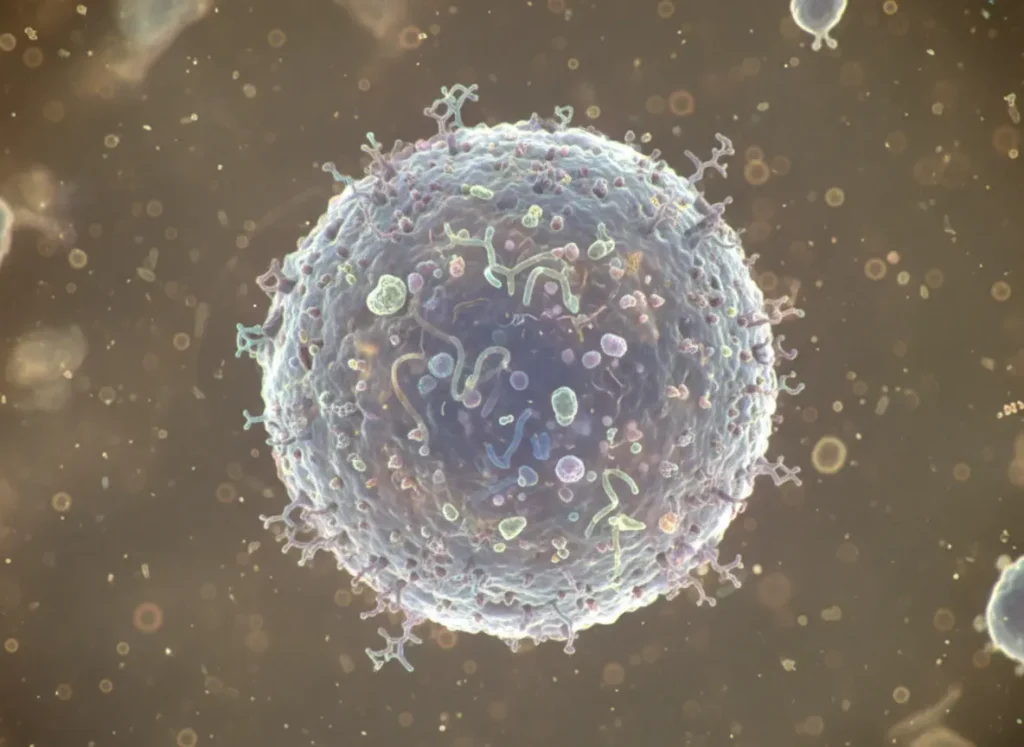
Exosomes are nano-sized extracellular vesicles essentially tiny messenger bubbles released by cells. They carry genetic information, proteins, and signaling molecules to other cells in your body. Exosomes can be compared to cellular messengers because they transport signaling molecules that may influence communication between cells. They do not directly create new tissue but are being studied for their role in cellular signaling pathways.
Exosomes in Regenerative Medicine: What They Actually Do
Exosomes are part of regenerative medicine because they help cells communicate during tissue response and repair. These tiny extracellular vesicles carry proteins, lipids, and genetic signals that influence inflammation, healing, and cellular activity. Instead of acting like stem cells, exosomes are better understood as messengers that help direct how the body responds at the cellular level. That is why exosome-based therapies are being studied for applications related to orthopedic recovery, inflammation, aesthetics, and other regenerative-focused treatments.
Exosome Therapy at a Glance
| Area Being Studied | Research Focus |
|---|---|
| Cellular communication | How exosomes transfer biological signals between cells |
| Regenerative medicine | Potential role in tissue signaling and repair pathways |
| Aesthetic applications | Research involving skin health and collagen pathways |
| Orthopedic applications | Studies involving inflammation and tissue response |
Who May Consider Exosome Therapy?
Current applications for exosome therapy cover a wide spectrum of health and wellness needs. Because exosomes are involved in cellular signaling pathways, researchers are studying their potential role in inflammation, tissue response, and regenerative medicine applications. Here are some areas where exosome-based approaches are currently being studied:
- How Exosomes Are Being Studied for Orthopedic Recovery: For athletes or active individuals, exosome therapy is being studied in orthopedic research settings for its potential role in cellular signaling and tissue response.
- How Exosomes May Influence Inflammatory Signaling: Systemic inflammation is the root of many chronic diseases. Research is ongoing regarding the role of exosomes in inflammatory signaling pathways.
- How Exosomes Are Being Studied in Skin and Aesthetic Medicine: New research highlights the role of exosomes in collagen production. Some studies are evaluating the role of exosomes in dermatologic and aesthetic research applications.
- Research on Exosomes and Neurological Support: Emerging studies are looking at the potential for exosomes to support neural health, Early-stage research is examining potential neurological applications; these uses remain investigational.
Patients interested in skin-focused regenerative approaches may also explore aesthetic services available through Tucson Wellness MD.
What to Expect During an Exosome Therapy Consultation
At Tucson Wellness MD, we believe in a personalized approach to the future of medicine. We don’t just administer treatments; we integrate them into a holistic plan designed for your specific physiology. When you choose us for exosome therapy, the process begins with a comprehensive consultation to ensure this advanced therapy aligns with your health goals.
The treatment itself is minimally invasive and typically administered via injection or IV therapy, depending on the area being treated. Unlike surgery, there is no lengthy downtime. Recovery time and activity recommendations may vary depending on the treatment approach and individual circumstances. Products are sourced from licensed suppliers and handled according to applicable standards. We guide you through the entire process, monitoring your progress as your body begins its regenerative work.
Explore Regenerative Medicine Options
Regenerative medicine includes multiple approaches being researched for tissue support and recovery. Learn more about Tucson Wellness MD services including PRP Therapy, Regenerative Medicine, and Stem Cell Therapy.
Regenerative wellness may involve multiple approaches. Learn more about peptide therapy and other personalized wellness options.
Exosome Therapy and Regenerative Medicine at Tucson Wellness MD
Exosome-based therapies represent an emerging area of regenerative medicine research. Tucson Wellness MD provides consultations to discuss whether this approach may align with your health goals, medical history, and wellness objectives.
A healthcare provider can help review available options, potential benefits, limitations, and whether exosome-based approaches are appropriate for your individual situation.
Explore Your Regenerative Medicine Options
Exosome therapy is an emerging regenerative approach that requires personalized evaluation. Tucson Wellness MD can review your health goals, medical history, and available regenerative options to determine the appropriate next steps.
Schedule a ConsultationFrequently Asked Questions About Exosome Therapy
What is exosome therapy?
Exosome therapy involves the use of extracellular vesicles that carry signaling molecules such as proteins, lipids, and genetic material. These vesicles are being studied for their role in cellular communication and tissue response within regenerative medicine research.
How do exosomes work in the body?
Exosomes function as cellular messengers. They transfer biological signals between cells, influencing processes related to inflammation, tissue signaling, and repair mechanisms currently under scientific investigation.
Who is a candidate for exosome therapy?
Individuals seeking regenerative-focused wellness strategies may explore exosome therapy after medical evaluation. A consultation determines whether this approach aligns with specific health goals and clinical considerations.
How is exosome therapy administered?
Depending on the treatment plan, administration may involve injection into a targeted area or intravenous infusion. The approach depends on clinical goals and provider assessment.
Are exosomes the same as stem cells?
No. Exosomes are extracellular vesicles released by cells that carry signaling molecules. They are different from stem cells but are being studied because of their role in cellular communication.
Are exosome treatments FDA approved for all conditions?
Exosome applications continue to be researched, and approval status depends on the specific product and intended use. Patients should discuss treatment options with qualified healthcare providers.
How long do exosome therapy results last?
Research is ongoing, and outcomes can vary depending on the individual, the application being studied, and other health factors.
Are exosome therapies proven treatments?
Exosome therapies are an emerging area of research. Studies continue to evaluate their potential applications in regenerative medicine, but results may vary depending on the specific product, condition being studied, and individual factors.
Are exosomes the same as stem cell therapy?
No. Exosomes are extracellular vesicles that carry signaling molecules, while stem cells are living cells with different biological functions. Exosomes are being researched for their role in cellular communication.
What are exosomes used for?
Exosomes are being studied for applications involving cellular signaling, tissue response, regenerative medicine, aesthetics, and other wellness-related areas.
Is exosome therapy FDA approved?
Approval status depends on the specific product and intended use. Exosome applications remain an active area of research, and patients should discuss options with qualified providers.