Healthy Thanksgiving Tips to Enjoy Holiday Meals Without Feeling Sluggish
Table of Contents
Thanksgiving is a favorite for many people. The food, the traditions, and the time with family and friends make it a day to enjoy. But one large holiday meal can leave you feeling sluggish if you are not mindful.
These five Thanksgiving health tips help you enjoy your favorite foods while supporting digestion, energy, and overall balance. With a few simple choices, you can feast without feeling uncomfortable afterward and get back to your routine feeling good.
Quick Answer: How Can You Enjoy Thanksgiving Without Feeling Sluggish?
You can enjoy Thanksgiving meals while supporting digestion and energy by avoiding skipped meals, choosing balanced portions, staying hydrated, limiting excess sugar and alcohol, and making simple ingredient swaps. Small mindful choices can help you enjoy holiday traditions without feeling overly full or uncomfortable afterward.
Tip #1: Eat a Balanced Breakfast to Prevent Overeating
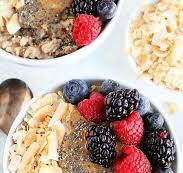
If your family is anything like mine, you might have grown up starving yourself all day to save room for that amazing home-cooked meal. I learned the hard way that this leads to overindulging and that dreaded food coma! Instead, start your day with a fiber-rich breakfast to support stable energy and digestion and keep your gut happy. A light smoothie packed with fiber is a great option that’s easy on digestion.
Tip #2: Limit Sugar and Alcohol to Avoid Energy Crashes
With holiday drinks and the social atmosphere, especially with Thursday football on TV, it’s easy to lose track of how much sugar and alcohol you’re consuming. Choose wisely to avoid that post-feast sugar crash! If you’re eyeing a slice of pie later, consider limiting your alcohol intake. And if you enjoy sweet coffee drinks, remember that those can add extra sugar to your day, too! A great tip is to drink a glass of water for every alcoholic beverage you have. This keeps you hydrated and helps prevent overindulging! If you use supplements, speak with a healthcare provider about options that may support overall wellness during the holiday season.
Tip #3: Use Portion Control to Stay Comfortable After Meals
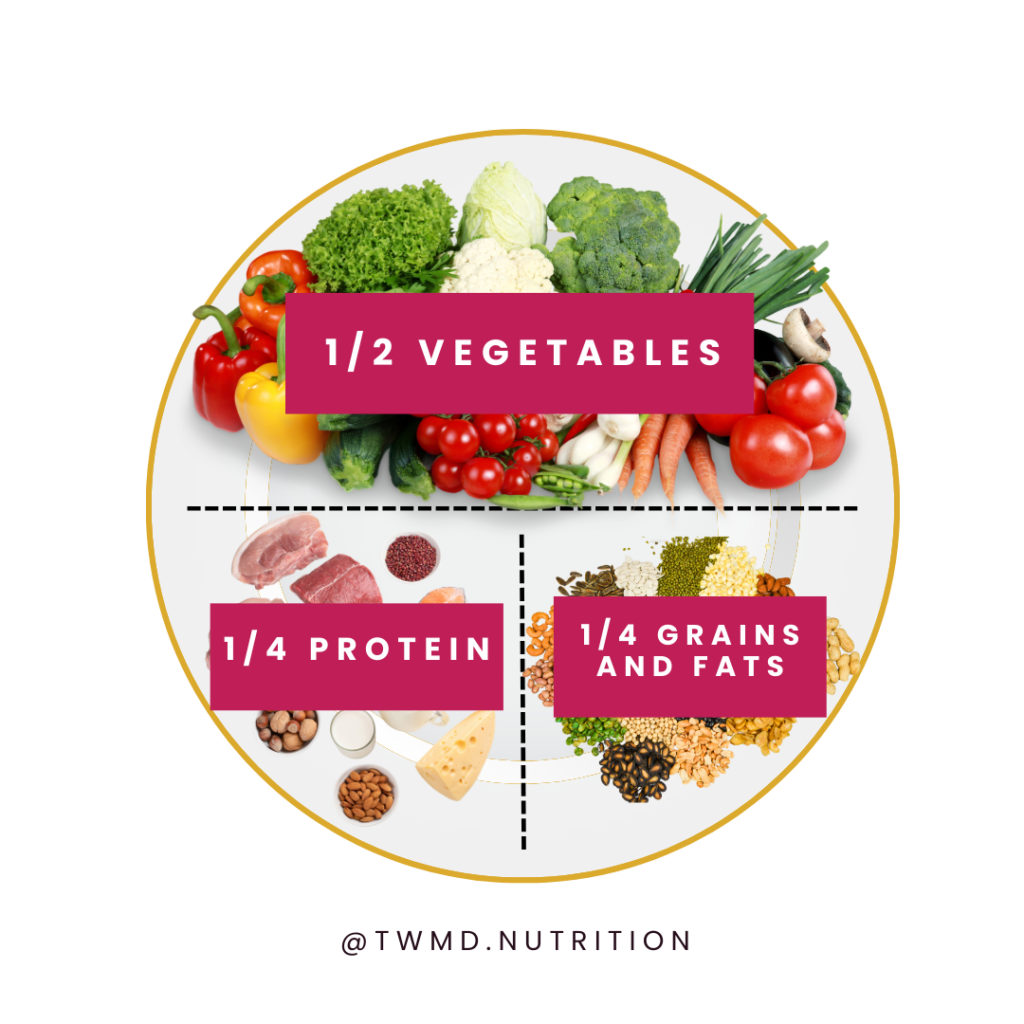
Thanksgiving can feel overwhelming when it comes to serving yourself. It’s completely fine to indulge, but moderation is essential! Consider starting with smaller portions and prioritizing healthier options, try enjoying the veggies first before diving into the proteins and starches. One great tip is to use a smaller plate! It might sound surprising, but it can really help you maintain balance in the long run.
Tip #4: Pack Leftovers to Avoid Overeating
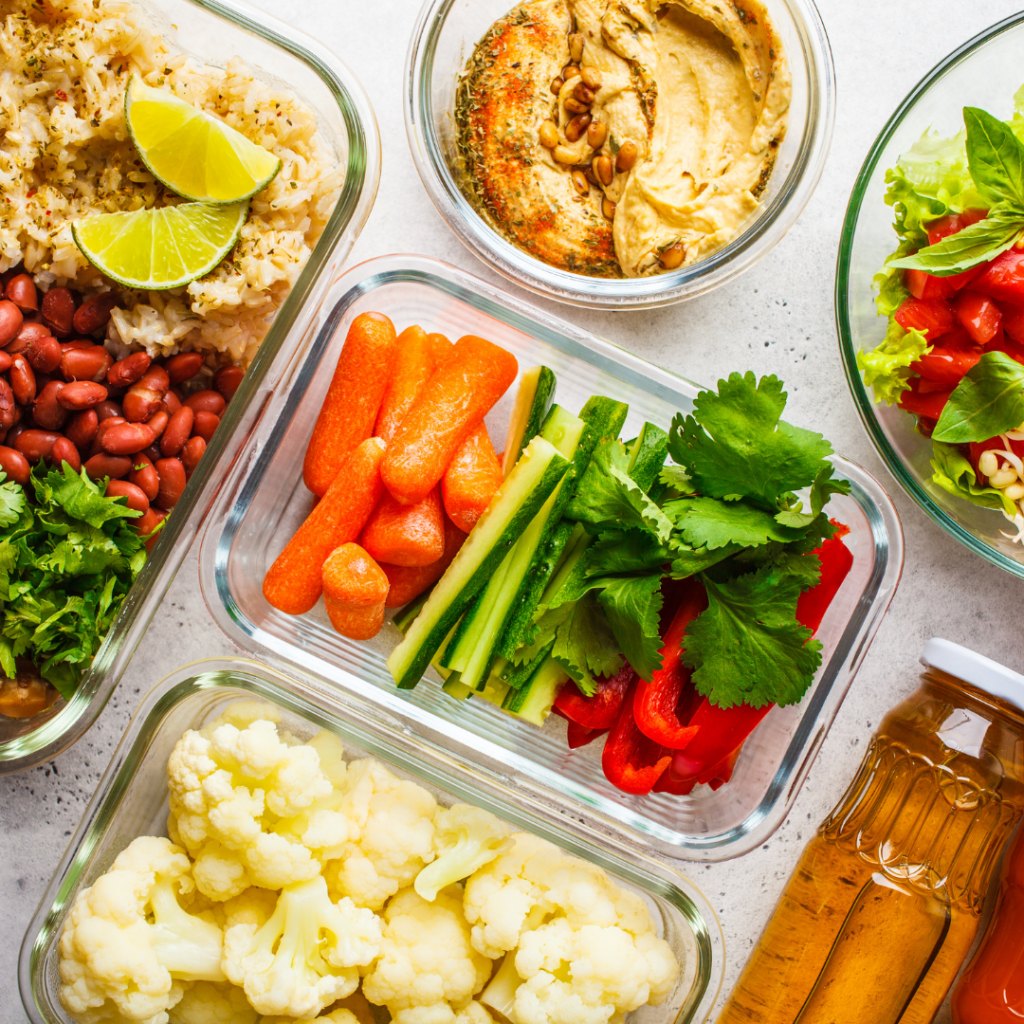
I always bring my favorite containers to family gatherings, especially on Thanksgiving. They’re great for packing up a second plate to enjoy later or for meal prep the next day. This little trick not only helps me avoid overindulging but also keeps me on track with my routine. Plus, it means I have meals ready for the next few days, leaving more room for dessert!
Tip #5: Make Simple Swaps for Healthier Holiday Recipes
Whether you’re hosting or contributing to a potluck, consider healthier alternatives for classic dishes. Use fat-free products or Greek yogurt in creamy recipes, reduce sugar in desserts, and swap out oil and butter for avocado or olive oil in main dishes.
Don’t let one day of feasting throw your entire routine off balance. Pay attention to your body’s signals and stop eating when you notice those cues.
Nutrition and GI Health Support at Tucson Wellness MD
It’s totally normal if this takes some time to sink in, so be kind to yourself as you work on making healthier choices. Just remember to stay committed to your journey! If you’re feeling a bit lost when it comes to reading nutrition labels, why not chat with our nutritionist? She is here to help you learn how to eat better in a fun and supportive way. If you are looking for personalized digestive support, our team offers consultations to help guide nutrition and supplement decisions.
A personalized nutrition consultation can help you better understand your eating habits, identify areas for improvement, and create realistic strategies that support your long-term wellness goals.
Build Healthier Eating Habits Beyond the Holidays
Holiday meals are only one part of your overall wellness journey. Tucson Wellness MD can help you create personalized nutrition and wellness strategies that support your health goals throughout the year.
Schedule a ConsultationFrequently Asked Questions
How do I avoid overeating on Thanksgiving without missing out on my favorite foods?
Start Thanksgiving with a fiber-rich breakfast to stabilize blood sugar and reduce hunger going into the main meal. Use a smaller plate, begin with vegetables before proteins and starches, and take smaller initial portions. You can always go back for more. Eating slowly and stopping when you feel satisfied rather than full makes the biggest difference.
Why do I feel so tired and sluggish after Thanksgiving dinner?
Post-meal fatigue is driven by a large carbohydrate and calorie load, blood sugar fluctuation from sugary drinks and desserts, and the natural digestive demand of a heavy meal. Alcohol compounds this by acting as a sedative. Managing portion sizes, limiting alcohol, and staying hydrated throughout the day significantly reduces the crash.
Is it bad to skip breakfast on Thanksgiving to save room for dinner?
Yes. Skipping meals before a large feast reliably leads to overeating because hunger overrides portion awareness. A light, fiber-rich breakfast stabilizes blood sugar, supports digestion, and gives you better appetite control by the time the main meal arrives.
How much water should I drink on Thanksgiving?
Hydration needs vary by body weight and activity level, but a practical guideline is to match every alcoholic beverage with a full glass of water and aim for consistent hydration throughout the day rather than catching up after the meal. Water supports digestion, reduces the likelihood of mistaking thirst for hunger, and helps manage the effects of sodium-heavy holiday dishes.
What are simple swaps to make Thanksgiving recipes healthier?
Replace butter and oil with avocado oil or olive oil in main dishes, substitute Greek yogurt for sour cream or mayo in creamy recipes, and reduce added sugar in desserts by 25 to 30 percent without significantly affecting taste. These swaps reduce caloric density without eliminating the dishes that make the meal worth eating.
Will one big Thanksgiving meal affect my health or weight loss progress?
One meal does not undo sustained healthy habits. The concern is the multi-day pattern of leftovers, extra desserts, and reduced activity that often follows. Getting back to your normal routine the next day including regular meals, hydration, and movement is more important than what happens on Thanksgiving itself.
What are 5 healthy eating habits?
- Do not skip meals
- Start with fiber-rich foods
- Control portions
- Limit sugary drinks and alcohol
- Stop eating when you feel satisfied
How can I prevent feeling tired after Thanksgiving dinner?
Feeling tired after a large meal may be related to portion size, carbohydrate intake, alcohol, hydration, and digestion. Eating balanced meals, staying hydrated, and practicing portion control may help reduce post-meal sluggishness.
Should I skip meals before Thanksgiving dinner?
Skipping meals may increase hunger and make overeating more likely. A balanced breakfast with fiber and protein can help support better appetite control.
How can I get back on track after Thanksgiving?
Returning to your normal routine with balanced meals, hydration, movement, and healthy sleep habits can help support overall wellness after holiday meals.