Eating for Longevity: Healthy Habits and Nutrient-Dense Foods
Table of Contents
Why Longevity Nutrition Matters
Healthy eating is one part of supporting long-term health as we age.
Rather than relying on individual “superfoods,” a healthy dietary pattern generally emphasizes a variety of:
- Vegetables
- Fruits
- Whole grains
- Beans and legumes
- Healthy protein sources
- Nuts and seeds
- Unsaturated fats
Nutrition works alongside physical activity, sleep, preventive care and management of medical conditions to support healthy aging.
Current National Institute on Aging guidance similarly emphasizes choosing a variety of nutrient-dense foods across food groups rather than relying on individual foods or supplements.
Why Longevity Is Not One-Size-Fits-All
Nutrition needs vary from person to person.
Factors that may affect dietary needs include:
- Age
- Activity level
- Medical conditions
- Medications
- Body composition
- Food preferences
- Hydration needs
- Nutrient deficiencies
- Cultural eating patterns
In Tucson’s hot climate, adequate hydration can also become particularly important during outdoor activity and periods of extreme heat.
A healthy eating plan should be sustainable and appropriate for the individual rather than based on a single longevity diet.
Lifestyle Habits vs Short-Term Diets
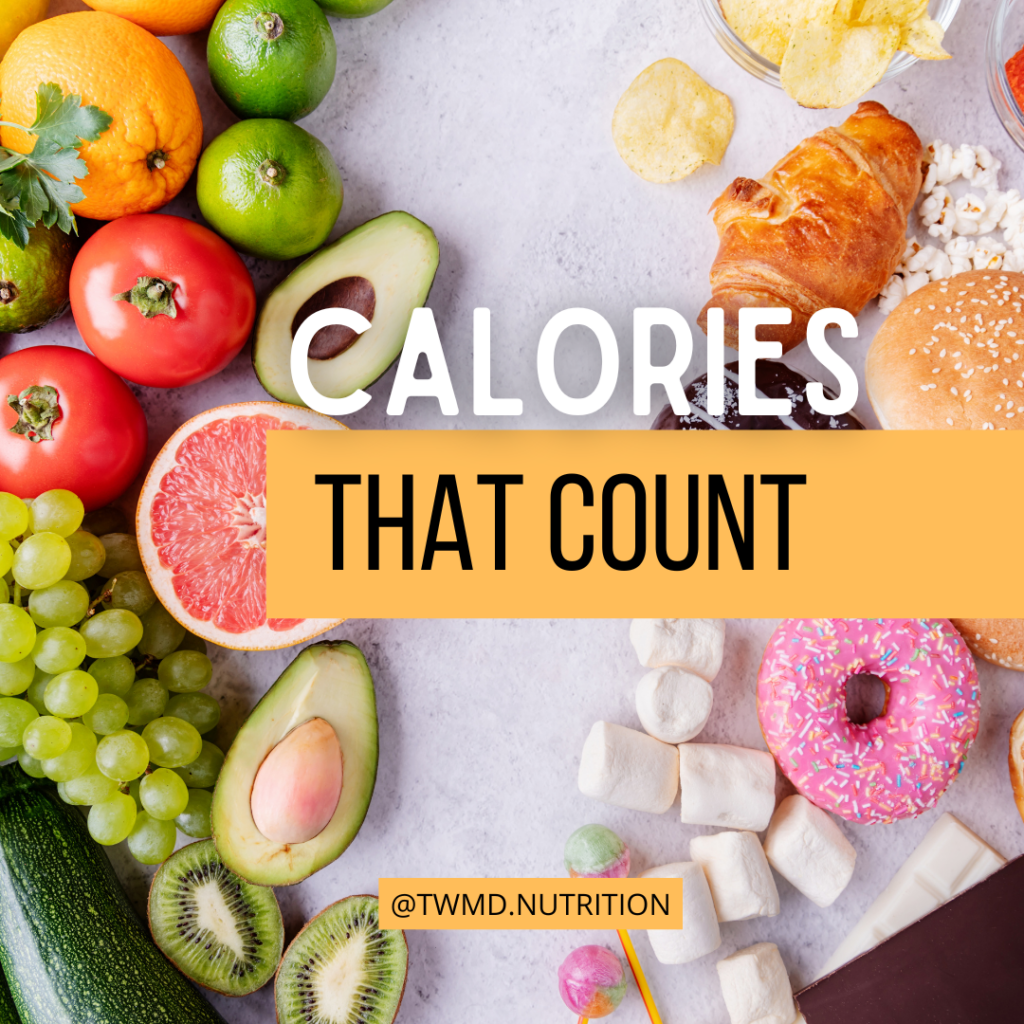
Short-term diets often focus on rapid changes that may be difficult to maintain.
Long-term health is better supported by habits that can be repeated consistently, such as:
- Eating a varied diet
- Getting adequate protein and fiber
- Staying physically active
- Maintaining adequate hydration
- Getting enough sleep
- Avoiding tobacco
- Limiting alcohol
- Receiving preventive medical care
No single eating plan guarantees longevity.
The goal is to build a sustainable dietary pattern that supports overall health over time.
What Does Eating for Longevity Mean?
Eating for longevity means following a sustainable dietary pattern that provides adequate protein, fiber, healthy fats, vitamins and minerals while emphasizing fruits, vegetables, whole grains, legumes and other nutrient-dense foods. No single food can guarantee a longer life. Long-term health is influenced by the overall diet together with physical activity, sleep, medical care and other lifestyle factors.
How to Choose Nutrient-Dense Foods
Nutrient density describes how much useful nutrition a food provides relative to its energy content.
Instead of searching for foods marketed as “anti-aging” or “superfoods,” focus on building meals from a variety of foods that provide protein, fiber, vitamins, minerals and unsaturated fats.
For additional evidence-based guidance on nutrition and healthy aging, review the National Institute on Aging’s healthy eating resources.
Nutrient-Dense Foods That Support Longevity
Nutrient-dense foods provide useful nutrients such as:
- Protein
- Fiber
- Vitamins
- Minerals
- Essential fatty acids
Plant foods can also provide phytochemicals, naturally occurring compounds that are being studied for their potential roles in health.
Examples of nutrient-dense foods include:
- Vegetables
- Fruits
- Whole grains
- Beans and lentils
- Nuts
- Seeds
- Fish
- Eggs
- Lean proteins
- Dairy or appropriate alternatives
The benefit comes from the overall dietary pattern rather than from any single compound or food.
Best Foods for Longevity at a Glance
| Food | Potential Wellness Support |
|---|---|
| Salmon | Provides omega-3 fatty acids and protein. |
| Blueberries | Contains antioxidants and fiber. |
| Lentils | Supports fiber intake and plant-based protein needs. |
| Avocado | Provides healthy unsaturated fats and nutrients. |
Foods to Limit Within a Healthy Dietary Pattern
A healthy diet does not require labeling individual foods as toxic or completely forbidden.
Instead, consider limiting foods that contribute large amounts of:
- Added sugars
- Sodium
- Saturated fat
- Refined carbohydrates
- Alcohol
Examples can include sugary drinks, candy, processed meats, some baked goods, fried foods and highly processed snack foods.
These foods can still fit occasionally within an overall healthy pattern.
Current American Heart Association guidance focuses on the overall dietary pattern, emphasizing vegetables, fruits, whole grains, healthy protein sources and unsaturated fats while minimizing added sugars, excess sodium and highly processed foods.
Building a Balanced Nutrition Plan
A balanced eating pattern should provide adequate nutrition while also matching your individual energy needs.
Important components may include:
- Protein
- Fiber
- Fruits and vegetables
- Whole grains
- Healthy fats
- Adequate fluids
- Appropriate total calorie intake
Food quality matters, but total energy intake can also affect body weight and metabolic health.
There is no single calorie or macronutrient target that is appropriate for everyone.
Nutrient-Dense Foods to Include More Often
Remove the Instagram/tagging language and “January superfood” framing.
The following foods can remain, but present them as examples rather than longevity superfoods.
Eggs: Protein and Choline

Eggs provide protein along with nutrients including choline, vitamin B12, selenium and other vitamins and minerals.
Choline contributes to normal cell membrane structure and neurotransmitter production.
Eggs can be one protein option within a varied dietary pattern rather than a special “longevity food.”
Avocado: Unsaturated Fat and Fiber
Avocados provide predominantly unsaturated fats along with fiber, potassium, folate and other nutrients.
They can be used in place of foods higher in saturated fat as part of a balanced dietary pattern.
Salmon: Protein and Omega-3 Fatty Acids
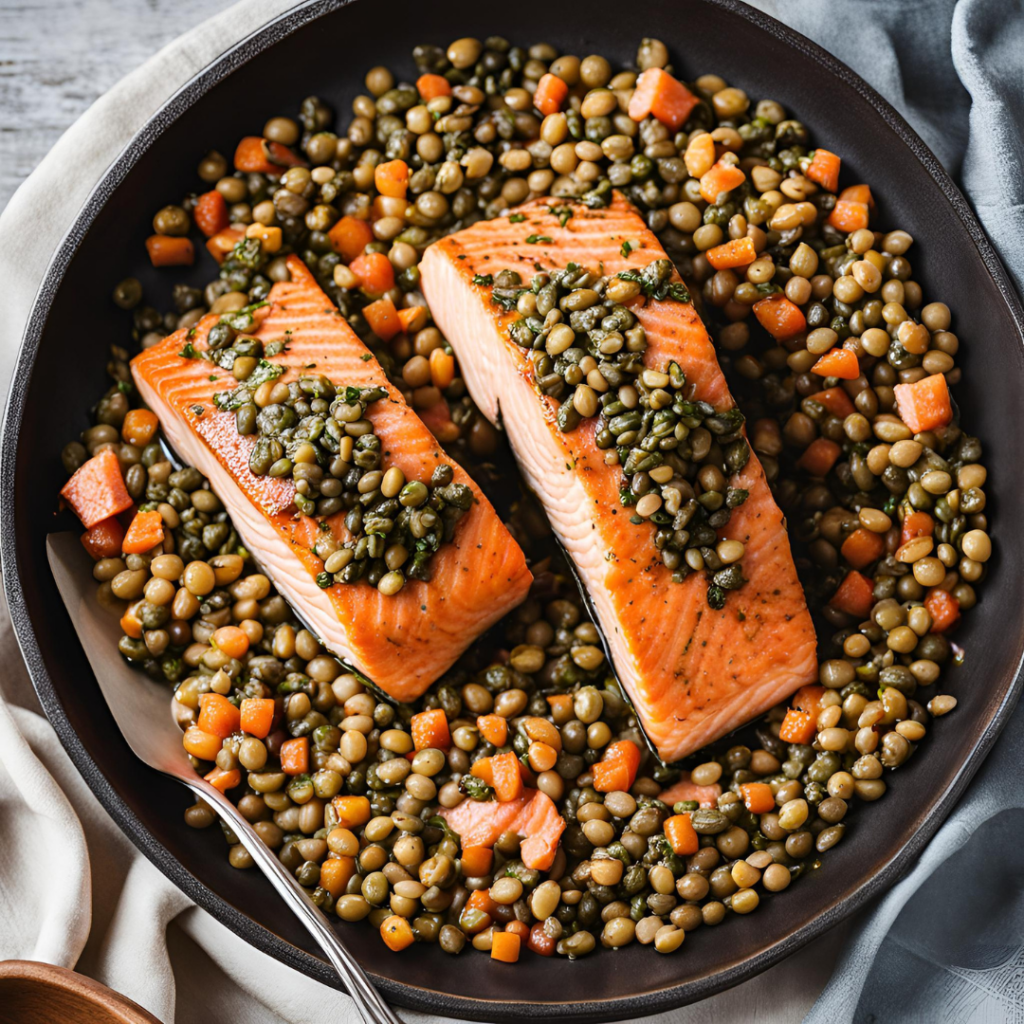
Salmon provides:
- Protein
- Omega-3 fatty acids
- Vitamin D
- Selenium
- Several B vitamins
Fish can be one useful protein source within a healthy dietary pattern.
The American Heart Association includes regular fish and seafood consumption among its recommended healthy protein choices.
Lentils: Fiber and Plant-Based Protein
Lentils are legumes that provide:
- Plant-based protein
- Dietary fiber
- Folate
- Iron
- Potassium
- Magnesium
They can help increase both protein and fiber in meals and are an affordable alternative to some animal protein sources.
Blueberries: Fruit, Fiber and Phytochemicals
Blueberries provide carbohydrates, fiber, vitamin C and several naturally occurring plant compounds.
They can be included as one of many fruits in a healthy diet.
Rather than treating blueberries as a unique anti-aging food, aim for a variety of fruits and vegetables across the week.
| Food Group | Examples | Why Include It |
|---|---|---|
| Vegetables | Leafy greens, broccoli, peppers | Fiber, vitamins, minerals |
| Fruits | Berries, oranges, apples | Fiber, vitamins, plant compounds |
| Whole grains | Oats, brown rice, quinoa | Fiber and carbohydrates |
| Legumes | Lentils, beans, chickpeas | Fiber and plant protein |
| Healthy proteins | Fish, eggs, poultry, tofu | Protein and other nutrients |
| Nuts and seeds | Walnuts, almonds, chia | Unsaturated fats and minerals |
| Healthy fats | Olive oil, avocado | Predominantly unsaturated fat |
How Mindful Eating Supports Longevity
Mindful eating involves paying attention to hunger, fullness, taste and the experience of eating.
It may help some people:
- Slow down during meals
- Notice hunger and fullness
- Reduce distracted eating
- Become more aware of portion sizes
- Build a more intentional relationship with food
Mindful eating should be viewed as a behavioral strategy rather than a proven way to extend lifespan. For more practical strategies, read our guide to mindful eating and sustainable nutrition habits.
Explore More Longevity Support
Nutrition is one part of healthy aging. Explore additional Tucson Wellness MD services including Longevity Care, NAD+ IV Therapy, and Peptide Therapy.
Support Your Longevity Plan With Medical Guidance
Nutrition is only one part of healthy aging.
Medical guidance may be useful when you are managing:
- High blood pressure
- High cholesterol
- Diabetes or insulin resistance
- Unexplained weight changes
- Menopause-related concerns
- Nutrient deficiencies
- Gastrointestinal conditions
- Significant changes in appetite
- Medications that affect weight or nutrition
A personalized plan can consider nutrition alongside physical activity, sleep, metabolic health and preventive care. For a broader provider-guided approach to healthy aging, explore Longevity Care at Tucson Wellness MD.
Build a Nutrition Plan for Long-Term Health
Tucson Wellness MD can help you review nutrition, metabolic health, weight goals and other factors that may influence healthy aging and long-term wellness.
Schedule a Longevity ConsultationFrequently Asked Questions About Eating for Longevity
What does eating for longevity mean?
Eating for longevity means following a sustainable dietary pattern that provides adequate protein, fiber, healthy fats, vitamins and minerals while emphasizing nutrient-dense foods. No single food or diet can guarantee a longer life.
What foods are best for healthy aging?
A healthy aging diet can include vegetables, fruits, whole grains, beans, lentils, nuts, seeds, fish, eggs and other healthy protein sources. Variety and the overall dietary pattern matter more than any single “superfood.”
Do superfoods help you live longer?
There is no single superfood proven to extend lifespan. Foods such as berries, fish, legumes and vegetables can contribute useful nutrients, but they work as part of an overall healthy dietary pattern.
Is a plant-based diet necessary for longevity?
No single dietary pattern is required. Plant foods such as vegetables, fruits, legumes, whole grains, nuts and seeds provide important nutrients and fiber, but healthy diets can also include fish, dairy, eggs and lean meats depending on individual preferences and needs.
How much protein do older adults need?
Protein needs vary according to age, body size, activity level, medical conditions and overall nutrition. A healthcare or nutrition professional can help determine an appropriate intake when individualized guidance is needed.
Should I avoid all processed foods for healthy aging?
No. Processing exists on a spectrum, and many processed foods can fit into a healthy diet. Focus on the overall pattern and limit foods that contribute excessive added sugar, sodium or saturated fat.
Does mindful eating support longevity?
Mindful eating may help people become more aware of hunger, fullness, distractions and eating habits. It can support sustainable eating behaviors, but it has not been proven by itself to extend lifespan.
What other habits support healthy aging besides nutrition?
Physical activity, adequate sleep, avoiding tobacco, limiting alcohol, maintaining social connection, receiving preventive medical care and managing chronic conditions can all contribute to healthier aging.
STAY CONNECTED