Back-to-School Immune Support: A Wellness Guide for Parents and Teachers

August brings a return to routine but also an increase in stress, exposure to germs, and immune challenges for both parents and teachers. Whether you’re navigating busy drop-offs, lesson plans, or just trying to stay healthy through it all, the back-to-school season can take a toll on your body’s defenses.

At Tucson Wellness MD, we take a comprehensive, functional approach to immunity. This includes advanced therapies like IV drips and peptides, but also the foundational role of nutrition, lifestyle, and targeted supplementation.

Here’s your complete guide to building a resilient immune system this August naturally and proactively.

1. Build Your Immune Base With Nutrition

balanced meal

Food is information for your immune cells. What you eat daily can either strengthen your defenses or silently suppress them. It is always best to consume balanced meals throughout your day.

Key strategies

  • Eat the rainbow: Colorful fruits and vegetables are rich in antioxidants like quercetin, vitamin C, and beta-carotene.
  • Prioritize protein: Your immune system relies on amino acids for repair and defense. Aim for 20–30g per meal from clean whole food sources.
  • Don’t fear healthy fats: Omega-3s from salmon, flax, or chia help modulate inflammation and keep immune signaling in balance.
  • Limit sugar & ultra-processed foods: Refined carbs can impair white blood cell function for hours after eating.
  • Hydrate wisely: Ditch sugary drinks and aim for filtered water with electrolytes or trace minerals especially in Arizona heat.

Lets not forget, gut health is your immune health.
A thriving microbiome supports antibody production, regulates inflammation, and helps protect against pathogens. This is where prebiotics and probiotics come in:

  • Prebiotics (like garlic, onions, asparagus, and green bananas) feed the good bacteria in your gut.
  • Probiotics (found in yogurt, kefir, sauerkraut, and targeted supplements) help restore microbial balance after stress, illness, or antibiotics.

We offer gut health support protocols that include functional probiotic blends and digestive enzymes to keep your digestion and immunity strong.

2. Use IV Therapy for Fast Immune Support

When your system is run down or in need of a boost, our IV drips are designed to deliver targeted nutrients directly into your bloodstream for fast, effective results—whether you’re recovering, optimizing, or preventing.

Popular IVs at Tucson Wellness MD:

Hangover Recovery IV

A high-dose blend of Vitamin C and Glutathione, with B-Complex, B12, and Zinc ideal for rapid recovery, rehydration, and liver support after a night out or travel fatigue.

VIP Detox IV

A powerful detox formula featuring amino acids, Glutathione, and Vitamin B-Complex to support liver detox, cellular repair, and oxidative stress reduction.

TW Fighter IV

A comprehensive immune + recovery blend of Vitamin C, Glutathione, Zinc, and Vitamin B-Complex to help with migraines, detoxification, circulation, and immune resilience. Ideal during times of high stress, illness, or inflammation.

Custom IV Therapy

Tailored to your individual needs based on symptoms, lab work, travel plans, or recovery goals. Our providers will help design a formula that supports your unique system.

Ask our front desk receptionist for a list of our current IV menu!

3. Use Peptide Therapy for Cellular Immune Support

Peptides are short chains of amino acids that act as signaling molecules in the body. They can regulate immune responses, support healing, reduce inflammation, and improve resilience especially during times of stress or exposure.

Two of the most powerful peptides we use for immune and cellular support:

LL-37

A naturally occurring antimicrobial peptide that’s part of your innate immune system. LL-37 defends the body against bacterial, viral, and fungal threats and is especially useful in high-risk or high-exposure environments like schools, classrooms, day cares.

It also helps:

  • Modulate inflammation
  • Support respiratory immunity
  • Promote tissue regeneration and wound healing
  • Enhance the gut barrier (where immunity begins)

BPC-157

Known as the “body protection compound,” BPC-157 supports:

  • Gut lining repair (key for immune function)
  • Anti-inflammatory signaling
  • Tissue regeneration and injury recovery
  • Overall immune modulation, especially when stress, illness, or poor digestion disrupts the system

These peptides work synergistically with your body’s natural defenses, offering deeper immune resilience from the inside out.

These are just a couple of our peptides, our team can guide you through a personalized peptide protocol based on your goals, labs, and/or current health needs.

4. Strengthen Your Foundation with Core Nutrients

Even the best diet may fall short under stress, travel, or exposure. That’s where targeted supplementation helps fill the gaps.

  • Zinc + Vitamin C: Help activate immune cells and speed up recovery. We carry medical-grade blends to ensure proper dosing and absorption.
  • Vitamin D3: Low levels are common and linked to higher infection risk. We offer oral and injectable options based on your labs.

Glutathione: Your body’s master antioxidant, crucial for detoxification and immune signaling. Available in IV and injectable forms.

Lifestyle Habits That Support Immunity

  • Sleep: Prioritize 7–9 hours to allow the immune system to regenerate
  • Stress management: Chronic stress depletes immune reserves, consider adaptogens or peptide support
  • Movement: Moderate daily exercise helps circulate immune cells and lymph
  • Community + mindset: A regulated nervous system is an immune-strengthening tool

Stay Ahead of the Fall Season

Whether you’re managing the classroom or the carpool, don’t wait until cold and flu season hits to take action. Schedule your IV drip, or a peptide consult today to optimize your immunity this season!

What Is NAD+ IV Therapy? Benefits and How It Works

At Tucson Wellness MD, we’re always looking for ways to help you feel your best: inside and out. NAD+ therapy is offered as part of our wellness services and may be considered following medical evaluation available as IV infusions, injections, or convenient patches.

But what exactly is NAD+, and how can it benefit you? Let’s break it down:

Quick answer

NAD+ (nicotinamide adenine dinucleotide) is a molecule your body produces naturally to power cellular energy, support DNA repair, and slow age-related decline. Levels drop as you age. Tucson Wellness MD patients use NAD+ therapy via IV infusion, injection, or patch to restore those levels under medical supervision.

Energy and focus Cellular repair Healthy aging IV, injection, or patch

Reviewed by Tucson Wellness MD clinical team. NAD+ therapy is available following medical evaluation. Individual results vary.

What is NAD+?

NAD+

NAD+, or nicotinamide adenine dinucleotide, is a vital molecule found in every cell of your body. It acts as a crucial coenzyme that fuels the essential functions of your mitochondria, the energy powerhouses of your cells.

NAD+ also plays a key role in communication between your cell’s nucleus and mitochondria, ensuring that the energy production and repair processes that keep you healthy run smoothly.

It’s crucial for:

  • Converting food into energy (ATP)
  • Repairing DNA damage
  • Supporting healthy brain function & mood
  • NAD+ plays a role in cellular processes related to metabolism and repair.
  • Improving metabolic health

As we age, our NAD+ levels naturally decline, which can leave you feeling fatigued, foggy, and less resilient. NAD+ levels naturally decline with age. Therapy may be discussed with a healthcare provider to determine if it is appropriate.

NAD+ Therapy at Tucson Wellness MD

Ready to restore your NAD+ levels?

Our clinical team offers three delivery methods so you can choose what fits your schedule and goals. Every protocol starts with a medical evaluation to make sure it is right for you.

IV Infusion

Direct delivery. Up to 3 hours in a supervised setting.

Injection

Quick boost in minutes. Standalone or add-on.

Patch

Gradual transdermal absorption. Hands-free option.

See NAD+ therapy options

Results vary. NAD+ therapy is administered under medical supervision after evaluation at Tucson Wellness MD.

What are the benefits of NAD+ therapy?

Clients use NAD+ therapy for a variety of reasons, including:

  • Some individuals report changes in energy levels following treatment. Individual experiences vary.
  • Some individuals report subjective improvements in focus. Results vary.
  • Improved mood & stress resilience
  • NAD+ therapy is not approved as a treatment for addiction or substance use disorders. Individuals seeking treatment for addiction should consult a qualified medical professional.
  • NAD+ is being studied for its role in cellular metabolism. Clinical outcomes vary.
  • Some patients choose NAD+ therapy as part of a broader wellness plan. Individual results vary.

Some people notice immediate benefits, while others feel more subtle improvements over time as their body restores balance.

How do you offer NAD+ therapy?

At Tucson Wellness MD, we offer three convenient ways to boost your NAD+:

IV NAD+ Therapy:
–  IV administration delivers NAD+ directly into the bloodstream. Your provider can help determine whether this route is appropriate for you.
– Typically can take up to 3 hours in a comfortable, supervised setting
Ask us about our available IV dosages to find the right fit for you!

NAD+ Injections:
– Quick and easy, administered in just minutes
– Ideal for those who want the benefits of NAD+ but don’t have time for a full IV
– Can be used as a standalone boost or in addition to other therapies

NAD+ Patches:
– A great alternative if you prefer a more gradual, hands-free option
– Wear it on your skin. NAD+ is absorbed transdermally over several hours
– Convenient for busy lifestyles and for maintaining levels between IV sessions

Is NAD+ therapy safe?

NAD+

NAD+ is naturally occurring in the body. Therapy should only be administered under medical supervision after evaluation. Safety and suitability vary by individual.


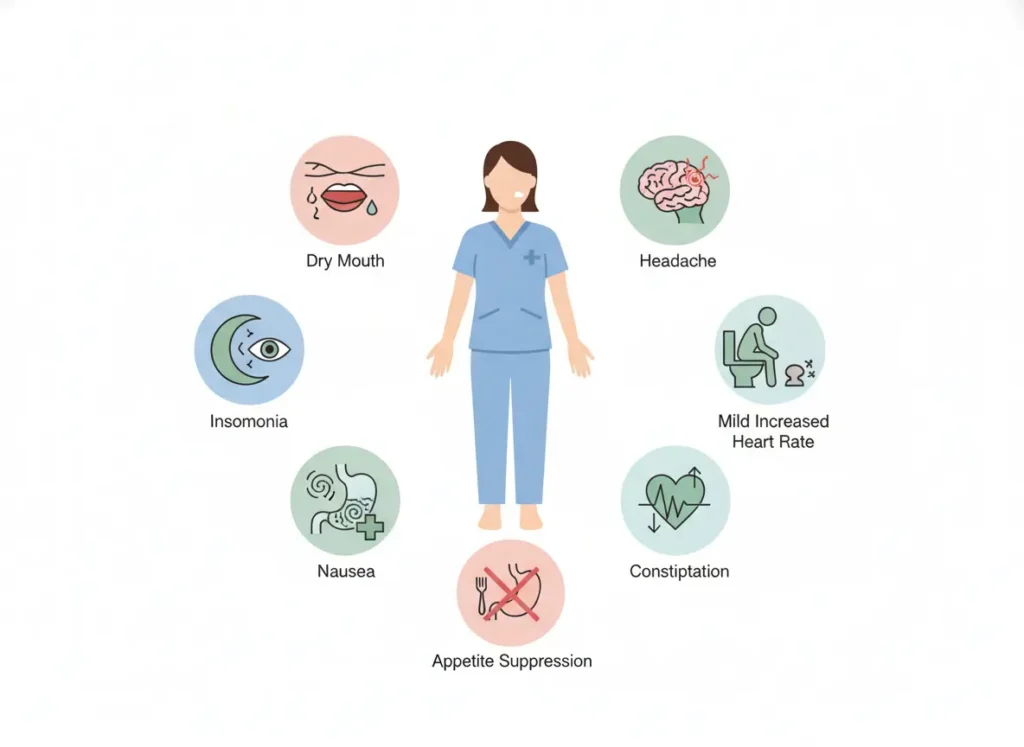
Some people may feel mild side effects during an IV (like warmth, flushing, lightheadedness, or nausea), which we monitor closely and adjust as needed.

Common Questions About NAD+

Q: How often should I do NAD+ therapy?
A: It really depends on your goals! Many people begin with a series of sessions. For example, once a week for 4–8 weeks, and then transition to monthly or as-needed maintenance. The best approach is to discuss your goals with our medical team so we can create a plan tailored to you.

Q: Does it hurt?
A: The IV is just like a standard infusion. The injections are quick and minimally uncomfortable. The patches are completely painless.

Q: When will I feel results?
A: Individual responses vary. Some patients report changes shortly after treatment, while others notice gradual differences, while others notice gradual improvements over days or weeks.

Q: Can anyone use NAD+ therapy?
A: Most healthy adults can benefit, but it’s always best to consult with our team before starting especially if you have underlying medical conditions.

Ready to Feel Like Yourself Again?

Whether you’re looking to boost your energy, support recovery, or simply Explore whether NAD+ therapy is appropriate for your individual health goals through consultation. NAD+ therapy may be discussed with a healthcare provider to determine whether it aligns with your wellness goals.

Book your NAD+ IV session or pick up a convenient injections or a patch today.
Have questions? Contact us, we’re happy to guide you toward the best option for your goals.

Peptides 101: Your New Wellness Secret Weapon

Peptides are increasingly being discussed in functional and regenerative wellness as potential therapeutic tools. Whether you’re focused on longevity, metabolism, recovery, or hormone balance, understanding peptides may help you make more informed decisions about your health.

Let’s break it down.

What Are Peptides?

Over time, our natural peptide production declines (just like collagen or hormones), and this decline contributes to aging, slower recovery, reduced metabolism, and other unwanted symptoms.

Peptides are short chains of amino acids, the building blocks of proteins, naturally found in the body. Think of them as messengers: they send specific signals to cells to turn on or off key biological processes.

Peptide therapy introduces targeted signaling molecules designed to support specific biological functions under medical supervision. Peptides aren’t a magic pill but they are a powerful signal. They are designed to support natural cellular communication involved in healing and repair processes. When used as part of a personalized protocol, they may support healthy aging, performance, and overall wellness.

peptides

Many peptides are considered well tolerated when prescribed and monitored by a qualified healthcare professional. Some peptides are structurally similar to naturally occurring compounds, and side effects vary depending on the specific peptide and individual health factors.

Who Are Peptides For?

Peptide therapy is not just for athletes or biohackers, it’s for anyone looking to:

  • Support healthy weight loss and body composition
  • Balance hormones naturally
  • Boost energy, focus, and cognition
  • Improve sleep quality
  • Enhance recovery, joint health, or injury healing
  • Strengthen immune response
  • Support healthy aging processes and overall vitality.

From busy professionals to high-performing moms to those navigating hormone shifts, peptides offer personalized tools for deep health support.

How Peptides Work in the Body

Different peptides work in different systems. A few examples:

BPC-157

Supports tissue repair in the gut, joints, and muscles

Tesamorelin and Ipamorelin are being used in medical settings to support body composition, recovery, and growth hormone–related pathways under supervision.

Semaglutide (GLP-1 peptide)

Regulates appetite and blood sugar for metabolic balance

TB-500 is being studied for its potential role in tissue support and recovery processes.

Peptides are typically delivered via subcutaneous injections, oral capsules, or topical creams depending on the goal and formula.

Why Peptides Matter

In functional medicine, we’re always asking why symptoms are showing up and how to activate the body’s innate healing.

Peptides fit this model beautifully. They:

  • Designed to interact with natural biological pathways.
  • Provide targeted biological signaling under appropriate medical supervision.
  • May support biological pathways related to inflammation, metabolism, tissue repair, and immune function.
  • Allow for individualized treatment planning based on patient goals and lab findings.

Peptides are used as part of broader treatment strategies focused on functional support.

Ready To Strengthen Your Wellness Plan

If you’ve hit a plateau with your energy, weight, or recovery… or you’re just ready to take your health optimization to the next level, you may consider discussing peptide therapy with a qualified provider.

Working with a trained practitioner (like at Tucson Wellness MD) ensures you’re choosing the right peptides, dosed properly, with lab monitoring and lifestyle support to get the most from your protocol. Don’t forget, here at Tucson Wellness MD, we provide peptide therapy options based on individual evaluation and clinical appropriateness. Which one are you most interested in exploring?

peptides

Peptides vs Steroids: Which Is Safer for Muscle Growth and Long-Term Health?

Are peptides safer than steroids?

Peptides are generally considered safer than anabolic steroids because they support natural hormone signaling rather than replacing hormones. However, safety still depends on proper use, product quality, and medical supervision.

For individuals exploring performance optimization in Tucson, Arizona, understanding the difference between peptides and anabolic steroids is critical before making any decision. At Tucson Wellness MD in Tucson AZ, patients often ask how peptide therapy compares to traditional steroid use for muscle growth, recovery, and body composition goals.

Peptides are short chains of amino acids that signal the body to repair tissue, regulate hormone pathways, and support recovery when medically supervised.
Anabolic steroids are synthetic testosterone derivatives that directly activate androgen receptors, often suppressing natural hormone production.

Peptides support natural signaling pathways.
Steroids override normal endocrine balance.

Different mechanism. Different biological impact. Different risk profile.

Understanding how these therapies function under physician oversight helps individuals in Southern Arizona pursue performance and wellness goals without unnecessary long-term health risks.

In the world of fitness and wellness, many seek effective ways to enhance their physique, improve performance, and promote muscle growth. Among the popular options are peptides and steroids, both of which are often associated with hypertrophy or visible muscle growth. While both can lead to results, their mechanisms, risks, and long-term effects differ significantly. For those looking to improve health and performance safely, understanding the differences is crucial.

What Is the Difference Between Peptides and Steroids?

The main difference between peptides and steroids is how they work in the body. Peptides are short chains of amino acids that support natural signaling pathways involved in recovery, tissue repair, and hormone activity. Steroids are synthetic testosterone derivatives that directly activate androgen receptors and often suppress the body’s natural hormone production. Peptides work with the body’s systems. Steroids override them. That difference affects muscle growth speed, side effects, and long-term risk.

Peptides vs Steroids: Key Differences at a Glance

Both are often discussed in fitness circles for muscle growth, but they work through completely different biological pathways and carry very different risk levels. Without understanding this distinction, people may assume similar results and safety profiles, leading to uninformed decisions.

What Are Peptides?

Peptides are short chains of amino acids that play a critical role in the body’s biological functions, including protein synthesis, hormone regulation, and cell repair. When used for wellness or fitness, peptide supplements are designed to mimic natural peptides, and may support muscle recovery and body composition goals under medical supervision and supporting recovery.

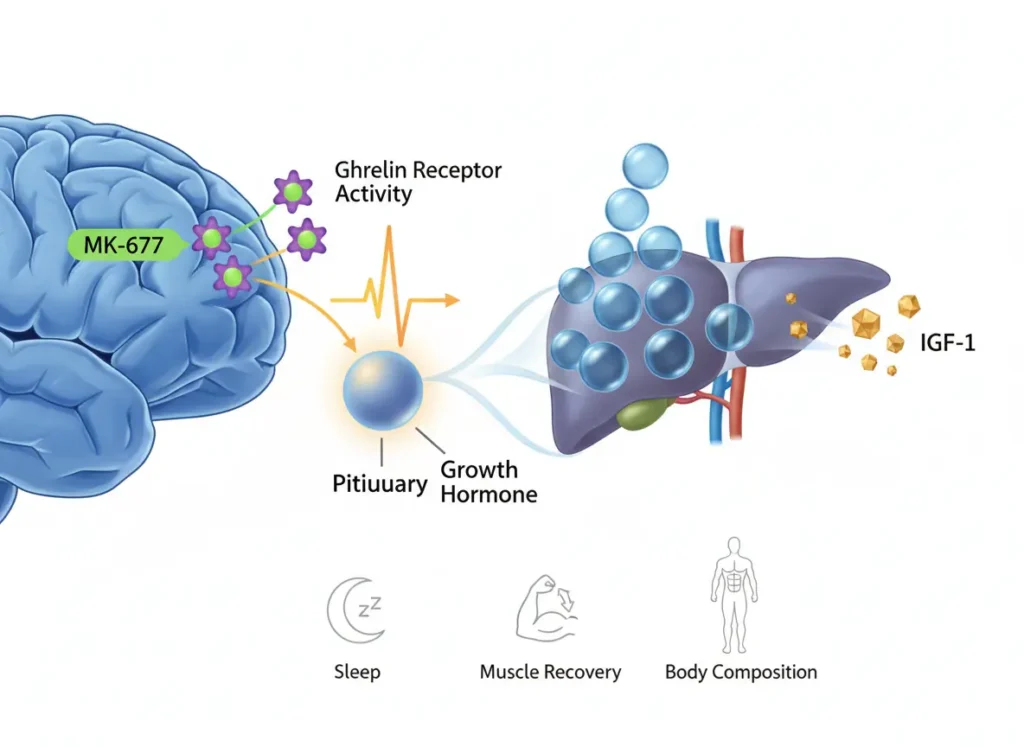
The collagen peptides now found in powder form at many grocery stores may improve skin and digestive health, but are not the most powerful for muscle building. For individuals exploring performance optimization, certain growth hormone–related peptides are sometimes discussed in clinical settings. Some peptides are studied for their interaction with growth hormone and IGF-1 pathways, which are associated with tissue repair and metabolic activity.

  • Promoting muscle growth by supporting the body’s natural processes.
  • Enhancing recovery by repairing damaged muscle tissue.
  • Potentially supporting lean body composition goals when medically evaluated and monitored.
  • Reducing body fat while improving muscle definition.

What Are Steroids?

Steroids, specifically anabolic-androgenic steroids (AAS), are synthetic hormones that mimic testosterone. They are commonly used to boost muscle growth and enhance performance. However, their effects on the body are often extreme and come with a high risk of adverse side effects. While anabolic steroids may deliver rapid increased muscle growth, the risks include:

  • Long-term health problems such as liver damage and cardiovascular issues.
  • Hormonal imbalances that disrupt natural testosterone production.
  • Aggressive mood swings and other mental health concerns.

Are Peptides Steroids?

No. Peptides are not steroids.

Peptides are short amino acid chains which signal repair, recovery, and hormone activity.
Steroids are synthetic testosterone derivatives which directly activate androgen receptors.

Peptides work through signaling.
Steroids replace or suppress natural hormones.

Different mechanism. Different risk profile.

Do Peptides Build Muscle Without Hormone Shutdown

One of the biggest differences between peptides and anabolic steroids is how they affect your body’s hormone balance. Certain peptides are studied for their role in supporting growth hormone and recovery pathways without fully suppressing natural testosterone production, while steroids often override the endocrine system and trigger hormonal shutdown. For patients focused on lean muscle development, recovery, and long-term health, this difference matters because faster results are not always worth the biological tradeoff.

Peptides vs Steroids: Biological Comparison

Peptides

  • Signal natural repair and growth pathways
  • Support growth hormone and IGF-1 activity
  • Preserve natural testosterone production
  • Improve recovery, tissue repair, and fat metabolism
  • Designed to work with the endocrine system

Steroids

  • Replace or suppress natural testosterone
  • Bypass hormonal feedback loops
  • Rapid muscle hypertrophy
  • High systemic strain on liver, heart, and endocrine system
  • Often require post-cycle therapy to restore function

Peptides vs Steroids: Side-by-Side Comparison

FeaturePeptidesSteroids
Primary MechanismStimulate natural hormone signaling and tissue repair pathwaysDirectly activate androgen receptors using synthetic testosterone derivatives
Effect on TestosteronePreserve natural testosterone productionSuppress natural testosterone through negative feedback
Muscle Growth SpeedGradual, steady increasesRapid hypertrophy and strength gains
Hormonal DisruptionMinimal when medically supervisedSignificant endocrine disruption (HPTA suppression)
Need for Post-Cycle Therapy (PCT)Not typically requiredOften required to restore natural hormone production
Organ StrainLower systemic strainIncreased strain on liver, heart, and endocrine system
Common Side EffectsInjection site irritation, mild fatigueLiver toxicity, cardiovascular risk, infertility, mood swings
Long-Term Risk ProfileLimited long-term human dataDocumented long-term health risks
Legal Status (U.S.)Often prescription-based or research compoundsSchedule III controlled substances
Use in Competitive SportsMany peptides are bannedWidely banned substances

Why Peptides Are Considered Safer

steroids

When comparing peptides for muscle growth and steroids, Peptides and anabolic steroids differ significantly in mechanism of action, regulatory status, and risk profile. Here’s why peptides are the preferred choice:

1. How They Work

  • Peptides: By mimicking natural processes in the body, peptides encourage protein synthesis and repair muscle tissue without introducing synthetic hormones. This allows the body to gradually adapt, leading to sustainable muscle growth and recovery.
  • Steroids: Steroids force the body to produce higher levels of testosterone, disrupting hormonal balance and leading to systemic side effects.

2. Side Effects

  • Peptides: Common side effects of peptide use are mild, such as temporary redness at injection sites or slight fatigue. These risks are significantly lower compared to steroids.
  • Steroids: Steroid use can result in severe health issues, including organ damage, hormonal suppression, and irreversible physical changes.

3. Muscle Growth: Fast Results vs Sustainable Progress

Certain peptides are studied for their potential role in body composition and metabolic support in appropriate medical contexts as they stimulate natural mechanisms for muscle repair and development. Steroids, although effective in boosting muscle growth, often come at the cost of long-term health.

Benefits of Peptides for Muscle Development

When medically supervised, certain peptides may support:

• Enhanced muscle repair through increased IGF-1 signaling
• Improved recovery time between workouts
• Gradual lean muscle development
• Support for fat metabolism
• Preservation of natural testosterone production

Peptide Therapy vs Anavar: What’s the Difference

Patients researching peptide therapy often encounter oxandrolone (Anavar) in the same conversations. Both are used in medically supervised wellness programs. But they operate through fundamentally different mechanisms and understanding that distinction helps you ask better questions during your consultation.

How Each Approach Works

Peptide therapy works by signaling your body’s existing hormonal pathways. Growth hormone secretagogues, for example, prompt the pituitary gland to release more of its own growth hormone. Your endocrine system stays in control. The process is gradual because it respects your biology.

Oxandrolone works differently. As a synthetic anabolic steroid, it bypasses that signaling process entirely and directly activates androgen receptors. Results arrive faster but so does the systemic load on your liver, lipid profile, and natural testosterone production.

Direct Comparison: Peptides vs Anavar

Peptide therapyOxandrolone (Anavar)
MechanismStimulates natural hormone signalingDirect androgen receptor activation
Effect on testosteronePreserves natural productionSuppresses — requires monitoring
Results timelineGradual, steadyFaster, more pronounced
Liver considerationNot applicableYes — oral C-17aa compound
Post-cycle supportNot typically requiredOften required for men
Supervision requiredYesYes

Why This Decision Matters for Your Health

Peptide therapy isn’t a weaker alternative to steroids it’s a different tool for a different goal. Patients who want to support recovery, preserve hormonal balance, and build lean mass over time are often better suited to a peptide protocol. Those with specific clinical indications may be candidates for oxandrolone therapy instead or a sequenced combination of both.

Neither path should be self-directed. At Tucson Wellness MD, your labs determine the recommendation, not a generic protocol.

peptide therapy

Why Many Choose Peptides Over Steroids

While steroids deliver fast results, the potential health risks far outweigh the benefits. Some individuals explore medically supervised peptide therapy as part of a broader wellness strategy for promoting muscle growth and improving recovery without compromising your long-term health. With peptide supplements, you can achieve steady, sustainable increased muscle growth while supporting your body’s natural functions.

Medical Peptide Therapy for Long-Term Results

For anyone seeking to boost muscle growth or improve fitness, peptides for muscle growth offer a safer and more effective solution compared to steroids. Through our Primary Care Concierge Services, patients receive comprehensive medical oversight that integrates peptide therapy into a long-term, preventive health plan. By encouraging protein synthesis, supporting muscle repair, and supporting hormone signaling pathways that may assist recovery and performance goals when clinically appropriate without the dangers associated with steroids.

At Tucson Wellness MD, we specialize in peptide therapy designed to help you reach your health and performance goals safely. Our individualized plans focus on supporting recovery, performance, and overall metabolic health under physician oversight.

Medically supervised peptide therapy

Build lean muscle
without the steroid risk.

Peptide therapy works with your body’s natural hormone signaling — no endocrine suppression, no post-cycle therapy, no organ strain. Our medical team designs your protocol from your labs, not a generic plan.

Schedule my consultation →

Tucson Wellness MD — personalized dosing, prescription-grade sourcing, ongoing clinical support.

Frequently Asked Questions

Are peptides the same as steroids?

No. Peptides are not steroids.
Peptides are short chains of amino acids that support the body’s natural repair and hormone signaling processes. Steroids are synthetic hormones that override normal testosterone production. Different tools. Very different risks.

Do peptides increase testosterone like steroids?

No.
Peptides do not force testosterone production. Instead, they stimulate natural pathways such as growth hormone release and IGF-1 production, which support muscle repair and recovery without disrupting hormone balance.

Many peptides prescribed through medical providers are legal when used under professional supervision.
Anabolic steroids are tightly regulated and often illegal without a prescription. Always consult a licensed provider before starting any therapy.

Peptides for Fibromyalgia: Chronic Pain and Inflammation Relief in Tucson

chronic pain relief with peptide therapy

Chronic pain and inflammation are persistent health challenges affecting millions in Tucson and beyond. For those who have tried multiple inflammatory pain models for relief with limited success, hope may come in the form of a relatively new approach called peptide therapy.

This innovative and promising treatment is gaining attention in the medical community for its potential to address chronic pain and inflammation effectively.

In this blog, we’ll delve into what peptide therapy is, how it works, and why it’s garnering interest among patients and healthcare providers.

Why Does Chronic Pain Keep Returning Despite Treatment?

Many conventional treatments focus on temporarily reducing pain signals without addressing the underlying inflammation or tissue damage driving the condition. Without supporting the body’s repair mechanisms, symptoms can persist or return over time.

Understanding Chronic Pain and Inflammation

Chronic pain and inflammation are complex conditions that often coexist and contribute to a diminished quality of life. While acute pain and inflammation are natural responses to injuries or infections, chronic pain and inflammation cause pain signals to persist long after the initial trigger has resolved.

Conditions like rheumatoid arthritis, fibromyalgia, migraines, autoimmune disorders, and those affecting the central nervous system can lead to these ongoing issues, leaving individuals with constant discomfort and reduced mobility.

Traditional chronic pain and inflammation treatments often include nonsteroidal anti-inflammatory drugs (NSAIDs), opioids, or corticosteroids.

While these drugs can temporarily relieve chronic inflammatory pain, they may also come with unwanted side effects and the risk of dependency.

Introducing Peptide Therapy

peptide treatment

Peptide therapy offers a new approach to addressing chronic pain and inflammation and even has the potential to treat neuropathic pain. Peptides are short chains of amino acids, the building blocks of proteins, that play vital roles in various physiological processes in the body. Peptide therapy peptides harness the power of these natural compounds to modulate and regulate key functions within the body.

In the context of chronic pain and inflammation, specific, naturally occurring peptides have shown promise in reducing symptoms and promoting healing. These peptides can target inflammatory pathways, stimulate tissue repair, and even support the body’s peripheral nervous system to activate natural pain management mechanisms.

How Peptide Therapy Works

Peptide therapy involves the targeted administration of peptides through various delivery methods, including injections, oral supplements, or topical applications. The choice of peptides and delivery method depends on the individual’s condition and the specific goals of the treatment.

Some common peptides used in pain and inflammation management include:

BPC-157:

Known for its tissue-healing properties, BPC-157 can reduce inflammation, promote collagen production, and enhance the recovery of injured tissues.

Thymosin Beta-4:

This peptide plays a role in tissue repair and has shown potential in reducing inflammation and supporting overall recovery.

LL-37:

LL-37 is an antimicrobial peptide that also possesses anti-inflammatory properties, making it a valuable tool in managing conditions with both infection and inflammation components.

Melanotan II:

While primarily known for its tanning properties, Melanotan II has shown promise in pain management through its interaction with melanocortin receptors.

Best Peptides for Fibromyalgia

When fibromyalgia causes widespread pain, fatigue, and ongoing inflammation, treatment decisions often depend on what the therapy is meant to support. Certain peptides are commonly discussed for tissue repair, inflammation control, and recovery support, including BPC-157, Thymosin Beta-4, and LL-37. The best option depends on your symptoms, medical history, and treatment goals, which is why peptide therapy should be tailored and medically supervised rather than chosen as a one-size-fits-all solution.

Why Tucson Residents are Turning to Peptide Therapy

Tucson residents, like those in many other communities, are increasingly interested in peptide therapy for several reasons:

Natural Approach:

Peptide therapy utilizes naturally occurring compounds in the body, making it an attractive option for individuals seeking alternative, holistic treatments.

Fewer Side Effects:

Compared to traditional medications, peptide therapy is often associated with fewer side effects, reducing the risk of adverse reactions.

Targeted Treatment:

Peptides can be selected and administered to address specific health concerns, providing a personalized approach to pain and inflammation management.

Potential for Long-Term Relief:

Peptide therapy has the potential to not only alleviate symptoms but also address underlying causes that may be triggering pain nerve endings, offering the possibility of sustained relief.

Seeking Peptide Therapy in Tucson

knee inflammation treatment

If you’re interested in exploring peptide therapy as a treatment option for chronic pain and inflammation, it’s essential to consult with a healthcare provider with experienced in the field. They can assess your individual needs, develop a personalized treatment plan, and monitor your progress to ensure the best possible outcomes.

In Tucson, there is a growing number of healthcare practitioners and clinics offering peptide therapy as part of their services. Be sure to do your research, ask questions, and choose a provider who is knowledgeable and reputable in the field.

Treat Inflammatory Pain Naturally

Peptide therapy is emerging as a promising treatment option for chronic pain and inflammation in Tucson and beyond. With its natural approach, targeted treatment, and potential for long-term relief, it’s no wonder that more individuals are turning to this innovative therapy to improve their quality of life.

If you or a loved one is living with chronic pain and inflammation, it is worth exploring peptide therapy as a viable solution on your journey to wellness.

Live Your Best Life with Tucson Wellness MD

At Tucson Wellness MD, we aim to empower you on your journey toward your desired life. We are dedicated to equipping you with the tools and medical support necessary to enhance your longevity, strength, and overall well-being.

Whether you’re striving to shed excess weight for rapid and sustainable weight loss, sculpt lean muscle mass, indulge in rejuvenating beauty services, or explore non-invasive alternatives for pain relief instead of surgical procedures, Tucson Wellness MD is here to guide you in becoming the best version of yourself.

Grounded in a scientific and evolutionary approach to health and contemporary pain management, we exclusively utilize state-of-the-art, pharmaceutical-grade products to stimulate healing and propel you toward your aspirations.

We firmly believe that health should seamlessly integrate with your lifestyle. That’s why we work closely with you to craft a personalized plan that aligns with your specific needs and enhances your overall quality of life.

Embark on your journey to optimal living by exploring our offerings further on our website. Your transformation begins right here.

Frequently Asked Questions

What Is Peptide Therapy and How Does It Help With Chronic Pain?

Peptide therapy involves the targeted administration of short-chain amino acids — the building blocks of proteins — that play key roles in the body’s physiological processes. In the context of chronic pain and inflammation, specific peptides work by targeting inflammatory pathways, stimulating tissue repair, and supporting the body’s natural pain management mechanisms. Unlike conventional treatments that temporarily mask pain signals, peptide therapy aims to address the underlying biological processes driving the condition.

How Is Peptide Therapy Different From NSAIDs or Opioids?

Traditional pain medications like NSAIDs, opioids, and corticosteroids can provide short-term relief but carry risks including side effects, dependency, and long-term health consequences. Peptide therapy takes a different approach by utilizing compounds that naturally occur in the body, working with your physiology rather than overriding it. This makes it a compelling option for individuals who have had limited success with conventional treatments or who are seeking alternatives with a more favorable side effect profile.

Which Peptides Are Commonly Used for Pain and Inflammation?

Several peptides have shown clinical interest in managing chronic pain and inflammation. BPC-157 is widely recognized for its tissue-healing and anti-inflammatory properties, including its role in collagen production and injury recovery. Thymosin Beta-4 supports tissue repair and has demonstrated potential in reducing systemic inflammation. LL-37, an antimicrobial peptide, also carries anti-inflammatory properties useful in conditions where infection and inflammation overlap. Some research has explored additional peptides for pain-related applications, though evidence bases vary and outcomes depend heavily on the individual’s condition and protocol.

Can Peptide Therapy Provide Long-Term Relief or Just Symptom Management?

One of the distinguishing characteristics of peptide therapy is its potential to address underlying causes rather than simply suppressing symptoms. By supporting the body’s repair mechanisms — including tissue regeneration and regulation of inflammatory pathways — peptides may offer more sustained relief over time compared to medications that only interrupt pain signaling. That said, outcomes are highly individual, and a medically guided protocol is essential to determine whether long-term benefit is achievable for your specific condition.

Chronic pain and inflammation support

Can peptides help fibromyalgia pain?

Peptide therapy may help support fibromyalgia symptoms by targeting inflammation, promoting tissue repair, and supporting the body’s natural recovery processes. Peptides such as BPC-157, Thymosin Beta-4, and LL-37 are often discussed for their roles in pain management and healing. Treatment should be guided by a medical provider and tailored to your condition.

Explore peptide therapy options →

Tucson Wellness MD — individualized treatment plans, lab-based evaluation, and medically supervised peptide therapy for chronic pain support.

How to Age Gracefully: Anti-Aging Tips for Health

happy aging woman

Aging is a natural and inevitable part of life’s journey. As the years go by, our bodies and minds undergo changes that present challenges and opportunities.

While we can’t stop the clock, we can certainly influence how we age and the quality of our lives as we do.

Why Does Aging Sometimes Feel Like Losing Control Over Your Body?

As we age, shifts in hormones, muscle mass, sleep quality, and cellular repair can quietly reduce energy, resilience, and mental clarity. Without intentional lifestyle strategies and medical guidance, these gradual changes can compound and accelerate decline.

Thanks to advancements in science and a growing understanding of holistic wellness, we now have valuable insights into age gracefully, with vitality and joy.

In this blog, we’ll explore science-backed tips that can pave the way for longevity and well-being.

1. Prioritize Nutrient-Rich Eating Habits

The saying “you are what you eat” holds a significant truth regarding keeping your body healthy as you age.

A diet rich in nutrients, antioxidants, and healthy fats can support your body’s cellular health, reduce inflammation, and enhance vitality. Incorporate a colorful variety of fruits, vegetables, whole grains, lean proteins, and sources of healthy fats like avocados, nuts, and fatty fish, and consider dietary supplements if whole food sources are not readily available.

These foods provide essential nutrients that help combat age-related diseases like heart disease while maintaining optimal body function.

2. Stay Physically Active

Regular physical activity is a cornerstone of healthy aging. The National Institute on Aging recommends regular exercise for older adults thanks to both the physical and mental health benefits it produces.

staying fit by doing physical activities

Engaging in physical exercise helps to preserve muscle mass and bone density and to reduce blood pressure for cardiovascular health. It also releases endorphins, which improve mood and mental well-being. Aim for cardiovascular exercises, strength training, and flexibility activities to maintain overall fitness.

Consult with a healthcare professional before starting any new exercise routine, especially if you have underlying health risks.

3. Cultivate Cognitive Engagement

Along with your physical health, keeping your brain active and engaged is key to promoting cognitive health as you age.

Challenge your mind through activities like reading, puzzles, learning a new skill, or engaging in creative endeavors.

These activities stimulate neural connections and help prevent cognitive decline. Additionally, social interactions and meaningful relationships contribute to mental well-being, so stay connected with friends, family, and your community.

4. Prioritize Quality Sleep

Sleep is an overlooked aspect of health problems, but its importance cannot be overstated.

Quality sleep is essential for cellular repair, memory consolidation, and hormone regulation. Aim for 7-9 hours of uninterrupted sleep each night.

5. Manage Stress and Practice Mindfulness

managing stress

Create a calming bedtime routine, maintain a comfortable sleep environment, and limit screen time before bed to improve sleep quality.

Chronic stress accelerates the aging process and can lead to poor health overall.

Mindfulness practices, such as meditation, deep breathing, and yoga, can help manage stress and promote relaxation.

These practices have been shown to lower cortisol levels, enhance emotional well-being, and even influence gene expression linked to longevity.

6. Embrace Hydration and Skin Care

Proper hydration is vital for skin health and overall well-being. Drink plenty of water throughout the day to keep your skin hydrated and promote cell function.

Along with hydration, adopting a consistent skincare routine with sunscreen and moisturizers can help protect your skin from environmental damage and maintain a youthful appearance.

7. Consider Age-Defying Therapies

Aging gracefully isn’t just about lifestyle choices; it’s also about taking advantage of innovative therapies that can further enhance your well-being.

In addition to the science-backed tips mentioned earlier, consider exploring treatments like peptide therapy and IV nutrient therapy to optimize your health and vitality.

Peptide Therapy

Peptide therapy involves the use of small protein molecules to regulate various physiological functions, potentially aiding in muscle growth, immune system support, and hormonal balance.

IV Nutrient Therapy

IV nutrient therapy delivers essential vitamins, minerals, and antioxidants directly into your bloodstream, ensuring efficient absorption and rejuvenation at a cellular level.

Consulting with a healthcare professional experienced in these therapies can help determine if they suit your needs and goals. By combining these advanced approaches with holistic lifestyle practices, you can truly embrace the journey of aging with a comprehensive strategy that promotes longevity, vitality, and a profound sense of well-being.

Aging as a Journey of Empowerment

Incorporating these science-backed healthy habits into your daily life can optimize your health, well-being, and longevity. Remember that small, consistent steps can lead to significant positive changes.

Tucson Wellness MD: Empowering Your Journey to Optimal Living

At Tucson Wellness MD, our team is committed to empowering you on your path to your desired life. We provide the tools and medical care necessary to support your quest for increased longevity, strength, and overall well-being.

Whether your goals involve shedding unwanted pounds for accelerated weight loss, sculpting lean muscle mass, indulging in our rejuvenating beauty services, or seeking non-invasive alternatives to surgical procedures for pain relief, Tucson Wellness MD is dedicated to helping you become the best version of yourself.

Rooted in a scientific and evolutionary approach to health and modern pain relief, we exclusively employ cutting-edge, pharmaceutical-grade products to stimulate healing and drive you toward your aspirations.

We firmly believe that health should seamlessly integrate with your lifestyle. That’s why we collaborate closely with you to design a personalized plan that aligns with your needs and enhances your overall quality of life.

Embark on your journey to optimal living by delving deeper into our offerings on our website. Your transformation begins here.

Frequently Asked Questions

What does it mean to age gracefully?
Aging gracefully means maintaining physical health, mental clarity, and emotional balance through intentional lifestyle choices and proper care as you grow older.

How does nutrition affect aging?
A diet rich in antioxidants, healthy fats, and essential nutrients supports cellular health, reduces inflammation, and helps maintain energy and vitality.

Why is exercise important as you age?
Regular physical activity helps maintain muscle mass, bone density, cardiovascular health, and mental well-being. It also supports mobility and independence.

How much sleep do you need as you age?
Most adults benefit from 7 to 9 hours of quality sleep per night. Sleep supports hormone balance, memory, and cellular repair.

When to Start Taking Peptides

Quick Answer

When Should You Start Taking Peptides?

Peptide therapy should only be considered after a medical evaluation, not based on age alone. Many people ask about peptides when they notice slower recovery, lower energy, changes in body composition, poor sleep, or age-related hormone shifts. The right time to start depends on symptoms, lab results, health history, and whether a provider determines peptide therapy is clinically appropriate.

What are peptides supplements?

Peptides are short chains of amino acids that occur naturally in the body and are involved in many biological processes. Certain peptide-based products may be prescribed under medical supervision when clinically appropriate. Some individuals explore peptide therapy as part of a medically supervised wellness plan. Individual outcomes vary when taken as part of a consistent routine.

Depending on the specific peptide and medical evaluation, therapy may be discussed for select concerns under physician supervision. Results are individualized and not guaranteed. At what age should you start taking peptides to receive these benefits? Peptide therapy should only be considered after medical evaluation to determine clinical appropriateness, regardless of age.

when to take peptides

There are many peptides, including growth factors, cytokines, and hormones. These molecules play an essential role in supporting the body’s healthy functioning.

Some studies have evaluated certain peptides for cosmetic and dermatologic applications. Outcomes depend on the individual and formulation. For this reason, it is recommended that individuals start adding consumable peptides or peptide therapy to their routine in their 20s or 30s.

Keep in mind, it’s never too late to start taking peptides. No matter your age, Specific peptides may influence biological pathways when prescribed under medical supervision. Treatment decisions are based on individualized evaluation and medical necessity.

Why Do People Start Peptides at the Wrong Time or for the Wrong Reasons?

Many individuals begin peptide use based on trends or expectations rather than medical evaluation, leading to inconsistent results or unnecessary risks. Without understanding timing, biological need, and proper guidance, it becomes difficult to achieve meaningful or sustainable outcomes.

What are Peptides?: Amino Acids

Peptides are compounds of two or more amino acids joined by peptide bonds. These bonds form between the nitrogen atoms in each amino acid and the carbon atoms in the adjacent molecule.

peptide therapy

The peptide bond is a covalent linkage formed through a transamination reaction, which is a chemical reaction involving the transfer of a hydrogen atom from one molecule to another.

This type of reaction is often used to link amino acids to form protein molecules. The peptide bond strengthens proteins and other macromolecules and allows these molecules to hold specific shapes and functions.

Peptides are essential components of all living organisms, with many naturally occurring peptides found in foods such as fruits, vegetables, and meats. In addition, Certain peptide-based medications are approved for specific medical uses under regulatory oversight. Availability depends on FDA approval status and clinical indication.

Peptide Therapy and Human Growth Hormone

Peptides have an essential effect on the human growth hormone (HGH). HGH is a hormone the pituitary gland produces that is critical in growth and development. It is known to decline with age but can be stimulated by certain nutritional factors or physical activities.

growth hormone

Some peptides are studied for their interaction with hormonal pathways. Use is limited to specific clinical situations and requires careful monitoring.

Hormonal disorders should be evaluated by a qualified healthcare professional. Not all peptide therapies are approved for endocrine or metabolic conditions.

HGH vs IGF-1

IGF-1, or insulin-like growth factor, is another consideration for retaining muscle mass. HGH possesses some extra advantages to IGF-1 but takes longer to produce effects. IGF-1 works immediately but may not have as desirable effects. Hormone levels should only be addressed through medically indicated treatment and appropriate monitoring.

When to Take Peptides: Timing and Life Stage

Two separate questions often get conflated here. The first is when in life you should consider peptide therapy. The second is when during the day you should take it. Both matter, and neither has a one-size-fits-all answer.

When in life to start

Peptide production particularly growth hormone-related peptides begins declining in your late 20s to early 30s. This is typically when recovery slows, body composition becomes harder to manage, and energy levels start shifting. For this reason, many patients begin exploring peptide therapy in their 30s, not because it’s required, but because that’s when the biological case for support first becomes relevant.

That said, there’s no hard cutoff in either direction. Patients in their 40s, 50s, and beyond can still respond well to peptide protocols provided their labs support it. Age alone doesn’t determine candidacy. Your hormone panel does.

When during the day to take them

Timing depends on the specific peptide and your goal:

Peptide typeOptimal timingWhy
Growth hormone secretagogues (CJC-1295, Ipamorelin)Before bedGH naturally peaks during deep sleep — dosing beforehand amplifies this
BPC-157Morning or post-workoutSupports recovery when tissue repair demand is highest
PT-1411–2 hours before as neededTime-sensitive activation window
Collagen peptidesPost-workout or with mealsSupports structural repair when protein synthesis is elevated

The rule that applies to all of them

Consistency beats precision. Missing doses disrupts peptide levels and reduces cumulative effect. If the “optimal” timing doesn’t fit your schedule reliably, a slightly suboptimal time you can stick to every day will outperform perfect timing you follow inconsistently.

Timing adjustments should be made with your provider based on your specific protocol and labs, not based on general guidelines.

Common Peptides Patients Ask About

Patients often ask about peptides related to recovery, body composition, skin health, and hormone-related wellness. Examples may include growth hormone secretagogues, recovery-focused peptides, and cosmetic peptides, depending on the patient’s goals and medical eligibility. Each peptide works differently, so treatment should never be chosen from online lists alone. A provider should review symptoms, labs, medication history, and risk factors before recommending any protocol.

Peptide FAQs:

What do Peptides do for the body?

Peptides are involved in many biological processes within the body. Clinical use depends on the specific peptide and medical indication.

In addition to supporting overall health and well-being, peptides can help support various bodily functions, such as digestion and bone formation.

What do peptides do for your skin?

Certain topical peptides are used in cosmetic formulations and are intended to support overall skin appearance and enhance the appearance of skin tone and texture.

What foods are high in Peptides?

Peptides are naturally occurring in the proteins of both animal and plant foods, including eggs, milk, meat, fish and shellfish, beans and lentils, soy, oats, and flaxseeds.

Peptide Therapy in Tucson: Why Medical Evaluation Comes First

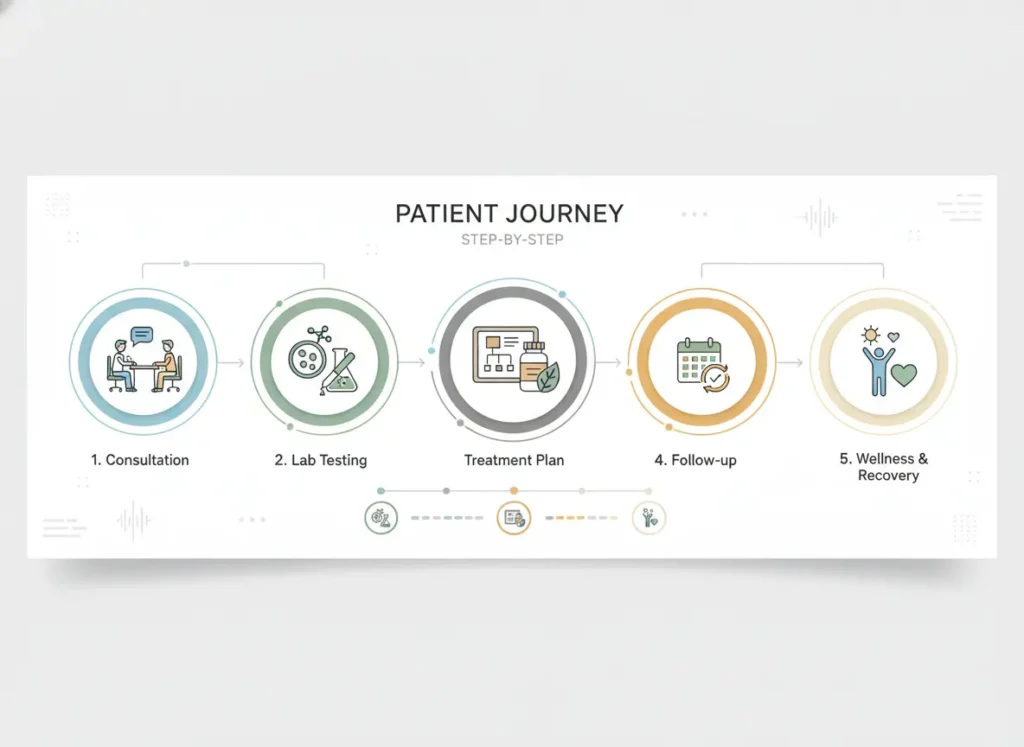
Patients in Tucson often look into peptide therapy because they want help with recovery, energy, weight management, or age-related changes. The safest first step is not choosing a peptide online, but scheduling a clinical evaluation. Bloodwork helps identify whether symptoms relate to hormones, metabolism, inflammation, nutrient levels, or another health issue. This gives your provider a better foundation for deciding whether peptide therapy fits your health goals.

Peptide Therapy with Tucson Wellness MD

At Tucson Wellness MD, we empower you to live the life you want by giving you the tools and the medical care needed to help you support long-term health and overall wellness.

Whether you want to support body composition goals under medical supervision, take advantage of our beauty services, or discuss non-surgical options where clinically appropriate, Tucson Wellness MD is interested in your best self.

We believe in a scientific, evolutionary approach to health and modern pain relief. As a result, we use only the most advanced, We source medications from licensed pharmacies in accordance with regulatory standards.

Health should fit your lifestyle, and we will work with you to create a plan that meets your needs and improves your quality of life.

We invite you to learn more by continuing to explore our website.

Peptide Therapy in Tucson: Benefits, Uses and How It Works

Peptide therapy is a medical treatment that uses short chains of amino acids to restore specific signaling pathways in the body. These peptides bind to cellular receptors and trigger targeted biological responses including growth hormone release, tissue repair, immune regulation, and fat metabolism. Treatment is prescribed by a licensed provider based on lab results and individual health goals.

Peptides are not hormones. They are signaling molecules that tell your body to produce or regulate its own hormones, proteins, and cellular processes more efficiently. Over 7,000 naturally occurring peptides exist in the human body, and therapeutic peptides are designed to mimic or enhance these natural functions.

The most commonly prescribed peptides in clinical practice and their primary functions include:

PeptidePrimary FunctionCommon Use
BPC-157Tissue repair and gut healingJoint injuries, tendon damage, post-surgical recovery, GI inflammation
SermorelinGrowth hormone releaseAnti-aging, improved sleep, body composition, recovery
CJC-1295Sustained growth hormone stimulationMuscle development, fat loss, deeper sleep cycles
IpamorelinTargeted growth hormone pulseRecovery, lean muscle support, minimal side effects compared to other GH secretagogues
SemaglutideGLP-1 receptor activationMedical weight loss, appetite regulation, blood sugar control
Thymosin Alpha-1Immune system modulationImmune support, chronic infection management, autoimmune conditions

Peptide therapy is not a one-size-fits-all treatment. Protocols are built around your specific lab work, health history, and treatment objectives. All peptides at Tucson Wellness MD are prescribed and monitored by a licensed medical provider.

Peptide therapy restores targeted signaling pathways by supplying specific amino acid sequences that activate defined biological responses. These peptides bind to cellular receptors and trigger processes such as hormone release, protein synthesis, tissue regeneration, and immune modulation. With restored signaling activity, the body resumes more efficient repair, regulation, and metabolic balance under medical supervision and controlled dosing.

Quick answer

What do you need to know about peptide therapy?

Peptide therapy uses specific amino acid sequences to restore signaling pathways that decline with age, stress, and metabolic strain. These peptides bind to cellular receptors and trigger defined biological responses including hormone release, tissue repair, immune modulation, and metabolic regulation. Treatment is prescribed and monitored by a licensed medical provider based on laboratory findings and individual health goals. Peptides are not one-size-fits-all — protocols are tailored to your specific biology. Outcomes vary by patient.

What Is Peptide Therapy and How Does It Work?

 Peptide therapy involves the medical use of specific peptides that are prescribed based on an individual evaluation and clinical need.

peptide therapy

 Peptide therapy may be considered as part of a physician-guided wellness plan focused on age-related hormonal and metabolic changes.

 Peptides are being studied for their role in cell signaling and tissue function. Treatment plans are individualized and based on medical evaluation.

As you age, your body slows human growth hormone production. Growth hormone releasing hormone plays a part in many different aspects of health and well-being, including:

  • Weight management
  • Pain management
  • Overall health and wellness
  • Age management
  • Support of overall wellness under physician supervision.

Peptide Therapy Benefits: What Patients Use It For

peptide therapy

Beginning a treatment plan with peptide therapy provides the body with many different benefits.  Peptide therapy is prescribed when medically appropriate and monitored by a licensed healthcare provider. Individual responses vary.

The use of therapeutic peptides can boost libido, improve the quality of your skin, help you transform your physique, and increase your energy levels. Specifically, the different peptides that we offer can deliver some of the following benefits:

Potential areas of clinical focus may include metabolic support, hormonal balance, tissue health, and overall wellness. Treatment decisions are based on laboratory findings, medical history, and individual goals.

Why Choose Peptide Therapy?

 Peptide therapy is a developing area of medical research focused on cell signaling and biologic pathways of cell-signaling amino acid sequences (known as peptides). Peptides are the master controls of many functions in the body.

What are Peptides Made Of?

Peptides are the building blocks of proteins and are composed of amino acids that work to regulate a variety of biological functions and processes.

These naturally occurring peptides act as signaling molecules within the body and instruct other cells and molecules on what functions to perform.

There are over 7,000 known peptides within the human body and though some may be similar each is responsible for facilitating a different response and action within the body.

Some common functions of peptides include providing pain relief, triggering immune system function, aiding in soft tissue repair, Some peptides are being studied for their role in metabolic, endocrine, and tissue-support pathways. Use is determined by clinical evaluation.

Types of Peptides Offered at Tucson Wellness MD

Short Chain Amino Acids

A peptide is a short chain of amino acids. The amino acids in a peptide are connected to one another in a sequence by bonds called peptide bonds.

Typically, peptides are distinguished from proteins by their shorter length, although the cut-off number of amino acids for de fining a peptide and protein can be arbitrary.

peptide therapy women

Peptides are generally considered to be short chains of two or more amino acids. Meanwhile, proteins are long molecules made up of multiple peptide subunits and are also known as polypeptides.

Proteins can be digested by enzymes (other proteins) into short peptide fragments. Among cells, peptides can perform biological functions. For example, some peptides act as hormones, which are molecules that when released from cells affect other areas of the body.

Muscle Mass

Muscles are often described as the “engine” of your body’s fat and calorie-burning mechanism. Increased muscle mass can lead to less body fat, a stronger immune system, improved energy levels, and reduced stress.

After you turn 40 and continue to age, you lose approximately 1 percent of your bone mass each year. This makes your bones more prone to fractures and may lead to osteoporosis over time.

Hormonal and metabolic health play a role in musculoskeletal maintenance. Treatment is individualized and monitored.

Since muscle burns more calories than fat, gaining mass can increase your metabolism and help you maintain a healthy weight. You will feel more energized and find it easier to lose stubborn fat.

Growth Hormone

Throughout life, growth hormone regulates the fat, muscle, tissue, and bone in our bodies and other aspects of our metabolism such as insulin action and blood sugar levels.

Growth hormone levels naturally reduce from middle age onwards.

Our bones need enough growth hormone during our childhood and adolescence in order to lengthen to adult proportions.

Growth hormone prompts our liver to make a substance called insulin-like growth factor (IGF-1). This and other similar compounds are involved in bone growth.

Adults with growth hormone deficiency (which may result from problems with the pituitary gland or hypothalamus) may have symptoms including:

  • poor bone density (which can lead to osteoporosis if untreated)
  • reduced muscle mass
  • fatigue
  • depression
  • poor memory
  • increased body fat around the waist.

Growth hormone pathways are complex endocrine systems that require careful evaluation. Any therapy affecting hormone levels must be prescribed and monitored by a licensed medical provider.

peptide therapy

HGH helps to maintain, build, and repair healthy tissue in the brain and other organs.

This hormone can help to speed up healing after an injury and repair muscle tissue after exercise. Therefore it helps to build muscle mass, boost the metabolism, and makes it easier to lose weight.

HGH is also said to benefit the quality and appearance of the skin as if slowing the aging process.

Are There Any Side Effects of Peptide Therapy?

Downsides of Peptide therapy

For healthy individuals, peptide supplements are unlikely to cause serious side effects because they are similar to the peptides present in everyday foods.

Oral peptide supplements

Oral peptide supplements are not regulated by the United States Food and Drug Administration (FDA) and as a result, people should exercise caution when taking any supplements, or, better yet, ensure their peptide plan is observed by a doctor.

Topical Peptide Supplements

Topical creams and ointments containing peptides may cause skin symptoms, such as skin sensitivity, rash, and itching.

Individuals should always buy from a reputable company and discontinue use if adverse reactions occur.

Also, it is a good idea to speak to a doctor before taking peptide supplements or using topical products that contain peptides.

Peptide Therapy with Tucson Wellness MD

peptide therapy

Peptide Therapy offers a wide range of benefits to the body that can help you be your absolute best self.

Our targeted therapy enables your body to do what it is meant to do, but better and faster. Peptide therapy is offered as part of a medically supervised plan designed around individual laboratory findings and clinical goals. Outcomes vary by patient. In short, all your effort to be your best will produce better results. 

Get started on your journey to a better life by continuing to explore our website.