How to Support Your Metabolism for Weight Loss

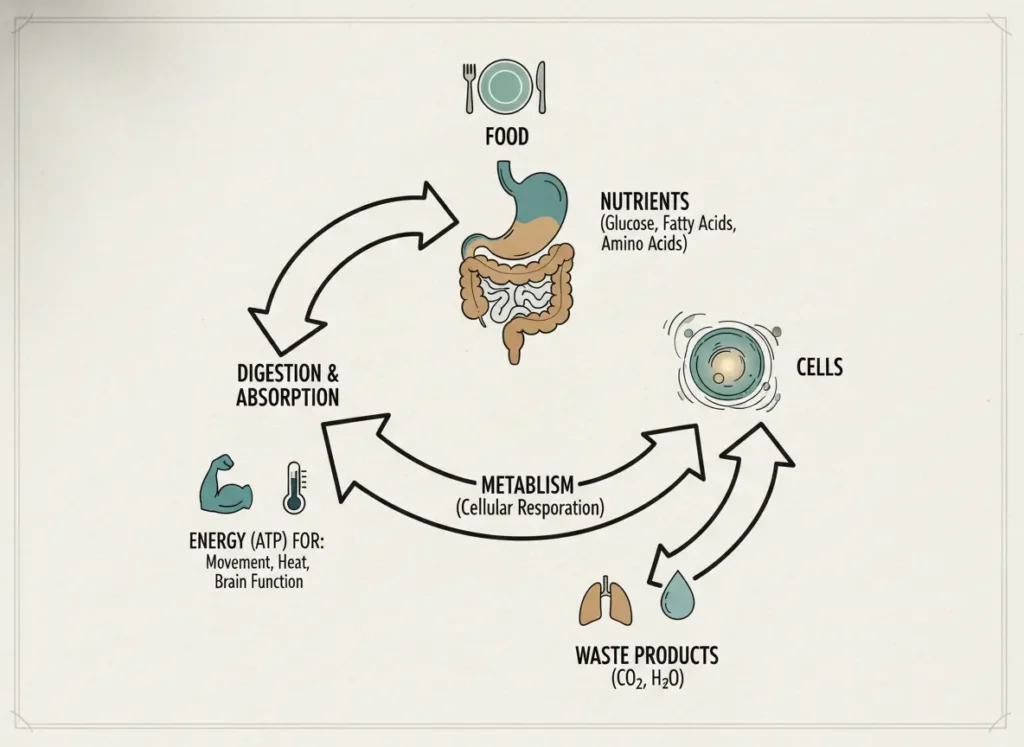
WMetabolism includes all the processes your body uses to convert food and stored nutrients into energy.

It affects more than calorie burning. Metabolism supports breathing, circulation, movement, digestion, tissue repair, temperature regulation and other essential functions.

Your metabolic rate is influenced by factors such as body size, muscle mass, age, activity, food intake, sleep, medications and certain health conditions.

This guide explains how metabolism works, why weight loss may feel difficult and which nutrition, exercise and lifestyle habits may support long-term metabolic health.

Quick Answer

How Can You Support a Healthy Metabolism?

You can support metabolism by preserving muscle through resistance training, eating enough protein, getting consistent sleep, managing stress and avoiding extreme calorie restriction. Metabolism is also influenced by age, body size, activity, medications, thyroid function and other health factors. Persistent fatigue, unexplained weight changes or stalled progress may require medical evaluation rather than another restrictive diet.

What Metabolism Really Is

Metabolism is the collection of chemical reactions that keeps the body functioning.

These reactions convert nutrients into energy, build and repair tissues, regulate body temperature and support normal organ function.

Your basal metabolic rate, or BMR, is the energy your body uses at rest to maintain functions such as breathing, circulation and brain activity.

Total daily energy use includes:

  • Basal metabolic rate
  • Physical activity
  • Exercise
  • Digestion
  • Routine movement and daily tasks

Muscle mass can influence resting energy use, but metabolic rate is also affected by age, body size, genetics, medications, hormone function and overall health.

The Two Core Processes of Metabolism

Metabolism includes two broad types of activity.

Catabolism

Catabolism breaks larger molecules into smaller components and releases energy.

Examples include:

  • Breaking down carbohydrates into glucose
  • Using stored glycogen for energy
  • Breaking down fats into fatty acids
  • Processing dietary protein into amino acids

Anabolism

Anabolism uses energy to build and repair structures in the body.

Examples include:

  • Building muscle protein
  • Repairing tissue
  • Producing hormones and enzymes
  • Storing glucose as glycogen

Both processes happen continuously and work together to maintain normal function.

What Determines Your Metabolic Rate

Metabolic rate varies from person to person.

Important factors include:

  • Body size
  • Lean muscle mass
  • Age
  • Biological sex
  • Genetics
  • Physical activity
  • Food intake
  • Sleep
  • Medications
  • Thyroid and other medical conditions

Hormones such as thyroid hormones, insulin, cortisol, estrogen and testosterone also participate in energy regulation, appetite and body composition.

However, weight changes or fatigue do not automatically prove that a hormone imbalance or damaged metabolism is present.

The pancreas and liver help regulate blood sugar, nutrient storage and energy availability. Concerns involving these organs or metabolic markers require appropriate clinical evaluation rather than assumptions based on symptoms alone.

Why Does My Metabolism Feel Slow?

People often describe their metabolism as slow when they experience weight gain, low energy, increased hunger or difficulty losing weight.

Possible contributors include:

  • Reduced daily movement
  • Loss of muscle mass
  • Poor sleep
  • Chronic stress
  • Repeated restrictive dieting
  • Inadequate protein intake
  • Medication effects
  • Menopause or age-related body-composition changes
  • Thyroid or metabolic conditions
  • Underestimating food or beverage intake

Weight loss may also slow as body weight decreases because a smaller body generally requires less energy.

A stalled scale does not necessarily mean that metabolism is damaged. Reviewing trends in food intake, movement, sleep, medications and health markers can provide more useful information. Patients struggling with persistent weight concerns can review provider-guided medical weight-loss options at Tucson Wellness MD.

How Hormones Affect Metabolism and Weight Loss

Hormones help regulate appetite, blood sugar, stress response, reproductive health, muscle mass and fat distribution.

Hormones commonly discussed in relation to weight include:

  • Thyroid hormones
  • Insulin
  • Cortisol
  • Estrogen
  • Progesterone
  • Testosterone
  • Leptin and ghrelin

Symptoms alone cannot confirm a hormone disorder.

Fatigue, weight changes, low libido and mood concerns may also involve sleep, nutrition, medications, stress or another health condition.

Hormone therapy should only be considered when symptoms, medical history and appropriate testing support a clinical need. For symptoms that may involve hormone changes, explore provider-guided hormone evaluation and treatment.

Signs That Metabolic Health Needs Evaluation

Metabolic health is often assessed through medical history, physical measurements and laboratory findings rather than symptoms alone.

Speak with a provider if you experience:

  • Persistent or unexplained fatigue
  • Unexplained weight gain or loss
  • Increased thirst or frequent urination
  • Significant changes in appetite
  • Persistent weakness
  • Menstrual or hormone-related changes
  • High blood pressure
  • Elevated glucose or cholesterol results
  • Symptoms that began after starting a medication
  • Weight concerns that continue despite consistent habits

These concerns may involve thyroid function, blood sugar, sleep, medications, nutrient status or another condition.

They should not automatically be treated with metabolism supplements, detox programs or hormone therapy.

How to Support a Healthy Metabolism With Nutrition and Lifestyle

metabolism

Healthy metabolism is supported by consistent habits rather than one food, supplement or short-term program.

Helpful priorities include:

  • Eating enough protein
  • Including fiber-rich carbohydrates
  • Choosing vegetables, fruits and healthy fats
  • Resistance training
  • Regular daily movement
  • Consistent sleep
  • Managing stress
  • Avoiding repeated crash diets
  • Reviewing medication and medical contributors when needed

The best approach depends on the patient’s health history, body-composition goals, activity level and nutritional needs.

How to Build a Faster Metabolism That Lasts

Most metabolism advice focuses on short-term fixes. Crash diets, extreme exercise programs, and detox plans may produce temporary results but they do not build a faster metabolism permanently. What does work is creating consistent conditions that signal your body to produce and use energy more efficiently over time.

Build and Protect Muscle Mass

Muscle tissue uses energy at rest and supports strength, mobility and long-term body composition.

Resistance training may help preserve or build muscle, particularly during weight loss and as adults age.

Options may include:

  • Free weights
  • Resistance machines
  • Resistance bands
  • Bodyweight exercises
  • Supervised strength programs

Training should reflect current ability, injuries and medical needs. Patients focused on strength and body composition can review Strength and Performance support.

Prioritize Protein at Every Meal

Protein supports muscle maintenance, recovery and fullness.

Examples include:

  • Fish
  • Poultry
  • Eggs
  • Greek yogurt
  • Cottage cheese
  • Beans
  • Lentils
  • Tofu
  • Tempeh

Protein requires more energy to digest than fat, but this effect is modest and should not be presented as a shortcut to rapid weight loss.

Protein needs vary according to age, body size, activity and medical history.

Support Blood Sugar With Balanced Meals

Balanced meals may help some people manage hunger, energy and glucose response.

A meal may include:

  • Quality protein
  • Fiber-rich carbohydrates
  • Vegetables or fruit
  • Healthy fats

People with diabetes, insulin resistance or glucose-lowering medications may need individualized guidance on carbohydrate intake and meal timing.

Protect Your Sleep

Poor sleep may affect hunger, appetite, insulin sensitivity, energy and willingness to exercise.

Helpful sleep habits may include:

  • Maintaining a consistent sleep schedule
  • Reducing late caffeine
  • Limiting screen exposure before bed
  • Creating a dark and quiet sleep environment
  • Discussing snoring or possible sleep apnea with a provider

Adults commonly need around seven to nine hours of sleep, although individual needs vary.

Manage Chronic Stress

Chronic stress may affect sleep, appetite, food choices, physical activity and overall consistency.

Helpful strategies may include:

  • Regular movement
  • Relaxation exercises
  • Time outdoors
  • Counseling or behavioral support
  • Setting realistic work and recovery boundaries
  • Maintaining social connection

Stress management supports overall health, but it is not a substitute for medical evaluation when symptoms persist.

Why Extreme Dieting May Work Against Long-Term Progress

Very restrictive diets may produce rapid weight loss, but they can also increase hunger, reduce training performance and make muscle preservation more difficult.

As calorie intake and body weight decrease, the body may use less energy. This is a normal adaptation rather than proof that metabolism has been permanently damaged.

A sustainable plan should provide enough protein, micronutrients and energy to support daily function while creating a realistic calorie deficit when weight loss is appropriate.

When to Get Medical Support for Metabolism

Medical evaluation may be appropriate when weight or energy concerns continue despite consistent nutrition, activity and sleep habits.

A provider may review:

  • Weight and symptom history
  • Current medications
  • Sleep quality
  • Nutrition and activity
  • Blood pressure
  • Blood sugar markers
  • Cholesterol
  • Thyroid function
  • Hormone symptoms
  • Nutrient status when indicated

Testing should be selected according to the patient’s symptoms and medical history rather than relying on one universal metabolism panel. For broader preventive evaluation and follow-up, explore Longevity Care at Tucson Wellness MD.

Personalized Metabolic and Weight-Loss Support in Tucson

Tucson Wellness MD can review weight concerns, fatigue, nutrition, activity, medications, sleep and relevant laboratory findings.

Depending on the patient’s needs, support may include:

  • Nutrition and lifestyle guidance
  • Medical weight-loss evaluation
  • Body-composition review
  • Hormone testing when indicated
  • Metabolic health monitoring
  • Strength and performance support
  • Ongoing primary or longevity care

Treatment recommendations should be based on clinical findings rather than assumptions that every weight concern is caused by a slow metabolism.

Find Out What May Be Affecting Your Metabolism

Tucson Wellness MD can review your weight history, energy, sleep, medications, nutrition, activity and relevant laboratory findings. Your provider can help determine whether lifestyle support, medical weight loss, hormone evaluation or another form of care may be appropriate.

Schedule a Metabolic Health Consultation

Frequently Asked Questions About Metabolism

What causes a slow metabolism?

A slow metabolism can be linked to low muscle mass, poor sleep, chronic stress, thyroid changes, insulin resistance, under-eating, low protein intake, or certain medications. Many people try to fix it with extreme dieting, but that can make energy, hunger, and consistency harder to manage. A better approach starts with identifying what is affecting metabolism before choosing a plan.

Can hormones affect metabolism?

Yes, hormones help regulate appetite, blood sugar, fat storage, muscle mass, and energy use. Thyroid hormones, insulin, cortisol, estrogen, progesterone, and testosterone can all affect how the body manages weight and energy. When these signals are out of balance, weight loss may feel harder even with consistent diet and exercise.

How do you support metabolism naturally?

You can support metabolism with strength training, enough protein, consistent sleep, stress management, hydration, and balanced meals. Crash dieting or skipping meals may make energy and hunger harder to manage over time. If symptoms continue, lab testing can help identify whether hormones, nutrient levels, or other health factors are involved.

When should I see a provider for metabolism concerns?

You should consider seeing a provider if weight loss has stalled despite consistent nutrition, exercise, and lifestyle changes. Medical support may also help if you have fatigue, sleep issues, low libido, mood changes, blood sugar concerns, or symptoms of hormone imbalance. A provider can review labs, medications, symptoms, and health history to create a safer plan.

STAY HEALTHY – STAY CONNECTED

Hormone Imbalance Symptoms: Signs, Causes, Testing, and Support

Table of Contents

Hormones help regulate energy, metabolism, appetite, mood, sleep, sexual health, menstrual cycles, muscle maintenance and the body’s response to stress. When hormone levels or signaling patterns change, symptoms may appear across several areas of health rather than as one obvious problem.

Some people notice persistent fatigue, unexplained weight gain, lower libido or brain fog. Others experience irregular periods, hot flashes, night sweats, mood changes, reduced strength or difficulty recovering from exercise. These symptoms can develop gradually and may be mistaken for normal aging, stress or an overloaded schedule.

However, the same symptoms may also be caused by thyroid disorders, medication effects, nutrient deficiencies, sleep problems, depression, chronic stress or other medical conditions. A symptom checklist cannot diagnose a hormone imbalance.

This guide explains common hormone imbalance symptoms in women and men, possible hormonal connections, testing considerations and when medical evaluation may be appropriate. Patients experiencing age-related symptoms may also read how hormones may change through each decade.

Quick Answer

What Are Common Hormone Imbalance Symptoms?

Common hormone imbalance symptoms include persistent fatigue, unexplained weight changes, low libido, brain fog, mood changes, poor sleep, hot flashes, night sweats, irregular periods, reduced muscle strength and difficulty losing fat. These symptoms may involve thyroid hormones, estrogen, progesterone, testosterone, insulin, cortisol or other health factors. Symptoms alone cannot confirm a hormone imbalance, so ongoing or disruptive changes should be evaluated through medical history, appropriate lab testing and provider guidance.

Hormone Imbalance Symptoms at a Glance

Hormone imbalance symptoms can affect energy, weight, mood, sleep, libido, menstrual cycles, and body composition. This table makes the most common signs easier to review.

SymptomPossible Hormonal or Health ConnectionWhat Else May Cause It
Persistent fatigueThyroid hormones, testosterone, estrogen, cortisol, insulin or menopause-related changesPoor sleep, anemia, nutrient deficiency, medication effects or chronic illness
Weight gain or fat-loss resistanceInsulin, thyroid hormones, cortisol, estrogen, progesterone or testosteroneCalorie intake, reduced activity, sleep loss, medications or fluid retention
Low libidoTestosterone, estrogen, progesterone, prolactin or thyroid changesStress, relationship concerns, medication effects, pain or poor sleep
Mood changes or irritabilityEstrogen, progesterone, testosterone, thyroid hormones or cortisolAnxiety, depression, stress, sleep problems or major life changes
Brain fog or poor concentrationThyroid, estrogen, testosterone, insulin or cortisol changesSleep deprivation, nutrient gaps, medication effects or mental health concerns
Hot flashes or night sweatsEstrogen fluctuations during perimenopause or menopauseMedication effects, infection, thyroid changes or environmental heat
Irregular or changing periodsEstrogen, progesterone, thyroid changes, PCOS or perimenopausePregnancy, stress, weight changes, medications or other gynecologic conditions
Reduced muscle or strengthTestosterone, growth hormone, thyroid or menopause-related changesInactivity, inadequate protein, aging, injury or chronic illness
Hair or skin changesThyroid, androgen, estrogen or insulin-related changesGenetics, nutrient deficiency, stress, medications or dermatologic conditions
Poor sleepEstrogen, progesterone, testosterone, cortisol or thyroid changesSleep apnea, stress, caffeine, pain, alcohol or inconsistent sleep habits

These connections are possibilities, not diagnoses. Several symptoms can come from non-hormonal conditions, and laboratory results should be interpreted alongside medical history and symptoms.

Common Signs of Hormone Imbalance in Women and Men

Hormone symptoms may overlap, but reproductive stage, age, medications and medical history can change which conditions are more likely.

Hormone Imbalance Symptoms in Women

Women may experience irregular or changing periods, hot flashes, night sweats, vaginal dryness, low libido, mood changes, poor sleep, headaches, breast tenderness, weight changes or difficulty maintaining muscle.

Possible contributing factors include perimenopause, menopause, thyroid disorders, polycystic ovary syndrome, pregnancy-related changes, stress, medication effects and changes in estrogen, progesterone or testosterone.

Women should seek medical evaluation for persistent symptoms, unusually heavy bleeding, bleeding after menopause, severe pelvic pain or sudden changes in menstrual patterns.

Women experiencing hot flashes, cycle changes or sleep disruption can review the differences between perimenopause and menopause.

Hormone Imbalance Symptoms in Men

Men may notice fatigue, reduced libido, erectile changes, lower motivation, mood changes, increased abdominal fat, reduced strength, loss of muscle mass, poor exercise recovery or changes in body hair.

These symptoms may involve testosterone, thyroid function, sleep apnea, metabolic health, medications or other medical factors. Low testosterone should not be diagnosed from symptoms alone. Appropriate testing and clinical evaluation are needed.

Men with persistent fatigue, low libido or reduced strength can learn more about low-testosterone evaluation and TRT for men.

Symptoms That Affect Anyone

Fatigue, weight gain, poor sleep, brain fog, mood changes and low motivation can affect women and men. Because these symptoms have many potential causes, providers should assess the full pattern rather than attributing every problem to one hormone.

Common Causes of Hormone Imbalance Symptoms

Hormone imbalance symptoms can develop for many reasons. Some are related to normal life stages, while others may involve stress, sleep, medication, nutrition, thyroid function, or metabolic health.

  • Perimenopause or menopause changes
  • Low testosterone in men or women
  • Thyroid hormone changes
  • High stress or cortisol disruption
  • Poor sleep or sleep apnea
  • Insulin resistance or blood sugar changes
  • Nutrient deficiencies
  • Medication side effects
  • Overtraining, under-eating, or chronic fatigue

When Hormone Changes Affect Weight, Energy and Mood

Hormones interact with metabolism, sleep, appetite, stress response and muscle maintenance. This means a change in one system may create symptoms that appear unrelated.

Weight and Body Composition

Thyroid hormones, insulin, cortisol, estrogen and testosterone may influence appetite, energy use, fat distribution and muscle maintenance. However, weight gain does not automatically prove a hormone disorder. Nutrition, activity, medications, sleep and age also matter. For weight concerns involving metabolic or hormonal factors, review Tucson Wellness MD’s medical weight-loss services.

Energy and Motivation

Persistent fatigue may occur with thyroid problems, low testosterone, menopause-related sleep disruption, anemia, vitamin deficiencies, chronic stress or other conditions. Testing should be based on the patient’s symptoms and medical history rather than ordering every hormone panel by default.

Mood and Cognitive Changes

Estrogen, progesterone, testosterone, thyroid function and stress hormones may affect mood, sleep and concentration. Anxiety, depression and brain fog can also have non-hormonal causes, so mental health and lifestyle factors should not be overlooked.

Sexual and Reproductive Health

Hormonal shifts may affect libido, erectile function, vaginal comfort, menstrual cycles and fertility. These symptoms can also involve medication effects, relationship concerns, pain, vascular health or chronic medical conditions.

Learn more about the possible relationship between low libido, hormone health and overall wellness.

Hormones Commonly Connected With These Symptoms

Thyroid Hormones

Thyroid hormones help regulate energy use, body temperature, heart rate and digestion. Thyroid dysfunction may contribute to fatigue, weight changes, sensitivity to heat or cold, bowel changes, hair changes or mood symptoms.

Estrogen and Progesterone

Estrogen and progesterone fluctuate throughout the menstrual cycle and change significantly during perimenopause and menopause. Shifts may contribute to irregular periods, hot flashes, night sweats, sleep problems, vaginal dryness and mood changes.

Testosterone

Women and men both produce testosterone. Clinically low testosterone may affect libido, energy, muscle mass, motivation and body composition. Symptoms and repeated laboratory testing are generally needed before treatment is considered.

Insulin

Insulin helps regulate blood sugar and energy storage. Insulin resistance may be associated with increased hunger, energy fluctuations, abdominal weight gain and difficulty managing weight. It is evaluated through metabolic history and appropriate testing, not symptoms alone.

Cortisol

Cortisol helps the body respond to stress. Sleep disruption, chronic stress and certain medical conditions may affect cortisol patterns. General fatigue or weight gain should not automatically be labeled as “adrenal fatigue,” which is not a standard medical diagnosis.

Hormone Imbalance Testing: What a Provider May Review

ConcernPossible Tests or Review AreasWhy It Matters
Fatigue or low motivationThyroid, testosterone, vitamin D, B12, iron, sleep qualityLow energy can have several causes beyond hormones alone
Weight gain or fat-loss resistanceInsulin, A1C, thyroid, cortisol patterns, sex hormonesMetabolism may be affected by hormones, blood sugar, and lifestyle factors
Low libidoTestosterone, estrogen, progesterone, medication review, stress and sleepSex drive can be affected by hormones, mood, sleep, and medications
Hot flashes or night sweatsMenopause status, estrogen changes, thyroid, medicationsSymptoms may relate to menopause or other medical factors
Brain fog or mood changesThyroid, sex hormones, blood sugar, nutrient levels, sleepCognitive and mood symptoms often have overlapping causes

What Vitamin is Good for Low Testosterone?

Vitamin D plays a role in hormone regulation, and adequate levels are associated with normal testosterone production in some individuals. Zinc and vitamin B6 are involved in biochemical pathways that support normal hormone metabolism.

Discover which vitamins and minerals are vital for optimal hormone levels, immune function, and overall health. Learn how key nutrients contribute to immune and hormonal health.

How Sex Hormones Influence Immune Function

Hormone balance plays a role in regulating immune system activity. Androgens like testosterone can suppress the immune system, while estrogens boost its function, especially in fighting infections. Some research suggests that testosterone levels may influence aspects of immune response. In contrast, women benefit from higher estrogen levels, which enhance both innate and adaptive immune responses. Progesterone also plays a crucial role in fine-tuning immune responses, particularly during pregnancy, helping the mother’s immune system accept the fetus and aiding in autoimmune conditions. Together, these hormones help develop immune cells, regulate gene activity, and influence how cytokines function and communicate in the immune response.

Hormone and Weight Support Options at Tucson Wellness MD

Your symptoms may point to different types of support depending on your age, health history, lab results, and goals.

  • TRT for Men may help men who have symptoms linked to low testosterone and appropriate lab findings.
  • TRT for Women may support women with hormone-related symptoms when clinically appropriate.
  • Menopause Therapy may help women manage menopause-related symptoms such as hot flashes, night sweats, mood changes, and sleep issues.
  • Weight Loss support may help patients struggling with weight gain, fat loss resistance, and metabolic changes.

For related support, learn more about TRT for men, TRT for women, and longevity care.

Hormone Imbalance Treatment Support in Tucson

Hormone imbalance treatment depends on the cause of the symptoms, lab results, age, health history, and personal goals. A provider may review lifestyle changes, nutrition support, sleep quality, medical weight loss, thyroid concerns, testosterone therapy, menopause support, or other hormone-related options.

The goal is not to treat one symptom in isolation. The goal is to understand the pattern behind fatigue, weight changes, low libido, mood shifts, poor sleep, or brain fog and build a plan that supports long-term health.

What Tests May Be Used to Evaluate Hormone Symptoms?

Hormone testing should be selected according to symptoms, age, sex, menstrual status, medications and medical history. Not every patient needs the same panel.

Testing may include:

  • Thyroid-stimulating hormone and additional thyroid markers when indicated
  • Total and free testosterone
  • Estradiol and progesterone when clinically appropriate
  • Luteinizing hormone and follicle-stimulating hormone
  • Prolactin
  • Fasting glucose, insulin or A1C
  • Complete blood count
  • Metabolic panel
  • Vitamin D, vitamin B12, iron or other nutrient markers
  • Additional testing based on reproductive or adrenal concerns

A single abnormal result does not always establish a diagnosis. Hormone levels may change by time of day, menstrual-cycle stage, medication use, illness and laboratory method. Results should be interpreted together with symptoms and clinical history.

Nutrient deficiencies involving iron, vitamin D, vitamin B12, zinc or other nutrients may sometimes produce symptoms that overlap with hormone concerns, so targeted testing may be appropriate.

Key Vitamins and Minerals That Support Immunity and Hormone Balance

These vitamins and minerals play important roles in supporting immune function and overall health.

How Vitamin C Supports Immune and Hormone Health

Vitamin C, also known as ascorbic acid, is a superstar when it comes to boosting your immune system!  Vitamin C supports normal immune function and is involved in biochemical processes related to hormone regulation. Load up on Vitamin C through delicious fruits, berries, leafy greens, and vibrant bell peppers. Adequate vitamin C intake has been associated in some studies with markers of reproductive health. Just remember: low Vitamin C levels can lead to increased aromatase, the enzyme that converts testosterone into estrogen, potentially throwing your hormones out of balance.

How Vitamin D Supports Testosterone and Immune Function

Dubbed the “sunshine vitamin,” Vitamin D is essential for supporting normal immune cell function. Vitamin D functions as a hormone precursor and is involved in multiple endocrine pathways in the body. Soak up those rays and keep your immune system strong!

How Vitamin E Supports Antioxidant and Immune Defense

Vitamin E supports antioxidant defense. This powerful antioxidant fights infections and boosts T-cell function. You can find it in nutritious nuts, seeds, and vegetable oils. What’s more, Vitamin C helps regenerate Vitamin E, helping maintain antioxidant activity. Vitamin E acts as an antioxidant and may support normal reproductive and immune system function.

How Vitamin A Supports Immune Barriers and Reproductive Health

Vitamin A supports immune barrier function in maintaining strong barriers against infections. Found in sweet potatoes, carrots, spinach, and eggs, Vitamin A plays a role in immune regulation and reproductive health, as well as regulating the reproductive cycle in women.

How Vitamin B6 Supports Hormone Metabolism and Nervous System Health

Vitamin B6 is a crucial player in metabolizing steroid hormones, including sex hormones. This vitamin enhances biochemical reactions in your immune system, boosting the function of white blood cells and T-cells. You can find it in chicken, fish, potatoes, and non-citrus fruits. Vitamin B6 is involved in hormone metabolism and neurological function.

How Magnesium Supports Endocrine and Immune Function

Magnesium plays an important role. Magnesium participates in enzymatic reactions that support normal endocrine function. Low magnesium levels can hinder T-cell function, weakening your immune response and increasing inflammation.

When Should You See a Provider About Hormone Symptoms?

Consider speaking with a provider when symptoms:

  • Continue for several weeks
  • Become more severe
  • Affect sleep, work, relationships or daily activity
  • Include unexplained weight changes
  • Affect menstrual cycles or sexual function
  • Occur alongside significant muscle loss or weakness
  • Continue despite improvements in sleep, nutrition and stress management

Seek more urgent medical care for severe chest pain, fainting, sudden neurologic symptoms, very heavy bleeding, bleeding during pregnancy, bleeding after menopause or thoughts of self-harm. These symptoms should not be treated as routine hormone imbalance.

Understand What May Be Behind Your Symptoms

Tucson Wellness MD can review your fatigue, weight changes, sleep, mood, libido, menstrual symptoms, medications and health history. When appropriate, laboratory testing can help identify possible hormone, thyroid, nutrient or metabolic factors before treatment is recommended.

Schedule a Hormone Consultation

Hormone Imbalance FAQs

What are the most common hormone imbalance symptoms?

Common symptoms include persistent fatigue, unexplained weight changes, low libido, mood changes, brain fog, poor sleep, hot flashes, night sweats, irregular periods, reduced muscle strength and difficulty losing fat.

What are the first signs of hormone imbalance?

Early signs may include fatigue, sleep changes, mood changes, low libido, irregular periods, brain fog or changes in weight and motivation. These symptoms may also come from stress, thyroid problems, medication effects or nutrient deficiencies.

Can hormone imbalance cause weight gain?

Hormone changes may affect appetite, energy use, fat distribution, insulin sensitivity and muscle maintenance. However, weight gain can also involve nutrition, activity, sleep, medications and other medical conditions.

Can hormone imbalance cause anxiety or mood swings?

Hormonal changes may affect mood, sleep and stress response, but anxiety and mood swings have many possible causes. A provider should review mental health, medications, sleep, medical history and laboratory findings.

How do I know whether my symptoms are caused by hormones?

Symptoms alone cannot confirm a hormone imbalance. A provider may review the symptom pattern, medical history, menstrual or reproductive status, medications and appropriate laboratory tests.

What laboratory tests check for hormone imbalance?

Testing may include thyroid markers, testosterone, estradiol, progesterone, luteinizing hormone, follicle-stimulating hormone, prolactin, glucose, insulin, A1C and selected nutrient markers. The appropriate tests depend on the patient.

Can low testosterone affect women?

Yes. Women produce testosterone in smaller amounts. Clinically low levels may contribute to changes in libido, energy, motivation or muscle tone, but symptoms and laboratory findings should be evaluated together.

Can hormone imbalance make it harder to lose weight?

Hormones may influence metabolism, appetite, insulin sensitivity, fat storage and muscle mass. Testing may help identify contributing factors when weight management remains difficult despite consistent habits.

Can hormone imbalance affect sleep?

Yes. Menopause-related changes, thyroid dysfunction, testosterone changes and stress-hormone patterns may affect sleep. Sleep apnea, medications, pain, caffeine and mental health should also be considered.

When should I speak with a provider about hormone symptoms?

Speak with a provider when symptoms persist, worsen or interfere with sleep, mood, energy, weight, libido, menstrual cycles or daily quality of life.