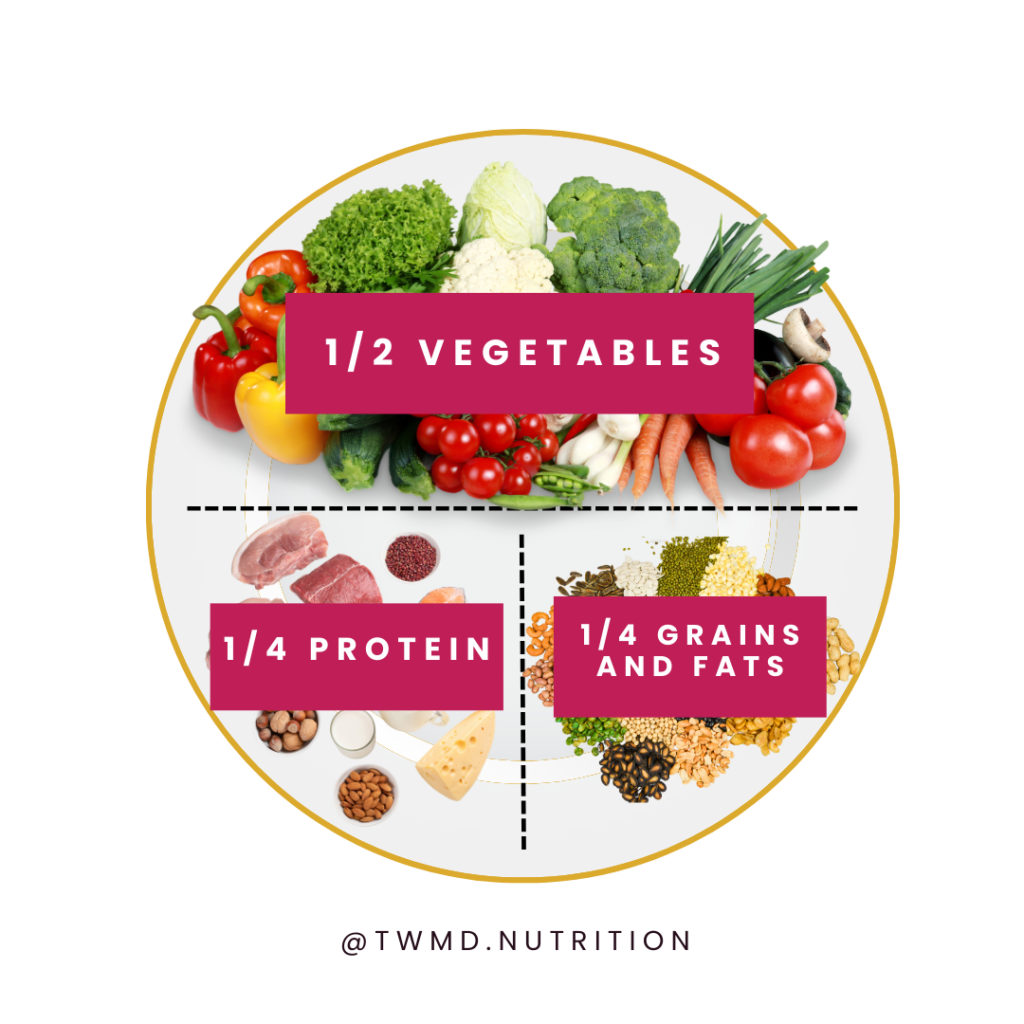
Struggling with Weight: 3 Key Factors at Play
Table of Contents
As we start a new month, it’s the perfect time to break free from the cycle of weight gain that can feel overwhelming and discouraging, especially if you want to avoid falling into the typical “New Year” pattern. Weight gain, insulin resistance, and hormonal imbalances often go hand-in-hand, creating a loop that slows metabolism and makes losing weight more difficult. But with the right approach, focusing on balanced nutrition, regular exercise, and targeted medical support, including hormone evaluation when appropriate, may help address underlying contributors to weight changes.
Why Is Losing Weight Difficult Even With Diet and Exercise?
Weight loss can become challenging when factors like insulin resistance, metabolism changes, and hormone imbalance affect how the body stores and uses energy. Understanding these underlying factors can help create a more personalized approach to long-term weight management.
Weight Loss Starts With Metabolic Balance
When insulin resistance, metabolic changes, and hormone imbalances overlap, the body may become more prone to fat storage. Even consistent dieting and exercise can feel ineffective when these internal systems are working against you.
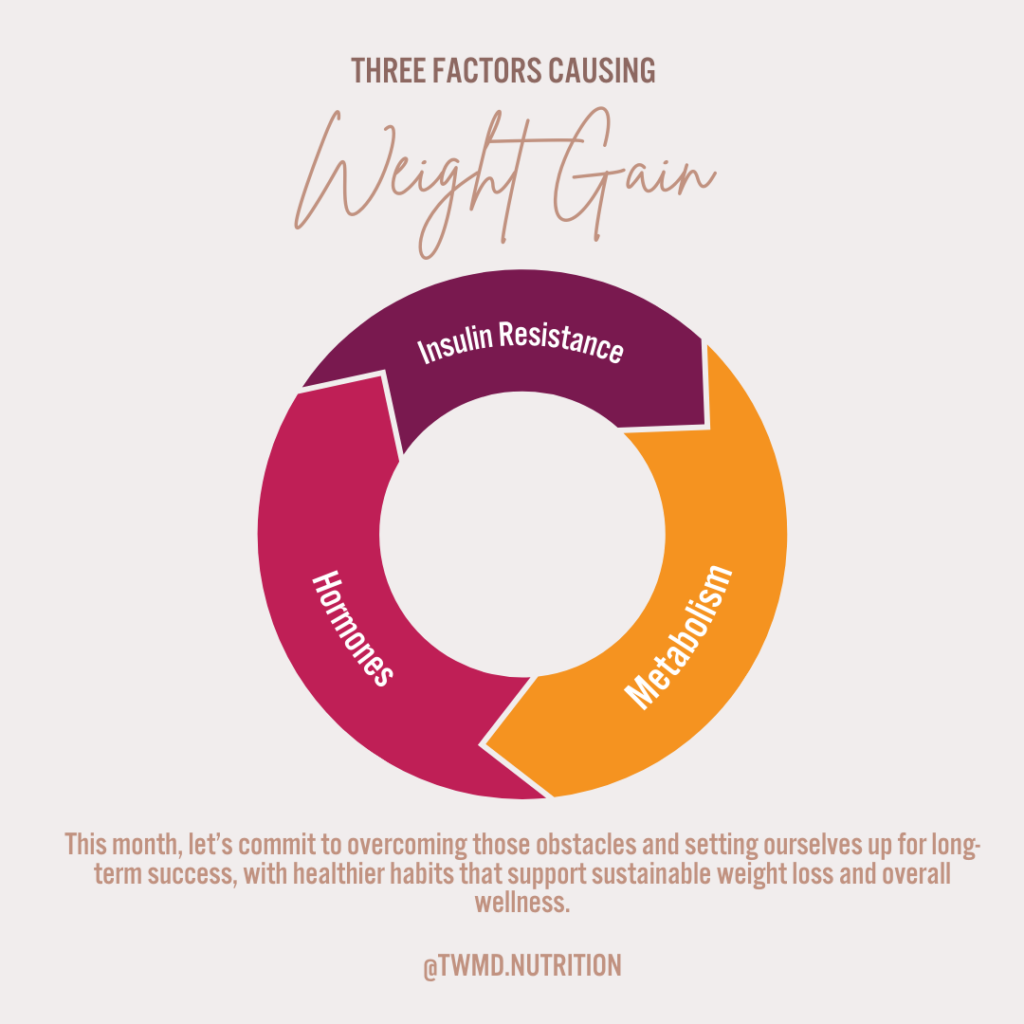
This month, let’s commit to overcoming those obstacles and setting ourselves up for long-term success, with healthier habits that support sustainable weight loss and overall wellness.
| Factor | How It May Affect Weight Management |
|---|---|
| Insulin resistance | May affect blood sugar regulation and encourage increased fat storage |
| Metabolism changes | Can influence how efficiently the body uses energy |
| Hormone imbalance | May affect appetite, energy levels, fat distribution, and body composition |
Insulin Sensitivity and Fat Storage
Insulin is a hormone made by the pancreas that helps manage your blood sugar levels. After you eat, insulin allows your cells to take in glucose (sugar) from your blood, giving your body energy. It also helps store any extra glucose in the liver and muscles as glycogen, or converts it into fat for later use. In short, Insulin helps regulate blood sugar levels and works alongside other hormones that influence hunger and fullness.
How Insulin Resistance Makes Weight Loss Harder
However, when your body becomes less responsive to insulin, often due to factors like poor diet, lack of exercise, or stress, blood sugar levels rise. To compensate, the pancreas produces more insulin. This can lead to hyperinsulinemia, or excess insulin in the bloodstream, which can eventually result in insulin resistance or even type 2 diabetes. When there’s too much insulin in the body, it encourages the storage of glucose as fat, especially around the belly. And because insulin also plays a role in regulating hunger, high insulin levels can make you feel hungrier, leading to overeating, weight gain, and even more insulin resistance. It’s a tough cycle, but understanding how insulin works is the first step toward breaking it.
Weight management is influenced by more than food intake alone. Sleep quality, stress levels, physical activity, nutrition patterns, and metabolic health can all affect how the body responds to insulin and manages energy.
How Metabolism Affects Fat Burning
Metabolism is the process by which your body converts food into energy to perform essential functions like breathing, thinking, and moving. It involves two key parts: catabolism, which breaks down food into smaller molecules (like glucose or fatty acids) to release energy, and anabolism, which uses that energy to build and repair cells, tissues, and muscles, as well as store energy for later use. Insulin is considered an anabolic hormone due to its role in promoting the uptake of glucose from the bloodstream into cells, particularly muscle and fat cells, thereby lowering blood sugar levels; it also stimulates the storage of glucose as glycogen in the liver, and influences protein and fat synthesis by promoting their uptake and production within cells.
When metabolism changes, it can either speed up or slow down. A slower metabolism means your body burns calories less efficiently, both at rest and during activity, leading to increased fat storage. Insulin resistance often accompanies metabolic changes and may make weight management more challenging.

Key Hormones That Control Hunger, Fullness, and Energy
Hormones are like chemical messengers that control many important processes in your body, including metabolism. While we’re familiar with how insulin impacts metabolism, there are other hormones that play a key role as well, including:
- Thyroid hormones
- Ghrelin & Leptin
- Sex hormones
How Thyroid Hormones Affect Metabolism
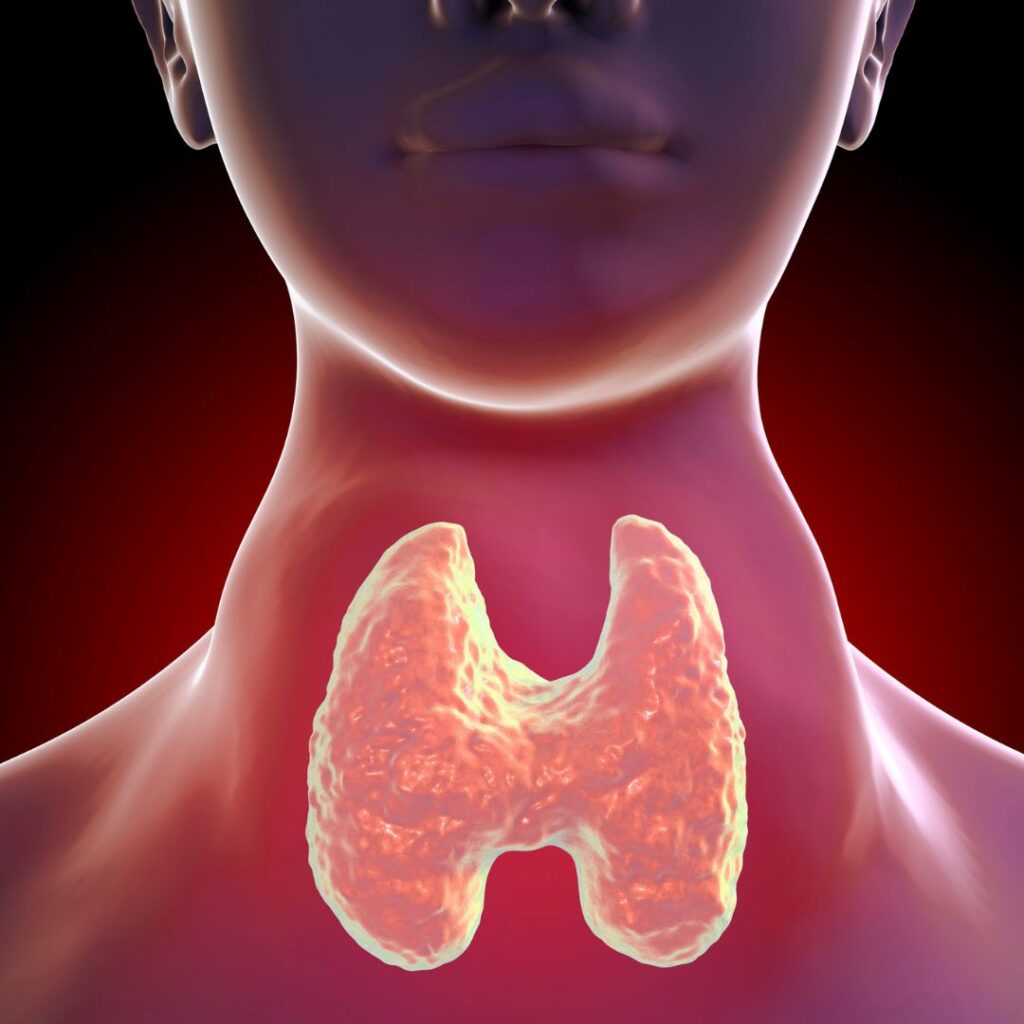
Thyroid hormones play a key role in how your body uses energy, stays warm, and keeps your brain, heart, muscles, and other organs functioning, this is your basal metabolic rate (BMR). They also help regulate metabolism: too much thyroid hormone (hyperthyroidism) can make your metabolism “run fast,” while too little (hypothyroidism) can slow it down.
How Ghrelin and Leptin Affect Appetite
Ghrelin, the “hunger hormone,” is produced in your stomach and tells your brain when it’s time to eat, making you feel hungry. Its levels rise before meals and drop afterward to control short-term appetite. Ghrelin also impacts digestion speed and can influence fat storage. Fun fact: cortisol, the stress hormone, can boost ghrelin levels, leading to a bigger appetite.
Leptin, the “fullness hormone,” is made by fat cells and tells your brain when you’re full and have enough energy. It plays a key role in long-term weight management by reducing hunger and increasing energy expenditure. However, in cases like obesity, the body can become resistant to leptin, leading to ongoing hunger and impaired metabolism, even with high leptin levels.Together, these hormones regulate appetite, digestion, and metabolism, all of which are crucial for managing weight.
How Hormone Imbalance Affects Weight Management
Hormonal imbalances can make weight management more challenging by impacting metabolism, appetite, and fat storage. As weight increases, these imbalances often get worse, creating a cycle that’s hard to break. Balanced sex hormones play an important role in fat distribution, muscle maintenance, and metabolic regulation. As women age, estrogen levels naturally decline, especially after menopause, which can increase the risk of insulin resistance. It’s important to monitor your hormone levels because having too much of either estrogen or testosterone can also contribute to insulin resistance.
Hormone changes can affect energy, metabolism, appetite, and body composition. Learn more about Tucson Wellness MD hormone support and how personalized evaluation may help identify factors affecting overall wellness. Explore hormone therapy options.
Remember that weight gain often leads to insulin resistance, which results in excess glucose being stored as fat. With a disrupted metabolism, your body struggles to burn this stored fat for energy, causing it to accumulate. This fat accumulation disrupts hormonal balance, creating a cycle of ongoing metabolic issues and altered hormone levels.

Medical Weight Loss Support in Tucson
These three factors create a cycle where weight gain worsens insulin resistance and hormonal imbalances, further slowing metabolism and making weight management more challenging. Long-term weight management isn’t just about diet and exercise, it’s about taking a holistic approach to your health. This includes monitoring your hormone levels, eating nutritious foods, staying active, managing stress, getting enough sleep, and reducing exposure to toxins.
By addressing these factors, Tucson Wellness MD focuses on supporting sustainable weight management through a personalized approach. Medical weight loss support may include evaluation of metabolic health, lifestyle habits, nutrition patterns, and other contributors that influence weight changes.
Treatment recommendations depend on individual health history, goals, and medical evaluation.
By addressing these factors, Tucson Wellness MD focuses on supporting sustainable weight management through a personalized approach. Medical weight loss support may include evaluation of metabolic health, lifestyle habits, nutrition patterns, and other contributors that influence weight changes.
Treatment recommendations depend on individual health history, goals, and medical evaluation.
Build a Personalized Weight Management Plan
If losing weight has become difficult despite healthy habits, Tucson Wellness MD can help evaluate factors that may influence metabolism, hormones, and overall wellness.
Schedule a ConsultationFrequently Asked Questions About Weight Loss and Metabolism
Why does weight gain feel so hard to reverse?
Weight gain often creates a cycle involving insulin resistance, slowed metabolism, and hormonal imbalance. Each factor reinforces the others, making fat loss harder even with diet and exercise.
What role does insulin play in weight gain?
Insulin helps move glucose into cells for energy. When insulin levels stay high, excess glucose is stored as fat, especially around the abdomen. High insulin also increases hunger, which leads to overeating.
What is insulin resistance?
Insulin resistance occurs when cells stop responding properly to insulin. The body compensates by producing more insulin, which promotes fat storage and makes weight loss more difficult.
How do hormones affect weight management?
Hormones influence appetite, metabolism, energy balance, and fat distribution. Changes in hormones such as insulin, thyroid hormones, and sex hormones may contribute to challenges with maintaining a healthy weight.
Can insulin resistance make losing weight harder?
Yes. Insulin resistance can affect how the body processes glucose and stores energy. Higher insulin levels may contribute to increased fat storage and make weight management more challenging.
Why is personalized weight management different from dieting?
Personalized weight management considers individual factors such as metabolism, lifestyle habits, health history, and wellness goals instead of relying on a general approach.